

We use cookies to ensure our website works properly and to personalise your experience. Cookies policy
Department of Pharmacy Practice, Spurthy College of Pharmacy, Rajiv Gandhi University of Health Sciences, Bengaluru, Karnataka.
Background: Obesity is a chronic, relapsing disease that drives cardiometabolic dysfunction even in individuals without type 2 diabetes. Excess adiposity contributes to hypertension, dyslipidemia, chronic inflammation, and insulin resistance, all of which increase long-term cardiovascular risk. Glucagon-like peptide-1 receptor agonists have transformed obesity management, and semaglutide 2.4 mg weekly is now established as a potent pharmacotherapy for weight reduction. However, the extent to which semaglutide modifies broader cardiometabolic risk profiles in non-diabetic adults requires consolidated evaluation. Objective: This review aims to synthesize current evidence on the impact of semaglutide on obesity and associated cardiometabolic risk factors in adults without diabetes. Methods: We reviewed randomized controlled trials, open-label extensions, post-hoc analyses, and meta-analyses through 2025 focusing on semaglutide 2.4 mg subcutaneous once weekly for chronic weight management in non-diabetic populations. Primary outcomes included magnitude and durability of weight loss. Secondary outcomes included changes in waist circumference, systolic and diastolic blood pressure, lipid parameters, glycemic markers, inflammatory biomarkers such as hs-CRP, liver enzymes, and estimated 10-year cardiovascular risk. RESULT: In the STEP trials and related studies, semaglutide produced mean weight reductions of 10-15% over 68 weeks versus 2-3% with placebo, with >60% of participants achieving ?10% weight loss. These effects were sustained with continued treatment and were coupled with clinically meaningful reductions in waist circumference. Cardiometabolic improvements occurred largely independent of baseline glucose status and included average reductions of 4-6 mmHg in systolic blood pressure, 10-15% in triglycerides, and 30-40% in hs-CRP. Modest improvements in LDL-C, HDL-C, and insulin sensitivity were also reported. Glycemic parameters remained within the normal range but trended lower. Gastrointestinal symptoms were the most frequently reported adverse events and were typically mild to moderate and transient. Data indicate that discontinuation leads to partial weight regain and attenuation of risk factor benefits. CONCLUSION: In non-diabetic adults with overweight or obesity, semaglutide delivers substantial weight loss and concurrent improvements in blood pressure, adiposity distribution, inflammation, and lipid profiles. These findings support its potential role not only for weight management but also for primary prevention of cardiometabolic disease. Long-term studies are warranted to assess durability and impact on hard cardiovascular endpoints in this population.
Obesity, a chronic disease, and defined as abnormal or excessive fat accumulation that poses a health risk. It presents a major global health challenge, increasing the risk of type 2 diabetes, cardiovascular diseases, and specific cancers, while placing a substantial economic strain on societies.
Obesity is classified by the World Health Organization (WHO) as a chronic, relapsing disease arising from complex interactions between genetics, neurobiology, eating behaviours, access to healthy diet, market forces, and the broader environment. Obesity has become one of the most significant public health challenges of the twenty-first century. Approximately 46% of adult world wide are living with overweight or obesity, a percentage that is expected to increase to 54% by 2035. Excess adipose tissue can lead to multiple obesity-related complications that adversely affects health and increases the risk of cardiovascular disease, hypertension, dyslipidemia, obstructive sleep apnea, certain cancers, and premature mortality. It negatively impacts physical health, mental well-being, and social interactions, thereby reducing health-related quality of life. Rising obesity rates affect both developed and developing nations. Achieving 5 %–15 % weight loss can substantially enhance the quality of life and alleviate obesity-related health issues. Treatment options include lifestyle changes, medication, and bariatric surgery. Although lifestyle modifications form the basis of weight management, sustaining meaningful weight loss through diet, exercise, and behavioral changes alone is often difficult.
Behavioral intervention incorporating modifications in diet and physical activity remains the foundation of treatment for overweight and obesity. However, because behavioral intervention is often not associated with clinically meaningful and sustainable weight loss, pharmacotherapy is recommended as an additional tool for long-term weight management in people with a body mass index (BMI) of at least 30 kg m–2, or at least 27 kg m–2 in those with weight-related comorbidities.
A diagnosis of overweight or obesity is made by measuring people’s weight and height and by calculating the body mass index (BMI): weight (kg)/height² (m²). The body mass index is a surrogate marker of fatness and additional measurements, such as the waist circumference, can help the diagnosis of obesity.
The BMI categories for defining obesity vary by age and gender for adults, adolescents, children and infants.
Obesity (BMI ≥ 30 kg/m2) and overweight (BMI ≥ 27 kg/m2), characterized as chronic diseases and major public health issues are associated with an increased risk of diabetes, hypertension, hyperlipidemia, stroke, and malignant tumor. Sustained clinically meaningful weight loss is a major goal in preventing the progression of diabetes and other obesity-related complications. It is generally known that diet and exercise intervention are the most effective ways to lose weight, but long-term adherence is challenging. The safety and tolerability of anti-obesity drugs are unsatisfactory, consequently limiting clinical use, while the safety concerns and cost of Bariatric surgery also obstruct their application.
Adults
Children
For children, age needs to be considered when defining overweight and obesity.
Children aged between 5–19 years
For children aged 5–19 years:
Children under 5 years of age
For children under 5 years of age:
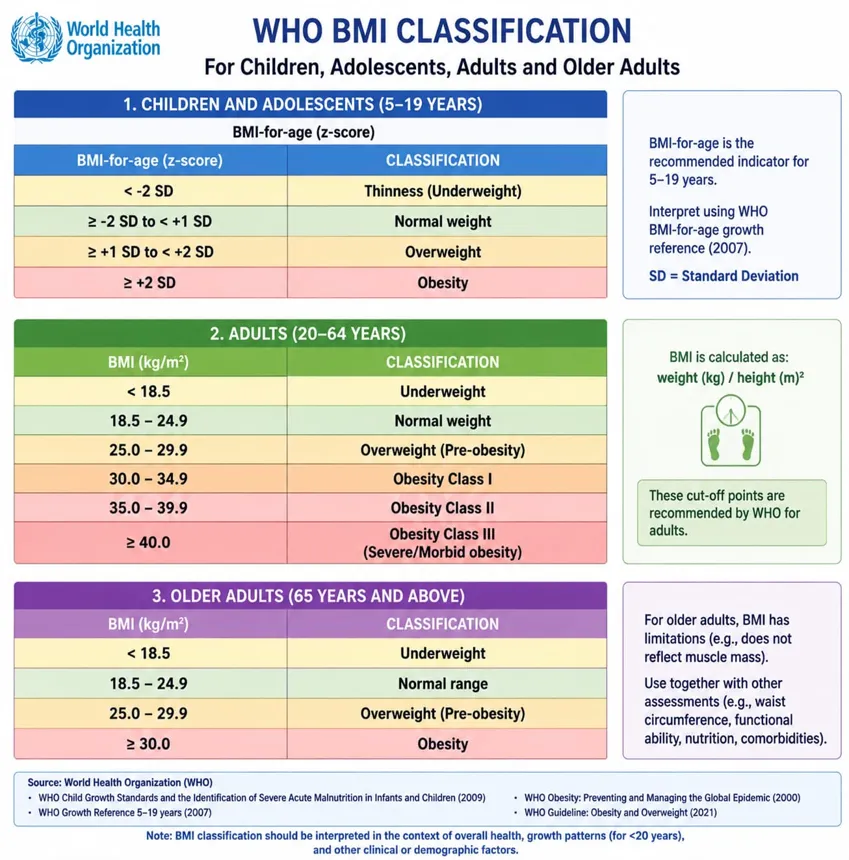
Fig: 1 WHO BMI CLASSIFICATION.
GLP 1; Everything you need to know about GLP-1s for weight loss
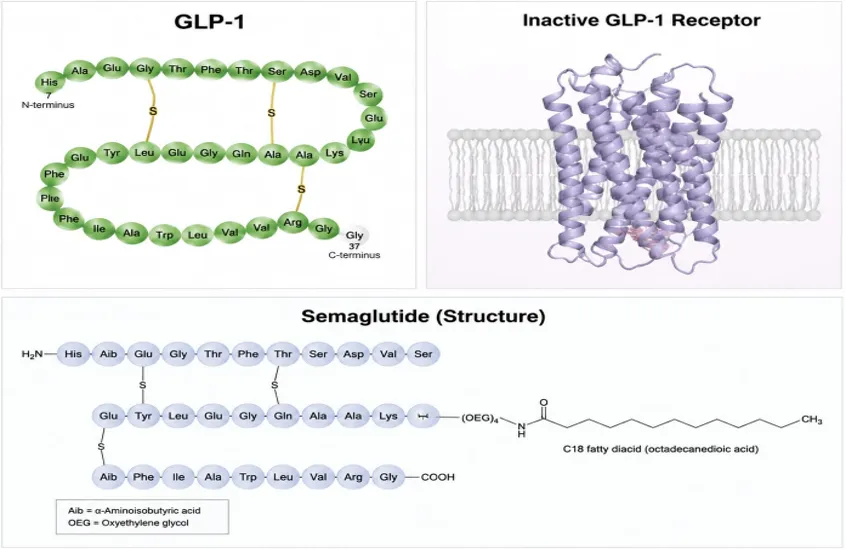
Fig: 2 Structure of GLP 1
Glucagon-like peptide-1 receptor agonists (GLP-1 RAs), recognized for their antidiabetic properties, have been investigated as anti-obesity drugs. They increase insulin secretion, reduce appetite, delay gastric emptying, and modulate dopamine reward pathways to decrease cravings and food intake. These medications bind to GLP-1 receptors in the central nervous system, pancreas, and intestines to regulate hunger and satiety. The US Food and Drug Administration (FDA) has approved daily liraglutide 3mg, weekly semaglutide 2.4mg, and recently, weekly tirzepatide for obesity management. The availability of high dose GLP-1 RAs in both oral and injectable formulations offers promising individualized treatment options. While clinical trials of varying sizes have been conducted to investigate the weight loss efficacy of these drugs, individual studies have varied in design and population and have reported inconsistent weight loss effects. Few head-to-head studies have compared the efficacy and safety of GLP-1 RAs. There is also substantial variability regarding weight loss in patients with diabetes compared to patients without diabetes. This systematic review aimed to provide an overview of the weight loss efficacy and adverse event profile of GLP-1 RAs in two populations: adults with overweight/ obesity with and without T2DM.
Agonists of the glucagon-like peptide-1 (GLP-1) receptor are used in the management of type 2 diabetes and overweight or obesity and have been shown to reduce the risk of major adverse cardiovascular events in patients with type 2 diabetes who are at high cardiovascular risk. `Although these agents affect a broad range of metabolic pathways associated with glucose metabolism, energy homeostasis, and inflammation that might be hypothesized to also improve cardiovascular outcomes among people who do not have diabetes, it is unknown whether GLP-1 receptor agonists can reduce the cardiovascular risk associated with overweight and obesity. Semaglutide, a long-acting analogue of GLP-1, administered at a dose of 2.4 mg subcutaneously once weekly for 104 weeks, was found to reduce body weight by a mean of 1`5.2% among patients with overweight or obesity who did not have diabetes. In the Semaglutide Effects on Cardiovascular Outcomes in People with Overweight or Obesity (SELECT) trial, we tested the hypothesis that the addition of semaglutide to standard care would be superior to placebo in reducing the risk of major adverse cardiovascular events among patients with overweight or obesity and preexisting cardiovascular disease who did not have diabetes.
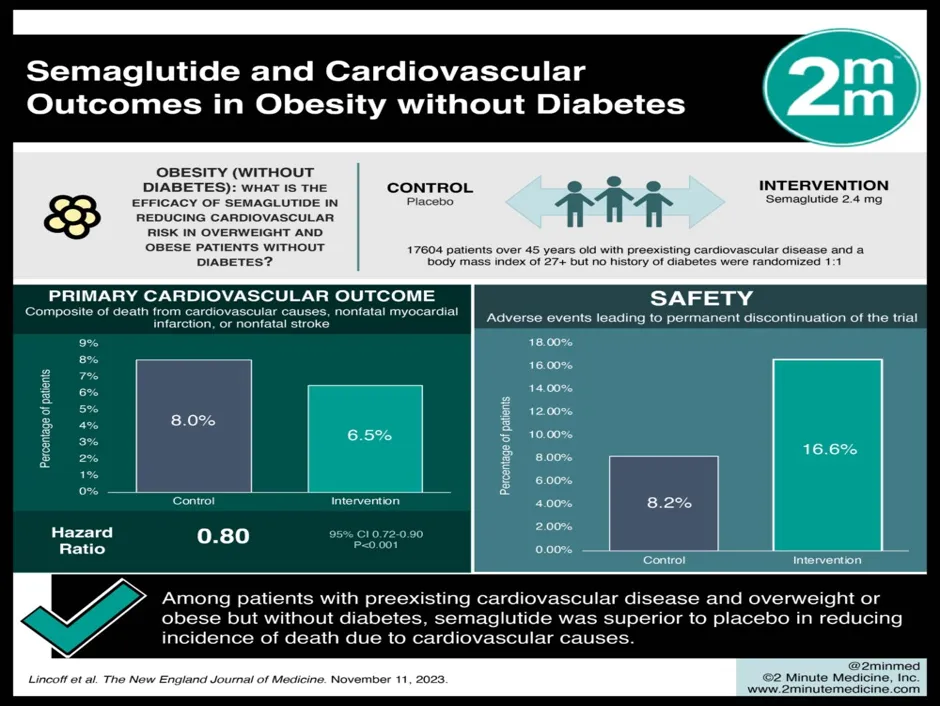
Fig. 03 Semaglutide and Cardiovascular outcomes.
Pharmacotherapy for obesity, as an adjunct to lifestyle intervention, may provide sustained weight reduction, improve health, and ameliorate obesity related complications. The emergence of glucagon-like peptide-1 receptor agonists (GLP-1RAs) has transformed the pharmacological landscape of obesity management. Semaglutide, a long-acting GLP-1RA originally developed for type 2 diabetes, has demonstrated remarkable weight loss efficacy that surpasses that of earlier anti-obesity medications.
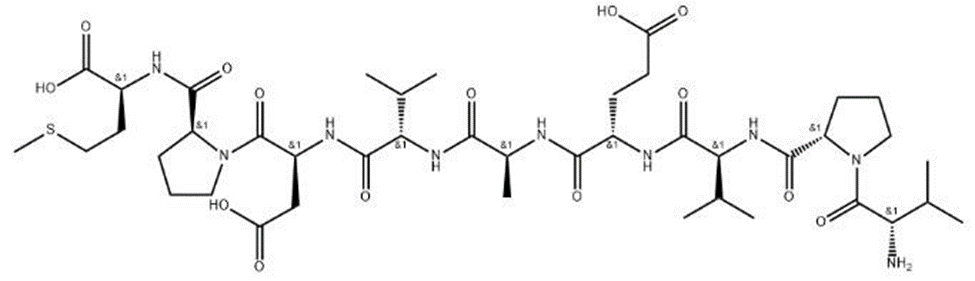
Fig: 4 Structure of semaglutide.
Semaglutide, (fig.03) a glucagon like peptide-1 (GLP-1) receptor agonist, is approved at a dose of 2.4 mg once weekly, administered subcutaneously, for long-term weight management and cardiovascular risk reduction. The approval of semaglutide was based on findings from the global phase 3 STEP (Semaglutide Treatment Effect in People with Obesity) program and the SELECT (Semaglutide Effects on Cardiovascular Outcomes in People with Overweight or Obesity) trial, which showed clinically significant body weight reductions of 9.6 to 17.4% in persons with overweight or obesity with or without diabetes, as well as reductions in cardiometabolic risk factors and in cardiovascular events.
Meta-analyses evaluating the efficacy and safety between semaglutide and placebo in obese patients have been conducted previously and both explored the weight loss effect of once-weekly semaglutide for obesity, involving patients with or without diabetes. The study in non-diabetic patients intriguingly, but only contained three or four RCTs about semaglutide and placebo. Additionally, all the aforementioned studies focused on 2.4 mg dosed semaglutide and placebo. In order to explore the role of semaglutide as a conventional weight-lowering drug for obese patients without diabetes, as well as the relationship between the dose of semaglutide and efficacy, and the other potentially beneficial effects, a latest and comprehensive meta-analysis based on different doses was carried out to assess the weight loss effect between semaglutide and placebo in obese or overweight patients without diabetes, further providing more favourable strategies for clinical individualized medication with obesity.
MECHANISM OF ACTION OF SEMAGLUTIDE ON OBESITY:
Semaglutide interacts with and activates the GLP 1 receptor, a type of G protein-coupled receptor located on pancreatic β-cells, in the brain and within the gastrointestinal tract. This interaction initiates intracellular signalling pathways. It stimulates adenyl cyclase, which results in an increase in cyclic adenosine monophosphate, subsequently activating protein kinase A along with other signalling routes. Consequently, insulin secretion is elevated as a result. Therefore, semaglutide sets off a series of physiological reactions that are integral to its therapeutic benefits. This activation is fundamental to semaglutide’s mechanism, affecting various systems throughout the body. *(fig.04)
Semaglutide delays gastric emptying, enhancing the sensation of fullness during meals and helping lower calorie intake. This effect, along with its impact on the brain's appetite centers, is vital to the drug's effectiveness in promoting weight loss beyond just slowing gastric emptying, semaglutide also affects the appetite center in the hypothalamus by reducing the desire to eat high calorie, appealing foods. This comprehensive approach to controlling appetite makes it an effective tool for managing weight. *(fig.04)
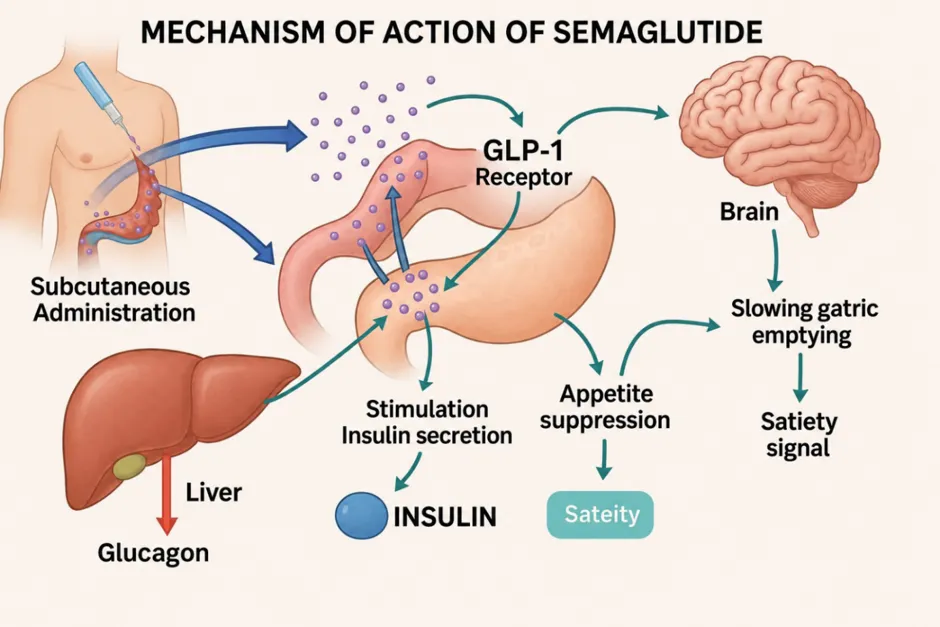
Fig: 5 Mechanism of action of Semaglutide.
REVIEW OF LITERATURE:
Amina Wahbi, et al, 2023 was conducted a study on adults with obesity that they can achieve weight loss with an adjunct to lifestyle intervention. In this a clinical case report of a 29year old female have been studied who tried weekly semaglutide with lifestyle intervention. A baseline mental and physical health and did a biweekly follow up with her. This was over 6 months period from September 2022 to march 2023. A consent form from the patient regarding the outcome of the semaglutide was obtained. The patient was able to lose 16.3% (reduced about 12.1kg) of body weight in 6 months, dropping her body weight from 74.3kg to 61.2kg with a decrease in her BMI from 29.3 to 23.9. With a significant improvement in mental and physical health, particularly an improvement in her depression, generalized anxiety and ADHD symptoms. This study concludes saying that in participant with overweight or obesity, 0.5-1.0mg of semaglutide once weekly and also lifestyle intervention was associated with sustained, clinically relevant reduction in body weight.
Domenica M. Rubino et al., 2022 conducted a phase 3b randomized, open-label clinical trial to compare the efficacy and safety of once-weekly subcutaneous semaglutide 2.4 mg with once-daily subcutaneous liraglutide 3.0 mg in adults with overweight or obesity. The study, published on January 11, 2022, included 338 participants with a mean age of 49 ± 13 years, mean body weight of 104.5 ± 23.8 kg, and mean body mass index (BMI) of 37.5 ± 6.8 kg/m². Among the participants, 265 (78.4%) were women. A total of 319 (94.4%) participants completed the trial, while 271 (80.2%) completed the treatment. The study reported that the mean percentage reduction in body weight from baseline was significantly greater with semaglutide (-15.8%) compared to liraglutide (-6.4%), with a treatment difference of -9.4 percentage points (95% CI: -12.0 to -6.8; P < 0.001). Weight reduction in the pooled placebo group was -1.9%. Participants receiving semaglutide had significantly higher odds of achieving ≥10%, ≥15%, and ≥20% weight loss than those receiving liraglutide, with 70.9% vs 25.6%, 55.6% vs 12.0%, and 38.5% vs 6.0%, respectively (P < 0.001 for all comparisons). Treatment discontinuation for any reason occurred in 13.5% of the semaglutide group and 27.6% of the liraglutide group. Gastrointestinal adverse events were the most commonly reported side effects, occurring in 84.1% of participants receiving semaglutide and 82.7% of those receiving liraglutide. The study concluded that once-weekly semaglutide was significantly more effective than once-daily liraglutide in achieving weight loss, while both treatments demonstrated comparable gastrointestinal safety profiles.
Hiba Bawadi: et al 2024 was conducted the study of 327 Multiple studies were conducted to evaluate the ability of semaglutide to maintain weight loss on adults A growing body of evidence demonstrates that semaglutide is highly effective in the management of obesity in adults, producing significant weight loss while improving long-term weight control. However, maintaining weight loss after discontinuation remains a major challenge. In the extension of the STEP 1 trial involving 327 participants, individuals treated with semaglutide achieved a mean weight loss of 17.3%, compared with 2.0% in the placebo group. After treatment discontinuation, participants regained 11.6% of their lost weight, whereas the placebo group regained only 1.9%, indicating that nearly two-thirds of the weight lost with semaglutide was regained after stopping therapy. Similarly, the STEP 4 trial showed that participants who continued semaglutide treatment experienced an additional 7.9% reduction in body weight, while those switched to placebo despite lifestyle interventions gained 6.9% of their body weight over 12 months, demonstrating the importance of continued therapy for sustained weight management. Semaglutide has also shown promising results in adults experiencing weight regain after bariatric surgery. In a retrospective study of 50 patients, treatment with semaglutide (1 mg weekly subcutaneous injection or 14 mg oral daily) for six months resulted in an average loss of 8.8% of total body weight and a 2.9 kg/m² reduction in BMI, reversing approximately two-thirds of the weight regained following surgery. Additional studies have confirmed its effectiveness in reducing postoperative weight regain and promoting further weight loss. Furthermore, comparative reviews suggest that semaglutide is an effective non-invasive alternative for obesity management, with weight-loss outcomes approaching those achieved through bariatric surgery in selected patients. Overall, the evidence indicates that semaglutide is a highly effective treatment for adult obesity, but its long-term benefits are best maintained with continued therapy.
Kunal Mahajan: et al 2025 was conducted the study of 24,859 Multiple studies were conducted to evaluate the ability of semaglutide to maintain weight loss on adults A recent systematic review and meta-analysis of 59 real-world studies involving 24,859 adults demonstrated that oral semaglutide is an effective treatment for obesity and weight management in adults with type 2 diabetes. Participants experienced an average weight reduction of 4.38 kg after 6 months and 5.96 kg after 12 months of treatment, alongside significant improvements in glycated hemoglobin (HbA1c), body mass index (BMI), blood pressure, and lipid profiles. The review also reported a favorable safety profile, with gastrointestinal adverse events being the most common; overall adverse events occurred in 28.9% of patients, while treatment discontinuation due to adverse effects was relatively low (8.7%). Importantly, the efficacy and safety of oral semaglutide were consistent across both Asian and non-Asian populations. These findings suggest that oral semaglutide is an effective and well-tolerated option for reducing body weight and improving cardiometabolic health in adults with obesity, with real-world outcomes comparable to those observed in randomized clinical trials.
Sean Wharton; et al 2025 was conducted the study of 205 Multiple studies were conducted to evaluate the ability of semaglutide to maintain weight loss on adults. A total of 205 participants were randomly assigned to receive oral semaglutide, and 102 to receive placebo. The estimated mean change in body weight from baseline to week 64 was −13.6% in the oral semaglutide group and −2.2% in the placebo group (estimated difference, −11.4 percentage points; 95% confidence interval, −13.9 to −9.0; P<0.001). Participants in the oral semaglutide group were significantly more likely than those in the placebo group to have body-weight reductions of 5% or more, 10% or more, 15% or more, and 20% or more (P<0.001 for all comparisons) and to have an improved IWQOL-Lite-CT Physical Function score (P<0.001). Gastrointestinal adverse events were more common with oral semaglutide than with placebo (74.0% vs. 42.2%).
Michael Lincoff, M.D. et.al 2023. The study was carried out as such in a way at multicenter, double-blind, randomized, placebo-controlled, event-driven superiority trial, the study was enrolled patients 45 years of age or older who had preexisting cardiovascular disease and a body-mass index (the weight in kilograms divided by the square of the height in meters) of 27 or greater but no history of diabetes. Patients were randomly assigned in a 1:1 ratio to receive once-weekly subcutaneous semaglutide at a dose of 2.4 mg or placebo. The primary cardiovascular end point was a composite of death from cardiovascular causes, nonfatal myocardial infarction, or nonfatal stroke in a time-to-first-event analysis. Safety was also assessed. A total of 17,604 patients were enrolled; 8803 were assigned to receive semaglutide and 8801 to receive placebo. The mean (±SD) duration of exposure to semaglutide or placebo was 34.2±13.7 months, and the mean duration of follow-up was 39.8±9.4 months. A primary cardiovascular end-point event occurred in 569 of the 8803 patients (6.5%) in the semaglutide group and in 701 of the 8801 patients (8.0%) in the placebo group (hazard ratio, 0.80; 95% confidence interval, 0.72 to 0.90; P<0.001). Adverse events leading to permanent discontinuation of the trial product occurred in 1461 patients (16.6%) in the semaglutide group and 718 patients (8.2%) in the placebo group (P<0.001), *[Fig. 03]. In patients with preexisting cardiovascular disease and overweight or obesity but without diabetes, weekly subcutaneous semaglutide at a dose of 2.4 mg was superior to placebo in reducing the incidence of death from cardiovascular causes, nonfatal myocardial infarction, or nonfatal stroke at a mean follow-up of 39.8 months.
METHODS
This review was conducted following general principles of systematic narrative synthesis to summarize the current evidence on semaglutide in non-diabetic adults with overweight or obesity.
1. Search Strategy
We performed a comprehensive literature search of PubMed, Embase, Scopus, and http://ClinicalTrials.gov for articles published from January 2015 through June 2025. The search combined MeSH terms and keywords related to: `semaglutide`, `GLP-1 receptor agonist`, `obesity`, `overweight`, `weight management`, `cardiometabolic risk`, `blood pressure`, `dyslipidemia`, and `inflammation`. The search was limited to human studies in adults ≥18 years and published in English. Reference lists of relevant reviews and included trials were hand-searched for additional studies.
2. Study Selection Criteria
Inclusion criteria:
Exclusion criteria
3. Data Extraction
Two reviewers independently screened titles, abstracts, and full texts. Disagreements were resolved by consensus. Data extracted included: study design, population characteristics, intervention dose and duration, mean change in body weight and waist circumference, and changes in systolic/diastolic blood pressure, fasting glucose, HbA1c, lipid profile (TC, LDL-C, HDL-C, TG), hs-CRP, liver enzymes, and adverse events. Where available, data on estimated 10-year ASCVD risk were also extracted.
4. Quality Assessment
Risk of bias for RCTs was assessed using the Cochrane Risk of Bias Tool 2.0. For meta-analyses, AMSTAR-2 was applied. Real-world and observational studies were evaluated with the Newcastle-Ottawa Scale.
5. Data Synthesis
Due to heterogeneity in study designs and reported outcomes, a quantitative meta-analysis was not performed. Instead, we present a narrative synthesis grouped by outcome domain: 1) Weight and adiposity, 2) Blood pressure and vascular parameters, 3) Lipids and glycemic control, 4) Inflammation and hepatic markers, and 5) Safety and tolerability. Key findings from the STEP 1-5 and SELECT trials were emphasized as they represent the largest datasets in non-diabetic populations.
CONCLUSION
In non-diabetic adults with overweight or obesity, semaglutide does more than help people to lose weight-it gently shifts the whole cardiometabolic picture in a healthier direction. Across major trials and real-world studies, people typically lost about 13-17% of their starting weight over 1-1.5 years, with many also seeing smaller waistlines, lower blood pressure, better cholesterol patterns, improved liver enzymes and modest improvements in blood sugar markers even though they didn’t have diabetes. In those with existing heart diseases, semaglutide reduced the risk of major cardiovascular events (heart attack, stroke or cardiovascular death) by about 20% over roughly three years, suggesting these metabolic changes translate into real heart protection.
At the same time, most side effects were gastrointestinal (nausea, vomiting, diarrhea), usually manageable but enough to mean the drug isn’t suitable for everyone and works best as part of a longer-term plan with lifestyle support. Benefits also tended to fade if treatment was stopped, underscoring that this is a chronic therapy rather than a short “detox”.
So, that semaglutide offers a powerful, evidence-based option to reduce obesity and lower cardiometabolic risk in non-diabetic adults, with meaningful weight loss, improvements in blood pressure, lipids and inflammatory risks and also even fewer cardiovascular events in higher-risk groups, but it requires careful patient selection, ongoing monitoring and realistic expectations about long-term use and side effect.
REFERENCES






R Sumithra, Arun Kumar K, Manoj Irappa K, Ananda S, Mohammad Saqib Wani, Jiji K, Impact of Semaglutide on Obesity and Cardio Metabolic Risk Factors in Non-Diabetic Adult, Int. J. of Pharm. Sci., 2026, Vol 4, Issue 8, 1870-1883. https://doi.org/10.5281/zenodo.21891388
 10.5281/zenodo.21891388