

We use cookies to ensure our website works properly and to personalise your experience. Cookies policy
1Assistant Professor, Department of Pharmacology, Shantha College of Pharmacy, Peresendra, Chikkaballapur-562104, Karnataka, India
2,3Student, Shantha College of Pharmacy, Peresendra, Chikkaballapur -562104, Karnataka, India
4Assistant Professor, Department of Pharmacy Practice, Shantha College of Pharmacy, Peresendra, Chikkaballapur-562104, Karnataka, India.
5Assistant Professor, Department of Pharmaceutics, Shantha College of Pharmacy, Peresendra, Chikkaballapur-562104, Karnataka, India
Combretum indicum, commonly known as Rangoon creeper or Madhu Malati in India. It is a medicinal plant climbing plant belonging to the family Combretaceae and has been extensively used in traditional systems of medicine for the treatment of various ailments. The plant possesses significant pharmacognostic characteristics that aid in its identification and standardization, including distinctive morphological and microscopic features, along with characteristic physicochemical parameters. Phytochemical investigations have revealed the presence of diverse bioactive constituents such as flavonoids, alkaloids, tannins, phenolic compounds, saponins, terpenoids, steroids, glycosides, anthocyanins, carotenoids, and other secondary metabolites that contribute to its therapeutic potential. Experimental studies have demonstrated a broad spectrum of pharmacological activities, including antioxidant, anti-inflammatory, antimicrobial, antifungal, antiparasitic, antidiabetic, analgesic, wound-healing, hepatoprotective, immunomodulatory, and anticancer effects, supporting its traditional medicinal applications. In addition, the characteristic color transition of its flowers is associated with variations in pigment composition, particularly anthocyanins and chlorophyll derivatives, reflecting its rich phytochemical profile. This review consolidates the available literature on the pharmacognostic properties, phytochemical constituents, and pharmacological activities of Combretum indicum, emphasizing its importance as a valuable source of bioactive compounds and highlighting its potential for the development of safe and effective plant-based therapeutic agents
Medicinal plants have served as an important source of health care for centuries and continue to play a significant role in modern drug discovery due to their rich content of biologically active compounds. Among these medicinal plants, Combretum indicum, formerly known as Quisqualis indica L., The term Quisqualis, which pertains to stem and plants parts of different colors, comes from Malay and Udani. The term indica means Indian. Other names for it are Basanti Lata and Rangoon creeper in English and Madhu Malti in Kannada. It is most dominantly found in certain parts of India such as the Southern parts of Karnataka, Kerala, Tamil Nadu and Hyderabad. It has gained considerable attention because of its extensive use in traditional medicine and its diverse therapeutic potential. The plant belongs to the family Combretaceae and is widely distributed in tropical and subtropical regions, where it is cultivated as both an ornamental and medicinal species.
Different parts of Combretum indicum, including the leaves, flowers, fruits, seeds, stems, and roots, have traditionally been used to treat fever, intestinal worm infections, skin disorders, inflammation, gastro intestinal, diseases, diabetes, and microbial infections. Recent scientific studies have confirmed that these medicinal properties are associated with the presence of various phytoconstituents such as flavonoids, alkaloids, tannins, phenolic compounds, terpenoids, saponins, glycosides, steroids, and anthocyanins. Pharmacognostic evaluation is necessary for the proper identification, authentication, and quality control of medicinal plants, ensuring their safety and effective use. Furthermore, several pharmacological investigations have demonstrated that C. indicum possess antioxidant, antimicrobial, anti-inflammatory, antidiabetic, hepatoprotective, wound-healing, immunomodulatory, and anticancer activities, supporting its traditional therapeutic applications.
GEOGRAPHICAL DISTRIBUTION
Combretum indicum, formerly known as Quisqualis indica L., is native to tropical Asia, with its center of origin believed to be India, Myanmar, and Malaysia. Owing to its ornamental beauty and adaptability, the plant is now widely distributed throughout tropical and subtropical regions of the world. It is most commonly found in countries such as Bangladesh, China, Thailand, Indonesia, Malaysia, the Philippines, Sri Lanka, and India, and has also been introduced introduced into Australia, South Africa, Brazil, Argentina, Bermuda, the Caribbean, and parts of United states. The species grow best in warm, humid climates at low altitudes, where temperatures generally range between 20°C and 35°C, and prefers fertile, well-drained soils with a slightly acidic to neutral PH (6.0-7.5). Although sensitive to frost and prolonged cold conditions, it flourishes in full sunlight or partial shade and is frequently cultivated in gardens, parks, hedges, forest margins, and along fences as an ornamental c limber. In India, C. indicum is widely distributed across states including Karnataka, Kerala, Tamil Nadu, Maharashtra, West Bengal, Andhra Pradesh, Telangana, Assam, Rajasthan, and Uttar Pradesh, where favourable environmental conditions support its vigorous growth and abundant flowering.
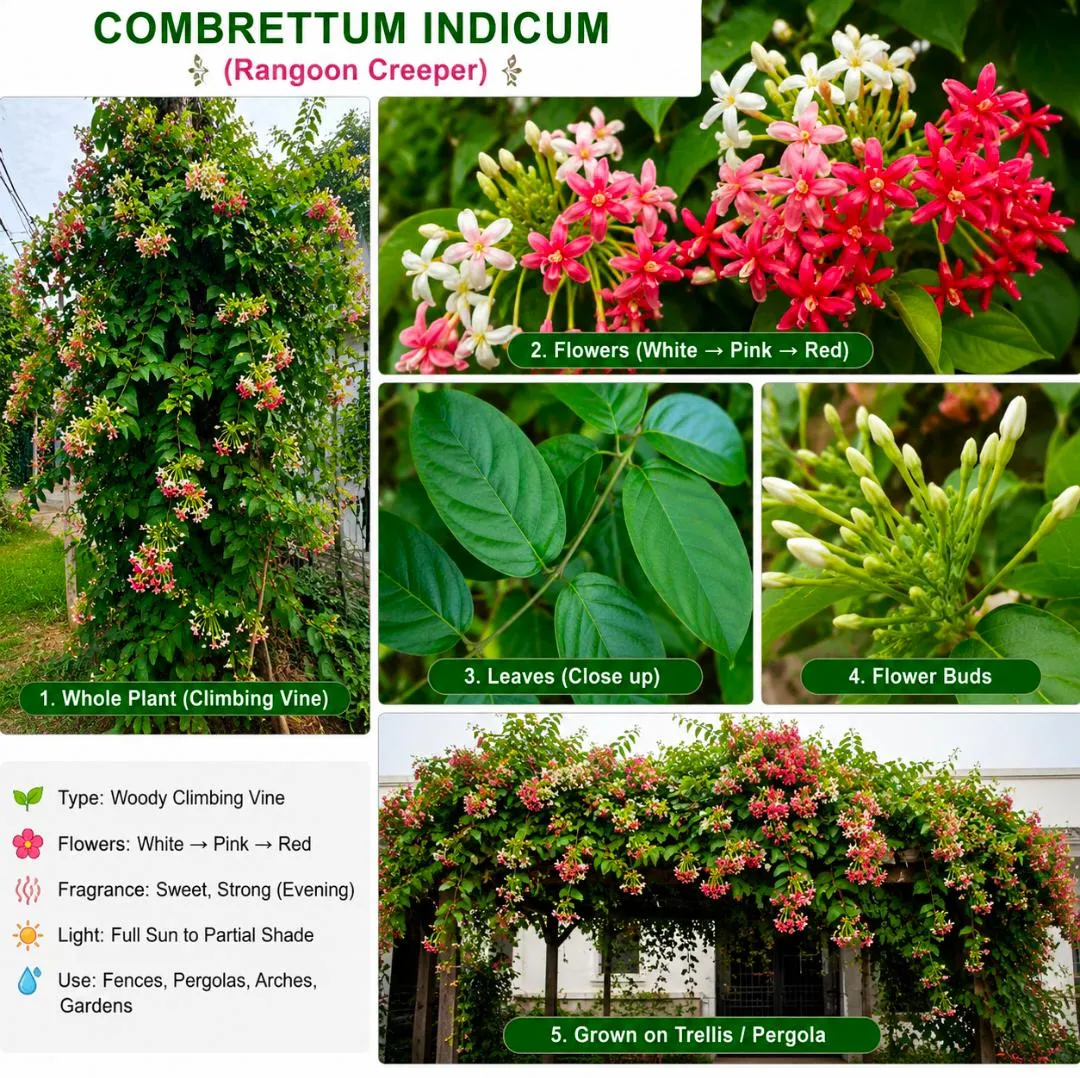
Fig. No. 1: Combretum indicum Plant
BOTANICAL PROFILE
Combretum indicum(L)., formerly known as Quisqualis indica L., is a perennial woody climber belonging to the family Combretaceae. The plant exhibits a vigorous twining growth habit and develops long, slender, branched stems that climb by winding around nearby supports. Its leaves are simple, opposite, elliptic, to ovate, with an entire margin, an acute apex, and a smooth, glossy green surface. The inflorescence consists of dense clusters of tubulars, five-lobed flowers that are highly fragrant, especially during the evening. A distinctive botanical feature of the species is the gradual change in flower colour from white to pink and finally deep crimson red as the flowers mature. The fruit is a dry, ellipsoidal to oblong, five- ridged structure enclosing a single seed. The plant produces abundant foliage and flowers during the growing season, making it an attractive ornamental climber commonly trained over trellises, pergolas, walls, and fences.
STATUS OF MEDICINAL PLANT IN INDIA
Combretum indicum L., commonly known as Rangoon creeper or Madhumalati, is recognized as an important medicinal plant in India and has been used in traditional systems of medicine such as Ayurveda, Siddha, Unani and folk medicine. The plant is widely cultivated across tropical and subtropical regions of the country, both of its ornamental and medicinal importance. Different parts of the plant, including the leaves, flowers, fruits, seeds, roots, and bark, are utilized for the treatment of various ailments. In India, C. indicum is used traditionally mainly as worm-expelling medicine; the seeds are commonly taken as an anti-helminthic, and leaves are also used for dysentery, indigestion, and some pain-related complaints. Its flowers, leaves, fruits, and roots are mentioned in Indian traditional use for conditions such as fever, skin problems, vomiting, and parasitic infections. Ayurvedic use also describing it as supportive for digestion, inflammation, and respiratory complaint. As for its status in India, it is best described traditional and ethnomedicinal medicinal plant rather than a fully standardized official drug, meaning it is recognized in folk practices and research but is not broadly established as a major pharmacopeial medicine.
TAXONOMICAL CLASSIFICATION
Kingdom: Plantae
Phylum: Angiosperm
Division: Magnoliophyte
Class: Magnoliopsida
Order: Myrtales
Family: Combrataceae
Genus: Combretum
Species: C. indicum
Binomial Name: Combretum indicum (L.)
Synonym: Quisqualis indica L
CULTIVATION DETAILS
Combretum indicum is propagated mainly through seeds, stems cuttings, and air layering, with stem cuttings being the most common method because they establish quickly and retain the characteristics of the parent plant. Before planting, the soil is enriched with organic manure or compost to promote healthy growth. Young plant requires regular watering until they become established, while mature plants need only moderate irrigation and should be protected from water logging. As a climbing species, the plant requires support such as trellises, fences, pergolas, or stakes for proper growth and development. Periodic pruning helps maintain the desired shape, encourages branching, and enhances flowering. The application of balanced organic or inorganic fertilizers during the growing season further improves plant vigour and flower production. Under proper cultivation practices, the plant grows rapidly and produces abundant flowers and fruits.
PLANT MORPHOLOGY
Combretum indicum is a woody climbing shrub with a vigorous twining habit. The plant grows by climbing over nearby trees, fences, or other supports and may reach a height of 8-10m under favourable conditions. Its dense foliage and profuse flowering make it a popular ornamental species.
Fig. No. 2: Combretum indicum Stem
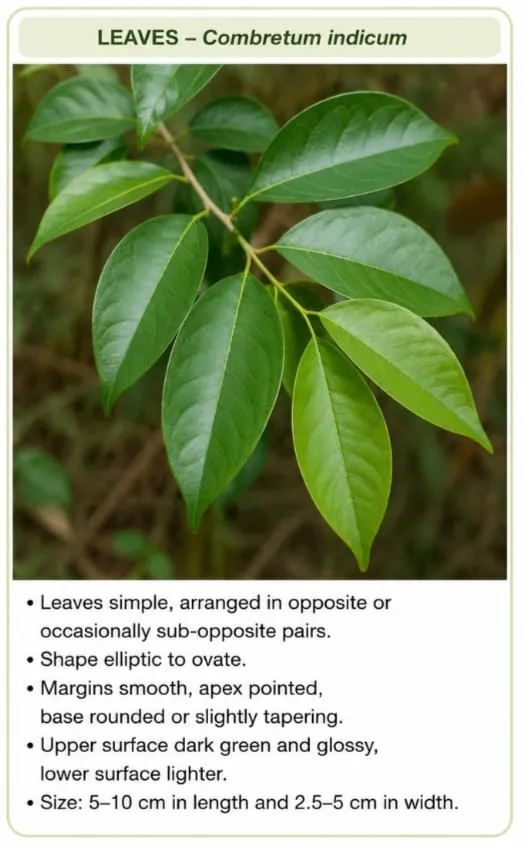
Fig. No. 3: Combretum indicum Leaf
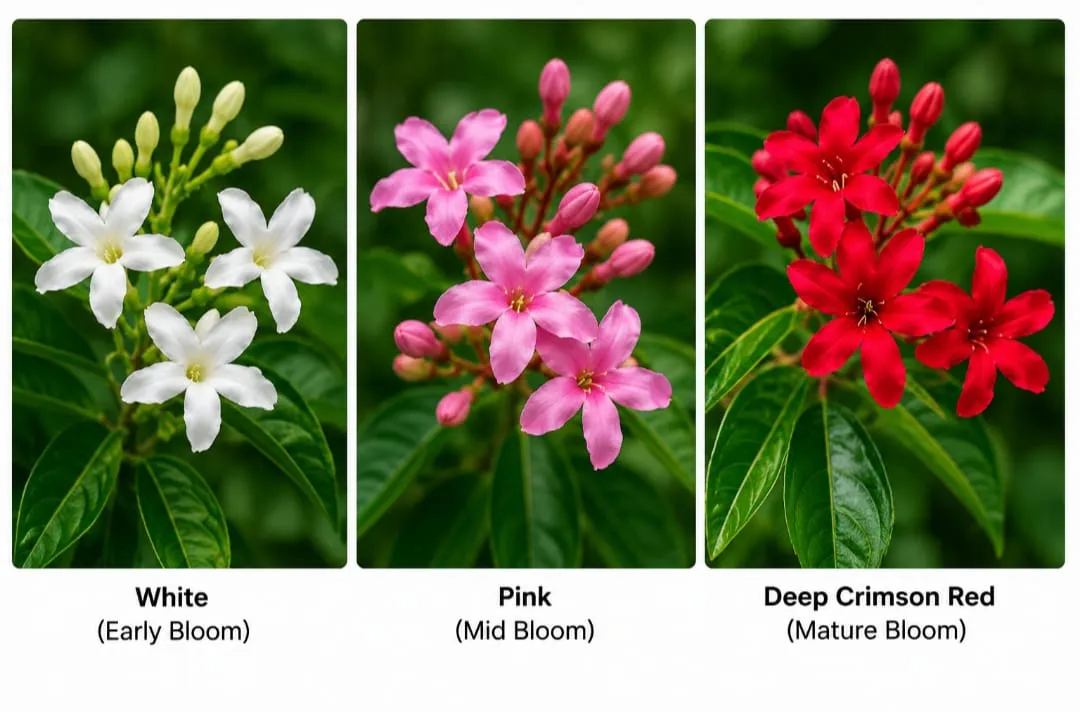
Fig. No. 4: Combretum indicum Flower
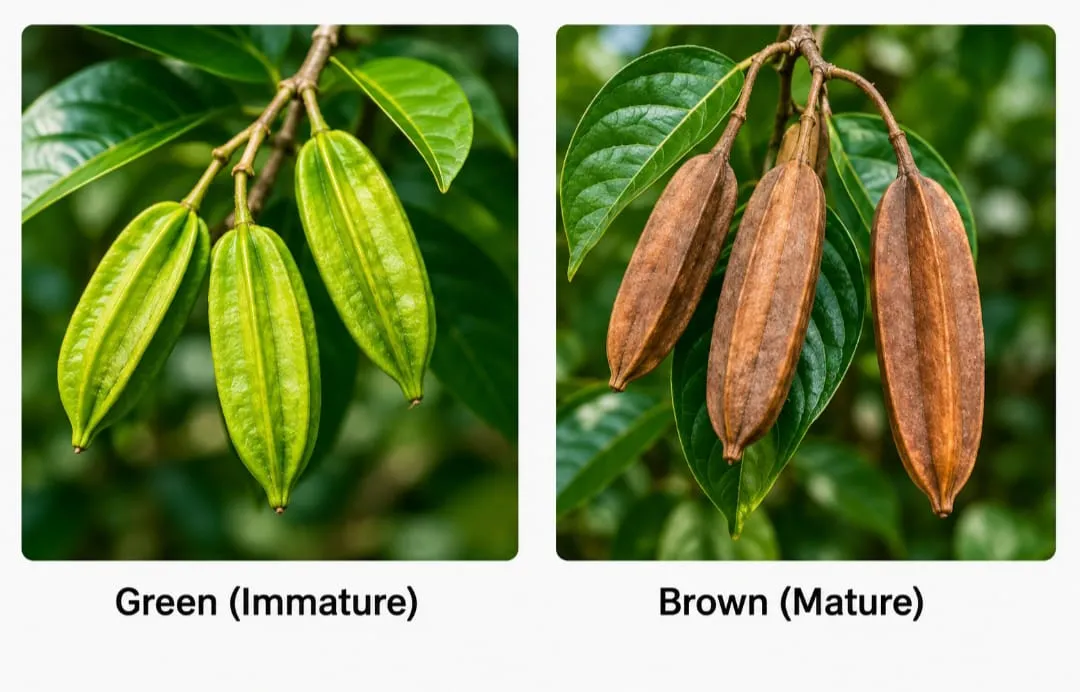
Fig. No. 5: Combretum indicum Fruit
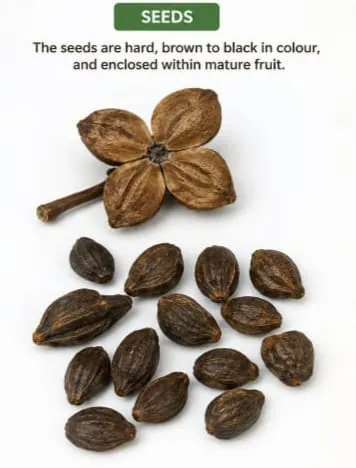
Fig. No. 6: Combretum indicum Seeds
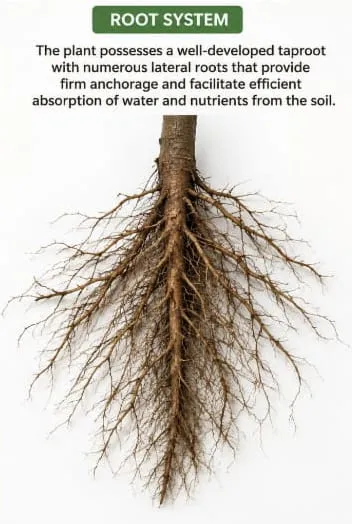
Fig. No. 7: Root System of Combretum indicum
CHEMICAL CONSTITUENTS:
Combretum indicum (L.) De Filipps is a rich source of diverse phytochemicals that are responsible for its broad spectrum of pharmacological activities. Different parts of the plant, including the leaves, flowers, fruits, seeds, stems, and roots, contain numerous bioactive compounds such as alkaloids, flavonoids, phenolic compounds, tannins, triterpenoids, saponins, sterols, glycosides, carbohydrates, amino acids, proteins, and fatty acids. These constituents contribute significantly to the plant's antioxidant, antimicrobial, anti-inflammatory, anthelmintic, hepatoprotective, antidiabetic, anticancer, and immunomodulatory properties.
Several important compounds have been identified from C. indicum, including Quisqualis acid, rutin, quercetin, kaempferol, pelargonidin-3-glucoside, gallic acid, vanillin, nudifloric acid, Asiatic acid, oleanolic acid, β-sitosterol, trigonelline, L-proline, and L-asparagine. Fatty acids such as linoleic acid, oleic acid, palmitic acid, stearic acid, myristic acid, and arachidic acid are mainly present in the seeds, where they occur as fixed oils. The plant also contains aromatic compounds, phenolic glycosides, diphenyl propanoids, and triterpenoid derivatives, which further enhance its medicinal value.
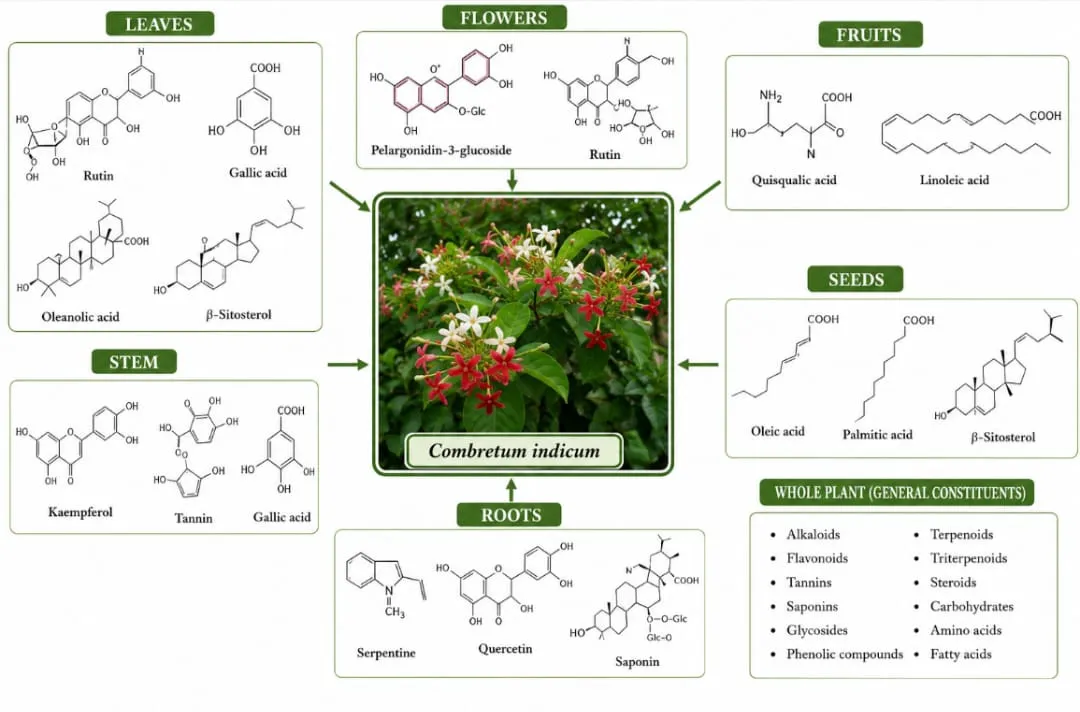
Fig. No. 8: Phytochemical Constituents of Combretum indicum
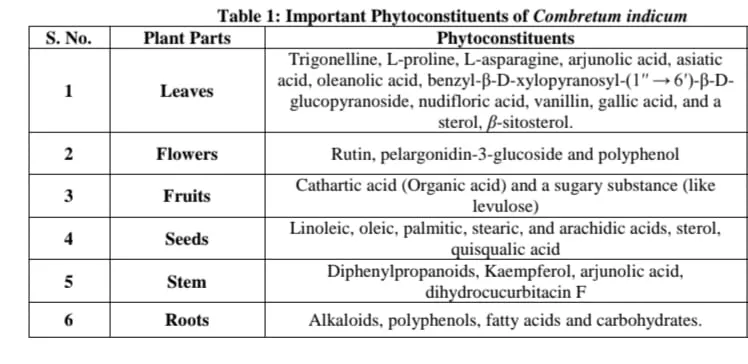
Table. No. 1: Phytochemical Constituents of Combretum indicum
PHARMACOLOGICAL ACTIVITIES:
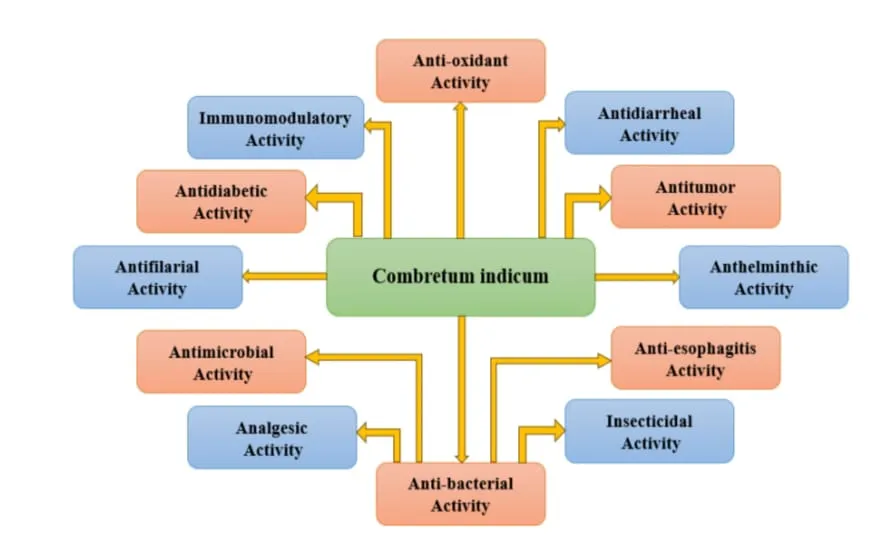
Fig. No. 7: Pharmacological activities of Combretum indicumCmbretum(L.) De Filipps shows considerable antioxidant activity as a result of the presence of a number of bioactive phytochemicals, especially flavonoids, phenolic acids, tannins, triterpenoids, and anthocyanins. These substances guard cells against oxidative damage by neutralising reactive oxygen species (ROS) and reactive nitrogen species (RNS), which play a role in the development of chronic diseases including cancer, diabetes mellitus, cardiovascular disorders, neurodegenerative diseases, and inflammatory conditions. The antioxidant properties of C. indicum have been shown by means of a number of in vitro tests, such as scavenging of DPPH (2,2-diphenyl-1-picrylhydrazyl) radicals, decolorization of ABTS radical cations, ferric reducing antioxidant power (FRAP), scavenging of nitric oxide, scavenging of hydrogen peroxide, and inhibition of lipid peroxidation. Extracts made from the leaves, the flowers, and the seeds generally exhibit greater antioxidant activity due to their high content of phenolics and flavonoids.
The main antioxidant components that have been reported from C. indicum are:
Flavonoids: Rutin, quercetin, kaempferol
Phenolic compounds: Gallic acid, vanillin, polyphenols
Triterpenoids: Asiatic acid, arjunolic acid, oleanolic acid
Anthocyanins: Pelargonidin-3-glucoside
Tannins
The compounds reduce oxidative stress and help to maintain cellular homeostasis either on their own or in combination.
Mechanism of Antioxidant Action: The antioxidant activity of Combretum indicum occurs through multiple mechanisms:
Mechanism of Action: The antibacterial effects of Combretum indicum are mainly due to its polyphenols, flavonoids, tannins, and alkaloids. These phytochemicals work by disrupting the bacterial cell membranes, increasing membrane permeability, interfering with the synthesis of proteins and nucleic acids, inhibiting essential metabolic enzymes, and causing oxidative stress in the bacterial cells. The antioxidant properties of the polyphenols also contribute to a reduction of oxidative damage while restricting bacterial growth. Moreover, the plant extract can inhibit biofilm formation, thus decrease bacterial resistance and improve the effectiveness of the antimicrobial action.
Combretum indicum has for a long time been employed in traditional medicine as a remedy for intestinal worm infections. Experimental research employing earthworms as a model organism has verified its anthelmintic properties. Different extracts of the plant have been found to cause paralysis of the worms followed by their death in a dose-dependent way. In a number of studies, the plant extracts showed activity that was either comparable to or better than that of standard anthelmintic drugs like albendazole, which thus supports its use in traditional medicine.
Mechanism of Action: The main anthelmintic properties of Combretum indicum are due to tannins, flavonoids, alkaloids, saponins, and terpenoids. These tannins bind to the proteins found on the worm's cuticle and in its gastrointestinal tract, which hinders the animal's ability to absorb nutrients and impairs its energy metabolism. The alkaloids disrupt the integrity of the cells and damage the parasite's tissues, whereas the flavonoids and terpenoids have an effect on neuromuscular coordination causing paralysis. Saponins cause an increase in membrane permeability, resulting in cell damage and death. Moreover, these phytochemicals may reduce parasite survival by undermining their defence mechanisms and stopping them from growing and reproducing normally.
Combretum indicum has shown promising antifilarial activity against the parasites that cause lymphatic filariasis. Research has examined ethanolic and hydroethanolic extracts made from the leaves and flowers with respect to both the microfilariae and the adult female worms of Brugia malayi. The antiparasitic effect was measured using motility inhibition assays and the MTT reduction assay, both of which evaluate parasite viability. Of the various extracts, the hydroalcoholic flower extract exhibited the greatest activity since it was able to greatly reduce worm movement and lead to the death of both the adult worms and the microfilariae at fairly low concentrations. These results suggest that Combretum indicum might act as a potential natural source for the development of antifilarial drugs.
Mechanism of Action: The plant's ability to exert an antifilarial effect is mainly due to the presence of flavonoids, tannins, phenolic compounds, and triterpenoids. These phytochemicals act by disrupting the parasite's energy metabolism, damaging its outer cuticle, causing oxidative stress, and decreasing cellular respiration, which in the end leads to paralysis and death. Furthermore, the antioxidant components might aid in reducing the inflammation linked to filarial infections and assist the host's immune response.
The methanolic extract derived from the aerial parts of Combretum indicum has exhibited considerable antitumor potential in experimental research. Assays for cytotoxicity carried out on Ehrlich ascites carcinoma cells showed that the extract inhibited the growth of cancer cells in a way that depended on the concentration used; higher doses led to a powerful cytotoxic effect which was similar to that of the standard anticancer drug vincristine. These results indicate that Combretum indicum may contain bioactive compounds able to suppress tumour development and that it could therefore be regarded as a complementary source of anticancer therapy.
Mechanism of Action: The ability of the substance to combat tumours is mainly due to its content of flavonoids, phenolic compounds, tannins, and triterpenoids. These components prevent uncontrolled cell proliferation, cause apoptosis (which is programmed cell death), halt the cell cycle, decrease oxidative stress, suppress angiogenesis, and inhibit metastasis. Moreover, their antioxidant properties guard normal cells against oxidative damage while at the same time targeting cancer cells selectively.
It has been shown by research that the alcoholic extract from the flowers of Combretum indicum has a protective effect against esophagitis. This extract reduces inflammation and oxidative damage in the tissues of the oesophagus by removing reactive oxygen species (ROS) and other free radicals. Treatment using the extract has been found to bring the oesophageal pH and acidity back to normal and at the same time increase the activity of the body's own antioxidant enzymes, including superoxide dismutase (SOD), catalase (CAT), and glutathione (GSH). Moreover, it lowers the levels of lipid peroxidation markers such as TBARS and protein carbonyls, which shows that there is less tissue damage. These results indicate that the plant could be of benefit in preventing or controlling inflammatory conditions of the oesophagus.
Mechanism of Action: The reason for the protective effect lies in the fact that flavonoids and polyphenols have strong antioxidant and anti-inflammatory properties. These substances cancel out free radicals, prevent inflammatory mediators from acting, stabilise the cell membranes, decrease oxidative stress, help in tissue healing, and protect the mucosa of the oesophagus from further damage.
Experimental investigations carried out on diabetic Long-Evans rats have shown that an extract from the leaves of Combretum indicum has considerable antidiabetic properties. After being given by mouth, the extract was able to lower fasting blood glucose levels and enhance the lipid profile by reducing total cholesterol (TC) and low-density lipoprotein (LDL) while raising high-density lipoprotein (HDL). Furthermore, a histopathological examination showed that the structure of the pancreatic tissue had improved, which indicates that the pancreatic β-cells had been protected. The findings thus indicate that Combretum indicum might be of assistance in regulating glucose metabolism and in improving metabolic health in cases of diabetes.
Mechanism of Action: The ability of the substance to lower blood glucose levels is mainly due to its content of flavonoids, phenolic compounds, and other antioxidant phytochemicals. These active components promote the secretion of insulin, increase insulin sensitivity, reduce oxidative stress, protect the pancreatic β-cells from being damaged, inhibit enzymes that break down carbohydrates such as α-amylase and α-glucosidase, decrease the absorption of glucose from the intestine, and improve lipid metabolism. Taken together, these mechanisms result in better glycaemic control and a reduction in diabetic complications.
Combretum indiums demonstrated a potent capacity for combating various pathogenic microorganisms. Recent findings indicate that ethyl acetate extracts from leaves and flowers are characterized by an abundance of flavonoids, phenolic compounds, tannins and other plant bioactive substances with significant antibacterial effects. The extracts inhibit proliferation of Gram-positive bacteria (like Staphylococcus aureus) and Gram-negative bacteria (like Escherichia coli). The antimicrobial properties depend on the use of different plant parts because different concentrations of bioactive compounds can be found in them. Due to the fact that Combretum indicum is a plant agent with universal activity, it is a promising source for developing new herbal medicines.
Mechanism of Action: The mechanism of antibacterial action consists in the damage of bacterial cell wall and plasma membrane, thus leading to leakage of important intracellular substances. Flavonoids and phenolic compounds are known for inhibiting the activity of microbial enzymes involved into the processes of DNA and protein synthesis. In addition, tannins facilitate protein binding from microbes, thus preventing enzyme activity and adhesion process. What is more, the extract leads to oxidative damages in microbial cells and subsequent death of microorganisms.
The hydroalcoholic flower extract from Combretum indicum shows considerable immunomodulatory activity by boosting the body's natural defence mechanisms. Experimental studies have found increases in the total leukocyte count, the delayed-type hypersensitivity response, and carbon clearance activity, which shows that both the innate and adaptive immunity are stimulated. The extract also aids in restoring immune function in cases of immunosuppression and improves resistance to infectious diseases. Its immune-enhancing and antioxidant properties are due to the presence of flavonoids and phenolic compounds.
How it works: Its immunomodulatory effects are achieved by activating macrophages, neutrophils, and lymphocytes, which in turn leads to an increase in phagocytic activity and antigen presentation. The extract causes the release of cytokines such as interleukins and interferon-γ, thereby regulating the immune response. It also encourages antibody production by B-lymphocytes and guards immune cells against oxidative damage by means of its antioxidant action, thus improving general immune function.
It has been stated that the hydroalcoholic leaf extract of Combretum indicum shows significant analgesic activity in different experimental pain models. The extract is able to reduce the pain caused by both chemical and thermal stimuli, and more pain relief is seen when higher doses are used. The analgesic effect of the extract is similar to that of conventional analgesic drugs, indicating that it could serve as a natural option for pain management. Furthermore, the phytochemicals in the plant also help in reducing the inflammation linked to painful conditions.
How it works: The pain-relieving effect is mainly the result of the inhibition of cyclooxygenase (COX) enzymes, which causes less prostaglandin to be produced and thus reduces the sensation of pain. The extract also inhibits inflammatory mediators such as histamine, serotonin, and bradykinin, thus decreasing the transmission of pain from the peripheral area. Moreover, its antioxidant components reduce oxidative stress and inflammation, which in turn adds to its ability to relieve pain.
The petroleum ether extract from the leaves of Combretum indicum has exhibited notable antidiarrheal activity in experimental animal studies, greatly reducing the frequency of diarrheal attacks and lowering intestinal motility, which in turn improves gastrointestinal function. It has also shown a protective effect against diarrhoea and intestinal hypersecretion induced by castor oil. These results indicate that the plant could be of value as a natural remedy for the treatment of diarrhoea and other related gastrointestinal disorders.
Mechanism of Action: The antidiarrheal effect is mainly due to the inhibition of intestinal movement and the decrease in the excessive secretion of fluid into the intestinal lumen. Tannins produce an astringent effect by laying down a protective layer on the intestinal mucosa, which in turn reduces irritation and fluid loss. Flavonoids prevent secretion in the intestine that is mediated by prostaglandins and enhance the absorption of water and electrolytes, leading to normalisation of the bowel movements.
The fruit extract of Combretum indicum has effective insecticidal and antifeedant effects against a number of insect pests of economic importance. It acts by disrupting insect feeding, growth, and survival, which in turn decreases pest infestations. Since it is biodegradable and has low environmental toxicity, Combretum indicum has attracted interest as a possible botanical pesticide for use in sustainable agriculture.
How it works: The insecticidal effect is due to bioactive phytochemicals which disrupt the insect's nervous system and interfere with neurotransmission, resulting in paralysis and death. The extract also stops digestive enzymes from working and functions as an antifeedant, thus stopping the insects from eating the plant material. Moreover, it affects the insect growth regulators and molting hormones, disrupting their normal development and reproduction and at the same time causing structural damage to the insect's exoskeleton.
CONCLUSION:
The medicinal plant Combretum indicum has important pharmacognostic and pharmacological value because of the variety of bioactive phytochemicals it contains and the wide range of therapeutic effects it exhibits. Pharmacognostic analysis—this involving macroscopic, microscopic, physicochemical, and phytochemical examination—offers reliable criteria for the correct identification, authentication, and quality control of the plant material. The use of these standard characteristics helps to avoid adulteration and ensures that the plant can be used safely and effectively in herbal preparations. Investigations into the phytochemical content have shown that the plant contains flavonoids, alkaloids, tannins, saponins, phenolic compounds, terpenoids, glycosides, and steroids, all of which are responsible for its wide range of biological activities. Experimental research has proved that Combretum indicum has significant antioxidant, antimicrobial, antifungal, anthelmintic, anti-inflammatory, analgesic, antipyretic, antidiabetic, antifilarial, antitumor, anti-esophagitis, hepatoprotective, wound-healing, and cytotoxic properties. These pharmacological effects are mainly due to mechanisms including the scavenging of free radicals, the inhibition of inflammatory mediators, the disruption of microbial cell membranes, the modulation of enzyme activity, protection against oxidative stress, the enhancement of immune responses, the induction of apoptosis in cancer cells, and the regulation of glucose metabolism.
Even though the preclinical evidence currently available strongly backs the traditional medicinal use of Combretum indicum, further studies are still needed if the active components of it are to be isolated and characterised, their molecular mechanisms of action are to be established, their long-term safety and toxicity are to be evaluated, and well-designed clinical trials are to be carried out in order to confirm their effectiveness in humans. It is also essential to standardise the extracts and to develop appropriate formulations in order to ensure consistent therapeutic results. In summary, Combretum indicum is a valuable natural source of pharmacologically active phytochemicals and has great promise for the development of safe, effective, and inexpensive plant-derived medicines. Further research which is multidisciplinary and brings together pharmacognosy, phytochemistry, pharmacology, toxicology and clinical studies will help to improve its therapeutic uses and enable its introduction into modern healthcare systems.
REFERENCES





Neela Madhav, Mohammed Rehan, Mohammed Arshad, Dr. Praveen R. B.,Dr. E Gopinath, Exploring The Pharmacognostic Properties & Pharmacological Activities Of Phytoconstituents Present In Combretum Indicum: A Review, Int. J. of Pharm. Sci., 2026, Vol 4, Issue 8, 1805-1821. https://doi.org/10.5281/zenodo.21890284
 10.5281/zenodo.21890284