
View Article

Abstract

Hypothyroidism is one of the most common endocrine conditions in the world, levothyroxine is the primary drug used for treatment, but a significant number of biochemically euthyroid patients still experience symptoms fatigue, low mood, and cognitive complaints. There are many medicinal plants in Ayurveda and allied traditional medicine system that have been used traditionally for diseases similar to thyroid problems include galaganda. In this review ,we address the mechanism of action, wider therapeutic potential and thyroid hormone status of nine such plants which include Ashwagandha (Withania somnifera), Kalonji (Nigella sativa), Haridra (curcuma longa), Varuna (crataeva nurvala), Costus pictus, Kanchanara (bauhinia variegata), Guggul (Commiphora Mukul), Apamarga(achyranthes aspera) and Shigura(moringa oleifera),fenugreek (Trigonella foenum graecum L.), Tulsi (Ocimum tenuiflorum L. ), Amla (Emblica officinalis gaertn.)with specific focus on their effects on thyroid hormone status. The evidence suggests that most of these plants increase the serum levels of T3 and T4 and decrease TSH in chemically induced hypothyroid animal models, presumably by stimulating thyroid peroxidase activity, by antioxidant protection of thyroid follicular cells and by modulating the hypothalamic-pituitary-thyroid axis. However , the data on clinical trials are available only for a few plants such as Withania somnifera and Nigella sativa.

Keywords

Hypothyroidism, Levothyroxine, Ayurveda, Medicinal Plants, Thyroid Hormone, Thyroid Peroxidase, Hypothalamic-Pituitary-Thyroid Axis).

Introduction

× Popup Image

Hypothyroidism is caused by a lack of production or action of thyroid hormones (T3 and T4), causes weight gain, cold intolerance, cognitive slowing, constipation and fatigue. Hypothyroidism and its autoimmune etiology are among the most prevalent endocrine disorders in the world, and prevalence and treatment patterns differ depending on the iodine status, age, sex and region of the world [1]. Recent studies linking presence of the symptoms to serumT3 levels in biochemically women treated with levothyroxine support this lack of efficacy [2] and in particular mood disturbance have reported to persist in a significant number of treated women even if serum TSH is normalized [3]. There is no direct mention of thyroid gland in classical ayurvedic texts but galaganda(swelling disorder) mentioned by charaka and sushurta can be correlated with goiter and thyroid dysfunction [4]. A great amount of research (most of which was carried out in the chemically induced hypothyroid models of rats – propylthiouracil (PTU) has investigated the thyroid stimulating and thyroprotective properties of many Ayurvedic plants over the last 20 year [5] and special narratives reviews are now starting to synthesize this Ayurvedic research base for clinical readers [6]. In addition to these botanical investigation, researchers have increasingly turned to correlating the profiles of symptoms associated with hypothyroidism with the ayurvedic concept which classifies metabolic disharmony as either Mandagni and Dhatvagni Vishama[7]. These working models help to create a more comprehensive picture and understanding of patient care, which integrates the correction of hormonal parameters with the reconciling of metabolic homeostasis and balancing of kapha and Vata dosha [8]. The interest in these traditional interventions is increased, but clinical data is still limited and there is currently no strong experimental or pharmacological support to fully validate the efficacy of these traditional interventions in human being [9]. This change in perspective toward an integrative model recognize the levothyroxine supports the hormonal imbalance of the tissues and accumulation of Ama that accompany the disease state [10].
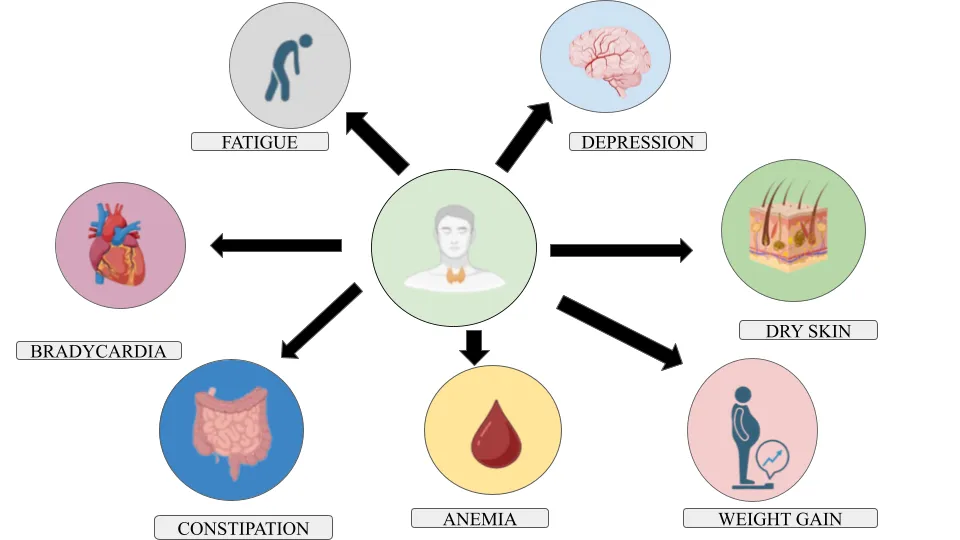
Figure 2: clinical outcome of hypothyroidism

1.1  Methodology

The 4 data base searches(PubMed,Scopus, Springer LINL and Google Scholar) resulted in 654 records. Of these,145 records were removed pior to screening(110 due to duplicate record, 20 due to automation tool, 15 due to other reaons) and 500 records were subject to screening.

Of these 220 were excluded and 280 were requested for retrieval, 15 were not retrived, 256 were retrived and assessed for eligibility for full text. Of all the reports, 158 were discarded due to variety of reasons.

Based on this multi-stage screening process 107 studies were found that meet the inclusion criteria, thus being included inqualitative synthesis. The selection process was done in accordance with PRISMA 2020 guidelines to guarantee transparency and reproducibility
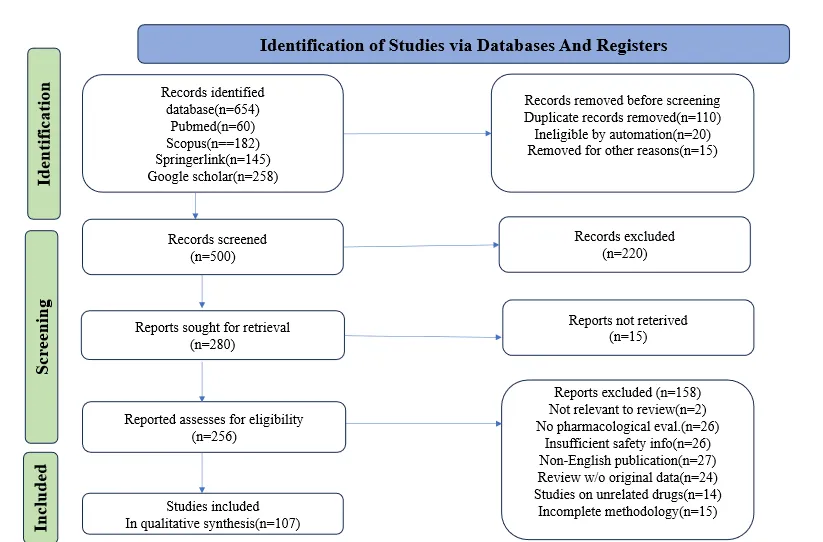
 

Figure 3: Flow chart of PRISMA analysis

1.2 Classification of hypothyroidism

Depending on the site of the defect in the hormone axis, hypothyroidism can be categorized as:
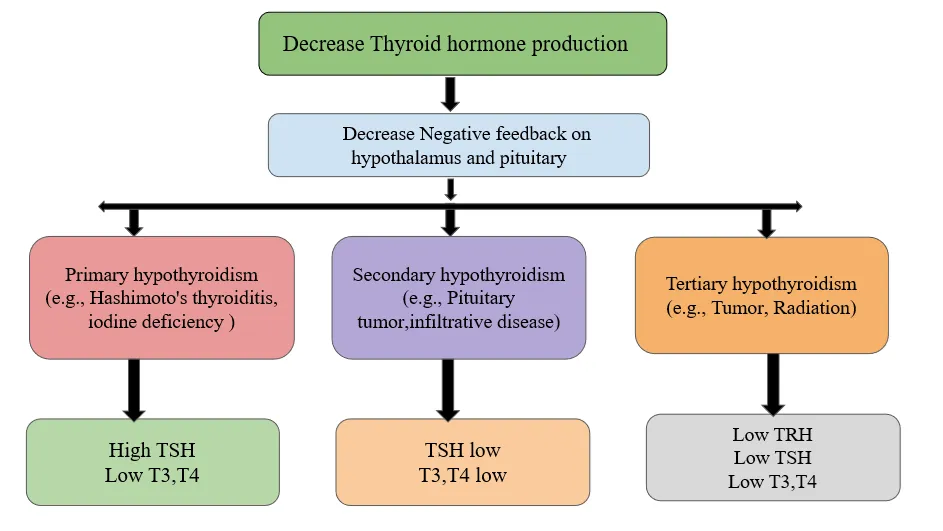
  1. Primary Hypothyroidism: It is the most common type, caused by thyroid gland itself dysfunction, and occurs in about 99%, the reason for this type dysfunction within the thyroid gland itself [11].
  2. Secondary Hypothyroidism: This is when no overactive thyroid gland is caused by deficiency of thyroid-stimulating hormone (TSH) [11].
  3. Tertiary Hypothyroidism: It is a form that comes from an area of the brain called the hypothalamus which is unable to make enough of a hormone called thyrotropin-releasing-hormone (TRH) [11].


Figure 4: Classification of Hypothyroidism based on the site of dysfunction and associated hormonal profiles

1.3 Epidemiology

Hypothyroidism is one of the most prevalent endocrine disorders globally, but the incidence of the disease varies widely between different geographical regions and the different diagnostic criteria. In the European population, overt hypothyroidism occurs in 0.2-0.5% and in the USA, it occurs in 0.3-3.7% of the general population, the range is due to variability in the definition and population studied. The incidence of spontaneous hypothyroidism is approximately 3.5-5.0 cases per 1000 women per year, and is heavily skewed to women. From the survey data of US NHANES, the overall prevalence of the hypothyroidism was found to be 4.6% in the sampled population [12].

This burden seems to be much heavier in developing countries, especially in the South Asian region. A study done in India revealed and the prevalence of hypothyroidism was high, with about 10% of all adults affected, and was significantly associated with female gender and age [13].
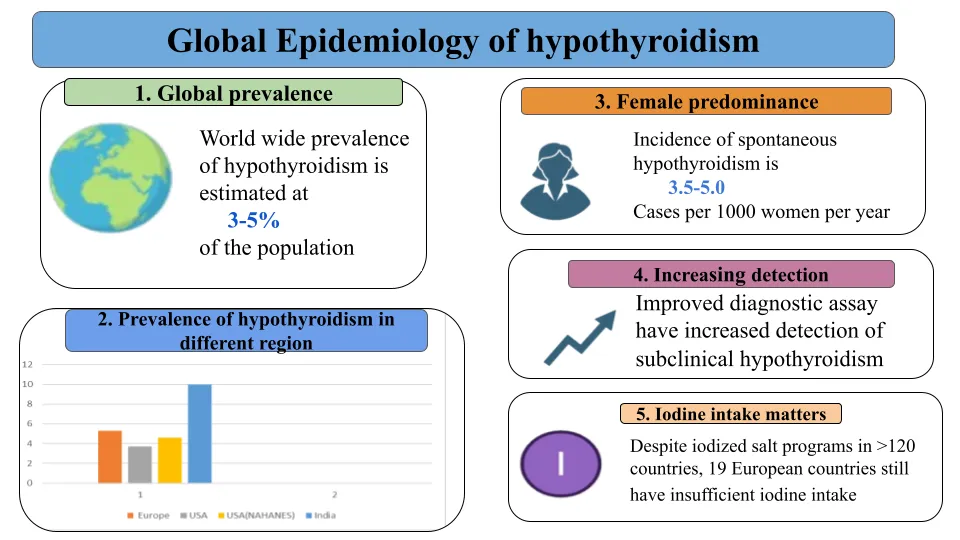
 

Figure 5: Global epidemiology of Hypothyroidism

1.4 Pathophysiology and the Hypothalamic-Pituitary-Thyroid Axis

Thyroid hormone synthesis requires uptake of iodide by the sodium-iodide symporter (NIS), oxidation and organification of iodide by thyroid peroxidase (TPO) and coupling of iodothyronines to form T4 and T3 [14]. This process is controlled by the hypothalamic-pituitary-thyroid (HPT) axis, the hypothalamus releases thyrotropin-releasing hormone (TSH), TSH acts on the thyroid to stimulate hormone production, and T3 and T4 exert negative feedback at the hypothalamus and pituitary [15]. Primary hypothyroidism is diagnosed when TSH is elevated and free T4 is low or low-normal, while subclinical hypothyroidism is a milder from disturbance of this feedback loop in which TSH is elevated but free T4 is still within normal range [16]]. The most prevalent etiology in iodine-sufficient-region is chronic autoimmune thyroiditis, which is characterized by infiltration of the gland by lymphocytes, meanwhile the causative antibodies, thyroglobulin (TgAb) and thyroid peroxidase (TPOAb), are diagnostic markers are also thought to cause progressive glandular destruction [17]. Given its high prevalence and significant impact on systemic metabolic homeostasis, thud endocrine disorder necessitates precise clinical management to prevent long-term complications associated with chronic thyroid hormone deficiency. Thyroid hormones have systemic because they regulate body temperature and basal metabolic rate [18]. This regulation is disputed in these areas, in part by autoantibodies, and that is why it is important to understand the molecular mechanisms that trigger the injury of the thyrocytes [19]. The inability to make adequate amounts of hormone may then be the result of the progressive destruction of glandular tissue by autoantibodies [20]. Clinical signs of this deficiency include lethargy and bradycardia as well as impairment of thermogenesis, which demonstrates the important physiological role of adequate levels of circulating thyroid hormones [21]. Moreover, the clinical difference between subclinical overt hypothyroidism is crucial in determining treatment and can help identify a higher risk for cardiovascular problems like atrial fibrillation and coronary artery disease by people with hypothyroidism who hadn’t received any treatment [22]. Epidemiological studies have shown that hypothyroidism, in its overt from at least, is a significant public heath problem with a prevalence of around 5% in western population, and is far more common in women than in men, with some studies indicating a ten-fold difference in prevalence rate [23,24].
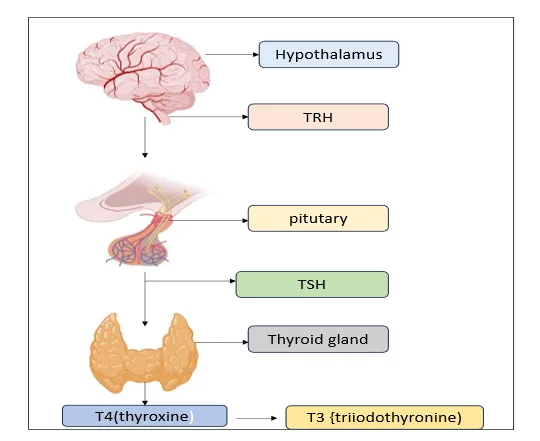
 

Figure 6: Hypothalamic-Pituitary-Thyroid (HPT) Axis Regulating Thyroid Hormone Secretion

1.5 Conventional Management and its Limitation 

For decades the standard treatment for hypothyroidism has been levothyroxine, a synthetic T4, because it has oral bioavailability, a long half-life (allowing for once daily), and produces satisfactory result in most people with hypothyroidism, by lowering TSH and easing the symptoms. At the population level, however, problems with adherence, absorption of levothyroxine, and interacting comorbidities and drugs and issues with dose titration all lead to a population of 35-60% of levothyroxine users who are outside the target range of TSH at any given time [25]. Levothyroxine treated women also report more anxiety and depressive symptoms compared to euthyroid women, indicating a discrepancy between the biochemistry and the women’s perception of quality of life [26]. Such continuing worries about post-thyroidectomy effects have promoted research on other treatments, such as T4/T3 combination or the administration of desiccated thyroid extract [27]. Although the early studies found the combination therapies to be not superior to monotherapy, the studies have been criticized for methodological flaws, including enrolment of patients without a clearly defined T3 deficiency and the use of suboptimal tools to evaluate patient-reported outcomes [28]. Moreover, approximately 10-15% of the patients still experience a persistent neurocognitive dysfunction despite normalization of the serum TSH level, indicating that a “one-size-fits-all” approach to serum TSH normalization may not meet the complex physiological needs of all patients. There is evidence that about one-fifth of patients treated with levothyroxine alone may not reach physiologic serum levels pf T3, which raises the question of whether levothyroxine is adequate to support peripheral tissue deiodinase activity [29]. Levothyroxine monotherapy-treated patients often have increased free T4 and decreased serum T3 levels than healthy euthyroid subjects, which may reflect unphysiological T4 to T3 secretion ratio [30]. However, this shift in T3/T4 ratio could lead to suboptimal thyroid status in periphery because there may be differences between the levels of TSH and the level of thyroid activity in specific peripheral tissues [31,32].

1.6 Rationale for Phyto Therapeutic Approaches

Botanical with a long history of use in ethnomedicine, particularly Ayurveda and Unani medicine have been used for beneficial effects on thyroid function, physiological mechanisms by which some of these plants may act on the HPT  axis have been demonstrated by pharmacological screening, and include direct stimulation of thyroidal iodine uptake and hormone secretion, modulation of peripheral deiodinase activity and antioxidant protection of thyrocytes  against oxidative injury, which has been implicated in autoimmune thyroiditis. [33]. Other botanical remedies, however, like Melissa officinals or Lycopus europaeus are used for their peripheral hormone modulating properties and are found to have the capacity to lower serum TSH and circulating thyroid hormones, similar to the effects of exogenous thyroxine, against conditions of excessive metabolic demand [34]. The different pharmacological properties are often related to specific secondary metabolites such as flavonoids and polyphenols, which may interact selectively with thyroid hormone receptors, or affect the rate of conversion of thyroxine to triiodothyronine [35]. Besides, recent studies on polyherbal formulations, which include a combination of various bioactive plant extracts, seek to fill these treatment gaps by trying to restore homeostasis by multi-faceted approach, with a synergistic effect in hormone regulation [36]. These natural adjuvants show potential multi-target activity but it is important that they are used as supporting agents in addition to currently available clinical treatments in severe pathologies [37]. In clinical studies going forward, attention should be given to strict standardization and safety profiles of these traditional remedies to support their use as effective and safe ingredients in endocrine treatment [38].

However, comprehensive analytical frameworks such as high throughput screening and controlled human trials remain important to define the exact pharmacodynamic of these extracts and to tackle current regulatory issues related to consistency and quality control [39]. Also, the limited number of large-scale, quality clinical trails require transition towards evidence-based validation to reconcile the traditional ethnomedical information with contemporary endocrine requirements [40].

2. Scope and Approach of this Review

The present narrative-integrative review encompasses the peer-reviewed preclinical (animal and vitro/in vivo) studies, and systemic review/meta-analyses dealing with the medicinal plant, botanical extract and different categories of related nutraceuticals (e.g., selenium) and thyroid hormone status. Plants were selected based on (a) mechanistic pr pharmacological data were specifically related to thyroid hormone synthesis, secretion, and peripheral metabolism of thyroid hormone (b) availability of at least preliminary human data or substantial preclinical literature on the subject and (c) significance of the plant in ethnomedical and nutraceutical literature for thyroid support. It is not a comprehensive systemic review to give the clinical, the researcher and the informed patient a comprehensive picture of what is known and unknown about each of the botanicals, but is intended to give an evidence-graded overview of this. More specific, the difference between mechanistic plausibility, animal efficacy and proven clinical benefit in human beings is discussed.

3.Overview of plants reviewed

Table 1: Botanical Profile of Medicinal Plants Reviewed for  the Management of Hypothyroidism

Common name

Botanical name

Family

Part used

Ashwagandha

Withania somnifera(L.)

Solanaceae

Root

Kalonji

Nigella sativa L.

ranunculaceae

Seed(oil)


Harida

Curcuma longa L.

zingiberaceae

Rhizome

Varuna

Crateva nurvala buch. Ham

capparidaceae

Leaf

Insulin plant

Costus pictus D. Don

Costaceae

Leaf

kanchanara

Bauhimina variegata L.

Fabaceae

Stem bark

Guggulu

Commiphora mukul

Burseraceae

Oleo-gum resin

Apamarga

Achyranthes aspera L.

Amarnthacea

Leaf

Moringa

Moringa oleifera Lam.

Moringaece

Leave, seed, bark

Fenugreek

Trigonella foenum-graecum L.

fabaceae

Seeds

Tulsi

Ocimum tenuiflorum L.

lamiaceae

Leaves

Amla

Emblica officinalis gaertn.

euphorbiaceae

Fruit

4. Overview of the Pharmacological Mechanism and Thyroid-Modulating Effects of Selected Ayurvedic and Traditional Medicinal Plants

Table 2: Summary of the principle mechanism of action, reported pharmacological activities, Thyroid specific effects for selected Ayurvedic and traditional medicinal plants evaluated for the management of Hypothyroidism.

Sr no.

Name

Main mechanism of action

Reported therapeutic effects

Action in hypothyroidism

Reference

1.

Withania somnifera(L.)


Modulate the HPT axis, reduce cortisol, and support thyroid hormone synthesis.

Anti-stress, anxiolytic, antioxidant, reduce anxiety, morning cortisol

Increased T4 in rodents, improved TSH in subclinical hypothyroidism and restored thyroid hormones in diabetic hypothyroid models.

[7],[8],[9],[10],

[41],[42],[43],

[44],[45]

2.

Nigella sativa

Reduce oxidative stress and inflammation, regulate COX-2 and improve thyroid hormone metabolism.

Used for hyperlipidemia, hypertension, type 2 diabetes, antioxidant, anti-inflammatory

Reduced TSH and anti-TPO antibodies, increased T3, improves metabolic markers, and prevent cognitive impairment in hypothyroid rats.

[46],[47],[48],[49],

[50],[51],[52],

[53],[54]

3.

Curcuma longa L.

Proposed TRH receptor agonist with antioxidant, anti-inflammatory


antioxidant, anti-inflammatory, anti-cancer, neuroprotective, reproductive hormone axes

Restored antioxidant enzyme, reduced lipid peroxidation, showed potential thyroid receptor modulation in computational studies

[55],[56],[57],[58],

[59]

4.

Crataeva nurvala buch. Ham.

Enhances T4-T3 conversion via deiodinase activity

Used for prostatic disorder, also antihyper-cholesterolemic, anti-diabetic

Dose-dependently increased free T4, lowered TSH, maintained euthyroid status

[60],[61],[62],[63],

[64],

5.

Costus pictus D. don

Restore thyroid hormones while reducing cholesterol, LDL, oxidative stress

Known as the insulin plant for anti-diabetic use, anti-microbial, antioxidant, hepatoprotective

Restored thyroid hormones, reduced TSH, improved lipid profile

[65],[66],[67],[68],


6.

Bauhinia variegata

Improves thyroid weight, radioiodine uptake

Used for glandualar swelling, lymphadenopathy, skin disorder

Improved thyroid weight, radioiodine uptake, histology and cholesterol levels.

[69] [70],[71],[72],


7.

Commiphora mukul

Stimulate thyroid activity, increase T3, and improve lipid metabolism

Classical resin for hyperlipidema, obesity, arthritis, lipid lowering

Increased T3, thyroid weight and iodine uptake, thyroid stimulatory effects may be more pronounced in females

[73], [74],[75],[76],

[77],[78],[79],

[80],


8.

Achyranthes aspera L.

Increase circulating T4/T3 and reduces hepatic lipid peroxidation

Diuretic, anti-inflammatory, wound-healing, antiarthritic, purgative, antimalarial

Increased T3/T4, reduced hepatic lipid peroxidation, and enhanced metabolic activity.

[81] [82],[83],[84],


9.

Moringa oleifera Lam.

Lower TSH, increase T3/T4

Antioxidant, anti-inflammatory, hypolipidemic, used as dietary supplement

Increased T3/T4 , reduced TSH, and computational studies support possible thyroid receptor activation

[85] [86],[87],

[88],

[89],[90], [91],


10.

Trigonella foenum-graecum

Enhance insulin sensitivity, reduce oxidative stress, protect pancreatic β cell , improve lipid metabolism

Anti-diabetic, hypolipidemic, cardioprotective, hepatoprotective

Suppress HPT axis, improve thyroid hormone secretion, low TSH

[92],[93],[94],[95],[96],[97]

11.

Ocimum tenuiflorum

Anti-oxidant, anti-inflammatory, adaptogenic effects

Anti-diabetic, hepatoprotective, radioprotective

Reduce T4 but increase T3, decrease TSH,

[98],[99],[100],[101],

12.

Emblica officinals

Hydrolysable tannins, phenolics, flavonoids provide potent anti-oxidant and free-radical scavenging activity

Anti-oxidant, anti-inflammatory, hepatoprotective, cardioprotective, antidiabetic, hypolipidemic, and immunomodulatory

Reduce T3/T4 level, alleviates oxidative stress

[102],[103],[104],[106],

  1. Clinical evidence
  1. Ashwagandha (Withania somnifera) root extract:

Trial design: prospective, randomized, double-blind, placebo-controlled pilot study. (duration:8 weeks)

Patients: 50 patients in subclinical Hypothyroidism (TSH 4.5-10µIU/L) were divided into treatment (n=25) and the placebo (n=25) groups and 4 were lost to follow up before the second visit.

Outcomes: Serum TSH (p<0.001), T3 (p=0.0031) and T4 (p=0.0096) got significantly better than placebo, as thyroid indices normalized and mild, temporary adverse effects were seen in 8% of those studied.

Serum TSH (p<0.0031), T3(P=0.0031) and T4 (p=0.0096) got significantly better than placebo, as thyroid indices normalized and mild, temporary adverse effects were seen in 8% of those studied [10].

  1. Nigella sativa (black seed):

Trial design: Randomized, double-blinded, placebo-controlled trial (duration: 8 weeks)

Patients. Forty patients (ages 22-50) with Hashimoto’s thyroiditis were randomly assigned to intervention or a control group, excluding the 3 patients in the intervention group who complained of itching/nausea and 4 patients from the control group who withdrew, the data presented here are 31 patients in each group.

Outcomes: In the nigella sativa group, a significantly reduction in body weight and BMI, significant increase in serum T3, and significant decrease in serum TSH and anti-TPO and serum VECF were observed, but in the placebo group, no change in body weight, BMI, serum TSH, anti-TPO, serum VEGF were observed [47].

6. CONCLUSION

Several Ayurvedic medicinal plants were found to possess preclinical and, in a few cases, early clinical evidence of their ability to modulate thyroid hormone status by their direct thyrotropic and deiodinase activity and through their antioxidant and hypothalamic-pituitary-axis activity . There is more translational evidence for Ashwagandha and Nigella sativa (randomized controlled trials in subclinical hypothyroidism and Hashimoto’s thyroiditis, respectively , and the remaining plants are backed primarily by animal pharmacology and broader (non-thyroid-specific) pharmacological review literature which shows plausible and related mechanisms. These botanicals have the potential to be used as complementary therapies to levothyroxine and other conventional treatments for hypothyroidism, especially in low-resource areas, but before any can be recommended, they must be rigorously and standardly tested in humans to provide evidence-based treatment and as with any medication, continue to be monitored for adverse reactions, including iatrogenic thyrotoxicosis.

7. future prospects

Future research priorities include well designed randomized, double-blind, placebo-controlled clinical trials of plants (such as Varuna, Costus pictus, Kanchanra, Guggulu, Apamarga, and Moringa oleifera ) indicated only by animal studies, especially receptors studies and in silico docking of plants, including Ashwagandha, onto the TRβ1 and TRH receptor, to determine whether plants have a receptor-mediated, enzyme-medicated or purely antioxidant effect, clinical trails in autoimmune ( Hashimoto’s) hypothyroidism to assess whether Ashwagandha in combination with levothyroxine reduces the amount of the drug needed or if it improves the residual symptoms experienced by most treated patients, studies of the classical preparation (such as this will eventually bring to a close the methodological gaps and gaps in understanding between traditional botanical formulations and evidence-based integrative approaches which supplement modern endocrinological treatment. Systemic isolation and characterization of active phytochemical constituents continue to be fundamental to the discovery of multi-targeted potential of nature interventions in the current therapeutic scenario.

REFERENCES

  1. Taylor PN, Albrecht D, Scholz A, Gutierrez-Buey G, Lazarus JH, Dayan CM, Okosieme OE. Global epidemiology of hyperthyroidism and hypothyroidism. Nature Reviews Endocrinology. 2018 May;14(5):301-16. https://doi.org/10.1038/nrendo.2018.18
  2. Naushad, A. A., Chirag, L. U., Nikitha, S., Sourabh, S., Kolla, B., Selvan, C., ... & Sourabh Sr, S. (2025). Correlation of Residual Symptoms With Triiodothyronine (T3) in patients treated for hypothyroidism. Cureus, 17(1). DOI: 10.7759/cureus.78095
  3. Romero-Gómez B, Guerrero-Alonso P, Carmona-Torres JM, Notario-Pacheco B, Cobo-Cuenca AI. Mood disorders in levothyroxine-treated hypothyroid women. International journal of environmental research and public health. 2019 Dec;16(23):4776.https://doi.org/10.3390/ijerph16234776
  4. Kar A, Panda S. Ayurvedic therapies for thyroid dysfunction. InScientific basis for Ayurvedic therapies 2003 Sep 29 (pp. 157-172). Routledge.
  5. Kar A, Panda S, Bharti S. Relative efficacy of three medicinal plant extracts in the alteration of thyroid hormone concentrations in male mice. Journal of ethnopharmacology. 2002 Jul 1;81(2):281-5. https://doi.org/10.1016/S0378-8741(02)00048-XGet rights and content
  6. Dixit AK, Sarkar M, Nair PG, Puia L, Bora M, Gaidhani SN, Hazra J. Efficacy of ayurvedic interventions in hypothyroidism: a comprehensive review. Journal of Research in Ayurvedic Sciences. 2019 Oct 1;3(4):157-63. DOI: 10.5005/jras-10064-0090
  7. Panda S, Kar A. Changes in thyroid hormone concentrations after administration of ashwagandha root extract to adult male mice. The Journal of pharmacy and pharmacology. 1998 Sep 1;50(9):1065-8. https://doi.org/10.1111/j.2042-7158.1998.tb06923.x
  8. Vollmer G, Brendler T. Evaluation of potential hormonal activities of ashwagandha (Withania somnifera). Phytotherapy Research. 2025 Dec 26.https://doi.org/10.1002/ptr.70155
  9. Lopresti AL, Smith SJ, Malvi H, Kodgule R. An investigation into the stress-relieving and pharmacological actions of an ashwagandha (Withania somnifera) extract: A randomized, double-blind, placebo-controlled study. Medicine. 2019 Sep 13;98(37):e17186. DOI: 10.1097/MD.0000000000017186
  10. Sharma AK, Basu I, Singh S. Efficacy and safety of ashwagandha root extract in subclinical hypothyroid patients: a double-blind, randomized placebo-controlled trial. The Journal of Alternative and Complementary Medicine: Paradigm, Practice, and Policy Advancing Integrative Health. 2018 Mar;24(3):243-8. https://doi.org/10.1089/acm.2017.0183
  11. Chaker L, Bianco AC, Jonklaas J, Peeters RP. Hypothyroidism. The Lancet. 2017 Sep 23;390(10101):1550-62. DOI: 10.1038/s41572-022-00357-7
  12. Hollowell JG, Staehling NW, Flanders WD, Hannon WH, Gunter EW, Spencer CA, Braverman LE. Serum TSH, T4, and thyroid antibodies in the United States population (1988 to 1994): National Health and Nutrition Examination Survey (NHANES III). The Journal of Clinical Endocrinology & Metabolism. 2002 Feb 1;87(2):489-99. https://doi.org/10.1210/jcem.87.2.8182
  13. Unnikrishnan AG, Kalra S, Sahay RK, Bantwal G, John M, Tewari N. Prevalence of hypothyroidism in adults: An epidemiological study in eight cities of India. Indian journal of endocrinology and metabolism. 2013 Jul;17(4):647.. doi:10.4103/2230-8210.113755
  14. Effraimidis G, Watt T, Feldt-Rasmussen U. Levothyroxine therapy in elderly patients with hypothyroidism. Frontiers in endocrinology. 2021 Mar 12;12:641560. doi: 10.3389/fendo.2021.641560
  15. Pearce SH, Brabant G, Duntas LH, Monzani F, Peeters RP, Razvi S, Wemeau JL. 2013 ETA guideline: management of subclinical hypothyroidism. European thyroid journal. 2013 Dec 1;2(4):215-28. DOI: 10.1159/000356507
  16. Chiovato L, Magri F, Carlé A. Hypothyroidism in context: where we’ve been and where we’re going. Advances in therapy. 2019 Sep;36(Suppl 2):47-58.https://doi.org/10.1007/s12325-019-01080-8
  17. Huwiler VV, Maissen-Abgottspon S, Stanga Z, Mühlebach S, Trepp R, Bally L, Bano A. Selenium supplementation in patients with Hashimoto thyroiditis: a systematic review and meta-analysis of randomized clinical trials. Thyroid®. 2024 Mar;34(3):295-313.https://doi.org/10.1089/thy.2023.0556
  18. Mullur R, Liu YY, Brent GA. Thyroid hormone regulation of metabolism. Physiological reviews. 2014 Apr;94(2):355-82.https://doi.org/10.1152/physrev.00030.2013
  19. Shahid MA, Sarkhosh A, Khan N, Balal RM, Ali S, Rossi L, Gómez C, Mattson N, Nasim W, Garcia-Sanchez F. Insights into the physiological and biochemical impacts of salt stress on plant growth and development. Agronomy. 2020 Jun 30;10(7):938.https://doi.org/10.3390/agronomy10070938
  20. Mansourian AR. Metabolic pathways of tetraidothyronine and triidothyronine production by thyroid gland: a review of articles. Pakistan journal of biological sciences: PJBS. 2011 Jan 1;14(1):1-2.https://doi.org/10.3923/pjbs.2011.1.12
  21. Rossetti CL, Cazarin J, Hecht F, Beltrao FE, Ferreira AC, Fortunato RS, Ramos HE, de Carvalho DP. COVID-19 and thyroid function: What do we know so far?. Frontiers in endocrinology. 2022 Dec 19;13:1041676. doi: 10.3389/fendo.2022.1041676
  22. Teumer A, Chaker L, Groeneweg S, Li Y, Di Munno C, Barbieri C, Schultheiss UT, Traglia M, Ahluwalia TS, Akiyama M, Appel EV. Genome-wide analyses identify a role for SLC17A4 and AADAT in thyroid hormone regulation. Nature communications. 2018 Oct 26;9(1):4455. https://doi.org/10.1038/s41467-018-06356-1
  23. Jiang T, Yang X, Wu B, Tao R, Chen R, Jin L, Sun D, Weng H. Gut microbiota in hypothyroidism: pathogenic mechanisms and opportunities for precision microbiome interventions. Frontiers in Microbiology. 2025 Oct 1;16:1661211. doi: 10.3389/fmicb.2025.1661211
  24. Vanderpump MP, Tunbridge WM. Epidemiology and prevention of clinical and subclinical hypothyroidism. Thyroid. 2002 Oct;12(10):839-47.. https://doi.org/10.1089/105072502761016458
  25. Shen Z, Pan H, Deng X, Kepp O, Martins I, Kroemer G. Reversal of Cushing syndrome by antibody-mediated neutralization of ACBP/DBI. Cell Stress. 2026 Jan 26;10:1.DOI: 10.1038/s41572-024-00588-w
  26. Romero-Gómez B, Guerrero-Alonso P, Carmona-Torres JM, Notario-Pacheco B, Cobo-Cuenca AI. Mood disorders in levothyroxine-treated hypothyroid women. International journal of environmental research and public health. 2019 Dec;16(23):4776.https://doi.org/10.3390/ijerph16234776
  27. Hoermann R, Midgley JE, Larisch R, Dietrich JW. Functional and symptomatic individuality in the response to levothyroxine treatment. Frontiers in endocrinology. 2019 Sep 26;10:664. https://doi.org/10.3389/fendo.2019.00664
  28. Kahaly GJ, Gottwald-Hostalek U. Use of levothyroxine in the management of hypothyroidism: a historical perspective. Frontiers in Endocrinology. 2022 Nov 2;13:1054983. https://doi.org/10.3389/fendo.2022.1054983
  29. McAninch EA, Bianco AC. The history and future of treatment of hypothyroidism. Annals of internal medicine. 2016 Jan 5;164(1):50-6. https://doi.org/10.7326/M15-1799
  30. Cappola AR. Design of the optimal trial of combination therapy. Frontiers in endocrinology. 2020 Apr 3;11:522175.https://doi.org/10.3389/fendo.2020.00168
  31. De Castro JP, Fonseca TL, Ueta CB, McAninch EA, Abdalla S, Wittmann G, Lechan RM, Gereben B, Bianco AC. Differences in hypothalamic type 2 deiodinase ubiquitination explain localized sensitivity to thyroxine. The Journal of clinical investigation. 2015 Feb 2;125(2):769-81. DOI: 10.1172/JCI77588
  32. Peterson SJ, Cappola AR, Castro MR, Dayan CM, Farwell AP, Hennessey JV, Kopp PA, Ross DS, Samuels MH, Sawka AM, Taylor PN. An online survey of hypothyroid patients demonstrates prominent dissatisfaction. Thyroid. 2018 Jun;28(6):707-21. https://doi.org/10.1089/thy.2017.0681
  33. Panda S, Kar A. Guggulu (Commiphora mukul) potentially ameliorates hypothyroidism in female mice. Phytotherapy Research: An International Journal Devoted to Pharmacological and Toxicological Evaluation of Natural Product Derivatives. 2005 Jan;19(1):78-80.https://doi.org/10.1002/ptr.1602
  34. Katiyar A, Rastogi M, Rastogi D, Kumar D. Effect of Certain Herbal Extracts on Hyperthyroidism: A Review. Indian Journal of Agricultural Biochemistry. 2025;38(2):131-6. DOI: 10.5958/0974-4479.2025.00022.0
  35. Taha A, Mohammed A, Saadi A. Endocrine and Hormonal Effects of Medicinal Plant Extracts in Experimental Animal Models: A Review. Pharaonic Journal of Science. 2026 Mar 13;2(1):66-76. DOI: https://doi.org/10.71428/PJS.2026.0106
  36. Balkrishna A, Paliwal R, Maity M, Varshney Y, Sinha S, Varshney A. Thyrogrit, supplemented with a sub-optimal dose of levothyroxine, restores thyroid function in rat model of propylthiouracil-induced hypothyroidism. Clinical Phytoscience. 2024 Jun 20;10(1):8. https://doi.org/10.1186/s40816-024-00371-0
  37. Paunkov A, Chartoumpekis DV, Ziros PG, Chondrogianni N, Kensler TW, Sykiotis GP. Impact of antioxidant natural compounds on the thyroid gland and implication of the Keap1/Nrf2 signaling pathway. Current pharmaceutical design. 2019 May 1;25(16):1828-46. DOI: https://doi.org/10.2174/1381612825666190701165821
  38. Mallet N, Leblois A, Maurice N, Beurrier C. Striatal cholinergic interneurons: how to elucidate their function in health and disease. Frontiers in pharmacology. 2019 Dec 13;10:1488. https://doi.org/10.3389/fphar.2019.01488
  39. Augustynowicz D, Podolak M, Latté KP, Tomczyk M. New perspectives for the use of Potentilla alba rhizomes to treat thyroid gland impairments. Planta Medica. 2023 Jan;89(01):19-29. DOI: 10.1055/a-1663-6461
  40. Rana P, Rani MR, Tripathi V, Kashyap A. Bridging traditional medicine and endocrinology: Assessing herbal and ayurvedic therapies for hypothyroidism. Mediterranean Journal of Pharmacy and Pharmaceutical Sciences. 2026 Feb 27;6(1):57-61.http://dx.doi.org/10.5281/zenodo.18800493
  41. Vollmer G, Brendler T. Evaluation of potential hormonal activities of ashwagandha (Withania somnifera). Phytotherapy Research. 2025 Dec 26. https://doi.org/10.1002/ptr.70155
  42. Wiciński M, Fajkiel-Madajczyk A, Kurant Z, Kurant D, Gryczka K, Falkowski M, Wiśniewska M, Słupski M, Ohla J, Zabrzyński J. Can ashwagandha benefit the endocrine system?—a review. International journal of molecular sciences. 2023 Nov 20;24(22):16513. https://doi.org/10.3390/ijms242216513
  43. Jatwa R, Kar A. Amelioration of metformininduced hypothyroidism by Withania somnifera and Bauhinia purpurea extracts in type 2 diabetic mice. Phytotherapy Research: An International Journal Devoted to Pharmacological and Toxicological Evaluation of Natural Product Derivatives. 2009 Aug;23(8):1140-5.https://doi.org/10.1002/ptr.2765
  44. Panda S, Kar A. Withania somnifera and Bauhinia purpurea in the regulation of circulating thyroid hormone concentrations in female mice. Journal of Ethnopharmacology. 1999 Nov 1;67(2):233-9. https://doi.org/10.1016/S0378-8741(99)00018-5
  45. Roy Chengappa KN, Gannon JM, Acharya L, Rai A. The Potential Utility of Ashwagandha for Improving Cognitive Dysfunction in Persons with Bipolar or Other Neurocognitive Disorders. Science of Ashwagandha: Preventive and Therapeutic Potentials. 2017 Sep 12:345-71. https://doi.org/10.1007/978-3-319-59192-6_17
  46. Khader M, Eckl PM. Thymoquinone: an emerging natural drug with a wide range of medical applications. Iranian journal of basic medical sciences. 2014 Dec;17(12):950. DOI: 10.22038/ijbms.2015.3851.
  47. Farhangi MA, Dehghan P, Tajmiri S, Abbasi MM. The effects of Nigella sativa on thyroid function, serum Vascular Endothelial Growth Factor (VEGF)–1, Nesfatin-1 and anthropometric features in patients with Hashimoto’s thyroiditis: a randomized controlled trial. BMC complementary and alternative medicine. 2016 Nov 16;16(1):471. https://doi.org/10.1186/s12906-016-1432-2
  48. Namazi N, Mahdavi R, Alizadeh M, Farajnia S. Oxidative stress responses to Nigella sativa oil concurrent with a lowcalorie diet in obese women: A randomized, doubleblind controlled clinical trial. Phytotherapy Research. 2015 Nov;29(11):1722-8.https://doi.org/10.1002/ptr.5417
  49. Majdalawieh AF, Fayyad MW. Immunomodulatory and anti-inflammatory action of Nigella sativa and thymoquinone: A comprehensive review. International immunopharmacology. 2015 Sep 1;28(1):295-304.. https://doi.org/10.1016/j.intimp.2015.06.023
  50. Banerjee D, Sharma L. Therapeutic potential of Nigella sativa in metabolic disorders: A systematic review. DOI: https://www.doi.org/10.33545/2664844X.2025.v7.i3a.310
  51. Tahiliani P, Kar A. Role of Moringa oleifera leaf extract in the regulation of thyroid hormone status in adult male and female rats. Pharmacological research. 2000 Mar 1;41(3):319-23. https://doi.org/10.1006/phrs.1999.0587.
  52. Javidi N, Salari R, Niroumand S, Yousefi M. Investigation the effect of a herbal composition based on blackseed on patients with primary hypothyroidism: A randomized controlled trial. Avicenna Journal of Phytomedicine. 2024 May;14(3):325. doi: 10.22038/AJP.2024.23984
  53. Beheshti F, Hosseini M, Shafei MN, Soukhtanloo M, Ghasemi S, Vafaee F, Zarepoor L. The effects of Nigella sativa extract on hypothyroidism-associated learning and memory impairment during neonatal and juvenile growth in rats. Nutritional neuroscience. 2017 Jan 2;20(1):49-59. https://doi.org/10.1179/1476830514Y.0000000144
  54. Asiaei F, Fazel A, Rajabzadeh AA, Hosseini M, Beheshti F, Seghatoleslam M. Neuroprotective effects of Nigella sativa extract upon the hippocampus in PTU-induced hypothyroidism juvenile rats: A stereological study. Metabolic brain disease. 2017 Oct;32(5):1755-65. https://doi.org/10.1007/s11011-017-0025-1
  55. Fuloria S, Mehta J, Chandel A, Sekar M, Rani NN, Begum MY, Subramaniyan V, Chidambaram K, Thangavelu L, Nordin R, Wu YS. A comprehensive review on the therapeutic potential of Curcuma longa Linn. in relation to its major active constituent curcumin. Frontiers in Pharmacology. 2022 Mar 25;13:820806.  https://doi.org/10.3389/fphar.2022.820806
  56. Oyinloye BE, Adewale AI, Adeyemi SO, Fajana OM, Olusola OS, Oyinloye OM, Ayeni AM, Akawa AB, Idowu OT, Ibikunle AI, Olojo FO. Computational screening and molecular dynamics reveal curcumin III and taxifolin as potential thyroid receptor modulators for hypothyroidism therapy. Frontiers in Endocrinology. 2026 Feb 16;17:1727415. https://doi.org/10.3389/fendo.2026.1727415
  57. Wang X, Zhang W, Zhou S. Multifaceted physiological and therapeutical impact of curcumin on hormonerelated endocrine dysfunctions: a comprehensive review. Phytotherapy Research. 2024 Jul;38(7):3307-36.  https://doi.org/10.1002/ptr.8208Digital Object Identifier (DOI)
  58. Jena S, Anand C, Chainy GB, Dandapat J. Induction of oxidative stress and inhibition of superoxide dismutase expression in rat cerebral cortex and cerebellum by PTU-induced hypothyroidism and its reversal by curcumin. Neurological Sciences. 2012 Aug;33(4):869-73. https://doi.org/10.1007/s10072-011-0853-4
  59. Patel SS, Acharya A, Ray RS, Agrawal R, Raghuwanshi R, Jain P. Cellular and molecular mechanisms of curcumin in prevention and treatment of disease. Critical reviews in food science and nutrition. 2020 Mar 25;60(6):887-939. https://doi.org/10.1080/10408398.2018.1552244
  60. Kaur AR, Verma SK. Mechanistic role of varuna (Crataeva nurvala) extract on thyroid gland and its histology through iodothyronine deiodinases. Asian J Pharm Clin Res. 2018;11(10):298-302. https://doi.org/10.22159/ajpcr.2018.v11i10.27245
  61. Kumar D, Sharma S, Kumar S. Botanical description, phytochemistry, traditional uses, and pharmacology of Crataeva nurvala Buch. Ham.: an updated review. Future Journal of Pharmaceutical Sciences. 2020 Dec 2;6(1):113. https://doi.org/10.1186/s43094-020-00106-1
  62. Kaur A, Khurana N, Verma SK. Potential thyrotropic and antihypercholesteronemic activity exhibited by ethanolic extract of crataeva nurvala bark. Journal of applied pharmaceutical science. 2017 Nov 30;7(11):069-73.DOI: 10.7324/japs.2017.71110
  63. Panda S, Kar A. Withania somnifera and Bauhinia purpurea in the regulation of circulating thyroid hormone concentrations in female mice. Journal of Ethnopharmacology. 1999 Nov 1;67(2):233-9. https://doi.org/10.1016/S0378-8741(99)00018-5
  64. Bhattacharjee A, Shashidhara SC. Phytochemical and ethno-pharmacological profile of Crataeva nurvala Buch-Hum (Varuna): a review. Asian Pacific Journal of Tropical Biomedicine. 2012 Feb 1;2(2):S1162-8. https://doi.org/10.1016/S2221-1691(12)60379-7
  65. Ashwini S, Bobby Z, Sridhar MG, Cleetus CC. Insulin plant (Costus pictus) extract restores thyroid hormone levels in experimental hypothyroidism. Pharmacognosy research. 2017 Jan;9(1):51. doi: 10.4103/0974-8490.199766
  66. Chandrakar N, Kaur J, Banerjee M. Synergies of bioactivities, mechanisms, dietary factors and functional food applications of medicinal insulin plant (Costus pictus D.): a review. International Journal of Food Science and Technology. 2024 Dec;59(12):8933-42.https://doi.org/10.1111/ijfs.17588
  67. Selvakumarasamy S, Rengaraju B, Arumugam SA, Kulathooran R. Costus pictus–transition from a medicinal plant to functional food: A review. Future Foods. 2021 Dec 1;4:100068.https://doi.org/10.1016/j.fufo.2021.100068
  68. Singh VK, Yadav KS, Thomas SC, Gupta A, Luqman S, Shanker K, Patil UK, Yadav NP. An update on pharmacological and phytochemical aspects of Costus pictus D. Don-A promising anti-diabetic plant. Current Topics in Medicinal Chemistry. 2024 Apr 1;24(9):810-29. DOI: https://doi.org/10.2174/0115680266278569240123115329
  69. Mishra A, Sharma AK, Kumar S, Saxena AK, Pandey AK. Bauhinia variegata leaf extracts exhibit considerable antibacterial, antioxidant, and anticancer activities. BioMed research international. 2013;2013(1):915436.https://doi.org/10.1155/2013/915436Digital Object Identifier (DOI)
  70. Golwala DK, Vaidya SK, Dholwani KK, Patel DS, Sahoo S. Antioxidant and antimutagenic (anticlastogenic) activity of alcoholic extract of Bauhinia variegata (Linn.) root. Eur J Med Plants. 2020 Feb 27;2020:32-9. DOI: 10.9734/EJMP/2020/v31i230214
  71. Rajani GP, Ashok P. In vitro antioxidant and antihyperlipidemic activities of Bauhinia variegata Linn. Indian journal of pharmacology. 2009 Oct;41(5):227. DOI: 10.4103/0253-7613.58513.
  72. Bhaumik SM, Tikendrajit S, Mangala L. Effect of Ethanolic Extract of Bauhinia variegata and Commiphora mukul in Regulating Thyroid Stimulating Hormone in Hypothyroidism Induced Albino Wistar Rats. Journal of Drug Delivery & Therapeutics. 2019 Mar 2;9:35. doi. 10.22270/jddt.v9i2-s.2442
  73. Tripathi YB, Malhotra OP, Tripathi SN. Thyroid stimulating action of Z-guggulsterone obtained from Commiphora mukul. Planta medica. 1984 Feb;50(01):78-80. DOI: 10.1055/s-2007-969626
  74. Garang Z, Feng Q, Luo R, La M, Zhang J, Wu L, Wang Z, Zeweng Y, Jiangyong S. Commiphora mukul (Hook. ex Stocks) Engl.: Historical records, application rules, phytochemistry, pharmacology, clinical research, and adverse reaction. Journal of Ethnopharmacology. 2023 Dec 5;317:116717. https://doi.org/10.1016/j.jep.2023.116717
  75. Chauhan P, Wadhwa K, Singh G. The multifaceted nature of guggulsterone: Phytochemical insights and pharmacological efficacy. Current Pharmacology Reports. 2025 Oct 21;11(1):51. https://doi.org/10.1007/s40495-025-00432-z
  76. Szapary PO, Wolfe ML, Bloedon LT, Cucchiara AJ, DerMarderosian AH, Cirigliano MD, Rader DJ. Guggulipid for the treatment of hypercholesterolemia: a randomized controlled trial. Jama. 2003 Aug 13;290(6):765-72. doi:10.1001/jama.290.6.765
  77. Urizar, N. L., & Moore, D. D. (2003). GUGULIPID: a natural cholesterol-lowering agent. Annual review of nutrition, 23(1), 303-313. https://doi.org/10.1146/annurev.nutr.23.011702.073102
  78. Ulbricht C, Basch E, Szapary P, Hammerness P, Axentsev S, Boon H, Kroll D, Garraway L, Vora M, Woods J, Natural Standard Research Collaboration. Guggul for hyperlipidemia: a review by the Natural Standard Research Collaboration. Complementary therapies in medicine. 2005 Dec 1;13(4):279-90. DOI: 10.1016/j.ctim.2005.08.003.
  79. Bianchi A, Cantù P, Firenzuoli F, Mazzanti G, Menniti-Ippolito F, Raschetti R. Rhabdomyolysis caused by Commiphora mukul, a natural lipid-lowering agent. Annals of Pharmacotherapy. 2004 Jul;38(7-8):1222-5.https://doi.org/10.1345/aph.1D486
  80. Mishra LC, editor. Scientific basis for Ayurvedic therapies. CRC press; 2003 Sep 29.
  81. Tahiliani P, Kar A. Achyranthes aspera elevates thyroid hormone levels and decreases hepatic lipid peroxidation in male rats. Journal of ethnopharmacology. 2000 Aug 1;71(3):527-32. https://doi.org/10.1016/S0378-8741(00)00170-7
  82. Regassa H, Sourirajan A, Kumar V, Pandey S, Kumar D, Dev K. A review of medicinal plants of the himalayas with anti-proliferative activity for the treatment of various cancers. Cancers. 2022 Aug 12;14(16):3898. https://doi.org/10.3390/cancers14163898
  83. He X, Wang X, Fang J, Chang Y, Ning N, Guo H, Huang L, Huang X. The genus Achyranthes: A review on traditional uses, phytochemistry, and pharmacological activities. Journal of ethnopharmacology. 2017 May 5;203:260-78.. https://doi.org/10.1016/j.jep.2017.03.035
  84. Talreja S, Tiwari S. A comprehensive review of Achyranthes aspera: Ethnopharmacology, phytochemistry, and therapeutic potential. An Int. J. Research in AYUSH and Allied Systems. 2023;10(5):270-8. https://doi.org/10.47070/ayushdhara.v10i5.1368
  85. Pareek A, Pant M, Gupta MM, Kashania P, Ratan Y, Jain V, Pareek A, Chuturgoon AA. Moringa oleifera: an updated comprehensive review of its pharmacological activities, ethnomedicinal, phytopharmaceutical formulation, clinical, phytochemical, and toxicological aspects. International journal of molecular sciences. 2023 Jan 20;24(3):2098.https://doi.org/10.3390/ijms24032098
  86. Tabassum W, Roshnikullu A, Sinha MP. Effects of leaf extracts of Moringa oleifera on regulation of hypothyroidism and lipid profile. The bioscan. 2013.
  87. Camilleri E, Blundell R. A comprehensive review of the phytochemicals, health benefits, pharmacological safety and medicinal prospects of Moringa oleifera. Heliyon. 2024 Mar 30;10(6). https://doi.org/10.1016/j.heliyon.2024.e27807
  88. Hadidy AA, Dawood ST. The effect of moringa oleifera leaves powder on some hormones to prevent the development of experimental hypothyroidism in rabbits. Indian J Forensic Med Toxicol. 2021;15(3):1040-7. https://doi.org/10.37506/ijfmt.v15i3.15454
  89. Vergara-Jimenez M, Almatrafi MM, Fernandez ML. Bioactive components in Moringa oleifera leaves protect against chronic disease. Antioxidants. 2017 Nov 16;6(4):91.https://doi.org/10.3390/antiox6040091
  90. Arshad MT, Maqsood S, Ikram A, Gnedeka KT. Recent perspectives on the pharmacological, nutraceutical, functional, and therapeutic properties of Moringa oleifera plant. Food Science & Nutrition. 2025 Apr;13(4):e70134.https://doi.org/10.1002/fsn3.70134Digital Object Identifier (DOI)


  1. Divya S, Pandey VK, Dixit R, Rustagi S, Suthar T, Atuahene D, Nagy V, Ungai D, Ahmed AE, Kovács B, Shaikh AM. Exploring the phytochemical, pharmacological and nutritional properties of Moringa oleifera: A comprehensive review. Nutrients. 2024 Oct 9;16(19):3423. https://doi.org/10.3390/nu16193423
  2. Majumdar, J., Chakraborty, P., Mitra, A., kumar Sarkar, N., & Sarkar, S. (2017). Fenugreek, a potent hypoglycaemic herb can cause central hypothyroidism via leptin–a threat to diabetes phytotherapy. Experimental and Clinical Endocrinology & Diabetes, 125(07), 441-448. DOI: 10.1055/s-0043-103458
  3. Al-Zyadi, A. J. (2015). The therapeutic role of alcoholic extract of fenugreek seeds on hypothyroidism state induced by thiourea and some blood parameters in adult male rabbits: Atyaf JH Al-Zyadi and Jawad K. Arrak. The Iraqi Journal of Veterinary Medicine, 39(1), 1-7. DOI: https://doi.org/10.30539/iraqijvm.v39i1.187
  4. Al-Quraishi FZ, Al-Madany BA, Al-Kraawi MA, Hirzuldeen ZM, Al-Ibrahimi KT. Fenugreek Induces The Sperm Characteristics in Hypothyroid Male Rats. Journal of Angiotherapy. 2024 May 21;8(5):1-6. https://doi.org/10.25163/angiotherapy.859684
  5. Kiss R, Pesti-Asbóth G, Szarvas MM, Stündl L, Cziáky Z, Hegedűs C, Kovács D, Badale A, Máthé E, Szilvássy Z, Remenyik J. Diosgenin and its fenugreek based biological matrix affect insulin resistance and anabolic hormones in a rat based insulin resistance model. BioMed research international. 2019;2019(1):7213913. https://doi.org/10.1155/2019/7213913Digital Object Identifier (DOI)
  6. Luo W, Deng J, He J, Yin L, You R, Zhang L, Shen J, Han Z, Xie F, He J, Guan Y. Integration of molecular docking, molecular dynamics and network pharmacology to explore the multitarget pharmacology of fenugreek against diabetes. Journal of Cellular and Molecular Medicine. 2023 Jul;27(14):1959-74. https://doi.org/10.1111/jcmm.17787
  7. Shabil M, Bushi G, Bodige PK, Maradi PS, Patra BP, Padhi BK, Khubchandani J. Effect of fenugreek on hyperglycemia: a systematic review and meta-analysis. Medicina. 2023 Jan 27;59(2):248.https://doi.org/10.3390/medicina59020248
  8. Amal M, El-Sahn AA, Iraqi EE, Elprollosy AA, Farag ME. Effects of supplementation of Eurca seeds as nutraceutical feed additive on productivity, antioxidant activity, and yolk cholesterol level of laying hens. Journal of World's Poultry Research. 2023;13(3):342-51. https://doi.org/10.36380/jwpr.2023.37
  9. Cohen MM. Tulsi-Ocimum sanctum: A herb for all reasons. Journal of Ayurveda and integrative medicine. 2014 Oct;5(4):251.  doi: 10.4103/0975-9476.146554.
  10. Jamshidi N, Cohen MM. The clinical efficacy and safety of Tulsi in humans: a systematic review of the literature. EvidenceBased Complementary and Alternative Medicine. 2017;2017(1):9217567.https://doi.org/10.1155/2017/9217567Digital Object Identifier (DOI)
  11. Buari IG, Wedagama DM, Hartini IG. THE NUTRACEUTICAL ROLE OF HOLY BASIL (TULSI) LEAVES IN PREVENTING ORAL AND CHRONIC DISEASES. International Journal of Applied Science and Sustainable Development (IJASSD). 2025 Sep 30;7(2):57-64. DOI: https://doi.org/10.36733/ijassd.v7i2.9711
  12. Panda S, Kar A. Fruit extract of Emblica officinalis ameliorates hyperthyroidism and hepatic lipid peroxidation in mice. Die Pharmazie-An International Journal of Pharmaceutical Sciences. 2003 Oct 1;58(10):753-5. https://doi.org/10.1691/ph.2003.10.3289.
  13. Muthu PR, Bobby Z, Sankar P, Vickneshwaran V, Jacob SE. Amla (Emblica officinalis) improves hepatic and renal oxidative stress and the inflammatory response in hypothyroid female wistar rats fed with a high-fat diet. Journal of Basic and Clinical Physiology and Pharmacology. 2018 Mar 28;29(2):175-84.https://doi.org/10.1515/jbcpp-2017-0116
  14. Patel SS, Goyal RK. Emblica officinalis Geart.: a comprehensive review on phytochemistry, pharmacology and ethnomedicinal uses. DOI: 10.3923/rjmp.2012.6.16
  15. Khurana SK, Tiwari R, Sharun K. Mohd. iqbal yatoo, Mudasir bashir gugjoo and Kuldeep dhama, Emblica officinalis (Amla) with a particular focus on its antimicrobial potentials: a review. J Pure Appl Microbiol. 2019;13(4):1995-2012. https://doi.org/10.22207/JPAM.13.4.11

Reference

  1. Taylor PN, Albrecht D, Scholz A, Gutierrez-Buey G, Lazarus JH, Dayan CM, Okosieme OE. Global epidemiology of hyperthyroidism and hypothyroidism. Nature Reviews Endocrinology. 2018 May;14(5):301-16. https://doi.org/10.1038/nrendo.2018.18
  2. Naushad, A. A., Chirag, L. U., Nikitha, S., Sourabh, S., Kolla, B., Selvan, C., ... & Sourabh Sr, S. (2025). Correlation of Residual Symptoms With Triiodothyronine (T3) in patients treated for hypothyroidism. Cureus, 17(1). DOI: 10.7759/cureus.78095
  3. Romero-Gómez B, Guerrero-Alonso P, Carmona-Torres JM, Notario-Pacheco B, Cobo-Cuenca AI. Mood disorders in levothyroxine-treated hypothyroid women. International journal of environmental research and public health. 2019 Dec;16(23):4776.https://doi.org/10.3390/ijerph16234776
  4. Kar A, Panda S. Ayurvedic therapies for thyroid dysfunction. InScientific basis for Ayurvedic therapies 2003 Sep 29 (pp. 157-172). Routledge.
  5. Kar A, Panda S, Bharti S. Relative efficacy of three medicinal plant extracts in the alteration of thyroid hormone concentrations in male mice. Journal of ethnopharmacology. 2002 Jul 1;81(2):281-5. https://doi.org/10.1016/S0378-8741(02)00048-XGet rights and content
  6. Dixit AK, Sarkar M, Nair PG, Puia L, Bora M, Gaidhani SN, Hazra J. Efficacy of ayurvedic interventions in hypothyroidism: a comprehensive review. Journal of Research in Ayurvedic Sciences. 2019 Oct 1;3(4):157-63. DOI: 10.5005/jras-10064-0090
  7. Panda S, Kar A. Changes in thyroid hormone concentrations after administration of ashwagandha root extract to adult male mice. The Journal of pharmacy and pharmacology. 1998 Sep 1;50(9):1065-8. https://doi.org/10.1111/j.2042-7158.1998.tb06923.x
  8. Vollmer G, Brendler T. Evaluation of potential hormonal activities of ashwagandha (Withania somnifera). Phytotherapy Research. 2025 Dec 26.https://doi.org/10.1002/ptr.70155
  9. Lopresti AL, Smith SJ, Malvi H, Kodgule R. An investigation into the stress-relieving and pharmacological actions of an ashwagandha (Withania somnifera) extract: A randomized, double-blind, placebo-controlled study. Medicine. 2019 Sep 13;98(37):e17186. DOI: 10.1097/MD.0000000000017186
  10. Sharma AK, Basu I, Singh S. Efficacy and safety of ashwagandha root extract in subclinical hypothyroid patients: a double-blind, randomized placebo-controlled trial. The Journal of Alternative and Complementary Medicine: Paradigm, Practice, and Policy Advancing Integrative Health. 2018 Mar;24(3):243-8. https://doi.org/10.1089/acm.2017.0183
  11. Chaker L, Bianco AC, Jonklaas J, Peeters RP. Hypothyroidism. The Lancet. 2017 Sep 23;390(10101):1550-62. DOI: 10.1038/s41572-022-00357-7
  12. Hollowell JG, Staehling NW, Flanders WD, Hannon WH, Gunter EW, Spencer CA, Braverman LE. Serum TSH, T4, and thyroid antibodies in the United States population (1988 to 1994): National Health and Nutrition Examination Survey (NHANES III). The Journal of Clinical Endocrinology & Metabolism. 2002 Feb 1;87(2):489-99. https://doi.org/10.1210/jcem.87.2.8182
  13. Unnikrishnan AG, Kalra S, Sahay RK, Bantwal G, John M, Tewari N. Prevalence of hypothyroidism in adults: An epidemiological study in eight cities of India. Indian journal of endocrinology and metabolism. 2013 Jul;17(4):647.. doi:10.4103/2230-8210.113755
  14. Effraimidis G, Watt T, Feldt-Rasmussen U. Levothyroxine therapy in elderly patients with hypothyroidism. Frontiers in endocrinology. 2021 Mar 12;12:641560. doi: 10.3389/fendo.2021.641560
  15. Pearce SH, Brabant G, Duntas LH, Monzani F, Peeters RP, Razvi S, Wemeau JL. 2013 ETA guideline: management of subclinical hypothyroidism. European thyroid journal. 2013 Dec 1;2(4):215-28. DOI: 10.1159/000356507
  16. Chiovato L, Magri F, Carlé A. Hypothyroidism in context: where we’ve been and where we’re going. Advances in therapy. 2019 Sep;36(Suppl 2):47-58.https://doi.org/10.1007/s12325-019-01080-8
  17. Huwiler VV, Maissen-Abgottspon S, Stanga Z, Mühlebach S, Trepp R, Bally L, Bano A. Selenium supplementation in patients with Hashimoto thyroiditis: a systematic review and meta-analysis of randomized clinical trials. Thyroid®. 2024 Mar;34(3):295-313.https://doi.org/10.1089/thy.2023.0556
  18. Mullur R, Liu YY, Brent GA. Thyroid hormone regulation of metabolism. Physiological reviews. 2014 Apr;94(2):355-82.https://doi.org/10.1152/physrev.00030.2013
  19. Shahid MA, Sarkhosh A, Khan N, Balal RM, Ali S, Rossi L, Gómez C, Mattson N, Nasim W, Garcia-Sanchez F. Insights into the physiological and biochemical impacts of salt stress on plant growth and development. Agronomy. 2020 Jun 30;10(7):938.https://doi.org/10.3390/agronomy10070938
  20. Mansourian AR. Metabolic pathways of tetraidothyronine and triidothyronine production by thyroid gland: a review of articles. Pakistan journal of biological sciences: PJBS. 2011 Jan 1;14(1):1-2.https://doi.org/10.3923/pjbs.2011.1.12
  21. Rossetti CL, Cazarin J, Hecht F, Beltrao FE, Ferreira AC, Fortunato RS, Ramos HE, de Carvalho DP. COVID-19 and thyroid function: What do we know so far?. Frontiers in endocrinology. 2022 Dec 19;13:1041676. doi: 10.3389/fendo.2022.1041676
  22. Teumer A, Chaker L, Groeneweg S, Li Y, Di Munno C, Barbieri C, Schultheiss UT, Traglia M, Ahluwalia TS, Akiyama M, Appel EV. Genome-wide analyses identify a role for SLC17A4 and AADAT in thyroid hormone regulation. Nature communications. 2018 Oct 26;9(1):4455. https://doi.org/10.1038/s41467-018-06356-1
  23. Jiang T, Yang X, Wu B, Tao R, Chen R, Jin L, Sun D, Weng H. Gut microbiota in hypothyroidism: pathogenic mechanisms and opportunities for precision microbiome interventions. Frontiers in Microbiology. 2025 Oct 1;16:1661211. doi: 10.3389/fmicb.2025.1661211
  24. Vanderpump MP, Tunbridge WM. Epidemiology and prevention of clinical and subclinical hypothyroidism. Thyroid. 2002 Oct;12(10):839-47.. https://doi.org/10.1089/105072502761016458
  25. Shen Z, Pan H, Deng X, Kepp O, Martins I, Kroemer G. Reversal of Cushing syndrome by antibody-mediated neutralization of ACBP/DBI. Cell Stress. 2026 Jan 26;10:1.DOI: 10.1038/s41572-024-00588-w
  26. Romero-Gómez B, Guerrero-Alonso P, Carmona-Torres JM, Notario-Pacheco B, Cobo-Cuenca AI. Mood disorders in levothyroxine-treated hypothyroid women. International journal of environmental research and public health. 2019 Dec;16(23):4776.https://doi.org/10.3390/ijerph16234776
  27. Hoermann R, Midgley JE, Larisch R, Dietrich JW. Functional and symptomatic individuality in the response to levothyroxine treatment. Frontiers in endocrinology. 2019 Sep 26;10:664. https://doi.org/10.3389/fendo.2019.00664
  28. Kahaly GJ, Gottwald-Hostalek U. Use of levothyroxine in the management of hypothyroidism: a historical perspective. Frontiers in Endocrinology. 2022 Nov 2;13:1054983. https://doi.org/10.3389/fendo.2022.1054983
  29. McAninch EA, Bianco AC. The history and future of treatment of hypothyroidism. Annals of internal medicine. 2016 Jan 5;164(1):50-6. https://doi.org/10.7326/M15-1799
  30. Cappola AR. Design of the optimal trial of combination therapy. Frontiers in endocrinology. 2020 Apr 3;11:522175.https://doi.org/10.3389/fendo.2020.00168
  31. De Castro JP, Fonseca TL, Ueta CB, McAninch EA, Abdalla S, Wittmann G, Lechan RM, Gereben B, Bianco AC. Differences in hypothalamic type 2 deiodinase ubiquitination explain localized sensitivity to thyroxine. The Journal of clinical investigation. 2015 Feb 2;125(2):769-81. DOI: 10.1172/JCI77588
  32. Peterson SJ, Cappola AR, Castro MR, Dayan CM, Farwell AP, Hennessey JV, Kopp PA, Ross DS, Samuels MH, Sawka AM, Taylor PN. An online survey of hypothyroid patients demonstrates prominent dissatisfaction. Thyroid. 2018 Jun;28(6):707-21. https://doi.org/10.1089/thy.2017.0681
  33. Panda S, Kar A. Guggulu (Commiphora mukul) potentially ameliorates hypothyroidism in female mice. Phytotherapy Research: An International Journal Devoted to Pharmacological and Toxicological Evaluation of Natural Product Derivatives. 2005 Jan;19(1):78-80.https://doi.org/10.1002/ptr.1602
  34. Katiyar A, Rastogi M, Rastogi D, Kumar D. Effect of Certain Herbal Extracts on Hyperthyroidism: A Review. Indian Journal of Agricultural Biochemistry. 2025;38(2):131-6. DOI: 10.5958/0974-4479.2025.00022.0
  35. Taha A, Mohammed A, Saadi A. Endocrine and Hormonal Effects of Medicinal Plant Extracts in Experimental Animal Models: A Review. Pharaonic Journal of Science. 2026 Mar 13;2(1):66-76. DOI: https://doi.org/10.71428/PJS.2026.0106
  36. Balkrishna A, Paliwal R, Maity M, Varshney Y, Sinha S, Varshney A. Thyrogrit, supplemented with a sub-optimal dose of levothyroxine, restores thyroid function in rat model of propylthiouracil-induced hypothyroidism. Clinical Phytoscience. 2024 Jun 20;10(1):8. https://doi.org/10.1186/s40816-024-00371-0
  37. Paunkov A, Chartoumpekis DV, Ziros PG, Chondrogianni N, Kensler TW, Sykiotis GP. Impact of antioxidant natural compounds on the thyroid gland and implication of the Keap1/Nrf2 signaling pathway. Current pharmaceutical design. 2019 May 1;25(16):1828-46. DOI: https://doi.org/10.2174/1381612825666190701165821
  38. Mallet N, Leblois A, Maurice N, Beurrier C. Striatal cholinergic interneurons: how to elucidate their function in health and disease. Frontiers in pharmacology. 2019 Dec 13;10:1488. https://doi.org/10.3389/fphar.2019.01488
  39. Augustynowicz D, Podolak M, Latté KP, Tomczyk M. New perspectives for the use of Potentilla alba rhizomes to treat thyroid gland impairments. Planta Medica. 2023 Jan;89(01):19-29. DOI: 10.1055/a-1663-6461
  40. Rana P, Rani MR, Tripathi V, Kashyap A. Bridging traditional medicine and endocrinology: Assessing herbal and ayurvedic therapies for hypothyroidism. Mediterranean Journal of Pharmacy and Pharmaceutical Sciences. 2026 Feb 27;6(1):57-61.http://dx.doi.org/10.5281/zenodo.18800493
  41. Vollmer G, Brendler T. Evaluation of potential hormonal activities of ashwagandha (Withania somnifera). Phytotherapy Research. 2025 Dec 26. https://doi.org/10.1002/ptr.70155
  42. Wici?ski M, Fajkiel-Madajczyk A, Kurant Z, Kurant D, Gryczka K, Falkowski M, Wi?niewska M, S?upski M, Ohla J, Zabrzy?ski J. Can ashwagandha benefit the endocrine system?—a review. International journal of molecular sciences. 2023 Nov 20;24(22):16513. https://doi.org/10.3390/ijms242216513
  43. Jatwa R, Kar A. Amelioration of metformin?induced hypothyroidism by Withania somnifera and Bauhinia purpurea extracts in type 2 diabetic mice. Phytotherapy Research: An International Journal Devoted to Pharmacological and Toxicological Evaluation of Natural Product Derivatives. 2009 Aug;23(8):1140-5.https://doi.org/10.1002/ptr.2765
  44. Panda S, Kar A. Withania somnifera and Bauhinia purpurea in the regulation of circulating thyroid hormone concentrations in female mice. Journal of Ethnopharmacology. 1999 Nov 1;67(2):233-9. https://doi.org/10.1016/S0378-8741(99)00018-5
  45. Roy Chengappa KN, Gannon JM, Acharya L, Rai A. The Potential Utility of Ashwagandha for Improving Cognitive Dysfunction in Persons with Bipolar or Other Neurocognitive Disorders. Science of Ashwagandha: Preventive and Therapeutic Potentials. 2017 Sep 12:345-71. https://doi.org/10.1007/978-3-319-59192-6_17
  46. Khader M, Eckl PM. Thymoquinone: an emerging natural drug with a wide range of medical applications. Iranian journal of basic medical sciences. 2014 Dec;17(12):950. DOI: 10.22038/ijbms.2015.3851.
  47. Farhangi MA, Dehghan P, Tajmiri S, Abbasi MM. The effects of Nigella sativa on thyroid function, serum Vascular Endothelial Growth Factor (VEGF)–1, Nesfatin-1 and anthropometric features in patients with Hashimoto’s thyroiditis: a randomized controlled trial. BMC complementary and alternative medicine. 2016 Nov 16;16(1):471. https://doi.org/10.1186/s12906-016-1432-2
  48. Namazi N, Mahdavi R, Alizadeh M, Farajnia S. Oxidative stress responses to Nigella sativa oil concurrent with a low?calorie diet in obese women: A randomized, double?blind controlled clinical trial. Phytotherapy Research. 2015 Nov;29(11):1722-8.https://doi.org/10.1002/ptr.5417
  49. Majdalawieh AF, Fayyad MW. Immunomodulatory and anti-inflammatory action of Nigella sativa and thymoquinone: A comprehensive review. International immunopharmacology. 2015 Sep 1;28(1):295-304.. https://doi.org/10.1016/j.intimp.2015.06.023
  50. Banerjee D, Sharma L. Therapeutic potential of Nigella sativa in metabolic disorders: A systematic review. DOI: https://www.doi.org/10.33545/2664844X.2025.v7.i3a.310
  51. Tahiliani P, Kar A. Role of Moringa oleifera leaf extract in the regulation of thyroid hormone status in adult male and female rats. Pharmacological research. 2000 Mar 1;41(3):319-23. https://doi.org/10.1006/phrs.1999.0587.
  52. Javidi N, Salari R, Niroumand S, Yousefi M. Investigation the effect of a herbal composition based on blackseed on patients with primary hypothyroidism: A randomized controlled trial. Avicenna Journal of Phytomedicine. 2024 May;14(3):325. doi: 10.22038/AJP.2024.23984
  53. Beheshti F, Hosseini M, Shafei MN, Soukhtanloo M, Ghasemi S, Vafaee F, Zarepoor L. The effects of Nigella sativa extract on hypothyroidism-associated learning and memory impairment during neonatal and juvenile growth in rats. Nutritional neuroscience. 2017 Jan 2;20(1):49-59. https://doi.org/10.1179/1476830514Y.0000000144
  54. Asiaei F, Fazel A, Rajabzadeh AA, Hosseini M, Beheshti F, Seghatoleslam M. Neuroprotective effects of Nigella sativa extract upon the hippocampus in PTU-induced hypothyroidism juvenile rats: A stereological study. Metabolic brain disease. 2017 Oct;32(5):1755-65. https://doi.org/10.1007/s11011-017-0025-1
  55. Fuloria S, Mehta J, Chandel A, Sekar M, Rani NN, Begum MY, Subramaniyan V, Chidambaram K, Thangavelu L, Nordin R, Wu YS. A comprehensive review on the therapeutic potential of Curcuma longa Linn. in relation to its major active constituent curcumin. Frontiers in Pharmacology. 2022 Mar 25;13:820806.  https://doi.org/10.3389/fphar.2022.820806
  56. Oyinloye BE, Adewale AI, Adeyemi SO, Fajana OM, Olusola OS, Oyinloye OM, Ayeni AM, Akawa AB, Idowu OT, Ibikunle AI, Olojo FO. Computational screening and molecular dynamics reveal curcumin III and taxifolin as potential thyroid receptor modulators for hypothyroidism therapy. Frontiers in Endocrinology. 2026 Feb 16;17:1727415. https://doi.org/10.3389/fendo.2026.1727415
  57. Wang X, Zhang W, Zhou S. Multifaceted physiological and therapeutical impact of curcumin on hormone?related endocrine dysfunctions: a comprehensive review. Phytotherapy Research. 2024 Jul;38(7):3307-36.  https://doi.org/10.1002/ptr.8208Digital Object Identifier (DOI)
  58. Jena S, Anand C, Chainy GB, Dandapat J. Induction of oxidative stress and inhibition of superoxide dismutase expression in rat cerebral cortex and cerebellum by PTU-induced hypothyroidism and its reversal by curcumin. Neurological Sciences. 2012 Aug;33(4):869-73. https://doi.org/10.1007/s10072-011-0853-4
  59. Patel SS, Acharya A, Ray RS, Agrawal R, Raghuwanshi R, Jain P. Cellular and molecular mechanisms of curcumin in prevention and treatment of disease. Critical reviews in food science and nutrition. 2020 Mar 25;60(6):887-939. https://doi.org/10.1080/10408398.2018.1552244
  60. Kaur AR, Verma SK. Mechanistic role of varuna (Crataeva nurvala) extract on thyroid gland and its histology through iodothyronine deiodinases. Asian J Pharm Clin Res. 2018;11(10):298-302. https://doi.org/10.22159/ajpcr.2018.v11i10.27245
  61. Kumar D, Sharma S, Kumar S. Botanical description, phytochemistry, traditional uses, and pharmacology of Crataeva nurvala Buch. Ham.: an updated review. Future Journal of Pharmaceutical Sciences. 2020 Dec 2;6(1):113. https://doi.org/10.1186/s43094-020-00106-1
  62. Kaur A, Khurana N, Verma SK. Potential thyrotropic and antihypercholesteronemic activity exhibited by ethanolic extract of crataeva nurvala bark. Journal of applied pharmaceutical science. 2017 Nov 30;7(11):069-73.DOI: 10.7324/japs.2017.71110
  63. Panda S, Kar A. Withania somnifera and Bauhinia purpurea in the regulation of circulating thyroid hormone concentrations in female mice. Journal of Ethnopharmacology. 1999 Nov 1;67(2):233-9. https://doi.org/10.1016/S0378-8741(99)00018-5
  64. Bhattacharjee A, Shashidhara SC. Phytochemical and ethno-pharmacological profile of Crataeva nurvala Buch-Hum (Varuna): a review. Asian Pacific Journal of Tropical Biomedicine. 2012 Feb 1;2(2):S1162-8. https://doi.org/10.1016/S2221-1691(12)60379-7
  65. Ashwini S, Bobby Z, Sridhar MG, Cleetus CC. Insulin plant (Costus pictus) extract restores thyroid hormone levels in experimental hypothyroidism. Pharmacognosy research. 2017 Jan;9(1):51. doi: 10.4103/0974-8490.199766
  66. Chandrakar N, Kaur J, Banerjee M. Synergies of bioactivities, mechanisms, dietary factors and functional food applications of medicinal insulin plant (Costus pictus D.): a review. International Journal of Food Science and Technology. 2024 Dec;59(12):8933-42.https://doi.org/10.1111/ijfs.17588
  67. Selvakumarasamy S, Rengaraju B, Arumugam SA, Kulathooran R. Costus pictus–transition from a medicinal plant to functional food: A review. Future Foods. 2021 Dec 1;4:100068.https://doi.org/10.1016/j.fufo.2021.100068
  68. Singh VK, Yadav KS, Thomas SC, Gupta A, Luqman S, Shanker K, Patil UK, Yadav NP. An update on pharmacological and phytochemical aspects of Costus pictus D. Don-A promising anti-diabetic plant. Current Topics in Medicinal Chemistry. 2024 Apr 1;24(9):810-29. DOI: https://doi.org/10.2174/0115680266278569240123115329
  69. Mishra A, Sharma AK, Kumar S, Saxena AK, Pandey AK. Bauhinia variegata leaf extracts exhibit considerable antibacterial, antioxidant, and anticancer activities. BioMed research international. 2013;2013(1):915436.https://doi.org/10.1155/2013/915436Digital Object Identifier (DOI)
  70. Golwala DK, Vaidya SK, Dholwani KK, Patel DS, Sahoo S. Antioxidant and antimutagenic (anticlastogenic) activity of alcoholic extract of Bauhinia variegata (Linn.) root. Eur J Med Plants. 2020 Feb 27;2020:32-9. DOI: 10.9734/EJMP/2020/v31i230214
  71. Rajani GP, Ashok P. In vitro antioxidant and antihyperlipidemic activities of Bauhinia variegata Linn. Indian journal of pharmacology. 2009 Oct;41(5):227. DOI: 10.4103/0253-7613.58513.
  72. Bhaumik SM, Tikendrajit S, Mangala L. Effect of Ethanolic Extract of Bauhinia variegata and Commiphora mukul in Regulating Thyroid Stimulating Hormone in Hypothyroidism Induced Albino Wistar Rats. Journal of Drug Delivery & Therapeutics. 2019 Mar 2;9:35. doi. 10.22270/jddt.v9i2-s.2442
  73. Tripathi YB, Malhotra OP, Tripathi SN. Thyroid stimulating action of Z-guggulsterone obtained from Commiphora mukul. Planta medica. 1984 Feb;50(01):78-80. DOI: 10.1055/s-2007-969626
  74. Garang Z, Feng Q, Luo R, La M, Zhang J, Wu L, Wang Z, Zeweng Y, Jiangyong S. Commiphora mukul (Hook. ex Stocks) Engl.: Historical records, application rules, phytochemistry, pharmacology, clinical research, and adverse reaction. Journal of Ethnopharmacology. 2023 Dec 5;317:116717. https://doi.org/10.1016/j.jep.2023.116717
  75. Chauhan P, Wadhwa K, Singh G. The multifaceted nature of guggulsterone: Phytochemical insights and pharmacological efficacy. Current Pharmacology Reports. 2025 Oct 21;11(1):51. https://doi.org/10.1007/s40495-025-00432-z
  76. Szapary PO, Wolfe ML, Bloedon LT, Cucchiara AJ, DerMarderosian AH, Cirigliano MD, Rader DJ. Guggulipid for the treatment of hypercholesterolemia: a randomized controlled trial. Jama. 2003 Aug 13;290(6):765-72. doi:10.1001/jama.290.6.765
  77. Urizar, N. L., & Moore, D. D. (2003). GUGULIPID: a natural cholesterol-lowering agent. Annual review of nutrition, 23(1), 303-313. https://doi.org/10.1146/annurev.nutr.23.011702.073102
  78. Ulbricht C, Basch E, Szapary P, Hammerness P, Axentsev S, Boon H, Kroll D, Garraway L, Vora M, Woods J, Natural Standard Research Collaboration. Guggul for hyperlipidemia: a review by the Natural Standard Research Collaboration. Complementary therapies in medicine. 2005 Dec 1;13(4):279-90. DOI: 10.1016/j.ctim.2005.08.003.
  79. Bianchi A, Cantù P, Firenzuoli F, Mazzanti G, Menniti-Ippolito F, Raschetti R. Rhabdomyolysis caused by Commiphora mukul, a natural lipid-lowering agent. Annals of Pharmacotherapy. 2004 Jul;38(7-8):1222-5.https://doi.org/10.1345/aph.1D486
  80. Mishra LC, editor. Scientific basis for Ayurvedic therapies. CRC press; 2003 Sep 29.
  81. Tahiliani P, Kar A. Achyranthes aspera elevates thyroid hormone levels and decreases hepatic lipid peroxidation in male rats. Journal of ethnopharmacology. 2000 Aug 1;71(3):527-32. https://doi.org/10.1016/S0378-8741(00)00170-7
  82. Regassa H, Sourirajan A, Kumar V, Pandey S, Kumar D, Dev K. A review of medicinal plants of the himalayas with anti-proliferative activity for the treatment of various cancers. Cancers. 2022 Aug 12;14(16):3898. https://doi.org/10.3390/cancers14163898
  83. He X, Wang X, Fang J, Chang Y, Ning N, Guo H, Huang L, Huang X. The genus Achyranthes: A review on traditional uses, phytochemistry, and pharmacological activities. Journal of ethnopharmacology. 2017 May 5;203:260-78.. https://doi.org/10.1016/j.jep.2017.03.035
  84. Talreja S, Tiwari S. A comprehensive review of Achyranthes aspera: Ethnopharmacology, phytochemistry, and therapeutic potential. An Int. J. Research in AYUSH and Allied Systems. 2023;10(5):270-8. https://doi.org/10.47070/ayushdhara.v10i5.1368
  85. Pareek A, Pant M, Gupta MM, Kashania P, Ratan Y, Jain V, Pareek A, Chuturgoon AA. Moringa oleifera: an updated comprehensive review of its pharmacological activities, ethnomedicinal, phytopharmaceutical formulation, clinical, phytochemical, and toxicological aspects. International journal of molecular sciences. 2023 Jan 20;24(3):2098.https://doi.org/10.3390/ijms24032098
  86. Tabassum W, Roshnikullu A, Sinha MP. Effects of leaf extracts of Moringa oleifera on regulation of hypothyroidism and lipid profile. The bioscan. 2013.
  87. Camilleri E, Blundell R. A comprehensive review of the phytochemicals, health benefits, pharmacological safety and medicinal prospects of Moringa oleifera. Heliyon. 2024 Mar 30;10(6). https://doi.org/10.1016/j.heliyon.2024.e27807
  88. Hadidy AA, Dawood ST. The effect of moringa oleifera leaves powder on some hormones to prevent the development of experimental hypothyroidism in rabbits. Indian J Forensic Med Toxicol. 2021;15(3):1040-7. https://doi.org/10.37506/ijfmt.v15i3.15454
  89. Vergara-Jimenez M, Almatrafi MM, Fernandez ML. Bioactive components in Moringa oleifera leaves protect against chronic disease. Antioxidants. 2017 Nov 16;6(4):91.https://doi.org/10.3390/antiox6040091
  90. Arshad MT, Maqsood S, Ikram A, Gnedeka KT. Recent perspectives on the pharmacological, nutraceutical, functional, and therapeutic properties of Moringa oleifera plant. Food Science & Nutrition. 2025 Apr;13(4):e70134.https://doi.org/10.1002/fsn3.70134Digital Object Identifier (DOI)


  1. Divya S, Pandey VK, Dixit R, Rustagi S, Suthar T, Atuahene D, Nagy V, Ungai D, Ahmed AE, Kovács B, Shaikh AM. Exploring the phytochemical, pharmacological and nutritional properties of Moringa oleifera: A comprehensive review. Nutrients. 2024 Oct 9;16(19):3423. https://doi.org/10.3390/nu16193423
  2. Majumdar, J., Chakraborty, P., Mitra, A., kumar Sarkar, N., & Sarkar, S. (2017). Fenugreek, a potent hypoglycaemic herb can cause central hypothyroidism via leptin–a threat to diabetes phytotherapy. Experimental and Clinical Endocrinology & Diabetes, 125(07), 441-448. DOI: 10.1055/s-0043-103458
  3. Al-Zyadi, A. J. (2015). The therapeutic role of alcoholic extract of fenugreek seeds on hypothyroidism state induced by thiourea and some blood parameters in adult male rabbits: Atyaf JH Al-Zyadi and Jawad K. Arrak. The Iraqi Journal of Veterinary Medicine, 39(1), 1-7. DOI: https://doi.org/10.30539/iraqijvm.v39i1.187
  4. Al-Quraishi FZ, Al-Madany BA, Al-Kraawi MA, Hirzuldeen ZM, Al-Ibrahimi KT. Fenugreek Induces The Sperm Characteristics in Hypothyroid Male Rats. Journal of Angiotherapy. 2024 May 21;8(5):1-6. https://doi.org/10.25163/angiotherapy.859684
  5. Kiss R, Pesti-Asbóth G, Szarvas MM, Stündl L, Cziáky Z, Heged?s C, Kovács D, Badale A, Máthé E, Szilvássy Z, Remenyik J. Diosgenin and its fenugreek based biological matrix affect insulin resistance and anabolic hormones in a rat based insulin resistance model. BioMed research international. 2019;2019(1):7213913. https://doi.org/10.1155/2019/7213913Digital Object Identifier (DOI)
  6. Luo W, Deng J, He J, Yin L, You R, Zhang L, Shen J, Han Z, Xie F, He J, Guan Y. Integration of molecular docking, molecular dynamics and network pharmacology to explore the multi?target pharmacology of fenugreek against diabetes. Journal of Cellular and Molecular Medicine. 2023 Jul;27(14):1959-74. https://doi.org/10.1111/jcmm.17787
  7. Shabil M, Bushi G, Bodige PK, Maradi PS, Patra BP, Padhi BK, Khubchandani J. Effect of fenugreek on hyperglycemia: a systematic review and meta-analysis. Medicina. 2023 Jan 27;59(2):248.https://doi.org/10.3390/medicina59020248
  8. Amal M, El-Sahn AA, Iraqi EE, Elprollosy AA, Farag ME. Effects of supplementation of Eurca seeds as nutraceutical feed additive on productivity, antioxidant activity, and yolk cholesterol level of laying hens. Journal of World's Poultry Research. 2023;13(3):342-51. https://doi.org/10.36380/jwpr.2023.37
  9. Cohen MM. Tulsi-Ocimum sanctum: A herb for all reasons. Journal of Ayurveda and integrative medicine. 2014 Oct;5(4):251.  doi: 10.4103/0975-9476.146554.
  10. Jamshidi N, Cohen MM. The clinical efficacy and safety of Tulsi in humans: a systematic review of the literature. Evidence?Based Complementary and Alternative Medicine. 2017;2017(1):9217567.https://doi.org/10.1155/2017/9217567Digital Object Identifier (DOI)
  11. Buari IG, Wedagama DM, Hartini IG. THE NUTRACEUTICAL ROLE OF HOLY BASIL (TULSI) LEAVES IN PREVENTING ORAL AND CHRONIC DISEASES. International Journal of Applied Science and Sustainable Development (IJASSD). 2025 Sep 30;7(2):57-64. DOI: https://doi.org/10.36733/ijassd.v7i2.9711
  12. Panda S, Kar A. Fruit extract of Emblica officinalis ameliorates hyperthyroidism and hepatic lipid peroxidation in mice. Die Pharmazie-An International Journal of Pharmaceutical Sciences. 2003 Oct 1;58(10):753-5. https://doi.org/10.1691/ph.2003.10.3289.
  13. Muthu PR, Bobby Z, Sankar P, Vickneshwaran V, Jacob SE. Amla (Emblica officinalis) improves hepatic and renal oxidative stress and the inflammatory response in hypothyroid female wistar rats fed with a high-fat diet. Journal of Basic and Clinical Physiology and Pharmacology. 2018 Mar 28;29(2):175-84.https://doi.org/10.1515/jbcpp-2017-0116
  14. Patel SS, Goyal RK. Emblica officinalis Geart.: a comprehensive review on phytochemistry, pharmacology and ethnomedicinal uses. DOI: 10.3923/rjmp.2012.6.16
  15. Khurana SK, Tiwari R, Sharun K. Mohd. iqbal yatoo, Mudasir bashir gugjoo and Kuldeep dhama, Emblica officinalis (Amla) with a particular focus on its antimicrobial potentials: a review. J Pure Appl Microbiol. 2019;13(4):1995-2012. https://doi.org/10.22207/JPAM.13.4.11

Photo
Shalu Tomar
Corresponding author

Ch. Devi Lal College of Pharmacy, Jagadhari, Yamuna Nagar

Photo
Monam
Co-author

Ch. Devi Lal College of Pharmacy, Jagadhari, Yamuna Nagar

Photo
Saloni Sharma
Co-author

Ch. Devi Lal College of Pharmacy, Jagadhari, Yamuna Nagar

Photo
Anurag Bhargava
Co-author

Ch. Devi Lal College of Pharmacy, Jagadhari, Yamuna Nagar

Monam, Shalu Tomar*, Saloni Sharma, Anurag Bhargava, Natural Thyrotropic Agents in Hypothyroidism: An Evidence-Based Review of Ayurvedic and Traditional Medicinal Plants, Int. J. of Pharm. Sci., 2026, Vol 4, Issue 8, 1904-1924. https://doi.org/ 10.5281/zenodo.21892316

Related Articles
Lifestyle Modification Rehabilitation and Pharmacotherapy in Multiple Sclerosis...
Mansi Kadbe, Aishwarya Mehtre, Shweta Shisode, Nikita Dhamshetti, Dr. Prajakta Kelgoankar...
Impact of Semaglutide on Obesity and Cardio Metabolic Risk Factors in Non-Diabet...
Jiji K, Mohammad Saqib Wani, Ananda S, Manoj Irappa K, Arun Kumar K, R Sumithra...
Development and Characterization of Proniosomal Formulation of Nepeta cataria L....
Saloni Bhatti, Pankaj Bhateja, Mona Piplani, Aaryan Sharma...
More related articles
Development and Characterization of Proniosomal Formulation of Nepeta cataria L....
Saloni Bhatti, Pankaj Bhateja, Mona Piplani, Aaryan Sharma...
Exploring The Pharmacognostic Properties & Pharmacological Activities Of Phytoco...
Neela Madhav, Dr. E Gopinath, Dr. Praveen R. B., Mohammed Arshad, Mohammed Rehan...
