

We use cookies to ensure our website works properly and to personalise your experience. Cookies policy
KBI Biopharma, United States
Data Integrity (DI) in the highly regulated biopharmaceutical sector is paramount to ensuring proper decisions on product specifications, ultimately ensuring patient safety and product quality. As the industry trends towards Pharma 4.0, DI is increasingly difficult to ensure with the rising volume of data generated by advanced technologies like process analytical technology (PAT), automation, and machine learning (ML) technologies. This paper introduces the DYNAMIC+ framework, a next-generation methodology that builds on the foundational ALCOA+ concepts to address these challenges. The DYNAMIC+ Framework speeds up compliance by interweaving principles of induce non b that focus on automation, cybersecurity, decentralized data management, and facilitating AI-based decision-making, hence aligning with the evolving needs of regulatory network such as the FDA and EM A. This initiative offers a comprehensive roadmap for adoption to transition to DYNAMIC+, with focus on the technologies that facilitate this framework, including blockchain and AI platforms. Furthermore, the paper describes how to address prevalent DI risks and violations by emphasizing the importance of employing validated computerized and automated systems to generate compliant data. It emphasizes the importance of applying data analytics to ensure that models developed are compliant with regulatory standards for process monitoring and control.
Product quality, safety, and effectiveness are the top priorities of biopharmaceutical companies in manufacturing therapeutics (Manzano & Langer, 2018). The pharmaceutical industry, over the last few decades, has focused more on better-quality products in line with evolving Good Manufacturing Practice (GMP) regulations that are essential in every step of drug manufacturing (Steinwandter et al., 2019). Among such regulations, data integrity or the consistency and reliability of data in its lifetime ranks atop. This is for regulation, patient safety, and product quality. The drug regulatory authorities like the FDA and EMA mandate drug manufacturers to possess accurate, complete, and consistent data since inconsistency can present a breeding ground for harmful such as contamination and drug defects. Data integrity is a factor in product quality; inconsistency can lead to improper dosing or missing ingredients, which can be dangerous to patients' health. Furthermore, regulatory bodies expect complete records to ensure safety, efficacy, and legality (Finelli & Narasimhan, 2020). Data integrity is maintained through technical aspects like secure storage of data and organizational controls like training and regular audits to catch inconsistencies early. The FDA, therefore, in response, has come up with the ALCOA+ principles where data must be Attributable, Legible, Contemporaneous, Original, Accurate, Complete, Consistent, Enduring, and Available (FDA report, 2018). The standards provide data integrity form but have been qualitatively assessed for non-metric attributes. Various approaches to achieve ALCOA+ requirements have been outlined, and deviation leads to unnecessary delays and additional costs (Kavasidis et al., 2022). Compliance verification in the contemporary period continues to be burdensome and time-consuming and is often based on a time-consuming questionnaire (Smiatek et al., 2020). Moreover, data in the pharma industry is usually heterogeneous in nature, which makes it cumbersome to manage the data under rigorous requirements for mass and smart production from emerging technologies. With the amount and diversity of data, artificial intelligence methods, and especially deep learning models, provide effective solutions for boosting compliance. The integration of artificial intelligence (AI) with the internet of things (IoTs) represents a significant advancement in pharmaceutical manufacturing and effectively bridges the gap between digital and physical worlds (Kodumuru et al., 2025). Through the evaluation of historical and real-time data, deep learning can forecast compliance and track the health of the production line, being extremely useful in upholding ALCOA+ standards (Alosert et al., 2020). The DYNAMIC+ framework is presented in this article, a cutting-edge and technology-based methodology for guaranteeing data integrity in Pharma 4.0. Expanding ALCOA+, it encompasses additional principles to address automation, cybersecurity, decentralized data management, and AI-driven decision-making. DYNAMIC+ is the second generation of ALCOA+ principles with the addition of AI-based methodologies. This framework facilitates high-end processing of information and handling of increasing raw pharma manufacturing line data with strong regulatory compliance. The key contributions of this work are a new approach for computing compliance, a predictive model for analyzing compliance against ALCOA+ principles.
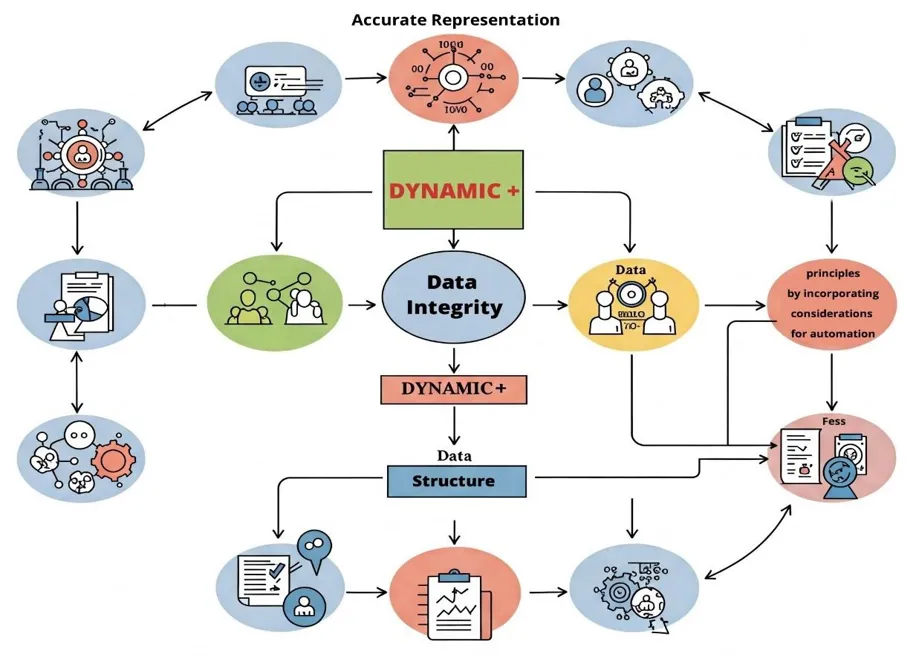
Figure1. Key Priorities in Biopharmaceutical Therapeutics Manufacturing: Quality, Safety, and Effectiveness
2. Limitations of ALCOA+ in Pharma 4.0
ALCOA+ has been widely accepted as the standard for the pharmaceutical industry to ensure that pharmaceutical data is Attributable, Legible, Contemporaneous, Original, Accurate, Complete, Consistent, Enduring, and Available. While these principles have provided a sound basis for data integrity in traditional pharmaceutical environments, the transition to digital, automated, and AI-driven environments has uncovered inherent deficiencies in ALCOA+ compliance. These deficiencies require a sophisticated framework that can address the complexities of Pharma 4.0 (Durá et al., 2022).
2.1. Static Data Handling
Another primary disadvantage of ALCOA+ is that it was originally designed for managing static data. Originally developed for paper-based systems and static electronic records, ALCOA+ fails to effectively manage the real-time data streams generated by Internet of Things (IoT) devices and artificial intelligence (AI) systems (van Loen et al., 2024). In today's biopharmaceutical manufacturing, operations are increasingly reliant on continuous monitoring and data gathering, which require dynamic data management capability. The ALCOA+ principles, particularly those requiring contemporaneous and accurate records, are challenging to uphold where data are being generated and processed in real-time. That gap can create compliance risks because the velocity and volume of data generated can overwhelm traditional methods of record-keeping and verification (Sabale et al., 2024).
2.2. Lack of Cybersecurity Focus
In a time of increasing cyber-attacks, data integrity and confidentiality of pharmaceutical data become the highest priority. However, ALCOA+ has not taken a broad perspective toward cybersecurity. With business organizations evolving into integrated systems and cloud-based storage facilities, threats of data breaches and misuse are so much greater (Leach, 2024). Strong security protocols such as blockchain and zero-trust designs are critical to protecting confidential data and maintaining data integrity. Without the incorporation of these security elements, ALCOA+ fails to address the weaknesses of modern data management environments, jeopardizing both patient safety and regulatory compliance (Vento, 2021).
2.3. Absence of AI & Automation Considerations
The emergence of AI-driven decision-making in Pharma 4.0 introduces yet another significant flaw in ALCOA+. With businesses employing artificial intelligence to enhance operational efficiency and decision-making, the need for intrinsic compliance verification and automated anomaly detection becomes essential (Kulkarni & Kothari, 2024). ALCOA+ does not provide adequate provisions for the integration of these emerging technologies and thereby loses its relevance in environments where AI systems are pivotal in data management. With AI algorithms increasingly playing a role in data interpretation and operational decisions, ALCOA+ not keeping up with these technologies leaves gaps in compliance and operational inefficiencies (McDermott et al., 2024).
2.4. Limited Support for Decentralized Data Management
The shift to cloud and blockchain-based decentralized systems further compounds the limitations of ALCOA+. With pharmaceutical companies adopting new data management approaches, ALCOA+ fails to supply the necessary tools for maintaining data integrity across the board (Oliveira et al., 2023). The regulations in ALCOA+ fall short of explaining the complexities that come with decentralized data management, thus resulting in inconsistency and making compliance challenging. The ambiguity of maintaining data integrity within a decentralized setup points to the intrinsic weakness in the ALCOA+ system (Wölfle et al., 2022).
2.5. Challenges in Computerized Systems
Apart from these specific limitations, the inherent nature of computerized systems used for the manufacture of drugs poses additional obstacles to ALCOA+ adherence. The ISA-95 system defines various information exchange levels within manufacturing settings (Figure 2), from physical manufacturing processes (Level 0) to business planning (Level 4). However, application of diversified systems—ranging from Manufacturing Execution Systems (MES) to Process Analytical Technologies (PAT)—makes compliance with ALCOA+ guidelines difficult. Handling of complex data records, such as those generated by PAT instruments, in an improper manner creates grave risks to data integrity (Borgosz & Dikicioglu, 2024).
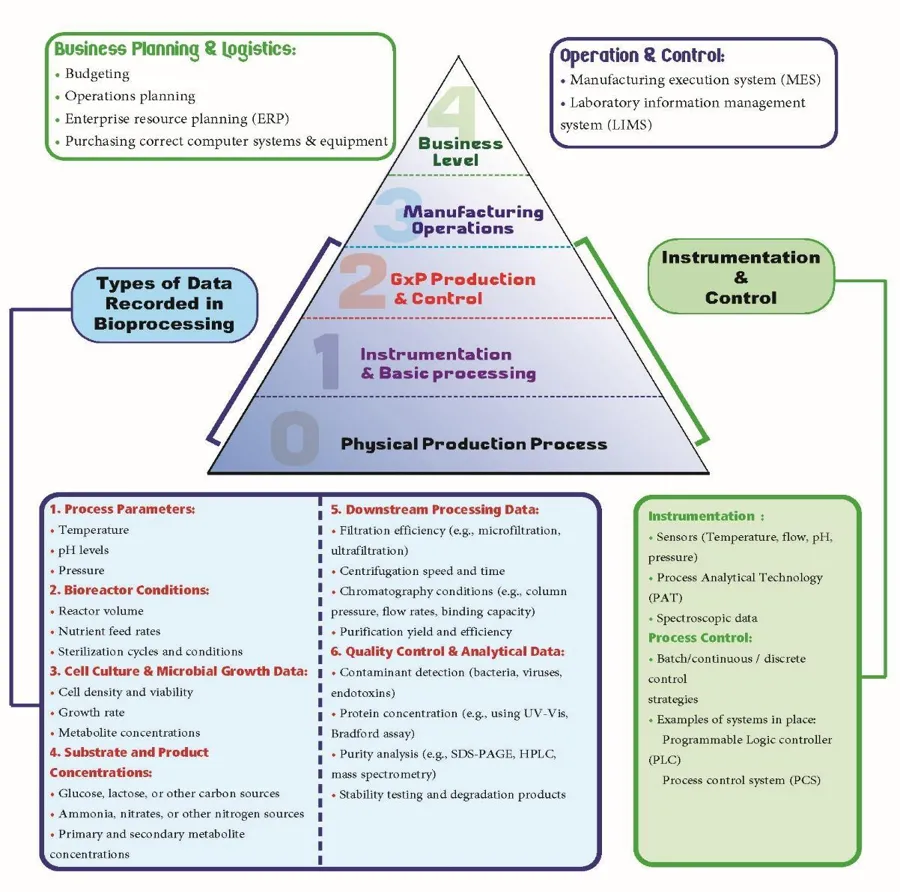
Figure 2. ISA-95 framework for GMP bioprocessing, with examples for each of its five layers.
2.6. Transition from Paper to Electronic Systems
While a move from paper-based documentation to completely electronic systems will enhance efficiency, it does not necessarily eliminate the risk of human error. Manual entry of data and other activities that are susceptible to human oversight continue to pose a risk to data integrity (Malviya et al., 2023). While ALCOA+ gives high importance to contemporaneous records, it does not adequately emphasize the necessity of effective validation of electronic systems before implementing them in Good Practice (GxP) settings. This can lead to the introduction of errors that contaminate data integrity and regulatory compliance (Mustapää et al., 2022).
2.7. Need for Standardization in Data Formats
Pharmaceutical processing plant heterogeneity in equipment, as often made up of several computing systems from disparate vendors, increases the complexity further (Figure 3). Different laboratory instruments may generate and store information in non-consistent formats like CSV, TXT, or formats specific to organizations (Charoo et al., 2023). This sort of non-conformity blocks effective data examination and conformity assessment. More work will have to be put into making data formats more consistent industry-wide because not having one unified set of rules results in the need for pre-processing and manipulation to make readable output (Charitou et al., 2024). Wherein ALCOA+ is beneficial as a benchmarking tool for data integrity, its ineffectiveness when it comes to countering the complex nature of today's pharmaceutical environment brings home the imperative for an improved framework (Huang et al., 2021). The DYNAMIC+ strategy aims to overcome such challenges by the integration of advanced technologies and methods that promote data integrity and compliance in the era of Pharma 4.0. In meeting static data handling, cybersecurity, AI considerations, and decentralized management, DYNAMIC+ is a forward-thinking evolution of the ALCOA+ principles to ensure the pharmaceutical industry can effectively confront the complexity of current data environments while maintaining the greatest levels of data integrity and regulatory compliance (Tabasevic et al., 2024, Idouglid et al., 2024).
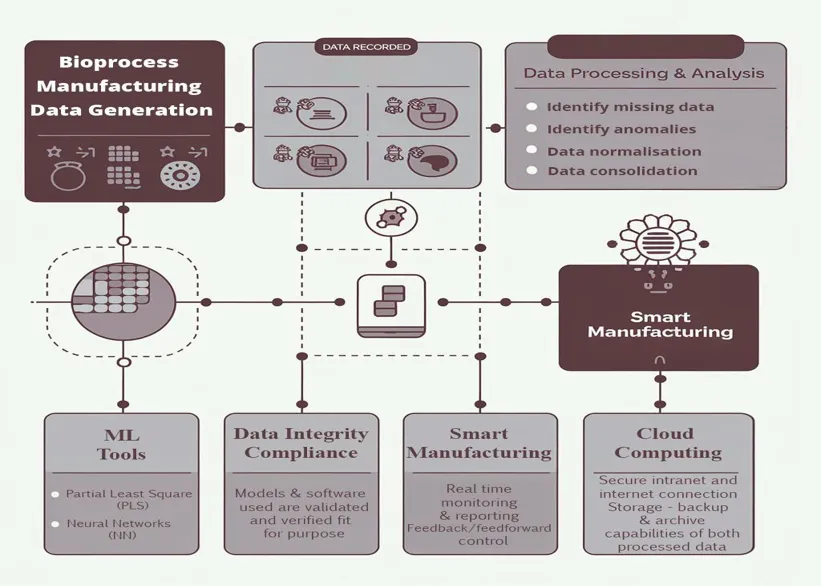
Figure 3. Data Processing Pipeline for Ensuring Integrity in Bioprocess Manufacturing within Industry 4.0.
3. The DYNAMIC+ Framework: A Next-Gen Approach
DYNAMIC+ addresses the limitations of ALCOA+ principles by utilizing newer technology in line with the fast pace of pharmaceutical development. The traditional models of data integrity must include complex manufacturing scenarios during the Pharma 4.0 era. DYNAMIC+ offers scalable and flexible solutions that are needed in contemporary biopharmaceutical operations. This model transforms the way the industry addresses data integrity in line with today's technology and regulatory standards. It maximizes compliance while pushing innovation and a culture of ongoing improvement. All the principles are designed to work synergistically, embedding data integrity in everyday practices.
Preferential use of decentralized systems offers flexibility, and yield-based processes ensure compliance as an innovation driver. Non-repudiation allows for the belief in data integrity that is necessary for regulatory submissions (Yaseen et al., 2024). Self-executing controls limit human error power, and focus on metadata and interoperability facilitate decision-making through choice based on knowledge (Porwol et al., 2022).With the evolution of the pharma sector, DYNAMIC+ will be able to handle complex problems. Healthcare organizations can cover regulatory gaps through adopting such novel concepts and attain effectiveness in maintaining public health security (Hammad et al., 2021, Ntamo et al., 2022).
4. How DYNAMIC+ is built on ALCOA+ / Mapping ALCOA+ with DYNAMIC+
The DYNAMIC+ framework approach is a breakthrough in the practice of data integrity within the pharmaceutical industry (Table 2). Adhering to the ALCOA+ guiding principles—Attributable, Legible, Contemporaneous, Original, Accurate, Complete, Consistent, Enduring, and Available—DYNAMIC+ meets the challenges of Pharma 4.0 complexity. As digitalization increases in the times to come in the industry, DYNAMIC+ offers a global solution to augment data integrity in any pharmaceutical operation. Below are live examples of how each of the DYNAMIC+ principles can be effectively used, revolutionizing data integrity (Table 3).
Table 2: DYNAMIC+ Framework enhancement in Pharma 4.0
|
Principle |
DYNAMIC + Enhancement |
Definition |
Practical Example |
|
A-Attributable |
Enhanced traceability |
Data entries can be traced back to responsible individuals, with digital signatures. |
Blockchain-based clinical trial records prevent unauthorized modifications and ensure full attribution. |
|
L-Legible |
Improved readability |
Ensures data is clear and easily interpretable, reducing miscommunication. |
Al-powered digital twin technology ensures structured metadata for seamless process visibility. |
|
C-Contemporaneous |
Real-time data capture |
Data is recorded in real-time, minimizing delays between occurrence and documentation. |
Al-powered HPLC audit trails detect data entry delays and flag potential integrity risks. |
|
O-Original |
Verified original sources |
Data is captured directly from original sources without alterations. |
Blockchain-backed electronic batch records (EBR) prevent unauthorized modifications and guarantee data originality. |
|
A-Accurate |
Enhanced validation mechanisms |
Accuracy is ensured through automated validation checks and anomaly detection. |
Al-driven audit trail analytics auto-corrects data inconsistencies, ensuring accurate regulatory reporting. |
|
C-Complete |
Comprehensive data integration |
All necessary data is captured and seamlessly integrated across systems. |
Seamless data integration across QC Labs, manufacturing and ERP systems prevents data silos. |
|
C-Consistent |
Standardized processes |
Uniformity in data collection and processing across all locations and systems. |
Al-monitored audit trails prevent backdated entries and maintain chronological integrity. |
|
E-Enduring |
Long-term data preservation |
Data integrity is maintained over time through secure, redundant storage solutions. |
AL-based predictive maintenance in biologics manufacturing ensures long-term process consistency. |
|
A-Available |
Enhanced accessibility |
Data is readily accessible to authorized users while ensuring security and compliance. |
GXPcloud platforms enable real-time access to manufacturing data for regulatory authorities. |
Table 3: Principles of the DYNAMIC+ Framework in Pharma 4.0
|
Principle |
Definition |
Why It Is Needed in Pharma 4.0 |
|
D - Decentralized |
Cloud-based Electronic Batch Records (EBR) for global manufacturing |
Enhances traceability, reduces batch review time, and improves production efficiency, ensuring timely shipping of medications. |
|
Y - Yield-Driven |
AI-driven process optimization for vaccine production |
Minimizes human variability, optimizes production parameters, and ensures high production yield and data integrity for regulatory compliance. |
|
N - Non-Repudiable |
Use of blockchain for tamper-proof clinical trial data |
Safeguards data integrity, creates an immutable audit trail, and builds stakeholder confidence in research outcomes. |
|
A - Independent |
AI-based audit trail analysis in laboratories |
Automates detection of anomalies, supports real-time compliance monitoring, and reduces regulatory risk and audit review time. |
|
M - Meta-Integrated |
End-to-end bioprocessing with digital twin technology |
Integrates real-time and historical metadata for predictive analysis, enhancing traceability and optimizing processes. |
|
I - Interoperable |
Integration layer for seamless data exchange among systems |
Eliminates data inconsistencies, improves data integrity, and allows rapid responses to manufacturing and regulatory demands. |
|
C - Cognitive |
AI-driven forecasting of data integrity risks |
Identifies high-risk areas before audits, reducing regulatory notifications and improving process efficiency. |
|
+ - Cybersecure & Continuous |
Zero-trust security for GxP cloud systems |
Protects sensitive data from cyberattacks, promoting compliance and trust among patients and healthcare professionals. |
DYNAMIC+ represents a revolution in pharma sector data integrity challenge management. Utilizing such concepts as decentralization, AI, blockchain, and high-level security, DYNAMIC+ achieves optimum compliance, reduced operation risk, and maximum efficiency. A seamless platform like this integrates with regulatory requirements and provides a culture of continuous improvement to enable businesses to thrive despite the increased complexity with the promise of high-quality data along with patient safety.
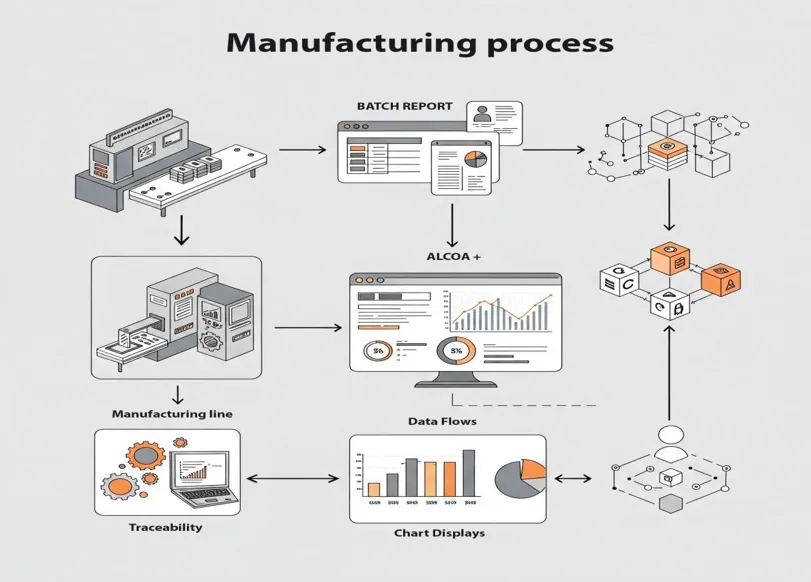
Figure 4. Insightful Manufacturing Flow Diagram: Mapping Stages, Data Interactions, and Traceability
5. Technologies Powering DYNAMIC+
The DYNAMIC+ solution is an innovative solution that employs the most advanced technologies to optimize data integrity in the pharma industry. All modules are addressing Pharma 4.0 challenges. Some of the key technologies employed in DYNAMIC+ and their functions in providing safe data integrity solutions are listed below.
5.1. Blockchain for Data Integrity
Blockchain is a foundation of DYNAMIC+, providing a decentralized, tamper-evident ledger that revolutionizes data management. In the pharmaceutical industry, blockchain timestamps all transactions—e.g., clinical trial data and manufacturing history—to prevent tampering. That transparency allows stakeholders, including regulators, to see an unalterable audit trail. Smart contracts impose compliance through rules based on data integrity, minimizing human error and maximizing accountability (Haleem et al., 2019).
5.2. AI and Machine Learning for Compliance
Machine learning and AI revolutionize data management by relying on advanced analytics. The technologies scan massive amounts of data automatically, identifying trends and outliers that indicate compliance risk. Machine learning is able to forecast potential compliance risks, enabling regulatory departments to remediate high-risk items. AI also enables real-time monitoring of processes, which identifies deviations in real time, minimizing risks and enabling ongoing improvement (Padmanaban, 2024).
5.3. Cloud and Edge Computing for Data Access
Cloud and edge computing facilitate real-time access to data between geographically separated pharmaceutical sites. Data is centralized by employing cloud technology for making them available for simultaneous use by geographically separated teams at different locations, as needed for global clinical trials. Edge computing facilitates data to be processed at a geographically closer site, precluding latency while allowing real-time analytics to be performed. Such access strengthens compliance and business flexibility (Singh et al., 2017).
5.4. Security Cybersecurity Frameworks
Like with increasing threats in the cyber world, there is a need for robust cybersecurity to protect sensitive information. Zero-trust models are employed in DYNAMIC+ for rigorous verification of users and devices. Artificial intelligence-based real-time behavioral inspection and anomaly detection detect potential security breaches within a limited time duration, thereby securing data integrity as well as trust of stakeholders. End-to-end encryption also protects data in transit (Pesqueira & Sousa, 2024).
5.5. IoT for Real-Time Monitoring
DYNAMIC+ supports IoT sensors implanted, which aid in real-time monitoring and collection of data within processes. Temperature and humidity monitoring, among such crucial parameters, occur in real time, along with policy compliances being easy to achieve. The feature adds strength to the authenticity of data with real-time deviation notifications. IoT data are stored securely on the blockchain in the form of immutable records too (Ullagaddi, 2024).
DYNAMIC+ resolves data integrity challenges for the pharma sector in general. With blockchain, AI, cloud computing, cybersecurity, and IoT integration, DYNAMIC+ is in a better position to provide compliance and business effectiveness. The new utility has robust levels of data integrity that make for a dynamic, responsive, and resilient industry strong enough to fight adversity in the future.
6. Regulatory Alignment: How DYNAMIC+ Meets FDA, EMA, and Global Data Integrity Standards
With the pharma landscape evolving with newer technologies being integrated, compliance is more of a priority than ever before. The DYNAMIC+ framework is designed specifically keeping in mind compliance to major regulatory guidelines such as FDA's 21 CFR Part 11, EMA Annex 11, WHO guidelines, and ICH Q10. Not only does this offer compliance, but also prepares organizations for riding the waves of Pharma 4.0 successfully (Huma & Peng, 2023).
6.1. Compliance with FDA's 21 CFR Part 11
FDA's 21 CFR Part 11 regulates the use of valid electronic signatures and records. The DYNAMIC+ model enhances regulatory compliance through the requirement of a series of necessary mechanisms. For example, the Non-Repudiable principle employs blockchain technology to create time-stamped and immutable records with traceable and verifiable changes. This directly enhances the FDA's requirements for data integrity and accountability as represented in Figure 5 (Brody, 2016).
Furthermore, DYNAMIC+ facilitates extensive validation procedures and the use of AI-compliance checks to facilitate real-time monitoring. By incorporating such advanced technologies, organizations can provide ongoing compliance with regulations, minimizing the risk of non-compliance. The framework's emphasis on decentralization provides assurance that information is accessible and traceable across various locations, as required by the FDA for security and visibility (Debnath et al., 2023).
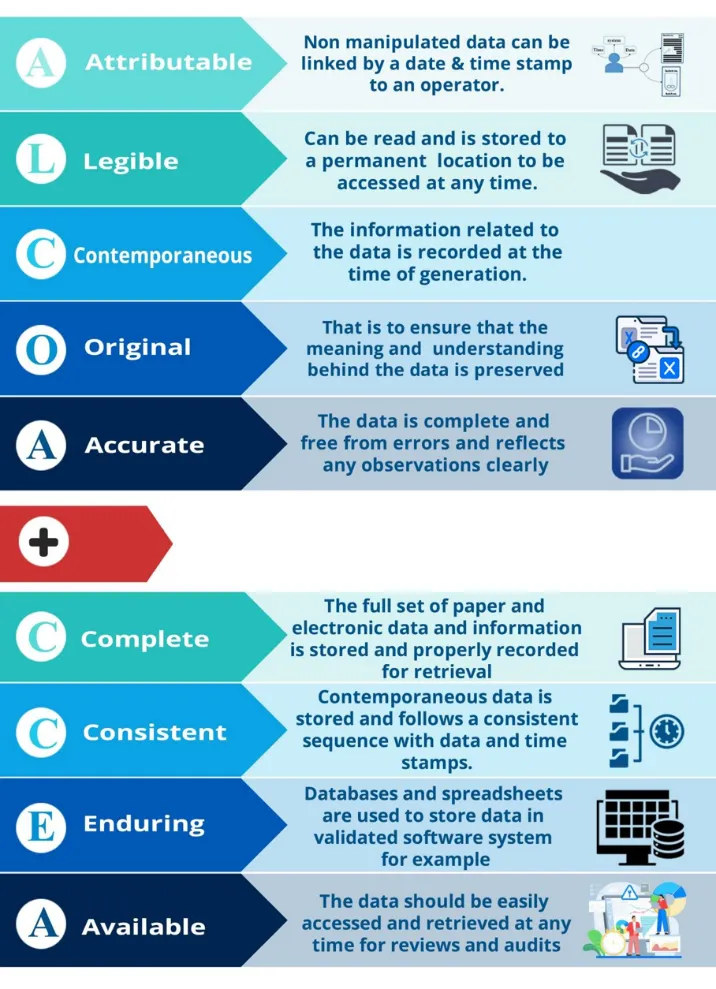
Figure 5. Components and definitions of FDA's ALCOA+ principles.
6.2. Conformance to EMA Annex 11
EMA Annex 11 reconciles conflicting demands placed on computer systems validated in clinical trials. DYNAMIC+ fulfills this need through strict validation processes ensuring the reliability and integrity of the system. The Autonomous factor in the system provides ongoing monitoring of system behavior, ensuring watchful regulatory compliance (Cambronero et al., 2024).
Other than that, addition of automated compliance checks using AI and machine learning yet again increases EMA's need for verifying data quality at regular intervals. Through audit log capture and capture of metadata, traceability is enhanced and documentation requirements according to EMA Annex 11 are facilitated so electronic processes are always strictly in accordance with regulatory guidelines.
6.3. Compliance with WHO Guidance
The World Health Organization (WHO) provides essential guidance for data integrity in pharmacy practice. DYNAMIC+ adheres to WHO best practice of contemporaneous recording and contemporaneous monitoring of the data. Decentralization of the management of data in the system is suitable for WHO promotion of transparency and accountability, particularly regarding global supply chains (World Health Organization, 2024).
With the use of IoT devices to obtain data on a real-time basis, WHO expectancy compliance is enhanced to enable organizations to track key manufacturing parameters in real-time. Real-time data management enables organizations to react immediately to any deviation for quality products and patient safety (Hightower & Pruett, 2019).
6.4. ICH Q10: Quality Management Systems
ICH Q10 brings an integrated framework of quality management for pharmaceuticals with the focus to deliver an active model for quality during product life. DYNAMIC+ stands on top of this model incorporating the Yield-Driven approach and linking data integrity to primary business and quality objectives. Compliance within such a case is regulation compliance but enhanced general operation performance (VanDuyse et al., 2021).
The Cognitive module of DYNAMIC+ enables predictive analytics capabilities to allow organizations to identify prospective quality issues early enough so that they can be prevented from growing into critical defects. Organizations leverage historic compliance data and trending analysis to take corrective action in advance, complementing ICH Q10's focus on ongoing improvement and successful risk management (Wigman & Ooi,2018).
6.5. A Roadmap for Transitioning to Pharma 4.0
DYNAMIC+ is an obligatory compliance guide for pharma companies in transition to Pharma 4.0. By overcoming the extremely specific requirements of regulatory authorities, it allows companies to leverage emerging technologies without sacrificing stringent guideline compliance. Decentralized operations, automated compliance tracking, and other security features not only provide better data integrity but allow companies to keep pace with the rapid speed of evolving regulatory landscapes (Schneikart et al., 2024).
Aside from this, DYNAMIC+ also promotes a culture of innovation and continuous improvement. Through feedback loops and adaptive methods, businesses are able to keep up with shifting regulations and advancing technologies. Not only does this vision-led approach create value for compliance, but it also keeps companies one step ahead as market leaders poised to deliver high-quality products of quality standards that regulators and patients demand (Reinhardt et al., 2020).
Regulatory harmonization is the need of the hour in today's fast-paced pharma industry to meet regulatory requirements and data integrity (Arief et al., 2022). DYNAMIC+ strategy is a holistic end-to-end solution of the regulations levied by powerful regulating bodies like the FDA, EMA, WHO, and ICH as mentioned in Table 1. Grounded on principles of transparency, automation, and quality management for forward orientation, DYNAMIC+ is not only compliant but also allows organizations to thrive in the era of Pharma 4.0. With the industry still under pressure to stay abreast of technology innovations, DYNAMIC+ is an informed step that balances regulatory demands and innovative practices ultimately to provide improved outcomes for patients and improved standards for industry (Pedro et al., 2023).
Table 1: Data Integrity Standards from EMA, FDA, and MHRA with Examples of Violations
|
Common Data Integrity Guidelines |
Examples of Data Integrity Violations |
ALCOA+ Related Violations |
|
Training Requirements |
Training all personnel, including: |
|
|
• Process operators |
• Inattentive documentation leading to missing data during note-taking |
✗ Complete |
|
• Supervisors |
• Non-validated recording software causing data discrepancies |
✗ Accurate |
|
•Quality assurance inspectors |
• Lack of training on data integrity standards |
✗ Consistent |
|
Data Review Procedures |
All data must be reviewed by QA departments, including: |
|
|
• Computerized records stored in cloud or shared drives |
• Incomplete and inaccurately submitted documentation |
✗ Accurate |
|
• Physical records |
• Does not comply with established standards |
✗ Complete |
|
Data Backup and Storage |
All data forms must be securely recorded and stored for regulatory inspection, such as: |
|
|
• Printed observations from analytical systems |
• Data (raw/processed) unavailable for regulatory inspection |
✗ Accurate |
|
• Raw non-processed data |
• Manual observations recorded on loose paper |
✗ Available |
|
• Meta-data in electronic notebooks (ELNs) and lab books |
• Archived copies not accurately representing original records |
✗ Legible |
|
Audit Trail Management |
Audit trails should be checked for an accurate trail of data changes: |
|
|
• Tracking deletions and modifications |
• Backdating results and observations |
✗ Accurate |
|
• Ensuring availability for regulatory inspectors |
• Back documenting activities |
✗ Complete |
|
Record Change Control |
Changes to records must be traceable to identifiable personnel, such as: |
|
|
• Independent logins required |
• Using shared logins in electronic systems without individual accountability |
✗ Consistent |
|
Scientific Basis for Control Strategies |
Control strategies must be based on sound scientific principles validated by QA personnel |
|
|
• Monitoring measures must be validated |
• Measures in place are non-validated |
✗ Accurate |
7. Implementation Roadmap for Transitioning to DYNAMIC+
The transition from baseline ALCOA+ to DYNAMIC+ model is cyclical. This would cause organizations to build data integrity in the Pharma 4.0 environment (Razzaq et al., 2023).
1. Conducting a Comprehensive Gap Analysis of current procedures and the DYNAMIC+ framework is the beginning (Abdallah and Nizamuddin, 2023). This includes:
Weaknesses Identification: Determine where the current practice is lacking compared to the expectations created by Pharma 4.0, for instance, static controls for data or inadequate cyber security.
Regulatory Requirement Mapping: Plotting results against firm rules like the FDA and the EMA to effectively reflect loopholes.
Stakeholder Communication: Ties important stakeholders in the quality assurance department, IT department, operational teams, and attorneys together to decide and acquire stakeholder approval.
The above evaluation is constrained by the following installation phases and sets current limitations and opportunities.
2. Establishing Blockchain and AI-Based Compliance Mechanisms
Where there has existed a gap, firms must install blockchain and AI technologies (Karalis, 2024)
Blockchain Adoption: Employ decentralized, tamper-evident storage of data for non-repudiable evidence. This allows enhanced data integrity in clinical trials and multi-site business.
AI-driven Compliance Tools: Leverage or adopt AI-powered tools for automated data validation, audit trail monitoring, and real-time exception alert to reduce manual review.
These technologies are deeply compliance-focused and DYNAMIC+ guideline relevant.
3. Enhancing Cybersecurity Protocols to Align with Zero-Trust Models
Cybersecurity hardening is needed in today's threat environment (Rahman et al., 2024). This phase encompasses:
Implementation of Zero-Trust Policy: Mandate strict authentication of identity across all devices and users accessing assets, minimizing the chance of letting the wrong individuals through.
Continuous Monitoring: Mandate real-time anomaly detection controls to determine the likelihood of threats in real-time.
Data Encryption: Mandate end-to-end encryption on sensitive data in motion and at rest, keeping intrusions at bay.
These controls preserve data integrity and adhere to data security guidelines.
4- Empowering Employees with New Technology
Next-generation compliance technology training needs to be upskilled to current employees for leveraging the entire potential of DYNAMIC+ framework energy (Gou et al., 2024):
Design Training Program: Develop sample job role-based modules of DYNAMIC+ basics, blockchain, AI-based solutions, and cybersecurity best practices.
Hands-On Workshops: Develop hands-on employee workshops for new system introduction with experiential learning alternatives.
Continuous Learning Culture: Sustain continuous learning culture and compliances' technologies and regulatory updates awareness through the regular refresher training.
There must be specialized manpower to implement DYNAMIC+ properly.
5. Piloting DYNAMIC+ in High-Risk Areas Before Full-Scale Deployment
Roll out the DYNAMIC+ system pilot in high-risk sites before mass roll-out (Secinaro et al., 2021):
Piloting Sites: Choose where the risk of non-compliance is highest, i.e., complicated manufacturing stages or risky clinical trials.
Monitoring and Evaluation: Implement DYNAMIC+ practices in such sites and monitor performance against measures.
Feedback Loop: Leave open lines of feedback from employees during piloting so that the improvement process can begin immediately.
Pilot stage allows organizations to see areas of difficulty and get it right before roll-out.
ALCOA+ to DYNAMIC+ transition is a strategic step that should be prepared. Organizations can achieve solutions by adopting blockchain and AI technologies, better cybersecurity, employee training, and pilot implementation of high-risk areas by using gap analysis. Organizations can manage data integrity problems in the current era with the help of such solutions. This step aligns a firm to the rule and gets a firm ready for success in Pharma 4.0, which leads to better patient results and business results (Ding et al., 2018).
8. Future Outlook: The Role of AI, Blockchain & Pharma 5.0
As the pharma industry transforms into Pharma 5.0, new technologies like artificial intelligence (AI) and blockchain will transform drug development, manufacturing, and supply. Pharma 5.0 demands a networked, intelligent, and patient-focused approach through data-driven insight and transparency (Sah et al., 2024).
Artificial intelligence will transform the majority of the pharma operations, from drug discovery to personalized medicine. Machine learning can effectively search for lead drug candidates as well as optimize clinical trial designs and thereby achieve higher success rates and shorter time-to-market. AI will provide real-time monitoring and predictive maintenance for manufacturing, achieving optimized operational efficiency as well as product quality. The promise of AI in pharmacovigilance will also facilitate faster identification of adverse drug reactions through unstructured information analysis (Agrawal et al., 2024).
Blockchain technology provides data integrity and transparency in the form of un-hackable histories of transactions. What this translates to is perfect audit trails, which are pure gold when it comes to counterfeiting prevention and supply chain control. Use of blockchain technology in clinical trials has the potential to make patient consent easier as well as allow for secure sharing of data through the application of data encryption and further enhancing data integrity and data availability (Fraga-Lamas et al., 2024).
The synergy between blockchain and AI will create a healthier pharma ecosystem. Blockchain information can be interpreted by AI to improve supply chain decision-making, apart from facilitating personalized medicine through secure sharing of information. Pharma 5.0 will focus on patient engagement through the provision of health information and decision-making authority (Parry, 2024). AI-driven digital health technology will allow real-time health monitoring, with better treatment compliance and overall health. AI and blockchain in tandem will transform pharma business to a new horizon of data integrity, compliance, and patient care (Saveetha et al., 2024). Deployment will involve companies, regulators, and innovators' collaboration, and regulatory compliance, and this will push companies to the doorstep of the new healthcare ecosystem.
CONCLUSION
Following the Data Integrity (DI) guidelines is the essence of quality assurance in the pharma industry and is required for product quality, efficacy, and safety. Although the ALCOA+ guidelines of the FDA have served as the bench-mark for analyzing and managing DI risks, a serious limitation exists in a Pharma 4.0 setting. The limitations include stringent data handling, no security focus, no reference to AI and automation, and no support to transition from paper to automated systems. This paper has introduced the DYNAMIC+ framework as a next-generation method that is grounded in ALCOA+ principles yet shatters these root problems. By incorporating technologies that facilitate cybersecurity, enable decentralized data management, and facilitate automation, DYNAMIC+ answers evolving regulatory agency needs such as the FDA and EMA. The implementation roadmap provided herein is the strategic implementation roadmap for DYNAMIC+ migration . The paper also touches on standardization of data format and the application of new technology in mitigating DI risks. As the industry enters Pharma 5.0, AI, blockchain, and data analytics will be at the forefront to enable robust DI practices. Last but not least, the execution of the DYNAMIC+ framework will not only comply but best position biopharmaceutical firms for success in the new age of complex manufacturing that will increasingly define the industry.
REFERENCES

Reshma Kodumuru, DYNAMIC+ Framework: Revolutionizing Data Integrity and Moving Beyond ALCOA+ in Pharma 4.0, Int. J. of Pharm. Sci., 2026, Vol 4, Issue 6, 6520-6538. https://doi.org/10.5281/zenodo.20848876
 10.5281/zenodo.20848876