

We use cookies to ensure our website works properly and to personalise your experience. Cookies policy
P.R. Pote Patil College of Pharmacy, Amravati, Maharashtra, India.
Mosquito-borne diseases such as malaria, dengue, chikungunya and Zika continue to pose significant public health challenges worldwide, and their control relies heavily on personal protection measures, particularly mosquito repellents. Synthetic repellents such as DEET remain the first choice, but concerns about their toxicity, skin irritation and environmental persistence, together with a growing consumer preference for “natural” products, have stimulated substantial research interest in plant-derived essential oils. This review presents ethnobotanical evidence on traditionally used mosquito-repellent plants, along with their pharmacognostic parameters, phytochemical composition and pharmacological activity. The essential oils of citronella, lemongrass, lemon eucalyptus, neem, lavender, peppermint, clove, basil, tea tree and cedarwood are discussed. Bioactive constituents such as citronellal, citral, geraniol, eugenol, linalool and para-menthane-3,8-diol (PMD) are responsible for repellent activity against the major vector genera Aedes, Anopheles and Culex. The review also addresses the main limitations of essential oils, including short duration of protection and variable efficacy influenced by the formulation method, and gives an overview of essential oil–based mosquito repellent products currently available in the market. By integrating findings from ethnobotanical, pharmacognostic, phytochemical and pharmacological studies, this review aims to provide a comprehensive perspective on the potential of essential oils as sustainable, plant-based alternatives to synthetic repellents.
Mosquitoes are among the most irritating blood-sucking insects affecting human beings.1 Mosquito species belonging to the genera Anopheles, Aedes and Culex are known to be vectors of most of the disease pathogens that cause malaria, dengue fever, yellow fever, lymphatic filariasis, encephalitis and other diseases.
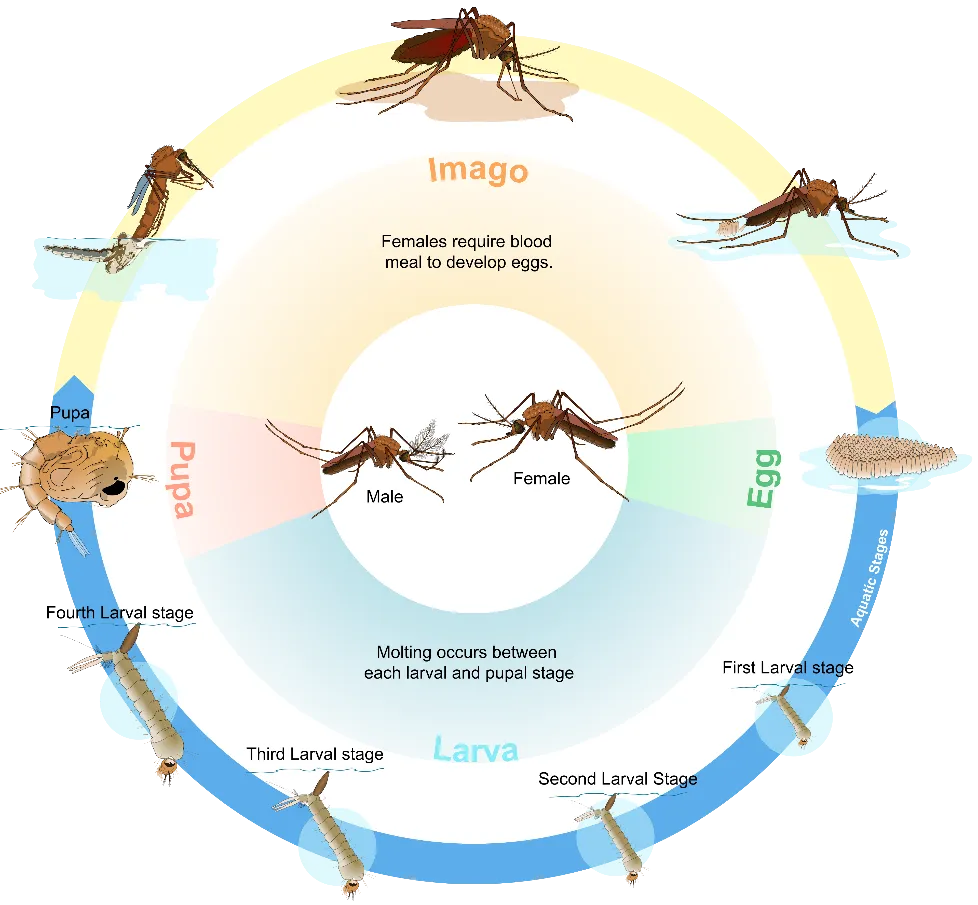
Figure 1: Life Cycle of the Mosquito.2
Mosquito-borne diseases pose a significant threat to public health, making effective and natural repellents a necessity. Synthetic repellents are manufactured on a large scale and are widely used and very popular, but their ingredients can be harmful to humans and to the environment. Prolonged exposure to synthetic ingredients such as DEET can lead to skin irritation, allergies and environmental concerns, and there is consequently a growing demand for natural, plant-based alternatives that are safe, effective and eco-friendly.3 Essential oils of eucalyptus, peppermint, neem, clove and citronella have traditionally been recognised for their ability to deter mosquitoes.
This review discusses the ethnobotanical background, pharmacognostic parameters, phytochemical composition, pharmacological activity and marketed products of ten essential oils (citronella, lemongrass, lemon eucalyptus, neem, lavender, peppermint, clove, basil, tea tree and cedarwood), together with their mechanism of repellent action and the advantages and limitations of herbal mosquito repellents.
1.1 What is a Mosquito Repellent?
A mosquito repellent is a substance applied to the skin, clothing or other surfaces that discourages mosquitoes from landing on that surface. It makes the surface unpleasant and unattractive to mosquitoes and so reduces human–mosquito contact. Repellents repel insects but do not kill them; they are therefore not technically insecticides or pesticides. They help to prevent and control mosquito-borne diseases such as dengue fever, malaria, yellow fever and Japanese encephalitis. The active ingredient is the only component responsible for repelling mosquitoes, by blocking the olfactory senses that detect the carbon dioxide and lactic acid released when a person perspires. Repellent products also contain other ingredients that aid cosmetic finishing.4
1.2 Classification of Mosquito Repellents
The mosquito repellents currently available can be broadly divided into three categories: (i) physical methods, (ii) chemical methods, which include natural and synthetic repellents, and (iii) mechanical methods.
1.2.1 Physical Methods
Physical methods aim to keep mosquitoes from biting by acting as a barrier. Stagnant water is emptied from buckets, old tires, rain gutters, plastic coverings and similar containers, and wearing long sleeves is advised, particularly at dawn and dusk. Window and door screens should be repaired to keep mosquitoes out of the house, and water in bird baths, fountains, pools and rain barrels should be changed at least once a week so that mosquitoes cannot find an ideal place to lay their eggs.
1.2.2 Chemical Methods
Chemical methods use repellents with a chemical basis, which help to prevent and manage insect-borne diseases. They can be divided into two groups according to their source.
Natural repellents. These are made from natural materials. Herbal insect repellents have been created and marketed since ancient times and have given rise to personal-protection techniques. They are generally considered to have fewer adverse effects and to be safe, and natural resources with repellent ability have been crucial in reducing the spread of vector-borne diseases in humans and animals. Essential oils such as citronella, eucalyptus, lavender, lemongrass and peppermint can be used topically or diffused. The scent of garlic and neem oil has also been observed to deter mosquitoes.
Synthetic repellents. Because of the limitations of natural herbal repellents, certain synthetic repellents were developed. The effectiveness of natural repellents lasts for a shorter time and diminishes more quickly, and the use of natural plant resources is also limited by their short repellent time and high cost, which prompted extensive research to create synthetic alternatives. Although plant-derived chemicals have long been used to repel mosquitoes, the same drawbacks have been noted, and plant-based repellents differ from synthetic ones.
1.2.3 Mechanical Methods
Mechanical methods use devices to keep mosquitoes away. A mechanical repellent system can be made using the well-known fact that yellow light attracts fewer insects than white light. An electric mosquito zapper uses ultraviolet light to attract and trap mosquitoes and kills them on contact with an electric charge. Mosquito magnets and electric mosquito zappers are also classified as mechanical repellents.5
1.3 Need for Herbal Mosquito Repellents
Numerous synthetic mosquito repellents contain ingredients that are harmful to human health, and herbal repellents, which are prepared from herbal ingredients and essential oils, are therefore needed as safer options. Dermatitis, allergic reactions, and neurologic and cardiovascular toxicities, including seizures, have been reported in association with the extensive use of DEET-containing products, as documented by researchers such as Tenenbein and in poison-control-centre telephone records.6 Further detrimental health effects, such as encephalopathy, tremors, slurred speech, aberrant behaviour, coma and even death, have also been reported.7
2. Essential Oils Used as Mosquito Repellents
2.1 Citronella Oil
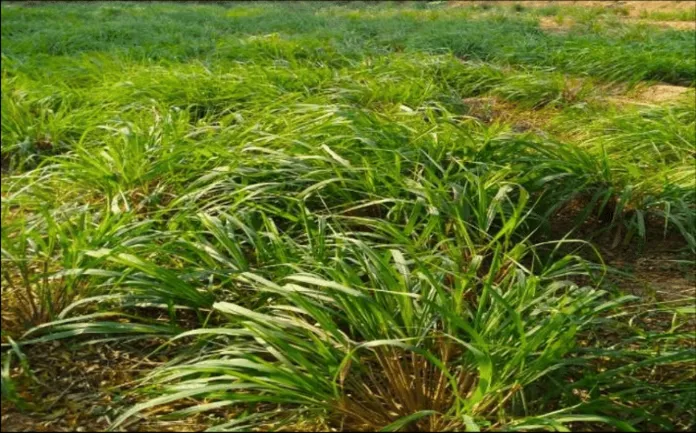
Figure 2: Citronella Plant (Cymbopogon winterianus).8
2.1.1 Ethnobotanical Study
In traditional medicine, citronella oil has been used as an aromatic tea, vermifuge, diuretic and antispasmodic. It is commonly known for its natural insect-repellent properties, although it has many uses in aromatherapy. It can be used as a massage oil for aching joints and muscles, and in a nebulising or humidifying diffuser for its insect-repellent effect. Traditional use includes the treatment of fever, intestinal parasites, and digestive and menstrual problems. In mental illness, citronella is described as clarifying and balancing, and combining it with lemon oil can bring an even more brightening effect to the mind.9
2.1.2 Pharmacognostic Parameters
Table 1: Pharmacognostic Parameters of Citronella Oil10
| Sr. No. | Parameter | Result |
|---|---|---|
| 1 | Shape | Thin pieces 15–35 cm in length and 0.5–2 cm in width, with a rough and stiff texture |
| 2 | Colour | Pale greenish yellow to slightly yellow |
| 3 | Odour | Aromatic, lemon-like |
| 4 | Taste | Bitter and slightly spicy |
2.1.3 Phytochemical Study
Table 2: Major Phytoconstituents of Citronella Oil11
| Sr. No. | Name of Compound | Formula | Concentration |
|---|---|---|---|
| 1 | Citronellal | C10H18O | 23.62% |
| 2 | Citronellol | C10H20O | 17.10% |
| 3 | Geraniol | C10H18O | 28.62% |
| 4 | Citronella acetate | C10H22O2 | 1.09% |
| 5 | Limonene | C10H16 | 0.95% |
2.1.4 Pharmacological Activity
Essential oils are natural products that exhibit a variety of biological properties, such as analgesic, anticonvulsant and anxiolytic activities. As far as the therapeutic use of citronella oil is concerned, most of the activities are confined to mosquito-repellent, antiparasitic, nematicidal, antifungal and antibacterial actions.13
2.1.5 Products Available in the Market
Marketed products containing citronella oil include: Fabessential, Mantra, Vitro, Scimos, Mother Sparsh, Shree Sanjeevani, Mamaearth.
2.2 Lemongrass Oil
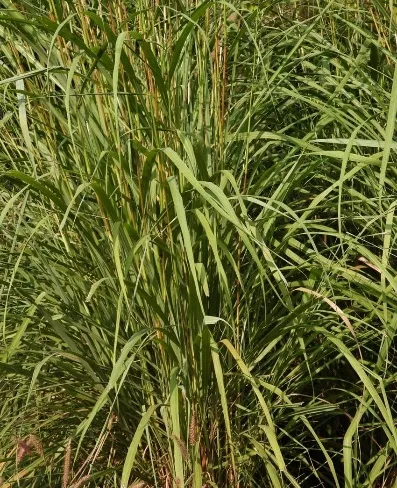
Figure 4: Lemongrass (Cymbopogon citratus).14
2.2.1 Ethnobotanical Study
Cymbopogon citratus is employed as a folk medicine in the treatment of nervous conditions, gastrointestinal disturbances, fever and cardiovascular disease. It is also a folk remedy for coughs, hypertrophy, flu, gingivitis, headache, leprosy, malaria, ophthalmic conditions, respiratory disease and vascular disorders. It is mainly taken in the form of “tea” as a remedy for digestive problems, diarrhoea and stomach ache. As a medicinal plant, C. citratus has been considered a carminative and an insect repellent.15
2.2.2 Pharmacognostic Parameters
Table 3: Pharmacognostic Parameters of Lemongrass Oil16
| Sr. No. | Parameter | Result |
|---|---|---|
| 1 | Appearance | Liquid |
| 2 | Colour | Yellow |
| 3 | Odour | Citrus |
2.2.3 Phytochemical Study
Table 4: Major Phytoconstituents of Lemongrass Oil
| Sr. No. | Name of Compound | Formula | Concentration | Reference |
|---|---|---|---|---|
| 1 | Citral α | C10H16O | 40.8% | 17 |
| 2 | Geraniol | C10H18O | 1.9–3.04% | 17,18 |
| 3 | Citral β | C10H16O | 32% | 17 |
| 4 | Nerol | C10H18O | 4.18% | 17 |
| 5 | β-Myrcene | C10H16 | 11% | 18 |
2.2.4 Pharmacological Activity
The pharmacological activities of C. citratus have an outstanding record in folk and Ayurvedic medicine. Scientific investigations have reported antifungal, antibacterial, antiprotozoal, anti-inflammatory, anti-carcinogenic, antioxidant, anti-rheumatic and cardioprotective activities. It has also been reported to inhibit platelet aggregation and to be useful in diabetes, gastrointestinal infections, anxiety or depression, malaria and pneumonia. Industrially, it serves as an additive, flavouring, insecticide and preservative in beverages, baked foods and cuisines.19
2.2.5 Products Available in the Market
Marketed products containing lemongrass oil include: Medella Naturals, Mother Sparsh, Shree Sanjeevani, Vitro, Mamaearth, RunBugz.
2.3 Lemon Eucalyptus Oil
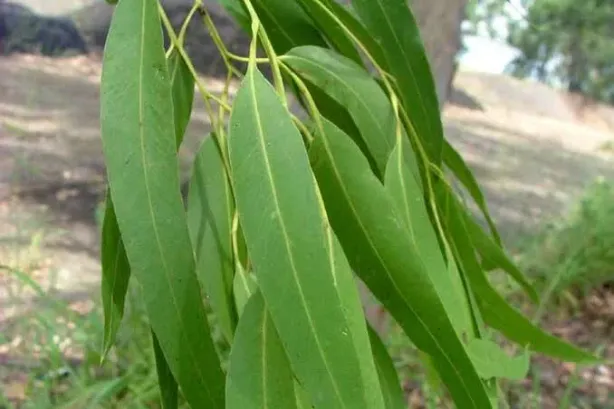
Figure 5: Lemon Eucalyptus (Eucalyptus citriodora).20
2.3.1 Ethnobotanical Study
Eucalyptus oil, particularly from E. citriodora, is a major source of citronellal,21 which is used universally in the fragrance and chemical industries. The major applications in the fragrance industry include the preparation of creams, deodorisers, detergents, lotions, perfumes and soaps. The essential oil is also used in food and beverage preparations, aromatherapy and phytotherapy in countries such as China, India, South Africa, Portugal, Brazil and Tasmania.22 In the food industry, eucalyptus oil is used as a flavouring agent in chewing gums, ice-creams, confectionery and liquor. It is also used in water disinfection plants.23 The essential oil also possesses anti-diabetic, antibacterial, anti-inflammatory and antioxidant properties and is used for cleaning external wounds and skin infections.24
2.3.2 Pharmacognostic Parameters
Table 5: Pharmacognostic Parameters of Lemon Eucalyptus Oil25
| Sr. No. | Parameter | Result |
|---|---|---|
| 1 | Appearance | Clear liquid |
| 2 | Colour | Pale yellow to clear or slightly greenish-yellow |
| 3 | Odour | Strong, characteristic and fresh, recalling that of citronellal |
| 4 | Taste | Pungent, slightly bitter and cooling |
2.3.3 Phytochemical Study
Table 6: Major Phytoconstituents of Lemon Eucalyptus Oil26
| Sr. No. | Name of Compound | Formula | Concentration |
|---|---|---|---|
| 1 | Citronellal | C10H18O | 63.10% |
| 2 | 1,8-Cineole | C10H18O | 2.63% |
| 3 | Neo-isopulegol | C10H18O | 2.20% |
| 4 | Linalool | C10H18O | 1.77% |
| 5 | Isopulegol | C10H18O | 0.71% |
2.3.4 Pharmacological Activity
E. citriodora is also known as citron-scented gum, lemon eucalyptus, lemon-scented gum, Corymbia citriodora and spotted gum. It has been credited with anti-inflammatory, antibacterial and antifungal activity and, recently, has gained popularity as an insect repellent.27
The leaves of E. citriodora contain many compounds with pesticidal activity, including aromadendrene, citronellal, citronellic acid, citronellol, citronellyl acetate, p-cymene, limonene, linalool, alpha-pinene, para-menthane-3,8-diol (PMD), tannin, terpinene, terpinolene and ursolic acid. PMD has been identified as the compound that provides the strongest insect protection in this plant.28
2.3.5 Products Available in the Market
Marketed products containing lemon eucalyptus oil include: Repel, Mosqpel, Murphy's, Natrapel, Coleman.
2.4 Neem Oil
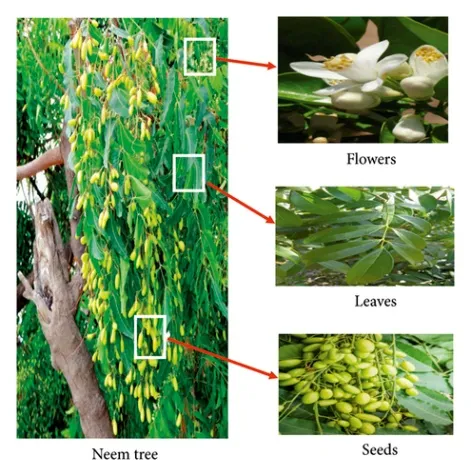
Figure 6: Neem (Azadirachta indica).29
2.4.1 Ethnobotanical Study
Neem oil is highly valued as a natural insecticide, fungicide and pesticide, effectively controlling pests and diseases in crops.30 Its applications are also significant in the food industry, particularly in paper- and cardboard-based packaging, where it serves as an antioxidant and antimicrobial agent. Furthermore, neem oil is used in the development of biodegradable and/or edible films and coatings.31
2.4.2 Pharmacognostic Parameters
Table 7: Pharmacognostic Parameters of Neem Oil32
| Sr. No. | Parameter | Result |
|---|---|---|
| 1 | Colour | Yellowish-brown to dark greenish-brown |
| 2 | Odour | Unpleasant, characteristic |
| 3 | Taste | Distinctly bitter |
| 4 | Solubility | Soluble in methanol, ethanol and ethyl acetate |
2.4.3 Phytochemical Study
Table 8: Major Phytoconstituents of Neem Oil33
| Sr. No. | Name of Compound | Formula | Concentration |
|---|---|---|---|
| 1 | Azadirachtin A | C35H44O16 | 10.9% |
| 2 | Azadirachtin B | C33H42O14 | 3.5% |
| 3 | Nimbin | C30H36O9 | 10.4% |
| 4 | Salannin | C34H44O9 | 19.0% |
2.4.4 Pharmacological Activity
The plant is used in conjunction with the oil for greater effectiveness and to reduce toxicity. The active ingredients include alkaloids, flavonoids, phenolic compounds, carotenoids, steroids and ketones, which have anthelmintic, antimicrobial, anti-ulcer, anti-arthritic, anti-diabetic, anti-inflammatory, mosquito-repellent and anti-tumour properties.34
2.4.5 Products Available in the Market
Marketed products containing neem oil include: Shree Sanjeevani, Happy Nights (liquid vapouriser), Good Knight (liquid vapouriser and room spray), Earth Extract, Vyom India, Mantra.
2.5 Lavender Oil
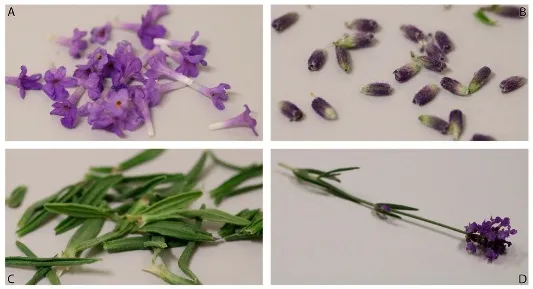
Figure 7: Portions of Lavandula angustifolia Used: (A) Corolla, (B) Calyx, (C) Leaf and (D) Flowering Top.35
2.5.1 Ethnobotanical Study
The reported biological activities and potential therapeutic effects of lavender essential oil (LEO) include antioxidant, anti-inflammatory, antimicrobial, antiparasitic and insecticidal, wound-healing and skin-repair, anti-colitis, anti-asthmatic, cardioprotective, neuroprotective and antitumour effects.36 Lavender oils are also widely used in the food, cosmetic and cleaning-product industries, as in soaps, shampoos, detergents, perfumes, beverages and food flavourings, owing to their pleasant aroma.37
2.5.2 Pharmacognostic Parameters
Table 9: Pharmacognostic Parameters of Lavender Oil38
| Sr. No. | Parameter | Result |
|---|---|---|
| 1 | Appearance | Clear liquid |
| 2 | Colour | Colourless to pale yellow |
| 3 | Odour | Characteristic, sweet and floral |
2.5.3 Phytochemical Study
Table 10: Major Phytoconstituents of Lavender Oil39
| Sr. No. | Name of Compound | Formula | Concentration |
|---|---|---|---|
| 1 | Linalyl acetate | C12H20O2 | 41.06% |
| 2 | Linalool | C10H18O | 29.71% |
| 3 | Geraniol | C10H18O | 5.80% |
| 4 | Camphor | C10H16O | 4.21% |
| 5 | Linderol | C26H30O5 | 2.25% |
| 6 | Eucalyptol | C10H18O | 2.19% |
2.5.4 Pharmacological Activity
Several species of the Lamiaceae family have valuable essential oils for medicinal use, with several pharmacological properties such as antibacterial, anti-inflammatory, antioxidant and antiviral activity, in addition to being widely used in the cosmetics and perfumery industries. A large part of the pharmacological activities found in lavender is attributed to its active metabolites, such as flavonoids and phenolic acids, which present several important activities.37
2.5.5 Products Available in the Market
Marketed products containing lavender oil include: Varnit Ent, Vitro, Ouchie, Astro Plus, Reddoc Purple (liquid vapouriser).
2.6 Peppermint Oil
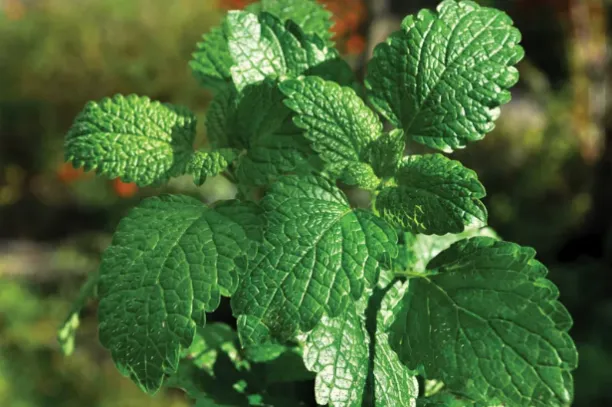
Figure 8: Terminal Leaves of a Peppermint (Mentha piperita) Plant.40
2.6.1 Ethnobotanical Study
As a medicinal herb in folk medicine, aromatic Mentha is commonly applied in the treatment of flu, headache, red eyes, fever and sore throat.41 Its essential oils are used commercially in the food, beverage, pharmaceutical, cosmetic and health industries, and the major chemical constituent is menthol, together with anti-inflammatory and antibacterial components.42
2.6.2 Pharmacognostic Parameters
Table 11: Pharmacognostic Parameters of Peppermint Oil43
| Sr. No. | Parameter | Result |
|---|---|---|
| 1 | Appearance | Clear, volatile and mobile liquid |
| 2 | Colour | Colourless, pale yellow or pale greenish-yellow |
| 3 | Odour | Characteristic, penetrating, fresh and highly minty |
| 4 | Taste | Sensation of cold |
| 5 | Solubility | Freely soluble in 70% ethanol |
2.6.3 Phytochemical Study
Table 12: Major Phytoconstituents of Peppermint Oil44
| Sr. No. | Name of Compound | Formula | Concentration |
|---|---|---|---|
| 1 | Menthol | C10H20O | 30.0–55.0% |
| 2 | Menthone | C10H18O | 14.0–32.0% |
| 3 | Cineole | C10H18O | 3.5–14.0% |
| 4 | Menthyl acetate | C12H22O2 | 2.8–10.0% |
| 5 | Isomenthone | C10H18O | 1.5–10.0% |
2.6.4 Pharmacological Activity
Peppermint essential oil (PEO) is mainly metabolised in the body by reaction with glucuronic acid and then eliminated in urine or faeces. A growing body of evidence reveals that PEO has anti-inflammatory, antibacterial, antiviral, scolicidal, immunomodulatory, antitumour, neuroprotective, anti-fatigue and antioxidant effects.45
Oil of Mentha piperita L. (peppermint oil), a widely used essential oil, was evaluated for larvicidal activity against different mosquito species: Aedes aegypti, Anopheles stephensi and Culex quinquefasciatus.46
2.6.5 Products Available in the Market
Marketed products containing peppermint oil include: Mintronella (patio sticks), Mamaearth (gel), Mint Naturals, Wondercide, Mospray.
2.7 Clove Oil
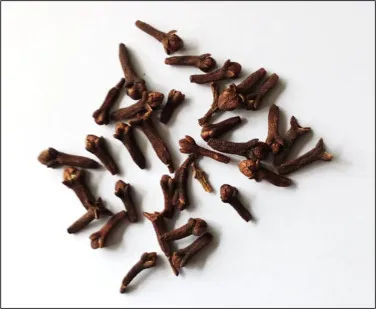
Figure 9: Aromatic Flower Buds of Clove.47
2.7.1 Ethnobotanical Study
Three essential oils are obtained from the clove tree: clove stem oil (flower stalks), clove leaf oil (leaves) and clove bud oil (flower buds), the last being the most used. Essential oils obtained from aromatic plants such as clove represent a rich and varied source of natural products, including bioactive compounds, which are commonly used in the pharmaceutical, cosmetic, health and food sectors for their bioactive properties.48 Clove oil is commonly used as an expectorant and for the treatment of dental discomfort, digestive problems and oral ulceration, and as a mosquito repellent.49
2.7.2 Pharmacognostic Parameters
Table 13: Pharmacognostic Parameters of Clove Oil50
| Sr. No. | Parameter | Result |
|---|---|---|
| 1 | Appearance | Clear liquid |
| 2 | Colour | Colourless to pale or light yellow |
| 3 | Odour | Characteristic, strongly aromatic odour of clove |
| 4 | Taste | Pungent and spicy |
2.7.3 Phytochemical Study
Table 14: Major Phytoconstituents of Clove Oil from Different Parts of the Clove Tree51
| Sr. No. | Part of Clove Tree | Name of Compound | Concentration |
|---|---|---|---|
| 1 | Buds (15.0–20.0%) | Eugenol | 73.5–79.7% |
| Eugenyl acetate | 1.5–8.0% | ||
| β-Caryophyllene | 1.0–1.04% | ||
| 2 | Leaves (3.0–4.8%) | Eugenol | 70.0–82.0% |
| β-Caryophyllene | 17.0–20.5% | ||
| 3 | Stem (6%) | Eugenol | 80.2% |
| β-Caryophyllene | 6.6% |
2.7.4 Pharmacological Activity
Clove is a pharmacologically active medicinal plant with antioxidant, antipyretic, antiviral, antimicrobial, anti-diabetic, anti-inflammatory, analgesic, anti-platelet, anti-stress and anticarcinogenic (in cervical cancer) activities.52 Pharmacologically, clove oil is widely used as an antiseptic in oral diseases and for the treatment of toothache, allergy disorders, asthma, acne, scars and rheumatoid arthritis, and it showed antispasmodic and acaricidal effects against Dermatophagoides pteronyssinus and Dermatophagoides farinae.53
2.7.5 Products Available in the Market
Marketed products containing clove oil include: Natuur, FortaGrow, Otter Wax, Earthnest, Repl.
2.8 Basil Oil
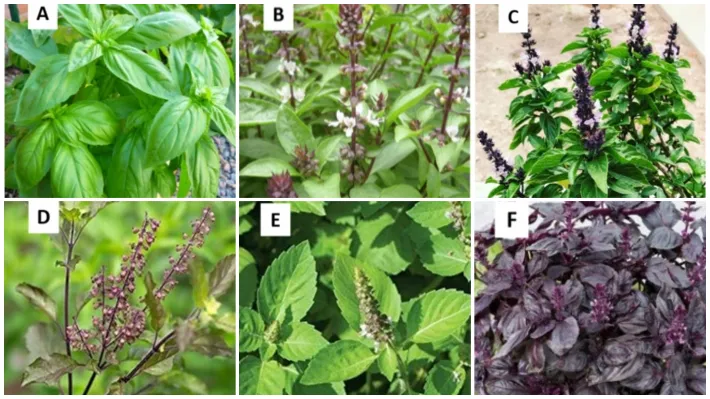
Figure 10: Basil Plant. (a) Sweet Basil, (B) Clove Basil, (C) Thai Basil, (D) Holy Basil, (E) American Basil and (F) Purple Basil.54
2.8.1 Ethnobotanical Study
Essential oils usually have a complex composition, with terpenes and phenylpropanoids being the main compounds, and have been widely used in folk medicine and in the food, cosmetic and perfume industries. Basil is one of the most widely used aromatic plants worldwide. Basil essential oil is used in perfumery, cooking, the food industry and the production of cosmetics and medicines, and has been widely used in traditional medicine to treat anxiety, diabetes, cardiovascular disease and headache.55
2.8.2 Pharmacognostic Parameters
Table 15: Pharmacognostic Parameters of Basil Oil56
| Sr. No. | Parameter | Result |
|---|---|---|
| 1 | Appearance | Light yellow liquid |
| 2 | Colour | Light yellow |
| 3 | Odour | Spicy |
| 4 | Solubility | Soluble in benzyl benzoate and fixed oils |
2.8.3 Phytochemical Study
Table 16: Major Phytoconstituents of Basil Oil57
| Sr. No. | Name of Compound | Formula | Concentration |
|---|---|---|---|
| 1 | Linalool | C10H18O | 44.18% |
| 2 | 1,8-Cineole | C10H18O | 13.65% |
| 3 | Eugenol | C10H12O2 | 8.59% |
| 4 | Myrcene | C10H16 | 0.82% |
| 5 | Camphor | C10H16O | 0.67% |
2.8.4 Pharmacological Activity
Ocimum basilicum demonstrates various pharmacological activities, including antioxidant, antifibrotic, anticancer, radioprotective, anti-inflammatory, immunomodulatory, anticonvulsant, anti-stress, antipyretic, antimicrobial, anti-arthritic and anti-diabetic activity, as well as repellent and prophylactic effects and benefit in cardiovascular disease.58 Oils from some Ocimum species have been shown to repel insects and to have larvicidal activity against houseflies, blue-bottle flies and mosquitoes. Repellency against adult females of Culex pipiens was observed with essential oils extracted from the dried foliage of O. basilicum.59
2.8.5 Products Available in the Market
Marketed products containing basil oil include: Mom & World (for babies), PrettyBUYERS, Mantra, Blossom Kochhar Aroma Magic.
2.9 Tea Tree Oil
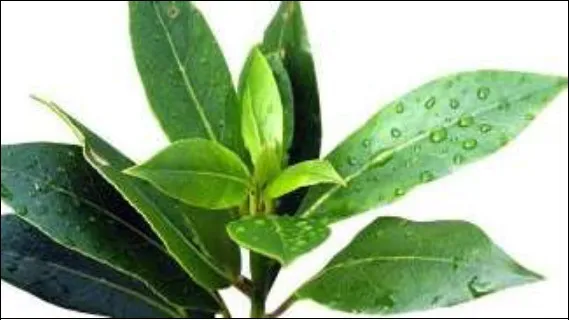
Figure 11: Melaleuca alternifolia Leaves.60
2.9.1 Ethnobotanical Study
Tea tree oil is used in healthcare and household, cosmetic, pharmaceutical and aromatherapy products. Given its antimicrobial, anti-inflammatory and analgesic properties and relative safety for topical use, tea tree oil is increasingly used in cosmetic and pharmaceutical products (for example shampoos, soaps and liquid body washes, mouthwashes, and over-the-counter treatments for cold sores, acne, burns, bites, lice and fungal nail infections). The earliest written record of its use is by the Bundjalung people of northern New South Wales, First Nations Australians who used it to treat wounds, burns, insect bites and upper respiratory infections.61
2.9.2 Pharmacognostic Parameters
Table 17: Pharmacognostic Parameters of Tea Tree Oil62
| Sr. No. | Parameter | Result |
|---|---|---|
| 1 | Appearance | Clear liquid |
| 2 | Colour | Colourless to pale yellow |
| 3 | Odour | Characteristic, fresh and camphor-like |
| 4 | Taste | Pungent, with a cooling sensation |
2.9.3 Phytochemical Study
Table 18: Major Phytoconstituents of Tea Tree Oil63
| Sr. No. | Name of Compound | Formula | Concentration |
|---|---|---|---|
| 1 | Terpinen-4-ol | C10H18O | 40.1% |
| 2 | γ-Terpinene | C10H16 | 23.0% |
| 3 | α-Terpinene | C10H16 | 10.4% |
| 4 | 1,8-Cineole | C10H18O | 5.1% |
| 5 | α-Terpineol | C10H18O | 2.4% |
2.9.4 Pharmacological Activity
Antimicrobial action. Tea tree oil shows strong antimicrobial activity; it inhibited the in vitro growth of Escherichia coli, vancomycin-resistant Enterococcus faecium, Staphylococcus aureus, methicillin-resistant Staphylococcus aureus and a variety of Streptomyces species.
Insecticidal action. Tea tree oil is an efficient insect killer. It keeps parasites and other insects such as mosquitoes, fleas, lice and flies away from a person who has rubbed some of the oil on the body.64
Anti-inflammatory action. Numerous recent studies now support the anecdotal evidence attributing anti-inflammatory activity to tea tree oil. In vitro work over the last decade has demonstrated that it affects a range of immune responses, both in vitro and in vivo.63
2.9.5 Products Available in the Market
Marketed products containing tea tree oil include: Natuur, Bliss of Earth, Tuco Kids.
2.10 Cedarwood Oil
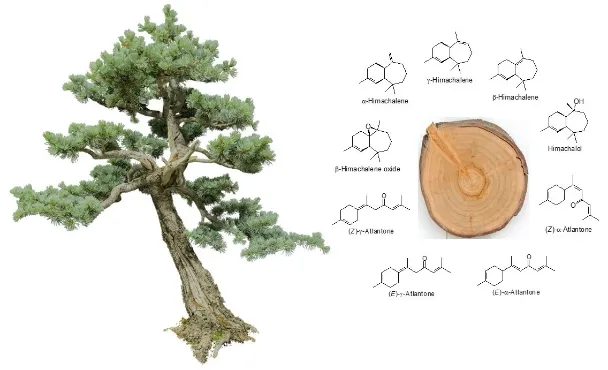
Figure 12: Cryptomeria japonica (Cedar) Tree.65
2.10.1 Ethnobotanical Study
In the 19th century, white cedar was used to treat ringworm, thrush and warts. The activity of cedarwood oil depends on the presence of many active components. One of the common constituents reported in several cedarwood oils is cedrol, which is implicated in its insecticidal property.66 In ancient times, the Egyptians used the oil of cedar trees to protect themselves from insects (repellent effect). Cryptomeria japonica has been used in Asian traditional medicines for different treatments, including liver ailments, and also for its antiulcer and antitussive activities.67
2.10.2 Pharmacognostic Parameters
Table 19: Pharmacognostic Parameters of Cedarwood Oil68
| Sr. No. | Parameter | Result |
|---|---|---|
| 1 | Appearance | Clear liquid |
| 2 | Colour | Light yellow to pale brown |
| 3 | Odour | Characteristic, woody and balsamic |
| 4 | Taste | Warm, slightly bitter and aromatic |
| 5 | Solubility | Soluble in ethanol |
2.10.3 Phytochemical Study
Table 20: Major Phytoconstituents of Cedarwood Oil69
| Sr. No. | Name of Compound | Formula | Concentration |
|---|---|---|---|
| 1 | α-Cedrene | C15H24 | 20.0–35.0% |
| 2 | β-Cedrene | C15H24 | 4.0–8.0% |
| 3 | Thujopsene | C15H24 | 10.0–15.0% |
| 4 | Cedrol | C15H26O | 16.0–25.0% |
| 5 | Widdrol | C15H26O | 2.0–5.0% |
| 6 | Cuparene | C15H22 | 1.5–7.0% |
2.10.4 Pharmacological Activity
Atlantic cedar (Cedrus atlantica) is characterised by wide biological activity, including anti-inflammatory, anticancer, antioxidant, antimicrobial and insecticidal activities.70
Activity against mosquitoes and phytopathogens: Cryptomeria japonica (commonly known as Japanese cedar or sugi) has been studied for this application. Oil extracted from leaves at different developmental stages (26, 42 and 58 years old) showed larvicidal activity against Aedes aegypti and Aedes albopictus, the mosquitoes responsible for dengue fever, chikungunya, yellow fever, filariasis and other diseases.71
2.10.5 Products Available in the Market
Marketed products containing cedarwood oil include: Herbal Strategi, Wondercide, Cedarcide, Earth Extract, Murphy's, Kate's Home & Garden.
3. Mechanism of Action of Essential Oils
Essential oils are volatile chemicals that interfere with the sensory receptors of insects. They can interfere with the olfactory sense of insects through several mechanisms. The volatile molecules released by essential oils can saturate the air around a host and thereby prevent the host’s scent from being detected; the oils mask the smell of humans and make it harder for insects to detect their hosts. The volatile components of certain essential oils, such as citronellal, linalool, eugenol, limonene, terpineol and benzyl benzoate, may be capable of binding to mosquito odorant-binding proteins (OBPs) (Figure 13). The OBPs may influence olfaction either by preventing odour molecules from reaching their corresponding receptors or by modifying receptor function to decrease sensitivity to attractant odours, which reduces the mosquito’s ability to locate and feed on humans. Many other important human attractants, such as lactic acid and CO2, are perceived by mosquitoes through different pathways: lactic acid is detected primarily through IR8a-dependent ionotropic receptors and CO2 primarily through gustatory receptors. It is therefore likely that the volatile compounds of essential oils act by “blocking” or “desensitising” the odour receptors of mosquitoes, resulting in their inability to locate their hosts.72
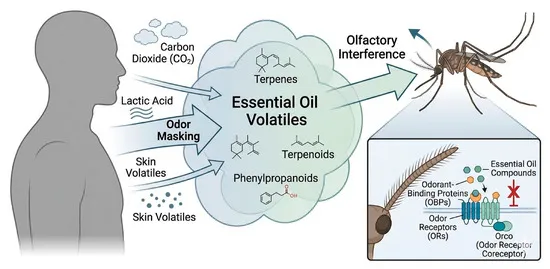
Figure 13: Mechanisms of Essential Oil Repellency Against Mosquitoes.73
4. Advantages of Herbal Mosquito Repellents
5. Limitations of Herbal Mosquito Repellents
CONCLUSION
Mosquito-borne diseases such as malaria, dengue, chikungunya and yellow fever remain a serious public health problem, and mosquito repellents are one of the most common methods of preventing mosquito bites. Synthetic repellents such as DEET are effective, but their major disadvantages are skin irritation, allergic reactions, toxicity and environmental persistence. Because of these disadvantages, public interest in herbal alternatives to DEET has increased.
This review has provided a detailed overview of ten essential oils: citronella, lemongrass, lemon eucalyptus, neem, lavender, peppermint, clove, basil, tea tree and cedarwood. Their ethnobotanical background, pharmacognostic parameters, phytochemical composition, pharmacological activity and available market products were discussed. Their repellent activity against Aedes, Anopheles and Culex mosquitoes is linked mainly to compounds such as citronellal, geraniol, citral, linalool, eugenol and PMD, which are thought to act by masking human odour and by interfering with the olfactory receptors of the mosquito, making it more difficult for the insect to find its host. Herbal repellents are biodegradable, pleasant-smelling, easily available and generally well tolerated on the skin. However, they also have limitations: a shorter duration of protection, efficacy that varies with plant species and oil concentration, susceptibility to environmental conditions and the need for frequent reapplication. For these reasons, essential oil repellents are best used as a complement to synthetic repellents, especially in sensitive groups, and not as a complete replacement.
Future research should focus on standardisation and field-tested formulations. Encapsulation, nanoemulsions, suitable carrier oils and proper oil blending can prolong protection and improve consistency. With such improvements, essential oils have strong potential to become sustainable, eco-friendly and effective options for mosquito control.
Acknowledgement
[The authors thank … for guidance and support. Edit or delete if not applicable.]
Conflict of Interest
The authors declare that there are no conflicts of interest.
REFERENCES


Aman Nirmal, Pankaj Chaudhary, Essential Oils as Natural Mosquito Repellents: A Review, Int. J. of Pharm. Sci., 2026, Vol 4, Issue 11, 4146-4163. https://doi.org/10.5281/zenodo.24457643
 10.5281/zenodo.24457643