

We use cookies to ensure our website works properly and to personalise your experience. Cookies policy
1B.Pharm Scholar, School of Pharmacy, Rai University, Ahmedabad, Gujarat 382260.
2Assistant Professor, Department of Pharmacology , School of Pharmacy, Rai University, Ahmedabad, Gujarat, 382260, India.
The peel of mango (Mangifera indica L.) represents a significant post-harvest waste product. This article provides a review of phytochemical composition, extraction techniques, antimicrobial activity, proposed mechanisms of action, pharmaceutical potential and limitations of mango peel. The peel contains a variety of phytochemicals including phenolic acids, flavonoids, gallotannins, mangiferin and other xanthones, carotenoids and other constituents. Extraction techniques used to obtain bioactives include maceration, Soxhlet and ultrasound-assisted extraction, microwave-assisted extraction, supercritical fluid extraction, enzymatic extraction and pressurised liquid extraction. However, the composition and bioactivity exhibited by mango peel extracts is greatly influenced by factors such as variety of mango, maturity, drying conditions, type of solvent and extraction conditions. Antimicrobial activity has been observed in vitro against specific Gram positive and Gram negative bacteria. Antifungal activity was observed against some species of yeast. Inhibition of biofilm formation was also observed. Mechanisms of antimicrobial activity include membrane disruption, protein binding, metal chelation, induction of reactive oxygen species, and inhibition of biofilm formation. Applications of mango peel extracts may include pharmaceuticals, antimicrobial packaging materials, nano-delivery systems, cosmetic products and nutraceuticals. However, variation in extract composition, lack of identification of the active compounds within extracts, lack of evidence on mode of action and toxicity, and lack of well designed pre-clinical and clinical trials limits its development as a pharmaceutical. Research should be focused on reproducible extraction, characterisation of chemical composition, bio-guided fractionation, investigation of mode of action, evaluation of safety, stability of formulation and scalable, sustainable processes.
1.1 Mango and processing by-products
Mango (Mangifera indica L.) is grown across tropical and subtropical areas of the world. Fresh mangoes can be eaten directly or processed into various forms including purees, juices, nectars, pastes, dried products, pickled products and many others. During processing, the edible portion of the fruit (pulp) is separated from the non-edible/less utilised parts (peel and seed kernel). Depending on variety, size of fruit and processing method, different amounts of by-products are obtained. Although mango peels are often considered waste material, they contain valuable dietary fibre, colour components and bioactive phytochemicals [1,11].
The management of unprocessed by-products from fruit processing can incur unpleasant odours, microbial spoilage and disposal costs. However, extraction of valuable components from by-products represents a more sustainable approach (circular economy) where waste matter has been up cycled into a higher value product [11,16]. A promising candidate for generating low cost natural antioxidants/antimicrobials is mango peel.
1.2 Need for natural antimicrobial agents
There is great interest in discovering novel antimicrobials to combat antimicrobial resistance and infectious diseases. Natural products have played an important role in drug discovery. Plant derived extracts may contain a range of chemical groups including phenolics, terpenoids, alkaloids etc. These natural compounds may have antimicrobial activity through multiple mechanisms.
Extracts must be standardised, checked for microbial safety, and tested for toxicity. They also need formulation to make them suitable for clinical application. Investigation into mango peel extract has potential in natural product discovery as well as making good use of by-products from the food industry in a sustainable way.
1.3 Rationale for selecting mango peel
Large quantities of waste material can be obtained. Analysis of mango peel indicates the presence of phenolic acids, flavonoids and gallotannins [1-3]. Antimicrobial activities against certain Gram positive and negative strains have been observed [3-5,8]. Antifungal activities against certain yeast species were also observed [13].
Depending on the extraction method used, different fractions can be obtained, and therefore the composition can be optimised [11].
As the extracts may be useful as topical applications and functional antimicrobial materials [7,15] this project links natural products research with pharmaceutical technology.
1.4 Objectives
Evaluate the phytochemical composition, extraction techniques, antimicrobial activity, mode of action and pharmaceutical value of mango peels as natural sources of antimicrobials.
1.5 Research aims
To summarise key phytochemical classes present in mango peels.
To describe traditional and novel methods of extracting bioactive compounds.
To provide an overview of the antibacterial and antifungal activity exhibited by mango peel extracts.
To provide insight into potential modes of action that phytochemicals in mango peels exhibit on microorganisms.
To investigate the potential pharmaceutical application of mango peels, limitations and safety issues.
Identify research gaps and suggest future directions in developing products from mango peel.
2. Review methodology
A narrative literature review was conducted using published resources. A search was performed within indexing databases, publication sites and journals, including pubmed, pubmed central, individual journal websites, and academic search results.
Keywords used were: ‘Mangifera indica’, ‘mango peel’, ‘antimicrobial’, ‘antibacterial’, ‘antifungal’, ‘phenolic compounds’, ‘extraction’, ‘antibiofilm’ and ‘formulation’. Preference was given to studies regarding the composition, extraction, antimicrobial activity or formulation of mango peel.
No experimental data was collected during this investigation. Experimental details differed between studies (cultivar, sample preparation, extraction solvent, concentration of extract, biological assay system and method). Therefore comparisons between numeric values are inappropriate. If an underlying mechanism of action is not demonstrated in experiments using mango peels, it may be plausible that this mechanism occurs in mango peel extracts due to being known in certain classes of phenolics found in plants.
2.1 Interpretation of data
In vitro antimicrobial properties do not necessarily translate to clinical efficacy.
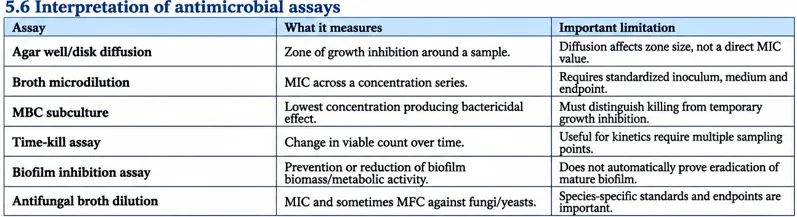
Zone of inhibition data must be interpreted alongside MIC and MBC values. The zone will be influenced by diffusion as well as antimicrobial activity.
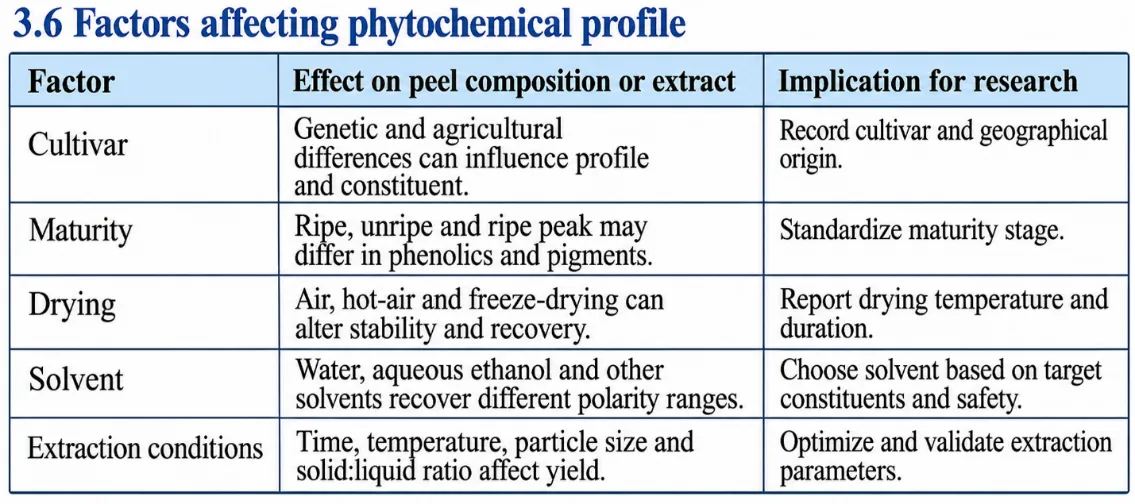
Composition of extracted material may vary dependent on mango variety, stage of ripeness, drying, storage and extraction conditions [4,19].
Evidence obtained from whole fruit/seed/leaves does not necessarily represent evidence from peels, unless peels were specifically tested.
2.2 Definitions
Antimicrobial activity can be defined as activity against micro-organisms. ‘Antibacterial activity’ indicates activity against bacteria. ‘Antifungal activity’ indicates activity against fungi (yeast and moulds). The Minimum Inhibitory Concentration (MIC) is the lowest concentration of antimicrobial agent in which no visible microbial growth occurs. The Minimum Bactericidal Concentration (MBC) is the lowest concentration of antimicrobial agent that will kill bacterial cells. Biofilm inhibition refers to prevention of biofilm formation and/or reduction of existing biofilms. These should be reported separately.
3. Phytochemical Composition
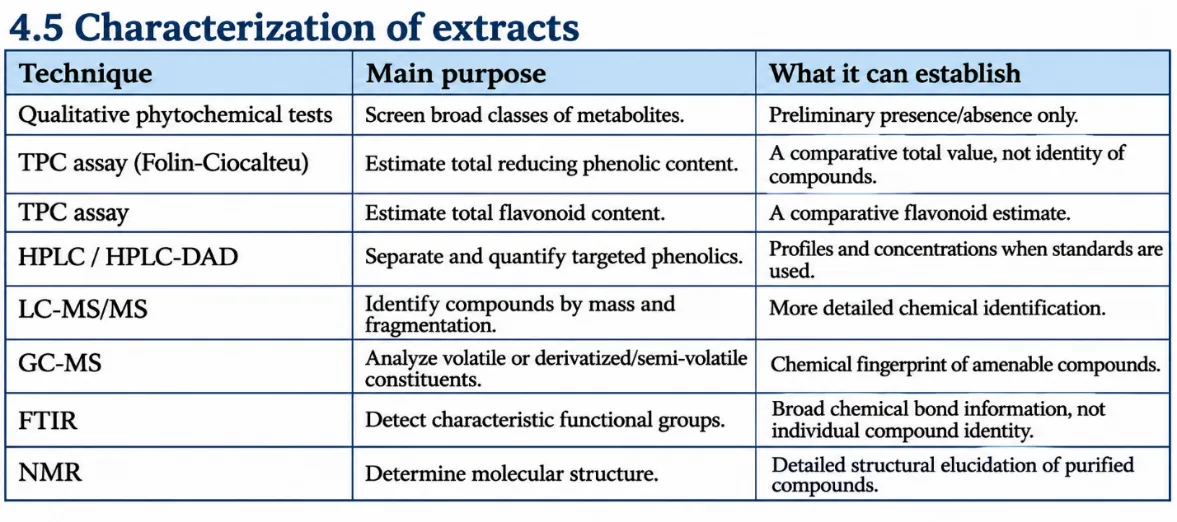
The phytochemical composition of mango peel can be complicated. Phenolics are commonly found within mango peels. Using HPLC and mass spectroscopy techniques has shown phenolic acids and flavonoid compounds to be present [1,8]. In other studies gallotannins, carotenoids and a variety of other phytochemicals have been identified in mango peels [2,18].
3.1 Phenolic Acids
Gallic acid, protocatechuic acid, gentisic acid, chlorogenic acid, caffeic acid, vanillic acid, syringic acid, ferulic acid and coumaric acid derivatives are present in mango peel [1,8]. Raw and ripe mango peels were characterized by Ajila et al [1] and contained gallic acid and various other phenolic compounds. Mangiferin and quercetin derivatives were also found. Recently, phenolic acids have also been identified in dried mango peel extracts [19].
Phenolic acids often contain one or more hydroxyl groups which may confer antioxidant properties and allow interaction with components of microbial cell membranes or cytoplasmic targets. The antimicrobial effects of individual compounds should be demonstrated by testing pure compounds and suitable controls.
3.2 Flavonoids
Flavonoids contain a core structure of C 6-C 3-C 6 and include quercetin, catechin, kaempferol, myricetin and apigenin. They can exert antimicrobial activity by binding to proteins/enzymes and disrupting membranes. Extraction with varying polar solvents will affect the quantity and type of flavanoids extracted [8,11].
3.3 Gallotannins and Tannins
Mango peel contains hydrolysable tannins. The tannins contained in this part of the fruit include gallotannins, which are made up of a sugar moiety with gallic acid units attached. Several galloylated glucosides have been isolated from mango peel and kernels (Luo et al. [2]). Gallotannins are interesting due to their ability to interact with proteins, and chelate metals. However, the extent of interaction effects on microbial growth will depend on the structure of the molecule and experimental conditions.
3.4 Mangiferin and Xanthones
Mangiferin is a natural xanthone C-glucoside that can be found within mango tissue such as the skin [1]. It has been investigated for antioxidant activity and other biological activity. However, it is not present in consistent amounts between different skin samples. Before assuming any antimicrobial activity is due to mangiferin, quantitative analysis and experimental testing of the isolated compound should be carried out.
3.5 Other compounds
Other compounds within mango peels include carotenoids, tocopherol derivatives, terpenes, sterols, carbohydrates, fibre and volatile substances depending on the sample and method of analysis [8,18]. Different solvent extracts have been found to contain different classes of phytochemicals such as alkaloids, coumarins, steroids and terpenes [3,5]. However, this technique only determines the class of compound present within a sample and does not determine specific molecules or their biological activity
4. Extraction and characterisation
4.1 Sample preparation
Samples must be properly identified. The peel must be separated from the flesh of the mango. The sample should be washed, to remove attached material. Once washed, samples must be dried and excess water removed. The sample can then be ground and sieved. It is important to record information relating to moisture content in the sample and storage conditions; residual water may affect the extraction yield and microbiological quality of the sample [19].
4.2 Solvent based extractions
Grinding the peels and leaving in a suitable solvent (with intermittent mixing) for a period of time will produce the extracts via maceration. This method is simple to conduct, but may take lengthy periods of time [11]. If using soxhlet extraction, samples are put into contact with hot solvent multiple times. This may give increased yield, however long exposure to heat may cause degradation of heat sensitive components. Aqueous ethanol has been frequently used in food and pharmaceutical research to extract polar polyphenols. Generally the use of aqueous ethanol can be justified more easily than more toxic organic solvents [6,9,11].
4.3 Ultrasound assisted extraction
Solvent uptake within the plant material is enhanced. Using an aqueous ethanol system optimal extraction of phenolic compounds was obtained from mango peels [6]. UAE conditions were optimised using RSM and antimicrobial activity determined by Sarker et al [9]. Reductions in time of extraction and volumes of solvents have been observed [11,17], but upscaling needs to be carefully controlled to regulate heat, frequency, amplitude and sample geometry..
4.4 Other emerging techniques
Microwave assisted extraction can help speed up extraction processes.
Supercritical fluid extraction (often with ethanol) can allow selective extraction, allowing lower amounts of conventional solvent in the final product. [11,18]
Enzymatic extraction can break down cell wall components allowing release of bound compounds.
Pressurised liquid extraction at high temperatures and pressures can increase penetration of solvent and so increase extraction.
Hybrid methods such as ultrasound/microwave may help increase extraction efficiency. However, energy costs, economic feasibility and scalability should be taken into consideration. [11,18]
4.6 Extraction yield and standardization
Extraction yields may not reflect antimicrobial activity. Any methods used to standardise extracts should be described. This may be done by quantification of a particular component, or by a defined chromatographic fingerprint. Alternatively, total phenolics or total flavonoids may be quantified. Information on the following should be provided: source of peels, cultivar, maturity, moisture content, particle size, solvent composition, sample/solvent ratio, time, temperature, yield of extract and storage conditions. The antimicrobial activity should be expressed in terms of concentration..
5. ANTIMICROBIAL ACTIVITY OF MANGO PEEL EXTRACTS
5.1 Antimicrobial activity
Antimicrobial activity has been found in mango peel extracts against a range of microorganisms: Staphylococcus aureus, Bacillus cereus, Escherichia coli, Pseudomonas aeruginosa, Enterococcus faecalis, and select food-borne pathogens [3–5,8,10,14]. Activity depends on the type of extract and concentration. It should be noted with caution that antimicrobial activity (in agar diffusion assays) may not be representative of in-vitro antimicrobial activity due to limited diffusion of larger compounds in agar media.
5.2 Gram Positive
Gram positive bacteria have a thick peptidoglycan layer in their cell wall. However, unlike Gram negative bacteria, they do not possess outer membranes. Both S. aureus and B. cereus have displayed antimicrobial activities to mango peel extracts [3,8,14]. A study completed in the journal foods (2024) by Kučuk et al. [8], showed that ethanolic extracts generally displayed greater antimicrobial activity towards the test microorganisms (both gram positive and gram negative) than aqueous extracts.
5.3 Antimicrobial Effect
Whilst the outer membrane of Gram negative bacteria can pose a problem to antimicrobials, mango peel has shown antimicrobial effects in some studies for both E. coli and P. aeruginosa. The extent of inhibition differs depending on sample preparation and conditions. Further investigation would be useful however, generally it cannot be concluded that mango peels can be used to treat infections caused by drug resistant clinical strains.
5.4 Antifungal activity
The antifungal activity of mango peels and seeds has been studied against various species of yeast [13]. Within this study, antifungal activity was observed within mango extracts. Extracts with the highest levels of phenolics (proanthocyanidins, gallates and gallotannins) had higher antifungal activities [13]. However, in some instances, extracts obtained from seeds had greater antifungal activity than those from peels. Therefore, antifungal activity can not be assumed to be greatest in extract from mango peels.
5.5 Inhibition of biofilm development
Bacteria growing within biofilms have higher resistance to antimicrobial agents than planktonic bacteria. It has been found that ethyl acetate mango peel extract can cause inhibition of biofilm development in some foodborne bacteria (El-Sayed, et al., 2025) [10]. However, in order to further this research it must be determined if the extract is inhibiting biofilm development or if it is causing disruption of already developed biofilms.
6. Possible modes of action
While there may be multiple mechanisms in place contributing to the antimicrobial activity of polyphenols in plant extracts, specific modes of action for a specific crude extract such as mango peel extract can only be determined with specific experiments. This may involve measuring membrane permeability, microscopic analysis, enzymatic activity, leaking, gene expression, or purified compounds.
6.1 Cell envelope interactions
Some phenolics have the potential to interact with cell wall/membrane components causing changes in membrane structure and permeability, and therefore loss of cellular content and/or cell membrane function. This could explain antimicrobial activity by polyphenols in some preparations of mango peels. It must be experimentally determined for each preparation.
6.2 Protein-binding
Tannins and polyphenols can bind to proteins via hydrogen bonds and non-polar interactions. When binding occurs at enzymatic or surface proteins in microbes, this can affect metabolic activity, adhesion and nutrient uptake. The strength of interaction will depend on the chemical structure and concentration of both compounds and environmental conditions.
6.3 Chelation leading to limiting nutrients
Some phenolics can chelate metal ions, such as iron. As many microorganisms require metal ions in order to activate enzymes within them, chelation may lead to limiting essential nutrients in microorganisms. This is a possible reason, but not necessarily the reason for activity in mango peels.
6.4 Oxidative stress
Depending on conditions, such as pH, exposure to oxygen, presence of metal ions and concentration, polyphenolic compounds may induce oxidative stress. However, direct evidence is required in order to determine if antimicrobial activity arises due to oxidative stress in this instance.
6.5 Inhibition of biofilm formation
Plant derived compounds may interfere with microbial adhesion, extracellular matrix formation, quorum sensing or biofilm structure. Mango peel extracts have been found to have anti-biofilm properties [10]. Future studies should measure total adhered biomass and viable cell numbers. Established biofilms should also be tested.
6.6 Interactions and additivity
Interactions may be additive, synergistic or antagonistic within crude extracts. Fractionation of extracts, analysis of isolated components and checkerboard assays may be used to determine if interactions are due to individual components or a combination of components. Synergistic interactions should be stated only if supported by an appropriate analysis of interactions.
7. Pharmaceutical Applications
7.1 Topical
Formulation into topical applications allows the extract to directly interact with the skin, or surface microbes. In one published study, emulsions and micro-emulsions were formulated using extracts from the peel of M. indica [7]. Physical properties, cytotoxicity within keratinocyte cells of skin and antibacterial activity were analysed. Certain formulations showed antimicrobial activity against S. aureus, although similar activities were not seen against E. coli [7]. Therefore it is important to tailor formulation composition to target specific organisms as results cannot be assumed for all organisms.
7.2 Formulation and wound healing
Topical formulations of mango peel extract may be possible, although further development work would be required. Appropriate formulations will require appropriate physical and chemical properties including pH, viscosity, good spreading characteristics, homogeneity of active ingredient, acceptable microbiological specifications, stability and good release profiles and skin compatibility. To support wound healing claims, data from cell, animal and ultimately human studies are required. Antimicrobial activity alone is not sufficient.
7.3 Antimicrobials
Bioactive mango peel constituents may be applied within food packaging and protective barriers. Bioactive mango peel extracts could be incorporated into biodegradable polymers after testing compatibility, migration and activity. In the literature, bioactive films have been prepared using extracts from tropical fruit peels [15]. To accurately attribute activity to a specific mango peel extract, only those films prepared using mango peel extracts should be considered.
7.4 Nanoencapsulation & Delivery
Encapsulation of phytochemicals provides protection against oxidation and improved dispersibility, and may allow for targeted/controlled release. In a recent mango peel valorisation process, an alcoholic mango peel extract was encapsulated in calcium alginate nanoparticles [16]. Particles were characterised in relation to size, zeta potential, encapsulation efficiency and antimicrobial/biofilm activity. Issues to consider include long term stability, repeatability between batches, release profiles, safety, and scalability.
7.5 Cosmetics/ Nutraceuticals
Evidence is required regarding the chemical identity, exposure, bioavailability, safety, sensory characteristics, stability and compliance of mango peel extracts in order to be used in cosmetics or nutraceutical products. Although the extracts do demonstrate antimicrobial activity, this should be considered as one possible application and should not be taken as demonstration that product specific evidence has been obtained.
8. ADVANTAGES AND LIMITATIONS
8.1 Potential advantages
Utilises a waste product from agriculture
Contains various bioactives including phenolics
Demonstrated antibacterial properties against some species of bacteria (in vitro) [3–5,8,10]
Some studies demonstrate anti-fungal or anti-biofilm properties [10,13].
Can be extracted using aqueous ethanol [6,9,11]. New methods may also reduce solvents and time taken to extract.
Possible applications for this extract would be topical applications, encapsulation, or active substances.
8.2 Limitations
High variability depending on cultivar, ripeness and batch [4,19]
Difficult to compare results due to variations in extraction methods and analysis conditions.
Complex mixtures within crude extracts may make it difficult to identify bioactive compounds.
Some solvents used in lab experimentation may not be suitable for final medicinal use.
In vitro activity may not translate to in vivo biological activity.
Little information available on long term toxicity, hypersensitivity, irritating effects, pharmacokinetics and systemic exposure.
Stability issues, appearance (colour), odour, taste and compatibility within formulations may occur.
Limited evidence of clinical applications. No evidence to suggest canbe used as an alternative to prescribed antimicrobials.
8.3 Safety
Irritant, allergenic and toxic effects may cause concern in plant derived extracts. The mango plant (Anacardiaceae) has caused allergic reactions in individuals. Irritation and allergic potential must be considered in formulations intended for topical or mucosal use. To ensure safety, formulation must be checked to avoid contamination by micro-organisms, pesticides, heavy metals and residual solvents. Furthermore, inter-batch variability must be controlled. Based on laboratory data, it is not recommended to suggest self treatment of infection with mango peel extracts.
9. Research gaps
Standardisation of antimicrobial activity within mango peels has not been established.
Analysis of different mango varieties and ripening stages within India could be improved [4].
It is unclear which constituents are responsible for antimicrobial activity and to what extent.
Further experimental validation of mechanisms of antimicrobial activity, including membrane damage, enzyme inhibition, oxidative effects and anti-biofilm effects is required.
Further investigations using standardised methodologies to determine MIC/MBC values, standardised test strains and well defined clinical isolates would be useful.
Investigations into activity against multi drug resistant isolates and development of resistance to sub-inhibitory concentrations of the extract should be investigated.
Data on cytotoxicity, irritancy, allergic reactions, and repeat dosing toxicity is limited.
Investigations into stability, release, compatibility and efficacy of both topical and encapsulated forms must be validated.
Animal studies and suitable clinical trials have not been performed for most proposed pharmaceutical applications.
In order to conclude that large scale extraction can be sustained, assessment of sustainable factors including life cycle analysis, recoverability of solvents, energy requirements and economic viability are required.
9.1 Significance of these knowledge gaps
Variation in standardisations within laboratories could mean that extracts from mango peels obtained from different sources would contain different chemical components, therefore different antimicrobial activity. Without knowledge on their mechanisms of action and safety, it is irresponsible to begin developing a medicinal product based on positive in vitro activity. These issues can be resolved to move from early screening of compounds to reliable pharmaceutical development.
10. Future prospective
10.1 Screening of standardised Indian cultivars
Peel samples from chosen cultivars (at appropriate maturity stages) should be extracted using a standard method. Total phenolics, total flavonoids and concentrations of individual compounds should be determined. Antimicrobial activity should also be tested.
10.2 Optimisation of green extractions
Optimization of aqueous ethanol and water extractions can be achieved through response surface methodology [9,17]. To determine the optimal extraction process, the following factors must be considered: maximum recovery of phenolic compounds, antimicrobial activity, safety of solvent, energy consumption, cost and scalability.
10.3 Bioassay guided fractionation
Further purification of the crude extract may be performed using either polar fractionation or chromatography. The fractions can then be assessed for MIC, MBC and anti-biofilm activity. Further analysis of active fractions may be carried out using HPLC, LC-MS/MS and NMR to identify potential bioactive molecules. Individual compounds isolated should be tested alone and in combination.
10.4 Mechanistic experiments
Permeabilization, lysis, microscopy, enzyme inhibition, induction of oxidative stress and formation of biofilms may indicate mechanisms of action. Appropriate control experiments and must be carried out. It must not be assumed that inhibition of biological activity occurs by any specific mechanism.
10.5 Formulation development
Once reproducible activity and some margin of safety has been established, different formulations can be developed. These could be gels, emulsions, films or polymers/biopolymers. Homogeneity, release characteristics, stability, microbiological status, skin tolerance and maintenance of activity should be studied.
10.6 One Health approach and circular economy
Mango peels may be used efficiently and safely by working together with pharmacists, microbiologists, food scientists, chemists and environmental scientists. However, energy and solvents used in these methods should be considered to make methods sustainable.
DISCUSSION
Mango peels appear to be a promising source of bioactive compounds. As there is a wide range of phenolics and therefore antimicrobial activities (both antibacterial and antifungal) found in mango peel extracts and a large amount of mango peels are wasted it appears that mango peels could be a useful source of natural antimicrobials.. The chemical analysis work undertaken by Ajila et al. [1] and Luo et al. [2] means the types of phytochemicals present within mango peels can be understood. Subsequent studies have focussed on comparing different extraction methods and looking at antimicrobial activity.
Extraction variables do affect antimicrobial activity. Ethanol aqueous and ultrasound assisted extractions increase phenolic recovery [6,9,17], however, due to differences in mango cultivar, sample preparation, target compound and application between studies, one extraction method cannot be said to be optimal in all circumstances. Maximising total phenolic content in extraction may therefore not result in the most antimicrobial fraction being produced. Therefore, optimisation of extraction should consider both chemical and biological outputs.
Antimicrobial activity in mango peels has been shown to be promising, although variable. Activity has been observed against both Gram positive and Gram negative bacteria. Studies have also found antimicrobial activity against yeast and biofilms. It is expected that different organisms will show different levels of susceptibility due to differences in cell structure, metabolism and experimental conditions. It is also important to consider whether the antimicrobial activity of crude mango peel may be different to that of pure compounds. Crude extracts may have antimicrobial activity from multiple compounds within the extract, however, there may also be inactive or unwanted compounds.
Current research in pharmaceutical formulations is still preliminary. Mango peel extract has been successfully formulated into topical emulsions and micro-emulsions [7]. Certain formulations appear to be able to inhibit S. aureus [7]. Research into nano-encapsulation suggests that stability and delivery can be improved [16]. In order to be successful, factors relating to stability, release, microbial quality, safety and reproducibility in addition to an inhibition zone need to be demonstrated.
Mango peels should be considered as having strong potential in discovery and development research. Although it would be premature to consider mango peels as an alternative antibiotic, it is very valuable to create standardised evidence from raw material to chemical fingerprint, mechanism of antimicrobial activity, safety data and performance in formulations.
CONCLUSION
Mango peels (Mangifera indica L.) contain a variety of biologically active compounds including phenolic acids, flavonoids, gallotannins, mangiferin, carotenoids and more. From the literature, mango peel extracts display activity as antibacterial agents against specific Gram positive and Gram negative bacterial species, antifungal activity against specific yeast species and inhibition of biofilm formation. Therefore mango peel has potential to be used as a sustainable, cost-effective natural antimicrobial agent for pharmaceutical, food and cosmetic applications.
Optimal aqueous ethanol extraction of high phenolic mango peel extracts can be achieved. New green extraction techniques may further improve efficiency, selectivity and sustainability. However, antimicrobial activity observed in mango peel extracts varies greatly depending on mango variety, ripeness, sample preparation, solvent, extraction conditions, microorganism tested and method of testing. Therefore, comparison of antimicrobial data across different studies is difficult without standard methods.
Despite promising antimicrobial activity in mango peels, the bioactive components responsible for this activity, mode (s) of action, synergies between compounds in complex mango peel extracts and safety profiles are poorly understood. Activity in vitro does not necessarily translate to efficacy in vivo. Mango peel extracts should not be used in place of prescribed antimicrobial treatment. Further studies are required to identify and quantify active compounds in mango peel extracts using bioassay guided fractionation. Investigations into mechanism of antimicrobial activity, cytotoxicity, irritation to skin, allergenicity, repeated dose toxicity and antimicrobial resistance in mango peel extracts are required.
Studies should be conducted to determine stability, release, microbial quality, reliability and scalability of mango peel based topicals, antimicrobial films and nano-encapsulations. To successfully translate promising findings from laboratory studies into safe and effective commercial products, a standardised, multi-disciplinary strategy is required. Phytochemical, microbiological, pharmaceutical, toxicological and environmental scientists must work together. If correctly validated, mango peels could provide value to waste management and natural antimicrobial product
REFERENCES


Purnima Mahto, Khushboo Verma, Mango Peel as a Sustainable Source of Antimicrobial Agents , Int. J. of Pharm. Sci., 2026, Vol 4, Issue 11, 4093-4104. https://doi.org/10.5281/zenodo.24457407
 10.5281/zenodo.24457407