

We use cookies to ensure our website works properly and to personalise your experience. Cookies policy
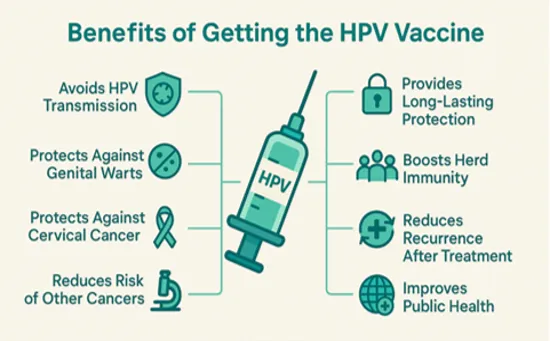
Human papillomavirus (HPV) remains a major public health concern because infection with high-risk HPV types can lead to several cancers, including cervical cancer and cancers of the anal, penile, vulvar, vaginal, and oropharyngeal regions. HPV vaccines offer a preventive approach by training the immune system to recognize and block infection by HPV types most strongly linked to these diseases. In this study/review, we summarize how available HPV vaccines generate strong immune responses and how vaccination programs—especially when given before sexual exposure—can substantially lower rates of vaccine-type HPV infection and related precancerous changes. We also discuss real-world implementation factors such as age at vaccination, coverage levels, and catch-up strategies, since these determine how much benefit a community can achieve. Finally, the long-term success of HPV vaccination depends on ongoing surveillance of vaccine effectiveness and duration of protection, along with continued efforts to reduce barriers to access and improve public confidence. Overall, HPV vaccination is an evidence-based, cost-effective intervention that can prevent disease across the life course when delivered with high uptake.
Human papillomavirus (HPV) is one of the most common sexually transmitted infections worldwide. It mainly affects the skin and mucous membranes of the genital area, mouth, and throat. In many cases, HPV infection does not cause any noticeable symptoms, although some types can lead to the development of warts.
Most HPV infections clear up naturally as the body’s immune system fights the virus, without the need for medical treatment. However, some high-risk types of HPV can persist in the body and, over time, may cause serious health problems. Persistent infection with these high-risk types has been linked to several cancers, including cervical cancer and cancers of the oropharynx (such as the tonsils and base of the tongue), anus, and penis.
HPV usually infects the basal cells, which are located in the deeper layers of the skin and mucous membranes. The virus can enter the body through very small cuts, scratches, or breaks in the skin. Once it enters these cells, HPV begins to multiply as the infected cells grow, mature, and gradually move toward the surface.
With certain high-risk types of HPV, particularly HPV 16 and 18, the virus can interfere with the normal functioning of the infected cells. In some cases, the viral DNA can become incorporated into the DNA of the host cell. This can cause the infected cells to produce viral proteins continuously, which interfere with the mechanisms that normally keep cell growth under control. Over time, these changes can cause abnormal cell growth and may increase the risk of cancer.
If the infection persists, the continued and uncontrolled growth of abnormal cells can eventually contribute to the development of cancer, including cervical cancer. In contrast, low-risk HPV types, such as HPV 6 and 11, are generally not associated with cancer. However, they can still cause health problems, most commonly genital warts.
History and Discovery of Human Papillomavirus
Human papillomaviruses (HPVs) are a large group of small, host-specific viruses that can infect a wide range of animal species, including humans. In humans, more than 200 types of HPV have been identified, with around 85 genotypes having been well characterized.
The connection between HPV and cervical cancer was established in the 1980s through the work of Harald zur Hausen. His research played a major role in demonstrating that certain HPV types are responsible for cervical cancer and ultimately earned him the 2008 Nobel Prize in Physiology or Medicine.
Most HPV infections are naturally cleared by the body’s immune system and do not cause serious health problems. However, when infection with high-risk HPV types, particularly HPV 16 and 18, persists, it can cause abnormal changes in cervical cells. Over time, these changes may progress to cervical cancer.
Several factors can increase the likelihood of persistent HPV infection and disease progression. These include smoking, long-term use of oral contraceptives, other sexually transmitted infections, the individual’s immune response, and characteristics of the virus itself. Recognizing HPV as the main cause of cervical cancer has led to significant advances in prevention, particularly through HPV vaccination and regular cervical cancer screening.
Classification and Types of Human Papillomavirus
1. Clinical Classification
High-Risk HPV (Oncogenic Types)
High-risk HPV types are those that have the potential to cause cancer, particularly when the infection persists for a long period. There are approximately 12–14 high-risk HPV types, including HPV 16, 18, 31, 33, 35, 45, 51, 52, 56, 58, 59, 66, and 68. Among these, HPV 16 and 18 are the most significant because they are responsible for approximately 70% of cervical cancer cases worldwide. Persistent infection with high-risk HPV types is also associated with cancers of the anus, penis, vulva, vagina, and oropharynx (throat).
Low-Risk HPV (Non-Oncogenic Types)
Low-risk HPV types are generally not associated with cancer. Instead, they commonly cause benign conditions such as genital warts and other minor cellular changes. HPV 6 and 11 are the most common low-risk types and are responsible for more than 90% of anogenital warts. These types can also cause recurrent respiratory papillomatosis, a condition in which benign growths develop in the respiratory tract.
2. Tissue Tropism
Mucosal/Anogenital Epithelium
Some HPV types have a preference for infecting the moist mucosal surfaces of the body. These include the vagina, cervix, vulva, penis, anus, mouth, and throat. HPV types that infect these areas are commonly referred to as mucosal or anogenital types.
Cutaneous Epithelium
Other HPV types primarily infect the outer layers of the skin rather than mucosal surfaces. These cutaneous HPV types are commonly associated with skin warts, including plantar warts and flat warts, which may occur on the hands, knees, and feet. Common cutaneous HPV types include HPV 1, 2, 3, 4, 27, and 57.
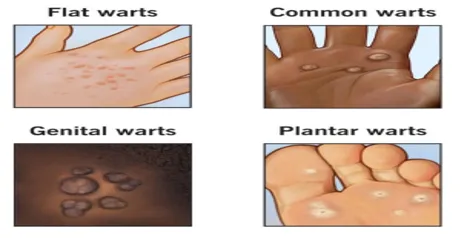
Figure 1:Types of warts
Structure and Genome of Human Papillomavirus
HPV is a small, non enveloped virus with a icosahedral capsid composed of L1 and L2 proteins, enclosing a circular double stranded DNA genome of about 8,000 basepairs as mentioned in fig.2
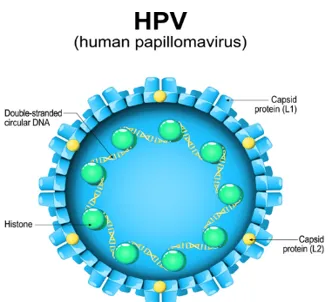
Figure 2: Structure of HPV
Capsid structure:
Human papillomavirus (HPV) is a small, non-enveloped virus with a diameter of approximately 50–60 nanometers (nm). It has an icosahedral structure, meaning that its protein shell, or capsid, has a highly organized geometric shape. The capsid consists of 72 pentameric capsomers, with each capsomer being formed by five molecules of the major capsid protein L1.
L1 is the most abundant viral structural protein and accounts for approximately 80% of the proteins in the viral capsid. It plays an important role in maintaining the characteristic icosahedral shape of the virus and is also involved in the initial attachment of HPV to host cells.
The minor capsid protein, L2, is present in much smaller amounts and has a molecular weight of approximately 70 kDa. Unlike L1, much of L2 is located within or beneath the capsid structure. L2 contributes to the stability and organization of the viral capsid and also plays an important role during viral entry into host cells. The capsid is further stabilized by intra- and inter-pentameric disulfide bonds, which help maintain its structural integrity
Transmission of Human Papillomavirus
Sexual Activity:
Sexual contact is the most common way HPV is transmitted. The virus can spread through direct skin-to-skin contact with infected genital areas, as well as through oral or genital contact involving the mouth and throat.
Asymptomatic Transmission:
HPV can often be transmitted by individuals who have no visible signs or symptoms of infection. Because many people are unaware that they carry the virus, they may unknowingly pass it on to their sexual partners.
Mother-to-Child Transmission:
In rare cases, a pregnant person with a genital HPV infection may transmit the virus to their newborn during vaginal delivery. Although uncommon, this can occasionally result in HPV-related conditions in the infant.
Non-Sexual Contact:
HPV may also be transmitted through non-sexual skin-to-skin contact, although this is considered much less common. For example, contact between infected hands and the genital area may provide an opportunity for transmission. Indirect transmission through contaminated objects, such as towels, has also been suggested, but HPV does not generally remain viable for long periods outside the body.
Pathogensis of human papillomavirus
Entry of the virus through sexual/direct contact/microabrasions
↓
Infection of basal epithelium cells
↓
Viral DNA replication in nucleus
↓
E6 and E7 protein production
E6-Inactivation of p53
E7-Inactivation of Rb protein
↓
Uncontrolled cell proliferation
↓
Persistent and progression of infection
↓
Cervical intraepithelial neoplasia(CIN)
Cervical cancer (high-risk HPV types)
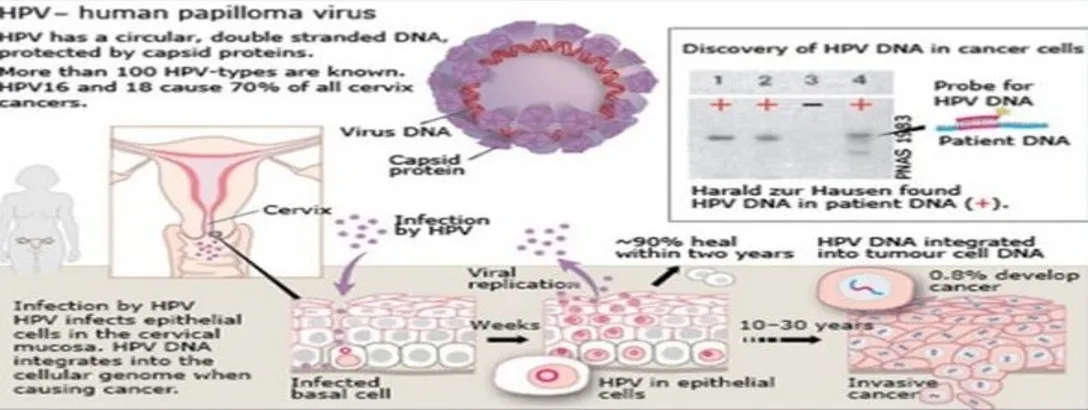
Figure 3 : Pathogensis of HPV
Epidemology of Human papillomavirus infection
In India, HPV-related cancers continue to be an important public health concern. A National Cancer Registry Programme study projected that around 121,302 HPV-related cancer cases could occur in India in 2025, accounting for approximately 7.7% of all cancer cases. The projected burden was higher among females (12.0%) than males (3.3%). Cervical cancer represents a major proportion of HPV-related cancers among women in the country.
Cervical cancer remains a major health concern for women in India and continues to contribute substantially to the global burden of the disease. The high number of cases highlights the importance of improving awareness about HPV, encouraging regular cervical cancer screening, and increasing access to HPV vaccination. Early detection and timely treatment can significantly improve outcomes and help reduce deaths associated with cervical cancer.
Recognizing the importance of prevention, the Government of India launched a nationwide HPV vaccination programme on 28 February 2026. Prime Minister Shri Narendra Modi launched the programme in Ajmer, Rajasthan, targeting approximately 1.15 crore girls aged 14 years across the country. The vaccine is being provided free of cost at government health facilities as part of the national effort to prevent cervical cancer.
The introduction of nationwide HPV vaccination, together with cervical cancer screening, early diagnosis, and appropriate treatment, represents an important step toward reducing the burden of HPV-related disease in India. These preventive measures can play a major role in protecting women’s health and moving the country closer to the goal of cervical cancer elimination.
Table 1: Global burden of HPV
|
Category |
Information |
|
Global HPV prevalence |
11-12% of women without cervical abnormalities are infected with HPV. |
|
Highest HPV prevalence by region |
Sub-Saharan Africa:24% Eastern Europe:21% Latin America:16% |
|
Most common HPV types |
HPV 16:3.2% HPV 18:1.4% |
|
Association with cervical disease |
HPV prevalence increases with the severity of cervical lesions. Approximately 90% of women with invasive cervical cancer are HPV-positive |
|
HPV -associated cancers |
Cervix, Penis, Vulva, Vagina, Anus, Oropharynx(base of the tongue and tonsils) |
|
Global cancer burden (2008) |
Total cancers:12.7 million HPV-attributable cancers:610,000 (4.8%) Cervical cancer: 530,000(86.9% of HPV-related cancers) Others five HPV-related cancers:~80,000 cases |
|
Regional variation in HPV-attributable cancers (Population Attributable Fraction, PAF) |
India:15.5% Sub-Saharan Africa:14.2% Less developed regions:6.9% More developed regions:2.1% North America:1.6% Australia/New Zealand:1.2% |
|
Cervical cancer burden |
Third most common cancer among women worldwide; accounts for 86.9% of all HPV related cancers. |
Risk factors for HPV infection
Primary Risk factors
Secondary Risk factors for Severe strains and complications
Certain behaviours and factors do not directly cause initial infection but are heavily linked to high-risk HPV persistence and progression to conditions like cervical cancer.
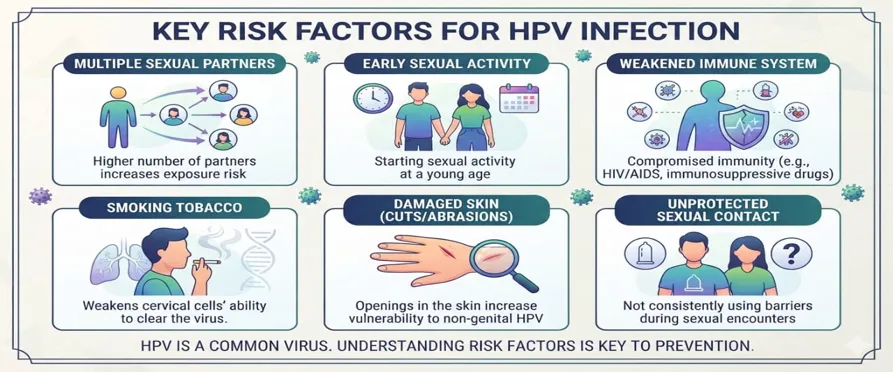
Figure 4 : Risk factors of HPV
Clinical manifestation of HPV infection
Table 2: Clinical manifestations of HPV
|
Clinical form |
Common HPV Strains |
Primary body sites |
Visible Signs and Lesions |
Clinical symptoms |
|
Common warts |
HPV-2, HPV-4 |
Hands, fingers, around nails |
Rough, raised, skin-coloured bumps; tiny black dots. |
Usually painless; cosmetic concern. |
|
Plantar warts |
HPV-1,HPV-2 |
Soles of the feet |
Hard, thick, flattened growths that interrupt foot lines. |
Sharp pain when walking or standing. |
|
Flat warts |
HPV-3, HPV-10 |
Face, arms, legs, back of hands. |
Small(1-5mm), smooth, flat-topped, brownish bumps. |
Often appear in large groups or lines. |
|
Genital warts |
HPV-6, HPV-11 |
Penis, vulva, scrotum, cervix, anus |
Soft, flesh-colored, pink, or gray bumps; can look like tiny cauliflowers. |
Itching, mild burning, discomfort, or bleeding. |
|
Respiratory papillomas |
HPV-6, HPV-11 |
Larynx, vocal cords, airway |
Small, wart-like tumors inside respiratory tract. |
Chronic cough, breathing trouble. |
|
Cervical Dysplasia and cancer |
HPV-16, HPV-18 |
Uterine cervix (transformation zone) |
Early stages are invisible; advanced stages show cervical ulcers/masses. |
Early: asymptomatic (detected via Pap/HPV test).Late: Abnormal bleeding, pelvic pain. |
|
Other Mucosal cancers |
HPV-16, HPV-18 |
Anus, vulva, vagina, penis |
Non-healing ulcers, structural changes, or hard lumps on tissues. |
Chronic itching, bleeding, pain, or visible growths. |
|
Oropharyngeal cancer |
HPV-16 |
Base of tongue, tonsils, throat |
Tumors or tissue changes at the back of the mouth and throat. |
Persistent sore throat, difficulty swallowing, neck lump. |
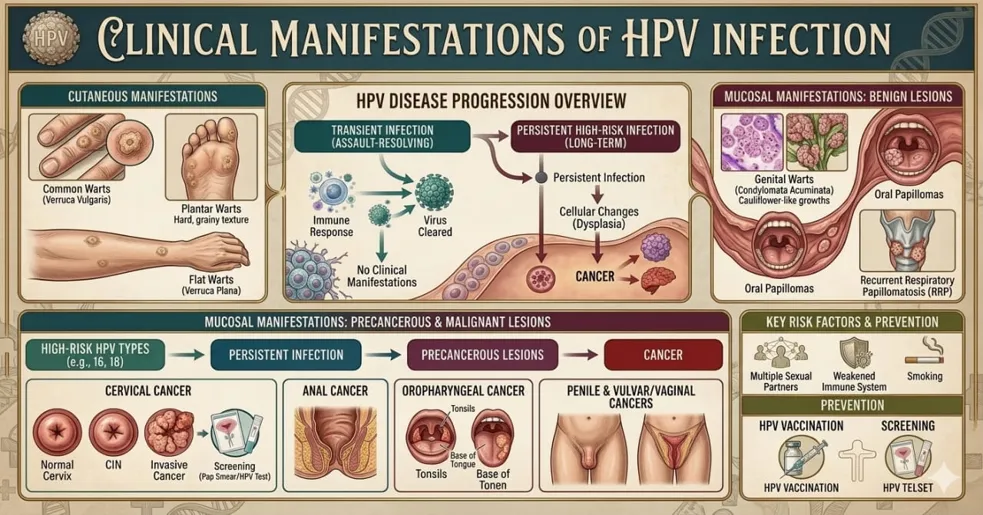
Figure 5: Clinical manifestations of HP
HPV associated diseases
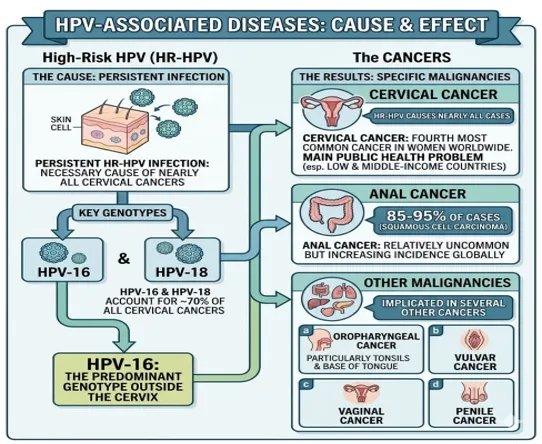
Cervical cancer is the fourth most common cancer among women worldwide and remains a major public health program , particularly in low-and middle-income countries.
Persistent infection with high-risk HPV is recognized as the necessary cause of nearly all cervical cancers, with HPV-16 and HPV-18 accounting for approximately 70% of cases.
Anal cancer is relatively uncommon but has shown increasing incidence globally.
Approximately 85-95% of anal squamous cell carcinomas are attributable to persistent infection with high-risk HPV, particularly HPV-16.
Persistent infection with high-risk HPV is also implicated in several other cancers, including:
HPV-16 is the predominant genotype responsible for most HPV-associated cancers outside the cervix.
Diagnosis and screening of HPV infection
Human Papillomavirus (HPV) screening and diagnostic primarily target the early detection of high-risk viral strains to prevent cervical cancer.
Screening tests check for the presence of the virus or abnormal cell changes before symptoms develop.
Major health organizations like the World Health Organization (WHO) and the American Cancer Society recommend the following timelines for average-risk individuals:
If a screening test comes back abnormal or positive for a high-risk, secondary diagnostic steps confirm the severity of the infection:
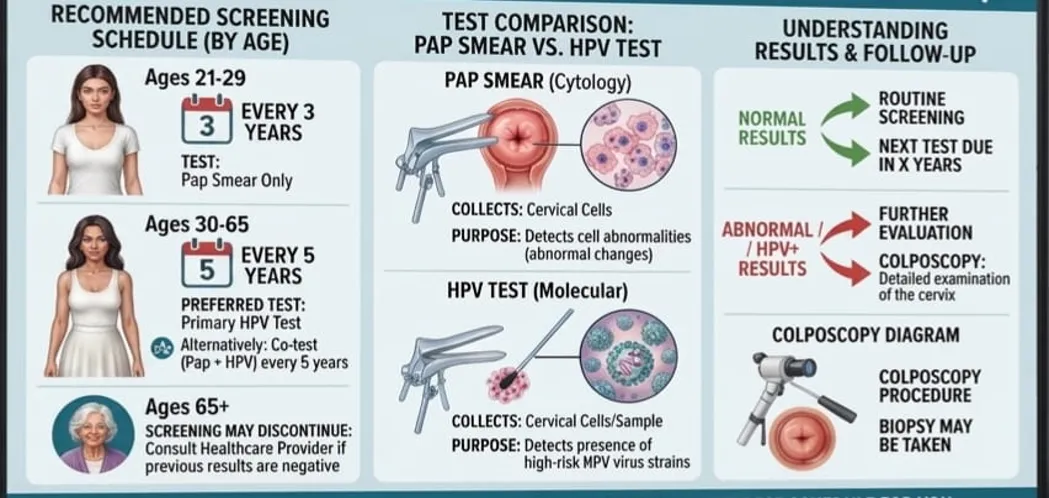
Figure 6: Screening and diagnosis of HPV
Human papilloma virus Vaccine
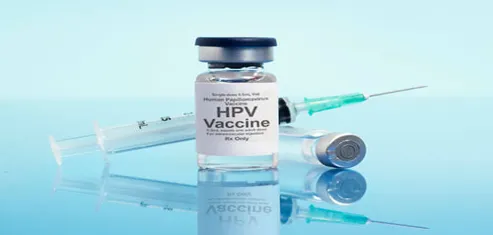
Figure 7: HPV Vaccine
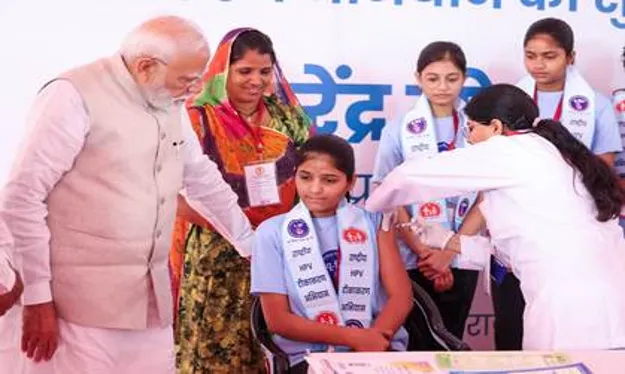
Figure 8: HPV Vaccination Campaign in India
Types of HPV vaccine
Mechanism of Action:
HPV vaccine is a immunisation that works by stimulating the body to produce antibodies.
↓
It uses hollow Virus-like particle (VLPs) made of the virus’s major capsid protein (L1).
↓
As these Virus-like particle lacks viral DNA, they are completely infectious.
↓
The immune system recognises the VLPs as foreign, actively priming antigen-presenting cells to generate long lasting antibodies and immunological memory
↓
Antibodies binds to the virus, preventing it from entering mucosal cells
↓
Prevents HPV infection, Cervical cancer and other HPV-related disease
Dose Schedule:
|
Number of Doses |
Age |
Duration |
|
Two Dose
|
9 to 14 years. |
After completion of first dose. Second dose is taken after 6 to 12 months. |
|
Three Dose
|
15 and above age.
|
After completion of first dose. Second dose is taken after 2 months. Third dose is taken after 6 months. |
Prevention of HPV
WHO Recommendations:
Side Effects of HPV Vaccine
HPV vaccine side effects are generally mild and temporary which involves
AIM:
To evaluate the importance, safety, efficacy, and public health impact of the Human Papillomavirus (HPV) vaccine in preventing HPV-related infections and cancers, while promoting awareness about its role in disease prevention.
Objectives:
REVIEW OF LITERATURE
Saeeda Wasim et al., (2026) published on HPV Vaccination: Broader Implementation and Development of Next-Generation Vaccines Reduce the Incidence of Cervical Cancer
The protective effectiveness of prophylactic HPV vaccination has been firmly established through rigorous randomized controlled trials, as well as extensive long term observational studies conducted alongside national immunization programs. Together, these studies provide strong and reliable evidence demonstrating the vaccines significant benefits for public health. The scientific evidence is comprehensive and widely accepted, highlighting the important role of HPV vaccination in preventing HPV-related diseases and improving population health.
Cervical cancer continues to be significant global health challenge, with persistent infection by high risk Human Papillomavirus (HPV) identified as the primary etiological factor. Prophylactic HPV vaccination represents the most effective strategy for the primary prevention of cervical cancer. Extensive real-world evidence from national immunization programs implemented across multiple countries has consistently demonstrated the effectiveness of HPV vaccination. These programs have shown a marked reduction in the incidence of high grade cervical intraepithelial neoplasia (CIN2+ and CIN3+) and more importantly, a significant decrease in the risk of invasive cervical cancer among individuals vaccinated during early adolescence. The greatest protective benefit has been observed in cohorts immunized before exposure to HPV, understanding the importance of early vaccination. Collectively, these findings provide compelling evidence supporting the widespread implementation of HPV vaccination programs as a cornerstone of global cervical cancer prevention strategies.
Anna Beltrame et al., (2026) published on Impact of Male Human Papillomavirus (HPV) Vaccination on HPV Infection and HPV-related Diseases
Human papillomavirus (HPV) is the most prevalent sexually transmitted infection worldwide and is major cause of anogenital warts and several HPV-related cancers. Although the effectiveness of HPV vaccination in females has been extensively documented since its introduction in 2006, evidence regarding the impact of male vaccination programs has emerged more recently. Studies conducted in high-income countries examined the effects of gender-neutral vaccination(GNV) by comparing outcomes before and after implementation of male vaccination programs. The review found consistent evidence that GNV has contributed to improved health outcomes among males. Reductions were observed in vaccine-targeted HPV infections and in the incidence of anogenital warts, particularly among adolescents and young adults. However, the authors noted that some of these benefits may also be influenced by herd immunity resulting from earlier female-only vaccination programs. Although the overall incidence of HPV-related cancers remained high, likely due to the long latency period between HPV infection and cancer development, encouraging declines were reported among younger male populations. These included reductions in oropharyngeal, penile, and anal cancers in countries such as the United States, Australia, and specific regions of Texas. The review concluded that, because male HPV vaccination programs have been implemented relatively recently, continued long-term surveillance is essential to accurately determine their full impact on reducing HPV-related cancers.
Uma Vasudevan et al., (2026) published on marginalized voices on HPV vaccination in India
A recent study explored the knowledge, attributes, and acceptability of Human Papillomavirus (HPV) vaccination among marginalized communities in India, where cervical cancer continues to be significant cause of illness and death among women. Conducted across three diverse settings, the study was undertaken in preparation for the national rollout of HPV vaccination for girls ages 9-14 years. The findings emphasized that marginalized populations often have limited awareness of HPV, cervical cancer, and the benefits of vaccination, which may hinder vaccine uptake. The study highlighted the importance of understanding community perceptions, cultural beliefs, and potential barriers to vaccination in order to ensure equitable access and acceptance. The authors concluded that community-based education, culturally appropriate awareness campaigns, and strategies that address the specific needs of underserved populations are essential for the successful implementation of India’s national HPV vaccination program and for reducing disparities in cervical cancer prevention.
Agapiti H. Chuwa (2026) published on Innovations in HPV vaccination and their global cervical cancer control
Cervical cancer remains a major global health concern, particularly in sub-Saharan Africa, where persistent infection with high-risk HPV types, especially HPV-16 and HPV-18, contributes significantly to disease burden. A review of HPV vaccine development highlighted the effectiveness of bivalent, quadrivalent, and nonvalent vaccines in preventing HPV infections and cervical lesions through strong immune responses. The introduction of affordable vaccines such as cecolin and cervavac, along with the WHO-recommended single-dose schedule, has improved opportunities for expanding vaccination coverage in low-and middle-income countries. However, challenges such as limited healthcare access, vaccine hesitancy, and lack of awareness continue to affect global vaccine uptake. The review emphasized that combining advances in vaccine technology with effective public health strategies is essential for achieving cervical cancer elimination goals.
Mengdi Ji et al., (2025) published on HPV vaccination coverage, hesitancy and barriers
Cervical cancer remains one of the leading causes of cancer related-morbidity and mortality among women worldwide, with China contributing nearly one-fifth of the global disease burden. Recognizing the effectiveness of the Human papillomavirus (HPV) vaccine in preventing high-risk HPV infections and cervical cancer, researchers conducted a serial cross-sectional study in Shanghai to examine to changes in HPV vaccination uptake and vaccine hesitancy between 2019 and 2024. The findings demonstrated a substantial increase in HPV vaccination coverage, rising from 6% to 30% over the five-year period. However, vaccination rates among girls aged 9-14 years, the primary target group recommended by the World Health Organization (WHO), remained low at only 8%. The study further identified HPV-specific vaccine hesitancy as a major barrier to vaccine uptake, with hesitant parents being significantly less likely to vaccinate their daughters. General vaccine hesitancy also negatively influenced vaccination, although its contribution to non-vaccination was smaller than that of HPV-specific concerns. Population Attributable Fraction analysis showed that HPV-specific hesitancy accounted for a considerable proportion of missed vaccinations, emphasizing the need for interventions that directly address misconceptions and concerns related to the HPV vaccine. Concluded that improving public awareness, promoting timely vaccination among the recommended age group, and addressing practical barriers to vaccine access are essential strategies for increasing vaccine coverage and supporting global efforts toward the elimination of cervical cancer.
Wojciech Miazga et al., (2025) published on Global Guidelines and Trends in HPV Vaccination for Cervical Cancer Prevention
Cervical cancer remains a major global health challenge, with persistent high-risk HPV infection as its primary cause. HPV vaccination is the most effective strategy for preventing HPV infection and reducing cervical cancer incidence. This review analyzed 16 clinical guidelines published between 2019 and 2024 and found strong international consensus on routine HPV vaccination before 15 years of age, preferably before sexual debut. Most guidelines recommend gender-neutral vaccination, with the 9-valent Gardasil 9 vaccine as the preferred option. The Who’s 2022 recommendation of a single-dose schedule is expected to improve vaccine access, reduce costs, and increase coverage, particularly in low-and middle-income countries. Expanding early, gender-neutral vaccination and simplified schedules will support the global goal of eliminating cervical cancer as a public health problem.
Anuradha Nadda et al., (2024) published on IAPSM’s Position paper on the Human papillomavirus (HPV) Vaccine for Adult Immunization in India
Cervical cancer remains one of the leading causes of cancer-related morbidity and mortality among women in India, ranking as the second most common cancer affecting women. Persistent infection with the Human papillomavirus (HPV), particularly high-risk HPV types, has been identified as the primary cause of cervical cancer. Because the disease develops over a prolonged latent period, secondary prevention through regular screening and early detection plays a crucial role in reducing its incidence and mortality. However, the uptake of screening services in India continues to be limited due to factors such as fear of a cancer diagnosis, social stigma, lack of awareness, and the financial burden associated with treatment.
Recent literature highlights HPV vaccination a the most effectiveness strategy for the primary prevention of cervical cancer. India currently has four prophylactic HPV vaccines available for use. These vaccines are non-infectious, highly immunogenic safe, and demonstrate high efficacy when administered before exposure to HPV. National and international guidelines recommend vaccination primarily for girls aged 9-14 years, as immunization before the onset of sexual activity provides maximum protection against HPV infection.
Evidence from recent studies further indicates that both single-dose and two-dose HPV vaccination schedules provide comparable protection and effectiveness against HPV infection, making vaccination programs more feasible and cost-effective, particularly in resource-limited settings. The vaccines are administered intramuscularly in the deltoid region at a standard dose of 0.5mL. Although mild adverse effects such as pain at the injection site, headache, and myalgia have been reported, these reactions are generally transient and resolve without serious complications.
Several studies also emphasize the importance of implementing catch-up vaccination programs for girls aged 9-14 years during the introduction of HPV vaccination initiatives. Such an approach has been shown to be both cost-effective and sustainable, increasing vaccine coverage and accelerating the reduction of HPV-related disease burden. Overall, the literature supports HPV vaccination as a key public health intervention that, when combined with effective screening programs, has the potential to significantly reduce HPV infections and contribute to the long-term elimination of cervical cancer in India.
Pei-Jen Lou et al., (2024) published on Systematic literature review on the clinical and economic burden of human papillomavirus-related diseases in select areas in the Asia-Pacific region
A systematic literature review examined the burden of human papillomavirus (HPV) and HPV-related diseases across selected Asia-Pacific (AP) countries, where the implementation of national HPV vaccination programs has lagged behind that of Europe and North America. The review included 254 observational studies published between 2000 and 2022, assessing the incidence, prevalence, healthcare resource utilization, and economic burden of HPV-related diseases among adults. The findings revealed a substantial burden of HPV-associated cancers, including cervical, head and neck, anal, penile, and vaginal or vulvar cancers, with considerable variation in reported incidence and prevalence across countries. Although relatively few studies evaluated healthcare costs and resource utilization, the available evidence suggested that HPV-related diseases impose a significant clinical and economic burden on healthcare systems in the region. The authors attributed the observed variability to differences in study design, surveillance systems, and data availability across countries. Despite these limitations, the review emphasized the urgent need to strengthen HPV prevention strategies through expanded vaccination programs, effective screening initiatives, public education to reduce vaccine hesitancy , and improved disease surveillance. The authors further highlighted the importance of generating high-quality epidemiological data, particularly in low-and middle-income settings within the Asia-Pacific region, to support evidence-based policy decisions and to monitor the long-term impact of HPV vaccination programs.
Elizabeth Goodman et al., (2022) published on Human Papillomavirus Vaccine Impact and Effectiveness
Specific adult populations known to be at high risk for human papillomavirus (HPV) related disease, such as men who have sex, are inconsistently included in national immunization programs. No complications of the evidence on the real-world impact and effectiveness of HPV vaccines in high-risk populations exists. This review identifies and synthesizes the evidence of the real-world impact and effectiveness of the quadrivalent and nonavalent HPV vaccines in high-risk populations: women with prior/current HPV-related anogenital disease, men who have sex with men, immunocompromised/immunosuppressed individuals, female sex workers, transgender and non-binary individuals, and patients with recurrent respiratory papillomatosis (RRP). The outcomes included anogenital precancers/cancers, head and neck cancers, genital warts, and RRP recurrence. The results, quantity, quality of these studies were highly variable. The evidence for effectiveness was of high quality only in women with prior/current cervical disease and in individuals with RRP, the most frequently studied populations. No studies of transgender/non-binary individuals or female sex workers were identified. The real-world evidence supports HPV vaccination among women with prior cervical disease and individuals with RRP. Significant real-world data gaps remain in these high-risk populations.
Mallory K. Ellingson et al., (2022) published on Human Papillomavirus vaccine effectiveness by age at vaccination
The effectiveness of Human Papillomavirus (HPV) vaccination according to the age at which the vaccine was initiated or completed. The review analyzed studies published between 2007 and 2022 that evaluated vaccine effectiveness against vaccine-type HPV infections, anogenital warts, cervical abnormalities, and cervical cancer. The findings consistently demonstrated that HPV vaccination is most effective when administered before exposure to the virus, particularly during early adolescence. Vaccine effectiveness among individuals among individuals vaccinated between the ages of 9 and 14 years ranged from approximately 74% to 93%, whereas effectiveness among those vaccinated between 15 and 18 years showed greater variability, ranging from 12% to 90%. These results indicate that earlier vaccination provides stronger protection against HPV-related diseases, supporting current recommendations for routine vaccination before the onset of sexual activity. The authors concluded that timely HPV vaccination during early adolescence is essential for maximizing vaccine effectiveness and reducing the long-term burden of HPV-associated diseases.
Sean A. Hebert et al., (2018) published on Acceptance of HPV Vaccination in Kidney Transplant Recipients
A survey-based study investigated the factors contributing to the low uptake of the Human Papillomavirus (HPV) vaccine among kidney transplant recipients, a population at increased risk of HPV-related malignancies because of long-term immunosuppression. The study found that only 32% of eligible transplant recipients had initiated or complete the HPV vaccination series at the time of the survey, despite the protective benefits of the nonavalent HPV vaccine (Gardasil 9). The most significant barrier to vaccine initiation was the lack of a strong recommendation from healthcare providers. Following the survey, participants received brief educational information about the risks of HPV infection and benefits of vaccination, resulting in a notable increase in vaccine initiation, from 32% to 62%. These findings highlight the critical role of physician recommendation and patient education in improving HPV vaccine uptake among high-risk populations. The authors concluded that integrating routine vaccine counselling into post- transplant care could substantially increase vaccination rates and reduce the future burden of HPV-related cancers in kidney transplant recipients.
METHODOLOGY -
STUDY DESIGN-
Cross sectional, Prospective, Retrospective, Questionnaire based descriptive study.
DATA SOURCE-
INCLUSION CRITERIA
EXCLUSION CRITERIA
STUDY PROCESS
DATA COLLECTION :

PATIENT DETAILS :
|
Sr. No |
Name |
Age/ gender |
Dose |
Suggestion |
Brand |
|
01 |
Karparaksha |
24/Female |
0,2 |
Self |
Gardasil 9 |
|
02 |
Lakshanasri |
10/Female |
0,2 |
Self |
Gardasil 9 |
|
03 |
Anitha Princy |
30/Female |
(0,2) |
Self |
Cervavac |
|
04 |
Megha |
27/female |
(0,2) |
Self |
Cervavac |
|
05 |
Deepanjali |
16/Female |
(0,2) |
Self |
Cervavac |
|
06 |
Thaniksha |
14/Female |
(0,6) |
Self |
Cervavac |
|
07 |
Akshana |
10/Female |
(0,6) |
Self |
Cervavac |
|
08 |
Yazhini |
10/Female |
(0,6) |
Self |
Cervavac |
|
09 |
Smitha |
22/Female |
(0,2) |
Self |
Cervavac |
|
10 |
Kurparaksha |
24/Female |
(0,2) |
Self |
Gardasil 9 |
VEDIIKAA CHILD CARE
Dr. Loganayaki Vediikaa Renukanth,
MBBS., MD., DNB.,
Reg No. 83406
Cell: 7708515557
|
Sr. No |
Name |
Age/ gender |
Dose |
Suggestion |
Brand |
|
1 |
Kavinya |
10 / Female |
(0, 2) |
Self |
Gardasil 9 |
|
2 |
Aaradhya |
14/ Female |
(0, 2) |
Self |
Gardasil 9 |
|
3 |
Revathi |
12/ Female |
(0,2) |
Self |
Gardasil 9 |
|
4 |
Tamilselvi |
15/ Female |
(0,2) |
Self |
Gardasil 9 |
|
5 |
Bavya |
16/ Female |
(0,6) |
Self |
Gardasil 9 |
|
6 |
Deepasri |
11/ Female |
(0,2) |
Self |
Gardasil 9 |
|
7 |
Jeevitha |
14/ Female |
(0,6) |
Self |
Gardasil 9 |
|
8 |
Krishika |
16/ Female |
(0,2) |
Self |
Gardasil 9 |
|
9 |
Meena |
13/ Female |
(0,6) |
Self |
Gardasil 9 |
|
10 |
Sobiya |
22/ Female |
(0,2) |
Self |
Cervavac |
|
11 |
Santha |
27/ Female |
(0,2) |
Self |
Cervavac |
|
12 |
Roshini |
16/ Female |
(0, 2) |
Doctor suggested |
Cervavac |
|
13 |
Vishnupriya |
12/ Female |
(0, 2) |
Self |
Cervavac |
|
14 |
Hemalatha |
14/ Female |
(0,6) |
Self |
Cervavac |
|
15 |
Ashwini |
16/ Female |
(0, 2) |
Self |
Cervavac |

Sunray Hospital
Lightens your path
No.926/927/928, M S Complex, Near Chandapura Circle, Next to Karur Vysya Bank, Chandapura, Anekal Taluk, Bengaluru-560081
Web : www.sunrayhospitalbangalore.com
Contact : 8150024454 / 8150044020
Email : care.sunrayhospital@gmail.com
PATIENT DETAILS:
|
Sr. No |
Name |
Age/ gender |
Date |
Dose |
Suggestion |
Brand |
|
1 |
Druthi |
25/Female |
24/03/2026 25/05/2026 |
1,2 |
Doctor |
Gardasil 4 |
|
2 |
Pooja |
27/Female |
27/03/2026 |
1 |
Self |
Gardasil 9 |
|
3 |
Revathi |
36/Female |
20/04/2026 28/05/2026 |
1,2 |
Doctor |
Gardasil 9 |
|
4 |
Priyanka |
32/Female |
29/04/2026 |
1 |
Doctor |
Gardasil 9 |
|
5 |
Lavanya |
30/Female |
14/05/2026 25/06/2026 |
1,2 |
Doctor |
Gardasil 9 |
|
6 |
Divya. G |
27/Female |
15/05/2026 |
1 |
Doctor |
Gardasil 9 |
|
7 |
Pavana S N Gowda |
11/Female |
18/05/2026 |
1 |
Doctor |
Gardasil 4 |
|
8 |
Saraswathi |
32/Female |
05/07/2026 |
1 |
Self |
Gardasil 9 |
|
9 |
Kalavathy |
41/Female |
17/06/2026 08/07/2026 |
1,2 |
Doctor |
Gardasil 9 |
|
10 |
Pushpavathi |
41/Female |
06/06/2026 13/07/2026 |
1,2 |
Doctor |
Gardasil 4 |
|
11 |
Adharsh |
27/Male |
16/06/2026 |
1 |
Doctor |
Gardasil 9 |
|
12 |
Trupthi |
16/Female |
24/06/2026 |
1 |
Doctor |
Gardasil 9 |
|
13 |
Moksha |
35/Female |
08/07/026 |
1 |
Doctor |
Gardasil 4 |
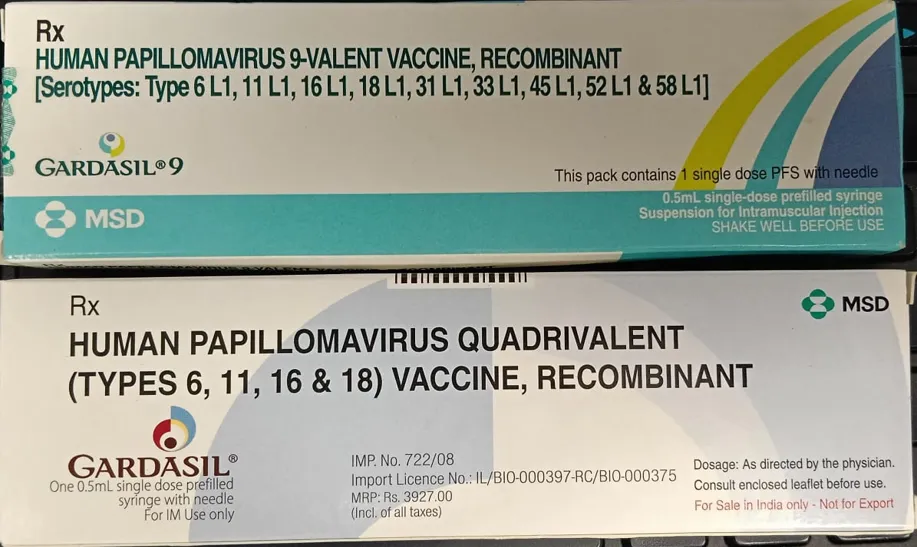
Figure 9: Gardasil Vaccines
Repor
1. To understand the Human Papillomavirus (HPV), its types, modes of transmission, and associated diseases.
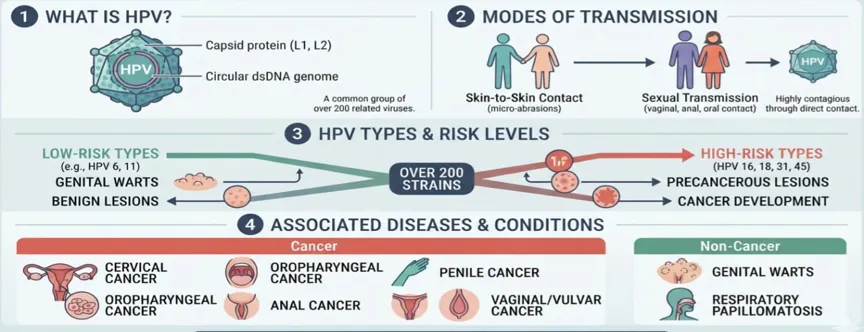
HPV types:
Low-Risk Types: Strains like HPV 6 and 11 cause benign lesions and genital warts.
High-Risk Types: Strains like HPV 16,18,31, and 45 cause precancerous lesions.
Uncontrolled high-risk infections can integrate into cells and cause cancer.
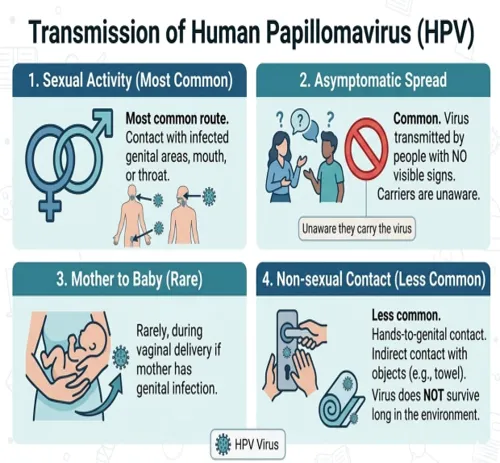
Mode of Transmission:
Sexual Activity is most common frequent method of transmission.
Asymptomatic Spread Transmitted by individuals with no visible signs
Mother to Baby Happens if the mother has an active gential infection.
Non-Sexual Contact Infrequent route of transmission
Associated Diseases:
Cancer: Cervical, oropharyngeal(throat), anal, penile, vaginal, and vulvar cancers.
Non-Cancer: Genital warts and recurrent respiratory papillomatosis(benign airway tumors).
2. To study the mechanism of action of the HPV vaccine and how it provides immunity against HPV infection.
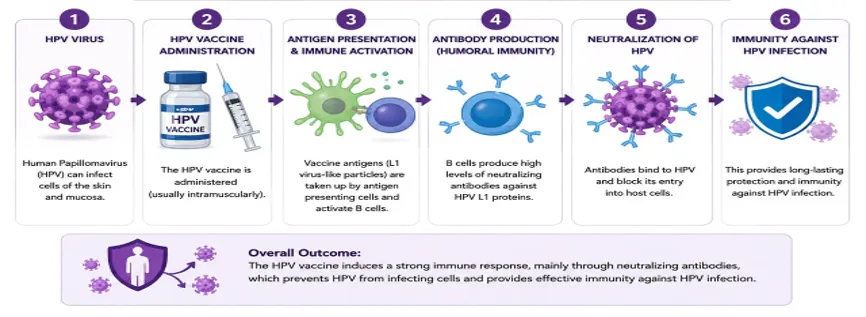
HPV vaccine protects the body by creating antibodies that block the virus from entering cells. HPV vaccine prevents infection by introducing harmless virus-like particles into the muscle, which are quickly detected by immune cells. This detection activates B cells to produce high levels of specific, neutralizing antibodies. If the body encounters the actual HPV virus later, these antibodies immediately bind to it and block its entry into host cells, establishing long-term immunity.
3. To evaluate the effectiveness of the HPV vaccine in preventing cervical cancer and other HPV-related cancers and diseases.
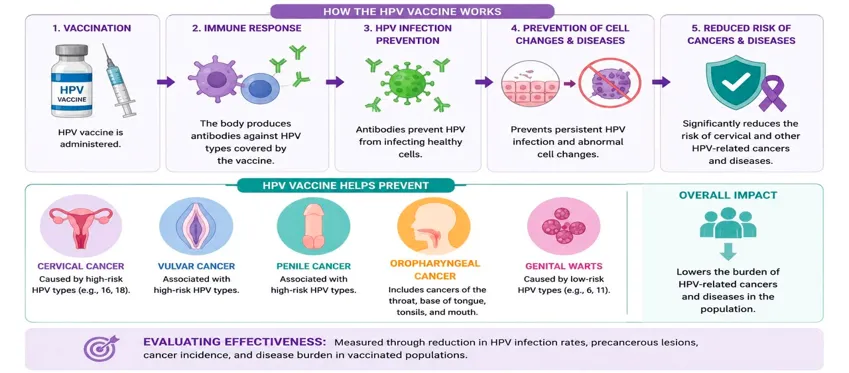
The HPV vaccinee introduces harmless, non-infectious virus-like particles into the body to trigger a protective immune response. Upon injection, the body creates targeted antibodies against specific viral strains covered vaccine. If the individual is exposed to the live virus later, these circulating antibodies bind to it immediately. This action blocks the virus from entering and infecting healthy epithelial cells. By preventing a persistent infection, the vaccine stops the development of abnormal cellular mutations. Consequently, this process prevents long-term HPV-related cancers and genital warts.
4. To assess the safety profile of the HPV vaccine, including common adverse events and rare adverse reactions through pharmacovigilance data.
5. To examine the recommended vaccination schedule, target population, and current immunization guidelines
HPV VACCINATION RECORD - GROUPED BY AGE AND BRAND
|
AGE GROUP: 10-15 YEARS TOTAL PATIENTS: 14 |
|||||
|
Sr. No |
Name |
Age/Gender |
Dose |
Suggestion |
Brand |
|
1 |
Pavana S gowda |
11/Female |
1 |
Doctor |
Gardasil 4 |
|
2 |
Lakshanasri |
10/Female |
0,2 |
Self |
Gardasil 9 |
|
3 |
Thaniksha |
14/Female |
0,6 |
Self |
Cervavac |
|
4 |
Akshana |
10/Female |
0,6 |
Self |
Cervavac |
|
5 |
Yazhini |
10/Female |
0,6 |
Self |
Cervavac |
|
6 |
Kavinya |
10/Female |
0,2 |
Self |
Gardasil 9 |
|
7 |
Aaradhya |
14/Female |
0,2 |
Self |
Gardasil 9 |
|
8 |
Revathi |
12/Female |
0,2 |
Self |
Gardasil 9 |
|
9 |
Tamilselvi |
15/Female |
0,2 |
Self |
Gardasil 9 |
|
10 |
Deepasri |
11/Female |
0,2 |
Self |
Gardasil 9 |
|
11 |
Jeevitha |
14/Female |
0,6 |
Self |
Gardasil 9 |
|
12 |
Meena |
13/Female |
0,6 |
Self |
Gardasil 9 |
|
13 |
Vishnupriya |
12/Female |
0,2 |
Self |
Cervavac |
|
14 |
Hemalatha |
14/Female |
0,6 |
Self |
Cervavac |
|
AGE GROUP: 16-25 YEARS TOTAL PATIENTS: 11 |
|||||
|
Sr. No. |
Name |
Age/Gender |
Dose |
Suggestion |
Brand |
|
1 |
Druthi |
25/Female |
1,2 |
Doctor |
Gardasil 4 |
|
2 |
Trupthi |
16/Female |
1 |
Doctor |
Gardasil 9 |
|
3 |
Karparaksha |
24/Female |
0,2 |
Self |
Gardasil 9 |
|
4 |
Deepanjali |
16/Female |
0,2 |
Self |
Cervavac |
|
5 |
Smitha |
22/Female |
0,2 |
Self |
Cervavac |
|
6 |
Karparaksha |
24/Female |
0,2 |
Self |
Gardasil 9 |
|
7 |
Bavya |
16/Female |
0,6 |
Self |
Gardasil 9 |
|
8 |
Krishika |
16/Female |
0,2 |
Self |
Gardasil 9 |
|
9 |
Sobiya |
22/Female |
0,2 |
Self |
Cervavac |
|
10 |
Roshini |
16/Female |
0,2 |
Doctor |
Cervavac |
|
11 |
Ashwini |
16/Female |
0,2 |
Self |
Cervavac |
|
AGE GROUP: 26 YEARS AND ABOV TOTAL PATIENTS: 13 |
|||||
|
Sr. No. |
Name |
Age/Gender |
Dose |
Suggestion |
Brand |
|
1 |
Pooja |
27/Female |
1 |
Self |
Gardasil 9 |
|
2 |
Revathi |
36/Female |
1,2 |
Doctor |
Gardasil 9 |
|
3 |
Priyanka |
32/Female |
1 |
Doctor |
Gardasil 9 |
|
4 |
Lavanya |
30/Female |
1,2 |
Doctor |
Gardasil 9 |
|
5 |
Divya G |
27/Female |
1 |
Doctor |
Gardasil 9 |
|
6 |
Saraswathi |
32/Female |
1 |
Self |
Gardasil 9 |
|
7 |
Kalavathy |
41/Female |
1,2 |
Doctor |
Gardasil 9 |
|
8 |
Pusphavathi |
41/Female |
1,2 |
Doctor |
Gardasil 4 |
|
9 |
Adharsh |
27/Male |
1 |
Doctor |
Gardasil 9 |
|
10 |
Moksha |
35/Female |
1 |
Doctor |
Gardasil 4 |
|
11 |
Anitha Princy |
30/Female |
0,2 |
Self |
Cervavac |
|
12 |
Megha |
27/Female |
0,2 |
Self |
Cervavac |
|
13 |
Santha |
27/Female |
0,2 |
Self |
Cervavac |
|
SUMMARY BY BRAND |
||
|
Brand |
Total Patients |
Percentage (%) |
|
Gardasil 9 |
21 |
55.3% |
|
Cervavac |
13 |
34.2% |
|
Gardasil 4 |
4 |
10.5% |
|
TOTAL |
38 |
100% |
The collected data show HPV vaccination among adolescents and adults aged 10–41 years. The records include single-dose and multi-dose schedules, such as 0,2 and 0,6, with vaccines including Gardasil 9, Cervavac, and Gardasil 4. Most vaccinations were recorded among females, with both doctor-recommended and self-initiated vaccination observed.
The data indicate that HPV vaccination is being provided to the recommended adolescent target group as well as adults, highlighting the importance of age-appropriate dosing and adherence to current immunization guidelines.
Boys : Recommended for broader protection
Catch-up vaccination: Up to 26 years
Immunocompromised individuals: Up to 45 years
6. To analyze the role of the HPV vaccine in reducing the global burden of cervical cancer and improving public health.
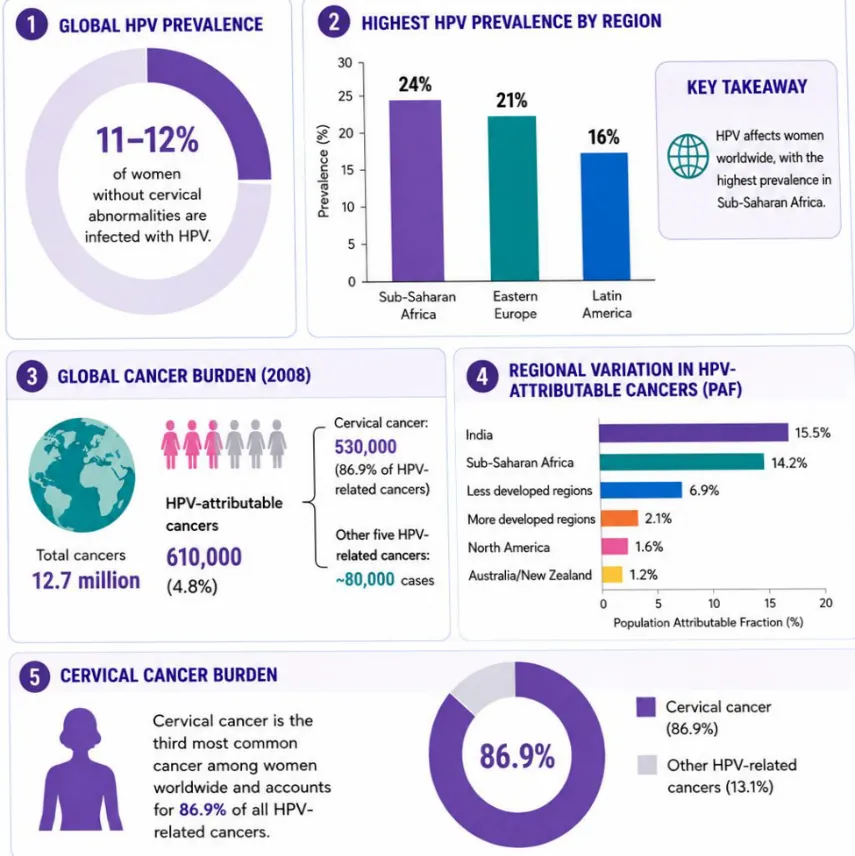
The global burden of HPV remains a major public health concern due to its strong association with cervical cancer and other HPV-related cancers. Increasing HPV vaccination coverage, regular screening, and public awareness can significantly reduce disease burden and prevent cervical cancer worldwide.
7. To identify barriers to HPV vaccination, such as lack of awareness, vaccine hesitancy, and accessibility, and suggest strategies to improve vaccine uptake.
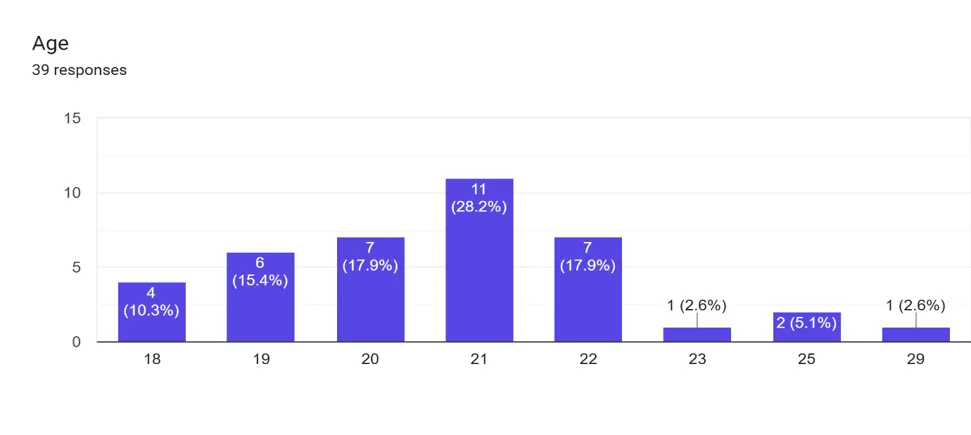
Age Distribution
This table represents the age breakdown of the 39 respondents shown in the bar charts.
|
Age |
Number of Responses |
Percentage |
|
18 |
4 |
10.3% |
|
19 |
6 |
15.4% |
|
20 |
7 |
17.9% |
|
21 |
11 |
28.2% |
|
22 |
7 |
17.9% |
|
23 |
1 |
2.6% |
|
25 |
2 |
5.1% |
|
29 |
1 |
2.6% |
|
Total |
39 |
100% |
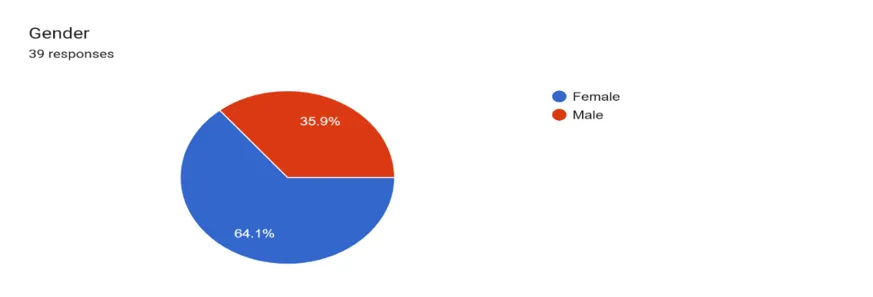
Gender
This table displays the gender split among the 39 respondents from the pie chart.
|
Gender |
Percentage |
|
Female |
64.1% |
|
Male |
35.9% |
|
Total |
100% |
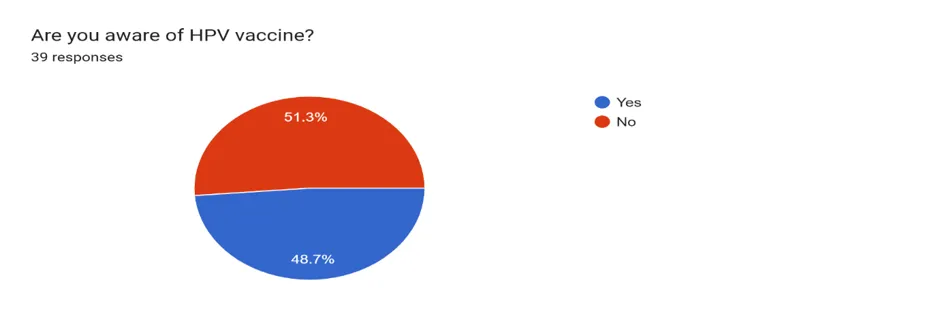
HPV Vaccine Awareness
This table summarises the responses regarding awareness of the HPV vaccine from the second pie chart.
|
Are you aware of HPV vaccine ? |
Percentage |
|
No |
51.3% |
|
Yes |
48.7% |
|
Total |
100% |
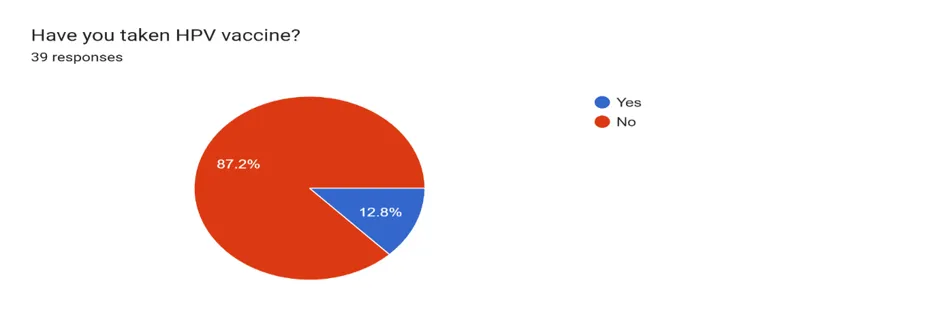
Vaccine Uptake
Total responses: 39
|
Answer option |
Percentage (%) |
Calculated Responses |
|
No |
87.2% |
34 |
|
Yes |
12.8% |
5 |
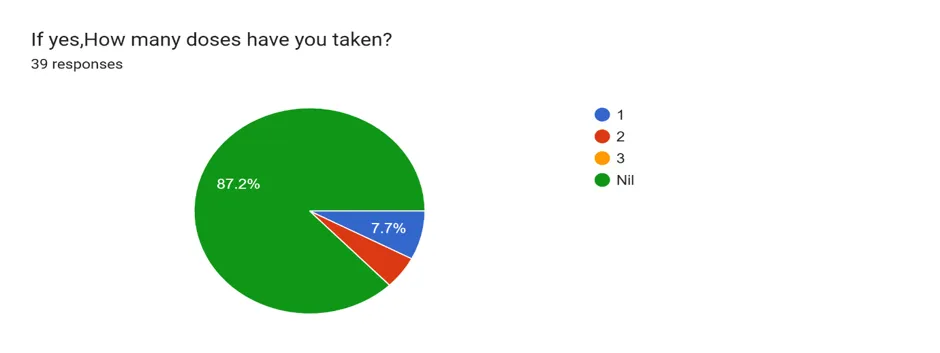
Number of Doses Taken
Total Responses:39
|
Answer Option |
Percentage (%) |
Calculated Responses |
|
Nil |
87.2% |
34 |
|
1 |
7.7% |
3 |
|
2 |
5.1% |
2 |
|
3 |
0.0.% |
0 |
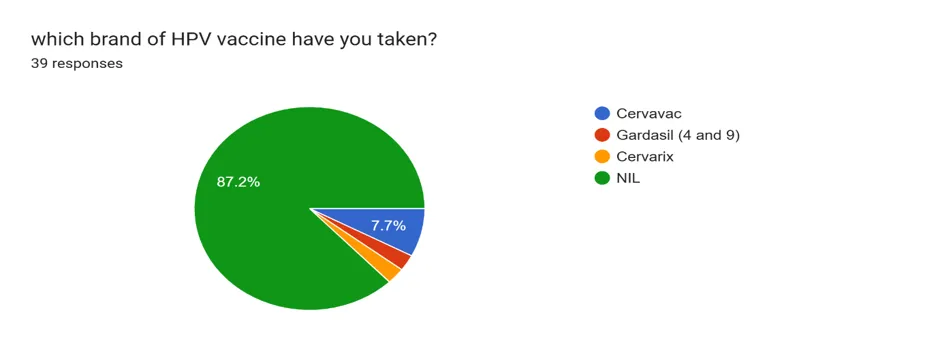
Vaccine Brand Distribution
Total Responses:39
|
Answer Option |
Percentage (%) |
Calculated Responses |
|
Nil |
87.2% |
34 |
|
Cervavac |
7.7% |
3 |
|
Gardasil (4 and 9) |
2.6% |
1 |
|
Cervarix |
2.5% |
1 |
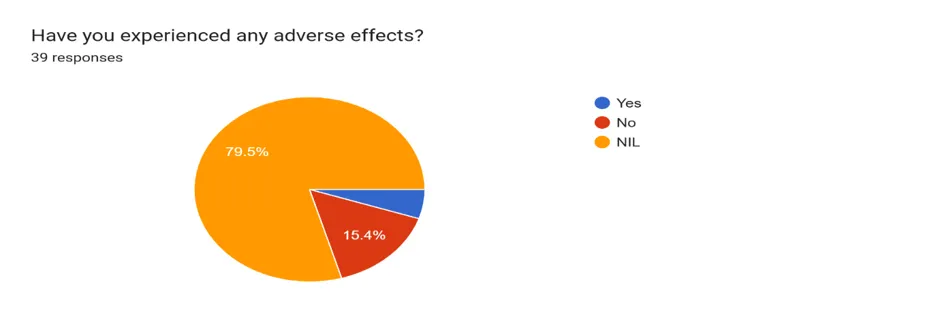
Adverse Effects Experienced
Total 39 Responses
|
Responses |
Percentage |
|
Nil (Orange) |
79.5% |
|
No (Red) |
15.4% |
|
Yes (Blue) |
Remaining percentage (approx. 5.1%) |
Recommendations
Total 39 responses
|
Recommendation Category |
Percentage |
|
Awareness (Blue) |
53.8% |
|
Social media (Orange) |
20.5% |
|
Government campaign (Green) |
15.4% |
|
Doctor |
Remaining percentage (approx. 10.3%) |
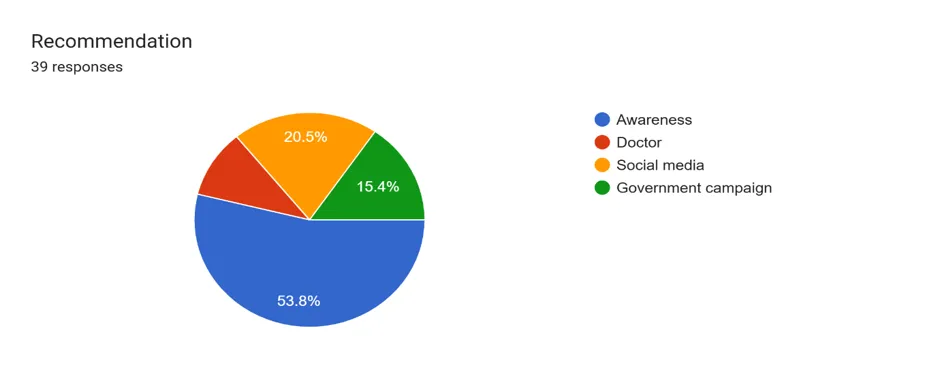
The findings from Google forms survey indicated that a majority of the respondents had not received the HPV vaccine. This suggests a lack of awareness regarding the importance and benefits of HPV vaccination. The results also indicate that social media has not been sufficiently effective in promoting accurate information and increasing public awareness about the HPV vaccine.
8. To emphasize the importance of pharmacovigilance in monitoring the long-term safety and effectiveness of HPV vaccines after their introduction into immunization programs.
Long-term Safety Monitoring: Pharmacovigilance continuously monitors HPV vaccines after their introduction into immunization programs to identify rare or delayed adverse events, ensuring that the vaccines remain safe for the population.
Assessment of Effectiveness: It evaluates the real-world effectiveness of HPV vaccines in preventing HPV infections and cervical cancer, providing evidence to support public health policies, maintain public confidence, and improve immunization programs.
HPV Vaccine Pharmacovigilance
|
Section |
Key points |
|
Vaccine pharmacovigilance |
Systematic detection, assessment, understanding and prevention of adverse events following immunization (AEFIs) associated with HPV vaccines. |
|
Why important for HPV vaccines |
HPV vaccines are widely given to adolescents and young adults, who are generally healthy; therefore safety monitoring is important. |
|
1. Common adverse events |
Injection-site: pain, redness, swelling Systemic: headache, fatigue, fever, dizziness Gastrointestinal: nausea Syncope (fainting): may occur in adolescents; observation for about 15 minutes is commonly recommended. |
|
2. Serious adverse events monitored |
Anaphylaxis and severe allergic reactions Seizures, Guillain–Barré syndrome Other uncommon or serious events are monitored through pharmacovigilance systems. |
|
3. Signal detection / investigation |
Spontaneous-report databases can be assessed using statistical disproportionality methods, followed by epidemiological investigation. |
|
4. Causality assessment |
Timing between vaccination and event; biological plausibility; alternative explanations; previous evidence; rechallenge/dechallenge where relevant; epidemiological evidence; background incidence. |
|
Causality framework |
WHO AEFI causality-assessment framework can be used to classify the likelihood of vaccine-related causality. |
|
5. Importance in HPV vaccination programs |
HPV vaccines have a well-established safety profile, but pharmacovigilance remains important because very rare adverse events may become detectable only after millions of doses. |
|
Pharmacovigilance process |
Detection → Reporting → Investigation → Signal detection → Causality assessment → Risk evaluation → Risk minimization → Communication |
DISCUSSION
Human Papillomavirus (HPV) infection is one of the most common viral infections and is an important public health concern because certain types of HPV can cause cancer. HPV has many different types, which can be broadly classified as low-risk and high-risk types. Low-risk types such as HPV-6 and HPV-11 are mainly associated with genital warts, while high-risk types such as HPV-16 and HPV-18 are strongly associated with cervical cancer. HPV infection can also contribute to cancers of the anus, penis, vulva, vagina, and oropharynx. Understanding the different types of HPV and how the virus spreads is therefore important for preventing HPV-related diseases.
The HPV vaccine has an important role in preventing HPV infection. It works by stimulating the immune system to produce antibodies against specific HPV types. The vaccine contains Virus-Like Particles (VLPs), which resemble the outer surface of the virus but cannot reproduce or cause infection. These particles help the immune system recognize HPV and respond quickly if a vaccinated person is exposed to the virus later. Therefore, vaccination is mainly preventive and provides the greatest benefit when given before exposure to HPV.
Different HPV vaccine formulations provide protection against different HPV types. Bivalent vaccines protect mainly against HPV-16 and HPV-18, while quadrivalent vaccines provide protection against HPV-6, HPV-11, HPV-16, and HPV-18. The nonavalent vaccine provides broader protection against nine HPV types, including HPV-31, 33, 45, 52, and 58. This wider coverage is particularly useful because several high-risk HPV types can contribute to cancer development.
The effectiveness of HPV vaccination has been demonstrated through clinical studies and population-level evidence. Vaccination significantly reduces HPV infections, precancerous cervical lesions, and other HPV-related diseases. Its greatest public health benefit is the prevention of cervical cancer. However, vaccination does not replace cervical cancer screening. Vaccinated individuals should continue to follow recommended screening programs because the vaccines do not protect against every cancer-causing HPV type.
The safety profile of HPV vaccines has also been an important part . Most adverse events are mild and temporary. Common reactions include pain, redness or swelling at the injection site, headache, fatigue, and mild fever. Fainting can occasionally occur after vaccination, particularly among adolescents, which is why observation for approximately 15 minutes after vaccination is recommended. Serious adverse reactions are rare. Continuous safety monitoring is important to identify any unusual or unexpected events after vaccination.
Pharmacovigilance plays an important role in ensuring the continued safety of HPV vaccines. Safety information is collected and evaluated after vaccines are introduced into the general population. Systems such as VAERS and other national and international monitoring programs help detect possible safety signals. These systems are important because clinical trials, although extensive, may not identify extremely rare adverse events. Pharmacovigilance therefore provides additional information about vaccine safety during large-scale and long-term use.
The recommended HPV vaccination schedule depends on factors such as age and immune status. Vaccination is generally recommended during early adolescence because it provides protection before exposure to HPV is likely to occur. Current immunization recommendations in many settings have also moved toward simplified schedules for younger adolescents. Older individuals and people with certain immune conditions may require additional doses. Following the appropriate vaccination schedule is important for achieving maximum protection.
Although HPV vaccines are highly effective, several barriers can reduce vaccination coverage. Lack of awareness, concerns about vaccine safety, misinformation, parental hesitation, cost, limited healthcare facilities, and difficulty accessing vaccination services can all affect vaccine uptake. Some people may also incorrectly believe that HPV vaccination is unnecessary or that it promotes risky sexual behavior. Providing clear, evidence-based information through healthcare professionals, schools, and public health programs can help address these concerns.
Healthcare professionals, including pharmacists, have an important role in improving HPV vaccine acceptance. Pharmacists can educate patients and parents about the benefits and safety of vaccination, answer questions, address misinformation, encourage completion of recommended vaccination schedules, and support reporting of suspected adverse events. Proper vaccine storage and handling are also important responsibilities in maintaining vaccine quality and effectiveness.
Overall, HPV vaccination is an important preventive strategy for reducing HPV infections and HPV-related cancers, particularly cervical cancer. The combination of early vaccination, appropriate screening, public education, improved accessibility, and continuous pharmacovigilance can significantly contribute to reducing the global burden of HPV-related diseases. Continued monitoring of vaccine safety and effectiveness will also help maintain public confidence and support successful immunization programs.
CONCLUSION
HPV vaccine are safe and effective ways to prevent the Human Papillomavirus which is responsible for reducing the risk of cervical cancer and other HPV related disease . HPV vaccination can provide long-term protection against several related cancers. It works best when given to young adolescents before any exposure to the virus. Taking HPV vaccine is a small step that can make a big difference in protecting our health and the health of future generations. This study improve public knowledge and create awareness about the importance of the HPV vaccination by providing accurate and reliable information about HPV-related disease, to reduce the burden of cervical cancer and contribute to a healthier future for individuals and the community.
REFERENCES






B Rashmitha, Monisha M, Smitha D, Sneha S, Swathi S, Jiji K, Evaluation of HPV Vaccine: Safety, Efficacy and Public Health Impact, Int. J. of Pharm. Sci., 2026, Vol 4, Issue 8, 3353-3385. https://doi.org/10.5281/zenodo.22045911
 10.5281/zenodo.22045911