

We use cookies to ensure our website works properly and to personalise your experience. Cookies policy
Department Of Pharmacy, Lokmanya Tilak Institute Of Pharmacy Kharghar Navi Mumbai.
Moringa oleifera Lam., commonly known as the drumstick tree, is a highly nutritious medicinal plant belonging to the family Moringaceae. It has gained considerable scientific attention due to its rich nutritional composition and diverse pharmacological properties. Various parts of the plant, particularly the leaves, seeds, flowers and pods, contain essential vitamins, minerals, amino acids and several bioactive phytoconstituents, including flavonoids, phenolic compounds, alkaloids, glucosinolates, isothiocyanates and terpenoids. These phytochemicals contribute to its reported antioxidant, antidiabetic, anticancer, antiviral, anti-inflammatory and antihypertensive activities. Recent advancements in network pharmacology have provided valuable insights into the complex interactions between Moringa-derived phytochemicals and multiple molecular targets involved in disease pathways. Computational approaches such as molecular docking, target prediction and pathway enrichment analysis have helped identify potential mechanisms of action, particularly in insulin resistance, cancer and inflammatory disorders. This review highlights the nutritional significance, cultivation, processing methods, phytochemical composition and major pharmacological activities of Moringa oleifera, with particular emphasis on its molecular mechanisms and therapeutic potential. Although existing preclinical and computational findings are promising, further experimental validation and well-designed clinical studies are necessary to establish its safety, efficacy and clinical applications.
The Emergence of Network Pharmacology (NP) has become an innovative means of studying the mechanisms of drugs via the study of interactions with several molecular targets. Network Pharmacology incorporates both computational approaches and systems biology to allow for a systematic study of molecular interactions in living beings. This tool proves especially useful in unraveling the relations between the formulae of herbs, their bioactive components, biological targets, and physiological responses. Moreover, NP allows one to identify novel drug candidates and biological targets as well as explore potential therapeutic uses of currently existing drugs via the analysis of their molecular targets. Nevertheless, the effectiveness of this approach largely depends on the correct selection of biologically relevant targets and promising chemical scaffolds. The use of traditional medicinal knowledge may help in the discovery of therapeutic formulae and repositioning of currently existing drugs. It seems that the combination of such knowledge and achievements in the sphere of systems biology and network pharmacology may enable the development of multi-target drugs of the next generation. Besides providing new opportunities for therapy, NP may be used to learn more about drug mechanisms and improve the safety and efficacy of currently available medicines.[1]
Moringa oleifera is a significant food source that has garnered considerable interest as the ‘natural nutrition of the tropics.’ The tree's leaves, fruit, flowers, and immature pods are consumed as a highly nutritious vegetable in various countries, especially in India, Pakistan, the Philippines, Hawaii, and many regions of Africa. It has been documented that moringa leaves are abundant in β-carotene, protein, vitamin C, calcium, and potassium, and serve as an excellent source of natural antioxidants; they also prolong the shelf-life of fatty foods due to the presence of diverse antioxidant compounds including ascorbic acid, flavonoids, phenolics, and carotenoids. In the Philippines, it is referred to as ‘mother’s best friend’ because it is used to boost milk production in women and is sometimes prescribed for anemia.[2] The Moringa oleifera Lam. and Moringa stenopetala are two of the thirteen or more species of the monogeneric family Moringaceae . These two species differ in their distribution patterns, which are rather intriguing from both theoretical and applied points of view. There is always a question why some species have a wide distribution range while others are rather narrow endemic. It is noteworthy that though M. oleifera is native to the Indian subcontinent, it has been widely planted in the Philippines, Cambodia, and the Caribbean Islands. Meanwhile, the distribution area of M. stenopetala is limited to a small part of East Africa, including Ethiopia and Kenia . To be more precise, this species is only found in the wild in northern Kenya, while it is cultivated in Ethiopia4 . The records from Djibouti, Malawi, Senegal, Somalia, Sudan, and Uganda are most likely due to recent introductions.[3]
Moringa species are currently promoted as multipurpose trees in tropical and subtropical regions for agroforestry, animal husbandry, and carbon sequestration. For instance, the Food and Agriculture Organization (FAO) has been promoting moringa trees in different countries within the framework of its agroforestry projects since the 1990s . They have been widely introduced as multipurpose trees and shrubs for a wide range of purposes, nearly all parts of the plant are edible and nutritious , while they are rich in minerals, vitamins, and other bioactive compounds. M. oleifera , in particular, is a good source of protein, vitamin A, minerals, essential amino acids, antioxidants, and flavonoids, isothiocyanates, among others. Moringa leaf extracts and seed have a variety of nutraceutical and pharmacological properties, including anti-inflammatory, antioxidant, anti-cancer, hepatoprotective, neuroprotective, hypoglycemic, and hypocholesterolemic activities. Moreover, the plant has a long history of traditional use in Africa and Asia for the treatment of various diseases, including ascites, rheumatism, snakebites, and as a cardiac and circulatory stimulant. M. oleifera leaves can be used as a plant growth regulator because they contain growth hormones and minerals.[4]
Moringa is a drought-resistant plant that can thrive in marginal soils when other plants cannot grow. Moringa intercropping has gained increasing interest among researchers because it allows for maximizing farm productivity through higher yields of several crops per unit of land, while providing both food and income for farmers. In some countries, water purification using moringa seeds has also been practiced. This method has proven to be highly effective and affordable, which is why it attracts more and more attention from researchers and communities in need. Water treated with moringa seeds had a reduction in turbidity by 90% and a decrease in the number of microorganisms by 95%. It was found that the plant is more effective at clarifying water than other local coagulants. Moreover, various products derived from moringa have a broad commercial future, and their production is growing steadily in many countries. Thus, it is clear that moringa trees can be a profitable investment, given the demand for them in pharmacology, cosmetics, and nutrition.[5]
Taxonomical Classification
2.PLANTATION AND SOIL CONDITION
M. oleifera is able to grow in all tropical and subtropical parts of the world where temperatures range between roughly 25 and 35◦C. It needs sandy or loamy soil with a pH from slightly acidic to slightly alkaline, along with net rainfall of 250–3000 mm . The direct seeding method is used because it produces high germination rates. This is because moringa seeds usually germinate within 5–12 days of sowing and can be planted at a depth of 2 cm in the soil. Moringa may also be propagated by means of containers. The saplings are put into plastic bags filled with sandy or loamy soil. Once it has reached a height of about 30 cm, it can be transplanted. Nevertheless, great care must be taken during transplanting, since the tap roots are delicate and easily damaged. The tree can also be raised from cuttings measuring 1 m in length and 4–5 cm in diameter, although such plants might lack a well-developed deep root system. Plants of this kind are often vulnerable to drought and wind. For commercial purposes, moringa may be cultivated through large-scale intensive and semi-intensive plantations. In commercial cultivation, spacing matters because it aids in managing the plants and harvesting them. The nutrient composition of M. oleifera varies from one location to another. Trees grown in India possess slightly different nutritional components compared with those grown in Nigeria. Asante et al. examined the nutritional differences in leaves from two ecological locations, the semi-deciduous and Savannah regions. It revealed that the latter was less nutritious than the former, which was ascribed to the high temperatures in the Savannah regions. At higher temperatures, proteins and enzymes become denatured, and this may explain the variation in nutrient content.[7]
Soil is a critical production factor, determining the nutrient contents and the overall strength of a plant, established that the application of fertilizers or their combinations, either alone or together, resulted in different nutrient compositions, and the most productive element was poultry manure over phosphorous, potassium, sodium, and manganese. It was found that using NPK fertilizer, poultry manure, and organic base to treat the stem girth and vegetative growth of moringa resulted in a positive outcome. However, it is the overall composition of nutrients that remains consistent, rendering the plant a nutraceutical anywhere in the world.[8]
3.PROCESSING OF MORINGA OLEIFERA
3.1. Leaf harvesting
Young and old leaves both are suited to making dried leaf powder. Morphology of leaf can be identified as they are 20-70 cm long, grayish-downy when young, long petiole with 8-10 pairs of pinnae each bearing two pairs of opposite, elliptic or obovate leaflets and one at the apex, all 1-2 cm long; with glands at the bases of the petioles and pinnae. Moringa leaves can easily lose moisture after harvesting, therefore, harvest early in the morning and complete the initial phase of processing in the same day, if possible.[9]
3.2 Selection of healthy leaves
Fungi like Cercosporaspp and Septorialycopersic causing brown spot in the leaves and further turning the leaves yellow and killing them. Apart from fungi the most common pests on the leaves are grasshoppers, crickets and caterpillars. Therefore, diseased and damaged leaves are discarded manually just after the collection of fresh leaves.[10]
3.3. Washing
Collected leaves are washed in running tap water till the removal of dirt. After these leaves are soaked in 1% saline solution (NaCl) for 5 minutes to remove microbes. Leaves are further washed with 70 % ethanol followed by twice washing with distilled water. This step plays a substantial role in removal of dust, pathogens as well as microbes present on the leave surface.
3.4. Draining
The excess water can be removed by spreading the leaves in sunlight for a brief period till the removal of water present on the leaf surface.
3.5. Drying
It is estimated that only 20-40% of vitamin A will be retained if leaves are dried under direct sunlight, but that 50-70% will be retained if leaves are dried in the shade. High temperature may lead down to the breakage of protein present in the leaves. Therefore, shade dry is recommended for the drying process. Spread the leaflets on the sterile clean green net in a well-ventilated room. Mosquito net may be used for this purpose because these materials give a space between the floor and the leaves. This room should be insect, rodent and dust proof. Air circulation can be improved by using ceiling and floor level vents protected with a clean filter to keep the sun and dust out. It is possible to use a fan, but the air must not be directly oriented towards the leaves, as it can increase contamination with germs in the air. It is advisable to turn the leaves over at least once, with sterile gloves, to improve uniform drying. Leaves should be completely dry within a maximum of 4 days. The loading density should not exceed 1 kg/m2. All persons involved in this step must ensure that, while on duty, personal cleanliness and hygiene are maintained. Personal protective equipment (PPE) such as head caps, nose masks, disposable gloves, etc. must be used at all times.[11]
3.6. Grinding
In small scale dried leaf can be grinded by mortar and pestles or pulmonizer machine can be used for fine grinding. Commonly 0.5 mm –1.0 mm pore size screen is used for the separation of the fine grinded leaf powder.
3.7. Drying of the leaf powder
Moringa leaf powder immediately absorbs moisture and the product can reabsorb humidity during or after grinding. For this reason, Moringa leaf powder should be dried at 50C for 30 minutes to reduce moisture content. If stored powder is exposed to heat or light, it will degrade and the nutrient content will be reduced. Moringa Leaf Powder can be stored for up to 6 months under the following conditions: clean, dried powder stored in air-tight containers, protected from light and humidity, and kept below 24°C (75.2 °F).[12]
4. NUTRITIVE PROPERTIES OF MORINGA OLEIFERA
Moringa trees have been utilised to fight malnutrition, particularly in young children and nursing moms. Moringa has been promoted as "natural nutrition for the tropics" by three non-governmental organisations: Church World Service, Trees for Life, and Educational Concerns for Hunger Organisation. Leaves are said to retain their nutritious content even if they are consumed raw, roasted, or kept as a dry powder for several months without refrigeration. Because the tree is in full leaf near the end of the dry season, when other crops are usually sparse, moringa is particularly promising as a food source in the tropics.[13] The remarkable medicinal applications of Moringa, which are asserted by numerous cultures and communities from actual lived experience, are now gradually being verified by scientific research. [14]
M. oleifera contains important nutrients and antinutrients in every part. The M. oleifera leaves are rich in minerals such as calcium, potassium, zinc, magnesium, iron and copper.[15] M. oleifera also includes vitamins like vitamin A’s beta-carotene, vitamin B’s folic acid, pyridoxine and nicotinic acid, and vitamins C, D and E.[16] There are phytochemicals such as tannins, sterols, terpenoids, flavonoids, saponins, anthraquinones, alkaloids and reducing sugars, as well as anti-cancerous substances such as glucosinolates, isothiocyanates, glycoside compounds and glycerol-1-9-octadecanoate.[17] Additionally, moringa leaves are low in calories and can be incorporated into an obese person's diet. The fibrous pods are useful for preventing colon cancer and treating digestive issues. According to research, immature pods have a protein content of about 20.66% and a fibred content of about 46.78%. Amino acid concentration is 30% in pods, 44% in leaves, and 31% in flowers. Similar concentrations of palmitic, linolenic, linoleic, and oleic acids were found in the immature pods and flowers.[18]
Moringa has a lot of minerals needed by the body for proper growth and development, for instance, calcium, that is considered to be an extremely important mineral for humans’ growth. As compared to 300-400 mg per 8 oz in milk, in moringa leaves, there is 1000 mg per 8 oz, and in moringa powder over 4000 mg. Thus, it can be concluded that moringa powder can be used as a supplement to iron tablets, as a cure for anaemia. In beef, there is 2 mg of iron per 8 oz, while in moringa leaf powder, there is 28 mg. Researchers have found that it also has a higher content of iron compared to spinach.[14] It is also vital to take enough zinc into the diet, since it plays an important role in many physiological functions. For instance, it is necessary for the reproduction and growth of sperm cells and for the synthesis of DNA and RNA. M. oleifera leaves contain about 25.5-31.03 mg of zinc per kg, which is the daily dose required for a human.[19] The seed lipid content (412.0 SD= 22.2g/kg dry matter) reported by exceeds that of certain soybean varieties (149-220g/kg meal). The principal saturated fatty acids found in the seeds are palmitic, stearic, arachidic, and Benic acids. Oleic acid is the predominant unsaturated fatty acid (67.9-70.0%), and its high concentration is nutritionally beneficial and enhances stability during cooking and frying. Furthermore, as a natural source of Benic acid, M. oleifera seed oil has been used as a solidifying agent in margarines and other foods containing solid and semi-solid fats, thereby eliminating the need for hydrogenation processes38. Considerable attention has been devoted to plant oils rich in oleic acid, as diets high in trans-unsaturated and saturated fatty acids have been linked to an increased risk of cardiovascular diseases resulting from elevated blood cholesterol levels.[20]
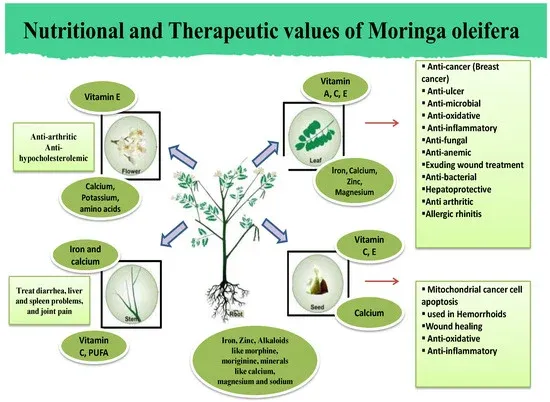
Figure 1: Nutritional and Therapeutic Value of Moringa Oleifera[21]
5. PHYTOCHEMISTRY OF MORINGA OLEIFERA
Research has examined nearly all parts of M. oleifera and its isolates. According to literature published between 2010 and 2022, over 90 compounds from the genus Moringa have been identified, many of which may possess therapeutic potential. The isolates are classified as proteins and amino acids, phenolic acids, carotenoid, alkaloids, glucosinolate, flavonoids, sterols, terpenes, tannins and saponins, fatty acids, glycosides, and polysaccharides.[22]
Moringa oleifera contains high levels of compounds that include the simple sugar rhamnose ,along with a rather distinctive class of compounds known as glucosinolates and isothiocyanates. The bark of the stem has been reported to contain two alkaloids, specifically moringine and moringinine. Vanillin and β-sitosterol, β-sitostenone, 4-hydroxymellin, and octacosanoic acid have been isolated from the stem of M. oleifera. A purified whole-gum exudate from M. oleifera has been found to contain L-arabinose, galactose, D-glucuronic acid, and L-rhamnose, mannose and xylose, whereas a homogeneous, degraded-gum polysaccharide made up of L-galactose, D-glucuronic acid and L-mannose has been obtained when the whole gum undergoes mild hydrolysis with acid. The flowers contain nine amino acids, sucrose, D-glucose, along with small amounts of alkaloids and wax, quercetin, and kaempferol; the ash contains abundant potassium and calcium. They have additionally been reported to contain certain flavonoid pigments such as alkaloids, kaempferol, rhamnetin, isoquercitrin, and kaempferitrin.[23] Moringa oleifera leaves constitute a significant source of tannins.The concentrations of these compounds fall between 5.0 and 12.0 gTAE/kg, ranging from 13.2 to 20.6 gTAE/kg . The saponins content in dried leaves ranges from 64 to 81 gDE/kg, 50 gDE/kg of DW. Leaves of Moringa oleifera contain high levels of oxalates. In dried leaves, their concentration ranges from 25 to 31 g/kg of DW, 430 to 1050 mg/100 g of DW, and 21 to 23 g/kg of DW in freeze-dried leaves.[24]
| Serial no. | Name of compound | Chemical structure |
|---|---|---|
| 1 | 1,2,3-Cyclopentanetriol | |
| 2 | L-galactose, 6-deoxy | |
| 3 | α-Hexadecanoic acid | |
| 4 | Tetradecanoic acid | |
| 5 | cis-Vaccenic acid | |
| 6 | Octadecanoic acid | |
| 7 | β-L-Rhamnofuranoside, 5-O-acetyl-thio-octyl | |
| 8 | Vitamin E | |
| 9 | γ-Sitosterol | |
| 10 | Pregn-5,7-diene-3β-ol-20-one |
Table 1: Structures of some important phytoconstituents of Moringa oleifera
| 11 | Squalene | |
|---|---|---|
| 12 | 2,6-Dihydroxybenzoic acid | |
| 13 | Bis(2-ethylhexyl) phthalate | |
| 14 | Ethyl oleate | |
| 15 | Quinic acid | |
| 16 | Hexadecanal | |
| 17 | L-(+)-Ascorbic acid-2,6-dihexadecanoate | |
| 18 | Oleic acid | |
| 19 | Phytol | |
| 20 | Beta-carotene |
6.MEDICINAL PROPERTIES OF MORINGA OLEIFERA
Various parts of this highly esteemed Moringa Oleifera tree have been credited with a range of curative, pharmacological, and prophylactic properties. Numerous claims are made regarding the disease prevention and treatment benefits that arise from both dietary intake and topical application of M. oleifera. Practitioners of Ayurvedic traditional medicine hold that M. oleifera can prevent and cure roughly 300 diseases. It can serve as a cardiac and circulatory stimulant and possesses antitumor, antipyretic, antiepileptic, anti-inflammatory, antiulcer, antispasmodic, diuretic, antihypertensive, hypoglycaemic, cholesterol-lowering, antioxidant, antibacterial, antifungal, antidiabetic, anti-asthmatic, and hepatoprotective virtues. Folk medicine practitioners have used it, and continue to do so, to prevent, mitigate, or treat numerous ailments and diseases. It is likewise employed as alternative medicine in home remedy preparations across many parts of the world for the treatment and management of allergies, inflammation, and diseases. In many areas of the developing world, it is widely consumed for self-medication by patients suffering from diabetes, hypertension, and HIV/AIDS.[25]
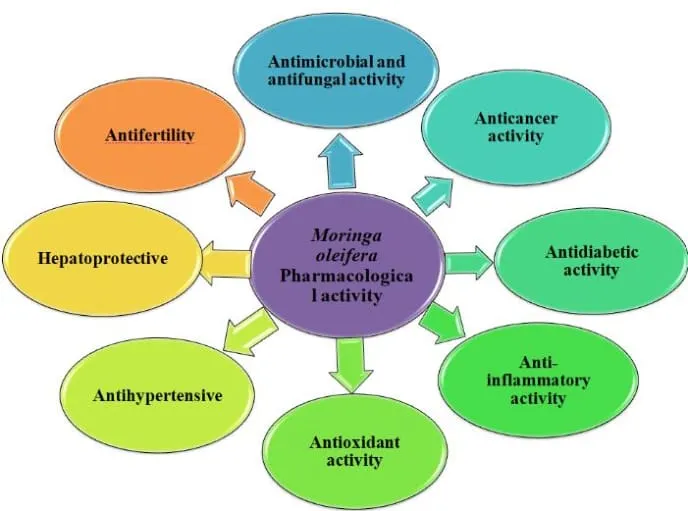
Figure 6.1: Overview of the Pharmacological Activities of Moringa Oleifera.
6.1 Antidiabetic activity
Diabetes mellitus is a metabolic disease characterized by high blood sugar levels and associated symptoms that pose a significant threat to health It is subdivided into type 1 diabetes mellitus (T1DM) and type 2 diabetes mellitus (T2DM). The former is caused by reduced insulin production due to β-cell dysfunction, whereas the latter is primarily driven by decreased insulin secretion and/or responsiveness (International Diabetes Federation, 2021). According to the International Diabetes Federation, the number of people with diabetes is estimated at 537 million.[26] Insulin resistance (IR) is one of the leading causes of metabolic syndrome, T2DM, and cardiovascular disease. Moringa oleifera seeds (MOS) are traditionally used as food and medicine in tropical Africa and Asia. They have been reported to ameliorate IR. We performed a network pharmacology study at the molecular level to explore the underlying mechanism of action. Recently, several network pharmacology studies have been conducted to elucidate the molecular mechanism of action of moringa on IR. Huang et al. (2020) have undertaken a study to predict the molecular targets of MOS and explore the mechanism underlying its anti-IR property. The authors identified compounds with good oral bioavailability and drug likeness, predicted their targets, collected the IR-related genes, and constructed a compound-target network. They validated the molecular docking data using an in vitro assay with a HepG2 cell model. Glycosidic isothiocyanates and glycosidic benzylamines were found to be the main ingredients targeting SRC, PTPN1 and CASP3, which are involved in the inflammatory response, IR, and insulin signaling pathways. The authors concluded that their study was the first network pharmacology study reporting the anti-IR mechanism of MOS.[27] SantosEnriquez et al. (2026) conducted a similar study to Huang et al. (2020) by exploring the action of phytochemicals using a network pharmacology approach. They performed a cross-talk analysis of the IR related genes from GeneCards and DisGeNET databases and in silico predicted targets from the SwissTargetPrediction database. The intersection analysis identified nine proteins, including PTPN1, HSD11B1, PPARα, PPARγ, PIK3R1, INSR, TNF-α, eNOS, and LIPC. The authors used Auto Dock Vina software to dock individual phytochemicals against the filtered protein targets. The binding affinities were compared to the threshold values calculated from the receiver operating characteristic (ROC) curve of the tested active compounds versus the decoys. Phytochemicals present in different plant species were removed to identify the phytochemical-specific targets for moringa. Using the Cytoscape software, they performed a centrality analysis and identified all except the hepatic lipase target as a hub target. The authors revealed that previous preclinical studies using murine models demonstrated the ability of isothiocyanate-enriched moringa extracts to ameliorate IR.[28] Flavonoids and phenolic compounds such as quercetin, rutin, chlorogenic, and neochlorogenic acids are well-documented phytochemicals with anti-diabetic properties. They can reduce carbohydrate digestion and glucose absorption, scavenge free radicals, increase cellular glucose uptake, activate the adenosine monophosphate-activated protein kinase pathway, and modulate cytokine signal transduction . Given the presence of diverse phytochemicals in moringa, these findings suggest that the plant may improve insulin sensitivity by multiple mechanisms.[29]
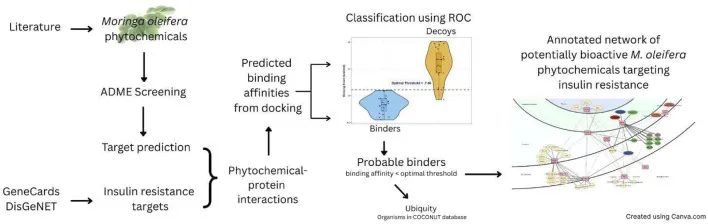
Figure 6.2: Network Pharmacology Workflow for Identifying Moringa Oleifera Phytochemicals Targeting Insulin Resistance
6.2 Anti-Cancer activity
Cancer is a leading cause of death worldwide, and many anticancer drugs come from medicinal plants. Plant phytochemicals may help prevent or control cancer by influencing hormones and enzymes, supporting DNA repair, increasing antioxidant activity and strengthening immunity. Moringa oleifera has shown promising activity against several cancer cell lines. Solvent extracts of its leaves (n-hexane, ethyl acetate, butanol and water) have been profiled for phenolic compounds by RP-HPLC, and leaf extracts are reported to be effective against liver cancer cells such as HepG2.[30] In oral squamous cell carcinoma, a docking study examined moringa compounds against p53, a protein that regulates apoptosis, including when p53 is mutated. After screening the compounds for toxicity and drug-likeness, the study docked them to the p53 active sites identified with CASTp 3.0. Quercetin bound most strongly and kaempferol bound weakly, so quercetin is a candidate for further study, pending cell and animal experiments.[31] Different plant parts show anticancer activity. Root extracts reduce cancer cell growth and promote apoptosis, and leaf extracts act on lung cancer cell lines. The alkaloid extract appears to inhibit JAK2/STAT3 signaling, which drives proliferation, angiogenesis, invasion and migration. In A549 lung cancer cells it lowered phosphorylated JAK2 and STAT3 in a dose-dependent manner. Blocking this pathway may reduce proliferation, promote apoptosis and arrest the cell cycle .[32]
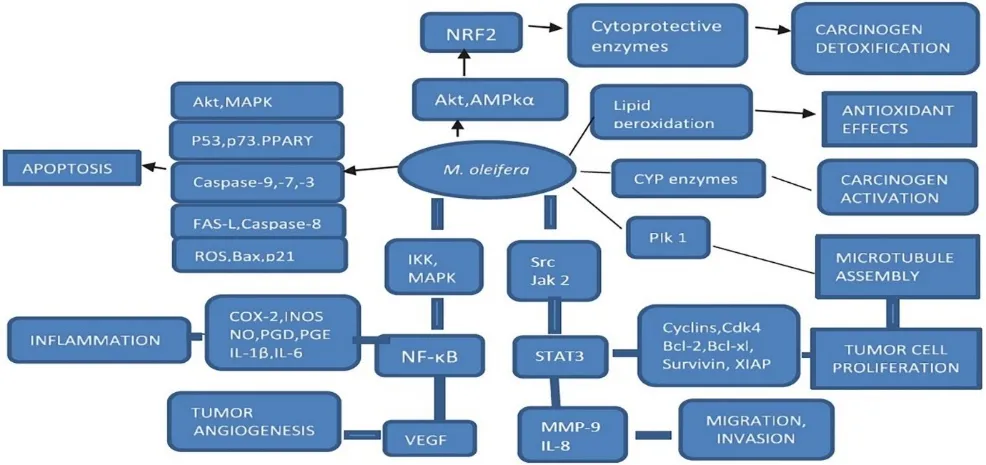
Figure 6.3: Proposed Molecular Mechanisms of the Anticancer Activity of Moringa Oleifera Through the Regulation of Multiple Signalling Pathways.
Network modelling, docking and simulation studies in lung cancer help identify candidate compounds and show how many moringa compounds may act on multiple proteins and pathways together .[33] Leaf extracts have reduced the viability of hepatocellular carcinoma, acute lymphoblastic leukaemia and acute myeloid leukaemia cells. Niazimicin, β-sitosterol-3-O-β-D-glucopyranoside and 4-(α-L-rhamnosyloxy)benzyl isothiocyanate have been associated with these effects. In pancreatic cancer cells, extracts caused accumulation in the sub-G1 phase, influenced NF-κB signaling and enhanced the cytotoxic effect of cisplatin. Activity against breast cancer and against diethylnitrosamine-induced liver cancer in rats has also been reported. Glucosinolates and their derivatives add to the apoptotic and antiproliferative activity.Mechanistically, leaf extracts appear to induce oxidative stress and activate apoptosis. Studies report increased lipid peroxidation, DNA damage (γH2AX), and raised activity or expression of caspase-3/7, caspase-9, Bax, Smac/DIABLO and cleaved PARP-1. They also report reduced c-Myc, phosphorylated Bcl-2 and Hsp70, proteins linked to growth and survival, which may contribute to inhibited proliferation and cell cycle progression.[34]
Overall, moringa contains several bioactive compounds acting on different molecular targets, which makes it a promising complementary source of anticancer compounds. Most evidence is still preclinical or computational, and its safety, effectiveness and suitability for cancer treatment need further in vitro, in vivo and clinical research.[35]
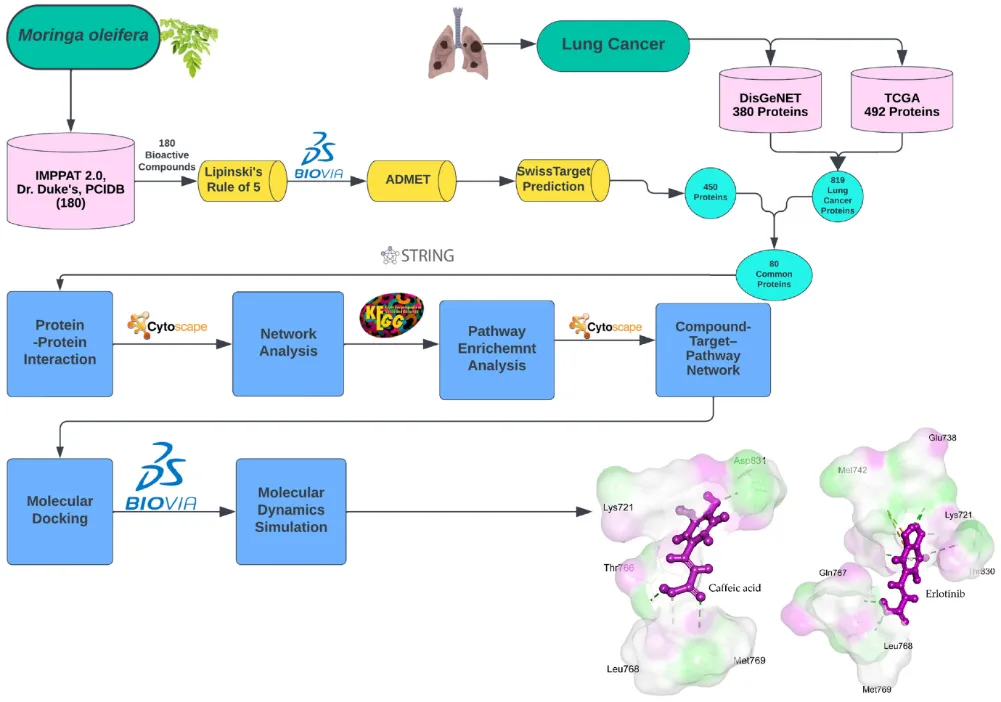
Figure 6.4: Network Pharmacology-Based Identification of Potential Therapeutic Targets of Moringa Oleifera Against Lung Cancer, Followed by Pathway Enrichment Analysis and Molecular Docking.
6.3 Anti-Viral activity
Documentation of previous reports have said that the plant M. oleifera (Moringaceae) showed inhibitory activity principally against a few infectious disease causing viruses viz., (A) Human Immunodeficiency Virus (HIV), causative agent for Acquired Immune Deficiency Syndrome (AIDS) in human; (B) Herpes Simplex Virus (HSV) causes fever blisters or cold sores around the mouth and lips and genital infection in human body; (C) Hepatitis B Virus (HBV) which affects human liver and causes inflammation, cirrhosis and liver cancer; (D) Epstein–Barr Virus (EBV) responsible for various non-malignant, premalignant and malignant lymphoproliferative diseases in human; (E) Foot-and-Mouth Disease Virus (FMDV) causes blisters in mouth and feet of human and some hoofed animals; (F) Newcastle Disease Virus (NDV) affecting avian species and transmissible to human through poultry birds.[36] The HIV-1 life cycle runs from viral entry (gp120 binding CD4 and then CCR5 or CXCR4, followed by membrane fusion) to the assembly of new viral particles .This study focused on HIV-1 reverse transcriptase (RT), the enzyme that converts viral RNA into DNA and a prime antiretroviral target. Network pharmacology and docking identified apigenin and kaempferol from M. oleifera as the best RT inhibitors, with the lowest binding affinities Both bind the hydrophobic allosteric pocket (Leu234, Leu100, Lys101, Lys103, Val106, Val179, Phe227, Trp229, Tyr188, Tyr181) in a way similar to NNRTIs such as nevirapine, efavirenz, etravirine and rilpivirine This agrees with Muruganantham, who reported −7.21 kcal/mol for apigenin from Hybanthus enneaspermus. [37]
Apigenin has antiviral activity against several viruses, including EV71, HSV-1, HSV-2, hepatitis C virus and influenza virus, by blocking replication, reducing ROS and disrupting cytokine regulation In HIV, apigenin inhibited RT-RNase (IC50 3.7 ± 0.5 μM) and RT (IC50 8.5 μg/ml).[38] Kaempferol is anti-inflammatory through NF-κB and MAPK blockade and inhibited HIV-1 RT with IC50 values of 50 μg/ml and 41.4 μg/ml . Apigenin also affects BAX, CASP9 and CASP3 in the apoptotic pathway so moringa may act on both host cells and the virus.[39] GO and KEGG enrichment pointed to viral membrane fusion, apoptosis signalling and the HIV-1 infection pathway. In HIV, the key apoptotic routes are Fas/FasL, TRAIL and TNF (extrinsic) and the BCL2-family/cytochrome-c/APAF1/CASP9 route (intrinsic), and HIV proteins such as gp120, Tat, Vpr, Vpu and Nef have both pro- and anti-apoptotic effects.[40]
6.4 Anti-Inflammatory Activity
Inflammation can be categorized into two separate phases, even though a certain degree of overlap may occur between them. Acute inflammation involves the migration of granulocytes toward an injured site along a chemotactic gradient. The acute phase is coordinated by acute phase proteins and cytokines in order to eliminate the cause of inflammation (e.g., infection or foreign bodies) and clear away damaged cells. It is believed that compounds present in M. oleifera may produce anti-inflammatory effects through multiple mechanisms [39,41]. They inhibit pro-inflammatory enzymes such as COX and LOX by lowering the activity of quercetin and kaempferol . These enzymes play a central role in the production of inflammatory mediators such as prostaglandins. Isothiocyanates form another group of compounds present in M. oleifera, and they have been demonstrated to inhibit pro-inflammatory pathways such as NF-kappa B. They therefore block signalling pathways. Isothiocyanates have also been demonstrated to lower the production of pro-inflammatory cytokines such as TNF-α and IL-1β while raising the production of anti-inflammatory cytokines such as IL-10. Flavonoids and polyphenols decrease oxidative stress and inflammation. They may additionally suppress pro-inflammatory enzymes and modulate cytokine production.[41]
The immunomodulatory potential of moringin was examined by means of molecular docking techniques in order to explore its interactions with key proteins involved in inflammatory and oxidative stress pathways. These comprised IL-6, IL-12, Nrf2, NOS, TNF-α, AT1R and ACE. The 3D structures of the target proteins were obtained from the Protein Data Bank. Molecular docking was carried out with AutoDock Tools 1.5.6. Moringin interactions were visualized with BIOVIA Discovery Studio Visualizer 24.1. Binding affinities, interactions with active residues, and ADME and toxicity assessments were evaluated with SwissADME and ProTox. For multiple receptors, moringin showed better binding affinities (more negative values) than the native ligands. These receptors included IL-12, Nrf2, NOS and ACE. The strongest binding affinity was found for NOS (-6.18±0.182 kcal/mol). This suggests that moringin interacts with this receptor in a stable and potent manner. ADME analysis showed that moringin possesses high bioavailability, and no toxicity was observed in major organs, including the liver, nervous system, and immune system. Moringin met the Lipinski criteria (molecular weight <500Da, <5 hydrogen bond donors, <10 hydrogen bond acceptors, Log P<5, <10 rotatable bonds, and TPSA <140Å), which suggests it may be a pharmacologically active compound. Taken together, moringin appears to hold considerable promise as a natural immunomodulatory and antioxidant agent. Nevertheless, additional in vitro and in vivo studies are required to confirm these findings.[42]
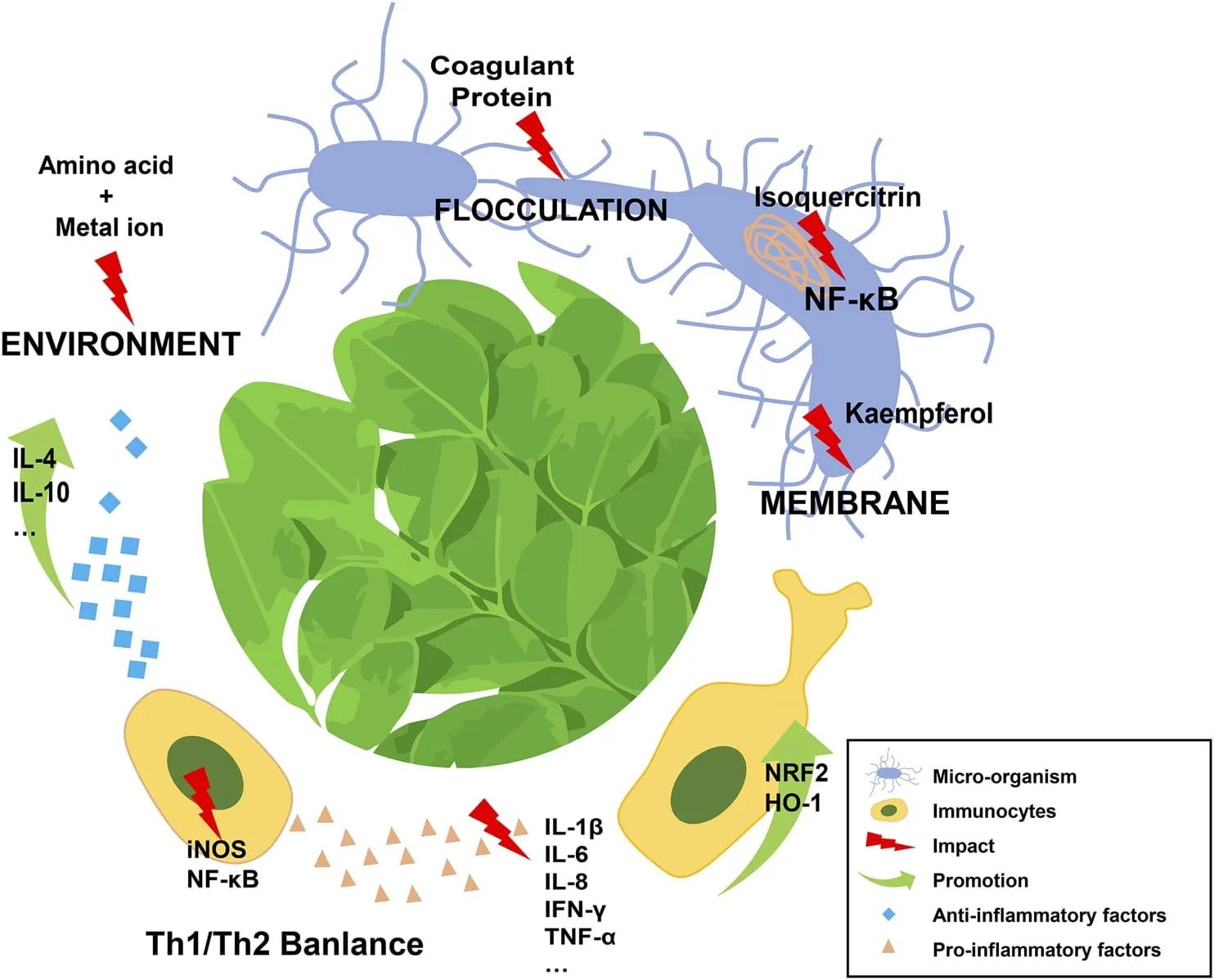
Figure 6.5: Proposed Mechanism of Anti-inflammatory Activity of Moringa Oleifera Through Modulation of Inflammatory Mediators and Signalling Pathways.
6.5 Anti-Hypertensive Activity
Moringa oleifera (M. oleifera) has come to be recognized as a promising medicinal plant that may offer antihypertensive and endothelial protective benefits . Earlier research indicates that M. oleifera may help regulate blood pressure (BP) via several mechanisms, such as antioxidant activity , modulation of nitric oxide bioavailability , angiotensin-converting enzyme (ACE) inhibition , and vascular relaxation pathways linked to endothelial function . Arun et al. showed in their study that consuming M. oleifera leaf tea daily for 15 days lowered BP in patients with hypertension of differing severities, indicating that antihypertensive effects persist even in those with pre-existing hypertension . The effects of M. oleifera go beyond lowering systemic BP, including a marked reduction in intraocular pressure (IOP) . In healthy individuals, administration of M. oleifera leaves has consistently produced significant, dose-dependent decreases in both BP and IOP, with larger doses producing stronger effects.[43] Moringa oleifera (MO) leaf is a promising plant protein resource with high nutritional and medicinal value. This study seeks to examine the hypotensive activity and stability of peptides derived from MO leaves. Protein from MO leaves was extracted and then hydrolysed with Alcalase to yield the MO leaf protein hydrolysate (MOPH). The MOPH was fractionated into peptide fractions of varying molecular weights using membrane ultrafiltration. The MOPH and the ultrafiltration fractions were assessed for antihypertensive activity. For peptides under 1 kDa, inhibition of angiotensin-converting enzyme (84.71 ± 0.07%) and renin (43.72 ± 0.02%) was significantly greater than in the other fractions.[44] Research using molecular docking indicates that potential compounds from Moringa oleifera, such as Rhamnopyranosyl, Sitosterol, and Sinalbin could be effective antihypertensive drugs, owing to their binding energy and amino acid interactions with ACE inhibitors. The findings indicated that the potential compounds to inhibit ACE with binding energy -8.23; -9.27; -9.14 kcal/mol. Pharmacokinetic predictions indicated that the possible compounds get absorbed in the intestine and suggests that molecules are strongly bound to plasma proteins and, in addition to CYP3A4 and CYP2C9 inhibitors. The toxicity prediction shows that the possible compounds are categorized as drug-induced acute liver failure with low carcinogens.[45]
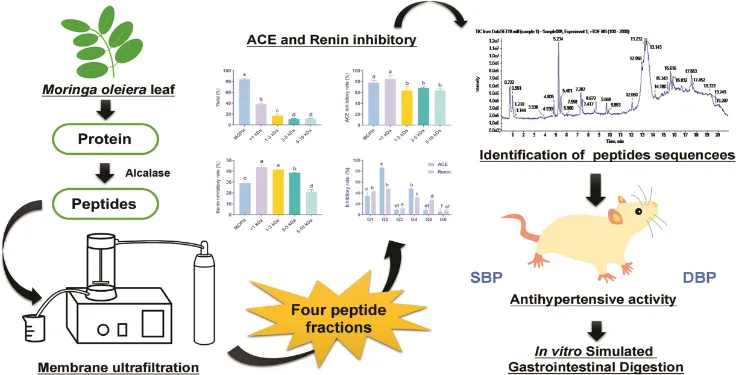
Figure 6.6: Antihypertensive Activity of Moringa Oleifera Leaf-Derived Peptides Through ACE and Renin Inhibition.
Table 6.1: Summary of Pharmacological Activities of Moringa Oleifera and Their Molecular Targets.
| Pharmacological activity | Extract used / Active compounds | Modulated genes / Molecular targets | Major mechanism of action |
|---|---|---|---|
| Antidiabetic | Seed extract (MOS), glycosidic isothiocyanates, glycosidic benzylamines, quercetin, rutin, chlorogenic acid and neochlorogenic acid | SRC, PTPN1, CASP3, PPARα, PPARγ, PIK3R1, INSR, HSD11B1, TNF-α, eNOS, LIPC | Improves insulin sensitivity, regulates insulin signalling, enhances glucose uptake and reduces oxidative stress. |
| Anticancer | Leaf extracts (n-hexane, ethyl acetate, butanol and aqueous), root extracts, alkaloid extracts, quercetin, kaempferol, niazimicin and isothiocyanates | TP53, JAK2, STAT3, NF-κB, BAX, CASP3, CASP7, CASP9, BCL2, MYC, PARP1 | Induces apoptosis, inhibits cancer cell proliferation, regulates cell cycle progression and suppresses JAK2/STAT3 signalling. |
| Antiviral | Leaf extracts, apigenin and kaempferol | HIV-1 reverse transcriptase (RT), RT-RNase H, BAX, CASP3, CASP9 | Potentially inhibits viral reverse transcriptase, interferes with viral replication and regulates apoptosis-related pathways. |
| Anti-inflammatory | Leaf extracts, moringin, quercetin, kaempferol, flavonoids, polyphenols and isothiocyanates | COX, LOX, NF-κB, TNF-α, IL-1β, IL-6, IL-10, IL-12, Nrf2, NOS, ACE | Inhibits inflammatory enzymes and signalling pathways, reduces pro-inflammatory cytokines and enhances antioxidant defence. |
| Antihypertensive | Leaf extracts, leaf tea, leaf protein hydrolysate, peptides (below 1 kDa), rhamnopyranosyl, sitosterol and sinalbin | ACE, REN (renin), NOS/eNOS | Inhibits ACE and renin activity, improves nitric oxide availability, promotes vascular relaxation and helps regulate blood pressure. |
CONCLUSION
Moringa oleifera is an important medicinal and nutritional plant with considerable potential in the prevention and management of various health conditions. Its diverse phytochemical composition, including flavonoids, phenolic acids, glucosinolates, isothiocyanates and other bioactive compounds, contributes to its wide range of pharmacological activities. The reported antidiabetic, anticancer, antiviral, anti-inflammatory and antihypertensive properties demonstrate its potential as a valuable source of natural therapeutic agents.
The application of network pharmacology has further improved the understanding of its multi-target and multi-pathway mechanisms of action. By integrating phytochemical analysis, molecular docking, target prediction and pathway enrichment, researchers can identify important molecular interactions and explore possible therapeutic applications of Moringa-derived compounds. However, most available evidence is based on in vitro, animal and computational studies, and these findings cannot be directly considered proof of clinical effectiveness. Therefore, further research involving standardised extracts, pharmacokinetic studies, toxicity evaluation, dose optimization and well-controlled clinical trials is essential. Overall, Moringa oleifera represents a promising candidate for future pharmaceutical and nutraceutical research, particularly in the development of multi-target therapeutic approaches.
REFERENCES

Binith Raj, Vikas Rajbhar, Ishika Puralkar, Sneha Pawar, Adesh Sawant, Shrutika Patil, Network Pharmacology: A Study of Multitargeted Drug Delivery of Moringa Oleifera, Int. J. of Pharm. Sci., 2026, Vol 4, Issue 11, 996-1014. https://doi.org/10.5281/zenodo.23972621
 10.5281/zenodo.23972621