Medication errors and ADRs significantly impact patient safety and healthcare systems. Errors may occur during prescribing, dispensing, oral administration, while ADRs can arise even with appropriate medication use. The growing complexity of drug therapy highlights the need for healthcare professionals, especially pharmacists, to take an active role in ensuring safe medication practices.
Clinical pharmacists have evolved from traditional dispensing roles to patient-oriented services such as counseling, medication review and pharmacovigilance Medication errors and adverse drug reactions (ADRs) are major challenges in modern healthcare systems and are responsible for significant morbidity, mortality, and increased healthcare costs worldwide. ADRs are harmful an Unintended reactions occur at normal therapeutic doses, where as medication errors are defined as preventable events that may result in inappropriate medication use or harm to the patient. The increasing complexity of pharmacotherapy, particularly in tertiary care hospitals, has further elevated the risk of such drug-related problems. Multiple medications are frequently administered to patients, which raises the risk of drug interactions, dosage errors, and adverse outcomes. In light of this, patient counseling has emerged as an essential component of pharmaceutical care with the goals of enhancing patient adherence, decreasing the number of medication errors and adverse drug reactions, and increasing patient comprehension of medication therapy.
Pharmacists, as medication experts, play a pivotal role in delivering effective patient counseling and ensuring the safe use of medicines. Patient counseling involves providing patients with comprehensive information about their medications, including dosage, route of administration, duration of therapy, possible side effects, and precautions. Patients who receive effective counseling are able to comprehend their treatment plan, thereby reducing confusion and the likelihoodofmedicationerrors.Italsoempowerspatientstoactivelyparticipatein their healthcare, leading to improved therapeutic outcomes. Through counseling, medication review, and drug therapy monitoring, pharmacists have transformed from traditional medication dispensers into essential members of the healthcare team. Their expertise in pharmacology and therapeutics allows them to identify potential drug-related problems and implement appropriate interventions to prevent harm. Medication errors can occur at various stages of the medication-use process, including prescribing, dispensing, and administration. An inability to take into account patient-specific factors like age, renal function, and co-morbidities can lead to prescribing errors. These mistakes can also result from prescribing the wrong amount of medication. While administration errors frequently occur as a result of incorrect timing, the wrong route, or a patient's misinterpretation, dispense errors may involve incorrect labeling, the wrong medication, or incorrect dosage forms. Pharmacists play a crucial role in minimizing these errors through careful prescription review, verification, and patient counseling. By providing clear instructions and ensuring that patients understand their therapy, pharmacists can significantly reduce the occurrence of medication errors. Another major concern in clinical practice is adverse drug reactions, which are a major cause of hospital admissions and prolonged stays. Anaphylaxis and organ toxicity are two examples of severe and potentially fatal ADRs. Others include mild symptoms like nausea and headache. Improving patient safety and lowering healthcare costs necessitate early ADR detection and prevention. Pharmacists contribute to ADR prevention by educating patients about potential side effects and advising them on appropriate actions in case of adverse events. Counseling also makes it easier to identify ADRs early, allowing for prompt treatment and avoiding complications.
Role of Pharmacists in Patient Counseling:
Patient counseling is a vital responsibility of pharmacists, involving the provision of clear and accurate information about medications. It ensures patients understand drug usage, dosage, potential side effects, and adherence requirements. Pharmacists contribute significantly to pharmacovigilance by educating patients about ADR detection and reporting.
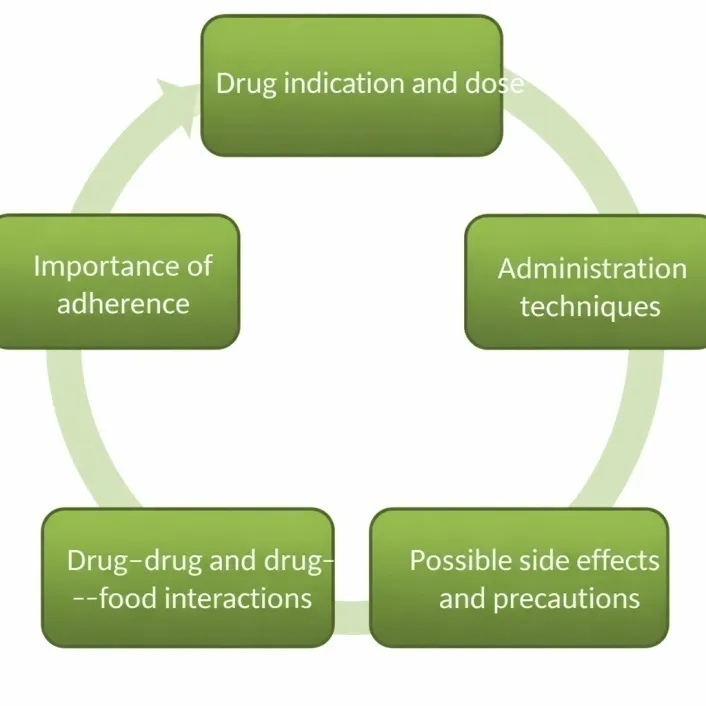
Counseling also improves medication adherence and rational drug use, as highlighted by Saji et al., Key elements of counseling include:
- Drug indication and dosage instructions
- Administration techniques
- Possible side effects and precautions
- Drug–drug and drug–food interactions
- Importance of adherence
Role of Pharmacists in Reducing Medication Errors:
Patient Education:
Lack of patient knowledge is a major cause of medication errors. Pharmacist-led education ensures correct medication use and reduces errors related to dosing and administratio.
Medication Review and Reconciliation:
Pharmacists review prescriptions and patient medication histories to identify discrepancies, duplication, and potential interactions, thereby preventing errors.
Continuous Monitoring:
Follow-up counseling allows pharmacists to identify and correct medication-related problems early, improving patient safety.
Role in Preventing Adverse Drug Reactions (ADRs):
Patient Awareness and Education:
Pharmacists educate patients on recognizing early signs of ADRs and taking appropriate actions. This improves early detection and reduces complications.
Pharmacovigilance:
Pharmacists actively participate in monitoring, documenting, and reporting ADRs, contributing to drug safety databases and improving therapeutic outcomes.
Individualized Patient Care:
By assessing patient-specific factors such as age, co-morbidities, and concurrent medications, pharmacists help tailor therapy to reduce ADR risks.
Impaction Medication Adherence:
Medication non-adherence is a leading cause of treatment failure and increased ADR risk. Pharmacist counseling improves adherence by addressing patient concerns, simplifying regimens, and providing continuous support.
Adherence to medication is a key factor in therapeutic success, ensuring the best possible clinical outcomes and reducing the likelihood of medication errors and adverse drug reactions (ADRs). It refers to the extent to which a patient’s behavior in taking medications corresponds with the prescribed treatment regimen, including the correct dose, timing, and duration. Poor medication adherence remains a widespread problem in healthcare systems worldwide and is associated with treatment failure, disease progression, increased hospitalizations, and higher healthcare costs. Non-adherence may be intentional, due to factors such as fear of side effects or lack of perceived benefit, or unintentional, resulting from forgetfulness, complex dosing schedules, or inadequate understanding of the therapy.
Evolving Role of Clinical Pharmacists:
The role of clinical pharmacists has expanded significantly in modern healthcare systems. They are now actively involved in patient care, clinical decision-making, and safety monitoring.
Pharmacists contribute through:
- Participation in clinical rounds
- Therapeutic drug monitoring
- Drug utilization evaluation
- Patient safety initiatives
- The evolving role of the clinical pharmacist in the management and prevention of adverse drug reactions (ADRs) has become increasingly significant within modern healthcare systems, particularly in complex clinical settings such as tertiary care hospitals. Pharmacists have traditionally been primarily responsible for medication dispensing, but their responsibilities have significantly expanded to include direct patient care, medication therapy management, and active participation in multidisciplinary healthcare teams. Clinical pharmacists are now integral to the identification, assessment, and prevention of ADRs through a patient-centered approach that emphasizes safety, efficacy, and rational drug use. Their in-depth knowledge of pharmacokinetics, pharmacodynamics, and drug interactions enables them to detect potential risks early and implement strategies to mitigate adverse outcomes.
- One of the key contributions of clinical pharmacists in ADR management is their involvement in medication review and reconciliation processes. By systematically evaluating a patient’s medication regimen, clinical pharmacists can identify inappropriate drug selection, therapeutic duplication, dosing errors, and potential drug-drug or drug-disease interactions that may lead to ADRs. This is particularly important in high-risk populations such as geriatric and pediatric patients, where physiological variability and polypharmacy significantly increase susceptibility to adverse reactions. Clinical pharmacists.
- Also collaborate closely with physicians and other healthcare professionals to optimize pharmacotherapy, recommend alternative medications, and adjust dosages based on individual patient characteristics, thereby reducing the likelihood of ADR occurrence.
- In addition to preventive strategies, clinical pharmacists play a crucial role in the detection and reporting of ADRs through pharmacovigilance activities. They are often the first healthcare professionals to recognize signs and symptomsofADRsduringroutinepatientmonitoringandcounselingsessions. Clinical pharmacists contribute to the generation of drug safety data and the identification of new or rare adverse effects by documenting and reporting these events to pharmacovigilance centers. Their active participation in pharmacovigilance programs enhances the overall effectiveness of ADR monitoring systems and supports evidence-based decision-making in clinical practice.
- Another important part of the clinical pharmacist's role in ADR management is patient counseling. Through effective communication, clinical pharmacists educate patients about the proper use of medications, potential side effects, and the importance of adherence to prescribed therapy. They also inform patientsaboutearlywarningsignsofADRsandtheappropriatestepstotakeif such reactions occur. This proactive approach not only improves patient awareness and engagement but also facilitates early detection and management of ADRs, thereby preventing complications and improving clinical outcomes.
Challenges and limitations:
Despite the critical role, pharmacists face several challenges:
- Limited time and heavy workload
- Lack of patient awareness about counseling services
- Insufficient integration in to health care teams
- Need for enhanced communication training
Addressing these barriers is essential for maximizing their impact.
Future Perspectives:
To strengthen the role of pharmacists:
- Integrate pharmacists into multidisciplinary health care teams
- Promote digital tools for patient counseling
- Enhance training programs in communication and clinical skills
- Increase public awareness about pharmacist-led services
Discussion:
- As an effective strategy for reducing medication errors and adverse drug reactions (ADRs) in clinical practice, the present review highlights the critical and evolving role that pharmacists play in patient counseling. The findings indicate that medication errors and ADRs remain significant contributors to patient morbidity, prolonged hospital stays, and increased healthcare costs, particularly in tertiary care settings where patients are exposed to complex therapeutic regimens. In this context, pharmacist-led interventions .
- particularly patient counseling, have emerged as a crucial strategy for enhancingtherapeuticoutcomesandenhancingmedicationsafety.Byensuring the rational use of medications and increasing patient awareness, the incorporation of pharmacists into the healthcare team has demonstrated a positive impact on reducing drug-related issues. One of the major observations from this review is that medication errors frequently occur at multiple stages of the medication-use process, including prescribing, dispensing, and administration.
- These errors are often associated with factors such as inadequate knowledge, poor communication among healthcare professionals, and lack of patient understanding regarding medication use. As they are uniquely positioned to identify and correct potential errors through prescription review, medication reconciliation, and direct patient counseling, pharmacist involvement at each of these stages serves as an essential safeguard. By providing precise and understandable instructions, pharmacists aid in bridging the communication gap between patients and healthcare providers, significantly lowering the likelihood of medication errors and misuse. The role of pharmacists in minimizing ADRs is equally important, as ADRs are often preventable with appropriate monitoring and patient education. The review findings suggest thataconsiderableproportionofADRsarelinkedtoimpropermedicationuse, lack of adherence, and insufficient awareness of potential side effects. Through effective counseling, pharmacists educate patients about the correct use of medications, possible adverse effects, and the importance of timely reporting of any unusual symptoms. This proactive approach facilitates early detection and management of ADRs, thereby preventing their progression into severe or life-threatening conditions. Furthermore, pharmacists contribute to pharmacovigilance activities by documenting and reporting ADRs, which enhances the overall drug safety database and supports evidence-based clinical decision-making.
- Medication adherence emerged as a crucial factor influencing both medication errors and ADRs. Poor adherence not only compromises therapeutic efficacy but also increases the risk of adverse outcomes. The review emphasizes that pharmacist-led counseling significantly improves adherence by addressing patient concerns, simplifying medication regimens, and reinforcing the importance of following prescribed therapy. Patients who receive sufficient counseling are more likely to comprehend and adhere to their treatment plans, leading to improved clinical outcomes and a decrease in the occurrence of drug-related issues. This demonstrates how crucial it is to take a patient-centered approach to pharmaceutical care, where counseling is tailored to each patient's specific requirements and preferences.
- Despite the demonstrated benefits of pharmacist counseling, several challenges hinder its effective implementation in clinical settings. In tertiary care hospitals, time constraints, a high patient load, and a lack of dedicated counseling spaces are common obstacles. Additionally, cultural differences, language barriers, and low health literacy may hinder patient comprehension and engagement. The review underscores the need for systemic changes to overcome these challenges, including the provision of adequate resources, training programs to enhance communication skills, and the use of innovative tools such as digital health technologies and telepharmacy services. These interventions can help extend the reach of pharmacist counseling and improve its effectiveness in diverse patient populations.
- The growing recognition of clinical pharmacists as integral members of the healthcare team is another important aspect highlighted in this review. The prompt identification and resolution of medication-related issues is made possible by their active participation in ward rounds, clinical decision-making, and therapeutic monitoring. It has been demonstrated that a collaborative approach involving pharmacists, physicians, and nurses significantly increases patient safety and lowers the prevalence of medication errors and adverse drug reactions (ADRs). The incorporation of clinical decision support systems further enhances the ability of pharmacists to identify potential risks and ensure safe medication practices.
- Overall, the discussion emphasizes that pharmacist-led patient counseling is a highly effective and essential intervention for reducing medication errors and ADRs. The evidence supports the need for greater integration of pharmacists into patient care processes and highlights the importance of strengthening pharmacovigilance systems and counseling practices. Healthcare systems have the potential to significantly enhance medication safety and improve patient outcomes by addressing existing obstacles and promoting a multidisciplinary approach
CONCLUSION:
Pharmacists play a vital role in reducing medication errors and ADRs through effective patient counseling. Their involvement in patient education, pharmacovigilance, and adherence monitoring significantly improves patient safety and therapeutic outcomes. Strengthening their role within healthcare systems is essential for achieving optimal healthcare delivery. Pharmacist-led patient counseling has proven to be an effective strategy in reducing medication errors by addressing common causes such as misunderstanding of instructions, improper drug use, and lack of awareness. At the same time, it contributes significantly to the prevention and early detection of ADRs by educating patients about potential side effects and encouraging timely reporting of adverse events. Pharmacists' active participation in pharmacovigilance improves clinical decision-making and strengthens drug safety monitoring. Time constraints, limited resources, and patient-related obstacles continue to hinder the delivery of efficient counseling services despite these advantages. Addressing these challenges requires a multidisciplinary approach, improved healthcare infrastructure, and greater recognition of the pharmacist’s role within the healthcare team. Counseling interventions can have a greater impact when clinical pharmacists are incorporated into routine patient care and innovative tools and patient-centered strategies are utilized. To reduce medication errors and adverse drug reactions (ADRs), enhance therapeutic outcomes, and improve the quality of healthcare delivery, it is essential to strengthen pharmacists' roles in patient counseling.
REFERENCES
- Flowrence K. Role of clinical pharmacist sinpharmacovigilance: Anarrative review. Int J Pharm Sci. 2026; 4(2):606–609.
- Saji ST, Prasanth VV, Dagariya RK. Role of clinical pharmacist in drug utilization evaluation, medication adherence and pharmacovigilance. IntJ Basic ClinPharmacol.2024; 13(3):413–417.
- Unnissa Z, Mudassir M, Ali SE, Hussain MM. Evolving role of clinical pharmacists in assessment of clinical and modern health care services. Int.J Basic Clin Pharmacol. 2025; 14(4):623–629.
- Gupta Y, Kumar N, Shukla A, Rai V. Assessment of the role of pharmacists in preventing medication errors in hospital settings. J Res Appl Sci Biotechnol.2023; 2(2):212–218.
- Mathew A, Mathew A, Prakash A, Akshay TL, Jacob LE. Role of pharmacist in effective ADR reporting – a need of the hour. Int J Pharm Phytopharmacol Res.2021; 20(2):384–396.
- Bates DW, Cullen DJ, Laird N, et al. Incidence of adverse drug events and potential adverse drug events: implications for prevention. JAMA. 1995; 274(1):29–34.
- Pir mohamed M, James S, Meak in S, et al. Adverse drug reactions as cause of admission to hospital: prospective analysis. BMJ. 2004; 329:15–19.
- Lazarou J, Pomeranz BH, Corey PN. Incidence of adverse drug reactions in hospitalized patients. JAMA. 1998; 279(15):1200–1205.
- Edwards IR, Aronson JK. Adverse drug reactions: definitions, diagnosis, and management. Lancet. 2000; 356:1255–1259.
- World Health Organization. Pharmacovigilance: ensuring the safe use of medicines. Geneva: WHO; 2017.
- Pharmacovigilance Programme of India. Indian Pharmacopoeia Commission; 2018.
- Naranjo CA, et al. Amethodforestimatingtheprob ability of adverse drug reactions. Clin Pharmacol Ther. 1981; 30:239–245.
- Hartwig SC, Siegel J, Schneider PJ. Prevent ability and severity assessment in ADR reporting. Am J Hosp Pharm. 1992; 49:2229–2232.
- Davies EC, Green CF, Taylor S, et al. Adverse drug reaction sin hospital in-patients: systematic review. PLoS One. 2009; 4(2):e4439.
- AlomarMJ.FactorsaffectingADRreporting.SaudiPharmJ.2014; 22:83–94.
- Routledge PA, O’Mahony MS, Woodhouse KW. Adverse drug reactions in elderly patients. Br J Clin Pharmacol. 2004; 57:121–126.
- Impicciatore P, et al. Adverse drug reactions in children. Arch Dis Child. 2001; 84:340–344.
- Maher RL, HanlonJ, Hajjar ER. Clinical consequences of polypharmacy. Expert Op in Drug Saf. 2014; 13:57–65.
- Onder G, et al. Polypharmacy and adverse out comes in elderly. J Am Geriatr Soc. 2002; 50:1962–1968.
- Spinewine A, Schmader KE, Barber N, et al. inappropriate prescribing in elderly people. Lancet. 2007; 370:173–184.
- Howard RL, et al. causes of preventable drug-related admissions. BrJ Cli Pharmacol.2007; 63:136–147.
- Roussillon LC,et al. Incidence of ADR sin general practice. Clin Pharmacol Ther. 2001.
- KrskaJ, et al. Pharmacist-led medication review and patient outcomes. Pharm World Sci. 2001; 23:113–117.
- Cipolle RJ, Strand LM, Morley PC. Pharmaceutical care practice. Mc Graw-Hill; 2012.





 10.5281/zenodo.21400703