
View Article

Abstract

Transdermal drug delivery systems (TDDS) have emerged as a sophisticated, non-invasive alternative to oral and parenteral administration, offering benefits such as bypassed first-pass metabolism and enhanced patient compliance. While conventional patches—including reservoir and matrix designs—have successfully delivered low-molecular-weight lipophilic drugs, their efficacy is inherently restricted by the "brick-and-mortar" barrier of the stratum corneum. This review examines the paradigm shift from passive diffusion to active and advanced delivery technologies. We analyze the mechanisms of microneedle-based systems, which create transient microchannels for the painless delivery of macromolecules, and nanotechnology-based carriers that improve the solubility and stability of poorly permeable agents. Furthermore, we discuss the role of vesicular systems like transferosomes and ethosomes in enhancing lipid fluidization, alongside hydrogel-based platforms that provide a hydrated environment for sustained release. A significant focus is placed on the emergence of smart transdermal patches. By integrating sensors and stimuli-responsive materials, these systems enable real-time physiological monitoring and on-demand drug release triggered by internal or external factors such as pH, temperature, or light. As these technologies converge, they pave the way for personalized medicine, offering highly precise and patient-centric therapeutic solutions for chronic disease management.

Keywords

Transdermal Drug Delivery Systems (TDDS), Microneedle Arrays, Nanocarriers, Smart Patches, Stimuli-Responsive Materials, Stratum Corneum Barrier, Personalized Medicine

Introduction

× Popup Image

Transdermal drug delivery systems (TDDS) have emerged as an innovative and patient-friendly approach for administering therapeutic agents through the skin into systemic circulation. Traditionally, drug delivery has relied on oral and parenteral routes; however, these methods present several limitations, including poor bioavailability, gastrointestinal degradation, fluctuating plasma drug levels, and issues related to patient compliance (1). TDDS addresses many of these challenges by offering a non-invasive alternative that ensures controlled and sustained drug release while bypassing hepatic first-pass metabolism. The skin, being the largest organ of the human body, provides an accessible route for drug administration. However, its outermost layer, the stratum corneum, serves as a highly efficient barrier that restricts the penetration of most drugs. As a result, only molecules with specific physicochemical properties such as low molecular weight, adequate lipophilicity, and high potency are suitable for conventional transdermal delivery (2).

Despite these limitations, early transdermal systems have been successfully developed and marketed for drugs like nitroglycerin, fentanyl, nicotine, and hormonal therapies. These systems typically utilize designs such as reservoir, matrix, and drug-in-adhesive patches to deliver drugs at a controlled rate over an extended period (3). Over the past few decades, significant research efforts have been directed toward overcoming the barrier function of the skin and expanding the range of drugs that can be delivered transdermally. Various enhancement strategies have been developed, broadly categorized into passive and active approaches. Passive methods include the use of chemical penetration enhancers, prodrugs, and vesicular systems such as liposomes and ethosomes, which improve drug solubility and permeability. In contrast, active techniques such as iontophoresis, sonophoresis, and electroporation employ external energy sources to temporarily disrupt the skin barrier and facilitate drug transport (4). More recently, the integration of advanced technologies has revolutionized TDDS, leading to the development of novel systems such as microneedles, nanocarriers, and hydrogel-based platforms. Microneedle arrays, for instance, create microscopic channels in the skin, enabling the delivery of large biomolecules, including peptides, proteins, and vaccines, with minimal pain and improved efficacy. Similarly, nanotechnology-based systems enhance drug stability, targeting, and controlled release, thereby improving therapeutic outcomes (5).

A major breakthrough in this field is the emergence of smart transdermal patches, which incorporate sensors, microprocessors, and stimuli-responsive materials. These advanced systems can monitor physiological parameters such as glucose levels, pH, or temperature and adjust drug release accordingly, enabling real-time, feedback-controlled therapy. Such innovations align with the growing emphasis on personalized medicine and precision healthcare (6). In conclusion, the evolution of transdermal drug delivery systems from conventional patches to sophisticated smart platforms reflects continuous advancements in pharmaceutical sciences and biomedical engineering. These systems not only improve therapeutic efficacy and safety but also enhance patient convenience and compliance. As research progresses, TDDS is expected to play an increasingly important role in modern drug delivery, offering new possibilities for the treatment of a wide range of diseases (7).

Structure of Skin and Drug Permeation

The skin is a complex, multilayered organ that acts as a protective barrier while also serving as a route for transdermal drug delivery. It consists of three primary layers: the epidermis, dermis, and hypodermis. The epidermis is the outermost layer and contains the stratum corneum, which is the principal barrier to drug permeation (8). This layer is composed of dead, keratinized cells (corneocytes) embedded in a lipid matrix, often described as a “brick-and-mortar” structure. Beneath the epidermis lies the dermis, a vascularized connective tissue layer containing blood vessels, nerves, and lymphatics. Once a drug penetrates the epidermis and reaches the dermis, it can be absorbed into systemic circulation (9). The hypodermis, composed mainly of adipose tissue, provides structural support and insulation. Drug permeation through the skin occurs via three main pathways: transcellular (through cells), intercellular (between cells), and appendageal (via hair follicles and sweat glands). Among these, the intercellular route is the most common due to the lipid-rich environment of the stratum corneum. The efficiency of drug permeation depends on factors such as molecular size, lipophilicity, concentration gradient, and skin hydration (10). Understanding these mechanisms is essential for designing effective transdermal drug delivery systems.
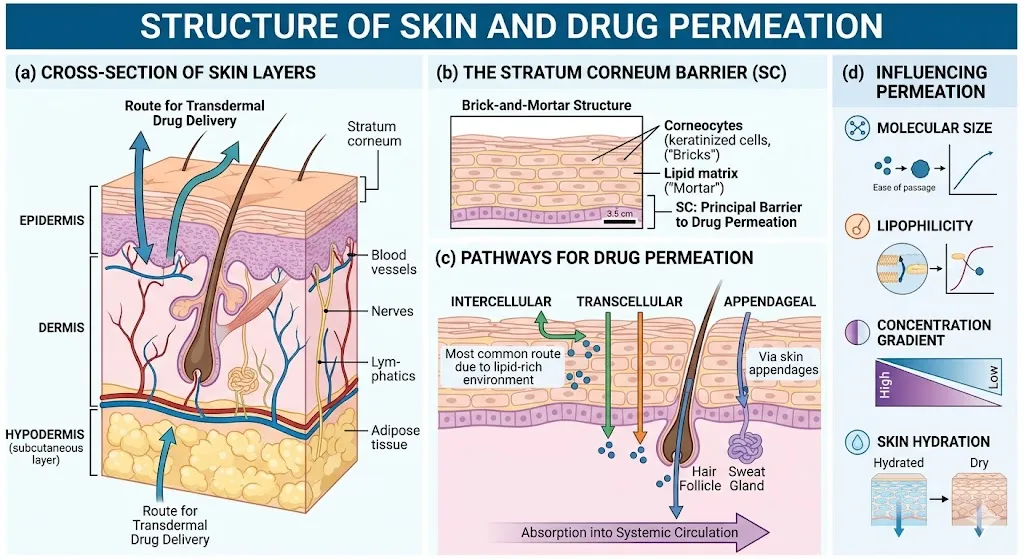
Figure 1: Multilayered Skin Structure and Pathways for Transdermal Drug Permeation

(a) Cross-Sectional Overview of the Skin: This panel illustrates the three primary anatomical layers: the non-vascularized epidermis, the vascularized dermis (containing blood vessels, lymphatics, and nerves), and the underlying hypodermis (adipose tissue), which serves as the entry point into systemic circulation.

(b) Enlarged View of the Epidermis and Stratum Corneum: This section highlights the stratum corneum (SC), the principal rate-limiting barrier to permeation. The inset depicts the magnified “brick-and-mortar” configuration, where corneocytes (the bricks) are embedded within a complex lipid matrix (the mortar).

(c) Major Drug Permeation Pathways: These schematic details the specific routes molecules take to pass through the SC barrier and reach the dermis for absorption:

  • Transcellular: Molecules pass directly through the keratinized corneocytes and intervening lipid bilayers.
  • Intercellular: Molecules diffuse continuously through the lipid-rich extracellular matrix. This is generally the dominant pathway for small, lipophilic compounds.
  • Appendageal (Shunt): Molecules bypass the SC matrix by utilizing skin appendages, specifically sweat glands and hair follicles.

(d) Critical Factors Influencing Permeation: A summary diagram highlighting the key physical and chemical parameters that determine the efficiency of transdermal drug delivery. This includes the physicochemical properties of the drug itself (molecular size and lipophilicity), formulation-specific variables (concentration gradient and hydration level), and biological variables (barrier integrity) (11).

Conventional Transdermal Patches

Conventional transdermal patches represent the earliest and most widely used form of transdermal drug delivery systems (TDDS). These patches are designed to deliver drugs across the skin at a controlled rate into systemic circulation over an extended period. The concept of transdermal delivery gained significant attention due to its ability to overcome limitations associated with oral and parenteral routes, such as gastrointestinal degradation, first-pass metabolism, and fluctuating plasma drug levels (12).

The first successful transdermal patch was introduced for the delivery of scopolamine for motion sickness, followed by patches containing drugs like nitroglycerin, nicotine, fentanyl, and estrogen. These systems are particularly useful for chronic conditions requiring sustained drug release and consistent therapeutic levels (13).

Fundamental Architecture of Transdermal Delivery Systems

The design and clinical efficacy of a transdermal patch are predicated on a multi-laminate architecture, where each component is engineered to maintain structural integrity while facilitating controlled drug release. A standard transdermal system is comprised of the following functional layers:

  • Impermeable Backing Membrane: Serving as the primary external barrier, the backing layer protects the formulation from environmental degradation (e.g., moisture and oxygen) and prevents retrograde drug loss. Typically synthesized from high-density polymers such as polyethylene, polypropylene, or polyester, this layer must be flexible enough to conform to skin kinetics while remaining chemically inert to the drug reservoir (14).
  • Drug Reservoir or Polymer Matrix: The central core of the system is the drug-containing compartment. In reservoir-type systems, the drug is sequestered in a liquid or semi-solid state, whereas in matrix-type systems, the therapeutic agent is homogeneously dispersed within a solid or semi-solid polymer network. This layer is the primary determinant of the system’s release kinetics and zero-order delivery potential.
  • Adhesive Layer: To ensure sustained systemic delivery, the patch must maintain intimate contact with the biological substrate via an adhesive layer. Modern designs often employ drug-in-adhesive (DIA) systems, where the drug is integrated directly into the adhesive matrix. This approach minimizes the patch profile, enhances patient compliance, and reduces the diffusion path-length for the drug (15).
  • Protective Release Liner: Prior to clinical application, the integrity of the adhesive and drug matrix is maintained by a release liner. This primary packaging component is stripped away at the point of use; it is typically coated with fluorocarbon or silicone to ensure easy removal without compromising the drug-loaded adhesive.
  • Chemical Permeation Enhancers (CPEs): To overcome the significant barrier properties of the stratum corneum, formulations often incorporate CPEs. These agents—ranging from alcohols and fatty acids to surfactants—facilitate transport by increasing the thermodynamic activity of the drug or by reversibly disrupting the highly organized lipid lamellae of the skin (16).

Classification of Conventional Transdermal Therapeutic Systems (TTS)

The architecture of transdermal patches is categorized based on the physical state of the drug and the mechanism governing its release. These systems are broadly classified into four distinct technological generations:
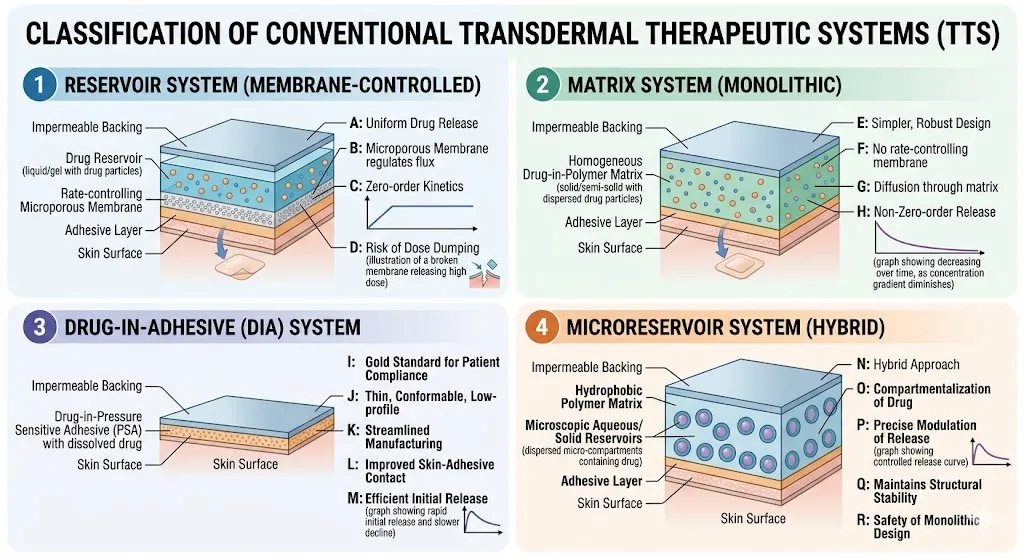
Figure 2: Classification of Conventional Transdermal Therapeutic Systems (TTS)

  1. Reservoir Systems (Membrane-Controlled): In this configuration, the therapeutic agent is sequestered in a liquid or semi-solid gel reservoir, positioned between an impermeable backing and a rate-controlling microporous membrane. This design is engineered to achieve zero-order release kinetics, providing a constant infusion of the drug. However, a significant clinical drawback is the potential for dose dumping the rapid, uncontrolled release of the entire drug load should the rate-controlling membrane suffer mechanical failure or compromise (17).
  2. Matrix Systems (Monolithic): Matrix systems utilize a simpler, more robust design where the drug is homogeneously dispersed or dissolved within a solid or semi-solid polymer matrix. Unlike reservoir types, the drug must diffuse through the polymer network to reach the skin. While these systems are highly resistant to leakage and are easier to manufacture, they typically exhibit non-zero-order release, where the delivery rate may decrease as the concentration gradient within the matrix diminishes over time (18).
  3. Drug-in-Adhesive (DIA) Systems: Representing the current gold standard for patient compliance, the DIA system integrates the drug directly into the pressure-sensitive adhesive (PSA). This creates a thinner, more conformable, and "low-profile" patch that enhances skin-adhesive contact. Because the drug is in direct contact with the biological barrier, these systems facilitate efficient initial release and are widely preferred in modern pharmaceutical development due to their streamlined manufacturing and superior comfort (19).
  4. Microreservoir Systems: This hybrid approach integrates the principles of both reservoir and matrix technologies. The drug is partitioned into microscopic aqueous or solid reservoirs which are then cross-dispersed within a hydrophobic polymer matrix. This compartmentalization allows for more precise modulation of the release profile compared to standard matrix systems while maintaining the structural stability and safety profile of a monolithic design (20).

Mechanism of Drug Release from Transdermal Patches

Drug release from conventional transdermal patches occurs primarily through diffusion, which is considered the principal mechanism responsible for the movement of drug molecules from the patch into systemic circulation. In transdermal drug delivery systems, the drug is incorporated into a polymeric matrix or reservoir and is gradually released at a controlled rate after application to the skin. The efficiency of drug delivery depends on the physicochemical properties of the drug, the formulation characteristics of the patch, and the barrier properties of the skin (21).
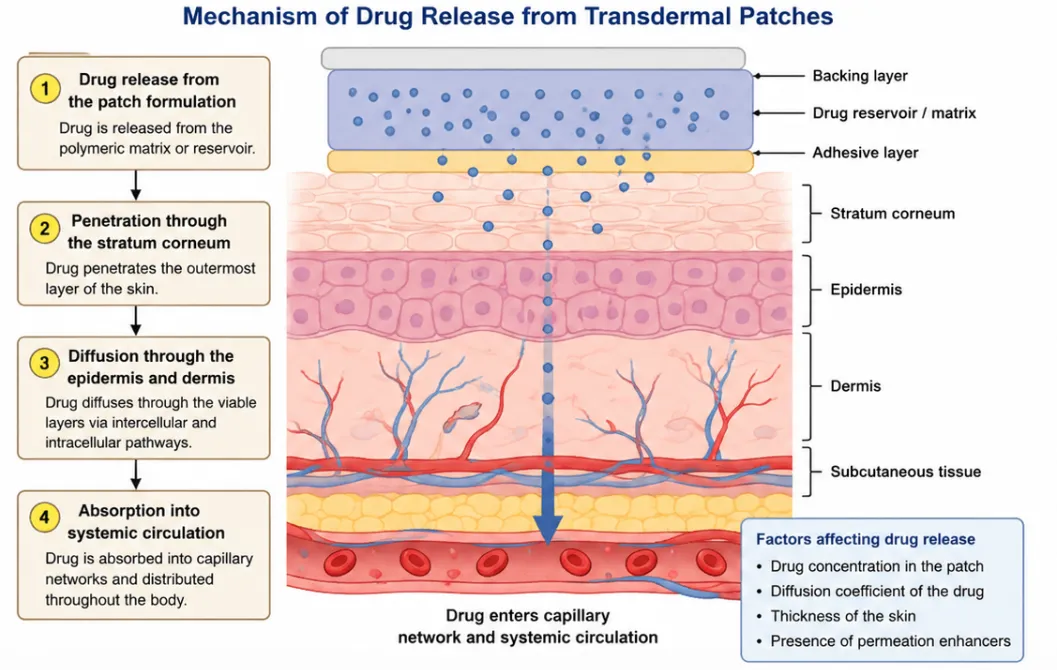
Figure 2: Mechanism of Drug Release from Transdermal Patches

The first step in the mechanism involves drug release from the patch formulation. After the transdermal patch is applied to the skin surface, the drug is liberated from the polymeric matrix or reservoir system. The release process is generally governed by concentration gradients, which facilitate the movement of drug molecules from regions of higher concentration within the patch to lower concentration at the skin surface.

The second step is penetration through the stratum corneum, which represents the outermost layer of the skin and serves as the primary rate-limiting barrier for transdermal drug absorption. Drug molecules must overcome this highly organized lipid-rich barrier before entering deeper skin layers. Successful penetration through the stratum corneum is essential for effective transdermal delivery and is often enhanced by the use of chemical permeation enhancers or specialized formulation strategies (22).

Following penetration, the drug undergoes diffusion through the epidermis and dermis. In this stage, drug molecules migrate through the viable layers of the skin via intercellular and intracellular pathways. The epidermis and dermis contain aqueous and lipid domains that facilitate further transport of the drug toward the underlying blood vessels. The diffusion process is influenced by the physicochemical characteristics of the drug, including molecular size, lipophilicity, and solubility.

The final step involves absorption into systemic circulation. Once the drug reaches the dermal capillary network, it is absorbed into the bloodstream and distributed throughout the body to exert its therapeutic effect. This mechanism allows transdermal patches to provide sustained and controlled drug delivery while avoiding first-pass hepatic metabolism and reducing fluctuations in plasma drug concentration (23).

The rate of drug release from transdermal patches is influenced by several important factors. These include drug concentration within the patch, which determines the concentration gradient driving diffusion; the diffusion coefficient of the drug, which reflects the ability of drug molecules to move through the skin layers; the thickness of the skin, which affects the diffusion pathway length; and the presence of permeation enhancers, which can temporarily alter the structure of the stratum corneum and improve drug permeation across the skin barrier (24).

Conventional transdermal patches have played a crucial role in the advancement of drug delivery systems by providing a non-invasive, controlled, and patient-friendly alternative to traditional routes of administration. Their well-established design, ease of use, and proven efficacy have made them an integral part of modern therapeutics. However, limitations related to skin permeability and drug selection have restricted their broader application. These challenges have paved the way for the development of advanced transdermal technologies, including microneedles, nanocarriers, and smart patches, which aim to enhance drug delivery efficiency and expand the range of deliverable drugs. Nevertheless, conventional patches continue to serve as the foundation for these innovations and remain widely used in clinical practice (25).

Strategies to Enhance Transdermal Drug Delivery

Enhancing transdermal drug delivery is essential due to the highly protective nature of the stratum corneum, which restricts the penetration of most therapeutic agents. To overcome this barrier and expand the range of drugs suitable for transdermal administration, various strategies have been developed. These approaches are broadly classified into passive and active enhancement techniques, each targeting improved permeability and drug transport across the skin (26).

Passive Enhancement Techniques

Passive enhancement techniques are widely used in transdermal drug delivery systems to improve drug permeation across the skin without the use of external physical energy. These strategies mainly focus on modifying the formulation properties or physicochemical characteristics of the drug to facilitate diffusion through the stratum corneum. One of the most commonly used methods involves chemical penetration enhancers, which temporarily disrupt the lipid arrangement of the stratum corneum and increase skin permeability. Common enhancers such as alcohols, fatty acids, surfactants, and terpenes improve drug solubility and promote partitioning of drug molecules into the skin. However, the selection of suitable enhancers is important because excessive disruption of the skin barrier may result in irritation or skin damage (27). Another important passive strategy is the prodrug approach, where the parent drug is chemically modified into a more lipophilic derivative to enhance its ability to cross the skin barrier. Once absorbed through the skin, the prodrug is converted back into its active therapeutic form within the body, thereby improving transdermal absorption of drugs with poor permeability.

Advanced passive delivery systems such as vesicular systems and nanotechnology-based carriers have significantly improved the efficiency of transdermal drug delivery. Vesicular carriers including liposomes, niosomes, transfersomes, and ethosomes encapsulate drug molecules and enhance their penetration by interacting with skin lipids. These systems also improve drug stability and provide controlled or sustained drug release. In addition, nanotechnology-based carriers such as nanoparticles, nanoemulsions, and solid lipid nanoparticles increase drug surface area, enhance solubility, and improve skin interaction, thereby promoting more effective drug permeation. These nanocarriers are especially useful for poorly soluble drugs and may also provide targeted delivery and prolonged therapeutic action, making them highly promising tools in modern transdermal therapeutics (28).

Active Enhancement Techniques

Active enhancement techniques employ external physical energy or mechanical methods to temporarily disrupt the skin barrier and facilitate drug transport across the stratum corneum. One widely used approach is iontophoresis, which utilizes a low electrical current to drive charged drug molecules through the skin. This technique is particularly effective for hydrophilic drugs and allows controlled delivery by regulating the electrical current. Another important method is sonophoresis, also known as ultrasound-assisted drug delivery, in which ultrasound waves disrupt the lipid structure of the skin and enhance drug diffusion. Sonophoresis improves the permeability of both small and large molecules and has gained considerable attention as a non-invasive transdermal enhancement technique (29).

Another advanced active strategy is electroporation, where short high-voltage electrical pulses create temporary pores in the skin, facilitating the transport of large therapeutic molecules such as peptides and proteins. This method significantly enhances skin permeability and expands the range of drugs that can be delivered transdermally. In recent years, microneedles have emerged as one of the most promising active enhancement systems. Microneedles create microscopic channels in the skin without reaching nerve endings, making the procedure minimally invasive and painless. These microchannels enable efficient delivery of macromolecules, vaccines, biologics, and other therapeutic agents that are otherwise difficult to administer through conventional transdermal patches (30).

Combination Approaches

Recent advancements in transdermal drug delivery have focused on the development of combination approaches that integrate multiple enhancement strategies to achieve superior therapeutic outcomes. These hybrid systems are designed to overcome the limitations associated with individual enhancement techniques and improve overall drug permeation across the skin barrier. For example, combining chemical penetration enhancers with iontophoresis can simultaneously increase skin permeability and facilitate active transport of drug molecules. Similarly, the integration of microneedles with vesicular systems or nanoparticles can significantly enhance the delivery efficiency of both small and large therapeutic agents.

Strategies to enhance transdermal drug delivery have evolved from simple chemical modifications to advanced physical and nanotechnological approaches. Passive methods improve drug compatibility with the skin, while active techniques overcome the barrier function more effectively. The integration of these strategies has expanded the scope of transdermal delivery, enabling the administration of a wider range of drugs, including macromolecules. Continued research in this field is expected to further optimize these techniques and support the development of more efficient and patient-friendly (31).

Novel and Advanced Transdermal Systems

The limitations of conventional transdermal drug delivery systems—primarily poor permeability and restriction to small, lipophilic drugs—have led to the development of novel and advanced transdermal systems. These modern approaches integrate material science, nanotechnology, and biomedical engineering to enhance drug transport across the skin and expand the range of deliverable therapeutics, including macromolecules such as proteins, peptides, and vaccines (32).
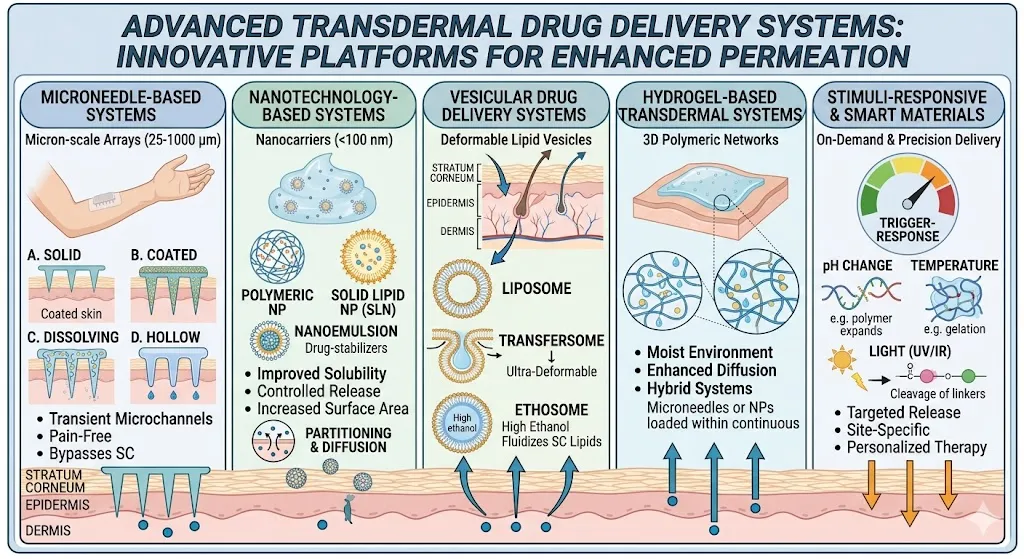
Figure 3. Advanced Transdermal Drug Delivery System

 
  1. Microneedle-Based Systems

Microneedle-based systems are among the most promising advancements in transdermal drug delivery. These micron-scale needles (25–1000 µm) create temporary microchannels in the skin, bypassing the stratum corneum without reaching nerve endings, thereby enabling painless drug administration. Microneedles improve bioavailability, allow precise dosing, and are especially useful for delivering vaccines, peptides, proteins, and biologics.

Microneedles are classified into several types, including solid microneedles for skin pretreatment, coated microneedles with drug-coated surfaces, dissolving microneedles made from biodegradable polymers, and hollow microneedles used for direct delivery of liquid formulations. These systems significantly enhance transdermal permeation and therapeutic efficiency (33).

  1. Nanotechnology-Based Systems

Nanotechnology-based systems have revolutionized transdermal drug delivery by improving drug solubility, stability, targeting efficiency, and skin permeation. Nanocarriers operate at the nanoscale and interact effectively with skin structures, making them particularly beneficial for poorly soluble and unstable drugs.

Common nanocarriers include polymeric nanoparticles, solid lipid nanoparticles (SLNs), nanostructured lipid carriers (NLCs), and nanoemulsions. These systems enhance drug permeation by increasing surface area, improving drug partitioning into the skin, and enabling controlled drug release, thereby improving therapeutic outcomes (34).

  1. Vesicular Drug Delivery Systems

Vesicular drug delivery systems are lipid-based carriers that encapsulate drugs and facilitate their transport across the skin barrier. These systems improve drug stability, enhance penetration through interaction with skin lipids, and provide controlled drug release.

Important vesicular carriers include liposomes, which improve drug solubility; transfersomes, which are ultra-deformable vesicles capable of penetrating intercellular spaces; and ethosomes, which contain high ethanol concentrations that enhance lipid fluidization and skin permeability. These systems significantly improve transdermal drug diffusion (35).

  1. Hydrogel-Based Transdermal Systems

Hydrogels are three-dimensional polymeric networks capable of retaining large amounts of water, thereby creating a hydrated environment that enhances drug diffusion and skin permeability. They possess excellent biocompatibility, flexibility, and are capable of providing controlled and sustained drug release.

Hydrogel-based systems also reduce skin irritation and improve patient comfort. In recent years, hydrogels have increasingly been combined with microneedles and nanocarriers to develop hybrid systems with improved drug delivery efficiency and enhanced therapeutic performance (36).

  1. Stimuli-Responsive and Smart Materials

Stimuli-responsive or smart transdermal systems release drugs in response to specific internal or external triggers such as temperature, pH, light, enzymes, or magnetic fields. These systems provide site-specific and controlled drug delivery, thereby improving therapeutic efficacy and minimizing side effects.

The incorporation of smart materials into transdermal systems has expanded the potential for precision medicine and personalized therapy. Their ability to achieve controlled, on-demand drug release makes them highly promising for future advanced transdermal drug delivery applications (37).

CONCLUSION

The evolution of transdermal drug delivery systems (TDDS) marks a significant shift from simple, passive diffusion patches to sophisticated, multi-functional platforms. Conventional patches, while foundational, are limited by the formidable barrier of the stratum corneum and the specific physicochemical requirements of drug molecules. However, the integration of microneedles, nanotechnology, and vesicular carriers has successfully bypassed these constraints, enabling the painless and efficient delivery of high-molecular-weight biologics, vaccines, and poorly soluble drugs. These advancements ensure controlled release, improved bioavailability, and enhanced patient compliance by offering non-invasive alternatives to oral and parenteral routes

FUTURE PERSPECTIVES

The future of transdermal therapy lies in the refinement of "Smart Patches" and hybrid systems that align with the goals of personalized and precision medicine. Key areas for future development include:

  • Closed-Loop Feedback Systems: Further integration of biosensors and microprocessors will allow for real-time monitoring of physiological markers (e.g., glucose or pH) to trigger autonomous, on-demand drug release.
  • Stimuli-Responsive Innovations: Research will continue to optimize materials that react to specific internal or external triggers—such as light, enzymes, or magnetic fields—to provide site-specific delivery with minimal systemic side effects.
  • Hybrid Delivery Platforms: Combining multiple technologies, such as loading nanocarriers into hydrogel-forming microneedles, will likely create synergistic effects that further optimize drug loading and penetration efficiency.
  • Preclinical and Clinical Translation: As the field moves toward more complex systems, the focus will shift to ensuring the long-term biocompatibility of novel materials and navigating the regulatory frameworks required for integrated electronic-pharmaceutical devices.

Overall, as research progresses in materials science and biomedical engineering, advanced TDDS are poised to play a central role in chronic disease management and the global delivery of complex biotherapeutics.

REFERENCE

  1. Alkilani, A. Z., McCrudden, M. T., & Donnelly, R. F. (2015). Transdermal Drug Delivery: Innovative Pharmaceutical Developments Based on Disruption of the Barrier Properties of the stratum corneum. Pharmaceutics7(4), 438–470. https://doi.org/10.3390/pharmaceutics7040438
  2. Bakhrushina, E. O., Shumkova, M. M., Avdonina, Y. V., Ananian, A. A., Babazadeh, M., Pouya, G., Grikh, V. V., Zubareva, I. M., Kosenkova, S. I., Krasnyuk, I. I., Jr, & Krasnyuk, I. I. (2025). Transdermal Drug Delivery Systems: Methods for Enhancing Skin Permeability and Their Evaluation. Pharmaceutics17(7), 936. https://doi.org/10.3390/pharmaceutics17070936
  3. Wong, W. F., Ang, K. P., Sethi, G., & Looi, C. Y. (2023). Recent Advancement of Medical Patch for Transdermal Drug Delivery. Medicina (Kaunas, Lithuania)59(4), 778. https://doi.org/10.3390/medicina59040778
  4. Liu, S., Deng, T., Cheng, H., Lu, J., & Wu, J. (2025). Advances in Transdermal Drug Delivery Systems and Clinical Applications in Inflammatory Skin Diseases. Pharmaceutics17(6), 746. https://doi.org/10.3390/pharmaceutics17060746
  5. Kulkarni, D., Damiri, F., Rojekar, S., Zehravi, M., Ramproshad, S., Dhoke, D., Musale, S., Mulani, A. A., Modak, P., Paradhi, R., Vitore, J., Rahman, M. H., Berrada, M., Giram, P. S., & Cavalu, S. (2022). Recent Advancements in Microneedle Technology for Multifaceted Biomedical Applications. Pharmaceutics14(5), 1097. https://doi.org/10.3390/pharmaceutics14051097
  6. Khadka, B., Lee, B., & Kim, K. T. (2023). Drug Delivery Systems for Personal Healthcare by Smart Wearable Patch System. Biomolecules13(6), 929. https://doi.org/10.3390/biom13060929
  7. Joshi, N., Azizi Machekposhti, S., & Narayan, R. J. (2023). Evolution of Transdermal Drug Delivery Devices and Novel Microneedle Technologies: A Historical Perspective and Review. JID innovations : skin science from molecules to population health3(6), 100225. https://doi.org/10.1016/j.xjidi.2023.100225
  8. Bouwer, F., Brits, M., & Viljoen, J. M. (2025). Cracking the Skin Barrier: Models and Methods Driving Dermal Drug Delivery. Pharmaceutics17(12), 1586. https://doi.org/10.3390/pharmaceutics17121586
  9. Elder, A., Vidyasagar, S., & DeLouise, L. (2009). Physicochemical factors that affect metal and metal oxide nanoparticle passage across epithelial barriers. Wiley interdisciplinary reviews. Nanomedicine and nanobiotechnology1(4), 434–450. https://doi.org/10.1002/wnan.44
  10. Brito, S., Baek, M., & Bin, B. H. (2024). Skin Structure, Physiology, and Pathology in Topical and Transdermal Drug Delivery. Pharmaceutics16(11), 1403. https://doi.org/10.3390/pharmaceutics16111403
  11. Betzalel, Noa & Feldman, Yuri & Ishai, Paul. (2017). The Modeling of the Absorbance of Sub-THz Radiation by Human Skin. IEEE Transactions on Terahertz Science and Technology. PP. 1-8. 10.1109/TTHZ.2017.2736345.
  12. Andrea Crasta, Tanvi Painginkar, Amatha Sreedevi, Sachin Dattram Pawar, Muddukrishna Badamane Sathyanarayana, S.G. Vasantharaju, Riyaz Ali M. Osmani, Gundawar Ravi, Transdermal drug delivery system: A comprehensive review of innovative strategies, applications, and regulatory perspectives, OpenNano, Volume 24, 2025, 100245, ISSN 2352-9520, https://doi.org/10.1016/j.onano.2025.100245.
  13. Pastore, M.N., Kalia, Y.N., Horstmann, M. and Roberts, M.S. (2015), History of transdermal patches. Br J Pharmacol, 172: 2179-2209. https://doi.org/10.1111/bph.13059
  14. Vaseem, R. S., D'cruz, A., Shetty, S., -, H., Vardhan, A., R, S. S., Marques, S. M., Kumar, L., & Verma, R. (2024). Transdermal Drug Delivery Systems: A Focused Review of the Physical Methods of Permeation Enhancement. Advanced pharmaceutical bulletin14(1), 67–85. https://doi.org/10.34172/apb.2024.018
  15. Adepu, S., & Ramakrishna, S. (2021). Controlled Drug Delivery Systems: Current Status and Future Directions. Molecules (Basel, Switzerland)26(19), 5905. https://doi.org/10.3390/molecules26195905
  16. Lunter, D., Klang, V., Eichner, A., Savic, S. M., Savic, S., Lian, G., & Erdő, F. (2024). Progress in Topical and Transdermal Drug Delivery Research-Focus on Nanoformulations. Pharmaceutics16(6), 817. https://doi.org/10.3390/pharmaceutics16060817
  17. Sivadasan, D., & Madkhali, O. A. (2024). The Design Features, Quality by Design Approach, Characterization, Therapeutic Applications, and Clinical Considerations of Transdermal Drug Delivery Systems-A Comprehensive Review. Pharmaceuticals (Basel, Switzerland)17(10), 1346. https://doi.org/10.3390/ph17101346
  18. Nokhodchi, A., Raja, S., Patel, P., & Asare-Addo, K. (2012). The role of oral controlled release matrix tablets in drug delivery systems. BioImpacts : BI2(4), 175–187. https://doi.org/10.5681/bi.2012.027
  19. Alam, F., Ashfaq Ahmed, M., Jalal, A. H., Siddiquee, I., Adury, R. Z., Hossain, G. M. M., & Pala, N. (2024). Recent Progress and Challenges of Implantable Biodegradable Biosensors. Micromachines15(4), 475. https://doi.org/10.3390/mi15040475
  20. Stevenson, C. L., Santini, J. T., Jr, & Langer, R. (2012). Reservoir-based drug delivery systems utilizing microtechnology. Advanced drug delivery reviews64(14), 1590–1602. https://doi.org/10.1016/j.addr.2012.02.005
  21. Shaikh, N., Srivastava, R. (2024). A review on transdermal drug delivery through patches. IP Indian Journal of Clinical and Experimental Dermatology, 10(2), 113-121. https://doi.org/10.18231/j.ijced.2024.022
  22. E. Karthikeyan, S. Sivaneswari, Advancements in transdermal drug delivery systems: Enhancing medicine with pain-free and controlled drug release, Intelligent Pharmacy, Volume 3, Issue 4, 2025, Pages 277-295, ISSN 2949-866X, https://doi.org/10.1016/j.ipha.2024.09.008.
  23. Eliana B. Souto, Joana F. Fangueiro, Ana R. Fernandes, Amanda Cano, Elena Sanchez-Lopez, Maria L. Garcia, Patrícia Severino, Maria O. Paganelli, Marco V. Chaud, Amélia M. Silva, Physicochemical and biopharmaceutical aspects influencing skin permeation and role of SLN and NLC for skin drug delivery,Heliyon,Volume 8, Issue 2,2022, e08938, ISSN 2405-8440, https://doi.org/10.1016/j.heliyon.2022.e08938.
  24. He, J., Zhang, Y., Yu, X., & Xu, C. (2023). Wearable patches for transdermal drug delivery. Acta pharmaceutica Sinica. B13(6), 2298–2309. https://doi.org/10.1016/j.apsb.2023.05.009
  25. Liu, S., Deng, T., Cheng, H., Lu, J., & Wu, J. (2025). Advances in Transdermal Drug Delivery Systems and Clinical Applications in Inflammatory Skin Diseases. Pharmaceutics17(6), 746. https://doi.org/10.3390/pharmaceutics17060746
  26. Ramadon, D., McCrudden, M. T. C., Courtenay, A. J., & Donnelly, R. F. (2022). Enhancement strategies for transdermal drug delivery systems: current trends and applications. Drug delivery and translational research12(4), 758–791. https://doi.org/10.1007/s13346-021-00909-6
  27. Yu Y-Q, Yang X, Wu X-F and Fan Y-B (2021) Enhancing Permeation of Drug Molecules Across the Skin via Delivery in Nanocarriers: Novel Strategies for Effective Transdermal Applications. Front. Bioeng. Biotechnol. 9:646554. doi: 10.3389/fbioe.2021.646554
  28. N'Da D. D. (2014). Prodrug strategies for enhancing the percutaneous absorption of drugs. Molecules (Basel, Switzerland)19(12), 20780–20807. https://doi.org/10.3390/molecules191220780
  29. Gao, Y., Du, L., Li, Q., Li, Q., Zhu, L., Yang, M., Wang, X., Zhao, B., & Ma, S. (2022). How physical techniques improve the transdermal permeation of therapeutics: A review. Medicine101(26), e29314. https://doi.org/10.1097/MD.0000000000029314
  30. Xiao Chen, Lin Zhu, Ruiteng Li, Lulu Pang, Siqing Zhu, Jinqiu Ma, Lina Du, Yiguang Jin, Electroporation-enhanced transdermal drug delivery: Effects of logP, pKa, solubility and penetration time, European Journal of Pharmaceutical Sciences, Volume 151, 2020, 105410, ISSN 0928-0987, https://doi.org/10.1016/j.ejps.2020.105410.
  31. Jeong, W. Y., Kwon, M., Choi, H. E., & Kim, K. S. (2021). Recent advances in transdermal drug delivery systems: a review. Biomaterials research25(1), 24. https://doi.org/10.1186/s40824-021-00226-6
  32. Ezike, T. C., Okpala, U. S., Onoja, U. L., Nwike, C. P., Ezeako, E. C., Okpara, O. J., Okoroafor, C. C., Eze, S. C., Kalu, O. L., Odoh, E. C., Nwadike, U. G., Ogbodo, J. O., Umeh, B. U., Ossai, E. C., & Nwanguma, B. C. (2023). Advances in drug delivery systems, challenges and future directions. Heliyon9(6), e17488. https://doi.org/10.1016/j.heliyon.2023.e17488
  33. Zhou, L., Xu, S., & Li, S. (2025). Microneedle-Mediated Transdermal Drug Delivery for the Treatment of Multiple Skin Diseases. Pharmaceutics17(10), 1281. https://doi.org/10.3390/pharmaceutics17101281.
  34. Liu, L., Zhao, W., Ma, Q., Gao, Y., Wang, W., Zhang, X., Dong, Y., Zhang, T., Liang, Y., Han, S., Cao, J., Wang, X., Sun, W., Ma, H., & Sun, Y. (2023). Functional nano-systems for transdermal drug delivery and skin therapy. Nanoscale advances5(6), 1527–1558. https://doi.org/10.1039/d2na00530a
  35. Batur, E., Özdemir, S., Durgun, M. E., & Özsoy, Y. (2024). Vesicular Drug Delivery Systems: Promising Approaches in Ocular Drug Delivery. Pharmaceuticals (Basel, Switzerland)17(4), 511. https://doi.org/10.3390/ph17040511
  36. Jacob, S., Nair, A. B., Shah, J., Sreeharsha, N., Gupta, S., & Shinu, P. (2021). Emerging Role of Hydrogels in Drug Delivery Systems, Tissue Engineering and Wound Management. Pharmaceutics13(3), 357. https://doi.org/10.3390/pharmaceutics13030357
  37. Wells, C. M., Harris, M., Choi, L., Murali, V. P., Guerra, F. D., & Jennings, J. A. (2019). Stimuli-Responsive Drug Release from Smart Polymers. Journal of functional biomaterials10(3), 34. https://doi.org/10.3390/jfb10030034

Reference

  1. Alkilani, A. Z., McCrudden, M. T., & Donnelly, R. F. (2015). Transdermal Drug Delivery: Innovative Pharmaceutical Developments Based on Disruption of the Barrier Properties of the stratum corneum. Pharmaceutics7(4), 438–470. https://doi.org/10.3390/pharmaceutics7040438
  2. Bakhrushina, E. O., Shumkova, M. M., Avdonina, Y. V., Ananian, A. A., Babazadeh, M., Pouya, G., Grikh, V. V., Zubareva, I. M., Kosenkova, S. I., Krasnyuk, I. I., Jr, & Krasnyuk, I. I. (2025). Transdermal Drug Delivery Systems: Methods for Enhancing Skin Permeability and Their Evaluation. Pharmaceutics17(7), 936. https://doi.org/10.3390/pharmaceutics17070936
  3. Wong, W. F., Ang, K. P., Sethi, G., & Looi, C. Y. (2023). Recent Advancement of Medical Patch for Transdermal Drug Delivery. Medicina (Kaunas, Lithuania)59(4), 778. https://doi.org/10.3390/medicina59040778
  4. Liu, S., Deng, T., Cheng, H., Lu, J., & Wu, J. (2025). Advances in Transdermal Drug Delivery Systems and Clinical Applications in Inflammatory Skin Diseases. Pharmaceutics17(6), 746. https://doi.org/10.3390/pharmaceutics17060746
  5. Kulkarni, D., Damiri, F., Rojekar, S., Zehravi, M., Ramproshad, S., Dhoke, D., Musale, S., Mulani, A. A., Modak, P., Paradhi, R., Vitore, J., Rahman, M. H., Berrada, M., Giram, P. S., & Cavalu, S. (2022). Recent Advancements in Microneedle Technology for Multifaceted Biomedical Applications. Pharmaceutics14(5), 1097. https://doi.org/10.3390/pharmaceutics14051097
  6. Khadka, B., Lee, B., & Kim, K. T. (2023). Drug Delivery Systems for Personal Healthcare by Smart Wearable Patch System. Biomolecules13(6), 929. https://doi.org/10.3390/biom13060929
  7. Joshi, N., Azizi Machekposhti, S., & Narayan, R. J. (2023). Evolution of Transdermal Drug Delivery Devices and Novel Microneedle Technologies: A Historical Perspective and Review. JID innovations : skin science from molecules to population health3(6), 100225. https://doi.org/10.1016/j.xjidi.2023.100225
  8. Bouwer, F., Brits, M., & Viljoen, J. M. (2025). Cracking the Skin Barrier: Models and Methods Driving Dermal Drug Delivery. Pharmaceutics17(12), 1586. https://doi.org/10.3390/pharmaceutics17121586
  9. Elder, A., Vidyasagar, S., & DeLouise, L. (2009). Physicochemical factors that affect metal and metal oxide nanoparticle passage across epithelial barriers. Wiley interdisciplinary reviews. Nanomedicine and nanobiotechnology1(4), 434–450. https://doi.org/10.1002/wnan.44
  10. Brito, S., Baek, M., & Bin, B. H. (2024). Skin Structure, Physiology, and Pathology in Topical and Transdermal Drug Delivery. Pharmaceutics16(11), 1403. https://doi.org/10.3390/pharmaceutics16111403
  11. Betzalel, Noa & Feldman, Yuri & Ishai, Paul. (2017). The Modeling of the Absorbance of Sub-THz Radiation by Human Skin. IEEE Transactions on Terahertz Science and Technology. PP. 1-8. 10.1109/TTHZ.2017.2736345.
  12. Andrea Crasta, Tanvi Painginkar, Amatha Sreedevi, Sachin Dattram Pawar, Muddukrishna Badamane Sathyanarayana, S.G. Vasantharaju, Riyaz Ali M. Osmani, Gundawar Ravi, Transdermal drug delivery system: A comprehensive review of innovative strategies, applications, and regulatory perspectives, OpenNano, Volume 24, 2025, 100245, ISSN 2352-9520, https://doi.org/10.1016/j.onano.2025.100245.
  13. Pastore, M.N., Kalia, Y.N., Horstmann, M. and Roberts, M.S. (2015), History of transdermal patches. Br J Pharmacol, 172: 2179-2209. https://doi.org/10.1111/bph.13059
  14. Vaseem, R. S., D'cruz, A., Shetty, S., -, H., Vardhan, A., R, S. S., Marques, S. M., Kumar, L., & Verma, R. (2024). Transdermal Drug Delivery Systems: A Focused Review of the Physical Methods of Permeation Enhancement. Advanced pharmaceutical bulletin14(1), 67–85. https://doi.org/10.34172/apb.2024.018
  15. Adepu, S., & Ramakrishna, S. (2021). Controlled Drug Delivery Systems: Current Status and Future Directions. Molecules (Basel, Switzerland)26(19), 5905. https://doi.org/10.3390/molecules26195905
  16. Lunter, D., Klang, V., Eichner, A., Savic, S. M., Savic, S., Lian, G., & Erd?, F. (2024). Progress in Topical and Transdermal Drug Delivery Research-Focus on Nanoformulations. Pharmaceutics16(6), 817. https://doi.org/10.3390/pharmaceutics16060817
  17. Sivadasan, D., & Madkhali, O. A. (2024). The Design Features, Quality by Design Approach, Characterization, Therapeutic Applications, and Clinical Considerations of Transdermal Drug Delivery Systems-A Comprehensive Review. Pharmaceuticals (Basel, Switzerland)17(10), 1346. https://doi.org/10.3390/ph17101346
  18. Nokhodchi, A., Raja, S., Patel, P., & Asare-Addo, K. (2012). The role of oral controlled release matrix tablets in drug delivery systems. BioImpacts : BI2(4), 175–187. https://doi.org/10.5681/bi.2012.027
  19. Alam, F., Ashfaq Ahmed, M., Jalal, A. H., Siddiquee, I., Adury, R. Z., Hossain, G. M. M., & Pala, N. (2024). Recent Progress and Challenges of Implantable Biodegradable Biosensors. Micromachines15(4), 475. https://doi.org/10.3390/mi15040475
  20. Stevenson, C. L., Santini, J. T., Jr, & Langer, R. (2012). Reservoir-based drug delivery systems utilizing microtechnology. Advanced drug delivery reviews64(14), 1590–1602. https://doi.org/10.1016/j.addr.2012.02.005
  21. Shaikh, N., Srivastava, R. (2024). A review on transdermal drug delivery through patches. IP Indian Journal of Clinical and Experimental Dermatology, 10(2), 113-121. https://doi.org/10.18231/j.ijced.2024.022
  22. E. Karthikeyan, S. Sivaneswari, Advancements in transdermal drug delivery systems: Enhancing medicine with pain-free and controlled drug release, Intelligent Pharmacy, Volume 3, Issue 4, 2025, Pages 277-295, ISSN 2949-866X, https://doi.org/10.1016/j.ipha.2024.09.008.
  23. Eliana B. Souto, Joana F. Fangueiro, Ana R. Fernandes, Amanda Cano, Elena Sanchez-Lopez, Maria L. Garcia, Patrícia Severino, Maria O. Paganelli, Marco V. Chaud, Amélia M. Silva, Physicochemical and biopharmaceutical aspects influencing skin permeation and role of SLN and NLC for skin drug delivery,Heliyon,Volume 8, Issue 2,2022, e08938, ISSN 2405-8440, https://doi.org/10.1016/j.heliyon.2022.e08938.
  24. He, J., Zhang, Y., Yu, X., & Xu, C. (2023). Wearable patches for transdermal drug delivery. Acta pharmaceutica Sinica. B13(6), 2298–2309. https://doi.org/10.1016/j.apsb.2023.05.009
  25. Liu, S., Deng, T., Cheng, H., Lu, J., & Wu, J. (2025). Advances in Transdermal Drug Delivery Systems and Clinical Applications in Inflammatory Skin Diseases. Pharmaceutics17(6), 746. https://doi.org/10.3390/pharmaceutics17060746
  26. Ramadon, D., McCrudden, M. T. C., Courtenay, A. J., & Donnelly, R. F. (2022). Enhancement strategies for transdermal drug delivery systems: current trends and applications. Drug delivery and translational research12(4), 758–791. https://doi.org/10.1007/s13346-021-00909-6
  27. Yu Y-Q, Yang X, Wu X-F and Fan Y-B (2021) Enhancing Permeation of Drug Molecules Across the Skin via Delivery in Nanocarriers: Novel Strategies for Effective Transdermal Applications. Front. Bioeng. Biotechnol. 9:646554. doi: 10.3389/fbioe.2021.646554
  28. N'Da D. D. (2014). Prodrug strategies for enhancing the percutaneous absorption of drugs. Molecules (Basel, Switzerland)19(12), 20780–20807. https://doi.org/10.3390/molecules191220780
  29. Gao, Y., Du, L., Li, Q., Li, Q., Zhu, L., Yang, M., Wang, X., Zhao, B., & Ma, S. (2022). How physical techniques improve the transdermal permeation of therapeutics: A review. Medicine101(26), e29314. https://doi.org/10.1097/MD.0000000000029314
  30. Xiao Chen, Lin Zhu, Ruiteng Li, Lulu Pang, Siqing Zhu, Jinqiu Ma, Lina Du, Yiguang Jin, Electroporation-enhanced transdermal drug delivery: Effects of logP, pKa, solubility and penetration time, European Journal of Pharmaceutical Sciences, Volume 151, 2020, 105410, ISSN 0928-0987, https://doi.org/10.1016/j.ejps.2020.105410.
  31. Jeong, W. Y., Kwon, M., Choi, H. E., & Kim, K. S. (2021). Recent advances in transdermal drug delivery systems: a review. Biomaterials research25(1), 24. https://doi.org/10.1186/s40824-021-00226-6
  32. Ezike, T. C., Okpala, U. S., Onoja, U. L., Nwike, C. P., Ezeako, E. C., Okpara, O. J., Okoroafor, C. C., Eze, S. C., Kalu, O. L., Odoh, E. C., Nwadike, U. G., Ogbodo, J. O., Umeh, B. U., Ossai, E. C., & Nwanguma, B. C. (2023). Advances in drug delivery systems, challenges and future directions. Heliyon9(6), e17488. https://doi.org/10.1016/j.heliyon.2023.e17488
  33. Zhou, L., Xu, S., & Li, S. (2025). Microneedle-Mediated Transdermal Drug Delivery for the Treatment of Multiple Skin Diseases. Pharmaceutics17(10), 1281. https://doi.org/10.3390/pharmaceutics17101281.
  34. Liu, L., Zhao, W., Ma, Q., Gao, Y., Wang, W., Zhang, X., Dong, Y., Zhang, T., Liang, Y., Han, S., Cao, J., Wang, X., Sun, W., Ma, H., & Sun, Y. (2023). Functional nano-systems for transdermal drug delivery and skin therapy. Nanoscale advances5(6), 1527–1558. https://doi.org/10.1039/d2na00530a
  35. Batur, E., Özdemir, S., Durgun, M. E., & Özsoy, Y. (2024). Vesicular Drug Delivery Systems: Promising Approaches in Ocular Drug Delivery. Pharmaceuticals (Basel, Switzerland)17(4), 511. https://doi.org/10.3390/ph17040511
  36. Jacob, S., Nair, A. B., Shah, J., Sreeharsha, N., Gupta, S., & Shinu, P. (2021). Emerging Role of Hydrogels in Drug Delivery Systems, Tissue Engineering and Wound Management. Pharmaceutics13(3), 357. https://doi.org/10.3390/pharmaceutics13030357
  37. Wells, C. M., Harris, M., Choi, L., Murali, V. P., Guerra, F. D., & Jennings, J. A. (2019). Stimuli-Responsive Drug Release from Smart Polymers. Journal of functional biomaterials10(3), 34. https://doi.org/10.3390/jfb10030034

Photo
Vaibhav Gabhale
Corresponding author

Konkan Gyanpeeth Rahul Dharkar College of Pharmacy & Research Institute, Karjat, Maharashtra, India.

Photo
Manish Gharat
Co-author

Konkan Gyanpeeth Rahul Dharkar College of Pharmacy & Research Institute, Karjat, Maharashtra, India.

Photo
Vaishnavi Ghare
Co-author

Konkan Gyanpeeth Rahul Dharkar College of Pharmacy & Research Institute, Karjat, Maharashtra, India.

Photo
Akanksha Ghatvisave
Co-author

Konkan Gyanpeeth Rahul Dharkar College of Pharmacy & Research Institute, Karjat, Maharashtra, India.

Photo
Sneha Gholap
Co-author

Konkan Gyanpeeth Rahul Dharkar College of Pharmacy & Research Institute, Karjat, Maharashtra, India.

Photo
Kiran Ghonge
Co-author

Konkan Gyanpeeth Rahul Dharkar College of Pharmacy & Research Institute, Karjat, Maharashtra, India.

Manish Gharat, Vaishnavi Ghare, Akanksha Ghatvisave, Sneha Gholap, Kiran Ghonge, Vaibhav Gabhale, Evolution of Transdermal Drug Delivery: From Conventional Polymeric Patches to Stimuli-Responsive Smart Platforms, Int. J. of Pharm. Sci., 2026, Vol 4, Issue 5, 7815-7828. https://doi.org/10.5281/zenodo.20441113

More related articles
In silico Analysis of Strychnos potatorum Linn. On...
Suchindra R, Prajwal Sanakyanavar , Surabhi Gopal, Arya J P, Vina...
Development And Evaluation of A Polyherbal Multipurpose Hair Mask for Enhanced H...
Mokshada Kashid, Tushar Shelke, Ashwini Jadhav, Tejaswi Kadam, Kundan Kale, Gargi Kale...
Development And Evaluation Of Polyherbal Anthelminthic Gummy Candies Containing ...
Namita Sagavekar , Deepak Bhujbal , Yuvraj Chavan , Sangram Dahiphale , Mrunmayi Bhise ...
Related Articles
Formulation and Evaluation of Herbal Lozenges for the Treatment of Mouth Ulcer...
Kolpe Rani, Bhamare Samiksha, Nikhade Sujit, Bhosale Pravin, Bhosale Siddharth, Aher Gayatri...
In Silico Design and Identification of Novel Thiazolidinedione Derivatives as PP...
Soumallya Chakraborty, Sayoni Roy, Swastika Mukherjee, Somenath Bhattacharya, ...
In silico Analysis of Strychnos potatorum Linn. On Clinical Targets of Type 2 Di...
Suchindra R, Prajwal Sanakyanavar , Surabhi Gopal, Arya J P, Vinaykumar Kadibagil, Ravisha N...
More related articles
In silico Analysis of Strychnos potatorum Linn. On Clinical Targets of Type 2 Di...
Suchindra R, Prajwal Sanakyanavar , Surabhi Gopal, Arya J P, Vinaykumar Kadibagil, Ravisha N...
In silico Analysis of Strychnos potatorum Linn. On Clinical Targets of Type 2 Di...
Suchindra R, Prajwal Sanakyanavar , Surabhi Gopal, Arya J P, Vinaykumar Kadibagil, Ravisha N...