

We use cookies to ensure our website works properly and to personalise your experience. Cookies policy
Department Of Pharmacy, Jes’s Snd Institute Of Pharmacy Babhulgaon, Yeola, Maharastra, India.
Ophthalmology clinics around the world see a lot of patients with conjunctivitis. Severe pain, impaired vision, and a painful pupillary reaction are all red flags for more serious intraocular disorders that should be taken into account while treating suspected cases of conjunctivitis. In patients with unusual findings and chronic courses, it is also important to have a complete medical and ocular history and do a comprehensive physical examination. The existence of a systemic ailment affecting the conjunctiva may be shown by concurrent findings on physical exams and pertinent history. The vast majority of cases of conjunctivitis still originate from viruses. Bacterial conjunctivitis is the second most prevalent cause of infectious conjunctivitis; however, it is much less common than viral conjunctivitis. Nearly half of the population experiences allergic conjunctivitis, characterised by symptoms like itching, mucoid discharge, chemosis, and edoema of the eyelids. A patient with conjunctival irritation and discharge who has used preservative-containing eye drops regularly likely has toxic conjunctivitis. Timely diagnosis, proper classification of the various aetiologies, and suitable treatment are essential components of effective management of conjunctivities.
Conjunctivitis is characterized by inflammation and swelling of the conjunctival tissue, accompanied by engorgement of the blood vessels, ocular discharge, and pain. Many subjects are affected with conjunctivitis worldwide, and it is one of the most frequent reasons for office visits to general medical and ophthalmology clinics. More than 80% of all acute cases of conjunctivitis are reported to be diagnosed by non-ophthalmologists including internists, family medicine physicians, pediatricians, and nurse practitioners.[1] This imposes a great economic burden to the healthcare system and occupies a great proportion of the office visits in many medical specialties. It is estimated that the cost of treating bacterial conjunctivitis is $857 million annually in the United States alone.[2] It has been reported that nearly 60% of all patients with acute conjunctivitis receive antibiotic eye drops; and the vast majority receive their prescription from a non-ophthalmologist physician. For example, 68% of patients who visited a physician at an emergency room received antibiotic eye drops while this figure dropped to 36% for those who saw an ophthalmologist.[1] Interestingly, patients from a higher socioeconomic status were more likely to receive and fill a prescription for their conjunctivitis. There are several ways to categorize conjunctivitis; it may be classified based on etiology, of the surrounding tissue. The etiology of conjunctivitis may be infectious or non-infectious. Viral conjunctivitis followed by bacterial conjunctivitis is the most common cause of infectious conjunctivitis, while allergic and toxin-induced conjunctivitis are among the most common non-infectious etiologies. In terms of chronicity, conjunctivitis may be divided into acute with rapid onset and duration of four weeks or less, subacute, and chronic with duration.
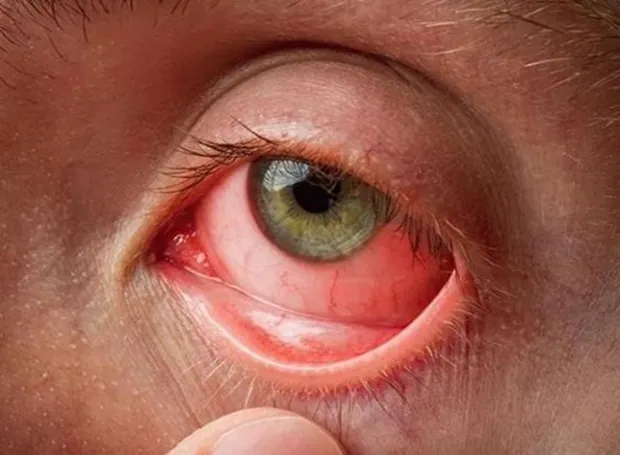
Figure 1: Eye Flu (Pink Eye)
The eyes are the most sensitive organ of our body, but eye health is often neglected in today’s fast-paced world. We are constantly surrounded by screens, digital devices, and environmental pollutants that can lead to various eye-related issues. One such problem is “eye flu,” known as viral conjunctivitis. During the rainy season, viral and bacterial infections are prevalent, and one of the results is eye flu. Viruses, bacteria, allergens, and environmental factors can cause this condition. Viral conjunctivitis, commonly known as eye flu, is an infection that causes redness, itching, and irritation of the eyes. This infection is prevalent during the monsoon season, as bacteria and viruses can easily invade our eyes, leading to various eye diseases. It is contagious, which means this disease can pass from person to person easily. You might have it by touching your eyes after touching surfaces or objects that have the virus on them, or by close contact with someone who has this eye problem.

The eyes are the most sensitive organ of our body, but eye health is often neglected in today’s fast-paced world. We are constantly surrounded by screens, digital devices, and environmental pollutants that can lead to various eye-related issues. One such problem is “eye flu,” known as viral conjunctivitis. During the rainy season, viral and bacterial infections are prevalent, and one of the results is eye flu. Viruses, bacteria, allergens, and environmental factors can cause this condition. Viral conjunctivitis, commonly known as eye flu, is an infection that causes redness, itching, and irritation of the eyes. This infection is prevalent during the monsoon season, as bacteria and viruses can easily invade our eyes, leading to various eye diseases. It is contagious, which means this disease can pass from person to person easily. You might have it by touching your eyes after touching surfaces or objects that have the virus on them, or by close contact with someone who has this eye problem. Conjunctivitis is the inflammation of the conjunctiva and has 4 main causes: viruses, bacteria, allergens, and irritants. Of these, the acute infective causes (viruses and bacteria) are the most frequently encountered ocular disorders in primary care. [1,2] Clinically, it is difficult to distinguish bacterial from viral conjunctivitis.[3] The most prominent symptoms of acute infective conjunctivitis include mild pruritus, foreign body sensation, and mild photophobia. The most prominent signs include crusted eyelids that are often matted shut, especially after sleep, generalized conjunctival infection, and either watery or purulent discharge from one or both eyes, but no loss of visual acuity.[4] Among eye infections, Herpetic Keratitis is one of the worst that can be contracted by clinical dental staff, but bacterial conjunctivitis caused by Staphylococcus aureus is more common.[5] Other conjunctival pathogens such as Chlamydia trachomatis have been reported, although rarely, to have been transmitted in dental practice.[6] Dental hygienists and dentists had a higher incidence of conjunctivitis than dental technicians and dental assistants.[7] So enough knowledge and awareness of conjunctivitis is necessary for prevention and spread of conjunctivitis in dental clinics. At a normal working distance, there is no zone of safety from organism bearing droplets [8] and bacteria may remain in suspension in the air for up to
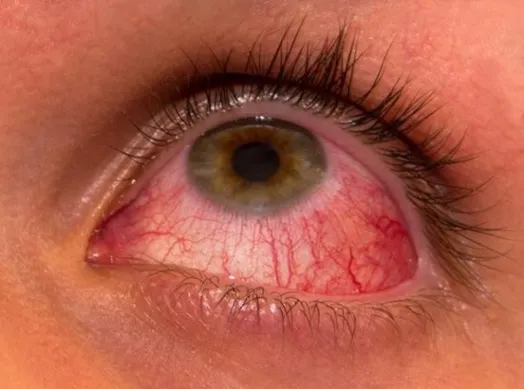
Figure 2: Eye Flu (PinkEye)
30 min. [9] There is a risk that the protective mechanisms of the eye may be overwhelmed by such high concentrations of pathogen.[7] Hence, the present study was undertaken to assess the knowledge and awareness regarding eye flu among the dentists and dental auxiliaries of Udaipur city, Rajasthan, India.
SYMPTOMS
The significant eye flu symptoms are:
1. Redness and Irritation: - Redness and irritation are the primary eye
flu symptoms. It is caused by the Inflammation of the conjunctiva of the eyes. The blood vessels of the eyes get dilated and thus appear pink. People may experience feelings of itchiness, scratchiness, or foreign body sensation in their eyes. These symptoms tend to be more noticeable in the morning or after periods of rest.
2. Watery Eyes:-
Excessive tear production, leading to watery or teary eyes, is another common eye flu symptom. The main reason for watery eyes is the inflammation of the conjunctiva, which can stimulate the tear glands, causing an overflow of tears.
Watery eyes can lead to discomfort and blurred vision, making it challenging to perform daily activities.
3. Sensitiveness to Light: -
peapal with the eye flu may feel photophobia, a condition where the eyes get sensitive to light. Exposure to bright lights or sun can cause discomfort and pain in the eyes, leading people to squint or shield their eyes from light sources.
4. Discharge from The Eyes: -
A thick, sticky discharge from the eyes observed during waking up is a characteristic symptom of bacterial conjunctivitis. This discharge is often yellow or greenish and can make the eyelids stick together. Viral conjunctivitis may also produce a watery or clear discharge from the eyes.
5. Gritty Sensation: -
Some persons with eye flu may have a gritty or sandy sensation as if debris is present. This feeling of grit is often associated with the inflammation of the conjunctiva.
6. Crusting of Eyelids: -
In cases of bacterial conjunctivitis, the discharge from the eyes may dry and harden overnight, forming crusts around the eyelids. Upon waking
up,individuals may find it difficult to open their eyes due to the presence of these crusts.
7. Swelling of Eyelids: -
Swelling the eyelids is a possible symptom of eye flu, primarily caused by allergies. Allergic conjunctivitis can lead to eyelid oedema, making the eyes appear puffy and swollen.
8. Discomfort While Blinking: -
People with eye flu may feel discomfort or pain while blinking due to the inflammation of the conjunctiva. Blinking can exacerbate the itchiness and cause more discomfort.
9. Eye Discharge Contagiousness:-
The contagiousness of flu in the eyes depends on its underpinning cause. Viral and bacterial conjunctivitis are highly contagious and can spread from person to person through direct contact or exposure to respiratory drops. On the other hand, allergic conjunctivitis is not infectious and does not spread from person to person
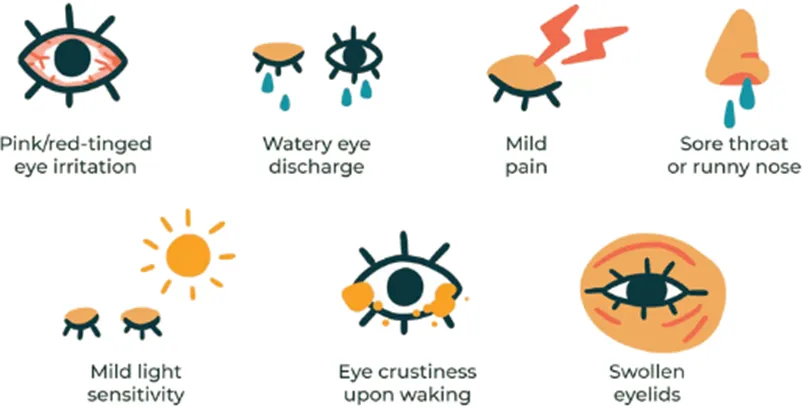
Figure 3: Eye Flu (Pink Eye)
CAUSES
Eye flu is an infectious disease; thus, it is important to know its causes. The major causes of eye flu disease are.
1. Viral Infections: -
Viruses are the most common means by which eye flu is easily spread. Viruses like Adenoviruses and enteroviruses can enter the conjunctiva (a thin membrane covering the eye’s front part) and cause eye infections. They are responsible for causing itching, excessive tearing, and redness in their eyes. These viruses are contagious, and thus it is important to avoid crowded places or close contact situations Adenoviruses and enteroviruses can enter the conjunctiva (a thin membrane covering the eye’s front part) and cause eye infections. They are responsible for causing itching, excessive tearing, and redness in their eyes.
2. Bacterial Infections:-
The eye flu symptoms are also triggered by bacterial infections. Bacteria like Streptococcus pneumoniae, Haemophilus influenzae and Staphylococcus aureus can easily invade the conjunctiva, resulting in bacterial conjunctivitis Bacteria like Streptococcus pneumoniae, Haemophilus influenzae and Staphylococcus aureus can easily invade the conjunctiva, resulting in bacterial conjunctivitis.
3. Allergic Reactions:-
Allergic reactions are another eye flu cause that results in watery, red and itchy eyes. Allergens like dust mites, pet
dander, certain cosmetics and pollens interact with the immune system and thus cause allergic conjunctivitis. Allergens like dust mites, pet dander, certain cosmetics and pollens interact with the immune system and thus cause allergic conjunctivitis.
4. Irritants and Foreign Objects:-
Irritants and foreign particles can also induce eye flu symptoms. These particles include smoke, pollution, chlorine from swimming pools etc. Due to these irritants, you may feel itching and redness in your eyes. Smoke, pollution, chlorine from swimming pools etc.
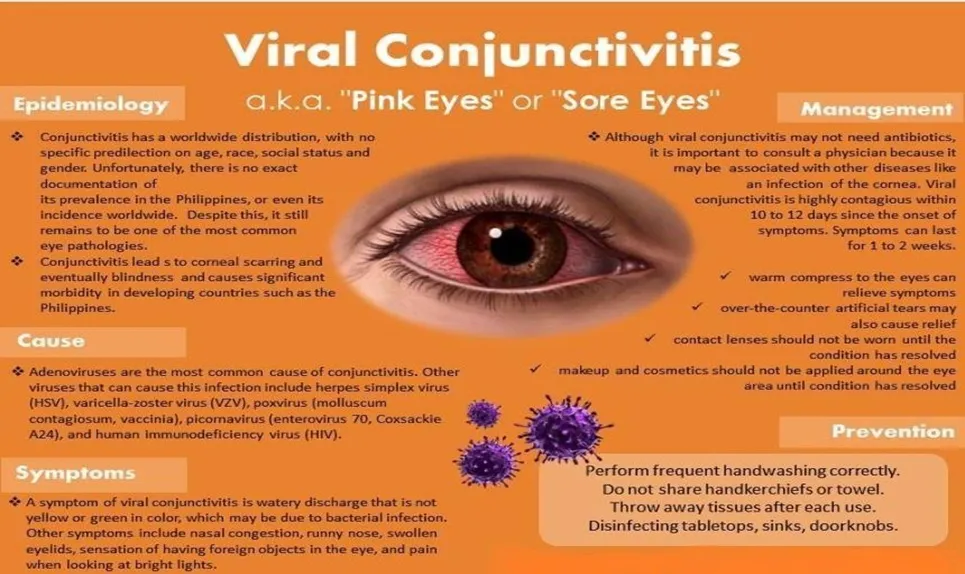
Figure 4: Eye Flu (Pink Eye)
Prevention of Eye Flu
1. Prevention of conjunctivitis:-

Figure 5: Eye Flu (Pink Eye)
2. Home Remedies for Eye Flu:-
3. Precautions for Eye Flu:-
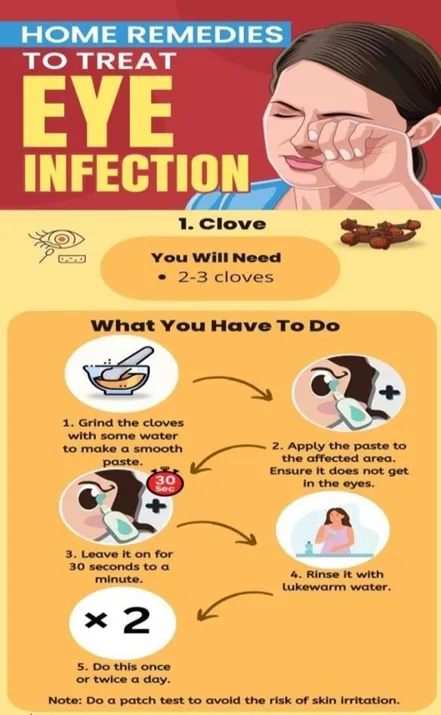

Figure 6: Eye Flu (Pink Eye)
4. Etiology:-
The sclera, the white portion of the eye, is protected by a thin, semi-transparent membrane called the conjunctiva. The conjunctiva extends from the limbus of the cornea to the posterior surface of the eyelids and the sclera. The palpebral conjunctiva is the area on the back of the lids, and the bulbar conjunctiva is the region covering the scleral. Adenoviruses are the most frequent cause of viral conjunctivitis. The adenovirus is a double stranded DNA virus that is not encapsulated and is a member of the Adenoviridae family. Upper respiratory tract infections, eye infections, and diarrhoea in children are frequently accompanied diseases brought on by the adenovirus. Viral infections affect adults more frequently than they do children, who are more prone to bacterial illnesses. Direct contact with the virus, airborne transmission, and reservoirs like swimming pools are all ways to get viral conjunctivitis. [10][11]. For 10–14 days, viral conjunctivitis is extremely infectious in the majority of patients. The best way to avoid spreading the disease to others is by washing your hands and avoiding eye contact.
• Adenoviral Conjunctivitis
Adenoviruses are responsible for up to 90% of cases of viral conjunctivitis.[12] Pharyngitis, periauricular lymphadenopathy, and acute follicular conjunctivitis with fever are the symptoms of pharyngoconjunctival fever (PCF) in children caused by HAdV types 3, 4, and 7. The most serious adenovirus-related ocular infection, epidemic keratoconjunctivitis (EKC), is typically linked to serotypes 8, 19, and 37. Subepithelial infiltrates and superficial punctate keratopathy can result from viral replication in the anterior stroma and epithelium of the cornea.[13] Povidone-iodine 2% monotherapy is proven to help symptoms go away.[9] Phase 3 randomized controlled studies on additional povidone-iodine and corticosteroid combinations are currently being conducted. Subepithelial infiltrates can induce crippling visual disturbances, however tacrolimus and 1% or 2% cyclosporine A eye drops have been demonstrated to be effective treatments.
• Herpetic Conjunctivitis
Follicular conjunctivitis is a common complication of herpes conjunctivitis in both adults and children. The prevalence of acute conjunctivitis caused by the herpes simplex virus (HSV) ranges from
1.3 to 4.8%, according to estimates.[17] The goal of topical antiviral therapy is to lessen virus shedding and keratitis development. By directly contacting eye or skin lesions or by inhaling infected aerosolized particles, varicella-zoster can induce conjunctivitis, especially when the first and second branches of the trigeminal nerve are affected.
• Acute Haemorrhagic Conjunctivitis (AHC)
The symptoms of this extremely contagious viral conjunctivitis include a feeling of a foreign substance, epiphora, edema of the eyelids, conjunctival chemosis, and subconjunctival bleeding. Only a small percentage of patients have systemic symptoms such fever, and limb discomfort. The main methods of transmission are hand-to-eye contact and fomites
Pathophysiology
Regardless of the origin, papillary or follicular conjunctivitis is the most common kind. Both categories are not pathognomonic for a specific disease entity. A cobblestone pattern of flattened nodules with central vascular centres is the result of papillary conjunctivitis. It is frequently related to an allergic immunological reaction or a reaction to a foreign body. Whatever the cause, papillary conjunctivitis has the same histologic features: densely clustered, flat-topped projections with plenty of eosinophils, lymphocytes, plasma cells, and mast cells in the stroma encircling a central vascular channel.
Inflammation brought on by pathogens including viruses, bacteria, chemicals, and topical medicines can also cause follicular conjunctivitis. Follicles are tiny, dome-shaped nodules without a noticeable central vessel, in contrast to papillae. A lymphoid follicle has a germinal core filled with immature, proliferating lymphocytes that is surrounded by a ring of mature lymphocytes and plasma cells histologically. It is found in the subepithelial region.
The inferior palpebral and forniceal conjunctiva are frequently where follicles in follicular conjunctivitis are most noticeable.
Treatment of Eye Flu:-
1. Regular eye checkups are also recommended for overall eye health, as they can help detect any implicit problems. Also, if you wear contact lenses or spectacles, follow proper hygiene practices when handling them.
2. Do not self-medicate or take over counter eye drops. Consult an eye care professional for proper diagnosis and treatment.
3.Antibiotic eye drops are given for superadded bacterial infection, though most conjunctivitis are viral and selflimiting.
3. Antihistamines: Over-the-counter antihistamines may provide temporary relief by relieving itching and decreasing allergic responses associated with this eye infection.
4. Nonsteroidal Anti-Inflammatory Drugs (NSAIDs) can also help to decrease inflammation, redness and discomfort within the eye itself.
5. Pain Relievers: OTC pain relievers such as acetaminophen or ibuprofen may help ease headaches or general discomfort, such as an eye ache. Don't use contact lenses.
6. Consume Vitamin C-Rich Foods: Include foods rich in vitamin C to support your immune system and aid in the healing process. Citrus fruits (such as oranges, grapefruits, and lemons), strawberries, kiwi, guava, and bell peppers are excellent sources of vitamin C.
7. Eat Foods High in Beta-Carotene: “Beta-carotene is converted to vitamin A in the body, which is crucial for maintaining healthy vision and supporting the immune system. Incorporate foods like carrots, sweet potatoes, pumpkin, butternut squash, mangoes, apricots, spinach, and kale into your diet.
8. Include Omega-3 Fatty Acids: Omega-3 fatty acids have anti-inflammatory properties that may help reduce eye inflammation and support overall eye health. Include fatty fish (such as salmon, mackerel, sardines, and trout) and plant-based sources of omega-3s (like flaxseeds, chia seeds, walnuts, and hemp seeds) in your diet.
9. Antibiotic Eye Drops:
1. Cprokap Eye Drops: Composition: Ciprofloxacin Eye Drops: Ciprofloxacin ophthalmic solution is used to treat bacterial eye diseases such as conjunctivitis and corneal ulcers.
2. Flutob-SP Eye Drops: Composition: Tobramycin and Fluorometholone Ophthalmic Solution: Tobramycin belongs to an antibiotic family that aids in the prevention of bacterial formation and development by inhibiting the synthesis of key proteins required by bacteria to operate in the eye. Fluorometholone is another type of steroid that aids in the prevention of specific chemical signals that cause redness, swelling, and itching in the eye.
3. Specmox Eye Drops: Composition: Moxifloxacin Eye Drops: Moxifloxacin is an antibiotic that fights bacterial infections by preventing infection spread and promoting bacterial remission.
4. Moxigrev-D Eye Drops: Composition: Moxifloxacin and Dexamethasone Eye Drops: Bacterial eye infections are treated with Moxifloxacin and Dexamethasone Eye Drops. Moxifloxacin belongs to a class of medications known as antibiotics, which serve to inhibit bacterial cells from proliferating and mending, therefore eliminating the germs in the patient’s eye. Dexamethasone is another type of steroid that inhibits the generation of particular chemical messengers that cause redness, swelling, and itching in the eye.
5. Levokap Eye Drops: Composition: Levofloxacin eye drops: Levofloxacin, which is used to treat bacterial infections in the eyes, helps to reduce symptoms of infections by inhibiting the development of germs. Levofloxacin Eye Drops are an antibiotic that aids in the alleviation of bacterial infection-related symptoms such as discomfort, redness, and itching in the eyes.
6. Divicol Eye Drops: Composition: Chloramphenicol eye drops: Chloramphenicol is an antibiotic used to treat bacteria that cause eye infections. This works by killing the germs that cause inflammation, swelling, corneal damage, itching, and a range of other issues. This does not directly kill the bacteria; rather, it works by inhibiting the creation of critical proteins required by bacteria to execute vital tasks, preventing bacteria from growing, and gradually clearing up the eye infection. It also clears up the substance that causes swelling, inflammation and irritation in the eyes.
7. Besivance Eye Drops: Composition: Besifloxacin Ophthalmic solution: Besifloxacin is a medication that is used to treat bacterial conjunctivitis (pinkeye; infection of the membrane that covers the outside of the eyeballs and the inside of the eyelids). Besifloxacin belongs to a class of drugs known as fluoroquinolone antibiotics. It kills the germs that cause conjunctivitis. It alleviates the symptoms of illness by preventing the development of the pathogenic germs. It alleviates symptoms such as discomfort, redness, itching, and soreness caused by eye infections.
8. Regular eye checkups are also recommended for overall eye health, as they can help detect any implicit problems. Also, if you wear contact lenses or spectacles, follow proper hygiene practices when handling them.
9. Do not self-medicate or take over counter eye drops. Consult an eye care professional for proper diagnosis and treatment.
10. Antibiotic eye drops are given for superadded bacterial infection, though most conjunctivitis are viral and selflimiting.
11. Antihistamines: Over-the-counter antihistamines may provide temporary relief by relieving itching and decreasing allergic responses associated with this eye infection.
12. Nonsteroidal Anti-Inflammatory Drugs (NSAIDs) can also help to decrease inflammation, redness and discomfort within the eye itself.
13. Pain Relievers: OTC pain relievers such as acetaminophen or ibuprofen may help ease headaches or general discomfort, such as an eye ache. Don't use contact lenses.
14. Consume Vitamin C-Rich Foods: Include foods rich in vitamin C to support your immune system and aid in the healing process. Citrus fruits (such as oranges, grapefruits, and lemons), strawberries, kiwi, guava, and bell peppers are excellent sources of vitamin C.
15. Eat Foods High in Beta-Carotene: “Beta-carotene is converted to vitamin A in the body, which is crucial for maintaining healthy vision and supporting the immune system. Incorporate foods like carrots, sweet potatoes, pumpkin, butternut squash, mangoes, apricots, spinach, and kale into your diet.
16. Include Omega-3 Fatty Acids: Omega-3 fatty acids have ant-inflammatory properties that may help reduce eye inflammation and support overall eye health. Include fatty fish (such as salmon, mackerel, sardines, and trout) and plant-based sources of omega-3s (like flaxseeds, chia seeds, walnuts, and hemp seeds) in your diet.
Diagnosis
Unless the infection persists for longer than 4 weeks and the symptoms do not improve, laboratory testing is often not necessary. Instances like a newborn with a probable chlamydial infection immunocompromised patient, a lot of discharge, or a possible gonorrhea coinfection might all call for laboratory testing. Adenovirus can be positively identified in the office with tests that have a specificity and sensitivity of 89% and 94%, respectively. Ophthalmologists may typically make the diagnosis through clinical examination and confirmational further tests, though.
Cell culture has historically been the gold standard for adenovirus testing because, if the virus is isolated, the diagnosis is certain and the virus can be characterised.[23] Cost and added time involved with cell culture-based testing are drawbacks. Polymerase chain reaction (PCR)-based viral DNA identification is the cornerstone of viral conjunctivitis testing in industrialized nations. Similar values were discovered for the diagnosis of HSV, while PCR for adenovirus has been proven to be 93% sensitive and 97.3% specific from conjunctival swabs.[24] The discovery of the AdenoPlus assay by Rapid Pathogen Screening Inc., Sarasota, Florida, USA, is a recent advancement in the field of rapid detection testing for adenovirus. This quick office test can identify 53 different viral serotypes and returns a result in only 10 minutes.[25] Studies have shown that adenoviral conjunctivitis can be detected with high specificity values of 92% to 98%. In contrast to PCR analysis, the test is reported to have poorer sensitivity. Once viral conjunctivitis medications are available in the therapeutic context, rapid detection tests may be more beneficial in the future.
CONCLUSION
Patients must be made aware that their disease is harmless and will go away on its own. Given how contagious the virus is, hand washing should be promoted. To stop epidemics, parents, children, and teachers should all get education on the value of isolation in the classroom. Contact lens wearers with viral conjunctivitis should be advised not to put them on until the symptoms have passed.
To stop the conjunctivitis from spreading to other patients, the emergency room needs a dedicated space for those who present with the condition. The doors should have notices about not shaking hands and cleaning hands whenever possible. To prevent contact with other patients after being seen, the patient must be personally escorted out of the clinic. When patients in the emergency room contracted conjunctivitis from infected people seated in the same area, numerous lawsuits followed.
In conclusion, steroids are effective in reducing the symptoms (redness, itching of eyes) but prolong the viral shedding and infection. Corticosteroids become more effective and potent when given with any antimicrobial agent in the eradication of adenoviral conjunctivitis (eye flu).
Conjunctivitis is a common complaint in the pediatric primary care office. A clinician can use diagnostic clues from the patient’s history and exam to help determine the likely etiology. In general, bacterial conjunctivitis makes up the majority of cases of pediatric conjunctivitis and presents with purulent discharge and mattering of eyes. Viral conjunctivitis leads to a gritty feeling with watery discharge and is often associated with other upper respiratory symptoms. Allergic conjunctivitis is usually bilateral and coincides with seasonal allergen levels. Other causes of conjunctivitis occur in particular groups, including contact lens wearers, those in high pollution environments, and those with symptoms that go beyond conjunctivitis. The treatment of most cases is supportive with topical lubricants; however, antibiotics are indicated on an individual basis for cases of bacterial conjunctivitis, depending on patient and family preference and the clinician’s approach to treatment. Cases that do not resolve as expected should be referred for additional evaluation by an eye-specific provider.
REFERENCES

Anurag Jangam, Kalyani Gosavi, Vinay Janrav, Mahajan Rohit, Krushna Jethe, Eye Flue Conjuctivities: A Review, Int. J. of Pharm. Sci., 2026, Vol 4, Issue 11, 3535-3545. https://doi.org/10.5281/zenodo.24393642
 10.5281/zenodo.24393642