

We use cookies to ensure our website works properly and to personalise your experience. Cookies policy
1,2,3,4,5Research Scholar , Siddhi's Institute of Pharmacy, Nandgaon, Murbad, Thane – 421401, Maharashtra, India.
6Assistant Professor, Siddhi's Institute of Pharmacy, Nandgaon, Murbad, Thane – 421401, Maharashtra, India.
Transdermal drug delivery systems (TDDS) are used to deliver an active pharmaceutical ingredient through the skin, typically to deliver a systemic dose whilst avoiding degradation in the GIT. TDDS performance is limited by the stratum corneum, drug physicochemical properties, formulation thermodynamics, application conditions and patient variability. This review considers how the skin anatomy works, conventional TDDS (reservoir, matrix and drug-in-adhesive), formulation ingredients, passive and active skin permeation enhancement, microneedles, nanocarriers, testing methods, therapeutic applications, challenges in manufacture, safety and regulation. Conventional TDDS have demonstrated the benefits of controlled delivery to deliver a limited number of high potency, low dose molecules. Newer TDDS are being developed to increase the variety of molecules that can be delivered, improve patient compliance or allow responsive and personalized dosing. However, enhancing permeation does not automatically mean a clinical benefit will be achieved. There needs to be a reliable, controllable, well tolerated and manufacturable delivery system. In vitro release, ex vivo skin permeation, skin integrity, adhesion, stability and well-designed clinical pharmacokinetic studies should be performed. Key issues to overcome in this field are having standardised methodologies, reliable models using human skin, scalable manufacturing, long term safety, clear quality attributes and realistic claims. This narrative review highlights the importance of interpreting the evidence and differentiates between technologies currently on the market and those under investigation.
Transdermal drug delivery (TDD) is the delivery of a drug via the skin into the systemic circulation. Topical delivery systems will mainly deliver the drug to the skin. If the drug is delivered to the stratum corneum or viable epidermis it may be effective as a topical product but not be sufficient for systemic delivery. Modern transdermal patches can accurately deliver a quantity of drug, reducing frequency of dosing. It can also avoid exposure to the gastrointestinal tract and presystemic hepatic metabolism. However, benefits will depend on the drug and product. It will not necessarily increase bioavailability, avoid side effects or be suitable for all molecules [1,2,5].
The skin is a very effective barrier. The stratum corneum layer (SC) is made up of corneocytes surrounded by structured intercellular lipids. This means that most hydrophilic, ionic, large and high dose molecules cannot easily penetrate this layer. Passive patches will typically deliver drugs which are potent, have an appropriate molecular size, lipophilicity, melting point and partitioning. A successful product will need to find a balance between solubility, thermodynamic activity, chemical stability, release rate, skin compatibility and adhesion [1,6,7,18].
Recent developments have seen the development of non-passive transdermal delivery systems including chemical penetration enhancers, iontophoresis, ultrasound, electroporation, microneedles, deformable vesicles, lipid nanoparticles, hydrogel forming devices and a combination of these. Whilst these can aid delivery, they can make the delivery system more complex. There can be issues with device consistency, maintaining dose uniformity, sterility/bioburden, training and providing evidence to support the product. It is important to consider whether the technology will deliver an appropriate clinical dose safely and consistently [3,4,12,17,25-33].
2. Skin structure and function
The skin consists of the epidermis, dermis and subcutaneous layer. Molecules aiming to enter the systemic circulation will have to pass through the SC and viable epidermis to enter the dermal capillaries. The SC is often referred to as a brick-and-mortar structure with corneocytes as the bricks and intercellular lipids as the mortar. Due to the low water content, structured lipid domains, corneocyte envelope and limited aqueous pathways, there is a large barrier to diffusion. Underneath the SC is the viable epidermis which contains living keratinocytes and tight junction barriers. The dermis contains extracellular matrix, immune cells, nerves and blood vessels which can remove the absorbed drug from the application site [6,28,32].
Hair follicles, sebaceous glands and sweat ducts form appendageal routes. These only make up a small percentage of the skin surface but can be important for initial deposition of the drug, particulate systems and some charged molecules. This will depend on the hair follicle density, anatomical location, particle size, formulation and time. It should be noted that appendageal deposition is not evidence of systemic absorption. The drug can be retained in the follicular reservoir or may be cleared locally [6,18,32].
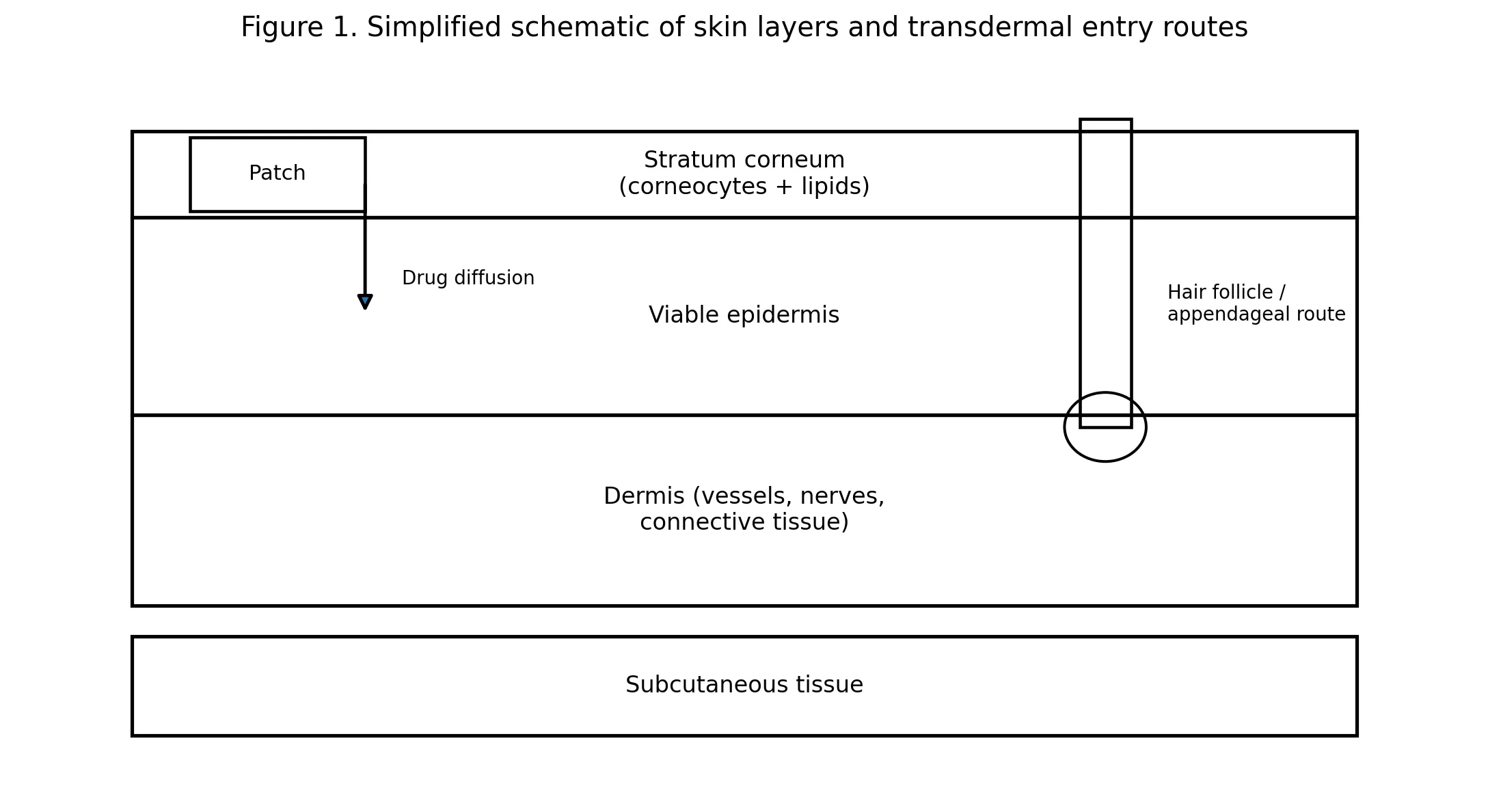
Figure 1: Original Schematic of Skin Layers and Representative Drug-Entry Routes. Diagram Is Illustrative and Not to Scale.
The skin is a complex membrane with variation of barrier properties due to thickness, hydration level, temperature, age, disease, inflammation, anatomical location, hair density and previous damage. Skin removed from the body will have no active physiological processes and may change during storage. Permeability of animal skin may not be quantitatively representative of human skin. Human skin should be used where possible due to its relevance to the test. Reconstructed epidermis, animal skin and synthetic membranes can be used depending on what you are trying to find out. [6][32][33]
3. Mechanisms of drug penetration
Passive permeation is often explained by Fickian diffusion. This gives a simple relationship between the flux (J), permeability coefficient (Kp) and concentration gradient across the membrane (ΔC). The Kp value is a function of diffusion and partitioning and therefore will vary depending on the membrane, vehicle, temperature and experimental conditions. The lag time to achieve steady state transport is indicative of diffusion across the barrier. This can be clinically significant when a fast onset is required [1,6,7].
Three routes are generally described. Transcellular transport occurs through the corneocytes and lipid domains. This requires multiple partitioning steps between differing chemical environments. Intercellular transport occurs through the tortuous lipid matrix between corneocytes and is seen to be the major pathway for many small molecules. Appendageal transport occurs through hair follicles and sweat ducts. It can be relevant for local targeting, particulate systems and early transport however the extent of this pathway will be specific to the molecule and formulation[3,6,18].
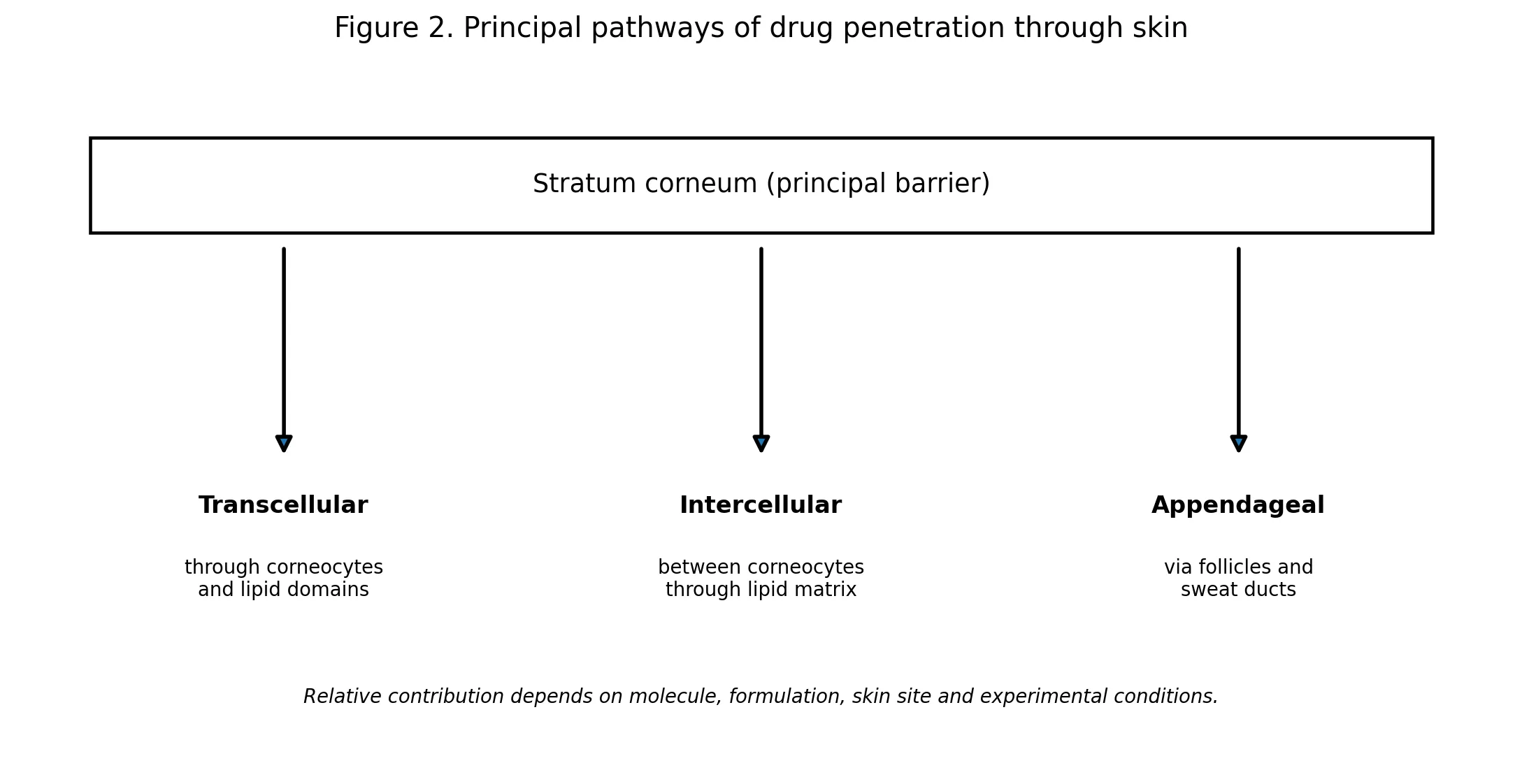
Figure 2: Original Schematic of Transcellular, Intercellular and Appendageal Transport Pathways.
Drug delivery is governed by coupled processes: release from the dosage form, partitioning into the SC, diffusion through skin, partitioning into viable tissue and clearance by dermal blood flow. A high drug concentration in a patch does not necessarily produce high flux if the drug is poorly released or poorly partitions into skin. Conversely, strong skin retention may support topical action while limiting systemic exposure. In vitro release testing (IVRT) isolates release from the formulation, whereas in vitro permeation testing (IVPT) using skin evaluates passage across a biological barrier; these tests should not be treated as equivalent [2,34,35].
4. Types of transdermal drug delivery systems
4.1 Reservoir systems
Reservoir patches contain drug in a liquid or semisolid compartment behind a rate-controlling membrane. They can support controlled delivery, but seals, membrane defects, leakage and local concentration gradients create potential failure modes. Reservoir design therefore requires careful control of compartment integrity, membrane performance and dose dumping risk. Product choice should be based on demonstrated performance and risk management rather than assuming that any architecture is inherently superior [2,4,36].
Reservoir type patches encapsulate the drug in a liquid or semisolid chamber behind a rate controlling membrane. This can provide controlled delivery; however, sealing of the patch, membrane damage, leakage and local concentration gradients can cause failure. Design of the reservoir system must be carefully controlled to ensure the chamber is secure, the membrane is performing and the risk of dose dumping is low. Product should be selected based on proven performance and risk, not simply because of the design [2,4,36].
4.2 Matrix systems
Matrix patches have the drug dissolved or dispersed within a polymer matrix which can contain plasticisers, stabilisers and permeation enhancers. Drug release is controlled by diffusion from the matrix, dissolution and partitioning into the skin. Although these can be easier to manufacture, the drug distribution, crystallisation, solvent residues must be controlled [2,4].
4.3 Drug-in-adhesive systems
Drug-in-adhesive (DIA) patches contain the active ingredient within a pressure sensitive adhesive. DIA patches can be single or multi-layered. Key properties include good adhesion and tackiness of the adhesive, compatibility of the drug with the polymer, cold flow, residue upon removal, crystallisation, peeling and good adhesion during movement or sweating. The adhesive must perform well without causing excessive irritation or sensitisation [2,4,36].
4.4 Advanced and hybrid systems
Microneedle arrays create temporary microchannels within the SC. Iontophoretic systems use a mild current to aid transport of charged molecules. Sonophoresis uses ultrasound. Electroporation uses brief electrical pulses to temporarily increase permeability. Vesicles and nanoparticles can affect partitioning, deposition and release of the drug. However, it should not be assumed that the carrier will pass through all layers of the skin intact. Hybrid systems use a combination of methods to overcome multiple rate limiting steps. This can increase complexity of the device and may increase variability and local irritation [3,9-17,25-27].
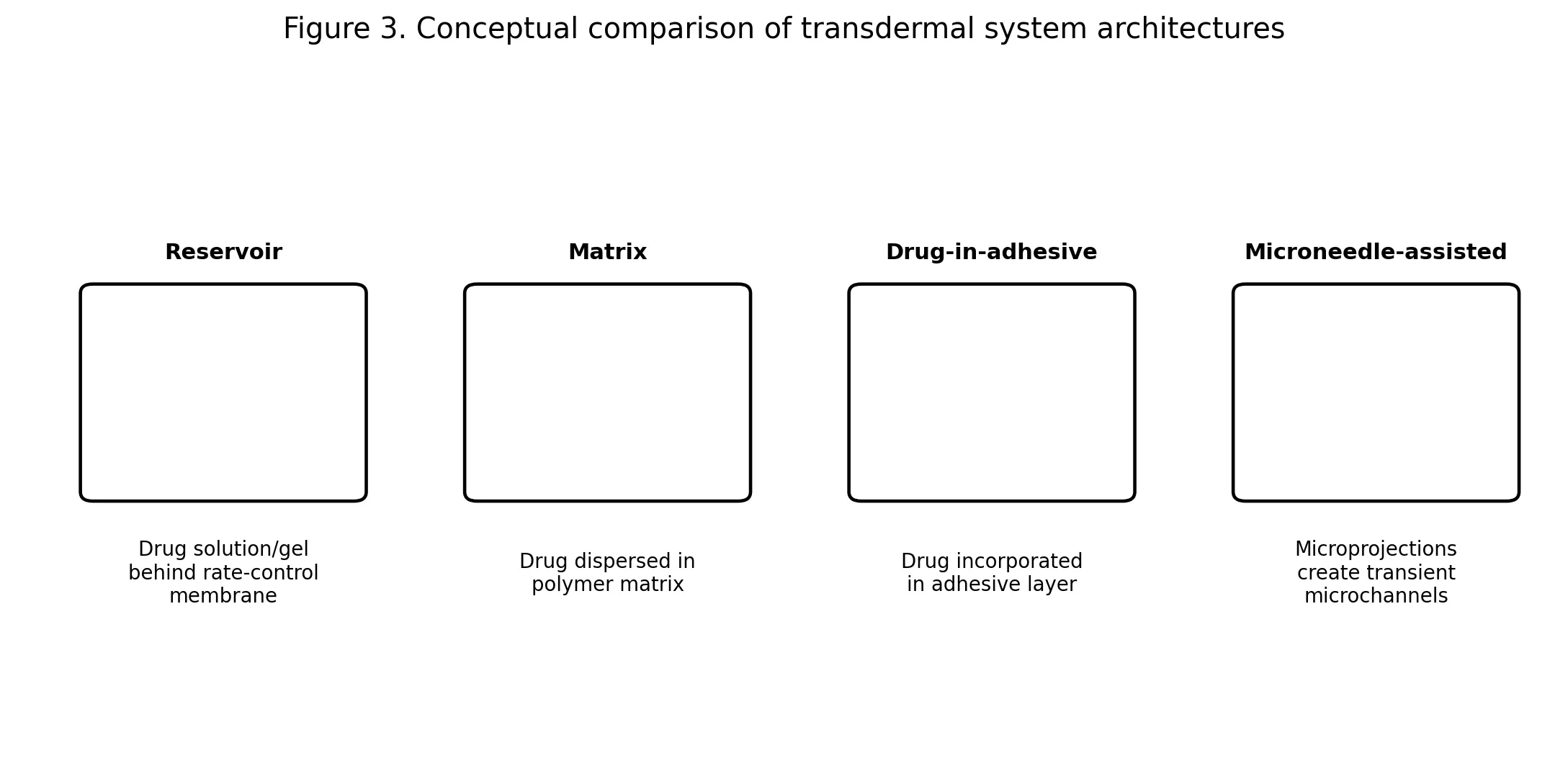
Figure 3: Original Conceptual Comparison of Common Patch Architectures and Microneedle-Assisted Delivery.
5. Components of transdermal formulations
Transdermal systems are drug formulation devices. The API needs to have sufficient potency, stability and permeability. The drug is dispersed and released using polymers or matrices. Pressure sensitive adhesives ensure contact with the skin surface. Backing layers protect the device. Release liners protect the adhesive during storage. Reservoir systems may contain a membrane and seals. Permeation enhancers, solvents, plasticizers, antioxidants and other excipients are chosen to provide optimum performance without causing undue irritation, sensitization, crystallisation or incompatibility [2,4,18].
It is important to consider drug loading. A patch can have a high drug content to ensure thermodynamic activity throughout wear. The amount delivered will depend on the area of the patch, drug release, skin permeability, length of wear and the amount of drug left. This means that content uniformity and assay cannot be used to ensure that an appropriate clinical dose is being delivered. It is important to ensure that the packaging is intact to prevent moisture, oxygen, light and inadvertent transfer [2,4,36].
6. Factors affecting skin permeation
Physicochemical properties are key parameters. Molecular weight, ionisation, lipid solubility, melting point, aqueous solubility and hydrogen bonding will determine partitioning and diffusion. The rule of thumb that ideal passive transdermal drugs are relatively low molecular weight (often less than or equal to 500Da), lipophilic and potent is a guideline. Ionisation and solubility of the drug will depend on the formulation and skin pH and can have a large effect on partitioning [1,6,7].
Formulation factors include vehicle, drug activity, saturation, enhancer concentration, polymer, crystallisation, water absorption and occlusion. Application factors include patch size, wear time, pressure, application preparation, skin hydration and temperature. Patient factors include age, skin disease, inflammation, perspiration, anatomical site and patient compliance. Delivery can be enhanced using external heat sources however the labelling for each specific product should be adhered to as some products may give clinically significant delivery. This is particularly important for potent drugs [2,4,36].
A good study should have controlled and reported parameters such as skin source, anatomical site, skin thickness, storage, skin quality, donor concentration, skin surface area, receptor medium, temperature, sampling time points, analytical method and mass balance. If human skin donors or more than one skin site is used then statistical models should be used to account for variation between donors [6,32-35].
7. Permeation enhancement strategies
7.1 Chemical enhancers
Chemical enhancers are chosen from a range of alcohols, fatty acids, terpenes, surfactants, pyrrolidones and other excipients. They can enhance the transport of SC lipids by melting or dissolving them, interacting with keratin, enhancing drug partitioning, increasing hydration or changing the thermodynamic activity of the drug. However, the same mechanism can result in irritation, barrier disruption or delayed recovery. Enhancers should be selected based upon dose response studies, irritation and sensitisation, whether the barrier disruption is reversible and compatibility with the drug and adhesive. [7,18,24].
7.2 Iontophoresis and electroporation
Iontophoresis uses low electrical currents to increase delivery of ionised molecules using electrorepulsion and electro-osmosis. The delivery is affected by current density, polarity, duration, formulation conductivity, counter ions and skin condition. Electroporation involves short high voltage pulses to cause transient permeability changes. This technique allows control over delivery, however electrical safety must be considered, electrodes must be reliable and the device must be validated. Discomfort, redness and potential tissue damage should also be considered [3,16,17,27].
7.3 Sonophoresis and thermal methods
Low frequency ultrasound can cause disruption or restructuring of the SC lipid barrier. The outcome will depend on the frequency, intensity, duty cycle, coupling media and exposure time. Local heating may increase diffusion. However, this will increase drug release and systemic exposure in an unpredictable manner. These methods should be used in conjunction with temperature monitoring, sham controls and assessment of barrier repair and skin damage [3,16,17].
7.4 Microneedles
Solid microneedles can be used as pre-treatment devices to improve skin penetration by the formulation. Coated microneedles contain a drug formulation on the surface. Dissolving microneedles are used to deliver a drug by dissolving the matrix. Hollow microneedles deliver a liquid drug formulation. Hydrogel forming microneedles swell after insertion to help link skin interstitial fluid to a reservoir. Variables include length, shape, insertion force, breakage resistance, homogeneity of drug, dissolution and waste. Evidence of insertion and drug delivery should be separated from evidence of clinical effectiveness [9-13,16,27].
7.5 Vesicles and nanocarriers
Liposomes, transfersomes, ethosomes, niosomes, nanoemulsions, solid lipid nanoparticles and nanostructured lipid carriers are examined to enhance solubilisation, skin deposition, stability and/or controlled release. The formulation of the carriers will impact on their function. This includes their size distribution, charge, deformability, encapsulation efficiency and drug leakage. A common mistake is to assume that fluorescently labelled carriers will be transported into the skin, however the label may detach and/or drug released prior to reaching the skin. The correct use of controls and analysis techniques [20-26,31].
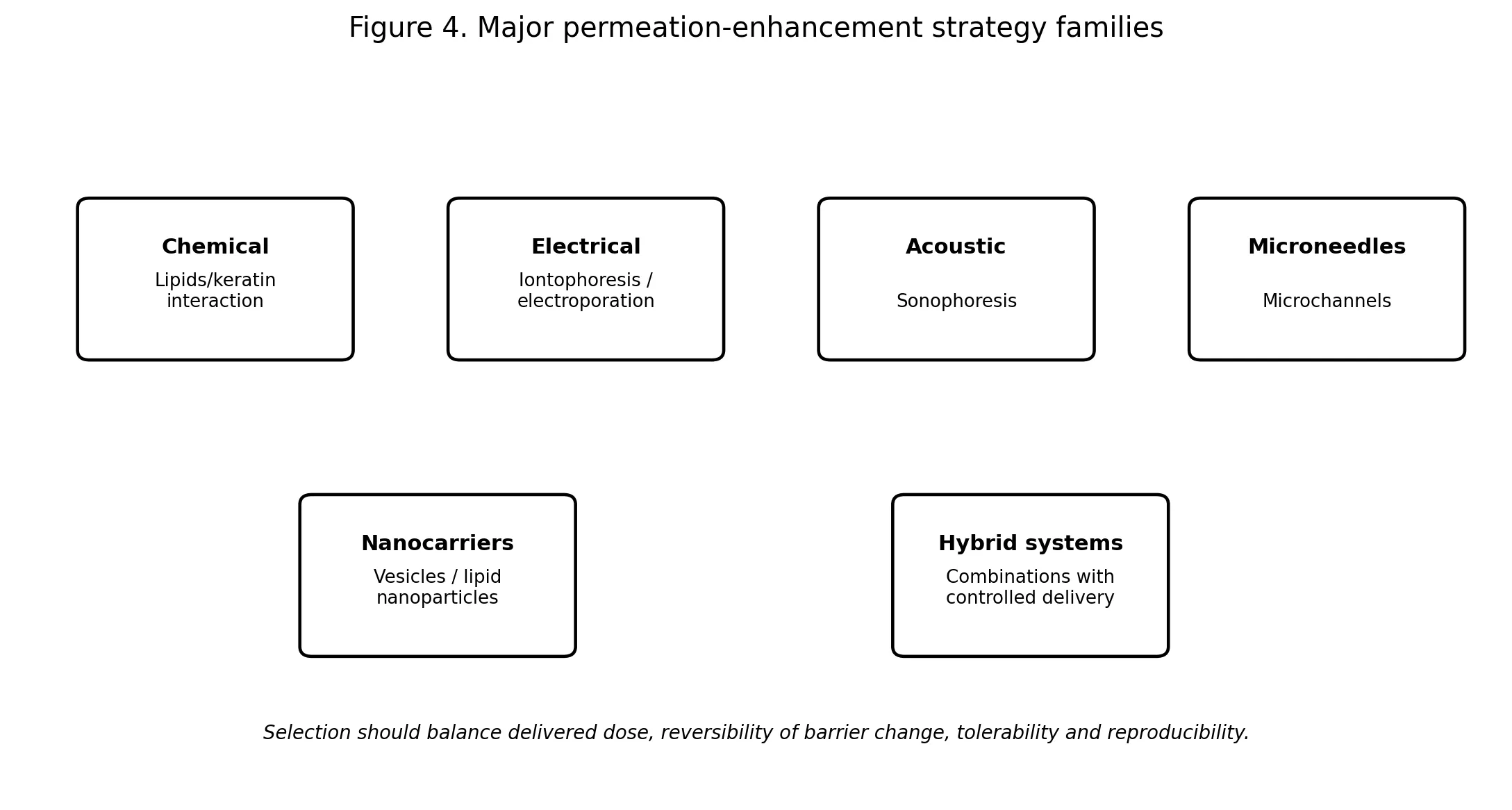
Figure 4: Original Overview of Major Permeation-Enhancement Strategy Families.
8. Recent advances
Recent innovations in drug delivery have focused on dissolving and hydrogel-forming microneedles for vaccine and macromolecule delivery, flexible wearables, electronic control, stimulus-responsive systems and chemical/electrical/mechanical enhancement. Lipid-based nanocarriers are being investigated for targeted delivery to the skin and systemic delivery. However, their performance in clinical applications will depend on the formulation and cannot be predicted based on particle characterisation [3,12,13,27,30,31].
Intelligent or stimulus responsive patches can be responsive to pH, temperature, enzymes, glucose or other physiological stimuli. They have the potential to provide an intelligent delivery system however, it is important to prove that the sensors are accurate, stable during calibration, safe to fail and provide consistent dosing. Stimulus responsiveness does not necessarily mean they are an intelligent therapy, the whole system needs to be considered to ensure it is intelligent [2,4,30].
Improvements in manufacture include precise coating, micro-moulding, additive manufacturing, continuous manufacture and inline monitoring. Microneedles need to have tight tolerances to ensure the correct geometry, insertion and fracture. Patches need to have a consistent coating to ensure consistent drying, solvent residues and lamination/cutting. When scaling up it is important to identify critical material attributes, critical process parameters and critical quality attributes early on. It is also important to ensure the performance is consistent between lots and over shelf life [2,4,12,13,36].
9. Formulation design and quality by design
The QbD approach should start with a quality target product profile that defines the intended indication, administration, dose, wear time, onset of action, patient group, ease of use and packaging. Risk assessment is used to identify critical quality attributes which can include appearance, size, assay, content uniformity, impurities, residual solvents, in vitro release, permeation enhancer content, adhesive performance, package integrity and stability. Design of experiment can be used to explore the interaction between drug loading, polymer ratio, enhancer concentration, coating weight and drying conditions. The design space should be backed up by data and validated at scale [2,4,36].
Compatibility studies should be undertaken to understand any drug-polymer interactions, crystallisation, moisture uptake, adhesive degradation and extractables/leachables. Stability protocols should be carried out to understand the chemical quality and functional performance of the product. A chemically stable patch may not perform as intended if there are issues with the adhesion, release or permeability. Risk based controls should be implemented to prevent dose dumping, unintentional transfer, remaining drug after use, thermal stress and child safety depending on the risk profile of the product [2,4,36].
10. Evaluation techniques
10.1 Physical and mechanical characterization
Appearance, size, thickness, weight variation, folding endurance (if applicable), tensile strength, elongation, tack, peel adhesion, shear adhesion, wear adhesion and residue upon removal are all typical tests. However, not all of these will be appropriate for your particular architecture. The panel chosen should be justified by product design and failure modes. Adhesion testing should mimic the duration of wear and take into consideration movement, humidity and anatomical location. It cannot be fully predicted from laboratory adhesive values [2,4,36].
10.2 Drug content, uniformity and stability
The assay and homogeneity of content will determine the amount of API and will ensure uniform distribution. Validated chromatographic techniques are often employed to quantify drug and degradants. Stability testing should include assessment of potency, impurity profile, appearance, crystallisation, adhesion, release, package integrity and relevant microbial properties. The amount of residual drug remaining in the used patch is important for dosing and safe disposal of the patch especially where the API is potent [2,4].
10.3 In vitro release and skin permeation
IVRT provides an estimate of drug release from the dosage form using an appropriate diffusion cell and synthetic or justified membrane. IVPT assesses permeation through excised skin using a Franz type vertical diffusion cell or validated diffusion cell. OECD Test Guideline 428 is widely accepted for in vitro skin absorption studies. This includes donor and receptor cell design, temperature control, time points and analysis. The receptor solution should ensure sink conditions are maintained without causing damage to the skin or affecting analyte recovery [34,35].
Useful data from these studies include cumulative permeated amount, steady state flux, lag time, permeability coefficient, skin retention and mass balance. Flux data should only be interpreted after confirming that linearity, variability between replicates, skin integrity and analyte recovery are acceptable. Synthetic membranes can be useful for release studies however they do not mimic the lipid barrier of human skin. Data from animal, reconstructed and human skin should be presented separately and limitations of the model acknowledged [6,32-35].
10.4 Skin integrity, imaging and in vivo assessment
Testing can be undertaken using methods measuring electrical resistance (impedance), transepidermal water loss and validated techniques. Raman spectroscopy, confocal microscopy and optical coherence technologies can provide information about distribution and barrier changes. However, interpretation depends on the specificity of the probe, depth of penetration and calibration. Image data should therefore be used alongside quantitative analysis of drug [6,32,33].
Pharmacokinetic profiles, local tolerability, adhesion, irritation, sensitisation, usability and adherence can also all be measured. Bioequivalence methodologies will vary depending on the type of generic product and relevant regulatory guidance. Therapeutic equivalence will not necessarily be achieved by a single lab based test. Initial feasibility studies should be undertaken for new delivery systems, followed by dose ranging, safety and appropriately controlled clinical studies [2,4,36].
Table 1: Evaluation Domains for Transdermal Systems; Tests Should Be Selected and Justified for the Product.
| Test domain | Examples of methods/outputs | What it can establish | Key caveat |
|---|---|---|---|
| Physical/mechanical | Thickness, mass, tensile properties, peel/tack/shear | Consistency and handling/adhesion attributes | Method must match the patch architecture and wear conditions |
| Chemical | Assay, content uniformity, impurities, residual solvents | Drug amount and chemical quality | Does not prove delivery across skin |
| In vitro release (IVRT) | Cumulative release vs time; release kinetics | Drug liberation from formulation | Synthetic membranes do not model the full skin barrier |
| Skin permeation (IVPT) | Franz cell; flux; lag time; skin retention; mass balance | Transport across excised skin under defined conditions | Donor/site variability and skin integrity can dominate results |
| Stability/package | Accelerated/long-term stability; seal and package integrity | Shelf-life support and protection from environment | Functional attributes (release/adhesion) should also be tracked |
| Clinical/in vivo | PK, local tolerability, adhesion, usability | Performance in intended users and use conditions | Study design must match product and regulatory pathway |
11. Therapeutic applications and marketed examples
Transdermal delivery is available for some small molecule drugs with a requirement for continuous delivery and low dose. This includes nicotine patches for smoking cessation, estradiol and other hormone, scopolamine for motion sickness, clonidine for hypertension, nitroglycerin for specific angina indications and specific analgesia/neurological drugs. Fentanyl patches are limited to specific severe chronic pain indications due to the risk of respiratory depression, thermal and accidental exposure being fatal. Products differ between countries and formulations. Check the current product literature [1,2,4,5].
Transdermal delivery can help avoid GI absorption and first pass metabolism, seen with hormone drugs. Patches can be used for analgesia; however potency, duration and thermal precautions are important. Nicotine patches allow controlled substitution therapy and can also be used alongside behavioral interventions. Scopolamine shows delivery for a specific short-term indication. This does not mean that all drugs in that class will be able to penetrate the skin, nor can they necessarily be used as a 1:1 mg alternative to an oral or injectable drug [1,2,4].
Investigational uses include vaccine, peptide, protein, local anti-inflammatory and metabolic disease. Microneedles are an appealing option for macromolecules as they can deliver into the SC without a traditional hypodermic needle. However, there are questions with regards to drug stability, consistent dosing, reliable insertion, sterility and clinical immunogenicity/efficacy that will depend on the product. In some instances, nanocarriers may be a more useful option for local delivery. The therapeutic target and required exposure should determine the platform [9-14,27,29-33].
Table 2: Representative Established and Investigational Application Areas. This Is Not a Prescribing Guide.
| Application / example | Why transdermal delivery may help | Important limitation / safety consideration |
|---|---|---|
| Smoking cessation: nicotine patch | Steady replacement exposure and convenient daily use | Dose schedule and behavioral support matter; skin reactions may occur |
| Hormone therapy: estradiol products | Avoids oral first-pass metabolism; sustained exposure | Dose and indication are product-specific; hormone-related risks remain |
| Motion sickness: scopolamine patch | Prolonged delivery for a defined use period | Anticholinergic effects and handling instructions must be considered |
| Pain: selected opioid or non-opioid patches | Sustained input may reduce dosing frequency | Potent opioid products require strict indication, heat precautions and safe disposal |
| Cardiovascular: selected nitroglycerin/clonidine products | Convenient sustained delivery in selected patients | Not interchangeable with other routes; tolerance or systemic effects may occur |
| Investigational vaccines/macromolecules | Microneedles can create access across the SC | Clinical effectiveness, payload stability, dose consistency and safety require proof |
12. Advantages and limitations
Potential advantages include: avoidance of gastrointestinal breakdown; avoidance of hepatic first pass metabolism; sustained release; less frequent dosing; ease of stopping some products by removal of the patch; and enhanced convenience for certain patients. Localised delivery to the skin and surrounding tissue can be achieved. This will depend on the formulation and drug. If there is drug remaining in the skin, absorption will not stop immediately. This means that the systemic effect may continue after removal of the patch [1,2,5].
Limitations include: The SC barrier; limited range of drugs suitable for passive delivery; potential irritation or sensitisation of the skin; poor adhesion; visible patches; drug remaining; variable absorption; limited dose; and complex manufacture. Drug delivery can be affected by heat, fever, occlusion, damaged skin and incorrect application. Newer methods can increase the range of suitable drugs but may cause pain, temporary disruption of the barrier, device failure, increased costs and training requirements. Consideration should be given to the overall clinical benefit, risk and ease of use rather than just the flux [2-4,9-18].
Table 3: High-level Comparison of Conventional Passive Patches and Advanced Delivery Platforms.
| Conventional passive patches | Advanced / assisted systems |
|---|---|
| Simpler use and mature manufacturing for established products | Can expand delivery to larger, charged or poorly permeating molecules |
| Depend on molecule potency, size, lipophilicity and skin partitioning | May require energy, applicator, microneedle insertion or specialized formulation |
| Usually low device burden; well-characterized product classes | Additional device, dose-control, sterility/bioburden and user-error risks |
| Skin irritation and adhesion remain relevant | Barrier disruption and device-specific local safety must be evaluated |
| Often easier to scale once formulation is established | Scale-up can be sensitive to microfabrication, coating, assembly and device variability |
13. Challenges and future perspectives
Reproducibility is an issue due to the biological variability of skin. Different skin sources, diffusion cells, receptor solutions, dosing, temperatures and analytical techniques are used in different labs. Improving standardisation and increasing transparency will increase comparability. Secondly, the model used will have limitations. Synthetic membranes can be used to assess drug release but cannot be used to assess permeation through human skin. Animal and reconstructed models have their own limitations which should be acknowledged [6,32-35].
Translation of the data can be an issue. A large increase in flux in ex vivo may not improve patient outcomes if there are issues with dosing, poor patient tolerance, instability of the drug or incorrect application by the patient. Microneedles and active devices should consider ease of use, reliable insertion, drug left in the device, failure modes and safe disposal at an early stage. Nanocarriers should have validated analytical techniques to support any mechanistic claims. Data should be available to show whether the nanocarriers are moving or drug is being released [3,4,9-18,20-33].
Product specific quality attributes need to be identified and there should be a good understanding of how formulation and device will translate into clinical performance. The FDA has guidance on the development and quality of transdermal and topical systems. OECD Test Guideline 428 provides a framework for in vitro skin absorption. Regulatory guidelines can change over time and can vary depending on the jurisdiction. Authors should ensure they are aware of the current requirements in their area. Do not present draft guidance as law [34-36].
14. Future research priorities
High priority areas include (i) models relevant to humans, with validated barriers and standardised methods; (ii) validated IVRT/IVPT with clear mass balance; (iii) safer enhancers with reversible actions; (iv) scalable microneedle production and dose verification; (v) clinical studies, including adhesion, patient acceptability and compliance; (vi) responsive systems with validated sensor actuator performance and safe failure modes; (vii) optimised formulations through data analysis with mechanistic understanding; (viii) life cycle analysis, cost and availability. Negative data should be included. Differentiate between proof of concept and clinical studies [2-4,12,13,27,30-36].
With nanocarriers, future work should demonstrate that the carrier, drug or both reach the desired compartment using orthogonal methods and controls. With microneedles, information on insertion efficiency, dose delivered, remaining drug, mechanical failure and barrier restoration should be reported. Smart patches should be validated under realistic conditions. This includes movement, sweat, temperature, power fluctuations and user factors. Technologies should be selected based on clinical need rather than novelty [9-13,20-33].
CONCLUSION
Transdermal delivery is an established route of administration for selected high potency drugs. This is an area of active research to develop new therapeutics for delivery. Drug properties and skin physiology, formulation, device design, administration and patient factors all impact on the performance of the drug product. Opportunities exist using microneedles, electro and acoustics, vesicles, lipid nanoparticles and stimuli responsive patches. However evidence is needed that these methods increase permeation, reliably deliver the required dose, are well tolerated, are scalable and have real clinical benefit. A robust development approach will include skin relevant models, validated analytical techniques, mass balance, adhesion and stability studies, quality by design and regulatory plans. The most credible advances will be those that address a clear clinical need whilst ensuring safe, ease of use and reliable delivery.
REFERENCES






Suyog Vishe, Sahil Shirose, Aditya Jamghare, Avadhoot Partole, Harshali Shelar, Monika Vinchu, Transdermal Drug Delivery Systems: Recent Advances, Evaluation Techniques, and Challenges – Review Paper, Int. J. of Pharm. Sci., 2026, Vol 4, Issue 11, 3466-3478. https://doi.org/10.5281/zenodo.24387446
 10.5281/zenodo.24387446