

We use cookies to ensure our website works properly and to personalise your experience. Cookies policy
Institute of Pharmacy, Nirma University, Ahmedabad, Gujarat, India.
Electronic cigarettes (e-cigarettes), also called vapes or Electronic Nicotine Delivery Systems (ENDS), were introduced as a less harmful alternative to combustible tobacco. Their wide range of flavours, discreet designs and aggressive marketing, however, have made them especially attractive to adolescents and young adults, raising concerns about nicotine addiction, respiratory and cardiovascular effects and exposure to toxic aerosol constituents. Governments have responded in very different ways: some treat e-cigarettes as consumer goods, others as tobacco products, medicines or medical devices, and a number of countries prohibit them altogether. This review examines the evolving regulatory landscape for e-cigarettes in the European Union, the United States, Australia, India and several other countries. It summarises the chemical constituents and health effects that motivate regulation, the working of the devices, the first marketing authorisation granted by the US Food and Drug Administration (FDA) as a case study, and the quality, safety, packaging, labelling, retail and advertising requirements imposed by each jurisdiction. Recent developments, including enforcement actions in 2024, the 2025 US Supreme Court ruling on flavoured products, Australia's pharmacy-only model and the UK ban on disposable vapes, are also discussed, together with nicotine replacement therapies as approved alternatives. The review highlights the absence of a unified global framework and the practical difficulty of enforcing prohibitions, and argues for a coordinated approach, similar to the WHO Framework Convention on Tobacco Control, that protects young people while preserving access to harm-reduction options for adult smokers.
Electronic Nicotine Delivery Systems (ENDS) are a rapidly evolving category of tobacco products that go by many names, including e-cigarettes, e-cigs, vapes, mods, pod systems and tank systems. [1] Some devices are designed to resemble conventional cigarettes, cigars or pipes, whereas others look like pens or USB flash drives, and larger tank systems or “mods” bear little resemblance to a cigarette at all. Devices may be disposable, meaning they are discarded after a single use, or reusable, in which case the battery is recharged and the e-liquid cartridge or tank is replaced or refilled (Figure 1).
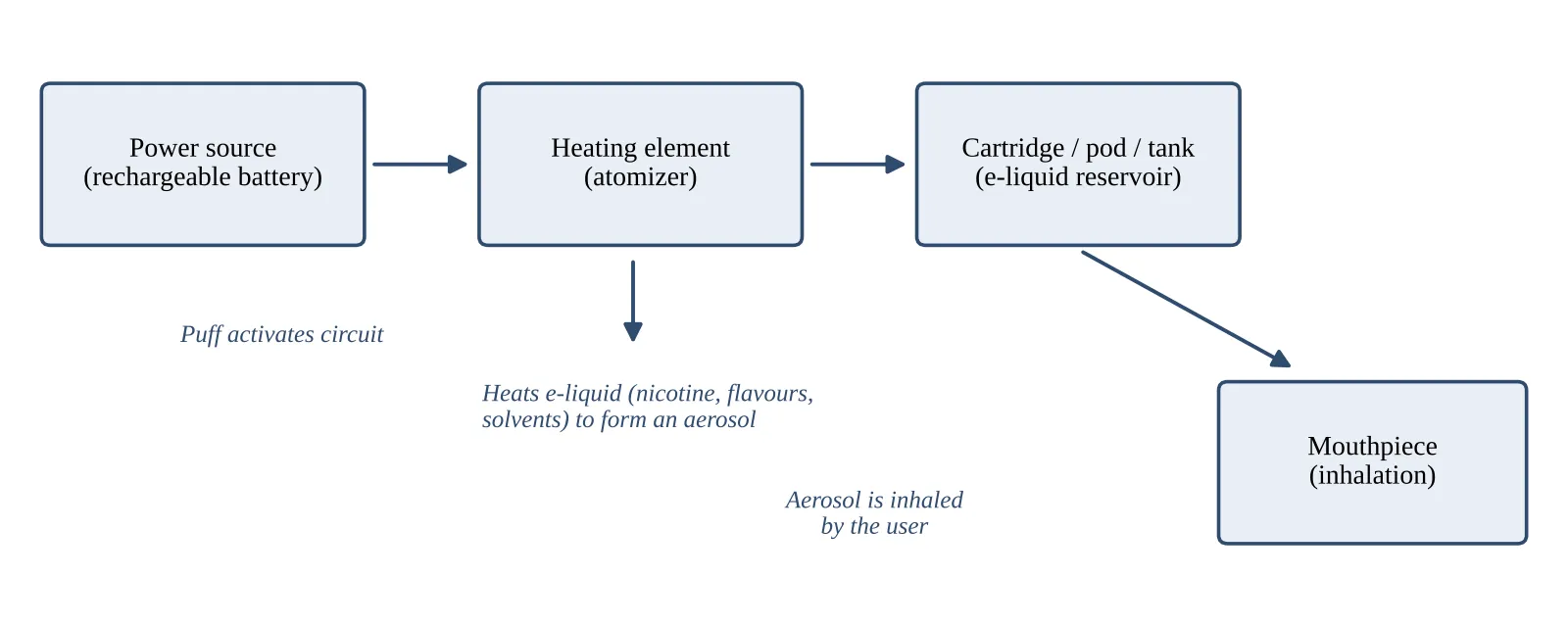
Figure 1: Main Components of an E-Cigarette and Their Sequence of Operation
Depending on the country, e-cigarettes have been regulated as consumer products, medical devices, medicinal products, tobacco products, poisons, or as e-cigarettes/ENDS in their own right. Regulation has covered manufacture, distribution, importation, sale, promotion, health warnings and related activities. [2,3] At the time of the source data for this review, about twenty-five countries had prohibited the sale of e-cigarettes, among them several members of the Association of Southeast Asian Nations (ASEAN). South-East Asia is of particular interest because it is home to roughly ten percent of the world’s smokers and because its countries, despite very different cultural and socio-economic backgrounds, have pursued notable collective tobacco-control efforts. The estimated distribution of vapers across the WHO regions in 2021 is shown in Figure 2.
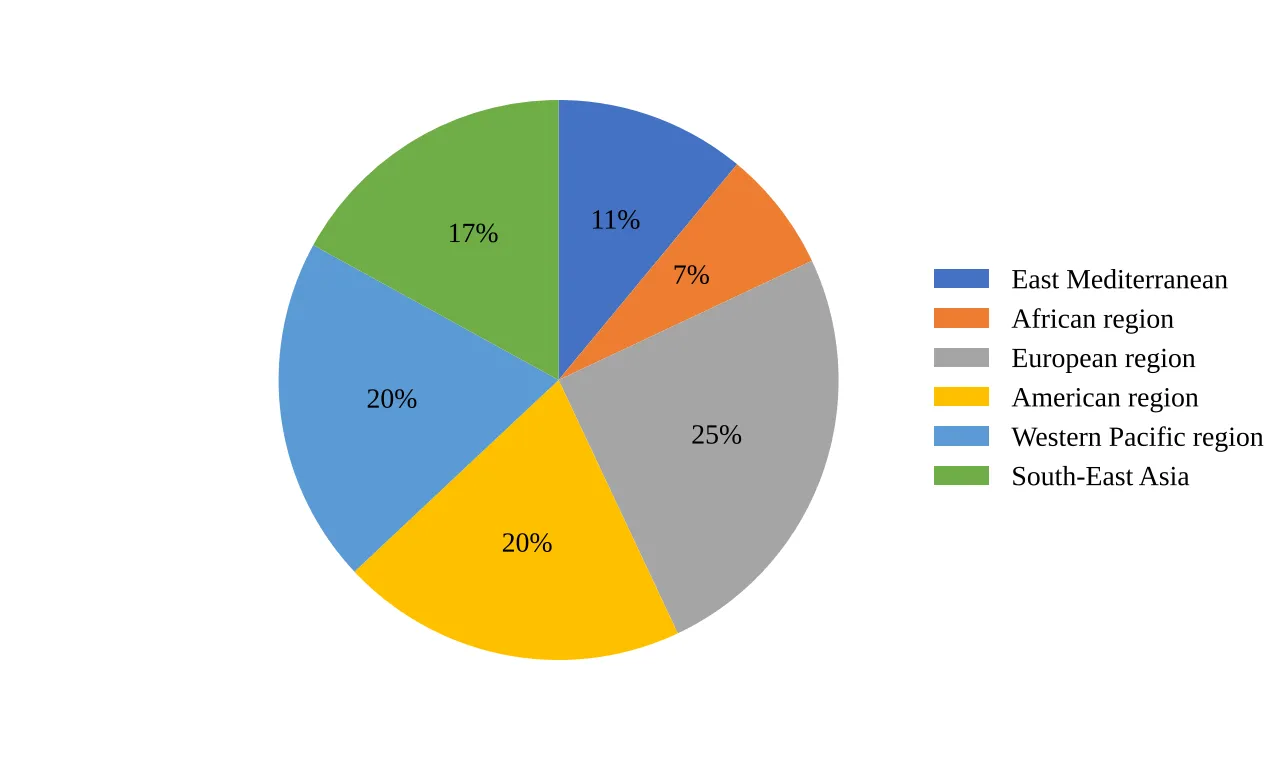
Figure 2: Estimated Distribution of Vapers Worldwide by Who Region in 2021 (Percentage of Global Vapers) [Estimation of the Global Number of Vapers: 82 Million Worldwide in 2021. Drugs, Habits and Social Policy. 2023;24 (2):91–103.]
Because e-cigarette use has risen faster than the evidence base on its long-term effects, regulators face a difficult balance: restricting products that appeal to young people while not closing off a potentially less harmful route for adult smokers who cannot otherwise quit. The aim of this review is to compare how major regulatory bodies – the European Union, the US FDA, Australia’s Therapeutic Goods Administration (TGA) and the Government of India, among others – have approached that balance, to identify the common elements and the gaps, and to outline the way forward.
Scope and methodology of the review
Information was collected from primary and secondary sources, including peer-reviewed journals, regulatory guidance and legislation, official websites of regulatory agencies (FDA, European Commission, TGA, Government of India) and reports of public-health organisations. Sources published up to 2026 were considered so that recent regulatory changes could be captured. The regulatory frameworks were then organised jurisdiction by jurisdiction and compared on product quality and safety, packaging and labelling, retail and youth-access controls, advertising and flavour restrictions.
VAPING: AN EFFECTIVE ALTERNATIVE TO SMOKING?
The e-cigarette was first patented in 2003 as a device to help smokers quit and to provide an alternative way of delivering nicotine. Since then, use has grown substantially, most markedly in North America. Over the same two decades, the proportion of Americans who smoke conventional cigarettes has continued to fall: in 1998, 25.9% of men and 22.1% of women aged 18 years or older smoked, compared with 16% of men and 12.3% of women in 2017. [2,3] It is not known from these data whether the decline is attributable to e-cigarettes or whether people who vape have actually stopped smoking.
E-cigarette vapour is generally considered a less toxic aerosol than tobacco smoke, yet it still contains nicotine, flavouring chemicals and metallic contaminants. [4,5] The FDA’s position when permitting certain products has been that adult smokers who switch completely would reduce their consumption of combustible cigarettes. Nevertheless, claims about cessation efficacy sit alongside the fact that the devices can themselves cause dependence: despite manufacturers’ statements that their products deliver less nicotine than cigarettes, the nicotine content is high enough to produce addiction and nicotine toxicity. [6] Because users no longer inhale cigarette smoke, nicotine-dependent individuals may experience the same, or even a worsened, dependence after switching.
Flavours play a central role in this debate. Studies of vaping patterns show that flavours influence both the appeal of the products and the pattern of use in adults and adolescents, [5,6] and surveys of European adolescents confirm that vaping has become widespread among young people.[7] These observations explain why flavour restrictions feature so prominently in the regulatory measures reviewed below.
CHEMICAL CONSTITUENTS AND HEALTH EFFECTS:
Studies have indicated that some e-cigarettes labelled as nicotine-free still contain small amounts of nicotine, and that heating the e-liquid generates additional hazardous compounds. [4,6] Because the content and emissions of e-cigarettes vary widely between products and operating conditions, their effects are not uniform. The main constituents of concern are listed in Table 1.
Table 1: Chemical Constituents of E-Cigarette Liquid and Aerosol and Their Significance
| Constituent | Significance |
|---|---|
| Nicotine | Highly addictive; impairs development of the adolescent brain. |
| Propylene glycol / glycerol | Solvents and humectants forming the base of most e-liquids; thermal degradation can produce irritant carbonyl compounds. |
| Carcinogens | Formaldehyde and acetaldehyde, known to cause cancer, can be generated when e-liquid is heated. |
| Acrolein | Irritant formed on heating; associated with airway and lung damage. |
| Diacetyl | Flavouring chemical linked to bronchiolitis obliterans (“popcorn lung”). |
| Diethylene glycol | Hazardous solvent found in antifreeze; connected to lung disease. |
| Heavy metals | Lead, tin and nickel may be released from the heating element and device components. |
| Cadmium | Toxic metal also present in conventional cigarettes; linked to illness and breathing problems. |
| Benzene | Volatile organic compound also found in vehicle exhaust. |
| Ultrafine particles | Can be inhaled deep into the lungs. |
The adverse effects reported by users are physical as well as behavioural and psychological (Figure 3). Biological effects include irritation of the eyes, mouth and airways, cough, increased airway resistance, increased heart rate and blood pressure, chest pain, gastrointestinal upset, skin reactions and muscle pain; device malfunction can additionally cause burns and wounds when a lithium battery fails. Behavioural and psychological effects include depression, anxiety, insomnia, restlessness, social isolation, poor concentration, irritability and headaches.
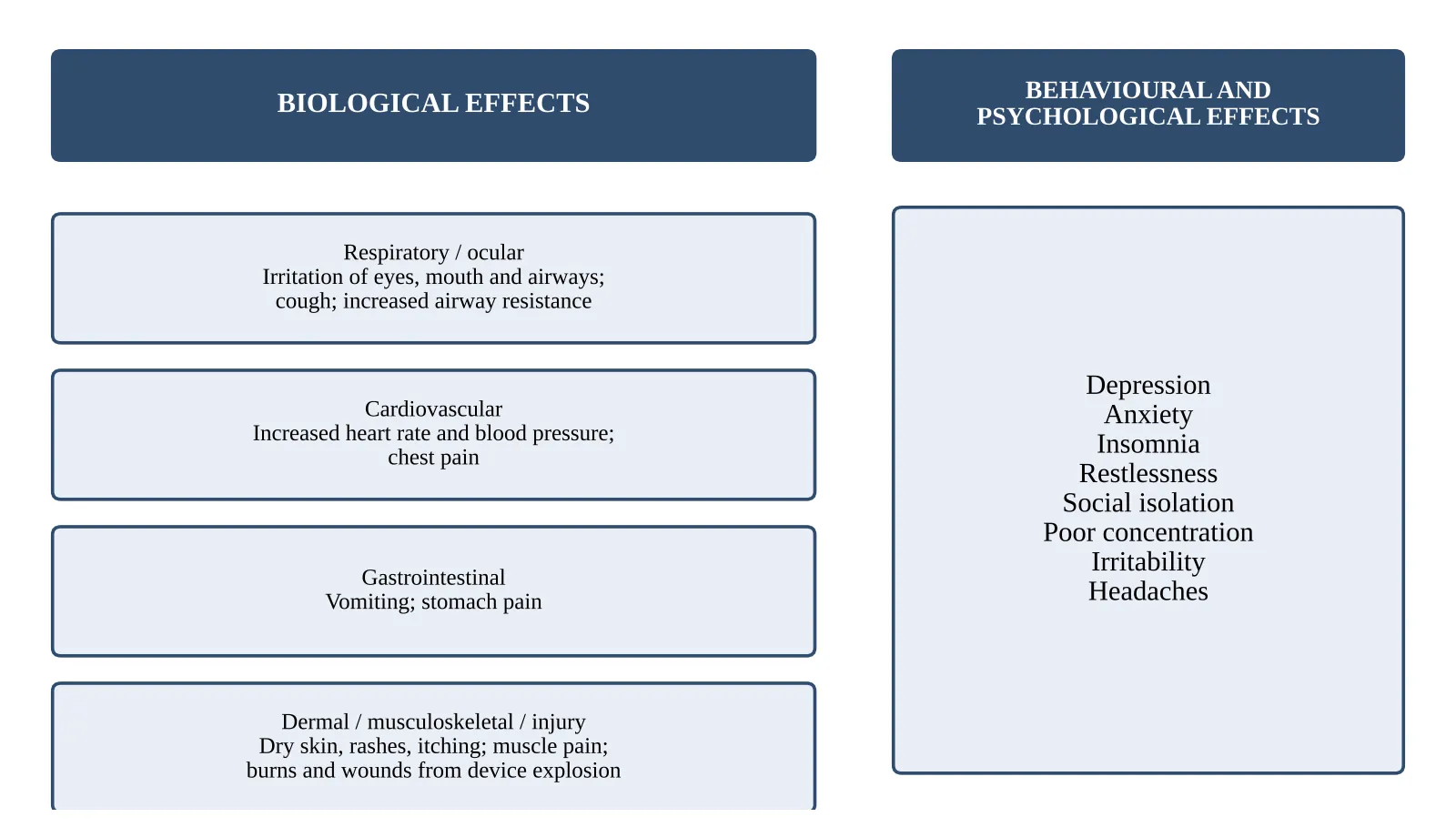
Figure 3: Reported Biological and Behavioural/Psychological Side Effects of Vaping
WORKING OF E-CIGARETTES:
E-cigarettes usually consist of four primary elements (Figure 1):
When the user takes a puff, the battery-powered heating element is activated and heats the e-liquid stored in the cartridge, turning it into an aerosol. The flavour and nicotine are then inhaled through the mouthpiece, without the combustion and smoke associated with conventional tobacco products. The lithium batteries that power these devices are themselves a regulatory concern because of fire and explosion risk, which is why battery safety standards form part of several regulatory frameworks discussed below. [8,9]
CASE STUDY: THE FDA’S FIRST E-CIGARETTE AUTHORISATION
On 12 October 2021 the FDA granted marketing authorisation for the first time to an e-cigarette product, the Vuse Solo device of R.J. Reynolds Vapor Company. [1,10] The decision rested on data in the manufacturer’s Premarket Tobacco Product Application (PMTA). These data showed that the tobacco-flavoured products could help current smokers reduce or stop smoking completely: participants using Vuse Solo were exposed to fewer harmful and potentially harmful constituents (HPHCs) than those who smoked conventional cigarettes, and a toxicology review found that the aerosol contained markedly lower levels of harmful substances.
The youth-use data were central to the FDA’s reasoning. In the 2021 National Youth Tobacco Survey (NYTS), almost 10% of high-school students who used e-cigarettes reported that Vuse was the brand they used most often. However, NYTS data also showed that young people are considerably more likely to use fruit-, candy- or mint-flavoured products than tobacco-flavoured ones, and that tobacco-flavoured ENDS are less likely to lead to onward use of combustible cigarettes. Because tobacco-flavoured products are less attractive to young people and more beneficial to adult smokers, the FDA concluded that authorising them was appropriate for the protection of public health.
The same reasoning was applied in reverse to menthol and other flavoured products. In October 2023 the FDA declined to authorise the company’s best-selling menthol products, pointing out that e-cigarettes must demonstrate a public-health benefit that outweighs the risks. Anti-smoking groups have continued to urge stricter regulation of the market. As of January 2024, the products authorised by the FDA belonged to three manufacturers (Table 2). [1]
Table 2: E-cigarette Products Authorised for Marketing by the Us FDA as of January 2024 (Tobacco- and Menthol-Flavoured Products Only; Abridged)
| Manufacturer | Authorised products |
|---|---|
| R.J. Reynolds Vapor Company | Vuse Solo Power Unit; Vuse Ciro Cartridge Original 1.5% and Power Units; Vuse Replacement Cartridge Original 4.8% (G1, G2); Vuse Vibe Tank Original 3.0% and Power Units |
| Logic Technology Development LLC | Logic Pro Capsule Tank Systems; Logic Power Tobacco e-Liquid Package; Logic Regular Cartridge/Capsule Package; Logic Power Rechargeable Kit; Logic Vapeleaf Cartridge/Capsule Package and Vapor System; Logic Pro Tobacco e-Liquid Package |
| NJOY LLC | NJOY ACE POD Classic Tobacco 2.4% and 5%; NJOY ACE POD Rich Tobacco 5%; NJOY DAILY Rich Tobacco 4.5%; NJOY DAILY EXTRA Rich Tobacco 6% |
REGULATORY FRAMEWORKS ACROSS JURISDICTIONS:
European Union: Tobacco Products Directive and the role of the EMA
Within the European Union (EU), e-cigarettes that are not presented as medicines are regulated mainly through the Tobacco Products Directive 2014/40/EU (TPD), with Article 20 dealing specifically with electronic cigarettes and refill containers.[11,12] The European Medicines Agency (EMA), a decentralised agency established in 1995 that evaluates and monitors medicines for the roughly 450 million people living in the EU and the European Economic Area (EEA), becomes relevant when a nicotine-containing product is presented with therapeutic claims, such as smoking cessation, and must therefore meet medicinal-product requirements for safety, efficacy and quality.
Criteria for quality and safety
Criteria for packaging and labelling
E-cigarette packages must carry a health warning stating that the product contains nicotine and is not recommended for non-smokers. They must list the ingredients and the nicotine content and include a leaflet describing instructions for use, contraindications, possible adverse effects, toxicity and addictiveness. Promotional elements on packaging are prohibited, and cross-border advertising and promotion of e-cigarettes is not permitted. [11,12]
Implementing legislation
In support of Article 20, the European Commission adopted two implementing acts and commissioned a study on e-cigarettes. Commission Implementing Decision (EU) 2015/2183 of 24 November 2015 established a common notification format for e-cigarettes and refill containers, simplifying the notification process for manufacturers and importers. Commission Implementing Decision (EU) 2016/586 of 14 April 2016 set out technical standards for the refill mechanism of electronic cigarettes, with the aim of improving user safety and reducing the risks of refilling. [11,13]
Wider product regulation
The Directive lays down rules for the manufacture, presentation and sale of tobacco and related products, including roll-your-own tobacco, pipe tobacco, e-cigarettes, smokeless tobacco, cigars, cigarillos and herbal smoking products. Specifically, it:
United States: Food and Drug Administration
The FDA is responsible for the safety, efficacy and security of human and veterinary drugs, biological products and medical devices, and also for the safety of food, cosmetics and radiation-emitting products. It additionally regulates the manufacture, marketing and retailing of tobacco products to protect public health and to prevent tobacco use among young people. [1] Although ENDS had been sold for some time, the FDA could not regulate them until August 2016, when the “Deeming Rule” came into force under the Family Smoking Prevention and Tobacco Control Act of 2009. The rule extended FDA authority to all ENDS, as well as to cigars, roll-your-own tobacco, hookah (waterpipe) tobacco, pipe tobacco, smokeless tobacco and nicotine gels. [1,3]
The FDA controls the manufacture, importation, labelling, packaging, sale, distribution, advertising and promotion of ENDS and their components, including e-liquids, flavourings, cartridges, atomizers, tank systems, mouthpieces, vials, programmable software, digital displays and certain batteries. ENDS accessories such as vape cases and chains are not regulated. The federal minimum age to purchase any tobacco product, including ENDS, is 21 years; this law came into force on 20 December 2019 and applies to all stores and retailers without exception.
The Real Cost campaign
The Real Cost is an FDA public-education campaign that aims to prevent young people from starting, and to reduce continued use of, tobacco products. Using marketing and advertising strategies delivered through teen-relevant channels, and developed on the basis of extensive research, the campaign raises awareness of the health dangers of smoking and vaping.
Requirements for manufacturers
The FDA’s Center for Drug Evaluation and Research (CDER) supervises products marketed for therapeutic purposes or to help people quit smoking, and the agency has issued a rule explaining which products are classified as drugs, devices or tobacco products. To comply with FDA tobacco regulations, manufacturers must:
Under the Food, Drug, and Cosmetic Act (FDCA), domestic manufacturers, importers and distributors must report harmful ingredients through the FDA web portal, with submission due six months before the final guidance’s estimated publication date (nine months for small manufacturers).[3] Warning plans are submitted electronically and must use the prescribed statements and formatting (font, size, placement); examples include “WARNING: This product may cause mouth cancer”, “WARNING: This product is not a safe alternative to cigarettes” and “WARNING: Tooth loss and gum disease may result from using this product”.
Requirements for retailers
A voluntary education programme, “This is Our Watch”, provides tobacco retailers with tools to understand and comply with FDA regulations. [15] The main rules for the sale of ENDS are:
Child Nicotine Poisoning Prevention Act and product-safety standards
Because of the toxicity of nicotine, the Child Nicotine Poisoning Prevention Act, enforced by the Consumer Product Safety Commission (CPSC), requires liquid nicotine containers to carry child-resistant packaging and appropriate cautions, in order to prevent accidental poisoning. The Act applies only to liquid nicotine containers and not to other tobacco products or to e-cigarette devices. [16]
Lithium-battery safety is addressed through several standards. Underwriters Laboratories (UL) developed UL 8139, a voluntary standard covering the battery, charging, heating and electrical systems of e-cigarettes, including mechanical stress, environmental resilience, accidental activation, battery-management-system evaluation and compatibility with interconnected systems; it does not cover e-liquid. [9] Other requirements that may apply to imported devices are summarised below. [8,17]
State-level regulation
In addition to federal law, individual US states regulate packaging, retail licensing and places of use, which creates a patchwork of requirements (Table 3). [15] Retail licensing, in particular, has been studied as a policy tool for limiting adolescent use.[16]
Table 3: Examples of State-Level E-Cigarette Regulations in the United States (Federal Minimum Sales Age Is 21 Irrespective of State Law)
| State | Product packaging | Retail licence required | Use / smoke-free restrictions |
|---|---|---|---|
| California | Cartridges and refill solutions must be in child-proof packaging | Yes | Illegal wherever smoking is prohibited, including workplaces, family day-care institutions and foster and group homes |
| New York | Liquid nicotine must be sold in a child-resistant bottle | No | Use restricted in a manner similar to smoking |
| New Jersey | Liquid nicotine must be sold in child-resistant packaging | No | E-cigarettes included in the definition of “smoking”; prohibited in indoor public places, businesses and schools |
| Florida | Not specified | No | Use of nicotine-dispensing devices restricted in specified locations such as certain courthouse areas |
| Texas | Liquid nicotine sold as an accessory must be in a prefilled, sealed child-resistant container | No | Restricted in hospitals, schools, elevators, libraries, museums and on some buses, airplanes and trains |
State laws change frequently; the table should be checked against current state statutes before submission.
Australia: Therapeutic Goods Administration
The Therapeutic Goods Administration (TGA), within the Department of Health, regulates therapeutic goods in Australia, overseeing manufacture, supply, import, export and the lifecycle of medicines and devices to ensure safety, efficacy and quality. [18] For nicotine vaping products, the principal instrument at the time of the project was the Therapeutic Goods (Standard for Nicotine Vaping Products) (TGO 110) Order 2021, made under section 10 of the Therapeutic Goods Act 1989. Nicotine vaping products are not registered on the Australian Register of Therapeutic Goods (ARTG), but TGO 110 sets minimum standards for quality and safety for unregistered products that are supplied, imported or exported. Its objectives are to give consumers and health professionals accurate information about what they inhale and to reduce the risk of accidental exposure, especially in children.
Scope of TGO 110
TGO 110 applies to unregistered nicotine vaping products supplied in Australia, including products obtained through the Special Access Scheme (SAS) or the Authorised Prescriber Scheme (APS), extemporaneously compounded products and products supplied in clinical trials. It does not apply to products that may in future be registered on the ARTG, to products brought in by travellers under the Traveller’s Exemption or by visiting medical teams, to non-prescription nicotine replacement therapies (patches, gum, lozenges, mouth spray and inhalators), to other unapproved nicotine products such as snuff, chewing tobacco and heat-not-burn products, or to non-nicotine vaping products such as flavour refills.
Personal Importation Scheme
Under the Personal Importation Scheme, a person with a valid prescription (obtained through the APS or SAS) could import unregistered nicotine vaping products for themselves or immediate family, up to three months’ supply, in line with Item 1 of Schedule 5 to the Therapeutic Goods Regulations 1990. Products imported in this way were exempt from TGO 110 packaging, labelling and record-keeping requirements.
Labelling and ingredients
Unregistered nicotine vaping products had to carry a label with an ingredient list (active ingredient, an indication of flavour and all excipients), the nicotine concentration in mg/mL (for both nicotine base and nicotine salt products) and warning statements such as “Keep out of reach of children”, “Avoid contact with eyes” and “Avoid contact with skin”.[18] The Order also prohibited several substances because of the risks of inhalation (Table 4), and products holding an FDA PMTA marketing order were exempt from the ingredient requirements.
Table 4: Ingredients Prohibited in Unregistered Nicotine Vaping Products Under TGO 110
| Prohibited ingredient | Prohibited ingredient |
|---|---|
| Acetoin | Cinnamaldehyde |
| Benzaldehyde | Ethylene glycol |
| Diethylene glycol | Vitamin E acetate |
| Diacetyl | Pentane-2,3-dione |
Reforms of 2024
Australia has since moved to a stricter, medicine-style model. The Therapeutic Goods and Other Legislation Amendment (Vaping Reforms) Act 2024 commenced on 1 July 2024, after the importation of disposable vapes was banned from 1 January 2024. From 1 July 2024, all vapes and vaping products, whether or not they contain nicotine, may be sold only through pharmacies for smoking cessation or management of nicotine dependence, and sale by tobacconists, vape shops and convenience stores is illegal. From 1 October 2024, adults aged 18 and over may buy therapeutic vapes containing up to 20 mg/mL of nicotine from a pharmacy without a prescription after speaking with the pharmacist, subject to state and territory law; younger people still require a prescription. Strengthened product standards covering devices, ingredients, packaging and labelling were published in October 2024 and implemented in stages during 2025. [19,20]
India: Prohibition of Electronic Cigarettes Act, 2019
India chose prohibition. The Prohibition of Electronic Cigarettes (Production, Manufacture, Import, Export, Transport, Sale, Distribution, Storage and Advertisement) Act, 2019 received Presidential assent on 5 December 2019 and is deemed to have taken effect on 18 September 2019, the date of the preceding ordinance.[21] Its stated purpose is to protect public health and prevent harm to individuals, particularly young people, by prohibiting the production, manufacture, import, export, transport, sale, distribution, storage and advertisement of electronic cigarettes.
A first violation of Section 4 (production, manufacture, import, export, transport, sale, distribution or advertisement) is punishable with imprisonment of up to one year, a fine of up to one lakh rupees, or both; a second or subsequent offence attracts imprisonment of up to three years and a fine of up to five lakh rupees. Storage of e-cigarettes (Section 5) is punishable with imprisonment of up to six months, a fine of up to fifty thousand rupees, or both.[21] Where a company commits an offence, every person in charge of and responsible for the conduct of its business at the time is deemed guilty, unless he or she proves that the offence was committed without his or her knowledge or that all due diligence was exercised to prevent it; directors, managers, secretaries or other officers are likewise liable where the offence is shown to have been committed with their consent, connivance or neglect.
Although the Act is comprehensive on paper, enforcement is challenging. Porous supply chains and online sales have sustained a grey market, which illustrates the central difficulty of prohibition-based models.
Other countries
Many other countries have introduced restrictions on one or more aspects of e-cigarette use, including China, Bhutan, Israel, Greece, South Korea and Jordan, among others. [2,3] A comparison of selected countries is given in Table 5.
Table 5: Overview of E-Cigarette Regulation in Selected Countries
| Country | Product packaging | Youth access | Retail licence | Smoke-free restrictions | Advertising restriction | Flavour restriction |
|---|---|---|---|---|---|---|
| Bhutan | No | No | Yes | Most indoor and outdoor public and transport places; places where smoking is prohibited | Yes | No |
| China | Health warnings must cover 35% of front and back, rotated annually | No sale to persons under 18 | No | Restricted where children are present (kindergartens, schools) | Yes | Restrictions on certain flavours |
| Jordan | Warning on 30% of front and back | Restricted under 18 | No | Restricted in many places, without comprehensive rules | Yes | No |
| USA | Child-resistant cartridges and refill solutions | Restricted under 21 | Yes | Use restricted where smoking is prohibited; prohibited in schools | No | Enforcement priority against flavoured cartridge-based products other than tobacco and menthol |
| Canada | Prohibits packaging with nicotine concentration above 20 mg/mL | No sale under 18 | Yes | Banned indoors and in workplaces | Yes | Most flavours (including mint, menthol and sweeteners) prohibited |
ALTERNATIVES TO E-CIGARETTES:
As the negative effects of e-cigarettes became better recognised, nicotine replacement therapies (NRTs) were developed and approved as medicinal alternatives. NRTs work by delivering controlled, declining amounts of nicotine, thereby reducing withdrawal symptoms and the adverse effects associated with smoking and vaping. Several FDA-approved NRTs are listed in Table 6. [1]
Table 6: FDA-approved Nicotine Replacement Therapies
| Alternative | Mode of action |
|---|---|
| Nicotine nasal spray | Nicotine is absorbed through the nasal route and helps with sudden cravings. |
| Nicotine inhaler | Rapid onset of action. |
| Nicotine patch | Small amounts of nicotine are released steadily into the bloodstream, reducing withdrawal symptoms. |
| Nicotine gum | Oral dosage form that releases nicotine in small amounts through the lining of the mouth and reduces withdrawal symptoms. |
| Nicotine lozenges | Rapid delivery of nicotine into the oral mucosa. |
RECENT DEVELOPMENTS:
Regulation is changing quickly, and recent events show how the principles described above are being applied in practice (Figure 4).
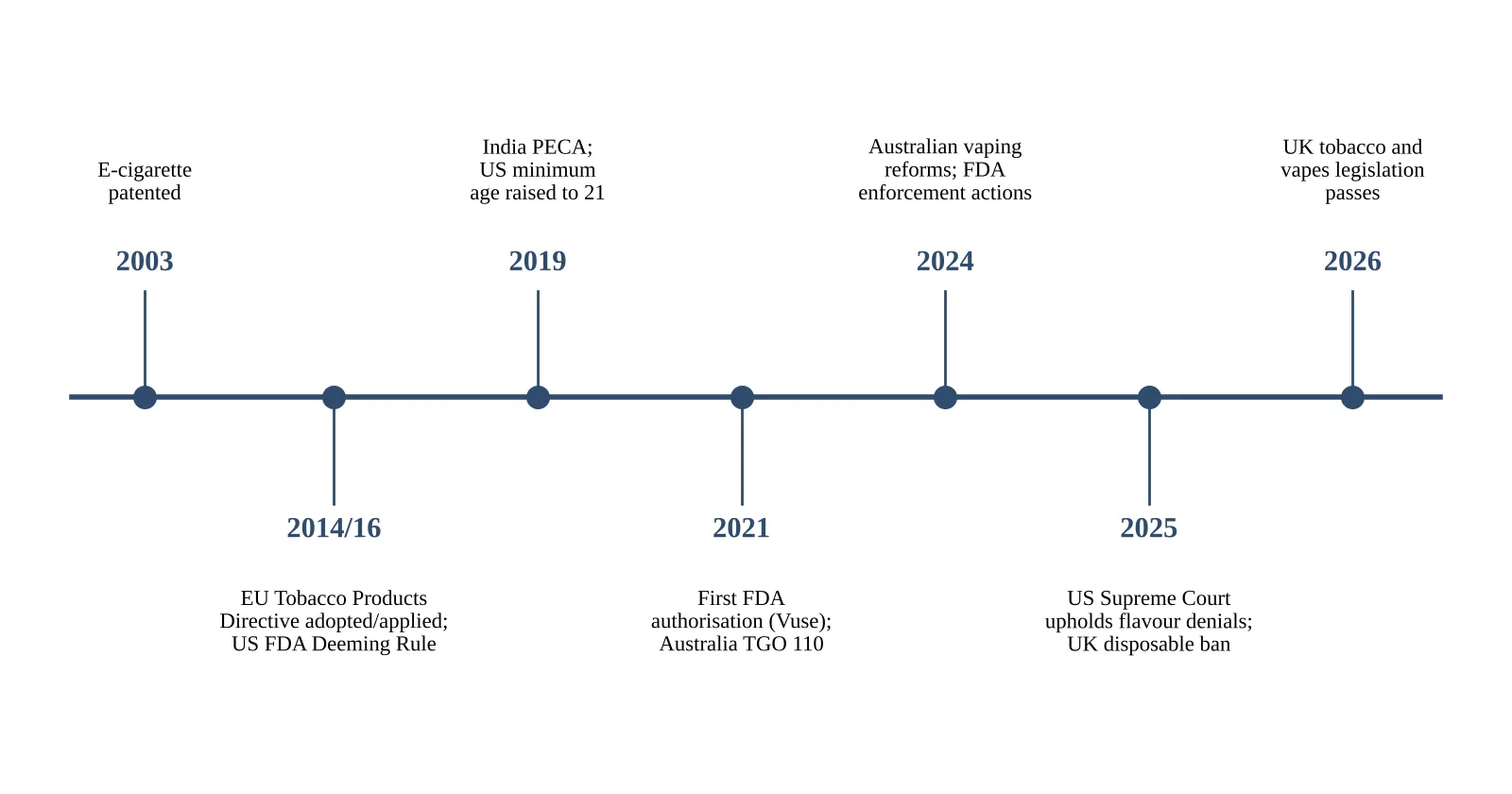
Figure 4: Timeline of Selected Milestones in E-Cigarette Regulation
Enforcement in the United States
On 26 February 2024 the FDA fined 20 retailers for selling unauthorised Elf Bar e-cigarettes, a brand popular with young people, after they failed to follow the instructions in earlier warning letters; the penalty was $20,678 per violation per retailer. On 28 February 2024 the FDA issued warning letters to five online retailers selling unauthorised e-cigarettes.[1] In April 2025 the US Supreme Court, in a unanimous decision, upheld the FDA’s denial of marketing authorisation for certain flavoured e-liquids, finding that the agency had not unlawfully changed its position on the evidence required, and the Court separately held that retailers may challenge FDA decisions as “adversely affected” persons.[22,23] As of January 2025, the FDA had authorised 30 tobacco-flavoured and 4 menthol-flavoured e-cigarette products and no sweet-flavoured products.[23]
United Kingdom
The UK banned the sale and supply of single-use (disposable) vapes from 1 June 2025, on environmental and youth-protection grounds, while reusable refillable devices remain legal.[24] Survey data published in May 2026 indicate that the share of 11–17-year-old vapers who mainly use disposable products fell from 42% in 2025 to 13% in 2026.[25] The Tobacco and Vapes legislation, which also creates a generational tobacco sales ban and new controls on vape retailing, completed its passage through Parliament in 2026, and a Vaping Products Duty was scheduled to apply from 1 October 2026.
Australia
As described above, Australia replaced its prescription-based model with pharmacy-only supply in 2024, accompanied by plain pharmaceutical-style packaging, nicotine caps and mandatory age verification. [19,20]
DISCUSSION:
Comparison of the frameworks shows a consistent set of regulatory building blocks – age limits, packaging and warning requirements, ingredient and nicotine limits, advertising bans and retail controls – but very different overall philosophies. The EU treats e-cigarettes as consumer tobacco-related products under harmonised quality, safety and labelling rules while leaving Member States room for additional measures. The United States relies on premarket review: a product can be sold only if the FDA finds it appropriate for the protection of public health, which in practice has meant authorising tobacco-flavoured and, to a limited extent, menthol-flavoured products while denying sweet flavours, with a further layer of state-level variation. Australia has moved from a prescription-only model to pharmacy-only supply and treats vapes essentially as therapeutic goods. India prohibits e-cigarettes outright. The result, summarised in Table 7, is an inconsistent global environment in which a product that is lawful in one market may be contraband in the next.
Table 7: Comparative Summary of Regulatory Approaches
| Jurisdiction | Regulatory approach | Key instruments | Notable features |
|---|---|---|---|
| European Union | Regulated as tobacco-related products (medicines if therapeutic claims) | Directive 2014/40/EU; Implementing Decisions 2015/2183 and 2016/586 | Nicotine limit 20 mg/mL; tank/cartridge limit 2 mL; child-resistant, tamper-evident; advertising ban |
| United States | Premarket authorisation as tobacco products | Tobacco Control Act 2009; Deeming Rule 2016; PMTA/MRTP pathways; Tobacco 21 | Only tobacco- and menthol-flavoured products authorised; state-level variation |
| Australia | Therapeutic goods, pharmacy-only supply | TGO 110 (2021); Vaping Reforms Act 2024 | Retail sale prohibited; nicotine cap 20 mg/mL for non-prescription supply; disposables banned |
| India | Prohibition | PECA 2019 | Imprisonment and fines for production, sale, import and storage; enforcement challenges |
| United Kingdom | Regulated consumer products with new restrictions | TRPR 2016; disposable vape ban 2025; Tobacco and Vapes legislation 2026 | Single-use vapes banned; vaping duty from October 2026 |
Challenges and way forward
Three challenges stand out. First, enforcement: prohibition on paper has not prevented illicit sales and online trade in countries such as India, and the proliferation of unauthorised disposable products in the United States has required repeated enforcement actions. Second, evidence: the long-term health effects of vaping, and its true effectiveness as a cessation tool, remain incompletely understood, so regulators must act under uncertainty. Third, balance: rules strict enough to prevent youth initiation must still leave a route to less harmful alternatives for adult smokers who cannot quit.
The inconsistency between national approaches points to the need for a globally coordinated effort led by an organisation such as the World Health Organization, similar to the Framework Convention on Tobacco Control (FCTC). Such an initiative could tackle illegal sales and imports, standardise product requirements, and prioritise education of young people. Technological measures such as metered vapes that monitor consumption and support gradual reduction show promise for harm-reduction use, and taxation can both discourage excessive consumption and generate revenue for public-health programmes. Any regulatory structure should be proportionate, evidence-based and regularly reviewed as new information appears.
CONCLUSION:
The regulatory landscape for vaping products shows marked regional variation and the absence of a unified global structure. The European Union enforces harmonised rules across its Member States, the United States combines federal premarket review with fragmented state laws, Australia has adopted a pharmacy-only therapeutic model, and India has prohibited e-cigarettes, although enforcement is difficult and online and informal sales persist. These inconsistencies underline the need for a comprehensive worldwide effort, led by an organisation such as the WHO, that standardises regulation, addresses illegal trade, and prioritises youth education, while safeguarding access to harm-reduction options for smokers seeking to quit. Taxation and innovative technologies, such as metered vapes, may further support public-health objectives. In short, the complex issues surrounding vaping regulation can be addressed only through a globally coordinated strategy that accounts for regulation, taxation and technological developments in the sector, with a clear focus on public health, protection of young people and access to harm-reduction resources.
REFERENCES


Krima Patel, Rucha Jani, Shreya Rathod, Shwet Patel, Vishva Dhotre, Misari Patel, Regulatory Landscape of E-Cigarettes Across the World: A Review, Int. J. of Pharm. Sci., 2026, Vol 4, Issue 11, 3521-3534. https://doi.org/10.5281/zenodo.24393443
 10.5281/zenodo.24393443