

We use cookies to ensure our website works properly and to personalise your experience. Cookies policy
Lokmanya Tilak Institute of Pharmacy, Navi Mumbai, Maharashtra, India.
Film-forming systems (FFS), including sprays, solutions and gels, are topical and transdermal drug delivery platforms that leave a thin polymeric film on the skin after the solvent evaporates. This film can improve skin contact, resist loss from washing, rubbing and clothing, and support localized or sustained drug delivery. These systems also offer easy, non-contact application and good patient acceptability. This review covers the classification of film-forming systems, the mechanism of film formation and drug delivery, and the main formulation components: polymers, solvents, plasticizers, permeation enhancers and functional excipients. It then describes the evaluation methods, including drug content uniformity, drying time, film integrity, flexibility, adhesion, tackiness, thickness, mechanical properties, water vapour transmission, in vitro drug release, skin permeation and skin retention. Therapeutic applications in local dermatology, antibacterial and antifungal treatment, anti-inflammatory therapy, pain management, wound and injury care, and transdermal delivery are discussed, along with the advantages and limitations of film-forming sprays. The review also covers safety, stability, packaging compatibility, dose consistency, and regulatory and market status. Challenges include drug crystallization, solvent-related skin irritation, large-scale manufacturing and the lack of standardized evaluation protocols. Future directions include stimuli-responsive polymers and personalized systems. Overall, film-forming sprays are promising topical delivery systems, but their performance depends on formulation design and must be confirmed by evaluating both the formed film and the drug delivery, supported by clinical evidence.
The skin is a critical pathway for the dermal or transdermal transfer of pharmaceutically active compounds. Film-forming polymeric solutions are a unique method in this field that could offer an alternative to traditional skin dosing forms such as ointments, lotions, gels, and patches. The polymeric solution is applied as a liquid to the skin, where it evaporates to form a virtually undetectable film. Film-forming polymeric solutions are well-known in the fields of surgery, wound treatment, and skin protection.
Film-forming polymeric solutions have been widely employed in medical applications, such as tissue adhesives for surgical wound closure, disinfectants for skin preparation prior to surgery, and protective films for minor cuts, abrasions, and peristomal skin. These systems can also be outfitted with antibacterial chemicals to give extra protection. However, their use as carriers for topical medication delivery has gotten relatively little consideration.
Previous research looked on film-forming solutions for testosterone delivery containing polyvinylpyrrolidone and polyvinyl alcohol dissolved in isopropanol. However, these investigations were primarily concerned with drug absorption and did not give a thorough assessment of film characteristics or a comparison of a wide range of film-forming polymers. Other reported systems have included transdermal gels and creams, with experiments primarily focused on medication delivery or therapeutic efficacy [1].
A score system was created to evaluate the formulations using five criteria: viscosity, drying time, residual surface stickiness, cosmetic acceptability, and film integrity after 18 hours of wear [2]. These properties were deemed critical for practical use because the formulation required to be sufficiently fluid for easy application, dry quickly, remain non-sticky, seem nearly undetectable, and retain skin integrity over time [3-8].
Selected formulations incorporating polymers from various chemical classes were then investigated for mechanical characteristics and water vapour permeability. Tensile strength and elongation at break were tested using a standard method for polymeric films. Water vapour permeability was determined in vitro, while the films' occlusive qualities were studied in vivo by evaluating changes in Trans epidermal water loss [8-12]. The study also looked into whether in vitro mechanical testing could be a suitable option for preliminary formulation screening due to the similarity of mechanical properties found in vivo [13].
Overall, the study emphasized the significance of assessing both the formulation and the film created after application. Viscosity, drying time, surface stickiness, cosmetic acceptability, mechanical strength, flexibility, film integrity, and water vapour permeability were all listed as important factors to consider when developing topical film-forming systems [14-19].
2. FUNDAMENTALS AND DESIGN OF TOPICAL FILM-FORMING SYSTEMS
2.1. Classification of Topical Film-Forming Systems
Topical film-forming systems are classed based on their physical state before application, formulation content, and method of administration. Film-forming liquids, gels, emulsions, and sprays are all examples of common techniques. These categories are not mutually exclusive because a film-forming formulation may have properties from multiple systems. A polymeric solution, for example, can be sprayed directly or via a spray device, whereas a gel or emulsion can be engineered to form a film upon application. The physicochemical qualities of the medicine, the intended site of application, the required film characteristics, and patient acceptability all influence the system that is chosen [20].
Film-forming solutions typically include the medication, one or more solvents, film-forming polymers, and optional excipients. Gels have a semisolid structure, which can increase application control and avoid excessive spreading. Emulsion-based systems combine aqueous and oil phases and may offer greater flexibility in the inclusion of components with varying solubility properties. Spray-based formulations make application and distribution over the skin easier, albeit their composition and manner of administration differ. Regardless of the initial dose form, a formulation is termed film-forming when it creates the desired coherent residual layer under the required operating conditions. The classification is thus beneficial for understanding the formulation strategy, but actual performance must be measured using the properties of the resultant film. [20]
2.2. Formulation Components and Functions
Topical film-forming systems must be formulated using the right active pharmaceutical component, film-forming polymers, solvents, plasticizers, and other functional excipients. Each component contributes to certain properties such as drug solubility, formulation viscosity, drying behaviour, film integrity, adhesion, flexibility, and drug release. The quantities of these elements are equally critical, because alterations in one component might affect the performance of the overall formulation. The active pharmaceutical ingredient produces the desired therapeutic effect, whereas its solubility, molecular properties, stability, and affinity for the skin influence its release and penetration. Film-forming polymers offer the structural framework for a coherent film, influencing its mechanical strength, flexibility, and resistance to removal. Polyvinyl alcohol, polyvinylpyrrolidone, hydroxypropyl cellulose, hydroxypropyl methylcellulose, and appropriate acrylate-based polymers are examples of topical formulations under investigation. Polymer selection is based on compatibility with the drug and solvent combination, as well as the desired film properties.
Volatile solvents, such as ethanol and isopropyl alcohol, can aid in the breakdown of formulation constituents and evaporate after use. Water may also be added, depending on the solubility and compatibility requirements. Non-volatile solvents and co-solvents can aid to preserve medication solubility when volatile components evaporate, potentially minimizing crystallization and altering drug partitioning into the skin. Plasticizers, such as acceptable grades of polyethylene glycol, glycerol, or other compatible agents, can be used to improve flexibility and minimize brittleness. Other excipients, such as penetration enhancers, preservatives, antioxidants, emulsifiers, and pH-adjusting agents, may be used if the formulation calls for them. Propellants are only important to pressurized aerosol systems; they are not required components of film-forming solutions, gels, or traditional pump-operated formulations. Overall, the formulation components must be chosen to ensure adequate stability, application properties, film formation, medication availability, and skin tolerability. [21]
2.3. Mechanism of Film Formation and Drug Delivery
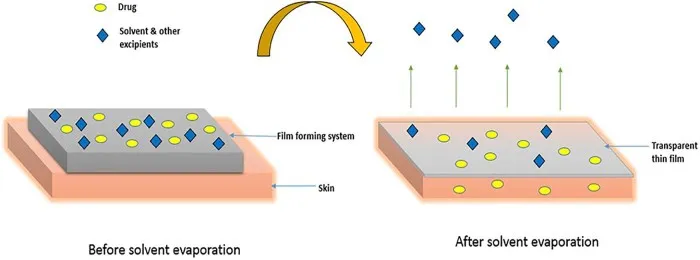
Figure 1: The Above Image Explains Mechanism of Action of Film Forming Systems (FFS)
When the formulation is applied to the skin, it begins to produce a film that changes in composition, concentration, and structure. Initially, the formulation spreads throughout the application site, forming a liquid or semisolid layer that contains the medication, polymer, and other excipients. The capacity to spread equally is determined by elements such as viscosity, wetting behaviour, surface properties, and application method. Uniform distribution is preferred since changes in the deposited layer can induce disparities in film thickness and medication availability. Following application, volatile solvents start to evaporate, raising the relative concentration of non-volatile components. As solvent loss increases, the polymer chains grow increasingly condensed and interact, forming a coherent residual layer. The properties of this film are determined by polymer composition, solvent evaporation rate, plasticizer content, and interactions among formulation elements. An appropriate film should have adequate adhesion, flexibility, and continuity without being too brittle or tacky. The residual layer may remain on the skin's surface or alter, allowing drugs to be absorbed into the stratum corneum. [22]
Drug delivery from FFS involves drug availability in the residual formulation, release from the film, and partitioning into the skin. Depending on the formulation, the film may serve as a reservoir for drug release over time, or the medication may penetrate the stratum cornea quickly during or after solvent evaporation. Drug transport is affected by its solubility, concentration gradient, affinity for the film and skin, and capacity to diffuse through the formulation and skin barrier. Certain films may also limit water loss from the skin, improving stratum corneum hydration and perhaps influencing medication absorption. [22]
However, film creation does not guaranty increased penetration; the final effect is determined by the medication, excipients, film characteristics, and desired mode of delivery. Changes in medication crystallinity or ingredient incompatibility can have an impact on formulation performance while in storage. As a result, the applicability of a film-forming method must be proved by adequate examination of film properties, drug release, skin permeability, stability, and acceptability, rather than inferred only from film formation. This improved delivery is related to a change to Fick's equation of diffusion, which shows how super saturation boosts transdermal absorption. [22]
J = DKCv
h
Here:
J is the flux, or the drug in passing through a unit area of the skin in a time interval.
D = diffusion coefficient which indicates the ease of movement of the drug through the skin
Cv is the concentration of the drug in the formulation.
h = thickness of skin barrier to be crossed
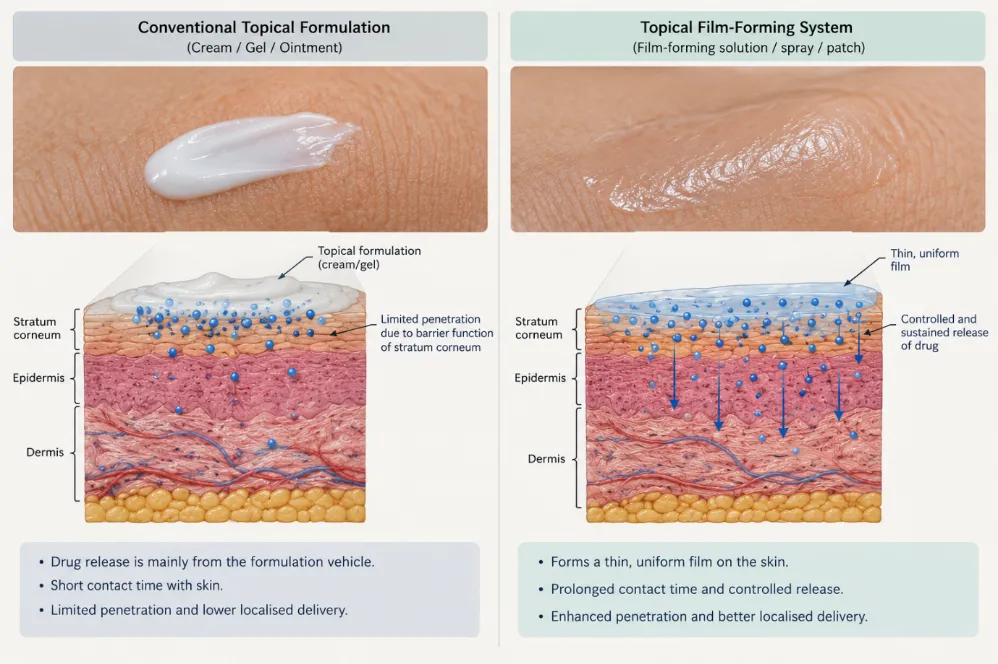
Figure 2: Conventional Topical Formulation vs Topical Film Forming System
3. FORMULATION DEVELOPMENT AND DESIGN CONSIDERATIONS
Topical film-forming systems are developed by selecting appropriate ingredients to create a formulation that distributes readily, makes a uniform film, and effectively delivers the medicine. The active pharmaceutical ingredient (API), film-forming polymer, solvent, plasticizer, and, if necessary, permeability enhancers and other functional excipients make up the major formulation components. Their selection is determined by the medication's characteristics, the targeted application site, and the duration of drug administration. [22]
3.1. Selecting the Active Pharmaceutical Ingredient
A drug's eligibility for a topical film-forming system is determined by its solubility, molecular weight, lipophilicity, melting point, and stability. These characteristics influence medication integration into the formulation, release from the film, and penetration through the skin. During preparation and storage, the medicine should maintain its stability and uniform distribution. Poor drug solubility can cause precipitate or crystallization during solvent evaporation, resulting in non-uniform drug distribution and release behaviour. As a result, the drug's compatibility with the polymer and solvent system must be evaluated during formulation development. Several medications have been tested in topical film-forming systems. Diclofenac is used in topical anti-inflammatory formulations, lidocaine for local anaesthesia, and clotrimazole and terbinafine for antifungal treatment. Estradiol has also been studied in transdermal administration. These examples demonstrate the possible use of film-forming technologies for a variety of therapeutic purpose [23].
3.2. Selecting Film-Forming Polymers
Polymers are the structural foundation of topical film-forming systems. They influence the formulation's flexibility, adhesion, mechanical strength, and drug-release qualities. The chosen polymer should be drug-compatible, safe for the intended application, and capable of generating a film with appropriate physical properties. Natural polymers such as chitosan, sodium alginate, and xanthan gum; semi-synthetic polymers such as hydroxypropyl methylcellulose (HPMC) and sodium carboxymethylcellulose; and synthetic polymers such as polyvinylpyrrolidone (PVP), polyvinyl alcohol (PVA), and Eudragit grades[24].
The necessary film qualities determine the polymer to use. While more hydrophobic polymers may enhance moisture resistance and boost film persistence, hydrophilic polymers might encourage hydration and drug release. However, the specific polymer, medication, and formulation composition all affect these effects. Concentration of polymers is similarly significant. While an excessive percentage may increase viscosity, hinder application, and prolong drying, a low concentration may result in a weak or uneven layer. In order to achieve a balance between film formation, adhesion, flexibility, and drug release, the kind and concentration of polymer should be tuned [25,26].
Table 1: Commonly Used Polymers in Film-Forming Topical Sprays: Type, Characteristics and Formulation Considerations
| polymer | Polymer type | Characteristic | Formulation considerations |
|---|---|---|---|
| Sodium alginate | Natural | Hydrophilic film formation and gel formation | Hydration and film persistence depend on formulation composition. |
| Xanthan gum | Natural | Viscosity enhancement and formulation stabilization | Excessive concentration may affect spreadability. |
| Hydroxypropyl methylcellulose (HPMC) | Semisynthetic | Hydrophilic film formation; may support sustained drug release | Can dry slowly; optimize film strength and drying behaviour. |
| Methylcellulose | Semisynthetic | Film formation and viscosity modification | Select concentration according to application and desired film properties. |
| Sodium carboxymethylcellulose (Na-CMC) | Semisynthetic | Thickening and film formation | Hydrophilic nature may influence moisture uptake. |
| Polyvinylpyrrolidone (PVP) | Synthetic | Film formation; may help inhibit crystallization in suitable systems | Evaluate moisture sensitivity and drug–polymer compatibility. |
| Eudragit E grades | Synthetic | Film formation; selected grades have pH-dependent solubility | Select grade according to required solubility and release characteristics. |
| Synthetic | Eudragit RL grades | Film formation and potential modification of drug release | Assess compatibility and desired film permeability. |
| Synthetic | Polyethylene oxide (PEO) | Film formation and modification of polymer-matrix properties | Evaluate hydration, mechanical properties and drug release. |
| Synthetic / thermoresponsive | Poloxamer 407 | Thermoresponsive gelation in suitable systems | Behaviour depends on concentration and formulation composition. |
| Natural | Sodium alginate | Hydrophilic film formation and gel formation | Hydration and film persistence depend on formulation composition. |
3.3 Choosing solvents
Solvents help apply the formulation uniformly by dissolving or dispersing the medication and polymer. Water, ethanol, isopropyl alcohol, and their appropriate mixtures are often utilized solvent systems. Drug solubility, polymer compatibility, drying time, and skin tolerability all influence the decision.12, 16 after application, the solvent in solvent-evaporation-based systems evaporates, leaving behind a polymeric film that contains the medication. While less volatile ingredients may assist preserve formulation spreadability but raise the possibility of a sticky or slowly drying film when employed excessively, volatile solvents can speed up the drying process.
Drug crystallization can also be influenced by the nature of the solvent. The medicine becomes more concentrated as the solvent evaporates, and if its solubility is surpassed, it may crystallize. This may have an impact on drug release, stability, and film uniformity. As a result, the solvent solution should be chosen to produce a uniform film within a reasonable drying time and to give sufficient drug solubility. [27,28]
Table 2: Solvents and Vehicles Used in Film-Forming Spray Formulations and Their Key Considerations
| Solvent / vehicle | Main role | Important considerations |
|---|---|---|
| Purified water | Aqueous vehicle for compatible drugs and polymers | Evaporation may be slower than with more volatile organic solvents. |
| Ethanol | Solvent for compatible drugs and polymers; can facilitate rapid drying | Consider flammability, skin tolerability and precipitation during evaporation. |
| Isopropyl alcohol | Volatile solvent for suitable formulation components | Assess irritation potential and compatibility. |
| Ethanol–water mixture | Adjusts solvent polarity and drug/polymer solubility | Optimize the ratio to prevent precipitation and obtain uniform films. |
| Propylene glycol (PG) | Cosolvent; may also act as a plasticizer or permeation enhancer | Excess may affect drying, tackiness and film properties. |
| Polyethylene glycol (PEG) | Depending on grade, may act as a cosolvent or plasticizer | Select the grade according to its intended function and compatibility. |
| Ethyl acetate | Organic solvent for compatible formulation components | Select the grade according to its intended function and compatibility. |
| Isopropyl myristate (IPM) | Primarily a lipophilic vehicle and permeation-enhancing excipient | May affect drug partitioning, film properties and release. |
3.4 Role of plasticizers
To increase the elasticity and flexibility of polymeric films, plasticizers are applied. When the film is subjected to typical skin movement, they lessen brittleness and aid in preventing cracking. Glycerol, propylene glycol, and polyethylene glycol (PEG) are typical examples. The resulting film's physical characteristics are influenced by the quantity of plasticizer used. While too much plasticizer can result in tackiness, decrease mechanical strength, or change medication release, too little plasticizer can create a brittle film. Therefore, the concentration should be tuned in accordance with the chosen polymer and the intended film properties. [27, 28]
Table 3: Plasticizers Used in Film-Forming Systems: Functions, Benefits and Limitations
| Plasticizer | Main role | Potential benefit | Limitation to consider |
|---|---|---|---|
| Polyethylene glycol 400 (PEG 400) | Improves polymer-film flexibility | Can reduce brittleness and cracking | Excess may cause tackiness or alter drug release. |
| Polyethylene glycol 600 (PEG 600) | Plasticization in compatible systems | May improve flexibility and film integrity | Performance depends on polymer compatibility and concentration. |
| Propylene glycol (PG) | Plasticizer and, in some formulations, cosolvent or permeation enhancer | May improve flexibility and drug solubilization | Can affect drying, tackiness and skin tolerability. |
| Glycerol (glycerin) | Plasticizer and humectant | Improves flexibility and moisture retention | Excess moisture uptake may soften the film or increase tackiness. |
3.5 Improved permeation
When more medication penetration through the skin is needed, permeation enhancers are used. They may work by altering the skin's outer layer, increasing drug solubilization in the formulation, or boosting drug partitioning into the skin. Propylene glycol, isopropyl myristate, menthol, camphor, and transcutol are a few examples.
Some combinations, including menthol and camphor, have been studied to enhance the penetration of specific medications. However, a permeation enhancer's efficacy is dependent upon the medication, the vehicle, the concentration, and the experimental setup.
The intended treatment goal should direct the usage of permeation enhancers. Excessive penetration may not necessarily be ideal for locally acting formulations, especially if systemic exposure is not the goal. To enhance drug administration without sacrificing skin tolerability or film quality, their concentration should be tuned. [27, 28]
Table 4: Permeation Enhancers Used in Topical Film-Forming Formulations: Proposed Roles, Applications and Considerations
| Permeation enhancer | Proposed role | Potential application | Important consideration |
|---|---|---|---|
| Propylene glycol | May improve drug solubilization and modify transport through the stratum corneum | Selected topical and transdermal formulations | Can also act as a cosolvent or plasticizer. |
| isopropyl myristate (IPM | Can modify drug partitioning and interact with skin lipids | Lipophilic drug-delivery systems | Effect depends on drug and vehicle. |
| Menthol | May alter skin-barrier properties and improve permeation | Selected topical formulations | Concentration and skin tolerability require assessment |
| Camphor | May enhance permeation in certain formulations | Selected topical drug-delivery systems | Evaluate irritation potential and compatibility. |
| Camphor–menthol combination | Eutectic mixture that may improve delivery of selected drugs | Investigational topical formulations | Performance is drug- and formulation-specific. |
| Transcutol (diethylene glycol monoethyl ether) | Can improve drug solubilization and support skin permeation | Selected topical and transdermal formulations | Assess tolerability and effects on drug release. |
3.6 Functional excipients & cross linking agents
In certain polymer systems, cross-linking agents can alter the film's strength, flexibility, swelling, and resistance to disintegration. The kind of polymer and the cross-linking process determine their effects. For instance, the characteristics of some polysaccharide-based systems can be altered by ionic interactions. Although sodium chloride has been studied to alter the gelation behavior of specific gellan-gum formulations, it shouldn't be regarded as a general cross-linking agent for all topical film-forming systems.
When necessary, additional excipients may be added to modify viscosity, enhance wetting, preserve drug solubility, or shield the formulation from microbial development. Every excipient should be compatible with the drug and polymer and have a clear function. Excessive formulation complexity should be avoided since additional chemicals may bring compatibility or stability difficulties
Table 5: Functional Excipients and Cross-Linking Agents in Film-Forming Systems: Roles, Effects and Key Considerations
| Component / example | Main role | Potential effect on formulation | Key consideration |
|---|---|---|---|
| Sodium chloride (NaCl) in selected polymer systems | Can modify ionic interactions and gelation behaviour | May alter gel structure and film properties in specific systems | Not a universal cross-linker; effect depends on the polymer |
| Suitable ionic cross-linking agents | Promote interactions between compatible polymer chain | May improve network integrity and modify swelling or dissolution | Confirm polymer compatibility and safety. |
| Viscosity modifiers | Adjust flow and consistency | Can improve application and reduce settling | Excessive viscosity may hinder spreading or spraying. |
| Preservatives | Help control microbial growth in susceptible formulations | Support microbiological quality during storage and use | Select based on compatibility, efficacy and intended route. |
| Solubilizers | Improve drug solubility in the formulation | May reduce precipitation and improve uniformity | Evaluate drug behaviour after solvent evaporation. |
| Humectants | Help retain moisture | May improve flexibility or reduce excessive drying | Excess can make films tacky or moisture-sensitive. |
3.7 Optimization and formulation
To achieve the required product qualities, formulation optimization entails modifying the kind and concentration of the drug, polymer, solvent, and other excipients. Viscosity, drying time, film strength, and drug release are just a few of the qualities that can be affected by a change in one of these interdependent elements. The generated formulations should be evaluated for drug-content uniformity, adhesion, and film flexibility, and homogeneity, ease of application, drying time, and appearance. Additional research may involve stability evaluation, skin penetration investigations, and medication release testing, depending on the planned use. [27, 28]
4. EVALUATION AND CHARACTERIZATION OF FILM-FORMING SYSTEMS
Assessing the quality, consistency, and physical characteristics of topical film-forming systems requires evaluation and characterization. To guaranty that the active pharmaceutical ingredient is distributed consistently across the produced film, drug content uniformity is established. In a research by Ammar et al., the ketorolac content was assessed by dissolving a certain amount of the produced film in ethanol, filtration, dilution, and spectrophotometric measurement at 322 nm. To evaluate drug content uniformity, three film samples from each formulation were examined.
The physical structure and homogeneity of the produced film can be inferred from the film thickness and surface morphology. In the same investigation, surface morphology was examined using scanning electron microscopy (SEM), and film thickness was determined at three separate spots using a micrometre. The film was folded repeatedly at the same spot until it cracked in order to assess folding endurance. These tests can be used to evaluate film thickness, surface properties, and flexibility—all of which are important for topical film-forming systems' quality and usefulness. [29]
Because water absorption can affect the flexibility, swelling, and structural integrity of films, moisture-related qualities are particularly crucial. By subjecting dried sheets to roughly 75% relative humidity and measuring the moisture content after drying, Ammar et al. assessed moisture uptake. By submerging the films in distilled water and monitoring weight changes over time, swelling behaviour was examined. These assessments aid in characterizing the polymeric film's resistance to swelling or disintegration as well as how it interacts with moisture.
Topically Administered Pharmaceutical Formulations Using Film-Forming Systems the physical characteristics of the film created during solvent evaporation determine how well topical film-forming devices work. While adhesion and substantively assist retain contact with the skin despite perspiration, washing, or friction from clothing, flexibility is crucial to enable the film to adapt movements at the application site without cracking. Additionally, drug super saturation brought on by film development may cause the drug to become less stable in its dissolved state, which may end in crystallization. The distribution and availability of drugs within the film may be impacted by the presence of crystals. Therefore, while characterizing topical film-forming systems, film integrity, adhesion, flexibility, and drug crystallization should be taken into account. To enhance film characteristics and prevent undesired crystallization, suitable excipients may be researched. [30-34]
5. DRUG RELEASE, SKIN PERMEATION AND PERFORMANCE ASSESSMENT
5.1 In-vitro Drug Release
How the active pharmaceutical ingredient becomes available from a film-forming system following application is determined by drug release. As the volatile solvent evaporates, a thin polymeric coating containing the drug is deposited on the skin. The drug is subsequently released from the film through mechanisms such as diffusion through the polymer matrix and partitioning into the skin. Several factors influence the release rate, including polymer type and concentration, drug solubility, film thickness, plasticizer concentration and interactions between the drug and formulation components [27, 35].
Film-forming systems may provide comparatively rapid drug release or maintain drug availability over an extended period, depending on their composition. For the treatment of superficial fungal infections, Šnejdroň et al. developed terbinafine hydrochloride-containing film-forming systems based on poly (lactic-co-glycolic acid) (PLGA). Their optimised formulation demonstrated approximately six days of linear drug release, with a total release period of around 14 days. This finding illustrates the potential of polymeric films to provide prolonged drug release following application. However, these durations should be interpreted in the context of the specific formulation and experimental conditions [35].
In-vitro drug release is generally evaluated by placing the formulation in an appropriate diffusion cell or release apparatus and measuring the amount of drug released into a receiving medium at predetermined intervals. The resulting release profile allows comparison between formulations and assessment of their release characteristics. Drug crystallisation within the formed film, solvent evaporation and variations in drug solubility may influence release behaviour. Therefore, formulation composition and the physical state of the drug should be considered when interpreting release results [27, 35].
5.2 Skin Permeation Studies
Skin permeation studies evaluate the rate and extent to which a drug penetrates through the skin. The stratum corneum, which forms the outermost layer of the skin, represents the principal barrier to drug transport. Permeation is influenced by several factors, including drug molecular size, solubility, concentration, formulation composition, polymer properties and the presence of chemical penetration enhancers [27].
Ex-vivo skin permeation studies frequently employ Franz diffusion cells. In this technique, excised skin separates a donor compartment containing the formulation from a receptor compartment filled with an appropriate receiving medium. Samples are withdrawn from the receptor compartment at predetermined intervals and analysed to determine the amount of drug that has permeated through the skin. Cumulative drug permeation per unit area is plotted against time, and the permeation flux can be calculated from the slope of the linear portion of the plot. These measurements help characterise drug transport through the skin under specified experimental conditions [27].
5.3 Skin Retention Studies and Overall Drug Delivery Performance
Maximum skin penetration is not always the primary objective of topical formulations intended for local action. For such formulations, adequate drug retention within the epidermis or dermis may be more important than extensive drug passage into the receptor medium. Skin retention studies therefore provide supplementary information by quantifying the amount of drug remaining within the skin after a predetermined exposure period. Evaluating skin retention alongside receptor-phase permeation helps determine the suitability of a formulation for local topical therapy or transdermal drug delivery [27, 35].
To demonstrate the application of formulation characterisation and drug delivery evaluation to a topical film-forming system, Shetty et al. developed and evaluated a curcumin-containing topical spray [36]. The specific evaluation methods and findings reported in the original publication provide an example of the characterisation of a film-forming topical formulation.
Overall, drug release, skin permeation and skin retention provide complementary information regarding the drug delivery performance of film-forming systems. Their interpretation depends on formulation composition, experimental conditions, the skin model employed and the intended therapeutic application. Furthermore, in-vitro and ex-vivo findings alone cannot establish clinical efficacy, and these evaluation approaches should not be considered interchangeable [36].
Table 6: Evaluation Tests for Film-Forming Topical Sprays: Parameters Measured and Their Significance
| Evaluation test | What it measures | Why it matters |
|---|---|---|
| In vitro drug release | Amount of drug released over time | Determines release pattern |
| Skin permeation | Amount and rate of drug crossing the skin | Evaluates drug transport |
| Skin drug retention | Drug remaining in skin layers | Important for localized treatment |
| Drying time | Time required to form a film | Indicates convenience of application |
| Film flexibility and adhesion | Resistance to cracking and detachment | Evaluates film integrity during movement |
| Drug content uniformity | Consistency of drug distribution | Supports dose consistency |
| Stability testing | Changes during storage | Establishes formulation quality over time |
| Skin irritation and tolerability | Potential for adverse skin reactions | Supports suitability for topical use |
5.4 Physical film and characterization
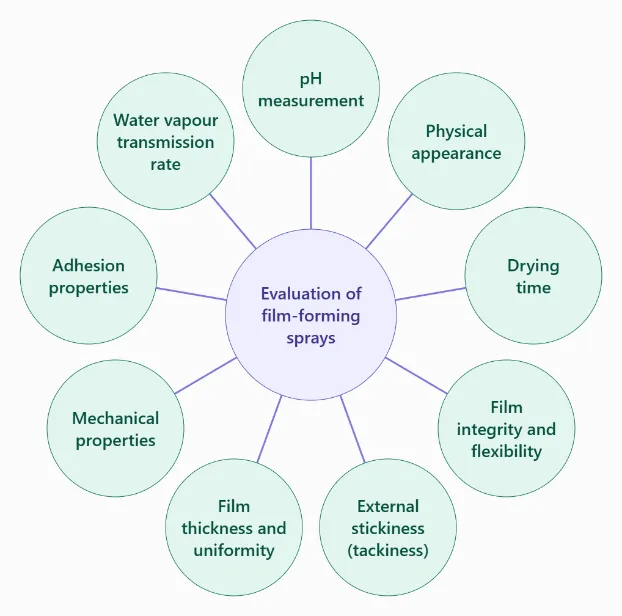
Figure 3: Physical Film & Characterization
1. PH Measurement: The pH of the formulation is determined using a calibrated digital pH meter. Measurements are generally performed in triplicate, and the mean value is calculated to assess the suitability of the formulation for topical application [37].
2. Physical Appearance: The physical characteristics of film-forming formulations, including colour, appearance, transparency, homogeneity and consistency, are evaluated through visual examination. These observations provide preliminary information about the physical uniformity and acceptability of the formulation[38]
3. Drying Time: Drying time is evaluated by applying a measured quantity of formulation onto a suitable surface, such as the skin or a glass plate. The time required for the applied formulation to form a dry, non-transferable film is recorded. This parameter helps determine the convenience of application and the film-forming efficiency of the formulation [38].
4. Film Integrity and Flexibility: The integrity of the formed film is assessed by examining its continuity, uniformity and ability to remain intact over the application period. The film is visually inspected for cracking, peeling, flaking or detachment. Flexibility may also be evaluated to determine whether the film can withstand movement without breaking or losing its integrity [38].
5. External Stickiness (Tackiness): The stickiness of the dried film is evaluated to determine its tendency to adhere to other surfaces upon contact. This can be assessed using suitable contact-based methods under controlled conditions. Lower external stickiness is generally desirable for better patient comfort and handling [37].
6. Film Thickness and Uniformity: The thickness of the dried film is measured at different locations using a suitable thickness-measuring instrument. Uniformity in thickness indicates consistent film formation and helps assess the reproducibility of the formulation [38].
7. Mechanical Properties: The mechanical strength and elasticity of the formed film may be evaluated through tensile strength and percentage elongation measurements. These parameters provide information about the film's ability to withstand mechanical stress without tearing or breaking
8. Adhesion Properties: Adhesion is evaluated to determine the ability of the film to remain attached to the skin surface during the intended application period. Adequate adhesion helps maintain film contact, whereas excessive adhesion may affect removal and patient comfort.
9. Water Vapour Transmission Rate (WVTR): WVTR is determined to assess the ability of the film to permit water vapour to pass through it. This parameter provides information about the moisture barrier properties of the film and its potential suitability for topical and wound-care applications[37,38]
6. THERAPEUTIC APPLICATIONS
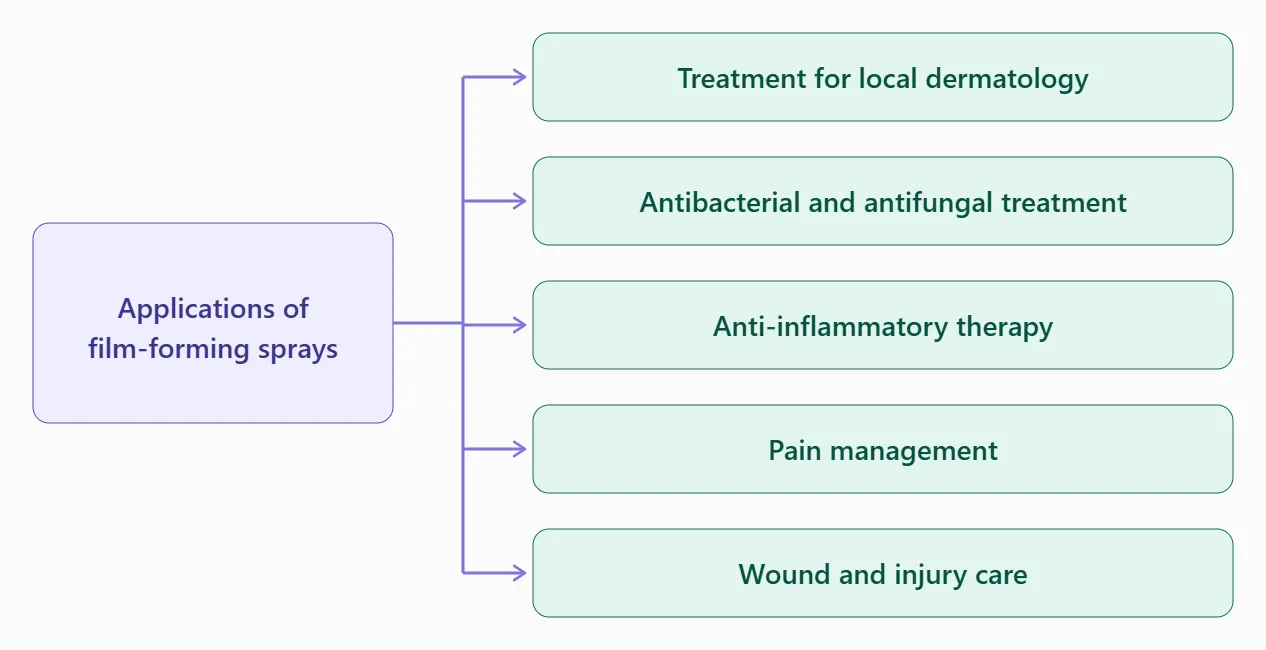
Figure 4: Therapeutic Applications for Topical Film Forming System
6.1 Treatment for Local Dermatology
Potential delivery solutions for targeted dermatological care are film-forming technologies. The solvent evaporates after application, leaving behind a thin polymeric layer that may enhance skin contact and lessen medication loss from washing, rubbing, and clothing contact. In their discussion of their use in topical and transdermal drug delivery, Kathe and Kathpalia (2017) emphasized the significance of film adherence, flexibility, drug release, and skin penetration. Depending on the medication and intended use, these systems can be made as solutions, gels, or sprays [27].
6.2 Antibacterial and Antifungal Treatment
Gohel and Nagori (2009) used ethyl cellulose and Eudragit® RS100 as film-forming polymers to create a fluconazole transdermal spray. Drug transport, film formation, and physicochemical characteristics of the formulation were assessed. The work showed how fluconazole delivery from a film-forming spray can be influenced by optimizing polymer composition [2]. A film-forming gel containing terbinafine hydrochloride for extended cutaneous administration was studied by Vij and Saudagar (2014). This strategy supported long-term medication delivery while preserving the formulation at the application site. When taken as a whole, these studies show how film-forming formulations can be used to deliver topical antifungal medications. Evidence of antifungal activity and sufficient medication availability at the infected location are prerequisites for their efficacy [39, 40].
6.3 Anti-Inflammatory Therapy
Topical film-forming polymeric solutions containing diclofenac sodium were created by Nagathan and Hallikeri (2023). Using dibutyl phthalate as a plasticizer, various grades of hydroxypropyl methylcellulose (HPMC) were studied as film-forming polymers. Drying time, viscosity, film thickness, flexibility, drug content, and in vitro diffusion were all assessed for the formulations. The study shows how formulation composition and polymer choice can be adjusted for topical anti-inflammatory medication delivery. However, superior clinical efficacy cannot be established just by formulation and diffusion studies. effectiveness in comparison to traditional topical products [41].
6.4 Handling Pain
Ammar et al. used several polymers and penetration enhancers to study a transdermal film-forming polymeric solution containing ketorolac. In the described trials, formulations combining Eudragit® RSPO and specific penetration enhancers exhibited a faster analgesic effect than the ketorolac tablet and enhanced ketorolac permeation through excised pig skin. Nevertheless, compared to the chosen film-forming formulation, the tablet generated greater plasma drug concentrations. While emphasizing that skin penetration, systemic exposure, and analgesic response are different outcomes, these findings show the promise of film-forming technologies for pain control [29].
6.5 Handling Injuries
A waterproof gel spray for wound care was developed by Novitasari et al. (2024) using red lemongrass essential oil (Cymbopogon nardus L.) and banana leaf wax (Musa paradisiaca L.). With a stated pH of 6.28, viscosity of 135 cP, and drying time of 7.5 minutes, the formulation demonstrated water-resistant properties. The study shows how a water-resistant, protective layer can be applied to the treated area using film-forming sprays. However, waterproofing by itself does not demonstrate the efficacy of infection prevention or wound healing [42].
6.6 Drug Delivery Through the Skin
Lu et al. (2013) evaluated the skin permeation, spray performance, and dose uniformity of a metered-dose testosterone transdermal spray. The optimized formulation was selected based on its formulation characteristics and drug-delivery performance, demonstrating the importance of reproducible dosing in transdermal spray development [43].
Similarly, Yu et al. (2013) examined the effects of polymers, plasticizers, and penetration enhancers on drug permeation through porcine skin while developing an estradiol film-forming spray. The optimized spray showed greater cumulative estradiol permeation over 24 hours than the commercial patch and gel used for comparison. The study focused on how the composition of the formulation and the drug's physical state within the film affect transdermal delivery [44]. These studies demonstrate that film-forming systems can be constructed for both systemic drug delivery and localized treatment. The active ingredient, formulation composition, intended site of action, and demonstrated delivery performance all play a role in determining their suitability.
7. ADVANTAGES & DISADVANTAGES FOR FFS
Table 7: Advantages and Limitations of Film-Forming Sprays for Topical Drug Delivery
| Aspect | Advantages | Limitations |
|---|---|---|
| Application | Easy, non-contact application, which suits sensitive, painful or large areas [53] | Spray technique and distance can affect dose consistency [51] |
| Film formation | Forms a thin, non-greasy, often transparent film after solvent evaporation [27] | Film quality depends on polymer, solvent and plasticizer choice [32] |
| Skin contact and retention | Prolongs contact time and reduces loss from washing, rubbing and clothing [27] | Adhesion that is too weak or too strong affects performance and removal |
| Drug delivery | May provide sustained release and improved local drug availability [33] | Drug release and permeation vary with drug, vehicle and composition [32] |
| Patient compliance | Cosmetically acceptable and comfortable to use [36] | Tackiness, residue or a tight feeling can reduce comfort |
| Dosing | Metered-dose sprays allow controlled dosing [41] | Accurate dosing is harder than with fixed-dose forms such as patches |
| Formulation | Relatively simple preparation [53] | Needs careful optimisation of polymers, solvents, plasticizers and enhancers [57] |
| Solvent system | Volatile solvents give fast drying [53] | Alcohols may irritate or dry the skin, and the vapours are flammable |
| Stability and drug solubility | Suitable for a range of drugs when the vehicle is chosen well [32] | The drug may crystallise as the solvent evaporates, affecting uniformity and release [20] |
| Safety and tolerability | Good tolerability reported in patients with psoriasis and eczema [43] | Excipients such as enhancers and solvents may cause irritation or sensitisation [46] |
| Packaging | Convenient, hygienic delivery without touching the product | Needs compatible containers and spray pumps [51] |
| Clinical evidence | Clinical data support safety and tolerability in skin disease [43] | Clinical efficacy data against conventional products are limited |
8. REGULATORY, STABILITY, AND SAFETY ISSUES
Skin tolerability, the selection of excipients, formulation stability, packaging compatibility, and consistent drug delivery all play a role in the safety and suitability of film-forming topical formulations. In patients with psoriasis and eczema, Godse et al. (2024) examined the short-term safety and tolerability of a film-forming spray. No dryness, flakiness or irritation was reported, although mild, transient erythema and tingling were observed in some participants. These findings provide preliminary evidence of short-term tolerability but do not establish safety during prolonged use.
Safety of the excipients: Choosing the right excipients is important because film-forming polymers, solvents, plasticizers, and penetration enhancers can affect how flexible the film is, how well the drug is released, and how well it works with the skin. Concentration, skin-compatibility, and the intended topical use of the ingredients should all be taken into consideration. Kathe and Kathpalia talked about the properties of common film-forming polymers and excipients. They said that polyvinyl alcohol is a non-toxic, non-irritating, and non-allergenic polymer, and ethyl cellulose is a non-toxic, non-allergenic material. The suitability of each excipient should nevertheless be assessed in the context of the complete formulation [27, 46-49]
Stability of the formulation and compatibility with packaging: During storage, film-forming formulations should be evaluated for changes in drug content, pH, appearance, film formation time, and other pertinent properties. Umar et al. [Umar et al., 2020; references] talked about the role that plasticizers play in keeping active ingredients' physical stability and flexibility in films. They also talked about the possibility of drug crystallization after solvent evaporation. A curcumin film-forming spray was tested by Shetty et al. for six months at 40 degrees Celsius and 75% relative humidity. During the course of the study, the film-formation time, pH, volume delivered per actuation, and drug content per actuation were evaluated [50-52].
Packaging components, including containers, pumps, actuators and valves, can influence product integrity and delivery. Pawar and Jalwal talked about important quality control tests like leakage, weight loss, leachability, and the performance of the valve's discharge. These tests aid in the evaluation of the dispensing system, but compatibility with the chosen formulation and packaging must be demonstrated [Pawar and Jalwal, 2021]. Consistency in dosage and quality control: Each application's dose should be able to be replicated. Relevant assessments may include spray-content uniformity, net content, valve-discharge rate and dosage testing. During their stability study, Shetty et al. also measured the drug content per actuation and the volume delivered per actuation. [51]. Additional quality tests may include spray pattern, droplet size distribution, microbial limits, pH, viscosity, leakage, and dispensing system performance, depending on the dosage form and intended use. Safety and regulatory evaluation: Evaluation should be appropriate to the intended product and route of administration. Skin irritation and sensitization testing, stability studies, packaging compatibility studies, quality testing, and, if necessary, clinical evaluation may all be part of this process depending on the formulation. Godse et al. (2024) assessed local skin effects, vital signs, physical examination findings and treatment-emergent adverse events during short-term observation. However, additional evidence would be required to establish requirements for product quality and long-term safety. [45]
9. CLINICAL AND FUTURE PERSPECTIVES
Recent advancements in film-forming drug delivery systems (FFS) have expanded their applications in clinical practice, particularly in wound care, antifungal therapy, and transdermal drug delivery. Clinical studies suggest that these systems may improve patient compliance and therapeutic outcomes due to their ease of application and ability to maintain prolonged contact with the target site. Future developments are expected to focus on personalized medicine, in which formulations can be tailored to individual patient characteristics, including skin type, disease severity, and drug sensitivity. Additionally, combining antifungal agents with anti-inflammatory drugs and permeation enhancers may improve therapeutic effectiveness, particularly in infections associated with drug resistance.
Research is also directed towards the development of stimuli-responsive polymers that regulate drug release in response to environmental changes, such as variations in pH, temperature, or enzymatic activity. These advanced systems offer promising opportunities for achieving controlled and targeted drug delivery. Furthermore, advancements in three-dimensional (3D) printing technology are facilitating the development of personalized topical patches with precise dosing and controlled spatial distribution of drugs. Such innovations may improve therapeutic outcomes, particularly in chronic skin conditions and precision medicine. However, challenges associated with large-scale manufacturing, regulatory compliance, and product stability continue to limit their widespread implementation. Further research is therefore necessary to bridge the gap between laboratory-scale innovations and clinical applications, allowing the full potential of film-forming systems to be realized in pharmaceutical practice. [53-58]
10. REGULATORY AND MARKET STATUS
Film-forming spray systems are generally regulated under the frameworks applicable to topical and transdermal drug delivery products by authorities such as the United States Food and Drug Administration (US FDA) and the European Medicines Agency (EMA). Several products incorporating film-forming technology are commercially available, particularly for wound care and dermatological applications. These include liquid bandages, antifungal sprays, and transdermal hormone sprays. Regulatory evaluation generally involves the assessment of product safety, skin irritation potential, drug permeability, and formulation stability, in accordance with the requirements applicable to the relevant dosage form [60, 61, 62].
11. CHALLENGES, LIMITATIONS, AND RESEARCH GAPS IN FILM-FORMING SPRAY SYSTEMS
Despite their advantages, film-forming spray (FFS) systems face several formulation, clinical, and industrial challenges. Supersaturation may lead to drug crystallization after solvent evaporation, reducing drug availability and absorption. Limited drug-loading capacity, particularly for peptides and proteins, and unsuitable polymer–solvent combinations may affect film flexibility, adhesion, and integrity [63].Clinically, volatile solvents such as ethanol and isopropanol may cause skin irritation, dryness, and barrier disruption. Variations in skin physiology can also influence drug permeation and therapeutic outcomes. Industrial challenges include large-scale manufacturing, batch reproducibility, dose uniformity, packaging, and the lack of standardized regulatory guidelines [64].Existing studies also show inconsistent findings regarding the selection of emulsion types, polymers, and permeation enhancers, highlighting the need for standardized formulation and evaluation protocols [65]. Future research should focus on advanced and stimuli-responsive polymers, improved formulation stability, and extensive clinical studies to establish the safety, efficacy, and commercial potential of FFS systems [66, 67].
CONCLUSION
Film-forming sprays are a practical alternative to conventional topical dosage forms such as ointments, gels and patches. After application, the solvent evaporates and leaves a thin, flexible film that stays in contact with the skin and can deliver the drug locally or through the skin. Their performance depends on the combined choice of drug, polymer, solvent, plasticizer and permeation enhancer, so these components must be selected and optimized together. Film formation alone does not guarantee better drug delivery. A formulation should therefore be assessed for the quality of the film, drug release, skin permeation, skin retention, stability and tolerability. The studies reviewed show potential in dermatological, antifungal, anti-inflammatory, analgesic, wound-care and transdermal applications. Most of this evidence comes from formulation and in vitro or ex vivo studies, and clinical data remain limited. Several challenges still need work: drug crystallization, solvent-related skin irritation, dose uniformity, packaging compatibility, scale-up and the lack of standardized evaluation and regulatory guidance. Future work should combine well-designed clinical studies with advanced polymers, improved stability and standardized protocols, so that film-forming sprays can move from laboratory development to routine clinical use.
REFERENCES

Anju K. R., Tanu Hinger, Priyanka Gupta, Shivanshu Singh, Hariom Ojha, Shrutika Patil, Film-Forming Drug Delivery Systems: Formulation Strategies, Characterization, Therapeutic Applications and Future Perspectives, Int. J. of Pharm. Sci., 2026, Vol 4, Issue 11, 572-591. https://doi.org/10.5281/zenodo.23938322
 10.5281/zenodo.23938322