

We use cookies to ensure our website works properly and to personalise your experience. Cookies policy
Shram Sadhana Bombay Trust Institute of Pharmacy Bambhori, Jalgaon.
In pharmaceutical research, forced degradation tests are frequently employed to assess the inherent stability of medicinal ingredients and therapeutic products. In order to speed up degradation reactions, these investigations expose pharmaceutical compounds to harsh environmental conditions such acidic, alkaline, oxidative, thermal, and photolytic stress. Stress testing's main goals are to find degradation pathways, find degradation products, and aid in the creation of stability-indicating analytical techniques. Stress testing is advised as part of the stability assessment of pharmaceutical goods by international regulatory bodies like the International Council for Harmonization (ICH). Regulatory frameworks for stability testing, analytical technique validation, and impurity profiling are provided by ICH recommendations Q1A (R2), Q1B, Q2 (R1), Q3A, and Q3B. Pharmaceutical quality control, formulation development, and regulatory submissions all heavily rely on forced degradation studies. They help establish impurity profiles, identify degradation mechanisms, assess the intrinsic stability of drug molecules, and guarantee the safety and effectiveness of pharmaceutical products over the course of their shelf lives. This review article provides a comprehensive overview of the scientific principles, regulatory requirements, experimental design, stress conditions, analytical techniques, and applications of forced degradation studies in pharmaceutical research. The article also discusses the role of stress testing in stability indicating method development and highlights modern analytical tools used for characterization of degradation products.
When a drug material or drug product is exposed to various stress conditions—more severe than accelerated conditions—forced degradation occurs, producing pertinent degradation products. Drug stability can be predicted with the use of purposefully applied forced deterioration. Drug stability is an important factor that affects the product's safety, potency, and purity. For example, alterations in drug stability may lead to hazardous breakdown products or reduced dosages. Thus, understanding a drug's behavior and purity profile under different circumstances is essential [1].
Stress testing, stress studies, stress decomposition studies, forced decomposition studies, etc. are other names for forced degradation research. Forced degradation is a procedure that produces degradation products that may be examined to ascertain the stability of the molecule by subjecting drug ingredients and products to conditions more severe than accelerated conditions [2].
To accelerate the chemical, physical, or instability of a molecule, forced degradation investigations employ a variety of stressing stimuli, including pH, temperature, light, chemical agents (such as oxidizing and deamidating agents), and mechanical stress. In order to determine the degree and rate of deterioration that is anticipated to occur during storage and/or following administration to the body, forced degradation experiments involve exposing the pharmacological ingredient to a variety of stress conditions [3].
Relevant stress variables in a typical study include light, heat, humidity, oxidation, hydrolysis (acid/base effect), and even a combination of these parameters. Forced degradation studies are required by regulatory bodies to show that analytical techniques employed in pharmaceutical analysis are specific. The ability of analytical techniques to distinguish active pharmaceutical compounds from degradation products, contaminants, and excipients is confirmed through stress testing[4]. Pharmaceutical companies conduct these stress tests (also known as forced degradation studies) during preformulation in order to choose suitable parameters, such as sample production for creating stability-indicating analytical methods, compounds and excipients for additional development, and formulation optimization. Preformulation studies are involved, but stress testing can be repeated during product composition, manufacturing processes, and analytical procedures [5].
According to FDA and ICH guidelines, the quality of a drug substance and drug product varies over time due to a variety of environmental conditions. Forced decomposition studies are used to investigate the stability of the molecule, various degradative pathways, and validation of the devised stability protocols in accordance with the guidelines of the International Committee for Harmonization (ICH). The Food and Drug Administration (FDA) and ICH guidelines provide a clear explanation of the specifics of drug molecules that decompose and the various products that are created in relation to time changes under the influence of various environmental parameters and comprehension of stability data [6].
According to the ICH recommendation, stress testing is meant to validate the stability-indicating techniques employed and to identify the expected degradation products, which further aids in determining the intrinsic stability of the molecule and defining degradation pathways [7].
Need of Force Degradation 1. To create techniques for assessing stability. 2. To identify the paths of deterioration. 3. To ascertain the drug's intrinsic stability in dose formulations. 4. To research molecules' chemical characteristics. 5. To create formulas that are stable. 6. To ascertain the breakdown products' structure. 7. To produce a deterioration profile under ICH circumstances. 8. Knowing how degradation occurs. 9. Encouraging validation of analytical methods 10. To find contaminants associated with medication ingredients or excipients 11. To comprehend the chemistry of medication molecules. 12. To produce formulations that are more stable. 13. To address stability-related issues [8].
Source of Degradation Product
Degradation is the primary cause of contaminants appearing in pharmacological substances or products. The primary source of the drug's deterioration is its chemical instability under the heat, humidity, solvent, pH, and light conditions encountered during production, isolation, purification, drying, storage, transportation, and/or formulation. It is controlled by the drug's intrinsic chemical stability. Any drug compound can degrade primarily by hydrolysis, oxidation, heat, and photolysis. Stress testing facilitates the creation of all potential degradation products that could arise under various circumstances [9].
Degradation limits
In order to understand the degradation chemistry of drug ingredients and drug products, forced degradation is a crucial step in the drug development process. Developing stability-indicating analytical techniques is the main use of this information, but it can also be applied to formulation, packaging, and official stability study design. It is advised to employ proper degradation since there is no official regulatory guideline for forced deterioration. Requirements to reach 5–20% [10].
Drug concentration selection
Regulatory guidelines do not specify how much medication concentration should be utilized for degradation studies. The concentration of 1 mg/ml should be used for the stress state. Drug degradation should occur even at low concentrations. It is recommended that the concentration at which the drug is anticipated to be present in the final formulations be used for the degradation research [11].
Analytical methods for characterizing forced deterioration studies
Studies on forced degradation can be created utilizing a variety of methods. High performance liquid chromatography, or HPLC, is the most practical approach. The main reasons RP-HPLC is selected are its high sensitivity, high precision, high accuracy, and compatibility with a wide range of organic and aqueous solutions, as well as its capacity to extract or identify polar molecules. A suitable column type, column temperature, pressure, and mobile phase pH are all chosen throughout the degradation study's development stage [12].
2) Experimental approach
The ideal outcome of the experimental protocol for degradation studies of novel drug substances and drug products is samples that have either undergone approximately 10% degradation or have been exposed to a quantity of energy that marginally surpasses that provided under accelerated storage conditions (e.g., 40°C for six months). Anytime a stability-indicating approach is needed, forced degradation tests should be carried out. When techniques, procedures, or formulations change, studies may need to be repeated. Alternatively, if available, a combination of the known degradation products can be used to develop methods. Before starting formal stability studies, each unique formulation should undergo forced degradation studies [13].
Timing of stress testing studies: The majority of companies perform studies on the drug substance and the drug product in the preclinical stage. The practice of repeating stress testing studies varies by stage of development. Studies are repeated on the drug substance between the preclinical and registration stages, and studies are repeated on the drug product between Phase I and registration as the final commercial formulation is developed [14].
Table 1: Overview of Force Degradation
| Category | Form | Stress Condition Applied |
|---|---|---|
| Drug Substance | Solid | Photolytic, Thermal, Thermal/ Humidity |
| Solution/ Suspension | Acid/ Base Hydrolysis, Oxidative | |
| Drug Product | Solid | Photolytic, Oxidative, Thermal, Thermal/ Humidity |
| Semi-solid | Photolytic, Oxidative, Thermal, Thermal/ Humidity | |
| Solution/ Suspension | Photolytic, Oxidative, Thermal |
1.Hydrolytic Degradation
A chemical process called hydrolysis involves breaking down a chemical molecule by an interaction with water. Hydrolytic research involves the catalysis of the molecule's ionisable functional groups under both basic and acidic environments. When a pharmacological material is subjected to acidic or basic conditions, it is driven to degrade and produce primary degradants in a desired range. This process is known as acid or base stress testing. The choice of acid or base type and concentration depends on the pharmacological substance's stability [15].
Mechanism
Water divides the molecule during hydrolysis by acting as a reactant. This typically happens when: a. Acid (acidic hydrolysis)
b. Base (hydrolysis of alkaline)
c. Neutral Hydrolysis (lower rate)
The overall response can be expressed as follows:
Drug + H 2 O = Degraded Products
a. Acid Hydrolysis Degradation
The stability of medicinal compounds in acidic environments is assessed using acid hydrolytic stress testing. The medication is usually subjected to acids at room temperature or at higher temperatures, such as sulfuric acid (H2SO4) or hydrochloric acid (HCl), in concentrations between 0.1 M and 1 M.
One popular method is to expose the drug solution to an acidic pH (around pH 2) for up to two weeks, or until 10–15% degradation is attained. The medication may be refluxed in 0.1 N HCl for eight hours in order to perform a first screening. Stronger conditions, like 1 N HCl for 12 hours and then 2 N HCl for 24 hours, may be used if degradation is not sufficient.
Harsher conditions, like 5 N HCl reflux for 24 hours, can be utilized if the medication still exhibits stability. In acidic environments, a medication that exhibits no degradation under such harsh circumstances can be regarded as practically stable.
On the other hand, the study should be repeated with a lower acid content (0.01 N HCl), a lower temperature (such as 40°C or 25°C), and a shorter duration if severe degradation happens under mild conditions.
b. Base Hydrolysis Degradation
Base hydrolysis assesses a drug's vulnerability to alkaline breakdown. Potassium hydroxide (KOH) or sodium hydroxide (NaOH) in concentrations ranging from 0.1 M to 1 M are typical reagents. The investigation is often carried out at ambient or high temperatures with an alkaline pH (10–12). For the first test, the medication may be refluxed in 0.1 N NaOH for eight hours. The strength can be gradually increased to 1 N, 2 N, and up to 5 N NaOH with longer reflux durations if deterioration is not seen.
To prevent total destruction, milder conditions (such as 0.01 N NaOH) should be applied to medications that are known to include ester or amide functional groups, which are extremely vulnerable to alkaline hydrolysis.
The medicine is deemed extremely labile in alkaline settings if total breakdown happens even in mild conditions. Testing should be carried out in controlled, less hostile environments (lower temperature and shorter duration).
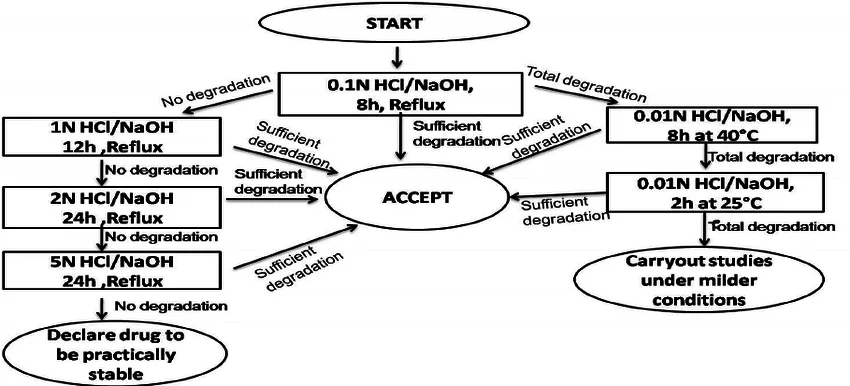
Figure 1: Pathway of Acid and Base Degradation Study for Drug Substance and Drug Product
c. Neutral Hydrolysis Degradation
To evaluate medication stability in aqueous (water) conditions without the addition of acid or base, neutral hydrolysis experiments are conducted. The medication is routinely refluxed in water for 12 hours as an initial condition. If no degradation is seen, the time may be raised progressively to 24 hours, 48 hours, and up to 5 days.
If the medicine stays stable even after lengthy exposure, it can be called stable under neutral hydrolytic circumstances. On the other hand, if significant deterioration occurs under initial conditions, the exposure should be lowered to 8 hours at 40°C or further to 2 hours at 25°C to find gentler degradation behavior.
In order to increase the experiment duration without having to redo the study, it is advised to utilize an adequate beginning volume of solution [16].
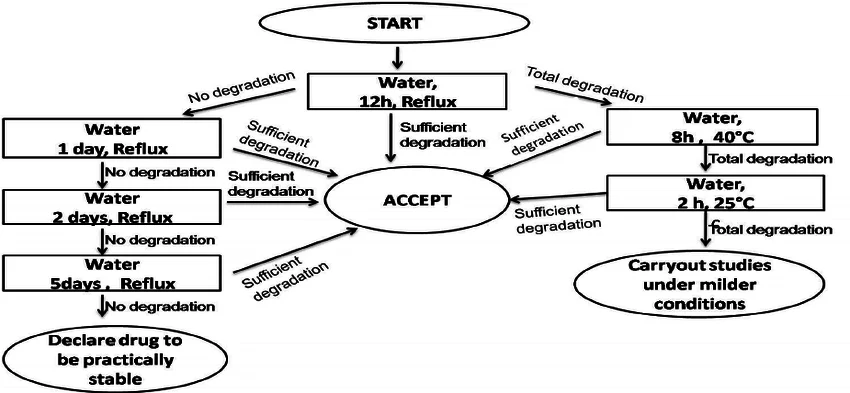
Figure 2: Pathway of Hydrolysis in Neutral Condition for Drug Substance and Drug Product
2.Oxidation Degradation
It is discovered that the majority of pharmacological compounds are auto-oxidizers. For the oxidation process, they need free radical initiators. Free radicals are initiated by metal ions, hydrogen peroxide, and traces of contaminants. Electrons are transferred during this kind of deterioration. A typical initiator for oxidation driven degradation research is 0.1–3% hydrogen peroxide. These investigations ought to be carried out for one to seven days at 40°C. It should be regarded as abnormal if more than 20% degradants are generated [17].
Degradation by oxidation can be complicated. Other oxidizing agents including metal ions, oxygen, and radical initiators (e.g., azobisisobutyronitrile, AIBN) can also be employed, even though hydrogen peroxide is primarily utilized to simulate the potential existence of peroxides in excipients. The drug ingredient determines which oxidizing agent to use, how much of it to use, and under what circumstances. Oxidative degradation can occur in drug substance solutions and solid/liquid drug preparations.
Procedure for Oxidation Degradation
Relevant degradation products may be produced by exposing the solutions to 0.1%–3% hydrogen peroxide at neutral pH and room temperature for seven days or up to a maximum of 20% degradation. To ascertain the appropriate degree of degradation, samples can be examined at various periods.
Testing can begin by immersing the medicine in 3% H2O2 for six hours at room temperature in order to ascertain the drug's susceptibility to oxidative breakdown. If there is insufficient degradation, the reaction time should be extended to 24 hours. The reaction should be carried out in 10% H2O2 for 24 hours if nothing changes. More severe conditions of 30% H2O2 for 24 hours may be tested for a medication that does not oxidize even in these circumstances. If no products are generated when the medicine is subjected to this situation, it may be deemed "practically stable."
The intensity of H2O2 should be reduced from 3% to 1% in the case that the entire drug decomposes under the initial conditions. The reaction can then be observed for a long enough time to produce the required percentage of decomposition. Drugs that completely degrade even in these circumstances are extremely vulnerable and should be examined in very diluted oxidizing agents with brief exposure times.
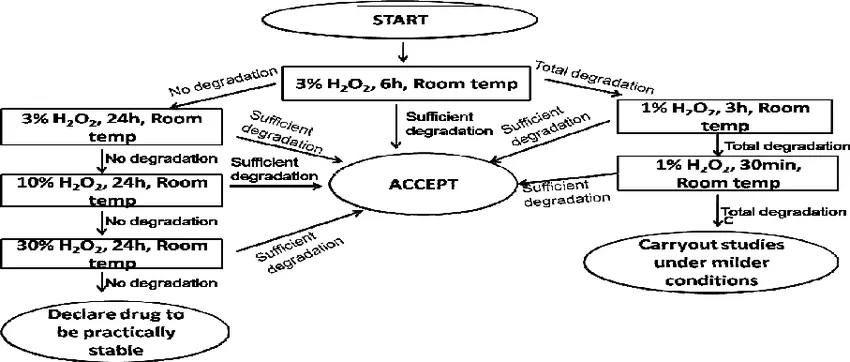
Figure 3: Pathway of Oxidation Degradation Study for Drug Substance and Drug Product
3.Thermal Degradation
It has been shown that a number of medications are thermolabile. Degradation products are produced when the temperature rises since the rate of reaction likewise tends to rise. The ideal temperature range for these investigations is between 40 and 80°C. Thermal stress experiments are often carried out at 70°C and high humidity for one to two months. Liquids are exposed to dry heat for a shorter period of time than solid drug molecules, which are exposed to both dry and wet heat conditions. The drug molecule degrades as a result of the high temperature, as indicated by the Arrhenius equation:
k = Ae-Ea/RT
where k: Specific reaction rate, A: Frequency factor, Ea: Energy of activation, R: Gas constant (1.987 cal/deg/mole), and T: Absolute temperature in Kelvin.
• Procedure for conducting thermal degradation
Conduct the following forced degradation studies to obtain degraded samples wherever degradation possible from about 1% to 30%. Preferably, the following stress conditions are recommended for specificity study, however stress condition can be decided based on experimental data, or physical properties of the analyte based on literature. If melting point of API is less than 150°C, stress at 105°C or 40°C less than melting point whichever is higher. If melting point of API is more than 150°C stress at the nearest melting point and at 105°C [18].
5.Humidity Degradation
One useful tool for identifying possible degradants in the final product and active medicinal ingredient is humidity. For the development of forced deterioration samples, 90% humidity for a week is typically advised [19].
5.Photolytic Degradation
In photolytic degradation studies, the drug substances are exposed to UV or fluorescent conditions. In this study, the drug substances or drug products (solid/liquid) are exposed to the light source according to the ICH Q1B protocols. The commonly used radiation range for degradation studies is about 300–800 nm. In photolytic condition, the degradation occurs due to oxidation through free radical mechanism or non-oxidation process. Non-oxidative degradation process involves with isomerization, dimerization, etc., among others. On the other hand, oxidative photolytic reaction involves mechanism involving singlet/triplet oxygen states. Singlet oxygen reacts with unsaturated compounds to produce photooxidative decomposition products, while triplet oxygen follows free radical mechanism, to produce a peroxide. Notably, it is shown that light also catalyzes oxidation reactions.
• Procedure for conducting photolytic degradation
Wherever possible, collect deteriorated samples from 1% to 30% by doing the following forced degradation investigations. Expose the tablet powder contents of the capsule to ultraviolet light up to a minimum of 200 watts hour/m2 and a minimum of 1.2 million lux hours for the photo stability chamber and visible light. If a photo stability chamber isn't available, expose the tablet powder or capsule contents to intense UV light for at least seven days in a UV cabinet, both at longer and shorter wavelengths.
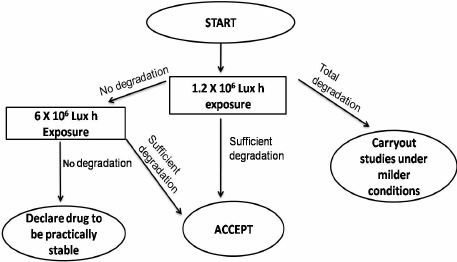
Figure 4: Pathway of Photo Degradation Condition for Drug Substance and Drug Product
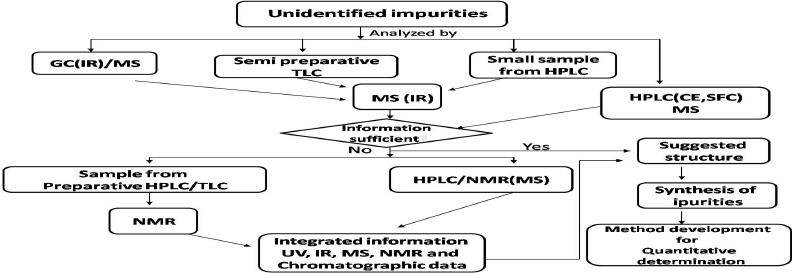
Figure 5: Flow Path for Structural Elucidation of Degradation Product
Table 2: Frequently Used Conditions for Force Degradation Studies
| Type of degradation | Experimental Conditions | Storage Condition | Sampling time (days) |
|---|---|---|---|
| Hydrolysis | Control API (no acid/base) | 40°C, 60°C | 1,3,5 |
| 0.1M HCl | 40°C, 60°C | 1,3,5 | |
| 0.1M NaOH | 40°C, 60°C | 1,3,5 | |
| Acid control (no API) | 40°C, 60°C | 1,3,5 | |
| Base control (no API) | 40°C, 60°C | 1,3,5 | |
| pH: 2,4,6,8 | 40°C, 60°C | 1,3,5 | |
| Oxidation | 3% H2O2 | 25°C, 60°C | 1,3,5 |
| Peroxide Control | 25°C, 60°C | 1,3,5 | |
| Azobisisobutyronitrile (ABIN) | 25°C, 60°C | 1,3,5 | |
| ABIN control | 25°C, 60°C | 1,3,5 | |
| Photolysis | Light 1 X ICH | NA | 1,3,5 |
| Light 3 X ICH | NA | 1,3,5 | |
| Light 3 X ICH | NA | 1,3,5 | |
| Thermolysis | Heat chamber | 60°C | 1,3,5 |
| Heat chamber | 60°C/75°C% RH | 1,3,5 | |
| Heat chamber | 60°C | 1,3,5 | |
| Heat chamber | 60°C/75°C% RH | 1,3,5 |
3) ICH regulatory guidelines for forced degradation
1. ICH Q1A (R2) – Stability Testing of New Drug Substances and Products
General Principle
Stability testing is conducted to evaluate how the quality of a drug substance or product changes over time under environmental factors such as temperature, humidity, and light. The data obtained are used to determine the re-test period, shelf life, and recommended storage conditions.
The testing conditions specified in ICH guidelines are based on climatic data from major regions- Europe, Japan, and the United States. Using mean kinetic temperature, the world is divided into four climatic zones (I–IV), although the guideline mainly focuses on Zones I and II.
A key principle of ICH is the mutual acceptance of stability data among these regions, provided the studies follow the guideline and comply with regional labeling requirements. This harmonized approach helps ensure consistent quality evaluation and avoids duplication of studies globally.
Further chemical degradation reactions, such as oxidation, reduction, hydrolysis, and racemization, impart a crucial role in a pharmaceutical product’s stability. The conditions such as reactant concentration, pH, radiation, catalysts, raw materials, and the duration between manufacture and usage of the product also affect the stability of the drug product. The physical changes, such as vibration, and temperature variations, like freezing, shearing, and thawing, may impact, on the product stability, which may result in loss of potency of the active pharmaceutical ingredient [20].
Recommended conditions for performing forced degradation studies on drug substances and drug products. The recommendations are to inspect the results of temperature (above that for accelerated testing, i.e., >50 C), humidity (75% relative humidity), oxidation and photolysis. Wide pH range should be considered in the testing of solution or suspension. Ultimately the stability-indicating method developed by these samples [21].
Scope of Guideline
Stages of stability studies
Stability studies are conducted at every stages of the drug life cycle from 1st stages of product development to late stage follow up studies. There are 6 different stages:
Stage 1: Early stage i.e., stress and accelerated testing with drug substances.
Stage 2: Stability on pre-formulation lots/batches.
Stage 3: Stress test done on scale up batches.
Stage 4: Accelerated and long-term testing for registration purposes.
Stage 5: Enduring stability testing.
Stage 6: Follow up studies [23].
2. ICH Q1B – Photostability testing of new drug substances and products
The ICH Harmonized Tripartite Guideline (Q1A) states that light exposure testing is an essential part of stress testing. Photostability testing ensures evaluation of the effect of light on drug substances and products. This document (ICH Q1B) acts as an annex to the parent guideline (Q1A). It provides specific recommendations and procedures for conducting photostability studies.
The aim is to determine whether light exposure leads to degradation and to establish appropriate protective measures (e.g., packaging, labeling). The intrinsic photostability of drug substances and products must be evaluated to ensure that light exposure does not cause unacceptable degradation. Photostability testing is usually performed on a single batch selected according to ICH Q1A guidelines.
3. ICH Q2 (R1) – Validation of Analytical Procedures
Types of Analytical Procedures to be Validated
The discussion of the validation of analytical procedures is directed to the four most common types of analytical procedures: -
METHODOLOGY:
4. ICH M4Q (R1) –The common technical document for the registration of pharmaceuticals for human use: Module 3: Quality
The guideline provides a standardized format for preparing registration applications for drug substances and drug products, particularly those covered under ICH Q6A (for new chemical entities) and ICH Q6B (for biotech products). It may also be applicable to other product categories, depending on consultation with regulatory authorities.
The document mainly serves as a structural guide, explaining how information should be organized rather than specifying exact data requirements. The content under each section is illustrative, and applicants are expected to include relevant details based on existing ICH guidelines and regional regulatory expectations.
Importance
The guideline identifies where information should be placed in the application (Body of Data), but it does not define the exact type or amount of data required, as this may vary by region.
Additionally, Part 3.2.R (Regional Information) includes sections that differ across regions, meaning applicants must follow specific regional regulatory requirements for those parts [26].
5. ICH Q3A (R2) - Impurities in new drug substances
ICH Q3A guidelines provide information about the determination of contaminants present in new drug molecules. This section provides insights about different aspects such as the identification, types and specification of impurities, analytical protocols, and generation of reports. More importantly, if the impurities are either completely absent or present in trace amounts in batch of a new drug molecule is considered helpful to ensure safety toward clinical studies.
Classification of impurities
i. Organic impurities (process- and drug-related)
ii. Inorganic impurities
iii. Residual solvents
6. ICH Q3B -Impurities in new products
ICH Q3B provides information about analytical procedures. It is important for an analytical procedure to validate the specific or non-specific degradation products under various stress conditions.
7. FDA Guidance- Analytical procedures and method validation for drugs and Biologics
This guidance provides recommendations for submitting analytical procedures and validation data for DS/DP covered under NDA, ANDA and BLA. It encompasses information on analytical method development, validation and life cycle management of analytical procedures. It also discusses the content of analytical procedures, reference standard and materials. In sec 4, analytical method validation, reference is made to the samples undergoing exposure to stress conditions to demonstrate specificity. If an analytical method is transferred to another lab, it is stability indicating method. It is recommended that stressed samples be analysed at both sites.
FDA Guidance: Guidance for Industry ANDAs: Stability Testing of Drug Substances and Products
In this guidance, the FDA recommends that the applicant follow ICH stability guidance Q1 A, Q1 B, Q1 C, Q1 D and Q1 E for submission batches. Thus, the stress studies must be performed as mentioned in Q1A and Q1B. If the applicant follows an alternate approach, they must justify it to the FDA [28].
4) Application of Force degradation in Analytical Chemistry
1. Development of Stability-Indicating Methods
2. Identification of Degradation Products
3. Elucidation of Degradation Pathways
4. Validation of Analytical Methods
Post-degradation samples are used during method validation to demonstrate:
5. Stability Studies and Shelf-Life Determination
6. Formulation Development
7. Regulatory Compliance and quality control
Post-degradation studies are required by guidelines such as:
8. Quality Control and Quality Assurance
9. Packaging and Storage Optimization
10. Comparative Stability Studies
11. Toxicological Evaluation
12. Process Development and Optimization
13. Application of Chemometrics and Advanced Data Analysis
Modern analytical chemistry integrates:
5) Overall benefits of forced degradation studies in assessing drug/product stability
Several official documents highlight the following advantages of stress testing during stability testing: i.An assessment of the drug's or product's overall sensitivity to several elements and their combinations, including heat, humidity, pH, oxygen, light, and catalysts. ii.Clarification of the active ingredient's intrinsic stability properties. iii. The creation of samples needed to outline degradation and identify the degradation products produced under various stress situations [34].
6) Factors Affecting FDS Use- All businesses conduct forced deterioration studies to support comparability, according to respondents to the Bio-forum poll. However, not all comparison studies require or require a forced deterioration study. Numerous factors influence the scope and design of FDS.
The extent of changes in the manufacturing processes is a key driver in deciding whether to implement FDS as part of the comparability assessment. A common approach among all responding companies is to use [35].
7) Factors affecting stress degradation
The following are the many factors that induce drug substance degradation. They are as follows:
i. Temperature: Variations in temperature may have an adverse effect on the stability of the medication. As the temperature rises, the rate of medication hydrolysis increases dramatically. ii. pH: pH has a major impact on the pace of medication hydrolysis degradation. Pharmaceutical formulations use pH-stable buffer solutions to get around this. iii. Light: A number of medications are photolabile, meaning they break down in the presence of light. By contrasting the stability of the material in the presence of light with the stability of the material when stored in the dark, one can ascertain the sensitivity to photolytic deterioration.
iv. Moisture: When moisture is present, water-soluble substances may be absorbed. Consequently, the molecule experiences both chemical and physical changes. v. Oxygen: The presence of oxygen increases the oxidation of some medications. Drugs that break down more quickly in the presence of oxygen are stabilized by the purifying nitrogen or carbon dioxide from the storage container [36].
vi. Excipient: It was noted that certain excipients can have a high water content. This moisture may cause the formulation's water content to rise, which would subsequently impact the drug's stability. Chemical photolytic breakdown can sometimes be evaluated by contrasting its stability in the presence of light with stability in the absence of light. Photo-labile compounds should be kept in dark, amber glass containers. Decreased stability is frequently the outcome of interactions between the medication substance and the excipient [37].
vii. Nature of Drug Substance: The drug's chemical structure is crucial to its breakdown; for example, functional groups like phenols, amides, lactams, and esters are very prone to breakdown. The sensitivity to oxidation is increased when double bonds are present. Stability is also impacted by chemical complexity and stereochemistry.
8) Techniques used in analysis of stability samples
i.Titrimetric and spectrophotometric- This method analyzes only the drug of interest in the presence of excipients, additives, contaminants, degradation products, etc., as well as other drug components in the case of combination products. The primary benefits are simplicity and affordability, but occasionally they are shown to be less sensitive. Due to their lack of specificity, there are very few reports on their utilization these days [38]. ii.Chromatographic : Among its benefits are increased sensitivity, accuracy, and multicomponent separation. Gas chromatography (GC), capillary electrophoresis (CE), thin-layer chromatography (TLC), high-performance thin-layer chromatography (HPTLC), and HPLC are some of the chromatographic techniques that have been employed.
iii. Miscellaneous: While CE is currently one of the newest methods for the development of SIAMs, proton nuclear magnetic resonance (H-NMR) spectroscopy has been used for the establishment of SIAMs in previous reports. It has the advantage of high resolution, sensitivity, and high efficiencies with minimal peak dispersion. The different hyphenated methods, such as GC-MS, LC-MS, LCMS-MS, LC-NMR, and CE-MS, for the selective determination and identification confirmation of known and unknown degradation products [39].
9) Impurity Profiling of Force Degradation
The term "impurity profiling" describes a collection of analytical techniques used to identify, quantify, and clarify the presence of both organic and inorganic contaminants, such as residual solvent in pharmaceutical and bulk dosage forms [40]. An impurity profile for the active pharmaceutical ingredient is an essential quality control metric that is used throughout the whole process of developing, manufacturing, and testing pharmaceutical formulations for stability [41], with equal weight given to the quantity and quality of impurity details [42].
Reversed phase HPLC is a universal analytical tool for characterizing forced degradations and then identifying and measuring the impurities or degradants. As a result, forced degradation research became a crucial component of HPLC. Knowing the likely types of molecular attachments both before and after degradation is made easier with the use of infrared spectroscopy[43]. It comprises the type of each identified impurity, its range, and its identification or some qualitative analytical classification. The maximum number of impurity types that can be found in a substance under investigation is indicated by its impurity profile. The procedure or source of the API typically affects the impurity profile.
Degradation product: Degradation products are only impurities. "A molecule resulting from a change in the drug substance brought about over time" is the definition of degradation products.
Unspecified impurities and unspecified Degradation products: Impurities or degradation products that are limited by general acceptance criteria but not individually listed with their specific acceptance criteria in individual monographs.
Specified impurity: A specified impurity is one that is included separately in the new drug substance specification and is restricted by a particular acceptance criterion. It is possible to identify or not identify a certain impurity.
Process Contaminant: Reagents, catalysts, and other inorganic impurities are examples of known or unknown process pollutant. Foreign chemical may also be included.
Unidentified Impurities and Unidentified Degradation Products: These are impurities or degradation products that are only identified by qualitative analysis properties and for which structural characterization has not been accomplished.
Foreign substances (Extraneous contaminants): An impurity that arises from any sources extraneous to the manufacturing process and that is introduced by contamination or adulteration
Stereometric Impurity: A compound with the same 2-dimensional chemical structure as the drug substance but differs in the 3-D orientation of substituents at chiral centres within that structure.
Toxic Impurities: Toxic impurities have significant undesirable biological activity, even as minor components, and require individual identification and quantification by specific tests [44].
Analytical techniques used in impurity profiling and force degradation study
Impurities can be monitored using a variety of approaches. These approaches are illustrated in the below-mentioned techniques [45].
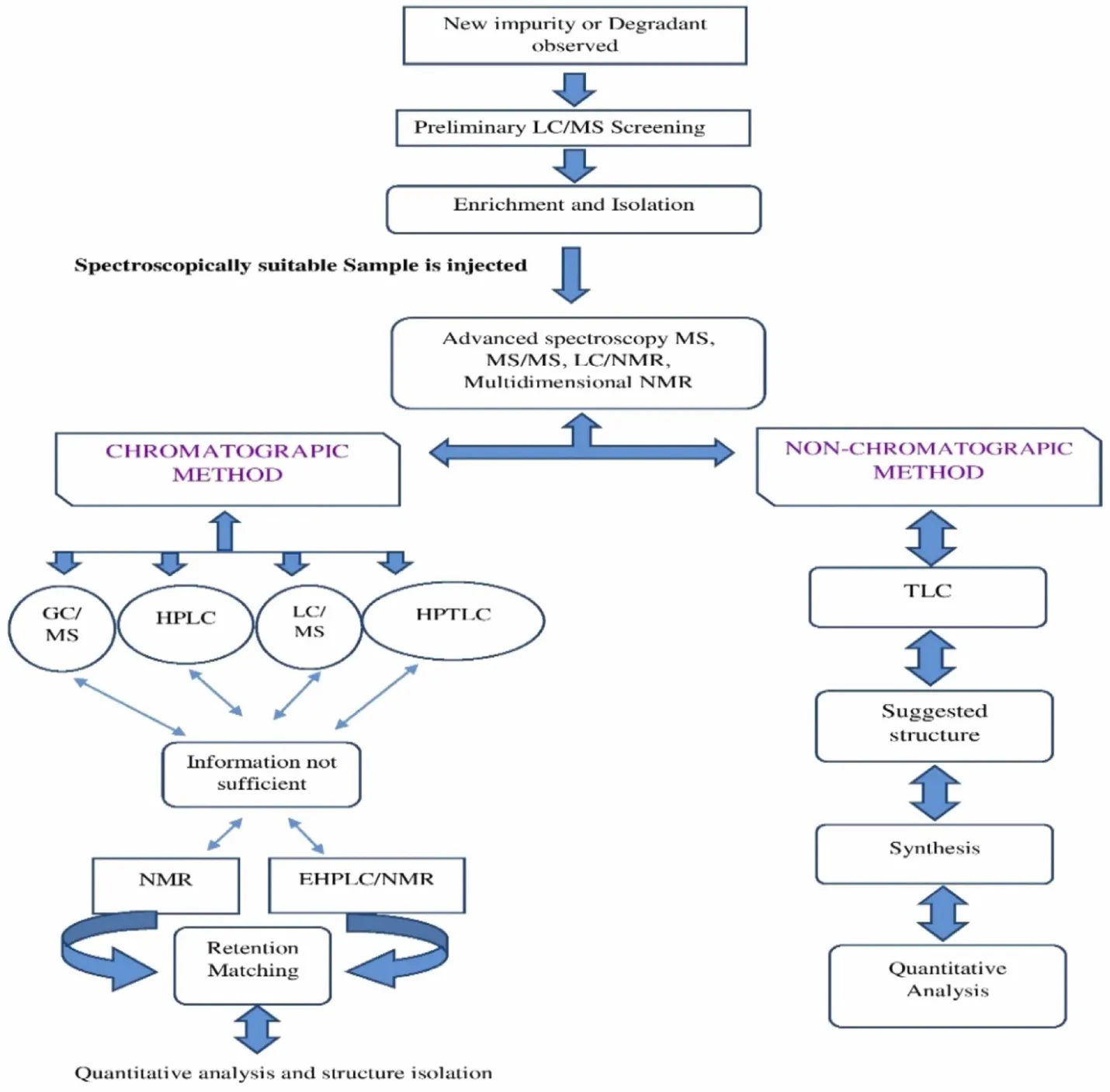
Figure 6: Schematic Representation of Scheme for Impurity Profiling of Drugs
10) Future Perspectives of Forced Degradation Studies (as per ICH Guidelines)
According to ICH guidelines like Q1A (R2), Q1B, and Q2 (R1), forced degradation studies are crucial for comprehending drug stability and creating stability-indicating techniques. However, several gaps and evolving trends indicate significant future advancements in this field.
1. Need for More Specific Regulatory Guidance
• Future Perspectives:
2. Science-Based Endpoint Determination
• Future Perspectives:
3. Integration with Quality by Design (QbD)
• Future Perspectives:
4. Advanced Analytical Techniques
5. Application of Chemometrics and AI
• Future Perspectives:
6. Expansion to Biopharmaceuticals
• Future Perspectives:
7. Lifecycle-Based Approach
• Future Perspectives:
CONCLUSION
Designing a forced degradation study to meet the expectations of ICH Q1A (R2) and Q2 (R2) involves multiple stages, from defining objectives to analyzing results. By adhering to regulatory guidelines and applying structured methodologies, pharmaceutical professionals can create robust stability-indicating methods that confirm the quality and reliability of their products. Continuous monitoring of forced degradation studies assists in understanding degradation pathways, allowing companies to remain proactive in their development processes and ensuring that safety and quality standards are consistently met. Forced degradation studies, as per International Council for Harmonisation of Technical Requirements for Pharmaceuticals for Human Use, are essential to understand the stability and degradation behaviour of drug substances. These studies help in developing stability-indicating methods, identifying degradation pathways, and ensuring drug safety, quality, and efficacy. Overall, they play a key role in pharmaceutical development and regulatory approval.
REFERENCES

Snehal Patil, Force Degradation Study as per ICH Guidelines, Int. J. of Pharm. Sci., 2026, Vol 4, Issue 10, 2600-2617. https://doi.org/10.5281/zenodo.23415268
 10.5281/zenodo.23415268