

We use cookies to ensure our website works properly and to personalise your experience. Cookies policy
Shankarrao ursal college of pharmaceutical sciences and research center kharadi, Pune 14.
Breast cancer is a biologically heterogeneous disease that is managed using multimodal approaches selected based on disease stage and tumour subtype. There is growing interest in medicinal plants and their phytoconstituents as several natural molecules have been shown to influence multiple processes involved in tumour progression, including proliferation, apoptosis, inflammation, angiogenesis, epithelial–mesenchymal transition and drug resistance. This review examines five botanicals frequently investigated in relation to breast cancer: Curcuma longa (curcumin), Nigella sativa (thymoquinone), Camellia sinensis (epigallocatechin-3-gallate; EGCG), Zingiber officinale (gingerols, particularly 6-gingerol) and Panax ginseng (ginsenosides). Evidence was synthesized from PubMed-indexed reviews, preclinical studies and selected human studies, with emphasis on breast-cancer-specific mechanisms and potential adjuvant relevance. Curcumin currently has the most developed human evidence among the five, although clinical findings remain mixed and formulation/ bioavailability remain major barriers. EGCG has a substantial mechanistic literature and early clinical safety/biomarker data, whereas gingerols, thymoquinone and ginsenosides remain predominantly supported by preclinical evidence with fewer breast-cancer-specific interventional data. Across all five herbs, standardization of extracts, dose selection, pharmacokinetic characterization, herb–drug interaction assessment and adequately powered randomized trials are essential before routine oncology use can be recommended. Overall, such botanicals represent research candidates for adjunctive therapy rather than established substitutes for conventional breast cancer treatment.
Breast cancer is one of the frequently occurring cancers around the world, and it continues to be an important cause of morbidity and mortality from cancers amongst women .Though there have been several advancements made in the diagnosis and treatment of breast cancer, the treatment of this cancer still presents difficulties due to the heterogeneous nature of tumors, drug resistance, recurrence, metastasis, and side effects of therapy[1]. Treatment options for breast cancer include surgery, radiation therapy, chemotherapy, hormonal therapy, and molecular-targeted therapy, all of which depend on the subtype and stage of cancer[2]. Over the last few decades, there has been an increased focus on using medicinal plants or bioactive components of plants for complementary or adjuvant therapy in cancer treatment[1]. The herbal medicines have phytochemicals that can target several molecular targets that are involved in cancer development and progression[2]. These phytochemicals have been shown to exhibit properties such as anti-proliferative activity, apoptosis induction, oxidative stress and inflammation control, angiogenesis inhibition, metastasis inhibition, and signaling pathway regulation[3] .
Various types of herbal medicines and the active substances in them have shown good anticancer activity against breast cancer in preliminary studies[6]. Some good examples of this are curcumin from Curcuma longa, epigallocatechin gallate (EGCG) from Camellia sinensis, ginsenosides from Panax ginseng, thymoquinone from Nigella sativa, and gingerols from zingiber officinale[7]. The research conducted on these natural compounds is targeted at their effect on the pathways including NF-kB, PI3K/Akt/mTOR, STAT3, p53, estrogen-receptor signaling and many more pathways relevant to breast cancer[8] .
The results obtained through clinical and experimental investigation indicate that herbal remedies may play a supportive role when combined with standard treatments for breast cancer[1]. According to a systematic review of clinical trials, it was found that traditional herbal medicine was used as an adjunctive intervention, which had positive impact on certain patient-reported outcomes, such as quality of life or treatment outcomes, although data pertaining to its effect on tumor response is still scarce[2] . Hence, traditional remedies should be regarded as potential complementary or adjuvant treatments rather than substitutes in the field of oncology[3].
In spite of the increasing number of experimental studies, several problems still exist, such as poor bioavailability of some phytochemicals, inconsistency of herbal extracts, lack of standardization, herb-drug interactions, low-quality clinical studies, and discrepancies between pre-clinical and clinical results[1]. For these reasons, systematic analysis of the existing data is essential to select promising herbs based on experimental research rather than clinical practice[2].
Therefore, the current review discusses selected medicinal herbs and their bioactive constituents, which have shown promise for treatment of breast cancer[1]. The review presents information about the phytochemical composition of selected herbs, mechanisms of anticancer activity, pre-clinical and clinical data, their synergism with conventional treatments, safety aspects, and existing limitations, particularly their use as adjuvants in breast cancer therapy[2].
REVIEW APPROACH :
A structured narrative method was adopted, with a preference given to literature indexed in PubMed, and further journal records being consulted to check the publication information[1]. The searches focused on each botanical name, its main constituent, and on combinations of terms such as "breast cancer", "adjuvant", "chemotherapy", "apoptosis", "proliferation", "metastasis", "clinical trial" and "nanoformulation"[2]. When putting together the synthesis, recent reviews and human studies were given priority, although earlier landmark papers were kept whenever they offered important mechanistic or clinical background[3].
| Evidence Level | Interpretation of this review |
|---|---|
| Clinical | Human interventional or observational evidence directly relevant to breast cancer[5,8-13] . |
| Preclinical in vivo | Animal breast cancer models ; useful for biological plausibility but not proof of clinical efficacy[5,8-13] |
| Preclinical in vitro | Breast cancer cell line or molecular experiments ; useful for mechanism generation[5,8-13]. |
| Formulation evidence | Nano/ micellar / liposomal or other delivery strategies intended to improve exposure or targeting[5,8-13] |
CURCUMIN :
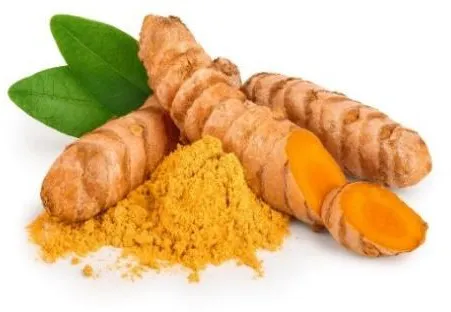
1. Biological source : curcuma longa L.
2. Common name : Turmeric
3. Family : Zingiberaceae
4. Parts used : Rhizome
5. Major active constituent : Curcuminoids,mainly curcumin, demethoxycurcumin,bisdemethoxycurcumin
6. Colour : Yellow to orange yellow
Overview and relevance to breast cancer
Curcuma longa L. is a rhizomatous medicinal plant that is commonly used as a spice and a traditional medicine[10].The rhizomes of this species contain a complex mixture of curcuminoids and volatile constituents[11].However, curcumin is the most studied polyphenol, and for the purposes of treating breast cancer, its value lies in the fact that it has a multi-target mechanism of action[12].
Phytochemistry and standardization
Curcuminoids, which include curcumin, demethoxycurcumin, and bisdemethoxycurcumin, as well as the essential oils, such as turmerones, are the major components of turmeric[13]. The pharmacological effects are mediated by a variety of mechanisms, and they are mostly related to antioxidant, anti-inflammatory, and signal transduction properties[14]. Nevertheless, there are a number of variables that are responsible for the content of curcumin in turmeric extracts[6]. They include the variety of the plant, the techniques used to extract the substance, storage conditions, and standardization[7]. For this reason, it is necessary to make a distinction between preparations of whole turmeric and those with isolated and standardized curcumin[8].
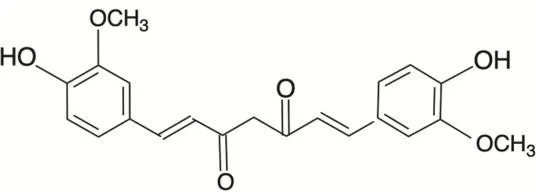
Curcumin (C21H20O6) constitutes the primary bioactive compound found in the plant Curcuma longa, commonly known as turmeric[10].The chemical structure of curcumin (CUR) is visually depicted in Figure. It is a naturally occurring polyphenolic compound and the principal component of the curcuminoid fraction of turmeric[12]. Chemically, curcumin contains two aromatic phenyl rings substituted with hydroxyl (-OH) and methoxy (-OCH3) groups, linked by a conjugated diketone chain.These structural feature contribute to its antioxidant, antiinflammatory and anti-cancer properties[13]. Curcumin has been extensively investigated for its potential role in cancer management, including breast cancer,through modulation of multiple molecular signalling pathways[14].
Major molecular mechanisms
Breast-cancer studies describe modulation of several of these pathways in cell culture, including NF- κB, PI3K/Akt/mTOR, MAPK, JAK/STAT, Wnt/β-catenin and p53-associated signalling[13]. The consequences reported include reduced proliferation, cell-cycle arrest, induction of apoptosis, suppression of migration/invasion and modulation of inflammatory mediators[14]. Curcumin has also been investigated in combination with cytotoxic agents, where the proposed rationale is chemosensitization or reduction of treatment-related effects[6]. These are all plausible biological mechanisms, but pathway modulation in cell culture does not equate to clinically relevant benefit[7].
Preclinical evidence
Systematic studies have revealed extensive preclinical efficacy[7]. A 2022 systematic review reported the results of 60 eligible preclinical breast-cancer studies, concluding that the tested curcumin formulations inhibited proliferation and viability and induced apoptosis in vitro and in vivo[8]. Moreover, nanoformulated curcumin decreased tumor volume in several preclinical models[9]. A 2026 systematic review/meta-analysis of randomized animal studies concluded that curcumin treatment reduced tumor volume and weight and increased apoptotic indices, though with significant inter-study heterogeneity and an overall need for clinical corroboration[10].
Clinical and human evidence
The evidence is more complicated[9]. A randomized double-blind trial investigated the efficacy of intravenous curcumin plus paclitaxel in patients with advanced/metastatic breast cancer and found a higher objective response rate with the combination, together with acceptable short-term safety[10]. However, a randomized phase-II study of oral curcumin plus docetaxel in advanced/metastatic breast cancer failed to demonstrate improved objective response and was stopped for futility[11]. A 2023 systematic review of randomized cancer trials concluded that clinical evidence was still insufficient to support routine therapeutic use[12]. Thus, curcumin should be described as a promising investigational adjunct rather than an established breast cancer treatment[13].
Potential role as an adjuvant
The adjuvant concept should be regarded as a research hypothesis: the botanical or purified phytochemical may have potential to complement standard treatment by interacting with tumour biology, treatment tolerance, inflammatory signalling or resistance mechanisms[11]. Its use should not be promoted as a substitute for evidence-based oncology care[12]. Any future clinical application would require oncologist supervision, standardized product quality, assessment of interactions and evidence from appropriately designed clinical trials[13].
Formulation and drug-delivery considerations
Low aqueous solubility, rapid metabolism and limited systemic bioavailability are major translational barriers[14]. Formulation approaches such as nanoparticles, liposomes, micelles and other delivery systems are therefore important research directions[6]. For a B.Pharm project, the most defensible formulation
rationale is not simply “curcumin kills cancer cells”, but rather 'a standardized delivery system may improve exposure and enable controlled investigation of a promising phytochemical[7].
Research gaps and future directions
Key gaps include standardized pharmaceutical-grade preparations, pharmacokinetic exposure–response relationships, interaction studies with endocrine and cytotoxic drugs, subtype-specific Clinical trials, and adequately powered randomized studies using reproducible formulation[10].
CONCLUSION
Overall, curcumin has shown promising anti-cancer activity in breast cancer by targeting several molecular pathways involved in cell proliferation, induction of apoptosis and regulation of cancer-associated signalling pathways[14]. Preclinical studies provide substantial evidence for its therapeutic potential, but clinical evidence is lacking to establish curcumin as an effective anti-cancer treatment [[6]. Its poor bioavailability and variation in formulations present important barriers to clinical translation[7]. Curcumin, therefore, may be considered as a promising candidate for investigation as an adjunct to conventional breast cancer therapy but further well-designed clinical trials, standardized formulations, pharmacokinetic studies and herb–drug interactions are required to establish its clinical utility[8].
THYMOQUINONE :
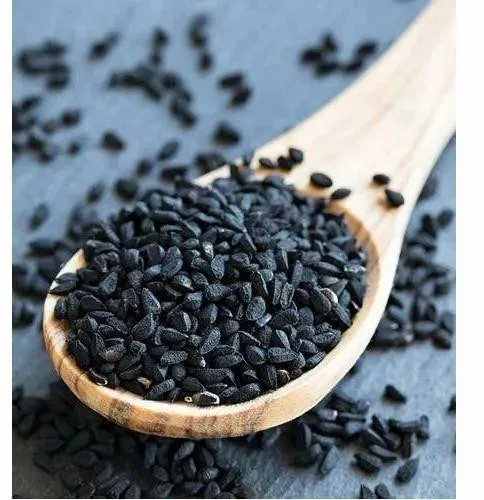
1. Biological Source : Nigella Sativa L.
2. Common Name : Black seeds /Black Cumin
3. Family : Ranunculaceae
4. Parts Used : Seeds
5. Major Active Constituent : Thymoquinone (TQ)
6. Colour : Yellow Crystalline Compound
Overview and relevance to breast cancer
Nigella sativa L. is an annual plant traditionally used in several systems of medicine[17]. The black seed contain fixed oil, volatile oil and multiple secondary metabolites[18]. Of these, thymoquinone (TQ) is the main compound studied for its anticancer potential[19]. In the case of breast cancer, the potential of TQ is being explored because of its reported activities on apoptosis, inflammation, oxidative signalling, invasion and drug-resistance-related pathways[20].
Phytochemistry and standardization
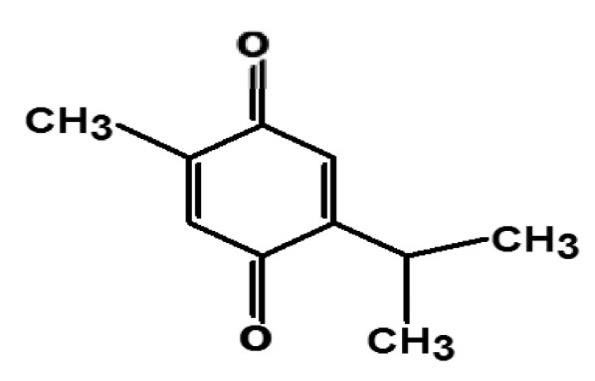
The seed contains thymoquinone, thymohydroquinone, dithymoquinone/nigellone, thymol, carvacrol, p-cymene and other volatile components apart from the fixed-oil constituents and saponins like α-hederin[23]. The composition of the seed depends very much on the origin of the seeds, method of extraction as well as storage[15]. It is therefore difficult to compare results from various studies carried using whole seed powder, fixed oil, volatile oil, crude extracts and purified TQ, because the materials used are pharmacologically different[16].
Major molecular mechanisms
Breast-cancer studies identify various TQ-associated mechanisms, among them promotion of apoptosis, regulation of p53-related signalling, suppression of NF-κB/IKK activity, modulation of PI3K/Akt and ERK-related pathways, reduction of invasion and migration, and effects on angiogenesis[18]. The multitarget profile is of interest as adjuvant but raises challenges in dose optimisation and interaction analysis[19]. Studies of combination with chemotherapy and delivery systems designed to improve exposure have been reported[20].
Preclinical evidence
The preclinical literature provides considerable mechanistic support for TQ, which has demonstrated cytotoxic and pro-apoptotic activity across multiple models of breast cancer, including hormone-responsive and triple-negative disease[21]. A 2023 review that specifically focused on breast cancer summarised pathways involving miR-34a, p53, Rac1, NF-κB, ERK1/2 and PI3K, and provided discussion of polymeric and non-polymeric delivery systems[22]. Translational research with standardised TQ preparations is warranted[23].
Clinical and human evidence
Clinical evidence for TQ in breast cancer is significantly weaker than in the preclinical literature[15]. Reviews of N. sativa clinical studies describe human work across several diseases, but breast-cancer-specific randomized therapeutic trials of purified TQ remains limited[16]. Hence it is scientifically better to say that TQ has promising preclinical adjuvant potential, not established clinical efficacy in breast cancer[17].
Potential role as an adjuvant
The adjuvant idea should be interpreted as a research hypothesis; the botanical or the purified phytochemical may potentially complement standard treatment by modulating tumour biology, treatment tolerance, inflammatory pathways or resistance mechanisms[18]. It should not be presented as a replacement for evidence-based oncology care[19]. Any future clinical use would require oncologist supervision, standardized product quality, assessment of interactions and evidence from appropriately designed clinical trials[22].
Formulation and drug-delivery considerations
TQ is lipophilic and its physicochemical properties can limit conventional delivery[23]. Nanoemulsions, polymeric nanoparticles, liposomes and other carriers have been explored experimentally to improve delivery[15]. For pharmaceutical research, formulation development should be coupled with assay-based standardization, stability testing and pharmacokinetic evaluation rather than relying only on total extract content[16].
Research gaps and future directions
Priority gaps include human breast-cancer trials, validated dosing, standardized TQ purity, pharmacokinetic and tissue-exposure data, combination studies with commonly used breast-cancer drugs, and systematic evaluation of herb–drug interactions[18].
CONCLUSION
Thymoquinone (TQ), which is one of the main biologically active compounds found in Nigella sativa, has shown considerable anti-tumor activity on breast cancer cells through several approaches, such as inhibition
of tumor cell proliferation, induction of apoptosis, regulation of inflammatory and survival pathways and inhibition of tumorigenicity among others[22]. However, there is very little clinical data regarding TQ in breast cancer and the available human data on its potential as a cancer drug are insufficient to prove its effectiveness as an anti-cancer drug[23]. TQ can thus be considered as a potential complementary or adjunct treatment along with conventional breast cancer treatment; nevertheless, well-designed clinical trials for breast cancer are needed[15].
EGCG (Epigallocatechin -3-gallate)
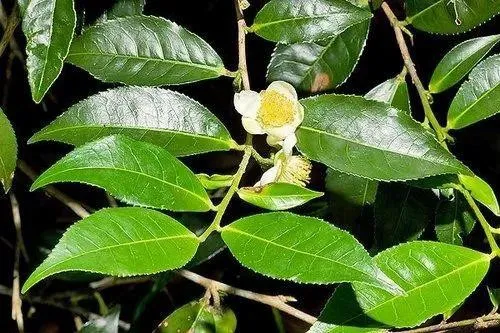
1. Biological Source : Camellia Sinensis (L.)Kuntze
2. Common Name : Green Tea / Tea plant
3. Family : Theaceae
4. Parts Used : Young leaves and leaf buds
5. Major Active constituent Epigallocatechin-3-gallate (EGCG)
6. Colour : Green to Olive green
Overview and relevance to breast cancer
Camellia sinensis is the plant from which green tea is derived[29]. Green tea leaves are a source of catechins, among which EGCG is the most extensively studied in breast cancer[30]. EGCG is a polyphenol with antioxidant and signalling properties that has been investigated for its ability to inhibit tumour-cell proliferation, invasion and angiogenesis and to modulate apoptosis and epigenetic pathways[31].
Phytochemistry and standardization
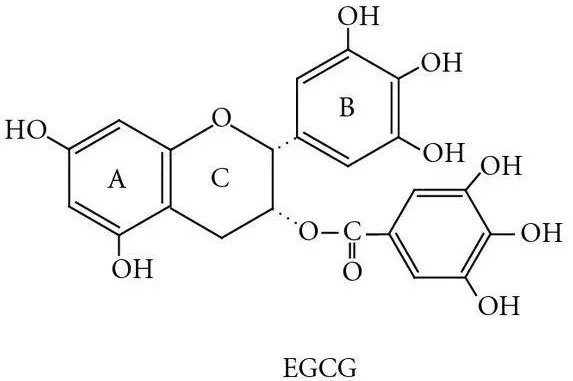
Major green-tea catechins are EGCG, epigallocatechin, epicatechin gallate and epicatechin[27].Caffeine and other polyphenolic constituents are also present[28]. The content of EGCG varies with cultivar, harvest, processing, extraction and formulation[29]. Consequently, studies using brewed tea, standardized extracts and purified EGCG should not be considered interchangeable[30].
Major molecular mechanisms
Experimental breast-cancer studies have reported effects on PI3K/Akt, MAPK and other signalling pathways, as well as modulation of apoptosis, cell-cycle progression, inflammation, invasion and epigenetic regulation[32]. EGCG has been investigated as a sensitizing partner for conventional anticancer agents[24].
A 2023 review summarized in vitro and in vivo evidence and highlighted the potential of nanomaterials to address EGCG stability and bioavailability limitations[25].
Preclinical evidence
Preclinical evidence is extensive; reviews mention inhibition of breast cancer cell proliferation and invasion, induction of apoptosis and anti-angiogenic effects[27]. The dose translation however, remains a major issue; concentrations that produce robust effects in vitro often cannot be achieved or sustained in human tissues following ordinary tea consumption[28]. Standardized formulations are therefore important for future studies[29].
Clinical and human evidence
Human evidence is currently stronger for feasibility, safety and biomarker exploration than for
demonstrated therapeutic efficacy[31]. In a phase-Ib randomized dose-escalation study of Polyphenon E in women with prior hormone receptor-negative breast cancer, the maximum tolerated dose was identified as 600 mg twice daily while dose-limiting toxicities increased at higher exposures[24]. The Minnesota Green Tea Trial randomized 1,075 postmenopausal women at increased breast-cancer risk to green tea extract containing 843 mg EGCG daily or placebo for one year; the intervention was generally tolerated but ALT elevations were more frequent in the extract group demonstrating why liver monitoring and dose selection matter[25].
Potential role as an adjuvant
The adjuvant concept must be regarded as a research hypothesis: the botanical or its isolated
phytochemicals could be used as an adjuvant therapy by virtue of its effect on tumour biology, treatment tolerability, inflammatory signalling pathways, or mechanisms of resistance; the evidence is not sufficient to support the replacement of established anticancer treatment by the agent[28]. The clinical development should proceed under the supervision of an oncologist and include standardized preparations, assessment of drug-drug interactions and the conduct of appropriately powered clinical trials[29].
Formulation and drug-delivery considerations
EGCG exhibits poor stability and undergoes extensive in vivo oxidation, and the development of nanosized formulations and other approaches to improve its pharmacokinetics is a relevant scientific challenge[32].
Research gaps and future direction
For an adjuvant-development programme, a standardised EGCG formulation may be considered for investigation in proof-of-concept studies[26]. Until such trials are completed, the role of the preparation in cancer therapy should be regarded as preliminary studies[27].
CONCLUSION
Overall, this herb plays a biologically plausible role in breast-cancer research, but the strength of evidence varies considerably between experimental and clinical studies. preclinical evidence provides the basis for further investigation, while human evidence determines whether an agent can ultimately be considered a clinically useful adjuvant[29].
GINGEROLS :
1. Biological Source : Zingiber officinale Roscoe
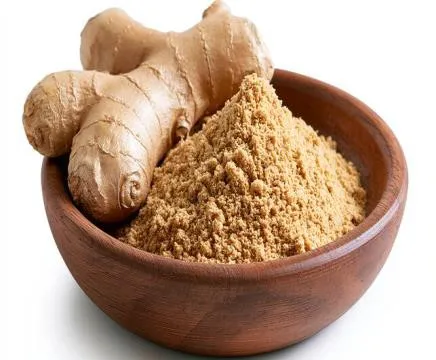
2. Common Name : Ginger
3. Family : zingiberaceae
4. Parts Used : Rhizome
5. Major Active Constituent : 6- Gingerols
6. Colour : Cream to yellowish rhizome ; gingerols rich extracts are yellow to brown
Overview and relevance to breast cancer
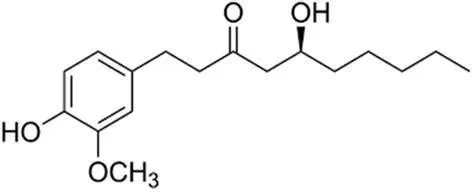
Zingiber officinale Roscoe is a widely used culinary and medicinal rhizome, whose pungent phenolic constituents include gingerols, shogaols and related compounds. 6-Gingerol has been the most widely investigated component in terms of potential anti-inflammatory, antiproliferative, pro-apoptotic and anti-invasive activities[37].
Phytochemistry and standardization
Fresh ginger contains gingerols, including 6-gingerol, whereas processing may modify the profile and increase levels of shogaols and other dehydration products[36]. The essential-oil constituents such as zingiberene also contribute to the overall composition[37].Thus, extraction temperature, solvent, drying and storage may influence the final chemical content[38].
Major molecular mechanisms
Preclinical studies in breast cancer suggest potential anti-inflammatory, antioxidant, cell-cycle regulatory, apoptotic, angiogenic and metastatic modulating effects by gingerols[40]. Mechanistic reviews report on influences on proliferation- and survival-related signalling cascades and potential synergies with conventional agents[41]. The overall mechanistic rationale clearly applies at the preclinical level[33].
Preclinical evidence
Experimental evidence suggests inhibition of breast-cancer cell proliferation and induction of
apoptosis, together with anti-inflammatory and anti-metastatic effects[36]. One 2025 review specifically focused on gingerol in breast cancer and highlighted chemoprevention, drug synergism and nanoformulation as areas of active research[37]. Another overview provided a comprehensive summary of the broader anticancer evidence for ginger extract and 6-gingerol[38].
Clinical and human evidence
Compared with curcumin and green-tea extracts there is breast-cancer- clinical evidence for gingerols as an anticancer therapy[38]. Human research on ginger has also focused on supportive-care questions such as chemotherapy-associated nausea than demonstrating tumour-control efficacy[39]. Therefore the defensible
positioning is as a promising preclinical candidate with potential supportive-care relevance not as a clinically established anticancer adjuvant[40].
Potential role as an adjuvant
The adjuvant concept should be interpreted as a research hypothesis: the botanical or purified phytochemical may potentially complement treatment by affecting tumour biology, treatment tolerance, inflammatory signalling or resistance mechanisms[40]. It should not be presented as a replacement for evidence-based oncology care[41]. Any future clinical use would require supervision, standardized product quality, interaction assessment and evidence from appropriately designed clinical trials[33].
Formulation and drug-delivery considerations
Gingerols can be incorporated into lipid-based, polymeric or other delivery systems and nanoformulation is being explored to improve stability and exposure[33]. Standardized gingerol content would be important when comparing formulations[34]. For a student formulation project a standardized ginger extract or 6-gingerol-enriched fraction provides an experimental material, than an unspecified crude ginger powder[35].
Research gaps and future directions
Future research should focus on breast-cancer-specific randomized trials investigating standardized gingerol preparations, pharmacokinetics, dose-response relationships, interactions with chemotherapy/endocrine agents and clinically meaningful tumour endpoints[37].
CONCLUSION
Overall, the herb has a biologically plausible role in breast-cancer research, but the strength of evidence differs markedly between experimental and clinical settings[41]. For publication, the key message should remain balanced: mechanistic and preclinical findings support further investigation, while human evidence determines whether an agent can ultimately be considered a clinically useful adjuvant[33].
GINSENOSIDES :
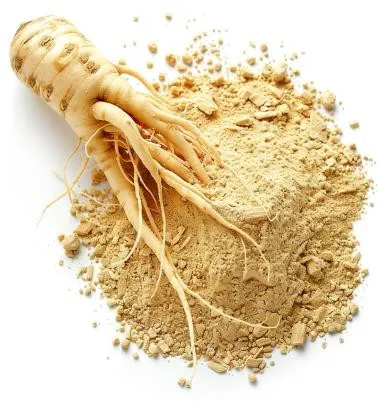
1. Biological Source : Panax ginseng C.A. Meyer
2. Common name : Asian Korean ginseng
3. Family: Araliaceae
4. Part used: Root
5. Major Active Component : Ginsenosides (triteroenoid saponins) , including Rg3, Rh2 and related compounds
6. Colour: Pale yellow to brown root
Overview and relevance to breast cancer
Panax ginseng C.A. Meyer is a traditional medicinal plant in which the root contains numerous triterpenoid saponins called ginsenosides[47]. Breast-cancer research has evaluated specific ginsenosides as well as standardized preparations of ginseng[48]. Proposals activities include regulation of proliferation, apoptosis, autophagy, angiogenesis, metastasis, epithelial–mesenchymal transition and drug resistance[49].
Phytochemistry and Standardization
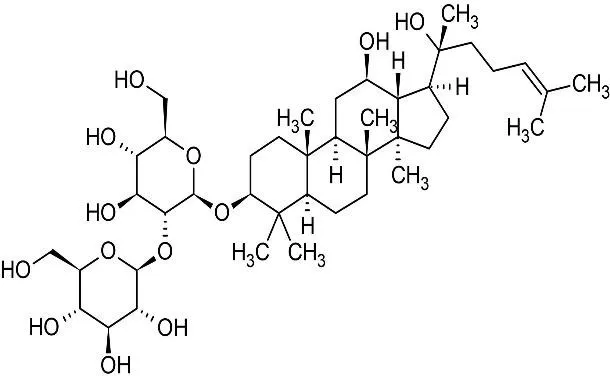
Ginsenosides are structurally diverse dammarane-type saponins[43]. Major compounds discussed in breast-cancer literature include Rg3, Rh2, Rg1, Rb1 and related metabolites[44]. Processing can transform the ginsenoside profile, so that red ginseng and white ginseng preparations may not have equivalent phytochemical composition[45]. Standardization by chromatographic profiling is therefore important[46].
Major molecular mechanisms
Reviews describe multiple mechanisms: modulation of cell growth and cell-cycle regulators, induction of apoptosis or autophagy, inhibition of angiogenesis and metastasis, suppression of epithelial–mesenchymal transition, modulation of multidrug resistance and regulation of non-coding RNAs[48]. These multi-pathway effects make ginsenosides interesting candidates for combination strategies, particularly in drug-resistant disease, but they are largely experimental[49].
Preclinical evidence
More than 50 articles were summarized in a 2019 review of ginsenosides and breast cancer, involving in vitro, in vivo and clinical observations[44]. Subsequent reviews have continued to report anti-proliferative, pro-apoptotic, anti-metastatic and anti-angiogenic effects[45]. Recent literature also highlights Rg3 and Rh2 as candidates for combination therapy and drug-resistance research[46]. However, most evidence still comes from experimental models rather than definitive breast-cancer treatment trials[47].
Clinical and human evidence
There is human observational evidence[49]. A large cohort study of 1,455 breast cancer patients evaluated ginseng use in relation to survival and quality of life, but observational associations cannot establish that ginseng or a particular ginsenoside treats breast cancer[50]. Clinical evidence for purified ginsenosides as anticancer drugs is limited to date[42]. Thus, ginseng is best classified as a promising but unproven investigational adjunct with a rich mechanistic literature but insufficient human evidence to support its use as an anticancer agent at this time[43].
Potential role as an adjuvant
The adjuvant concept should be regarded as a research hypothesis: the botanical or purified phytochemical might act as a complement to conventional treatment by influencing tumour biology, treatment tolerance, inflammatory signalling or resistance mechanisms[45]. It should not be proposed as a replacement for evidence-based care in oncology[46]. Future studies would require oncologist supervision, standardized product quality, assessment of interactions and appropriate clinical trial designs to evaluate efficacy[47].
Formulation and drug-delivery considerations
Ginsenoside delivery can be impeded by absorption and metabolism issues, and inter-preparation differences[43]. Standardized extracts, purified ginsenosides and nanocarriers represent different research avenues[44].A formulation study should report the exact ginsenoside marker (s), assay method, extraction/processing conditions and stability profile to enable the preparation to be reproduced[45].
Research gaps and future directions
Areas of research priority include randomized breast-cancer trials, pharmacokinetics of individual ginsenosides, subtype-specific activity, interactions with endocrine and cytotoxic therapy, standardized preparations and long-term safety monitoring[47].
CONCLUSION
These herb has a plausible biological rationale for study in breast-cancer research, but the quality of supporting evidence varies greatly between experimental and clinical investigations[42]. For publication, it is critical to maintain a balanced perspective that although mechanistic and preclinical investigations are worthy of consideration, human studies will determine whether an agent has potential as a clinically useful adjuvant[43].
SUMMARY :
Herbs Used in Breast Cancer Management and Their Potential Activities
| Herbs (Scientific name ) | Major active constituent | Potential activity in breast cancer |
|---|---|---|
| Curcuma Longa | Curcumin | Antiproliferative ,pro-apoptotic ,anti-inflammatory [6] [8]. |
| Nigella sativa | Thymoquinone | Pro-apoptotic ,anti-invasive ,modulation of cancer- related signaling [14]. |
| Camellia sinesis | EGCG | Antiproliferative ,pro-apoptotic ,anti-angiogenic[5]. |
| Zingiber officinale | 6-Gingerols | Antiproliferative ,anti-inflammatory , anti-invasive[33]. |
| Panax ginseng | Ginsenosides ( eg., Rg3) | Pro-apoptotic ,anti-metastatic ,modulation of drug-resistance pathways [43]. |
REFERENCES


Mayuri Auti, Shraddha Mitkari, Saniya Mulla, Herbs Used in Breast Cancer Management as a Potential Adjuvant Therapy, Int. J. of Pharm. Sci., 2026, Vol 4, Issue 11, 1447-1460. https://doi.org/10.5281/zenodo.24007791
 10.5281/zenodo.24007791