

We use cookies to ensure our website works properly and to personalise your experience. Cookies policy
Department of Pharmaceutical Quality Assurance, Vidya Niketan Institute of Pharmacy and Research Center Bota, Tal- Sangamner, Dist- A.Nagar, Pin Code- 422602.
Forced degradation studies, also known as stress testing, represent a cornerstone of pharmaceutical drug substance development, systematically exposing active pharmaceutical ingredients to hydrolytic, oxidative, photolytic, thermal, and humidity stress conditions to generate controlled degradation of 5–20% and elucidate inherent chemical instability pathways. Chemical stability profoundly influences the therapeutic usefulness, regulatory approvability, and safety profile of a drug substance, making comprehensive stability characterization an essential scientific obligation rather than a mere regulatory formality. This review synthesizes the current regulatory landscape, experimental design strategies, advanced analytical methodologies, and kinetic evaluation frameworks governing forced degradation science. The ICH Q1A(R2) guideline remains the primary regulatory reference, mandating stress testing across hydrolytic, oxidative, thermal, photolytic, and humidity conditions, while the landmark draft consolidated ICH Q1 guideline released in April 2025 supersedes the entire Q1A–Q1F and Q5C series, integrating Quality by Design principles and extending guidance to Advanced Therapy Medicinal Products for the first time. Analytical characterization of degradation products is discussed with emphasis on hyphenated techniques, particularly LC-HRMS and LC-Q-TOF-MS/MS, alongside confirmatory 2D NMR, as tools enabling structural elucidation at or near ICH Q3A identification thresholds. Kinetic modelling using Arrhenius extrapolation underpins accelerated stability predictions, while in silico tools such as Zeneth and Derek/Sarah Nexus increasingly support predictive degradation pathway mapping and mutagenicity assessment. Green analytical chemistry dimensions and emerging artificial intelligence applications are also addressed as defining future directions for the discipline.
Chemical stability is one of the most impactful factors that influence the therapeutic usefulness, regulatory approvability and safety profile of a drug substance. Chemical transformation of the pharmaceutical may occur via hydrolysis, oxidation, photolysis, thermolysis, or multiple reactions, and may result in pharmacologically inactive, chemically active or, in the worst cases, obviously toxic degradation products [1]. Drug stability testing is thus not just a regulatory procedure but a scientific investigation process that entails the systematic questioning of the inherent chemical properties of a molecule in controlled and reproducible conditions. The ability to preserve the identity, strength, quality and purity of a medicine for the intended period of self-life is directly linked to the extent to which this behavior has been characterized during the development process
[2].Forced degradation studies, which are also known as stress testing, stress decomposition studies, or forced decomposition studies, are the most systematic and informative part of the pharmaceutical stability assessment program. Forced degradation studies differ from routine accelerated or long-term stability studies, which are performed under conditions designed to simulate conditions for shelf life, by intentionally exposing the drug substance to conditions that are more extreme than accelerated testing, to cause chemical degradation in a controlled period [3]. The scientific basis of this distinction is clear: Forced degradation is not intended to cause failure of the molecule; it is intended to illuminate the intrinsic chemical instability of the molecule and to identify possible degradation pathways and to create reference degradation products that are necessary for development and validation of stability indicating analytical methods [4]. The relevance of this distinction has been acknowledged since these studies were established as a regulatory requirement by the introduction in 1993 of the International Conference on Harmonization (ICH) guideline Q1A for stress testing of drug substances, which was the first guideline to define stress testing as studies performed under more severe conditions than those applied in accelerated testing [5].
This guideline was then revised and updated, and the most widely used version in the world, ICH Q1A, was published in 2003. Based on this guideline, pharmaceutical companies are required to assess stability of a drug substance under hydrolytic stress conditions, which cover a wide range of pH conditions, oxidative stress conditions, thermal stress conditions, photolytic stress conditions (as per ICH Q1B) and humidity stress conditions [6]. The aim is to provide a meaningful and defined amount of degradation (usually around 5–20%) enough to produce the primary degradants that can be analyzed for characterization but not enough to completely destroy the sample [7]. These degradation samples are then used as the scientifically sound basis for which the specificity of the stability indicating methods is established, which links the forced degradation studies to the ICH Q2(R1) method validation requirement. In addition to method development, the data obtained is used to make decisions in formulation design, selection of packaging and storage conditions, and in the impurity control strategy needed for ICH Q3A to use for drug substances [8].
As pharmaceutical pipelines have become more diverse, the interaction between forced degradation, impurity profiling and regulatory compliance has become significantly more complex with the diversification of pharmaceutical pipelines, the interplay between forced degradation, impurity profiling and regulatory compliance has increased significantly [9]. The reporting, identification and qualification guidance in ICH Q3A creates layers of responsibility for the developer that, before being incorporated into product specifications, degradation products found in stability studies must be structurally elucidated above specific levels, and if necessary, be toxicologically qualified. The new hyphenated mass spectrometric methods, especially liquid chromatography coupled to tandem mass spectrometry, have revolutionized the analytical power available to fulfil these obligations and enabled the unambiguous elucidation of the structure of the degradants present at trace levels in complex pharmaceutical matrices [10].
Regulatory framework is constantly in the process of being reconfigured in ways that are more profound than they have been in more than 20 years. In April 2025, the ICH advanced to Step 2 of a consolidated revision to its stability guidance, which resulted in a draft ICH Q1 guideline to replace the entire Q1A-Q1F series and Q5C, bringing together all the guidance into one document, using science-based and risk-based principles [11]. This revision presents a more robust approach that incorporates stability study design into Critical Quality Attributes and Quality by Design principles and, for the first time, includes specific guidance on stability study considerations for Advanced Therapy Medicinal Products (ATMP), Combination Products and Novel excipients, which were missing from the existing, fragmented series of guidelines [12,13].
In the context of this background, the time and need are ripe and urgent for a critical and synthetic review of the design of forced degradation studies, analytical methodology, kinetic degradation studies, and the developing regulatory expectations. This review deals in a structured and mechanistically based way with each of these dimensions and aims to provide pharmaceutical scientists, analytical chemists and regulatory professionals with a single scientific reference source that represents the state of the art and meets the challenges of the regulatory transition that is happening now.
2. REGULATORY FRAMEWORK: ICH GUIDELINES AND GLOBAL PERSPECTIVES
The regulatory framework for pharmaceutical stability assessment has been built up over time by a series of internationally harmonized guidelines under the auspices of the International Council for Harmonization of Technical Requirements for Pharmaceuticals for Human Use (ICH). ICH Q1A (first recommended for adoption in 1993) sets the first globally accepted standards for stress testing and forms the basis of formal stability programs for drug substances and drug products [13]. It was revised in 2003 to ICH Q1A(R2), the most widely referenced of the guideline in current pharmaceutical regulatory practice. This revision has added a structured method for stability study design, giving account of the variation in environmental conditions that exist throughout the global market, and the storage conditions that the pharmaceutical products must meet [14].
Based on this classification the world is divided into four climatic zones. Zones I (temperate) and II (subtropical) need long term stability tests at 25°C ± 2°C and 60% ± 5% relative humidity (RH) respectively, with accelerated testing at 40°C ± 2°C and 75% ± 5%RH. Zones III and IV (hot and dry to hot and humid) should be stored long-term at 30°C ± 2°C with a relative humidity of 35% to 75% RH (specific to subzone classification) as defined in the companion guideline ICH Q1F. Standard drug substances are subject to accelerated condition (40°C/75%RH) across all the zones. The stress testing of drug substances outlined in this guideline should include temperature in increments of 10°C above the accelerated condition (50°C and 60°C); humidity at or above 75%RH if applicable; hydrolysis over a broad pH range (solution or suspension); oxidation; and photolysis following ICH Q1B [15].
ICH Q1B contains a guideline for light exposure conditions for conducting photolytic stress testing as a part of the forced degradation program for drug substances. ICH Q2(R1) deals with the validation of analytical procedures and sets out the parameters that a stability-indicating analytical method should meet before it can be submitted for regulatory purposes: specificity, linearity, accuracy, precision, detection limit, quantitation limit, robustness. The ability to measure the analyte without interference from degradation products is the most important parameter that is validated by using forced degradation samples and is called specificity. According to ICH Q3A(R2), impurities occurring at or above 0.05% relative to the drug substance are required to be reported, at or above 0.10% are required to be identified and at or above 0.15% or 1.0 mg/day (whichever is less) intake are required to be toxicologically qualified [16].
The EMA guideline on stability testing of existing active substances and related finished products parallels the ICH guidelines in terms of the stresses to be applied, including thermal, humidity and solution stress, and the direction to perform stability testing for photostability testing in ICH Q1B. The regulatory environment is getting its most fundamental changes since the launch of the ICH Q1 series. The ICH has taken a step forward in April 2025 by announcing the release of a draft guideline (ICH Q1: Stability Testing of Drug Substances and Drug Products) for public consultation, marking Step 2 of a consolidated revision. This single document, structured into 18 main sections and three annexes, replaces the previous ICH Q1A to Q1F and ICH Q5C stability guidelines, which are now merged into one [17]. This document applies to advanced therapy medicinal products, gene and cell-based medicine, vaccines, biologics and synthetic small molecule-based medicine. The revised guideline is an improved, science and risk-based guideline that includes the Quality by Design (QbD) methodology as developed in the ICH Q8-12 guideline and the ICH Q14 guideline and relates the design of stability studies to Critical Quality Attributes (CQA). One important change in the revised draft was the explicit separation of the two types of degradation testing: stress testing (more severe than accelerated stress but not specifically designed to cause degradation of the molecule) and forced degradation testing (which involves deliberately exposing the molecule to extreme pH, humidity, oxidative reagents, photolysis, and heat combinations to map degradation pathways and establish the validity of stability-indicating analytical methods). As outlined in Table 1, the consolidated ICH Q1 guideline is expected to be
finalized in 2026 and will be the greatest impact upon global stability testing standards in more than two decades [18].
Table 1. Comparison of Key Regulatory Documents Governing Pharmaceutical Stress Testing and Stability Assessment [19,20].
|
Guideline |
Issuing Body |
Scope |
Key Requirements for Forced Degradation |
Status |
|
ICH Q1A(R2) |
ICH |
New drug substances and products, Zones I–II |
Thermal (≥50°C), humidity (≥75% RH), hydrolysis (wide pH), oxidation, photolysis |
Currently operative (2003) |
|
ICH Q1B |
ICH |
Photostability of drug substances and products |
UV/visible light exposure per specified lux-hour conditions |
Currently operative (1996) |
|
ICH Q1F |
ICH |
Stability data for Zones III and IV |
Long-term at 30°C/65% RH or 30°C/75% RH; accelerated at 40°C/75% RH |
Withdrawn; absorbed into Q1 draft 2025 |
|
ICH Q2(R1) |
ICH |
Validation of analytical procedures |
Specificity, linearity, accuracy, precision, LOD, LOQ, robustness |
Currently operative |
|
ICH Q3A(R2) |
ICH |
Impurities in new drug substances |
Reporting 0.05%, identification 0.10%, qualification 0.15% thresholds |
Currently operative |
|
EMA CPMP/QWP/122/02 |
EMA |
Existing active substances |
Mirrors ICH Q1A(R2) thermal, humidity, solution stress; photolysis per Q1B |
Currently operative |
|
ICH Q1 Draft (2025) |
ICH |
All product types including biologics, ATMPs, vaccines |
Supersedes Q1A–F and Q5C; risk-based, QbD-integrated, lifecycle approach |
Step 2; adoption expected 2026 |
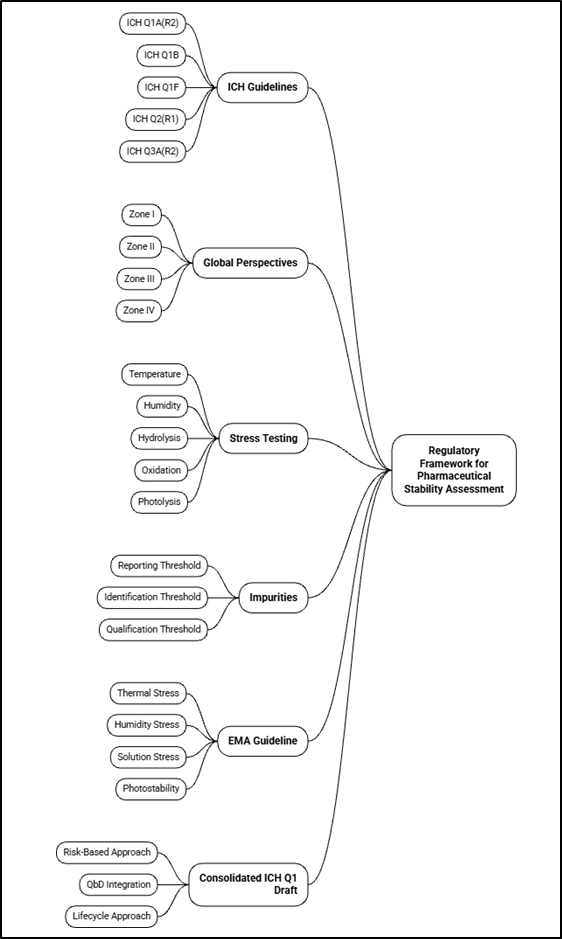
Figure 1: Schematic timeline of ICH stability guideline evolution from 1993 to the 2025 consolidated draft, illustrating the progressive expansion of regulatory scope.
3. STRESS TESTING STRATEGIES AND EXPERIMENTAL DESIGN
Given that there is no single universal forced degradation protocol and no step-by-step procedure recommended by the ICH guidelines, the design of a scientifically sound forced degradation program will depend on the informed judgment of the experimenter to choose stress conditions, reagent concentrations, temperatures and exposure times that will apply to a specific drug substance [21]. The overall goal of any forced degradation experiment is to obtain meaningful and controlled degradation between 5% to 20% to get primary degradation products, which are relevant to real-life storage conditions or accelerated storage conditions, and to prevent the formation ofsecondary or artifactual degradation products that are not expected during accelerated or long-term storage. Under-stressing cannot adequately test the analytical method, or indicate clinically relevant impurity pathways, and over-stressing will produce secondary degradants which are not clinically relevant or provide any stability information [22].
Hydrolytic stress is the most broadly applicable of the forced degradation conditions and is representative of a wide range of degradation reactions that proceed through the breaking of bonds with the assistance of water. Acid hydrolysis is usually done by dissolving or suspending the drug substance in either a 0.1–1 M hydrochloric acid solution, and if there is no degradation, the hydrolysis is performed at temperatures of 50–70°C. Esters, lactones, acetals and some amide bonds are functional groups that are more susceptible to acid-catalysed hydrolysis [23]. Base hydrolysis uses sodium hydroxide or potassium hydroxide solutions of similar concentration and is used to hydrolyse base-splittable functional groups such as esters, amides and certain carbamates. For pH independent degradation mechanisms additional information can be obtained by applying neutral hydrolysis in purified water. The intrinsic stability of many drug substances is pH dependent and therefore an evaluation over a broad pH range is necessary to completely define the hydrolytic degradation profile, which may then be used directly to make formulation decisions on buffer selection and pH adjustment [24].
For drug substances bearing electron-rich functional groups that can be attacked by nucleophiles or radicals, oxidative stress is a condition of special concern. The most widely used reagents for oxidative degradants are hydrogen peroxide solutions (0.3–3% v/v) and the concentration and exposure time are optimized to obtain the desired degradation range. Hydrogen peroxide mainly produces oxidative degradants via electrophilic oxidation, such as oxidation of sulfides, thioethers and secondary and tertiary amines. If the drug substance is prone to radical-mediated autoxidation, additional oxidative stresses such as metal ion catalysts or AIBN (2,2'-azobis(2-methylpropionitrile)) can be used. Analytically, the difference between the electrophilic and radical oxidative pathways is significant since structurally different degradants are formed in each pathway and each needs to be resolved by the stability-indicating method [25].
Photolytic stress is performed under two general conditions specified by ICH Q1B; an overall illumination of at least 1.2 million lux hours of visible light and an integrated near-ultraviolet energy of 200 watt-hours per square meter. The photolysis reactions that primarily occur at the molecular level are reactions such as bond cleavage, trans/cis isomerization of conjugated double bonds, and the production of reactive oxygen species in the presence of molecular oxygen in nitro compounds and halogenated functional groups [26]. Drug substances with quinone, porphyrin or flavin groups tend to be photolabile. Thermal stress studies involve heating the drug substance to a temperature generally 10°C higher than the accelerated condition (usually 50°C or 60°C) for a specific time and then applying the Arrhenius equation to extrapolate degradation rates at the elevated temperature to the storage condition of interest. Humidity stress is designed to determine the tendency of a drug substance to undergo moisture-induced degradation and physical phase changes such as crystallinity change of amorphous drug substance. A recrystallisation of
amorphous drug substance under high humidity may affect its solubility and dissolution properties, and interactions with the excipients (Maillard reactions between reducing sugars and amine containing APIs) can lead to colored degradation products. Studies conducted at 75%RH or higher as specified in ICH Q1A (R2) give data directly relevant to the selection of a packaging and the requirement for desiccants or moisture barrier primary packaging [27].
The experimental strategy for forced degradation must also consider the physical state of the drug substance, such that solution degradation experiments may result in the identification of ionic and other degradation pathways that do not occur in the solid state, whereas solid-state degradation experiments may result in the identification of surface-mediated or crystal-packing dependent degradation pathways that are not seen in the solution degradation experiments. A thorough forced degradation program usually includes both states. It is also essential that the sum of the mass of the recovered drug substance and the total of all the quantified degradation products (as determined by the analytical method) should agree to within ±2% of the mass of the initial drug substance in stressed samples, which indicates that essentially all of the degradants are being detected by the analytical method and that the drug substance is not being lost due to volatilization or adsorption to the glassware. The key stress conditions, recommended reagents and concentrations, target functional groups, and expected degradation mechanisms are summarized (Table 2) for a convenient reference for experimental design [28].
Table 2. Stress Conditions, Reagents, Target Functional Groups, and Mechanistic Outcomes in Forced Degradation Studies [29,30].
|
Stress Type |
Typical Reagent/Condition |
Concentration / Exposure |
Target Functional Groups |
Principal Degradation Mechanism |
|
Acid hydrolysis |
Hydrochloric acid (HCl) |
0.1–1.0 M; RT to 70°C |
Esters, lactones, acetals, amides |
Acid-catalysed nucleophilic addition- elimination |
|
Base hydrolysis |
Sodium/potassium hydroxide |
0.1–1.0 M; RT to 70°C |
Esters, carbamates, amides, nitriles |
Base-catalysed saponification and elimination |
|
Neutral hydrolysis |
Purified water |
RT to 70°C; up to 7 days |
pH-independent labile bonds |
Water-mediated hydrolysis independent of pH |
|
Oxidation |
Hydrogen peroxide (H₂O₂) |
0.3–3.0% v/v; RT |
Sulfides, thioethers, tertiary amines |
Electrophilic peroxide oxidation; N/S-oxidation |
|
Photolysis |
UV/visible light per ICH Q1B |
≥1.2 × 10⁶ lux·h; ≥200 Wh/m² UV |
Aromatics, double bonds, |
Homolytic bond cleavage, |

Figure 2: Forced Degradation Study Design and Strategies
4. ANALYTICAL METHODS FOR DEGRADATION PRODUCT IDENTIFICATION: ROLE OF LC-MS/MS AND HYPHENATED TECHNIQUES
Twenty years ago, the analytical characterization of forced degradation products was profoundly altered by the development and continuous improvement of hyphenated separation–detection methods, with one of the most recent and most popular being liquid chromatography (LC) coupled to tandem mass spectrometry (MS/MS). The first step in developing a stability-indicating method is the chromatographic separation of the drug substance from degradation products, which is
usually achieved by reversed-phase high performance liquid chromatography with gradient mobile phases of aqueous buffers and organic modifiers (acetonitrile or methanol) on reversed-phase C18 stationary phases. The selection of column chemistry, mobile phase pH, gradient profile and flow rate should be determined by the physicochemical properties of the drug substance (i.e. pKa, log P, solubility) and should be such that all degradation products are separated from each other and from the drug peak, and the purity of all peaks should be checked by photodiode array detection or mass spectrometry [31].
The identification of degradation products is the most analytically challenging part of forced degradation studies and is subject to the ICH Q3A's identification thresholds. LC-MS/MS fusion of the separation power of liquid chromatography and the structural information provided by tandem mass spectrometric fragmentation allows for identification of unknown degradants at or near the identification limit and determination of the molecular formula and structural connectivity. The accurate mass of the molecular ion, measured with a mass accuracy of typically less than 5 parts per million using a high-resolution instrument like a quadrupole time of flight (Q-TOF) or Orbitrap based instrument, will give the elemental composition of the degradant in the standard analytical workflow. Subsequent product ion spectra produced as a result of collision induced dissociation then yield a fragmentation fingerprint that allows the structural modification of the degradant on the drug substance to be deduced, as the degradants are structurally related to the drug substance, and their fragmentation patterns are different and predictable from those of the parent, depending on the site of the chemical modification [32].
Coupled with quadrupole selection, the Q-TOF instrument provides a practical compromise between the high mass accuracy of TOF instruments and the high sensitivity of quadrupoles and has become a popular choice for the identification of degradation products in pharmaceutical applications. The alternative platforms are based on Orbitrap technology and have a higher mass resolution and mass accuracy (usually less than 2 ppm), especially useful for identification of isobaric degradants which are only a few mass units apart. A comprehensive study of Dalbavancin, a lipoglycopeptide, identified and characterized seven degradation products under acidic, basic and oxidative stress conditions using LC-HRMS and MS/MS with the mechanism of fragmentation pathway for each degradant and isomeric products originating from basic hydrolysis being proposed. In the same way, the study of the anticancer compound ONC201 found twenty ONC201 degradation products using LC-HRMS, and a detailed study of parent compound fragmentation in collision-induced dissociation (CID) was essential for assigning structures to all of the detected ONC201 degradants [33].
Nuclear magnetic resonance spectroscopy is the definitive method for structural confirmation of complex drug substances that give ambiguous molecular ion and product ion spectra, especially when regioisomeric degradants with the same molecular formula are produced. By using semi-preparative HPLC, it is possible to isolate enough amount of the targeted degradant, and the one-dimensional and two-dimensional NMR experiments, such as COSY, HSQC and HMBC experiments, give through-bond connectivity information which could be used to distinguish
regiochemical assignments which would not be resolved by MS alone. The structure of an H₂O₂-induced oxidative degradant was initially characterized using LC-HRMS and MS/MS fragmentation and then confirmed by 1D and 2D NMR after semi-preparative HPLC isolation of the degradant in a study of forced degradation of milbemycin oxime. This is a combination of LC-HRMS/NMR, the most strict conditions for structural elucidation of a degradant and is routinely used for the elucidation of degradants detected at levels above the ICH Q3A identification limit[34].
The developed method for the analysis of the above degradation products should be validated according to ICH Q2(R1) requirements. Specificity is established by performing the analysis on the stressed samples and showing that there is no peak coelution or spectral interference between the drug substance(s) and all of the degradation products generated. The sum of all measured species must be within the acceptance range (usually ≥ 98%) when validated by mass balance. Other validation parameters include linearity over the range of 50% to 150% of the range of the assay and impurities; accuracy (by standard addition or spiking); precision (intra-day and inter-day); and robustness (deliberate small changes to the chromatographic conditions such as column temperature, mobile phase pH, and organic modifier ratio) [35].
One aspect of analytical method development for pharmaceutical stability that is beginning to be discussed is the incorporation of Quality by Design into the chromatographic method optimization process. The analytical QbD approach instead uses Design of Experiments to consider the interactions between the critical method parameters in a multivariate manner and the Design Space is the range of values for the method parameters that satisfy all method performance criteria. Stability-indicating method development was used to optimize gradient, column and mobile phase parameters for several drug classes by the use of chemometric methods such as response surface methodology and partial least squares regression as an alternative to more traditional single-parameter optimization, which is robust and scientifically sound. The introduction of UHPLC platforms allowing sub-2-micron particle columns has further enhanced separation efficiency, and reduced run time, which is an important feature in high throughput stability screening applications. The relationship between stress condition, the type of degradants, the analytical technique, and the elucidation strategy summarized in Table 3 is systematic and hierarchical in nature and is characteristic of modern pharmaceutical analysis [36].
Table 3. Analytical Techniques and Their Applications in Forced Degradation Product Identification [37,38].
|
Analytical Technique |
Primary Application |
Key Advantage |
Limitation |
Common Drug Classes Studied |
|
RP-HPLC-UV/PDA |
Separation and quantification; stability- |
Wide applicability; |
No structural information |
All drug classes |
|
|
indicating method |
validated per ICH Q2 |
beyond UV spectrum |
|
|
UHPLC |
High-throughput stability screening |
Sub-2-min run times; superior resolution |
Higher back-pressure; requires specialised equipment |
Small-molecule APIs in QC |
|
LC-MS/MS (triple quadrupole) |
Targeted quantification of known degradants |
High sensitivity; selectivity via MRM transitions |
Limited for unknown structural elucidation |
Regulated impurity profiling |
|
LC-Q-TOF-HRMS |
Accurate mass and elemental composition of unknowns |
<5 ppm mass accuracy; MSᴱ data acquisition |
Higher cost; complex data processing |
New chemical entities; complex APIs |
|
LC-Orbitrap-HRMS |
Ultra-high resolution for isobaric separation |
<2 ppm mass accuracy; high resolving power |
Very high capital cost |
Advanced APIs; peptides; macrolides |
|
2D NMR (COSY, HSQC, HMBC) |
Definitive regiochemical assignment |
Unambiguous connectivity; resolves isomers |
Requires semi-preparative isolation; time-intensive |
Degradants above identification threshold |
|
In silico prediction (Zeneth/MetaSite) |
Predictive degradation pathway mapping |
Guides experimental design; reduces experimental burden |
Predictions require experimental confirmation |
Early-stage API characterisation |
5. DEGRADATION PATHWAY ELUCIDATION AND KINETIC EVALUATION
The elucidation of degradation pathways from forced degradation data can be useful for two purposes: first, to get a mechanistic map of the chemical transformations the drug substance can undergo under adverse conditions which can be useful for shelf-life prediction; second, to provide the quantitative kinetic parameters the rate constants, the order of the reaction, the activation energy and the half-life that are necessary to evaluate the accelerated data for stability under ICH
Q1E. The two uses are analytically interconnected – the structure of a degradation product dictates the pathway it has come from, and the kinetic parameters quantify the velocity of the pathway under specific conditions [39].
Pharmaceutical degradation reactions are often linear in the concentration of the reactant, such as zero-order, first-order or pseudo-first order. It is necessary to fit the data of the concentration of the reactant to each model and determine the goodness-of-fit using the coefficient of determination (R2) and residual analysis. In solution phase hydrolytic and oxidative degradation of pharmaceutical APIs, the rate of degradation is often found to be first order (proportional to the concentration of the remaining drug substance), suggesting that the rate-determining step is unimolecular or pseudo-unimolecular. For some solid-state degradation reactions, in which the degradation rate is independent of the drug concentration, or for drug substances in suspension form where the drug concentration in solution is kept constant through continual dissolution, zero-order kinetics are observed. Pseudo-zero order behavior can also occur when a reactive species (e.g., dissolved oxygen or water) is present in large excess in comparison to the drug substance. Less frequently seen in pharmaceutical stability situations, second-order reactions have been observed for bimolecular interactions between two reactive species [40].
The practical determination of reaction order is achieved by plotting concentration-time profiles based on the stability data (with different stresses). A plot of drug concentration against time will be linear for zero order reactions, giving a value for the rate constant k₀ in units of concentration per time. A plot of ln[C] versus time is linear for first order reactions, and the first order rate constant is k₁ (units: time⁻¹), which is the slope of the curve. Half-life t₁/₂ of a drug substance is defined as the time taken for the concentration of the drug substance to drop 50% of the initial concentration (C₀) of the drug, which corresponds to 0.693/k₁ for first-order reaction and is C₀/(2k₀) for zero-order reaction. In the field of pharmaceutical regulation, the shelf life is often defined as t₉₀, the time needed to reduce the concentration of the drug substance to 90% of the initial concentration and is determined as ln(0.9)/k₁ for first-order reactions, and 0.1C₀/k₀ for zero-order reactions [41].
The Arrhenius equation k= A·e^(−Ea/RT) describes the temperature dependence of the rate constant, k, of a reaction, where k is the rate constant at the absolute temperature, T, A is the pre-exponential or frequency factor for the reaction, Ea is the activation energy in J/mol, and R is the universal gas constant (8.314 J/mol·K). The rate constants were measured at several different elevated temperatures, such as 40°C, 50°C and 60°C, and a plot of ln(k) versus 1/T yielded a linear Arrhenius plot whose slope is equal to minus Ea/R; the activation energy and the rate constant at the desired storage temperature were then calculated. It is this Arrhenius extrapolation that is the scientific foundation of accelerated stability testing and what ICH Q1E allows for: the statistical extrapolation of shelf-life estimates beyond the range of available real-time stability data. The range of activation energies for pharmaceutical hydrolytic reactions is usually in the range of 50-120 kJ/mol but can vary depending on the molecule and should not be assumed for each new pharmaceutical product without experimental determination. The mean kinetic temperature is the
theoretical temperature used in the United States Pharmacopoeia and also mentioned in FDA guidance and calculation using Arrhenius principles to determine the average temperature during storage or distribution which produces the same rate of degradation as a particular temperature distribution. The parameter is especially useful for pharmaceutical products that are stored under non-isothermal conditions and is likely to be conservative; that is, it will overestimate degradation rates and allow a determination of whether temperature excursions during transportation or storage pose a risk to product quality [42].
Elucidating the degradation pathway involves mapping all characterized degradation products onto the molecular structure of the parent drug substance, determining which bonds are broken or what functional groups are modified for each stress condition, and proposing degradation mechanisms that explain all the observed degradants. Mechanisms are suggested for the hydrolytic degradants based on the knowledge of the organic chemistry of the relevant functional group (ester saponification, lactam ring opening, or amide hydrolysis), as well as accurate mass and fragmentation data. Oxidative degradants are identified by the mapping of N-oxide, sulfoxide or aromatic hydroxylation pathways as appropriate for the molecular substrate and the photo degradants are rationalized on the basis of the mechanism of the photochemical reaction such as excited-state isomerization or radical-mediated ring opening. The composite degradation pathway map derived from this analysis directly contributes to the impurity control strategy, identifies any degradants of potential toxicological concern (DPC) that need to be qualified via ICH Q3A and gives the mechanistic scientific basis for proposed acceptance criteria in the drug substance specification [43].
6. IMPURITY PROFILING, TOXICOLOGICAL ASSESSMENT AND THE GREEN ANALYTICAL CHEMISTRY DIMENSION
Forced degradation studies are a necessary but not sufficient step in the analytical approach to dealing with degradant risk in a pharmaceutical development program and must be followed by identification and structural elucidation of the degradation products. The concentration of degradants relative to the drug substance needs to be determined when once the degradants have been structurally characterized, under the ICH Q3A guidelines governing reporting and qualification requirements. The degradation products must be structurally identified when present at levels exceeding the identification threshold (usually 0.10% for a daily dose of 2 g), and must be shown not to create an unacceptable risk to patients, either by showing that they do not exist (literature precedent) or by performing new experimental toxicology. It is significant to note the requirement for qualifications in degradation products that have been formed as a result of an oxidative or photolytic pathway, that may be capable of forming reactive species such as epoxides, quinones, hydroperoxides etc. which can have very different toxicological properties to the parent drug substance [44].
In recent years, degradation products have been increasingly subject to regulatory interest, as a consequence of the principles set out in ICH M7, which provides a risk based approach to
degradant assessment and control for pharmaceutical drug substances. According to ICH M7, potentially mutagenic impurities (PMI) must be assessed with two complementary (Q)SAR approaches – expert rule-based and statistical-based – that rely on in silico techniques. Lhasa Limited's over 40 years of curated structure-activity relationships for mutagenicity, genotoxicity, carcinogenicity and other toxicological endpoints are captured in Derek Nexus, the expert rule-based system. Developed by Lhasa Limited, Sarah Nexus meets the statistical methodology requirement by using a machine-learned, self-organizing hypothesis network to predict bacterial reverse mutagenicity based on structural similarity to a reference set of compounds in a curated Ames test database. The use of Derek Nexus and Sarah Nexus to predict degradation products found in forced degradation studies is now routine in modern drug development, and ICH M7 requires the results of both tools to be provided when a degradant contains a structural alert for mutagenicity. One such combined in silico application was used in the forced degradation study of Belumosudil, a protein kinase inhibitor, where four degradation products were observed under hydrolytic, oxidative, photolytic, and thermal stresses, and subsequently assessed with Derek Nexus, two of which were predicted to be hepatotoxic, skin sensitizing and skin irritating in humans, directly informing the impurity control strategy. The characterization of Infigratinib degradation products included both Derek Nexus and Sarah Nexus, as part of a fully integrated toxicological profiling workflow that is now expected in a regulatory submission of a new drug substance [45].
In general, forced degradation has become a new dimension of analytical methodology recently and has gained a great deal of popularity because it involves the evaluation of the greenness of the analytical method developed and validated from such studies, also known as the environmental sustainability of the analytical methodology. Institutional and regulatory initiatives toward sustainable laboratory practices have propelled the pharmaceutical analytical chemistry community forward in adopting quantitative measures of the environmental impact of stability-indicating methods [46]. The three most used evaluation frameworks in pharmaceutical analysis are the National Environmental Methods Index (NEMI), the Analytical Eco-Scale and the Green Analytical Procedure Index (GAPI). NEMI has developed a qualitative four quadrant pictogram, which categorizes methods as green or non-green, using four categories to assess reagent toxicity, generation of waste, use of corrosive reagents and use of hazardous chemicals. The Analytical Eco-Scale scores method characteristics out of 100, taking away points that are less environmentally friendly, and scores of 75 or higher were deemed an excellent green analysis. GAPI uses a five-pentagram system that is scored on 15 subsections of the process, each representing a stage of the process, with the color-coded pentagrams indicating the level of impact on the environment at each stage [47].
Stability-Indicating Methods with aqueous or partially aqueous mobile phases, UHPLC miniaturization of the volume of organic solvent used and the use of volatile ammonium buffers in place of phosphate buffers all help improve greenness profile whilst maintaining analytical performance [48]. The latest development of greenness assessment tools for use by pharmaceutical
analysts is the published modified GAPI tool from 2024, which includes a total numerical score to allow direct comparison between analytical methods and simplified software to ease implementation. The increasing adoption of green analytical chemistry principles in forced degradation methodology development is indicative of the broader understanding that the pharmaceutical industry is responsible for more than just product safety, they must also consider environmental sustainability in their analytical practices [49].
FUTURE PERSPECTIVES
Predictive science, advanced analysis tools and a new regulatory paradigm are merging to define the future of forced degradation science. Each has implications for the future, in the next ten years, of how stability programs will be designed, conducted and interpreted by pharmaceutical scientists. The most significant development in the near term is the growing use of software for predicting degradation pathways in in silico for early drug substance development. Zeneth is an expert knowledge-based system developed by Lhasa Limited which assesses the molecular structure of an API against a knowledge base of curated transformation rules and produces a multi-generation tree of degradation pathways, including API–excipient interaction pathways, for thermal, hydrolytic, oxidative, photolytic and metal-ion-catalyzed conditions [50]. With industry partners continually contributing to the knowledge base, the predictive ability of Zeneth has improved with each successive development cycle, as illustrated by a study published in Organic Process Research and Development in 2024 where a sample of 25 drug substances from forced degradation and formal stability studies was used, and the predictive capacity has now risen to 54%. The use of Zeneth predictions in a prospective manner can be used for experimental prioritization, to inform on the structural space of potential degradants before HPLC method development and to minimize the number of information poor stress conditions conducted at full analytical scale. The use of confirmatory LC-HRMS data to support Zeneth predictions is illustrated in the forced degradation study of tepotinib using a combined silico and LC-Q-TOF-MS/MS approach, which is increasingly adopted in the progressive pharmaceutical organization
[51].Another path of transformation is through machine learning and artificial intelligence. AI platforms that have been trained using curated pharmaceutical stability databases have been found to be able to accurately predict degradation kinetics, such as rate constants and shelf-life endpoints, dependent on molecular structure, formulation composition, excipient type, and storage condition. It was published in 2025, and used the Stabilis database of 55 experimental beyond-use dates of APIs to train a tree ensemble regression model, which predicted beyond-use dates for more than 3,000 APIs under various storage conditions, with APIs with lower LogP being more stable and excipients such as cellulose, silica, sucrose, and mannitol having improved stability profiles. The consolidated ICH Q1 draft guideline of 2025 is clear that predictive stability modelling is a scientifically valid method that could be used to support regulatory submissions, which represents a regulatory endorsement of the use of AI-assisted stability studies as a credible alternative to the traditional experimental programs. The predictions from these models will be more reliable with each new chemical entity they predict as they are trained on bigger and better data sets that cover a broad range of chemical space [52].
Analytical instrumentation is also moving in a number of directions that will directly impact on forced degradation studies. Two-dimensional liquid chromatography (2D LC) has been shown to provide significantly expanded peak capacity over one-dimensional separations, such as reversed-phase gradient HPLC, and is used to detect and resolve low level degradants in complex forced degradation matrices where one-dimensional HPLC is inadequate. In a data-independent acquisition mass spectrometry method, where all precursor ions are fragmented during the complete run of the chromatogram rather than being selected, it is possible to generate the full fragmentation data for all the detectable species in the sample, which is very useful in the context of untargeted forced degradation profiling, where the structure of the degradants should be assigned as soon as possible after the analytical run. Combined, these platforms provide a true promise of comprehensive and high confidence degradation product mapping from a single analytical experiment [53].
Mechanochemical forced degradation is an alternative method in which the solid-state degradants are formed by applying mechanical energy instead of chemistry in solution and is an emerging technique worth investigating. For example, a study published in ACS Central Science in 2023 showed that mechanochemical oxidative degradation of thienopyridine-containing pharmaceuticals realistically simulated long-term degradation reactions, without the need for solvents, and without considering irrelevant solution-based degradation pathways. Stability-indicating methods that address both analytical performance and environmental sustainability will continue to be developed, especially with the help of new tools that assess the "greenness" of analytical methods, such as the modified GAPI tool published in 2024, which now features a total numerical score to directly compare methods. The blue analytical chemistry framework, which assesses analytical methods based on their role in protecting laboratory safety and occupational health as well as environmental impacts, extends the sustainability evaluation that was used for the forced degradation study of ritlecitinib published in 2025, and applied to the developed UHPLC-DAD-MS/MS method [54].
With the anticipated conclusion of the consolidated ICH Q1 guideline, pharmaceutical developers will have to adopt a framework for the stability program design that is more science intensive. The need to provide scientific rationale for each stress condition based on the molecular properties of the drug substance, integrate the design of the stability studies with the rest of the QbD process (ICH Q8-Q12, Q14), and justify the need for post-approval changes, will require more detailed mechanistic understanding and more advanced analytical skills than the current prescriptive approach. Scientists who invest now in the computational, instrumental, and regulatory skills that these expectations call for will be best equipped to turn the scientific advances that were reviewed in this manuscript into programs that are defendable to the regulators and also meaningful in terms of providing information on the quality and safety of the medicines they create [55].
CONCLUSION
Forced degradation studies play a fundamental role in pharmaceutical drug substance development, converging analytical chemistry, organic reaction mechanistic chemistry, regulatory compliance and patient safety science. This experimental and regulatory knowledge illustrates that a scientifically sound stress-testing program, which will systematically test hydrolytic, oxidative, photolytic, thermal, and humidity-induced degradation, will lead to a degradation target of 5 to 20% (industry accepted), and will lead to structurally elucidated impurity profiles that will be confirmed by LC-MS/MS analysis and supported by kinetic modelling, will provide information that cannot be replaced by any other part of the pharmaceutical development program. The imminent change to the consolidated ICH Q1 framework requires that stability scientists shift from regulatory compliance scenario as the goal to mechanistic understanding as the scientific benchmark and include predictive in silico tools, advanced hyphenated analytical platforms, and impurity assessment based on risk in programs that can serve medicines throughout their commercial life cycle.
List of Abbreviations
API: Active Pharmaceutical Ingredient; ATMP: Advanced Therapy Medicinal Products; CQA: Critical Quality Attribute; EMA: European Medicines Agency; FDA: Food and Drug Administration; GAPI: Green Analytical Procedure Index; HPLC: High Performance Liquid Chromatography; HRMS: High Resolution Mass Spectrometry; ICH: International Council for Harmonization; LC-MS/MS: Liquid Chromatography Tandem Mass Spectrometry; LOD: Limit of Detection; LOQ: Limit of Quantitation; NMR: Nuclear Magnetic Resonance; PDA: Photodiode Array; PMI: Potentially Mutagenic Impurities; QbD: Quality by Design; (Q)SAR: Quantitative Structure-Activity Relationship; RH: Relative Humidity; RP-HPLC: Reversed-Phase High Performance Liquid Chromatography; Q-TOF: Quadrupole Time-of-Flight; UHPLC: Ultra High Performance Liquid Chromatography; UV: Ultraviolet; 2D NMR: Two-Dimensional Nuclear Magnetic Resonance.
Authors’ Contribution
All authors contributed equally to this study
Conflict of Interest
The authors declare no conflict of interest
Acknowledgements
The authors would like to thank to Principal, vidyaniketan institute of pharmacy and research centre. Bota for providing necessary support and resources for the completion of this review.
REFERENCES
Pharmacy and Health Sciences 2025:6–10.
Pharmacy and Health Sciences 2025:6–10.


Onkar Deshmukh, Kiran Shinde, Forced Degradation Studies of Pharmaceutical Drug Substances: Stress-Testing Strategies, Degradation Pathway Elucidation, and the Evolving Regulatory Landscape, Int. J. of Pharm. Sci., 2026, Vol 4, Issue 7, 125-145, https://doi.org/10.5281/zenodo.21103864
 10.5281/zenodo.21103864