

We use cookies to ensure our website works properly and to personalise your experience. Cookies policy
1,2,3 S.U college of pharmacy, SPPU, Pune, Maharashtra 411014
Dandruff is a common scalp disorder primarily associated with the overgrowth of Malassezia species, excessive sebum production, and scalp inflammation. Synthetic anti-dandruff agents such as zinc pyrithione and ketoconazole are effective but may cause irritation and long-term scalp imbalance [1,2]. The present study aims to formulate and evaluate a herbal anti-dandruff shampoo using plant-based ingredients with antifungal, anti-inflammatory, and scalp-conditioning properties. Herbal formulations are gaining importance due to their better patient acceptability, reduced side effects, and eco-friendly nature.[3] Neem (Azadirachta indica), tea tree oil (Melaleuca alternifolia), aloe vera (Aloe barbadensis), and amla (Emblica officinalis) were selected based on their documented pharmacological activities. [4,5] The shampoo was evaluated for its physicochemical properties, stability, pH, foamability, cleansing efficiency, and antifungal activity. [6] Results suggest that the herbal formulation demonstrates satisfactory cleansing, acceptable stability, and promising antifungal potential, indicating its suitability as a natural alternative for dandruff management [5,6].
Dandruff is a chronic scalp condition characterized by flaking, itching, and mild inflammation. It affects nearly 50% of the global population at some stage of life. The condition is closely linked to the proliferation of lipophilic yeast of the genus Malassezia, along with sebaceous gland activity and scalp barrier dysfunction. [7,8]
Conventional anti-dandruff shampoos contain synthetic antifungal agents such as ketoconazole, selenium sulfide, and zinc pyrithione. Although effective, these agents may cause scalp irritation, dryness, and potential resistance with prolonged use. Increasing consumer preference for natural and sustainable personal care products has led to growing interest in herbal formulations. [8,9]
Herbal shampoos offer multiple benefits, including reduced irritation, biodegradability, and multifunctional activity due to phytochemical constituents. This study focuses on the formulation and evaluation of a neem and tea tree-based herbal anti-dandruff shampoo. [9,10]
This study focuses on the formulation and evaluation of a neem (Azadirachta indica) and tea tree oil (Melaleuca alternifolia) based herbal anti-dandruff shampoo. Both ingredients are well known for their antimicrobial and scalp-soothing properties, making them suitable candidates for natural dandruff management. [10,11]
structure and may be absent in fine or lightly pigmented hair. [12,16]
Dandruff
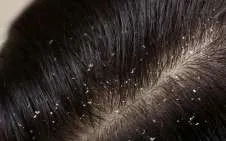
Fig.2 Dandruff
Causes of dandruff
Classification of dandruff
1. Dry dandruff (pityriasis sicca)
Appearance: Small, dry, white or grey flakes. Scalp is dry, itchy, and not inflamed.
Common causes:
Other features:
2. Oily dandruff (Pityriasi Steatoides)
Appearance: Larger, yellowish, oily flakes.
Scalp condition: Oily, Itchy, Irritated, and possibly.
Common Causes
Seborrheic dermatitis.
Overgrowth of Malassezia yeast
Hormone imbalances.
Other features:
Flakes adhere to the scalp and hair due to excess oil.
If not addressed, it may cause hair thinning.
Literature Review
1. Neem (Azadirachta indica)
Neem contains bioactive compounds such as nimbidin, azadirachtin, and quercetin. Studies have demonstrated its antifungal activity against Malassezia furfur and other dermatophytes. Neem also exhibits anti-inflammatory and antibacterial properties, making it suitable for scalp disorders [21,22]
Key facts
Medicinal and chemical properties
All parts of the neem tree—leaves, bark, seeds, flowers, and roots—contain bioactive
phytochemicals such as azadirachtin, nimbolide, nimbin, and quercetin [21,24] These compounds have been studied for antimicrobial, antifungal, antiviral, anti-inflammatory, and antioxidant activities. Neem extracts are used in Ayurvedic and Unani medicine for skin disorders, infections, and dental care [22,25] Modern pharmacological research continues to explore their potential, though scientific evidence for many traditional claims remains under study [23,25]
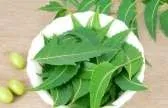
Fig.3 Neem (Azadirachta indica)
2. Amla (Emblica officinalis)
Because of its high vitamin C, antioxidant, tannin, and flavonoid content, amla, also called Indian Gooseberry (Emblica officinalis or Phyllanthus emblica), is a highly prized ingredient in Ayurvedic medicine and natural hair care products. Because of these bioactive ingredients, amla is a potent scalp rejuvenator that is essential for both preventing and treating dandruff.[26]
Key facts
Nutritional and medicinal properties
The fruit is an exceptional source of vitamin C, polyphenols, and flavonoids. In Ayurveda, Amla is considered a “rasayana” or rejuvenating substance, supporting immunity, digestion, and longevity [26,28] Modern research supports its antioxidant, anti-inflammatory, and hypolipidemic effects, though clinical validation continues.[28]
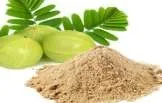
Fig.4 Amla (Emblica officinalis)
3. REETHA (Sapindus mukorossi)
Reetha (Sapindus mukorossi), commonly known as soapnut or soapberry, belongs to the family Sapindaceae. It is traditionally used as a natural hair cleanser because of its high saponin content, which produces a mild foaming action.[27]
Reetha exhibits natural antifungal and antibacterial properties that help combat dandruff and maintain scalp hygiene. Its gentle cleansing action removes dirt and excess oil without stripping natural moisture from the scalp. [27,29]
Key Facts
Uses and Applications
In Ayurveda, reetha is used in herbal hair preparations for its cleansing, antimicrobial, and anti-inflammatory properties. It is also used in eco-friendly detergents and sulfate-free cosmetic products.[29]
Its medicinal applications include the treatment of scalp infections, dandruff, and mild skin disorders. Reetha promotes healthy, shiny hair while maintaining the scalp’s natural oil balance [27,29]
Health and Cosmetic Benefits
Rich in saponins, Reetha gently removes oil and dirt without stripping natural moisture. It promotes shiny, strong hair and relieves dandruff and scalp infections. Medicinally, it has been used to alleviate respiratory issues, migraines, skin conditions like eczema and psoriasis, and to balance kapha dosha in Ayurvedic practice. Its anti-inflammatory properties extend to soothing joint and muscle discomfort.[29]

Fig.5 Reetha (Sapindus mukorossi)
4. TULSI (Ocimum sanctum)
Tulsi, commonly known as Holy Basil (Ocimum sanctum or Ocimum tenuiflorum), is an important medicinal herb in Ayurveda. It contains phytochemicals such as eugenol, ursolic acid, flavonoids, and tannins that contribute to its therapeutic properties.[28]
Tulsi possesses antifungal, antibacterial, anti-inflammatory, and antioxidant activities, making it highly effective in reducing dandruff and maintaining scalp health. It also helps soothe irritation and supports a balanced scalp environment.[28,39]
Key facts
Cultivation and care
Tulsi thrives in warm, sunny conditions and moist, well-drained soil rich in organic matter. It can be grown outdoors in frost-free areas or indoors on sunny windowsills. Regular watering, light pruning, and occasional liquid fertilization encourage bushy growth. It propagates readily from cuttings or seeds, which germinate within two weeks.
Traditional and medicinal uses
In Ayurvedic medicine, tulsi is regarded as an adaptogenic herb that helps the body resist stress. Leaf extracts are used for respiratory disorders, digestive problems, and skin infections.[30] Modern pharmacological studies indicate that tulsi exhibits immunomodulatory, antimicrobial, and antioxidant activities, supporting its use in herbal cosmetic formulations.[27]
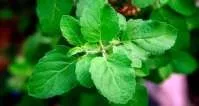
Fig.6 Tulsi (Ocimum sanctum)
5. Fenugreek (Trigonella foenum-graecum)
Often utilized in traditional Ayurvedic hair and scalp care formulations, fenugreek, also known as Trigonella foenum-graecum, is a medicinal plant. Fenugreek, which is high in proteins, flavonoids, saponins, and mucilage, has anti-inflammatory, antibacterial, and moisturizing qualities that help fight dandruff and promote healthy scalp function.[26]. Fenugreek is a multipurpose component having antifungal, anti-inflammatory, moisturizing, and nutritional qualities that is used in herbal anti-dandruff shampoos. It calms the scalp, improves the general health of the scalp and hair, and lessens the symptoms of dandruff. Its presence in natural hair care formulas promotes both therapeutic effect and aesthetic appeal [26,27]
Key facts
Medicinal and nutritional significance
Traditionally, fenugreek has been used to support digestion, stimulate milk production, and manage blood sugar levels.[27] The seeds are rich in fiber, protein, and bioactive compounds such as diosgenin, which has estrogenic properties. Modern research explores its potential benefits for metabolic and inflammatory conditions, though evidence remains mixed.[26]
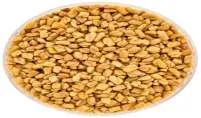
Fig.7 Fenugreek (Trigonella foenum-graecum)
6. SHIKAKAI (Aacia concinna)
Shikakai (Acacia concinna) is a traditional Ayurvedic herb widely used as a natural hair cleanser. It contains natural saponins that gently cleanse the scalp while preserving natural oils.[29]
Shikakai exhibits antibacterial, antifungal, and anti-inflammatory properties that help reduce dandruff and maintain healthy scalp conditions. It also improves hair texture and reduces hair breakage [29,30]
Key facts
Traditional and medicinal uses
The pods and bark of shikakai are traditionally used in Ayurvedic hair preparations for cleansing and conditioning purposes. It is often combined with amla and reetha in herbal shampoos.[30]
Role in hair and skin care
Shikakai’s low pH makes it gentle on hair and scalp, cleansing without stripping natural oils. It strengthens follicles, enhances shine, and reduces breakage. [29]Combined with amla and reetha (soapnut), it forms a classic herbal hair-care trio in South Asia. In modern cosmetics, it appears in shampoos, conditioners, and masks as a natural, sulfate-free cleanser.[30]
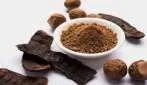
Fig.8 Shikakai (Aacia concinna)
7. Hibiscus (Hibiscus rosa-sinensis)
Hibiscus rosa-sinensis belongs to the family Malvaceae and is commonly used in herbal hair-care preparations. The flowers and leaves contain amino acids, flavonoids, and antioxidants beneficial for scalp and hair health.[28]
Hibiscus promotes hair growth, strengthens hair roots, improves scalp circulation, and reduces dandruff. Its soothing and antimicrobial properties also help relieve scalp irritation [28,30]
Key facts
Cultivation And Care
Hibiscus thrives in warm, humid conditions with full sunlight and well-drained soil. It is frost-sensitive and grows outdoors in tropical to subtropical regions or indoors as a container plant elsewhere [5] Regular watering, pruning, and fertilization encourage prolific flowering.[3]
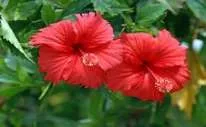
Fig.9 Hibiscus (Hibiscus rosa-sinensis)
8. GUAR GUM
Guar gum is a natural polysaccharide obtained from the endosperm of guar seeds (Cyamopsis tetragonoloba). It is widely used in pharmaceutical and cosmetic formulations because of its thickening, stabilizing, and emulsifying properties.[29]
Guar gum is a water-soluble, biodegradable, and non-toxic polymer composed mainly of galactomannan. It appears as a white to yellowish-white powder and is effective even at low concentrations [29,30]
In herbal shampoos, guar gum improves viscosity, stability, and texture of the formulation. Its conditioning effect enhances the spreadability and consistency of cosmetic products.[30]
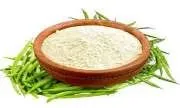
Fig.10 Guar Gum
Materials and Methods.
1. Materials.
Table.1[37,38,39,40]
|
Ingredients |
Uses |
|
Neem leaf powder |
Anti-fungal, Antibacterial |
|
Hibiscus petals powder |
Hair fall control, Reduce Dryness |
|
Shikakai powder |
Anti-dandruff, Hair softness |
|
Reetha powder |
Natural cleansing agent, Foaming agent |
|
Tulsi Powder |
Antimicrobial, Anti-inflammatory |
|
Amla Powder |
Promotes hair growth’ Strengthens hair roots |
|
Fenugreek Powder |
Nourishes scalp Reduces hair fall |
|
Rose Oil |
Pleasant fragrance |
|
Glycerine |
Moisturizing, Prevents dryness |
|
Sodium Benzoate |
Preservative Increases shelf life |
|
Sodium Bicarbonate |
pH adjustment, Scalp-friendly pH |
|
Guar Gum |
Improves viscosity |
|
Shampoo Base |
Foaming |
|
Water |
Vehicle/Solvent |
2. Preparation Formulation.
Table. 3[37,38,39,40]
|
Ingredients |
Batch 1 |
Batch2 |
Batch3 |
|
Neem leaf powder |
4 gm |
4.5gm |
4gm |
|
Hibiscus petals powder |
1.5gm |
2gm |
2.5gm |
|
Shikakai powder |
5gm |
6gm |
6gm |
|
Reetha powder |
8gm |
8.5gm |
9gm |
|
Tulsi Powder |
2gm |
2.5gm |
2.5gm |
|
Amla Powder |
4gm |
4gm |
4gm |
|
Fenugreek Powder |
2gm |
2gm |
2gm |
|
Rose Oil |
0.5ml |
0.5ml |
0.5ml |
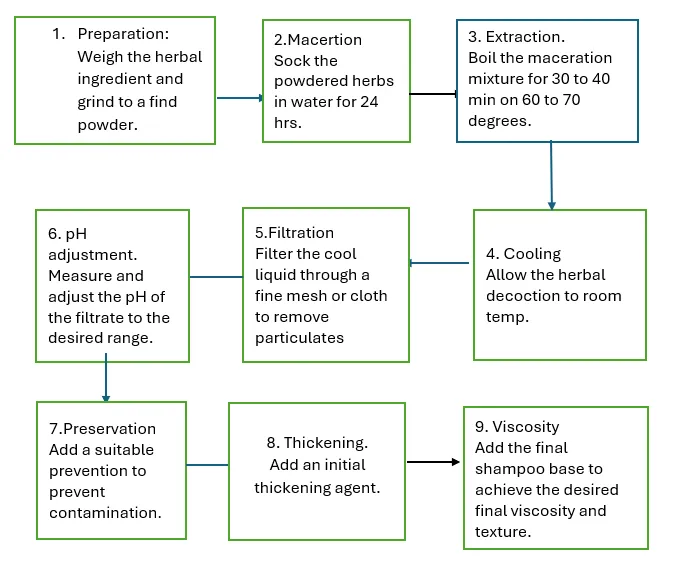
3. Method of Preparation
Table. 3[37,38,39,40]
Evaluation Parameters
1. Physical Appearance
The physical appearance of the herbal shampoo was evaluated to assess its overall visual and sensory qualities. Parameters such as colour, fragrance, clarity, texture, consistency, and uniformity were carefully observed. The formulation was also checked for the presence of any unwanted particles, sedimentation, or phase separation. A well-formulated herbal shampoo should have an attractive appearance, a pleasant smell, a smooth texture, and a consistent composition without any visible impurities.
2. pH Determination
Measured using a calibrated digital pH meter. Ideal scalp-friendly range: 5 to 6. The pH of shampoo is determined to ensure compatibility with the scalp and hair. Herbal shampoos generally require a pH close to neutral or slightly acidic to avoid irritation and maintain hair health.
3. Foam Height and Stability
The cylinder shake method was used to assess foaming ability and stability over 5 minutes. The foam height and foam stability test was performed to assess the foaming ability and stability of the herbal shampoo. A shampoo solution was shaken in a graduated cylinder, and the foam produced was measured immediately and after a fixed time interval. Good foam formation and stability indicate effective cleansing performance and better product quality.
4. Viscosity
Measured using a Brookfield viscometer. The viscosity test was conducted to determine the thickness and flow property of the herbal shampoo formulation. Viscosity affects the ease of application, spreadability, and overall consumer acceptability of the product. The viscosity of the shampoo was measured using a viscometer at room temperature. An ideal shampoo should possess moderate viscosity for convenient handling and application.
5. Dirt Dispersion Test
The dirt dispersion test was performed to assess the cleansing efficiency of the herbal shampoo. In this method, a small amount of shampoo was added to water along with a drop of dirt or ink solution, and the mixture was shaken. The distribution of dirt was then observed to determine how effectively the shampoo removes impurities. A good shampoo should keep the dirt dispersed in the water rather than in the foam, indicating better cleansing action.
6. Stability Studies
The prepared shampoo samples were stored under different temperature conditions, including room temperature, refrigerated conditions, and elevated temperature (40°C ± 2°C), for a period of 1–3 months. During the study, the formulations were regularly examined for any changes in color, odor, pH, consistency, and phase separation to evaluate their stability.
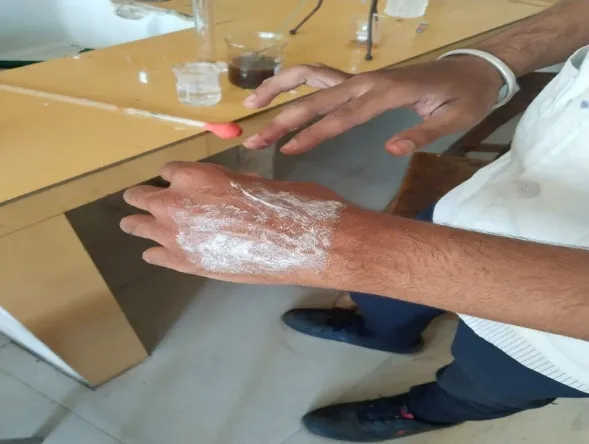
7. Skin Irritation Test
The skin irritation test was carried out to evaluate the safety and suitability of the herbal shampoo for topical application. A small quantity of the shampoo was applied to a specific area of the skin and observed for any signs of irritation, such as redness, itching, swelling, or discomfort after a certain period of time. The absence of any adverse reaction indicates that the shampoo is safe and non-irritating to the skin.
8. Wetting Test
The wetting test is performed to check how effectively a shampoo can spread over a surface and reduce the surface tension of water. This test helps in determining the cleansing performance and efficiency of the shampoo formulation.
Principle
A good shampoo contains surfactants that decrease the surface tension of water, making it easier for the liquid to penetrate and wet a material rapidly. In this method, a canvas disc is placed on the shampoo solution, and the time required for the disc to sink is measured. Faster sinking of the disc indicates better wetting and cleansing ability of the shampoo.
Results and Discussion.
1. Physical Appearance
The physical appearance of the herbal shampoo was evaluated to assess its overall visual and sensory qualities. Parameters such as colour is brown, fragrance is mild , clarity is less, texture, consistency, and uniformity were carefully observed. The formulation was also checked for the presence of any unwanted particles, sedimentation, or phase separation. A well-formulated herbal shampoo should have an attractive appearance, a pleasant smell, a smooth texture, and a consistent composition without any visible impurities.
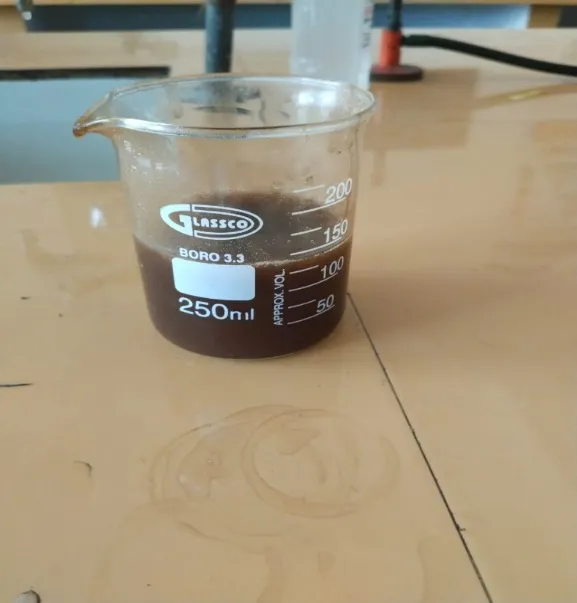
Fig.11 Physical Appearance
Measured using a calibrated digital pH meter. Ideal scalp-friendly range: 5 to 6. The pH of shampoo is determined to ensure compatibility with the scalp and hair. Herbal shampoos typically require a pH level close to neutral or slightly acidic to prevent irritation and promote hair health.
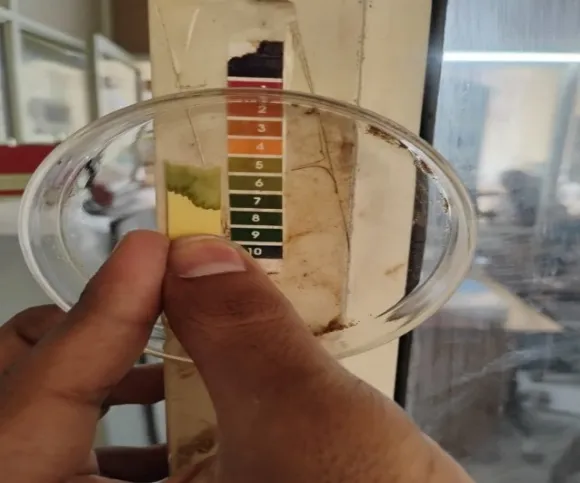
Fig.12 1. pH Determination
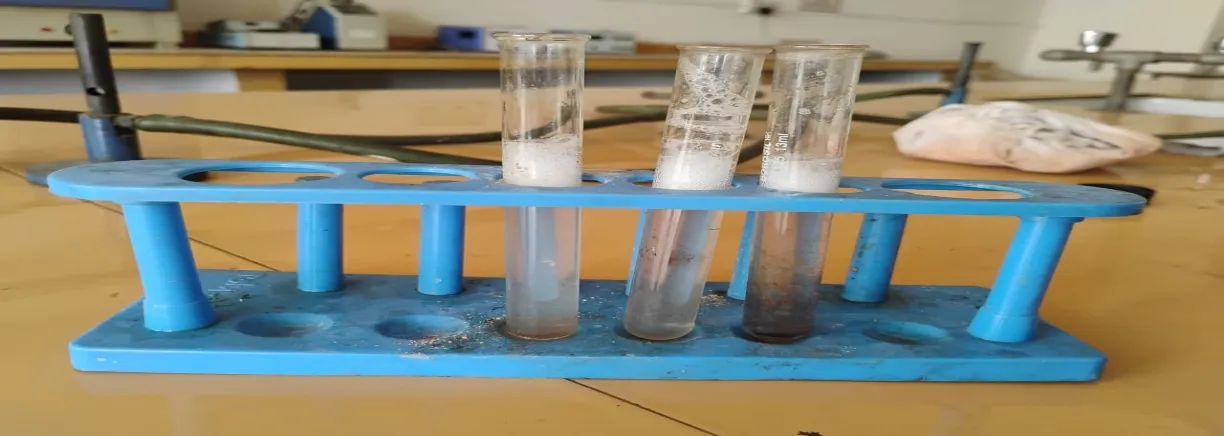
3. Foam Height and Stability.
The shampoo formulation produced a good amount of foam on shaking with water, showing effective cleansing properties due to the presence of surfactants. The foam was uniform and remained stable for a reasonable time with minimal reduction in volume. These results indicate that the shampoo has satisfactory foaming ability and good foam stability, making it suitable for regular hair cleaning.
4. Viscosity
The shampoo formulation showed appropriate viscosity with a smooth and uniform consistency. It was neither too thick nor too watery, indicating good flow properties and ease of application. The results suggest that the formulation possesses acceptable viscosity suitable for convenient use and handling. The spindle range is 62, and speed is 10 rpm and result was 1263cP.
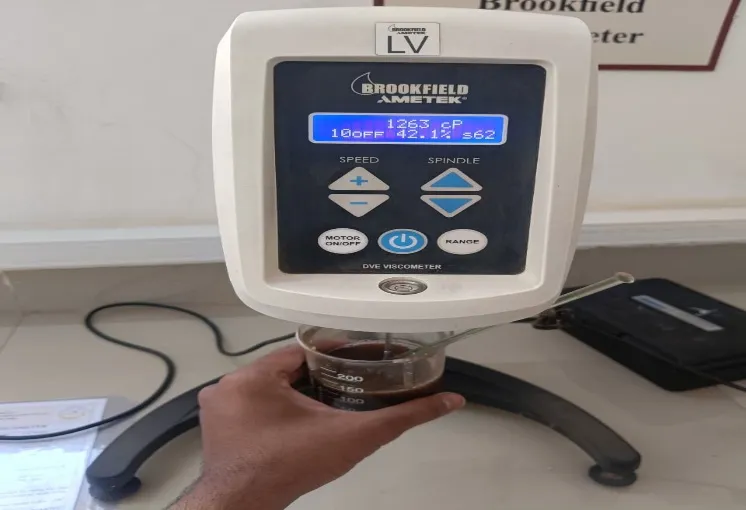
Fig.13Viscosity
5. Skin Irritation Test
The shampoo formulation did not produce any redness, itching, swelling, or irritation on the applied area of skin. The formulation was found to be mild and safe for topical application. These results indicate that the shampoo possesses good skin compatibility and is suitable for regular use. Before applying the shampoo skin is little bit dirty after 5 min of washing skin will become clear and no irritation is found.
Skin Irritation Test
6. Wetting Test
The shampoo formulation showed good wetting ability by allowing the canvas disc to sink within a short period of time. This indicates effective reduction of surface tension and satisfactory cleansing performance of the formulation.
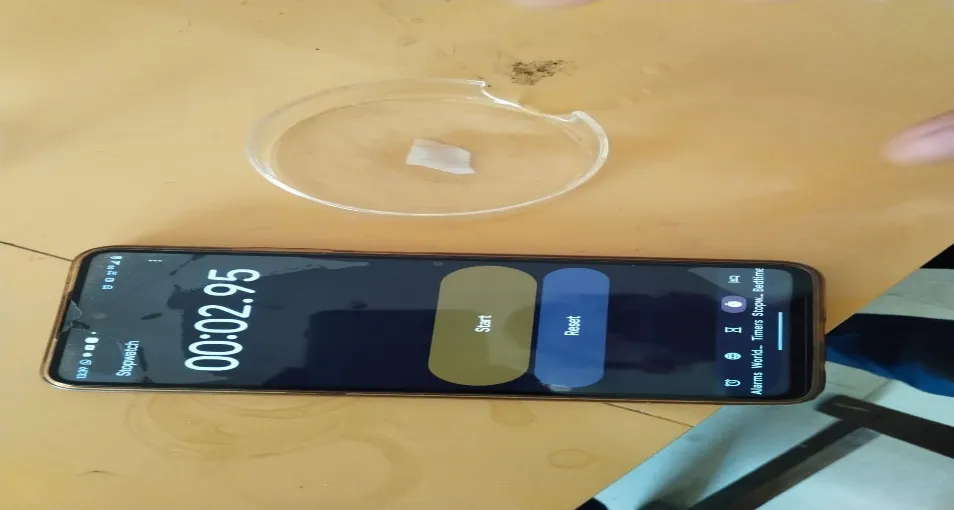
Fig 16 Wetting Test
CONCLUSION
The formulated herbal anti-dandruff shampoo containing neem, tea tree oil, aloe vera, and amla showed promising physicochemical stability and antifungal activity. The combination of plant-based actives offers a safer and potentially effective alternative to synthetic anti-dandruff agents. Further clinical evaluation on human volunteers is recommended to validate long-term efficacy and safety.
Future Scope
REFERENCES



Mayuri Auti*, Sujit Hage, Jeevan Gawai, Formulation and Evaluation of a Herbal Anti-Dandruff Shampoo, Int. J. of Pharm. Sci., 2026, Vol 4, Issue 7, 4268-4283. https://doi.org/10.5281/zenodo.21473996
 10.5281/zenodo.21473996