

We use cookies to ensure our website works properly and to personalise your experience. Cookies policy
Research Scholar, P.R. Pote Patil College of Pharmacy, Kathora Road, Amravati - 444604, Maharashtra, India.
Artificial Intelligence (AI) is rapidly optimising pharmaceutical formulation by enabling more precise, faster and cost-efficient drug formulation processes. Integration of AI technologies (such as machine learning and deep learning) with pharmaceutical formulation is commonly applied in drug formulation, including artificial neural networks (ANN) and logic systems. The integration of AI with formulation can predict drug behaviour, select excipients for optimisation, and design safer and more efficient dosage forms compared to traditional methods. AI-enabled instruments are currently employed across the pharmaceutical industry, in areas such as formulation optimisation, QC, and stability testing. Adoption of AI results in improved efficiency with data-driven decision-making and the ability to handle complex, multi-variable formulation problems; on the other hand, notable disadvantages such as high implementation costs, dependency on quality data, regulatory challenges, and the need for specialised technical expertise are observed. AI in pharmaceutical formulation has a wide scope in future, as it has the potential to revolutionise the production of medicine, accelerate novel drug delivery system design, and regulatory compliance processes. As AI continues to evolve, its role in pharmaceutical sciences is expected to expand significantly, bridging the gap between computational innovation and practical drug manufacturing, ultimately contributing to safer, more effective, and more accessible pharmaceutical products. This study comprises a detailed review of the application of artificial intelligence in pharmaceutical formulations, including the integration of existing technology with artificial intelligence.
Artificial intelligence (AI) is the capability of a computer system to perform tasks mainly related to human intelligence, such as analysing, reasoning, research, problem-solving, perception, and decision-making. AI enable machines to perceive their environment and use learning and intelligence to take actions that maximise their chances of achieving defined goals.1 Pharmaceutical formulation development represents a critical bridge between active pharmaceutical ingredients and clinical applications, aiming to design and produce safe, effective, and stable dosage forms that ensure desired drug release, absorption, and distribution profiles. However, traditional formulation development heavily relies on researchers' experience and trial-and-error approaches, suffering from inherent limitations including extended development cycles, substantial resource consumption, and low success rates. Statistical data indicate that conventional methods require several years for new formulation development, with very high costs reaching tens of millions of dollars, while nearly 40% of drug candidates fail mainly due to formulation-related challenges.2
As the pharmaceutical industry is highly regulated by regulatory institutions such as the FDA, final products must meet strict specifications, which require advanced Quality systems in the pharmaceutical industry.3 However, traditional pharmaceutical manufacturing is a batch process, which is a time-consuming form of offline laboratory testing conducted on post-sampling to evaluate quality control, which can only be verified at the end of the process, leading to the final products being at risk of being discarded, resulting in energy consumption and environmental pollution4. Furthermore, controlling the input variables that could prevent defects during the scale-up process is challenging because of simultaneous changes in many parameters, such as compression force, compression speed, tablet machine type, ejection pressure, and ejection speed5.
Evolution of Pharmaceutical Industry
The concept of Pharma 4.0, which heavily relies on Industry 4.0, has revolutionised pharmaceutical formulation manufacturing through the embedding of Artificial Intelligence (AI), Machine Learning (ML), the Internet of Things (IoT), Process Analytical Technology (PAT), automation, and digital twins technology. These technological innovations enable real-time monitoring, continuous data collection and process optimisation through Quality by Design (QbD) and PAT technologies6. Specifically, among all these technologies, AI is the most important and impactful component in intelligent pharmaceutical manufacturing. AI algorithms can analyse and simplify the complex manufacturing data structures obtained by sensors to predict and optimise the critical process parameters (CPP), such as compression force, tablet weight, fill depth, punch displacement, tablet hardness, and coating. AI facilitates PAT through continuous monitoring, decision-making, and process optimisation7.
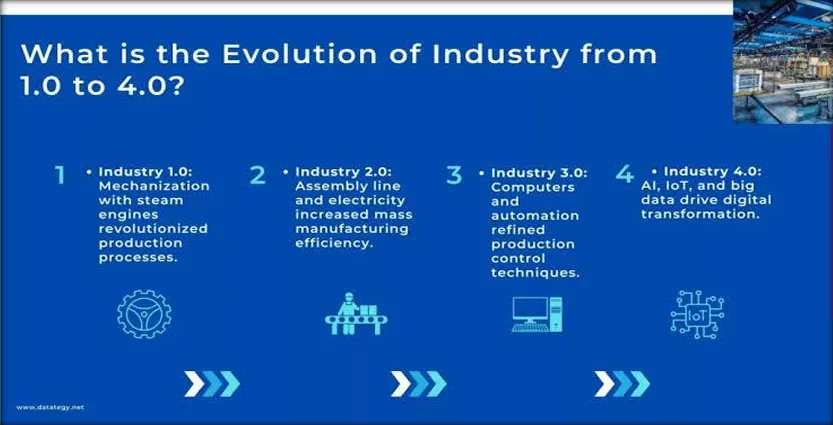
Figure 1: Evolution of Industry From 1.0 - 4.08
Applications of AI in Pharma
Image None: Based Tasks, Including Analysing Molecular Structures and Identifying Potential Drug Targets, Bioactivity & Toxicity Prediction
Table 1: Comparison of Conventional Tablet Manufacturing and Ai-Driven Pharmaceutical Manufacturing Systems8
| Sr. No. | Parameter | Conventional Manufacturing | AI-Driven Manufacturing |
|---|---|---|---|
| 1 | Process Monitoring | Periodic | Continuous Real-Time |
| 2 | Quality control | End-product testing | Predictive Quality Assurance |
| 3 | Decision Making | Operator-based | Data-Driven |
| 4 | Defect Detection | After occurrence | Before Occurrence |
| 5 | Process Optimization | Manual | Automated |
| 6 | Production Efficiency | Moderate | High |
| 7 | Waste Generation | Higher | Lower |
| 8 | Manufacturing Flexibility | Limited | Adaptive |
Significance for AI in Pharmaceutical Formulation
Classification of AI Learning Models
AI learning models are the methods to input data into the system, which is further processed by the artificial intelligence to take decisions for optimisation of the process to achieve defined goals9.
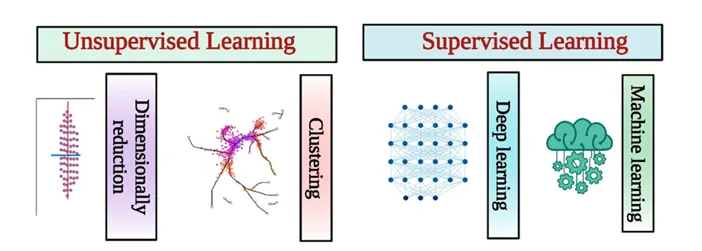
Figure 2: Different Supervised and Unsupervised AI Learning Models9
Supervised AI Learning
Supervised learning is a type of machine learning. In this type of learning, algorithms are trained on the basis of a labelled dataset, where the desired output or result is already known. The algorithm itself learns to map input data correctly to the output by analysing the relations and patterns within the given labelled data. This approach is most commonly used, and it has various applications, such as image recognition, predictive modelling and natural language processing10.
Machine Learning (ML)
Machine Learning is a component of Artificial intelligence, where the computer learns patterns from the given datasets and uses it to make predictions and take decisions. It generally uses small datasets.
Support Vector Machines (SVM)
It classifies excipients by compatibility; predicts encapsulation efficiency in novel drug delivery systems (NDDS) such as liposomes, niosomes, and nanoparticle systems.11
Random Forest
It involves the selection of formulation parameters. It predicts optimum excipient concentrations for stability and maximum bioavailability.12
Deep Learning
It is generally a subset of Machine learning that uses deep neural networks. It generally requires a large amount of data sets to process as compared to ML.
Generative Adversarial Networks (GANs)
GANs are widely used in the generation of new chemical structures and optimisation of their properties. In broad terms, they are used in drug development. GAN consist of a generator network that creates new molecules. Further, a discriminator network evaluates their quality, leading to the generation of optimised drug candidates which are structurally diverse13
Recurrent Neural Networks (RNNs)
RNNs are used for sequence-based operations in drug formulation and development, like predicting nucleic acid chain structures, analysing and designing peptide sequences. They identify sequential dependencies and can modify them to new sequences based on learned patterns.14
Unsupervised AI Learning
Unsupervised learning is a type of ML where labelled datasets are not provided to the algorithm. It identifies and finds patterns on its own. This approach is generally used for new drug discovery and exploration purposes.15
Clustering
In clustering, the data points are grouped based on their similarities in the given datasets
Autoencoder
These are unsupervised learning models used for dimensionality reduction and feature identification or exploration in the drug development process. They can find important characteristics of molecules and assist in compound screening16.
Dimensionality Reduction
They break down the complex data sets into a simpler form by preserving the meaningful information. This helps to visualise and identify key features and support decision-making17
Principal Component Analysis (PCA)
It facilitates formulation optimisation, quality control analysis, and process parameter optimisation.17
General Manufacturing Process of Tablets
Tablet manufacturing is one of the critical and most widely used processes in the pharmaceutical industry. Tablet manufacturing aims to achieve tablets of uniform quality, safety, and efficacy. Depending on the composition, the manufacturing of the tablet involves different processes such as dispensing, blending, granulating (if required), drying, milling, lubricating, compressing, coating, and packaging. Strict observation and validation of each process stage is important to get the desired results18.
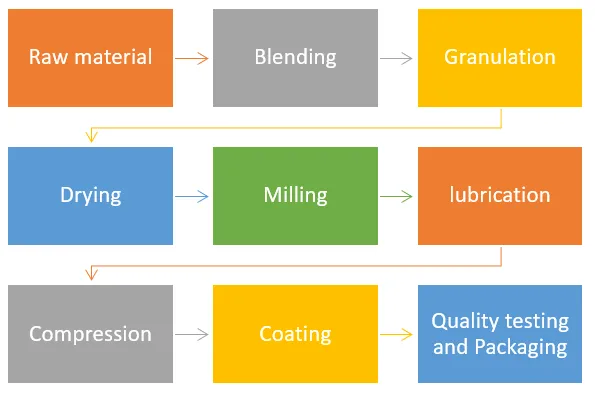
Figure 3: General Process of Tablet Manufacturing19
AI Used in Various Steps of the Tablet Manufacturing Process
Blending
Blending is a critical unit operation in pharmaceutical manufacturing because it ensures the uniform distribution of active pharmaceutical ingredients (APIs) and excipients within a formulation. The performance of a pharmaceutical blending process depends on several interacting factors, including powder properties, blender configuration, rotational speed, feed rate, and mixing conditions. Conventional approaches to understanding these interactions often require extensive experimentation, making formulation and process development time-consuming.
The integration of Artificial Intelligence (AI) and Machine Learning (ML) provides a promising approach for understanding and predicting pharmaceutical blending behaviour. AI/ML models can establish relationships between powder characteristics and processing parameters and use these relationships to predict important process outcomes. The predicted fill level can subsequently be used to estimate powder strain, which is associated with blending performance and content uniformity.
The study employed three AI/ML approaches: Random Forest Regression (RFR), Artificial Neural Networks (ANN), and symbolic regression using M²E³D. These models provided different advantages: Random Forest Regression helped identify important process and material parameters, while the Artificial Neural Network provided highly accurate predictions of blender fill level. The study identified RPM, mixing blade region size, wall friction angle, and feed rate as important factors influencing the predicted fill level. The ANN achieved an R² value of 0.97, demonstrating its ability to accurately model the complex relationship between formulation and processing variables.20
Raw powder
↓
Characterization of powder properties
↓
Measure material properties
• Wall Friction Angle (WFA)
• Other bulk powder characteristics
↓
Select blending process parameters
• Feed Rate (FR)
• Blender RPM
• Mixing Blade Region (MB) size
↓
Continuous powder blending
↓
Measure blending outcome
• Fill level
• Residence mass / residence time
• Strain / blade passes
↓
Collect experimental data
(Material properties + Process parameters + Blending outcome)
↓
AI / ML MODELS
• Random Forest Regression
• Artificial Neural Network
• M²E³D / Symbolic Regression
↓
Predict blender fill level
↓
Calculate/understand strain
↓
Identify critical factors
• RPM
• Mixing Blade Region size
• WFA
• Feed Rate
↓
Optimise formulation–process
Figure 4: Workflow of AI-enabled Powder Blending20
Tablet Compression
In the tablet compression process, the powder or granules are converted into tablets having the necessary uniform properties. Various artificial intelligence techniques like ML and ANN are used to study the process parameters of compression such as compression force, punch speed, dwell time, and powder properties to predict the quality and efficacy of the tablet. It controls tablet hardness, weight variability, friability, and dissolution, which minimises problems like capping, lamination, sticking, and weight variation21.
The pharmaceutical industry is undergoing a significant transformation through Pharma 4.0, which integrates data-driven methodologies, artificial intelligence (AI), and machine learning (ML) to enhance manufacturing efficiency, reduce resource consumption, and shorten production timelines. Within this modern paradigm, Direct Tablet Compression (DTC) serves as a crucial manufacturing process where powdered substances are compacted into solid oral dosage forms. The efficiency of the DTC process is highly complex and depends on an intricate interplay between material composition, the physicochemical attributes of active pharmaceutical ingredients (APIs) and excipients, and the specific processing conditions utilized.22
Table 2: Applications of Artificial Intelligence in Tablet Compression21
| Sr. No. | AI Application | Purpose | Outcome |
|---|---|---|---|
| 1 | Hardness prediction | Estimate tablet strength | Improved quality consistency |
| 2 | Defect detection | Identify capping and lamination | Reduced batch failures |
| 3 | Process Optimization | Adjust compression parameters | Enhanced efficiency |
| 4 | Real-Time Monitoring | Continuous process control | Better product quality |
| 5 | Quality Prediction | Predict critical quality attributes | Reduced variability |
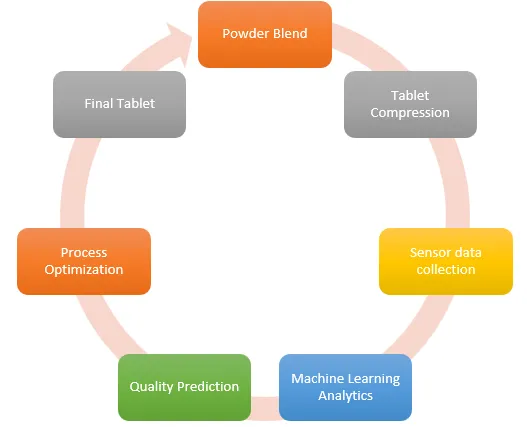
Figure 5: AI-Driven Tablet Compression Process21
Tablet Coating
Tablet coating is an integral part of the process. It enhances the appearance, stability, masks the undesired taste, and improves the drug release properties of the product. AI analyse and optimises tablet coating parameters, including spray rate, air temperature, atomization pressure, pan speed, and coating thickness. ML and computer vision are generally used to achieve coating uniformity and detect defects like mottling, peeling, cracking, twinning, and poor coating23
Table 3: Applications of Artificial Intelligence in Tablet Coating23
| Sr. No. | AI Application | Purpose | Outcome |
|---|---|---|---|
| 1 | Coating thickness prediction | Estimate coating uniformity | Improved product quality |
| 2 | Spray rate optimization | Control coating process | Reduced variability |
| 3 | Drying process control | Optimize drying conditions | Enhanced efficiency |
| 4 | Computer Vision Inspection | Detect coating defects | Improved quality assurance |
| 5 | Real-Time Monitoring | Continuous process evaluation | Reduced production losses |
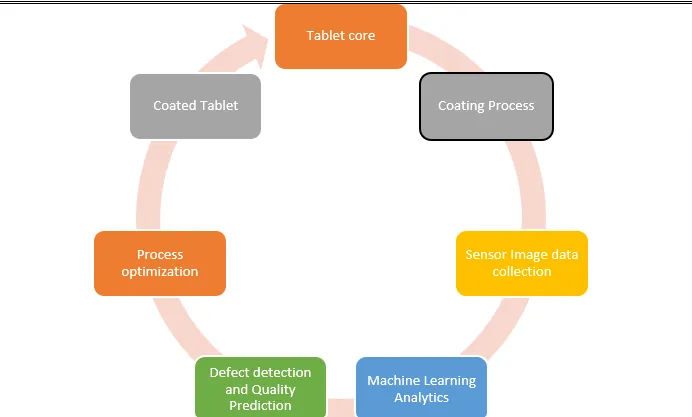
Figure 6: AI-Driven Tablet Coating Process23
Quality Testing and Packaging
AI-enabled defect detection systems are classified on the basis of AI Models utilized:
Convolutional Neural Networks (CNN)
Tablet defects such as cracking, capping, binding, and sticking are common behaviors during the manufacturing process. These defective tablets typically need to be screened out manually, which requires a massive number of laborers, with the process being a challenge to scale up. To address this problem, some techniques, such as X-ray computed tomography (XRCT), can be used to analyze the internal structure of tablets.24.
To expand the application of this technique, researchers have combined XRCT with the deep learning technique to successfully detect tablet defects. Ma et al. studied the application of convolutional neural networks (CNNs) in detecting internal tablet defects. In this study, different batches of tablets containing excipients, including mannitol and microcrystalline cellulose, were prepared and then captured by XRCT for image analysis. An image augmentation strategy was employed. A CNN containing the following three modules was used for the image analysis: (1) UNet A, which is used to distinguish the tablets from the bottle, (2) Module 2, which is an automated analysis used to identify individual tablets, and (3) UNet B, which can determine internal cracks of tablets quantitatively (Figure 7).
A three-module CNN architecture was utilized for the image analysis, achieving up to 94% accuracy during testing and offering a potential way to reduce time, labor, and costs across manufacturing products25.
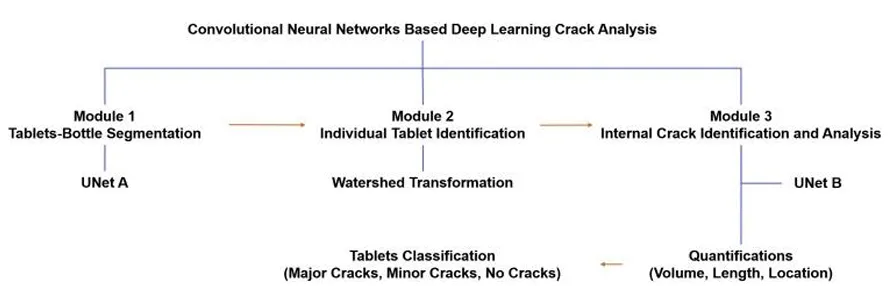
Figure 7: Workflow of the CNN-based Deep Learning Method for Detecting Tablet Crack25
Artificial Neural Network (ANN) and Random Forest (RF)
For In-Line Detection of defective tablets, machine learning and Deep Learning Models are used. They are considered advanced analytical techniques; terahertz pulsed imaging (TPI), and image analysis have enabled the in-line and online monitoring of pharmaceutical coating processes. It also enables the in-line control of critical parameters such as film thickness and uniformity26. In pharmaceutical solid formulations, near-infrared (NIR) spectroscopy has been investigated as a process analytical technology (PAT) tool for the in-line monitoring of freeze-drying. It provides complementary information for identifying critical process events, including ice nucleation, mannitol crystallisation, and ice sublimation.27 Because load sensors in commercially available tablet press machines (TPMs) are limited, the AI model could not be implemented for in-line monitoring. Therefore, this study further evaluated artificial neural network (ANN) and random forest (RF) models, incorporating advanced techniques such as deep learning (DL). A customised TPM was designed and fabricated to identify defective tablets, particularly those exhibiting inadequate tablet breaking force (TBF) and capping defects. Furthermore, verification studies were performed to demonstrate the feasibility of implementing the developed system using hardware-based technology.28.
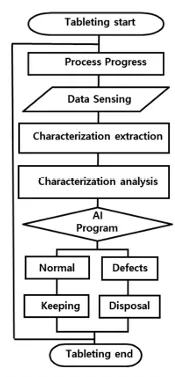
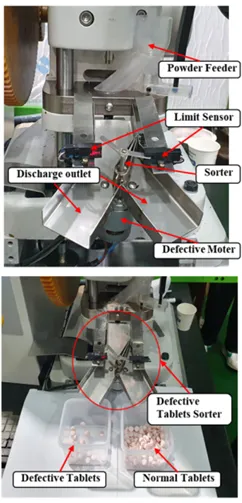
Figure 8: Workflow of TPM
Figure 9: Configuration of Defective Tablet Sorting Device29
AI-Integrated Technologies Widely Used
Predictive Manufacturing and Process Analytical Technology (PAT) Integration
Process Analytical Technology (PAT), introduced by the US Food and Drug Administration (FDA), is an approach used to design, analyse, and control pharmaceutical manufacturing processes by monitoring critical process parameters (CPPs) and critical quality attributes (CQAs). It enables real-time monitoring of tablet compression and coating processes, facilitating in-process quality assessment and reducing reliance on end-product testing alone30.
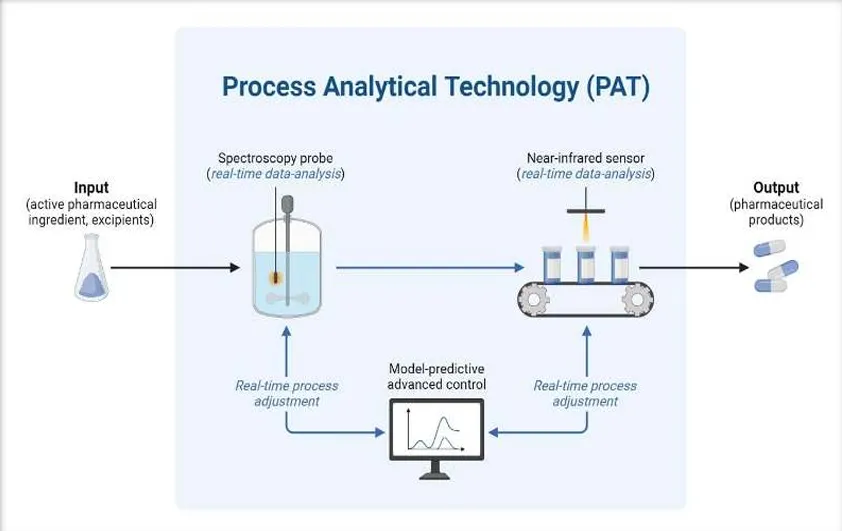
Figure 10: PAT Process Workflow30
Table 4: PAT Tools and Their Applications in Tablet Manufacturing30
| Sr. No. | PAT Tools | Applications of PAT Tools in Tablet Manufacturing |
|---|---|---|
| 1 | Near-Infrared (NIR) Spectroscopy | Measures blend uniformity, moisture content, and content uniformity |
| 2 | Raman Spectroscopy | Identifies raw materials and measures coating thickness and chemical composition |
| 3 | Machine Vision Systems | Detects tablet defects, coating uniformity, colour variation, and surface imperfections |
| 4 | Acoustic and Force Sensors | Measures compression force and performance of equipment |
Digital Twin Technology and Artificial Intelligence-Powered Quality by Design (AI-QbD)
Digital Twin technology is an emerging innovation within the Pharma 4.0 framework that enables virtual representation and visualisation of tablet manufacturing processes. By integrating real-time process data with artificial intelligence (AI), Digital Twins facilitate the continuous modelling, monitoring, and optimisation of tablet compression and coating operations without interrupting the manufacturing process31.
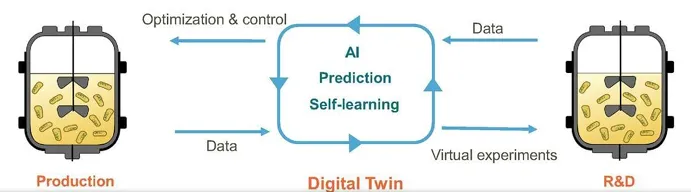
Figure 11: AI-Driven Digital Twin Framework for Predictive Manufacturing in Tabletting31
Artificial intelligence (AI) enhances the implementation of the Quality by Design (QbD) approach by identifying and analysing relationships among Critical Material Attributes (CMAs), Critical Process Parameters (CPPs), and Critical Quality Attributes (CQAs). Integrating AI with QbD enables the optimisation of formulation compositions and manufacturing parameters, prediction of product quality, and maintenance of consistent product quality throughout the manufacturing process32.
Advantages
Disadvantages
CONCLUSION
Artificial intelligence is changing pharmaceutical formulation and manufacturing. Conventional batch processing relies on end-product testing, so defects are found when the end product is formed. AI-driven systems continuously monitor the process and precisely predict quality before problems arise. Techniques such as ANNs, SVMs, random forests, and deep learning models can predict tablet hardness and enhance compression and coating parameters, and AI can also detect defects like capping, lamination, and coating issues. By combining AI with Process Analytical Technology (PAT), digital twins, and AI-enabled Quality by Design (QbD), they support the move toward Pharma 4.0. The result is less batch-to-batch variability, less waste, faster processes, and stronger regulatory compliance with more accuracy and efficiency. Intelligent tablet press systems with computer vision that detect defective tablets in-line and separate them show that these methods are already practical on the production floor.
Some challenges still remain, such as AI adoption requiring high initial investment, large volumes of reliable process data, complex integration with existing equipment, and skilled personnel. There are huge Cybersecurity risks, the need for continuous model validation, and the lack of standardised regulatory frameworks also slow adoption, particularly for small-scale manufacturers. As algorithms and sensor technology improve, and regulatory guidance adopts AI, AI will probably become a core part of pharmaceutical manufacturing. It can help to deliver safe, higher-quality, and more affordable medicines through more efficient, sustainable and sterile production.
Acknowledgement
None
Conflicts of Interest
The authors declare that they have no conflicts of interest
REFERENCES


Arpit Hadole, Amit Jaiswal, Sanjivani Khawashi, Rutika Gandhe, AI-Driven Tablet Manufacturing, Int. J. of Pharm. Sci., 2026, Vol 4, Issue 11, 3307-3320. https://doi.org/10.5281/zenodo.24362544
 10.5281/zenodo.24362544