

We use cookies to ensure our website works properly and to personalise your experience. Cookies policy
Department of Pharmacology, Sarojini Naidu Vanita Pharmacy Maha Vidyalaya (Co-Ed.), Tarnaka, Hyderabad, Telangana, India-500017.
Parkinson’s disease (PD) is the second most common neurodegenerative disorder worldwide. In 2021, approximately 11.8 million individuals were living with PD, and this number is projected to reach 25.2 million by 2050, representing a 112% increase. Pathologically, PD is characterized by the progressive degeneration of dopaminergic neurons in the substantia nigra pars compacta, resulting in striatal dopamine depletion and accumulation of aggregated ?-synuclein within Lewy bodies. Increasing evidence suggests that gut microbial dysbiosis may contribute to disease mechanisms through the microbiota-gut-brain axis by impairing intestinal barrier integrity, promoting systemic and neuroinflammatory signaling, and potentially facilitating the propagation of misfolded ?-synuclein. Nutritional and microbiota-directed strategies may therefore offer adjunctive support in PD management. Prebiotics can promote the growth and metabolic activity of beneficial bacteria, including short-chain fatty acid-producing taxa, which may support intestinal barrier function and immune regulation. Probiotics have shown the most consistent clinical benefit for gastrointestinal symptoms, particularly constipation, although their effects on inflammatory and neurological outcomes remain uncertain. Synbiotics combine probiotic microorganisms with selectively utilized substrates and may simultaneously modify microbial composition and metabolic activity. Dietary strategies, including fiber-rich foods, fermented foods, and carefully timed protein intake, may also influence bowel function, nutritional status, and levodopa pharmacokinetics. Although these interventions are accessible and generally well tolerated, evidence for disease modification remains limited. Further randomized, strain-specific trials with standardized formulations, microbiome and metabolomic endpoints
Central nervous system (CNS) disorders include neurodegenerative, neuroinflammatory, cerebrovascular, and neuropsychiatric illnesses. The majority of their symptoms are caused by complex interactions between genes, the environment, metabolism, inflammation, and cell biology. Neuronal survival depends on the coordinated function of mitochondrial energy metabolism, redox regulation, synaptic signalling, and immune defence. Disruption of any of these processes may progressively compromise neuronal viability1. Inadequate neurotransmission, decreased synaptic plasticity, excitotoxicity and persistent neuroinflammation are the downstream effects that manifest clinically as mobility issues, cognitive decline, autonomic disorders and psychological symptoms 2. In Parkinson's disease (PD), the hallmark motor signs are slowness of movement (bradykinesia), rigidity, resting tremor and unstable posture 3. Yet the condition reaches beyond movement, and various non-motor problems emerge as it progresses.
Recent research has placed two-way signaling along the gut-brain axis at the center of the link between intestinal microbes and CNS health 5. Gut bacteria can produce or modify neuroactive compounds, including short-chain fatty acids (SCFAs), monoamines, and γ-aminobutyric acid (GABA). They additionally regulate enteroendocrine signaling, tune vagal afferent activity and coordinate immune monitoring of the CNS 8. When dysbiosis occurs, reduced microbial diversity, loss of SCFA-producing taxa, and expansion of opportunistic pathogens may impair intestinal barrier integrity. Increased intestinal permeability may allow endotoxins to enter circulation, promote systemic inflammatory signaling and α-synuclein-related pathology, and prime immune pathways for neuroinflammation, potentially increasing the vulnerability of dopaminergic neurons.6. As a result, the gut is now thought to play a significant role in PD with changes in digestive function and gut-brain communication potentially influencing the disease's genesis and progression7.
Current medications, namely levodopa, dopamine agonists, and receptor modulators, ease symptoms but do not address the underlying disease. They may also cause motor complications and cognitive side effects. The Microbiota-oriented strategies (prebiotics, probiotics, synbiotics, and diet or macronutrient tuning) are being considered as means of re-establishing gut-brain equilibrium, protecting neurons, enhancing dopaminergic signaling, and easing the peripheral adverse effects of levodopa 9. Trials of probiotics for constipation and other gastrointestinal symptoms in PD provide preliminary support for further investigation of microbiota-directed strategies10.
HISTORY AND CURRENT TREATMENT STRATEGIES OF CNS DISORDERS
Previously, CNS disorders were categorized based on observable symptoms and gross structural changes, with treatment focusing primarily on managing symptoms through sedatives, pain relief, and plant-based remedies. 11. A major shift came in the mid-1900s, when neurotransmitters and neural signaling pathways were identified; drugs acting on dopamine, serotonin, acetylcholine, and GABA systems followed. Neuroimaging, molecular neuroscience and genetics sharpened knowledge of how these disorders arise and opened the way to better-targeted therapy 13. Modern management draws on medication, neuromodulation, surgery, and rehabilitation, with the mix depending on the disease and its severity 5. The drug arsenal covers antipsychotics, antidepressants, antiepileptics, anxiolytics, anti-Parkinsonian drugs and neuroprotective agents designed to restore neurotransmitter balance 15. Despite these advancements, most therapies primarily manage symptoms and may cause long-term adverse effects.
The gut-brain axis has become an important factor in controlling central nervous system (CNS) activity and how well treatments work. The microbes in the intestines interact with the CNS through nerves, immune responses, hormones, and other chemical compounds, which in turn influence neuroinflammation, the production of neurotransmitters and the condition of the blood-brain barrier 18.Differences in the types of microbes present in the gut have been linked to how different CNS conditions develop and how patients respond to treatment 5.This has led to increasing interest in probiotics, prebiotics, synbiotics and changes in diet as possible ways to support better protection of the nervous system and improve treatment outcomes 9.
EPIDEMIOLOGY AND GLOBAL BURDEN OF PARKINSON'S DISEASE
The occurrence of PD varies depending on where people live, with different rates found in various regions 16. Being exposed to pesticides and other harmful environmental substances increases the risk of developing PD, and it is believed that the digestive system and the sense of smell may be the pathways through which these exposures lead to the disease 17.
PD is more frequent in men than in women; global burden estimates have reported an age-standardised prevalence approximately 1.4 times higher in men, although the exact ratio varies by population and age group 63. Over the past three decades, the global burden of PD has risen substantially, with disability-adjusted life years (DALYs) increasing by more than 160% between 1990 and 2021 reflecting population ageing, improved case ascertainment, and the substantial disability associated with the disorder 64.
Experimental studies suggest that α-synuclein pathology may propagate from the gastrointestinal tract to the brain through neural pathways, supporting the possible involvement of the gut-brain axis in PD development 18. Such observations argue for further study of environmental, gastrointestinal, and microbiota-related mechanisms and for research on preventive or disease-modifying treatments aimed at these early events.
GUT MICROBIOTA: COMPOSITION AND FUNCTIONAL RELEVANCE
The human digestive tract contains a vast and varied community of microorganisms, primarily made up of several key bacterial groups such as Firmicutes, Bacteroidetes, Actinobacteria, and Proteobacteria. This microbial community consists of about 10¹⁴ cells and holds over 3 million unique genes, which is more than the number of genes found in the human genome 19. These microbes not only help break down food but also have many other important roles in the body
Metabolite signaling: When these microbes break down substances the body cannot digest, they produce short-chain fatty acids (SCFAs), such as acetate, propionate and butyrate 20. These SCFAs can change how cells work by inhibiting certain enzymes, activating receptors, providing energy, and strengthening the connections between cells in the gut lining to help protect the digestive system.
Neurochemical output: Gut bacteria can produce or modify neuroactive compounds including dopamine, serotonin related metabolites, tryptamine, GABA, and acetylcholine, which can influence enteric neural and host signaling 21.
Immune modulation: Pattern-recognition receptors on epithelial and immune cells sense microbe-associated molecular patterns, which helps the body tolerate harmless microbes and respond properly to pathogens.
If the balance of these microbes is disrupted, harmful substances such as lipopolysaccharides may escape into the bloodstream. This can trigger an immune response linked to Th17 cells and activate pathways that lead to inflammation, which can affect the brain's ability to function properly.
MICROBIOTA-GUT-BRAIN AXIS: BIDIRECTIONAL COMMUNICATION NETWORKS
The gut and brain communicate through four main channels: the nervous system (mainly via the vagus nerve), the endocrine system (including the hypothalamic-pituitary-adrenal axis), the immune system (via cytokines), and the circulatory system (through SCFAs, indoles and polyamines). These pathways allow for constant interactions between the gut and the brain. Special cells in the gut called enteroendocrine cells detect microbial products using receptors like FFAR2 and FFAR3 and release hormones such as GLP-1, GLP-2, PYY, and CCK. These hormones signal to parts of the brain responsible for regulating movement and decision-making 23.
The effects of SCFAs on neuronal survival appear to depend on both concentration and biological context. Butyrate can reduce the activity of certain enzymes that affect gene expression, increase the production of factors that support nerve growth like BDNF and NGF, and Butyrate can activate PPAR-γ-associated pathways, which may restrain inflammatory microglial activation. Propionate may also influence brain and immune responses, though its effects may differ in conditions like PD 24. Microbial indoles can activate the AhR receptor, which supports the function of the blood-brain barrier by influencing proteins such as claudin-5 and ZO-1 25.
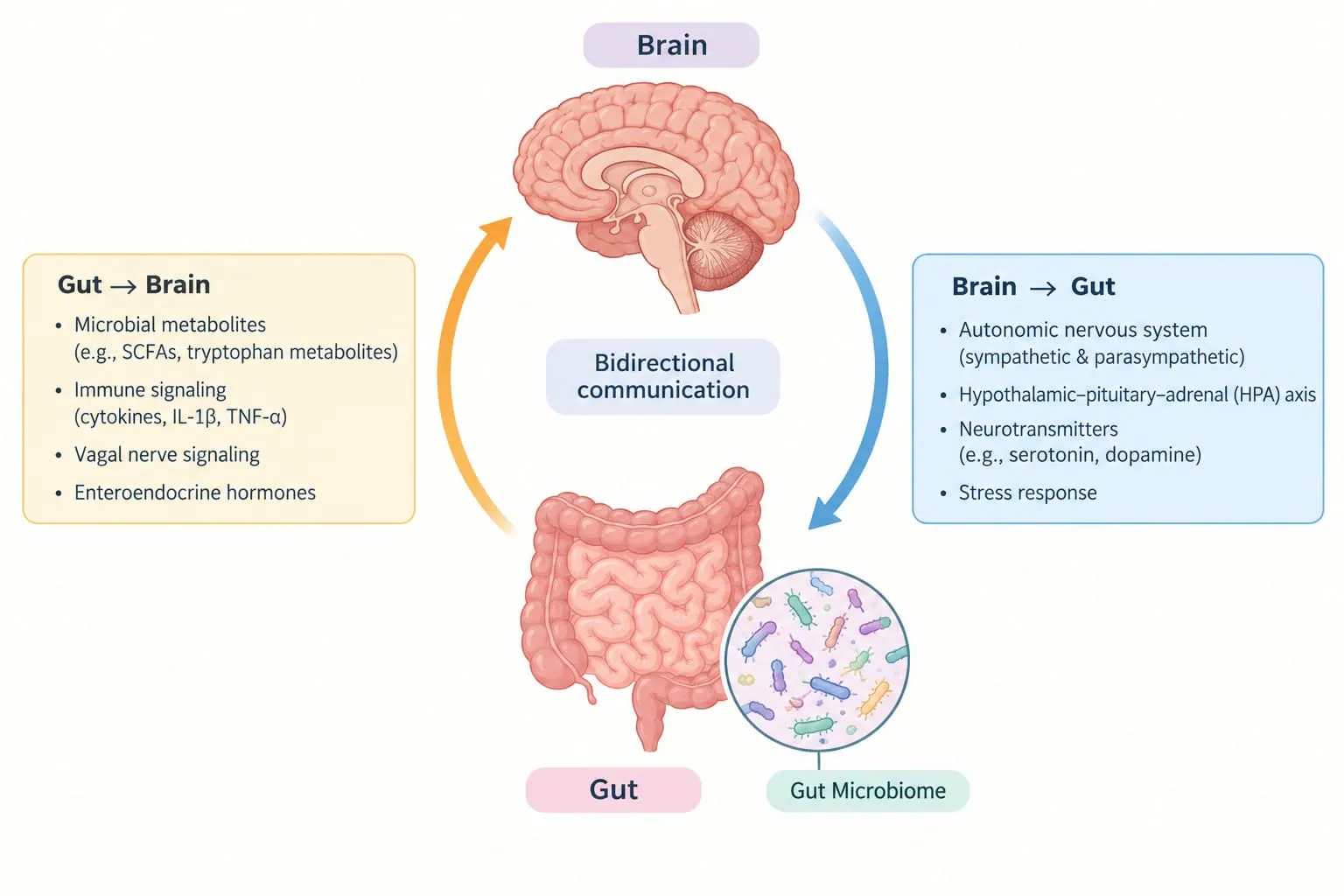
Figure 1: The GIT and the Central Nervous System Communicate in Both Directions.
PATHOPHYSIOLOGY OF PARKINSON'S DISEASE
PD arises from multiple causes and is characterized by progressive, selective loss of dopamine neurons in the substantia nigra pars compacta. The result is a shortage of striatal dopamine and disrupted basal ganglia circuitry. With weaker dopamine signaling, the balance between the direct and indirect motor pathways shifts, making it hard to initiate and regulate voluntary movement and producing bradykinesia, rigidity, and resting tremor 26. Meanwhile, α-synuclein misfolds and accumulates into Lewy bodies and Lewy neurites, disturbing synaptic vesicle trafficking, axonal transport, and protein homeostasis. Its toxicity varies with its aggregation state 27.
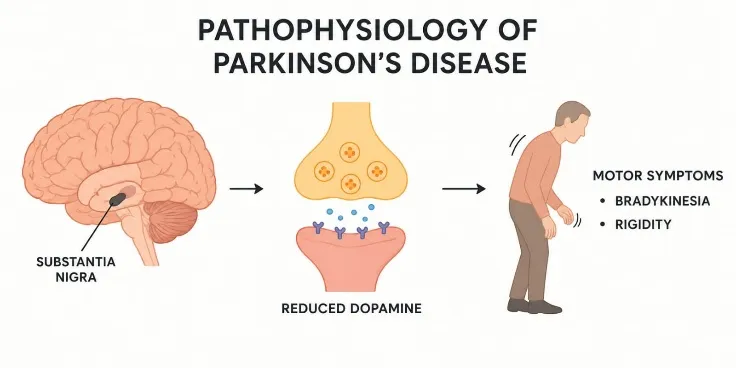
Figure 2: Pathophysiology of Parkinsons Disease
Neuronal death is not caused by one event but by several connected cellular failures. Damaged mitochondria and defective mitophagy cut energy production and increase reactive oxygen species, thereby harming vulnerable neurons through oxidative stress 26. When lysosomal and autophagic systems falter, damaged organelles and misfolded proteins are cleared less efficiently, so pathological α-synuclein piles up and cellular stress intensifies 27. Additionally, α-synuclein disease interacts with oxidative stress, neuroinflammation, altered calcium handling, and mitochondrial dysfunction to create a self-reinforcing cycle that causes cell death and synaptic dysfunction 27. Genetic and environmental factors can modify each of these routes, which explain why onset and progression differ between patients. PD is therefore viewed as a web of interacting processes: dopaminergic vulnerability, α-synuclein pathology, mitochondrial and lysosomal dysfunction, oxidative stress and neuroinflammation 26.
PROBIOTICS
Probiotics are defined as live microorganisms, when consumed in sufficient quantities provides health benefit to the host. They can change the types of microbes in the gut, improve the function of the gut lining, and influence the immune system. Most probiotics are harmless bacteria from the genera Lactobacillus, Bifidobacterium, and Streptococcus, with some yeast like Saccharomyces also being considered as probiotics 28. These microbes naturally exist in the human gut in a helpful relationship with the host.
Probiotics primarily work by colonizing the gut, competing with harmful microbes for nutrients and attachment sites on the intestinal wall 28. They also contribute to gut health by regulating mucus production and reinforcing the tight connections between cells. When they break down food components, they produce SCFAs and other organic acids, which can change the pH of the gut and alter the types of microbes present.
There is growing evidence that probiotics can influence the central nervous system through the gut - brain connection. By changing the composition of gut microbes, gut permeability, immune responses, and microbial metabolites, they may affect pathways that are involved in brain inflammation and function 5.
PREBIOTICS
Prebiotics are indigestible food components that are selectively used by beneficial gut microbes, leading to helpful changes in the microbiota's composition and activity. They are largely complex carbohydrates that pass through the upper digestive tract and enter the colon unaltered and are not living organisms. Well-known examples include fructooligosaccharides, galactooligosaccharides, inulin, resistant starch and various plant fibers 29.
In the colon, beneficial bacteria particularly Bifidobacterium and Lactobacillus break down prebiotics, which helps them grow and become more active 29. This process leads to the production of SCFAs, such as acetate, propionate, and butyrate, which help maintain the right acid balance in the gut and support a diverse microbial community 30.
Prebiotics further shape the gut ecosystem by suppressing pathogens through competitive exclusion and environmental changes. They engage with epithelial cells and gut-associated lymphoid tissue, aiding immune regulation and tolerance of microbes 29. Moreover, the microbial shifts may affect host metabolism, nutrient absorption and gut-brain signaling 5. For this reason, prebiotics are widely studied as dietary tools for promoting beneficial microbial taxa, increasing short-chain fatty acid production, and supporting intestinal barrier and immune function 29.
SYNBIOTICS
A synbiotic formulation intentionally pairs probiotic microorganisms with a selectively utilised substrate, with the aim of improving microbial survival or activity in the gastrointestinal tract; designs can be complementary or synergistic 31. Matching probiotic strains with appropriate substrates may improve their survival and metabolic activity in the gut 31.
Synbiotics may modify microbial composition and metabolic activity while also influencing gut-brain communication and intestinal inflammation. Microbiota-targeted treatments, including synbiotics, have been proposed to increase beneficial metabolites such as short-chain fatty acids and glucagon-like peptide-1 and to modulate pathways involving oxidative stress, autophagy, neuroinflammation, and dopaminergic neuron survival 32.
DIET AND FOOD
Dietary patterns influence nutritional status and symptom control in PD because diet affects metabolism, inflammation, and digestion 33. Foods like fruits, vegetables, whole grains, and legumes supply antioxidants, vitamins, and fiber that protects cells and support gut health 33.Since constipation is a common non-motor symptom, fiber is especially beneficial for maintaining regular bowel movements 34.Yogurt and kefir, which are fermented foods naturally contain probiotics that can help maintain a healthy balance of gut bacteria 35. Protein requires careful management, as amino acids from food compete with levodopa for absorption in the gut and for crossing the blood-brain barrier, which may affect motor control 36. Healthy fats, such as omega-3 fatty acids found in fish, nuts, and seeds, help maintain cell membranes and assist in controlling inflammation.
Soy milk and Parkinson's disease
Soy milk provides plant protein and contains isoflavones, particularly genistein and daidzein, which have been investigated for antioxidant and anti-inflammatory properties 37.
Soy-containing diets have been associated with changes in gut microbial composition and SCFA production in experimental and selected human studies; however, their effects on intestinal barrier function and systemic inflammation in PD remain unclear.39. Plant proteins, including soy protein, may be considered within protein-redistribution strategies, although their effect on levodopa absorption and motor outcomes requires further evaluation 36.
PROBIOTIC, PREBIOTIC, SYNBIOTIC AND PRECISION NUTRITION STRATEGIES IN PARKINSON'S DISEASE
Probiotic Interventions: Mechanistic Basis and Clinical Applications
Probiotic therapy for PD aims to reduce gut-derived neuroinflammatory processes that lead to dopaminergic degradation and restore a healthy microbial balance 5.
Mechanistically, probiotic strains of Lactobacillus, Bifidobacterium, and Streptococcus counter pathobionts by secreting bacteriocins competing for nutrients and altering luminal pH, which causes the growth of pro-inflammatory group such as Enterobacteriaceae 28. Restored microbial balance is linked to a stronger epithelial barrier through increased expression of tight junction proteins, including zonula occludens-1 (ZO-1) occludin and claudin-1, which in turn limits lipopolysaccharide (LPS) leakage and systemic endotoxemia 10.
In addition to protecting the barrier, probiotics also help immune polarization by expanding regulatory T cells (Treg) and suppressing Th17/IL-17 signaling, thereby reducing chronic peripheral inflammation that may drive microglial activation in PD 40. Some strains also produce neuroactive compounds such as GABA, serotonin precursors and dopamine-related metabolites, which add their influence on gut-brain communication 15.
Clinical Evidence
Multi-strain probiotic supplements have been demonstrated in randomized controlled trials to improve stool frequency and reduce constipation severity in PD patients. Lower levels of inflammatory markers including TNF-α and IL-6, have also been observed in several trials following probiotic use 40. Better bowel frequency and constipation outcomes in PD are also reported by meta-analyses. Although sample sizes are still modest the findings provide initial clinical evidence in favor of microbiota-directed therapy for Parkinson's disease 41.
Prebiotic Supplementation: Selective Microbial Nurturance
Fructo-oligosaccharides, galacto-oligosaccharides are the prebiotics that avoid upper gastrointestinal digestion and are fermented in the colon by Lactobacillus 29 and Bifidobacterium. This fermentation promotes the synthesis of SCFA, particularly butyrate, and may partially modify some microbial and metabolite alterations associated with PD dysbiosis 42.
Butyrate has diverse effects on PD. In the periphery, it reinforces the epithelial barrier by promoting mucus production and tight-junction assembly, thereby reducing gut permeability and inflammatory signaling 43. In the brain, it acts as a histone deacetylase (HDAC) inhibitor and has been examined for its ability to influence neurotrophic and apoptotic pathways that govern dopamine neuron survival 44.
Clinical Evidence
Clinical trials of prebiotics in PD are few, but they point to better stool frequency, improved fecal SCFA profiles and changes in markers of gut inflammation 45. These results agree with preclinical studies showing the possible neuroprotective effects of butyrate and butyrate-generating prebiotics in toxin-induced dopaminergic degeneration 46.
Synbiotic Formulations: Complementary Synergy
Synbiotics pair live microorganisms with selectively used substrates to produce complementary or synergistic effects in the gut microbiota 29. In PD, this may allow microbial composition and metabolic activity to be modified simultaneously, targeting gut-linked mechanisms involved in the disease 47. Synbiotic-enriched beneficial microorganisms may increase the production of SCFA and other metabolites which may have a cascade effect on immune modulation, gut-brain signaling and gut barrier function 32. This rationale supports further investigation of synbiotics as adjunctive strategies for gastrointestinal dysfunction and inflammation-associated mechanisms in PD 48.
Clinical evidence
It is still emerging but suggests benefits for gastrointestinal and certain non-motor symptoms of PD 49. A recent study also reported better clinical outcomes and lower inflammatory and oxidative-stress markers after synbiotic supplementation in patients already on standard antiparkinsonian drugs 50. However, existing studies are limited by small samples, varying formulation and short durations; therefore, the therapeutic and disease-modifying value of synbiotics in PD must be confirmed by larger and well-controlled trials 51.
Precision Nutrition
In cell and animal models of dopaminergic injury, soy isoflavones have been associated with reduced oxidative stress, preservation of dopaminergic neurons, and modulation of inflammatory pathways 53, 54. For example, genistein preserved striatal dopamine and tyrosine hydroxylase-positive neurons in an MPTP-induced model of Parkinsonism 54. These findings support a biological rationale for further investigation but cannot be directly extrapolated to clinical benefit in people with PD.
Human microbiome evidence. Controlled studies of fermented soymilk have reported changes in gut microbial composition and microbial metabolites, suggesting that soy-based foods may influence the intestinal environment 56.
Clinical evidence
Direct clinical evidence that soy milk or soy isoflavone supplementation improves motor or non-motor outcomes in PD remain limited. Soy protein may nevertheless be relevant to dietary management because protein timing can affect levodopa absorption; redistributing protein intake away from levodopa doses has been reported to improve levodopa availability in some patients 36. Overall, soy isoflavones represent a plausible but unproven complementary nutritional strategy in PD. Further controlled clinical trials are needed to determine whether soy milk or isolated isoflavones provide meaningful neuroprotective or symptomatic benefit.
OTHER BENEFITS AND SIGNIFICANCE OF PROBIOTICS, PREBIOTICS, SYNBIOTICS, AND DIET IN HEALTH AND DISEASE
In addition to supporting gut health, probiotics, prebiotics, synbiotics, and dietary interventions have systemic effects on many physiological processes 57. They have been investigated for their potential role in disease prevention and adjunctive management of several conditions through effects on host-microbe interactions, microbial metabolism, immune regulation and cardiometabolic risk markers 58.
One notable benefit is the immune regulation. Probiotics interact with intestinal immune cells and affect regulatory T-cell responses, cytokine production, and immune balance, which may be important in autoimmune, allergic, and chronic inflammatory conditions 57. Synbiotics can further support microbial survival, functional stability and microbiome balance, contributing to immune and metabolic regulation in the host 58. These strategies are important for metabolic health. Clinical evidence shows that probiotic, prebiotic, and synbiotic supplements can influence body measurements, blood glucose, lipids, and inflammatory markers associated with metabolic disorders 59. Another benefit is the potential to reduce oxidative stress and cell damage. Probiotic use has been linked to improved antioxidant status, including lower malondialdehyde and higher total antioxidant capacity and glutathione levels 60. Through their effects on gut microbes, these interventions may also alter drug metabolism and efficacy. Gut microorganisms can chemically transform medications, affecting their bioavailability, metabolism, efficacy, and toxicity 61.
Finally, they may support mental well-being and cognition via the gut-brain pathways. Reviews suggest that probiotics, prebiotics, and synbiotics can influence neuropsychological outcomes, mood, psychiatric distress, neurological function, and cognition, although the size and consistency of the effects differ between interventions and populations 62.
FUTURE PERSPECTIVES
Future research should determine whether nutritional and microbiota-directed interventions can produce meaningful, sustained clinical benefits in PD, rather than only short-term improvements in gastrointestinal symptoms. Well-designed randomised controlled trials are needed to define the most appropriate probiotic strains, prebiotic substrates, synbiotic combinations, doses, treatment duration, and patient characteristics for investigation 65, 67.
Studies should move beyond broad microbial descriptions and examine whether interventions restore specific functional pathways, including short-chain fatty acid production, intestinal barrier integrity, immune regulation, and microbial metabolism of dietary compounds 66, 67. Integrating stool microbiome profiling, faecal and plasma metabolites, inflammatory markers, intestinal permeability measures, and clinical outcomes may help identify which patients are most likely to respond 66.
Dietary strategies deserve particular attention because they may influence both gut microbial function and levodopa response. Future trials should test whether fibre-rich dietary patterns, fermented foods, and appropriately timed protein intake can improve bowel function, nutritional status, motor fluctuations, and quality of life without compromising protein requirements or disease management 66.
The role of soya-based foods and isoflavones also requires further evaluation 37. Although preclinical studies suggest antioxidant, anti-inflammatory, and potentially neuroprotective effects, controlled human studies are needed to determine whether soya milk or isolated isoflavones influence gut microbial composition, inflammatory markers, levodopa absorption and clinical outcomes in PD 56.
Future work should also assess long-term safety, adherence and interactions with standard pharmacological treatment67. At present, probiotics, prebiotics, synbiotics, and dietary modification appear most suitable as supportive strategies for constipation and selected non-motor symptoms; their ability to modify neurodegenerative processes or slow PD progression remains unproven 65, 67.
CONCLUSION
Disruption of gut-brain axis signalling is increasingly recognised as a potential contributor to Parkinson’s disease pathogenesis and may represent a target for adjunctive intervention. Microbiota-directed therapies, including probiotics, prebiotics, synbiotics, and dietary modification, have been proposed to improve intestinal barrier function, reduce inflammatory signalling, and potentially support dopaminergic neuron resilience. However, their capacity to modify disease progression in humans remains to be demonstrated. Large, strain-specific trials incorporating metagenomic, metabolomic, and clinical endpoints will be needed to establish whether these approaches can complement existing symptomatic treatment.
Probiotics and prebiotics are central to restoring microbial balance, increasing SCFA production, strengthening the gut barrier and regulating immune-neural signaling. Their influence on inflammation, oxidative stress, and mitochondrial function underlines their importance in neuronal health and dopaminergic signaling. Synbiotics may offer complementary or synergistic effects by combining selected probiotic strains with substrates that support their survival and metabolic activity, although their clinical value in PD requires further confirmation. Fiber-rich diets containing bioactive compounds and balanced amino acids act as foundational regulators of microbial diversity and metabolic resilience, reinforcing the potential of microbiota-focused nutrition.
Future studies should prioritize well-designed clinical trials that define strain-specific efficacy, optimal doses, and long-term safety of microbiota-based interventions in PD. Multi-omics approaches, including metagenomics, metabolomics, and neuroimaging, could clarify how microbiota changes relate to neurodegeneration. Individual variation in gut microbial composition, metabolite profiles, dietary response, and disease phenotype may eventually support more personalized nutritional approaches in PD, although this remains an emerging area of research. Altogether, pairing microbiota-targeted therapies with existing treatments offers real promise for better disease management, slower progression and improved quality of life in people with Parkinson's disease.
REFERENCES

Kummari Swathi, Kurra Ramya, Shailaja Ande, Integrating Probiotics, Prebiotics, Synbiotics, and Dietary Strategies for GUT Microbiota Modulation in Parkinson’s Disease: A Narrative Review, Int. J. of Pharm. Sci., 2026, Vol 4, Issue 11, 3328-3340. https://doi.org/10.5281/zenodo.24362667
 10.5281/zenodo.24362667