

We use cookies to ensure our website works properly and to personalise your experience. Cookies policy
1,2,3,4,5Research Scolar, Siddhi’s Institute of Pharmacy, Nandgaon, Murbad, Thane-421401, Maharashtra, India.
6Assistant Professor, Siddhi’s Institute of Pharmacy, Nandgaon, Murbad, Thane-421401, Maharashtra, India.
Pharmaceutical analysis underpins modern drug development and patient safety by providing the scientific evidence that medicines are what they claim to be and perform as intended. Through the systematic evaluation of raw materials, intermediates, drug substances, and finished products, analytical techniques establish identity, purity, and potency, and support impurity profiling, stability assessment, and dissolution testing. This review examines the principles, instrumentation, and applications of the methods used in pharmaceutical quality evaluation, distinguishing classical from instrumental approaches. The complementary roles of Quality Assurance (QA), which prevents quality failures through validated systems, documentation, change control, and corrective and preventive actions, and Quality Control (QC), which detects them through sampling and testing, are discussed alongside regulatory frameworks, including International Council for Harmonisation (ICH) guidelines, the Indian Pharmacopoeia, and United States Food and Drug Administration requirements. Good Laboratory Practice, calibration, standard operating procedures, and method validation parameters such as accuracy, precision, specificity, linearity, robustness, detection limit, and quantitation limit are outlined as foundations of reliable data. Major instrumental techniques are reviewed, including potentiometry, conductometry, ultraviolet–visible spectroscopy, Fourier transform infrared spectroscopy, atomic absorption spectroscopy, high-performance liquid chromatography, and liquid chromatography–mass spectrometry, with emphasis on their analytical value. Recent trends, including hyphenated techniques, green analytical chemistry, process analytical technology, automation, and chemometrics, are also highlighted. Collectively, these approaches safeguard the quality, safety, and efficacy of pharmaceutical products.
1.1 Pharmaceutical Analysis
Pharmaceutical Analysis is an Analytical Method used to determination the quality and quantity of the pharmaceutical products. It also gives the information about the purity and safety of the products. Briefly it can be described as it identifies, determines, quantifies, purifies and separates the active compound from the mixture.[1] Pharmaceutical analysis involves the development of analytical techniques and the regulation of quality of raw materials, intermediates, drug substances, and the final drug product.[2] Fundamentally, pharmaceutical analysis is concerned with the analytical testing of pharmaceuticals and pharmaceutical substances. The subject is dedicated to studying stability, comparative studies of related substances (essential similarity tests of generics), impurities, and the development and application of active assays in the pharmaceutical field.[3]
1.2 Objectives [4-5]
1. Identification: Identification tests aim at confirming the identity of the active drug ingredient (API) used in the manufacture of the drug tablet.
2. Assay: An assay test for the specific determination of the strength of API in tablets.
3. Purity testing: The Food and Drug Administration demands the testing of raw materials prior to the manufacturing of any pharmaceuticals to ascertain their identity and purity.
4. Impurity analysis: The test establishes the presence of any substance other than API or the excipient in pharmaceutical products.
5. Stability testing: Stability testing helps to evaluate the stability and quality of a drug substance or API in bulk drugs and pharmaceutical formulations during storage.
6. Quality control: Quality control is an essential part of GMP that involves monitoring and testing various factors during pharmaceutical production to identify and minimize defects at each stage of manufacturing.
1.3 Analytical Techniques
Analytical methods are systematic approaches used for the qualitative, quantitative or structural analysis of one or more analytes in a sample. They play a vital role in scientific research, quality control, environmental monitoring and various industries, providing valuable information about the composition and properties of substances. The selection of an analytical method depends on the specific analytical requirements and the characteristics of the substances under investigation. Based on the approach used, analytical methods can be broadly classified into two main categories: classical methods and instrumental methods.[6]
1. Classical methods:[6]
Classical analytical methods are conventional techniques used in pharmaceutical analysis for the separation, identification and quantitative determination of drugs and pharmaceutical substances.
Separation of analyte: Techniques such as extraction, distillation, precipitation and filtration are used to separate the drug or analyte from pharmaceutical samples.
Qualitative analysis: Pharmaceutical substances are identified based on their physical and chemical properties, such as colour, odour, melting/boiling point, reactivity and refractive index.
Quantitative analysis: Gravimetric analysis determines the amount of a pharmaceutical substance by measuring its mass, while volumetric analysis determines the amount of drug by titration.
2. Instrumental methods:[6]
Instrumental analytical methods use analytical instruments to measure physical or chemical properties of pharmaceutical substances. These methods generally provide sensitive, accurate and reproducible results and are widely used for drug identification, assay, purity and impurity analysis.
The major instrumental analytical techniques include:
A. Spectroscopic methods: Spectroscopic methods are based on the interaction of electromagnetic radiation with pharmaceutical substances. They are widely used for the identification, structural characterization and quantitative determination of drugs.
Examples: UV-Visible spectroscopy, infrared (IR) spectroscopy, Raman spectroscopy and nuclear magnetic resonance (NMR) spectroscopy.
B. Chromatographic methods: Chromatographic methods are separation techniques based on the different distribution of analytes between a stationary phase and a mobile phase. They are extensively used in pharmaceutical analysis for the separation, identification, assay and impurity analysis of drugs.
Examples: Thin-layer chromatography (TLC), high-performance liquid chromatography (HPLC) and gas chromatography (GC).
C. Electroanalytical methods: Electroanalytical methods involve the measurement of electrical properties of analytes, such as potential, current or conductance. They are useful for the qualitative and quantitative analysis of pharmaceutical substances.
Examples: Potentiometry, voltammetry, amperometry and coulometry.
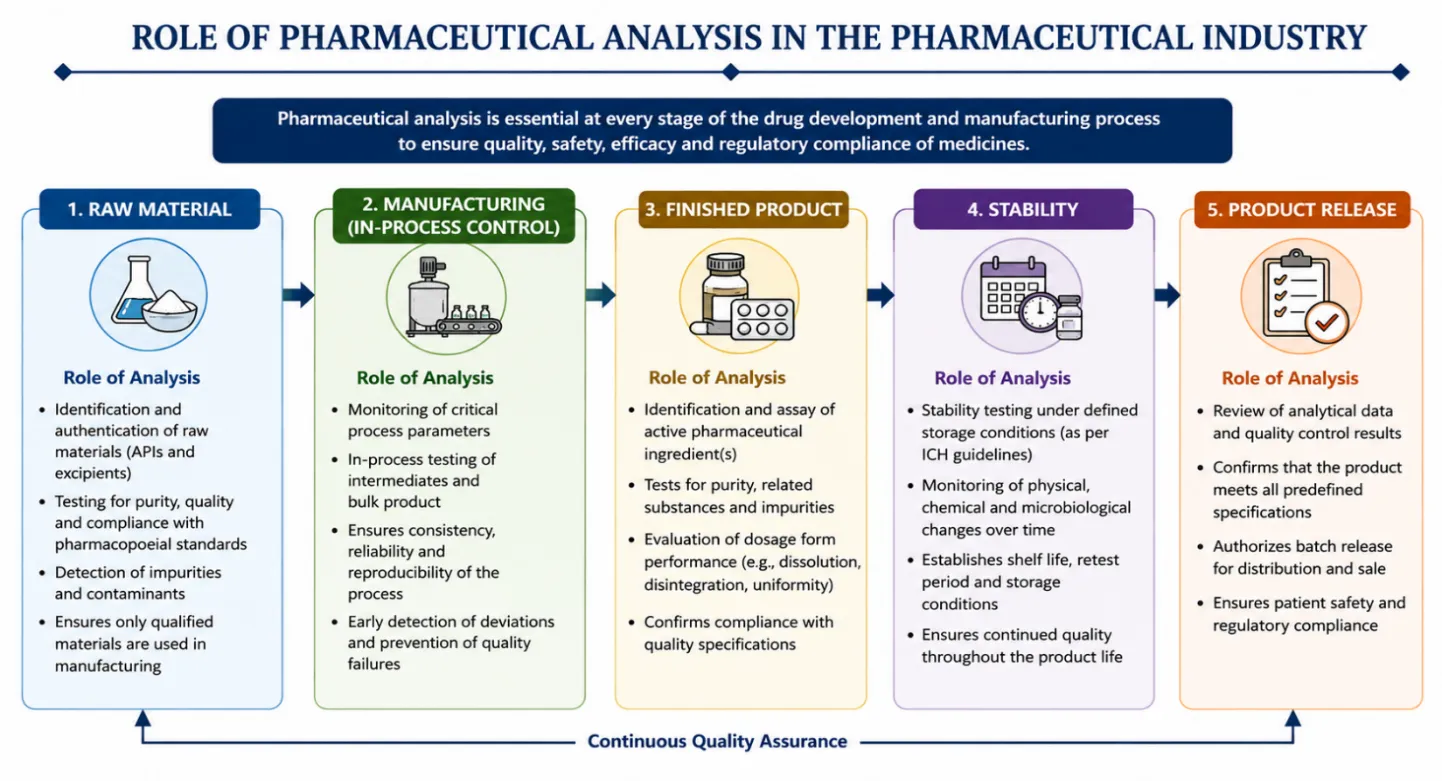
Figure 1: Role of Pharmaceutical Analysis in the Pharmaceutical Industry
2. Quality Assurance, Quality Control and Regulatory Guidelines:
2.1 Quality Assurance
Quality Assurance (QA) is a broad concept that covers all activities and responsibilities required to ensure that pharmaceutical products consistently meet the required standards of quality, safety, efficacy, and regulatory compliance. It focuses mainly on preventing quality problems by establishing appropriate systems, procedures, documentation, and controls throughout the pharmaceutical manufacturing process. [7]
Objectives:
The main objectives of Quality Assurance are to ensure that medicines provide the intended therapeutic effect, protect patients from incorrect, contaminated, or poor-quality products, and ensure that pharmaceutical products comply with established quality and regulatory requirements. QA also supports continuous improvement of pharmaceutical processes and quality systems.[7]
Responsibilities:
The responsibilities of Quality Assurance include establishing and maintaining the quality system, monitoring compliance with approved procedures and regulatory requirements, reviewing and controlling documents, supporting validation activities, handling deviations and investigations, and ensuring that appropriate corrective and preventive actions are implemented. QA also plays an important role in audits, change control, and overall pharmaceutical quality management.[7]
Documentation:
Documentation is an essential part of Quality Assurance because it provides written evidence that pharmaceutical activities have been performed according to approved procedures and requirements. It includes SOPs, manufacturing and packaging records, validation documents, analytical records, training records, calibration records, deviation reports, CAPA records, and change-control documents. Proper documentation supports traceability, consistency, data integrity, and regulatory compliance.[7]
Validation:
Validation is an important QA activity used to provide documented evidence that a process, method, system, equipment, or facility consistently performs as intended and produces results that meet predetermined requirements. Validation helps maintain processes in a controlled and reliable state and is particularly important when changes may affect product quality or the validated status of a process.[8]
CAPA:
Corrective and Preventive Action (CAPA) is an important component of the pharmaceutical quality system used to identify, investigate, and address existing or potential quality problems. Corrective actions address the root cause of an identified problem, while preventive actions help reduce the possibility of similar problems occurring in the future. CAPA requires proper investigation, documentation, implementation, and effectiveness verification.[9]
Change Control:
Change control is a systematic and documented process used to assess, review, approve, implement, and monitor changes that may affect the quality, safety, efficacy, or regulatory compliance of a pharmaceutical product. It ensures that proposed changes are properly evaluated and implemented without adversely affecting the established quality standards.[10]
2.2 Quality Control
Quality Control (QC) in pharmaceutical analysis refers to the operational techniques and activities used to ensure that pharmaceutical products meet the established quality requirements. It mainly involves the sampling, testing, analysis, and evaluation of raw materials, in-process materials, and finished products.[11]
Objective:
QC helps verify the identity, purity, strength, and quality of pharmaceutical products and ensures that the analytical results comply with the specified standards.[11]
Sampling:
Sampling in pharmaceutical quality control is the process of selecting a representative portion of a raw material, in-process material, or finished pharmaceutical product for testing and analysis. Proper sampling is important because testing the entire batch is generally impractical and costly. A representative sample helps ensure that the analytical results accurately reflect the quality and characteristics of the complete batch.[12]
Testing:
Quality Control (QC) testing is the systematic process of examining and evaluating pharmaceutical materials and products to determine whether they comply with established quality standards and specifications. Its primary purpose is to detect defects, impurities, variations, or other quality-related issues before the product is released for use. QC testing plays an important role in ensuring the identity, purity, strength, safety, consistency, and overall quality of pharmaceutical products.[13]
Raw Material Testing:
Raw material testing checks the properties of raw materials. These tests ensure that the materials used in pharmaceutical production meet the required quality, safety, and purity standards.[13]
Stability Testing:
Stability testing is the process of evaluating a drug substance or pharmaceutical product under defined storage conditions at specific time intervals to determine how long it maintains its quality, safety, and effectiveness throughout its intended shelf life.[14]
Finished Product Testing:
Finished product testing is the comprehensive evaluation of pharmaceutical products to assess their purity, potency, quality, uniformity, and stability. These tests are essential to ensure that each batch meets the specified quality standards and regulatory requirements and is safe and effective for patient use. Proper finished product testing helps detect variability and quality-related issues before product release, thereby protecting patient safety and maintaining product integrity.[15]
2.3 QA vs QC
Table 1: QA vs QC
| Aspect | Quality Assurance (QA) | Quality Control (QC) |
|---|---|---|
| Focus | Focuses on preventing quality problems | Focuses on detecting quality problems |
| Approach | Process-oriented | Product/testing-oriented |
| Main activities | SOPs, documentation, validation, audits, CAPA | Sampling, testing, analysis, and evaluation |
| Purpose | Ensures processes consistently produce quality products | Ensures products meet specified quality standards |
| Pharmaceutical analysis | Ensures analytical processes and laboratory systems are properly controlled | Ensures analytical results and pharmaceutical products comply with specifications |
2.4 Regulatory Guidelines
Indian Pharmacopoeia (IP)
The Indian Pharmacopoeia (IP) serves as the official standard book for drugs manufactured and marketed in India. It is published by the Indian Pharmacopoeia Commission (IPC) on behalf of the Ministry of Health & Family Welfare, Government of India, in accordance with the requirements of the Drugs and Cosmetics Act, 1940 and Rules, 1945. The IP provides authoritative standards, including specifications and analytical procedures for assessing the identity, purity, and strength of pharmaceutical substances and products. These standards are used by regulatory authorities to ensure the quality of medicines in India. The standards prescribed in the IP are also legally recognized and may be referred to during quality assurance activities and in cases of disputes before a court of law. [16]
International Council for Harmonisation (ICH)
The International Council for Harmonisation of Technical Requirements for Pharmaceuticals for Human Use (ICH) is an international organisation that brings together regulatory authorities and the pharmaceutical industry to harmonise scientific and technical requirements for the development, registration, and quality of pharmaceutical products. ICH develops internationally harmonised guidelines to support the development and registration of safe, effective, and high-quality medicines. Its Quality Guidelines cover important areas such as stability testing, analytical procedure validation, impurities, specifications, pharmaceutical development, quality risk management, pharmaceutical quality systems, and analytical procedure development. [17]
US-FDA
Sterile and Non-Sterile Recommendations for pharmaceutical industry is suggested by US Food and Drug Administration (US-FDA). The industry guidelines are frequently revised by the FDA. All those FDA approved companies around the world must comply with this rule. The term “GLP” stands for “Good Laboratory Practices.” It specifically means the quality arrangement for controlling research laboratories and organizations to ensure the stability, reliability, reproducibility, consistency, and quality of synthetic substances containing pharmaceuticals non-clinical safety tests, physicochemical properties through intensive to continuous toxicological quality tests. [18]
3. Good Laboratory Practice (GLP)
3.1 GLP
Good Laboratory Practice (GLP) is a quality system that ensures the quality, consistency, reliability and traceability of laboratory studies and analytical results.[19]
Objectives:[19]
Laboratory Safety & Chemical handling
Laboratory activities should be performed carefully to prevent accidents, contamination and exposure to hazardous substances. Appropriate protective equipment such as gloves, protective clothing and eye protection should be used according to the laboratory requirements. Chemicals used in laboratory analysis should be properly identified, handled, stored and used according to appropriate procedures. Careful handling helps prevent contamination, accidental exposure and errors during analysis. Proper documentation is an important part of laboratory quality practices. Information related to samples, procedures, observations, calculations and analytical results should be appropriately documented and maintained for future reference.[20]
3.2 Calibration
Calibration is the process of comparing the readings of a measuring instrument with a known and accurate reference standard under specified conditions, to establish the accuracy and reliability of the instrument. [21]
Importance of Calibration [21-22]
1. Ensures accuracy of measurements.
2. Improves reliability and consistency of analytical results.
3. Helps to detect instrumental errors and drift.
4. Ensures instruments are suitable for their intended use.
5. Supports quality control and pharmaceutical product quality.
6. Helps laboratories meet regulatory and pharmacopoeial requirements.
Calibration of Glassware:
Calibration ensures that the measurements taken by an instrument are accurate compared to pre-set standards.
1. Burette
Place the burette vertically on the stand. When needed, make sure to use a thermometer to determine the temperature of another glass tube. In order to calculate the delivery rate, pour the water into the burette so that it reaches the zero mark and drain all of it out. The meniscus should be positioned exactly on the zero, record the water temperature and pour it back into the burette a little higher than zero. Collect water to the proper scale marks in a corked flask previously weighed and reweigh it. [23]
2. Pipets
Using a suction, take some pure water in the pipet up to the index mark. By using a filter paper, clean up any extra drops present and carefully adjust to the index mark by keeping contact between the tip and the beaker wall. Make a note of the temperature of water. Take the water vertically into a flask which had already been weighed, keeping the tip in touch with the neck of the flask till no outflow occurs. The delivered volume can be known by stopping the flask and reweighing it. [24]
3. Flasks
With the aid of the stopper, determine the weight of the clean, dry flask. Proceed by filling the flask below the graduation mark using the funnel. Leave it standing for two minutes before filling it to the meniscus and weighing it again. Determine the temperature of water inside the flask if it is large, otherwise, from the filling beaker or line. [25]
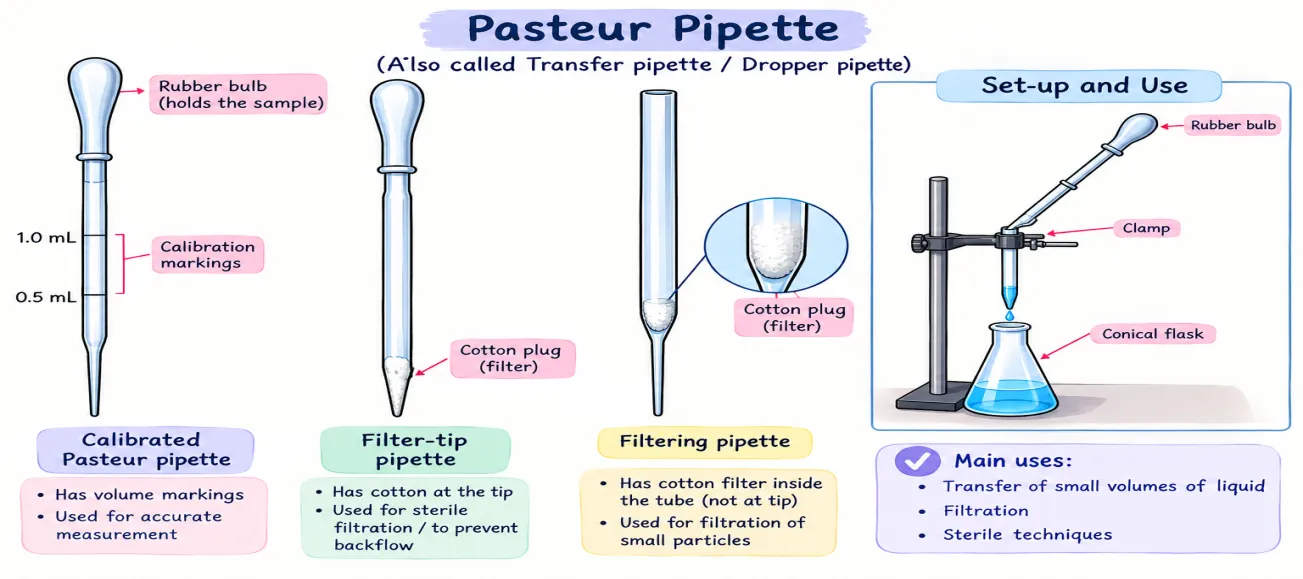
Figure None: 2 Calibration of Glasswares
Calibration of analytical instrument
Calibration of UV-visible spectrophotometer:
One part of light gets absorbed by the medium, whereas the other gets reflected from the surface of the solution or some other homogenous substance. The visible and UV spectroscopy are used for substance identification both quantitatively and qualitatively. It is also useful for conjugation identification of the substance. While passing through the sample, the light has energy packets known as electromagnetic radiation. Upon absorption of light, the particle gets excited. [26]
Table 2: Official Parameter & Non-official Parameter [26]
| Official Parameters | Non-official Parameter |
|---|---|
| a. Wavelength | a. Noise |
| b. Stray light | b. Stability |
| c. Resolution | c. Baseline flatness |
| d. Control of absorbance | d. Photometric accuracy |
| e. Spectral split width | e. Linearity |
| f. Solvent |
i. Wavelength:
Holmium perchlorate solution:
Pour 0.4 g of holmium oxide into a 10-millilitre volumetric flask and dissolve in 1.4 M perchloric acid with the help of heating. Make the volume up to 10 ml with the use of 1.4 M perchloric acid. Set the spectrum mode of the device. Choose the wavelength from 200 nm to 700 nm. Press 1 in order to change the basic level. Reset the device after adding 1.4 M perchloric acid to the cuvette and inserting it into the sample cuvette. After autozero, press start and replace the solution in the sample cubicle with holmium perchlorate solution. Scan holmium perchlorate solution using its absorption maximum wavelength. Acceptance criterion: maximum wavelength-241[26]
ii. Stray light:
Heating of a specified quantity of potassium chloride up to a fixed weight at 130°C for drying. Weighing precisely 1.2 g of dry potassium chloride and adding the weighed sample into a 100 ml volumetric flask. Dissolve it in 50 ml of water and add the same solvent to make 100 ml. Absorbance > 2 is observed between 220 and 200 nm at 198 nm compared to water which acts as compensatory liquid. [26]
iii. Resolution:
Prepare a solution containing 0.02% toluene in hexane. Measure the absorbance values of the given solution at wavelengths of 266 nm and 269 nm taking hexane as a reference solution. Ratio of absorbance at 269 nm to 266 nm must be greater than 1.5. Criteria for acceptance: Ratio of absorbance <1.5 [26]
iv. Control of absorbance:
The drying of a specific quantity of potassium dichromate is carried out through heating it at 130°C until the weight remains constant. The absorbance measurements will be taken at 235, 257, 313, and 350 nm by weighing 57.0 – 63.0 mg of dry potassium dichromate and then dissolving it in 0.005 M sulfuric acid solution. Prepare up to 1000 milliliters using the same solvent. Weigh 57.0–63.0 mg of dry potassium dichromate for 430 nm, then dissolve it in a solution of 0.005 M sulfuric acid. Use the same solvent to prepare 100 milliliters. Tap the automatic reset button after adding 0.005 M sulfuric acid in the cuvette and then place the cuvette in the sample cuvettes. [26]
3.3 Reagent and Standard Preparation
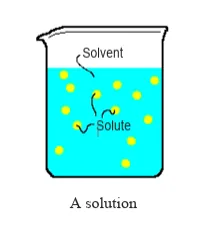
Figure 3: Solute Particles Dissolved in a Solvent
Standard Solution: Standard solution is the solution which contains a definite amount of the concentration of an element or a substance. In general, the concentration of the solution means that the amount of substance present per unit volume (or weight) of the solution.
Molarity: Amount of gram molecular weight of solutes per liter of solution is known as molarity. Molarity depends on the temperature. It is denoted by letter M.
Unit: Molarity (M) = Gram molecular weight of solutes (gm) / Volume of solution (L)
Normality: The amount of the gram equivalent weight of a solute contained in one liter of a solution is called normality. Normality varies with temperature. It is denoted by symbol N.
Unit: Normality (N) = Gram equivalent weight of solutes (gm) / volume of solution (L)
Parts per Million (ppm): When the amount of the solute in the solution is in traces, it is preferable to represent its concentration in parts per million. This is the amount of the solute per million (10^6) parts of the solution. This does not depend on the temperature.
Formula: ppm = (Grams of Solute/106 grams of solution)
Unit: mg/L or ug/mL
Percent Solution: How much percent of solute is in respect of 100% solution? Percent solutions are determined through this formula: W/V or V/V.
This indicates the weight of the substance in grams per 100 grams of the solvent.
2% NaCl indicates that there are 2 grams of NaCl in 100 grams of solution. [27]
Stock Solution: A stock solution is a concentrated solution, which is then diluted to obtain a less concentrated solution for practical application purposes. This solution saves both time and resources.
Working Solution: A working solution is the final solution obtained from the dilution of a stock solution to the desired concentration. [28]
Buffers: A buffer is a compound or mixture of compounds that can resist changes in pH when acid or alkali is added to the solution in small amounts due to its presence. This is called buffer action. [29]
4. Instrumental Techniques in Pharmaceutical Analysis
4.1 Electroanalytical Techniques
Potentiometry
Potentiometer is employed for measuring the potential or EMF of the mixture using the indicator electrode set and reference electrode. [30]
Principle [30]
Potentiometer operation involves variation of resistance through the movement of a sliding or rotating contact. With the wiper in motion, the length of the resistive wire varies. With constant cross-section area and constant current, the resistance of the wire varies directly with its length.
R ∝ L
EMF measurement involves comparing the unknown EMF with the potential drop across a known length of the resistive wire.
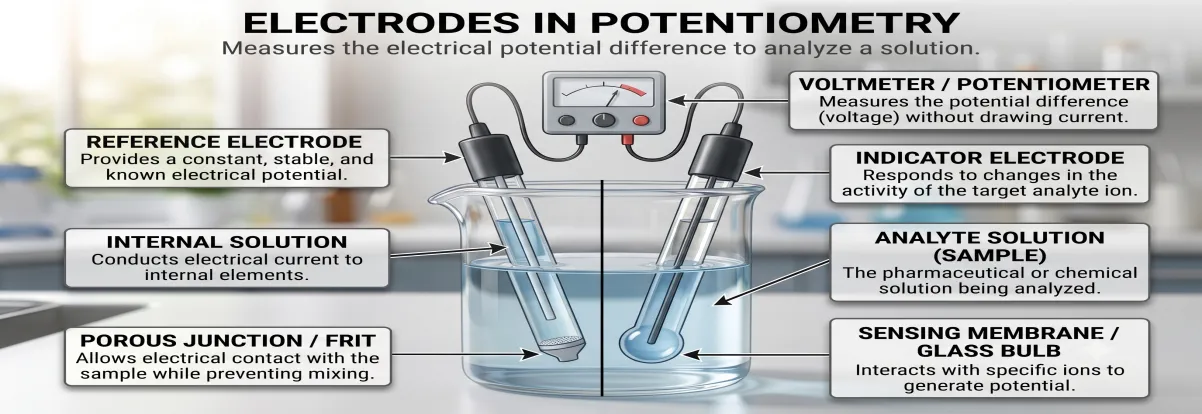
Figure 4: Potentiometer
Pharmaceutical applications [30]
1. Potentiometric Titration
a. Serves to define the endpoint of acid-base titrations.
b. Used in redox, precipitation and complexometric titrations.
c. Useful for conducting titrations in aqueous and non-aqueous solvents.
2. pH Measurement
a. Serves to measure the pH of pharmaceutical solutions and chemicals.
b. Helps in the evaluation of the quality and stability of pharmaceutical products.
c. Used to measure the pH of blood in clinical diagnostics.
3. Determination of Equilibrium Constants
a. Serves to define the dissociation constant (Ka) of acids.
b. Used for the determination of the ionic product of water (Kw).
c. Serves for studying the acid-base equilibrium.
4. Solubility Studies
a. Serves to investigate the solubility of sparingly soluble electrolytes.
b. Serves for finding the solubility product (Ksp).
c. Serves for studying the equilibrium of slightly soluble compounds.
pH Meter
A pH meter is a device used for measuring the pH value of a solution. In pharmaceutical analysis, the determination of pH is done through a potentiometric measuring system, referred to as a pH meter. [31]
Principle [31]
A pH meter operates based on the principle of potentiometry. The measurement of a potential difference between the glass electrode and the reference electrode dipped in the solution provides a measure of the hydrogen ion activity (H⁺). This activity is then used to display the pH value.
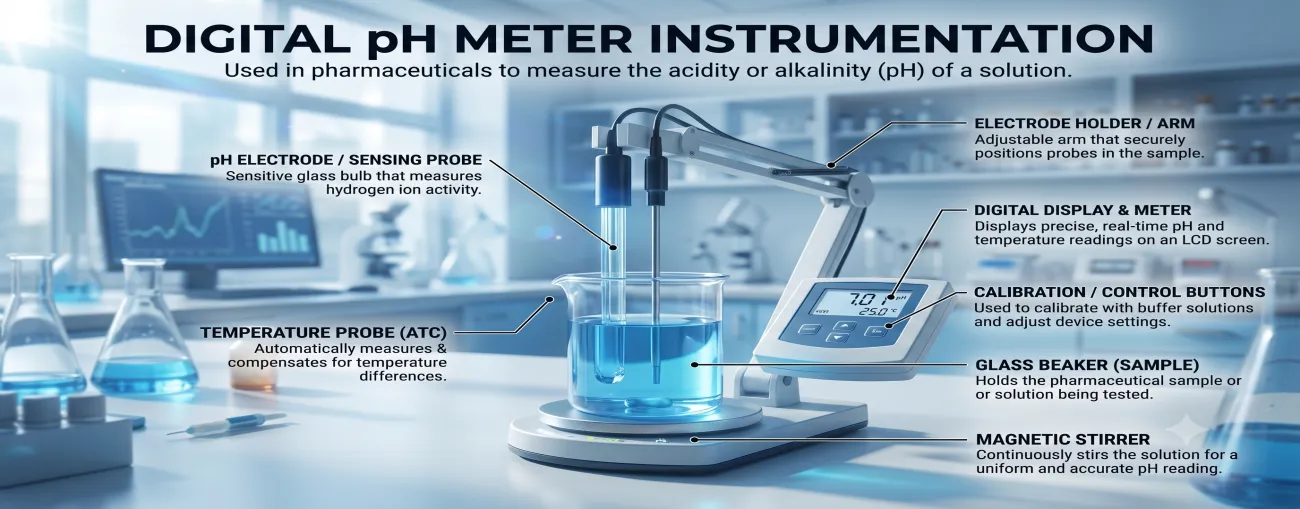
Figure 5: PH Meter
Pharmaceutical Applications [31]
1. Pharmaceutical Analysis
a. Possible uses include measurement of pH of pharmaceutical materials.
b. Aids in verifying the pH specifications mentioned in pharmacopoeia.
c. Measurement of pH is critical in terms of stability and physiologic acceptability of pharmaceuticals.
2. Quality Control
a. Used for pH determination during laboratory analysis.
b. Aids in maintaining the pH of the pharmaceutical products.
c. Difference in pH can influence the accuracy of the analysis.
3. Biomedical Applications
d. Possible applications include pH determination in biological fluids like blood.
e. Aids in studying the acid/base nature of biological systems.
Conductometry
A conductivity meter is an apparatus that helps determine the electrical conductivity of a solution. The conductivity meter determines how well the ions in the solution can conduct electricity. [32]
Principle [32]
A conductivity meter functions based on the electrical conductivity of an ionic solution. If electrical potential is supplied across the conductivity cell, ions in the solution migrate and carry electric current. Conductivity mainly depends upon the number and movement of ions in the solution.
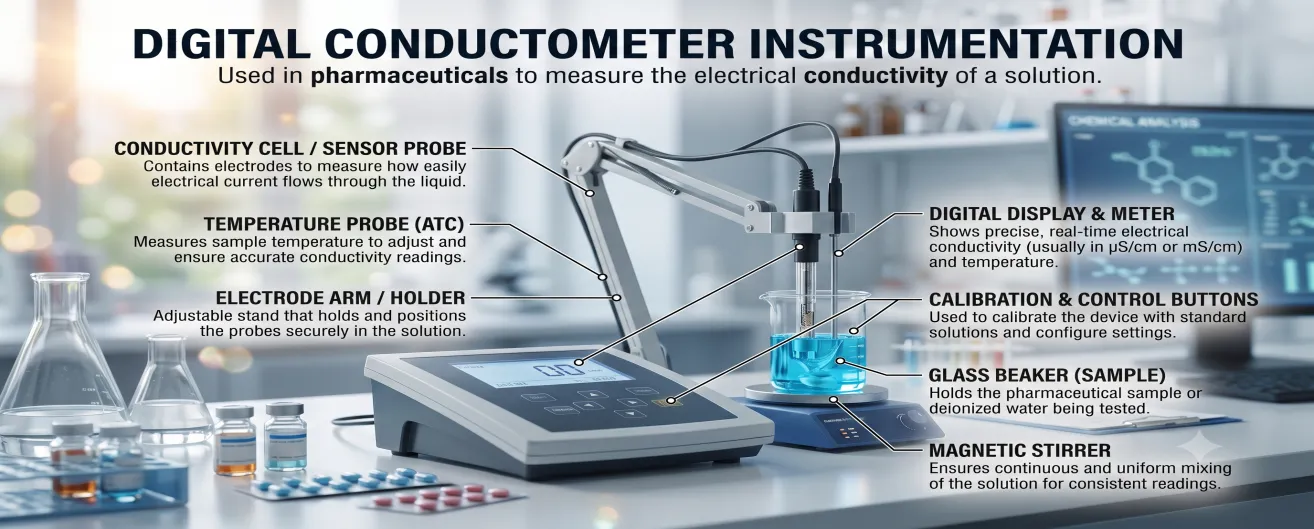
Figure 6: Conductometer
Pharmaceutical Applications [32]
1. Conductometric Titration
a. Utilized in determining the end point of titrations.
b. Applicable in acid-base and precipitation titrations.
c. Applicable in coloured samples wherein it’s difficult to visually detect the end point.
2. Purity of Water
a. Applicable in determining the conductivity of pharmaceutical water.
b. Used in checking the purity of purified water and pharmaceutical water. USP <645> deals with conductivity measurements in pharmaceutical water.
3. Quality Control
a. Applicable in determining the ionic content of solutions.
b. Applicable in monitoring the changes in conductivity in pharmaceutical processes.
4. Determination of Ionic Substances
a. Used in determining the amount of ions in a solution.
4.2 UV-Visible Spectroscopy
This technique is used for analyzing materials through the way they interact with UV and visible radiation. It detects the absorption or transmission wavelength of the material using ultraviolet or visible radiation, which usually falls within the wavelength range of 200 to 800 nm. [33]
Principle [33]
The operation of the UV-Visible spectrophotometer is based on the principle of electronic transitions. When a compound undergoes excitation by absorbing energy in the form of UV rays, the electrons shift from low energy orbitals to high energy orbitals. Sometimes, these high energy orbitals can even be antibonding orbitals. This results in a UV absorption spectrum.
Beer Lambert’s law
The Beer Lambert law is the core of the discipline of spectroscopy and an essential factor for qualitative and quantitative analysis of spectra. Under the condition of constant optical path, the absorbance of a certain material will vary with the product of its concentration. This can be described by mathematical equations as follows: A = εbc, in which A is the absorbance and ε is the molar absorptivity. B is the optical path length and c is the solution concentration. Having a good understanding and use of this law will be of great significance to the quantitative analysis in analytical chemistry. The application of Beer Lambert’s law can be found in many disciplines. Apart from being used in optical tissue diagnosis, it also serves to determine the absorbance of biological molecules for assessing their concentration and purity. Furthermore, it is used to measure pulsatile blood flow, critical closure pressure, and intracranial pressure. [33]
Instrumentation
The spectrophotometer is an accurate device used for measuring the level of absorption of a particular material by a certain wavelength of light. The components of this device are as follows:
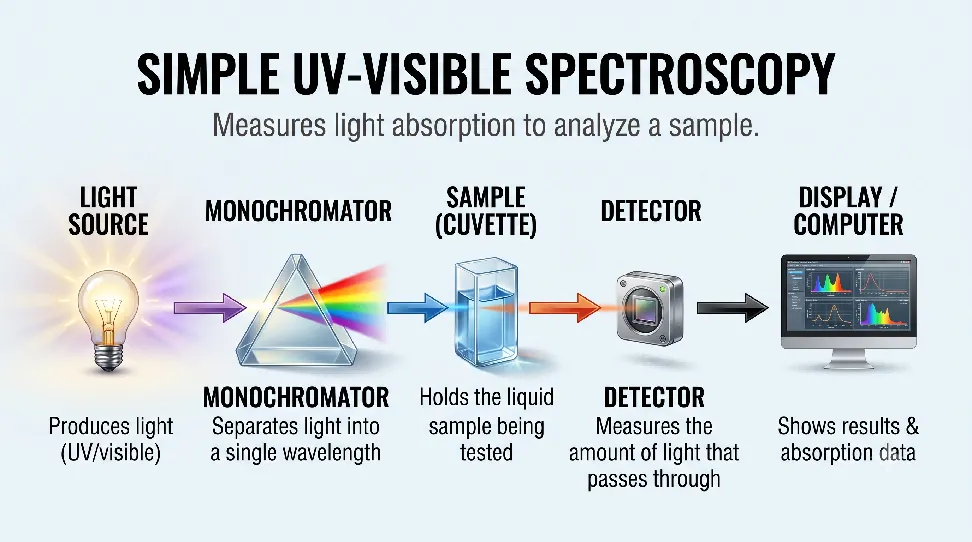
Figure 7: UV-Visible Spectroscopy
Table 3: Parts of UV-Visible Spectroscopy
| Part / Structure | Function |
|---|---|
| Light Source | Provides the light necessary for the analysis to take place. Various light sources are employed for the UV and visible regions. |
| Monochromator | Separates the light into various wavelengths and allows selection of the needed light for the analysis. |
| Absorption Cell (Cuvette) | Houses the sample or the test solution. The selected light will pass through the sample and measure its absorption. |
| Detector | Transforms the light signal emitted by the sample into an electrical signal. |
| Monitor / Display | Increases the electrical signal and finally displays the absorbance or transmittance value. |
It is only through these components that the spectrophotometer is able to perform the function of measuring the absorption of certain wavelengths of light by the sample. There are different forms of spectrophotometers depending on their uses, such as UV visible spectrophotometer, infrared spectrophotometer, etc., but the working mechanism remains more or less the same. [33]
Applications in Pharmaceutical Analysis [34]
UV spectrophotometers are used to analyze the absorption of visible and ultraviolet light by various substances; they are quite handy in various scientific fields and industries. Some of the uses of UV spectrophotometer include:
A. Quantitative analysis of chemistry:
In chemical labs, UV spectrophotometer is extensively used to measure the concentration of the solute in the solution. The precise measurement of the concentration is made easy by the Beer-Lambert Law, which provides the relationship between concentration of the absorbing species and light absorbance.
B. Biochemical and Biomedical research:
Some of the biological molecules analyzed in the lab with the help of UV-spectrophotometer include proteins and nucleic acid. It aids in characterizing, quantifying and studying the changes in structure of the biomolecules.
C. Pharmaceutical analysis:
In pharmaceutical sector, the UV-spectrophotometer is employed for analyzing the concentration of active pharmaceutical ingredients in drug formulations.
D. Environmental Monitoring:
In environmental monitoring, UV spectrophotometer can be used to detect the presence of pollutants such as heavy metals, organic and other contaminants in the water.
4.3 HPLC
High Performance Liquid Chromatography (HPLC) is an example of a separating method where a small amount of liquid sample is introduced into a column containing small particles. The sample components are separated using a liquid mobile phase while moving through the column at high pressure. [35]
Principle [35]
The working of HPLC is based on the differential interaction of the components of a sample with the stationary phase packed into the column. Mobile phase is forced to pass through the column under high pressure with the help of a pump. Due to the differential interaction of the components with the stationary phase, they elute from the column at different times and thus get separated.
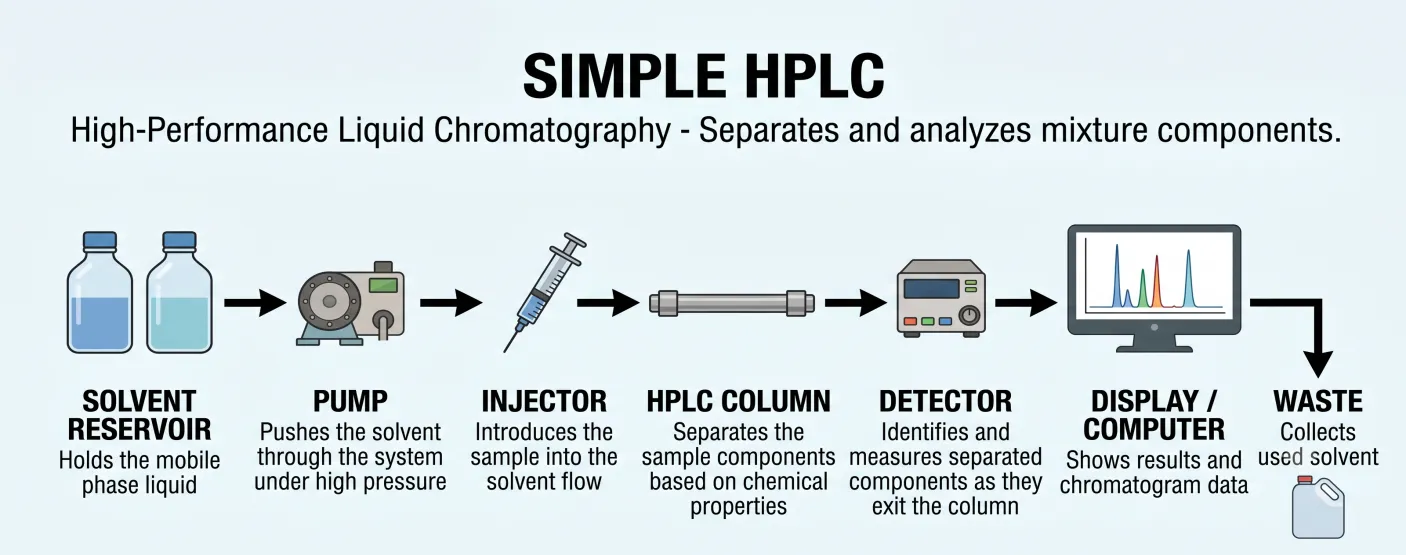
Figure 8: High Performance Liquid Chromatography
Table None: 4 Parts of High Performance Liquid Chromatography
| Component | Function |
|---|---|
| 1. Solvent Reservoir | Stores the mobile phase. |
| 2. Pump | Delivers the mobile phase at high pressure. |
| 3. Injector | Introduces the sample into the mobile phase. |
| 4. Column | Separates the components of the sample. |
| 5. Detector | Detects the separated components. |
| 6. Data System / Recorder | Records the chromatogram and measures retention time and peak area. |
| 7. Waste Container | Collects the mobile phase after detection. |
Pharmaceutical Applications:
1. Identification and Quantification of Drugs: The HPLC method is applied for the identification and quantification of drugs in pharmaceuticals.
2. Isolation and Purification: Preparative HPLC technique is applied for the isolation and purification of compounds. This technique is used to purify the pharmaceutical substances.
3. API Assay: This technique provides accurate and precise quantitative analysis of pharmaceutical substances. It is applied for the determination of active pharmaceutical ingredient (API) and related substances.
4. Related Substances and Impurity Identification:The HPLC method is used to determine related substances and impurities in the pharmaceutical products. It separates the main drug component from other components.
5. Stability Testing of Drugs:HPLC is used in drug stability studies for the determination of drug and its degradation products during storage period.
6. Dissolution Testing:Dissolution studies are conducted using HPLC technique in order to determine the amount of drug released from the pharmaceuticals.
7. Quality Control of Pharmaceuticals: HPLC is extensively used in pharmaceutical quality control as this technique provides good quantitative precision and accuracy.
4.4 FTIR Spectroscopy [36-37]
Fourier Transform Infrared (FTIR) Spectroscopy is a type of spectroscopic analysis where infrared radiation is absorbed by molecules because of their vibrations to help identify them. It is done using a Michelson interferometer and Fourier transform to give the infrared spectrum of the molecules.
Principle
FTIR spectroscopy uses the concept that molecules can absorb infrared radiation at particular frequencies depending on the molecular vibration. When the IR radiation falls on the sample, the molecules in the sample absorb some frequencies and vibrate either by stretching and bending. These vibrational modes that bring about changes in dipole moments are IR active.
Michelson Interferometer of FTIR Spectroscopy:
The Michelson Interferometer used in FTIR consists of a beam splitter, a fixed mirror, and a moving mirror. The interferometer creates an interferogram that contains information for all frequencies of IR light simultaneously.
Molecular vibrations
Molecular vibrations represent the periodic motion of atoms about their equilibrium state when molecules absorb IR radiation. These molecular vibrations are primarily divided into two types: stretching, where the bond length changes, and bending, where the bond angle is modified. The stretching vibrations can further be classified into symmetrical and asymmetrical vibrations, and bending vibrations comprise scissoring, rocking, wagging, and twisting.
Instrumentation
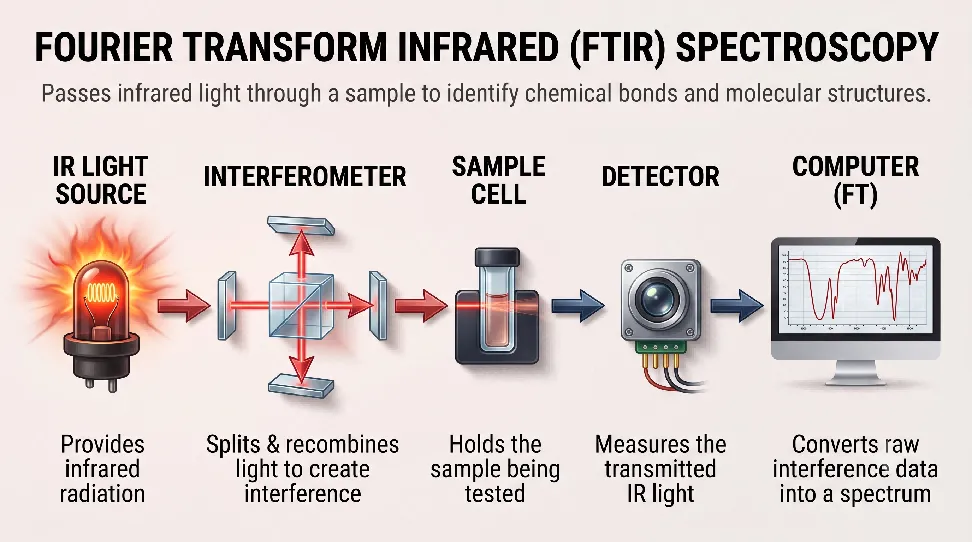
Figure 9: Fourier Transform Infrared Spectroscopy
Applications
1.Analysis of Biomedical & Proteins: Used for biological analysis, analysis of diseases, structure and stability of proteins without using dye.
2.For Biological Studies: Used for identification of microbes, drug-cell interactions, carbon dioxide detection, quality analysis of foods and herbal medicines.
3.Pharmaceutical Analysis: Used for drug identification, composition analysis, impurities, and quality analysis of pharmaceutical products.
4.Organic and Inorganic Chemicals: Used for identification of organic and inorganic compounds, polymers, resins, paints, drugs and trace elements in solid, liquid and solution form.
5.Food Products Analysis:Used for food product analysis and detection of difference in physiochemical characteristics of food products.
4.5 LC-MS
In Liquid Chromatography – Mass Spectrometry (LC-MS), LC and MS are the two techniques joined together in a hyphenated form. In this method, LC separates the mixture into individual components, whereas MS helps in identifying and determining the molecular weight of the components.[38]
Principle [38]
LC-MS operates under the principle of separation followed by ionization and mass detection. The sample is first separated into its individual constituents by liquid chromatography (LC), which uses differences in interaction between the mobile phase and stationary phase to effect separation. After separation, the compounds are introduced to the mass spectrometer (MS) for ionization, which sorts out the ions based on their mass-to-charge ratio (m/z).
Reversed-phase liquid chromatography (RP-LC) is used in LC-MS analysis, with C18 being the stationary phase and water-methanol or water-acetonitrile as the mobile phase.
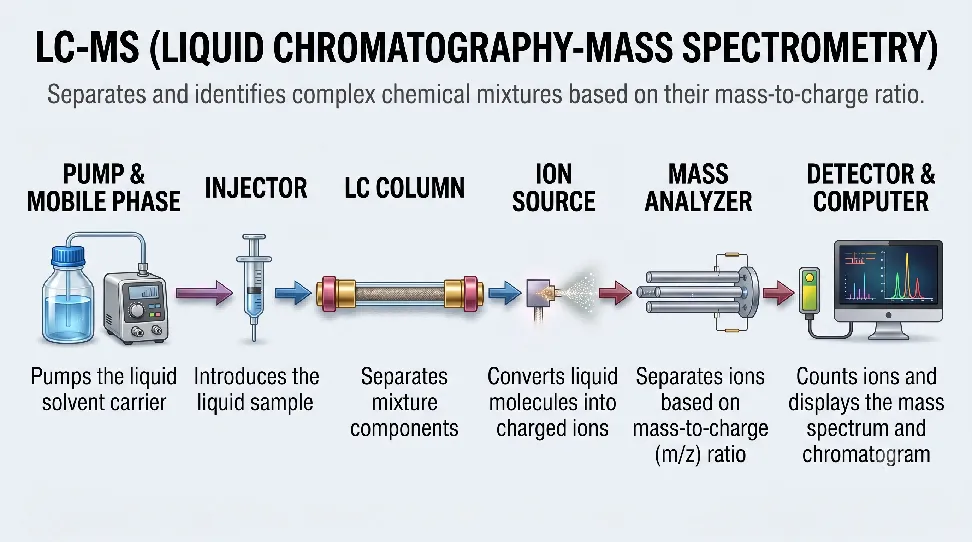
Figure 10: Liquid Chromatography-Mass Spectroscopy
Pharmaceutical Applications:
1. Doping Test: Tests for presence of doping agents like 4-Methyl-2-Hexaneamine in the urine.
2. Pharmacokinetic Study: Used to study the process of absorption, distribution, metabolism and excretion of drugs and their analysis from biological samples.
3. Bioavailability & Bioequivalence Study: Used for determination of BA/BE of drugs or metabolites in biological samples quantitatively.
4. Determination of Molecular Weight: Determines the molecular weight and composition of compounds, peptides, proteins and nucleic acids.
5. Drug Assay: Used to determine the assay of drug substances and drug products, intermediates and related substances.
4.6 Atomic Absorption Spectroscopy
An Atomic Absorption Spectroscopy (AAS) is an analysis method to quantitatively measure the chemical elements contained in the sample by using the absorption radiation of free atoms in the gaseous form.[39]
Principle [39]
Free atoms in the gaseous phase absorb light at each individual wavelength which ensures high specificity and low detection limit of the method. The liquid sample containing metal, when subjected to the flame, vaporizes the metal.
In the vaporized liquid sample, some atoms of the sample get excited to higher energy level whereas most of the atoms stay at ground level. Light of certain wavelength, when passes through the flame consisting of metal atoms, some amount of light gets absorbed which is proportional to the number of atoms present in the flame.
Amount of light absorbed = πe2 /mc x Nf
Instrumentation
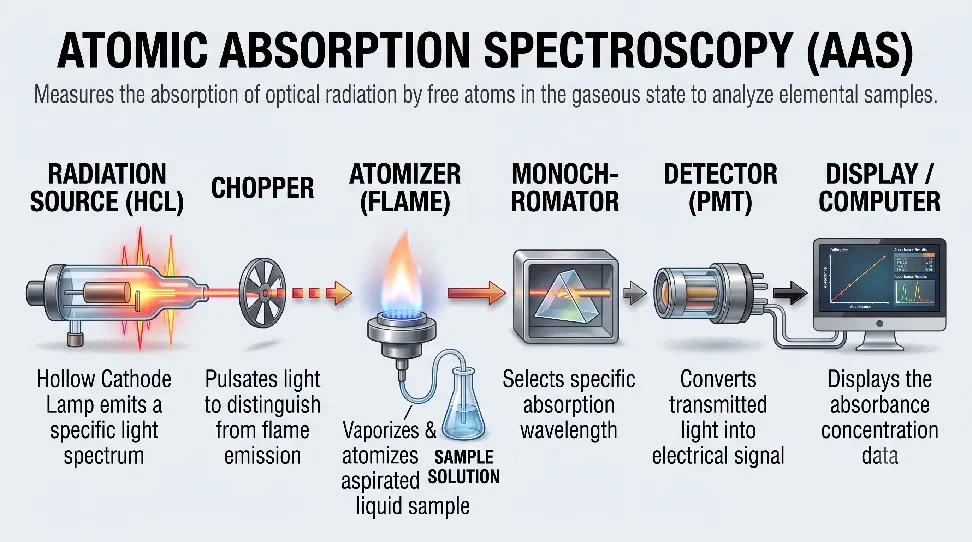
Figure 11: Atomic Absorption Spectroscopy (AAS)
Pharmaceutical applications [39]
1. Quantitative analysis of trace metals
Quantitative analysis is achieved through calibration curve method. In this case, a number of samples are taken and percentage absorption of them measured. A graph is plotted for concentration versus % absorption. If a linear line is found, the concentration of unknown solution can be easily measured.
2. Qualitative analysis
In this analysis, different types of radiation sources are required each time. The method is therefore very time-consuming. Hence AAS is rarely used in the qualitative analysis of the metal.
3. Analysis of blood serum
The AAS technique is mostly used in the diagnosis of various pathological conditions. Ca, Na, Mg and Kare determined in blood serum through AAS technique. It is also used in the diagnosis of various diseases such as diabetes and aldosteronism.
5 Analytical Method and Results
5.1 Analytical Method Performance [40]
Accuracy:
Accuracy can be defined as the degree of exactness of a particular analysis technique or the closeness of agreement between the true value that is accepted or the reference value and the measured value.
Precision:
Precision can be described as the extent to which an analytical procedure is repeatable and is usually given as the percentage relative standard deviation from a significant number of samples.
Specificity:
Specificity is the capability of the analytical technique to determine the analyte accurately in the presence of any interferences like impurities, excipients, and degradants. It can be determined through the analysis of the chromatograms of blank, standard and test samples for the lack of any interfering peaks. Specificity may be determined with respect to resolution, theoretical plate count, tailing factor and PDA detectors.
Linearity:
Linearity refers to the capability of an analytical technique to generate results that show direct proportionality with the concentration of the analyte in a certain range. This can be determined by measuring the absorbance of different concentrations of the analyte and plotting a calibration graph of absorbance versus concentration, where the data is analyzed using linear regression to determine R².
Range:
Range is the difference between the highest and lowest levels of the analyte for which the analytical method exhibits adequate linearity, accuracy, and precision. The range is usually given in the same units in which the results of testing are reported. The required range for an assay is at least 80-120% of the target level.
Robustness:
Robustness refers to the property of a method whereby its performance remains unchanged despite minor and deliberate changes in method parameters. Robustness ensures the method’s consistency under different conditions. It can be assessed by altering factors such as mobile phase ratio, flow rate, pH, temperature, or detector wavelength, among others.
LOD (Limit of Detection):
LOD is the lowest level of an analyte which is detectable but cannot necessarily be quantified. The value for LOD can be calculated from the standard deviation of the signal and slope of the calibration curve.
LOD = 3.3 × (SD/S)
Where, the value of SD is obtained either from the blank, residual standard deviation of the regression or the y-intercept.
LOQ (Limit of Quantitation):
LOQ is the lowest concentration of an analyte that can be accurately and precisely quantified under the stated analytical conditions. It is calculated using the standard deviation (SD) of the response and the slope (S) of the calibration curve.
LOQ = 10 × (SD/S)
The SD may be determined from the blank, residual standard deviation of the regression line, or y-intercepts. The method used for LOQ determination should be properly documented and supported.
5.2 Analytical Calculations [41]
Mean: Arithmetic mean of all analytical results.
Standard deviation: Represents the variation or spread in the results of the analysis.
%RSD: Is an indication of standard deviation expressed in terms of the mean and is often used in determining the accuracy of analysis.
% RSD = (SD / Mean) × 100
6. SOP [42]
The Standard Operating Procedure (SOP) refers to a written procedure that gives step-by-step guidelines on how to perform a certain activity. The SOP assists in reducing the variations and in implementing the quality management system.
Purpose;
The main purpose of an SOP is to give instructions on how to conduct a particular task in a systematic way. The SOP describes how the task should be performed, by whom, and how to document it.
Importance:
SOPs are significant because they help to guarantee uniformity and consistency in the execution of tasks. They assist in minimizing the error rates and deviations, maintenance of quality, knowledge transfer, compliance with regulations, and enhance the effectiveness of the QMS.
Basic components:
The basic components of an SOP include:
Header – SOP title, SOP number, revision number, date, page number, and approval/signature.
Purpose – This section explains the purpose of the SOP.
Scope – This is the definition of the scope of the SOP.
Background – Short explanation and rationale for the procedure.
Responsibility – This section specifies who is responsible for the activity being performed.
Definitions – Definitions of any important terms or abbreviations.
Materials and Equipment – Description of materials and equipment required.
Safety – Information about the safety precautions.
Procedure – Instructions on how to perform the task.
Document Distribution – Who and where the SOP is distributed.
Document History – Revision history of the SOP.
References and Attachments – References, forms, tables, etc.
7. Applications and Recent Trends in Pharmaceutical Analysis
Applications [43-45]
The process of pharmaceutical analysis is very important during the manufacture and development of drugs.
1) Testing of raw materials is done to verify the identification, purity, strength, and quality of API’s and excipients before their usage in the production process.
2) Formulation development applies analytical methods to evaluate the compatibility of drugs and excipients, assay, dissolution, stability, and many more.
3) Quality control (QC) involves validated analytical methods to test pharmaceutical products to confirm that they conform to specified requirements.
4) Impurity profiling helps to detect and control process-related impurities and degradation products. Advanced methods such as LC-MS become more popular for the detection of impurities and their structural elucidation.
5) Stability testing is carried out by analyzing the drug substance or product over a period of time in order to determine its stability.
6) Identification of drugs is done using spectroscopy, chromatography, and mass spectrometry, which are based on specific chemical or spectral properties.
7) The data obtained and the validation of the procedures are used in making regulatory submissions, where the proper validation and data analysis prove the applicability of the methods.
Recent Trends [46-50]
LC-MS/MS offers both high sensitivity and selectivity and finds use more frequently in drug discovery, impurities analysis, and bioanalysis.
Hyphenated methods, such as LC-MS, GC-MS, and LC-NMR, consist of two methods being used together to identify and separate compounds.
Green analytical chemistry emphasizes minimizing the use of solvents, dangerous substances, wastes, and energy usage.
Automation increases efficiency, reliability, and decreases the need for manual intervention.
Process Analytical Technology (PAT) allows for the monitoring and control of pharmaceutical processes through real-time or near real-time methods.
The application of statistics and mathematics to complex data sets in analytical chemistry is known as chemometrics.
CONCLUSION
Pharmaceutical analysis is indispensable for ensuring that medicines are safe, effective, and of consistent quality from raw material to finished product. By confirming identity, purity, strength, and stability, analytical testing directly safeguards therapeutic efficacy and patient welfare. This protection is most effective when Quality Assurance and Quality Control operate as complementary systems: QA prevents deviations through validated processes, documentation, change control, and corrective and preventive actions, while QC verifies compliance through sampling and testing. Both are anchored in regulatory frameworks, including pharmacopoeial standards, ICH guidelines, and FDA requirements, which harmonise expectations worldwide. Good Laboratory Practice, supported by calibrated instruments, validated methods, and clear standard operating procedures, is essential for data integrity and reproducible outcomes. Modern instrumental techniques, such as UV–visible and FTIR spectroscopy, HPLC, and LC-MS, deliver the sensitivity, selectivity, and precision needed to assay drugs, profile impurities, and assess stability. Emerging developments, including hyphenated methods, green analytical chemistry, automation, process analytical technology, and chemometrics, further advance innovation and real-time quality assurance. Together, these elements form an integrated, compliance-driven foundation for reliable pharmaceutical quality evaluation and continued progress in drug development.
REFERENCES


Minakshi Mahale, Siddhi Pawar, Sahil Pawar, Neha Padvi, Janhavi Gage, Avinash Gunjal, Review of Pharmaceutical Analysis: Analytical Techniques, Instrumentation and Quality Assurance, Int. J. of Pharm. Sci., 2026, Vol 4, Issue 11, 3286-3306. https://doi.org/10.5281/zenodo.24362408
 10.5281/zenodo.24362408