

We use cookies to ensure our website works properly and to personalise your experience. Cookies policy
Ismail Mehta College of Pharmacy, Ambad, Dist. Jalna, Maharashtra, India.
The present study focuses on the formulation and evaluation of an herbal anti-acne gel using Azadirachta indica (Neem) extract, a medicinal plant recognized for its broad-spectrum antimicrobial, anti-inflammatory, and antioxidant properties. Acne vulgaris, a common skin disorder primarily caused by Propionibacterium acnes and Staphylococcus aureus, often requires long-term treatment, which can lead to adverse effects and resistance with synthetic drugs. In response to this, a plant-based alternative was developed to offer a safer and more sustainable option for acne management.Three gel formulations were prepared using Carbopol 940 as the gelling agent, incorporating Neem extract at concentrations of 1%, 2%, and 3% w/w—referred to as Gel-I, Gel-II, and Gel-III, respectively. Methyl paraben, pre-dissolved in propylene glycol, was added as a preservative. The gels were formulated by dispersing Carbopol in distilled water, adjusting pH with sodium hydroxide, and incorporating the extract under controlled conditions not exceeding 50 °C to preserve bioactive compounds. The final weight was adjusted to 100 g with purified water.The prepared formulations were subjected to comprehensive physicochemical evaluation including pH measurement, viscosity analysis, spreadability, extrudability, and visual inspection for homogeneity and stability. Microbiological studies were conducted to determine antimicrobial efficacy against acne-causing pathogens. Among the formulations, Gel-III (3% w/w Neem extract) exhibited the highest antibacterial activity, along with good spreadability, acceptable viscosity, and ideal pH for topical application.Post-formulation stability studies indicated that all gels remained stable under normal storage conditions, with no phase separation or degradation over time. The enhanced antimicrobial performance of Gel-III suggests that increasing the extract concentration improves therapeutic efficacy without compromising physical characteristics.The findings of this study demonstrate that Neem-based gels have significant potential as effective, natural alternatives to conventional acne treatments. This research supports the integration of traditional plant. knowledge with modern pharmaceutical techniques to develop safe, affordable, and
Acne vulgaris is a multifactorial chronic inflammatory illness of the pilosebaceous follicles, characterized by androgen-induced sebum hyperplasia, altered follicular keratinization, hormonal imbalance, immunological hypersensitivity, and bacterial colonization. It is a common skin disorder affecting millions of individuals worldwide, particularly during adolescence and young adulthood [1]. The incidence of acne peaks during teenage years, but substantial numbers of men and women between 20-30 years of age are also affected by the disorder [1][3]
The pathogenesis of cane involves the interplay of various factors, including the action of sebum synthesized and secreted by the androgen-sensitive sebaceous glands, increase in hormones called androgens during puberty, hormonal changes related to pregnancy or starting or stopping birth control pills, stress, skin irritation, and heredity [1]. Micro-organisms like Propionibacterium acnes, Staphylococcus aureus, and Staphylococcus epidermidis proliferate rapidly, leading to the development of acne [3].
Conventional treatments for acne vulgaris include topical and systemic antibiotics, retinoids, benzoyl peroxide, and hormonal therapy [2]. However, these treatments are often associated with severe adverse events, such as teratogenicity, skin allergy, drug resistance, and relapse [2]. As a result, there is a growing interest in exploring natural products as alternative therapeutic agents for acne treatment.Azadirachta indica, commonly known as neem, is a medicinal plant that has been used for centuries in traditional medicine to treat various skin ailments, including acne. Neem has been reported to possess antimicrobial activity against Propionibacterium acnes and other bacteria, anti-inflammatory and antioxidant properties, and the ability to inhibit melanogenesis, reducing the risk of hyperpigmentation [1][2]. The active constituents of neem, such as limonoids, flavonoids, and diterpenoids, have been shown to contribute to its therapeutic effects [1]
Acne vulgaris is classified into several types based on the appearance and severity of lesions:
1. Comedonal acne: non-inflammatory, divided into two types:
2. Whiteheads (closed comedones): Raised, white-colored bumps.
3. Blackheads (open comedones): Open pores containing dark-colored skin debris such as melanin, sebum, and follicular cells.
4. Papular acne: Red, solid, elevated lesions typically less than 5 mm in diameter.
5. Pustular acne: Circumscribed skin elevations filled with pus.[14]
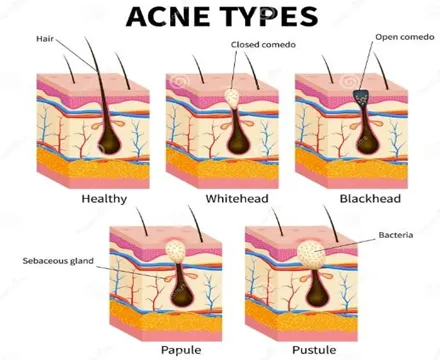
Figure 1
Ideal Properties of Anti-Acne Gel
An ideal anti-acne gel should have the following properties:
a. Antibacterial Activity:
Effective against Propionibacterium acnes (now known as Cutibacterium acnes), the bacteria involved in acne development.
b. Anti-inflammatory Effects:
Reduces redness, swelling, and inflammation associated with acne lesions.
c. Comedolytic and Keratolytic Actions:
Helps unclog pores and remove dead skin cells (e.g., salicylic acid, retinoids).
d. Sebum Regulation:
Controls excessive oil production without over-drying the skin.
e. Non-comedogenic:
Should not block pores or worsen acne.
f. Hydrating but non-greasy:
Maintains skin moisture balance, especially important when using drying agents like Benzoyl peroxide.
g. Fast Absorbing and lightweight:
Gels should be easy to apply, quickly absorbed, and leave no residue.
h. Safe for Daily Use:
Minimal irritation or allergic reactions, suitable for long-term use.
i. Compatible with Other Treatments:
Can be used alongside other acne treatments without adverse interactions.
j. Stability and Shelf Life:
Chemically stable with a reasonable shelf life, resistant to oxidation and degradation. [4][5]
MATERIALS AND METHODS
A. Materials
a. Azadirachta Indica
b. Carbapol 940
c. Propylene Glycol
d. Methyl Paraben
e. Sodium Hydroxide
1. AZADIRACHTA INDICA
Azadirachta indica A. Juss (Neem)
Azadirachta Indica (Neem) is a tree in the mahogany family Meliaceae... For thousands of years the beneficial properties of Neem (Azadirachta indica A. Juss) have been recognized in the Indian tradition [7].Anti-bacterial activity of Azadirachta indica against P. acne... Thus, results of the study revealed that Barg-e-Neem has potential antibacterial activity and both aqueous and ethanolic extract are equally significant against acnes [6].
Neem twigs are used for brushing teeth in India and Pakistan. This practice is perhaps one of the earliest and most effective forms of dental care.
All parts of the tree (seeds, leaves, flowers and bark) are used for preparing many different medical preparations.
Neem oil is useful for skin care such as acne and keeping skin elasticity. Traditionally, patients suffering from Chicken Pox sleep on the leaves in India owing to its medicinal value.
In Ayurvedic, Unani and folklore traditional medicine, different parts of neem-were-preferred in the treatment of a wide range of afflictions. [6]
Taxonomy of Azadirachta Indica
Kingdom – Plantae Division - Magnoliophyta Class - Dipsacales
Order- Rutales Sub-order- Rutinae
Genus - Azadirachta Species – indica. [7]
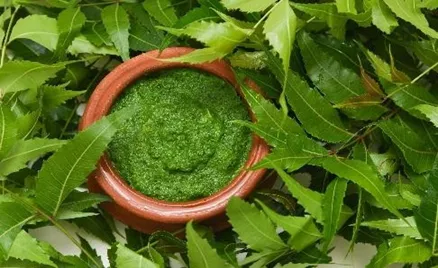
Figure 2
Chemical Constituents:
• Limonoids: Such as azadirachtin, nimbin, Nimbidin, nimbolide, and gedunin, which exhibit insecticidal, antifungal, and anticancer activities.
• Flavonoids: Including quercetin and B-sitosterol, known for antioxidant and anti-inflammatory properties.
• Terpenoids: Such as nimbolide, contributing to anticancer and antimicrobial effects.
• Steroids, Alkaloids, and Fatty Acids: These contribute to neem's broad-spectrum pharmacological activities [8][9][10].
Pharmacological Action:
• Antidiabetic lowers blood glucose
• Antioxidant - scavenges free radicals
• Antimicrobial effective against bacteria, fungi, and viruses
• Anti-inflammatory and antipyretic
• Hepatoprotective and anticancer particularly due to nimbolide
• Immunomodulatory enhances immune response [8][9]
2. Carbapol 940
Carbopol 940 is a high molecular weight, cross-linked polyacrylic acid polymer widely used in pharmaceutical and cosmetic formulations. It serves primarily as a thickening, suspending, and emulsifying agent. Its ability to form clear, stable gels upon neutralization makes it ideal for topical applications such as gels, creams, and ointments [11].
Chemical Information
• Chemical Name: Carbomer 940
• CAS Number: 9003-01-4
• Appearance: White, fluffy powder
• Molecular Weight: Approx. 4 × 10? Da (dependent on grade)
• Solubility: Dispersible in water, swells to form a hydrogel upon neutralization with bases like triethanolamine or sodium hydroxide [12].
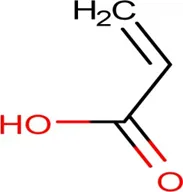
Figure 3
Sources
Carbopol 940 is synthetically produced by polymerizing acrylic acid with a polyalkenyl polyether crosslinker. It is manufactured by Lubrizol under the trademark Carbopol® [11].
Properties
pH Range (after neutralization): 6.0 – 7.0
Viscosity (at 0.5% w/w solution): 40,000 to 60,000 cP Clarity: Excellent for aqueous gels
Thickening Efficiency: High at low concentrations
Shear-thinning Behavior: Exhibits pseudoplasticity—ideal for topical formulations Stability: Compatible with a wide range of excipients; sensitive to electrolytes [11][13].
3. PROPYLENE GLYCOL
Propylene glycol (PG), also known by its chemical name 1,2-propanediol, is a colorless, odorless, and tasteless liquid commonly used in a wide range of industrial, food, cosmetic, and pharmaceutical applications. Its chemical formula is C?H?O?.
Chemical Information
• IUPAC Name: Propane-1,2-diol
• Chemical Formula: C?H?O?
• Molar Mass: 76.09 g/mol
• CAS Number: 57-55-6[18]
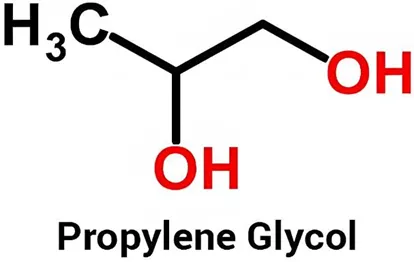
Figure 4
Physical Properties
• Appearance: Clear, colorless, viscous liquid
• Odor: Slightly sweet
• Boiling Point: ~188°C
• Solubility: Miscible with water, ethanol, acetone, and chloroform
• pH: Neutral (6–8 in aqueous solution)
• Density: 1.036 g/cm³ [18]
Preparation and Synthesis
Propylene glycol is typically produced via the hydration of propylene oxide, a petroleum-derived compound. There are two primary methods:
• Non-catalytic high-temperature process
• Catalytic low-temperature process using ion exchange resins [19]
Toxicology and Safety
• Toxicity: Generally recognized as safe (GRAS) by the U.S. FDA.
• LD50 (oral, rat): 20 g/kg (17)
4. METHYL PARABEN
Pharmaceutical Profile: Methyl Paraben
Introduction
Methyl paraben, chemically known as methyl 4-hydroxybenzoate, is one of the most widely used paraben esters. It functions primarily as an antimicrobial preservative in cosmetic, pharmaceutical, and food products. Owing to its efficacy and ease of formulation, methyl paraben has attracted significant attention both for its preservative benefits and for ongoing discussions about its safety profile [20][21].
Chemical Information
• IUPAC Name: Methyl 4-hydroxybenzoate
• Molecular Formula: C?H?O?
• Molecular Weight: Approximately 152.15 g/mol
• CAS Number: 99-76-3 [20]
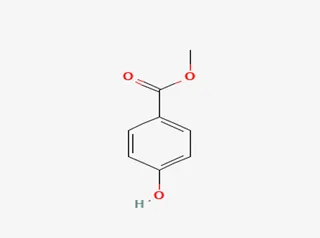
Figure 5
Source
Methyl paraben is predominantly synthesized via the esterification ofp-hydroxybenzoic acid with methanol. Although it can occasionally be detected as a natural component in certain fruits such as blueberries, the commercial product is primarily synthesized to ensure consistency and purity.[21]
Physical Properties
• Appearance: White to off-white crystalline powder
• Melting Point: Typically reported in the range of approximately 120–125 °C (reports may vary slightly among sources) [20]
• Solubility:
Water: Slightly soluble
Organic Solvents: Highly soluble in alcohols and other organic media
• Boiling/Decomposition: Methyl paraben does not have a well-defined boiling point because it tends to decompose upon strong heating.
• pKa: Around 8.4, which influences its behavior in different pH environments [20]
5. SODIUM HYDROXIDE
Introduction
Sodium hydroxide (NaOH), commonly known as caustic soda or lye, is a highly caustic base and alkali widely used in industrial and laboratory settings. A 10% sodium hydroxide solution is a dilute aqueous preparation commonly employed for titrations, pH adjustment, cleaning, and various chemical processes due to its strong alkalinity and reactivity [39].
Chemical Information
• Chemical Name: Sodium Hydroxide
• Molecular Formula: NaOH
• Molecular Weight: 40.00 g/mol
• CAS Number: 1310-73-2
• IUPAC Name: Sodium hydroxide
• Reactivity: Strong base; reacts exothermically with water, acids, and some metals [22][23].
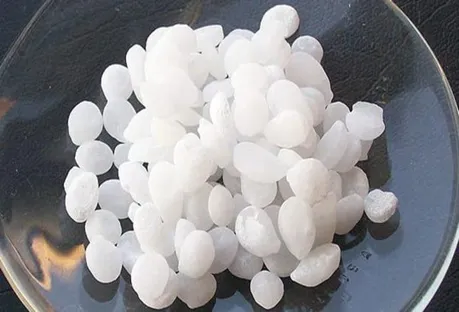
Figure 6
Source
Sodium hydroxide is industrially produced primarily by the electrolysis of sodium
chloride (NaCl) solution (brine) using membrane cell technology. This process also yields chlorine gas and hydrogen gas as co-products. The 10% solution is made by dissolving solid NaOH pellets or flakes into distilled water under controlled conditions [23].
Physical Properties (10% Solution)
• Appearance: Clear, colorless liquid
• pH: ~13–14
• Density: Approximately 1.109 g/mL at 20°C
• Boiling Point: Slightly above that of water due to dissolved solute (~102–104°C)
• Melting Point (solid NaOH): 318°C
• Solubility: Highly soluble in water with strong exothermic reaction
• Odor: Odorless
• Corrosivity: Strongly corrosive to skin, eyes, and mucous membranes [24]
B. Extraction Method
1. Collection of Leaves
i. Collect mature, healthy green leaves, preferably in the early morning to minimize moisture loss.
ii. Avoid leaves that are diseased, damaged, or yellowing.
iii. Choose leaves from trees growing in clean, pollution-free environments to prevent contamination.
iv. Use clean, sterilized scissors or pruning shears to cut the leaves and reduce mechanical damage. [25]
2. Drying of Leaves
Leaf Washing and Preparation:
Rinse freshly collected leaves with clean distilled water to remove dust, dirt, and debris. Gently blot the leaves dry using clean paper towels to eliminate surface moisture.
Arrange the leaves in a single, even layer on stainless steel trays—ensure they do not overlap for consistent drying.
Oven Drying Conditions:
Temperature: Maintain between 40°C and 50°C. (Avoid temperatures above 60°C, as they may degrade heat-sensitive compounds like azadirachtin.)
Oven Type: Use a hot air oven (forced air convection) to ensure even airflow and uniform drying.
Drying Process:
Dry for 6 to 24 hours, depending on the initial moisture content of the leaves and the oven’s efficiency.
Check periodically and weigh small test samples at intervals—when the weight remains constant, drying is complete.
If needed, gently turn the leaves halfway through to promote even drying.
Post-Drying Steps:
Allow the dried leaves to cool to room temperature inside a desiccator to prevent moisture absorption from the air.
Store the dried leaves in airtight containers (e.g., glass jars or aluminum foil pouches). Keep the containers in a cool, dry, and dark place to maintain quality and shelf life.[26]
3. Extraction of Leaves
Water-Based Extraction (Aqueous Extraction)
1. Powdering:
Grind the dried leaves into a coarse or fine powder using a clean, dry grinder.
2. Extraction Procedure:
i. Weigh an appropriate amount of the powdered leaves (e.g., 50 g).
ii. Add the powder to a measured volume of distilled water (e.g., 500 mL).
iii. Heat the mixture and simmer gently for 30–60 minutes.
iv. Allow the mixture to cool to room temperature.
v. Filter the extract using muslin cloth or Whatman No. 1 filter paper.
vi. Collect the filtrate this is your aqueous leaf extract. (27)
C. Formulation Process
Materials:
Azadirachta indica (Neem) extract or powder Carbapol 940
Propylene glycol (humectant/solvent) Methyl paraben (preservative)
Sodium hydroxide (10% w/v solution) (for pH adjustment) Distilled water
Rose Water
Procedure:
1. Base Preparation:
Carbopol 940 was dispersed in distilled water and mixed thoroughly using a high-speed mechanical mixer.
A 10% sodium hydroxide solution was added vigorously to initiate gel formation. The mixture was placed in a water bath at a temperature not exceeding 50 °C.
pH was adjusted dropwise using 10% sodium hydroxide until the desired consistency and gel clarity were achieved.
2. Volume Adjustment:
The final weight of the gel base was adjusted to 100 g using distilled water (q.s. – quantum satis).
3. Incorporation of Plant Extract:
Azadirachta indica (Neem) extract was added in concentrations of:
1 g for Gel-I (1% w/w)
2 g for Gel-II (2% w/w)
3 g for Gel-III (3% w/w)
4. Preservative Addition:
Methyl paraben, previously dissolved in propylene glycol, was added to the gel mixture as a preservative.
5. Final Adjustment:
The remaining amount of purified water was added to bring the formulation to the desired volume and consistency (3).
Table 1: Composition of Formulations for 100 g
|
Sr.NO |
Ingredients |
Gel I |
Gel II |
Gel III |
|
1 |
Azadirachta Indica Extract (w/w) |
1 |
2 |
3 |
|
2 |
Carbapol 940 |
3 |
3 |
3 |
|
3 |
Propylene Glycol |
10 |
10 |
10 |
|
4 |
Methyl Paraben |
0.3 |
0.3 |
0.3 |
|
5 |
Sodium Hydroxide 10% |
q.s. |
q.s. |
q.s. |
|
6 |
Distilled Water |
Up to 100 g |
Up to 100 g |
Up to 100 g |
|
7 |
Rose Water |
q.s |
q.s |
q.s |
Evaluation and Observation of Gel Formulations Evaluation
Physical appearance
The gel formulations were evaluated for their physical, parameters like color, odor, consistency, transparency, and homogeneity.
Spreadability of Gel Formulations
A glass slide with standard dimensions was used, where 0.5 g of the gel was placed in a circle 1 cm in diameter on the glass slide, over which another glass slide was placed. A weight of 125 g was set for 5 min so that the gel was sandwiched between the two slides to form a thin layer. Then, the weight was removed, and the extra gel was removed. Then the slides were adjusted so that the upper slide was fixed with a weight of about 20 g. The time was noted for the slides to separate from each other. The spreadability was recorded using the
following formula. S = M / T
Where:
S – Spreadability in grams/seconds. M – Mass in grams.
T – Time in seconds.
Viscosity
A Brookfield DV-E viscometer (RVDVE) was used to determine the viscosity of the gels. Spindle No. 07 was inserted in each formulation and was sheared at 3.3, 9.9, and 16.5 g at 24 ± 1 °C. The gel formulations were prepared in distilled water.
pH Determination of Gel Formulations
The pH of the gels was detected with a digital pH meter. An amount of 0.5 g of gel was dissolved in 50 ml of distilled water and stored for two hours. Each formulation’s pH was measured in triplicate and the average values were taken.
Antibacterial Activity of Gel Formulations
Each formulation was assessed for its antimicrobial effects against the microorganisms on a nutrient agar using a suitable diffusion method. About 0.2 ml of the bacterial test strain was inoculated over a nutrient agar plate with a sterile cotton swab and was allowed to dry. With the help of a cork borer, 6 mm diameter wells were created. Half a milliliter of the Azadirachta indica extract was introduced into the wells. The plates were placed at room temperature for about one hour. Then the plates were placed in an incubator at 37 °C for 24 hours. Then, the zone of inhibition was checked and recorded. Clindamycin was used as standard.
Acne Healing Activity of Gel Formulations
Adults aged from 17 to 22-year-old were divided into three groups, having 4 adults each. Group I, II, and III received Gel-I containing 1% w/w of the Azadirachta indica extract, Gel-II containing 2% w/w of the Azadirachta indica extract, and Gel-III containing 3% w/w of the Azadirachta indica extract. No other medicine was given to the adults during the entire study. The study was evaluated for 15 days.
Grittiness
The grittiness test is conducted to detect the presence of coarse particles or undissolved material in the gel, which may affect its texture and user acceptability. A small quantity of the gel (approximately 0.5 g) is taken on a clean glass slide or between the fingers and gently rubbed to assess its smoothness
RESULTS AND DISCUSSION
This study evaluated the anti-acne potential of herbal gels. Three different concentrations of an Azadirachta indica extract were used to prepare gel formulations with Carbopol 940. The formulations were evaluated for the physical parameters like the pH, viscosity, and spread ability. A pharmacological evaluation, like a skin irritation test, revealed that the herbal gels were safe to apply on the skin. The antibacterial activity of these gels against Propionibacterium acne bacteria was also tested and confirmed. An anti-acne study was carried out to show that herbal gels can heal the acne without severe
adverse effects.All the formulations were green. The spreadability indicates the extent to which the gel readily spreads on application to the skin or the affected part. The bioavailability efficiency of a gel formulation also depends on its spreading value. All the formulations had very slightly alkaline pH which was compatible with normal skin physiology. The results of the viscosity are also shown in Table 2
Table 2 Evaluation parameters data
|
No. |
Evaluation Test |
Gel-I (1%) |
Gel-II (2%) |
Gel-III (3%) |
Method Used |
|
1 |
Appearance |
Light Green |
Green |
Dark green |
Visual observation |
|
2 |
Odor |
Mild Herbal/Rose |
Moderate Herbal/Rose |
Strong Herbal/Rose |
Smell test |
|
3 |
pH |
7.78 |
7.69 |
7.81 |
Digital pH meter (1% gel in water) |
|
4 |
Consistency |
Soft Gel |
Slightley Firm Gel |
Dense Gel |
Manual feel |
|
5 |
Spreadability |
36 |
33 |
31 |
Two glass slide method (S = M×L/T) |
|
6 |
Viscosity |
55 400 |
60 200 |
64 300 |
Brookfield viscometer |
|
7 |
Homogeneity |
Homogenous |
Homogenous |
Homogenous |
Visual/microscopic inspection |
|
8 |
Stability (15– 30 days) |
Stable |
Stable |
Stable |
Store at 4°C, RT, and 40°C |
Antibacterial Activity of Gel Formulations
The antibacterial activity showed Table 4 that the zone of inhibition increased with an increase in the concentration of the herbal extract. It indicates that the Azadirachta
indica leaf extract possesses an antibacterial activity, helps maintain a sterile acne area, and promotes the acne healing process. Gel- III was found to be more effective
in the acne healing when compared to other herbal gels. These gels showed better activity against Propionibacterium acne bacteria. Koona and Budida (2011) reported the antibacterial activity of a methanolic leaves extract of Azadirachta indica against E. coli. Additionally, an Aloe vera extract was used to study its antibacterial effect against P. aeruginosa, S. aureus, and E. coli.
The antimicrobial activity against various microorganisms like S. aureus E. coli and Bacillus subtilis bacteria was evaluated.
It was reported that the Azadirachta indica extract was effective against all microorganisms when compared to other plant extracts and the standard ofloxacin.Priadarshini et al. (2013) studied the antibacterial activity of an extract (200, 150, 100, 50, and 25 mg/ml concentrations) obtained from leaves of herbs like Azadirachta indica and Moringa oleifera against microorganisms. The results were compared with the standard drug, gentamycin. Both plants’ extracts showed activity against microorganisms like Escherichia coli, Klebsiella pneumonia, Proteus vulgaris, Bacillus subtilis, and Pseudomonas aeruginosa in ascending order.
Table 3
|
Formulation |
P.acne (mm) |
|
Standard |
18.2 ± 0.7 |
|
Gel-I |
13.5 ± 0.4 |
|
Gel-II |
15.4 ± 0.2 |
|
Gel-III |
16.2 ± 0.6 |
Acne Healing
Activity of Gel Formulations
Gel-III containing 3% w/w showed a better healing activity when compared to Gel-I and Gel-II. The adults’ skin treated with the 3% w/w Azadirachta indica extract healed in 15 days compared to those who treated with 2% w/w and 1% w/w Azadirachta indica extract where the healing occurred in 21 and 26 days.
CONCLUSION
The present study demonstrated that acne elimination improves progressively with the increasing concentration of the herbal extract. Among the various formulations tested, gels incorporating Azadirachta indica extract at concentrations of 1%, 2%, and 3% w/w were evaluated for their therapeutic efficacy. Notably, the formulation containing 3% w/w of Azadirachta indica extract exhibited significantly enhanced wound healing and pronounced antimicrobial activity compared to the lower concentrations. These findings suggest that the higher concentration of the extract contributes to improved therapeutic outcomes, likely due to a greater availability of bioactive compounds. Consequently, it can be concluded that the gel formulation containing 3% w/w of Azadirachta indica extract represents a promising and effective candidate for the treatment and healing of acne lesions, offering both antimicrobial protection and accelerated tissue repair.
ACKNOWLEDGEMENT
I sincerely thank the Principal of Ismail Mehta College of Pharmacy, Ambad, my guide Mr. Abdullah Danish, and all the respected faculty members for their valuable guidance and continuous encouragement throughout this project. I am also grateful to the lab assistants and technical staff for their kind support during the practical work. Their cooperation played a vital role in the successful completion of this research on the formulation and evaluation of Neem Anti-Acne Gel.
|
|
|
|
|
|





Mohammad Altamash, Kaif Kazi, Khan Mohd Saqlain, Khan Furkhan, Abdullah Danish, Formulation And Evaluation of Anti Acne Gel, Int. J. of Pharm. Sci., 2026, Vol 4, Issue 8, 1551-1562, https://doi.org/10.5281/zenodo.21850970
 10.5281/zenodo.21850970