View Article

Abstract

Herbal soaps are natural cleansing products prepared using plant-based ingredients that provide therapeutic and skin-protective benefits with minimal side effects. The present study aimed to formulate and evaluate an antibacterial herbal soap containing Moringa oleifera leaf extract. The leaves of Moringa oleifera were extracted using the Soxhlet extraction method with ethanol as the solvent to obtain bioactive phytoconstituents such as flavonoids, tannins, saponins, alkaloids, and phenolic compounds. These compounds are known for their antibacterial, antioxidant, and skin-nourishing properties.The herbal soap was prepared using a glycerin soap base along with natural ingredients including sandalwood powder, reetha powder, aloe vera gel, rose water, glycerin, and vitamin E. The formulated soap was evaluated for various physicochemical parameters such as pH, foam forming ability, foam stability, colour, clarity, shape, dirt dispersion, skin irritation, and antimicrobial activity against Escherichia coli using the bore diffusion method.The results showed that the soap possessed acceptable physicochemical properties with a pH of 8.22, good foam stability, pleasant appearance, and no signs of skin irritation. The formulation also exhibited significant antibacterial activity, which may be attributed to the presence of flavonoids and tannins in moringa leaves. In addition, the incorporated natural ingredients improved moisturizing, cleansing, and skin-conditioning effects.The study concludes that Moringa oleifera herbal soap can be effectively formulated as a stable, eco-friendly, and skin-beneficial product with potential applications in herbal cosmetics, skincare, and antibacterial personal care products.

Keywords

Herbal Soap, Moringa oleifera, Antibacterial Activity, Herbal Cosmetics, Phytoconstituents

Introduction

× Popup Image

Herbal soaps are natural cleansing products prepared from plant-derived oils, extracts, and active herbal compounds without the use of synthetic surfactants or harsh chemicals. These soaps are valued for their eco-friendly nature, reduced potential for skin irritation, and medicinal benefits, making them suitable for sensitive skin. Growing awareness of the harmful effects of synthetic ingredients in cosmetic products has increased the global demand for herbal and natural personal care items.

Proper personal hygiene plays an important role in preventing bacterial infections, and cleansing products are among the most effective means of maintaining hygiene. Soap is commonly used for skin cleansing and is available in solid, liquid, and foam forms. Bath soaps are cosmetic preparations designed to remove dirt and microorganisms from the skin. Their antibacterial effectiveness can be enhanced by incorporating antibacterial agents into the formulation. Natural antibacterial compounds suitable for soap preparation can be obtained from Moringa oleifera.

Moringa leaves contain high concentrations of flavonoids, particularly quercetin, which exhibits strong antibacterial activity. Considering the relationship between the flavonoid content of Moringa leaves and their antibacterial properties, this study aims to evaluate the flavonoid content of Moringa leaf extract and investigate its application in antibacterial transparent soap formulations[1].

Moringa oleifera, commonly known as the drumstick tree, miracle tree, or horseradish tree, is an important plant native to the Indian subcontinent and widely cultivated in tropical and subtropical regions worldwide. It belongs to the family Moringaceae and is recognized for its remarkable nutritional and medicinal significance. Various parts of the plant, including the leaves, pods, seeds, flowers, and roots, are utilized in food, traditional medicine, agriculture, and water purification. The leaves are especially rich in essential nutrients such as vitamins A, C, and E, calcium, iron, and proteins. Due to its wide range of phytochemical constituents, Moringa oleifera has been extensively studied for its antioxidant, anti-inflammatory, antimicrobial, and antidiabetic activities. With the increasing global interest in functional foods and natural remedies, Moringa oleifera is gaining recognition as a sustainable and multifunctional plant resource for improving health and combating malnutrition[2].

The skin, the body’s largest organ, is constantly exposed to the environment and is vulnerable to conditions such as eczema, acne, and other infections. Maintaining skin hygiene is important to protect it from harmful microbes. Herbal skincare formulations made from plant parts like leaves, roots, bark, flowers, fruits, and stems are commonly used to treat skin problems. These formulations are available as creams, lotions, gels, ointments, and especially herbal soaps.

Herbal soap is one of the most widely used natural skincare products. Soap, a salt of fatty acids, is mainly used for washing, bathing, and cleaning. Herbal soaps are prepared using herbal extracts that are believed to cause little or no side effects. They possess antibacterial, antimicrobial, antiseptic, antioxidant, anti-aging, and skin-conditioning properties, along with good foaming ability, pleasant fragrance, and mildness on the skin. Unlike synthetic soaps, herbal soaps do not contain artificial chemicals, fragrances, or flavors[3].

Traditional systems such as Ayurveda, Siddha, and Unani have long used herbs to treat various skin diseases. Herbal medicines are preferred over synthetic products because they are safer, cost-effective, easily available, highly compatible with other ingredients, and suitable for all skin types with fewer adverse effects.

The skin consists of three layers: epidermis, dermis, and hypodermis. It acts as a protective barrier, regulates body temperature, provides sensation, and helps in vitamin D synthesis. Proper skincare, hydration, hygiene, and protection from UV rays are essential for maintaining healthy skin[4].

The skin has three main layers:

  • Epidermis: The outermost layer made of epithelial cells. It protects the body from environmental damage, germs, and UV rays. It also contains melanocytes, which produce melanin responsible for skin color.
  • Dermis: The middle layer made of connective tissue containing blood vessels, nerves, hair follicles, and sweat glands. It provides strength, support, and elasticity through collagen and elastin fibers.
  • Hypodermis (Subcutaneous Tissue): The deepest layer composed mainly of fat and connective tissue. It acts as insulation, stores energy, cushions the body, and helps regulate temperature.

Each skin layer performs specific functions that help maintain the health and protection of the body[5].

What is Bactirial Infection ?

A bacterial skin infection occurs when bacteria penetrate the skin's protective barrier—usually through a cut, scrape, insect bite, or surgical wound and begin to multiply. These infections can range from mild, superficial spots to severe, deep-tissue emergencies.

Common symptoms

  • Redness (Erythema)
  • Warmth
  • Swelling and Pain
  • Pus or Fluid

Causes of Bacterial infection

The vast majority of bacterial skin infections are caused by two ubiquitous types of bacteria that often live harmlessly on our skin anyway, waiting for an opening:

  1. Staphylococcus (Staph)
  2. Streptococcus (Strep)[6]

Anti-Bacterial Activity of Moringa Olifera

Moringa leaves herbal soap acts as an external protective factor that helps strengthen the skin’s defense against bacterial infections. Unlike ordinary soap, which mainly removes dirt and bacteria through cleansing, moringa soap contains natural biological compounds that actively fight microbes and support the skin barrier.

The protective effects of moringa leaves herbal soap can be divided into two categories: mechanical cleansing action and active biological defense[7].

Properties of Soap by Using Bacteria Protecting Factor

  1. Cleansing Action

Soap removes dirt, oil, sweat, and microorganisms from the skin surface.

  1. Antibacterial Ingredients

Many soaps contain natural or chemical antibacterial agents that inhibit bacterial growth. Common Ingredients:

Moringa extract

    • Sandalwood powder
    • Glycerine
    • Rose water
    • Rittha
  1. PH Maintenance
    • Soap helps maintain proper skin pH, reducing bacterial growth.
  2. Moisturizing and Skin Protection
    • Ingredients like glycerin, honey, and vitamin E protect the skin barrier[8].

Advantages of Herbal Soap

    • Natural Ingredients: Herbal soaps are made using natural substances like plant extracts, herbs, and essential oils.
    • Moisturizing Properties: Ingredients such as glycerin, coconut oil, and shea butter help keep the skin hydrated and prevent dryness, making them suitable for dry and sensitive skin.
    • Antioxidant Benefits: Herbal extracts contain antioxidants that protect the skin from damage caused by free radicals and environmental pollutants.
    • Therapeutic Effects: Many herbs and essential oils used in herbal soaps provide therapeutic benefits that improve skin health and overall well-being.
    • Cleansing Action: Herbal soaps effectively remove dirt, dust, and dead skin cells that block pores. Common cleansing agents include vegetable oils like coconut, sesame, and palm oil.
    • Toning Effect: Herbal toners help tighten the skin and protect it from toxins and pollutants. Herbs commonly used as toners include witch hazel, geranium, sage, lemon, ivy, burdock, and essential oils[9].

MATERIAL AND METHOD

Materials or Ingredients
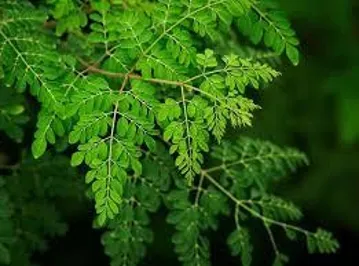
  1. MORINGA

Fig 1 :- Moringo oleifera leaves

    • Botanical Name: Moringa oleifera Lam.
    • Biological Source : Moringa consists of the fresh or dried leaves, seeds, flowers, bark, and roots obtained from Moringa oleifera belonging to the family Moringaceae.[10]
    • Taxonomical Classification.

Table no :- 01

Kingdom

Plantae

Division

Magnoliophyta

Class

Magnoliopsida

Order

Brassicales

Family

Moringaceae

Genus

Moringa

Species

Moringa oleifera

    • Geographical Source: Moringa is native to North India (sub-Himalayan region) and is widely cultivated in:
      • India
      • Pakistan
      • Bangladesh
      • Sri Lanka
      • Africa
    • Constituent:
      • Moringa leaves are contain essential vitamins, minerals, amino acids, and antioxidants.
      • The leaves also contain important phytochemicals such as flavonoids, tannins, saponins, alkaloids, and phenolic compounds[9].
  1. Rose Water :

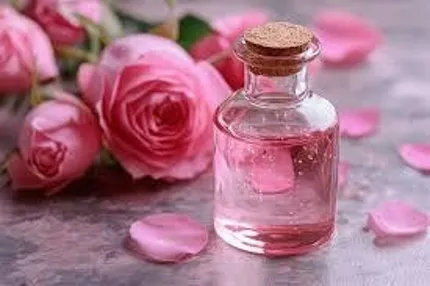
Fig 2:- Rose Water

    • Biological Source: Rose water is obtained by distillation of fresh petals of rose flowers, mainly Rosa damascena and other Rosa species belonging to the family Rosaceae[11].
    • Geographical Source : Rose is cultivated in many countries, including:
  • India
  • Bulgaria
  • Turkey
  • Iran
  • Morocco
    • Macroscopic Properties:
  • Shape : typicaly large and densly packed.
  • Odour : sweet, floral, aromatic, with hints of freshness and complexity.
  • Colour : available in various colours such as red ,pink, orange ,white[12].
  1. Soap Base

A soap base is the pre-made foundation used to create finished soap products. It already contains the core soap ingredients and has gone through the saponification process (reaction of fats/oils with alkali).

Table no :- 2

Role of Soap Base

Function in Soap Formulation

Effect on Final Soap Product

Cleansing

Removes dirt, oil, sweat, and impurities from skin or surfaces

Provides effective cleaning performance

Structure & Hardness

Gives soap its physical form (solid, semi-solid, or liquid)

Affects hardness, durability, and melting behavior

Foaming & Lather

Produces and stabilizes foam and bubbles

Determines lather quality, creaminess, and user experience

Skin Feel & Moisturizing

Contains glycerin or conditioning oils to reduce dryness

Makes skin feel soft, smooth, and moisturized

Carrier for Additives

Holds and distributes added ingredients evenly

Allows incorporation of fragrances, colors, herbs, exfoliants, and active ingredients

pH and Stability

Maintains suitable alkalinity and formulation stability

Improves shelf life and ensures product safety and consistency

  1. Glycerine :-
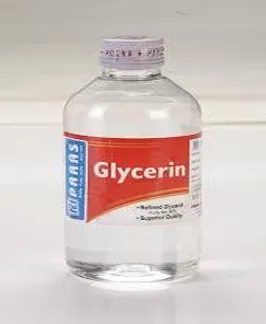
  1. It is used as moisturizing agent.
  2. Glycerine is used as a humectant in soap. In other words, glycerine helps assure that your skin retains its natural moisture in order to prevent it from harm caused by dryness. Humectants, such as glycerine, help your skin to breathe while without forming a barrier.
  3. Glycerine also used as a solvent .

Fig 3 :- Glycerine

  1. Vitamin E
  • Vitamin E capsules are usually added during the final stage of soap preparation.
  • Excessive heat may reduce the effectiveness of Vitamin E.
  • Commonly used in herbal, cosmetic, and moisturizing soaps like moringa soap[13].
  1. Sapindus mukorossi powder:
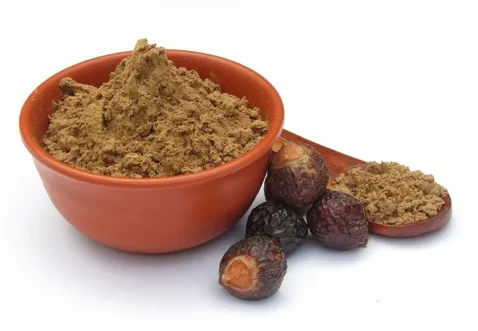
    • Common name: Reetha / Soapnut / Soapberry / Washnut
    • Botanical name: Sapindus mukorossi Gaertn.
    • Family: Sapindaceae
    • Sapindus mukorossi is a large deciduous tree, usually 12–20 m tall, with a straight trunk, globose crown, and leathery leaves. The bark is yellowish to dark, smooth with lenticels and fine fissures.
    • Chemical constituents: Saponins (10–11.5%), sugars (10%), and mucilage[14].

Fig 4:- Sapindus mukorossi powder

  1. Alovera Gel :

Table no :- 3

Component

Role in Moringa Soap Formulation

Aloe vera gel

Provides moisturizing and skin-soothing effects

Helps reduce skin dryness and irritation

Supports skin healing and hydration

Adds antibacterial and antioxidant properties

Improves foam stability and smooth texture

Enhances overall skin compatibility of the soap

PROCEDURE

Extraction of Moringa leaves :-

Dried Moringa oleifera leaves were powdered and accurately weighed (20 g).

The powdered material was placed in a porous paper thimble and loaded into the Soxhlet extraction chamber. About 150–200 mL of 70–80% ethanol was added to the round-bottom flask attached to the apparatus. The Soxhlet apparatus, consisting of the extraction chamber, round-bottom flask, and condenser, was assembled properly.

The extraction was carried out using a heating mantle maintained at approximately 70°C for 20–24 hours. During extraction, the ethanol evaporated, condensed in the water condenser, and percolated through the powdered leaves, extracting the phytoconstituents. When the extraction chamber became full, the solvent containing the extract siphoned automatically back into the flask. The cycle was repeated 6–8 times until the solvent in the chamber became colorless, indicating complete extraction.

After completion of extraction, the ethanolic extract was collected and concentrated by evaporating the solvent using a rotary evaporator or gentle heating. A dark green concentrated extract paste (approximately 3–3.3 g) was obtained and stored for further use in soap formulation[15].
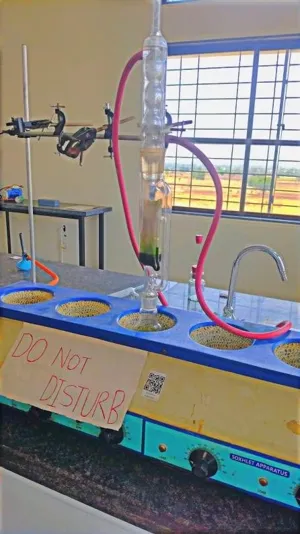
Fig.5 :- Soxhlet Assembly For Extraction

Formulation of Herbal Soap:

  1. To obtain extract of phytochemical like Moringa oleifera Lam .
  2. The formulation of soap important part is soap base the soap base are made from Glycerine and its used to producing the Foam and its used in excipients in herbal soap.
  3. To producing the fragrance in soap adding different type of fragrance and selling agent was be used like rose water, Sandalwood powder , Lavendor oil etc.
  4. Molds: the molds was used in to providing the proper size and shape of soap the molds are different-different Wight and actually the molds are deciding size, shape, and wight of soap its made up of rubbar, plastic and glass[16].

Method of Preparation

  1. Take 90gm of soap base in a beaker and put on water bath at 450c.
  2. Then add the all ingredient (M. oleifera leaves extract, Rose water , Sandalwood Powder, Rettha, Vitamin E capsule , Alovera gel and glycerine) with continuous stirring in to soap base.
  3. Boil the mixture on the water bath at 45 and soap mixture is prepared.
  4. Prepared soap mixture is filled in soap moulds and mould is put in the refrigerator for 15 minutes.
  5. After solidification cut the soap mould using cutter or blade.
  6. Then obtained herbal soap[4-16].

Quantity Of Ingredients In 1 Soap Formulation

Ingredient

Quantity

Melt & Pour Soap Base (Glycerin or Goat's Milk)

50 gm

Moringa Leaf Powder (or crushed dry leaves)

1 gm

Sandalwood Powder

1 gm

Reetha Powder (Soapnut)

1 gm

Rose Water

4 to 5 ml

Glycerin

2 ml

Vitamin E Capsule

1 capsule

EVALUATION PARAMETERS OF HERBAL SOAP

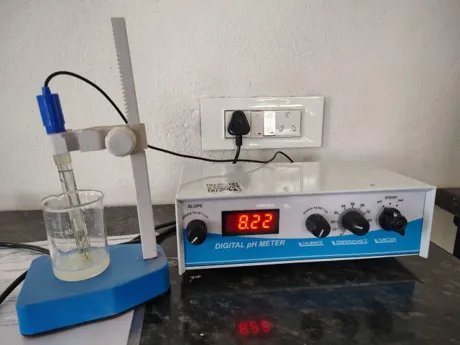
    • PH of Polyherbal Soap:10% of soap solution was prepared by dissolving 10 gms of soap in distilled water in a volumetric flask of 100 ml. For the determination of pH, pH meter was used. Electrode was introduced into the solution an the pH was noted down (Dalen and Mamza, 2009; Warra etal.,2010)[17].

Fig.6:- PH Test Of Soap

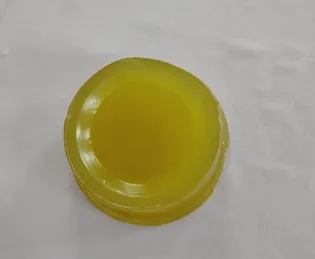
    • Colour and Clarity Characterization: The soap was visualized against a white background for the determination of its color and to see the clarity of the formulation[16-17].

Fig.7 :- Colour and Crystallity of Soap
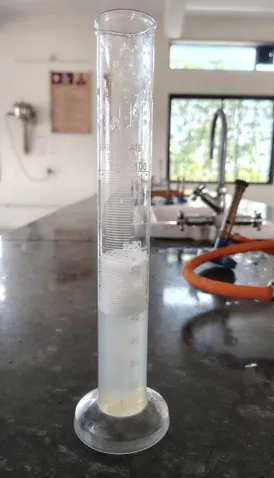
    • Foam forming ability-The Cylinder Shake Method was utilised to determine the Foaming ability. First, in a 100 ml measuring cylinder, we put 50 ml of a 1% sample solution and shaken vigorously 10 times. After shaking for 1 minute, we measured the height of the foam that had formed and recorded the total volume of foam[18].

Fig.8:- Foam Stability Test

    • Shape- Evaluation of organoleptic properties, such as shape and clarity, was carried out by sensory and visual examination.[19]
    • Ethanol soluble matter determination: Ethanol soluble matter will be contain anhydrous molecules of soap in addition to the inorganic salts. It is determined by dissolving the soap sample in ethanol and heating it. Initial and weight are subtracted from one another[20].
    • Antimicrobial testing of the given sample: The given sample of the soap was tested for its antimicrobial properties. By bore diffusion method. The micro-organism used were E. coli. In this method soap solution was prepared by dissolving 1 g of soap in distilled water. Various concentrations were produced such as 5, 10, 20, 50 mg/mL., The antibiotic used is Ciprofloxacin -5µg. The plates were then kept for incubation for about 24 hours at a temperature of 37 °C. Calculated the zone of inhibition[21].
    • Skin Irritation test :- For the determination of irritancy test, Use the soap sample on clean skin to observe for signs of irritation, such as redness, burning, or itching and 24 hours, the situation was monitored[22].

RESULT

Sr. No.

Parameters

Observational Value

Standard value

1)

Colour and clarity characterization

Light green

Green

2)

Odour

Characteristic

Characteristic

3)

Shape

Circular

Circular

4)

PH

8.22

8.47

5)

Skin irritation test

No

No

6)

Foam forming ability

8 cm

10 cm

7)

Foam stability(after 5 min)

4 cm

5 cm

8)

Dirt dispersion

Best

Best

DISCUSSION

This study demonstrated that herbal soap formulated with Moringa oleifera leaf extract possesses beneficial antibacterial, antioxidant, and skin-nourishing properties. The antibacterial activity may be due to the presence of phytochemicals such as flavonoids, tannins, saponins, and alkaloids, which help inhibit the growth of skin-related bacteria. In addition, vitamins A, C, and E along with antioxidants present in moringa contribute to skin nourishment, improved skin texture, and protection against oxidative damage.The soap formulation also showed good physicochemical stability, suggesting that it is suitable for small-scale and potential commercial production. The use of natural and easily available plant materials further strengthens the value of this formulation as an affordable herbal skincare product.

However, some limitations were observed. High temperatures during soap preparation may reduce the effectiveness of heat-sensitive vitamins. The addition of dried moringa leaves can produce a rough texture, and the natural grassy odor of moringa may require the use of fragrance oils to improve consumer acceptability. Despite these limitations, the findings support the potential of moringa herbal soap as a natural antibacterial and skin-care product.

CONCLUSION

This study successfully demonstrated that Moringa oleifera leaf extract can be effectively used in the formulation of a stable and high-quality herbal soap. The Soxhlet extraction method efficiently extracted important bioactive compounds such as flavonoids and tannins, which contribute to antioxidant and antibacterial properties. The combination of natural ingredients including reetha, sandalwood, aloe vera, rose water, glycerin, and vitamin E enhanced the soap’s cleansing, moisturizing, and skin-nourishing effects while improving product stability and appearance.

The findings suggest that moringa herbal soap has strong potential in the herbal cosmetic and skincare industry due to its natural, eco-friendly, and skin-beneficial properties. Future scope includes its application in antibacterial and medicated soaps, organic and ayurvedic products, dermatological care, spa and wellness products, and large-scale commercial production. Further research and clinical studies may help expand its pharmaceutical, cosmetic, and export potential.

REFERENCES

  1. Chavhan YG, Pawar BE, Patil JS, Deshmukh RS, Nikumbh MS, Bramhe SB. Herbal soap formulation from Moringa oleifera with various evaluation studies. Int J Mod Pharm Res. 2026;10(2):46-51.
  2. Mbikay M. Therapeutic potential of Moringa oleifera leaves in chronic hyperglycemia and dyslipidemia: A review. Front Pharmacol. 2012;3:24.
  3. Pandey A, Pradheep K, Gupta R, Nayar ER, Bhandari DC. ‘Drumstick tree’ (Moringa oleifera Lam.): a multipurpose potential species in India. Genet Resour Crop Evol. 2011;58(3):453–60.
  4. Borade PS, Jadhav AB. Formulation and evaluation of herbal soap by using Moringa oleifera as main active constituents. Int J Creat Res Thoughts. 2024;12(6):e684.
  5. Chavan, et al. A research on formulation and evaluation of herbal skin soap, International Journal of Research in Pharmacy and Pharmaceutical Sciences, 2021; 6(3): 22-26.
  6. Stevens DL, Bisno AL, Chambers HF, Dellinger EP, Goldstein EJ, Gorbach SL, et al. Practice guidelines for the diagnosis and management of skin and soft tissue infections. Clin Infect Dis. 2014 Jul 15;59(2):e10-52.
  7. Sanobar, et al. Formulation and Evaluation of Antibacterial Poly Herbal Soap, International Journal of Advanced Research in Science, Communication and Technology, 2022; 2(1):364-372.
  8. Sharma SK, Singh S. Antimicrobial herbal soap formulation. J Pharm Res Int. 2020;32(36):82-88
  9. Singh M, Singh S, Verma D. Morphological and pharmacognostical evaluation of Moringa oleifera Lam. 2020.
  10. Mosleh G, Badr P, Azadi A, Sardari FA, Iraji A, Khademian S, et al. Quality control of Rosa × damascena flowers from Layzangan of Fars province in Iran. J Med Plants. 2021;20(78):48-58.
  11. Boskabady MH, Shafei MN, Saberi Z, Amini S. Pharmacological effects of Rosa damascena. Iran J Basic Med Sci. 2011;14(4):295-307.
  12. Thiele JJ, Hsieh SN, Ekanayake-Mudiyanselage S. Vitamin E: critical review of its current use in cosmetic and clinical dermatology. Dermatol Surg. 2005 Jul;31(7 Pt 2):805-13.
  13. Tamboli F, More H. Pharmacognostic and physicochemical analysis of Barleria gibsoni Dalz. Pharmacophore. 2016;7(2):118-123.
  14. Dzi?cio? M. Influence of extraction technique on yield and antioxidant activity of extracts from Moringa oleifera leaf. Pol J Chem Technol. 2020;22(4):31-35.
  15. Anant, et al. Formulation and evaluation of herbal soap by using natural ingredients by simple matched, International Research Journal of Modernization in Engineering Technology and Science, 2021; 3(11): 172- 177.
  16. Patel Anu, et al. Formulation and Evaluation of Herbal Soap, IJSRR, 2022; 11(2): 42-72.
  17. Ayodele, O., et al. (2012). Toxicological evaluation of the aqueous leaf extract of Moringa oleifera Lam. (Moringaceae). Journal of Ethnopharmacology, 139(2), 330–336.
  18. Gana, Manjusha K., Balakrishnaiah P., Syamala R., Mounik N.and Ravi Chandra T. (2019). Formulation and evaluation of herbal bath soap containing methanolic extracts of three Ayurvedic varnya herbs. Asian J. Pharmaceut.Clin. Res., 12(11), 213-215.
  19. Das S, et al. Formulation and evaluation of herbal soap. J Pharmacogn Phytochem. 2024;13(4):14990.
  20. Sudha Rani M.V., et al. “Formulation and Evaluation of Antimicrobial Herbal Soap of Tridax procumbens for Skin Care.” Journal of Pharmacy, 2023.
  21. Comprehensive Evaluation of Physico-Chemical, Antioxidant, and Antimicrobial Properties in Commercial Soaps.” Heliyon, 2025.
  22. Panchal A. Formulation and evaluation of anti-bacterial moringa soap. International Journal of Scientific Research and Technology. 2025

Reference

  1. Chavhan YG, Pawar BE, Patil JS, Deshmukh RS, Nikumbh MS, Bramhe SB. Herbal soap formulation from Moringa oleifera with various evaluation studies. Int J Mod Pharm Res. 2026;10(2):46-51.
  2. Mbikay M. Therapeutic potential of Moringa oleifera leaves in chronic hyperglycemia and dyslipidemia: A review. Front Pharmacol. 2012;3:24.
  3. Pandey A, Pradheep K, Gupta R, Nayar ER, Bhandari DC. ‘Drumstick tree’ (Moringa oleifera Lam.): a multipurpose potential species in India. Genet Resour Crop Evol. 2011;58(3):453–60.
  4. Borade PS, Jadhav AB. Formulation and evaluation of herbal soap by using Moringa oleifera as main active constituents. Int J Creat Res Thoughts. 2024;12(6):e684.
  5. Chavan, et al. A research on formulation and evaluation of herbal skin soap, International Journal of Research in Pharmacy and Pharmaceutical Sciences, 2021; 6(3): 22-26.
  6. Stevens DL, Bisno AL, Chambers HF, Dellinger EP, Goldstein EJ, Gorbach SL, et al. Practice guidelines for the diagnosis and management of skin and soft tissue infections. Clin Infect Dis. 2014 Jul 15;59(2):e10-52.
  7. Sanobar, et al. Formulation and Evaluation of Antibacterial Poly Herbal Soap, International Journal of Advanced Research in Science, Communication and Technology, 2022; 2(1):364-372.
  8. Sharma SK, Singh S. Antimicrobial herbal soap formulation. J Pharm Res Int. 2020;32(36):82-88
  9. Singh M, Singh S, Verma D. Morphological and pharmacognostical evaluation of Moringa oleifera Lam. 2020.
  10. Mosleh G, Badr P, Azadi A, Sardari FA, Iraji A, Khademian S, et al. Quality control of Rosa × damascena flowers from Layzangan of Fars province in Iran. J Med Plants. 2021;20(78):48-58.
  11. Boskabady MH, Shafei MN, Saberi Z, Amini S. Pharmacological effects of Rosa damascena. Iran J Basic Med Sci. 2011;14(4):295-307.
  12. Thiele JJ, Hsieh SN, Ekanayake-Mudiyanselage S. Vitamin E: critical review of its current use in cosmetic and clinical dermatology. Dermatol Surg. 2005 Jul;31(7 Pt 2):805-13.
  13. Tamboli F, More H. Pharmacognostic and physicochemical analysis of Barleria gibsoni Dalz. Pharmacophore. 2016;7(2):118-123.
  14. Dzi?cio? M. Influence of extraction technique on yield and antioxidant activity of extracts from Moringa oleifera leaf. Pol J Chem Technol. 2020;22(4):31-35.
  15. Anant, et al. Formulation and evaluation of herbal soap by using natural ingredients by simple matched, International Research Journal of Modernization in Engineering Technology and Science, 2021; 3(11): 172- 177.
  16. Patel Anu, et al. Formulation and Evaluation of Herbal Soap, IJSRR, 2022; 11(2): 42-72.
  17. Ayodele, O., et al. (2012). Toxicological evaluation of the aqueous leaf extract of Moringa oleifera Lam. (Moringaceae). Journal of Ethnopharmacology, 139(2), 330–336.
  18. Gana, Manjusha K., Balakrishnaiah P., Syamala R., Mounik N.and Ravi Chandra T. (2019). Formulation and evaluation of herbal bath soap containing methanolic extracts of three Ayurvedic varnya herbs. Asian J. Pharmaceut.Clin. Res., 12(11), 213-215.
  19. Das S, et al. Formulation and evaluation of herbal soap. J Pharmacogn Phytochem. 2024;13(4):14990.
  20. Sudha Rani M.V., et al. “Formulation and Evaluation of Antimicrobial Herbal Soap of Tridax procumbens for Skin Care.” Journal of Pharmacy, 2023.
  21. Comprehensive Evaluation of Physico-Chemical, Antioxidant, and Antimicrobial Properties in Commercial Soaps.” Heliyon, 2025.
  22. Panchal A. Formulation and evaluation of anti-bacterial moringa soap. International Journal of Scientific Research and Technology. 2025

Photo
Umesh Pawar
Corresponding author

Usha Dwarkadas Pathrikar Institute of Pharmacy, Dongargaon Kawad, Phulambri, Chatrapati Sambhaji Nagar 431111

Photo
Santosh Chavan
Co-author

Usha Dwarkadas Pathrikar Institute of Pharmacy, Dongargaon Kawad, Phulambri, Chatrapati Sambhaji Nagar 431111

Photo
Nikita Dhage
Co-author

Usha Dwarkadas Pathrikar Institute of Pharmacy, Dongargaon Kawad, Phulambri, Chatrapati Sambhaji Nagar 431111

Photo
Anuja Chavan
Co-author

Usha Dwarkadas Pathrikar Institute of Pharmacy, Dongargaon Kawad, Phulambri, Chatrapati Sambhaji Nagar 431111

Photo
Vaishanavi Kalam
Co-author

Usha Dwarkadas Pathrikar Institute of Pharmacy, Dongargaon Kawad, Phulambri, Chatrapati Sambhaji Nagar 431111

Photo
Dr. Vilas Sawale
Co-author

Usha Dwarkadas Pathrikar Institute of Pharmacy, Dongargaon Kawad, Phulambri, Chatrapati Sambhaji Nagar 431111

Photo
Dr. Y. R. Girbhane
Co-author

Usha Dwarkadas Pathrikar Institute of Pharmacy, Dongargaon Kawad, Phulambri, Chatrapati Sambhaji Nagar 431111

Umesh Pawar, Santosh Chavan, Nikita Dhage, Vaishanavi Kalam, Anuja Chavan, Dr. Vilas Sawale, Dr. Y. R. Girbhane, Formulation and Evaluation of Anti-Bacterial Herbal Soap by using Moringa oleifera, Int. J. of Pharm. Sci., 2026, Vol 4, Issue 7, 480-490. https://doi.org/10.5281/zenodo.21141736

More related articles
Formulation, Evaluation, and Comparative Study of ...
Belkone Vishwajeet, Maheshwar Mukta, Alat Vaishnavi , Bawage Shre...
Pediatric Malnutrition: Phenotypic–Etiologic Dia...
Andrés Felipe Altahona Acosta, Andrea juliana Rodríguez jalkh, ...
Formulation And Evaluation of Herbal Anti-Acne Gel...
Rahul Tekale, Dr. Y. Girbhane, Sachin Lanjewar, Sachin Farkade, Dattatray Salunke, Palash Mundada...
pH-Responsive Hydrogels for Oral Colon-Targeted Delivery of Biologics: Recent Ad...
Gautami Gangurde , Prajwal Aher, Dr. Atul Bendale, Dr. Anil Jadhav ...
Related Articles
Implementation of Quality by Design (QbD) in Pharmaceutical Process Development:...
Tanmayi Jadhav, Dr. Usha Jain, Dr. Nitin Jain, Dr. Vijay Jadhav, Dadasaheb Kawade...
A Review on Transdermal Drug Delivery Patches...
Shreyash Bawage, Mahesh Mukta, Dr. Ganesh Tolsarwad...
Solid Lipid Nanoparticles: Revolutionizing Drug Delivery Through Lipid-Based Nan...
Vinay Kandu, Samali Raut, Shifa Qadri, Riya Gopal , Isha Parab , Sneha Dixit...
Drug Resistance in Cancer Therapy: Molecular Mechanisms, Clinical Challenges and...
Manish Chaudhari, Jayaprada Ghate , Mayuri Sonawane, Sujta Wagh...
Formulation, Evaluation, and Comparative Study of Oral Rehydration Salts(ORS) ) ...
Belkone Vishwajeet, Maheshwar Mukta, Alat Vaishnavi , Bawage Shreyash , Nikita Achintalwar, Bansode ...
More related articles
Formulation, Evaluation, and Comparative Study of Oral Rehydration Salts(ORS) ) ...
Belkone Vishwajeet, Maheshwar Mukta, Alat Vaishnavi , Bawage Shreyash , Nikita Achintalwar, Bansode ...
Pediatric Malnutrition: Phenotypic–Etiologic Diagnostic Approach and Comprehen...
Andrés Felipe Altahona Acosta, Andrea juliana Rodríguez jalkh, Aura María Amor Escudero, Dayanis ...
Formulation, Evaluation, and Comparative Study of Oral Rehydration Salts(ORS) ) ...
Belkone Vishwajeet, Maheshwar Mukta, Alat Vaishnavi , Bawage Shreyash , Nikita Achintalwar, Bansode ...
Pediatric Malnutrition: Phenotypic–Etiologic Diagnostic Approach and Comprehen...
Andrés Felipe Altahona Acosta, Andrea juliana Rodríguez jalkh, Aura María Amor Escudero, Dayanis ...