

We use cookies to ensure our website works properly and to personalise your experience. Cookies policy
Maharaja Agrasen School of Pharmacy, Maharaja Agrasen University, Baddi, Solan, Himachal Pradesh, 174103, India.
Acne vulgaris is most frequently encountered chronic inflammatory skin disease related to pilosebaceous unit involving excessive sebum production, abnormal follicular keratinization and microbial colonization by Cutibacterium acnes. Though well-documented antioxidant, antibacterial, antiseptic, analgesic and anti-inflammatory characteristics of clove oil, the therapeutic potential and patient acceptance of clove oil as topical application is hindered due to its poor physiochemical stability, volatile nature and possible risk of skin irritation, emphasizing the need for effective delivery system to improve the therapeutic efficacy, safety and patient acceptability. The present investigation focuses formulation and optimization clove oil entrapped microsponges and its incorporation into topical cream for management of acne vulgaris. Porous polymeric structures were fabricated through quasi emulsion solvent diffusion technique by varying the concentration of polymer and active agent. The formulated microsponges were evaluated for particle size distribution, zeta potential, production yield, drug entrapment, drug content, field emission scanning electron microscopy. Fourier-transform infrared spectroscopy was employed for compatibility studies. The optimized microsponge formulation was incorporated into cream base and characterized for pH, viscosity, spreadability, drug content, in-vitro release studies and in-vitro antibacterial activity. The optimized formulation exhibited high production yield, entrapment efficiency and achieved porous structure for controlled and sustained release. In-vitro antibacterial characterization revealed unexceptional activity against Cutibacterium micro groups responsible for acne compared with pure clove oil. The sustain release mechanism of microsponge system facilitate improved therapeutic application, reduced drug loss, minimized skin irritation. Cumulatively, these characteristics indicates that clove oil entrapped microsponge cream as promising topical delivery system for effective treatment of acne vulgaris.
Acne vulgaris is subjected to one of the most common long term inflammatory conditions affecting the pilosebaceous part of skin in both adults and teenagers across world. The development of acne is related to excess sebum secretion, abnormal follicular keratinization and cutibacterium acne infection within the skin [1]. Despite wide range of topical and systemic therapies are available for treatment of acne vulgaris, prolonged use of conventional delivery system subjects to adverse effects such as dryness, skin irritation, peeling, microbial resistance and poor patient compliance. Subjected to these drawbacks, considerable attention has been diverted towards the development of advanced drug delivery system that can reduce unwanted adverse effect while enhancing the therapeutic effects on skin [2].
Over the past few years, herbal plants medicines and essential oils derived from medicinal plants have gained considerable attraction due to their better safety profile, diverse pharmacological activities and their natural origin. Just like other medicinal plants, Clove oil extracted from flower buds of Syzygium aromaticum has demonstrated considerable antimicrobial, antioxidant, anti-inflammatory and analgesic properties [1,2].
As illustrated in figure 1, eugenol the bioactive component of clove oil had been subjected to exhibit strong effect against acne causing microorganisms and inflammation caused by them[3]. Also, the direct use of clove oil causes irritation, redness due to its volatile nature, strong unpleasant pungent smell, intense color and poor stability. Hence, entrapment of clove oil into suitable drug delivery system tends to improve its stability, controlled release and therapeutic performance on human skin [4].
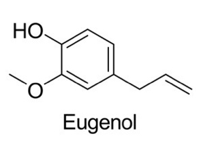
Figure 1: Chemical structure of eugenol
Microsponge based drug delivery system had gained attraction and emerged an approach for topical formulation, considering their porous polymeric structure that is capable of entrapping active compounds and results in controlled and sustained release over extended duration [5]. Microsponge drug delivery subjects to improve the drug stability, reduce skin irritation, improve therapeutic effect and increase skin retention. Microsponges have porous structure that subjects to increase drug entrapment in matrix, and they are more effective in releasing volatile compound such as essential oils. Microsponges possess non-toxic, non-irritant and physically stable nature making them suitable drug delivery system for topical anti-acne formulation [6].
In topical drug delivery, cream formulation is considered as most preferred topical dosage form because of its ease of use, patient acceptability, spreadability and ability to provide localized action. Incorporation of clove oil loaded microsponges in cream base offer sustain release of active compound over prolonged period [7].
The present study focuses on the development and evaluation of an anti-acne cream containing clove oil loaded microsponges. The microsponge system was designed to enhance stability of formulation, reduce irritation caused by the clove oil and demonstrate the control release of drug over prolonged period [8]. The study aims to establish an effective herbal microsponge-based topical formulation that could serve as safer and more efficient alternative for acne treatment [7,8].
MATERIALS AND METHODS
Materials
Clove oil was employed as an active ingredient in the study and procured from Agrawal Drug Pvt. Ltd. Ethyl cellulose selected as polymer was procured from pharmaceutical-grade supplier. Dichloromethane (DCM) from SD Fine Chemicals, ethanol and polyvinyl alcohol (PVA) from Loba Chemie Pvt. Ltd. All chemicals and solvents employed during the investigation were of analytical grade. Distilled deionized water was used throughout the experimental study. All chemical ingredients were utilized as received without further purification.
Methods
Preformulation studies
Preformulation studies were conducted to characterize the basic organoleptic properties of clove oil. The maximum absorption wavelength (λmax) of clove oil was analyzed between 200-400 nm with uv-visible spectroscopy. The calibration curve was prepared at the determined wavelength justifying linear relation between concentration and absorbance, complying with beer-lambert’s law [9]. Determination of characteristic functional group present in clove oil and investigation of clove oil interaction with other excipients present in formulation was carried out by Fourier transform infrared spectroscopy. Drug-excipient compatibility studies were conducted to evaluate the stability and therapeutic effectiveness of clove oil in developed formulation [10].
Organoleptic properties
The organoleptic characterization of clove oil was performed to evaluate its sensory and physical attributes. Parameters including color, appearance, odor, taste, consistency and volatility were systematically assessed through visual and sensory examination. The evaluation was conducted to determine the characteristic properties of the oil and to confirm its suitability for incorporation into the developed formulation [11].
Ultraviolet-visible spectroscopy
Calibration curve was prepared using developed standard solution of clove oil within the concentration range of 20-100 µg/mL. The stock solution was prepared by weighing 10 mg of clove oil, which was later dissolved in solvent mixture of DCM and phosphate buffer in a 2:8 ratio. Maximum absorbance (λmax) was determined at wavelength ranging between 200-400 nm. The recorded data was subjected to linear regression to establish relationship between concentration and absorbance. The regression coefficient (R2) and calibration equation were also determined from the plotted calibration curve [12].
Fourier transform-infrared spectroscopy
The identification of functional groups and evaluation of sample purity and sample analysis was performed with the help of Fourier transform-infrared spectroscopy (FTIR) (NICOLET Summit X, Thermo Scientific). The infrared spectra were recorded over the spectral range of 4000-400 cm-1 with adoption of potassium bromide (KBr) pellet technique. Confirmation of functional groups and purity of sample was recorded through the comparison of observed absorption bands with standard reference frequencies [13]. Drug-excipient interaction study, the compatibility study between the active compound and the polymer was investigated to identify any potential physicochemical interaction that could cause stability problem or effect the performance of developed formulation. The spectra of the active compound, polymer and the optimized microsponge formulation were analyzed by FTIR. The absorption peaks of active compound and the polymer were analyzed subjected to no further development of peaks or change in peaks causing change in the stability of developed formulation. These analyses confirmed compatibility of the active compound and the polymer for formulation of microsponges [14].
Formulation of clove oil entrapped microsponges
Clove oil-loaded microsponges were prepared by the quasi-emulsion solvent diffusion method. The internal organic phase was prepared by dissolving ethyl cellulose in 20 mL of a solvent mixture comprising dichloromethane and ethanol in an 18:2 ratio under constant magnetic stirring at 2000 rpm for 2 h employing a mechanical stirrer until a clear and uniform polymeric solution was obtained. Thereafter, the required amount of clove oil was incorporated into the solution and mixed thoroughly to ensure homogeneous distribution throughout the internal phase[15]. The resulting organic phase was subsequently subjected to ultrasonication in an ultrasonic bath for 20 min at 35 °C to facilitate uniform dispersion and eliminate entrapped air. The optimized internal phase was then utilized for further processing in the quasi-emulsion solvent diffusion technique. The external aqueous phase was formulated by dissolving 0.5 g of polyvinyl alcohol (PVA) in distilled water under continuous agitation until a clear and uniform solution was obtained [16]. The concentration of PVA was maintained constant for all formulations to ensure stabilization of the emulsion system. The prepared aqueous phase served as the continuous phase during microsponge fabrication. The Internal phase containing the drug and polymer was poured slowly into the external phase under stirring at 2000 rpm. Continuous stirring facilitated the diffusing out and evaporation of organic solvents, demonstrating to the formation of microsponge structures. Optimization of the formulation was carried out by changing the ratio of drug (0.25ml, 0.50 ml) and polymer (0.50g, 0.75g, 1.0g, 1.50g, 2.0g) illustrated in (table 1).The microsponges were collected by filtration and dried in a hot air oven at 40°C for 12 h to eliminate residual solvent and moisture content [17].
Table 1: Optimization of clove oil entrapped microsponges
|
Sr. No. |
Formulation Code |
Clove Oil (ml) |
Ethyl Cellulose (g) |
DCM: Ethanol (ml) |
PVA (g) |
Water (ml) |
|
1 |
F1 |
0.25 |
0.50 |
18:2 |
0.5 |
80 |
|
2 |
F2 |
0.25 |
0.75 |
18:2 |
0.5 |
80 |
|
3 |
F3 |
0.25 |
1.00 |
18:2 |
0.5 |
80 |
|
4 |
F4 |
0.50 |
1.00 |
18:2 |
0.5 |
80 |
|
5 |
F5 |
0.50 |
1.50 |
18:2 |
0.5 |
80 |
|
6 |
F6 |
0.50 |
2.00 |
18:2 |
0.5 |
80 |
Evaluation of clove oil loaded microsponges
1) Particle Size
Particle size is an important characteristic that can influence the drug release profile, stability of the formulation, and its performance after topical application. The particle size of the clove oil loaded microsponge formulations was determined using the Litesizer 500. Before analysis, the samples were suitably diluted and examined under standard operating conditions. A uniform particle distribution is beneficial for topical formulations because it helps in achieving better consistency, improved contact with the skin surface, and controlled release of the incorporated drug [18].
2) Polydispersity Index
It is determined using dynamic light scattering (Litesizer 500). Polydispersity index (PDI) was evaluated to assess the uniformity of particle size distribution. PDI assist particle size homogeneity, lower the index values narrower will be the size distribution and increased uniformity of the particles within the system [19].
3) Zeta Potential
Zeta potential analysis of the clove oil entrapped microsponge formulations was carried out using the Litesizer 500, to determine the surface charge and stability of the particulate system. This parameter is commonly used to predict the stability behavior of dispersed particles in a formulation. The surface charge present on the particles helped to prevent aggregation and maintain uniform dispersion throughout the system. Formulations showing higher absolute zeta potential values are generally considered more stable due to stronger repulsive forces between the particles [20].
4) Production yield
Production yield was evaluated to determine the efficiency of the microsponge preparation process. The prepared microsponges were filtered, dried in a hot air oven at 40°C for 12 h, and weighed. The percentage production yield was calculated using the following equation [21].
5) Drug content and encapsulation efficiency
Drug content determination was carried out to quantify the amount of drug incorporated within the prepared microsponge formulation. 100 mg of microsponges was accurately weighed, dissolved in DCM, suitably diluted prior to spectrophotometric analysis. The percentage drug content was calculated using the following equation [22].
Encapsulation efficiency was evaluated to determine the extent of drug entrapment within the polymeric microsponge system. The parameter indicates the efficiency of the formulation method in retaining the drug during preparation. The encapsulation efficiency was calculated using the following equation [23].
6) Scanning Electron Microscopy (SEM) Analysis
The surface morphology of the formulated microsponges were evaluated by scanning electron microscopy. JSM 6100, JEOL, Japan was operated at an accelerating voltage range of 0.3-30 KV. The samples were mounted on metal stub using double side adhesive NEM TAPE to ensure proper stability and were coated with thin layer of gold under vacuum. The samples were placed in SEM chamber and evaluated on basis of particle size, porosity and texture of surface [24].
Preparation of clove oil loaded microsponges cream
Optimized formulation of clove oil entrapped microsponges F4, F5 and F6 were incorporated into the cream base for topical application as illustrated in (table 2). The developed cream formulations were marked as CF1, CF2 and CF3 and were further subjected to characterization and evaluation.
Table 2: Incorporation of clove oil entrapped microsponge cream
|
Sr. No. |
Ingredients |
CF1 |
CF2 |
CF3 |
|
1 |
Microsponge batch incorporated |
F4 |
F5 |
F6 |
|
2 |
Clove Oil Loaded Microsponges (g) |
3 |
3 |
3 |
|
3 |
Bees wax (g) |
8 |
8 |
8 |
|
4 |
Liquid paraffin (mL) |
10 |
10 |
10 |
|
5 |
Cetyl alcohol (g) |
3 |
3 |
3 |
|
6 |
Glycerin (mL) |
5 |
5 |
5 |
|
7 |
Borax (g) |
0.5 |
0.5 |
0.5 |
|
8 |
Methyl paraben (g) |
0.18 |
0.18 |
0.18 |
|
9 |
Propyl paraben (g) |
0.02 |
0.02 |
0.02 |
|
10 |
Purified water |
q. s. |
q. s. |
q. s. |
Evaluation of Clove Oil Entrapped Microsponges Cream
Visual characterization
The prepared clove oil entrapped microsponge cream was carefully evaluated for their color, texture, consistency, and overall appearance. The formulations were examined to check their smoothness and uniformity, as well as to ensure the absence of grittiness, visible particles, or phase separation [25].
pH measurement
The pH of the formulated clove oil entrapped microsponge cream was measured with the help of a digital pH meter (DELUXE pH meter, Sti 432). To access the compatibility with skin and suitability for topical application, 1 g of the cream was carefully dispersed in 10 mL of distilled water. The pH of the prepared samples was analyzed three times to obtain mean standard deviation at room temperature [26].
Spreadability studies
The spreadability studies of cream formulations were utilized to evaluate the ease with which the cream could be applied and spread uniformly on the skin with less friction. Spreadability is an important evaluation parameter for topical delivery system, as it demonstrates ease of application, patient comfort and therapeutic effectiveness. Formulations demonstrating optimized spreadability are generally preferred because they are smoothly applicable with minimal friction. The evaluation was done by the slip and drag method using two glass slides along with a weight and scale. About 1 g of the cream was placed between the glass slides to form a uniform layer. A weight of 20 g was then applied over the upper slide, and the time required for the slides to move was noted. Formulations requiring less time for separation were considered to possess better spreadability characteristics [27]. The spreadability of the formulation was determined using the following equation:
S=M×LT

Where, S indicates spreadability, M represents the weight tied to the upper slide, L is the distance travelled by the slide, and T denotes the time taken for complete separation of the slides (28).
Viscosity
The viscosity of the formulated clove oil entrapped microsponge cream was evaluated using a Brookfield Viscometer at 25°C with a spindle speed of 100 rpm. The optimized cream formulation was tested directly without any dilution. For the determination, the selected spindle was carefully immersed into the cream sample and allowed to rotate until a stable reading was obtained on the instrument display. The study was carried out to assess the consistency and flow behavior of the formulation. Each sample was analyzed three times under identical conditions, and the average viscosity value was recorded [29].
Drug content
About 1g of clove oil loaded microsponge cream was accurately weighed and dissolved in dichloromethane. The mixture was subjected to sonication for 15–20 minutes to ensure complete release of the entrapped drug from the microsponge system. The prepared solution was transferred into volumetric flask, and the volume was adjusted using water. From this stock solution, 5 mL was taken and diluted with the same solvent. Suitable dilutions were then prepared with distilled water to obtain concentration falling within the Beer–Lambert calibration range. The absorbance of the final sample was recorded at 280 nm using a UV–Visible spectrophotometer against an appropriate blank solution, and the drug content was determined from the obtained readings [30].
In-vitro release studies
In-vitro release study of clove oil entrapped microsponge cream was carried out using a Franz diffusion cell fitted with an egg membrane as the permeation barrier. Phosphate buffer (pH 7.4) was used as the dissolution medium. A measured quantity of the formulated microsponge cream was placed in the donor compartment over the membrane. During the study, 5 mL samples were withdrawn from the receptor compartment at regular time intervals (every 30 min interval) and replaced immediately with an equal volume of fresh PBS maintained at the same temperature to preserve constant diffusion conditions. The withdrawn samples were diluted suitably and analyzed using a UV–Visible spectrophotometer at 280 nm. The release study was performed for 12 h with sampling carried out at every 30 min interval to determine the release pattern of clove oil from the formulated microsponge cream [31].
In-vitro drug release kinetics studies
The release behavior of clove oil from the formulated microsponge cream was evaluated by analyzing the in-vitro drug release data obtained at different time intervals. As clove oil possesses poor water solubility, its release from the microsponge system occurred gradually through diffusion from the porous polymeric network into the dissolution medium. To understand the mechanism of release and compare the release characteristics of different formulations, the obtained data were fitted into various kinetic models including Zero order, First order, Higuchi matrix, and Korsmeyer–Peppas model. The kinetic analysis was performed using parameters such as release rate constant (k), correlation coefficient (R²), and release exponent (n), which helped in identifying the most suitable release mechanism for the optimized microsponge formulation [32].
In-Vitro antimicrobial activity study
Antibacterial activity was checked by following zone inhibition method (Kirby-Bauer method). The MHA plates were inoculated by spreading with 100 µl of bacterial culture, Propionibacterium acnes (Inoculum was prepared by adjusting 0.5 McFarland Unit - Approx cell density (1.5 X 10⁸ CFU/mL from Mueller- Hinton Broth) and followed by making the wells containing 50 µl of different concentration (0 to 100mg/ml). 10 % of the sample was taken and serially diluted to achieve the required amount to be loaded in the well. One well in each plate was loaded with solvent alone which served as vehicle control and Ciprofloxacin well (3µg) was taken as positive control. The plates of Propionibacterium acnes were incubated (Basil Scientific Corp. India) at 37 °C for 24 hrs. The clear zones created around the well were measured and recorded [33].
RESULTS AND DISCUSSION
Organoleptic Properties
Visual inspection of collected sample of clove oil was performed based on evaluation parameters provided in literature. Clove oil demonstrated oily liquid with light brown color, strong pungent aroma. These observed results were associated with natural clove oil.
Ultraviolet-visible spectroscopy
Uv-visible spectroscopy analysis was performed for preparation of calibration curve of formulated clove oil sample, it confirmed characteristic absorption band at 280 nm, indicating the presence of the desired phytochemical components as per the previously reported literature. Regression equation obtained was Y = 0.0075x + 0.0114 with R2 = 0.9975, indicating the linearity (figure 2).
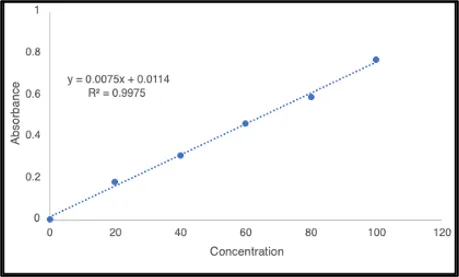
Figure 2: Standard calibration curve of clove oil indicating relation between concentration and absorbance
Drug-excipient interaction study
FTIR studies of the formulated clove oil entrapped microsponge was carried out to check whether any interaction occurred between clove oil and the selected excipients. The spectra showed no new peaks and no disappearance of existing characteristic peaks, indicating that the components remained chemically compatible with each other. Optimized formulation F5 demonstrated broad peak at 3473.16 cm⁻¹, peaks at 2973.38 cm⁻¹ and 2869.17 cm⁻¹, peaks at 1443.45 cm⁻¹ and 1374.49 cm⁻¹. All peaks of clove oil were retained without any major shift or change, results confirmed that clove oil remained stable after incorporation. Overall, findings demonstrated successful entrappment of clove oil in the microsponge with required compatibility and no signs of chemical incompatibility (figure 3).
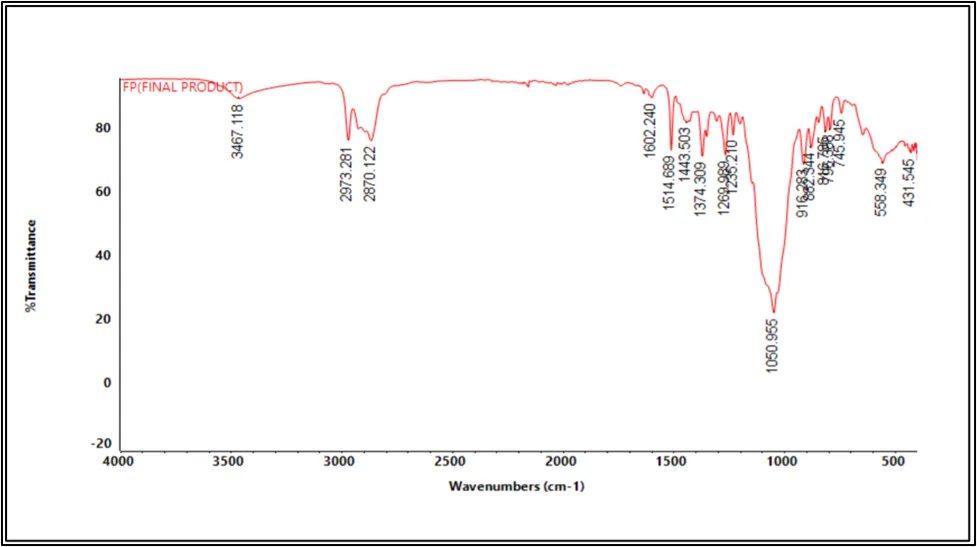
Figure 3: FTIR analysis of optimized microsponge formulation for drug excipient compatibility assessment
Evaluation of Clove Oil Loaded Microsponges
Particle size
Particle size of microsponges generally falls between 5000-300,000 nm. Particle size for formulated clove oil entrapped microsponge formulations F1, F2 and F3 were not determined due to formulation instability and coalescence of particles. For formulations F4, F5 and F6, particle size was recorded between 5882.4 nm to 9078 nm, demonstrating distinction among formulation characteristics. Across all the formulated batches, formulation marked F5 (5882.4 nm) demonstrated the most desirable results. In comparison, formulation F4 showed much larger particles (9078 nm), while F6 (4681.3 nm) exhibited a broader and less uniform distribution, indicating comparatively lower consistency.
Polydispersity index
The PDI values of formulated clove oil entrapped microsponges formulations F4, F5 and F6 were reported 0.31, 0.34 and 0.40 respectively. Overall, these indicates the uniform particle size distribution and homogeneous formulations. These values are acceptable for formulated microsponges as a topical delivery system. Formulation F5 reported the most desirable result with PDI value of 0.34 representing it as more homogenous.
Zeta potential
Zeta potential of the formulated clove oil entrapped microsponges formulations F4, F5, F6 recorded in range −27.7 mV to +0.9 mV, demonstrating surface charge differences across prepared formulations. Formulation marked F5, illustrated most desirable zeta potential value, demonstrating better physical stability, subjected to better electrostatic repulsion among particles causing less aggregation and maintaining more stable dispersion system.
Percentage yield
Percentage yield of the prepared clove oil entrapped microsponges formulations F4, F5, and F6 were recorded in range 93.49 ± 0.13 % to 95.79 ± 0.07 %, demonstrating effective efficiency across all prepared formulations. Selected clove oil entrapped microsponges formulations F4, F5, and F6 respectively provided higher yields, that may be resulted from optimized ratio of drug to polymer during the process of preparation. Higher percentage yield demonstrated that these batches (F4, F5, and F6) of microsponges were formulated and optimized well.
Entrapment efficiency
The drug entrapment efficiency of the prepared formulations F4, F5 and F6 ranged from 64.74 ± 0.05 % to 82.80 ± 0.09 %. Among all the batches, formulation F5 showed the highest entrapment efficiency. The results suggested that increasing the concentrations of ethyl cellulose and clove oil up to an optimum level improves drug entrapment within the microsponge system. The lower values observed in other formulations may be due to non-optimized polymer–drug ratios, which could have led to partial loss or leakage of the drug during preparation.
Drug loading
Drug loading of the prepared formulations of clove oil entrapped microsponges F4, F5 and F6 were ranged from 17.87 ± 0.06 % to 21.43 ± 0.03 %, demonstrating apparent differences across the formulated batches. Across all the formulation, F5 demonstrated the highest drug loading value of 21.432 ± 0.032%. The variation seen in the other formulations may be due to differences from the optimized levels of clove oil and ethyl cellulose, which affected how efficiently the drug was incorporated into the microsponge system.
Table 3: Percentage yield, entrapment efficiency, drug loading efficacy of clove oil entrapped microsponge system
|
Sr. no. |
Formulation code |
Percentage yield (%) |
Entrapment efficiency (%) |
Drug loading (%) |
|
1 |
F4 |
93.49 ± 0.13 |
64.74 ± 0.05 |
17.87 ± 0.06 |
|
2 |
F5 |
95.79 ± 0.07 |
82.80 ± 0.09 |
21.43 ± 0.03 |
|
3 |
F6 |
94.37 ± 0.04 |
72.25 ± 0.04 |
18.58 ± 0.04 |
Scanning electron microscopy analysis
|
|
|
|
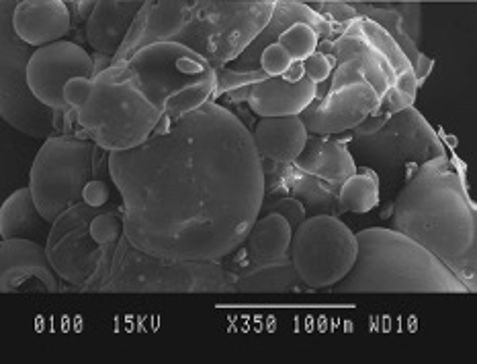
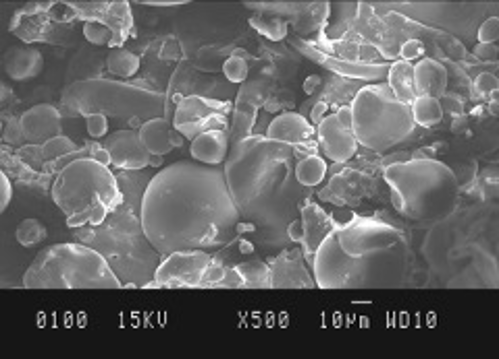
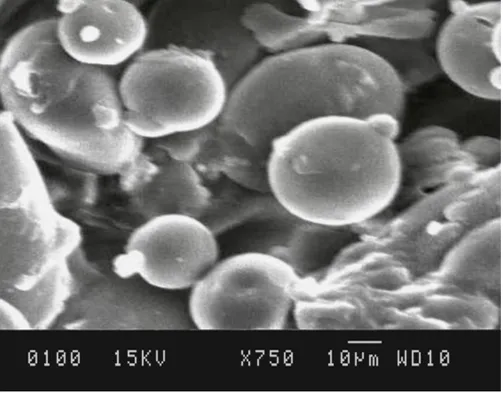
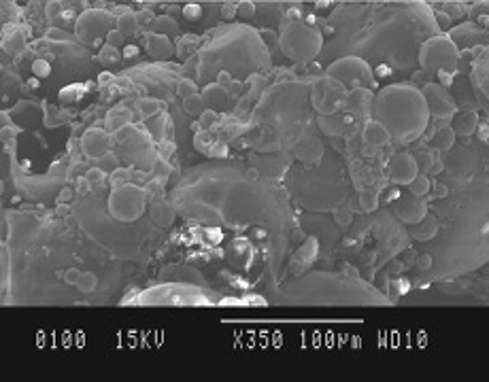
Figure 4: SEM analysis for optimized clove oil entrapped microsponges
SEM analysis of the optimized clove oil entrapped microsponges formulation (F5) demonstrated that the particles were mainly spherical in shape with a clearly visible porous surface. The formation of this sponge-like structure confirms the successful development of microsponges. Such a porous spherical morphology is favorable, as it supports good drug entrapment and is expected to contribute to a controlled and sustained release of the active ingredient.
Evaluation of Clove Oil Loaded Microsponges Cream
Clove oil entrapped microsponges were formulated using quasi-emulsion solvent diffusion method, by varying the concentration of compositions of formulation to obtain microsponges with desirable characteristics. The further formulated microsponges were evaluated.
Visual inspection
The prepared clove oil entrapped microspongs cream formulations were examined visually to assess their color, appearance, texture, and homogeneity. All the formulations showed an off-white appearance with a smooth and soft consistency. The creams were found to be uniform in texture and free from visible lumps, coarse particles, or phase separation. Proper dispersion of the clove oil loaded microsponges throughout the cream base was observed, indicating good formulation uniformity and acceptable physical appearance suitable for topical application.
Spreadability study
The spreadability study of the clove oil entrapped microsponge cream formulations CF1, CF2 and CF3 demonstrated that the prepared cream formulations possessed good spreading properties. Spreadability values above 3.5 g·cm/sec were considered optimal. The prepared formulation CF1, CF2 and CF3 were evaluated, and values were recorded within range of 3.5 ± 0.3 to 3.6 ± 0.7 g·cm/sec, demonstrating that the prepared formulations were applicable and easily distributed over the skin with minimum effort. The smooth spreading behavior of the creams reflects suitable consistency and supports convenient topical application.
Viscosity studies
Viscosity studies for marked clove oil entrapped microsponges cream formulation CF1, CF2 and CF3 were evaluated to analyze the flow properties and consistency of formulated cream. The viscosity values for microsponge cream formulation for topical application were generally reported in range between 5000 to 20,000 cP. Viscosity values for formulation CF1, CF2 and CF3 were recorded within range 6122.5 ± 1.36 cP to 6336.0 ± 1.24 cP. The derived results demonstrated that all formulations were subjected to suitable consistency for topical application. Optimum viscosity induces better adherence to skin and improved physical stability of formulation during storage.
pH studies
pH values for formulated clove oil entrapped microsponge cream CF1, CF2 and CF3 were evaluated, and results were subjected to fall in range between 6.2 ± 0.4 to 6.3 ± 0.6. These recorded pH values were found to be in range of natural pH of human skin, demonstrating good compatibility of formulation with skin, helping maintain pH of skin, reducing irritation and making the formulation safe and suitable for topical drug delivery.
Drug content studies
During the evaluation of drug content in clove oil entrapped microsponges cream. Formulation marked CF1, CF2 and CF3 were subjected to characterization for the amount of drug present in the formulations. The drug content was recorded in range from 76.85% to 87.49% demonstrating that the formulation CF2 has highest drug content (87.49) among all other formulations. This indicated that drug was incorporated properly in microsponges and microsponges were uniformly distributed in the cream base demonstrating good drug content across prepared formulations.
Table 4: Physiochemical characterization of clove oil entrapped microsponge incorporated cream
|
Sr. no. |
Formulation code |
pH |
Spreadability (g.cm/sec) |
Viscosity(cps) |
Drug content (%) |
|
1 |
CF1 |
6.2 ± 0.4 |
3.5 ± 0.3 |
6336 ± 1.12 |
76.85 |
|
2 |
CF2 |
6.2 ± 0.3 |
3.6 ± 0.7 |
6122.5 ± 1.36 |
87.49 |
|
3 |
CF3 |
6.3 ± 0.6 |
3.6 ± 0.4 |
6187 ± 1.24 |
79.54 |
In-vitro drug release studies
In vitro drug release data for the cream with clove oil entrapped microsponges was subjected to study for time duration over 240 minutes, samples collection were executed at regular interval of 30 minutes through the process simultaneously, pH 7.4 phosphate buffer was used as the release medium. Three formulations were selected for in- vitro drug release studies and were marked as CF1, CF2 and CF3. The results noticeably demonstrated difference in drug release pattern for the selected formulations based on its composition. The three formulations marked as CF1, CF2 and CF3 were formulated with same quasi-emulsion solvent diffusion method but ratio of active compound and polymer were altered that showed its impact at the end of procedure as all three-formulation showed distinct release pattern indicating CF2 (88.298%) had highest cumulative drug release behavior followed by CF3 (74.368%) and then CF1(68.29%). The highest release from formulation marked CF2 could be result of drug polymer ratio which resulted in formation of more porous structure compared to other formulations. CF1 demonstrated a controlled release pattern where as CF3 demonstrated intermediate release pattern. Based on the cumulative drug release profile CF2 demonstrated better penetration of drug in dissolution medium and was subjected to most optimized formulation among other formulations.
Table 5: In vitro release of clove oil entrapped microsponge cream formulations CF1, CF2 and CF3
|
Time (hr.) |
CF1 (%) |
CF2 (%) |
CF3 (%) |
|
0.0 |
0.00 |
0.00 |
0.00 |
|
0.5 |
2.54 |
3.57 |
2.81 |
|
1.0 |
5.16 |
7.14 |
5.64 |
|
1.5 |
7.63 |
10.73 |
8.43 |
|
2.0 |
11.25 |
15.68 |
12.82 |
|
2.5 |
14.87 |
20.43 |
17.35 |
|
3.0 |
18.46 |
25.39 |
21.79 |
|
3.5 |
22.59 |
30.64 |
26.03 |
|
4.0 |
26.71 |
35.97 |
30.36 |
|
4.5 |
30.85 |
41.28 |
34.43 |
|
5.0 |
34.76 |
45.51 |
38.29 |
|
5.5 |
38.84 |
49.87 |
42.52 |
|
6.0 |
42.67 |
54.19 |
46.33 |
|
6.5 |
45.54 |
58.67 |
50.49 |
|
7.0 |
48.71 |
63.07 |
54.52 |
|
7.5 |
51.79 |
67.49 |
58.63 |
|
8.0 |
54.38 |
69.31 |
60.07 |
|
8.5 |
56.82 |
71.44 |
61.48 |
|
9.0 |
59.37 |
73.58 |
62.73 |
|
9.5 |
60.25 |
76.97 |
65.29 |
|
10.0 |
61.06 |
80.36 |
67.72 |
|
10.5 |
61.97 |
83.82 |
70.25 |
|
11.0 |
64.13 |
85.37 |
71.63 |
|
11.5 |
66.75 |
86.85 |
73.06 |
|
12 |
68.27 |
88.29 |
74.36 |
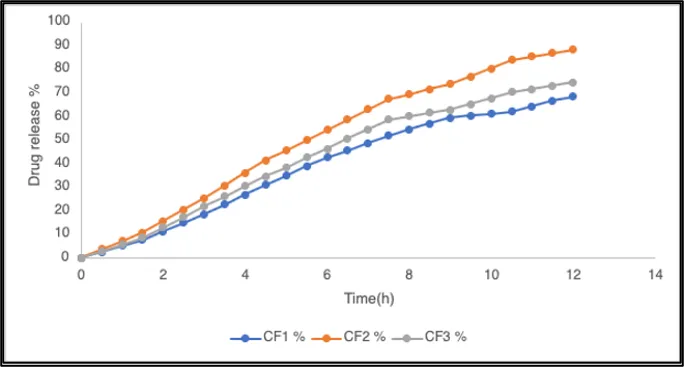
Figure 5: Percentage drug release of clove oil loaded microsponge cream formulations
In-vitro drug release kinetics studies
In vitro drug release kinetics studies were carried out for the cream with clove oil entrapped microsponges to demonstrate the drug release pattern. The results were analyzed based on various drug release kinetics models that includes zero order, first order, Higuchi model and korsmeyer-peppas model.
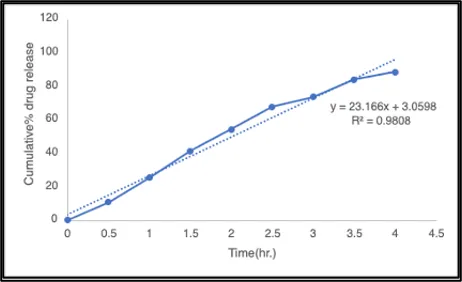
Figure 6: Zero order graph of formulation CF2 |
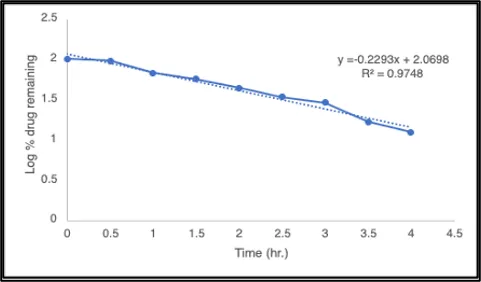
Figure 7: First order graph of formulation CF2 |
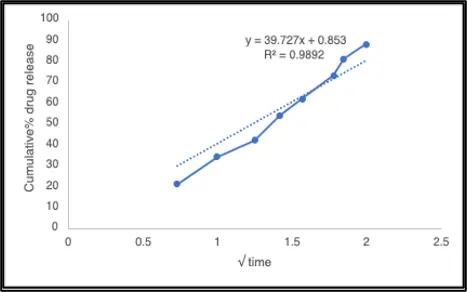
Figure 8: Higuchi order graph of formulation CF2 |
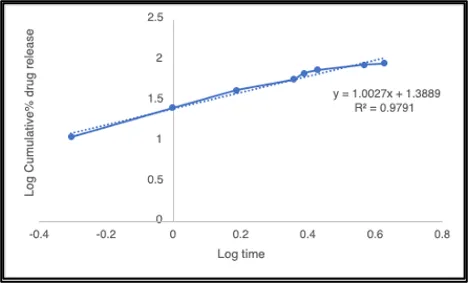
Figure 9: Korsmeyer- peppas order graph of formulation CF2 |
Zero order drug release kinetics model demonstrate controlled and sustained drug release over the time. The optimized formulation CF2 gave regression value (0.9808) when subjected to zero order drug release kinetic model. First order drug release kinetics model demonstrated drug release depends on the amount of drug present in the system. CF2 gave regression value (0.9748) when subjected to first order drug release kinetics model. Higuchi models demonstrate controlled release of drug through the matrix followed by diffusion. CF2 gave regression value (0.9892) when subjected to Higuchi model. Korsmeyer-peppas model demonstrated log cumulative release vs log time so when CF2 when subjected to korsmeyer-peppas model gave regression value (0.9791). Based on the regression value, Higuchi model fitted well with the highest regression value demonstrating that drug release from the porous structure was followed by diffusion technique.
Table 6: Regression coefficient of various drug release kinetic models
|
Model |
Regression coefficient (R²) |
|
Zero order |
0.9808 |
|
First order |
0.9748 |
|
Higuchi model |
0.9892 |
|
Korsmeyer peppas |
0.9791 |
In-Vitro antimicrobial activity study
In-vitro antibacterial analysis for procured pure clove oil and clove oil entrapped microsponge cream was subjected to the agar well diffusion method with ciprofloxacin selected as standard antibacterial agent. Evaluated against Cutibacterium acnes, ciprofloxacin demonstrated maximum antibacterial activity yielding 22 mm as zone of inhibition. Presence of eugenol as the active constituent, pure clove oil exhibited 15 mm as the zone of inhibition indicating moderate antibacterial action against cutibacterium acnes. The formulated clove oil entrapped microsponge cream demonstrated 19 mm as the zone of inhibition, indicating improved anti-bacterial activity due to entrapment of clove oil in porous polymeric structure facilitating control and sustain release over prolonged duration, enhancing their interaction with bacterial cells.
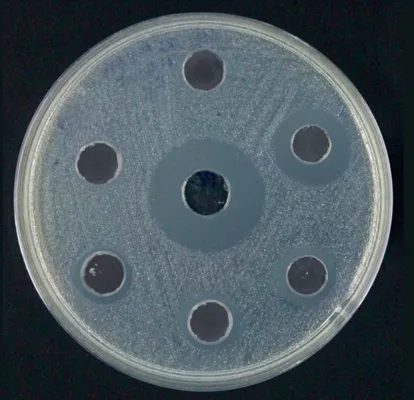
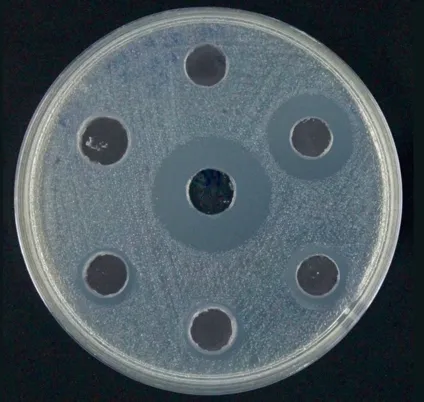
Figure 10: Antibacterial zone inhibition test well diffusion method
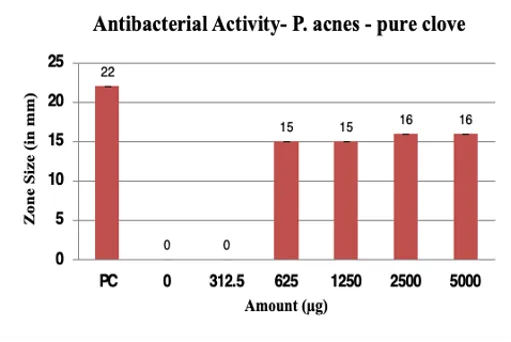
Figure 11: Antibacterial activity-P. acnes-pure clove oil |
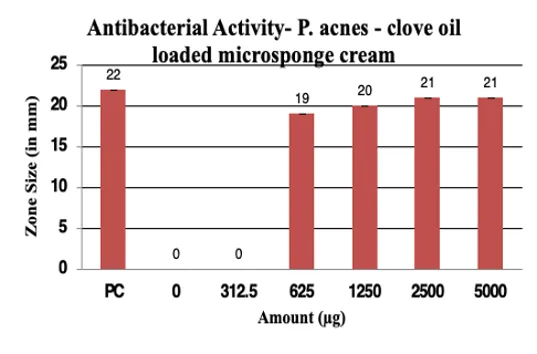
Figure 12: Antibacterial activity-P. acnes-pure clove oil loaded microsponge cream |
Table 7: In-vitro antibacterial activity of pure clove oil and clove oil entrapped microsponges against cutibacterium acne
|
Sr. No. |
Sample Id |
Effective Amount (µg) |
Average Zone (in mm) at Effective amount |
|
1 |
Ciprofloxacin (PC) |
3 |
22 |
|
2 |
Clove oil loaded microsponge |
625 |
19 |
|
3 |
Pure clove oil |
625 |
15 |
This analysis indicated that the microsponge based delivery system successfully enhanced clove oil antibacterial potential against Cutibacterium acne. The improved therapeutic performance along with sustained release and prolonged effect indicates clove oil entrapped microsponge cream as promising topical application system for management of acne vulgaris.
CONCLUSION
The current investigation with quasi emulsion diffusion formulation technique efficiently optimized a clove oil entrapped microsponge topical cream as a potent therapeutic approach for management of acne vulgaris. The optimized formulated microsponge formulation exhibits desirable physiochemical characteristics such as improved production yield, high drug content, entrapment efficiency and a porous morphology subjected to control and sustain release over prolonged period. Successful incorporation of clove oil in porous polymeric matrix without significant drug-excipient incompatibility supporting stability of developed formulation was confirmed by physiochemical characterization. The optimized porous polymeric formulation among the investigated formulations, exhibited enhanced entrapment efficiency and sustain release resulting in prolonged residence of drug at site of action demonstrating better therapeutic availability. Thereafter, incorporation of formulated microsponges into cream base exhibited pharmaceutical grade formulation characterized by desired pH range, spreadability, uniform drug distribution and stability during evaluation period. Enhanced antibacterial activity against cutibacterium acnes was examined, indicating improved therapeutic effectiveness of clove oil entrapped in microsponges through controlled and sustain release over prolonged duration. The enhanced effectiveness of optimized formulation demonstrated ability of porous polymeric structures to enhance stability of formulation, protect volatile constituents and reduce the irritation coupled with direct application of clove oil on skin. These benchmarks establish microsponge technology as an advanced topical drug delivery method for volatile and unstable bioactive agents.
In conclusion, limitations associated with conventional clove oil formulation can be overcome by development of innovative dermatological formulation, clove oil entrapped microsponge cream exhibits improved patient compliance, pharmacological action and therapeutic efficacy representing considerable alternative for treatment of acne vulgaris.
REFERENCES



Mona Piplani, Abhay Mehta, Shashi Kalia, Pankaj Bhateja, Formulation and Evaluation of Clove Oil Entrapped Microsponge-Based Cream for Anti-Acne Treatment, Int. J. of Pharm. Sci., 2026, Vol 4, Issue 8, 3386-3403. https://doi.org/10.5281/zenodo.22046247
 10.5281/zenodo.22046247