

We use cookies to ensure our website works properly and to personalise your experience. Cookies policy
B-Pharmacy, Dattakala College of Pharmacy, Pune, Maharashtra, India , Affiliated to Savitribai Phule Pune University, Pune, Maharashtra, India Academic Year: 2026-2027
Vitamin B12 (cyanocobalamin) is an essential water-soluble vitamin critical for neurological function, DNA synthesis, and red blood cell formation. Conventional oral dosage forms such as tablets and capsules suffer from low bioavailability due to hepatic first-pass metabolism, gastrointestinal degradation by acid and enzymes, and limited absorption through the gastrointestinal tract. Fast dissolving oral thin films (ODFs) have emerged as a promising alternative dosage form, offering rapid disintegration in the oral cavity, enhanced mucosal absorption, improved patient compliance (particularly for pediatrics, geriatrics, and dysphagic patients), and avoidance of first-pass metabolism. This comprehensive review examines the current state of knowledge regarding the formulation, evaluation, and clinical potential of fast dissolving oral thin films containing vitamin B12, with particular emphasis on the solvent casting method as the most widely employed and industrially scalable manufacturing technique. The review discusses vitamin B12 biochemistry and pharmacokinetics, the evolution from conventional dosage forms to novel oral thin films, critical formulation parameters including polymer selection (HPMC, PEO, PVA, chitosan), plasticizer optimization (glycerol, propylene glycol, PEG 400), and the role of drug-loaded nanoparticles in enhancing film performance. Quality by Design (QbD) approaches, in vitro and in vivo evaluation methodologies, stability considerations, and recent clinical applications are critically analyzed. The review identifies key research gaps including the need for optimized nanoparticle-incorporated films, long-term stability data, bioavailability studies,and cost- effective manufacturing at industrial scale.This paper serves as a consolidated reference for researchers and pharmaceutical scientists working on next-generation vitamin B12 delivery systems.
Vitamin B12, also known as cyanocobalamin, is a water-soluble vitamin that plays an indispensable role in numerous physiological processes, including DNA synthesis, neurological function, and red blood cell maturation [1]. As one of the most structurally complex vitamins, vitamin B12 contains a cobalt ion at the center of a corrin ring, a feature unique among all known vitamins [2]. The human body cannot synthesize vitamin B12 endogenously, necessitating dietary intake from animal-derived products such as meat, fish, dairy, and eggs [3]. Despite its critical importance, vitamin B12 deficiency remains a significant global health concern, affecting an estimated 6% of adults under 60 years and approximately 20% of individuals over 60 years in developed countries [4,5]. The deficiency is particularly prevalent among vegetarians, vegans, elderly populations, and individuals with gastrointestinal malabsorption disorders [6].
Traditional oral vitamin B12 supplements, including tablets, capsules, and liquid formulations, are the most commonly prescribed dosage forms [7]. However, these conventional systems suffer from several inherent limitations. Oral bioavailability of vitamin B12 is significantly compromised by degradation in the acidic gastric environment, enzymatic inactivation by proteolytic enzymes, limited absorption through the gastrointestinal epithelium, and extensive first-pass hepatic metabolism [8,9]. The intrinsic factor-mediated absorption pathway, which is the primary route for vitamin B12 absorption, becomes increasingly inefficient with age, further limiting the therapeutic efficacy of conventional oral dosage forms in geriatric populations [10].
To overcome these challenges, researchers have increasingly turned to novel drug delivery systems that can enhance the bioavailability and therapeutic efficacy of vitamin B12 [11]. Among these, fast dissolving oral thin films (ODFs) have emerged as a particularly promising alternative. ODFs are ultra-thin, flexible polymeric films designed to dissolve rapidly in the oral cavity within seconds to minutes upon contact with saliva, without the need for water [12,13]. The rapid disintegration and dissolution of ODFs result in quick release and absorption of the active pharmaceutical ingredient (API) through the oral mucosa, thereby bypassing the gastrointestinal tract and first-pass hepatic metabolism [14,15].
The concept of oral thin films is not new; sublingual nitroglycerin tablets for angina pectoris represent one of the earliest commercially successful film-based dosage forms [16]. However, the technology has undergone significant refinement in recent decades, driven by advances in polymer science, nanotechnology, and manufacturing processes [17]. The solvent casting method has emerged as the most widely employed and industrially scalable technique for ODF production, involving the dissolution of polymers and drug-loaded nanoparticles in a suitable solvent system, casting the solution into uniform thin layers, and controlled drying to achieve the desired film properties [18,19]. This method offers precise control over film thickness, uniform drug distribution, incorporation of functional excipients, and adaptability to large-scale manufacturing [20].
The integration of nanotechnology with ODF technology has further expanded the therapeutic potential of these dosage forms. Drug-loaded nanoparticles, including polymeric nanoparticles, solid lipid nanoparticles, and metallic nanoparticles, can be incorporated into ODF matrices to achieve sustained drug release, enhanced solubility, improved stability, and targeted delivery [21,22]. For vitamin B12, nanoparticle incorporation has demonstrated significant improvements in dissolution rate, permeability, and overall bioavailability compared to conventional formulations [23].
Despite the growing body of literature on ODF technology and vitamin B12 delivery, there remains a need for a comprehensive, consolidated review that addresses the specific challenges and opportunities associated with the formulation and evaluation of fast dissolving oral thin films of vitamin B12 by the solvent casting method. Existing reviews tend to focus either on general ODF technology or on vitamin B12 biochemistry, but rarely integrate these topics in a manner that provides actionable insights for pharmaceutical scientists and formulation developers [24,25].
This review aims to bridge this gap by providing a comprehensive, up-to-date analysis of the formulation, evaluation, and clinical potential of fast dissolving oral thin films containing vitamin B12, with particular emphasis on the solvent casting method. The review covers the biochemical and pharmacological properties of vitamin B12, the evolution from conventional dosage forms to novel oral thin films, critical formulation parameters, Quality by Design (QbD) approaches, in vitro and in vivo evaluation methodologies, stability considerations, recent advances, clinical applications, regulatory perspectives, and identified research gaps. By synthesizing current knowledge and identifying future research directions, this review aims to serve as a valuable reference for researchers, pharmaceutical scientists, and industry professionals working on next-generation vitamin B12 delivery systems.
2. Vitamin B12: Biochemistry and Pharmacological Profile
2.1 Chemical Structure and Properties
Vitamin B12 (cyanocobalamin) is the largest and most structurally complex of all vitamins, with a molecular weight of approximately 1355 Da [26]. The molecule features a central cobalt ion (Co³⁺) coordinated within a corrin ring system, which is structurally related to but distinct from the porphyrin ring found in heme [27]. The cobalt ion can exist in three oxidation states (Co⁺, Co²⁺, Co³⁺), each corresponding to different biologically active forms of the vitamin [28]. The four naturally occurring forms of vitamin B12 include cyanocobalamin (containing a cyano group), hydroxocobalamin (hydroxy group), methylcobalamin (methyl group), and adenosylcobalamin (5'-deoxyadenosyl group), each differing in the upper axial ligand attached to the cobalt center [29,30].
Cyanocobalamin, the synthetic form most commonly used in pharmaceutical preparations and dietary supplements, exhibits a deep red color in its crystalline form and is freely soluble in water (approximately 12.5 g/100 mL at 25°C) [31]. The vitamin is relatively stable under neutral or slightly acidic conditions but undergoes degradation under strongly alkaline conditions and in the presence of strong reducing agents [32]. Photodegradation is a significant concern, as vitamin B12 is sensitive to light, particularly at wavelengths below 500 nm, leading to the formation of inactive photoproducts [33,34].
The unique coordination chemistry of vitamin B12 confers distinct physicochemical properties that influence its formulation behavior. The hydrophilic nature of the molecule limits its permeability across biological membranes, necessitating specialized absorption mechanisms [35]. The thermal stability profile of vitamin B12 shows degradation onset temperatures between 250-300°C, with significant degradation occurring during prolonged exposure to temperatures above 60°C [36]. These physicochemical characteristics have important implications for the design and manufacturing of oral thin film formulations, particularly with respect to solvent selection, drying conditions, and storage requirements [37].
Table 1: Naturally Occurring Forms of Vitamin B12 and Their Key Characteristics
|
Form |
Upper Axial Ligand |
Co Oxidation State |
Active Cofactor For |
Key Biological Role |
|
Cyanocobalamin |
Cyano (-CN) |
Co³⁺ |
N/A (synthetic) |
Pharmaceutical preparations, supplements |
|
Hydroxocobalamin |
Hydroxy (-OH) |
Co³⁺ |
N/A |
Injections, detoxification of cyanide |
|
Methylcobalamin |
Methyl (-CH₃) |
Co⁺ |
Methionine synthase |
Methionine synthesis, homocysteine metabolism |
|
Adenosylcobalamin |
5'-Deoxyadenosyl |
Co⁺ |
Methylmalonyl-CoA mutase |
Propionate metabolism, odd-chain fatty acid oxidation |
2.2 Role in Human Physiology
Vitamin B12 serves as an essential cofactor for two enzymatic reactions in human metabolism: (1) methionine synthase, which catalyzes the remethylation of homocysteine to methionine using methylcobalamin as a prosthetic group; and (2) methylmalonyl-CoA mutase, which converts methylmalonyl-CoA to succinyl-CoA using adenosylcobalamin [38,39]. Through these enzymatic reactions, vitamin B12 is intimately involved in one-carbon metabolism, methylation reactions, nucleotide synthesis, and mitochondrial energy production [40].
The methionine synthase reaction is particularly critical for maintaining cellular methylation capacity, as methionine serves as the precursor for S-adenosylmethionine (SAM), the universal methyl donor in biological systems [41]. SAM is required for the methylation of DNA, RNA, proteins, phospholipids, and neurotransmitters, making vitamin B12 essential for cell division, gene expression, and neurological function [42,43]. Furthermore, the remethylation of homocysteine by methionine synthase helps regulate circulating homocysteine levels, with elevated homocysteine being an independent risk factor for cardiovascular disease, stroke, and neurodegenerative disorders [44,45].
The methylmalonyl-CoA mutase reaction is essential for the catabolism of odd-chain fatty acids, cholesterol, and certain amino acids [46]. Deficiency in this pathway leads to the accumulation of methylmalonic acid (MMA) in blood and urine, which serves as a sensitive and specific biochemical marker for vitamin B12 deficiency [47]. Elevated MMA levels are associated with megaloblastic anemia, neurological symptoms, and metabolic acidosis [48].
2.3 Vitamin B12 Deficiency: Epidemiology and Clinical Manifestations
Vitamin B12 deficiency represents a significant global health burden, with prevalence rates varying by geography, dietary habits, age, and underlying health conditions [49]. In developed countries, the estimated prevalence ranges from 6% in adults under 60 years to approximately 20% in individuals over 60 years [50]. In developing regions, particularly in South Asia and Sub-Saharan Africa, prevalence rates may exceed 40% in certain populations due to limited access to animal-derived foods and high rates of nutritional deficiency [51,52].
The clinical manifestations of vitamin B12 deficiency are diverse and can be categorized into hematological, neurological, and neuropsychiatric presentations [53]. Hematological manifestations include megaloblastic anemia (macrocytic anemia with mean corpuscular volume >100 fL), hypersegmented neutrophils, pancytopenia, and ineffective erythropoiesis [54]. Neurological manifestations encompass subacute combined degeneration of the spinal cord, peripheral neuropathy, loss of proprioception and vibration sense, and cognitive impairment [55,56]. Neuropsychiatric symptoms include depression, psychosis, memory loss, and dementia, which may occur independently of hematological abnormalities [57].
Populations at highest risk for vitamin B12 deficiency include strict vegetarians and vegans (who consume no animal-derived products), elderly individuals (due to decreased intrinsic factor secretion and gastric acid production), patients with gastrointestinal disorders (such as pernicious anemia, Crohn's disease, and celiac disease), and individuals on long-term proton pump inhibitors or metformin therapy [58,59,60]. The insidious onset and potentially irreversible neurological damage associated with prolonged deficiency underscore the importance of early detection and effective supplementation strategies [61].
3. Conventional Vitamin B12 Dosage Forms
3.1 Oral Tablets and Capsules
Conventional oral vitamin B12 supplements, including immediate-release tablets, sustained-release tablets, capsules, and liquid formulations, represent the most widely used dosage forms for vitamin B12 supplementation [62]. These formulations are generally preferred by patients due to their convenience, ease of administration, and familiarity [63]. Commercially available oral vitamin B12 products typically contain cyanocobalamin in doses ranging from 500 to 5000 mcg, frequently in combination with other B vitamins and folic acid [64].
However, the oral bioavailability of vitamin B12 from conventional tablets and capsules is notably low, typically ranging from 1-2% of the administered dose in healthy individuals [65]. This poor bioavailability is attributable to several factors: (1) degradation of vitamin B12 in the acidic gastric environment (pH 1-3), where the vitamin is vulnerable to acid-catalyzed hydrolysis; (2) enzymatic inactivation by pepsin and other proteolytic enzymes in the stomach; (3) limited absorption through the gastrointestinal epithelium, which requires the formation of a complex with intrinsic factor (IF) secreted by gastric parietal cells; and (4) extensive first-pass hepatic metabolism, which further reduces systemic availability [66,67,68].
The IF-mediated absorption pathway is the primary route for vitamin B12 absorption, but its capacity is limited to approximately 1.5-2 mcg per meal due to saturation of IF binding sites [69]. At pharmacological doses (≥500 mcg), passive diffusion accounts for approximately 1% of absorption, which, while small in percentage terms, may be sufficient for high-dose supplementation [70]. Nevertheless, the overall efficiency of oral vitamin B12 delivery remains suboptimal, particularly for patients with compromised IF production or gastrointestinal function [71].
3.2 Parenteral Injections
Intramuscular (IM) and intravenous (IV) injections of hydroxocobalamin or cyanocobalamin represent the gold standard for vitamin B12 replacement therapy in patients with severe deficiency or malabsorption [72]. Parenteral administration bypasses the gastrointestinal absorption barriers, achieving rapid and predictable systemic availability [73]. The typical dosing regimen involves initial loading doses (1000 mcg IM daily or every other day for 1-2 weeks), followed by maintenance doses (1000 mcg IM monthly) [74].
Despite their efficacy, parenteral formulations suffer from several limitations, including needle-related pain and anxiety (trypanophobia), risk of injection site reactions (pain, swelling, induration), need for healthcare professional administration, higher cost compared to oral formulations, potential for allergic reactions, and reduced patient compliance, particularly for long-term maintenance therapy [75,76]. These limitations have driven the search for alternative delivery systems that can achieve comparable bioavailability to parenteral administration while maintaining the convenience of oral dosing [77].
3.3 Limitations of Conventional Systems
The limitations of conventional vitamin B12 dosage forms can be summarized as follows: (1) low oral bioavailability due to acid degradation, enzymatic inactivation, and limited IF-mediated absorption; (2) first-pass hepatic metabolism reducing systemic availability; (3) compliance issues with parenteral injections; (4) taste and palatability concerns with sublingual tablets; (5) inadequate absorption in patients with gastrointestinal disorders; (6) age-related decline in IF secretion limiting efficacy in geriatric populations; and (7) the need for high oral doses to achieve therapeutic blood levels, potentially increasing the risk of adverse effects [78,79]. These limitations collectively underscore the need for innovative drug delivery approaches that can enhance vitamin B12 bioavailability while maintaining patient convenience and compliance.
Table 2: Comparison of Conventional Vitamin B12 Dosage Forms
|
Dosage Form |
Route |
Bioavailability |
Onset of Action |
Advantages |
Limitations |
|
Oral Tablets |
Oral |
1-2% |
Slow (hours) |
Convenient, cost-effective |
Acid degradation, first-pass effect, low bioavailability |
|
Oral Capsules |
Oral |
1-2% |
Slow (hours) |
Better taste masking |
Same as tablets |
|
Sublingual Tablets |
Sublingual |
Moderate |
Moderate (15-30 min) |
Partial bypass of GI tract |
Taste issues, variable absorption |
|
IM Injection |
Intramuscular |
~100% |
Rapid (minutes) |
High bioavailability, reliable |
Painful, requires healthcare professional |
|
IV Injection |
Intravenous |
100% |
Immediate |
Rapid onset, precise dosing |
Risk of anaphylaxis, requires clinical setting |
|
Oral Thin Film (ODF) |
Oral/BUCCAL |
Enhanced |
Rapid (seconds-min) |
No water needed, rapid dissolution |
Limited dose capacity, taste considerations |
4. Oral Thin Films: Concept, Evolution, and Classification
4.1 Definition and Overview
Oral thin films (OTFs), also referred to as orally disintegrating films (ODFs), fast dissolving films (FDFs), or oral strips, are thin, flexible polymeric dosage forms designed to rapidly disintegrate and dissolve in the oral cavity upon contact with saliva, typically within 15-120 seconds [80,81]. These films are composed of a polymeric matrix that provides structural integrity and flexibility, an active pharmaceutical ingredient (API) uniformly dispersed or dissolved within the matrix, and various functional excipients that enhance film performance, stability, and patient acceptability [82,83].
The concept of oral thin films can be traced back to the development of sublingual nitroglycerin tablets in the 1880s, which represented one of the earliest applications of rapid drug delivery through the oral mucosa [84]. However, modern ODF technology began to take shape in the 1970s and 1980s with the development of thin film dosage forms for veterinary applications (e.g., vaccine delivery in poultry) and subsequently for human pharmaceutical applications [85,86]. The first commercially available ODF for pharmaceutical use in the United States was the Cold-Eeze lozenge (1992), followed by the fentanyl sublingual film (Subsys, 2012) and the ondansetron oral film (Zuplenz, 2010) [87,88].
The dimensions of ODFs are carefully designed for oral comfort and rapid disintegration. Typical ODFs measure approximately 10-30 mm in length, 10-20 mm in width, and 50-500 micrometers in thickness [89]. The weight of an ODF typically ranges from 50 to 200 mg, with a drug loading capacity of 1-30 mg per film, depending on the drug's potency, solubility, and therapeutic dose [90]. The rapid disintegration of ODFs is attributed to the high surface area-to-volume ratio, the hygroscopic nature of the polymeric matrix, and the thinness of the film, which facilitates rapid penetration of saliva [91,92].
4.2 Classification of Oral Thin Films
Oral thin films can be classified based on several criteria. Based on the route of administration and site of drug absorption, ODFs can be categorized as: (1) sublingual films, placed under the tongue for rapid absorption through the highly vascularized sublingual mucosa; (2) buccal films, placed against the cheek lining for absorption through the buccal mucosa; and (3) oral mucosal films, designed for general oral cavity application [93,94]. Based on the drug release mechanism, ODFs can be classified as immediate-release (rapid drug release upon disintegration), sustained-release (prolonged drug release from the polymeric matrix), or controlled-release (programmed drug release profiles) [95].
Based on the composition and structure, ODFs can be further classified as: (1) monolayer films, consisting of a single polymeric layer containing the API; (2) multilayer films, featuring multiple layers with different compositions or functional properties (e.g., mucoadhesive layer, drug-loaded layer, backing layer); and (3) nanocomposite films, incorporating nanoparticles, nanofibers, or other nanomaterials within the polymeric matrix to enhance drug delivery, mechanical properties, or functional performance [96,97]. The choice of ODF type depends on the drug's physicochemical properties, therapeutic requirements, target absorption site, and desired release profile [98].
4.3 Advantages Over Conventional Dosage Forms
Oral thin films offer numerous advantages over conventional oral dosage forms, including: (1) rapid disintegration and dissolution (typically 15-120 seconds), eliminating the need for water; (2) enhanced drug absorption through the oral mucosa, bypassing the gastrointestinal tract and first-pass hepatic metabolism; (3) improved patient compliance, particularly for pediatric, geriatric, and dysphagic patients who have difficulty swallowing conventional tablets and capsules; (4) precise dosing and uniform drug distribution; (5) compact and lightweight packaging, enhancing portability and convenience; (6) potential for taste masking of bitter drugs through film coating or encapsulation technologies; and (7) rapid onset of action, making ODFs suitable for acute conditions requiring immediate drug delivery [99,100,101].
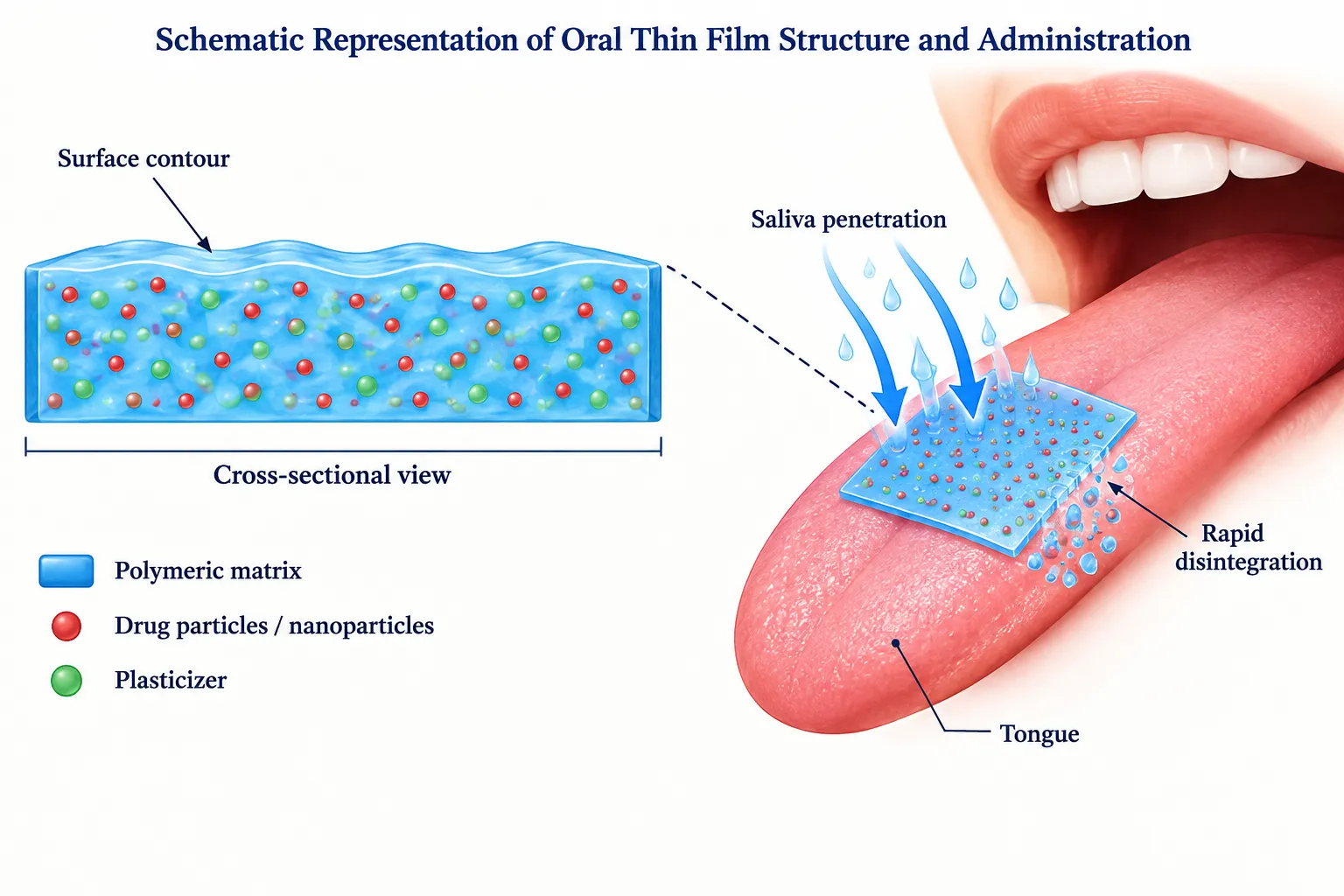
5. Formulation Components of Fast Dissolving Oral Thin Films
5.1 Polymeric Film-Forming Agents
The selection of an appropriate polymeric film-forming agent is the most critical formulation decision in ODF development, as the polymer dictates the film's mechanical properties, disintegration time, dissolution rate, drug release kinetics, and overall performance [102,103]. The ideal polymer for ODF applications should possess the following characteristics: excellent film-forming ability, compatibility with the API and other excipients, appropriate mechanical strength and flexibility, rapid dissolution or disintegration in saliva, good mucoadhesive properties (if buccal delivery is intended), regulatory acceptance, and cost-effectiveness [104].
Hydroxypropyl methylcellulose (HPMC) is one of the most extensively studied and widely used polymers for ODF applications [105]. HPMC is a semi-synthetic, inert, viscoelastic polymer that is freely soluble in cold water and forms clear, viscous solutions. The different grades of HPMC (E3, E5, E15, E50, K4M, K15M) vary in molecular weight and substitution degree, allowing for tailoring of film properties [106]. HPMC-based ODFs exhibit good mechanical strength, flexibility, transparency, and rapid disintegration in artificial saliva [107].
Polyvinyl alcohol (PVA) is another frequently employed polymer for ODF fabrication, known for its excellent film-forming properties, biocompatibility, and biodegradability [108]. PVA-based films demonstrate superior tensile strength, elongation at break, and mucoadhesive properties compared to many other polymers [109]. The degree of hydrolysis and molecular weight of PVA significantly influence film characteristics, with fully hydrolyzed grades (98-99% hydrolysis) producing films with higher tensile strength but slower dissolution rates compared to partially hydrolyzed grades (87-89% hydrolysis) [110,111].
Polyvinylpyrrolidone (PVP), also known as povidone, is a water-synthetic polymer that is highly hygroscopic and forms clear, glassy films [112]. PVP is commonly used in combination with other polymers (e.g., HPMC, PVA) to enhance film flexibility, improve drug dispersion, and accelerate dissolution [113]. The K-value of PVP (K12, K17, K25, K30, K90) reflects its molecular weight, with lower K-values providing faster dissolution but lower mechanical strength [114].
Polyethylene oxide (PEO) is a water-soluble, biocompatible polymer with excellent film-forming properties and high molecular weight (up to 8 million Da) [115]. PEO-based films exhibit superior flexibility, mucoadhesion, and sustained drug release characteristics, making them suitable for both immediate-release and controlled-release ODF applications [116]. Chitosan, a natural polysaccharide derived from chitin, has also gained significant attention for ODF applications due to its inherent mucoadhesive, antimicrobial, and biodegradable properties [117,118].
Table 3: Comparison of Polymeric Film-Forming Agents for Oral Thin Film Applications
|
Polymer |
Water Solubility |
Film Flexibility |
Disintegration Time |
Mucoadhesion |
Key Advantages |
|
HPMC (E5) |
Freely soluble |
Good |
15-60 s |
Moderate |
FDA-approved, versatile, clear films |
|
PVA (Fully hydrolyzed) |
Soluble (hot) |
Excellent |
30-90 s |
High |
High tensile strength, biocompatible |
|
PVP (K30) |
Freely soluble |
Moderate |
10-30 s |
Low |
Fast dissolution, improves drug dispersion |
|
PEO (WSR-303) |
Soluble |
Excellent |
30-120 s |
High |
Mucoadhesive, sustained release potential |
|
Chitosan |
Soluble (acidic) |
Good |
30-90 s |
Very high |
Antimicrobial, natural polymer, mucoadhesive |
|
Pullulan |
Soluble |
Good |
10-30 s |
Moderate |
Oxygen barrier, transparent films |
5.2 Plasticizers
Plasticizers are essential excipients in ODF formulations that enhance the flexibility, elasticity, and handling properties of polymeric films by reducing intermolecular forces and increasing chain mobility within the polymer matrix [119,120]. Without adequate plasticization, polymeric films tend to be brittle, prone to cracking, and difficult to handle during packaging and administration [121]. The selection and concentration of plasticizer significantly influence the mechanical properties, disintegration time, dissolution rate, drug release kinetics, and stability of ODFs [122].
Glycerol (glycerin) is the most commonly used plasticizer for ODF applications, valued for its low toxicity, high hygroscopicity, compatibility with a wide range of polymers, and low cost [123]. Glycerol-plasticized films exhibit excellent flexibility and transparency, but excessive glycerol concentrations (>20% w/w of polymer) can lead to tacky, hygroscopic films with prolonged disintegration times [124]. Propylene glycol is another widely used plasticizer that provides similar benefits to glycerol but with lower hygroscopicity, making it preferred for moisture-sensitive formulations [125].
Polyethylene glycol (PEG), particularly PEG 400 and PEG 600, is frequently employed as a plasticizer and co-solvent in ODF formulations [126]. PEG enhances film flexibility, improves drug solubility within the film matrix, and accelerates dissolution by promoting water penetration [127]. Citric acid, sorbitol, and triethyl citrate have also been investigated as alternative plasticizers, with varying degrees of success depending on the polymer system and drug properties [128,129].
The optimal plasticizer concentration typically ranges from 5-25% w/w relative to the polymer weight, depending on the polymer type, plasticizer identity, and desired film properties [130]. Excessive plasticizer concentrations can compromise film mechanical strength, increase tackiness, promote microbial growth, and reduce drug stability [131]. Systematic optimization of plasticizer type and concentration using experimental design approaches (e.g., factorial design, response surface methodology) is recommended for optimal ODF performance [132].
5.3 Drug-Loaded Nanoparticles and Functional Additives
The incorporation of drug-loaded nanoparticles into ODF matrices has emerged as a promising strategy to enhance drug solubility, dissolution rate, permeability, stability, and bioavailability [133,134]. Nanoparticles offer several advantages for ODF applications, including high surface area-to-volume ratio, ability to encapsulate poorly soluble drugs, protection of labile drugs from degradation, and potential for sustained or controlled drug release [135].
Polymeric nanoparticles, prepared from biodegradable polymers such as poly(lactic-co-glycolic acid) (PLGA), polylactic acid (PLA), and chitosan, have been extensively investigated for vitamin B12 delivery [136,137]. These nanoparticles can enhance the aqueous solubility of vitamin B12, protect the vitamin from degradation in the oral cavity, and provide sustained release over extended periods [138]. Solid lipid nanoparticles (SLNs) and nanostructured lipid carriers (NLCs) have also shown promise for vitamin B12 delivery, offering advantages such as improved stability, biocompatibility, and scalability of manufacturing [139,140].
Metallic nanoparticles, including silver nanoparticles (AgNPs), gold nanoparticles (AuNPs), and zinc oxide nanoparticles (ZnO-NPs), have been investigated for their antimicrobial, antioxidant, and drug delivery properties in ODF applications [141,142]. These nanoparticles can serve dual functional roles as both drug carriers and functional additives that enhance the antimicrobial activity and stability of ODFs [143]. However, concerns regarding toxicity, regulatory acceptance, and long-term safety of metallic nanoparticles in oral dosage forms require careful evaluation [144].
5.4 Sweeteners, Flavoring Agents, and Other Excipients
Patient acceptability is a critical factor in ODF design, as these dosage forms are intended for oral administration and should provide a pleasant sensory experience [145]. Sweeteners, including both natural (e.g., sucrose, stevia, mannitol, xylitol) and artificial (e.g., aspartame, sucralose, acesulfame potassium) sweeteners, are commonly incorporated to mask the inherent taste of the API and enhance patient compliance [146,147]. Flavoring agents (e.g., menthol, peppermint, cherry, orange) further improve the organoleptic properties of ODFs [148].
Additional excipients that may be incorporated into ODF formulations include: (1) surfactants (e.g., polysorbate 80, sodium lauryl sulfate) to enhance drug solubility and wetting; (2) antioxidants (e.g., butylated hydroxytoluene, ascorbic acid) to prevent oxidative degradation of the API; (3) preservatives (e.g., methylparaben, potassium sorbate) to inhibit microbial growth; (4) opacifying agents (e.g., titanium dioxide) to protect light-sensitive drugs and improve film appearance; and (5) saliva-stimulating agents (e.g., citric acid, malic acid) to promote rapid film dissolution [149,150,151]. The selection and concentration of these excipients should be carefully optimized to avoid adverse effects on film properties and drug stability.
Table 4: Common Excipients Used in Fast Dissolving Oral Thin Film Formulations
|
Excipient Category |
Examples |
Function in ODF |
Typical Concentration |
|
Plasticizers |
Glycerol, Propylene glycol, PEG 400 |
Enhance flexibility, reduce brittleness |
5-25% w/w (of polymer) |
|
Sweeteners |
Sucralose, Aspartame, Mannitol, Xylitol |
Mask bitter taste, improve palatability |
1-5% w/w |
|
Flavoring agents |
Menthol, Peppermint oil, Cherry flavor |
Enhance taste and aroma |
0.5-2% w/w |
|
Surfactants |
Polysorbate 80, SLS |
Enhance drug solubility, wetting |
0.1-1% w/w |
|
Opacifying agents |
Titanium dioxide |
UV protection, opacity |
0.5-2% w/w |
|
Saliva stimulants |
Citric acid, Malic acid |
Promote salivation, rapid dissolution |
0.5-3% w/w |
|
Antioxidants |
BHT, Ascorbic acid |
Prevent oxidative degradation |
0.01-0.1% w/w |
6. Manufacturing Methods for Oral Thin Films
6.1 Solvent Casting Method
The solvent casting method is the most widely employed and industrially scalable technique for the production of fast dissolving oral thin films [152,153]. This method involves the dissolution or dispersion of the polymer, drug (or drug-loaded nanoparticles), plasticizer, and other excipients in a suitable solvent system (typically water or a water-organic solvent mixture) to form a homogeneous casting solution [154]. The casting solution is then poured onto a flat, non-stick substrate (e.g., glass plate, Teflon-coated tray, silicone-lined petri dish, or stainless steel casting surface), spread uniformly using a doctor blade, film applicator, or similar device, and dried under controlled conditions (ambient, oven, or vacuum drying) to evaporate the solvent and form a thin, solid film [155,156].
The key process parameters in the solvent casting method include: (1) solvent composition and volume, which influence polymer chain mobility, drug solubility, and film homogeneity; (2) casting solution viscosity, which affects the ease of spreading and film uniformity; (3) casting thickness, which determines the final film thickness and drug loading; (4) drying temperature and duration, which affect residual solvent content, film morphology, and drug stability; and (5) environmental conditions (temperature, humidity), which influence the drying rate and film quality [157,158].
The solvent casting method offers several advantages for ODF production, including: (1) precise control over film thickness (typically 50-500 μm) through adjustment of casting solution volume and drying conditions; (2) uniform drug distribution within the film matrix, provided adequate mixing and dispersion are achieved; (3) incorporation of nanoparticles and other functional additives without significant agglomeration; (4) scalability to industrial production using continuous casting machines with automated spreading and drying systems; (5) relatively simple equipment requirements and low capital investment compared to hot-melt extrusion; and (6) compatibility with a wide range of polymers, drugs, and excipients [159,160,161].
However, the solvent casting method also presents certain limitations, including: (1) residual solvent concerns, particularly when organic solvents are used in the casting solution; (2) relatively long processing times compared to hot-melt extrusion, due to the solvent evaporation step; (3) sensitivity to environmental conditions (temperature, humidity), which can affect film quality and reproducibility; (4) potential for drug degradation during prolonged drying at elevated temperatures; and (5) the need for careful optimization of casting and drying parameters to achieve consistent film properties [162,163].
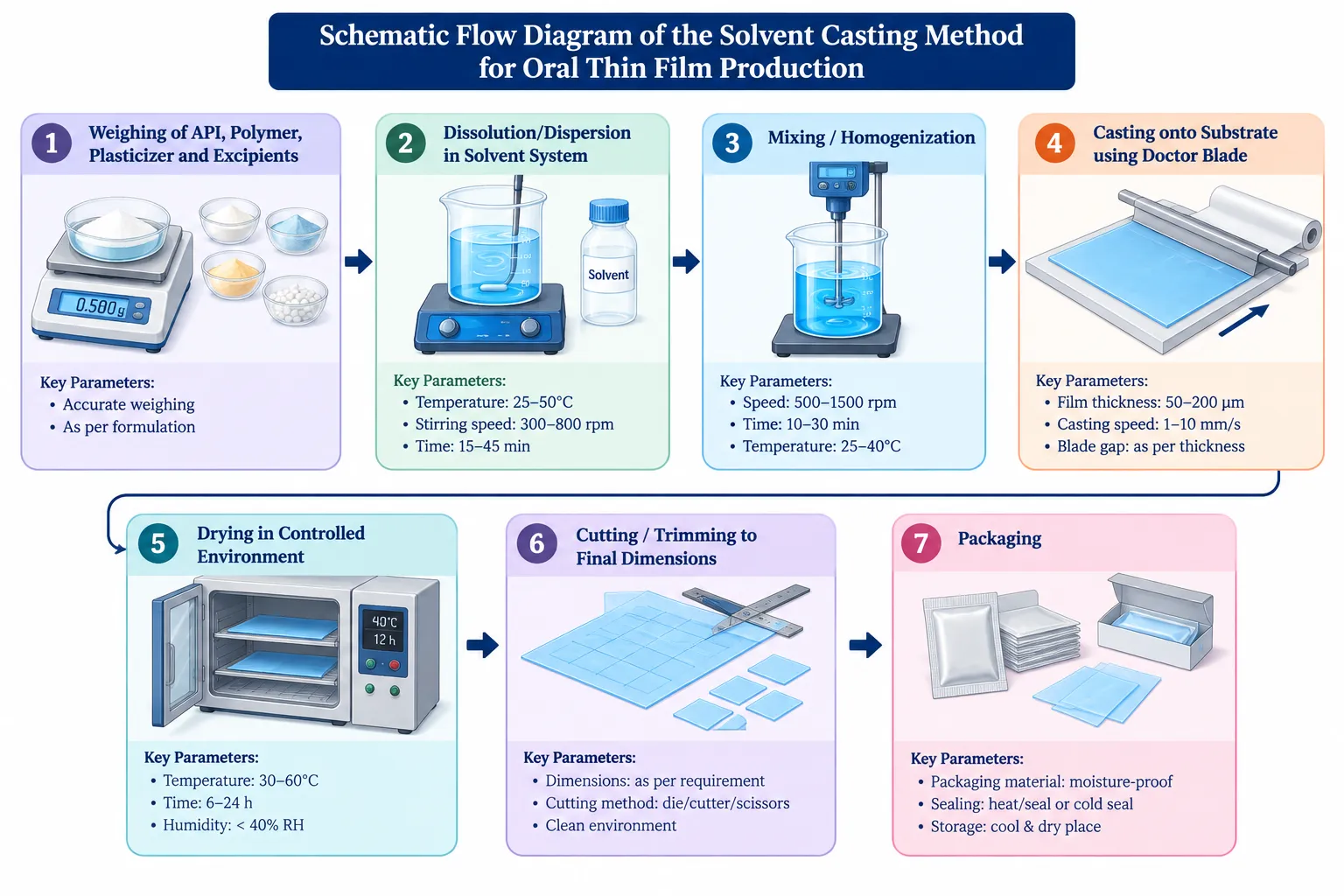
Figure 2: Schematic Flow Diagram of the Solvent Casting Method for Oral Thin Film production
6.2 Hot-Melt Extrusion
Hot-melt extrusion (HME) is an alternative manufacturing technique for ODF production that involves the melting and mixing of the polymer, drug, and excipients at elevated temperatures (typically 80-200°C) using a twin-screw extruder, followed by extrusion through a flat die to form a thin film [164,165]. HME offers several advantages over solvent casting, including: (1) elimination of solvent use, reducing residual solvent concerns and environmental impact; (2) shorter processing times; (3) ability to achieve molecular-level drug dispersion within the polymer matrix; and (4) continuous processing capability, facilitating large-scale production [166].
However, HME presents significant limitations for vitamin B12 ODF formulations, including: (1) thermal degradation of vitamin B12 at temperatures above 60°C, which can occur during the extrusion process; (2) limited polymer options, as the polymer must be thermally processable without degradation; (3) higher capital equipment costs compared to solvent casting; (4) difficulty in incorporating heat-sensitive excipients (e.g., certain sweeteners, flavoring agents); and (5) challenges in achieving uniform film thickness and surface finish [167,168]. For these reasons, HME has found limited application in vitamin B12 ODF development, with solvent casting remaining the preferred manufacturing approach.
6.3 Other Techniques
Several other manufacturing techniques have been explored for ODF production, although they are less commonly employed than solvent casting and HME. The casting/stamping technique involves casting a polymeric film and then stamping it into desired shapes and sizes using precision dies [169]. The rolling method produces continuous films by rolling the casting solution onto a moving substrate, enabling higher production rates [170]. Electrospinning and 3D printing represent emerging technologies that can produce nanofiber-based films and complex three-dimensional structures, respectively, offering potential advantages in drug loading, release kinetics, and personalized medicine [171,172]. Screen printing has also been investigated for the deposition of drug-loaded inks onto pre-formed polymeric films [173].
6.4 Comparative Analysis of Manufacturing Methods
Table 5: Comparison of Manufacturing Methods for Oral Thin Films
|
Parameter |
Solvent Casting |
Hot-Melt Extrusion |
Rolling |
Electrospinning |
3D Printing |
|
Solvent required |
Yes |
No |
Yes |
Yes (spinning dope) |
Varies (ink/solution) |
|
Temperature |
Ambient-60°C |
80-200°C |
Ambient-60°C |
Ambient |
Ambient-60°C |
|
Scalability |
High |
High |
High |
Low (lab-scale) |
Low-Medium |
|
Capital cost |
Low-Medium |
High |
Medium |
Medium |
High |
|
Drug stability |
Good (low temp) |
Risk of thermal degradation |
Good |
Good |
Good |
|
Film uniformity |
Excellent |
Very good |
Good |
Variable |
Very good |
|
Processing time |
Moderate (drying) |
Short (continuous) |
Short |
Long |
Long |
|
Industrial adoption |
Very high |
Moderate |
Moderate |
Low (research) |
Low (research) |
7. Quality by Design (QbD) in Oral Thin Film Development
Quality by Design (QbD) is a systematic, science-based approach to pharmaceutical development that emphasizes understanding and controlling the manufacturing process to ensure consistent product quality [174,175]. The International Council for Harmonisation (ICH) guidelines Q8, Q9, Q10, and Q12 provide the regulatory framework for QbD implementation in pharmaceutical development [176]. In the context of ODF development, QbD involves: (1) defining the Quality Target Product Profile (QTPP); (2) identifying Critical Quality Attributes (CQAs); (3) determining Critical Material Attributes (CMAs) and Critical Process Parameters (CPPs); (4) conducting risk assessment and experimental design studies; (5) establishing a Design Space; and (6) implementing a Control Strategy [177,178].
The QTPP for a fast dissolving oral thin film of vitamin B12 would typically include: dosage form (orally disintegrating film), route of administration (oral/buccal), strength (e.g., 500-1000 mcg vitamin B12), packaging (individual pouches or blister packs), shelf life (≥24 months), and performance characteristics (disintegration time <60 seconds, dissolution >80% in 5 minutes, drug content 90-110% of label claim) [179,180]. The CQAs for vitamin B12 ODFs include: disintegration time, dissolution rate, drug content uniformity, film thickness, tensile strength, elongation at break, folding endurance, surface pH, moisture content, and stability [181,182].
The application of QbD principles to ODF development has been demonstrated in several studies, where factorial design, response surface methodology, and artificial neural networks have been employed to optimize formulation variables and process parameters [183,184]. For example, Do et al. (2015) applied a Box-Behnken design to optimize HPMC/polyvinyl alcohol-based ODFs, identifying polymer concentration, plasticizer ratio, and drying temperature as the most influential parameters affecting film properties [185]. Similarly, Karki et al. (2016) used a factorial design approach to optimize ondansetron ODFs, demonstrating the utility of QbD in achieving consistent product quality [186].
Table 6: Quality by Design Elements for Fast Dissolving Oral Thin Film of Vitamin B12
|
QbD Element |
Application to Vitamin B12 ODF |
Key Considerations |
|
QTPP |
Orally disintegrating film, 500-1000 mcg B12, disintegration <60 s, 24-month shelf life |
Patient convenience, dose accuracy, stability |
|
CQAs |
Disintegration time, dissolution rate, drug content, film thickness, tensile strength |
Direct impact on bioavailability and patient compliance |
|
CMAs |
Polymer type/MW, plasticizer concentration, drug loading, solvent composition |
Influence film matrix properties and drug release |
|
CPPs |
Casting thickness, drying temperature/time, mixing speed, environmental humidity |
Directly affect film quality and reproducibility |
|
Design Space |
Operating ranges for polymer (5-15% w/w), plasticizer (5-20% w/w), drying (40-60°C) |
Ensures consistent CQAs within defined ranges |
|
Control Strategy |
In-process monitoring, IPC testing, finished product release testing |
Ensures batch-to-batch consistenc |
8. Evaluation Parameters for Fast Dissolving Oral Thin Films
8.1 Physicochemical Characterization
Physicochemical characterization of ODFs encompasses a range of tests designed to assess the physical, chemical, and structural properties of the film [187]. These tests provide essential information for quality control, batch-to-batch consistency, and regulatory compliance. The key physicochemical tests include:
Film Thickness: Measured using a digital micrometer or screw gauge at multiple points (typically 5-10 locations) across the film surface [188]. Uniform film thickness is essential for consistent drug content and dissolution behavior. Typical ODF thickness ranges from 50 to 500 μm, with acceptable variation generally defined as ±5-10% of the mean value [189].
Surface pH: Determined by placing the film on a moistened pH indicator strip or using a flat-surface pH electrode [190]. The surface pH should be compatible with the oral mucosa (ideally pH 6.5-7.5) to avoid irritation or discomfort [191].
Surface Morphology and Roughness: Assessed using scanning electron microscopy (SEM), atomic force microscopy (AFM), or optical profilometry [192]. These techniques provide information about surface texture, porosity, drug particle distribution, and film homogeneity [193].
Drug Content Uniformity: Determined by dissolving a known weight of film in a suitable solvent and analyzing the drug concentration using UV-Vis spectrophotometry, HPLC, or other validated analytical methods [194]. Drug content should fall within 90-110% of the label claim, with a relative standard deviation (RSD) of ≤5% [195].
Moisture Content: Determined by the loss on drying (LOD) method or Karl Fischer titration [196]. Excessive moisture content (>5% w/w) can promote microbial growth, reduce film mechanical strength, and accelerate drug degradation, while insufficient moisture (<1% w/w) can result in brittle, cracking films [197].
8.2 Mechanical and Tensile Properties
Mechanical testing evaluates the structural integrity, flexibility, and handling properties of ODFs, which are critical for patient acceptance, packaging, and shelf life [198]. Key mechanical parameters include:
Tensile Strength (TS): The maximum stress that the film can withstand before failure, calculated as the maximum load divided by the cross-sectional area of the film [199]. TS values typically range from 10 to 100 MPa for ODF formulations, with higher values indicating greater resistance to deformation [200].
Elongation at Break (EB): The percentage increase in film length at the point of fracture, reflecting the film's flexibility and ductility [201]. Higher EB values (typically 5-50%) indicate greater flexibility and resistance to cracking during handling [202].
Folding Endurance: The number of times a film can be folded at the same place without breaking, typically determined by manual folding or using a folding endurance tester [203]. Higher folding endurance values (>300 folds) indicate superior flexibility and handling properties [204].
Young's Modulus (YM): The ratio of stress to strain in the elastic deformation region, reflecting the film's stiffness [205]. Lower YM values indicate greater flexibility, while higher values indicate greater rigidity [206].
8.3 Dissolution and Disintegration Testing
Dissolution and disintegration testing are critical performance tests for ODFs, as they directly relate to drug release kinetics and bioavailability [207,208]. Disintegration time is measured by placing the ODF on a disintegration tester or in a Petri dish containing artificial saliva (pH 6.8, 37°C) and recording the time required for complete disintegration [209]. ODFs should typically disintegrate within 15-120 seconds to qualify as 'fast dissolving' [210].
Dissolution testing is performed using apparatus I (basket) or apparatus II (paddle) of the USP dissolution apparatus, or flow-through cell apparatus, in a suitable dissolution medium (e.g., simulated saliva, phosphate buffer pH 6.8) at 37°C [211,212]. The drug release profile is characterized by parameters such as T50% (time to release 50% of the drug), T80% (time to release 80%), and the dissolution efficiency (DE) [213]. For vitamin B12 ODFs, dissolution specifications typically require ≥80% drug release within 5-15 minutes [214].
8.4 In Vitro and In Vivo Performance
In vitro permeation studies using excised animal oral mucosa (e.g., porcine buccal or sublingual mucosa) or synthetic membranes (e.g., Strat-M, cellulose acetate) can provide valuable information about drug transport across the oral mucosa [215,216]. These studies are typically conducted using Franz diffusion cells or similar permeation apparatus, with quantification of drug in the receptor compartment over time [217].
Mucoadhesion testing evaluates the ability of ODFs to adhere to the oral mucosa, which influences drug residence time and absorption [218]. Common mucoadhesion tests include the tensile strength method (measuring the force required to detach the film from a mucosal surface), the texture analyzer method, and the rotating cylinder method [219,220].
In vivo performance testing of ODFs involves pharmacokinetic studies in animal models or human volunteers, measuring parameters such as Cmax (maximum plasma concentration), Tmax (time to reach Cmax), AUC (area under the plasma concentration-time curve), and bioavailability relative to conventional dosage forms [221,222].
8.5 Stability Studies
Stability studies are essential for establishing the shelf life and storage conditions of ODFs, and are typically conducted in accordance with ICH guidelines Q1A and Q1C [223,224]. Accelerated stability studies (40°C ± 2°C / 75% RH ± 5% RH for 6 months) and long-term stability studies (25°C ± 2°C / 60% RH ± 5% RH for 12-36 months) are performed, with periodic assessment of CQAs including appearance, disintegration time, dissolution rate, drug content, moisture content, and mechanical properties [225,226].
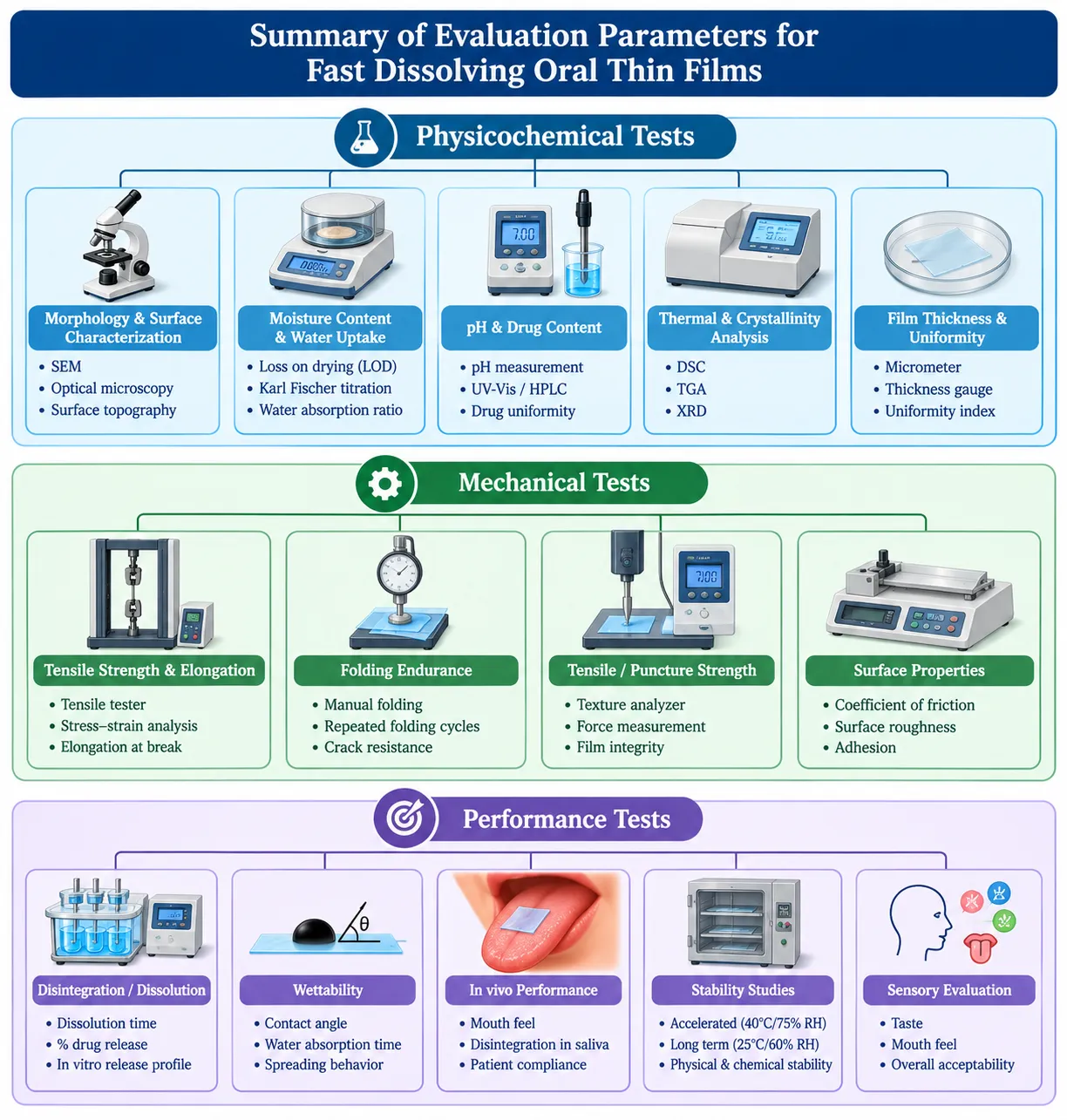
9. Drug Release Mechanisms and Kinetics from ODFs
Understanding the drug release mechanisms and kinetics from ODFs is essential for designing formulations with predictable and reproducible release profiles [227]. Drug release from ODFs can occur through several mechanisms, including: (1) diffusion of the drug through the hydrated polymer matrix; (2) erosion or dissolution of the polymer matrix; (3) swelling of the polymer followed by drug release through the swollen matrix; and (4) osmotic pumping through pores or channels in the film [228,229]. In most ODF formulations, drug release is governed by a combination of these mechanisms, with the dominant mechanism depending on the polymer type, drug properties, and environmental conditions [230].
Several mathematical models are commonly used to describe drug release kinetics from ODFs [231]:
Zero-order model: Mt/M∞ = k₀t, where Mt/M∞ is the fraction of drug released at time t, and k₀ is the zero-order release constant. This model describes a constant drug release rate, independent of the amount of drug remaining in the film [232].
First-order model: ln(1 - Mt/M∞) = k₁t, where k₁ is the first-order release constant. This model describes concentration-dependent release, with the release rate decreasing exponentially over time [233].
Higuchi model: Mt/M∞ = kH√t, where kH is the Higuchi release constant. This model describes diffusion-controlled release from an insoluble matrix, with the release rate proportional to the square root of time [234].
Korsmeyer-Peppas model: Mt/M∞ = kKP × tⁿ, where kKP is the kinetic constant and n is the release exponent. The value of n indicates the release mechanism: n = 0.5 (Fickian diffusion), 0.5 < n < 1.0 (anomalous transport/Case II transport), n = 1.0 (Case II transport/zero-order), and n > 1.0 (Super Case II transport) [235,236].
For vitamin B12 ODFs, the Korsmeyer-Peppas model is often the most appropriate for characterizing drug release, as it provides information about both the release mechanism and kinetics [237]. The selection of the most appropriate kinetic model should be based on the goodness-of-fit (R² values), release exponent analysis, and biological relevance of the release profile [238].
10. Recent Advances in Vitamin B12 Oral Thin Film Research
Recent years have witnessed significant advancements in the development of vitamin B12 oral thin films, driven by innovations in nanotechnology, polymer science, and manufacturing technology [239]. Key advances include:
Nanoparticle-Loaded ODFs: Several studies have demonstrated the successful incorporation of vitamin B12-loaded nanoparticles (PLGA, chitosan, solid lipid) into ODF matrices, achieving enhanced dissolution rates, improved permeability, and sustained drug release compared to conventional ODFs containing free drug [240,241]. These nanocomposite films offer the dual advantages of rapid disintegration (inherent to ODFs) and controlled drug release (from nanoparticles), providing more consistent plasma levels and improved bioavailability [242].
Mucoadhesive Films: Research has focused on developing mucoadhesive ODFs that adhere to the oral mucosa, extending drug residence time and enhancing absorption [243]. Chitosan, carbopol, and thiolated polymers have been investigated as mucoadhesive agents in vitamin B12 ODFs, with promising results in terms of adhesion strength, drug permeation, and patient comfort [244,245].
3D-Printed ODFs: Three-dimensional printing technology has been applied to the fabrication of personalized ODFs, enabling precise control over film geometry, drug loading, and release profiles [246]. While still in the early stages of development, 3D-printed ODFs offer the potential for patient-specific dosing and point-of-care manufacturing [247].
Novel Polymer Systems: Researchers have explored the use of novel polymers such as polyvinyl caprolactam-polyvinyl acetate-polyethylene glycol graft copolymer (Soluplus), hydroxypropyl-beta-cyclodextrin (HPβCD), and silk fibroin for ODF applications, demonstrating improved drug solubilization, film properties, and stability [248,249].
QbD and PAT Integration: The integration of Quality by Design (QbD) principles with Process Analytical Technology (PAT) tools has enabled real-time monitoring and control of the solvent casting process, ensuring consistent film quality and reducing batch-to-batch variability [250,251].
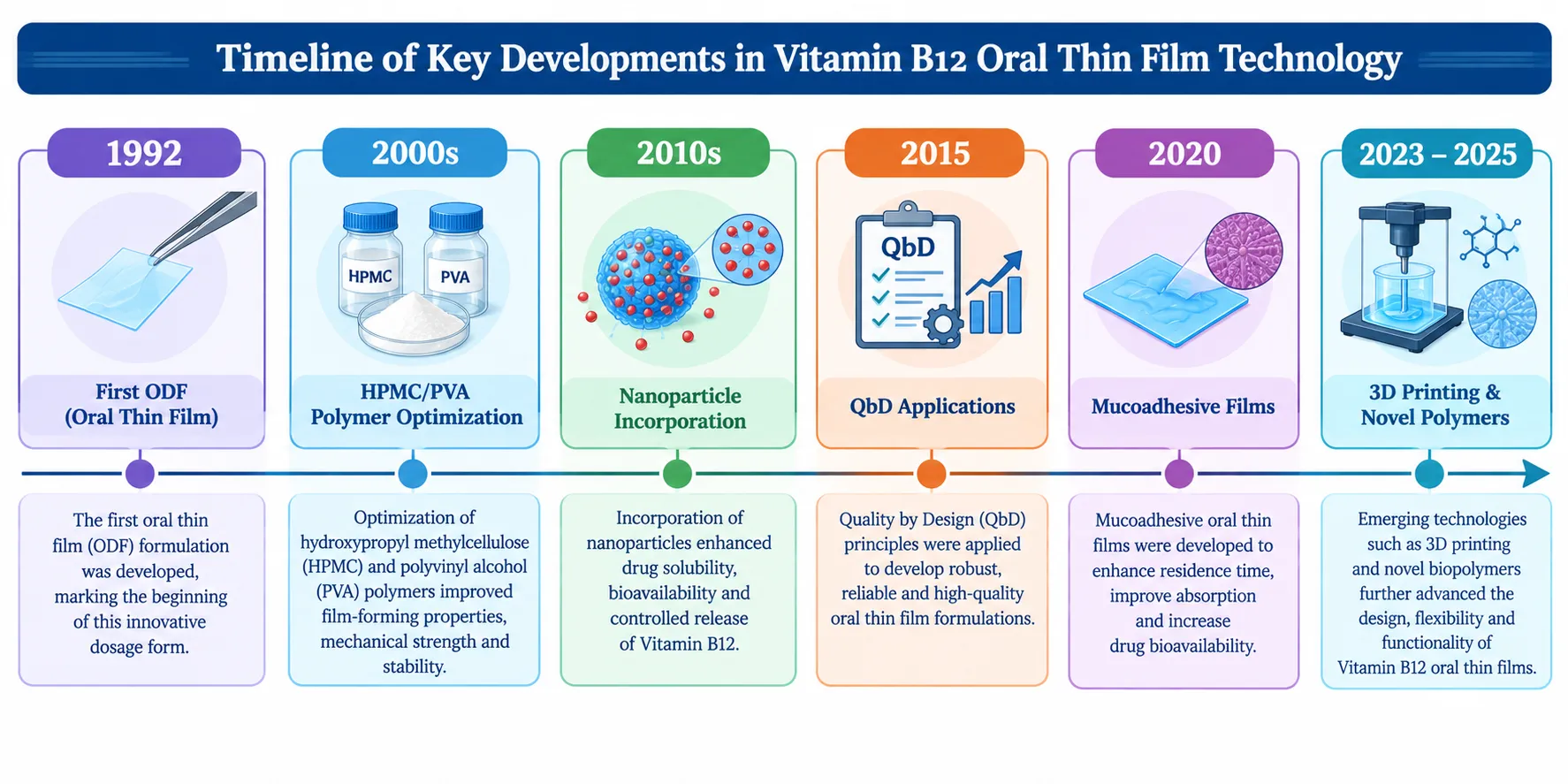
Figure 4: Timeline of Key Developments in Vitamin B12 Oral Thin Film Technology
11. Clinical Applications and Patient Preference
The clinical utility of fast dissolving oral thin films of vitamin B12 extends beyond simple supplementation, with potential applications in the management of vitamin B12 deficiency in diverse patient populations [252]. Key clinical applications include:
Geriatric Patients: Elderly individuals often present with age-related decline in intrinsic factor secretion, reduced gastric acid production, and impaired intestinal absorption, making conventional oral vitamin B12 supplements less effective [253]. ODFs that dissolve in the oral cavity and are absorbed through the oral mucosa can partially bypass these gastrointestinal barriers, potentially improving vitamin B12 status in this vulnerable population [254,255].
Pediatric Patients: Children and infants frequently have difficulty swallowing conventional tablets and capsules, leading to poor compliance with vitamin supplementation regimens [256]. ODFs offer a waterless, easy-to-administer alternative that can be placed on the tongue or inside the cheek, making vitamin B12 supplementation more acceptable to pediatric patients [257].
Vegans and Vegetarians: Strict vegetarians and vegans are at high risk for vitamin B12 deficiency due to the absence of animal-derived foods in their diet [258]. ODFs containing vitamin B12 provide a convenient, portable, and palatable supplementation option that can be taken anytime, anywhere, without the need for water [259].
Dysphagic Patients: Individuals with dysphagia (difficulty swallowing), resulting from neurological conditions, stroke, or head and neck cancer, often cannot take conventional oral dosage forms [260]. ODFs, which dissolve rapidly in the oral cavity without requiring swallowing, represent an ideal dosage form for these patients [261].
Patient Preference Studies: Studies comparing patient preference for ODFs versus conventional tablets and capsules have consistently demonstrated superior acceptability of ODFs, particularly in terms of ease of administration, convenience, taste, and willingness to use [262,263]. A survey by Thyagarajan et al. (2024) found that 85% of participants preferred ODFs over conventional tablets for vitamin supplementation, citing ease of use and absence of water requirement as the primary reasons for preference [264].
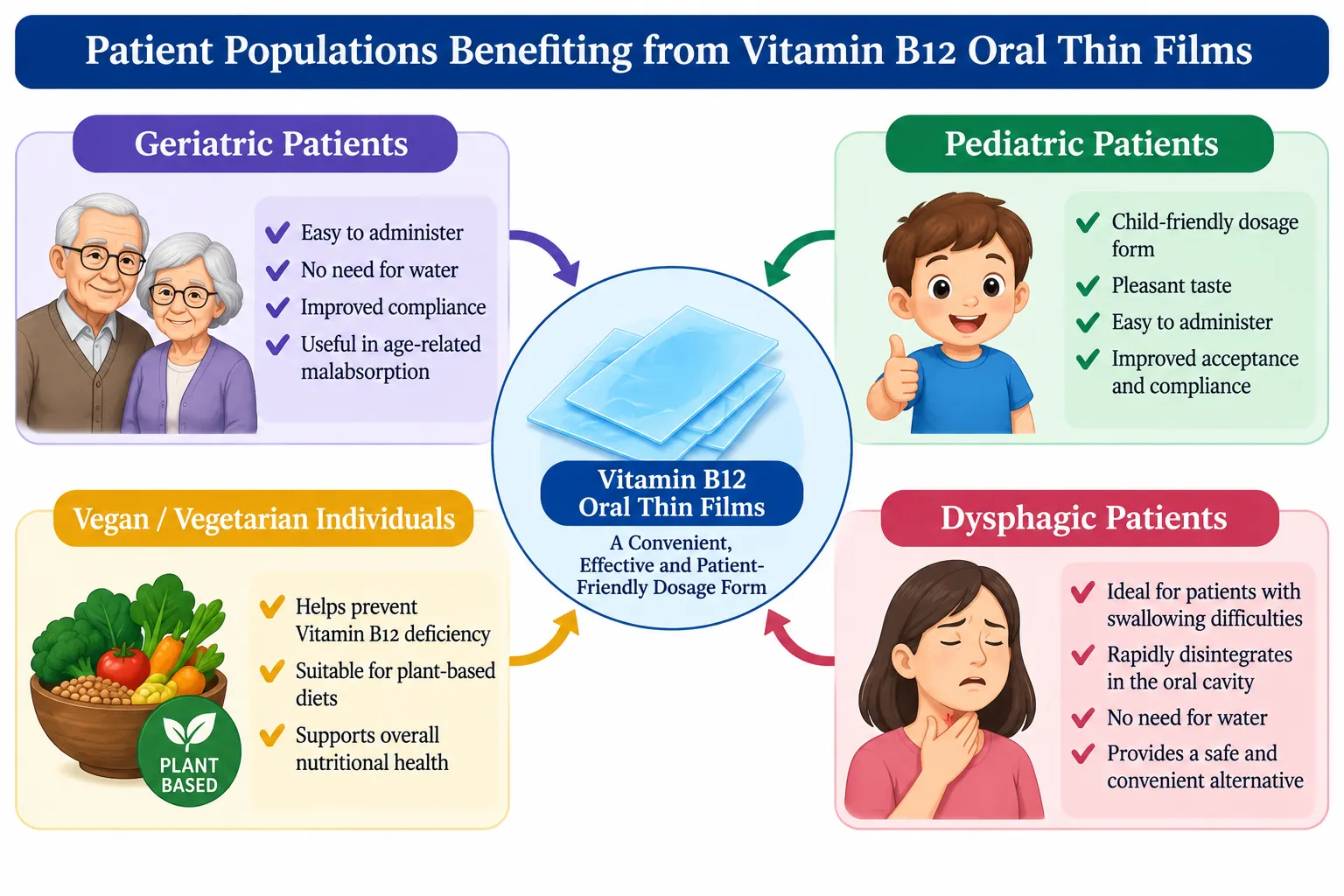
Figure 5: Patient Populations Benefiting from Vitamin B12 Oral Thin Films
12. Regulatory Considerations and Industry Perspectives
The regulatory landscape for ODFs is evolving, with regulatory agencies gradually establishing guidelines specific to this dosage form [265]. In the United States, the Food and Drug Administration (FDA) has approved several ODF products and has issued guidance documents related to bioequivalence, stability testing, and manufacturing controls for oral thin films [266]. The European Medicines Agency (EMA) has also recognized ODFs as a distinct dosage form, with specific requirements for characterization, quality control, and clinical evaluation [267].
Key regulatory considerations for vitamin B12 ODFs include: (1) demonstration of bioequivalence or superior bioavailability compared to reference listed drug products; (2) compliance with current Good Manufacturing Practice (cGMP) requirements; (3) stability testing in accordance with ICH guidelines; (4) dissolution testing and specification development; (5) content uniformity testing; and (6) packaging and labeling requirements [268,269]. The classification of vitamin B12 ODFs as dietary supplements or pharmaceutical products varies by jurisdiction, with implications for regulatory pathways, labeling requirements, and marketing claims [270].
Industry perspectives on ODF development highlight the need for standardized manufacturing processes, robust analytical methods, and comprehensive stability data to support regulatory submissions [271]. The integration of QbD principles and PAT tools is increasingly recognized as essential for demonstrating process capability and ensuring consistent product quality [272]. Additionally, the development of cost-effective manufacturing technologies that can be scaled to commercial production is a key industry priority [273].
13. Research Gaps and Future Perspectives
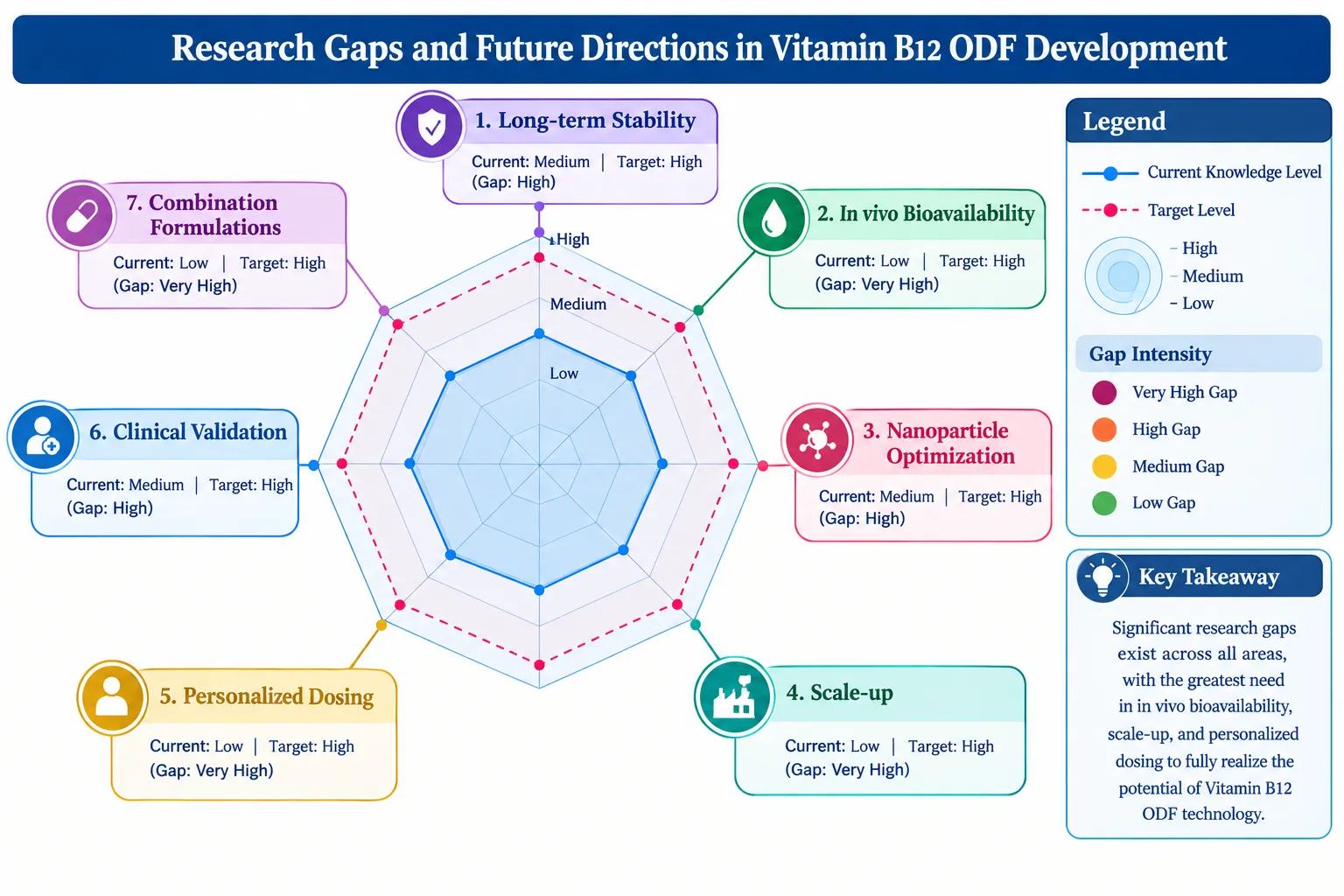
Despite the significant progress in vitamin B12 ODF development, several research gaps remain that require attention to fully realize the clinical potential of these dosage forms [274]. Key research gaps include:
1. Long-term stability data: Most published studies on vitamin B12 ODFs report stability data for periods of 3-6 months under accelerated or intermediate conditions. Long-term stability data (12-36 months) under actual storage conditions are needed to establish shelf life and support regulatory submissions [275].
2. In vivo bioavailability studies: While in vitro dissolution and permeation studies have demonstrated the potential of vitamin B12 ODFs for enhanced drug delivery, rigorous in vivo bioavailability studies (comparative pharmacokinetic studies versus conventional dosage forms or parenteral administration) are limited [276]. These studies are essential for establishing the clinical superiority of ODFs.
3. Nanoparticle optimization: The optimal nanoparticle type, size, concentration, and surface modification for incorporation into vitamin B12 ODFs have not been systematically determined [277]. Comparative studies evaluating different nanoparticle systems (polymeric, lipid, inorganic) in terms of drug loading, release kinetics, stability, and in vivo performance are needed.
4. Scale-up and manufacturing: The transition from laboratory-scale to industrial-scale production of vitamin B12 ODFs presents challenges related to process reproducibility, equipment standardization, and cost-effectiveness [278]. Development of continuous manufacturing processes with integrated PAT monitoring would facilitate commercial viability.
5. Personalized dosing: The development of 3D-printed or adaptable ODF formulations that can be customized for individual patient needs (e.g., different doses, combinations with other vitamins, modified release profiles) represents an emerging opportunity [279].
6. Clinical validation: Randomized controlled trials comparing vitamin B12 ODFs with conventional oral supplements and parenteral injections in specific patient populations (elderly, vegans, dysphagic patients) are needed to establish clinical efficacy and cost-effectiveness [280].
7. Combination formulations: The development of ODFs containing vitamin B12 in combination with other B vitamins (B1, B6, folic acid), iron, or vitamin D represents a logical extension of the technology, but requires careful consideration of drug-excipient compatibility, stability, and release kinetics [281].
14. CONCLUSION
Fast dissolving oral thin films of vitamin B12 represent a promising and innovative dosage form that addresses many of the limitations associated with conventional oral and parenteral vitamin B12 delivery systems. The solvent casting method has established itself as the most versatile, scalable, and industrially viable manufacturing technique for these films, offering precise control over film properties and compatibility with a wide range of polymers, drug-loaded nanoparticles, and functional excipients [282,283].
The integration of nanotechnology with ODF technology has opened new avenues for enhancing the solubility, dissolution rate, permeability, and bioavailability of vitamin B12 [284]. Nanoparticle-loaded ODFs, incorporating PLGA, chitosan, or solid lipid nanoparticles, have demonstrated superior performance compared to conventional ODFs containing free drug, offering the dual advantages of rapid disintegration and controlled drug release [285].
The application of Quality by Design (QbD) principles to vitamin B12 ODF development has enhanced the scientific rigor of formulation optimization, enabling systematic identification of critical quality attributes, critical material attributes, and critical process parameters [286]. Comprehensive evaluation of physicochemical, mechanical, and performance characteristics ensures that ODFs meet the stringent quality requirements for pharmaceutical products [287].
Despite these advances, significant research gaps remain, particularly in the areas of long-term stability, in vivo bioavailability, nanoparticle optimization, scale-up manufacturing, and clinical validation [288]. Addressing these gaps will require collaborative efforts between academia, industry, and regulatory agencies to advance the technology from the laboratory to the clinic [289].
The potential of vitamin B12 ODFs to improve patient compliance, enhance bioavailability, and expand access to vitamin B12 supplementation in diverse patient populations—including the elderly, pediatric patients, vegans, and individuals with dysphagia—makes this a compelling area for continued research and development [290,291]. As manufacturing technologies continue to advance and regulatory frameworks evolve, fast dissolving oral thin films of vitamin B12 are poised to become an important tool in the management of vitamin B12 deficiency and the promotion of global health.
15. Abbreviations
|
Abbreviation |
Full Form |
|
AUC |
Area Under the Curve |
|
API |
Active Pharmaceutical Ingredient |
|
AFM |
Atomic Force Microscopy |
|
AgNPs |
Silver Nanoparticles |
|
AuNPs |
Gold Nanoparticles |
|
B12 |
Vitamin B12 (Cyanocobalamin) |
|
cGMP |
Current Good Manufacturing Practice |
|
CQAs |
Critical Quality Attributes |
|
CMAs |
Critical Material Attributes |
|
CPPs |
Critical Process Parameters |
|
DE |
Dissolution Efficiency |
|
EB |
Elongation at Break |
|
EMA |
European Medicines Agency |
|
FDA |
Food and Drug Administration |
|
FDF |
Fast Dissolving Film |
|
HME |
Hot-Melt Extrusion |
|
HPMC |
Hydroxypropyl Methylcellulose |
|
HPβCD |
Hydroxypropyl-Beta-Cyclodextrin |
|
ICH |
International Council for Harmonisation |
|
IF |
Intrinsic Factor |
|
IM |
Intramuscular |
|
IPC |
In-Process Control |
|
IV |
Intravenous |
|
LOD |
Loss on Drying |
|
MMA |
Methylmalonic Acid |
|
MW |
Molecular Weight |
|
NLC |
Nanostructured Lipid Carriers |
|
ODF |
Orally Disintegrating Film |
|
OTF |
Oral Thin Film |
|
PAT |
Process Analytical Technology |
|
PEG |
Polyethylene Glycol |
|
PEO |
Polyethylene Oxide |
|
PLA |
Polylactic Acid |
|
PLGA |
Poly(lactic-co-glycolic Acid) |
|
PVA |
Polyvinyl Alcohol |
|
PVP |
Polyvinylpyrrolidone |
|
QbD |
Quality by Design |
|
QTPP |
Quality Target Product Profile |
|
RSD |
Relative Standard Deviation |
|
SAM |
S-Adenosylmethionine |
|
SEM |
Scanning Electron Microscopy |
|
SLS |
Sodium Lauryl Sulfate |
|
SLN |
Solid Lipid Nanoparticles |
|
TS |
Tensile Strength |
|
UV |
Ultraviolet |
|
YM |
Young's Modulus |
|
ZnO-NPs |
Zinc Oxide Nanoparticles |
16. Acknowledgements
The author expresses sincere gratitude to Mr Sudarshan Nagrale, Dattakala College of Pharmacy, Pune, for his valuable guidance and constant support during the preparation of this manuscript.
REFERENCES

Rudra Patel*, Kunal Bhujbal, Omkar Parhar, Ruturaj Newase, Shubham Bhise, Formulation And Evaluation Of Fast Dissolving Oral Thin Film Of Vitamin B12 By Solvent Casting Method: A Comprehensive Review, Int. J. of Pharm. Sci., 2026, Vol 4, Issue 9, 1788-1816. https://doi.org/10.5281/zenodo.22763856
 10.5281/zenodo.22763856