
View Article

Abstract

Cough is a respiratory issue that clears the airways from irritants and mucus. If prolonged, a persistent cough leads to discomfort, irritation of the throat, and an impact on everyday life. The objective of this study was to create and evaluate a cough syrup made from herbal medicines with antitussive and expectorant properties. The following ingredients were used to make the syrup: Tulsi (Ocimum sanctum), Ginger (Zingiber officinale), Peppermint (Mentha piperita), Clove (Syzygium aromaticum), and Cinnamon (Cinnamomum zeylanicum). Honey, Glycerin, and Rose oil were also added to the syrup. Several formulations of the syrup were evaluated for their physical properties, including colour, odour, taste, pH, viscosity, density, and stability.The physical properties of the syrups produced were found to be satisfactory; they were within acceptable limits for pH, viscosity and density. The formulation F2 was the most stable with acceptable physicochemical properties. Stability studies demonstrated that the optimized formulation retained stability at an accelerated rate during the duration of the study.In conclusion, this study has shown that the formulated polyherbal cough syrup is safe and effective for treating coughs. The formulation of the syrup can be considered a viable alternative to conventional cough syrups.

Keywords

Polyherbal cough syrup, Herbal formulation, Tulsi, Ginger, Antitussive activity, Expectorant, Physicochemical evaluation, Herbal medicine, Stability study.

Introduction

× Popup Image

Coughing is a defensive reflex action of the respiratory system to rid the airways of mucus, dirt, microbes, and other irritants in the air. Coughing is important for the maintenance of respiratory health since it helps to clear the throat of mucus and clear the bronchial passages. Coughs are usually classified as either productive coughs that produce mucus, or dry coughs that do not produce mucus. Although coughing can be a natural defense mechanism, long term coughing may irritate the throat, create pressure in the chest, disrupt sleep, and decrease your quality of life. Many conventional cough suppressants like dextromethorphan and codeine are widely used to treat cough symptoms; however, they can cause significant side effects including drowsiness, sedation, constipation, and dependency when taken long term. Because of this, more and more people are looking for safer and effective herbal alternatives to treat coughs and respiratory problems.

1.1 Types of coughs

    1. Depending upon type

Further cough is classified into two types as

  1. Dry cough

A cough that doesn't generate mucous is called a dry cough.

Coughing is a tickly, unpleasant sensation that occurs when your lungs or airways are inflamed.

Your cough will be dry and ineffective if you don't have mucus, which is typically produced when you have an illness.

Asthma, bronchitis, acid reflux, and allergies are common reasons.

  1. Wet cough

A productive cough, often known as a wet cough, can be uncomfortable and bothersome.

This kind of cough frequently indicates an underlying medical condition and produces mucus or phlegm.

For a wet cough to be effectively managed and relieved, it is essential to comprehend its causes, symptoms, and treatment and prevention techniques.

    1. Depending on duration

It may be classified into acute, sub -acute and chronic cough depending upon duration

  1. Acute cough

The cough lasting for less than 3 weeks are categorized under this type.

Causes for acute cough is due to common cold, URTI, COPD, environmental pollution, and infective bronchitis

  1. Sub-acute cough

The cough lasting for at least the period of 3 to 8 weeks is categorized under this type.

The respiratory causes are pneumonia, and B. pertussis infection.

Non respiratory causes are GERD and rarely Tourette’s syndrome

  1. Chronic cough

The cough lasting for more than period of 8 weeks or more are chronic coughs.

The respiratory causes are COPD, asthma, lung cancer, tuberculosis, and pneumoconiosis

1.2 Problems of Synthetic drug:-

Traditional synthetic medications for coughs (such as codeine, dextromethorphan, antihistamines, and bronchodilators) are frequently prescribed; however, prolonged use can result in side effects such as drowsiness, sedation, constipation, gastrointestinal upset, dizziness, and dependence. As the limitations of synthetic medications become more well-known and increasing concern arises regarding the safety of synthetic medications, herbal treatments are being viewed as possible safer and more effective treatments for coughs and respiratory disorders.

1.3 Importance of Herbal Medicine:-

People have been using herbal medicine for a long time to help with health issues, including cough and respiratory problems. Recently, the amount of interest in herbal medicine has been increasing because they are more natural and have fewer side effects than synthetic drugs. People also tend to prefer the use of herbal medicine because they cost less than conventional drugs and usually have better patient acceptance. Many different types of plant materials contain many types of chemicals (phytochemicals), like Alkaloids, Flavonoids, Terpenes, GLYCOSIDES, Essential Oils, and Tannins. These phytochemicals have been found to help patients with various types of health issues by providing pharmacological benefits such as cough relief, anti-inflammatory, antimicrobial, antioxidant, expectorant, etc. Herbal medicine is preferred by most people when treating respiratory distress because it provides symptom relief without causing many of the negative effects associated with conventional cough suppressants, such as sedation, dependency, and gastrointestinal irritation. In addition, combining multiple herbs together (polyherbal formulations) enhances the therapeutic effect of the combined herbs and improves both the safety and effectiveness of treatment. Therefore, there is an increasing recognition that herbal medicines are safe and effective alternatives to prescribing pharmaceutical drugs for treating cough and other respiratory conditions.

1.4 Polyherbal concept and selected herbs:-

Polyherbal formulations have become popular due to their availability as compounds with the ability to work in synergy, thus resulting in an improvement in the overall efficacy of the treatment provided. Polyherbal products differ from single-herb products by virtue of the fact that they may contain multiple bioactive phytoconstituents which act through different mechanisms giving rise to enhanced pharmacological properties while at the same time reducing side effects. Due to the ability to provide antitussive, expectorant, antimicrobial, anti-inflammatory, antioxidant, and soothing effects simultaneously, polyherbal formulations represent an excellent option for the treatment of coughs and respiratory disorders. The product formulation contains many of the medicinal herbs traditionally used for respiratory relief, including Ocimum sanctum (Tulsi), which exhibits anti-infective, antitussive, and immunomodulatory effects; Zingiber officinale (Ginger), which has anti-inflammatory and expectorant effects; Mentha piperita (Peppermint), which provides a cooling and soothing feeling to the throat; and Syzygium aromaticum (Clove) and Cinnamomum zeylanicum (Cinnamon), both of which provide additional antibacterial and antioxidant properties in the formulation. Honey and glycerin act as demulcents and improve the palatability of the syrup. The combination of these herbal ingredients in the formulation provides a synergistic effect, and may therefore enhance the efficacy of the product when used for the management of coughs and other respiratory conditions.

1.5 Need and objective of present study:-

Growing numbers of individuals with respiratory illnesses have created increased interest in herbal formulations for cough relief. While many synthetic cough syrups are effective treatments, prolonged use is frequently associated with significant side effects including drowsiness, sedation, gastrointestinal disorders, and dependence. Herbal formulations are viewed as safer alternatives to synthetics because they are derived from nature, have higher patient compliance, and lower incidence of adverse reactions. Popular oral doses including tulsi, ginger, peppermint, clove, or cinnamon – all known for their antitussive, expectorant, antimicrobial and anti-inflammatory effects – have been shown to provide relief from both cough and respiratory distress. For this reason, there is a need to create a stable, effective and patient-friendly polyherbal cough syrup using only safe and effective natural medicinal ingredients. The purpose of the present study was to formulate and evaluate a polyherbal cough syrup and to assess the physicochemical characteristics (i.e., colour, odour, taste, pH, viscosity, density, antimicrobial activity and stability) as a means of determining the product's appropriateness and effectiveness for treating cough.

2. AIM AND OBJECTIVE

Aim: To formulate and evaluate polyherbal cough syrup using selected medicinal plants extracts for safe and effective management of cough.

Objective:

  • To authenticate the drug sample
  • To confirm the compatibility Study of drug and excipient
  • To develop and evaluate herbal cough syrup
  • To design preliminary batches of Herbal cough syrup
  • To evaluate the Preliminary batches of cough syrup
  • To Conduct the Stability study of Optimized formulation

3. DRUG PROFILE

3.1 Tulsi

Synonym: - Talas, Tulsi

Biological source: - the sperkling and dried lives of the ocimum sanctulinn.
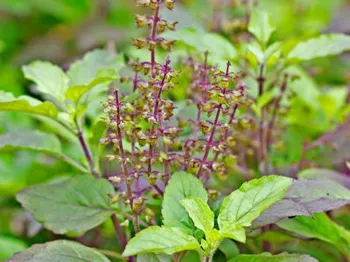
Fig.No.1: Tulsi

Family:- lamiaceae

Chemical constituents: Eugenol, Methyl eugenol, beta-caryophyllene.

Uses:

  • As anti-tussive
  • Anti-bacterial
  • As stimulant
  • As insecticide

3.2 Ginger

Synonym: zingibere, rhizome zingiberis.

Biological source: It consist of dried rhizomes of zingiber officinale

Family: zingiberaceae
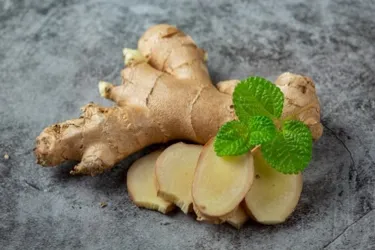
Fig.No.2: Ginger

Chemical constituents: Ginger contains about 0.25-3% of volatile oil, 5-8% resinous matter, 56% starch and protein. Volatile mixture contains a mixture of more than 25 constituents containing monoterpenes and sesquiterpenes. The pungent taste of ginger is due to presence of gingerol.

Uses:

  • Used as carminative.
  • As anti-tussive.
  • Aromatic and stimulant.
  • As anti-emetic.
  • Used to improve digestion.

3.3 Peppermint

Synonym: Mint, Mentha, Pudina

Biological source: extracted from stem, leaves and flowers of Mentha piperita.

Family: lamiaceae

Chemical constituents: menthol, menthone, limonene, β-pinene, menthyl acetate, caveol, piperitone, menthofuran
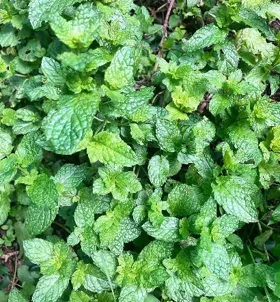
Fig.No.3: Peppermint

Uses:-

  • Reduce nausea.
  • Common cold and other conditions.
  • Aromatic.
  • Treatment on dry cough.
  • Beneficial against bacterial infections.

3.4 Clove

Synonym: clove flower, clove buds, caryophyllum.

Biological source: dried flower buds of ugenia caryophyllus

Family: Myrtaceae
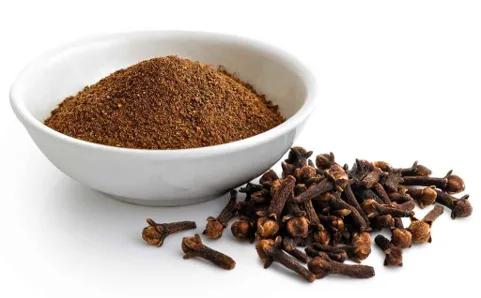
Fig.No.4: Clove

Chemical constituents: eugenol is the major compound accounting for at least 50% . the remaining 10-40% consist of eugenyl acetate beta-caryophylene and alpha-humulene

Uses:

  • As expectorant.
  • A popular spice.
  • Stimulant.
  • Aromatic.
  • Used for relieving tooth ache.

3.5 Cinnamon

Synonym: cinnamon bark, kalmi-dalchini, Ceylon cinnamon.

Biological source: dried inner bark of shoots of coppiced trees of Cinnamomum zeylanicum.

Family: Lauraceae
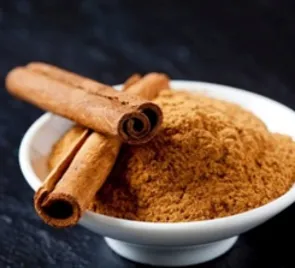
Fig.No.5: Cinnamon

Chemical constituents: 0.5-1% volatile oils, 1.2% tannins, mucilage, calcium axalate, starch, mannitol and cinnamon oils.

Uses:

  • Remedy for tooth ache.
  • Full of antioxidants.
  • Aromatic, flavouring agent.
  • Food preservative.

3.6 Honey

Synonym: Madha

Biological source: honey is a sugary substance/secretion deposited in the honey comb by the hive bee apis millifera and other species of apis belonging to the family Apidae

Family: Apidae
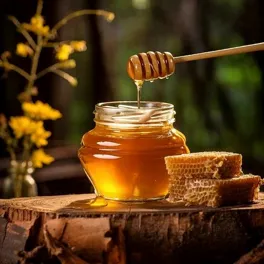
Fig.No.6:Honey

Chemical constituents: it contains glucose 30-40%, fructose 40-50%, some small quantities of sucrose, dextrin, formic acid. Also contains proteins, enzymes, vitamins, coloring matter.

Uses:

  • Used as demulcent and sweetening agent.
  • Used as antiseptic.
  • It is applied to burns and wounds.
  • Used in preparations of syrups, soft drinks, candies, etc.

3.7 Glycerine

Plays multiple important roles in a herbal cough syrup, mainly as an excipient but also contributing to therapeutic effect.
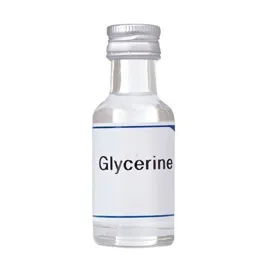
Fig.No.7: Glycerine

Synonyms: Glycerol, Propanetriol, 1,2,3-trihydroxypropane

Uses / Indications:

  • Ingredient in cough syrups (soothing throat irritation)
  • Laxative (suppositories/enema) for constipation
  • Used in topical preparations as moisturizer
  • Solvent/vehicle in pharmaceutical formulations
  • Used in ophthalmic preparations to reduce intraocular pressure

3.8 Rose oil

Biological source: Obtained from fresh petals of Rosa amascene / Rosa centifolia

Family: Rosaceae
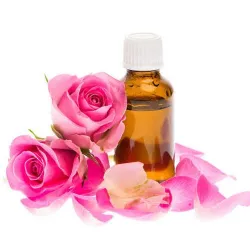
Fig.No.8: Rose oil

Uses in General:

  • Aromatherapy (relaxation, stress relief)
  • Cosmetics and perfumery
  • Mild antiseptic preparations
  • Skin care (emollient effect)
  • Pleasant aroma provides a comforting sensation and improves acceptability

3.9 Ethanol

Chemical Name: Ethanol also known as ethyl alcohol, grain alcohol.

Chemical Formula: C2H6O

Molecular Weight:46.07 g/mol

Appearance: Clear, colorless, volatile liquid Odor: Pungent, characteristic vinous odor Solubility: Completely miscible in water and most organic solvents
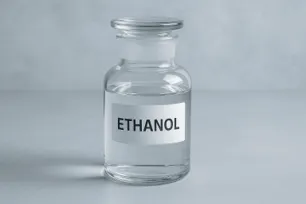
Fig.no.9: Ethanol

4. MATERIAL AND EQUIPMENT

Table.No.1: List of drug and excipients

Sr. No

Ingredients

1

Tulsi

2

Ginger

3

Peppermint

4

Clove

5

Cinnamon

6

Honey

7

Glycerin

8

Ethenol

9

Rose oil

10

Water

Table.No.2: Equipment and Glassware Used

Sr. No

Glassware

1

Beaker

2

Measuring cylinder

3

Reflux condenser

4

Spatula

5

Funnel

6

Round bottom flask

7

Specific gravity bottle

8

Density bottle

Table.No.3: Instrument Used

Sr. No

Instruments

Model

Manufacturer

1

Digital balance

AA-2200

Labline, Mumbai

2

Heating mentle

Heating mentle

Labline, Mumbai

5.  EXPERIMENTAL WORK

5.1 Preformulation study:

5.1.1 Organoleptic properties: These are preliminary characteristics of any substance. Which are useful in identification of specific material by experience and with sense of colour, Odour and Taste.

5.2 Formulation and Development of Herbal Cough Syrup:

These are the natural herbal drug which is used for the preparation of Herbal Cough Syrup

Table. No. 4: Formulation Table

Sr. no

Ingredient

Quantity

Uses

1

Tulsi

5ml

Antitussive

2

Ginger

5ml

Antibacterial

3

Peppermint

2ml

Expectorant

4

Clove

2ml

Antimicrobial

5

Cinnamon

1ml

Anti-inflammatory

6

Honey

15ml

Sweetening agent

7

Glycerin

8ml

Soothing agent

8

Ethanol

5ml

Preservative

9

Rose oil

2-3 drops

Flavoring agent

10

Distilled Water

q.s

Vehicle

5.3 Methodology

    1. Accurately weighed Tulsi powder (5 g), Ginger powder (5 g), Peppermint powder (2 g), Clove powder (2 g), and Cinnamon powder (1 g).
    2. All powdered drugs were mixed properly in a clean glass container.
    3. Ethanol (20 mL) and distilled water (30 mL) were added as solvent mixture.
    4. The mixture was kept for maceration for 48–72 hours with occasional stirring.
    5. After maceration, the mixture was filtered using muslin cloth and Whatman filter paper.
    6. The obtained filtrate was collected as herbal extract.
    7. Honey (15 mL) and glycerin (8 mL) were added with continuous stirring.
    8. Rose oil (2–3 drops) was added as a flavouring agent.
    9. Distilled water was added quantity sufficient (q.s.) to make the final volume up to 50 ml.
    10. The prepared syrup was filtered again and stored in airtight amber-coloured bottles for further evaluation studies

6. EVALUATION PARAMETER

6.1 Organoleptic characters:

Table no.5: Organoleptic characters:

Sr.no

Test

Procedure

1

Colour examination

  1. 5ml of prepared syrup was taken on watch glass
  2. Watch glass placed against white background in white tube light
  3. Colour was observed naked eyes

2

Odour examination

  1. 2ml of prepared syrup was taken and smell by individually
  2. The interval between 2 smelling was 2min to nullify effect of previous smelling

3

Taste examination

  1. A pinch of final syrup was taken and examined on taste buds of tongue

6.2 pH:

  1. Disturbed water was used to clean and wash the glass electrode.
  2. The electrode was inserted into pH 7 buffer solution, and the pH meter's calibrate knob was turned to 7 to set the value.
  3. The electrode was taken out, cleaned, and washed with distilled water.
  4. The electrode's placement was in a solution of pH 4 buffer change the value.
  5. After that, the electrode was inserted into the syrup, and the pH was measured

6.3 Viscosity:

  1. Used acetone or other suitable organic solvent to thoroughly clean the Ostwald viscometer.
  2. Set the viscometer on a suitable stand in a vertical position.
  3. I filled the dry viscometer with water to the G mark.
  4. The time it took for water to flow from point A to mark B was measured in seconds.
  5. To get an accurate reading, this step was repeated at least three times.
  6. After cleaning the viscometer with a sample liquid and filling it to mark A, notice how long it takes for the liquid to reach mark.

6.4 Density:

  1. Clean the bottle with specific gravity.
  2. Distilled water was used to clean the bottle.
  3. Calculate the empty dry syrup bottles weight using the stopper (w1).
  4. After placing the topper on the bottle and adding the total amount of syrup, wipe any extra  syrup exterior of the tube.
  5. Calculate the syrups weight in gm (w2)
  6. Calculate the weight in syrup (w3)

6.5 Stability Study:

The stability analysis of the F1 polyherbal cough syrup formulation was conducted using accelerated storage conditions to determine its physicochemical stability. The F1 syrup was manufactured in a volume of 50 mL, packed in an amber colour bottle, sealed with an airtight seal, and then placed in an incubator at an ambient temperature of 40°C ± 2°C (bacteria; 30°C ± 1°C for pH determination) with a relative humidity of 75% ± 5% for a period of one month. Thereafter, at set intervals, the product was examined for colour, odour, taste, pH, viscosity, and any microbial contamination. Stability evaluation demonstrated that the F1 formulation maintained its physiological parameters (colour, odour, and taste) as well as pH during the entire period of storage (i.e. the product did not change from the manufacture date). The study also revealed that there was no microbial contamination during the storage period, indicating the stability and overall safety of the prepared formulation.

7. RESULT AND DISCUSSION

the prepared F1 polyherbal cough syrup (50 mL), different physicochemical characteristics were evaluated; these included organoleptic properties (taste, smell), pH, viscosity, density, antimicrobial testing, and stability. All of these factors provided acceptable results related to both appearance and taste as well as stability for oral use.

7.1 Organoleptic Properties

Table.no. 7: Organoleptic evaluation of F1 formulation

Sr. No

Parameter

Initial

After 1 month

1

Colour

Brownish

No significant change

2

Odour

Aromatic

No significant change

3

Taste

Sweet

No significant change

4

pH

5.6

5.5

The F1 formulation was observed visually for colour, odour, and taste. The syrup showed a brownish colour with characteristic aromatic odour and sweet taste due to the presence of honey and herbal ingredients.

7.2 pH determination:-

The pH of F1 formulation was determined using a digital pH meter and was found to be

7.3Viscosity Determination:-

The viscosity of the prepared syrup was determined using an Ostwald viscometer and was found to be 1.4 cp

7.4 Density Determination:-

The density of F1 formulation was determined using a specific gravity bottle method and was found to be 1.1g/ml

7.5 Stability study:-

The F1 formulation was subjected to accelerated stability studies at 40°C ± 2°C and 75% RH for one month

Table.no.8: Stability study for F1 formulation

Sr. no

formulation

Parameter

Observation

1

Ginger

Colour

Brownish

2

Tulsi

Odour

Aromatic

3

Clove

Taste

sweet

Table.no.9: Evaluation of Cough Syrup

Parameter

Result

Colour

Brown

Odour

Aromatic

Taste

Sweet and pungent

pH

5.5

Viscosity

Moderate

Specific gravity

1.2g/ml

8. SUMMARY:-

This study successfully developed a polyherbal cough syrup with desirable pharmaceutical properties and good stability. The formulation met all evaluation criteria and was found to be microbiologically safe. Its natural composition and patient-friendly characteristics make it a suitable option for cough management. Further studies may help establish its clinical effectiveness and therapeutic potential.

9. FUTURE PROSPECTIVE:-

  • Clinical Study – Additional clinical investigations are warranted to validate the safety and efficacy of the formulated polyherbal cough syrup for humans.
  • Expanded Antimicrobial Study – The formulated syrup can now be tested against a broader array of pathogenic microorganisms, which leads to respiratory tract infections.
  • Phytochemical Standardization – A comprehensive phytochemical analysis will be conducted on the formulation’s individual ingredients to identify and quantify active constituents that provide therapeutic effects.
  • Long-term Stability Studies – Shelf-life and storage conditions for the formulated syrup will need to be established using the ICH recommended methods for long-term storage.
  • Optimization of Formulation – By adjusting the concentration of herbal extracts in the formulation, therapeutic benefits and acceptability can be improved.
  • Toxicity Assessment – In vivo studies of acute and chronic toxicity will be conducted to confirm safety associated with prolonged use of thesyrup.
  • Comparative Studies – A comparative evaluation will be performed to determine how well the formulated syrup performs in relation to commercially available herbal and synthetically prepared cough syrups.
  • Scaling Up / Commercialization – The formulation, once approved by the clinical trials, will be available for newer forms of commercial production of cough syrup as an alternative remedy for treating acute and chronic coughs.
  • Modification of Delivery System – The syrup can also be modified into a sugar-free syrup, a syrup suitable for use in children, and/or a longer-acting delivery system to ensure patient compliance.
  • Evaluation of Other Herbal Products – Additionally, if necessary, other herbal extracts (validated to have antitussive, expectorant, or anti-viral properties) could be incorporated into the syrup to further enhance its therapeutic availability.

10. CONCLUSION

The present study successfully formulated and evaluated a polyherbal cough syrup using selected medicinal plant extracts. The developed formulation exhibited satisfactory physicochemical characteristics, including appropriate pH, viscosity, specific gravity, and acceptable organoleptic properties. Stability studies confirmed that the syrup remained stable under recommended storage conditions, while microbial analysis established its safety for oral administration. The synergistic action of the herbal ingredients suggests its potential effectiveness in relieving cough and soothing respiratory discomfort. Therefore, the formulated polyherbal cough syrup represents a safe, stable, and promising herbal alternative for the management of cough and related respiratory ailments.

REFERENCES

  1. Hall JE, Hall ME. Guyton and Hall textbook of medical physiology e-book: Guyton and Hall textbook of medical physiology e-book. Elsevier Health Sciences; 2020 Jun 13.
  2. Tortora GJ, Derrickson BH. Principles of anatomy and physiology. John wiley & sons; 2018 May 15.
  3. Zheng Y, Fu D, Hu X, Cai X, Ye L, Lu P, Liu P. Deepresearcher: Scaling deep research via reinforcement learning in real-world environments. InProceedings of the 2025 Conference on Empirical Methods in Natural Language Processing 2025 Nov (pp. 414-431)
  4. Zhang S, Zhang C, Cai W, Bai Y, Callaghan M, Chang N, Chen B, Chen H, Cheng L, Dai H, Dai X. The 2023 China report of the Lancet Countdown on health and climate change: taking stock for a thriving future. The Lancet Public Health. 2023 Dec 1;8(12):e978-95.
  5. Zagade KA, Ingole RD. Formulation and evaluation of polyherbal cough syrup. International Journal of Research in Pharmacy and Allied Science. 2025 May 31;4(5):76-91.
  6. Chandak CS, Ambhore JP, Gaikwad KP, Adhao VS. Medicinal significance of Lagenaria siceraria; a summarizing assessment. Int. J. Pharmacogn.. 2024;11:235-46.
  7. Ekor M. The growing use of herbal medicines: issues relating to adverse reactions and challenges in monitoring safety. Frontiers in pharmacology. 2014 Jan 10;4:177.
  8. Author: Dhankhar S et al. Title: “Justicia adhatoda: A review of its medicinal properties” ISSN: 0973-7847
  9. Panda P, Sahu A. Formulation and evaluation of herbal cough syrup. Asian Journal of Pharmaceutical Research and Development. 2023 Apr 14;11(2):28-33.
  10. Kataria RK, Sharma M, Mittal A, Tyagi V. The formulation and evaluation of herbal cough syrup. Journal of Applied Pharmaceutical Sciences and Research. 2024;7(4):8-12.
  11. Joshi M, Bhadauriya G, Shrivastav C. IMPORTANCE OF ADHATODA VASICA NEES IN TRADITIONAL SYSTEM OF MEDICINES: A REVIEW.
  12. Baru Venkata R, Prasanth DS, Pasala PK, Panda SP, Tatipamula VB, Mulukuri S, Kota RK, Rudrapal M, Khan J, Aldosari S, Alshehri B. Utilizing Andrographis paniculata leaves and roots by effective usage of the bioactive andrographolide and its nanodelivery: investigation of antikindling and antioxidant activities through in silico and in vivo studies. Frontiers in Nutrition. 2023 May 31;10:1185236.
  13. Singh J. Applied Data Science and Smart Systems. Goyal SB, Kaushal RK, Kumar N, Sehra SS, editors. Taylor & Francis Group; 2024 Jul 22.
  14. Patel R, Prakasam A, Joseph RP, Patel B, Patel B. ANCIENT HERB, MODERN APPLICATIONS: IMMUNOLOGICAL POTENTIAL OF OCIMUM TENUIFLORUM IN RESPIRATORY AND NEUROPSYCHOLOGICAL HEALTH. PharmaNutrition. 2026 Jan 22:100475.
  15. Patel DP, Nair S, Suhagia BN, Patel BM. A novel, sensitive and selective method of UPLC/MS–MS for rapid simultaneous determination of midodrine and its active metabolite desglymidodrine in human plasma: Application to support bioequivalence study in healthy human volunteers. Journal of Pharmaceutical and Biomedical Analysis. 2016 Nov 30;131:355-63.
  16. Jahan N, Hussain N, Touqeer SI, Shamshad H, Abbas N. Formulation of Mentha piperita based nanobiopesticides and assessment of the pesticidal and antimicrobial potential. Life. 2024 Jan 19;14(1):144.
  17. Kumar BS, Eranezhath SS, Vishwanathan VK, Kakarla MS, Chenthamarakshan C, Selvaraj L, Satheeshan B, Unniappan I, Purushotham B, Pīrāgs V, Furst D. Journal of Herbal Medicine.
  18. Salunke SB, Save SN, Roy NJ, Naorem R, Sharma S, Talukdar P. Bisindole-based small molecules as transmembrane anion transporters and potential anticancer agents. Organic & Biomolecular Chemistry. 2024;22(24):4987-92.
  19. Pilco-Romero G, Chisaguano-Tonato AM, Herrera-Fontana ME, Chimbo-Gándara LF, Sharifi-Rad M, Giampieri F, Battino M, Vernaza MG, Álvarez-Suárez JM. House cricket (Acheta domesticus): A review based on its nutritional composition, quality, and potential uses in the food industry. Trends in Food Science & Technology. 2023 Dec 1;142:104226.
  20. Patel S, Shukla M, Mahyavanshi J, Patel J, Patel G, Jadhav J. Design, Synthesis, Spectroscopic Characterization, and Antibacterial Evaluation of Thiazolidine-2, 4-dione Based 1, 3, 4-Oxadiazole Derivatives. Russian Journal of General Chemistry. 2025 Nov;95(11):3427-34.
  21. Umezu T, Sano T, Hayashi J. l-Menthol increases extracellular dopamine and c-Fos-like immunoreactivity in the dorsal striatum, and promotes ambulatory activity in mice. PLoS One. 2021 Nov 30;16(11):e0260713.
  22. Santosh T, Gaikwad MK, Kulkarni K. FORMULATION AND EVALUATION OF POLYHERBAL COUGH SYRUP. 23)Kataria RK, Sharma M, Mittal A, Tyagi V. The formulation and evaluation of herbal cough syrup. Journal of Applied Pharmaceutical Sciences and Research. 2024;7(4):8-12.
  23. Zagade KA, Ingole RD. Formulation and evaluation of polyherbal cough syrup. International Journal of Research in Pharmacy and Allied Science. 2025 May 31;4(5):76-91.
  24. Balasaheb R, Lalit K, Parth L, Avinash H, Ahmed KR, Pimple R, Ingole RD. Formulation and Evaluation of A Polyherbal Cough Syrup with Potential Anti-Obesity Effects. International Journal of Research in Pharmacy and Allied Science. 2025 Jun 30;4(6):116-23. 26)Atpadkar KD, Mote AN, Pawar
  25. Atpadkar KD, Mote AN, Pawar VH, Patil KS. Formulation and Evaluation of Poly Herbal Syrup. Int J Res Appl Sci Eng Technol [Internet]. 2025 Feb 28;13(2):1014-21.
  26. Jadhav VB, Musale MA, Musale MD. FORMULATION AND EVALUATION OF HERBAL SYRUP FOR TREATMENT OF COUGH AND ASTHMA.VH, Patil KS. Formulation and Evaluation of Poly Herbal Syrup. Int J Res Appl Sci Eng Technol [Internet]. 2025 Feb 28;13(2):1014-21.
  27. Nagore H. A Clinical Validation of Efficacy and Safety of Polyherbal Formulation of Symptomatic Relief of Acute Non-Productive Cough and Throat Irritation.
  28. Shinde S, Prabhu S, Telavane P, Jadhav M. FORMULATION AND DEVELOPMENT OF ANTI-TUSSIVE SYRUP.
  29. Bangar AN, Shinde V, Jadhav A. KASHTARTAVA: AN AYURVEDIC APPROACH TO UNDERSTANDING AND MANAGING DYSMENORRHEA.
  30. Daware MO, Tijare RD, Chavhan AB. Preparation and Evaluation of Polyherbal Cough Syrup: A Novel Approach. International Journal for Multidisciplinary Research. 2023;5(2).
  31. Rohokale MT, Gavande KV, Khedkar AN, Ghadge HD. Review on Formulation and Evaluation of Herbal Cough Syrup. Int J Multidiscip Res. 2023;5(6):1-6.
  32. Mahilrajan S, Winston MJ, Vijayakumar T, Thileepan T. Formulation and comparative analysis of polyherbal cough syrup prepared with different palmyrah sweeteners. Vavuniya Journal of Science. 2022 Dec 31;1(2).
  33. Sharma B, Bagchi A, Bhutia S, Sarkar BR, Pal P. Formulation and evaluation of expectorant activity of poly herbal cough syrup from traditional medicinal plant extracts of North East India. Research Journal of Pharmacy and Technology. 2022 Mar 1;15(3):949-53.
  34. Kumar KK, Kiran V, Choudhary RK, Devhare LD, Gunjal SD. Design development and characterization of Nicardipine solid lipid nano-particulars. International Journal of Drug Delivery Technology. 2024;14(1):71-8.
  35. Kute VG, Patil RS, Kute VG, Kaluse PD. Immediate-release dosage form; focus on disintegrants use as a promising excipient. J. Drug Deliv. Ther. 2023 Sep 1;13:170-80.
  36. Gupta N, Awasthi G, Sankhla MS, Saxena P, Awasthi A, Gupta D, Awasthi KK. Phytochemistry, nano-bioformulations, and functional biomaterials of Nyctanthes arbor tristis for therapeutic, pharmacological, and ethnomedicinal applications: A review.
  37. Chauhan P, Kumar K, Khairiya D, Teotia D. A complete review on floating drug delivery system. International Journal of Indigenous Herbs and Drugs. 2022 Apr 13:30-4.
  38. Barik CS, Kanungo SK, Panda JR, Tripathy NK. Management of asthma by herbal therapy with special reference to polyherbal formulation. Pharma Science Monitor. 2014 Apr 1;5(2)
  39. Williams CL, Bunch KJ, Stiller CA, Murphy MF, Botting BJ, Wallace WH, Davies M, Sutcliffe AG. Cancer risk among children born after assisted conception. New England Journal of Medicine. 2013 Nov 7;369(19):1819-27.
  40. Panda P, Sahu A. Formulation and evaluation of herbal cough syrup. Asian Journal of Pharmaceutical Research and Development. 2023 Apr 14;11(2):28-33.
  41. Chaudhari MP, Patil KA, Chaudhari DD, Mate DA, Shinde VK, Awais M. INTEGRATING TRADITIONAL MEDICINE WITH MODERN FORMULATION: A POLYHERBAL APPROACH TO ANTICOAGULATION BY ALLUM SATIVUM, ZINGIBER OFFICINALE, SYZYGIUM AROMATICUM EXTRACT.
  42. Zongo M, Tiendrebeogo A, Bembamba D, Lengane Y, Traore W, Kabore L, Lange H, Canfua R, Ouedraogo S, Zono L, Kabre L. Formulation of Functional Food Supplements: Case Study of Manufacturing Process Optimization at ‘Sarepta Production’, Burkina Faso. JOURNAL OF DRUG DELIVERY AND THERAPEUTICS. 2025;15(9):92-103
  43. Patil S, Patil S, Kamalakar SP, Patil S. Innovative Formulation and Evaluation of Phytosomal Nanoparticles from Ixora Coccinea Linn and its Pharmacological Screening. Journal of Drug Delivery & Therapeutics. 2024 Aug 1;14(8).
  44. Kumar DG, Achar RR, Kumar JR, Amala G, Gopalakrishnan VK, Pradeep S, Shati AA, Alfaifi MY, Elbehairi SE, Silina E, Stupin V. Assessment of antimicrobial and anthelmintic activity of silver nanoparticles bio-synthesized from Viscum orientale leaf extract. BMC Complementary Medicine and Therapies. 2023 May 22;23(1):167.
  45. Sharma PP, Vijigiri DG, Joshi GY. Medicinal Plants used in Treating Jaundice–A Systematic Review. AIJFR-Advanced International Journal for Research. 2025 Sep 11;6(5).
  46. Dutta I, Rahaman A, Singh S, Kumar N, Tiwari MK. Nanoparticles (NPs) Based Drug Delivery System: An Inspiring Therapeutic Strategy for Cancer Therapy and Their Future Prospects. Journal of Drug Delivery & Therapeutics. 2025 Apr 1;15(4).
  47. Jena D, Sabra F, Bhatra K, Behera SR, Chintapalli GS, Mishra K. Methods for Estimation of Celecoxib Singly and in Combined Dosage Forms Using Analytical and Bioanalytical Evaluation: An Extensive Review.
  48. Patil KH, Mobin SA. Advances in Mucoadhesive drug Delivery System: Enhancing Efficacy and Patient Compliance. Journal of Drug Delivery & Therapeutics. 2024 Oct 1;14(10).
  49. Mule Geetanjli T, Deshmane K, Shaikh Bilal SS, Hingane LD. Formulation and In-vitro Evaluation of Poly-herbal Cough Syrup.
  50. Chaudhary S. A Systemic Review on the Self Micro Emulsifying Drug Delivery System. International Journal of Pharmaceutical Sciences Review and Research. 2021 Jan 1.
  51. Akash B, Ravindranath S. A review on novel drug delivery system: A recent trend. Journal of Drug Delivery & Therapeutics. 2019 May 1;9(3)
  52. Li PC, Wang HS, Shibu MA, Wang J, Huang SH, Wang JH, Wang JH, Huang CY, Chiang CY, Lin YJ, Ho TJ. Journal of Herbal Medicine. Journal of Herbal Medicine. 2022;36:100610.
  53. Sohail S, Shaik MR, Babu BR, Swapna V, Gupta VR. International Journal of Pharmacy and Industrial Research (IJPIR). Evaluation.;9(1):3.

Reference

  1. Hall JE, Hall ME. Guyton and Hall textbook of medical physiology e-book: Guyton and Hall textbook of medical physiology e-book. Elsevier Health Sciences; 2020 Jun 13.
  2. Tortora GJ, Derrickson BH. Principles of anatomy and physiology. John wiley & sons; 2018 May 15.
  3. Zheng Y, Fu D, Hu X, Cai X, Ye L, Lu P, Liu P. Deepresearcher: Scaling deep research via reinforcement learning in real-world environments. InProceedings of the 2025 Conference on Empirical Methods in Natural Language Processing 2025 Nov (pp. 414-431)
  4. Zhang S, Zhang C, Cai W, Bai Y, Callaghan M, Chang N, Chen B, Chen H, Cheng L, Dai H, Dai X. The 2023 China report of the Lancet Countdown on health and climate change: taking stock for a thriving future. The Lancet Public Health. 2023 Dec 1;8(12):e978-95.
  5. Zagade KA, Ingole RD. Formulation and evaluation of polyherbal cough syrup. International Journal of Research in Pharmacy and Allied Science. 2025 May 31;4(5):76-91.
  6. Chandak CS, Ambhore JP, Gaikwad KP, Adhao VS. Medicinal significance of Lagenaria siceraria; a summarizing assessment. Int. J. Pharmacogn.. 2024;11:235-46.
  7. Ekor M. The growing use of herbal medicines: issues relating to adverse reactions and challenges in monitoring safety. Frontiers in pharmacology. 2014 Jan 10;4:177.
  8. Author: Dhankhar S et al. Title: “Justicia adhatoda: A review of its medicinal properties” ISSN: 0973-7847
  9. Panda P, Sahu A. Formulation and evaluation of herbal cough syrup. Asian Journal of Pharmaceutical Research and Development. 2023 Apr 14;11(2):28-33.
  10. Kataria RK, Sharma M, Mittal A, Tyagi V. The formulation and evaluation of herbal cough syrup. Journal of Applied Pharmaceutical Sciences and Research. 2024;7(4):8-12.
  11. Joshi M, Bhadauriya G, Shrivastav C. IMPORTANCE OF ADHATODA VASICA NEES IN TRADITIONAL SYSTEM OF MEDICINES: A REVIEW.
  12. Baru Venkata R, Prasanth DS, Pasala PK, Panda SP, Tatipamula VB, Mulukuri S, Kota RK, Rudrapal M, Khan J, Aldosari S, Alshehri B. Utilizing Andrographis paniculata leaves and roots by effective usage of the bioactive andrographolide and its nanodelivery: investigation of antikindling and antioxidant activities through in silico and in vivo studies. Frontiers in Nutrition. 2023 May 31;10:1185236.
  13. Singh J. Applied Data Science and Smart Systems. Goyal SB, Kaushal RK, Kumar N, Sehra SS, editors. Taylor & Francis Group; 2024 Jul 22.
  14. Patel R, Prakasam A, Joseph RP, Patel B, Patel B. ANCIENT HERB, MODERN APPLICATIONS: IMMUNOLOGICAL POTENTIAL OF OCIMUM TENUIFLORUM IN RESPIRATORY AND NEUROPSYCHOLOGICAL HEALTH. PharmaNutrition. 2026 Jan 22:100475.
  15. Patel DP, Nair S, Suhagia BN, Patel BM. A novel, sensitive and selective method of UPLC/MS–MS for rapid simultaneous determination of midodrine and its active metabolite desglymidodrine in human plasma: Application to support bioequivalence study in healthy human volunteers. Journal of Pharmaceutical and Biomedical Analysis. 2016 Nov 30;131:355-63.
  16. Jahan N, Hussain N, Touqeer SI, Shamshad H, Abbas N. Formulation of Mentha piperita based nanobiopesticides and assessment of the pesticidal and antimicrobial potential. Life. 2024 Jan 19;14(1):144.
  17. Kumar BS, Eranezhath SS, Vishwanathan VK, Kakarla MS, Chenthamarakshan C, Selvaraj L, Satheeshan B, Unniappan I, Purushotham B, P?r?gs V, Furst D. Journal of Herbal Medicine.
  18. Salunke SB, Save SN, Roy NJ, Naorem R, Sharma S, Talukdar P. Bisindole-based small molecules as transmembrane anion transporters and potential anticancer agents. Organic & Biomolecular Chemistry. 2024;22(24):4987-92.
  19. Pilco-Romero G, Chisaguano-Tonato AM, Herrera-Fontana ME, Chimbo-Gándara LF, Sharifi-Rad M, Giampieri F, Battino M, Vernaza MG, Álvarez-Suárez JM. House cricket (Acheta domesticus): A review based on its nutritional composition, quality, and potential uses in the food industry. Trends in Food Science & Technology. 2023 Dec 1;142:104226.
  20. Patel S, Shukla M, Mahyavanshi J, Patel J, Patel G, Jadhav J. Design, Synthesis, Spectroscopic Characterization, and Antibacterial Evaluation of Thiazolidine-2, 4-dione Based 1, 3, 4-Oxadiazole Derivatives. Russian Journal of General Chemistry. 2025 Nov;95(11):3427-34.
  21. Umezu T, Sano T, Hayashi J. l-Menthol increases extracellular dopamine and c-Fos-like immunoreactivity in the dorsal striatum, and promotes ambulatory activity in mice. PLoS One. 2021 Nov 30;16(11):e0260713.
  22. Santosh T, Gaikwad MK, Kulkarni K. FORMULATION AND EVALUATION OF POLYHERBAL COUGH SYRUP. 23)Kataria RK, Sharma M, Mittal A, Tyagi V. The formulation and evaluation of herbal cough syrup. Journal of Applied Pharmaceutical Sciences and Research. 2024;7(4):8-12.
  23. Zagade KA, Ingole RD. Formulation and evaluation of polyherbal cough syrup. International Journal of Research in Pharmacy and Allied Science. 2025 May 31;4(5):76-91.
  24. Balasaheb R, Lalit K, Parth L, Avinash H, Ahmed KR, Pimple R, Ingole RD. Formulation and Evaluation of A Polyherbal Cough Syrup with Potential Anti-Obesity Effects. International Journal of Research in Pharmacy and Allied Science. 2025 Jun 30;4(6):116-23. 26)Atpadkar KD, Mote AN, Pawar
  25. Atpadkar KD, Mote AN, Pawar VH, Patil KS. Formulation and Evaluation of Poly Herbal Syrup. Int J Res Appl Sci Eng Technol [Internet]. 2025 Feb 28;13(2):1014-21.
  26. Jadhav VB, Musale MA, Musale MD. FORMULATION AND EVALUATION OF HERBAL SYRUP FOR TREATMENT OF COUGH AND ASTHMA.VH, Patil KS. Formulation and Evaluation of Poly Herbal Syrup. Int J Res Appl Sci Eng Technol [Internet]. 2025 Feb 28;13(2):1014-21.
  27. Nagore H. A Clinical Validation of Efficacy and Safety of Polyherbal Formulation of Symptomatic Relief of Acute Non-Productive Cough and Throat Irritation.
  28. Shinde S, Prabhu S, Telavane P, Jadhav M. FORMULATION AND DEVELOPMENT OF ANTI-TUSSIVE SYRUP.
  29. Bangar AN, Shinde V, Jadhav A. KASHTARTAVA: AN AYURVEDIC APPROACH TO UNDERSTANDING AND MANAGING DYSMENORRHEA.
  30. Daware MO, Tijare RD, Chavhan AB. Preparation and Evaluation of Polyherbal Cough Syrup: A Novel Approach. International Journal for Multidisciplinary Research. 2023;5(2).
  31. Rohokale MT, Gavande KV, Khedkar AN, Ghadge HD. Review on Formulation and Evaluation of Herbal Cough Syrup. Int J Multidiscip Res. 2023;5(6):1-6.
  32. Mahilrajan S, Winston MJ, Vijayakumar T, Thileepan T. Formulation and comparative analysis of polyherbal cough syrup prepared with different palmyrah sweeteners. Vavuniya Journal of Science. 2022 Dec 31;1(2).
  33. Sharma B, Bagchi A, Bhutia S, Sarkar BR, Pal P. Formulation and evaluation of expectorant activity of poly herbal cough syrup from traditional medicinal plant extracts of North East India. Research Journal of Pharmacy and Technology. 2022 Mar 1;15(3):949-53.
  34. Kumar KK, Kiran V, Choudhary RK, Devhare LD, Gunjal SD. Design development and characterization of Nicardipine solid lipid nano-particulars. International Journal of Drug Delivery Technology. 2024;14(1):71-8.
  35. Kute VG, Patil RS, Kute VG, Kaluse PD. Immediate-release dosage form; focus on disintegrants use as a promising excipient. J. Drug Deliv. Ther. 2023 Sep 1;13:170-80.
  36. Gupta N, Awasthi G, Sankhla MS, Saxena P, Awasthi A, Gupta D, Awasthi KK. Phytochemistry, nano-bioformulations, and functional biomaterials of Nyctanthes arbor tristis for therapeutic, pharmacological, and ethnomedicinal applications: A review.
  37. Chauhan P, Kumar K, Khairiya D, Teotia D. A complete review on floating drug delivery system. International Journal of Indigenous Herbs and Drugs. 2022 Apr 13:30-4.
  38. Barik CS, Kanungo SK, Panda JR, Tripathy NK. Management of asthma by herbal therapy with special reference to polyherbal formulation. Pharma Science Monitor. 2014 Apr 1;5(2)
  39. Williams CL, Bunch KJ, Stiller CA, Murphy MF, Botting BJ, Wallace WH, Davies M, Sutcliffe AG. Cancer risk among children born after assisted conception. New England Journal of Medicine. 2013 Nov 7;369(19):1819-27.
  40. Panda P, Sahu A. Formulation and evaluation of herbal cough syrup. Asian Journal of Pharmaceutical Research and Development. 2023 Apr 14;11(2):28-33.
  41. Chaudhari MP, Patil KA, Chaudhari DD, Mate DA, Shinde VK, Awais M. INTEGRATING TRADITIONAL MEDICINE WITH MODERN FORMULATION: A POLYHERBAL APPROACH TO ANTICOAGULATION BY ALLUM SATIVUM, ZINGIBER OFFICINALE, SYZYGIUM AROMATICUM EXTRACT.
  42. Zongo M, Tiendrebeogo A, Bembamba D, Lengane Y, Traore W, Kabore L, Lange H, Canfua R, Ouedraogo S, Zono L, Kabre L. Formulation of Functional Food Supplements: Case Study of Manufacturing Process Optimization at ‘Sarepta Production’, Burkina Faso. JOURNAL OF DRUG DELIVERY AND THERAPEUTICS. 2025;15(9):92-103
  43. Patil S, Patil S, Kamalakar SP, Patil S. Innovative Formulation and Evaluation of Phytosomal Nanoparticles from Ixora Coccinea Linn and its Pharmacological Screening. Journal of Drug Delivery & Therapeutics. 2024 Aug 1;14(8).
  44. Kumar DG, Achar RR, Kumar JR, Amala G, Gopalakrishnan VK, Pradeep S, Shati AA, Alfaifi MY, Elbehairi SE, Silina E, Stupin V. Assessment of antimicrobial and anthelmintic activity of silver nanoparticles bio-synthesized from Viscum orientale leaf extract. BMC Complementary Medicine and Therapies. 2023 May 22;23(1):167.
  45. Sharma PP, Vijigiri DG, Joshi GY. Medicinal Plants used in Treating Jaundice–A Systematic Review. AIJFR-Advanced International Journal for Research. 2025 Sep 11;6(5).
  46. Dutta I, Rahaman A, Singh S, Kumar N, Tiwari MK. Nanoparticles (NPs) Based Drug Delivery System: An Inspiring Therapeutic Strategy for Cancer Therapy and Their Future Prospects. Journal of Drug Delivery & Therapeutics. 2025 Apr 1;15(4).
  47. Jena D, Sabra F, Bhatra K, Behera SR, Chintapalli GS, Mishra K. Methods for Estimation of Celecoxib Singly and in Combined Dosage Forms Using Analytical and Bioanalytical Evaluation: An Extensive Review.
  48. Patil KH, Mobin SA. Advances in Mucoadhesive drug Delivery System: Enhancing Efficacy and Patient Compliance. Journal of Drug Delivery & Therapeutics. 2024 Oct 1;14(10).
  49. Mule Geetanjli T, Deshmane K, Shaikh Bilal SS, Hingane LD. Formulation and In-vitro Evaluation of Poly-herbal Cough Syrup.
  50. Chaudhary S. A Systemic Review on the Self Micro Emulsifying Drug Delivery System. International Journal of Pharmaceutical Sciences Review and Research. 2021 Jan 1.
  51. Akash B, Ravindranath S. A review on novel drug delivery system: A recent trend. Journal of Drug Delivery & Therapeutics. 2019 May 1;9(3)
  52. Li PC, Wang HS, Shibu MA, Wang J, Huang SH, Wang JH, Wang JH, Huang CY, Chiang CY, Lin YJ, Ho TJ. Journal of Herbal Medicine. Journal of Herbal Medicine. 2022;36:100610.
  53. Sohail S, Shaik MR, Babu BR, Swapna V, Gupta VR. International Journal of Pharmacy and Industrial Research (IJPIR). Evaluation.;9(1):3.

Photo
Jalde Swapna
Corresponding author

DJPS College of Pharmacy, Pathri

Photo
Shaikh Huzaif
Co-author

DJPS College of Pharmacy, Pathri

Photo
Shindalkar Atul
Co-author

DJPS College of Pharmacy, Pathri

Photo
Sadulwad Hariom
Co-author

DJPS College of Pharmacy, Pathri

Photo
Sayyed Umer
Co-author

DJPS College of Pharmacy, Pathri

Photo
Solat Krishna
Co-author

DJPS College of Pharmacy, Pathri

Photo
Dr. Ramesh Ingole
Co-author

DJPS College of Pharmacy, Pathri

Jalde Swapna, Shaikh Huzaif, Shindalkar Atul, Sadulwad Hariom, Sayyed Umer, Solat Krishna, Dr. Ramesh Ingole, Formulation and Evaluation of Herbal Cough Syrup Containing Natural Antitussive Agents, Int. J. of Pharm. Sci., 2026, Vol 4, Issue 6, 1730-1744. https://doi.org/10.5281/zenodo.20577178

More related articles
Process Validation of Remogliflozin Etabonate Sust...
Dr. Subhasis Maity, Kuntal Hazra, Miltu Kumar Ghosh, Aveek Datta...
Development of Cosmeceutical for Vascular Periorbi...
Akansha Nandagawali, Dr. Koshish Gabhane, Anisha Bure, Amisha Ko...
Microneedles: A Novel Approach for Transdermal Del...
Dr. Neha Srivastava, Seema Thakur, Jagjeet Singh...
Formulation And Evaulation Of Herbal Shampoo Enriched With Rice Water And Willow...
Tanaya Chandekar, Dr. P. N. Sable, Arti Ingole, Gaurav Mane, Aditi Hirlekar...
Pechmann Condensation Mediated Synthesis of 7-Hydroxy-4-Methyl Coumarin and Its ...
Omkar Dhanawade, Yogesh Kolekar, Atharva Dinde, Stuti Ganbote, Prathmesh Khandare, Devyani Divase...
Related Articles
Formulation and Evaluation of Ethosomal Gel of Azithromycin for Bacterial Infect...
Suvarna Sangale, Kanchan Gursal, Tanveer Pathan, Prerana Jamdhade, Vaishnavi Dhage, Snehal Gondkar...
Development and Validation of RP-HPLC Methods for the Quantification of Baloxavi...
LUBNA, Dindi Dakshayani, Jilukara Haveela, Podishetty Vyshnavi, Nakka Revathi...
Drug Reaction with Eosinophilia and Systemic Symptoms Following Sulfasalazine Th...
Lingineni Mani Deepa Chandrika, Maganti Sowmya, Konagala Arudra, Niharika Vommi, Singuluri Monica, ...
Rosemary (Salvia rosmarinus): Therapeutic And Neurological Effects Of Rosemery A...
Bhagyashri Kedari, Vilasini Pandav, Kiran Kadu, Pragati Khape...
Process Validation of Remogliflozin Etabonate Sustained Release Formulation...
Dr. Subhasis Maity, Kuntal Hazra, Miltu Kumar Ghosh, Aveek Datta...
More related articles
Process Validation of Remogliflozin Etabonate Sustained Release Formulation...
Dr. Subhasis Maity, Kuntal Hazra, Miltu Kumar Ghosh, Aveek Datta...
Development of Cosmeceutical for Vascular Periorbital Hyperpigmentation (POH)...
Akansha Nandagawali, Dr. Koshish Gabhane, Anisha Bure, Amisha Kokate, Aditya Zade...
Microneedles: A Novel Approach for Transdermal Delivery...
Dr. Neha Srivastava, Seema Thakur, Jagjeet Singh...
Process Validation of Remogliflozin Etabonate Sustained Release Formulation...
Dr. Subhasis Maity, Kuntal Hazra, Miltu Kumar Ghosh, Aveek Datta...
Development of Cosmeceutical for Vascular Periorbital Hyperpigmentation (POH)...
Akansha Nandagawali, Dr. Koshish Gabhane, Anisha Bure, Amisha Kokate, Aditya Zade...
Microneedles: A Novel Approach for Transdermal Delivery...
Dr. Neha Srivastava, Seema Thakur, Jagjeet Singh...