View Article

Abstract

Bacopa monnieri (Brahmi) is a medicinal herb widely recognized for its neuroprotective, antioxidant, anti-inflammatory, and anti-ulcer activities. These therapeutic properties make it a promising candidate for the development of novel herbal dosage forms aimed at improving cognitive function and managing gastric disorders. The present study focused on the formulation and evaluation of two Bacopa monnieri-based herbal dosage forms: a floating tablet for peptic ulcer management and a gummy formulation for memory enhancement. The plant material was collected, authenticated, shade-dried, and extracted by the maceration method. The obtained extract was subjected to pharmacognostic, phytochemical, antioxidant, and antimicrobial investigations. Antimicrobial activity was evaluated using the agar well diffusion method, while antioxidant potential was determined by the DPPH free radical scavenging assay. The extract demonstrated appreciable antioxidant and antimicrobial activities, supporting its therapeutic potential. Based on these findings, Bacopa monnieri was successfully incorporated into floating tablets and herbal gummies, indicating its suitability as a natural ingredient for innovative herbal drug delivery systems.

Keywords

Bacopa monnieri, Floating tablet, Herbal gummies, Antioxidant activity, Antimicrobial activity

Introduction

× Popup Image

Herbal medicines are natural products obtained from different parts of medicinal plants, including leaves, roots, flowers, seeds, and bark. They have been used for centuries in traditional systems of medicine to prevent and treat various diseases while promoting overall health and well-being.

HERBAL FORMULATIONS

Herbal formulations are pharmaceutical preparations that contain one or more medicinal herbs or herbal extracts in defined quantities to produce therapeutic effects. These formulations are prepared using processes such as extraction, purification, concentration, distillation, or fermentation to obtain the desired active constituents. Common herbal dosage forms include powders, extracts, tinctures, essential oils, syrups, tablets, capsules, and other modern herbal preparations

Advantages:

  • Generally associated with fewer adverse effects than many synthetic drugs.
  • Useful in the management of a wide range of health conditions.
  • Usually more economical than conventional medicines.
  • Derived from natural sources using relatively simple manufacturing processes.
  • Promote overall health in addition to disease management.

Disadvantages:

  • Therapeutic effects may appear more slowly than conventional medicines.
  • Strong taste and odor can reduce patient acceptability.
  • Quality may vary because of contamination, adulteration, or improper storage if quality control is inadequate.

BRAHMI (Bacopa monnieri)

Bacopa monnieri, commonly known as Brahmi, is an important medicinal herb widely used in Ayurveda. It is valued for its memory-enhancing, antioxidant, anti-inflammatory, neuroprotective, and adaptogenic properties. Because of these pharmacological activities, Brahmi has gained considerable attention in the development of herbal formulations intended for cognitive support and the management of various disorders.

HERBAL FLOATING TABLET

Floating tablets are gastro-retentive dosage forms designed to remain buoyant in the stomach for an extended period. They gradually release the active ingredient, thereby improving gastric residence time and enhancing therapeutic efficacy. Brahmi floating tablets may provide prolonged drug release, protect the gastric mucosa, and support the healing of peptic ulcers through their antioxidant and anti-inflammatory effects.

Advantages:

  • Extended gastric retention.
  • Improved bioavailability.
  • Reduced dosing frequency.
  • Site-specific drug delivery.
  • Better therapeutic effectiveness.
  • Reduced drug loss and adverse effects.
  • Suitable for drugs with a short half-life.

HERBAL GUMMIES

Herbal gummies are chewable oral dosage forms prepared using gelling agents such as gelatin or pectin together with sweeteners and flavoring agents. They are easy to consume, pleasant in taste, and improve patient compliance, particularly among children and older adults. Herbal gummies provide a convenient alternative to conventional tablets and capsules while ensuring effective delivery of herbal ingredients.

Advantages:

  • More convenient for pediatric patients.
  • Easy handling.
  • Enhance patient compliance.
  • Improved absorption.
  • Attractive appearance.

MATERIALS AND METHODS

PLANT COLLECTION

Fresh leaves of Bacopa monnieri were collected from Trikaripur, Kasaragod district, Kerala, India, during October 2025. The collected plant material was shade-dried, and herbarium specimens were prepared and properly labelled for future reference.

PLANT AUTHENTICATION

The collected plant material was authenticated by Dr. Subrahmanya Prasad K., Assistant Professor, Department of Botany, Nehru Arts and Science College, Kanhangad, Kasaragod, Kerala.

PLANT PROFILE

Bacopa monnieri
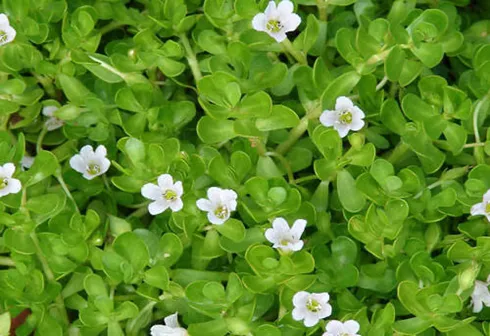


Figure 1: Bacopa monnieri

Synonyms

Herb of Grace, Somavati, Saraswati booti, Brahmi sak, Brahmi ghas.

Taxonomy

  • Kingdom: Plantae
  • Division: Magnoliophyta
  • Class: Magnoliopsida
  • Order: Lamiales
  • Family: Plantaginaceae
  • Genus: Bacopa
  • Species: Bacopa monnieri

Plant part used: Leaves

Major phytoconstituents:

  • Saponins (Bacoside A and B )
  • Alkaloids
  • Flavonoids
  • Sterols
  • Phenolic compounds

Therapeutic Uses:

  • Antioxidant
  • Antimicrobial
  • Anti-Inflammatory
  • Memory enhancer
  • Improves concentration
  • Helps reduce stress and anxiety

PREPARATION OF PLANT EXTRACT

The extract of Bacopa monnieri was prepared by the maceration method.

Steps involved are;

  • Fresh or dried leaves were crushed and transferred into a beaker containing water.
  • The mixture was kept in a dark place with intermittent shaking to facilitate extraction.
  • After the extraction period, the mixture was filtered to remove plant debris, and the filtrate was collected and stored in a desiccator until further analysis.

SCREENING FOR ACTIVITY

INVITRO-ANTIMICROBIAL ACTIVITY

The antimicrobial activity of the extract was evaluated using the agar well diffusion method against Lactobacillus.

Procedure:

Preparation of pre-inoculum: A fresh bacterial culture was prepared from curd and incubated in nutrient broth.

Preparation of pour plates: Sterile Sabouraud dextrose agar was poured into Petri plates and allowed to solidify. The bacterial culture was evenly spread over the agar surface aseptically by using sterilized cotton.

Making wells on agar plates: Wells of 6mm in diameter were prepared aseptically on the agar plate by using a sterilized well digger. The extract is aseptically introduced in to the well by using a micropipette. The petri plates were refrigerated for one hour to allow diffusion before incubation at 37°C for 48 hours.

Measurement of the zone of inhibition: After 48 hours, the plates were examined for the presence of inhibition of bacterial growth, and it was displayed in the form of a clear zone of inhibition around each well containing the extract. The size of the inhibitory zone was measured in 'mm'. The zone of inhibition produced for the developed herbal extract was compared with the standard. Amoxicillin disc was used as standard.

ANTIOXIDANT ACTIVITY

  1. The antioxidant potential of the extract was determined by the DPPH free radical scavenging assay. A DPPH solution was prepared in methanol.
  2. Extract (Bacopa monnieri) was blended with 95% ethanol to prepare the stock solution (5mg/ml).
  3. 150 ml of freshly prepared DPPH solution was collected in test tubes and 75 ml of varying concentration of extract was added to every test tube and the final volume was made to 3ml with methanol.
  4. After 10 min, the absorbance was measured at 517 nm with a spectrophotometer.
  5. Ascorbic acid was utilized as reference standard and dissolved in methanol to make the stock solution with the same concentration (5mg/ml).
  6. Control sample was made containing the same volume without any extract and reference (ascorbic acid).
  7. 95% methanol was employed as blank.
  8. % scavenging of the free radical was measured using the standard DPPH inhibition formula.

% RSA = Abs control - Abs sample/Abs control *100

Where,

RSA= Radical Scavenging Activity;

Abs control= absorbance of DPPH radical + methanol.

Abs sample= absorbance of DPPH radical + extract.


Table 1: FORMULA FOR FLOATING TABLET

SI

No.

Ingredients

Quantity

Formula 1

Formula 2

Formula 3

1

Brahmi

4.5g

5g

5g

2

Carbopol

1g

1g

1g

3

HPMC

2.1g

2.1g

2.5g

4

MCC

0.65g

0.65g

0.75g

5

Ethyl cellulose

0.3g

0.3g

0.5g

6

Sodium bicarbonate

1g

1g

1g

7

Citric acid

0.3g

0.3g

0.5g

8

Magnesium stearate

0.15g

0.15g

0.15g

9

Talc

0.15g

0.15g

0.15g


Preparation of Floating Tablet

Three formulations of floating tablet: Formulation 1(F-1), Formulation 2(F-2), and Formulation 3(F-3) were prepared.

  1. Accurately weigh & sieve Brahmi & all other excipients separately.
  2. Carbopol is mixed with small amount of water in a mortar.
  3. To this add Brahmi, MCC, HPMC & Ethyl cellulose & mix for 5-10 minutes.
  4. Add NaHCO3 & citric acid to the blend, mix gently.
  5. Pass the wet mass through sieve no.44 and dry these granules at 40-45°C for 5-10 min.
  6. Add magnesium stearate & talc to these dried granules & mix gently for 2 minutes.
  7. The granules were compressed into tablets using a tablet compression machine.

EVALUATION OF FLOATING TABLET

1. Physical Evaluation

Physical parameters such as taste, color, appearance were evaluated.

2. Pre-compression Evaluation

Angle of repose

The angle of repose is defined as the maximum angle possible between the surface of a pile of powder and the horizontal plane. The frictional force in a loose powder / granules can be measured by the angle of repose is an indicator of the powder flow property.

tan θ = h / r

θ = tan-1 (h/r)

Where,

θ is the angle of repose and h is the height of pile.

Procedure:

Allow the powder to flow freely through a funnel to form a cone, then measure the height and radius of the cone to calculate the angle of repose.

Table 2: Angle of repose as an indication of powder flow

Angle of repose or degrees

Flow

<25

Excellent

25-30

Good

30-40

Passable

>40

Very poor

Bulk density

Gently pour a known mass of powder into a graduated cylinder and record the untapped volume.

    Bulk density = mass / bulk volume

Tap density

Fill a graduated cylinder with a known mass of powder, tap it until the volume becomes constant, and record the final volume.

      Tap density = mass / tap volume

Hausner’s Ratio

Hausner’s ratio is a measure of powder flowability calculated using bulk and tapped densities. Lower values indicate better flow properties.

 Hausner’s ratio = Tap density / Bulk density

Carr’s index

Calculate Carr's Index using the bulk density and tapped density values.

% Compressibility = ((tap density-bulk density)/tap density)* 100


Table 3: Carr’s index as an indication of powder flow

Compressibility index

Flow

5-15

Excellent

12-16

Good

18-21

Fair to passable

23-35

Poor

33-38

Very poor

>40

Very very poor


3. Post-compression Evaluation

Weight variation

Weigh 20 tablets individually, calculate the average weight, and determine the percentage deviation of each tablet from the average. Individual weights were compared with average weight to ensure uniformity as per Indian Pharmacopoeia limits.

Table 4: Weight variation specification as per I.P

Average weight (mg)

Maximum % difference

130 or less

10%

130-324

7.5%

>324

5%

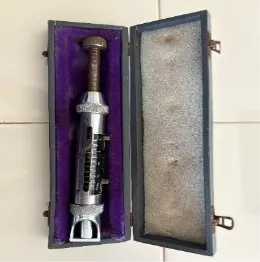
Hardness

Measure the crushing strength of 6 tablets using a tablet hardness tester.

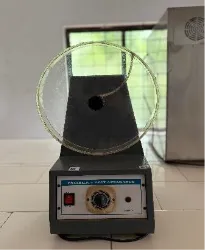
Friability

Weigh a sample of tablets, rotate them in a friabilator for 100 revolutions, then reweigh after removing dust.

pH Determination

Dissolve or disperse the tablet in the specified volume of distilled water and measure the pH using a calibrated pH meter.

In-vitro dissolution study

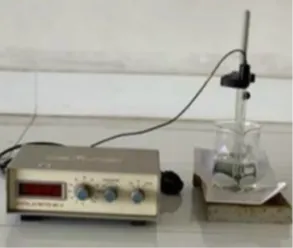
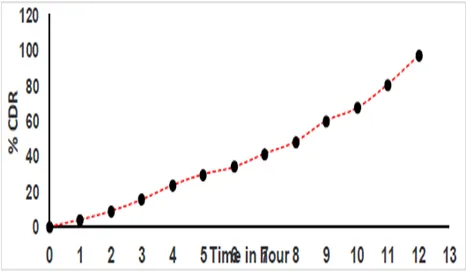
In-Vitro dissolution study measures the rate and extent of drug release into a dissolution medium. Place the tablet in the dissolution apparatus containing the specified dissolution medium. Maintain the temperature at 37 ± 0.5°C and rotate at specified speed. Withdraw samples at predetermined time intervals and replace with fresh medium. Analyze the samples spectrophotometrically and calculate the percentage drug released.

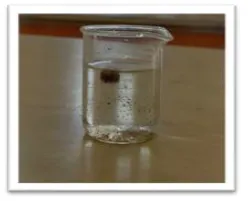
Floating lag time

Place the tablet in a dissolution medium and record the time taken for the tablet to rise and float on the surface.

Total floating time

Place the tablet in dissolution medium and record the time from initial floating until it sinks or loses buoyancy.                              


Table 5: FORMULA FOR GUMMIES

SI

No.

Ingredients

Quantity

Formula 1

Formula 2

Formula 3

1

Bacopa extract

5g

5g

5g

2

Orange juice

5ml

5ml

5ml

3

Honey

22g

23g

25g

4

Agar-agar

7g

5g

3g

5

Gelatin

10g

6g

5g

6

Sodium  benzoate

0.25g

0.25g

0.25g

7

Purified water

Upto 100ml

Upto 100ml

Upto 100ml


Preparation of Gummies

Three formulations of Gummies: Formulation 1(F-1), Formulation 2(F-2), and Formulation 3(F-3) were prepared.

  1. Take 100ml purified water and mixed with 5ml of orange juice in a beaker and add agar-agar, honey, gelatin to it. Heat at 70-75°C and stir well.
  2. Add sodium benzoate and Bacopa extract with continuous stirring to make a uniform mixture.
  3. Transfer the mixture into a silicon mould and cool it for 30 min.
  4. Place it in the refrigerator for 24 hrs.

EVALUATION OF GUMMIES

1. Organoleptic Evaluation

The medicated gummy can be examined physically for appearance like color, odor, transparency, etc.

2. Stickiness

Texture of the medicated gummy in terms of stickiness can be determined by mildly rubbing the gummy between fingers.

3. Grittiness

The gummy is rubbed between the fingers, and the presence of particles is noted.

4.  pH determination

1gm gummy was weighed and then crushed in a mortar and pestle and diluted with 10 ml water. Then pH is measured using digital pH meter.

5. Weight variation

The weight variation was conducted by weighing 10 gummies individually and average weight and standard deviation were calculated.


Weight variation = initial weight-avg weight/avg weight ×100

6. Moisture content

One gummy was weighed and then crushed in a mortar and pestle. From it, 1g of the sample was weighed and dried for 24hrs in desiccator. The sample is weighed after 24hrs.

% moisture content = initial wet weight – dry weight / dry weight ×100

RESULTS AND DISCUSSION

Preparation of plant extract

Extraction of Bacopa monnieri was carried out by maceration. The extract obtained after the maceration process was then used for phytochemical studies.
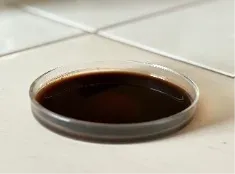


Figure: 2

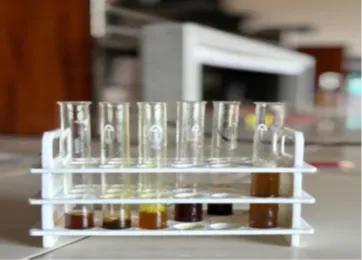
Preliminary phytochemical screening


Table 6: Preliminary phytochemical screening

SINo.

Chemical constituents

Result

1

Alkaloids

+

2

Saponins

+

3

Flavonoids

+

4

Sterols

+

5

Phenolic compounds

+

6

Carbohydrates

-


Figure 3

The presence of these bioactive phytochemicals suggests that the extract possesses potential therapeutic and antioxidant properties, supporting its use in herbal formulations.

Invitro-Antimicrobial activity

Antimicrobial activity was determined using the agar well diffusion method against Lactobacillus. The activity of the extract was evaluated and compared with an amoxicillin disc used as the positive control.

Table 7: Invitro-Antimicrobial activity

SI

No.

Test Samples

Zone of inhibition (mm)

1

Control

9

2

Extract

6


Antioxidant activity

The antioxidant activity was calculated in terms of % inhibition and the following table was formulated.

Table 8: Antioxidant activity

Concentration

Absorbance

% Inhibition

10

0.560

20%

20

0.470

32.8%

30

0.385

45%

40

0.300

57.1%

50

0.225

67.8%

Formulation of Floating Tablet

Bacopa monnieri herbal floating tablet was prepared and transferred into an airtight container.
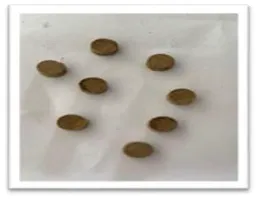


Figure 4


Evaluation of Floating Tablet


Table 9: Evaluation of Floating Tablet

SI No.

Parameters

Formula 1

Formula 2

Formula 3

1

Color

Brown

Brown

Brown

2

Shape

Circular

Circular

Circular

3

Texture

Hard & Brittle

Hard & Brittle

Hard & Brittle

4

State

Solid

Solid

Solid

5

Angle of repose (◦)

24.3 ± 0.02

25.6 ± 0.05

26.01 ± 0.05

6

Bulk density (g/ml)

0.43 ± 0.01

0.44 ± 0.02

0.45 ± 0.01

7

Tap density (g/ml)

0.51 ± 0.02

0.52 ± 0.02

0.55 ± 0.01

8

Hausner’s ratio

1.23 ± 0.02

1.21 ± 0.01

1.22 ± 0.02

9

Carr’s index (%)

17.85 ± 0.14

18.02 ± 0.11

18.18 ± 0.15

10

Weight variation (mg)

490 ± 0.5

449 ± 0.3

444 ± 0.2

11

Hardness (kg/cm2)

5.2 ± 0.02

5.0 ± 0.02

4.7 ± 0.02

12

Friability (%)

0.91 ± 0.06

0.82 ± 0.06

0.68 ± 0.04

13

pH

6.3

6.4

6.6

14

Floating lag time

10 sec

15 sec

45 sec

15

Total floating time

30 min

2 hrs

4 hrs


               Monsanto hardness tester             Friabilator                                       pH meter


                                                                   Figure 5


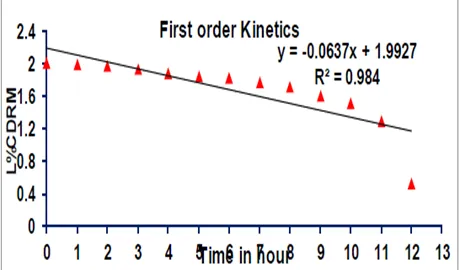
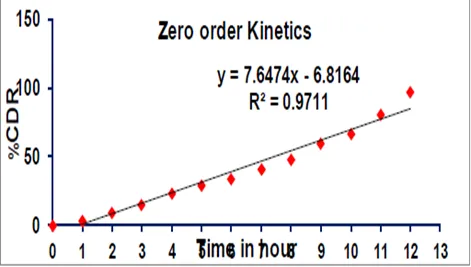
Invitro dissolution study


Table: 10
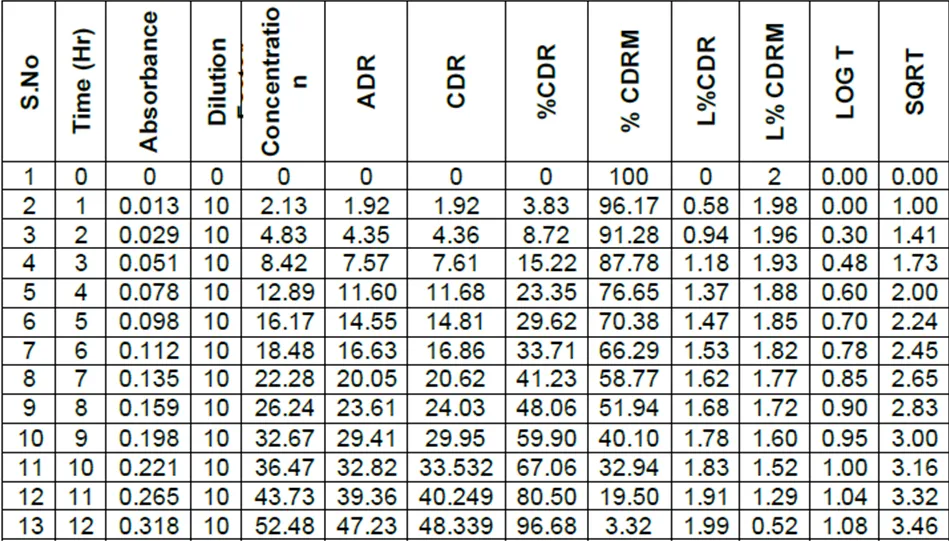


Figure 6


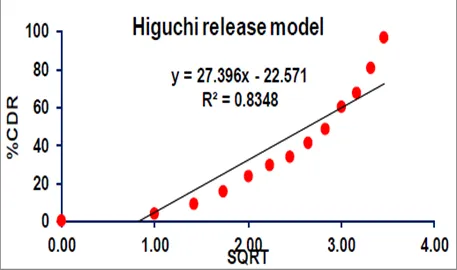
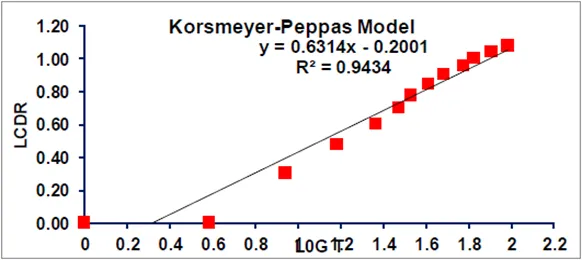
The in-vitro dissolution study of the Brahmi formulation showed a controlled and sustained drug release pattern.

Formulation of Gummies

Bacopa monnieri herbal gummies were prepared and transferred into a suitable container.
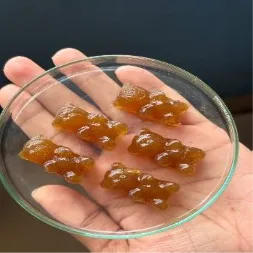


Figure 7


Evaluation of Gummies


Table 11: Evaluation of Gummies

SI

No.

Parameters

Formula 1

Formula 2

Formula 3

1

Color

Amber-brown

Amber-brown

Amber-brown

2

Odor

Fruity

Fruity

Fruity

3

Taste

Sweet

Sweet

Sweet

4

Texture

Smooth

Smooth

Smooth

5

Weight variation (mg)

0.70 ± 0.04

0.81 ± 0.06

0.84 ± 0.06

6

pH

6.9

6.1

5.3

7

Moisture content

12.25

15.36

17.84

8

Grittiness

Slightly gritty

Slightly gritty

Non-gritty

9

Stickiness

Slightly sticky

Slightly sticky

Non-sticky


DISCUSSION

The present investigation demonstrated the potential of Bacopa monnieri as a valuable herbal ingredient for the development of innovative dosage forms, including gastro-retentive floating tablets and herbal gummies. Owing to its well-documented antioxidant, anti-inflammatory, antimicrobial, and neuroprotective properties, Brahmi was selected for formulations intended for peptic ulcer management and cognitive enhancement.

The aqueous extract prepared by the maceration method retained important phytoconstituents such as saponins, alkaloids, flavonoids, sterols, and phenolic compounds. Preliminary phytochemical screening confirmed the presence of these bioactive constituents, indicating the medicinal value of the extract.

The antioxidant evaluation using the DPPH assay demonstrated concentration-dependent free radical scavenging activity, with the highest inhibition (67.8%). In addition, the extract exhibited antimicrobial activity against Lactobacillus, producing a measurable zone of inhibition, thereby supporting its biological effectiveness.

Among the floating tablet formulations, F3 showed the most favorable performance based on its physicochemical characteristics, including acceptable powder flow, suitable hardness, low friability, appropriate pH, prolonged floating behavior, and sustained drug release. These findings indicate that the formulation is suitable for extended gastric retention, which may improve the therapeutic management of peptic ulcers.

Similarly, the herbal gummy formulations exhibited satisfactory organoleptic and physicochemical properties. Formulation F3 demonstrated the most desirable characteristics, including acceptable weight variation, optimum moisture content, smooth texture, appropriate pH, and the absence of stickiness and grittiness, suggesting good patient acceptability and stability.

Overall, the findings indicate that Bacopa monnieri can be successfully incorporated into both floating tablets and herbal gummies. The promising antioxidant and antimicrobial activities, together with the satisfactory formulation characteristics, support the potential application of these herbal dosage forms for gastric protection and cognitive health. However, additional pharmacological studies and clinical investigations are recommended to further establish their safety, efficacy, and therapeutic benefits.

ACKNOWLEDGEMENT

We sincerely thank the Almighty for His boundless love and blessings throughout our academic journey and the successful completion of this research work. We also express our sincere appreciation to Kerala University of Health Sciences, Thrissur, for providing us with the opportunity to pursue our graduation and for its continuous academic support.

We are deeply grateful to the Management of Rajiv Gandhi Institute of Pharmaceutical Sciences and Research, Trikaripur, for their constant encouragement, valuable guidance, and unwavering support throughout the course of this study.

With great respect we thank Dr. M Paridhavi, Principal, Rajiv Gandhi Institute of Pharmaceutical Sciences and Research, for his academic support.

We gratefully thank Mrs. Vyshnavy Devy D. K., Associate Professor, Department of Pharmacognosy, Rajiv Gandhi Institute of Pharmaceutical Sciences and Research, Trikaripur, for her valuable guidance, continuous support, patience, motivation, and encouragement throughout our thesis and research work.

We sincerely thank Dr. Subrahmanya Prasad K., Assistant Professor, Department of Botany, Nehru Arts and Science College, Kanhangad, Padannakkad, for his valuable support and assistance in the authentication of the plant material.

We also extend our heartfelt thanks to all the teaching and non-teaching staff members of our institution for their timely help, cooperation, and encouragement during our study period.

Finally, we express our sincere gratitude to our friends and family members for their constant support, encouragement, and understanding throughout the course of our academic journey.

REFERENCES

  1. Singh HK, Dhawan BN. Neuropsychopharmacological effects of the Ayurvedic nootropic Bacopa monniera Linn.(Brahmi). Indian Journal of Pharmacology. 1997 Sep 1;29(5):359.
  2. Tripathi KD. Essentials of medical pharmacology. JP Medical Ltd; 2013 Sep 30.
  3. Rao CV, Sairam K, Goel RK. Experimental evaluation of Bocopa monniera on rat gastric ulceration and secretion. Indian Journal of Physiology and Pharmacology. 2000 Oct 24;44(4):435-41.
  4. Goel RK, Sairam K, Babu MD, Tavares IA, Raman A. In vitro evaluation of Bacopa monniera on anti-Helicobacter pylori activity and accumulation of prostaglandins. Phytomedicine. 2003 Jan 1;10(6-7):523-7.
  5. Pharmacopoeia I. Government of India ministry of health and family welfare Ghaziabad. Published by Indian Pharmacopoeia commission. 2010;1:49-83.
  6. Chaudhuri PK, Srivastava R, Kumar S, Kumar S. Phytotoxic and antimicrobial constituents of Bacopa monnieri and Holmskioldia sanguinea.

Phytotherapy Research: An International Journal Devoted to Pharmacological and Toxicological Evaluation of Natural Product Derivatives. 2004 Feb;18(2):114-7.


  1. Mizokami Y, Oda K, Funao N, Nishimura A, Soen S, Kawai T, Ashida K, Sugano K. Vonoprazan prevents ulcer recurrence during long-term
  1. NSAID therapy: randomised, lansoprazole-controlled non-inferiority and single-blind extension study. Gut. 2018 Jun 1;67(6):1042-51.
  1. Shah SH, Patel JK, Patel NV. Stomach specific floating drug delivery system: A review. Int J Pharm Tech Res. 2009 Jul;1(3):623-33.
  2. Gaikwad VL, Bhatia MS. Polymers influencing transportability profile of drug. Saudi Pharmaceutical Journal. 2013 Oct 1;21(4):327-35.
  3. Vohora SB, Khanna T, Athar M, Ahmad B. Analgesic activity of bacosine, a new triterpene isolated from Bacopa monnieri. Fitote rapia (Milano). 1997;68(4):361-5.s.
  4. Current innovation in development of function Gummy Candies Mohammad Tarahi, Sima Tahmouzi, Mohammad Reza Kianiani, Shiva Ezzati, Sara Hedayati, Mehrdad Niakousari, https://www.mdpi.com/2304-8158/13/1/76.
  5. Development and Characterization Of Healthy Gummy Jellies Containing Natural Fruits (July 2021).
  6. Pande Rashmi, Kejariwal Mona. Formulation of vegan nutritional gummies supplements, 2023.
  7. Pereira, D.G.; de Toledo Benassi, M.; Beleia, A.D.P. Gummy candies produced with acid-thinned Cassava starch: Physical and sensory evaluation. J. Food Process. Preserv. 2022, 46.


  1. Aguiar S, Borowski T. Neuropharmacological review of the nootropic herb Bacopa monnieri. Rejuvenation Research. 2013;16(4):313-326.
  2. Calabrese C, Gregory WL, Leo M, Kraemer D, Bone K, Oken B. Effects of a standardized Bacopa monnieri extract on cognitive performance, anxiety, and depression in the elderly: A randomized, double-blind, placebo-controlled trial. Journal of Alternative and Complementary Medicine. 2008;14(6):707-713.
  3. Russo A, Borrelli F. Bacopa monniera, a reputed nootropic plant: An overview. Phytomedicine. 2005;12(4):305-317.
  4. Kongkeaw C, Dilokthornsakul P, Thanarangsarit P, Limpeanchob N, Scholfield CN. Meta-analysis of randomized controlled trials on cognitive effects of Bacopa monnieri extract. Journal of Ethnopharmacology. 2014;151(1):528-535. 
  5. Roodenrys S, Booth D, Bulzomi S, Phipps A, Micallef C, Smoker J. Chronic effects of Bacopa monnieri (Brahmi) on human memory. Neuropsychopharmacology. 2002;27(2):279-281.
  6. Pase MP, Kean J, Sarris J, Neale C, Scholey AB, Stough C. The cognitive-enhancing effects of Bacopa monnieri: A systematic review of randomized, controlled human clinical trials. Journal of Alternative and Complementary Medicine. 2012;18(7):647-652. 
  7. Peth-Nui T, Wattanathorn J, Muchimapura S, Tong-Un T, Piyavhatkul N, Rangseekajee P, et al. Effects of 12-week Bacopa monnieri supplementation on attention, cognitive processing, working memory, and cholinergic functions in healthy elderly volunteers. Evidence-Based Complementary and Alternative Medicine. 2012;2012:606424.
  8. Morgan A, Stevens J. Does Bacopa monnieri improve memory performance in older persons? Results of a randomized, placebo-controlled, double-blind trial. Journal of Alternative and Complementary Medicine. 2010;16(7):753-759.
  9. Kumar N, Abichandani LG, Thawani V, Gharpure K. Efficacy of standardized extract of Bacopa monnieri on cognitive functions of medical students: A six-week, randomized, placebo-controlled trial. Evidence-Based Complementary and Alternative Medicine. 2016:2016:4103423.
  10. Yadav K, Gawai NM, Shivhare B, Vijapur LS, Tiwari G. Development and evaluation of herbal-enriched nutraceutical gummies for paediatric health. Pharmacognosy Research. 2024;16(4):872-878.
  11. Gómez-Pinilla F. Brain foods: The effects of nutrients on brain function. Nature Reviews Neuroscience. 2008;9(7):568-578.
  12. Prince M, Wimo A, Guerchet M, Ali GC, Wu YT, Prina M. World Alzheimer Report 2015: The global impact of dementia. London: Alzheimer's Disease International; 2015.
  13. Pribis P, Shukitt-Hale B. Cognition: The new frontier for nuts and berries. American Journal of Clinical Nutrition. 2014;100(1):347S-352S.
  14. Borse S, Ahirrao S. Design and development of herbal gummies for cold and cough. Asian Journal of Pharmaceutical Research. 2020;10(1):1-6.
  15. Chauhan NS, Sharma V, Dixit VK. Protective effect of Bacopa monnieri on cognitive dysfunction and oxidative damage in aged rats. Evidence-Based Complementary and Alternative Medicine. 2013;2013:187435.
  16. Kale R, Joshi G. Formulation and evaluation of herbal memory-enhancing gummies using Bacopa monnieri. Asian Journal of Pharmaceutical and Clinical Research. 2021;14(9):90-96.
  17. Nehra S, Bansal S, Goyal R. Synergistic neuroprotective effects of herbal extract and omega-3 oil combinations. Phytomedicine. 2020;68:153163.
  18. Nikam PH, Parhar P, Biyani K. Comparative evaluation of herbal oils for cognitive enhancement. International Journal of Green Pharmacy. 2018;12(2):93-97.
  19. Rastogi M, Ojha RP, Devi BP. Neuroprotective effect of Bacopa monnieri in scopolamine-induced Alzheimer's disease model. International Journal of Pharmaceutical Sciences and Research. 2012;3(2):528-533.
  20. Gohil AJ, Patel MR, Vyas BA. Gummy drug delivery systems: A recent trend. World Journal of Pharmaceutical Research. 2020;9(5):455-472.
  21. Holcomb LA, Dhanasekaran M, Hitt AR, Young KA, Riggs M, Manyam BV. Dietary supplementation with walnuts improves memory and motor coordination in aged mice. British Journal of Nutrition. 2014;112(5):714-721. 
  22. Kurutas EB. The importance of antioxidants which play the role in cellular response against oxidative/nitrosative stress: Current state. Nutrition Journal. 2016;15:71.
  23. Poulose SM, Miller MG, Shukitt-Hale B. Role of walnuts in maintaining brain health with age. Journal of Nutrition. 2014;144(4):561S-566S.
  24. Rajput GP, Haldankar N. Formulation and evaluation of polyherbal gummies for memory enhancement. International Journal of Pharmaceutical Research and Applications. 2021;6(1):2204-2210.
  25. Sivaramakrishnan V, Niranjali S, Prince PSM. Protective effect of Bacopa monniera on arsenic-induced oxidative stress in the brain of albino mice. Journal of Ethnopharmacology. 2005;99(2):213-218.
  26. Simopoulos AP. Omega-3 fatty acids in inflammation and autoimmune diseases. Journal of the American College of Nutrition. 2002;21(6):495-505.
  27. Burdge GC, Calder PC. Conversion of alpha-linolenic acid to longer-chain polyunsaturated fatty acids in human adults. Reproduction Nutrition Development. 2005;45(5):581-597. 
  28. Schrieber R, Gareis H. Gelatine Handbook: Theory and Industrial Practice. Weinheim: Wiley-VCH; 2007.

Reference

  1. Singh HK, Dhawan BN. Neuropsychopharmacological effects of the Ayurvedic nootropic Bacopa monniera Linn.(Brahmi). Indian Journal of Pharmacology. 1997 Sep 1;29(5):359.
  2. Tripathi KD. Essentials of medical pharmacology. JP Medical Ltd; 2013 Sep 30.
  3. Rao CV, Sairam K, Goel RK. Experimental evaluation of Bocopa monniera on rat gastric ulceration and secretion. Indian Journal of Physiology and Pharmacology. 2000 Oct 24;44(4):435-41.
  4. Goel RK, Sairam K, Babu MD, Tavares IA, Raman A. In vitro evaluation of Bacopa monniera on anti-Helicobacter pylori activity and accumulation of prostaglandins. Phytomedicine. 2003 Jan 1;10(6-7):523-7.
  5. Pharmacopoeia I. Government of India ministry of health and family welfare Ghaziabad. Published by Indian Pharmacopoeia commission. 2010;1:49-83.
  6. Chaudhuri PK, Srivastava R, Kumar S, Kumar S. Phytotoxic and antimicrobial constituents of Bacopa monnieri and Holmskioldia sanguinea.

Phytotherapy Research: An International Journal Devoted to Pharmacological and Toxicological Evaluation of Natural Product Derivatives. 2004 Feb;18(2):114-7.

  1. Mizokami Y, Oda K, Funao N, Nishimura A, Soen S, Kawai T, Ashida K, Sugano K. Vonoprazan prevents ulcer recurrence during long-term
  1. NSAID therapy: randomised, lansoprazole-controlled non-inferiority and single-blind extension study. Gut. 2018 Jun 1;67(6):1042-51.
  1. Shah SH, Patel JK, Patel NV. Stomach specific floating drug delivery system: A review. Int J Pharm Tech Res. 2009 Jul;1(3):623-33.
  2. Gaikwad VL, Bhatia MS. Polymers influencing transportability profile of drug. Saudi Pharmaceutical Journal. 2013 Oct 1;21(4):327-35.
  3. Vohora SB, Khanna T, Athar M, Ahmad B. Analgesic activity of bacosine, a new triterpene isolated from Bacopa monnieri. Fitote rapia (Milano). 1997;68(4):361-5.s.
  4. Current innovation in development of function Gummy Candies Mohammad Tarahi, Sima Tahmouzi, Mohammad Reza Kianiani, Shiva Ezzati, Sara Hedayati, Mehrdad Niakousari, https://www.mdpi.com/2304-8158/13/1/76.
  5. Development and Characterization Of Healthy Gummy Jellies Containing Natural Fruits (July 2021).
  6. Pande Rashmi, Kejariwal Mona. Formulation of vegan nutritional gummies supplements, 2023.
  7. Pereira, D.G.; de Toledo Benassi, M.; Beleia, A.D.P. Gummy candies produced with acid-thinned Cassava starch: Physical and sensory evaluation. J. Food Process. Preserv. 2022, 46.


  1. Aguiar S, Borowski T. Neuropharmacological review of the nootropic herb Bacopa monnieri. Rejuvenation Research. 2013;16(4):313-326.
  2. Calabrese C, Gregory WL, Leo M, Kraemer D, Bone K, Oken B. Effects of a standardized Bacopa monnieri extract on cognitive performance, anxiety, and depression in the elderly: A randomized, double-blind, placebo-controlled trial. Journal of Alternative and Complementary Medicine. 2008;14(6):707-713.
  3. Russo A, Borrelli F. Bacopa monniera, a reputed nootropic plant: An overview. Phytomedicine. 2005;12(4):305-317.
  4. Kongkeaw C, Dilokthornsakul P, Thanarangsarit P, Limpeanchob N, Scholfield CN. Meta-analysis of randomized controlled trials on cognitive effects of Bacopa monnieri extract. Journal of Ethnopharmacology. 2014;151(1):528-535. 
  5. Roodenrys S, Booth D, Bulzomi S, Phipps A, Micallef C, Smoker J. Chronic effects of Bacopa monnieri (Brahmi) on human memory. Neuropsychopharmacology. 2002;27(2):279-281.
  6. Pase MP, Kean J, Sarris J, Neale C, Scholey AB, Stough C. The cognitive-enhancing effects of Bacopa monnieri: A systematic review of randomized, controlled human clinical trials. Journal of Alternative and Complementary Medicine. 2012;18(7):647-652. 
  7. Peth-Nui T, Wattanathorn J, Muchimapura S, Tong-Un T, Piyavhatkul N, Rangseekajee P, et al. Effects of 12-week Bacopa monnieri supplementation on attention, cognitive processing, working memory, and cholinergic functions in healthy elderly volunteers. Evidence-Based Complementary and Alternative Medicine. 2012;2012:606424.
  8. Morgan A, Stevens J. Does Bacopa monnieri improve memory performance in older persons? Results of a randomized, placebo-controlled, double-blind trial. Journal of Alternative and Complementary Medicine. 2010;16(7):753-759.
  9. Kumar N, Abichandani LG, Thawani V, Gharpure K. Efficacy of standardized extract of Bacopa monnieri on cognitive functions of medical students: A six-week, randomized, placebo-controlled trial. Evidence-Based Complementary and Alternative Medicine. 2016:2016:4103423.
  10. Yadav K, Gawai NM, Shivhare B, Vijapur LS, Tiwari G. Development and evaluation of herbal-enriched nutraceutical gummies for paediatric health. Pharmacognosy Research. 2024;16(4):872-878.
  11. Gómez-Pinilla F. Brain foods: The effects of nutrients on brain function. Nature Reviews Neuroscience. 2008;9(7):568-578.
  12. Prince M, Wimo A, Guerchet M, Ali GC, Wu YT, Prina M. World Alzheimer Report 2015: The global impact of dementia. London: Alzheimer's Disease International; 2015.
  13. Pribis P, Shukitt-Hale B. Cognition: The new frontier for nuts and berries. American Journal of Clinical Nutrition. 2014;100(1):347S-352S.
  14. Borse S, Ahirrao S. Design and development of herbal gummies for cold and cough. Asian Journal of Pharmaceutical Research. 2020;10(1):1-6.
  15. Chauhan NS, Sharma V, Dixit VK. Protective effect of Bacopa monnieri on cognitive dysfunction and oxidative damage in aged rats. Evidence-Based Complementary and Alternative Medicine. 2013;2013:187435.
  16. Kale R, Joshi G. Formulation and evaluation of herbal memory-enhancing gummies using Bacopa monnieri. Asian Journal of Pharmaceutical and Clinical Research. 2021;14(9):90-96.
  17. Nehra S, Bansal S, Goyal R. Synergistic neuroprotective effects of herbal extract and omega-3 oil combinations. Phytomedicine. 2020;68:153163.
  18. Nikam PH, Parhar P, Biyani K. Comparative evaluation of herbal oils for cognitive enhancement. International Journal of Green Pharmacy. 2018;12(2):93-97.
  19. Rastogi M, Ojha RP, Devi BP. Neuroprotective effect of Bacopa monnieri in scopolamine-induced Alzheimer's disease model. International Journal of Pharmaceutical Sciences and Research. 2012;3(2):528-533.
  20. Gohil AJ, Patel MR, Vyas BA. Gummy drug delivery systems: A recent trend. World Journal of Pharmaceutical Research. 2020;9(5):455-472.
  21. Holcomb LA, Dhanasekaran M, Hitt AR, Young KA, Riggs M, Manyam BV. Dietary supplementation with walnuts improves memory and motor coordination in aged mice. British Journal of Nutrition. 2014;112(5):714-721. 
  22. Kurutas EB. The importance of antioxidants which play the role in cellular response against oxidative/nitrosative stress: Current state. Nutrition Journal. 2016;15:71.
  23. Poulose SM, Miller MG, Shukitt-Hale B. Role of walnuts in maintaining brain health with age. Journal of Nutrition. 2014;144(4):561S-566S.
  24. Rajput GP, Haldankar N. Formulation and evaluation of polyherbal gummies for memory enhancement. International Journal of Pharmaceutical Research and Applications. 2021;6(1):2204-2210.
  25. Sivaramakrishnan V, Niranjali S, Prince PSM. Protective effect of Bacopa monniera on arsenic-induced oxidative stress in the brain of albino mice. Journal of Ethnopharmacology. 2005;99(2):213-218.
  26. Simopoulos AP. Omega-3 fatty acids in inflammation and autoimmune diseases. Journal of the American College of Nutrition. 2002;21(6):495-505.
  27. Burdge GC, Calder PC. Conversion of alpha-linolenic acid to longer-chain polyunsaturated fatty acids in human adults. Reproduction Nutrition Development. 2005;45(5):581-597. 
  28. Schrieber R, Gareis H. Gelatine Handbook: Theory and Industrial Practice. Weinheim: Wiley-VCH; 2007.

Photo
Ayisha Bint Ashraf
Corresponding author

Bachelor of Pharmacy, Rajiv Gandhi institute of Pharmaceutical Sciences and Research, Trikaripur

Photo
Nandana K
Co-author

Bachelor of Pharmacy, Rajiv Gandhi institute of Pharmaceutical Sciences and Research, Trikaripur

Photo
Anusree Pavithran
Co-author

Bachelor of Pharmacy, Rajiv Gandhi institute of Pharmaceutical Sciences and Research, Trikaripur

Photo
Fathimath Rizwana K
Co-author

Bachelor of Pharmacy , Rajiv Gandhi institute of Pharmaceutical Sciences and Research, Trikaripur

Photo
Fathimath Shijana M C
Co-author

Bachelor of Pharmacy, Rajiv Gandhi institute of Pharmaceutical Sciences and Research, Trikaripur

Photo
Vyshnavy Devy D K
Co-author

Associate Professor , Rajiv Gandhi institute of Pharmaceutical Sciences and Research, Trikaripur

Ayisha Bint Ashraf , Nandana K, Anusree Pavithran, Fathimath Rizwana K, Fathimath Shijana M C, Vyshnavy Devy D K, Formulation And Evaluation of Herbal Dosage Forms Utilizing Brahmi, Int. J. of Pharm. Sci., 2026, Vol 4, Issue 7, 4162-4176, https://doi.org/10.5281/zenodo.21471195

More related articles
Development and Characterization of Proniosomal Fo...
Saloni Bhatti, Pankaj Bhateja, Mona Piplani, Aaryan Sharma...
Related Articles
Lifestyle Modification Rehabilitation and Pharmacotherapy in Multiple Sclerosis...
Mansi Kadbe, Aishwarya Mehtre, Shweta Shisode, Nikita Dhamshetti, Dr. Prajakta Kelgoankar...
Impact of Semaglutide on Obesity and Cardio Metabolic Risk Factors in Non-Diabet...
Jiji K, Mohammad Saqib Wani, Ananda S, Manoj Irappa K, Arun Kumar K, R Sumithra...