

We use cookies to ensure our website works properly and to personalise your experience. Cookies policy
Rungta Institute of Pharmaceutical Sciences, Bhilai
Currently, the need for skin The number of care items and therapies has grown significantly. Greater extent. A lot of emphasis has been placed on maintaining a proper appearance and a standard of beauty. Consequently, individual and businesses alike are increasingly inclined to take care of their skin. A cleanser, serum, moisturizer, and sunscreen are the standard components of a skin care regimen. It has been observed that among these, serum are the new standard for creating a great skin regimen. Serum are made for a variety of skin types, including dry, oily, and everything in between This literature’s objective review is to emphasize the many advantage of utilizing the appropriate serum composition for people can anticipate . Face serum can quickly penetrate the layer of skin. Herbal face serum is becoming more and more popular among consumers looking for skincare products that are both efficient and environmentally friendly. Serum have a rich, non-greasy composition, a high concentration of active ingredients, quick absorption, and the capacity to penetrate the skin’s deeper layers.
Face serum
product that contains a high concentration of active ingredient. It is designed to target specific skin concern such as acne, pigmentation, wrinkles, A face serum is a lightweight, fast-absorbing skincare dryness, and dullness. Because serum have smaller molecules and a thin consistency, they penetrate deeper into the skin compared to regular creams or moisturizing to enhance their effectiveness. Face serum help improve skin texture, hydration, brightness, overall skin health, making them an essential part of modern skincare routines. Anti-aging Serum is a rapidly advanced field in medical science and applied medicine. Its primary focus is on addressing the root causes of ageing and improving age-related ailments. The ultimate objective is to prolong the healthy lifespan of individulas by maintaining youthful characteristic. The study of human skin plays a crucial role in various disciplines such as dermatology, toxicology, pharmacology,and cosmetology. It aims to evaluate the effects of external agents on the skin, including their interaction, absorption mechanism,and potential toxicity on different skin structure. The desire for beauty and good health has been ingrained in society since ancient times. Initially, cosmetics were associated with activities like hunting, fighting,religion and superstition. Over time, they became linked to medicine . However, relying solely on allopathic medicine has proven inadequate, leading to the need for herbal remedies. Consumers are increasingly aware of the benefits of herbal drugs, herbal cosmetics, nutraceuticals and natural dyes. Face serum is a lightweight, fast-absorbing cosmetic formulation designed to deliver a high concentration of active ingredient directly to the skin.
Types of Face Serum
The oil serum:
The Oil serum of all the facial serums, the oil serum is the easiest to prepare. Usually, it begins with a base consisting solely of high-quality, quickly absorbing carrier oils, sometimes known as “Dry” oils. The high-quality oils included in the serum have moisturizing and barriers-repairing properties, but they also contain polyphenols, essential fatty acids, and other compounds that the skin may be able to break down.
The serum gel
Gel serum give the skin a “tightening” feelings, making your customer feel as though certain areas of their face are momentarily tightened or lifted. Because this formulation is water-based, the gel serum gives you the opportunity to incorporate some amazing water-based (hydrophilic) plant extracts.
The water-based product:
The water-based serum are similar to gel serum, however they could include very little or no gums and thickeners. A water-based face serum would be used to deliver highperformance hydrophilic plant extract that are embedded against the skin underneath a cream or lotion. Putting an anti-aging face mist under an emulsion and then an oil is the best way to encourage water-based compound.
The serum emulsion:
The face serum with an emulsion foundation is a moisturizer that delivers highperformance ingredients to the skin while simultaneously enhancing the skin barrier function. An emulsion is made up of two “immiscible” phases-phases like water and oil that don’t want to mix. Water and oil are bound together and kept in a stable form by the application of an emulsifier.
Herbs used in face serum:
Liquorice Root Extract for skin
Because of its antioxidant qualities, liqurice root more especially from substances like flavonoids, triterpene saponins, and glycyrrhizin. These ingredients support a number of skin-improving benefits, including depigmentation, lightening, whitening, anti-aging, anti-inflammatory, moisturizing, acne-fighting, and photoprotective action. Because of its many different skin improving qualities, using liquorice root extract in your skincare routine has proven beneficial.
Licorice root extract can help improve your skincare routine. Routine because the extract brightens your complexion , combats aging symptoms, reduce inflammation, and shields your skin from UV rays. It functions as a hydrating agent and offers UVB protection.
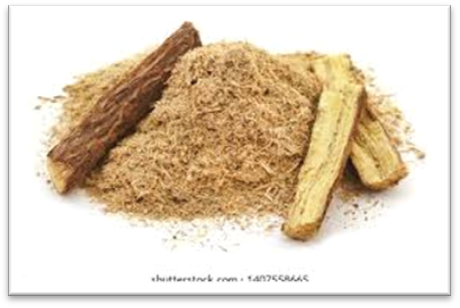
Fig: Liqurice
Taxonomical classification :-
Subkingdom: Tracheobionta
Division: Magnoliophyta
Class: Magnolipside
Order: Fabales
Family: Fabaceae
Genus: Glycyrrhiza
Species: Glycyrrhiza glabra
Anti-inflammatory effects: It reduces redness, swelling, and irritation caused by UV or gamma radiation. Protective Effects Against Light rays: Research possesses shown that it can lessen the harm that radiation exposure causes to the skin.
Anti-aging and moisturizing qualities: Muco polysaccharides, which are present in aloevera gel, Help the skin hold moisture and stay hydrate. Aloe vera helps protect the skin from UV and gamma-radiation damage. Also increases fibroblasts, which helps stimulates collagen and elastin production, fibers,increasing epidermis suppleness as well as decreasing wrinkles.
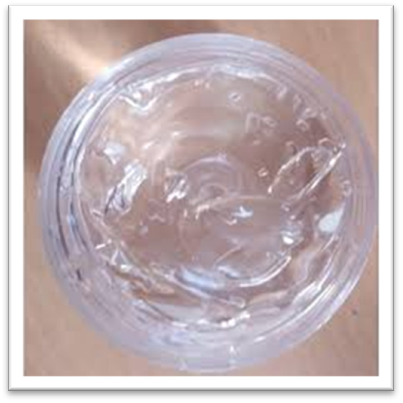
Fig: Aloe Vera gel
Taxonomical Classification:
Kingdom: Plantae
Subkingdom: Tracheobionta
Division :Magnoliophyta
Class: Liliopside
Order: Asparagales
Family: Asphodelaceae
Genus : Aloe
Species: Aloe vera
While rose water can help brighten and even out skin tone due to its antioxidant and anti-inflammatory properties, it’s not a direct skin whitening agent, and it’s impo rtant to have realistic expectation. Rose water acts as a natural toner that helps maintain skin pH, provides mild astringent action, and enhances skin freshness and hydration.
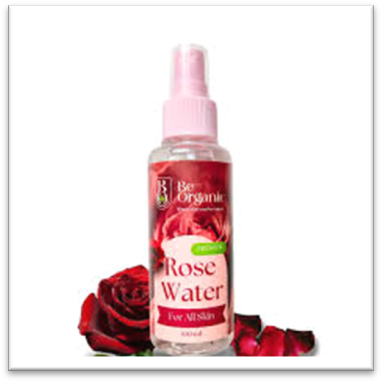
Fig; Rose Water
Taxonomical classification:
Kingdom: Plantae
Subkingdom: Tracheobionta
Division: Magnoliopsida
Class: Magnoliopsida
Order: Rosales
Family: Rosaceae
Genus: Rosa
Species: Rosa damascena
Herbal gel-based face serum is a lightweight cosmetic preparation formulated using natural ingrident that provide deep hydration, nourishment, and skin protection. Unlike creams, serum have a low molecular weight, allowing active ingredient to penetrate deeper into the skin. Glycerin acts as the primary humectant. It attracts moisture from the environment and helps maintain skin hydration for a longer period.
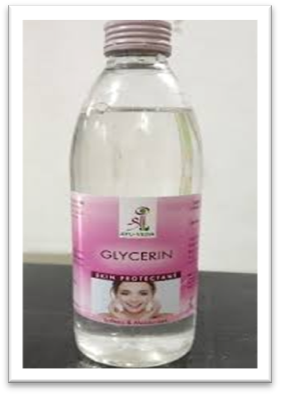
Fig: Glycerin
Taxonomical Classification
Biological Source: Glycerol
Family: Glycerol
Vitamin E oil is an important ingredient in herbal gel-based face serum formulated for dry skin. It acts as a powerful antioxidant that protects the skin from damage caused by free radicals and environmental stress. Vitamin E oil help to nourish and moisturizer the skin by strengthening the skin barrier and reducing water loss, thereby keeping the skin soft and hydrated for a longer time. It also improves skin elasticity, promotes healing of dry and rough patches, and provides a smooth and glowing appearance.
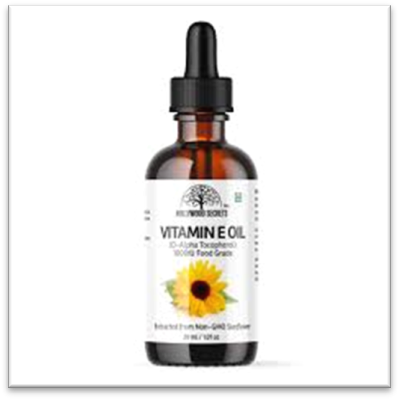
Fig: Vitamin E oil
Taxonomical Classification
Kingdom: Plantae
Subkingdom: Tracheobinonta
Division: Magnoliophyta
Class: Liliopsida
Order: Poales
Family: Poaceae
Genus: Triticum
Species: Triticum aestivum
Levender essential oil for dry skin serum in soothing, moisturizing, and therapeutic properties. Extracted from the flower essesntial oil is rich in bioactive compounds such as linalool and linalyl acetate, which provide anti-inflammatory, antimicrobial, and calming effects. It also helps to relieve redness, improve skin texture, and provide a pleasant natural fragrance.
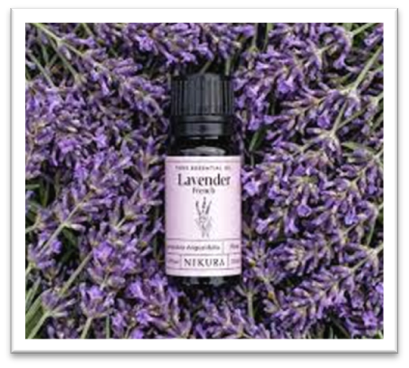
Fig: Levender essential oil
Taxonomical Classification
Kingdom: plantae
Subkingdom: Tracheobinonta
Division: Magnoliophyta
Class: Magnoliopsida
Order: Lamiales
Family: Lamiaceae
Genus: Lavandula
Species: Lavandula angustifolia
Composition of face serum
|
Sr. No. |
Ingredients |
Quantity (100ml) |
|
1. |
Aloe Vera gel |
50ml |
|
2. |
Rose Water |
20ml |
|
3. |
Glycerin |
10ml |
|
4. |
Vitamin E oil |
5ml |
|
5. |
Levender oil |
5-8drops 0.5ml |
|
6. |
Licorice Exatract |
10ml |
Method of preparation
The selection of material in the preparation of Herbal gel based face serum for dry skin used in herbal constituent.
Step1: preparation of Liquorice Extract.
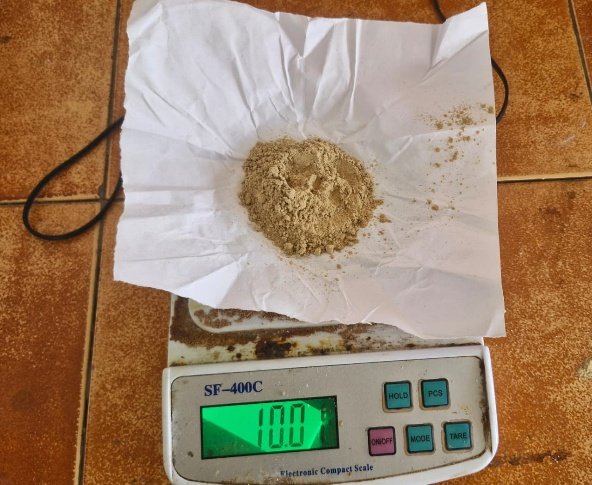
Fig: Liquorice root powder
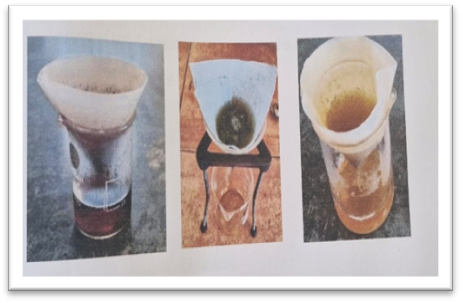
Step 2: Preparation of serum.
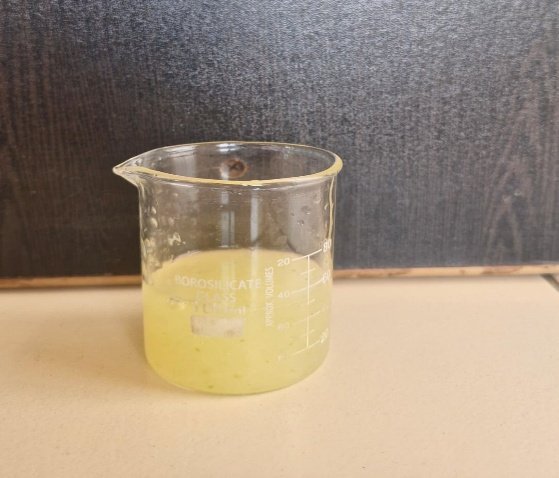
Fig: Aloevera gel
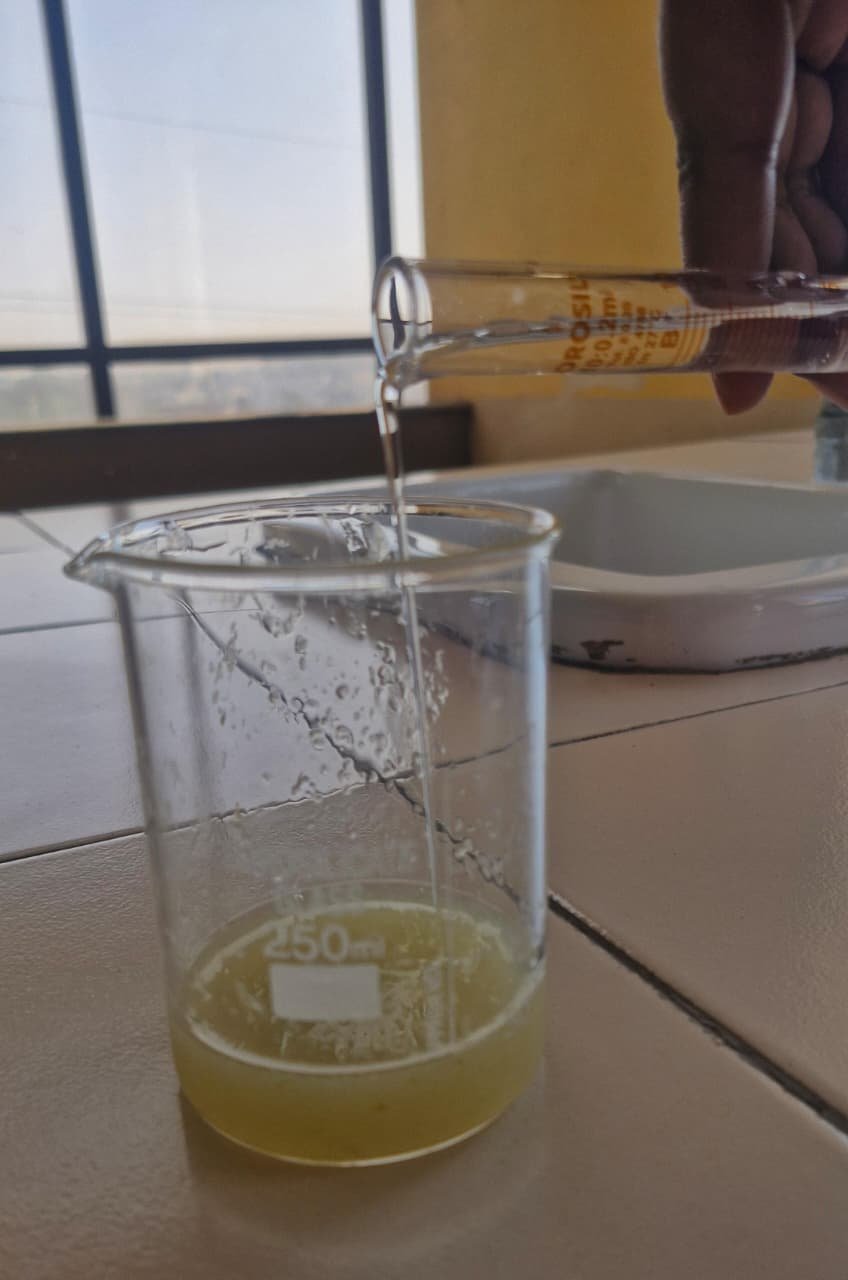
Fig: Add Rose water
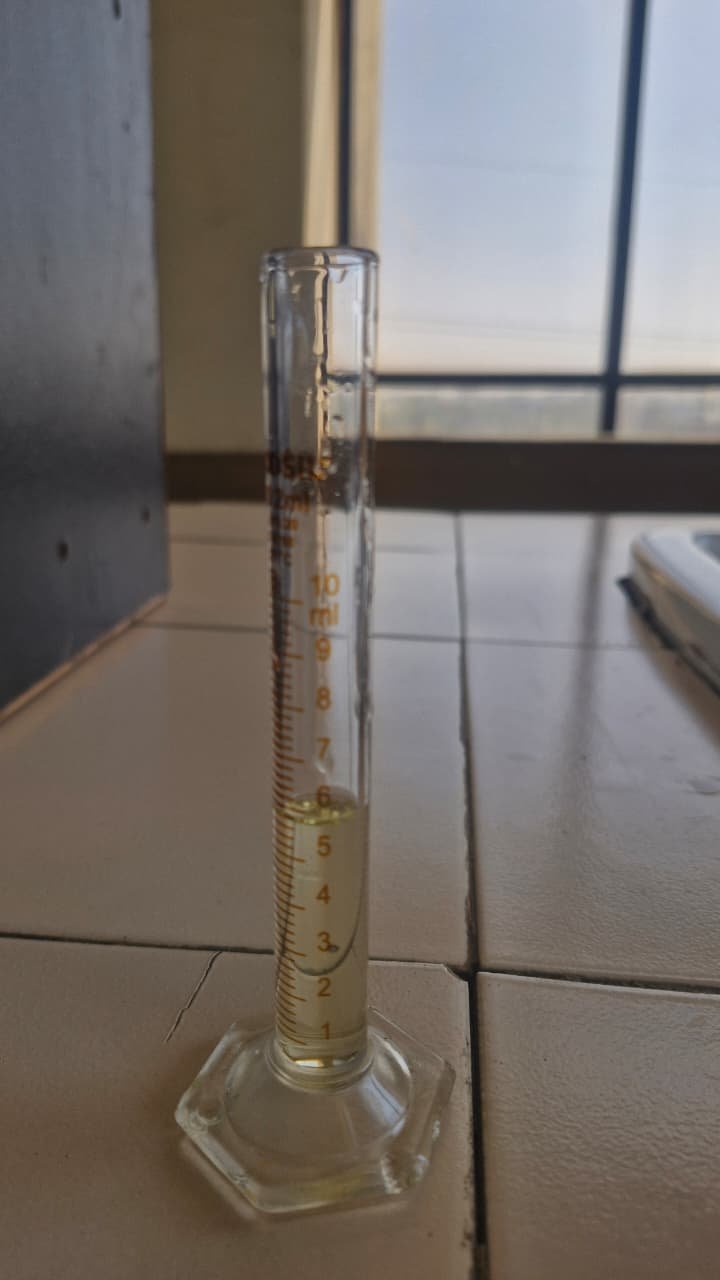
Fig: Add Glycerine
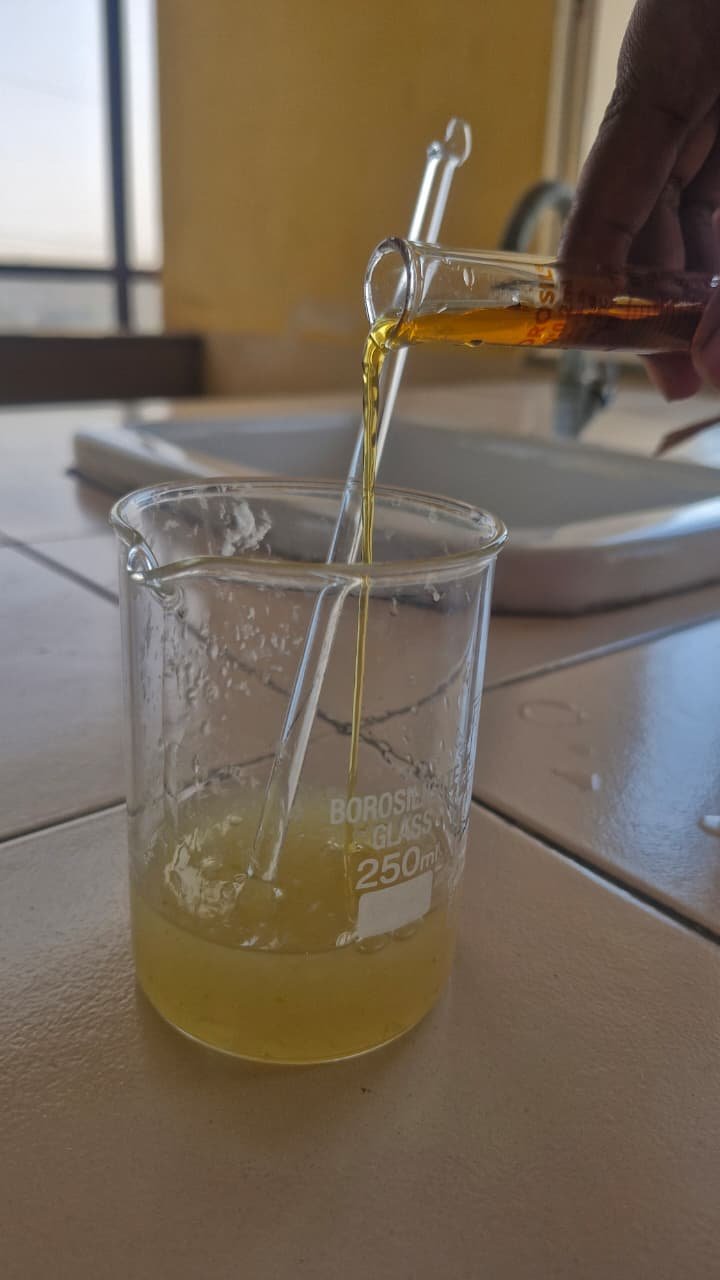
Fig: Liquorice extract
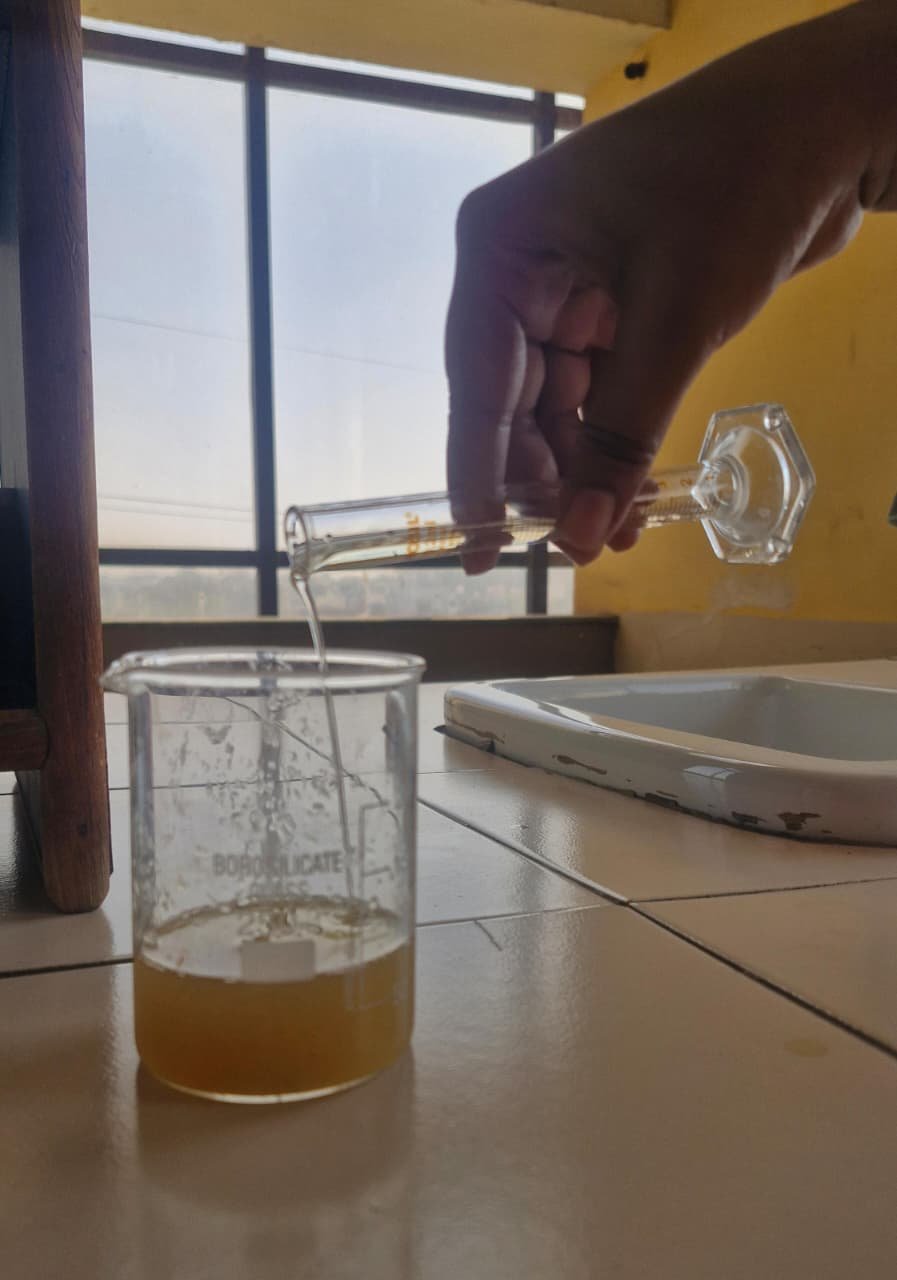
Fig: Vitamin E Oil
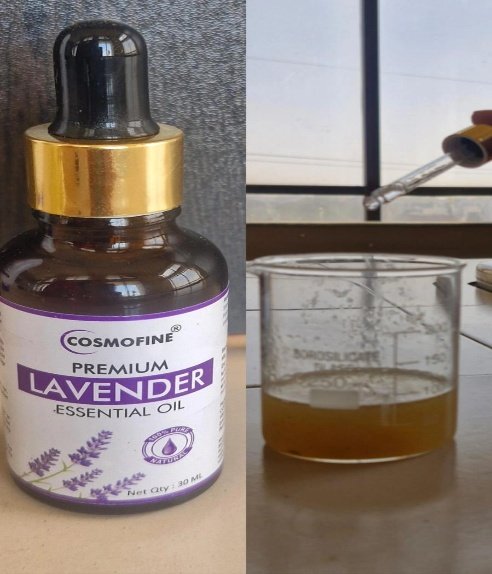
Fig: Levender essential oil
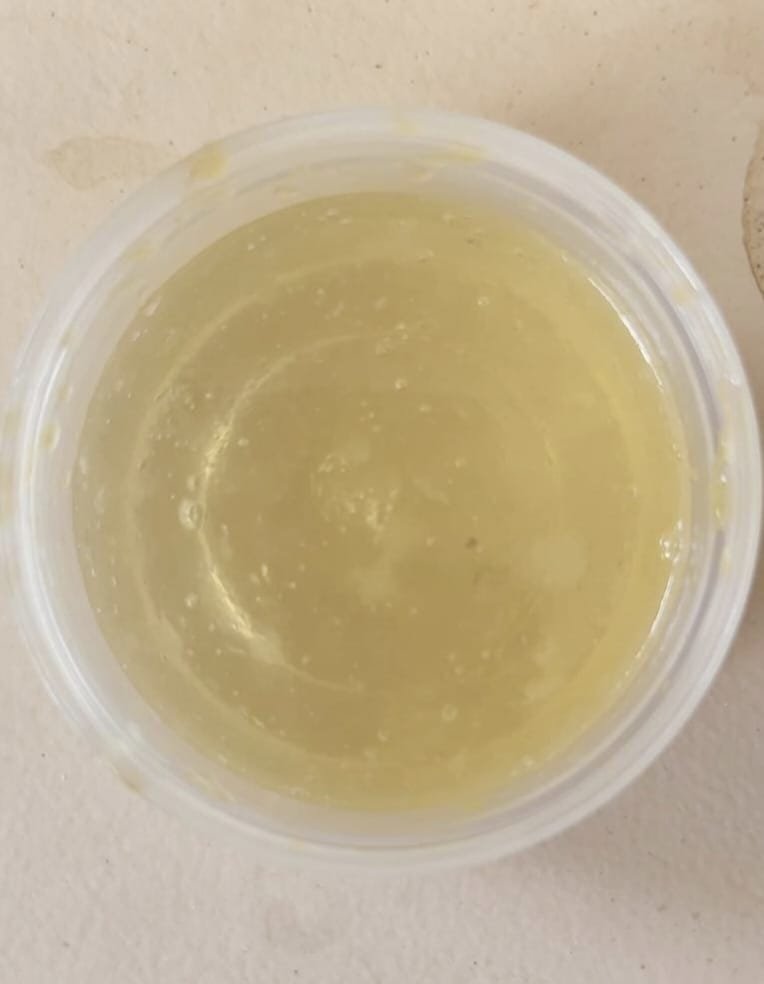
Fig: Gel based Face serum
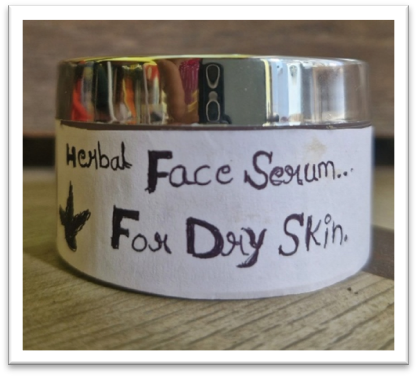
Evaluation Test:
Appearance Check
The serum was visually examined for colour, clarity, homogeneity and presence of any particles.
pH Determination
Proper pH keeps the serum for skin, prevents irritation, helps active ingredients work well, and ensure good absorption and stability. The pH of the herbal face serum was found to be 5.3 which falls within the ideal range of 5.0 to 6.0 for human skin. This confirms that the serum is mild, non-irritating, and suitable for dry skin.
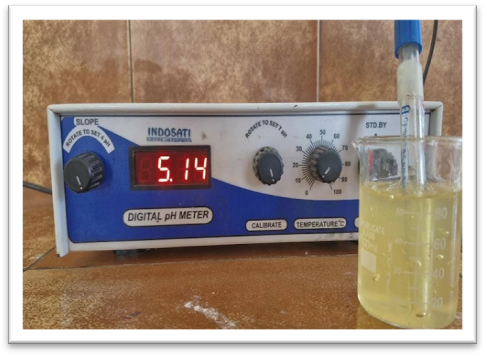
Fig: pH test
Viscosity
Check if the serum too thick or too runny. Viscosity play an important role in the sprayability and application consistency of the product.
Organoleptic Properties
The Organoleptic properties of the serum were observed to evaluate its physical acceptability. This included assessment of colour, odour, and appearance. The serum should have a pleasant natural fragrance derived from its herbal ingredients, a consistent colour without any discoloration, and a clear or uniformly dispersed appearance without any sediments of phase separation.
Irritancy
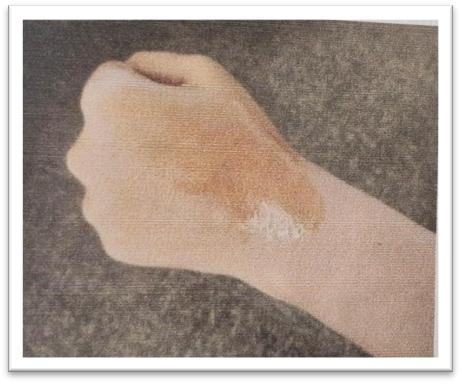
Indicates formulation is safe for topical use on dry and sensitive skin. No redness, itching, or burning observed.
Phase Separation
The prepared preparation was kept in a closed container at room temperature from 25 to 1000ºC protected From light. Phase separation was them checked after 24 hours. Changes in phase separation were observed.
Washability
A small amount of the prepared herbal gel base face serum is applied evenly on the skin surface. After allowing it to remain for about 1-2 minutes, the applied area washed gently with water. The skin is then observed to check whether the serum is easily removed without leaving excessive residue or oiliness.
CONCLUSION
The successfully formulated and evaluated a herbal gel-based face serum for dry skin using natural ingredient such as aloe vera gel act as a natural moisturizing base, rose water and glycerine enhanced skin hydration. Licorice extract provide skin-brightening and smooth properties, and vitamin E oil contributed antioxidant and skin-repair benefits. Levender essential oil also added mild fragrance and antimicrobial activity. The evaluation parameter such as pH, appearance, spreadability and stable, safe, and skin-friendly, particularly suitable for dry skin. The pH was found to be within the acceptable range for topical skin preparation. Overall, the face serum demonstrated good moisturizing potential, natural skincare product for managing dry skin. Further clinical studies may help to confirm its long-term efficacy and safety.
REFERENCES

Garima Sahu, Tarun Raj Sahu, Neha Sahu, Shivanshu Dubey, Shweta Ram, Suchita Wamankar, Dr. Gyanesh Kumar Sahu, Formulation and Evaluation of Herbal Gel Based Face Serum For Dry Skin, Int. J. of Pharm. Sci., 2026, Vol 4, Issue 3, 2220-2228. https://doi.org/10.5281/zenodo.19130460
 10.5281/zenodo.19130460