

We use cookies to ensure our website works properly and to personalise your experience. Cookies policy
Pataldhamal Wadhwani College of Pharmacy, Yavatmal, Maharashtra, India.
Herbal medicine has become an item of global importance both medicinal and economical. Although usage of these herbal medicines has increased, their quality, safety and efficiency are serious concerns in industrialized and developing countries.In this paper we reported gel formulation that containing Ehretia laevis roxb leaf extract and activity test as anti-inflammatory, anti-arrhthmic.The gel formulation was designed by using ethanolic extract of leaves of ehretia laevis roxb in varied concentrations (5%).The gel formulation were evaluated for organoleptic observations, homogeneity, pH, viscosity, spreadability. Viscosity of herbal gels were determined by using Brookfield viscometer and were ranging between 790 to 820 centipoise. Herbal gel is a solid, jelly-like substance that can have properties ranging from soft and weak to hard and tough preparation. It is used topically for a variety of purposes, such as anti-inflammatory, anti-arrhthmic and other. The plant has many uses that for different medicinal purposes. The fresh root is used in the treatment of syphilis, and the root is also used to treat diphtheria. Ehretia laevis Roxb. exhibit broad spectrum of therapeutic activities viz., anti-inflammatory, antiulcer, antidiarrheal, antidysenteric, antioxidant, antiarthritic, antidiabetic, antivenom, wound healing and anti-infective activities.
1.1 Medicinal plant
The Ehretia laevis Roxb is a rare Indian medicinal plant and member of Boraginaceae family is widely used medicinal plant. The Ehretia laevis Roxb is high valued medicinal plant and becoming rare in the state of Maharashtra. It has a spiritual importance among Hindus.Indigenous name of this plant is Khanduchakka.(1) The biologically active compounds present in plants are called phytochemicals. These phytochemicals are resulting from various fragments of plants such as leaves, flowers, seeds, barks, roots.Moreover, several bioactive metabolites such as pentacyclic triterpenoids, phenolics, flavonoids, tannins, fatty acids, vitamins, minerals, amino acids and carbohydrates have been isolated from it’s crude extracts. Several research groups have shown the presence of alkaloids, glycosides, flavonoids, phenolic acids, tannins, saponins, proteins and carbohydrates in the plant.In the Ehretia laevis roxb plant we take the leaves of plant which have the various properties and and chemical content like flavonoids, betulinic acid and lupeol. They shows properties like Antibacterial , antifungal, antiviral, insecticidal, cytotoxic, anti-inflammatory, antipyretic, anti parasite analgesic, obesity, diabetes mellitus, heart disease, brain and liver disease, immune system, preventing viral mutations, antioxidant , clotting of blood reduce hyper tension , and lipid level. The ethanolic extract exhibits significant antiarthritic, antimicrobial, and anti-inflammatory activity, particularly in treating skin infections, ulcers, and headaches.(2)
2.1 Collection of Plant
Plants under consideration can be collected either from wild forests or from herbariums. When plants are collected from wild, there is a risk that they have been incorrectly identified. The major advantage of wildlife plants is that they will not contain any pesticides. After the plants are collected from wild or from herbarium they have to be processed for cleaning in order to prevent the deterioration of phytochemicals present in plants.
2.2 Cleaning of Plant
After plants collection they have to be washed properly. The cleaning process may involve the following steps. Cleaning, washing, peeling or stripping leaves from stems. Cleaning has to be done by hands in order to get better results.
The main purpose of drying is to remove the water content from plants so that the plants can be stored. Plants have to be dried directly as soon as the plants collection or this will lead to damage of plant materials. The drying consists of two methods. Drying can be done either by natural procedure.
2.4 Natural Procedure
Natural process includes sun- drying. Sometimes plants are placed on drying frames or on stands, to be air-dried in barns or sheds. But this may take few weeks for complete drying. The time depends on temperature and humidity.
2.5 Powedering
After systematic drying of plants they have to be powdered well for further analysis.(1)
Authentication of Plant
Fresh leaves of Ehretia laevis roxb was collected from Akola (daytime air temperature, in KRUSHI VIGYAN KENDRA, AKOLA district region of India and authenticated from Botanical survey of India (BSI) The laevis was cleaned with distilled water and then used for extraction.
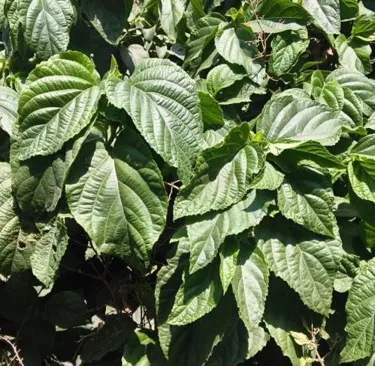
Fig No.1 Ehretia Laevis Roxb
Table No.1: Taxonomical classification of Ehretia Laevis
|
Sr No |
Kingdom |
Plantae |
|
1 |
Division |
Tracheophyta |
|
2 |
Family |
Boraginaceae |
|
3 |
Order |
Boraginales |
|
4 |
Genus |
Ehretia |
|
5 |
Species |
Ehretia Laevis (Roxb.) |
|
6 |
Botanical name |
Ehretia Laevis (Roxb.) |
|
7 |
Synonyms |
Khanduchakka |
|
8 |
Fruits |
A small drupe |
3. API CHARACTERIZATION
Ehretia Laevis roxb shows its action by :-
Ehretia laevis Roxb. extracts anti-inflammatory and antibacterial qualities were tested using agar well diffusion and carrageenan-induced rat paw edema. The results of the investigation showed that the aqueous, methanolic and chloroform extracts had significant anti-inflammatory efficacy (paw volume decreases). Outstanding antibacterial action against both Gram-positive like Bacillus subtilis, Staphylococcus aureus and Gram-negative like Pseudomonas aeruginosa, Escherichia coli bacteria, with the best efficacy being demonstrated by the methanolic extract activity against Aspergillus niger that is antifungal. According to these results, extracts from Ehretia laevis Roxb. Can be used as natural treatment for bacterial infections & inflammation .
Ehretia laevis Roxb. (commonly known as Chamror) is an Ayurvedic medicinal plant native to India and surrounding regions. Its leaf and stem bark extracts exhibit significant anti-arthritic and anti-inflammatory activities, traditionally used by rural communities to alleviate joint and muscular pain.
In indigenous and Ayurvedic medicine, the inner bark and root extracts are utilized as an active natural remedy for rheumatism, joint pain, and inflammation. The herb is also frequently used for muscular and joint pain relief.
Phytochemical Compound
Chemical content : Naphthoquinone derivative Minerals such as Na, NH3, Fe, Mn, K, P, Zn, Cu, Si, Mg, Ca, Gallic acid, Tannic acid, Rutin, Vitamin, ascorbic acid, Phytol, Piperazine, Betulin & Betulinic acid, Lupeol, Di – n octyl phthalate.
Medicinal uses : Antibacterial , antifungal, antiviral, insecticidal, cytotoxic, anti-inflammatory, antipyretic, antiparasite analgesic, obesity, diabetes mellitus, heart disease, brain and liver disease, immune system, preventing viral mutations, antioxidant , clotting of blood , reduce hyper tension , and lipid level.
Chemical content : Acontanes, decanoic acids, phthalic acid, phytol, α and β amyrin, piperazine, phenylephrine. Benzoquinones: - 1,4naphthoquinone lewisone, Bauerenol,Bauerenol acetate, α-amyrin, Betulin, Lupeol, Betulinic acid, β-sitoster
Medicinal uses : Antiseizure ,Larvicidal activity, antinociceptive , Antioxidant,anticancer , immune-enhancing effects, inhibitcellular senescence ,arthritis, asthma,mosquito repellent, useful for malaria antitumor, anti-viral, antibacterial, anti-inflammatory and antimalarial.
Chemical content : Tanins Tanic Acid , Baurinol, Pythol, Phenilepherin
Medicinal uses : bacteria ,fungi, yeasts, viruses growth is prohibited by tannins, Clotting of blood, reduce hyper tension, control lipid level, causes liver necrosis and improve immune response.(3)
GEL
Topical gels offer a substantial development in transdermal drug delivery methods, combining the therapeutic advantages of targeted therapy with the ease and compliance of non-invasive administration.
Pharmaceutical dosage form, from semisolids to liquid preparation, sprays, and solid powders, are used as topically acting medications. Semisolid preparations for topical administration of drugs consist mainly of gels, creams, anointments. A gel-based product called topical gel is administered straight to the skin or mucous membranes. Designed to provide active components to a specific location for localized therapy, it provides advantages including pain alleviation, inflammation reduction, or treatment of skin disorders. Usually clear, smooth, and non-greasy, topical gels let the skin quickly absorb them without leaving resit
Topical gels are used as a contact or transport medium for active drugs to act on through the skin. The active drug molecules are entwined into the 3D mesh of the gel and delivered to the site of action.(4)
Drug molecules come into touch with cellular waste, bacteria, and other substances on the skin's surface, which has an impact on penetration.
Three routes connect the administered medication to the living tissue:
Only around 0.1 percent of the fragmentary limb area is available for transport yet it is essential for particles and large polar atoms. The essential border is the perfect layer corneum, and several upgrade techniques aim to disrupt or avoid this layer. Possible layers may start a prodrug or take a medicine. In general, deeper dermal regions seldom impact retention in a substantial way again. This method of medicine delivery has gained popularity since it prevents oral organization-related metabolic degeneration, gastrointestinal distress, and first-pass impact. The skin course of organisation has been employed to provide fundamental pharmacological outcomes or to give local results for treating skin problems.The primary purpose of putting medicine to the skin to treat skin conditions is to cause a local reaction where it is applied. Most of the time, only a small percentage of the total quantity really makes it to the activity site, which results in constrained neighbourhood mobility. The very intriguing boundary qualities of the skin have made this a challenging effort.(4)
Mechanism 0f Action
Three different forms of cross-linking create gels.
Similar synthetic cross-connecting is observed in polymers that have unprotected bunches in their structure. When a cross-connecting component is used in such polymers, the freeb
gathering and the added portion experience an irreversible substance reaction. This irreversible reaction results in an increase in consistency, and after reaching a certain point, a gel is formed, such as complex cross-connecting gels made of polyacrylic acid (with several carboxylic acids) and glycols (containing hydroxyl groups).(4)
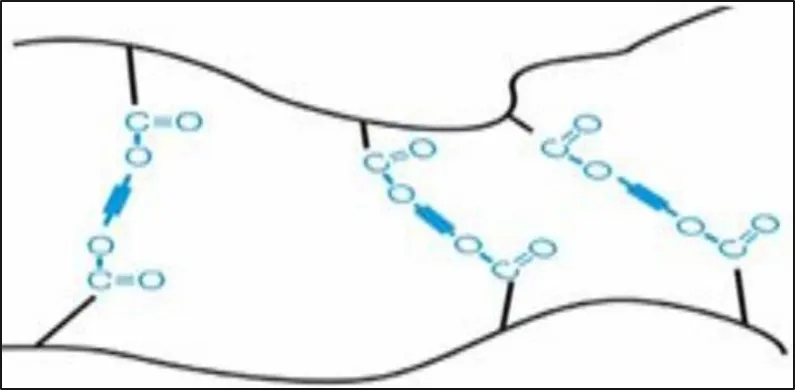
Fig No. 2 Chemical Cross-linking
In some circumstances, the transition from a solution to a gel can happen due to the creation of hydrogen bonds, the solubilization of crystalline components, concentration changes, temperature changes, or hydrophobic interactions. Dextran gels, poly (N-isopropyla crylamide) gels, cellulose gels, and others are examples of these gels.(4)
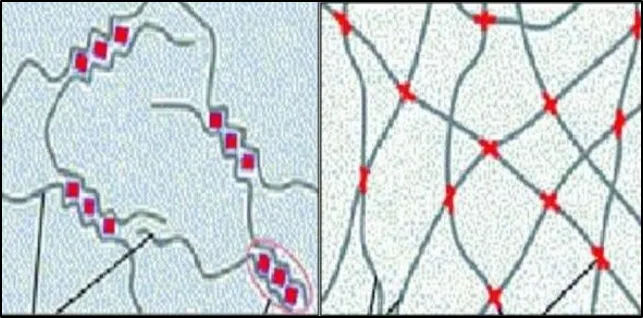
Fig No. 3 Physical cross-linking
In order to create a gel, charges can be formed on polymers or other molecules (solvents) to promote cross-linking (Fig. 6). The charges on such molecules cause them to form ionic connections. In the presence of calcium ions, polysaccharide alginate, for instance, creates a gel matrix that may enclose certain components (enzymes, etc.). You may also achieve ionic gelation by changing the medium's pH. (solvent). Such mixes gel when the pH is changed; for instance, pectin gels when exposed to an acidic pH in a suitable medium.(4)
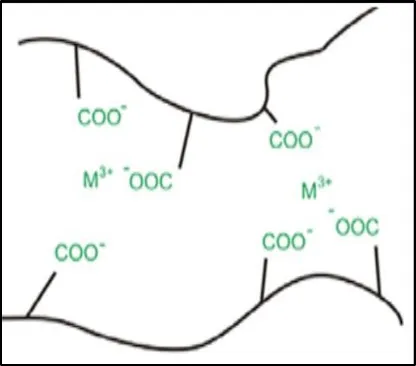
Fig No.4 Ionic cross-linking
Chemical Constituents
Phytochemical investigations had let to the extraction and isolation of secondary metabolites along with the primary metabolites from petroleum ether, Chloroform and Methanolic extract of its barks and leaves. These are pentacyclic Triterpenoids, Flavonoids, Alkaloids, Tannins, Phenolic components, Phenolic acids, Hydrocarbons, Aliphatic alcohols, Fatty acids, Ascorbic acids, Amino acids, Carbohydrates, Benzoquonolins, Vitamins and minerals.
a) Lupeol
Lupeol (lup-20(29)-en-3β-ol) is abundantly found I medicinal plants and has been Reported to Pomes an array of pharmacological activites, including antiangiogenic, Ant inflammatory Anticancer, and arthritis, antidiabetic, cardiovascular and Antioxidant activities Lupeol is one of the potential anticancer biomarkers.(2)
b) Flavonoids
Flavonoids are a group of natural products, which are ubiquitously present in plants (fruits, vegetables and also in certain beverages) They are associated with various therapeutic activities andare present in a variety of medicinal, nutraceutical, pharmaceutical,and cosmetic preparations. The basic structures of these compounds are often character-ized by a fifteen-carbon skeleton as a common phenyl benzopyrone linkage (C6–C3–C6) in their structures Flavonoids are a promising class of natural products sub-divided into flavonols (quercetin and kaempferol), flavones (luteolin and apigenin), flavanones (hesperetin and naringenin), flavan-3-ols (catechin and epicatechin) isoflavones (genistein), and flavanones(2)
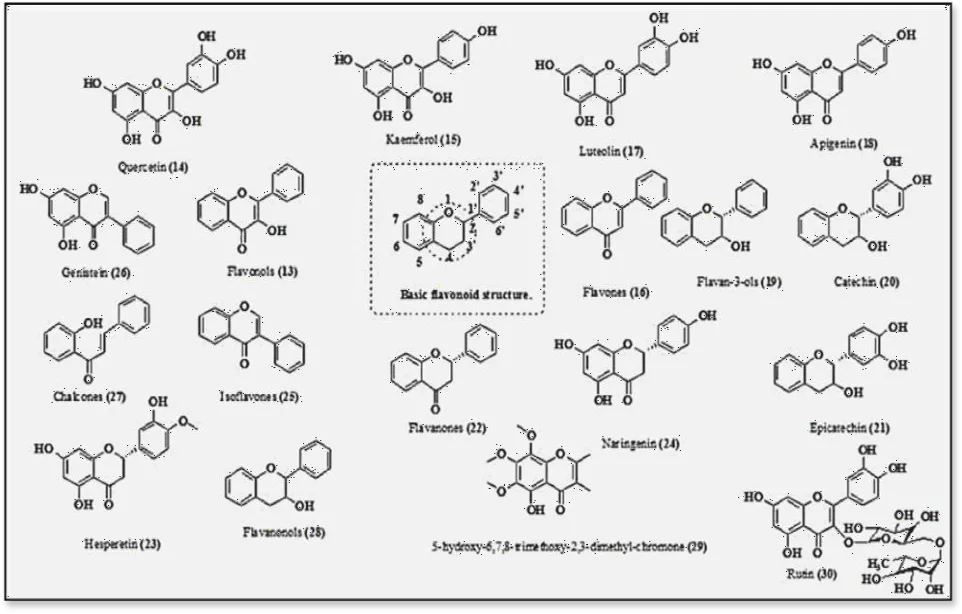
Fig no.5 Structure of Flavonoid
c) Ursolic Acid
Ursolic acid (3 β-hydroxy-urs-12-ne-28-oic acid) is a wellknown pentacyclic terpenoid of Plant origin exhibiting a wide range of pharmacological activities, eg, antiviral, anti-ulcerosos, anti-inflammatory and anticancer activities.
d) α -Amyrin
α-Amyrin (3 β-hydroxy-urs-12-en) is the precursor of ursolic acid and predominantly Found in plant origin exhibiting an array of pharmacological activities, eg, anxiolytic, antidepressant anti-inflammatory, anti-hyperglycemic and hypolipidemic activity.(2)
e)β-Sitosterol
The physteron β -sitosterol (3β -stigmast-5-en-3-ol) is one of the important active principles of many plants. It is also used as one of the potential plant biomarkers for the treatment and Prevention of cancer.
f)Phenolic Acids and Tannins
Plant phenolic acids are a fundamental human dietary component and are well renowned for their pharmacological actions such as antioxidant, anticancer, antiallergic, antimicrobial and anti-inflammatory properties. The antioxidant potential of a particular phenolic acid depends on the number of hydroxyl groups present as well as their position on the molecule. Tannins belong to the class of polyphenols. Tannins are water soluble compounds, are present in many plants and have the ability to precipitate proteins.(2)
g) Quercetin
Quercetin (3-3-4-5-7 pentahydroxyflavanone) is a citrus polyphenolic flavonoid abundantly present in vegetables and fruits, e.g., black grapes, onion and tea. It was the first known tyrosine kinase inhibitor in the phase-I human clinical trials. Recent studies have reported for its broad spectrum of activities, including against cancer, cardiovascular diseases, inflammatory and CNS disorders. Quercetin exhibits its significant antioxidant activity by sustaining oxidative balance.
h) Gallic acid
Gallic acid (3,4,5-trihydroxybenzoic acid) is a naturally-occurring plant phenol ob- tained by the hydrolysis of tannins. Gallic acid is known for its diverse biological activities such as,hepatoprotective, anticancer, antimicrobial and gastroin-testinal disorders. Oxidative stress results in an accumulation and overproductionof free radicals, and is the foremost origin of several degenerative diseases such as cardio- vascular system (CVS) diseases, atherosclerosis, cancer and inflammatorydiseases. Gallic acid is a low molecular weight compound readily available in fruits, vegetables and medicinal plants. It has the ability to induce apoptosis and also acts as a strong antioxidant. It has been found in the methanolic extract of leaves of E. laevis.
i) Luteolin
Luteolin (3,4,5,7-tetrahydroxyflavone) is a flavone present in a wide variety of fruits, vegetables and in medicinal plants. Vegetables including celery, parsley, onion leaves, broccoli, peppers and carrots are rich in luteolin. Luteolin shows an array of biological properties, including antioxidant, antimicrobial, anticancer and estrogenic regulator properties. Luteolin has the ability to induce apoptosis and produce anticancer effects by causing cell cycle arrest in human oral squamous cancerous cells, human esophageal, colon, lung and liver cancers.(2)
j) Naringenin
Naringenin [5,7-dihydroxy-2-(4-hydroxyphenyl) chroman-4-one] belongs to the flavanone series of flavonoids and is predominantly found in citrus fruits like oranges, lemons, grapes and tomatoes. It is a common polyphenolic dietary component and is derived from the hydrolysis of narirutin or naringenin-7-rutinoside. The scientific community pays considerable attention to this flavonoid because of its therapeutic potential, including its antioxidant, antidiabetic, and anti-inflammatory properties and potential against malignancies and neurodegenerative diseases. Naringenin exerts its antioxidant effects by scavenging free radical generation and enhancing several antioxidant enzyme levels such as glutathione peroxidase, catalase and superoxide dismutase.
k)Rutin
Rutin (3,4,5,7-tetrahydroxyflavone-3-rhamnoglucoside) is abundantly available as a flavonolof plant origin. The compound is abundantly present in fruit skin, buckwheat and potato skin of
this plant. It exhibits various pharmacological activities including neuroprotective, cardioprotective, antidiabetic, anticarcinogenic, anti-inflammatory, and antioxidant. It scavenges free radicals and inhibits the lipid peroxidation. It is also reported to act as a hepatoprotective agent(2).
Phytochemical Test
|
Sr. No |
Test |
Procedure |
Observation |
Inference |
|
1. |
Alkaloid Test a) Mayer’s Test b) Dragandroff Test |
mercury iodide solution)
(potassium bismuth iodide solution) |
a) Cream colour precipitate is formed. b) reddish brown precipitate appeares |
a) Presence of Alkaloid. b) Presence of Alkaloid |
|
2. |
Carbohydrate Test a) Iodide test |
Add iodide solution to be crude drug solution. |
Blue black colour is not formed. |
Absence carbohydrate |
|
3. |
Saponin Test a) Froth Test |
Shake the powder drug vigorously with water |
Foam is not formed |
Absence of saponin |
|
4. |
Glycoside Test Libermann Burchard Test |
Add acetic anhydride follow by concentrated sulphuric acid to the sample solution |
Violet to blue/green colour appear |
Presence of Glycoside. |
|
5. |
Flavonoid Test a) Sodium Hydroxide Test b) Ferric chloride test c) Lead acetate Test |
a) Add sodium hydroxide solution to the crude drug solvent b) Add few drops of ferric chloride solution to the drug solvent c) Add lead acetate solution to the drug solvent |
a) Yellow colour develop b) Dark green/blue black colour appear c) Yellow precipitate is formed |
a) Presence of flavonoid. b) Presence of flavonoid c) Presence of flavanoid |
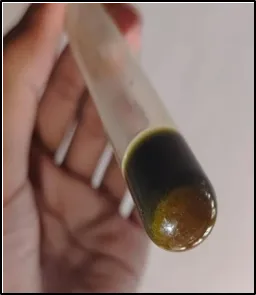
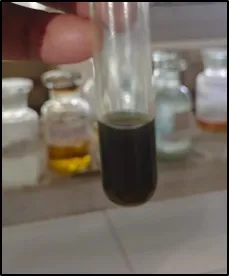
Fig No.6 Mayer’s Test Fig No.7 Dragendroff’s Test
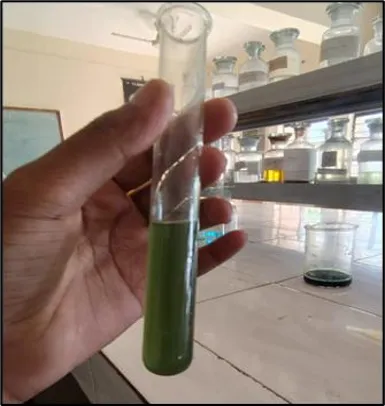
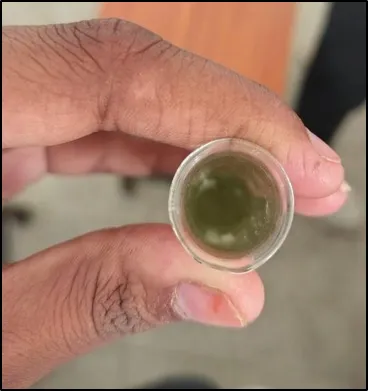
Fig No. 8 Iodide Test Fig No.9 Froth Test
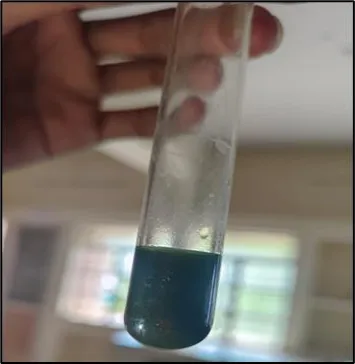
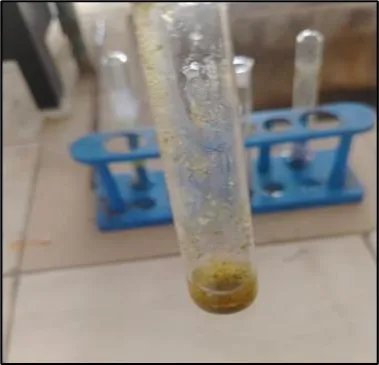
Fig No.10 Libermann-Burchard Test Fig No.11 Sodium Hydroxide Test
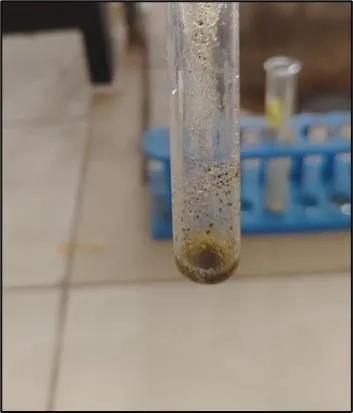
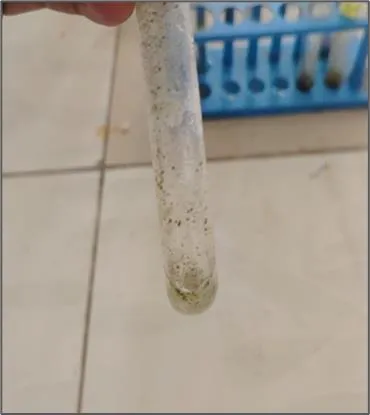
Fig No.12 Ferric Chloride Test Fig No.13 Lead Acetate Test
4. EXCIPIENTS
1) Alovera
Aloe barbadensis miller, commonly referred to as Aloe vera, is one of more than 400 species of Aloe belonging to family Liliaceae. Aloe vera is considered the most potent and, thereby, the most popular plant in the research field. Important component in the traditional medicine of many Countries such as China, India, the West Indies, and Japan.
Aloe vera is one of the most important medicinal plants in the world with applications in the cosmetic industry and also in the tonic or health drink product market. The main feature of the Aloe vera plant is its high water content, ranging from 99-99.5%. The remaining 0.5-1.0% solid material is reported to contain over 75 different potentially active compounds including water and fat soluble vitamins, minerals, enzymes, simple/complex polysaccharides, phenolic compounds, and organic acids(7)

Fig No.14 Aloe Barbadenesis Miller
Confirmation Test of Aloe-vera
Prepare the Solution: Boil 1 gram of the aloe powder or dried juice in 100 mL of water. Let it cool, stir in 1 gram of kieselguhr, and filter it to remove impurities.
Mix and Heat: Take 5–10 mL of the clear filtrate in a test tube and add about 0.2 to 0.5 grams of pure borax.
Heat Gently: Warm the mixture gently until the borax is fully dissolved.
Observe Fluorescence: Pour a few drops of this heated solution into a test tube almost filled with water.
Result: A distinct green-colored fluorescence will appear, confirming the presence of aloe(12)
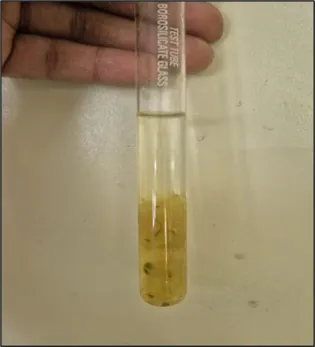
Fig No.15 Borax Test
Clove is an aromatic plant rich in volatile compounds and antioxidants such as eugenol, β-caryophyllene, and α-humulene. Clove essential oil has application in the perfume, cosmetic, health, medical, flavoring, and food industries. Clove essential oil has biological activity relevant to human health, including antimicrobial, antioxidant, and insecticidal activity. The impacts of the extraction method (hydrodistillation, steam distillation, ultrasound-assisted extraction, microwave-assisted extraction, cold pressing, and supercritical fluid extraction) on the concentration of the main volatile compounds in clove essential oil and organic clove extracts are shown. Eugenol is the major compound, accounting for at least 50%. The remaining 10–40% consists of eugenyl acetate, β-caryophyllene, and α-humulene. Furthermore, the main applications in clove essential oil in the pharmaceutical preparation . It has biological applications beneficial for human health, such as anti-inflammatory, analgesic, anesthetic, antinociceptive, and anticancer activity.
It has wide role as a preserving agent and acts as strong fragrances in pharmaceutical gel formulation.(7)
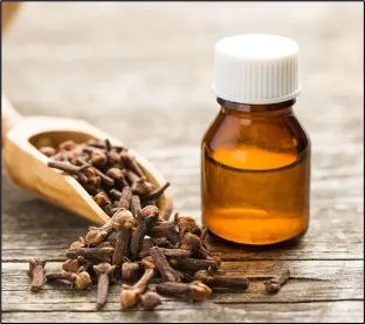
Fig.No 16 Clove Oil
3. Glycerine
Glycerin is widely regarded as the most effective humectant. Humectants are water-absorbing substances that help keep things moist. This property of glycerin helps retain moisture in the
skin It worka by hygroscopic molecule, glycerin acts like a microscopic water magnet. Because glycerin molecules are small, they penetrate the outer layers of the skin, where they bind to water and keep the skin cells hydrated.(7)
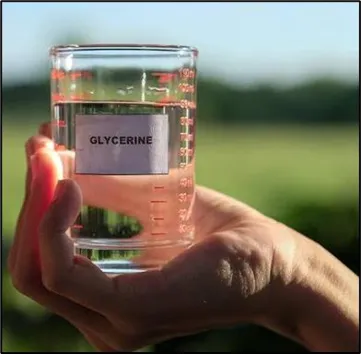
Fig.No.17 Glycerine
4. Guar Gum
Guar gum is a natural, water-soluble polysaccharide extracted from the seeds of the guar bean. Highly valued for its exceptional thickening, stabilizing, and binding properties, it is widely used in gluten-free baking, cosmetics, and various industrial applications.
Guar gum powder is known for its ability to create high viscosity at low concentrations, which makes it an economical and efficient option for many applications. It is also known for its ability to form strong hydrogen bonds with water molecules, which helps it to maintain stability in various formulations.(9)
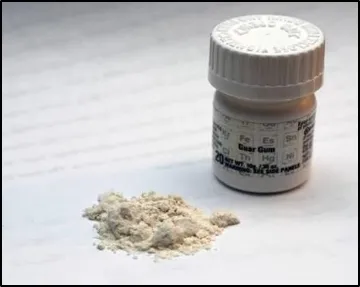
Fig.No 18 Guar gum
5. EXPERIMENTAL WORK
ETHANOLIC EXTRACT BY USING SOXHLET EXTRACTION PROCESS:
When the desired compound has, limited solubility and the impurity is insoluble in that solvent then the soxhlet extractor is used.
A Soxhlet extraction has three main parts
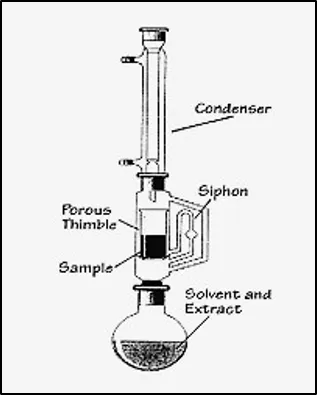
Fig no.19 Soxhlet apparatus
Fresh Ehretia laevis leaves were collected.Leaves were washed properly with distilled water to remove dust and impurities.Then leaves were cleaned using absolute alcohol for sterilization.After that, leaves were rinsed three times with distilled water.
Clean leaves were dried properly in shade or hot air oven. After drying, leaves were crushed and converted into fine powder.
About 50 grams of dried leaf powder was weighed accurately.
The 50 g powdered leaves were placed in a thimble of the Soxhlet extractor.250 mL methanol solvent was added into the distillation flask.
The solvent was heated to boil and produce vapours.Vapours moved upward through the distillation arm into the condenser. The condenser cooled the vapours and converted them back into liquid solvent. The warm solvent dropped into the chamber containing leaf powder.
The warm solvent dissolved the required phytochemicals from the leaf powder.
When the chamber became full, the liquid automatically siphoned back into the flask. This carried the dissolved extract into the flask.
The same process was repeated many times for several hours. This helped in complete extraction of active compounds.
After completion, the methanol solvent containing extract was collected.Solvent was removed using a rotary evaporator.
Thick concentrated methanolic extract of Ehretia laevis leaves was obtained.The remaining insoluble material in the thimble was discarded.(3)
6. Phytochemical Screening Test
For performing these first we have to make acidic alcoholic extract. Preparation of acidified alcohol
Now , we have to weigh 10g crude drug .Then add sufficient acidic alcoholic solvent about 50-100ml.Then shake and heat gently on water bath 30-60min.Then filter by using muslin cloth.
6. FORMULATION
All reagents used were alovera, glycerin, sodium hydroxide (NaOH), Clove oil, Distilled water, ethanol 80%, ehretia laevis roxb leaves extract. Instrumentation: Hot air oven , blender, pH meter, Viscometer (Brookfield viscometer), water bath.
Required amount of alovera are dispersed in distilled water. This mixture is often kept aside to allow the polymer to swell completely ( For keep 1-2 hour).
Now , we have to weigh 10g crude drug .Then add sufficient acidic alcoholic solvent about 50-100ml.Then shake and heat gently on water bath 30-60min.Then filter by using muslin cloth.(14)
Other components like glycerin (humectant), clove oil (preservative, penetration enhancer) are dissolved and added to polymer base.
To achieve the desired consistency and the pH (close to pH 7 skin friendly) a neutralizing agent such as sodium hydroxide (NaOH) are added. It also form clear gel.
Plant extract is slowly mixed into gel base under constant gently stirring until a uniform and transparent gel is formed and also after this process add thickening agent such as guar gum(4)
Table No.2: Four Different quantity of batches of Ehretia Laevis Extract Gel Formulation
|
Sr. No. |
Ingredients |
50gm (B1) |
50gm (B2) |
50gm (B3) |
50 gm (B4) |
|
1 |
API (Ehretia laevis extract) |
2.5 |
2.5 |
2.5 |
2.5 |
|
2 |
Aloe vera |
1 |
1 |
1.5 |
2 |
|
3 |
Glycerin |
5 |
5 |
5 |
5 |
|
4 |
Clove oil |
0.1 |
0.1 |
0.1 |
0.1 |
|
5 |
Guar Gum |
4% |
5% |
6% |
7% |
|
6 |
Distilled water |
50 |
50 |
50 |
50 |
Formula = 𝑨𝑷𝑰 𝒊𝒏 % 𝒙 𝐭𝐨𝐭𝐚𝐥 𝐠𝐞𝐥 𝐢𝐧 𝐠𝐦
𝟏𝟎𝟎
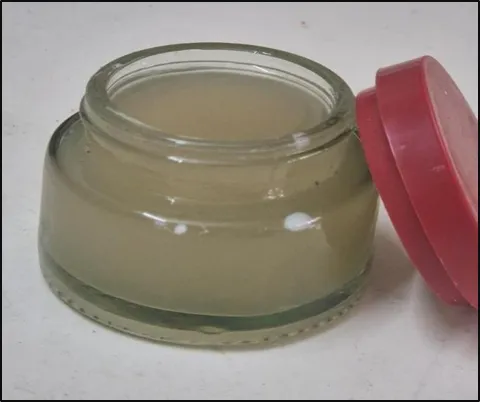
Fig. No 20 BEhretia Laevis Extract Gel
7. EVALUATION PARAMETER OF TOPICAL GEL
Physical appearance and homogeneity were evaluated by visual inspection.All developed gels were tested for homogeneity by visual inspection after the gels have been set in the container.They were tested for their appearance and presence of any aggregates. The gel was smooth, good consistency. The gel appeared to be in light greenish colour.(6)
the reading at room temperature. The The pH was measured in each gel, using a pH meter, which was calibrated before each use with standard buffer solutions at pH 4, 7, 9. The electrode was inserted in to the sample 10 min priors to taking pH of the gel was close to skin pH near to 6 to 7. (4)
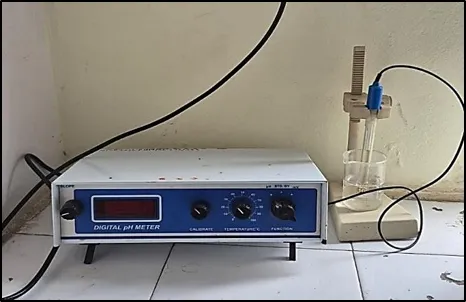
Fig.No 21 Digital PH Meter
The measurement of viscosity of the prepared gel was done with a Brookfield viscometer. The gels were ranging between 790 to 820 centipoise using spindle number 64.At each speed, the corresponding dial reading was noted. (6)
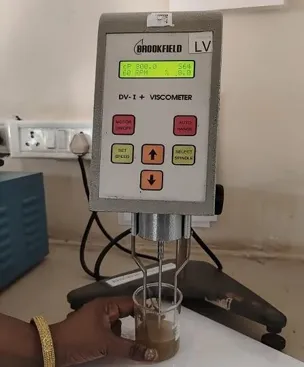
Fig.No 22 Brookfield Viscometer
It displays the extent of the area to which the gel quickly spreads upon application to the skin or affected area. The usefulness of a detail also depends on how well-known it is. Spreadability is expressed in terms of the number of seconds it takes two slides to separate from gel that is sandwiched between them while being subjected to a particular load.
It is calculated by using the formula:
S = M. L / T
where,
M = wt. tied to upper slide
L = length of glass slides
T = time taken to separate the slides.
The spreadability of the formulated Herbal gel was found to be 7.5cm.(6)
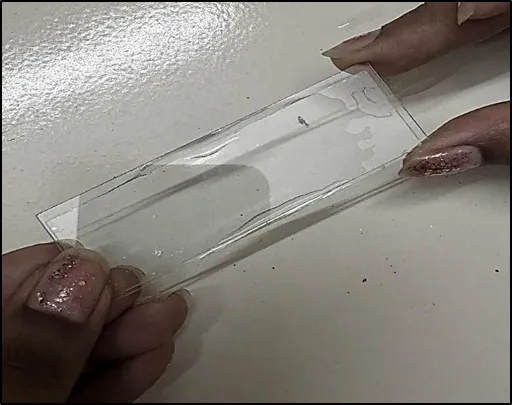
Fig.No 23 Spreadability Test
To assess extradurability a sealed collapsible tube holding gel was pressed immovably at the folded end. At the point when the top was emptied, gel discharged till the weight dispersed. Weight in grams necessary to evacuate a 0.5 cm ribbon of the gel in 10 sec was resolved. The usual expulsion pressure in g was recorded.(6)
The stability study of the gel is to be done as per ICH recommendations the gel was store at 30⁰ C± 2⁰ C/ 60% ± 5% RH and 40⁰ C± 2⁰ C/ 75% ± 5% RH. The formulation were examined in the change in physical appearance, pH, spread ability and Viscosity.(6)
On the off chance that no apparent particulate matter was seen with a light magnifying lens, the four definitions were evaluated infinitesimally for the existence of particles. The gel arrangement so obviously meets the need of independence from particular matter and from coarseness as desired for any efficient preparation.(6)
Table no 3 : Spread-ability
|
Formulation Code |
Spread-ability |
|
B1 |
6 |
|
B2 |
6.2 |
|
B3 |
7 |
|
B4 |
7.5 |
Table no 4 : pH
|
Formulation Code |
pH |
|
B1 |
6 |
|
B2 |
7 |
|
B3 |
7 |
|
B4 |
7 |
Table no 5: Homogeneity
|
Formulation Code |
Homogeneity |
|
B1 |
Aggregate |
|
B2 |
Aggregate |
|
B3 |
No aggregate |
|
B4 |
No aggregate |
Table no 6 : Grittiness
|
Formulation Code |
Grittiness |
|
B1 |
No |
|
B2 |
No |
|
B3 |
No |
|
B4 |
No |
8. RESULT AND DISCUSSION
Drug Identification by ultraviolet absorption spectroscopy.
A solution of 5 μg/ml concentration containing ehretia laevis roxb in pH 6.8 phosphate buffer and was scanned between 200 to 400nm for getting the absorbance at 278 nm λmax.
Calibration curve of Ehretia Laevis roxb:
Calibration curve of ehretia laevis roxb was carried out in Phosphate buffer of pH 6.8 and absorbance was taken by using UV spectrophotometer.
Preparation of Phosphate buffer of pH 6.8:
Take about 50ml of potassium dihydrogen phosphate in a 200ml volumetric flask and add 22.4ml of 0.2M Sodium hydroxide and made up to 200ml with distilled water. Check the pH of resulting solution and adjust to pH 6.8 by using 0.2M sodium hydroxide solution.
Calibration curve of Ehretia Laevis Roxb in pH 6.8:
50 mg of drug Ehretia Laevis Roxb was dissolved in pH 6.8 Phosphate buffer and volume was make up to 100ml to make stock solution of concentration 500μg/ml. Then 1 ml of stock solution was taken and diluted upto 100ml with the buffer of pH 6.8 and to get concentration of 5μg/ml and in similar way dilution were made as 5, 10, 15, 20 and 25 μg/ml respectively and absorbance measured at 278nm by UV visible spectrophotometer. The absorbance values were plotted against concentration (μg/ml) to obtain the standard calibration curve.
Calibration of Ehretia Laevis Roxb in pH 6.8 Phosphate buffer
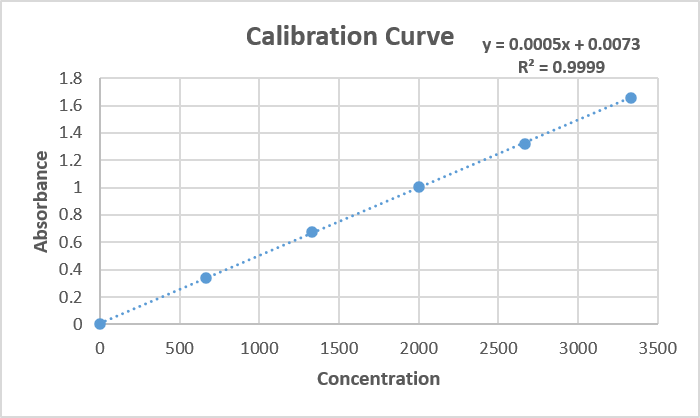
Graph 1: Calibration of Ehretia Laevis Roxb
Table no 7: Calibration of Ehretia Laevis Roxb
|
Sr. no. |
Volume of stock solution |
Concentration (ug/ml) |
Absorbance |
|
1 |
1ml |
666.66 |
0.337 |
|
2 |
2ml |
1333.33 |
0.678 |
|
3 |
3ml |
1999.99 |
1.0028 |
|
4 |
4ml |
2666.66 |
1.32 |
|
5 |
5ml |
3333.33 |
1.6545 |
Cumulative % drug release of gel
The release rate of ehretia laevis roxb extract gel was determined using franz diffusion cell. The % Cumulative Drug Release was performed using 49ml of pH 6.8 Phosphate buffer, at 37± 0.5 ℃ at 75 rpm. Aliquot volume of the solution was withdrawn from the dissolution apparatus predetermined intervals (20min) and the samples were replaced with fresh dissolution medium to avoid sink condition. Absorbances of these solutions were measured at 278nm. Cumulative % Drug release was calculated using an equation obtained from a standard curve. % Drug release mention in below table.
Table No 8: Cumulative % drug release of gel
|
Time (min) |
% CDR |
|
20 |
31.85% |
|
40 |
37.45% |
|
60 |
18.2% |
|
80 |
45.85% |
|
100 |
37.1% |
|
120 |
54.25% |
|
140 |
75.6% |
|
160 |
77.7% |
|
180 |
83.3% |
|
200 |
90.45% |
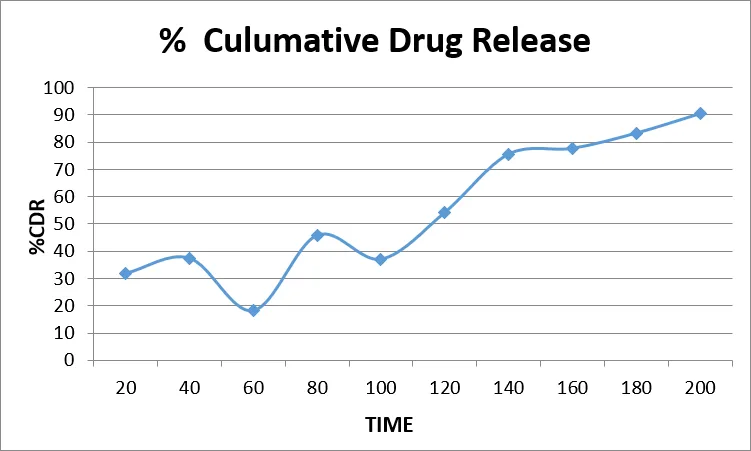
Graph 2: % Culumative Drug Release
9. CONCLUSION
The present study successfully focused on the formulation and evaluation of herbal gel containing extract of Ehretia laevis Roxb.. The gel formulation was prepared using suitable gelling agents and excipients to obtain a stable, smooth, and effective topical preparation. Different evaluation parameters such as appearance, pH, viscosity, spreadability, homogeneity, and stability were carried out to determine the quality and performance of the prepared gel.
The formulated gel showed satisfactory physicochemical properties with good consistency, acceptable pH, and excellent spreadability, making it suitable for topical application. The stability studies indicated that the formulation remained stable without significant changes in color, texture, or phase separation during the study period. The herbal extract incorporated in the gel demonstrated promising potential for topical therapeutic use due to the medicinal properties of Ehretia laevis Roxb.
Therefore, it can be concluded that the formulated herbal gel is safe, stable, and effective for topical application and may serve as a beneficial herbal formulation for future pharmaceutical and cosmetic applications.
10. FUTURE SCOPE
Development of Safer Topical Therapies Herbal gels can be developed as safer alternatives to synthetic topical formulations with fewer side effects and better patient complianceFuture research can focus on using different medicinal plant extracts to enhance antimicrobial, anti-inflammatory, antioxidant, and wound-healing properties. Advanced Drug Delivery Systems Herbal gels may be combined with modern drug delivery technologies such as nano-gels and controlled-release systems for improved therapeutic effectiveness. Herbal gels have wide potential in pharmaceutical, cosmetic, and personal care industries due to increasing demand for natural and eco-friendly products.
REFERENCES






Sojwal Rathod, Disha Rangari, Prathamesh Rathod, Shrutika Rane, Rushikesh Wanole, Dr. M. D. Kitukale, Formulation and Evaluation of Herbal Gel from Ehretia Laevis Roxb Extract for Anti-Inflammatory and Anti-Arthritic Activity, Int. J. of Pharm. Sci., 2026, Vol 4, Issue 6, 6539-6557. https://doi.org/10.5281/zenodo.20908214
 10.5281/zenodo.20908214