

We use cookies to ensure our website works properly and to personalise your experience. Cookies policy
P.R Patil Institute Of Pharmacy, Talegaon (S.P), Wardha, INDIA.
The present study focuses on the formulation and evaluation of a herbal hair mask using natural ingredients as a safer alternative to synthetic hair care products. The formulation incorporates plant-based components such as flaxseed, fenugreek, aloe vera, and hibiscus, which are known for their nourishing, conditioning, and hair growth–promoting properties. The hair mask was prepared using Carbopol 940 as a gelling agent, glycerin as a humectant, sodium benzoate as a preservative, and triethanolamine for pH adjustment. Two formulations (F1 and F2) were developed and evaluated for various parameters including organoleptic properties, pH, spreadability, stability, and skin irritation. The prepared formulations exhibited a pleasant odor, smooth texture, and appropriate pH suitable for scalp application. Stability studies showed no significant changes in color, odor, texture, or pH under different storage conditions, indicating good stability. The skin irritation test confirmed that the formulation was non-irritant and safe for topical use. Overall, the herbal hair mask demonstrated effective conditioning, moisturizing, and potential anti-dandruff and hair-strengthening properties. The study concludes that the formulated herbal hair mask is a safe, stable, and effective natural alternative for maintaining healthy hair
Hair promotes well-being in people and also protects the scalp from solar radiation and mechanical abrasion. The development of hair care formulations is important for the treat and protect the hairfiber from daily external hair aggressions. The primary functions of hair care formulations improve the physical properties of the hair fiber, such as texture, strength , and combability. The secondaryfunctions are the improve of sensory properties, such as brightness, frizz reduction and hair film formation.[1]
Hair is simple in structure made of the root and shaft. The root is enclosed in the hair follicle, hair shaft is the part of the hair seen above tin incin Hair is made up of tough protein called keratin that forms the strength of hair. Keratin is a large molecule made up of smaller units called amino acids, which join together to form a chain. Hair structure is made up of different layers and structures. The hair follicle is the centre of the biological activity like hair growth, pigmentation; whereas the hair shaft is considered to be dead and is mainly made of protein.
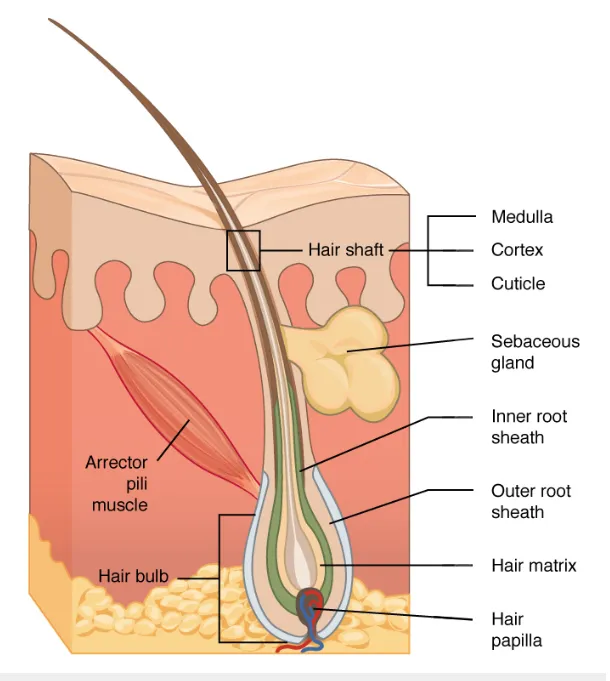
Fig No.1:- Structure of Hair
Hair grows from the follicle, or root, underneath the skin. The hair is 'fed' by blood vessels at the base of the follicle, which give it the nourishment it needs to grow. Between starting to grow and falling out years later, each hair passes through four stages: anagen, catagen, telogen and exogen. Another stage kenogen, has been recently realised. Every hair is at a different stage of the growth cycle. Over time, the length of the anagen stage decreases. Therefore, the hair may become weaker and thinner after each cycle. That is why it is important to ensure diet rich in specific nutrients to maintain normal, healthy hair growth. If hairs enter the resting phase too early, excess shedding and noticeable thinning of the hair can occur.[2]

Fig No.2 :- Stages of Hair Growth
Dry hair :- Dry hair is caused by insufficient moisture or natural oils in the hair shaft due to factors like environmental damage, excessive heat styling, or reduced sebum production.
Oily hair :- Oily hair is caused by overactive sebaceous glands producing excess sebum on the scalp, leading to greasy hair.
Frizzy hair :- Frizzy hair is caused by a lack of moisture in the hair cuticle, leading it to absorb humidity from the air and swell unevenly.
Grey hair :- Grey hair is caused by a reduction in melanin production in hair follicles, often due to aging, genetics, or oxidative stress.
1.2 Importance of Herbal Cosmetics and Their Demand in the Market
In the history of cosmetics, Egyptians were known to recognize the benefits of cosmetics in the early days. Earlier natural and herbal products were predominantly used to enhance skin tone, radiance, hair growth, fragrance, and various dermatological conditions.[6] Later in the 19th century, the chemical formulation known as cosmetics became popularover time since it was proven to give the same effect as that of natural products for improving beauty and appearance.[7] The Discovery of hydroxyl acids used against wrinkles marked the rapid expansion of the cosmeceutical industry. Raymond Reed, the founder of the United States Society of Cosmetic chemists coined the term cosmeceuticals. Albert M Kligman in 1970, used retinoic acid in a formulation to improve the appearance of skin damaged by ultraviolet (UV) radiation and wrinkles.[8,9] Although the cosmetics improved the appearance, their extensive use leads to severe side effects such as endocrine disorders, cosmetic‑linked melanoma, stillbirths, birth defects, even severe lung diseases,[10] which led to change over from chemicals to natural or herbal extracts.[5] Considering these side effects, the cosmeceutical industries started working on a stable formulation containing natural and herbal extracts (ingredients) in place of chemicals that had mere side effects compared to cosmetics, hence herbal cosmeceuticals became a current trend again in the market.[4] The zero or mere side effects from the herbal cosmeceuticals gained the trust of customers and hence boomed in the market.[11] Now the herbal cosmeceuticals used are in more demand worldwide compared to synthetic cosmeceuticals.[12]
1.3 Herbal Hair Mask
Herbal hair mask formulations are designed to cleanse, change the texture, change the colour, revitalize stressed hair, nourish hair, and give hair a healthy appearance are all considered hair cosmetics. Hair types vary from person to person and include dry hair, greasy hair, as well as normal hair. Nowadays, people don't have time to think about how they look problems relating to hair, such as split ends, dandruff, white hair, hair loss, etc. Hair issues are brought on by stress, infections of the scalp, hormone imbalances, inadequate consumption of vitamins, food, and minerals, and overuse of chemical shampoos. [13-14] Products that are used for cleaning, texture modification, color change, revitalizing stressed hair, nourishing hair, and giving hair a healthy appearance are referred to as hair care products. Dandruff is a significant and prevalent issue these days that is brought on by these products used in daily life. The main purposes of hair care formulas are to enhance the physical characteristics of the hair fiber, including its strength, and texture. The enhancement of sensory qualities like brightness, frizz reduction, and hair film development are the secondary purposes. [15] It has cultural and aesthetic value in addition to being crucial in protecting the scalp from the elements such the sun and cold. These days, maintaining a clean scalp and hair is one of the most important parts of one's personal life. The hair is the most important part of the body. We therefore created a hair mask, hair shampoo and hair serum formula, to take care of them. The advantages of the herbal hair mask's ingredients for Hair are well-known. Vitamin E, coconut oils are also included in the hair mask, hair serum and shampoo and are applied to the hair. These herbal hair products are made without the use of any chemicals. Since it only contains natural ingredients, it doesn't harm your hair. Hair is a sign of excellent health and a sensitive organ. We might use an herbal hair mask to help hydrate our hair. They are extremely beneficial for dry and damaged hair. Adopting a healthy lifestyle and selecting products containing these elements support the general health of hair. [16] Our scalp's health and the strength of our hair can both be enhanced by a hair mask. These hair products are made at home, are very beneficial, and have no side effects. Many materials can be used to create these products. These products are very beneficial for persons whose hair is severely damaged or extremely thin. Our personalities are more attractive when we have nice hair. Although there are many different types of masks available, many of them contain chemicals. Thus, we produced a product using herbs. The process of creating hair mask, shampoo and serum is very easy. Herbs are widely used as therapeutic agents due to their affordability, accessibility, and safety. The global market is seeing an increase in demand for herbal formulations. The main objective of our study was to fully resolve this difficulty. For hair care, we therefore developed a multifunctional herbal anti-dandruff, conditioning, and anti-hair fall mask. [17]
2. PLANT PROFILE OF INGREDIENT
2.1 Flax Seeds
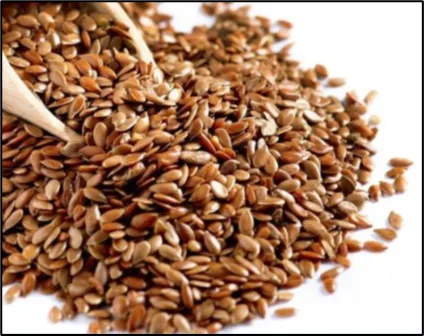
Biological Source: Linum usitatissimum Linn.
Family: Liliaceae.
Kingdom: Plantae (Plants).
Subkingdom: Trophobiont (Vascular Plant).
Subdivision: Spermatophyta (Seed Plant).
Division: Magnoliphyta.
Class: Magnoliopsida (Dicotyledons).
Subclass: Rosidae.
Genus: Linum L.
Species: Usitatissimum L.
Constituents
The flax seeds contain 35-45% oil which contain 9-10% of saturated fatty acids (palmitic and steric) about 20% monosaturated fatty acids (mainly oleic acid), and more than 70% alpha-linolenic acid fatty acid. The protein content in the seed of flax varies from 20-30.
Uses
Flax seeds is the power house of nutrients, vitamins and
healthy fats, all of which may help to:
Teart The Scalp
Prevent The Hair Loss
Promote Hair Growth[18,19]
2.2 Aloe Vera
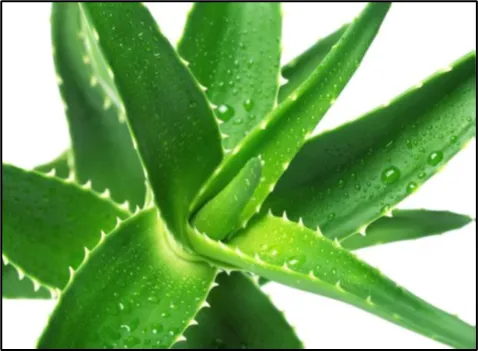
Family: Asphodelaceae
Biological Source: Aloe perryi
Subfamily: Asphodelodeae
Kingdom: Plantae
Class: Liliopicida-Monocotyledons
Order:Liliales
Genus: Aloes
Constituent
The gel of Aloe vera contains polysaccharides like acemannan that provide moisturizing and healing effects. It is rich in vitamins A, C, E, and B-complex, along with enzymes such as amylase and lipase. Anthraquinones like aloin offer antimicrobial action, while saponins provide cleansing properties. It also contains lignin for better penetration, salicylic acid for anti-inflammatory effects, and minerals like calcium, magnesium, and zinc.
Uses
Aloe vera is most beneficial for our hair.
It helps to stop the hair fall.
It repairs dead skin cells on the scalp.
It gives shine to our hairs and it act as great conditioner and
leaves our hair all smooth and shiny.
It promotes the growth of hairs.
Aloe vera prevents itching on the scalp and reduces dandruff
and conditions our hair.[20]
2.3 Hibiscus
Fig No.5:- Hibiscus
Biological Source: Hibiscus rosa-sinensis
Family: Malvaceae
Kingdom: Plantae
Division: Tracheophyte
Class: Magnoliopisida
Genus: Hibiscus L
Species: Rosa Sinensis L
Constituents
The leaves and flowers of Hibiscus rosa-sinensis contain flavonoids and anthocyanins with strong antioxidant activity. It is rich in mucilage, which provides moisturizing and conditioning effects. Tannins offer astringent properties, while saponins aid in gentle cleansing. The plant also contains organic acids like citric and malic acid for pH balance, along with vitamins (C and A) and minerals such as calcium and iron that support scalp and hair health.
Uses
Promotes hair growth
Reduces hair fall
Prevents dandruff
Acts as a natural hair conditioner
Delays premature greying[21]
2.4 Fenugreek Seeds
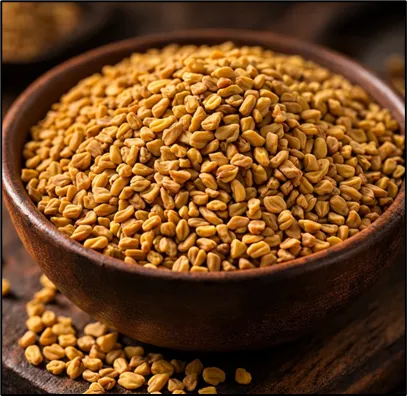
Fig No.6:-Fenugreek Seeds
Botanical Name: Triglmellafoenum-graecum
Family:Fabaceae
Kingdom: Plantae
Division: Magnoliophyta
Class: Mangnoliopsida
Family: Fabaceae
Genus: Trigonella
Species: Foenum-gracecum Linn
Constituents
Fenugreek seeds contain a rich variety of bioactive constituents, including alkaloids (trigonelline), steroidal saponins (diosgenin), flavonoids, and glycosides. They are also high in dietary fiber, proteins, and essential amino acids like lysine and tryptophan. The seeds contain vitamins such as vitamin A, B-complex, and C, along with minerals like iron, calcium, and phosphorus. Additionally, mucilage compounds contribute to their soothing and moisturizing properties, especially in hair and skin applications.
Uses
Promotes hair growth and strengthens hair
Reduces dandruff and conditions dry scalp
Helps control blood sugar levels
Aids digestion and relieves constipation
Lowers cholesterol levels[22]
3. AIM AND OBJECTIVE
Aim:-Formulation and evaluation of herbal hair mask
Objective:- The objective of formulating and evaluating a herbal hair mask is to develop a safe, effective, and natural alternative to synthetic hair care products using plant-based ingredients. The formulation aims to promote hair growth, reduce dandruff, nourish the scalp, and improve hair texture and strength. Evaluation parameters include physical appearance, pH, consistency, spreadability, stability, and microbial safety. Additionally, the study assesses its effectiveness in conditioning, and enhancing overall hair health, ensuring the product is stable, user-friendly, and suitable for regular use without adverse effects.
4. MATERIALS AND METHOD
Table no.1:-The Ingredient used in herbal hair mask
|
Sr. No. |
Ingredient |
Uses |
|
1. |
Flaxseed Mucilage |
Conditioning |
|
2. |
Fenugreek Seed Mucilage |
Strengthening |
|
3. |
Aloe Vera Gel |
Moisturizing |
|
4. |
Hibiscus Mucilage |
Nourishing |
|
5. |
Carbopol 940 |
Thickning |
|
6. |
Sodium Benzoate |
Preservative |
|
7. |
TEA(Triethanolamine) |
Neutralizer/pH Adjuster |
|
8. |
Glycerin |
Hydrating |
|
9. |
Lavender Oil |
Fragrance |
|
10. |
Distilled Water |
Solvent |
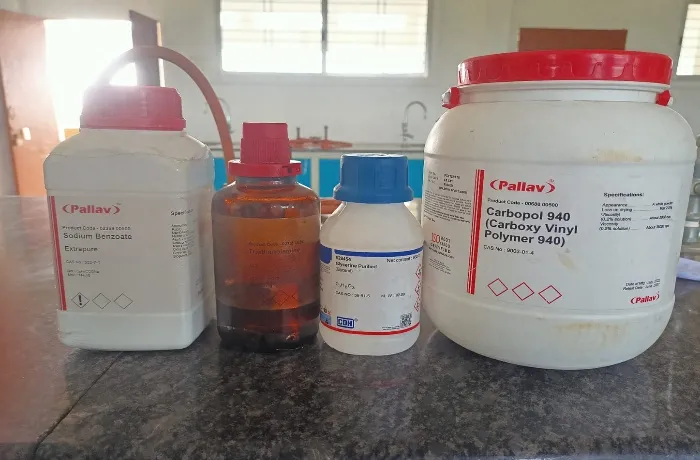
Fig No.7:-Chemicals
4.1 Extraction of Hibiscus Mucilage:
Flow Chart: Extraction of Mucilage from Hibiscus rosa-sinensis
Collection of fresh leaves & petals
↓
Washing with water (removal of dirt)
↓
Shade drying (10 days)
↓
Grinding to fine powder
↓
Soaking powder in water (10 g in 100 ml)
↓
Release of mucilage
↓
Filtration through muslin cloth
↓
Collection of filtrate (mucilage extract)
4.2 Preparation of Flaxseed Mucilage:
Added the flaxseeds to the water.
Boiled this water for around 10 min. and keep stirring to avoid flaxseeds from sticking to the base.
Let the gel cooled down.
Put the muslin cloth in a glass measuring cylinder to strain it.
4.3 Preparation of Fenugreek Mucilage:
Soak the fenugreek seeds in hot water.
Allow to soak for 3-4 hours or overnight.
Heat the soaked mixture gently for 5-10 minutes to enhance mucilage release.
Grind the soaked fenugreek seeds into a smooth paste.
Filter through muslin cloth to extract smooth mucilage, if a clearer gel is desired.
Table no.2:- List of Instrument used
|
Sr. No. |
Instruments |
|
1 |
Electric pH Meter |
|
2 |
Homogenizer |
|
3 |
Auto Clave |
|
4 |
Incubator |
|
5 |
Hot air oven |
|
6 |
Weighing Balance |
Table no.3:- List of apparatus used
|
Sr.No |
Apparatus |
|
1 |
Beakers |
|
2 |
Glass rod |
|
3 |
Tripod stand |
|
4 |
Waterbath |
|
5 |
Mortar & pestel |
|
6 |
Pair of tongs |
|
7 |
Measuring cylinder |
|
8 |
Glass slides |
|
9 |
Petriplates |
|
10 |
Weight Box |
|
11 |
Spatula |
Table no.4:- Composition of batchs
|
Sr. No |
Ingredients |
F1 |
F2 |
F3 |
F4 |
F5 |
|
1 |
Flaxseed Mucilage |
20g |
25g |
22 g |
24 g |
23 g |
|
2 |
Fenugreek Seed Mucilage |
15g |
15g |
16 g |
14 g |
15 g |
|
3 |
Aloe Vera Gel |
20g |
20g |
22 g |
21 g |
19 g |
|
4 |
Hibiscus Mucilage |
10g |
10g |
11 g |
9 g |
10 g |
|
5 |
Carbopol 940 |
1g |
1g |
1 g |
1 g |
1 g |
|
6 |
Sodium Benzoate |
0.5g |
0.5g |
0.5 g |
0.5 g |
0.5 g |
|
7 |
TEA(Triethanolamine) |
2-3 drops |
2-3 drops |
2-3 drops |
2-3 drops |
2-3 drops |
|
8 |
Glycerin |
5g |
5g |
5g |
5g |
5g |
|
9 |
Distilled Water |
q.s |
q.s |
q.s |
q.s |
q.s |
4.4 Formulation Method of Herbal hair mask
Step 1: Preparation of Gel Base [24]
Take a required quantity of distilled water in a clean beaker.
Add Carbopol 940 (0.5–1%) slowly with continuous stirring using a glass rod to avoid lump formation.
Allow it to hydrate for 1–2 hours until a uniform dispersion is obtained.
Step 2: Addition of Humectant and Preservative [23]
Add glycerin (5–10%) to the hydrated Carbopol dispersion and mix thoroughly.
Dissolve sodium benzoate (0.2–0.5%) in a small amount of distilled water and add to the mixture with continuous stirring.
Step 3: Incorporation of Herbal Mucilage [23]
Add the following gels one by one with continuous stirring:
Flaxseed mucilage
Fenugreek seed mucilage
Aloe vera gel
Hibiscus mucilage
Mix using a homogenizer to obtain a smooth and uniform consistency.
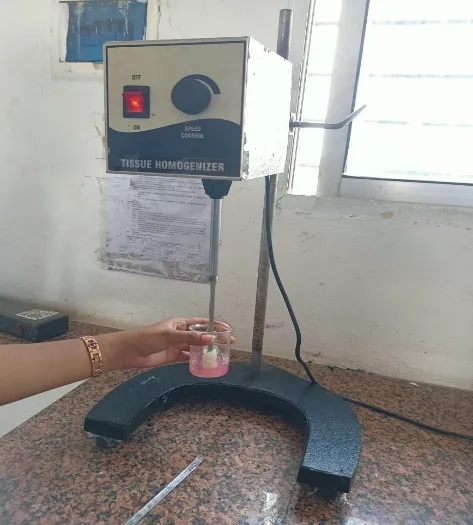
Fig No.8:- Homogenizer
Step 4: Neutralization and Gel Formation [23]
Add Triethanolamine (TEA) dropwise while stirring.
Continue until the formulation thickens and forms a clear gel.
Adjust pH to 5.5–6.5 using a pH meter.
Step 5: Final Mixing
Stir the formulation continuously to ensure uniform distribution of all ingredients.
Remove any entrapped air by allowing the gel to stand undisturbed.
Step 6: Filling and Storage
Transfer the prepared gel into clean, airtight containers.
Store at room temperature away from direct sunlight.
5. EVALUATION PARAMETERS
5.1 Organoleptic Properties
In this test, the hair mask was observed for colour, odour, texture, etc.
Colour: Reddish
Odour: Pleasant, characteristic lavender odour
Apperance:Gel
5.2 pH test
The pH of the herbal hair mask formulations was measured using a calibrated digital pH meter. A 1% aqueous solution of each formulation was prepared using distilled water, and the pH was recorded at room temperature. The pH values were found within the range of 5.5–6.5, which is suitable for scalp application and helps maintain the natural balance of hair and scalp.
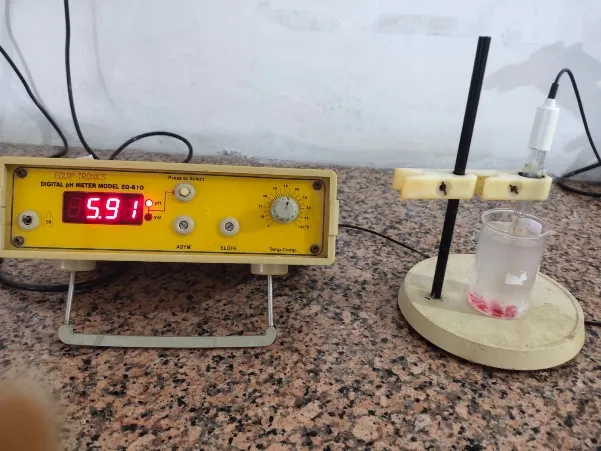
Fig No.9:-pH Meter
5.3 Spreadability Test
The Spreadability was expressed in terms of time in seconds taken by two glass plates to slip off from the formulation, placed in between the plates, under certain load lesser the time taken for separation of the two glass plates better the Spreadability. Two sets of glass plates of standard dimension were taken. Then one plates of suitable dimension was taken and the formulation was placed on that plate. Then other plate was placed on the top of the formulation. Then a weigh of 20g was placed on the upper plate so that the formulation between the two plates was pressed uniformly to form a thin layer.
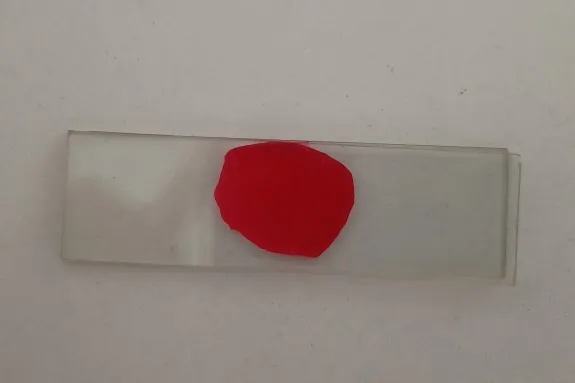
Fig No.10:- Spreadability Test
5.4 Stability Studies
The formulation was stored for some time under different temperatures (35°c to 40°c) and humidity conditions and the change in the physical properties was not observed.
Table No.5:-Stability studies
|
Sr No |
Parameter |
Result |
|
1 |
Change in colour |
No change |
|
2 |
Change in odor |
No change |
|
3 |
Change in texture |
No change |
|
4 |
Change in pH |
No change |
5.5 Skin irritation test
Mark the area (1cm) on left hand surface, then the mask was applied to the area and the time was noted. This is checked for irritancy, erema if any for an interval up to 24 hr and reported.
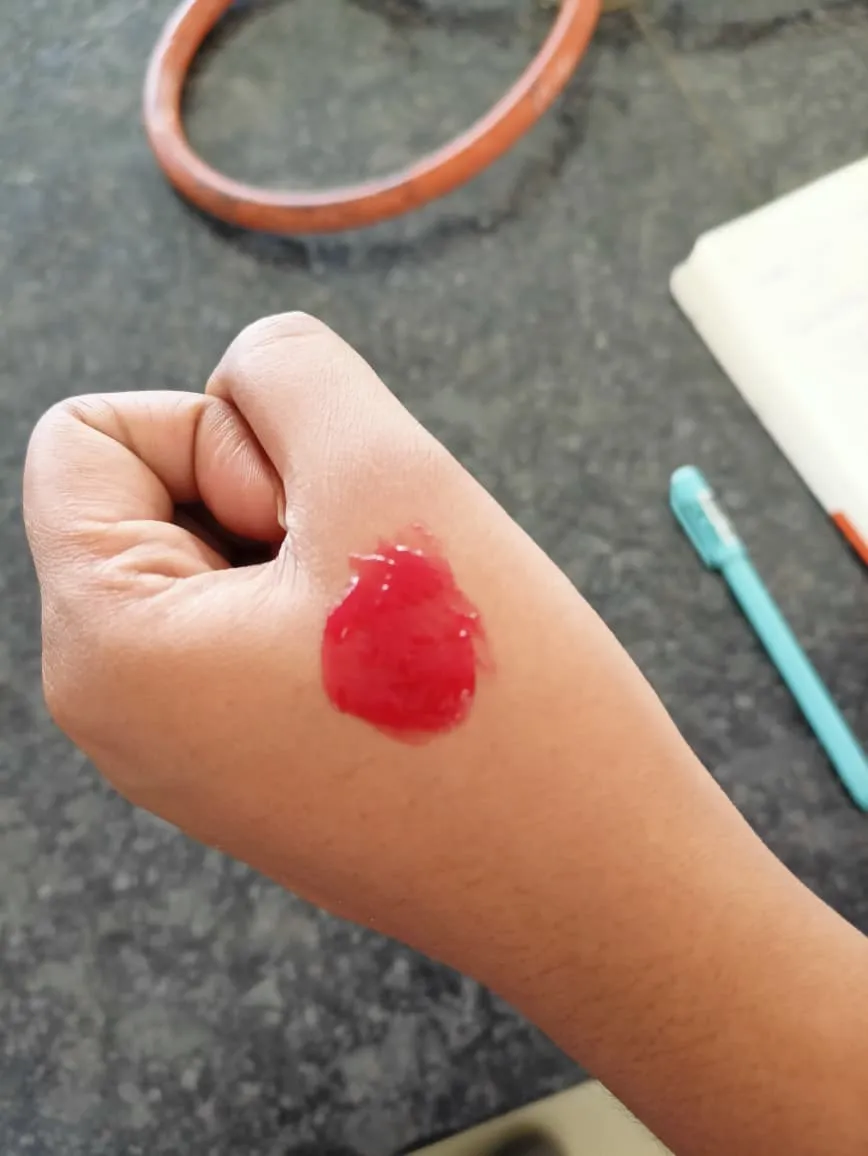
Fig No.11:- Skin irritation test
5.6 Comparative Study of Formulation Batches
A comparative evaluation of all formulation batches (F1–F5) was carried out to identify the optimized herbal hair mask formulation. Variations in the concentration of flaxseed mucilage, fenugreek mucilage, aloe vera gel, and hibiscus mucilage influenced the physicochemical characteristics of the formulations.
F1 showed good stability and acceptable performance but comparatively lower spreadability and consistency than F2. F3 demonstrated very good texture and overall performance; however, its spreadability and acceptability were slightly lower than F2. F4 exhibited a thicker consistency and moderate spreadability, which affected ease of application and overall acceptability. F5 showed satisfactory stability and performance but did not match the uniform texture and ideal consistency observed in F2.Among all batches, F2 demonstrated the most balanced formulation with excellent spreadability, smooth and uniform texture, ideal pH, superior stability, pleasant odor, and better washability. Therefore, F2 was selected as the optimized formulation for the herbal hair mask preparation.
Table No.6:- Comparative Study of Formulation Batches
|
Evaluation Parameters |
F1 |
F2 |
F3 |
F4 |
F5 |
|
Color |
Light reddish brown |
Reddish brown |
Brownish red |
Dark reddish brown |
Reddish brown |
|
Texture |
Smooth |
Smooth & uniform |
Smooth |
Slightly thick |
Smooth |
|
Odor |
Pleasant |
Pleasant |
Pleasant |
Slightly strong |
Pleasant |
|
pH |
5.7 |
5.9 |
6.0 |
6.1 |
6.3 |
|
Spreadability |
Good |
Excellent |
Very good |
Moderate |
Good |
|
Stability |
Stable |
Highly stable |
Stable |
Stable |
Stable |
|
Skin Irritation |
Not observed |
Not observed |
Not observed |
Mild redness absent |
Not observed |
|
Consistency |
Good |
Excellent |
Very good |
Thick |
Good |
|
Washability |
Good |
Excellent |
Good |
Moderate |
Good |
|
Overall Performance |
Stable & effective |
Highly stable & effective |
Stable & effective |
Effective |
Stable & effective |
|
Overall Acceptability |
Good |
Excellent |
Very good |
Good |
Very good |
6. RESULT AND DISCUSSION
6.1 RESULT
All five formulations (F1–F5) of the polyherbal hair mask were successfully prepared and evaluated for various physicochemical parameters such as color, texture, odor, pH, spreadability, stability, consistency, washability, skin irritation, overall performance, and acceptability. The formulations showed satisfactory characteristics with no significant irritation or instability observed during evaluation.Among all formulations, F2 exhibited the best overall performance.
It showed a reddish-brown appearance with a smooth and uniform texture, pleasant odor, ideal pH (5.9), excellent spreadability, good consistency, superior washability, and high stability. No skin irritation was observed with F2, indicating its safety for topical application. The formulation also demonstrated better overall acceptability compared to the other formulations.Hence, based on the evaluation parameters, F2 was considered the optimized and ideal formulation for the herbal hair mask preparation due to its superior physicochemical properties, stability, ease of application, and user acceptability.
6.2 DISCUSSION
The present study demonstrated the successful formulation and evaluation of a polyherbal hair mask using natural ingredients such as flaxseed mucilage, fenugreek mucilage, aloe vera gel, and hibiscus mucilage. These herbal ingredients are well known for their nourishing, moisturizing, conditioning, and hair-strengthening properties, which contributed to the effectiveness of the formulation. All prepared batches showed acceptable physicochemical characteristics including pleasant odor, smooth texture, good consistency, and satisfactory spreadability, making them suitable for topical application.The pH of all formulations was found within the suitable range for scalp application, indicating compatibility with the natural scalp environment and minimizing the risk of irritation. Stability studies confirmed that the formulations remained stable under different temperature conditions without any significant changes in color, odor, texture, or pH. Skin irritation studies revealed that the formulations were safe and non-irritant.
Among all formulations, F2 showed the best overall performance due to its smooth and uniform texture, excellent spreadability, better washability, ideal pH, and higher stability. The comparative study indicated that slight variations in the concentration of herbal ingredients influenced the overall quality and acceptability of the formulations. Overall, the study suggests that the developed herbal hair mask can serve as a safe, effective, and natural alternative to synthetic hair care products.
7. SUMMARY AND CONCLUSION
7.1SUMMARY
The present study focused on the formulation and evaluation of a polyherbal hair mask using natural ingredients such as flaxseed mucilage, fenugreek mucilage, aloe vera gel, and hibiscus mucilage. The formulations were prepared using Carbopol 940 as a gelling agent along with glycerin, sodium benzoate, and triethanolamine. Different formulation batches (F1–F5) were developed and evaluated for various physicochemical parameters including color, odor, texture, pH, spreadability, consistency, stability, washability, skin irritation, and overall acceptability.
The prepared formulations showed satisfactory results with good appearance, suitable pH, smooth consistency, and stability under different storage conditions. No significant skin irritation was observed, indicating that the formulations were safe for topical application. Comparative evaluation revealed that F2 showed the best performance among all batches due to its excellent spreadability, uniform texture, ideal pH, high stability, and better overall acceptability.The study concluded that the formulated herbal hair mask is a stable, safe, and effective natural hair care preparation that may help in conditioning, nourishing, and improving overall hair health.
CONCLUSION
The present study concluded that the formulated polyherbal hair mask is a safe, stable, and effective natural alternative to synthetic hair care products. The combination of flaxseed mucilage, fenugreek mucilage, aloe vera gel, and hibiscus mucilage provided beneficial effects such as nourishment, conditioning, moisturization, and improvement in overall hair health. All formulations showed satisfactory physicochemical properties including suitable pH, good spreadability, stability, and non-irritant nature.
Among all formulation batches, F2 was found to be the optimized formulation due to its excellent consistency, smooth texture, ideal pH, better spreadability, high stability, and superior overall acceptability. The study suggests that the developed herbal hair mask can be effectively used for regular hair care with minimal side effects. Therefore, the formulation has good potential for use as a herbal cosmetic preparation for maintaining healthy and nourished hair.
ACKNOWLEDGMENT
We would like to express our sincere gratitude to our respected guide Ms. Trusha R. Gurnule and faculty members of P.R. Patil Institute of Pharmacy, Talegaon (S.P.), Wardha, for their valuable guidance, continuous support, and encouragement throughout the completion of this project work. Their knowledge and suggestions greatly helped us in successfully carrying out this research. We are also thankful to the management of the institute for providing the necessary facilities and resources required for the formulation and evaluation of the herbal hair mask.Finally, we would like to express our gratitude to our family members for their constant motivation and encouragement.
REFERENCES





Samarth Salunke, Saloni Bhunte, Saniya Shaha, Saniya Yawale, Sayali Raut, Trusha Gurnule, Formulation and Evaluation of Herbal Hair Mask, Int. J. of Pharm. Sci., 2026, Vol 4, Issue 6, 181-193, https://doi.org/10.5281/zenodo.20485963
 10.5281/zenodo.20485963