

We use cookies to ensure our website works properly and to personalise your experience. Cookies policy
IPS Academy College of Pharmacy, Indore, Madhya Pradesh, India
Elderly populations are expected to increase, leading to an increase in neurodegenerative diseases such as Alzheimer's Disease (AD), Parkinson's Disease (PD), Amyotrophic Lateral Sclerosis (ALS), and Huntington's Disease (HD). The role of neuroinflammation in the onset and progression of these diseases is becoming increasingly apparent. There are numerous studies demonstrating that, following chronic activation of microglia and astrocytes, pro-inflammatory cytokine release occurs at excessive levels, oxidative stress and mitochondrial dysfunction are present, and pathological proteins aggregate and lead to progressive neuronal death. The NLRP3 inflammasome plays an important role as a link between innate immune activation and synaptic dysfunction and neuronal apoptosis. This article examines the therapeutic potential of various strategies to manage neurodegenerative diseases through reducing inflammation in the central nervous system. These strategies may include using non-steroidal anti-inflammatory drugs (NSAIDs), COX-2-selective inhibitors, tetracycline derivatives, therapies aimed at inhibiting the NLRP3 inflammasome, and antioxidant-based therapies. Preclinical research shows that these agents have the ability to reduce microglial activation, cytokine release, oxidative damage to neurons, and promote neuron survival. However, clinical results have been inconsistent due to the complexity of these diseases, the variability of individual inflammatory responses, variability in blood-brain barrier permeability, issues of safety, and the time of intervention. New research is focusing on identifying neuroinflammatory biomarkers as well as exploring the use of selective immunomodulator therapy, combination therapy, and precision medicine with the ultimate goal of developing effective disease-modifying therapies through a better understanding of the interactions between neuroimmune systems.
Neurodegenerative disorders (NDs) refer to a category of chronic and progressive neurological diseases, which is associated with progressive impairment of neuronal structure and function within the central nervous system. Some of the most common causes of disability and dependency among the aging populations are major neurodegenerative diseases, such as Alzheimer’s disease (AD), Parkinson’s disease (PD), amyotrophic lateral sclerosis (ALS), and Huntington’s disease (HD), which become an increasing global health issue[8,18]. The growing life expectancy in the world has led to a sharp increase in the prevalence rate of these disorders, which has come with the huge emotional, social, and economic costs to patients, their caregivers, and healthcare [29,51].
Despite the variations in the clinical presentation and the target brain areas, neurodegenerative disorders have a number of common pathophysiological alterations such as oxidative stress, mitochondrial impairment, irregular protein aggregation, and dysregulation of the immune system. Within the last 20 years, neurodegeneration has evolved into being a neuroinflammation-centric concept instead of a neuron-centric concept of the disease [5,24,30,32,39].
Microglia activated secret microglial-reactive inflammatory cytokines, reactive oxygen species, and other neurotoxic products, which induce dysfunction of synapses and neuronal death. Inflammatory signaling involving astrocytes, which may enhance immune responses in the chronic state, is another mechanism that creates a cyclic process of neuronal damage and inflammation[7,14]. There is growing evidence that inflammation can be present at an early stage in the disease process and that it can contribute to the acceleration of neurodegeneration in combination with pathological protein aggregation (e.g., amyloid- 2 deposition in Alzheimer disease and 5-hydrotryptophan-positive amyloid- 2 in Parkinson disease)[1,23]. Besides, immune-related genetic factors and inflammatory signaling pathways are also involved in many neurodegenerative disorders, which discusses neuroinflammation as a common pathological characteristic[9,16].
There is also new research that suggests that extracentral nervous system inflammation can contribute to neurodegeneration in systemic immune interactions and metabolites. As an example, muscle inflammatory signaling mechanisms have been found to mediate neurodegeneration, specifically between skeletal muscle dysfunction and age-related sarcopenia, raising the question of whether neurodegeneration is a complex process of interactions between peripheral and central immune systems[10,21]. The results expand the knowledge of neuroinflammation as a multi-system process, and not a local brain response.
Although there has been a breakthrough concerning the mechanisms behind diseases, the treatments that are at present employed in the context of neurodegenerative disorders are rather symptomatic and fail to prevent the neuronal loss or the disease progression. Indicatively, the therapeutic approaches of Alzheimer disease and Parkinson disease are mainly based on the neurotransmitter systems and offer minimal neuroprotection in the long-term[20,3]. As a result, there is an increasing concern on finding disease-modifying measures that can act on underlying pathological mechanisms.
Due to the central role played by inflammation in the pathology of neurodegenerative diseases, anti-inflammatory therapies have become new promising therapies. Some of the anti-inflammatory agents investigated as potential neuroprotectors are non-steroidal anti-inflammatory drugs (NSAIDs), cyclooxygenase-2 (COX-2), tetracycline-derived (minocycline) and inflammasome, and antioxidant-based interventions[2,6,17]. These drugs can inhibit microglial activation, anti-inflammatory cytokine synthesis and help to prevent neuronal oxidative and apoptotic injury. Nonetheless, the clinical outcomes have been unreliable because of the complexity of neurodegenerative diseases, difficulties with delivering drugs across the blood-brain barrier and the lack of understanding of the optimal timing of anti-inflammatory intervention[12,19].
Due to the increased appreciation of neuroinflammation as an important factor in the pathogenesis of neurodegenerative diseases, thorough knowledge of the anti-inflammatory treatment methods is necessary. Consequently, the purpose of the review is to investigate the importance of inflammation in neurodegenerative diseases and analyze the therapeutic targeting of the inflammatory environment by using NSAIDs, COX-2 inhibitors, and inflammasome-focused strategies, along with antioxidant-based interventions in disease progression.
Table 1. Neuroinflammatory Mechanisms in Major Neurodegenerative Disorders [13,7]
|
Disorder |
Key pathological protein |
Role of Microglia/ Astrocytes |
Major cytokines |
Involvement of NLRP3 |
|
AD |
Aβ, tau |
Chronic activation |
IL-1β, TNF-α, IL-6 |
Strong evidence |
|
PD |
α-synuclein |
Microglial activation |
IL-1β, IL-18 |
Emerging evidence |
|
ALS |
SOD1 aggregates |
Astrocyte toxicity |
TNF-α |
Moderate |
|
HD |
Mutant huntingtin |
Glial dysfunction |
IL-6 |
Limited |
2. Neurodegenerative Disorders Neuroinflammation.
As an important pathologic mechanism that triggers neurodegenerative conditions, neuroinflammation is closely connected with neuronal dysfunction, synaptic loss, and chronic cognitive and motor progression. It is mainly triggered through the activation of the microglia and astrocytes, which are the native immune cells of the central nervous system and react to the damage, presence of protein deposits and metabolic disruptions[14]. Although acute inflammatory reactions can offer neuroprotection by removing cellular debris and toxic proteins, chronic and unregulated inflammation leads to neuronal damage and hastens the development of a disease.
Microglia are important in the neurodegenerative disease inflammatory response. In pathological conditions, the microglia that are in the resting state transform to an activated state and secrete pro-inflammatory cytokines (interleukin-1b, interleukin-6, tumor necrosis factor-a, etc.), reactive oxygen species and nitric oxide, which can cause neuronal toxicity[7]. The role of astrocytes in the inflammatory environment is also due to their ability to release cytokines and regulate the synaptic activity, increasing neuroinflammatory signaling. This continuous stimulation of these glial cells stimulates the development of an inflammatory process that becomes self-sustaining and stimulates neurodegeneration[35,44,47,52].
There is a close association between neuroinflammation and the pathological protein deposits that define neurodegenerative diseases. This occurs in the Alzheimer disease, where amyloid-2 plaques and hyperphosphorylated tau tangles initiate microglia and astrocyte activities, which stimulate inflammatory signaling pathways that lead to neuronal injury[24]. Equally, in the case of Parkinson, the aggregation of α-synuclein activates immune responses and the release of inflammatory mediators, which cause the death of dopaminergic neurons[1]. These results are indicative that there is a bidirectional interaction between inflammation and protein aggregation where one process strengthens the other.
Another relevant mechanism that connects inflammation and neurodegeneration is the inflammasome activation. The NLRP3 inflammasome, which is a multiprotein inflammatory complex, has been demonstrated to be a critical part of neuroinflammatory response and cognitive deficiency. NLRP3 inflammasome activation stimulates the secretion of pro-inflammatory cytokines like interleukin-18 and interleukin-1B that trigger neuronal apoptosis and dysfunction of synapses[22]. The inhibition of NLRP3 signaling has been proven to alleviate neuroinflammation and enhance cognitive capability and thus has the therapeutic potential[4].
Additional mechanisms that cause neuroinflammatory responses to neurodegenerative diseases are oxidative stress and dysfunction in mitochondria. The production of reactive oxygen species that occurs when the mitochondrion becomes impaired has the ability to trigger inflammatory signaling pathways and worsen neuronal damage. Subsequent to this, the mitochondrial activity may be impaired by the mediators of inflammation, which leads to a vicious circle in which the disease advances[9,30,32]. This oxidative stress and inflammatory interaction with neuronal damage is.
Besides inflammation of central nervous system, peripheral immune and metabolic mechanisms can also affect the neurodegeneration. Cognitive impairment and progression of neurodegenerative disease have been associated with systemic inflammation, metabolic alterations in old age and muscle-derived inflammatory mediators[10]. The results confirm the idea that neurodegeneration is a complex interaction between peripheral and central inflammatory mechanisms.
Altogether, neuroinflammation is a common pathological process in various neurodegenerative diseases and it has a role in the development and disease progression. The molecular pathways of neuroinflammatory signaling are important to understand in order to know therapeutic targets and come up with anti-inflammatory interventions that can prevent neurodegeneration.
3. Neurodegenerative Disorders The role of the anti-inflammatory Strategies.
NSAIDs are among the earliest pharmacological therapy options that have been tested to regulate neuroinflammation during neurodegenerative diseases. They have been of interest in exploring the connection between neurodegeneration and inflammation due to their anti-inflammatory properties that are mainly mediated by the inhibition of cyclooxygenase (COX) enzymes and the production of prostaglands[2,13,28].
3.1 Epidemiological and Clinical Evidence
The idea of NSAIDs as neuroprotective drugs was given some attention by epidemiological data that revealed that the occurrence of Alzheimer disease in people taking NSAIDs to treat chronic inflammatory diseases like arthritis was lower. These results indicated that the inhibition of inflammatory mechanisms could slow or avoid neurodegenerative mechanisms[23].
Later cohort research and population analyses further supported this hypothesis and showed that exposures to long-term use of NSAIDs may be linked to a reduced risk of dementia. Nevertheless, not all the studies have given similar results. As an illustration, a massive meta-analysis of cohort studies reported that the overall NSAID use was not significantly associated with the reduced incidence of Alzheimer disease, whereas the use of aspirin had a small protective effect on the occurrence of some types of dementia[11].
In a similar manner, the systematic reviews of NSAIDs in neurodegenerative disorders have found that observational results do not always have clinical implications. Although NSAIDs might be found to have preventive effects at early disease stages or in preclinical populations, randomized clinical trials in symptomatic patients have typically been unable to provide meaningful changes in cognitive outcomes[2]. The fact that these results are inconsistent and could indicate that the [38].
3.2 Mechanisms of Neuroprotective Actions.
The action of NSAIDs on neurodegeneration has been associated with neuroprotective capability, which lowers neurodegeneration pathways through regulation of inflammatory signaling pathways. NSAIDs also inhibit the production of prostaglandins which are major mediators of inflammation by blocking COX enzymes. This will curb the neuronal damage that accompanies chronic immune activation[13].
Microglial activation forms one of the most significant sources of neuroinflammation of neurodegenerative diseases. The effects of activated microglia include the release of cytokines, reactive oxygen species, and nitric oxide, which are the causes of neuronal damage and dysfunction of synapses. NSAIDs can decrease this inflammatory process by inhibiting the activity of the microglia and production of cytokines[14].
Amyloid- 2 accumulation and tau pathology are closely related with inflammation in Alzheimer disease. According to the experimental research, NSAIDs can affect the process of amyloid and decrease the inflammatory reactions caused by the amyloid-b deposition [19]. Also, neuroinflammation is strictly interconnected with oxidative stress and mitochondrial dysfunction which in combination lead to the degeneration of neurons. Indirectly, these processes can be regulated with the help of anti-inflammatory agents and made neurons less vulnerable[9].
Therefore, NSAIDs can have neuroprotective properties by acting in a complex of interconnected processes, which include: inflammatory, oxidative stress, and pathological protein aggregation modulation.
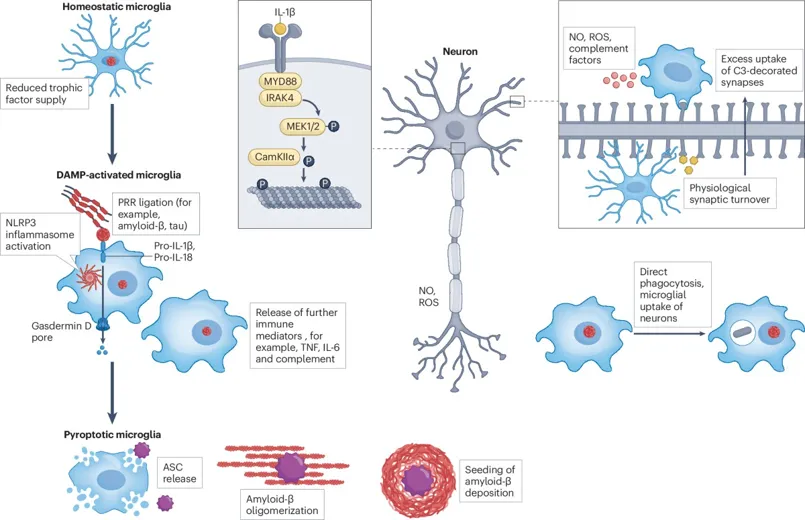
Figure 1. Neuroinflammation Pathway in Neurodegeneration
3.3 Limitations of NSAID Therapy:
NSAID Therapy has several limitations:
The clinical use of NSAIDs in neurodegenerative diseases is insufficient despite its promising experimental results. The timing of the therapeutic intervention is one of the greatest challenges. The process of neuroinflammation can be silent and symptomatic much earlier than clinical manifestations, which is why treatment provided at sympathetic stages may be ineffective to change the course of the disease[1].
The other restriction is that neurodegenerative diseases are complex and multifactorial. Inflammation is connected to protein aggregation, mitochondrial dysfunction, oxidative stress, and genetic factors, so the inhibition of one of the pathways is unlikely to produce significant disease-modifying effects[16].
The limitation on the long-term use of NSAIDs on the geriatric population is also constrained by safety consideration. The gastrointestinal bleeding, renal failure, and cardiovascular diseases are also linked to chronic NSAID therapy, which restricts it as a prophylactic or chronic therapeutic method in neurodegenerative disorders[13]. Such constraints lead to the necessity of safer and more specific anti-inflammatory drugs, which are capable of regulating[28,50].
The study on the NSAIDs has been significant in introducing the neuroinflammation as a potential therapy in neurodegenerative diseases. The findings of epidemiological studies, experimental researches, and clinical trials have proved the presence of inflammation as a contributing factor to the development of neurodegenerative diseases. Nevertheless, NSAIDs may be useful to understand the mechanisms of inflammation, but it is still unclear whether NSAIDs are effective as disease-modifying therapies. The next generation therapeutic approach will be more targeted and selective, maybe anti-inflammatory treatment that depends more on the particular molecular pathways that cause neurodegeneration[12].
4. Potential Therapeutic Uses of COX-2 Inhibitors.
Selective COX-2 inhibitors have also been of interest as a possible treatment option in neurodegenerative diseases as they are more selective and specific in the inflammatory pathways compared to conventional NSAIDs. COX-2 expression is significantly elevated in neuroinflammation and neuronal injury, and thus, selective inhibition of this enzyme can be utilized to minimize the effects of inflammatory destruction without affecting the physiological functions of COX-1[17].
COX-2 inhibitors have one of their main therapeutic benefits, which include their ability to decrease the generation of the inflammatory prostaglandins within the central nervous system. Neuronal excitotoxicity, oxidative stress and inflammatory signals depend on the prostaglandin production triggered by the activity of COX-2. COX-2 inhibitors have the potential to suppress inflammatory cascades that promote neuronal degeneration by suppressing the synthesis of prostaglandins[24]. This process is especially applicable in the Alzheimer disease situation where the neuronal toxicity that is triggered by amyloid-2 is magnified by the inflammatory signal.
There has also been evidence that COX-2 inhibition also has an effect on glial cell activity. The activated microglia and astrocytes generate inflammatory mediators which enhance the neuronal injury and selective COX-2 inhibitors could assist to control this glial-mediated inflammatory process. There is experimental evidence that deactivation of COX-2 may slow down microglial activation and release of inflammatory cytokines, therefore, preventing neuronal damage[7][28].
The other significant issue with COX-2 inhibition is that it interacts with oxidative stress and mitochondrial dysfunction. Mitochondrial dysfunction may be caused because inflammatory prostaglandins and cytokines may enhance the generation of reactive oxygen species and induce neuronal apoptosis. COX-2 inhibitors have the potential to improve the integrity of mitochondria and reduce oxidative injury in the neurons indirectly by decreasing inflammatory signaling[9]. Such effects are of specific interest in degenerative diseases of the nervous system, in which the dysfunction of the mitochondria plays an important role in the degeneration of neurons.
The neuroprotective effect of COX-2 inhibition is further supported by evidence of experimental models of neurodegenerative disorders. COX-2 inhibitors have been found to decrease neuroinflammatory evidence, enhance neuronal viability, and lessen cognitive decrease in Alzheimer disease models. These conclusions indicate that COX-2 selective anti-inflammatory can be used to stop disease progression by disrupting inflammatory signaling[1]. The same inflammatory processes have been attributed to Parkinson disease and other neurodegenerative diseases, suggesting that COX-2 inhibition can be used more widely.
Regardless of these encouraging results, clinical trial remains a difficult step to translate into practice. Various overlapping pathological mechanisms are involved in neurodegenerative disorders, and inhibition of COX-2 selectively might not be enough to have any meaningful clinical outcome. However, COX-2 inhibitors are still significant research instruments to study the neurodegenerative mechanisms of inflammation and are still under investigation as a component of combination therapy[16].
Altogether, the selective COX-2 inhibition is a specific anti-inflammatory therapy, which could alleviate neuroinflammation, oxidative stress, and neuronal apoptosis. These agents may not have the full clinical research support but they are still an interesting addition to understanding the role of inflammatory signaling in the progression of neurodegenerative disease.
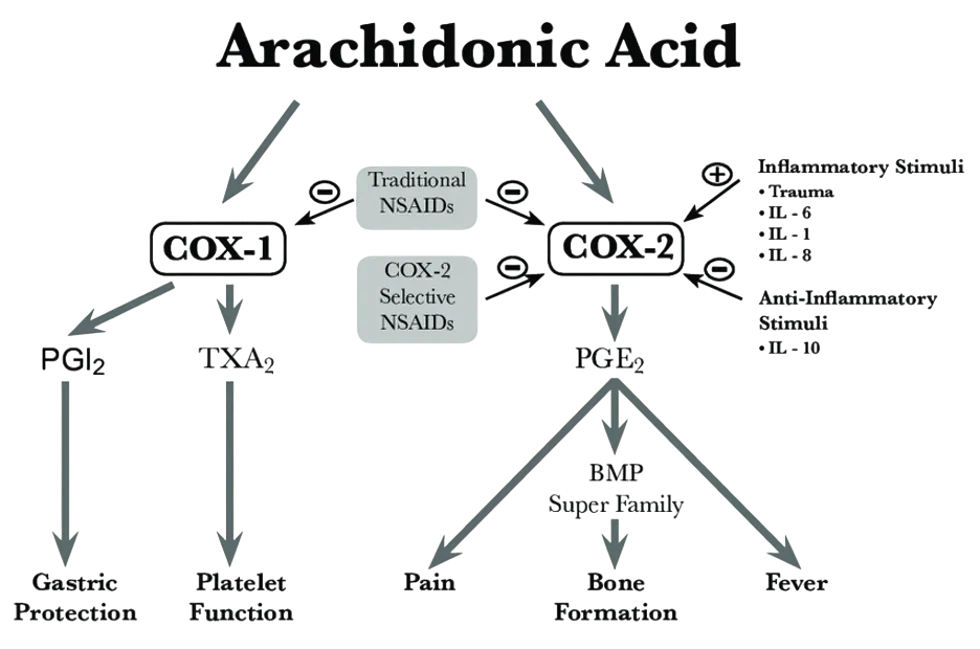
Figure 2. Mechanism of Action of Anti-Inflammatory Therapies
Table 2. Anti-Inflammatory Therapeutic Agents in NDs [4,15]
|
Drug/ Class |
Mechanism of Action |
Target |
Preclinical Evidence |
Clinical status |
Limitations |
|
NSAIDs |
COX inhibition |
Prostaglandins |
Positive in AD models |
Mixed results |
GI effects |
|
COX-2 inhibitors |
Selective COX-2 blockade |
Inflammation |
Neuroprotective in models |
Limited benefit |
CV risks |
|
Minocycline |
Microglial suppression |
Cytokines |
Strong in ALS models |
Inconsistent |
BBB variability |
|
NLPR3 inhibitors |
Inflammasome blockade |
IL-1β/ IL-18 |
Promising |
Early phase |
Safety unknown |
|
Antioxidants |
ROS scavenging |
Oxidative stress |
Supportive |
Adjunctive |
Bioavailability |
Limitations and challenges of COX-2 Inhibitors.
Although there is some stimulating experimental data, there are a number of limitations of computer-aided use of selective COX-2 inhibitors in neurodegenerative disorders. The timing of the therapeutic intervention is one of the greatest challenges. Neuroinflammation frequently starts many years or decades before neurodegenerative diseases start showing clinical manifestations. Anti-inflammatory interventions may also be of little use as patients are already diagnosed with a disease by the time these conditions have been identified, and neurons have suffered significant loss and damage[1]. It would imply that COX-2 might be more useful at early stages or early phase of neurodegradation and not in the late disease.
The other significant constraint is the multifactoriality of neurodegenerative diseases. The neurodegeneration is caused by complicated interactions of the inflammatory signaling, oxidative stresses, dysfunction of mitochondria, genetic vulnerability, and pathological protein aggregation. Since COX-2 inhibitors are mainly used to affect prostaglandin-mediated inflammatory pathways, their therapeutic effect in situations where it is applied as a single-target therapy human. Since COX-2 inhibitors are primarily used to activate the effect on the inflammatory pathways mediated by prostaglandins, their therapeutic effect may not achieve its therapeutic goal when used in the[40] form of the single-target therapy[16]. It could be necessary to use combination therapies to address several pathological processes in order to develop effective disease-modifying strategies.
BBB penetration is also a major factor that is vital in therapeutic administration of anti-inflammatory medications. In spite of the fact that certain COX-2 inhibitors are capable of bypassing the BBB, the inconsistency in the distribution of different drugs in the central nervous system can affect treatment outcomes. BBB dysfunction itself can also change the drug delivery and inflammatory signaling in neurodegenerative disorders, which also complicates the outcomes of the treatment[24].
The other major impediment to the clinical application of COX-2 inhibitors is long-term safety issues. Although these drugs were initially used to minimize gastrointestinal toxicity of conventional NSAIDs, there are selective COX-2 inhibitors that have been noted to induce cardiovascular risk especially when used in the elderly population. Neurodegenerative disorders are mostly common in older adults, which means that these safety considerations reduce the possibility of preventive therapy that can be used over a long period[13]. The issue of anti-inflammatory advantages versus systemic safety is a significant challenge in the development of therapy.
Moreover, anti-inflammatory treatments of neurodegenerative disease have demonstrated variable results in clinical trials, illustrating the challenge in the translation of the findings in the laboratory into clinical trials. Clinical outcomes can be varied due to differences in the study design, patient groups, dose of medication, and the duration of treatment[2]. These contradictions imply that the contribution of the inflammatory processes in different aspects of disease development will vary in various phases, and the treatment plans should consider this temporal complexity.
Lastly, there is some emerging data that neuroinflammation triggers various other immune pathways other than COX-2-mediated prostaglandin signaling, with many studies indicating that neuroinflammation activates inflammasomes, cytokine networks, and peripheral immune interactions. This wider conceptualization of neuroinflammatory processes is the reason why other more selective or multi-target immunomodulatory could be essential to the successful treatment[9].
Altogether, even though selective COX 2 inhibitors have a significant contribution to understanding the mechanisms of inflammation in neurodegenerative diseases, their clinical potential is short circuited by the complexity of the disease, safety, and therapeutic timing. These limitations can be overcome by further studies on specific anti-inflammatory measures and combination therapy, which can enhance the results in the management of neurodegenerative disorders.
Inflammasome-Targeted Anti-Inflammatory Therapies
Inflammasomes are complex intracellular proteins that are key players in the innate immune response and inflammation. The NLRP3 inflammasome is the most studied inflammasome in the context of neurodegenerative diseases due to its association with chronic neuroinflammation and acute neuronal death. The activation of NLRP3 inflammasome activates caspase-1, which causes pro-inflammatory cytokines (e.g., interleukin-1 beta [IL1β] and interleukin-18 [IL18]) to further contribute to synaptic disruption, neuronal apoptosis, and disease progression[22]. There is an increasing amount of evidence to suggest that the activation of NLRP3 is closely linked to the underlying pathological mechanisms of neurodegenerative diseases. Cellular stress, dysfunction of mitochondria, oxidative injury, and protein aggregation (all of which are hallmarks of neurodegenerative disease) can activate the NLRP3 inflammasome. In addition to amplifying the inflammatory process by activating microglia and secreting cytokines, the NLRP3 inflammasome creates a self-propagating state of inflammation, wherein the resulting inflammatory environment facilitates the degeneration of neurons[4].
NLRP3 is known to be activated by the aggregation of amyloid-β in patients with Alzheimer’s disease, resulting in prolonged inflammatory responses that lead to neuronal damage. This corroborates the finding that there is an association between protein aggregation and immune activation through the function of inflammasomes as a mediator of both pathological protein deposits and neuroinflammation[9]. The presence of similar inflammatory pathologies caused by the activation of the inflammasome has been observed in other neurodegenerative disorders as well, including Parkinson’s disease, indicating that inflammasome-mediated inflammation represents a common pathway for multiple diseases[7]. Additionally, the connection between the activation of the inflammasome with mitochondrial dysfunction underscores the significance of this pathway when considering neurodegenerative processes. Dysfunctional mitochondria can lead to the release of both reactive oxygen species and danger-associated molecular patterns, both of which can activate the NLRP3 inflammasome. Conversely, NLRP3 activation can also lead to mitochondrial autophagy impairment, thus increasing oxidative stress. This cycle of inflammation and neuronal injury, created by the bidirectional interaction of mitochondria and inflammasomes, will drive the progression of disease [22].
The NLRP3 is at the center of neuroinflammation signaling and thus has become a very promising target for therapeutic purposes. The use of pharmacologically inhibiting the activation of the NLRP3 has shown decrease in the production of inflammatory cytokines, decreased activation of microglia, and has conferred neuroprotection to neurons undergoing degeneration in multiple types of experimental animal models of neurodegenerative diseases[4]. For example, in a number of well designed models of Alzheimer's disease, the NLRP3 inhibitor OLT1177 has been demonstrated to result in decreased neuroinflammation and improved cognitive performance; thus supporting the potential for disease-modifying therapies that target the inflammasome[15]. Despite these very encouraging findings, therapies targeting the inflammasome are, for the most part, still in the experimental stage. The neurodegeneration process is multifactorial in nature; as such, these processes involve multiple interactions among inflammatory/immune, metabolic, and genetic factors. Therefore, careful evaluation of the long-term safety and timing of innate immune pathway modulation is paramount. In particular, early intervention may be critical due to the fact that the activation of the inflammasome may begin early in the development of neurodegenerative disease pathology[1]. Additionally, it may be necessary to combine therapies targeting the inflammasome with other anti-inflammatory/neuroprotective strategies in order to achieve significant clinical improvements[12][48].
To sum up, therapies aimed at targeting the inflamed cell's responses are a novel avenue of study in research on neurodegenerative diseases. In particular, therapies that focus on the upstream mechanisms of inflammatory signaling pathways (specifically with respect to the NLRP3 inflammasome) may allow for the selective modulation of neuroinflammation, as opposed to the broad immunosuppressive effects associated with traditional anti-inflammatory drugs. The continued study of mechanisms of inflammasome regulation, as well as the use of immune-modulating interventions, will likely result in the development of an effective disease-modifying treatment for neurodegenerative diseases.
5. Anti-inflammatory Therapy in Specific Neurodegenerative Disorders
Neuroinflammation is something that is found in many different types of neurodegenerative diseases, all of which may demonstrate variability in their contribution to the progression of these diseases depending on the underlying pathology for each type of disease. Anti-inflammatory therapies are considered for use on each type of disease based upon this variability and have been studied in a variety of neurodegenerative diseases such as Alzheimer’s disease and Parkinson’s disease; the association between neuroinflammation and neuronal degeneration through inflammation-related signaling is particularly strong for these diseases. Investigating anti-inflammatory effects individually within each disease will provide valuable information related to therapeutic efficacy and limitations.
5.1 Alzheimer’s Disease
Alzheimer's disease (AD), as described above, is the most frequent neurodegenerative disease and is characterized by progressive cognitive dysfunction due to amyloid-β plaque deposition, tau pathology, synaptic dysfunction and cell death. There is now an appreciation of the role of neuroinflammation in the pathophysiology of AD, and in particular, the activation of both microglia and astrocytes (two types of glial cells) by amyloid-β, leads to the persistent production of inflammatory mediators, oxidative stress and neuronal damage and thereby perpetuates an ongoing cycle of neurodegeneration [1].
Activation of the NLRP3 inflammasome has been shown to be associated with AD pathophysiology. Activation of the NLRP3 inflammasome leads to the production of inflammatory cytokines, as well as apoptotic signaling, thereby linking adaptive immunity with cognitive decline[22] . Studies using animal models of AD have shown that inhibiting NLRP3 inflammasome activation could reduce neuroinflammation and improve cognitive function, thus supporting the use of drugs that inhibit NLRP3 activating pathways as potential treatments for AD.
Anti-inflammatory medications traditionally have been of great interest to researchers who have looked at their role in the development of Alzheimer’s disease. The initial outcomes were from observational studies suggesting there was an association between the use of NSAIDs for an extended period of time and a decreased risk of developing Alzheimer's disease; however, findings from clinical studies have been [50]. There have been many research efforts focused on the development of selective anti-inflammatory agents for treatment of Alzheimer’s disease, including COX-2 inhibitors and metabolic anti-inflammatory agents such as pioglitazone, but the clinical efficacy of these approaches has not been clearly demonstrated. These studies provide evidence that inflammatory pathways play a substantial role in the progression of Alzheimer's disease and future advances in the treatment of Alzheimer's disease may depend on intervening early and precisely targeting inflammatory mechanisms.
5.2 Parkinson’s Disease
Parkinson's disease is an extremely common neurodegenerative disorder and is characterized by the loss of dopaminergic neurons in the substantia nigra. The diagnosis of the disease is based on the presence of motor symptoms, but neuroinflammation is also an important contributor to its development. The presence of aggregated α-synuclein can activate microglial cells as well as activate inflammatory processes which lead to oxidative stress and neuronal loss[7][42].
Therefore, researchers are studying the use of anti-inflammatory therapies as a potential neuroprotective treatment for Parkinson's disease. Many observational studies and meta-analyses have examined the relationship between NSAID use and the Risk of PD; however, the results are not conclusive [3]. Moreover, several experimental studies have demonstrated that tetracycline-derived compounds (minocycline) have neuroprotective properties by inhibiting the activation of microglial cells and decreasing the production of inflammatory mediators [6].
Neuroinflammation promotes dopaminergic neuron degeneration through oxidative stress, mitochondrial dysfunction, and immune activation signaling pathways. This evidence indicates the potential to modulate neuroinflammatory pathways in order to slow down disease progression, but further clinical studies are needed to define viable therapeutic approaches [9][42,52].
5.3 Other Neurodegenerative Disorders
Many other neurodegenerative diseases exhibit either direct involvement of inflammatory mechanisms (e.g., amyotrophic lateral sclerosis and Huntington's disease) or indirect involvement (e.g., Alzheimer's disease and Parkinson's disease). While these diseases differ genetically and molecularly, all four diseases share the following disease pathophysiological characteristics: Immune system activation; Oxidative stress; Mitochondrial malfunction [8]
Currently available preclinical studies have also identified potential roles for peripheral immune interactions and systemic inflammation in causing neurodegeneration. There is mounting evidence to suggest that the relationship between skeletal muscle, metabolic functioning, and inflammatory processes can lead to neurodegeneration and/or degeneration of cognitive function with aging, indicating that neuroinflammatory effects occur due to extensive communication between the central nervous system and peripheral systems [10]. Therefore, when considering neurodegenerative [43].
Many clinical investigations of therapeutic anti-inflammatory strategies have been conducted across numerous neurodegenerative diseases. The most convincing evidence for the efficacy of anti-inflammatory treatments has been provided by the Alzheimer's disease and Parkinson's disease literature. Anti-inflammatory research regarding neurodegenerative diseases has demonstrated the importance of an inflammatory component in the neurodegenerative process in experimental studies, while clinical outcomes following the use of anti-inflammatory drugs and/or therapies have demonstrated limited success. The inconsistencies between experimental and clinical evidence underscore the complexity of neuroinflammatory processes and indicate that successful therapeutic strategies will likely require early intervention targeted to specific inflammatory pathways associated with specific neurodegenerative diseases.
6. Challenges and Limitations of Anti-inflammatory Therapy in Neurodegenerative Disorders
While anti-inflammatory treatments have demonstrated promising neurological protection in preclinical models of neurodegenerative diseases, they face difficulties in translation to efficacious medical therapies in humans. Neurodegenerative diseases are complex multifactorial diseases involving the interplay of multiple mechanisms: inflammation, oxidative stress, mitochondrial failure, protein accumulation and genetics. Thus, simply targeting only inflammation by itself may not offer significant alterations in the advancement of neurodegenerative disease [16].
Timing of therapy is one of the greatest challenges for the treatment of neurodegenerative disease. There is mounting evidence that there is a significant neuroinflammatory response occurring at an early point in the natural history of a neurodegenerative disease, frequently before the development[36,37] of any clinical symptoms. Therefore, by the time a patient is diagnosed with a neurodegenerative disease; there may have already been extensive cellular loss which limits the effectiveness of anti-inflammatory treatments that are initiated at a later date [1]. This illustrates the necessity of finding ways to detect neuroinflammation at preclinical stages of disease, and provides an opportunity for development of biological markers that reliably identify neuroinflammation in humans prior to the evidence of clinical disease.
A considerable limitation in the field of neurodegenerative disorders is the variability of inflammatory responses. Inflammation can either be positive or negative based on several parameters: who has the disorder (the person), at which stage of the disorder they are at, and [47]. The inflammatory response in the acute setting may serve to eliminate harmful proteins and cellular debris that can hinder function, but inflammation in the chronic stage can lead to cellular injury in the neuronal populations. The unique, dual role of inflammatory conditions (protection vs. harm) poses a challenge for drug development targeting the reduction of inflammation; complete inhibition of the immune system may limit the normal protective mechanisms provided by the immune response [14].
Another significant roadblock for the development of effective anti-inflammatory therapy is the blood brain barrier (BBB). A substantial number of anti-inflammatory drugs cannot effectively penetrate the CNS, limiting their ability to modulate inflammation in the neuroinflammatory/ inflammatory milieu. Furthermore, with BBB dysfunction occurring from neurodegenerative diseases, drug distribution is likely to be reduced and therefore limit the capacity to achieve significant modulation of neuroinflammatory conditions [24][40,49].
Safety concerns also represent limitations, especially concerning long term use in the elderly population. Numerous drugs (including all of the non-steroidal anti-inflammatory agents [NSAIDs] as well as selective COX-2 inhibitors) that elicit anti-inflammatory effects also have the potential for adverse effects on the gastrointestinal, renal, or cardiovascular systems; therefore the use of these medications cannot be justified as long term preventive therapy for neurodegenerative conditions [13]. Therefore, a major obstacle in the area of drug development is balancing systemic safety with anti-inflammatory efficacy.
Findings of clinical trials looking primarily at the role of inflammation in neurodegenerative conditions have been inconsistent, despite substantial preclinical data supporting the inflammatory theory of neurodegeneration. Variability in clinical results could be due to patient selection, disease stage, drug dose, and length of treatment. The need to identify relevant inflammatory pathways is critical to developing treatment strategies for each neurodegenerative disorder.
The latest evidence illustrates that neuroinflammatory mechanisms comprise a network of interconnected immune pathways, including the activation of inflammasomes, cytokine signaling cascades, and interactions between the central and peripheral immune systems. The complexity [48,50,54].
Overall, while anti-inflammatory treatment approaches offer hope for the management of neurodegenerative diseases, significant barriers to widespread adoption remain. Identifying mechanisms of neuroinflammation, developing better methods for early diagnosis, and developing targeted therapies based on experimental data are necessary to bring experimental therapies to [36,54].
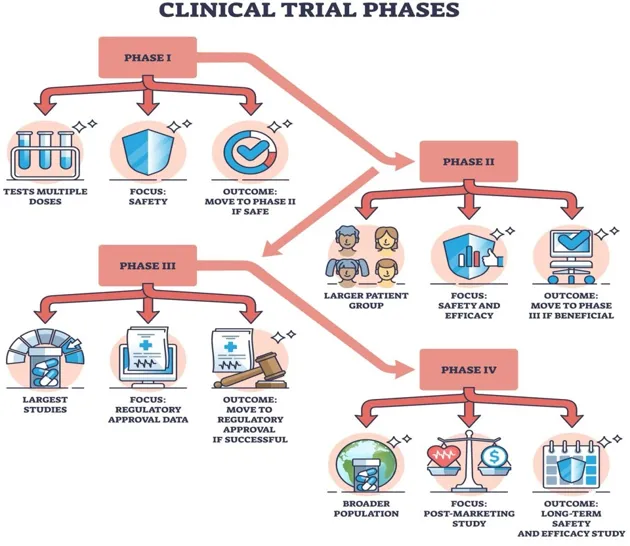
Figure 3. Translational Gap from Preclinical to Clinical
7. Future Perspectives
Improved knowledge of neuroinflammation has helped us understand better how neurodegenerative diseases work in general and has opened up additional ways to treat those diseases. There have been limited clinical efficacy with currently available anti-inflammatory therapies, however, there are continuing studies aimed at discovering new targets and strategies that will provide better treatment options. Unlike current methods which broadly suppress inflammation, new methods to develop immunomodulatory therapies will be more precise in how they regulate pathways related to specific types of neurodegeneration; for example, new strategies will focus on developing therapies that target specific pathways involved in neurodegeneration (e.g., inflammasome signaling, microglial activation, cytokine networks) instead; targeting upstream inflammatory mediators, such as the NLRP3 inflammasome, has the potential to improve our ability to regulate neuroinflammatory processes with greater precision [4,22].
A second area of significant promise is to find early markers of neuroinflammation. In many cases, inflammatory processes begin prior to the onset of clinical symptoms; if we were to find these early markers, we may be able to begin administering anti-inflammatory therapies before any irreversible neuronal damage occurs. The use of new technologies such as advanced neuroimaging, molecular diagnostics and new and improved inflammatory markers may help us to identify at risk individuals for neurodegenerative diseases and provide them with an opportunity for preventative therapeutic strategies [1].
Therapeutics targeting the same disease, such as Alzheimer’s disease or other neurodegenerative diseases, may rely on more than medication alone. Future treatment of these conditions will likely require treating patients with multiple drugs at once, and this is reflected in multiple studies supporting using multiple drugs to more effectively manage complex diseases like Chronic Fatigue Syndrome, Fibromyalgia, or Multiple Sclerosis. Neurodegenerative diseases are complex and involve numerous pathological mechanisms, including inflammation, oxidation and free radical production, mitochondrial dysfunction and protein aggregation. Evidence suggests that combination therapies that utilize multiple drugs targeting inflammatory and neuroprotective pathways improve patient clinical outcomes more than single agents [16,26]. These findings support the idea that using multiple drugs in combination may provide more effective and/or greater clinical benefit when compared to single agents.
Research is now focusing more on the role of systemic inflammation and immune system activity in neurodegeneration. Emerging studies have examined whether metabolic disease states may contribute to a lack of cognitive decline by providing the body with the energy needed to function properly and have shown a close relation to cognitive decline. These studies suggest that lifestyle interventions, such as exercise and diet, that have anti-inflammatory properties may provide a positive benefit to patients with neurodegenerative diseases in addition to their current pharmacological treatments [10]. In particular, dietary interventions containing antioxidants and/or anti-inflammatory compounds may provide neuroprotective properties and prevent disease [18,27,34,41,45,46].
The future of medicine is expected to be shaped by precision medicine and personalization through technology and research advancements. Precision medicine will play a critical role in treating future patients with neurodegenerative disease due to the wide range of differences in genetic susceptibility, immune response, and rate of disease progression for these patients. As a result, personalized anti-inflammatory interventions may improve therapeutic efficacy for patients with neurodegeneration. Overall, understanding the relationship between the immune system and the brain, as well as the neuroinflammatory signaling systems, will be critical to the development of personalized anti-inflammatory strategies for these diseases [12,25][33,53].
In the future, more studies will have to be done to determine which specific inflammation mechanisms are involved in different neurological diseases and how they can be successfully prevented or treated with targeted safe anti-inflammatory drugs. There will also need to be advancements made so neuroinflammation is detected sooner than currently possible. This could ultimately produce effective disease modifying therapies that stop or slow the development of neurodegenerative diseases.
Table 3. Challenges in Clinical Translation[26,4]
|
Challenge |
Impact on Therapy |
|
BBB penetration |
Reduced drug efficacy |
|
Disease heterogeneity |
Variable response |
|
Late intervention |
Reduced neuroprotection |
|
Safety concerns |
Limited long-term use |
CONCLUSION
Neuroinflammation is a significant factor in developing and advancing neurodegenerative diseases such as Alzheimer's and Parkinson's. Glial cell activation, the release of pro-inflammatory cytokines, oxidative stress, mitochondrial dysfunction, and inflammasome signaling all work together to cause damage to neurons and cognitive decline. Inflammation is also gaining recognition as a major contributor to the progression of neurodegenerative diseases (rather than merely a result of the process itself). Therefore, anti-inflammatory therapies are becoming an attractive option for altering the course of neurodegenerative diseases.
There is increasing literature to support the use of anti-inflammatory agents, including: pharmacologics[31,43].
While there are promising preclinical findings, clinical studies examining anti-inflammatory agents for treating neurodegenerative diseases have produced mixed results. This is partially due to the complexity of neurodegenerative diseases, the variability in response to inflammatory stimuli, the hurdles associated with drug delivery to the central nervous system, and the criticality of early intervention. All of this indicates that a greater understanding of the mechanisms and targets of neuroinflammation and neurodegenerative disease are needed in order to improve the efficacy of therapeutics for this type of patient.
Future studies are needed to determine whether there are any early neuroinflammatory [33,53].
In summary, there is considerable interest in the study of anti-inflammatory approaches as potential therapies to halt the neurodegenerative [43,54]. As research continues on neuroinflammatory mechanisms and ways to therapeutically modulate target immune pathways, we may see new prevention and treatment modalities for neurodegeneration emerge.
REFERENCES

Garima Sharma, Neelam Balekar, Effects of Anti-inflammatory on Neurodegenerative disorder, Int. J. of Pharm. Sci., 2026, Vol 4, Issue 8, 3122-3139. https://doi.org/10.5281/zenodo.22031433
 10.5281/zenodo.22031433