

We use cookies to ensure our website works properly and to personalise your experience. Cookies policy
Shri Dhaneshwari Manav Vikas Mandal’s Dr. Vedprakash Patil Pharmacy College, Georai Tanda, Paithan Road, Chh. Sambhajinagar, 431001
The need for cosmetics is very high in this fast-paced environment. The pharmaceutical industry's use of cosmetics is growing daily. We use cosmetics on a daily basis. Cosmetics are meant to be used on teeth, nails, hair, and skincare. Notethat toothpastes, hair oils, and hair dyes are all considered cosmetics that are used by everyone on a daily basis. Because using synthetic or chemical products might have unfavorable side effects, individuals are increasingly gravitating toward organic, natural, and herbal formulations that have negligible or no side effects. Herbal remedies are typically recognized for having "No side effect." People deal with a variety of issues, including premature greying of the hair, split ends, dandruff, hair thinning, and excessive sebum production. People are therefore searching for strategies to improve hair growth, prevention, and maintenance. The present investigation focuses at the preparation and evaluation of a herbal hair growth serum made with a combination of natural substances, including olive oil, peppermint oil, vitamin E, hibiscus flowers and leaves, Amla Powder, and curry leaves. The purpose of the serum is to improve scalp health, strengthen hair follicles, and promote hair growth. Hibiscus flowers and leaves are used to extract bioactive chemicals, which are then infused with curry leaves and Amla powder in olive oil. For added advantages, vitamin E and lavender oil are added. Hibiscus flowers are rich in amino acid, which is prime building block of keratin. The leaves also reduce the growth of dandruff-causing fungi, reduce dandruff flakes and prevent its recurrence. Amla Powder has antimicrobial and anti-inflammatory properties that can help reduce dandruff. Curry leaves are rich in antioxidants and proteins, these antioxidants neutralize the free radicals and keep hair healthy and strong. Coconut oil absorbs into your hair quickly, providing moisture to tame frizz and heal breakage. A topical herbal hair serum was developed using flaxseed mucilage as a natural gel base, cold-pressed coconut oil as a lipid carrier, aqueous/ethanolic extracts of Hibiscus rosa-sinensis (flower) and Trigonella foenum-graecum (fenugreek) as active botanicals, along with aloe vera gel and tocopherol (vitamin E) as antioxidant and soothing adjuncts. The formulation aimed to combine conditioning, protective and follicle supporting properties into a lightweight, non-greasy serum suitable for daily scalp application.
Hair health and vitality are essential components of physical appearance and overall well- being, influencing selfesteem and confidence. However, the prevalence of hair loss and other hairrelated issues remains a significant concern worldwide. While numerous commercial products offer solutions to these problems, many individuals seek natural alternatives that harness the power of botanicals and essential oils.This research initiative is driven by the rich tradition of herbal medicine and the growing interest in natural remedies for hair care. Among the botanical ingredients selected for this study, Hibiscus flowers and leaves stand out for their historical use in hair care rituals across cultures. Renowned for their nourishing properties and high content of vitamins, minerals, and antioxidants, Hibiscus extracts are believed to strengthen hair follicles, prevent breakage, and stimulate growth. Additionally, Bringraj and Curry leaves have garnered attention for their potential to promote hair growth and combat hair loss. These botanicals, rich in phytochemicals such as alkaloids, flavonoids, and tannins, possess antiinflammatory and antioxidant properties that contribute to scalp health and follicle stimulation [1, 2] .
To enhance the efficacy of the herbal serum, Vitamin E, Olive oil, and Peppermint oil have been included for their respective benefits. Vitamin E, a potent antioxidant, helps nourish the scalp and improve blood circulation, facilitating nutrient delivery to hair follicles. Olive oil, prized for its moisturizing and emollient properties, strengthens hair strands and prevents moisture loss. Peppermint oil, with its soothing aroma and antimicrobial properties, promotes scalp health and relaxation, potentially reducing stress related hair loss. The formulation of the herbal hair growth serum represents a fusion of traditional knowledge with modern scientific insights. By combining these botanical extracts and oils in a synergistic blend, we aim to create a holistic solution for addressing various hair concerns, including thinning, breakage, and slow growth. Furthermore, the evaluation of this herbal serum will encompass a range of analytical and clinical assessments. Physicochemical characterization will provide insights into the formulation's stability, compatibility, and shelf-life, ensuring product quality and safety. Efficacy testing, including in vitro and in vivo studies, will assess the serum's ability to promote hair growth, improve hair texture, and reduce hair loss. Through rigorous scientific inquiry, this research endeavors to validate the efficacy and safety of herbal remedies for hair care. By elucidating the mechanisms of action and therapeutic potential of botanical ingredients, we aim to contribute to the development of evidence-based.
Overview of Human Hair
Human hair is a complex and versatile structure that serves multiple functions, including protection, insulation, sensory perception, and social communication. Composed primarily of a protein called keratin, hair exhibits remarkable diversity in color, texture, length, and density across different individuals and ethnicities.
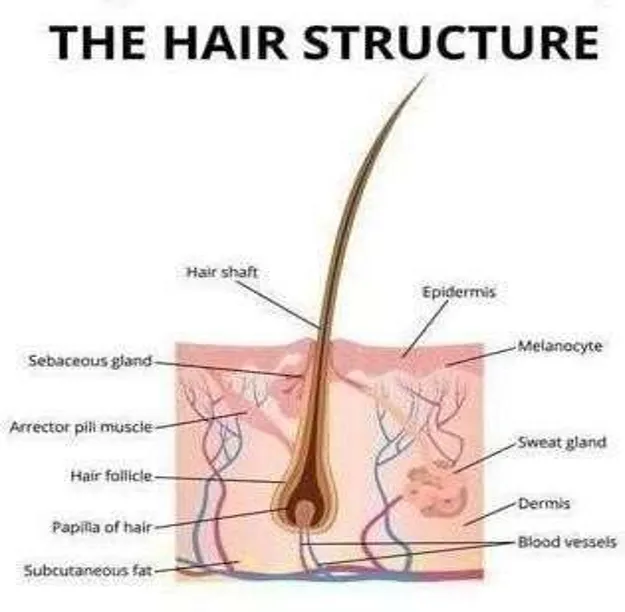
Hair Structure
Hair Shaft: The visible part of the hair that extends above the surface of the skin. It consists of three layers:the cuticle, cortex, and medulla. The cuticle, the outermost layer, is composed of overlapping scales that protect the inner layers and contribute to hair strength and elasticity. The cortex, the middle layer, contains the majority of the hair's protein and determines its color, strength, and flexibility. The medulla, the innermost layer, is present in some hair types but may be absent or less prominent in other [5].
Hair Follicle: The hair follicle is the structure from which hair grows. It resides within the skin and consists of several layers, including the outer root sheath, inner root sheath, and hair bulb. The hair bulb contains cells responsible for hair growth and pigmentation [6]
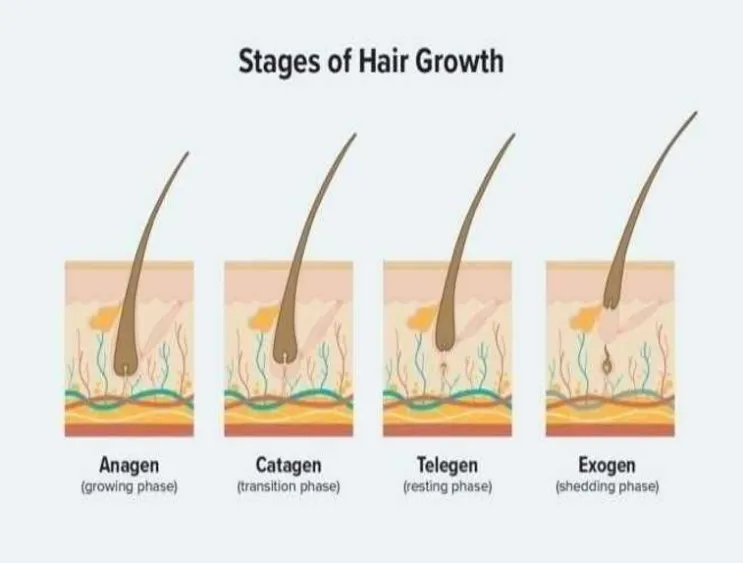
Hair Growth Cycle
Anagen Phase: The active growth phase of the hair cycle, during which hair cells divide rapidly, resulting in hair growth. This phase can last anywhere from two to seven years, depending on genetic and environmental factors.
Catagen Phase: A transitional phase characterized by the cessation of hair growth and the regression of the Hair follicle. This phase lasts for a few weeks.
The resting phase of the hair cycle, during which hair follicles are inactive. Old hairs are shed, and new hairs begin to grow in their place. This phase typically lasts for two to four months [7].
INTRODUCTION OF INGREDIENTS
1. Hibiscus Flower
Hibiscus flowers are renowned for their stunning beauty and vibrant colors. These large, trumpet-shaped blooms come in a variety of shades, including bright red, pink, orange, yellow, and white. Their petals are delicate and often have a slightly wrinkled texture, adding to their charm. At the center of the flower, you'll find a prominent pistil surrounded by a cluster of stamens, which are often a contrasting color to the petals. Hibiscus flowers are not only visually captivating but also boast a delightful fragrance.
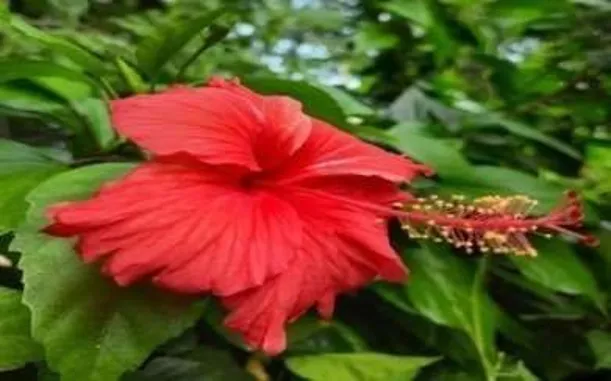
Botanical name: Hibiscus rosa-sinensis
Biological source: It is a species of tropical hibiscus, a flowering plant in the hibisceae tribe.
Family: Malvaceae
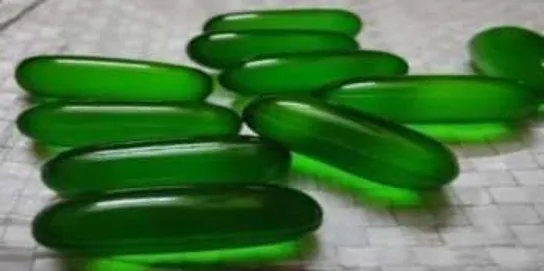
2. Vitamin E
Botanical name: tocopherol
Family: tocotrienols
Vitamin E is a fat-soluble nutrient renowned for its antioxidant properties, crucial for protecting cells from Damage caused by free radicals. It exists in eight different forms, with alpha-tocopherol being the most active in the human body.
A Potent antioxidant, vitamin E helps neutralize oxidative stress, which can lead to various health issues, including premature aging and chronic diseases. Beyond its role in combating oxidative damage, vitamin E also supports immune function, skin health, and may aid in wound healing. Found abundantly in nuts, seeds, vegetable oils, and green leafy vegetables, incorporating vitamin E-rich foods into your diet can help maintain overall health and wellbeing.
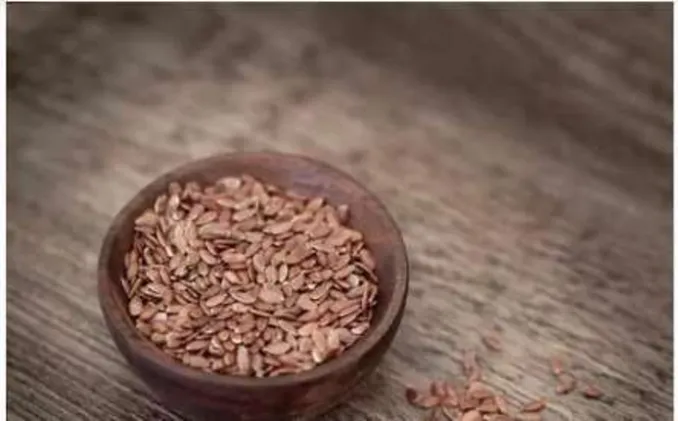
3. Flax seed :
The botanical name of flaxseed is Linum usitatissimum.
Family: linaceae
This plant is cultivated both for its seeds, which are rich in omega-3 fatty acids and fiber, and for its fibers, which are used to make linen.
4. Fenugreek seeds :
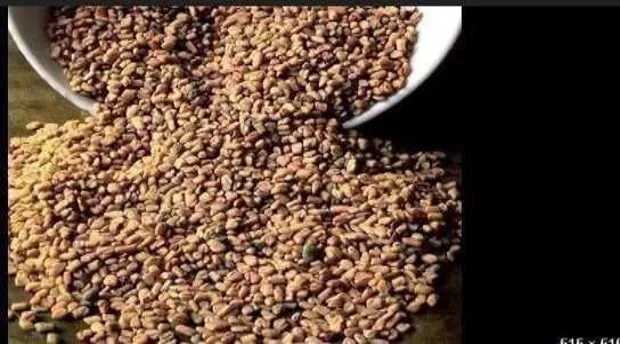
The botanical name of fenugreek seeds is Trigonella foenum-graecum.
Family: fabaceae
These seeds come from a leguminous plant native to the Mediterranean region, southern Europe, and western Asia. They're widely used in cooking (especially in Indian cuisine), herbal medicine, and even cosmetics due to their distinctive aroma and health benefits.
5. Aloe Vera
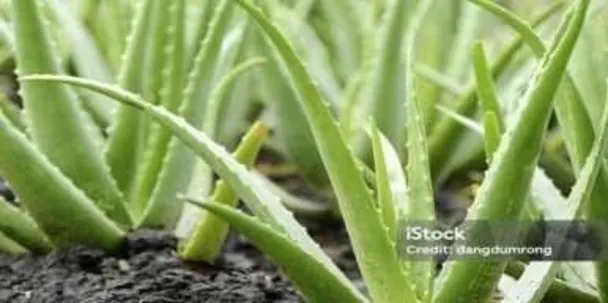
The botanical name of Aloevera is Aloe Barbadensis Miller.
Family: asphodlaceae
Aloe vera is a succulent plant species known for its soothing gel, widely used in skincare, cosmetics, and traditional medicine. It's also valued for its anti-inflammatory and moisturizing properties.
6. Coconut oil
The botanical source of coconut oil is Cocos nucifera L., a member of the palm family (Arecaceae). Coconut oil is extracted from the dried endosperm (kernel) of the coconut fruit, which is produced by the coconut palm.
LITERATURE OF REVIEW:
|
Sr.no |
Author |
Year |
Study Focus |
Key Findings |
|
1. |
Kaur & Saraf |
2011 |
Anti-aging herbal formulation |
Improved skin hydration and reduced wrinkles due to antioxidant activity |
|
2. |
Sharma et al. |
2014 |
Herbal face serum formulation |
Showed antioxidant and anti- inflammatory properties; enhanced skin appearance |
|
3. |
Patel & Patel |
2015 |
Herbal cosmetic formulation |
Helped in skin brightening and mild depigmentation |
|
4. |
Joshi & Pawar |
2016 |
Anti-acne herbal serum |
Exhibited antibacterial activity against acne-causing microbes |
|
5. |
Singh et al. |
2017 |
Polyherbal cosmetic serum |
Provided moisturization, cooling effect, and good formulation stability |
PLAN OF WORK:
Collection Herbal Ingredients
↓
Cleaning and Drying
↓
Preparation of Extract/Gel
↓
Mixing of Ingredients
↓
Addition of Coconut Oil and Vitamin E
↓
Homogenization
↓
Preparation of herbal hair serum Gel
↓
Evaluation and packaging
AIM AND OBJECTIVES :
Aim :
Formulation and evaluation of herbal hair serum gel
To develop and deliver a topical formulation that enhances hair health, appearance, and manageability by providing targeted benefits such as nourishment, protection, and styling support.
Objectives of Hair Serum
Ingredients:
METHOD OF PREPARTION :
EVALUATION PARAMETER:
A dry, spotless glass slide was covered with the herbal serum and placed a glass lid on it. The appearance was examined in the illumination. The mixture was additionally examined visually for aggregates, homogeneity.
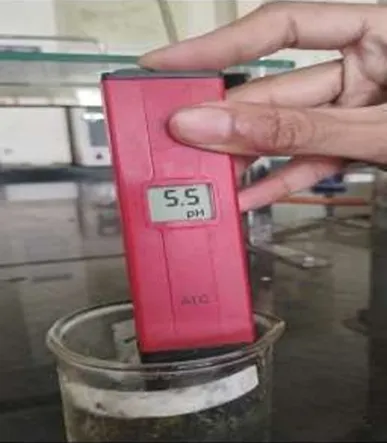
Buffer solution was used to calibrate the digital pH meter. Between pH 4 and pH 7. The electrode was then submerged in serum and kept an eye on things until readings became steady.
2] Viscosity
It was established how viscous the formulated formulation was. The Brookfield viscometer is used. Approximately 100ml of after using hair serum, the viscosity was determined to be 50 and 100 rpm with different spindle numbers, such as 63 and 64 .
3] Spreadability
The parallel plate method, which is used to assess and measure spreadability, was employed to measure spreadability. A tiny quantity of serum was sandwiched between two 20 by 20-centimeter horizontal plates. After a minute, the spread diameter was measured.
Spreadability was determined by applying the formula, S = M x L / T.
Where, S stands for spreadability in this instance.
M is the pan's weight (attached to the upper slide).
L = Length that the glass slide moved.
T = Total time (in seconds) required to fully separate the slides.
4] Stability
The made herbal hair serum was stored in a tightly sealed jar at room temperature for a week. After a week, the pH and viscosity were measured and compared to the initial reading.
5] Physical Appearance
A visual evaluation was conducted to determine a developed herbal hair serum's physical appearance, color, and feel.
There were no foreign particles present. Pale brownish to pale reddish color was seen, along with a translucent finish that applied smoothly and cleanly.
6] Homogeneity
The appearance and presence of any lumps, flocculates, or aggregates in the serum were visually examined in order to assess homogeneity. It was noted that the produced serum had high uniformity. pH . It was found that the prepared herbal serum had a pH of 7.50, which is appropriate for formulation.
The future prospects:
For herbal hair serums are highly promising, driven by rising consumer demand for natural, plant-based personal care products and innovations in herbal formulations.
RESULT:
|
Sr. No |
Evaluation Parameter |
Result/ Observation |
|
1 |
Appearance |
Smooth, Attractive brownish gel |
|
2 |
Texture |
Soft and Smooth texture |
|
3 |
Homogeneity |
Homogeneous preparation without lumps |
|
4 |
pH |
Suitable for scalp application |
|
5 |
Viscosity |
Good viscosity with easy application |
|
6 |
Spreadability |
Easily spreadable on hair and scalp |
DISCUSSION:
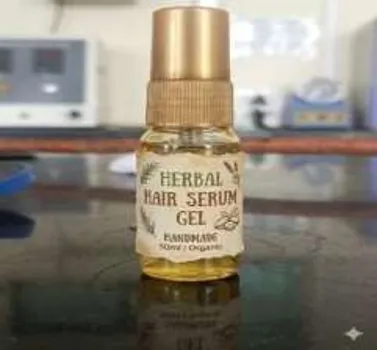
The herbal hair serum gel was prepared using Fenugreek, Flaxseed, Hibiscus, Aloe vera, Coconut Oil, and Vitamin E. The formulation showed good appearance, smooth texture, and acceptable consistency. The pH was suitable for scalp application and no irritation was observed. The serum gel had good spreadability and was easily washable. Fenugreek and flaxseed helped in conditioning and strengthening the hair. Hibiscus supported hair growth and reduced hair fall. Aloe vera provided moisturizing and soothing effects to the scalp. Coconut oil improved hair softness and shine, while Vitamin E acted as an antioxidant and nourished the hair roots. The formulation remained stable during storage without any phase separation. Overall, the prepared herbal hair serum gel was found to be safe, stable, and effective for improving hair health and scalp nourishment.
CONCULUSION:
The herbal hair serum Gel was successfully formulated and evaluated using natural ingredients with beneficial effects on hair health. The prepared serum showed good appearance, smooth texture, suitable pH, and satisfactory stability. It was non-sticky, easy to apply, and provided conditioning, softness, shine, and frizz control to the hair.
The herbal ingredients used in the formulation helped nourish and protect the hair without causing irritation or excessive oiliness. Based on the evaluation results, the serum was found to be safe, effective, and suitable for regular hair care use
REFERENCES

Shital Mote, Arti Khamat, Formulation and Evaluation of Herbal Hair Serum Gel, Int. J. of Pharm. Sci., 2026, Vol 4, Issue 6, 3201-3210. https://doi.org/10.5281/zenodo.20663508
 10.5281/zenodo.20663508