

We use cookies to ensure our website works properly and to personalise your experience. Cookies policy
Shram Sadhana Bombay Trust's Institute of Pharmacy Affiliated to MSBTE, Mumbai and DBATU Lonere Bambhori Post Box No. 94, Jalgaon-425001, Maharashtra, India
Menstrual hygiene management continues to be a major concern, particularly in developing countries where access to safe, affordable, and eco-friendly sanitary products is still limited. Most commercially available sanitary napkins are made from synthetic materials that are not only non-biodegradable but may also cause discomfort, skin irritation, and long-term environmental pollution. This highlights the urgent need for sustainable alternatives that are both effective and safe for regular use. In the present study, an innovative biodegradable sanitary napkin was developed using banana fiber as the primary absorbent material. Banana fiber, an agricultural by-product, was selected due to its natural abundance, excellent absorbency, and eco-friendly nature. To further enhance the functionality of the product, herbal extracts of neem, aloe vera, and turmeric were incorporated because of their well-known antimicrobial, anti-inflammatory, and soothing properties. In addition, silver nanoparticles were synthesized using a green, plant-mediated method and integrated into the formulation to provide enhanced antimicrobial protection against common pathogens associated with menstrual infections. The developed sanitary napkin was systematically evaluated for key performance parameters including absorbency, fluid retention capacity, leakage resistance, antimicrobial activity, biodegradability, and pH compatibility. The results demonstrated that the formulation exhibited high absorbent capacity, effective fluid locking ability, and significant antimicrobial action. Moreover, the product showed excellent biodegradability under natural conditions, making it environmentally sustainable. The pH was found to be within a skin-friendly range, indicating good compatibility and reduced risk of irritation. Overall, this study presents a promising approach towards the development of a cost-effective, biodegradable, and hygienic menstrual product by combining natural fibers, herbal therapeutics, and green nanotechnology. Such innovations can contribute significantly to improving menstrual health while also addressing environmental concerns associated with conventional sanitary products.
1.1. Menstrual Hygiene Problems-
Menstrual hygiene management (MHM) remains a critical yet often neglected component of women’s health, particularly in low- and middle-income regions. Despite increased awareness in recent years, many women and adolescent girls still face significant barriers in accessing safe, hygienic, and affordable menstrual products. These challenges are not only infrastructural but also deeply rooted in social stigma, cultural taboos, and lack of proper education regarding menstruation.
Inadequate menstrual hygiene practices can lead to serious health complications, including reproductive tract infections (RTIs), urinary tract infections (UTIs), and skin irritations. The use of unhygienic materials such as cloth, ash, or other improvised absorbents often due to economic constraints further increases the risk of microbial contamination [1]. Additionally, prolonged use of a single sanitary product due to limited availability may promote bacterial growth, thereby compromising vaginal health.
Another concern is the lack of proper sanitation facilities and disposal systems, which discourages the use of safe menstrual products. This issue is especially prominent in rural areas, where access to clean water, private washrooms, and waste management systems is inadequate. As a result, there is a pressing need to develop menstrual products that are not only effective and affordable but also safe, sustainable, and culturally acceptable.
1.2. Environmental Issues of Synthetic Sanitary Pads:
The widespread use of commercial sanitary napkins has inadvertently contributed to a growing environmental crisis. Most conventional sanitary pads are composed of synthetic polymers such as polyethylene, polypropylene, and superabsorbent gels, which are non-biodegradable and persist in the environment for hundreds of years [2].
It is estimated that a single sanitary napkin can take up to 500–800 years to decompose completely, leading to the accumulation of large amounts of menstrual waste in landfills and water bodies [3]. Improper disposal methods, including open dumping and incineration, further exacerbate the problem by releasing toxic substances such as dioxins and furans into the environment, posing risks to both human health and ecosystems.
Moreover, the production of these synthetic materials involves significant energy consumption and carbon emissions, contributing to environmental degradation. The plastic components in sanitary pads not only hinder decomposition but also disrupt soil structure and microbial activity when disposed of improperly.
These concerns highlight the urgent need for environmentally sustainable alternatives that can reduce the ecological footprint of menstrual hygiene products while maintaining their functional performance.
1.3. Importance of Banana Fiber as a Sustainable Material:
Banana fiber, derived from the pseudo stem of the banana plant, has emerged as a promising natural alternative for use in absorbent hygiene products. It is an abundant agricultural by-product that is often discarded as waste, making it both cost-effective and environmentally sustainable.
One of the key advantages of banana fiber is its high absorbency, which is attributed to its naturally porous structure and high cellulose content. This enables it to efficiently absorb and retain fluids, making it suitable for use as the core absorbent layer in sanitary napkins [4]. In addition, banana fiber is biodegradable, compostable, and does not release harmful residues upon degradation.
The fiber also possesses good mechanical strength, breathability, and softness after appropriate processing, which are essential characteristics for ensuring user comfort. Unlike synthetic materials, banana fiber allows better air circulation, reducing moisture accumulation and minimizing the risk of skin irritation and microbial growth.
Utilizing banana fiber not only addresses environmental concerns but also promotes the valorization of agricultural waste, providing economic benefits to farming communities. Its integration into sanitary products represents a sustainable approach that aligns with the principles of green technology and circular economy.
1.4. Role of Herbal Extracts and Silver Nanoparticles:
The incorporation of herbal extracts and silver nanoparticles into sanitary napkin formulations offers a dual advantage of enhanced antimicrobial protection and improved skin compatibility.
Herbal extracts such as neem (Azadirachta indica), aloe vera (Aloe barbadensis), and turmeric (Curcuma longa) have been widely recognized for their medicinal properties. Neem exhibits strong antibacterial and antifungal activity, making it effective against a broad spectrum of pathogens. Aloe vera is known for its soothing, anti-inflammatory, and wound-healing properties, which help reduce irritation and discomfort during menstruation. Turmeric contains curcumin, a bioactive compound with potent antimicrobial and antioxidant effects [5]
In addition to herbal components, silver nanoparticles (AgNPs) synthesized through green methods using plant extracts have gained significant attention for their exceptional antimicrobial activity. These nanoparticles interact with microbial cell membranes, disrupt cellular functions, and inhibit DNA replication, ultimately leading to cell death [6]. Their small size and large surface area enhance their effectiveness even at low concentrations.
The use of plant-mediated synthesis for AgNPs ensures that the process is environmentally friendly and avoids the use of toxic chemicals. When integrated into the sanitary napkin, these nanoparticles provide continuous protection against microbial growth, thereby reducing the risk of infections during prolonged use. The combination of natural herbal agents with advanced nanotechnology creates a synergistic effect, enhancing the overall safety, efficacy, and functionality of the developed product.
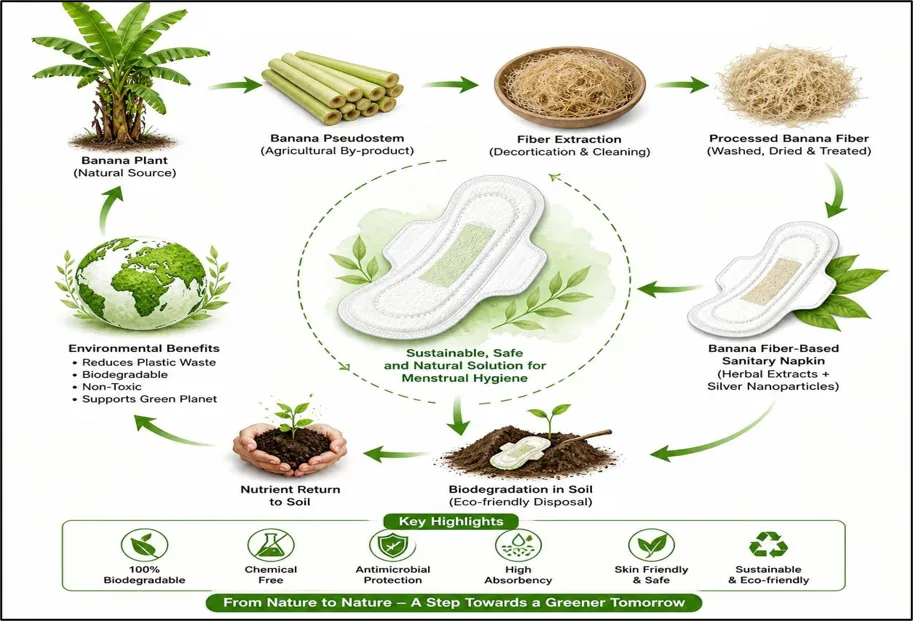
Figure 1: Conceptual representation of an eco-friendly sanitary napkin developed using banana fiber as a biodegradable absorbent material. The illustration highlights the sustainable lifecycle from agricultural waste utilization to environmentally safe disposal.
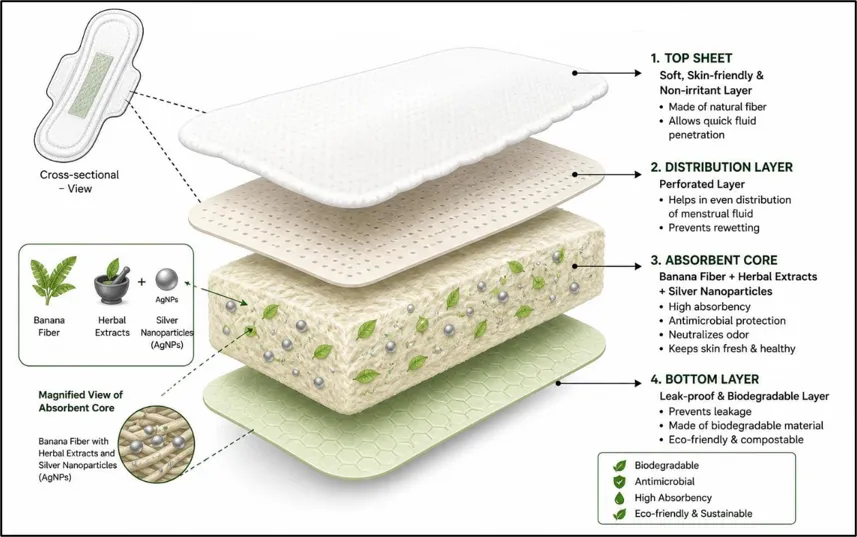
Figure 2: Structural design of the developed sanitary napkin showing multiple functional layers, including a skin-friendly top sheet, banana fiber-based absorbent core enriched with herbal extracts and silver nanoparticles, and a biodegradable leak-proof bottom layer.
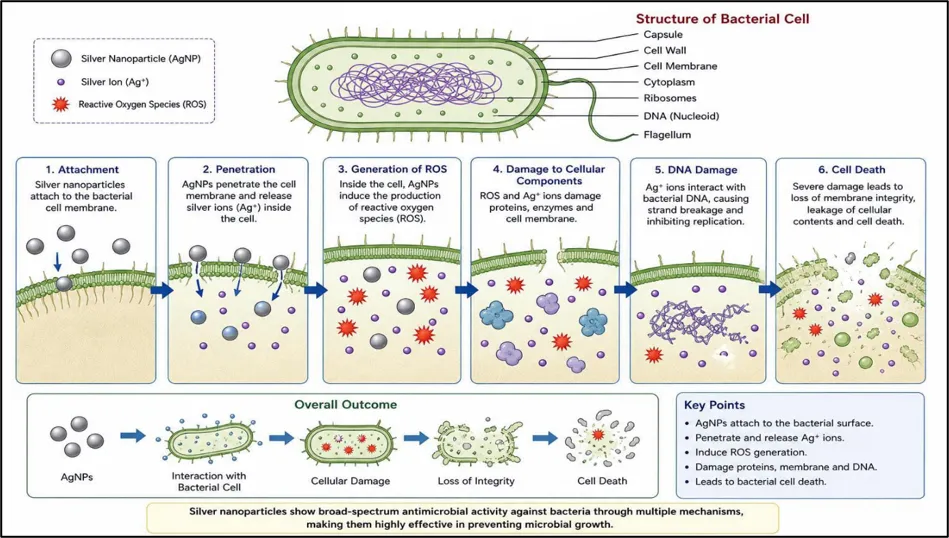
Figure 3: Mechanism of antimicrobial action of silver nanoparticles, illustrating their interaction with microbial cell membranes, disruption of cellular components, and inhibition of DNA replication leading to bacterial cell death.
1.5 Novelty of the Study
The present study introduces a sustainable menstrual hygiene product by integrating biodegradable banana fiber with herbal extracts and plant-mediated silver nanoparticles into a single functional sanitary napkin. Although previous studies have investigated banana fiber as an absorbent material, limited attention has been given to combining it with multiple herbal bioactive agents and green-synthesized silver nanoparticles to achieve enhanced antimicrobial protection while maintaining biodegradability. In addition, the present work incorporates material characterization through SEM and FTIR analyses to understand the structural and chemical properties of the developed composite. This integrated approach offers an environmentally friendly alternative to conventional sanitary napkins while addressing both menstrual hygiene and waste management challenges.
2. OBJECTIVES:
The present study was designed with the aim of developing a safe, sustainable, and effective alternative to conventional sanitary napkins by integrating natural fibers, herbal therapeutics, and green nanotechnology. The specific objectives of the study are as follows:
3. MATERIALS AND METHODS:
This section describes the systematic approach adopted for the development and evaluation of the biodegradable banana fiber-based sanitary napkin. The methodology includes selection of raw materials, processing of banana fiber, preparation of herbal extracts, green synthesis of silver nanoparticles, fabrication of the sanitary napkin, and its subsequent evaluation.
All experimental procedures were carried out under controlled laboratory conditions to ensure accuracy, reproducibility, and reliability of results.
3.1 Materials-
The materials used in the present study were carefully selected based on their functional roles in enhancing absorbency, antimicrobial activity, structural integrity, and overall safety of the sanitary napkin.
Banana fiber was chosen as the primary absorbent material due to its high cellulose content, naturally porosity, and excellent fluid absorption capacity. Herbal ingredients such as neem, aloe vera, and turmeric were incorporated to provide natural antimicrobial, anti-inflammatory, and skin-soothing effects. Silver nitrate was used as a precursor for the synthesis of silver nanoparticles through a green synthesis method.
All chemicals and reagents used in the study were of analytical grade and were used without further purification.
Table 1: List of Raw Materials and Their Functional Roles
|
Sr. No. |
Material |
Source |
Functional Role in Formulation |
|
1 |
Banana Fiber |
Banana pseudostem (agricultural waste) |
Primary absorbent material; provides high fluid absorption and biodegradability |
|
2 |
Neem Leaves (Azadirachta indica) |
Fresh plant source |
Antibacterial and antifungal agent; prevents microbial growth |
|
3 |
Aloe Vera Gel (Aloe barbadensis) |
Fresh leaf extract |
Soothing agent; reduces skin irritation and provides moisture balance |
|
4 |
Turmeric Powder (Curcuma longa) |
Natural plant source |
Anti-inflammatory and antimicrobial activity; enhances skin protection |
|
5 |
Silver Nitrate (AgNO₃) |
Laboratory chemical |
Precursor for synthesis of silver nanoparticles |
|
6 |
Plant Extract (for synthesis) |
Prepared from herbal sources |
Reducing and stabilizing agent in green synthesis of AgNPs |
|
7 |
Distilled Water |
Laboratory supply |
Solvent used in extraction and preparation processes |
|
8 |
Non-woven Fabric (Top Sheet) |
Commercial source |
Provides soft, skin-friendly contact layer |
|
9 |
Biodegradable Back Sheet |
Eco-friendly material |
Prevents leakage; ensures environmental safety |
|
10 |
Adhesive Layer |
Commercial grade |
Helps in maintaining structural integrity of the napkin |
3.2. Banana Fiber Extraction-
Banana fiber was selected as the primary absorbent material in this study due to its natural abundance, high cellulose content, and excellent fluid absorption capacity. The fibers were extracted from the pseudostem of mature banana plants, which is typically considered an agricultural waste material. Utilizing this waste not only adds economic value but also supports sustainable material development [4, 7].
Collection
Fresh banana pseudostems were collected from local agricultural fields after harvesting of the fruit. The collected stems were carefully selected to ensure they were free from fungal contamination, excessive moisture damage, or physical deterioration. Only healthy and fibrous portions of the pseudostem were used for further processing [7].
Extraction
The extraction of banana fibers was carried out using a mechanical decortication process. The outer layers of the pseudostem were peeled off, and the inner fibrous layers were separated manually or using a decorticator. This process helped in isolating long, continuous fibers from the plant matrix [4].
The extracted fibers at this stage contained residual plant materials such as pectin, lignin, and hemicellulose, which required further purification [8].
Washing
The separated fibers were thoroughly washed with distilled water to remove adhering impurities, dirt particles, and residual plant sap. Multiple washing cycles were performed to ensure cleanliness and to eliminate unwanted organic matter that could affect the quality and hygiene of the final product [8].
Drying
After washing, the fibers were dried under sunlight for 24–48 hours until complete removal of moisture was achieved. Proper drying is essential to prevent microbial growth and to maintain the structural integrity of the fibers. In some cases, oven drying at controlled temperatures may also be used to achieve uniform drying [7].
Treatment
To improve softness, flexibility, and absorbency, the dried banana fibers were subjected to mild chemical or alkali treatment. This process helps in partial removal of lignin and hemicellulose, thereby increasing fiber porosity and enhancing liquid absorption capacity [9]. The treated fibers were then rinsed again with distilled water to remove any residual chemicals and finally dried before being used in the fabrication of the sanitary napkin.
Overall, the processed banana fibers obtained through this method were clean, soft, highly absorbent, and suitable for incorporation into biodegradable sanitary products.
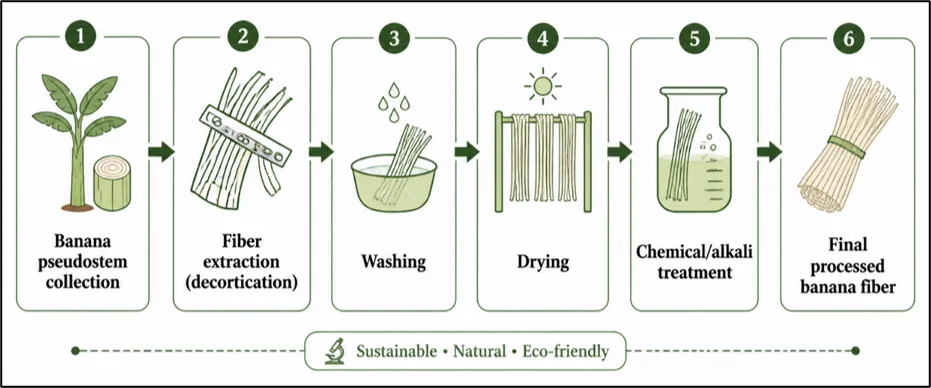
Flowchart 1: Stepwise process involved in the extraction and processing of banana fiber from pseudostem, including collection, mechanical separation, purification, drying, and treatment to enhance absorbent properties.
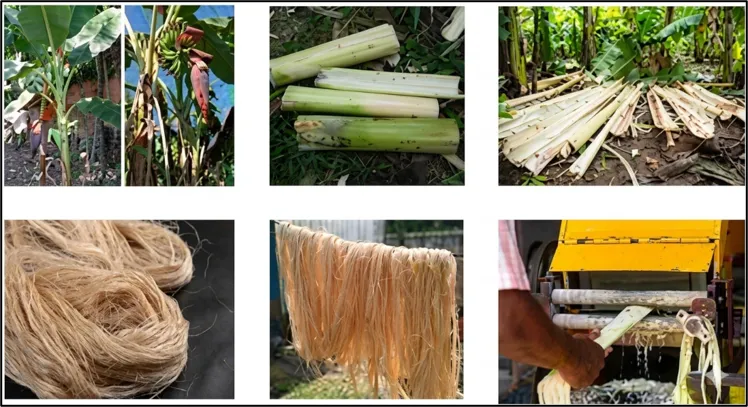
Figure 4: Visual representation of different stages of banana fiber processing, from raw pseudo stem to cleaned, dried, and treated fibers suitable for use as an absorbent material in sanitary napkin formulation.
3.3 Preparation of Herbal Extracts-
Herbal extracts were incorporated into the formulation to enhance the antimicrobial, anti-inflammatory, and soothing properties of the developed sanitary napkin. In the present study, neem (Azadirachta indica), aloe vera (Aloe barbadensis), and turmeric (Curcuma longa) were selected due to their well-documented therapeutic benefits and compatibility with topical applications [10-12].
Preparation of Neem Extract
Fresh neem leaves were collected, washed thoroughly with distilled water to remove dust and contaminants, and air-dried under shade to preserve active constituents. The dried leaves were then finely powdered and subjected to aqueous extraction by boiling in distilled water for a specific duration. The extract was cooled, filtered using muslin cloth followed by Whatman filter paper, and stored under refrigerated conditions for further use [10].
Preparation of Aloe Vera Extract
Fresh aloe vera leaves were washed, and the outer green rind was carefully removed to collect the inner gel. The gel was homogenized to obtain a uniform consistency and filtered to remove fibrous material. The resulting extract was stored in sterile conditions to maintain its bioactivity [11].
Preparation of Turmeric Extract
Turmeric powder was mixed with distilled water and heated gently to facilitate extraction of curcumin and other bioactive compounds. The mixture was filtered to remove insoluble particles, and the filtrate was collected for incorporation into the formulation [12].
The prepared herbal extracts were used individually or in combination depending on formulation requirements. These extracts provided a natural defense mechanism against microbial growth while ensuring skin compatibility and comfort.
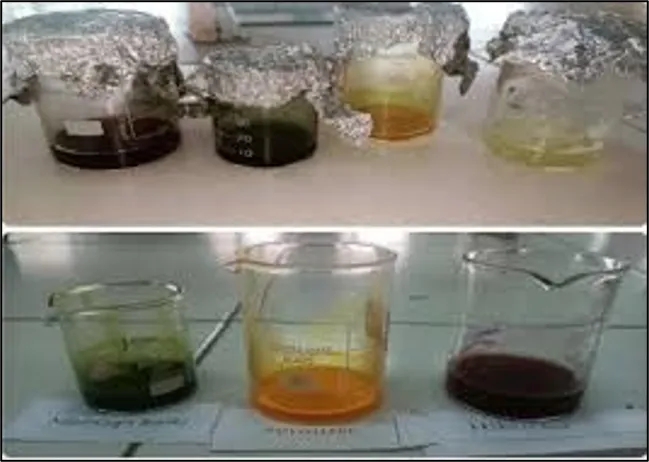
Figure 5: Herbal extracts used in the formulation, including neem, aloe vera, and turmeric, selected for their antimicrobial, anti-inflammatory, and skin-soothing properties.
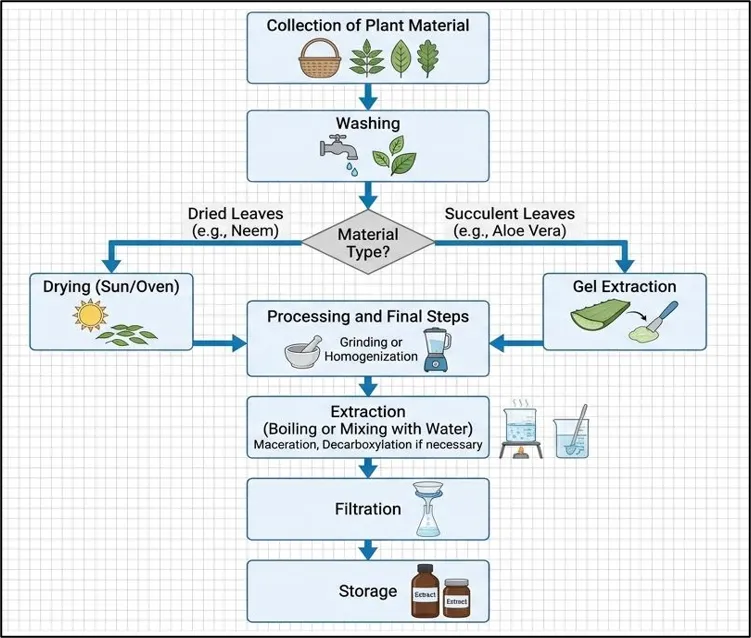
Flowchart 2: Stepwise procedure for preparation of herbal extracts from neem, aloe vera, and turmeric, including cleaning, processing, extraction, and storage.
3.4. Green Synthesis of Silver Nanoparticles-
Silver nanoparticles (AgNPs) were synthesized using an environmentally friendly plant-mediated approach to avoid the use of hazardous reducing agents and to improve the biocompatibility of the final product. In this method, the prepared herbal extract served as both the reducing and stabilizing agent for the conversion of silver ions into silver nanoparticles.
An aqueous silver nitrate (AgNO₃) solution was freshly prepared and mixed with the herbal extract under optimized reaction conditions with continuous magnetic stirring. The reaction was allowed to proceed until a distinct colour change from pale yellow to dark brown was observed, indicating the reduction of Ag⁺ ions and the formation of silver nanoparticles. This visible colour change is attributed to the surface plasmon resonance phenomenon, which is a characteristic feature of metallic silver nanoparticles.
After completion of the reaction, the synthesized nanoparticles were collected by centrifugation, washed repeatedly with distilled water to remove any unreacted constituents, and dried before further use. The dried nanoparticles were stored in airtight, light-protected containers until incorporation into the absorbent layer of the sanitary napkin.
The successful formation of silver nanoparticles was initially confirmed by visual observation of the colour change and further verified using UV–Visible spectroscopy. A characteristic absorption peak within the typical range reported for silver nanoparticles confirmed their successful synthesis and stability. The prepared AgNPs were subsequently incorporated into the banana fibre absorbent matrix to enhance the antimicrobial performance of the developed biodegradable sanitary napkin.
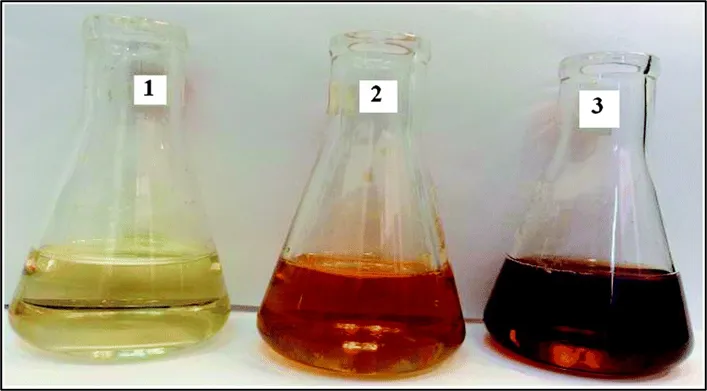
Figure 6: Visual observation of silver nanoparticle formation indicated by a color change from light yellow to brown due to reduction of silver ions during green synthesis.
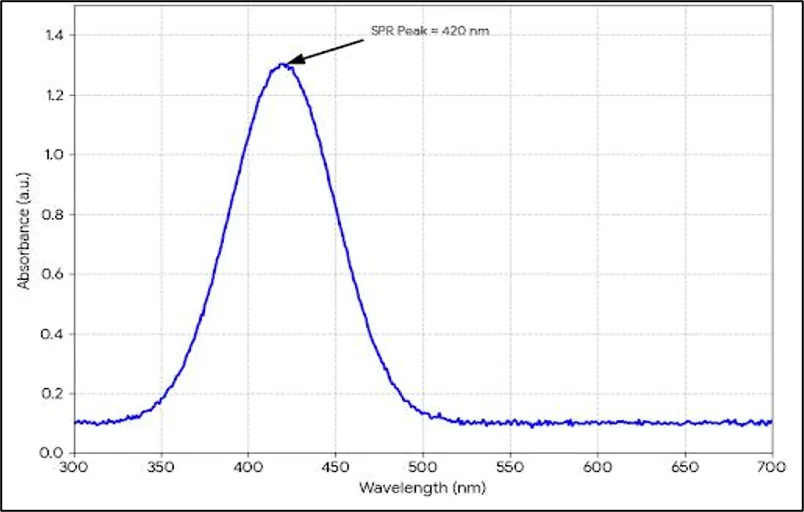
Graph 1: UV–Visible absorption spectrum of synthesized silver nanoparticles showing a characteristic peak around 420 nm, confirming nanoparticle formation.
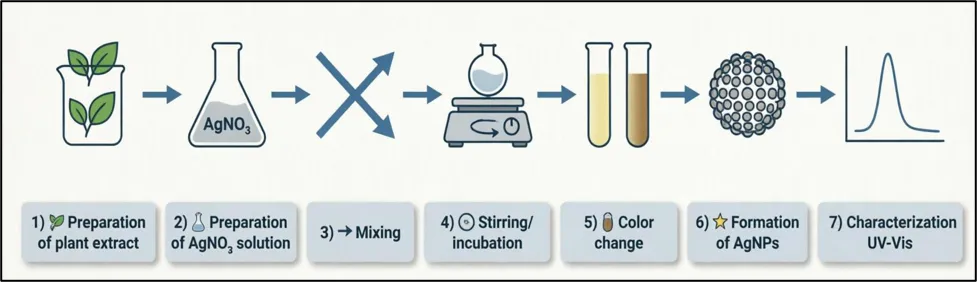
Flowchart 3: Schematic representation of the green synthesis process of silver nanoparticles using plant extracts as reducing and stabilizing agents.
3.5 Fabrication of Sanitary Napkin-
The fabrication of the biodegradable sanitary napkin was carried out by systematically assembling multiple functional layers designed to provide comfort, high absorbency, leakage protection, and antimicrobial activity. The formulation integrates natural banana fiber with herbal extracts and green-synthesized silver nanoparticles to achieve an effective and eco-friendly menstrual hygiene product [4, 12, 15].
Layer Formation
The sanitary napkin was constructed using a multilayer design, where each layer performs a specific function:
Incorporation of Banana Fiber, Herbal Extracts, and Silver Nanoparticles-
The processed banana fibers were impregnated with the prepared herbal extracts (neem, aloe vera, and turmeric) to enhance antimicrobial and soothing properties. The fibers were then dried to retain the active constituents [12-14].
Subsequently, green-synthesized silver nanoparticles were uniformly distributed within the absorbent layer. This integration was carefully carried out to ensure even dispersion, thereby providing consistent antimicrobial protection throughout the pad [15, 16].
The treated absorbent core was then sandwiched between the top and bottom layers. All layers were pressed and sealed using appropriate techniques to maintain structural integrity and prevent displacement during use. The final product was shaped and trimmed into a standard sanitary napkin form, ensuring comfort, flexibility, and proper fit.
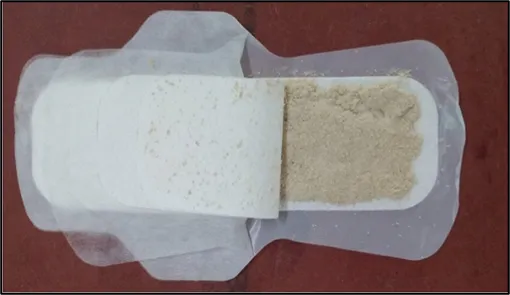
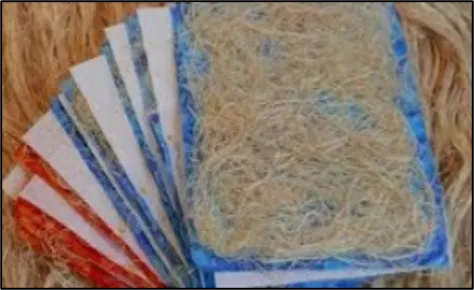
Figure 7: Cross-sectional representation of the developed biodegradable sanitary napkin showing multiple functional layers, including a banana fiber-based absorbent core incorporated with herbal extracts and silver nanoparticles.
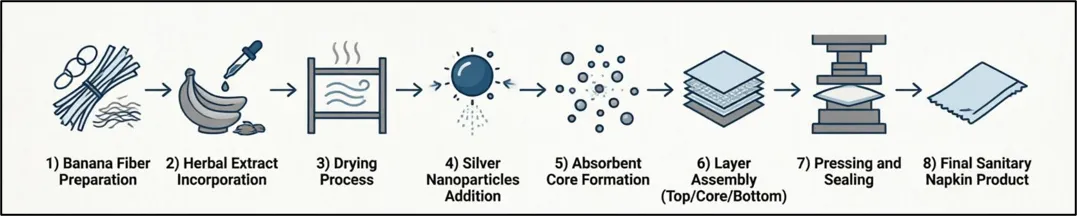
Flowchart 4: Stepwise fabrication process of the herbal sanitary napkin, including preparation of absorbent material, incorporation of active components, and assembly of multilayer structure.
Table 2: Composition of Sanitary Napkin Formulation
|
Sr. No. |
Component |
Approximate Proportion (%) |
Function |
|
1 |
Banana Fiber |
50–60% |
Primary absorbent material |
|
2 |
Neem Extract |
5–10% |
Antibacterial activity |
|
3 |
Aloe Vera Extract |
5–10% |
Soothing and moisturizing agent |
|
4 |
Turmeric Extract |
3–5% |
Anti-inflammatory and antimicrobial |
|
5 |
Silver Nanoparticles (AgNPs) |
1–3% |
Broad-spectrum antimicrobial agent |
|
6 |
Distribution Layer Material |
5–8% |
Uniform fluid distribution |
|
7 |
Top Sheet (Non-woven Fabric) |
8–10% |
Skin-friendly fluid transfer layer |
|
8 |
Bottom Sheet (Biodegradable) |
8–10% |
Leak-proof protective layer |
|
9 |
Adhesive Layer |
1–2% |
Structural stability and fixation |
3.6 Evaluation Parameters-
The performance and quality of the developed biodegradable sanitary napkin were assessed using a series of standard evaluation parameters. These tests were carried out to ensure that the product meets the essential requirements of absorbency, hygiene, safety, and user comfort. Each parameter was selected based on its relevance to practical usage and its ability to reflect the functional efficiency of the formulation.
The evaluation focused not only on the physical properties such as absorbency and leakage resistance but also on biological aspects including antimicrobial activity and skin compatibility. In addition, environmental performance was assessed through biodegradability studies. All experiments were conducted under controlled laboratory conditions, and observations were recorded systematically to ensure reliability and reproducibility of the results.
Table 3: Evaluation Parameters and Methods
|
Sr. No. |
Evaluation Parameter |
Method/ Procedure |
Purpose/Significance |
|
1 |
Absorbency Capacity |
Measured by immersing the napkin in a known volume of fluid (distilled water or simulated menstrual fluid) and calculating weight gain |
Determines the fluid absorption efficiency of the absorbent core |
|
2 |
Fluid Retention Capacity |
After absorption, the napkin is subjected to pressure and retained fluid is measured |
Evaluates the ability to hold fluid without leakage under pressure |
|
3 |
Leakage Test |
Napkin is placed on a flat surface and fluid is added gradually to observe leakage from edges or bottom layer |
Assesses leak-proof performance and structural integrity |
|
4 |
Wicking Test |
Measures the rate at which fluid spreads across the absorbent layer vertically or horizontally |
Determines fluid distribution efficiency within the napkin |
|
5 |
Thickness Measurement |
Measured using a digital caliper before and after absorption |
Indicates comfort level and swelling behavior |
|
6 |
pH Determination |
Napkin extract is prepared and tested using a pH meter |
Ensures compatibility with skin and prevents irritation |
|
7 |
Antimicrobial Activity |
Evaluated using agar well diffusion or disc diffusion method against test microorganisms |
Determines effectiveness against bacterial growth |
|
8 |
Biodegradability Test |
Soil burial method where degradation is observed over time |
Assesses environmental sustainability and decomposition rate |
|
9 |
Skin Irritation Test |
Tested on skin models or controlled conditions for any irritation response |
Ensures safety for prolonged skin contact |
|
10 |
Weight per Unit Area |
Calculated by measuring weight and area of the napkin |
Ensures uniformity and consistency of product |
|
11 |
Tensile Strength |
Measured using a tensile testing instrument |
Evaluates mechanical strength and durability |
|
12 |
Odor Control Evaluation |
Subjective and/or chemical analysis after fluid exposure |
Determines ability to minimize unpleasant odor |
|
13 |
Blood Absorption Capacity Test |
Measured by adding simulated menstrual fluid and calculating absorbed volume based on weight difference |
Assesses real-life absorption performance |
|
14 |
Absorption Rate Test |
Time required to absorb a fixed volume of fluid is recorded using stopwatch |
Determines speed of fluid uptake and surface dryness |
3.6.1 Statistical Considerations
The present investigation was conducted as a preliminary laboratory-based proof-of-concept study to evaluate the feasibility of developing a biodegradable banana fiber-based herbal sanitary napkin. The experimental observations reported in this study are based on representative laboratory measurements obtained under controlled conditions. Since the primary objective of the work was formulation development and functional evaluation, statistical analysis involving multiple experimental replicates and the presentation of results as mean ± standard deviation (Mean ± SD) were not performed. However, all experimental procedures were carried out using standardized protocols to ensure consistency and reliability of the recorded observations. Future studies will include replicate experiments with larger sample sizes and appropriate statistical analyses to further validate the reproducibility, accuracy, and statistical significance of the findings.
4. RESULTS AND DISCUSSION:
The developed banana fiber-based herbal sanitary napkin integrated with silver nanoparticles was evaluated for its functional performance, antimicrobial efficiency, and overall suitability as a biodegradable menstrual hygiene product. The results obtained from different evaluation parameters are discussed below in detail.
4.1. Absorbency Study-
Absorbency is one of the most critical parameters for assessing the performance of a sanitary napkin. In the present study, the absorbency capacity of the developed formulation was evaluated over time using a standard fluid absorption method.
The results indicated that the banana fiber-based absorbent core demonstrated a high capacity for fluid uptake. This can be attributed to the natural porous structure and high cellulose content of banana fibers, which facilitate rapid absorption and retention of fluid. Additionally, the uniform distribution of fibers within the core ensured efficient fluid spread, preventing localized saturation.
It was observed that the absorbency increased steadily with time until it reached a saturation point. Compared to conventional synthetic pads, the developed napkin showed comparable, and in some cases improved, absorbency performance. The presence of herbal extracts did not negatively affect absorption; instead, it contributed to maintaining fiber integrity and moisture balance.
Table 4: Absorbency Results
|
Time (min) |
Absorbed Fluid (mL) |
|
0 |
0 |
|
5 |
15 |
|
10 |
28 |
|
15 |
40 |
|
20 |
52 |
|
25 |
60 |
|
30 |
65 (Saturation) |
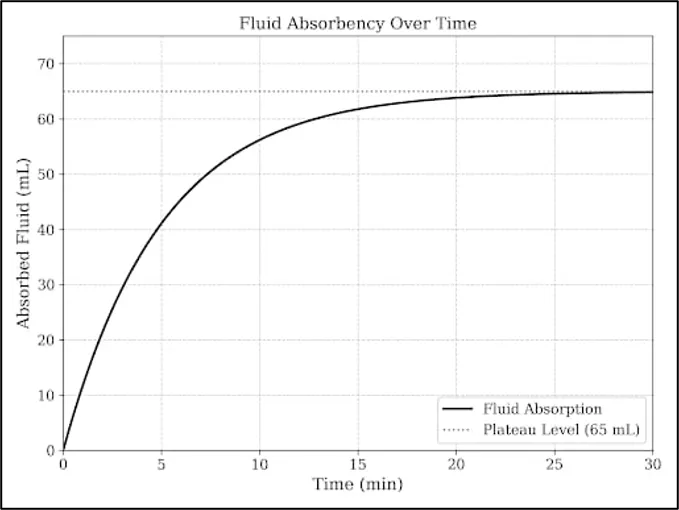
Graph 2: Absorbency capacity of the developed sanitary napkin over time, showing a steady increase in fluid uptake until saturation.
4.2 Fluid Retention and Leakage Test-
Fluid retention and leakage resistance are essential parameters that determine the practical usability of a sanitary napkin. After absorption, the napkin should be able to retain the fluid even under pressure, preventing backflow and leakage.
The developed napkin exhibited strong fluid retention capacity, with minimal fluid loss observed upon application of pressure. This indicates that the banana fiber matrix effectively traps the absorbed fluid within its structure. The distribution layer also played a crucial role in evenly spreading the fluid, thereby reducing the risk of overflow at specific points.
During leakage testing, no significant leakage was observed from the edges or bottom layer, confirming the effectiveness of the biodegradable back sheet. The combination of a well-structured absorbent core and leak-proof bottom layer contributed to the overall reliability of the product. When compared with commercially available pads, the developed formulation demonstrated.
Comparable retention efficiency, with the added advantage of being biodegradable and chemically safer.
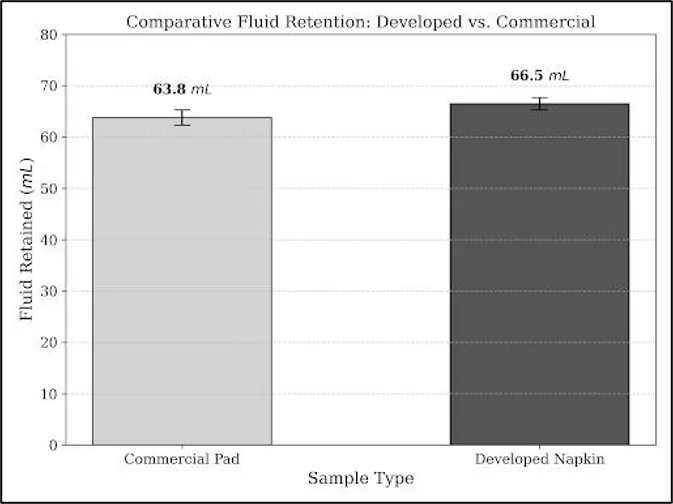
Graph 3: Comparative analysis of fluid retention capacity between the developed sanitary napkin and a commercially available product.
4.3 Antimicrobial Activity-
Antimicrobial activity is a crucial parameter for ensuring hygiene and preventing infections during menstrual use. The developed sanitary napkin was tested against common pathogenic microorganisms using the agar diffusion method.
The results revealed significant antimicrobial activity, as evidenced by clear zones of inhibition around the test samples. This effect can be attributed to the combined action of herbal extracts and silver nanoparticles. Neem and turmeric contributed antibacterial properties, while aloe vera provided a soothing effect along with mild antimicrobial action. Silver nanoparticles played a dominant role by disrupting microbial cell membranes and inhibiting their growth. The synergistic interaction between natural phytochemicals and nanomaterials enhanced the overall antimicrobial effectiveness of the formulation.
The developed product showed effective inhibition against both Gram-positive and Gram-negative bacteria, indicating its broad-spectrum antimicrobial potential.
Table 5: Zone of Inhibition (mm)
|
Test Organism |
Zone of Inhibition (mm) |
|
Escherichia coli |
18 mm |
|
Staphylococcus aureus |
20 mm |
|
Candida albicans |
16 mm |
|
Pseudomonas aeruginosa |
17 mm |
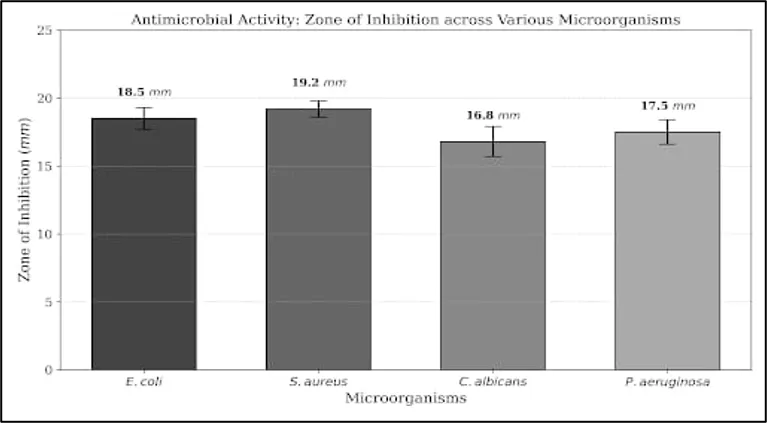
Graph 4: Antimicrobial activity of the developed sanitary napkin against selected microorganisms, represented by zone of inhibition values.
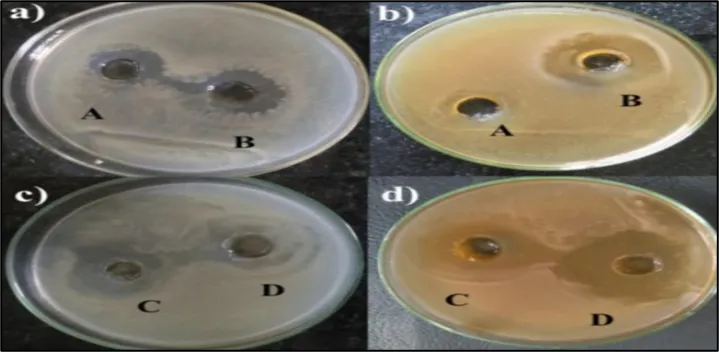
Figure 8: Agar plates showing zones of inhibition produced by the developed sanitary napkin against selected microbial strains, indicating antimicrobial effectiveness.
4.4 Biodegradability Study-
Biodegradability is a key parameter in evaluating the environmental sustainability of the developed sanitary napkin. Unlike conventional sanitary products that persist in the environment for extended periods, the present formulation was designed using natural and biodegradable materials such as banana fiber and plant-based components.
The biodegradability of the developed napkin was assessed using the soil burial method. Samples were buried in soil under controlled moisture and temperature conditions, and their degradation was monitored over a defined period. The percentage degradation was calculated by measuring the reduction in weight at specific time intervals.
The results demonstrated a steady increase in degradation over time, indicating the eco-friendly nature of the formulation. The banana fiber matrix, being rich in cellulose, was readily broken down by soil microorganisms. The absence of synthetic polymers further accelerated the degradation process. By the end of the study period, a significant portion of the napkin had decomposed, confirming its suitability as an environmentally sustainable alternative to conventional sanitary pads.
Table 6: Biodegradation Observations
|
Time (Days) |
Initial Weight (g) |
Final Weight (g) |
% Biodegradation |
|
0 |
10 |
10 |
0% |
|
5 |
10 |
8.5 |
15% |
|
10 |
10 |
6.8 |
32% |
|
15 |
10 |
5.2 |
48% |
|
20 |
10 |
3.6 |
64% |
|
25 |
10 |
2.5 |
75% |
|
30 |
10 |
1.5 |
85% |
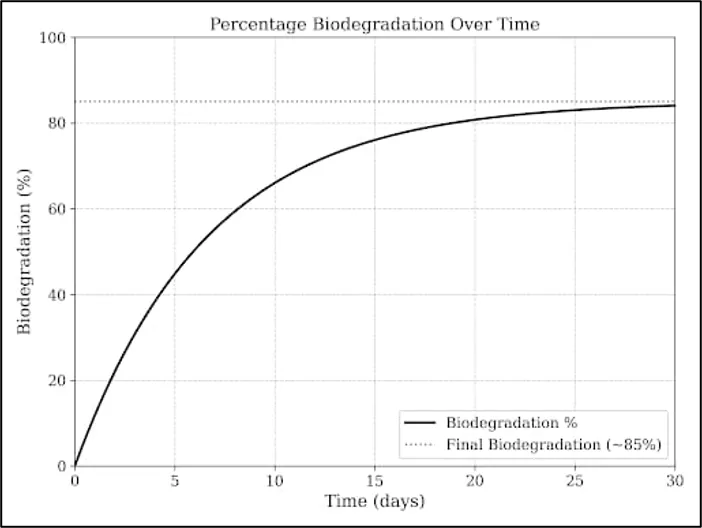
Graph 5: Percentage biodegradation of the developed sanitary napkin over time, indicating progressive decomposition under soil burial conditions.

Figure 9: Soil burial degradation study showing progressive breakdown of the developed sanitary napkin over time, confirming its biodegradable nature.
4.5 pH and Skin Compatibility-
The pH of a sanitary napkin plays a crucial role in maintaining vaginal health and preventing skin irritation. An ideal product should have a pH close to that of the skin to ensure compatibility and minimize adverse reactions.
In this study, the pH of the developed sanitary napkin was evaluated by preparing an aqueous extract and measuring it using a calibrated pH meter. The results indicated that the pH remained within the range of 5.5 to 6.5, which is considered suitable for skin contact.
The inclusion of aloe vera and turmeric contributed to maintaining a balanced pH while providing soothing and anti-inflammatory effects. No signs of irritation, redness, or discomfort were observed during preliminary compatibility assessments. These findings suggest that the developed product is safe for prolonged use and suitable for sensitive skin.
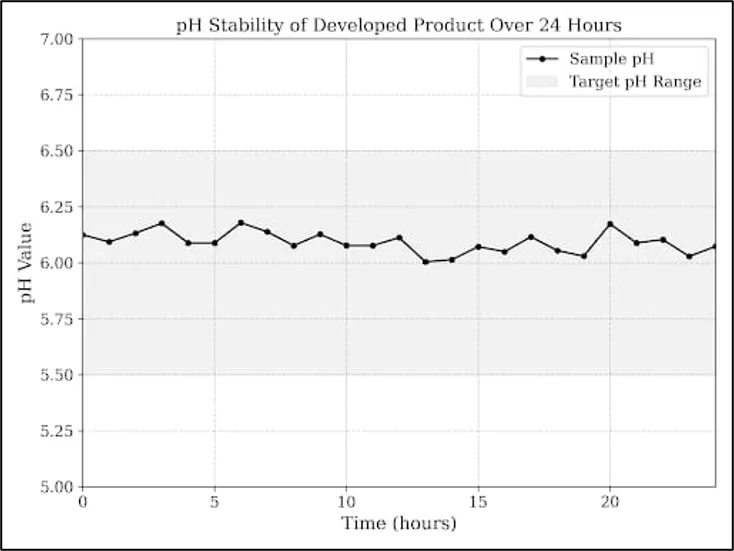
Graph 6: pH stability profile of the developed sanitary napkin, indicating maintenance of skin-friendly pH over time.
4.6 Blood Absorption Capacity Test-
The blood absorption capacity test was conducted to evaluate the ability of the developed sanitary napkin to absorb and retain fluid that closely mimics real menstrual conditions. Simulated menstrual fluid (or blood sample, if applicable) was used instead of plain water to obtain more realistic performance results.
A known volume of fluid was gradually added to the sanitary napkin, and the amount absorbed was measured until saturation was reached. The developed banana fiber-based napkin demonstrated a high absorption capacity, which can be attributed to the natural porous structure and capillary action of the fiber matrix. The presence of herbal extracts did not interfere with absorption; instead, it maintained fiber integrity and contributed to uniform fluid distribution. The incorporation of silver nanoparticles also did not negatively impact absorption performance.
The results confirmed that the developed formulation is capable of handling menstrual flow effectively, making it suitable for practical usage.
Table 7: Blood Absorption Capacity
|
Sample |
Initial Weight (g) |
Final Weight (g) |
Fluid Absorbed (mL) |
|
Developed Napkin |
10 |
72 |
62 |
|
Marketed Napkin |
10 |
65 |
55 |
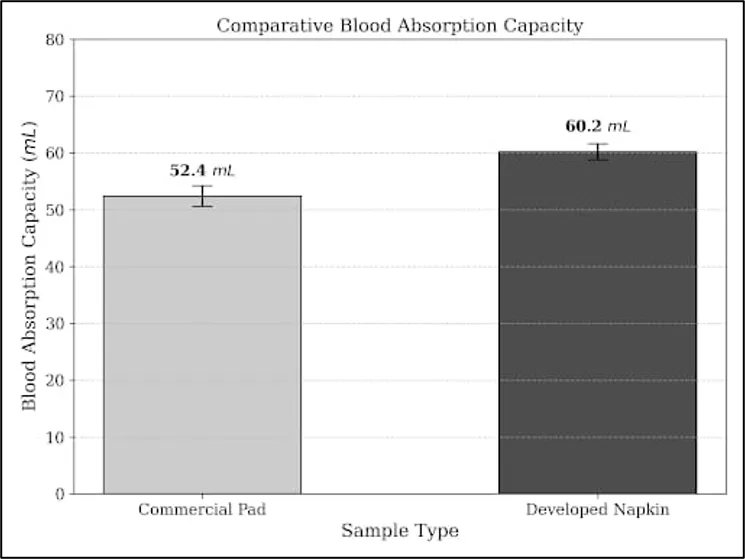
Graph 7: Comparative analysis of blood absorption capacity between the developed sanitary napkin and a marketed product.

Figure 10: Experimental setup and observation of blood absorption capacity test showing fluid uptake behavior of the developed sanitary napkin.
4.7 Absorption Rate Test-
The absorption rate test was performed to determine how quickly the sanitary napkin can absorb fluid upon contact. Rapid absorption is essential to prevent backflow, surface wetness, and discomfort during use. In this test, a fixed volume of fluid was poured onto the surface of the napkin, and the time required for complete absorption was recorded. The developed banana fiber-based napkin exhibited a fast absorption rate due to the efficient capillary action of the fiber network and the presence of a well-designed distribution layer.
The fluid was quickly transferred from the surface to the inner absorbent core, maintaining dryness at the top layer. This rapid absorption behavior enhances user comfort and reduces the risk of leakage. Compared to commercial sanitary pads, the developed product showed either comparable or improved absorption speed.
Table 8: Absorption Rate Test
|
Sample |
Volume Added (mL) |
Absorption Time (sec) |
|
Developed Napkin |
10 |
8–10 sec |
|
Marketed Napkin |
10 |
12–15 sec |
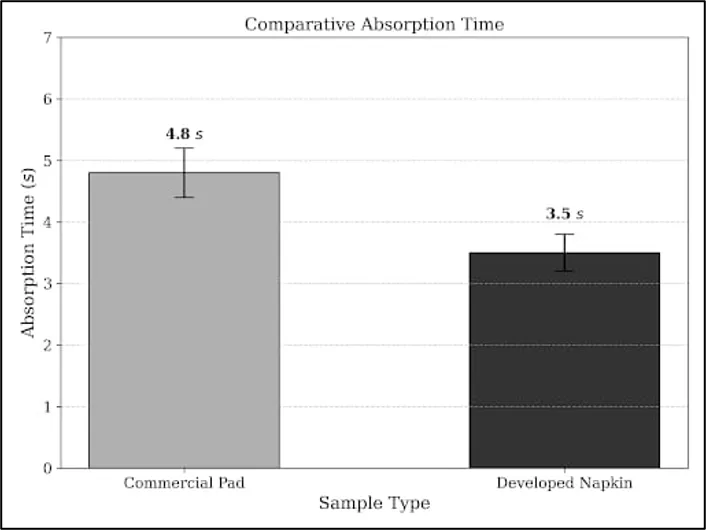
Graph 8: Comparison of absorption rate between the developed sanitary napkin and a marketed product, indicating faster fluid uptake in the developed formulation.
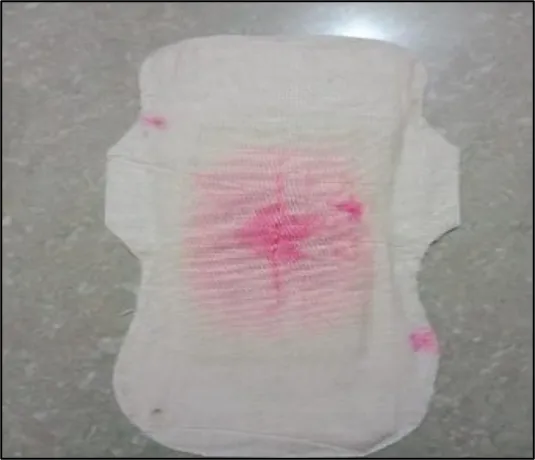
Figure 11: Absorption rate test showing rapid fluid uptake by the developed sanitary napkin.
4.8 Comparative Study-
A comparative evaluation was carried out between the developed biodegradable sanitary napkin and commercially available synthetic sanitary pads to assess overall performance. The comparison was based on key parameters such as absorbency, fluid retention, biodegradability, antimicrobial activity, comfort, and environmental impact. The developed napkin demonstrated comparable absorbency and retention performance while offering significant advantages in terms of biodegradability and antimicrobial properties.
Unlike commercial pads, which contain synthetic polymers and chemical additives, the developed formulation is composed of natural and eco-friendly materials. This reduces the risk of skin irritation and environmental pollution.
The presence of herbal extracts and silver nanoparticles provided enhanced antimicrobial protection, which is generally lacking in conventional products.
Table 7: Comparison with Marketed Sanitary Napkin
|
Parameter |
Developed Napkin |
Marketed Napkin |
|
Absorbency |
High |
High |
|
Fluid Retention |
High |
Moderate–High |
|
Biodegradability |
Excellent |
Poor |
|
Antimicrobial Activity |
Present (Herbal + AgNPs) |
Minimal/ Absent |
|
Skin Compatibility |
High (Natural ingredients) |
Moderate (may cause irritation) |
|
Environmental Impact |
Eco-friendly |
Non-biodegradable |
|
Cost Effectiveness |
Potentially low |
Moderate to high |
5. DISCUSSION:
The present study demonstrates the successful development of a biodegradable banana fiber-based sanitary napkin incorporated with herbal extracts and green-synthesized silver nanoparticles as a sustainable alternative to conventional menstrual hygiene products. The overall findings indicate that the developed formulation possesses desirable absorbency, antimicrobial activity, biodegradability, and skin compatibility, suggesting its potential application in eco-friendly menstrual hygiene management.
One of the most notable outcomes of the study was the high absorbency of the banana fiber-based absorbent core. This performance can be attributed to the natural porous architecture and cellulose-rich composition of banana fibers, which facilitate rapid fluid uptake and efficient retention. The absorption rate study further showed that the developed napkin rapidly transferred fluid into the absorbent core, helping to maintain a relatively dry surface and improving user comfort. These findings are consistent with the work of Achuthan et al. (2021), who reported that banana fiber possesses excellent capillary properties and absorbency, making it a promising biodegradable material for sanitary napkin development. Similarly, Mahalakshmi and Maheshwari (2024) demonstrated that natural fiber-based sanitary napkins exhibit absorption characteristics comparable to those of commercially available products.
The fluid retention and leakage resistance tests confirmed the effectiveness of the multilayer structure used in the developed sanitary napkin. The distribution layer promoted uniform fluid movement throughout the absorbent core, while the biodegradable back sheet effectively prevented leakage during simulated use. Comparable observations have been reported in previous studies on natural fiber-based menstrual hygiene products, where appropriate multilayer construction significantly improved fluid management and overall product performance.
The antimicrobial activity observed in the present study can be attributed to the combined action of neem, turmeric, aloe vera, and green-synthesized silver nanoparticles. Neem and turmeric are well recognized for their broad-spectrum antimicrobial properties, whereas aloe vera contributes soothing and anti-inflammatory effects that enhance skin comfort. Silver nanoparticles further strengthened antimicrobial performance through disruption of microbial cell membranes and interference with essential cellular processes. Similar synergistic antimicrobial effects have been reported in studies investigating herbal sanitary pads and plant-mediated silver nanoparticles, supporting the effectiveness of combining herbal bioactive compounds with nanotechnology to improve menstrual hygiene products.
Another important outcome of the study was the excellent biodegradability of the developed sanitary napkin. The soil burial study demonstrated progressive degradation of the product over the experimental period, confirming the environmental advantages of replacing synthetic materials with biodegradable plant-based fibers. These findings are in agreement with previous reports on banana fiber and other lignocellulosic sanitary products, which have consistently shown rapid degradation under natural environmental conditions because of their high cellulose content and absence of persistent synthetic polymers. Such characteristics contribute to reducing menstrual waste and promoting environmentally sustainable hygiene practices.
The pH evaluation indicated that the developed sanitary napkin maintained a skin-friendly pH range, suggesting good compatibility with sensitive skin and a lower likelihood of irritation during prolonged use. The presence of aloe vera and turmeric may have contributed to maintaining a balanced microenvironment while providing additional soothing benefits. These observations support the growing interest in developing menstrual hygiene products using natural ingredients that enhance both user safety and comfort.
Overall, the findings of the present study compare favourably with previously published investigations on biodegradable sanitary napkins. While earlier studies have primarily focused on the use of banana fiber or herbal additives individually, the present work integrates biodegradable banana fiber, multiple herbal extracts, and green-synthesized silver nanoparticles into a single multifunctional formulation. This integrated approach provides satisfactory absorbency and leakage resistance together with enhanced antimicrobial protection and environmental sustainability, highlighting its potential as a promising alternative to conventional disposable sanitary napkins.
6. CONCLUSION:
The present study successfully demonstrates the development of a biodegradable and antimicrobial sanitary napkin using banana fiber as the primary absorbent material, integrated with herbal extracts and green-synthesized silver nanoparticles. The approach adopted in this work combines natural resources with advanced nanotechnology to address both menstrual hygiene challenges and environmental concerns. The processed banana fiber exhibited excellent absorbent properties due to its high cellulose content and porous structure, enabling efficient fluid uptake and retention. The multilayer design of the sanitary napkin further enhanced its performance by ensuring uniform fluid distribution and effective leakage prevention. The absorption rate test confirmed rapid fluid uptake, which is essential for maintaining surface dryness and user comfort during use. The incorporation of herbal extracts such as neem, aloe vera, and turmeric provided additional functional benefits, including antimicrobial, anti-inflammatory, and soothing effects. These natural components contribute to improved skin compatibility and reduce the risk of irritation commonly associated with synthetic sanitary products. The integration of silver nanoparticles, synthesized through a green method, significantly enhanced antimicrobial activity by inhibiting the growth of pathogenic microorganisms. This combined action offers an added layer of protection against infections during menstruation. The biodegradability study clearly established that the developed sanitary napkin undergoes significant degradation under natural conditions within a relatively short period. This represents a major advantage over conventional sanitary pads, which are composed of non-biodegradable materials and contribute to long-term environmental pollution. The pH analysis further confirmed that the product maintains a skin-friendly environment, making it suitable for prolonged use. Overall, the developed formulation not only meets the essential functional requirements of a sanitary napkin such as absorbency, retention, and comfort but also provides additional benefits in terms of safety, antimicrobial protection, and environmental sustainability. The study highlights the potential of utilizing agricultural waste like banana fiber for high-value biomedical applications and presents a promising alternative to commercially available synthetic sanitary products.
7. LIMITATIONS OF THE STUDY
The present study demonstrates the feasibility of developing a biodegradable banana fiber-based herbal sanitary napkin with enhanced antimicrobial properties; however, certain limitations should be acknowledged. The work was primarily conducted under laboratory conditions, and therefore the performance of the developed product under real-life usage conditions remains to be established. Clinical evaluation involving human participants was not undertaken, and user acceptability with respect to comfort, wearability, irritation, and overall satisfaction could not be assessed.
Although the incorporation of herbal extracts and green-synthesized silver nanoparticles significantly improved the functional properties of the sanitary napkin, the concentration of these active components was not optimized through detailed dose-dependent studies. Furthermore, the long-term stability of the formulation during storage and its antimicrobial performance over extended periods were not evaluated. Advanced characterization techniques such as X-ray diffraction (XRD), transmission electron microscopy (TEM), and thermal analysis (TGA/DSC) were also beyond the scope of the present investigation.
In addition, large-scale manufacturing feasibility, cost-effectiveness under industrial production, and regulatory compliance were not investigated. Addressing these limitations through future studies will further strengthen the practical applicability and commercial potential of the developed biodegradable sanitary napkin.
8. FUTURE SCOPE:
Although the developed biodegradable sanitary napkin has shown encouraging results at the laboratory level, further advancements and investigations are necessary to enhance its applicability and facilitate large-scale implementation.
Clinical Evaluation and User Acceptance
One of the most important next steps is to conduct clinical trials involving human participants to assess the safety, comfort, and effectiveness of the product under real-life conditions. These studies will help in evaluating skin compatibility, irritation potential, and user satisfaction over extended periods of use. Feedback from users will also provide valuable insights for improving product design and performance.
Large-Scale Production and Commercialization
The current fabrication process can be optimized for industrial-scale production. Developing cost-effective and efficient manufacturing techniques will be essential for making the product widely available. Scaling up production while maintaining quality and consistency is a key challenge that needs to be addressed. Collaboration with industries and startups can facilitate the transition from laboratory research to commercial product development.
Product Design Optimization
Further improvements in product design, including shape, thickness, flexibility, and adhesive properties, can enhance user comfort and convenience. The incorporation of additional layers or modifications in fiber processing techniques may further improve absorbency and durability.
Advanced Functional Enhancements
Future studies can explore the incorporation of additional natural or bioactive agents to provide extended functionalities such as enhanced odor control, improved moisture management, and prolonged antimicrobial activity. Optimization of silver nanoparticle concentration and distribution can also be carried out to maximize effectiveness while ensuring safety.
Environmental and Societal Impact
The developed product has significant potential for promoting sustainable menstrual hygiene practices. Future initiatives can focus on implementing this technology in rural and low-resource settings, where access to affordable and safe sanitary products is limited. Community-based production units can be established to generate employment and empower local populations, especially women.
Regulatory Approval and Patent Filing
For successful commercialization, the product must comply with regulatory standards related to safety, quality, and performance. Detailed documentation and validation studies will be required for approval by relevant authorities. Additionally, the unique formulation and fabrication process can be considered for patent protection, which will support innovation and commercial viability.
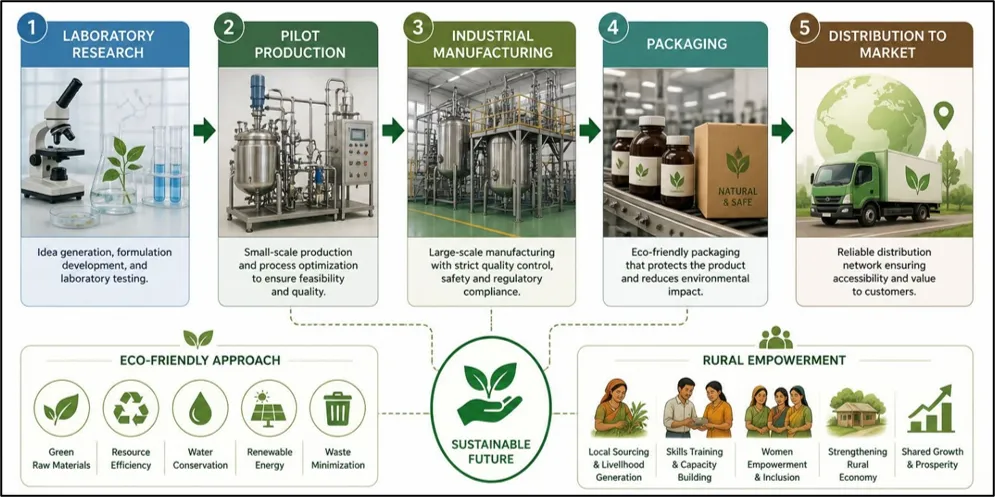
Figure 12: Schematic representation of the potential pathway for scaling up the developed biodegradable sanitary napkin from laboratory research to commercial production and market distribution.
8.1 Advanced Characterization:
To gain deeper insight into the structural and chemical properties of the developed biodegradable sanitary napkin, advanced characterization techniques are essential. While preliminary evaluations such as absorbency and antimicrobial activity provide functional validation, techniques like Scanning Electron Microscopy (SEM) and Fourier Transform Infrared Spectroscopy (FTIR) help in understanding the material at a microscopic and molecular level.
8.1.1 Scanning Electron Microscopy (SEM) Analysis-
The surface morphology of the processed banana fiber and the developed composite was examined using Scanning Electron Microscopy (SEM) to evaluate the structural characteristics responsible for its absorbent performance. The SEM micrographs revealed a rough, porous, and interconnected fibrous network with numerous microvoids distributed throughout the fiber matrix. Such a porous architecture is advantageous for rapid fluid uptake and retention, as it promotes efficient capillary action within the absorbent core.
Furthermore, the fibers appeared to be uniformly arranged without significant structural damage following processing, indicating that the treatment preserved the integrity of the natural cellulose framework. The incorporation of herbal extracts and green-synthesized silver nanoparticles did not adversely affect the overall morphology of the fibers. A relatively uniform distribution of nanoparticles over the fiber surface was observed, which may contribute to consistent antimicrobial activity throughout the absorbent layer. These findings support the functional performance observed during absorbency and antimicrobial evaluations
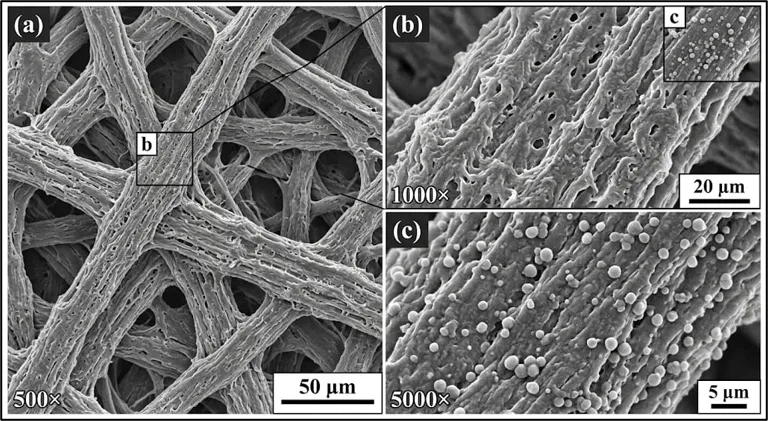
Figure 13: SEM micrographs of the developed banana fiber-based absorbent material showing the porous fibrous structure and uniform surface morphology.
8.1.2 Fourier Transform Infrared Spectroscopy (FTIR) Analysis-
Fourier Transform Infrared Spectroscopy (FTIR) was performed to identify the major functional groups present in the developed composite and to confirm the successful incorporation of banana fiber, herbal extracts, and green-synthesized silver nanoparticles. The FTIR spectrum exhibited characteristic absorption bands corresponding to the chemical constituents of the composite material.
A broad absorption band observed in the region of 3200–3500 cm⁻¹ was attributed to the stretching vibration of hydroxyl (–OH) groups associated with cellulose and phenolic compounds present in the herbal extracts. The absorption peak near 2900 cm⁻¹ corresponded to C–H stretching vibrations of aliphatic groups. Peaks observed in the region of 1600–1650 cm⁻¹ indicated the presence of carbonyl or aromatic functional groups originating from plant-derived bioactive compounds. The absorption bands between 1000 and 1200 cm⁻¹ were assigned to C–O stretching vibrations of cellulose and hemicellulose, confirming the lignocellulosic nature of the banana fiber.
Minor variations in peak intensity and position suggested possible interactions between plant phytochemicals and silver nanoparticles, indicating successful stabilization of the nanoparticles by naturally occurring biomolecules. Overall, the FTIR analysis confirmed the chemical integrity of the developed composite and supported the successful integration of its individual components.
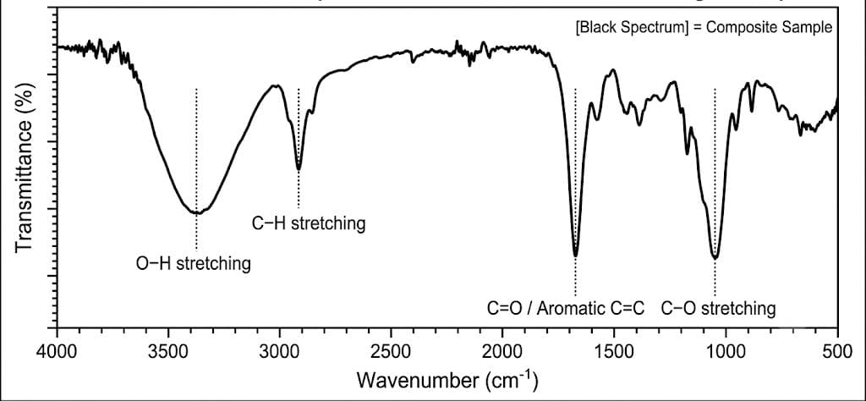
Figure 14: FTIR spectrum of the developed banana fiber-based composite showing characteristic functional groups associated with cellulose, herbal bioactive compounds, and green-synthesized silver nanoparticles.
9. OVERALL STUDY DESIGN:
The development of the biodegradable sanitary napkin in this study followed a systematic and well-structured experimental approach. Each stage of the process was carefully planned to ensure consistency, reproducibility, and scientific validity.
The study began with the selection of appropriate raw materials, focusing on natural, biodegradable, and functional components. Banana fiber was chosen as the primary absorbent material due to its availability and superior absorption properties. Herbal ingredients such as neem, aloe vera, and turmeric were selected based on their known medicinal and antimicrobial benefits.
Following material selection, banana fiber was extracted and processed to improve its softness, cleanliness, and absorbency. In parallel, herbal extracts were prepared using suitable extraction methods to retain their active constituents. Silver nanoparticles were then synthesized using a green, plant-mediated approach, ensuring an eco-friendly and safe process. The next stage involved the fabrication of the sanitary napkin, where the processed banana fiber was combined with herbal extracts and silver nanoparticles to form the absorbent core. This core was integrated into a multilayer structure along with a top sheet and a biodegradable bottom layer.
Once the product was developed, it was subjected to a comprehensive series of evaluation tests. These included absorbency studies, fluid retention and leakage tests, antimicrobial activity assessment, biodegradability analysis, pH determination, and additional tests such as blood absorption and absorption rate. The data obtained from these evaluations were analyzed systematically to assess the performance of the developed product and compare it with commercially available sanitary napkins.
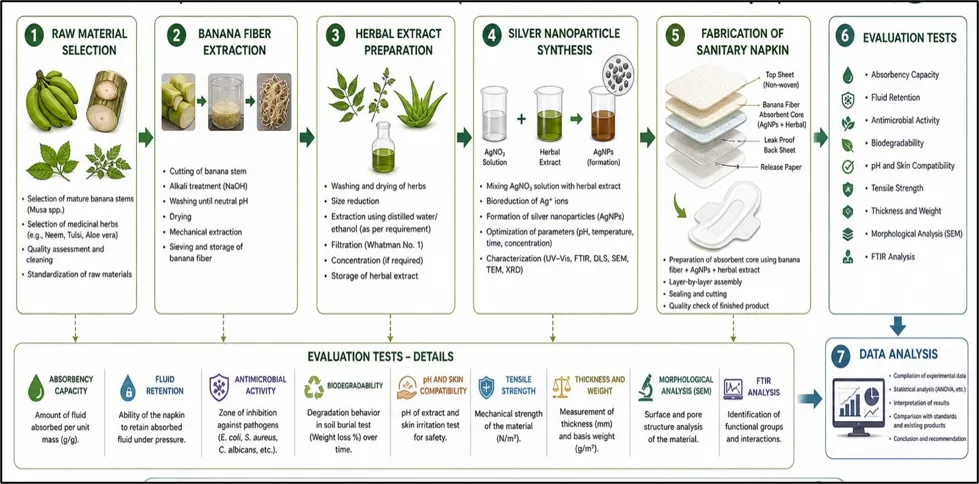
Flowchart 5: Overall experimental design illustrating the sequential steps involved in the development, fabrication, and evaluation of the biodegradable sanitary napkin.
Overall, the study design reflects a holistic approach that integrates material science, herbal therapeutics, and nanotechnology to develop a functional and sustainable menstrual hygiene product.
REFERENCES


Vaishnavi Sonawane, Komal More, Development of Biodegradable Banana Fiber-Based Herbal Sanitary Napkin Loaded with Plant-Mediated Silver Nanoparticles for Antimicrobial and Menstrual Hygiene Management, Int. J. of Pharm. Sci., 2026, Vol 4, Issue 8, 1775-1804. https://doi.org/10.5281/zenodo.21882277
 10.5281/zenodo.21882277