

We use cookies to ensure our website works properly and to personalise your experience. Cookies policy
DJPS College of Pharmacy, Pohetakli (Affiliated with Dr. Babasaheb Ambedkar Technological University)
Mouth ulcers, also known as aphthous stomatitis, are common, painful lesions that affect the mucosal surfaces of the oral cavity. Their pathophysiology is complex, involving genetic, immunological, and environmental factors. Although the exact cause remains unclear, dysregulation of the immune system plays a central role. Inflammatory responses are triggered by the activation of T lymphocytes, which lead to the release of cytokines, resulting in epithelial cell damage and ulcer formation. Genetic predisposition, stress, trauma, nutritional deficiencies (especially of B vitamins, folic acid, and iron), and microbial factors have all been implicated as contributing factors. The local tissue response is characterized by an imbalance between pro-inflammatory and anti-inflammatory mediators, with cytokines includinginterleukin-1 (IL-1), interferon-gamma (IFN-?), and tumor necrosis factor-alpha (TNF-?) being upregulated. This leads to neutrophil infiltration, edema, and increased vascular permeability, all of which worsen the lesion. While current research attempts to clarify the exact molecular pathways involved in order to generate more focused medicines, treatment tactics frequently concentrate on symptomatic alleviation. Understanding the pathophysiology of mouth ulcers is critical for improving treatment outcomes and minimizing recurrence. Treatment options include over-the counter pain relievers, topical medications, and avoiding irritants. In most cases, mouth ulcers will heal on their own within a week or two. However, if they persist or are accompanied by other symptoms, it is important to seek medical attention. Because of the clinician's limited experience to the illnesses that may cause the lesions and their comparable looks, diagnosing and treating oral lesions can be difficult. By removing irrelevant variables, this study attempts to provide a methodical approach to the diagnosis of oral ulcers based on their clinical and histological characteristics. Recurrent and painful ulcerations on the moveable or nonkeratinized oral mucosae are a hallmark of recurrent aphthous stomatitis (RAS), one of the most prevalent oral mucosal disorders. Three forms of RAS may be distinguished clinically: minor, major, and herpetiform varieties. The tongue, buccal mucosa, and labial mucosa are more frequently affected by RAS. RAS is a multifactorial immune-dysregulated illness caused by T cells, according to earlier research.
Mouth ulcers are tiny, painful lesions that develop on the mucosal surfaces inside the oral cavity. They are often referred to as aphthous ulcers or canker sores. They can be quite uncomfortable when speaking, eating, or swallowing and are a frequent clinical issue. Large or recurring ulcers can impair quality of life and interfere with everyday activities, even though they usually go away on their own. Mouth ulcers are known to occur as a result of a number of circumstances, including stress, trauma (such as unintentional bites), hormonal shifts, nutritional deficiencies (particularly in iron, folic acid, and vitamin B12), and microbial infections.
Traditionally, mouth ulcers are treated with topical corticosteroids, analgesics, antiseptics, and antibiotics. While these therapies can be effective, they often come with side effects such as mucosal irritation, altered taste sensation, and potential systemic absorption with long-term use. Therefore, there is growing interest in the use of herbal and natural remedies that offer a safer and more biocompatible alternative for oral care.
Butterfly pea, or Clitoria ternatea, is a traditional medicinal plant that is a member of the Fabaceae family. Because of its many pharmacological qualities, including antibacterial, antioxidant, anti-inflammatory, and wound-healing activities, it is frequently employed in Ayurvedic and folk medicine. Bioactive substances including flavonoids, anthocyanins, tannins, and phenolic acids are abundant in Clitoria ternatea flowers. These components have been demonstrated to prevent microbial development, lessen oxidative stress, and encourage tissue regeneration, which makes the plant a desirable option for the treatment of oral mucosal disorders, including ulcers.
Topical gels are among the most preferred dosage forms for treating mouth ulcers due to their ability to adhere to the mucosal surface, provide localized action, and offer a soothing effect. Gels can be formulated using biocompatible polymers such as Carbopol 934, which provides desirable viscosity and mucoadhesive properties. Incorporating plant extracts into a gel base allows for sustained release of the active constituents and enhances the therapeutic effect at the site of application
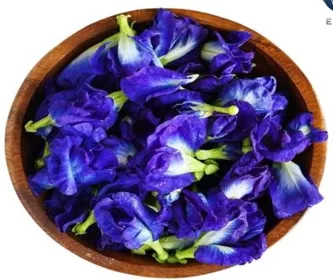
Figure 1. Clitoria ternatea
Objective of the Study
This study's main goal is to create a herbal gel that is both stable and efficient for treating mouth ulcers by utilizing floral extract from Clitoria ternatea. To ascertain the manufactured gel's eligibility and efficacy as a natural therapy for oral ulcers, its physical properties, pH, spreadability, viscosity, medication content, and antibacterial activity are assessed.
2. MATERIALS
Plant Material: Fresh Clitoria ternatea flowers were collected and authenticated by a botanist.
Chemicals and Reagents:
2.1. Extraction of Clitoria ternatea Extract
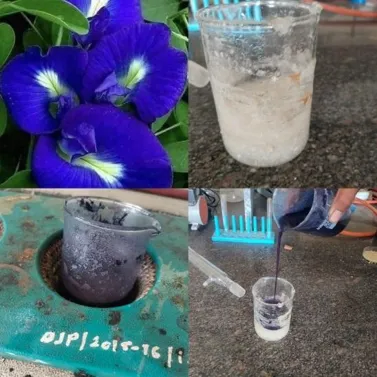
Figure 2. Clitoria ternatea Extraction Process
2.2. Formulation of the Herbal Gel
|
Ingredients |
F1 (% w/w) |
F2 (% w/w) |
F3 (% w/w) |
|
Clitoria ternatea Extract |
2.0 |
3.0 |
4.0 |
|
Carbopol 934 |
1.0 |
1.0 |
1.0 |
|
Glycerin |
5.0 |
5.0 |
5.0 |
|
Methylparaben |
0.2 |
0.2 |
0.2 |
|
Triethanolamine (q.s.) |
To adjust pH |
To adjust pH |
To adjust pH |
|
Distilled Water |
q.s. to 100 g |
q.s. to 100 g |
q.s. to 100 g |
The gel was prepared using Carbopol 934 as the base. The following steps were followed:
3. EVALUATION PARAMETERS
To ensure the formulated gel is effective, stable, and suitable for oral use, several physicochemical and biological evaluations were conducted. The following parameters were assessed:
3.1. Physical Appearance
3.2. pH Measurement
Purpose: To ensure compatibility with oral mucosa (ideal pH ~6.5–7.0).
Method:
3.3. Viscosity
3.4. Spreadability
Purpose: To measure how easily the gel spreads, which affects ease of application and coverage over the ulcer area.
3.4.1. Method
3.5. Formula
Spreadability = (M × L) / T
Where:
3.6. Drug Content (Extract Content Uniformity)
3.7. Antimicrobial Activity
3.7.1. Method
3.8. Stability Studies
Observations include:
4. RESULTS
The formulated herbal gel was evaluated through various physicochemical and biological tests to assess its suitability for the treatment of mouth ulcers.
4.1. Physical Appearance
All three batches (F1, F2, and F3) were bluish-purple in color due to the anthocyanin content of Clitoria ternatea and exhibited a smooth, homogeneous texture without phase separation. The appearance was aesthetically pleasing and acceptable for oral application.
4.2. pH
The formulations' pH values fell between 6.6 and 6.9, which is within the typical range for oral mucosa. This guarantees that applying the gel will not result in any irritation or pain.
4.3. Viscosity
The viscosity was found to be in the desirable range for topical oral gels (e.g., 8,000–10,000 cP), ensuring adequate mucoadhesion and retention in the oral cavity without being too stiff.
4.4. Spreadability
Spreadability values ranged between 18–22 g·cm/s, indicating good spreadability, which is essential for easy application and coverage of the ulcer area.
4.5. Drug Content
The drug content across batches was consistent and ranged from 95% to 98% of the expected value, indicating uniform distribution of the Clitoria ternatea extract throughout the gel matrix.
4.6. Antimicrobial Activity
The gel exhibited significant antimicrobial activity against tested oral pathogens.
Batch F3, containing the highest concentration of extract (4%), showed the most potent antimicrobial effect.
4.7. Stability Study
After 30 days of storage under various conditions, no significant changes in physical appearance, pH, or microbial contamination were observed. This indicates that the formulation is physically and chemically stable.
DISCUSSION
The results confirm that Clitoria ternatea extract is effective when incorporated into a gel base. The formulation exhibits suitable physical characteristics, retains its consistency, and demonstrates antimicrobial potential. The increasing concentration of the extract improved antimicrobial activity, making Batch F3 the most effective.
CONCLUSION
The study successfully formulated a stable and effective herbal mouth ulcer gel using Clitoria ternatea extract. The gel demonstrated desirable physicochemical properties such as appropriate pH, spreadability, viscosity, and uniform drug content. It also exhibited strong antimicrobial activity against common oral pathogens, particularly at higher concentrations of the extract. The formulation was stable over the study period and well-suited for oral application. These findings suggest that Clitoria ternatea gel can serve as a natural, safe, and effective alternative for the treatment of mouth ulcers. Further clinical studies are recommended to evaluate its therapeutic efficacy in human subjects.
REFERENCES

Kasbe R. P, Tonpe N. B., Yadav A. G., Panchal N. G., Tatode R. D., Bobade V. P., Dr. Ingole R. D, Phalke G. S, Formulation and Evaluation of Herbal Mouth Ulcer Gel using Clitoria Ternatea Extract, Int. J. of Pharm. Sci., 2026, Vol 4, Issue 6, 4031-4037. https://doi.org/10.5281/zenodo.20727072
 10.5281/zenodo.20727072