

We use cookies to ensure our website works properly and to personalise your experience. Cookies policy
Department of Natural Sciences and Mathematics, Richardson, TX.
Chronic diseases, including cardiovascular disease, type 2 diabetes, and neurodegeneration, are traditionally treated as isolated clinical entities. However, mounting evidence suggests they arise from a shared physiological foundation of persistent low-grade inflammation, insulin resistance, and oxidative stress. This review examines these interconnected biological pathways and evaluates how they are shaped by structural determinants such as healthcare access and socioeconomic stress. Using Texas as a primary case study, a state with disproportionately high rates of metabolic dysfunction and significant rural-urban healthcare disparities, this paper argues for a network-based understanding of chronic illness. By shifting clinical focus from treating isolated "downstream" organ failures to interrupting "upstream" systemic dysregulation, we can support earlier intervention and more equitable prevention strategies
In the United States, approximately 6 in 10 adults live with at least one chronic condition, and 4 in 10 live with two or more. Chronic diseases remain the leading cause of mortality and healthcare expenditure in the United States. According to the Centers for Disease Control and Prevention (CDC), cardiovascular disease alone accounts for approximately 695,000 deaths annually, representing nearly one in every five deaths nationwide. Type 2 diabetes affects more than 37 million Americans, with an additional 96 million adults classified as having prediabetes. These conditions frequently coexist with obesity, hypertension, and dyslipidemia, forming a cluster of metabolic disorders that share common pathophysiological pathways including chronic inflammation, insulin resistance, and endothelial dysfunction. Unlike acute crises, chronic diseases develop over years through identifiable risk pathways: prolonged metabolic stress, persistent inflammation, and dietary imbalance. Modern medicine is traditionally organized by organ systems; however, specialization often fragments our understanding. Increasingly, research suggests that chronic diseases are not separate conditions but interconnected manifestations of systemic metabolic and inflammatory imbalance. The interconnected biological mechanisms underlying chronic disease are illustrated in Figure 1.
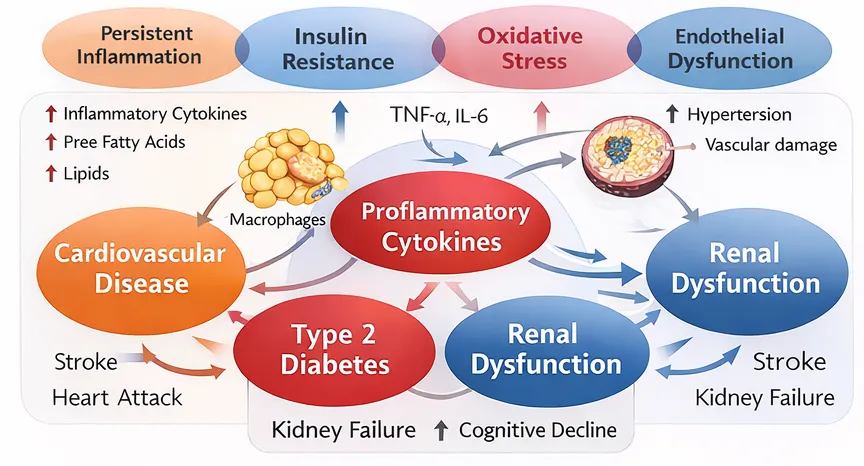
Figure 1. (Systems-Level Mechanisms of Chronic Disease)
Chronic diseases develop through interconnected biological mechanisms including inflammation, insulin resistance, oxidative stress, and endothelial dysfunction.
BIOLOGICAL COMMON GROUND
At the core of the chronic disease network is Adipose Tissue, which has transitioned from a passive energy reservoir to a dynamic endocrine organ. In states of excess adiposity, hypertrophied adipocytes release pro-inflammatory cytokines (TNF-α, IL-6) and free fatty acids, triggering a cascade of systemic failure. The Adipose Tissue and Metaflammation underlying chronic disease are illustrated in Figure 2.
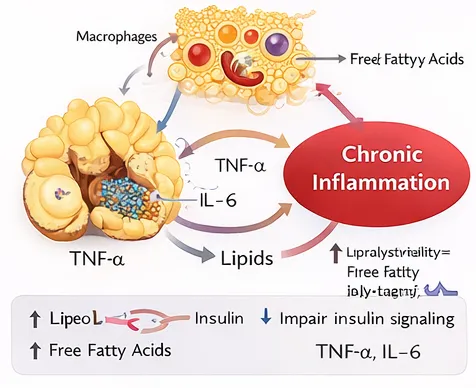
Figure 2. (Adipose Tissue and Metaflammation)
Adipose tissue contributes to chronic metabolic inflammation through secretion of pro-inflammatory cytokines such as TNF-α and IL-6.
Table 1. (Systemic Manifestations of Shared Pathological Mechanisms)
|
Mechanism |
Cardiovascular (CVD) |
Metabolic (T2DM) |
Renal (CKD) |
Neurological (AD) |
|
Inflammation |
Plaque & foam cell formation |
Macrophage recruitment |
Renal fibrosis |
Neuroinflammation |
|
Insulin Resistance |
Reduced NO production |
Impaired GLUT4 translocation |
Podocyte injury |
Impaired synaptic plasticity |
|
Oxidative Stress |
LDL oxidation |
β-cell apoptosis |
Glomerular injury |
Mitochondrial DNA damage |
|
Vascular Impact |
Endothelial dysfunction |
Retinopathy |
Hyperfiltration |
BBB permeability |
THE METABOLIC-VASCULAR AXIS
Type 2 Diabetes (T2DM) and Cardiovascular Disease (CVD) represent the most significant endpoints of this systemic imbalance (pp. 12, 19). Chronic hyperglycemia accelerates atherosclerosis by promoting LDL oxidation and enhancing inflammatory signaling. Conversely, insulin resistance in the vascular endothelium impairs vasodilation, leading to hypertension and arterial stiffening. This bidirectional relationship explains why individuals with T2DM face substantially elevated cardiovascular risk. The Interaction between Type 2 Diabetes and Cardiovascular Disease Development underlying chronic disease is illustrated in Figure 3.
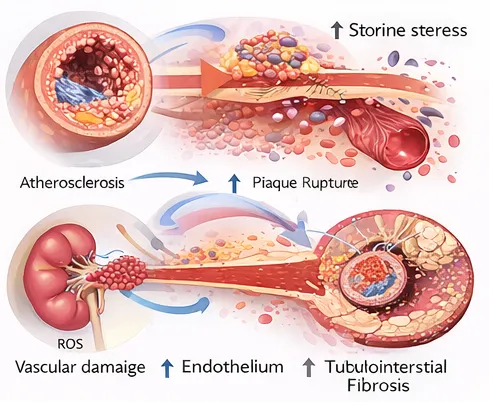
Figure 3. (Interaction between Type 2 Diabetes and Cardiovascular Disease Development)
Persistent hyperglycemia accelerates endothelial dysfunction and promotes atherosclerotic plaque formation.
RENAL AND NEUROLOGICAL CONSEQUENCES
The kidneys and the brain are highly sensitive to the "slow burn" of metabolic stress:
The Metabolic Effects on Kidney and Brain underlying chronic disease are illustrated in Figure 4.
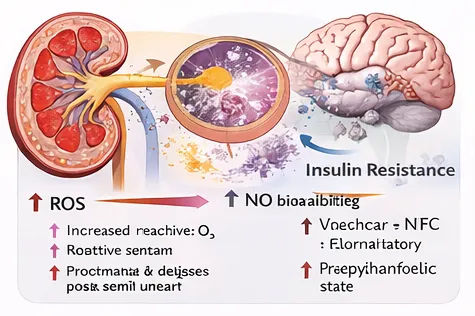
Figure 4. (Metabolic Effects on Kidney and Brain)
Chronic metabolic dysregulation contributes to organ damage, including diabetic nephropathy and neurodegenerative changes.
STRUCTURAL DETERMINANTS
Texas serves as a critical case study for how biological vulnerability meets structural inequity. Obesity rates in many Texas counties exceed 35-40%. Texas demonstrates some of the most pronounced chronic disease disparities in the United States. Approximately 14–15% of adults in Texas have diagnosed diabetes, a prevalence higher than the national average. Obesity affects roughly one in three adults, and in several rural counties the prevalence exceeds 40%. Cardiovascular disease remains the leading cause of death in the state, accounting for nearly 25% of all mortality. Rural communities face additional barriers including limited access to preventive care, longer travel distances to specialty clinics, and reduced availability of dialysis centers and cardiovascular specialists. These structural barriers amplify biological vulnerability and contribute to delayed diagnosis and poorer clinical outcomes.
These biological processes are shaped by:
The Social Determinants of Health and Chronic Disease are illustrated in Figure 5.
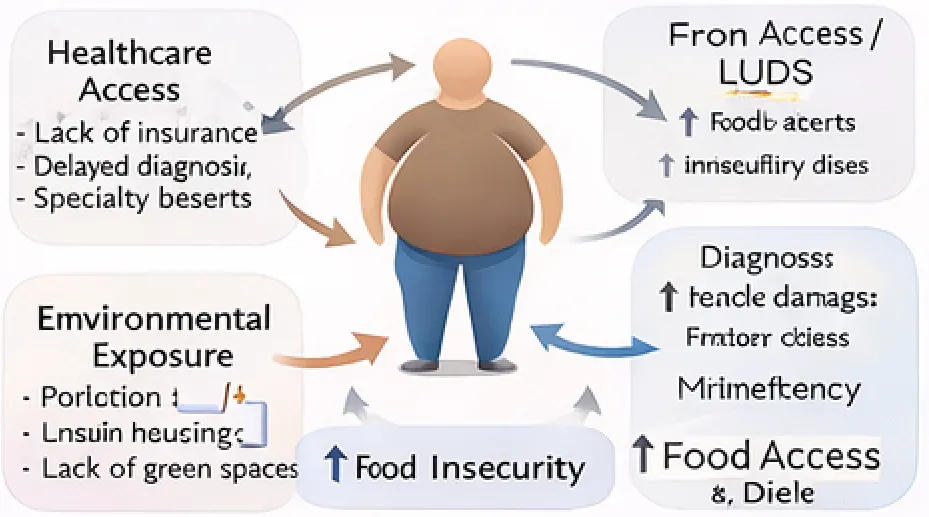
Figure 5. (Social Determinants of Health and Chronic Disease)
Social determinants such as healthcare access, environmental exposure, and food insecurity play an important role in chronic disease risk.
Chronic disease disparities in Texas highlight the importance of addressing both biological and structural determinants simultaneously. Public health interventions that combine community-based prevention, improved healthcare access, and environmental health initiatives may significantly reduce disease burden. Expanding telemedicine services in rural regions, improving nutritional access in food deserts, and strengthening preventive screening programs can facilitate earlier diagnosis and intervention. Such strategies demonstrate how systemic approaches to health policy can complement biological therapies in reducing chronic disease risk.
Table 2. (Key Risk Factors Driving Chronic Disease)
|
Risk Factor |
Biological Mechanism |
Associated Diseases |
|
Obesity |
Adipose inflammation, cytokine release |
T2DM, CVD, CKD |
|
Insulin resistance |
Impaired glucose uptake, endothelial dysfunction |
Diabetes, hypertension |
|
Oxidative stress |
ROS generation, mitochondrial damage |
Atherosclerosis, neurodegeneration |
|
Sedentary lifestyle |
Reduced metabolic efficiency |
Obesity, diabetes |
|
Poor diet |
Dyslipidemia and systemic inflammation |
CVD, metabolic syndrome |
EMERGING THERAPIES
Recent pharmacological advancements have shifted the focus from treating isolated endpoints to interrupting upstream processes. SGLT2 inhibitors and GLP-1 receptor agonists have demonstrated cardioprotective and renal-protective benefits that extend far beyond simple glucose control. These "pleiotropic" drugs treat the body as an interconnected system, addressing inflammation and metabolic strain simultaneously.
The systemic benefits of these treatments have been shown by extensive clinical trials. The SGLT2 inhibitor empagliflozin dramatically decreased cardiovascular mortality by almost 38% in individuals with type 2 diabetes and existing cardiovascular disease, according to the EMPA-REG OUTCOME trial. Similarly, serious adverse cardiovascular events, such as myocardial infarction and stroke, have been shown to be reduced by GLP-1 receptor agonists such semaglutide and liraglutide. These drugs support the idea that managing chronic diseases should focus on upstream metabolic dysfunction rather than discrete organ damage by lowering systemic inflammation, enhancing endothelial function, and encouraging weight loss in addition to glycemic control.
Advances in systems biology and precision medicine are reshaping the approach to chronic disease prevention and management. Rather than focusing solely on downstream organ damage, emerging strategies emphasize early identification of metabolic dysregulation through integrated biomarkers, genetic risk profiling, and digital health monitoring. Multi-omics technologies, including genomics, metabolomics, and proteomics, allow clinicians to identify patterns of inflammation, oxidative stress, and insulin resistance before clinical disease manifests.
Artificial intelligence and predictive analytics are also increasingly used to identify high-risk populations and guide personalized interventions. In states such as Texas, where structural disparities contribute to delayed diagnosis and treatment, integrating systems medicine with population-level prevention strategies may help reduce long-term disease burden. By combining early detection, targeted therapeutics, and improved access to preventive care, healthcare systems can transition from reactive treatment to proactive disease prevention.
While this review synthesizes current evidence on shared biological mechanisms linking chronic diseases, several limitations should be acknowledged. First, the article primarily relies on published epidemiological and clinical literature rather than primary experimental data. Second, although Texas is used as a representative case study for structural health disparities, regional variability exists within the state and across the United States. Finally, the rapidly evolving landscape of metabolic therapeutics and systems medicine means that future research may further refine our understanding of these interconnected pathways.
Table 3 (Chronic Disease Burden in the United States and Texas)
|
Condition |
United States Prevalence |
Texas Estimate |
|
Diabetes |
37 million adults |
3 million adults |
|
Prediabetes |
96 million adults |
8–9 million adults |
|
Obesity |
42% adults |
34–38% adults |
|
Cardiovascular Disease |
Leading cause of death |
Leading cause of death |
CONCLUSION
The rising prevalence of chronic disease in the United States demands a transition from reactive, organ-specific care to a network-based "systems medicine" approach. The growing burden of chronic disease requires a paradigm shift from reactive treatment toward proactive prevention. Integrating systems medicine with public health strategies can address both the biological roots of disease and the structural inequities that amplify health disparities. By targeting shared metabolic pathways and improving early access to care, healthcare systems can move toward a more equitable and sustainable model of chronic disease prevention.
ACKNOWLEDGEMENTS
The author would like to acknowledge the researchers, clinicians, and public health professionals whose work on chronic disease prevention, management, and treatment provided the foundation for this study. Their contributions to medical science and patient care have advanced our understanding of the complex challenges posed by chronic illnesses.
The author is grateful to their mentor who fostered an interest in scientific inquiry and evidence-based medicine. Appreciation is also extended to family and friends for their encouragement and support throughout the research and writing process.
This research was conducted independently and received no external funding. The author declares no conflicts of interest.
REFERENCES


Sahithi Uyyala, Kiran Panuganti, Health Disparities and Chronic Disease in Texas: Intersections of Biological Vulnerability and Social Determinants of Health, Int. J. of Pharm. Sci., 2026, Vol 4, Issue 7, 5613-5620, https://doi.org/10.5281/zenodo.21672917
 10.5281/zenodo.21672917