

We use cookies to ensure our website works properly and to personalise your experience. Cookies policy
1,2Department of Pharmaceutics, Shri Indra Ganesan Institute of Medical Sciences, College of Pharmacy, Tiruchirappalli, Tamil Nadu, India.
3Department of Pharmaceutical chemistry, Principal, Shri Indra Ganesan Institute of Medical Sciences, College of Pharmacy, Tiruchirappalli, Tamil Nadu, India.
Background: Oral thin films are patient-friendly dosage forms that can disintegrate rapidly in the oral cavity and may improve convenience for patients who have difficulty swallowing conventional solid dosage forms. Solanum trilobatum L. (Thuthuvalai) is traditionally used for respiratory ailments and contains several classes of secondary metabolites of pharmacological interest. Objective: The present study aimed to formulate and evaluate herbal oral thin films containing a 70% ethanolic leaf extract of S. trilobatum and to identify an optimized film based on physical, mechanical and performance characteristics. Methods: Authenticated S. trilobatum leaves were shade-dried, powdered and extracted by maceration using 70% ethanol. The extract was subjected to preliminary phytochemical screening, solubility assessment and drug–excipient compatibility evaluation. Ten formulations (F1–F10) were prepared by solvent casting using HPMC E5 as film-forming polymer and PEG 400 as plasticizer, with sucralose and peppermint flavour kept constant. The films were evaluated for appearance, thickness, weight uniformity, surface pH, folding endurance, tensile strength, elongation, disintegration time and extract-content uniformity. DPPH radical-scavenging and protein-denaturation inhibition assays were also evaluated. Results: The extraction yield was 12.5% w/w. The extract showed positive qualitative reactions for multiple phytochemical groups and was freely soluble in 70% hydroalcoholic solvent. Among the formulations, F6 containing 100 mg extract, 125 mg HPMC E5, 18.75 mg PEG 400, 10 mg sucralose and 2 mg peppermint flavour per 100 cm² casting area showed the best overall balance.
Asthma is a chronic respiratory disease characterized by variable respiratory symptoms and variable expiratory airflow limitation. Its clinical presentation and underlying inflammatory pathways are heterogeneous, and management commonly requires long-term control together with rapid relief of symptoms when necessary.[1–6] The burden of asthma has encouraged continued investigation of delivery systems that can improve treatment convenience, adherence and drug availability.
Conventional oral solid dosage forms may present practical difficulties for some patients, particularly children, older adults and individuals with swallowing impairment. Oral thin films are thin polymeric dosage forms designed to hydrate, disintegrate or dissolve rapidly after placement in the oral cavity. Their advantages include portability, administration without water, potential for rapid onset and the possibility of incorporating taste-masking and flavouring systems. [7–12]
1.1 Rationale for Herbal Oral Thin Films
Medicinal plants contain chemically diverse mixtures of secondary metabolites and have long been investigated as sources of compounds with antioxidant, anti-inflammatory and respiratory-supportive activity. However, administration of crude plant material as powders, decoctions or traditional preparations may be associated with dose variability, palatability problems and limited convenience. Converting a standardized extract into a defined oral-film matrix provides an opportunity to improve handling, dosing consistency and patient acceptability.
Solanum trilobatum L., commonly known as Thuthuvalai, belongs to the family Solanaceae. It is a climbing or scrambling medicinal plant characterized by lobed leaves and prickles. Traditional use particularly associates the leaves with cough, cold, bronchial complaints and other respiratory disorders. Reported phytochemical groups include steroidal alkaloids, flavonoids, phenolic compounds, saponins, tannins and related secondary metabolites. [13–18]
1.2 Oral Film Formulation Strategy
The performance of an oral thin film depends on the polymer matrix, plasticizer level, active-material loading, casting conditions and drying process. HPMC is widely used as a film-forming polymer because it can produce continuous hydrated films. PEG 400 can act as a plasticizer and improve flexibility, although excessive plasticizer may increase softness or tackiness. In the present work, HPMC E5 and PEG 400 were varied systematically while the extract, sweetener and flavour were kept constant.
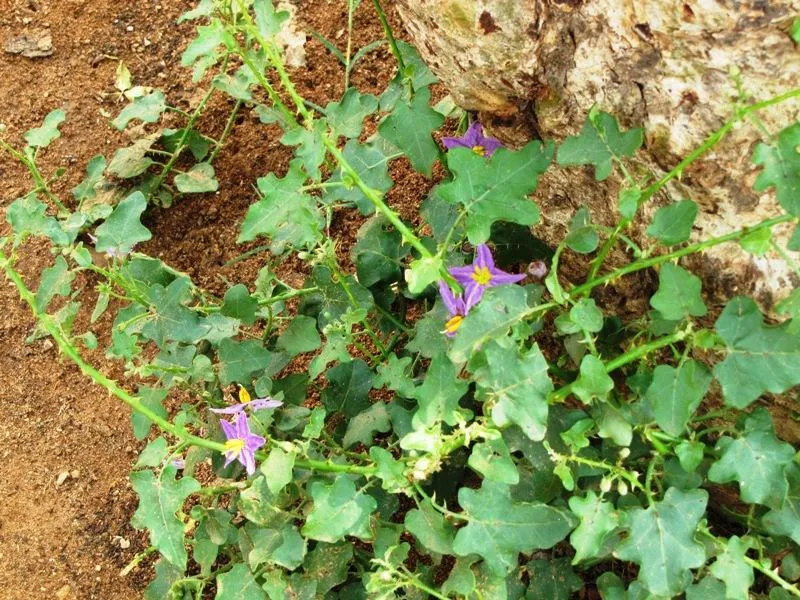
Figure 1: Solanum Trilobatum L. Plant Material Used as the Herbal Source.
1.3 Literature Review
Previous research has established oral thin films as an expanding drug-delivery platform. Reviews of oral and orodispersible films emphasize the importance of film-forming polymers, plasticizers, mechanical strength, disintegration behaviour and content uniformity. [19–24] The literature also indicates that polymer concentration can influence film thickness and strength, whereas plasticizer concentration can markedly affect flexibility and elongation.
Natural and herbal materials have increasingly been explored in oral-film systems. Studies of herbal extracts incorporated into polymeric films demonstrate that appropriate combinations of natural or semisynthetic polymers can provide acceptable mechanical properties while maintaining rapid disintegration. These observations provide a formulation basis for investigating herbal extracts in a thin-film dosage form. [25–28]
Solanum trilobatum has attracted pharmacological interest because of its traditional use in respiratory disorders and the presence of multiple bioactive phytochemical groups. Earlier reports have described respiratory, anti-inflammatory, antioxidant and related activities of Solanum species, supporting further investigation of S. trilobatum in modern dosage forms. [13–18]
Recent work cited in the source literature has also highlighted the value of rapid films for respiratory medicines. Effiong et al. investigated salbutamol oral dispersible films using water-yam mucilage and pectin and reported acceptable mechanical properties, rapid disintegration and sustained performance during storage. Irawan et al. reported fast-dissolving sublingual salbutamol films based on pectin and CMC sodium, demonstrating the potential of thin films for rapid respiratory drug delivery. These studies support the general formulation concept, although the present study uses a herbal extract rather than a conventional bronchodilator. [29,30]
2. Aim and Objectives
The aim was to formulate and evaluate herbal oral thin films containing S. trilobatum leaf extract for potential management of bronchial asthma. The objectives were to authenticate and extract the plant material; perform preliminary phytochemical, solubility and compatibility studies; develop films using HPMC E5 and PEG 400; evaluate physical and mechanical characteristics; determine disintegration and extract-content uniformity; and investigate reported in-vitro antioxidant and anti-inflammatory activity.
MATERIALS AND METHODS
3.1 Materials
S. trilobatum leaves were used as the herbal starting material. HPMC E5 was used as the primary film-forming polymer and PEG 400 as plasticizer. Sucralose was incorporated as a sweetening/taste-masking agent and peppermint flavour as a flavouring agent. Citric acid and polysorbate 80 were listed among formulation ingredients in the source formulation profile, while purified water was used as the vehicle. Materials were sourced through the study laboratory as documented in the research formulation records.
3.2 Collection and Authentication
Healthy and mature leaves were collected in Tamil Nadu, India. Foreign matter was removed and representative plant material was retained for botanical authentication. The source results document authentication at I-Care Innovations, Chennai, by a qualified botanist/taxonomist. The specimen was identified as S. trilobatum L., family Solanaceae, and the reported authentication/voucher number was ICI/ST/2026/2908.
3.3 Processing of Leaves
The leaves were washed with purified water, excess water was removed, and the material was spread on clean trays. Shade drying was performed at room temperature with adequate air circulation until constant weight was achieved. The dried leaves were inspected for visible contamination, pulverized using a mechanical grinder and passed through a suitable sieve. The resulting powder was stored in a clean, dry, airtight, light-resistant container.
3.4 Preparation of 70% Ethanolic Extract
Five hundred grams of dried leaf powder were extracted by maceration using 5,000 mL of 70% ethanol. The extraction period was 72 h with two extraction cycles as documented in the results. The combined extract was filtered and concentrated. The reported product was a dark greenish-brown semisolid mass weighing 62.5 g, corresponding to an extraction yield of 12.5% w/w.
Table 1: Summary of Extraction Process and Yield.
| Parameter | Observation |
|---|---|
| Dried leaf powder | 500 g |
| Extraction method | Maceration |
| Solvent | 70% ethanol |
| Solvent volume | 5,000 mL |
| Extraction period | 72 h |
| Extraction cycles | 2 |
| Extract obtained | 62.5 g |
| Yield | 12.5% w/w |
3.5 Preformulation Studies
3.5.1 Phytochemical Screening
Qualitative phytochemical tests were performed on the ethanolic extract for alkaloids, flavonoids, phenolics, tannins, saponins, glycosides, terpenoids, steroids, carbohydrates and proteins/amino acids. Characteristic colour changes, precipitates or persistent foam were interpreted as positive reactions. The screening was qualitative and therefore was used only to establish the probable presence of broad phytochemical classes rather than their individual concentrations.
Table 2: Preliminary Phytochemical Screening of S. Trilobatum Leaf Extract.
| Constituent | Test | Positive observation |
|---|---|---|
| Alkaloids | Mayer's/Dragendorff's | Cream/orange precipitate |
| Flavonoids | Alkaline reagent | Intense yellow colour |
| Phenolics | Ferric chloride | Blue/green/violet colour |
| Tannins | Ferric chloride | Blue-black/green colour |
| Saponins | Foam test | Persistent foam |
| Glycosides | Specific qualitative test | Characteristic reaction |
| Terpenoids | Salkowski test | Reddish-brown colour |
| Steroids | Liebermann–Burchard | Characteristic colour change |
| Carbohydrates | Molisch's test | Violet/purple ring |
| Proteins/amino acids | Biuret test | Violet colour |
3.5.2 Solubility Study
Table 3: Solubility Profile of the Extract.
| Solvent | Observation | Interpretation |
|---|---|---|
| Purified water | Slight dissolution; some residue | Slightly soluble (+) |
| Ethanol | Good dissolution | Soluble (++) |
| 70% hydroalcoholic solvent | Good and uniform solubilization | Freely soluble (+++) |
| Phosphate buffer | Poor dissolution; visible residue | Slightly soluble (+) |
3.5.3 Drug–Excipient Compatibility
Physical compatibility was assessed by observing extract–excipient mixtures for colour change, caking, liquefaction, phase separation and precipitation. FTIR spectra were also reviewed for retention of characteristic bands and absence of a new prominent band suggesting obvious incompatibility.
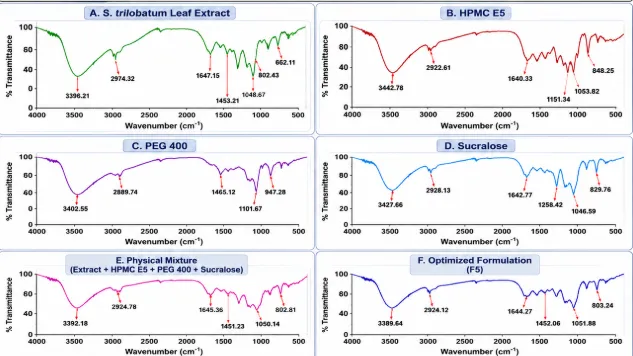
Figure 2: Representative FTIR Spectra of S. Trilobatum Leaf Extract and Selected Formulation Excipients.
3.6 Formulation Development
Ten preliminary formulations (F1–F10) were prepared by solvent casting using a 10 cm × 10 cm (100 cm²) casting area. Each sheet was intended to provide 25 individual films of 2 cm × 2 cm. The extract was kept constant at 100 mg per 100 cm². HPMC E5 was varied from 100 to 150 mg and PEG 400 from 10 to 31.25 mg. Sucralose (10 mg) and peppermint flavour (2 mg) were maintained constant.
Table 4: Composition of Preliminary S. Trilobatum Herbal Oral Thin-Film Formulations.
| Ingredient (mg/100 cm²) | F1 | F2 | F3 | F4 | F5 | F6 | F7 | F8 | F9 | F10 |
|---|---|---|---|---|---|---|---|---|---|---|
| S. trilobatum extract | 100 | 100 | 100 | 100 | 100 | 100 | 100 | 100 | 100 | 100 |
| HPMC E5 | 100 | 100 | 100 | 100 | 125 | 125 | 125 | 125 | 150 | 150 |
| PEG 400 | 10 | 15 | 20 | 25 | 12.5 | 18.75 | 25 | 31.25 | 15 | 22.5 |
| Sucralose | 10 | 10 | 10 | 10 | 10 | 10 | 10 | 10 | 10 | 10 |
| Peppermint flavour | 2 | 2 | 2 | 2 | 2 | 2 | 2 | 2 | 2 | 2 |
| Purified water | q.s. | q.s. | q.s. | q.s. | q.s. | q.s. | q.s. | q.s. | q.s. | q.s. |
3.6.1 Solvent-Casting Procedure
The polymer was dispersed/hydrated in the required vehicle and allowed to form a uniform polymeric solution. The plasticizer and other formulation ingredients were incorporated under controlled mixing. The measured extract was dispersed or solubilized in the selected hydroalcoholic medium and added to the polymeric mixture. The final casting solution was homogenized, deaerated as required and spread over the defined casting area. The cast film was dried under controlled conditions and subsequently cut into 2 cm × 2 cm units.
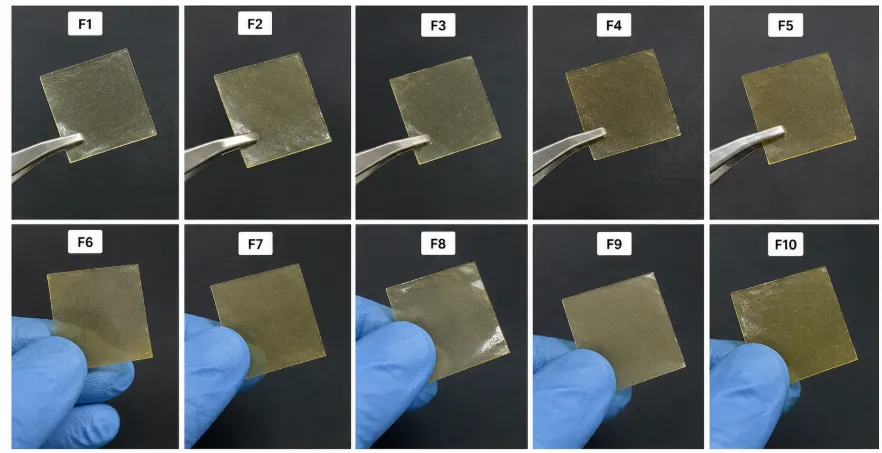
Figure 3: Photographic Representation of S. Trilobatum Oral Thin-Film Formulations Prepared by Solvent Casting.
3.7 Evaluation of Oral Thin Films
Physical appearance
Films were visually examined for colour, surface smoothness, uniformity, visible cracks, air bubbles and excessive tackiness.
Thickness and weight uniformity
Film thickness was measured at multiple points using a suitable thickness-measuring device and expressed as mean ± standard deviation. Individual film units were weighed and the mean, standard deviation and percentage coefficient of variation (%CV) were calculated.
Surface pH
The film surface was moistened with a small quantity of water and the pH was measured after equilibration using a suitable pH-measuring system. The purpose was to assess compatibility with the oral environment.
Mechanical properties
Folding endurance was determined by repeatedly folding a film at the same position until visible cracking occurred. Tensile strength and percentage elongation were assessed using an appropriate mechanical-testing method. Flexibility was interpreted together with folding endurance, elongation and visible film defects.
Disintegration time
A defined film unit was placed in a suitable medium and the time required for complete disintegration was recorded. Measurements were performed in triplicate and expressed as mean ± SD.
Extract-content uniformity
Individual film units were analysed using the specified analytical procedure and the measured extract content was expressed as percentage of the intended content together with %RSD.
In-vitro antioxidant and anti-inflammatory assays
Antioxidant activity was assessed by DPPH radical scavenging at concentrations of 50–250 µg/mL. Protein-denaturation inhibition was evaluated at 10–50 µL using aspirin as the reference standard. The source methodology also describes in-vitro release testing using USP Type II apparatus at 37 ± 0.5°C with sampling at 5, 10, 15, 20, 30, 45 and 60 min; however, numerical release results were not present in the research results document and are therefore not reported here.
3.8 Stability Study
The optimized F6 film was evaluated during the reported stability period for appearance, colour, surface integrity, extract content and disintegration time. Measurements were compared with initial values.
RESULTS
4.1 Authentication and Processing
The collected plant material was confirmed as S. trilobatum L. The source results recorded the common name Thuthuvalai, family Solanaceae, leaves as the plant part used, Tamil Nadu as the collection region and I-Care Innovations, Chennai as the authentication authority. The voucher specimen was maintained and the reported voucher number was ICI/ST/2026/2908.
Table 5: Authentication Results.
| Parameter | Result |
|---|---|
| Plant name | Solanum trilobatum L. |
| Common name | Thuthuvalai |
| Family | Solanaceae |
| Plant part | Leaves |
| Collection site | Tamil Nadu, India |
| Authentication authority | I-Care Innovations, Chennai |
| Authentication/Voucher No. | ICI/ST/2026/2908 |
| Date of authentication | June 2026 |
The leaves were washed, shade-dried, pulverized and sieved. The dried material was reported to be free from visible fungal contamination and foreign matter. The 70% ethanolic maceration produced 62.5 g extract from 500 g dried powder, corresponding to a 12.5% w/w yield.
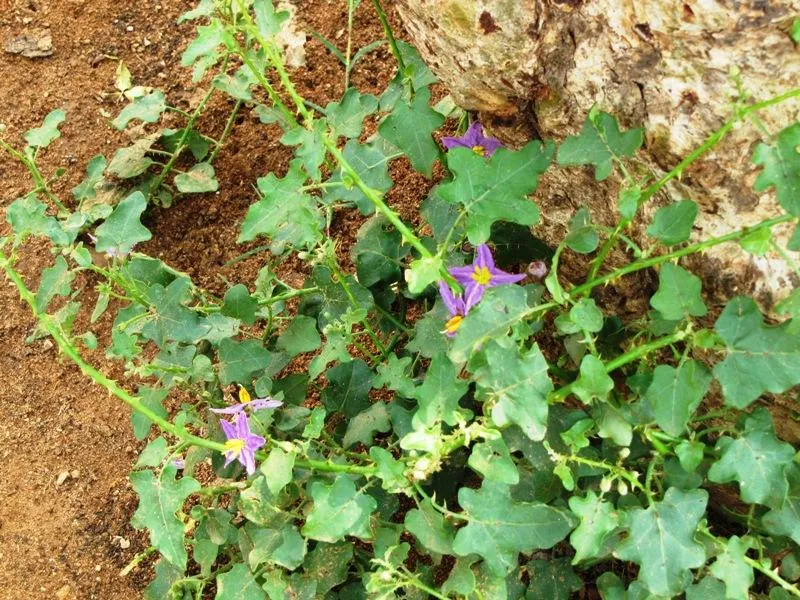
Figure 4: Representative S. Trilobatum Plant Material Used for Extraction.
4.2 Phytochemical and Solubility Findings
The extract gave positive qualitative reactions for the tested phytochemical groups. The broad phytochemical profile was consistent with the chemically diverse nature expected of a medicinal plant extract. The extract showed best solubilization in 70% hydroalcoholic solvent, followed by ethanol, while purified water and phosphate buffer showed limited solubility.
4.3 Formulation Development and Physical Evaluation
All ten batches were successfully prepared by solvent casting. F1–F4 contained 100 mg HPMC E5 with increasing PEG 400, F5–F8 contained 125 mg HPMC E5, and F9–F10 contained 150 mg HPMC E5. F6 and F10 showed the most favourable preliminary balance of film integrity and flexibility. F6 was ultimately selected because it provided a better combined profile across appearance, uniformity, mechanical properties and disintegration.
Table 6: Preliminary Formulation Observations.
| Formulation | HPMC E5 (mg) | PEG 400 (mg) | Appearance | Film integrity | Flexibility |
|---|---|---|---|---|---|
| F1 | 100 | 10 | Uniform | Moderate | Low |
| F2 | 100 | 15 | Uniform | Moderate | Moderate |
| F3 | 100 | 20 | Uniform | Low–moderate | Good |
| F4 | 100 | 25 | Uniform | Low | High |
| F5 | 125 | 12.5 | Uniform | Good | Moderate |
| F6 | 125 | 18.75 | Uniform | Good | Good |
| F7 | 125 | 25 | Uniform | Good | High |
| F8 | 125 | 31.25 | Uniform | Moderate | Very high |
| F9 | 150 | 15 | Uniform | Very good | Moderate |
| F10 | 150 | 22.5 | Uniform | Very good | Good |
Table 7: Thickness, Weight and surface-pH Results.
| Formulation | Thickness (mm) | Weight (mg) | Surface pH |
|---|---|---|---|
| F1 | 0.098 ± 0.004 | 21.8 ± 0.62 | 6.32 ± 0.05 |
| F2 | 0.101 ± 0.003 | 22.1 ± 0.55 | 6.38 ± 0.04 |
| F3 | 0.103 ± 0.004 | 22.5 ± 0.57 | 6.41 ± 0.05 |
| F4 | 0.105 ± 0.003 | 22.8 ± 0.61 | 6.44 ± 0.04 |
| F5 | 0.116 ± 0.003 | 24.6 ± 0.52 | 6.48 ± 0.03 |
| F6 | 0.118 ± 0.002 | 24.9 ± 0.38 | 6.52 ± 0.03 |
| F7 | 0.120 ± 0.003 | 25.2 ± 0.49 | 6.50 ± 0.04 |
| F8 | 0.122 ± 0.003 | 25.6 ± 0.44 | 6.47 ± 0.05 |
| F9 | 0.126 ± 0.003 | 26.1 ± 0.47 | 6.51 ± 0.04 |
| F10 | 0.128 ± 0.004 | 26.4 ± 0.51 | 6.49 ± 0.04 |
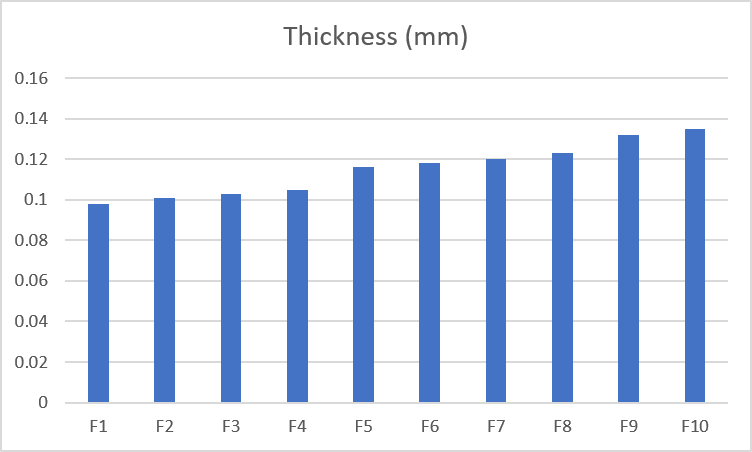
Figure 5: Thickness Profile of the Prepared Herbal Oral Thin Films.
4.4 Mechanical and Performance Evaluation
Table 8: Mechanical and Disintegration Characteristics of F1–F10.
| Formulation | Folding endurance (folds) | Tensile strength (N/mm²) | Elongation (%) | Disintegration (s) |
|---|---|---|---|---|
| F1 | 78 ± 3 | 2.18 ± 0.08 | 18.4 ± 0.9 | 31 ± 2 |
| F2 | 92 ± 3 | 2.06 ± 0.07 | 21.6 ± 1.0 | 33 ± 2 |
| F3 | 105 ± 4 | 1.91 ± 0.06 | 25.2 ± 1.1 | 35 ± 2 |
| F4 | 98 ± 4 | 1.72 ± 0.07 | 28.5 ± 1.2 | 39 ± 2 |
| F5 | 112 ± 3 | 2.42 ± 0.06 | 24.8 ± 0.9 | 36 ± 2 |
| F6 | 128 ± 4 | 2.56 ± 0.05 | 31.6 ± 1.0 | 38 ± 2 |
| F7 | 120 ± 3 | 2.31 ± 0.07 | 34.2 ± 1.1 | 43 ± 2 |
| F8 | 115 ± 4 | 2.08 ± 0.06 | 37.5 ± 1.3 | 47 ± 2 |
| F9 | 108 ± 3 | 2.68 ± 0.08 | 23.6 ± 0.8 | 45 ± 2 |
| F10 | 122 ± 3 | 2.54 ± 0.06 | 29.8 ± 1.0 | 44 ± 2 |
F6 demonstrated the highest satisfactory folding endurance among the formulations and maintained a good balance between strength and flexibility. Although F9 had the highest tensile-strength value and F8 had the highest elongation, these individual maxima were not sufficient for optimization because the final selection considered the combined performance of the film.
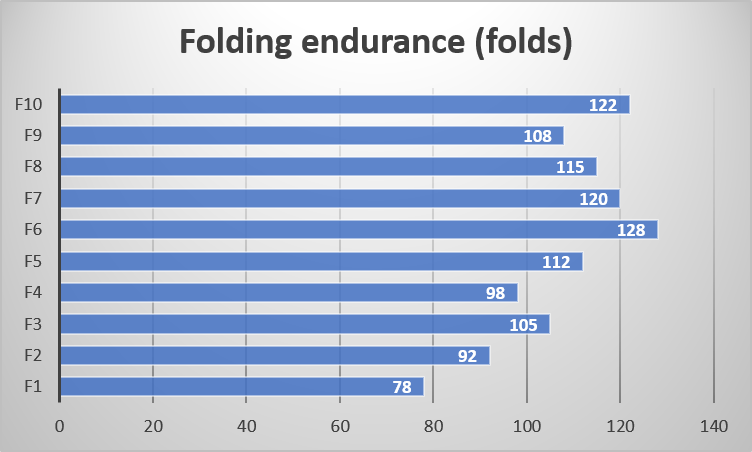
Figure 6: Folding-endurance Profile of the Herbal Oral Thin Films.
4.5 Extract-Content Uniformity
Table 9: Extract-content Uniformity.
| Formulation | Extract content (%) | %RSD |
|---|---|---|
| F1 | 96.2 ± 1.2 | 1.25 |
| F2 | 96.8 ± 1.1 | 1.14 |
| F3 | 97.1 ± 1.0 | 1.03 |
| F4 | 96.5 ± 1.3 | 1.35 |
| F5 | 98.1 ± 0.8 | 0.82 |
| F6 | 99.1 ± 0.5 | 0.50 |
| F7 | 98.4 ± 0.7 | 0.71 |
| F8 | 97.8 ± 0.9 | 0.92 |
| F9 | 98.0 ± 0.8 | 0.82 |
| F10 | 98.6 ± 0.6 | 0.61 |
4.6 Selection of Optimized Formulation
Table 10: Overall Evaluation and Selection of F6.
| Parameter | Selected formulation | Observation |
|---|---|---|
| Physical appearance | F6 | Smooth, uniform and defect-free |
| Thickness uniformity | F6 | Low variation |
| Weight uniformity | F6 | Lowest %CV |
| Surface pH | F6 | 6.52 ± 0.03 |
| Folding endurance | F6 | 128 ± 4 folds |
| Tensile strength | F6 | 2.56 ± 0.05 N/mm²; good balance |
| Elongation | F6 | 31.6 ± 1.0%; adequate flexibility |
| Disintegration | F6 | 38 ± 2 s |
| Extract content | F6 | 99.1 ± 0.5%; %RSD 0.50 |
| Overall selection | F6 | Best overall balance |
4.7 Antioxidant Activity
Table 11: DPPH Free-Radical Scavenging Activity.
| Extract concentration (µg/mL) | DPPH scavenging (%) |
|---|---|
| 50 | 14.8 |
| 100 | 31.6 |
| 150 | 48.0 |
| 200 | 64.7 |
| 250 | 82.1 |
| IC50 | 155 µg/mL |
The DPPH assay showed a concentration-dependent increase in radical-scavenging activity. Activity increased from 14.8% at 50 µg/mL to 82.1% at 250 µg/mL, with a reported IC50 of 155 µg/mL. The observation is consistent with the presence of phenolic, flavonoid, tannin and other reducing constituents detected during preliminary screening, although the qualitative screening does not establish which individual compound is responsible for the effect.
4.8 In-vitro Anti-inflammatory Activity
Table 12: Protein-denaturation Inhibition Assay.
| Concentration | Sample inhibition (%) | Aspirin inhibition (%) |
|---|---|---|
| 10 µL | 15.50 | 33.00 |
| 20 µL | 32.40 | 43.00 |
| 30 µL | 46.05 | 58.00 |
| 40 µL | 58.00 | 79.00 |
| 50 µL | 66.00 | 88.00 |
The sample showed concentration-dependent inhibition of protein denaturation, increasing from 15.50% at 10 µL to 66.00% at 50 µL. Aspirin showed higher inhibition over the same range, reaching 88.00% at 50 µL.
DISCUSSION
The present investigation focused on converting S. trilobatum leaf extract into a convenient oral thin-film dosage form and identifying a formulation with acceptable physical and mechanical characteristics. The 70% ethanolic extraction produced a 12.5% w/w yield, and the resulting extract was suitable for further formulation work. The broad phytochemical profile provides a plausible basis for continued investigation, but qualitative screening alone cannot establish standardized concentrations of individual constituents.
The solubility findings indicated that the extract was most readily handled in the 70% hydroalcoholic system. This is relevant because the extract contains constituents with different polarity characteristics, and incomplete solubilization could compromise uniformity during casting. The compatibility observations and FTIR profile did not indicate an obvious major incompatibility between the extract and selected excipients under the conditions examined.
Increasing HPMC E5 generally increased film thickness and structural strength. PEG 400 improved flexibility and elongation at moderate levels, whereas higher concentrations produced softer or more tacky films. F6, containing 125 mg HPMC E5 and 18.75 mg PEG 400 per 100 cm², achieved an appropriate polymer-to-plasticizer balance. Its folding endurance of 128 ± 4 folds and tensile strength of 2.56 ± 0.05 N/mm² indicate adequate resistance to handling, while 31.6 ± 1.0% elongation indicates useful flexibility.
Disintegration behaviour showed the expected formulation dependence. Lower-polymer batches generally disintegrated faster, but they did not provide the same overall mechanical balance as F6. F6 disintegrated in 38 ± 2 s, which was slower than F1 but remained within a practical range for an oral thin film while maintaining stronger mechanical characteristics.
The F6 extract-content value of 99.1 ± 0.5% with a %RSD of 0.50 suggests good distribution of the extract among individual film units. This is particularly important for herbal films because the active material is a complex mixture rather than a single purified molecule.
The antioxidant assay demonstrated increasing DPPH scavenging with concentration, while the protein-denaturation assay showed measurable concentration-dependent inhibition. These findings are supportive of biological activity under the specific in-vitro test conditions but should not be interpreted as evidence of clinical efficacy in asthma. Further chemical standardization, mechanistic studies and appropriately designed clinical investigations would be required before therapeutic claims can be made.
5.1 Stability Evaluation
Table 13: Stability Observations for Optimized F6.
| Evaluation parameter | Initial | 1 month | 2 months | 3 months |
|---|---|---|---|---|
| Appearance | No change | No change | No change | No change |
| Colour | Greenish-brown | Greenish-brown | Greenish-brown | Greenish-brown |
| Surface integrity | Intact | Intact | Intact | Intact |
| Extract content (%) | 99.1 | 98.9 | 98.7 | 98.5 |
| Disintegration time (s) | 38 | 39 | 39 | 40 |
During the reported stability period, F6 retained its characteristic colour, surface integrity and general physical appearance. Extract content declined slightly from 99.1% to 98.5%, while disintegration time increased from 38 to 40 s. Within the reported period, these changes were small and did not indicate major deterioration.
CONCLUSION
A herbal oral thin film containing 70% ethanolic S. trilobatum leaf extract was successfully developed using solvent casting. Ten formulations were prepared by systematically varying HPMC E5 and PEG 400. F6, containing 100 mg extract, 125 mg HPMC E5, 18.75 mg PEG 400, 10 mg sucralose and 2 mg peppermint flavour per 100 cm² casting area, was selected as the optimized formulation. It exhibited acceptable appearance, low variation in thickness and weight, surface pH of 6.52 ± 0.03, folding endurance of 128 ± 4 folds, tensile strength of 2.56 ± 0.05 N/mm², elongation of 31.6 ± 1.0%, disintegration time of 38 ± 2 s and extract content of 99.1 ± 0.5%. The extract also demonstrated concentration-dependent DPPH radical-scavenging and protein-denaturation inhibition in the reported in-vitro assays.
7. Limitations and Future Scope
The study was based primarily on qualitative phytochemical screening and formulation-level evaluation. Quantitative marker standardization, comprehensive chromatographic characterization, expanded stability studies and clinical evaluation are needed to establish reproducibility and therapeutic relevance.
8. Ethical Statement
No experimental animals were used in the work reported in this research.
9. Declarations
9.1 Conflict of Interest
The authors declare that they have no competing interests.
9.2 Author Contributions
Nallaiyan J: study execution, formulation development, investigation, data compilation and manuscript preparation. V. Sugumarpandi: research supervision, scientific guidance and critical review. B. Edwin Jose: institutional oversight and critical review. All authors approved the final manuscript.
9.3 Acknowledgements
The authors acknowledge the Department of Pharmaceutics, Shri Indra Ganesan Institute of Medical Sciences, College of Pharmacy, Tiruchirappalli, for academic and laboratory support. The authors also acknowledge I-Care Innovations, Chennai, for the authentication and laboratory-related activities documented in the study records.
9.4 Corresponding Author
Nallaiyan J, Department of Pharmaceutics, Shri Indra Ganesan Institute of Medical Sciences, College of Pharmacy, Tiruchirappalli, Tamil Nadu, India.
REFERENCES

Nallaiyan J., V. Sugumarpandi, Dr. B. Edwin Jose, Formulation and Evaluation of Herbal Oral Thin Film Containing Solanum Trilobatum Leaf Extract for the Management of Bronchial Asthma, Int. J. of Pharm. Sci., 2026, Vol 4, Issue 10, 2587-2599. https://doi.org/10.5281/zenodo.23415133
 10.5281/zenodo.23415133