View Article

Abstract

The present study aimed to formulate and evaluate a safe, effective, and natural poly-herbal medicated baby shampoo using herbal ingredients such as Amla (Phyllanthus emblica), Soapnut (Sapindus mukorossi), Shikakai (Acacia concinna), Bael fruit (Aegle marmelos), Curry leaves (Murraya koenigii), Rice water, Sunflower oil, Guar gum, Cedarwood oil, and Jasmine oil. These ingredients were selected for their cleansing, conditioning, nourishing, moisturizing, and hair-strengthening properties. The herbal baby shampoo was prepared using suitable extraction and formulation techniques and evaluated for various physicochemical parameters including appearance, odour, pH, viscosity, washability, pourability, dirt dispersion, texture, foaming capacity, and solubility. The formulated shampoo exhibited good cleansing action, satisfactory foam formation, acceptable pH, and excellent conditioning properties. It was found to be mild, safe, and suitable for the sensitive scalp and hair of infants. The study concludes that the formulated poly-herbal medicated baby shampoo can serve as a natural alternative to synthetic shampoos, providing effective hair cleansing and nourishment with minimal risk of irritation or adverse effects. The formulation promotes healthy hair growth, maintains scalp health, and offers a gentle hair care solution for babies.

Keywords

Poly-herbal Baby shampoo, Hypoallergic Nurishing hair, Rice water, Non irritating, Hair care

Introduction

× Popup Image

According to drug and cosmetic act 1940 and rule 1945 - Term "cosmetic" refers to any item intended to be rubbed, poured, sprinkled, sprayed, introduced into, or otherwise applied to the human body or any part thereof for cleansing, beautifying, promoting attractiveness, or altering the appearance, and includes any article intended for use as a component of cosmetic.[1]

1).ANATOMY OF HAIR-

The hair is made up of 95% keratin a fibrous, helicoidal protein (shaped like a helix) that forms part of the skin and all its attachments (body hair, nails etc.). The hair structure consists of 3 different parts:
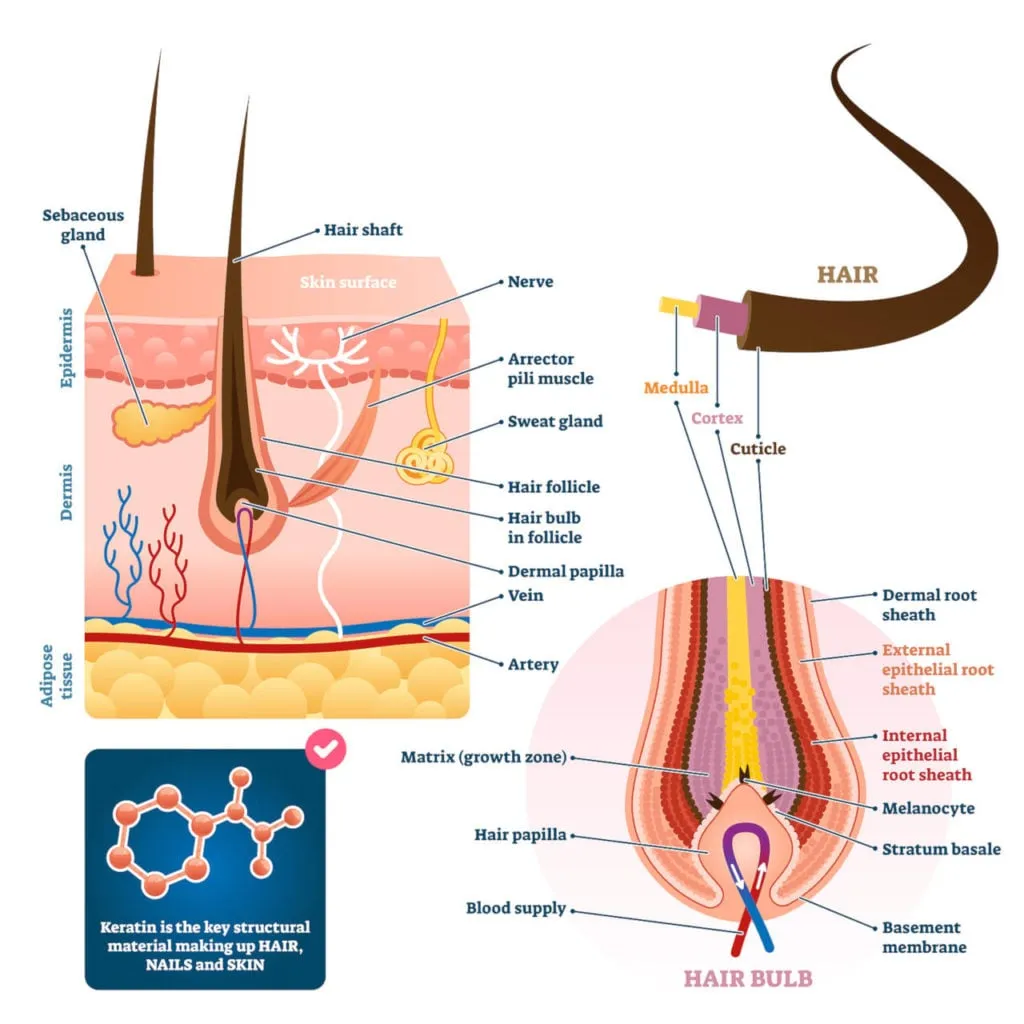
  1. Medulla: It is the innermost layer of the hair shaft, made up of an amorphous, soft, oily substances.
  2. Cuticle: Thin protective outer layer that contains nutrients beneficial for hair growth. It is highly keratinized with cells shaped like scales that are layered one over the other, measuring about 60 micro-meters long and about 6 micro-meters wide.
  3. Cortex: It is the main constituent of the hair, containing long keratin chains which gives elasticity, suppleness and resistance to the hair. The cells of the cortex are joined together by an intercellular cement rich in lipids and proteins.[2]


FIG- 1.1).ANATOMY OF HAIR

 2).PROBLEMS RELATED TO HAIR:-
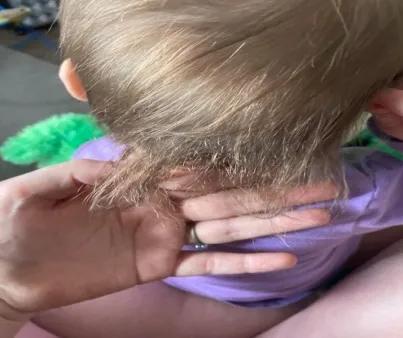
  • Split ends
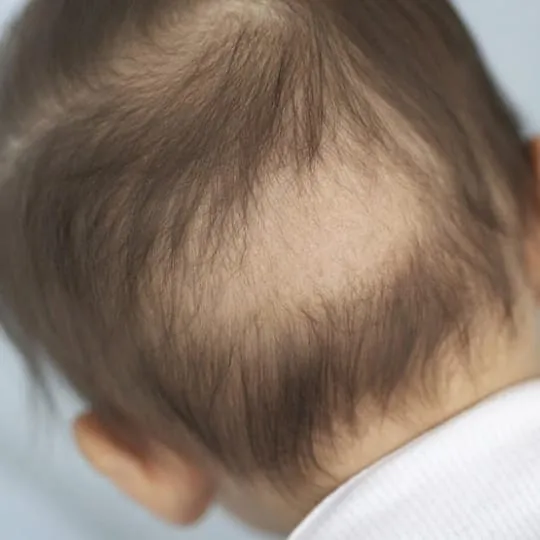
  • Hair loss
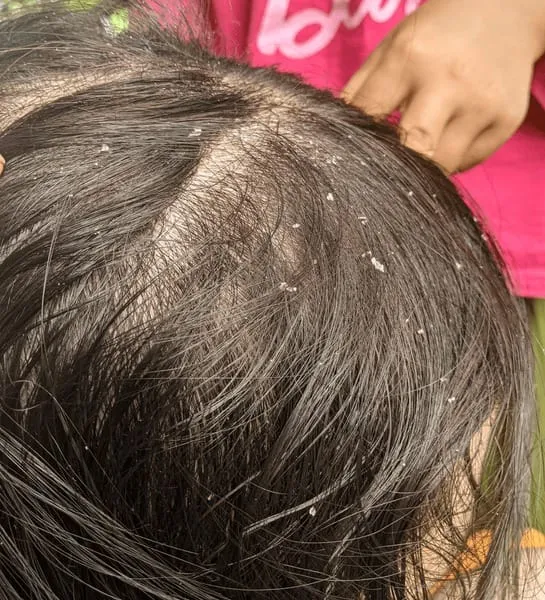
  • Dandruff
  • Dry hair
  • Oily hair
  • Frizzy hair
  • Limp hair
  • Heat damage
  • Color damage
  • Gray hair[3]


Fig -1). split end          Fig-2). Hair Loss Problem     Fig- 3).Dandruff Problem in Hair

3). HERBAL SHAMPOO-

Without hair, a person lacks complete beauty. Herbs have been used for hair care and cleaning since ancient times. Hair shampoo is used to give hair more shine in addition to cleaning it. Shampoos infused with natural ingredient extracts are known as herbal shampoos. Herbal shampoos are cosmetic preparations that are used for cleansing purposes using traditional Ayurvedic herbs. Herbal products hurt fever and are less expensive. Herbal shampoo can be either basic or uncomplicated. They include protein, hydrolasate, vitamins, and amino acids. Many individuals, both males and females, wash their hair with shampoo. Shampoo's main purpose is to clean the hair scalp of debris. Nowadays the use of herbal shampoo is increased, and there is high demand for herbal cosmetics.

 In essence, a shampoo is a detergent solution with appropriate additives for additional benefits like lubrication, medication, and improved hair conditioning. Synthetic surfactants are added to synthetic shampoos primarily for their cleansing and foaming properties. However, frequent use of these surfactants can have serious side effects, including dryness, irritation of the scalp and eyes, and hair loss. We can use natural herbal shampoos as an alternative to synthetic ones. Shampoos contain synthetic surfactants mainly for foaming and cleaning purposes; however, frequent use of these surfactants can cause hair loss, irritation to the scalp, and dry eyes. Herbal formulations are seen as a synthetic shampoo substitute, but creating cosmetics with only natural raw materials is challenging. Shampoos are formulated with synthetic surfactants primarily as a foaming and cleansing agent. Numerous medicinal plants are widely used in shampoo formulation because of their purportedly positive effects on hair. Hair problem such as hair loss, white hair and a dandruff and split ends tension, Scalp infection, hormone disruption, low vitamin and food    human problem [4]

4).CLASSIFICATIONS OF SHAMPOO:[3]

A. Based of Appearance:

a) Powder shampoo

b) Liquid shampoo

c) Gel shampoo

d) Oil shampoo

B. Based on use or function: -

a) Conditioning shampoo

b) Antidandruff shampoo

c) Baby shampoo

d) Clarifying shampoo

C.Basedon Origin: -


5)The ideal characteristic of herbal shampoo-

a) Should be effectively wash hair.

b) Should be produce good amount of foam                                                                                                                 c) The shampoo should be easily removed by rinsing with water.

6). Composition of shampoo:

a) Surfactant

b) Antidandruff agents

c) Conditioning agents.

d) Pearlescent agents

e) Sequestrates

f) Thickening agents

g) Colours, perfumes and preservative

  1. BABY SHAMPOO-

Herbal baby Shampoo can help loosen spit-up, food, oils, and anything else that gets into the baby’s hair. The right  baby shampoo is gentle enough to use regularly, and will not dry out the skin or hair. Every baby is different, and  no shampoo will work well for everyone. Consider fragrance-free products. They may be less irritating. Herbal baby shampoo will not cause a baby to grow hair or make the hair grow faster. Hair growth associated with harmonal and  genetic effects.[5]
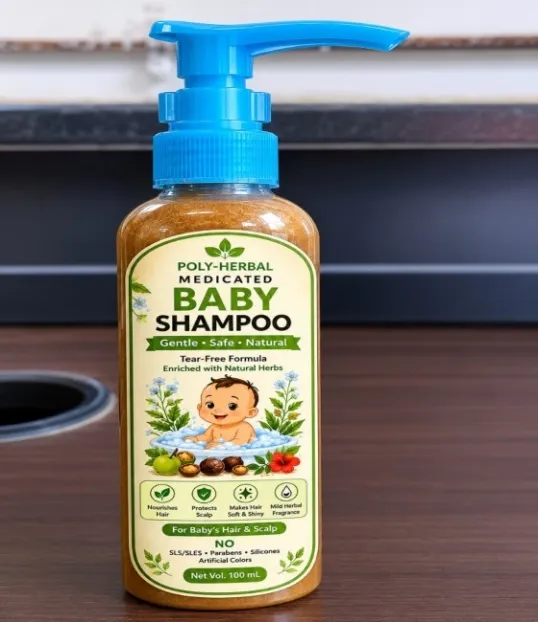


Figure - 4) Baby Shampoo

In this study, formulate herbal baby shampoo using natural extracts and evaluated Physico-chemical parameters, conditioning effects, Moisturizing effect and anti-dandruff effect this determination is very  simple, reproducible and quantitative. In synthetic shampoos, surfactants(synthetic)are added mainly for their cleansing and foaming property, but the continuous use of these surfactants leads to serious effects such as eye irritation, scalp irritation, hair loss and hair dryness.

We use shampoo containing natural herbals instead of synthetic shampoo. However, formulating cosmetic products containing only natural substances are very difficult. These medicinal plants may be used in extracts form, their powdered form, crude form, or their derivatives. They develop shampoo containing natural substance for safer and milder effect, then commercial shampoo is difficult and it posses good foaming, detergency, and solid content as such synthetic shampoo. You can start using a few drops of a gentle herbal baby shampoo on their hair. Small amount of skin protective oils intact with skin surface. If the baby get older and grows a full head of hair, you may begin to use a little more shampoo to get their hair clean.

  1. DESIRED PROPERTIES OF HEARBAL SHAMPOO
  • Ease of Application
  • Removal of More Debris
  • Easy Wet Combing
  • Fragrance
  1. MATERIALS & METHODS
  • AMLA

 Amla powder is traditionally recognized for its rich vitamin C content and is included for its   nourishing effect on hair.[6]

  • Amla Extract-

Strengthen the Scalp and Hair, Reduce premature pigment loss from hair, or greying,Stimulate Hair Growth, Reduce Hair Loss, Prevent or treat dandruff and dry scalp,Prevent or treat Fungal and Bacterial hair and Scalp infections. Improve overall appearance of Hairs.
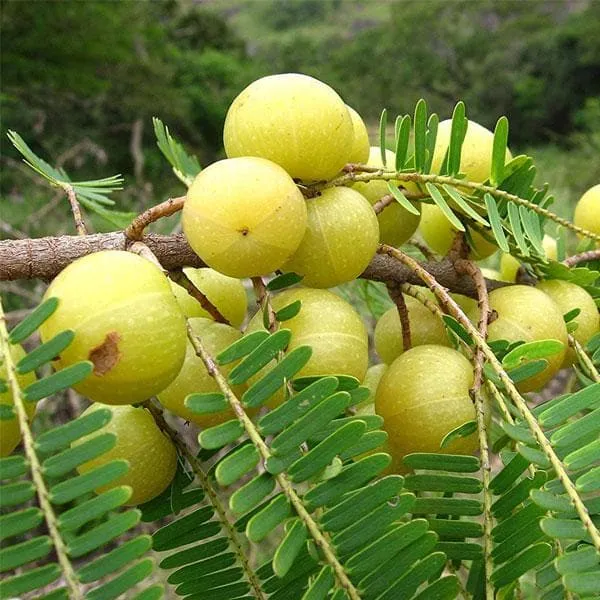
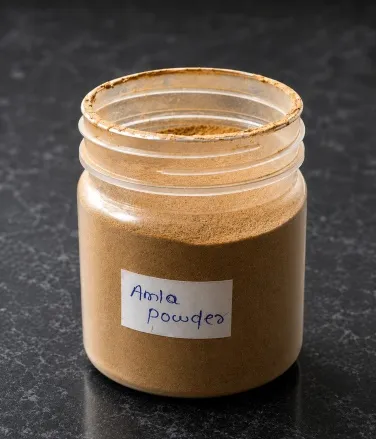


FIG- 5) AMLA

 CHEMICAl CONSTITUNTS

1. Vitamin C

  1. Tannins (Emblicanin A, Emblicanin B)
  2. Gallic acid
  3. 4. Ellagic acid

  2) SOAPNUT (REETHA)

  1. Reetha is a well-recognized component in numerous Ayurvedic shampoos and cleansing products. The kernels within Reetha seeds are abundant in proteins and display a well-proportioned composition of amino acids, as stated by the World Health Organization. Its fruit is rich in vitamin A, D, E, K, saponin, sugars¸ fatty acids and mucilage.

Reetha extract is useful for the promotion of hair growth and reduced dandruff . Soapnuts, also known as washing nuts, have been significant in natural hair care for a long time. These nuts contain saponins that contribute to maintaining the health, shine, and luster of hair when applied regularly..[8]

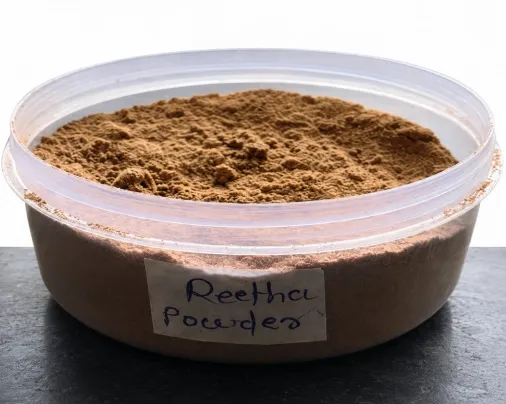


FiG-6)   SOAPNUT

Sapindus mukorossi. Reetha, or soapnut, contains natural surfactants called saponins that produce mild lather and cleanse the scalp without stripping natural oils.

Chemical Constituents:-

  1. The main constituent of reetha is Saponins. Other constituent are, Spondaic acid, Oleanolic  acid Saponin do side A&B, Mukuroziosides, Trifoliosid  Chemical constituents. The major constituents present in reetha are saponins, sugars and mucilage.
  2. The seed kernels of reetha are a rich source of proteins and show a balanced amino acid composition.[8]

  USES- 

  1. Reetha is employed because the maen ingredient in soaps and shampoo laundry hair      because it is taken into account good for the health of hair.                                              
  2. Reetha is additionally used for removing lice from the scalp, because it has gentle insecticide properties.                                                                                                             
  3. It is employed as cleanser, surfactant .In addition, it's used for the treatment of eczema psoriasis, and for removing freckles.
  4. It may help relieve joint pain. It may have de-tanning properties.  
  5. The plant is thought for its antimicrobial properties. [9]

3) SHIKAKAE

Shikakai is rich in saponins, vitamins A, C, D, and E, which help in gentle cleansing, reducing scalp irritation, and preventing hair fall.
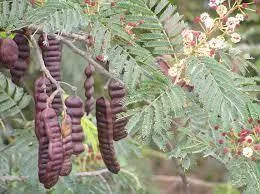
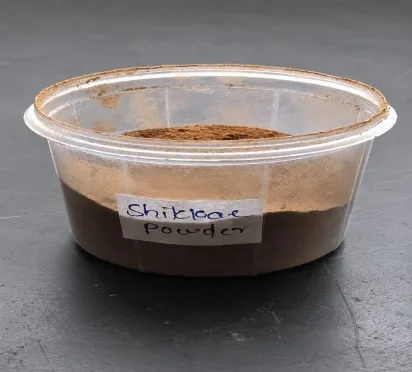
  1. Shikakai Extract –
  2. Cleanses Hair,  Add more Shine to the Hairs, Prevents Grays, Crubs Hair Loss , Prevents Lice, Psoriasis, Eczema & Scabies.
  3. Shikakai is a natural herbal plant (Acacia concinna) commonly used in Ayurvedic medicine as a hair cleanser and conditioner due to its rich saponin content, which produces mild foaming and cleanses the scalp naturally. [7]


FIG-7)SHIKAKAE

  • Chemical Constituents:                                                                                                                       The chemical constituents of  shikakai are  spinosterol , Acacia acid, Lactose, Glucose ,Arabinose                                                                                                                            USES :-                                                                                                                                                    Shikakai gives healthy, beautiful and bouncy hair causes you to look b                                              It is rich in anti ophthalmic factor, D, E and K and other antioxidants which very essential for healthy and quick growth of hair naturally
  • Shikakai is employed in many shampoos and hair medicines for its hair strengthening and  conditioning  [9]

4) BAEL FRUIT

Bael also known as golden apple, Japanese bitter orange, stone apple, wood apple. It belonging to family Rutaceae found in Himalayan tract and throughout India.

The uses of bael for hair is it reduces hair loss, fights against dandruff, prevent premature greying of hair and strengthens hair. Bael contains marmelosin A, B and C as well as protein, volatile oil and vitamin C [7]                  
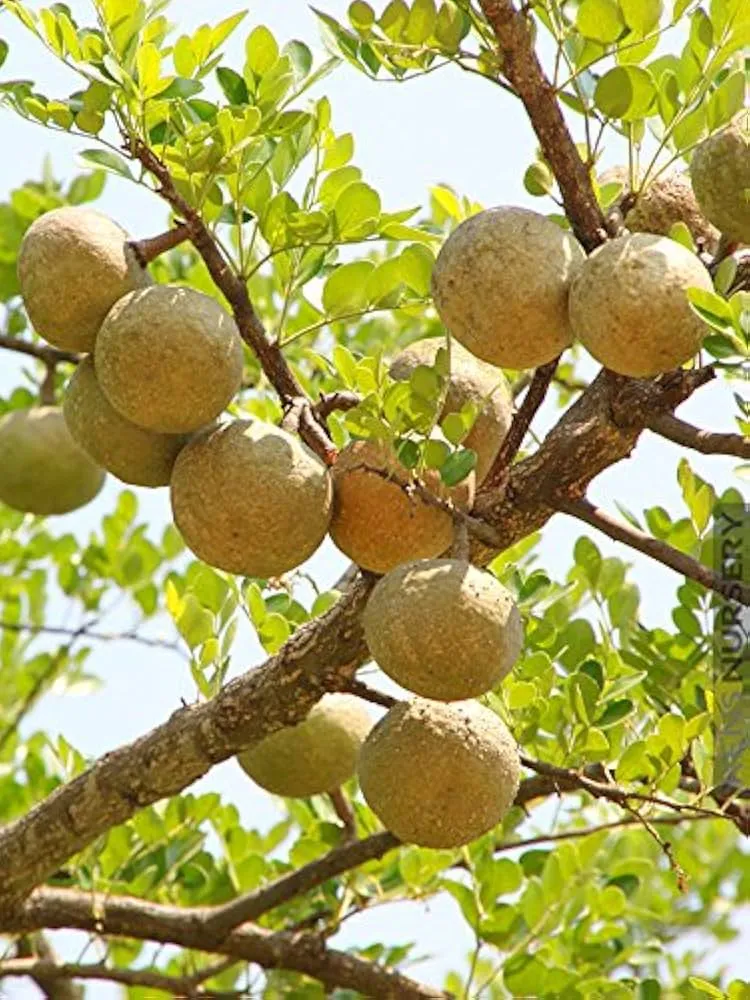


FIG- 8) BAEL FRUIT


  1. Chemical constituent :-
  2. Vitamins :- Certain vitamins, such as biotin (vitamin B7), are often included in hair care products. Biotin is believed to promote hair growth and improve hair health.
  3. Proteins :- proteins such as keratin and hydrolyzed wheat protein, are commonly found in hair care Products. These proteins can help strengthen the hair strands and improve their overall appearance
  • Promotes hair growth
  • Bael for hair is it reduces hair loss, fights against dandruff .[10]

5) CURRY LEAVES

Curry leaves, also known as sweet neem leaves, are an important herb in Indian cuisine. It belonging to family Rutaceae. South Asia is home to this plant and it is found in countries like Sri Lanka, Bangladesh, China and India. Curry leaves have been used for centuries in traditional Indian hair care for their beneficial properties. curry leaves are known to have darkening agents, antioxidants and vitamin B complex which can turns hair back to natural colour. [7]
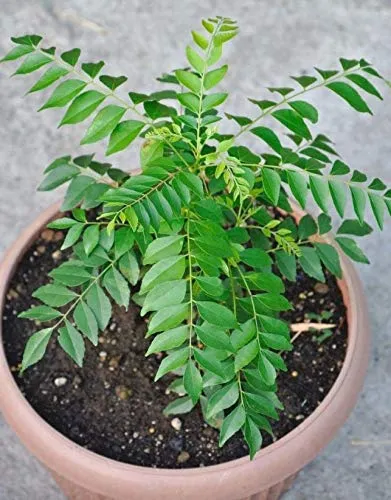
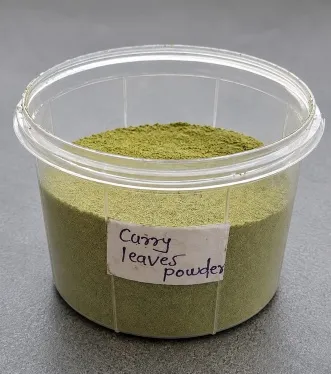
  1. It is an important ingredient in Indian curries due to its fragrance and aroma. The oil of Murraya Koenigii is reported to possess antibacterial, antifungal, hypolipidemic, hypoglycemic, antioxidant, and anti-hypertensive properties.


FIG 9)- CURRY LEAVES

  1. Chemical Constituent :- Carbazole alkaloids (Mahanimbine, Murrayanine, Koenimbine),Essential oil, Flavonoid, Tannin, Glycoside, Vitamins A, B, C, E, Calcium, iron, phosphorus,  Antioxidant.

6) RICE WATER

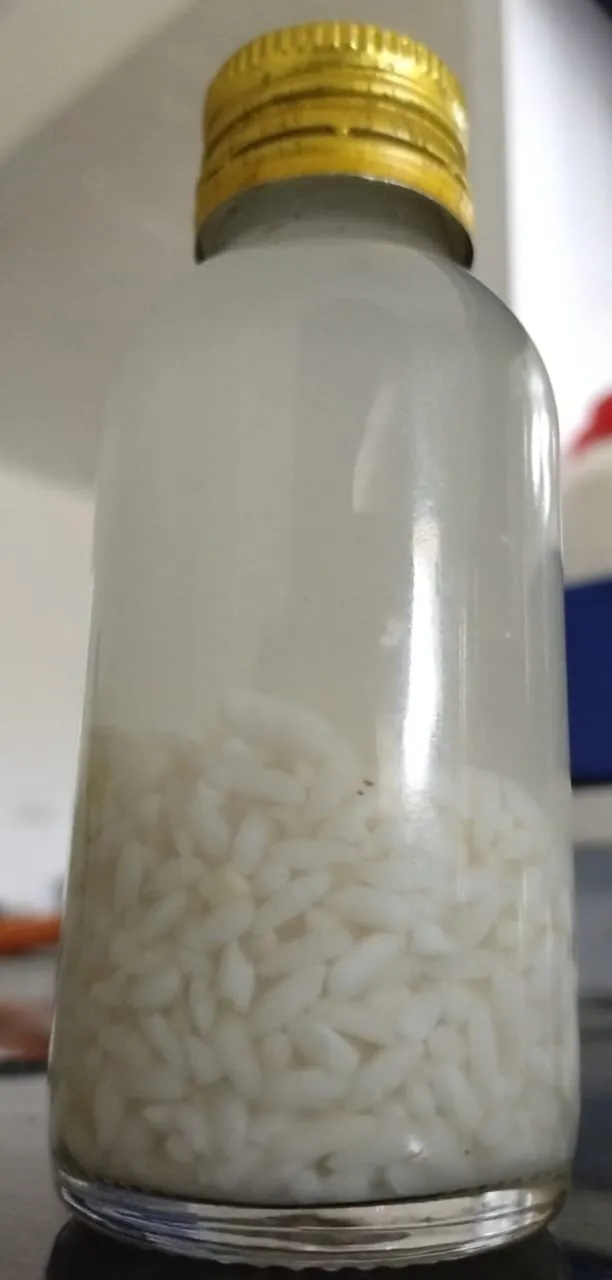
  1. Fermented rice water for hair- if you want strong, healthy hair. The rice water’s amino acids fortify the hair roots. Additionally, it contains inositol, an antioxidant that gives the hair strength. It is simple to detangle hair using fermented rice water, which reduces hair breakage and nourishes.
  2. It is a chemical free hair cleanser Using it as a shampoo to wash out your hair may not be as convenient as a store bought shampoo, but it comes without chemicals and preservatives, and you don’t even need to follow it up with a conditioner.
  3. It maintains a pH equilibrium on the scalp.
  4. For frizzy hair protection According to a 2010 study published in the International Journal of Cosmetic Science, utilising fermented rice water as a hair treatment has various advantages, including enhanced elasticity, the prevention of hair loss, a smoother texture, less friction, and less frizz. This is largely because inositol, an antioxidant, is present. [11]


FIG- 10) RICE WATE

  1. Chemical Constituent:- Carbohydrat (starch), protein,  Amino Acids, Vitamins, Vitamin B complex (B1, B2, B3, B5, B6), Vitamin E, Iron, Zinc, Magnesium

USES :-

  • Pormot and  hair strengthening
  • Hair conditiotes hair growth
  • Improves hair shine
  • Skin soothing agent
  • Moisturizing effect
  • Antioxidant activity
  • Used in herbal/cosmetic preparations [12]

 7 )SUNFLOWER OIL-

 The Sunflower is a bright yellow flowering plant that belongs to the daisy family. It is known for its large flower head and its ability to face the sun. Sunflowers are grown for decoration, seeds, and oil. Their seeds are nutritious and commonly used as snacks or for making sunflower oil.
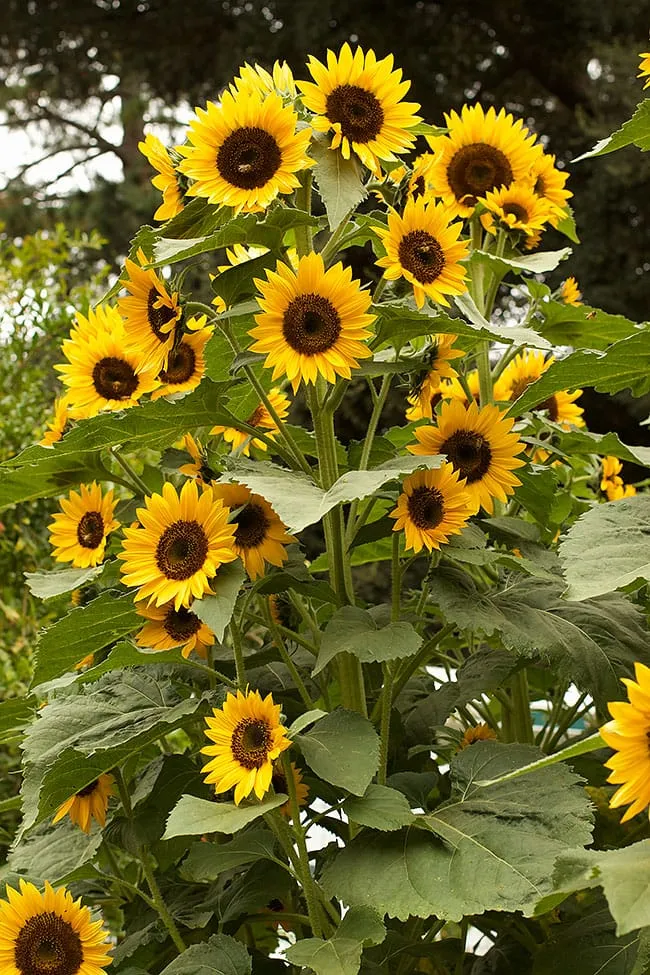


FIG- 11) SUNFLOWER

Chemical Constituents:-

  1. Fixed oils (30–40%)
  2. Rich in linoleic acid
  3. Oleic acid
  4. Palmitic acid
  5. Stearic acid
  6. Proteins
  7. Albumins and globulins
  8. vitamin E (tocopherols) – antioxidant
  • Phytosterols

Uses:

  • It gives strong and shiny hair.
  • It keeps the scalp and the hair hydrated.
  • It has protective properties which limits the proliferation of bacteria.[13]

8) GUAR GUM POWDER

Guar Gum is a natural thickening and stabilizing agent obtained from guar beans. It is widely used in shampoos, cosmetics, food products, and pharmaceuticals.
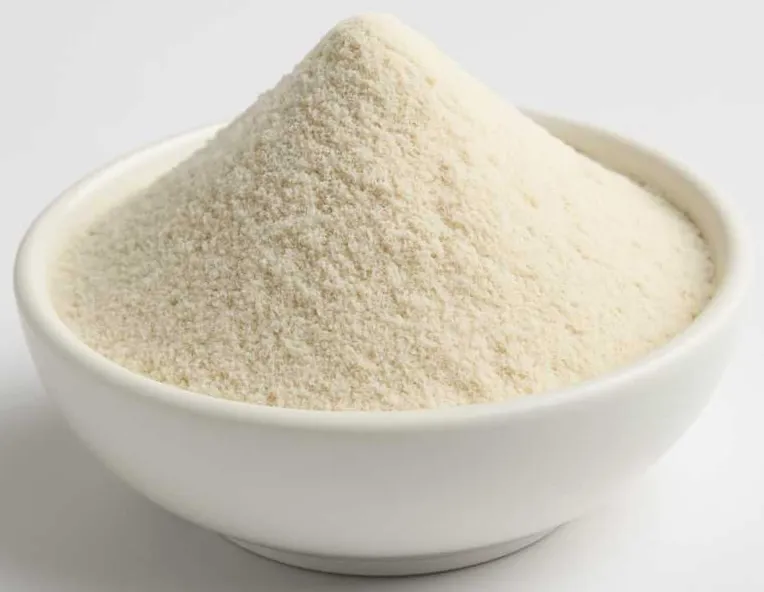


FIG- 12) GUAR GUM POWDER


  1. Chemical Constituents :-  Galactomannan polysaccharide (major component) Composed of Mannose backbone, Galactose side chains,  Proteins (small amount), Lipids (trace amount),  Fiber (high soluble fiber content), Moisture & ash: Thickening property
  1. USES :-
  1. Thickening agent
  2. Stabilizing agent
  3. Binding agent
  4. Conditioning agent
  5. Emulsifier support
  6. Food industry[13]

5.9) CEDARWOOD OIL

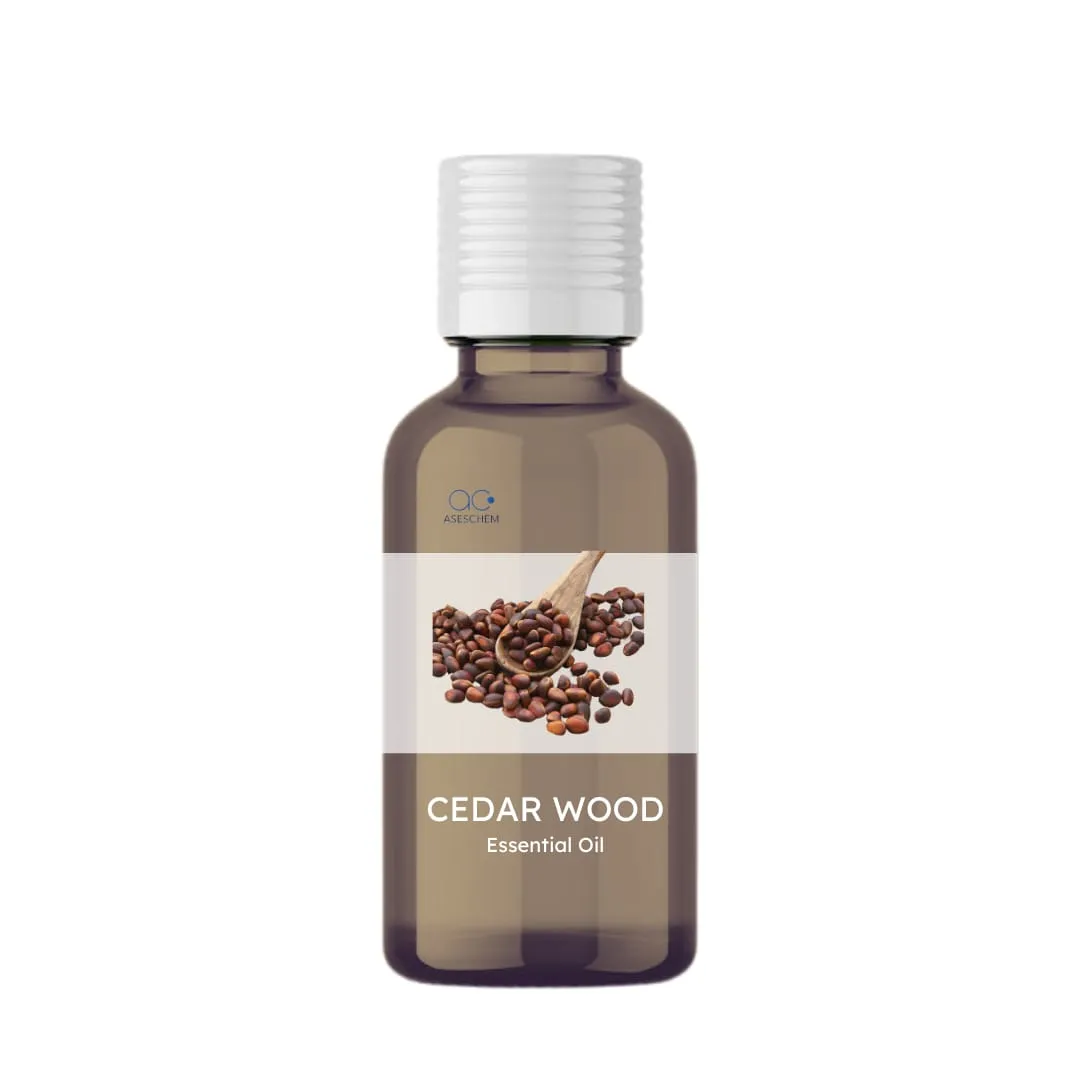
  1. Cedarwood oil is an essential oil extracted from various types of conifer trees, particularly from species in the pine and cypress families. The oil is derived from the wood, roots, and foliage, often from the leftover material after logging.
  2. Typically, 8-10 drops of cedarwood oil are used in hair care treatments.
  3. The name Cedarwood is derived from the Latin word “Cedrus.”Benefits
  4. Helps with hair loss, Treats scalp conditions, including dandruff cleanses the skin by removing dirt and impurities Categories Atlas cedarwood, Chinese cedarwood ,Himalayan cedarwood, Port Orford cedarwood, Texas cedarwood. [14]                                        


FIG- 13) CEDARWOOD OIL


  1. Chemical Constituents:-
  2. Cedarwood oil
  3. Cedrol
  4. Cedarol
  5. Cedrene (α-cedrene, β-cedrene)
  6. Thujopsene

USES :-

  1. Antifungal & Antibacterial
  2. Dandruff control
  3. Aromatherapy
  4. oily skin balance

10) JASMINE OIL

Jasmine oil used in hair care products for its fragrance. Regular use of jasmine oil can make your hair soft, silky, more manageable and can stimulate hair growth.[11]


FIG- 14) JASMINE OIL


  1. Chemical Constituents:
  1. Linalool
  2. Benzyl alcohol
  3. Indole
  4. Jasmone
  5. Methyl anthranilate
  6. Farnesene


Uses:

  1. Fragrance
  2. moisturizing
  3. Aromatherapy
  4. mood improve
  5. antimicrobial activity


Table -1) Material and their properties

SR.NO


INGREDIENTS


PROPERTIES USED


1.

Amla

B-Carotene, hair tonics

2.

Shikakae

Natural surfactant

3.

Soapnut

Foaming agent

4.

Curry leaves

Antioxidant, Vitamins A,B,C,E

5.

Guar gum

Stabilizers

6.

Rice water

Conditioners

7.

Veg glycerine

Moisturizers

8.

Sunflower

Hypoallergics

9.

Jasmine oil

Fragrance

10.

Buffer powder

PH adjuster

11.

Cedarwood oil

Preservative

12.

Bael fruit

Nourishment


The some ingredients obtained from botanical garden of the DJPS College Of Pharmacy in Pathari is where all the herbal ingredients,including Amla  ,Curry leaves, Bael fruit. Other ingredients   like Shikakae,Soapnut collected  from  herbal  store  in  Pathari. Guar gum, Rice water, Veg glycerine, Sunflower, Jasmine oil ,Buffer powder, Cedarwood oil ,Bael fruit from college Lab.

Method of preparation –

  1. Ingredients in herbal Shampoo formulas for Guar base.
  2. Prepare the herbal shampoo exatract of below formulas.
  1. Guar gum base –

Weigh the 2.5gm of guar gum  transfer  into the beaker .Add 10 ml of veg glycerine with continuously stirring  for dissolution. After that add 50 ml of water with proper mixing And finally prepare guar gum base.

  1. Herbal Extract-

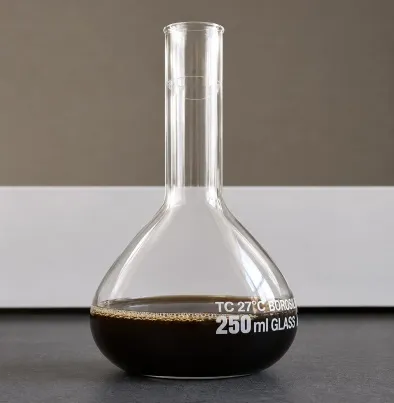
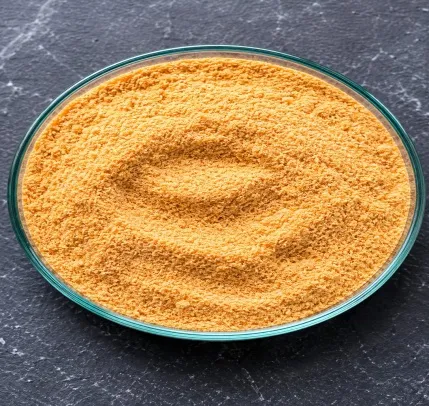
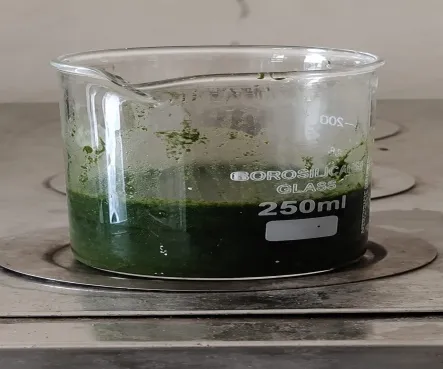
Weigh all the ingredients  contain Amla powder, Shikakae powder, Soapnut powder, Bael fruit powder,Curry leaves powder each containing 5gm into the separate beaker. Then add 50 ml water into each beaker with mixing. After that all container put on the hot water bath for prepare extraction for 15 to 30 min. Cool the all exacted container 10 min and transfer into morter-pestle for  trituration.

  • Curry leaves Extract-

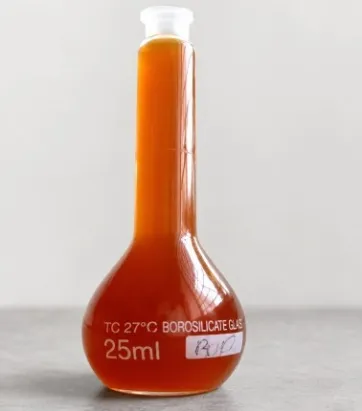
Preparation of water exatract by dissolve 5g of curry leaves powder in 50 ml of distilled water. Which has proportion (1:10 w/v), Covered with filtered paper and kept aside for 30min in dark area at room temperature. Filtered supernatant was collected and solvent is evaporated by incubating at room temperature for  20min.Prepared curry leaves extract used for experiment. [14]

  • Bael Fruit Extract –

Give 5gm of bael fruit powder Boil a handful of bael fruit  powder in  50ml of water for 10-15 minutes. Allow the mixture to cool, then strain the liquid to obtain the bael  fruit extract.[15]

  • Amla Extract -

Fresh amla fruit were finely chopped and shed dried for 15 days and powdered using mortar and pestle. The powered amla weigh 5g mixed with 50ml  distelled water. Stir it for  30 mins boil and after Filter the solution and allow it to evaporate in rotary evaporator. Take the filtrate out of rotary evaporator and completely dry it on hot water bath.Keep the extract in desiccator for cooling. g. Collect and weigh the obtained extract.[11]

  • Shikakai Extract-

Take 5 gram shikakai powder in beaker Add 50 ml of distilled water in beaker stir the powder continuously and boil the mixture on water bath until  20 ml water reduced.Then mixture filtered through muslin cloth ,and the resulted filtrate was collected in a beaker. [8]

  • Reetha Extract-

Take 5 gram reetha powder in beaker Add 50 ml of distilled water in beaker stir the powder continuously and boil the mixture on water bath until  20 ml water reduced.Then mixture filtered through muslin cloth ,and the resulted filtrate was collected in a beaker. [8]

 Procedure-

  1. Firstly  measure the all hebal extract  in given quantity.
  2. Take all herbal extract into the morter pestle  and triturate them.
  3. And add shampoo base into the extract with gentle stirring.
  4. Add rice water into the formulation.
  5. Add sunflower oil and add preservative cedarwood oil.
  6. After that  formulation transfer into the measuring cylinder.
  7. And also add veg glycerine and jasmine oil quantity sufficient.
  8. Finally prepare herbal baby shampoo.


Table- 2) Formulation of  Herbal shampoo for 10 ml

Ingredients

F1

F2

F3

F4

F5

1.Amla

1ml

1.25ml

1.25ml

1.25ml

1.25ml

2.Shikakae

1ml

1.25ml

1.25ml

1.25ml

1.25ml

3.Soapnut

1ml

2ml

2ml

1ml

2ml

4.Curry leaves

1ml

1.25ml

1.25ml

1.25ml

1.25ml

5.Bael fruit

1.25ml

1.25ml

1.25ml

1.25ml

1.25ml

6.Rice water

2.5ml

2ml

1.5

2.5ml

2.5ml

7 .Guar gum

0.1gm

0.5gm

0.5gm

0.50gm

0.50gm

8.  Cedarwood                         oil

0.01ml

0.01ml

0.01ml

0.01ml

0.01ml

9. Sunflower oil

0.25ml

0.30ml

0.20ml

0.20ml

0.20ml

10. buffer   powder

q. s

q. s

q. s

q. s

q. s

11.  Jasmine oil

q. s

q. s

q. s

q. s

q. s

12. Veg glycerin


q. s

q. s

q. s

q. s

q. s


EVALUTION  PARAMERES-

  1. Physical appearance
  2. Solubility
  3. Washability
  4. Foaming Capacity
  5. Viscosity
  6. Poorability
  7. Odour
  8. Dirt Dispersion
  9. PH
  10. Stability


Table -3 Evalution Parameters for 10m

EvalutionTest

F1

F2

F3

F4

F5

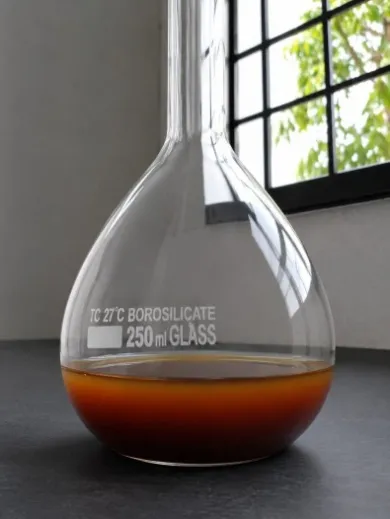
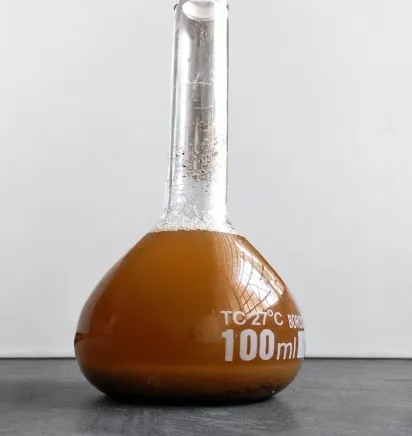
Physical apperance

Dark Brown

Light Brown

Dark Brown

Dark Brown

Dark Brown

Solubility

Insoluble particles

Slightly turbidity

Slightly turbidity

Insoluble particles

Insoluble particles

Washability

Easily

Easily

Easily

Easily

Easily

Foaming capacity

1Cm

0.5Cm

0.7Cm

0.5Cm

1Cm

Viscosity

Less

Moderate

Moderate

More

More

Pourability

High

Medium

Moderate

Low

Moderate

Odour

Strong

Mild

Mild

Mild

Mild

Texture

Less Smooth

More Smooth

Smooth

More Smooth

More Smooth

Dirt dispersion

Light

Light

Light

No

No

PH

5.7

7

6.3

5.6

5

Stability

Good

Good

Good

Good

Good


RESULT –


Table No- 4) Formulation of Herbal Shampoo for 100ml

Sr.No

Ingredients

Quantity

  1.  

Amla

10ml

  1.  

Curry leaves

10ml

  1.  

Bael fruit

10ml

  1.  

Soapnut

20ml

  1.  

Shikakae

10ml

  1.  

Rice water

25ml

  1.  

Guar gum

2.5gm

  1.  

Cedarwood oil

0.1ml

  1.  

Sunflower oil

2ml

  1.  

Veg glycerin

5ml

  1.  

Buffer powder

q. s

  1.  

Jasmine oil

q.s


Table No - 5)  Evalution parameters for 100ml


Sr.No


Evatution test


Result

  1.  

Physical appearance

Dark brown

  1.  

Solubility

Completely soluble

  1.  

Washability

Easily

  1.  

Foaming capacity

2 CM

  1.  

Viscosity

Moderate

  1.  

Pourability

Easily Pourable

  1.  

Odour

Mild

  1.  

Texture

More smooth

  1.  

Dirt dispersion

No

  1.  

PH

5.6-6.4

  1.  

Stability

Good


DISCUSSION-

The herbal baby shampoo formulations (F1–F5) were evaluated for various physicochemical parameters such as physical appearance, solubility, washability, foaming capacity, viscosity, pourability, odour, texture, dirt dispersion, pH, and stability. Among all the formulations, F4 batch (Table No. 8.1) showed the best overall performance and was selected as the optimized formulation.

The F4 formulation exhibited a dark brown appearance with complete solubility and smooth texture, indicating good uniformity and homogeneity. It showed easy washability and moderate viscosity, which provided convenient application and pouring characteristics. The foaming capacity of F4 was found to be 1 cm, producing stable foam suitable for cleansing action.

The dirt dispersion test for F4 showed “No” ink concentration in foam, indicating excellent cleansing ability and preventing redeposition of dirt on hair. The pH of the formulation was found to be 5.6, which is near the normal scalp pH and therefore suitable for baby scalp and hair. The formulation also exhibited very good stability without any significant change in colour, odour, or texture during storage.

Based on these evaluation parameters, F4 batch was considered as the best formulation and was further prepared (Table No. 6.2) calculate the formula for 100ml quantity.The final optimized herbal shampoo formulation contained Amla, Curry leaves, Bael fruit, Soapnut, Shikakai, Rice water, Guar gum, Cedarwood oil, Sunflower oil, Vegetable glycerin, Buffer powder, and Jasmine oil.

The evaluation results of the final 100 ml formulation (Table No. 9.2) confirmed that the prepared herbal shampoo possessed good physical appearance, complete solubility, easy washability, moderate viscosity, pleasant odour, smooth texture, good stability, and suitable pH range of 5.6–6.4.

Hence, the developed herbal shampoo formulation can be considered safe, stable, and effective for hair cleansing and care.

CONCLUSION-

This study successfully developed a poly-herbal medicated baby shampoo using natural herbal ingredients. The formulated shampoo showed good cleansing ability, suitable pH, satisfactory foam formation, easy washability, and good stability. The selected formulation was gentle on the scalp, provided nourishment to hair, and was free from the harsh effects commonly associated with synthetic shampoos. Therefore, the prepared poly-herbal baby shampoo can be considered a safe, effective, and natural product for maintaining healthy hair and scalp in babies.

ACKNOWLEDGEMENT

With the blessing of God

There are many people who deserve to be acknowledged for their support and continued encouragement making this project work a reality. This is an opportunity to express my most humble appreciation and gratitude to each and every one I express my sincere gratitude to my respected grade Mr. Shrikhande.B.V for providing much of the stimuli in the form of suggestions, guidance and encouragement at all stage so my work, without whom this project would not have become a reality

I also express my sincere gratitude to respected principal Dr. Ingole R.D., for their valuable guidance. Support and suggestions from time to time during completion of my project. I am highly honored to have worked under such renowned personality. I also express my acre gratitude to Mr. Ramesh Patil Sir for their valuable help and cooperation.

I would like to express my special thanks of gratitude to respected Tengase sir for their valuable guidance and support in completing the project.

A special thanks to Miss.Bhorakade.S.B , Miss.Dipake.A.C, Miss.Pabale.P.V and DJPs College of Pharmacy (B.Pharm) At Pohetakli Tq Pathri Dist. Parbhani for their encouragement and help keep my spirit sigh in times of difficulty by smoothing my criticism and reanalysing things from more positive and practical point of view. Words are inadequate to express my feelings for them. My Parents and Family took greater joy than me in my success. Their dreams lead the foundation my being and gave me determination to struggle against odds to be a present. Indeed, the thought to their happiness in my achievements fulfils me more than my success. I owe my life and career to my family.


REFERENCES

  1. Dr. Satya Prakash Singh, Dr. Vijay Nigam – 2021 – Thakur Publication
  2. Pal SK, Tiwari S, Mishra S, Saran S. Formulation and evaluation of herbal shampoo. Int J Life Sci Res Arch. 2024;7(2):43-57. doi:10.53771/ijlsra.2024.7.2.0073.
  3. Shipalkar OS, Madane SH, Pagare SR, Giramkar AA, Khedkar AN. Formulation and evaluation of herbal shampoo. Int J Innov Res Creat Technol. 2024;10(3):1-20.
  4. Vane R, Kaulage V, Lagad T, Landge A, Bidgar P. Formulation and evaluation of herbal shampoo. International Journal of Innovative Research in Engineering, Management and Pharmaceutical Sciences. 2024;12(3):1-11.
  5. Kumar NR, Dineshkumar T, Hariharan K, Navaneetha Krishnan AV, Pavitharani C, Subash S, Manikandan P, Surendra Kumar M. Formulation and evaluation of herbal baby shampoo. J Pharm Res Int. 2022;34(9B):26-33. doi:10.9734/JPRI/2022/v34i9B35503.
  6. Shetty S, Waghmare U, Satpute A, Salve P, Kulkarni SS. Preparation and evaluation of hair growth nutrient herbal shampoo. International Journal of Creative Research Thoughts. 2025;13(7):a674-a680.
  7. Dhakate PR, Kodwate PD, Papankar TP, Barewar P, Kothari M. Formulation and evaluation of herbal shampoo. International Journal of Creative Research Thoughts. 2023;11(7):h51-h56.
  8. Jadhav SA, Galgate KM, Gondal PP. Formulation and evaluation of polyherbal powder shampoo with its more potent antidandruff activity. International Journal of Current Science. 2023;13(2):1-8
  9. Shipalkar OS, Madane SH, Pagare SR, Giramkar AA, Khedkar AN. Formulation and evaluation of herbal shampoo. Int J Innov Res Creat Technol. 2024;10(3):1-20.
  10. Munjal K, Mudlod N, Narwade P, Alabade P. Review on phytochemical and pharmacognostic evaluation on bael fruit, aloe vera and allium cepa. International Journal of Creative Research Thoughts. 2025;13(8):h256-h269.
  11. Kavar TV, Patil GV, Jadhav VD, Kale PS, Thorve AG. Formulation & evaluation of herbal shampoo for hair aliment. International Journal of Novel Research and Development. 2025;10(7):a627-a634.
  12. Jadhav SG. A review on active ingredients used in herbal shampoo. International Journal of Pharmaceutical Research and Applications. 2025;10(1):461-463. doi:10.35629/4494-1001461463
  13. Shelar BG, Chavan DK, Chavan SB, Bhoye SR. Formulation and evaluation of herbal shampoo. International Journal of Scientific Research in Science and Technology. 2025;12(2):973-979. doi:10.32628/IJSRST251222645.
  14. Kale K, Somani S. Formulation and evaluation of herbal cream shampoo for curry leaves. Journal of Emerging Trends and Novel Research. 2023;1(12):a41-a46.)
  15. Santhosh M, Neeraja SA, Unni RPN, Aparna P, Prasobh GR. Formulation and assessment of polyherbal multipurpose hair mask. World Journal of Pharmaceutical and Medical Research. 2025;11(1):396-404.
  16. Kameswararao K, Lakshmiprasanna B, Aparnadevi M, Nagadevi G, Rajeswari S. Formulation and evaluation of polyherbal shampoo. International Journal of Pharmacy and Pharmaceutical Research. 2018;13(1):251-268.
  17. Shibla M, Subrahmanya P. Formulation and evaluation of herbal shampoo from Grewia serrulata DC. stem bark. International Ayurvedic Medical Journal. 2024;12(1):xxx-xxx. doi:10.46607/IAMJ0912012024.
  18. Raundal DE, Shinde AD, Patil KB, Shirsath SV. Formulation development and evaluation of herbal antidandruff shampoo (powder). Journal of Emerging Technologies and Innovative Research. 2023;10(5):528-535
  19. Pal SK, Tiwari S, Mishra S, Saran S. Formulation and evaluation of herbal shampoo. International Journal of Life Science Research Archive. 2024;7(2):43-57. doi:10.53771/ijlsra.2024.7.2.0073.
  20. Chaudhari S, Sayyad T, Nikumbh P, Chaudhari B, Patil A, Patil S, et al. Formulation and evaluation of herbal shampo. Pharm Anal Acta. 2025;16(2):816. doi:10.35248/2153-2435.25.16.816
  21. Jadhav AP, Khade P, Hingne ID. Formulation and evaluation of herbal shampoo. Int J Pharm Res Appl. 2023;8(3):2489-2500.
  22. Prasanna Kumar PSS, Priyanka N, Ganesh Subrahmanyam M, Akshay Kumar K, Eswar Venkat A, Sangeetha V, et al. Formulation and evaluation of herbal shampoo. J Pharmacogn Phytochem. 2024;13(2):165-170.
  23. Sri MT, Divya ML, Sreevani P, Tejaswi SS, Deepthi SVR, Vandana U, Divya Y, Pallavi V, Rao NR. Formulation and evaluation of fermented rice water herbal shampoo. Journal of Drug Delivery and Therapeutics. 2021;11(5-S):34-38.
  24. Singh S, Chandrakar R, Nathaniel S, Singh N, Thakur N. Formulation and evaluation of rice water hair mask. Journal of Emerging Technologies and Innovative Research (JETIR). 2024;11(6):j118-j123.
  25. Tambe AV, Phapale RH, Shingote PS, Tambe SE. Formulation and evaluation of herbal shampoo from fermented rice water and its anti-fungal activity. International Journal of Advanced Research in Science, Communication and Technology. 2022;2(1):1-6. doi:10.48175/IJARSCT-4570.
  26. Mulla N, Bais SK, Navale KS. Formulation and evaluation of fermented rice water herbal shampoo for antihairfall activity. International Journal of Pharmaceutical Research and Applications. 2023;8(1):710-719.
  27. Parveen S, Sanwal R, Semwal A. Formulation and evaluation of herbal shampoo with goodness of rosemary. International Journal of Biology Sciences. 2025;7(6):291-297. doi:10.33545/26649926.2025.
  28. Bhadane PS, Khairnar RM, Gavit SS. To perform and prepared the formulation and evaluation of herbal antidandruff shampoo. Research Journal of Pharmacology and Pharmacodynamics. 2022;14(3):173-178. doi:10.52711/2321-5836.2022.00033

Reference

  1. Dr. Satya Prakash Singh, Dr. Vijay Nigam – 2021 – Thakur Publication
  2. Pal SK, Tiwari S, Mishra S, Saran S. Formulation and evaluation of herbal shampoo. Int J Life Sci Res Arch. 2024;7(2):43-57. doi:10.53771/ijlsra.2024.7.2.0073.
  3. Shipalkar OS, Madane SH, Pagare SR, Giramkar AA, Khedkar AN. Formulation and evaluation of herbal shampoo. Int J Innov Res Creat Technol. 2024;10(3):1-20.
  4. Vane R, Kaulage V, Lagad T, Landge A, Bidgar P. Formulation and evaluation of herbal shampoo. International Journal of Innovative Research in Engineering, Management and Pharmaceutical Sciences. 2024;12(3):1-11.
  5. Kumar NR, Dineshkumar T, Hariharan K, Navaneetha Krishnan AV, Pavitharani C, Subash S, Manikandan P, Surendra Kumar M. Formulation and evaluation of herbal baby shampoo. J Pharm Res Int. 2022;34(9B):26-33. doi:10.9734/JPRI/2022/v34i9B35503.
  6. Shetty S, Waghmare U, Satpute A, Salve P, Kulkarni SS. Preparation and evaluation of hair growth nutrient herbal shampoo. International Journal of Creative Research Thoughts. 2025;13(7):a674-a680.
  7. Dhakate PR, Kodwate PD, Papankar TP, Barewar P, Kothari M. Formulation and evaluation of herbal shampoo. International Journal of Creative Research Thoughts. 2023;11(7):h51-h56.
  8. Jadhav SA, Galgate KM, Gondal PP. Formulation and evaluation of polyherbal powder shampoo with its more potent antidandruff activity. International Journal of Current Science. 2023;13(2):1-8
  9. Shipalkar OS, Madane SH, Pagare SR, Giramkar AA, Khedkar AN. Formulation and evaluation of herbal shampoo. Int J Innov Res Creat Technol. 2024;10(3):1-20.
  10. Munjal K, Mudlod N, Narwade P, Alabade P. Review on phytochemical and pharmacognostic evaluation on bael fruit, aloe vera and allium cepa. International Journal of Creative Research Thoughts. 2025;13(8):h256-h269.
  11. Kavar TV, Patil GV, Jadhav VD, Kale PS, Thorve AG. Formulation & evaluation of herbal shampoo for hair aliment. International Journal of Novel Research and Development. 2025;10(7):a627-a634.
  12. Jadhav SG. A review on active ingredients used in herbal shampoo. International Journal of Pharmaceutical Research and Applications. 2025;10(1):461-463. doi:10.35629/4494-1001461463
  13. Shelar BG, Chavan DK, Chavan SB, Bhoye SR. Formulation and evaluation of herbal shampoo. International Journal of Scientific Research in Science and Technology. 2025;12(2):973-979. doi:10.32628/IJSRST251222645.
  14. Kale K, Somani S. Formulation and evaluation of herbal cream shampoo for curry leaves. Journal of Emerging Trends and Novel Research. 2023;1(12):a41-a46.)
  15. Santhosh M, Neeraja SA, Unni RPN, Aparna P, Prasobh GR. Formulation and assessment of polyherbal multipurpose hair mask. World Journal of Pharmaceutical and Medical Research. 2025;11(1):396-404.
  16. Kameswararao K, Lakshmiprasanna B, Aparnadevi M, Nagadevi G, Rajeswari S. Formulation and evaluation of polyherbal shampoo. International Journal of Pharmacy and Pharmaceutical Research. 2018;13(1):251-268.
  17. Shibla M, Subrahmanya P. Formulation and evaluation of herbal shampoo from Grewia serrulata DC. stem bark. International Ayurvedic Medical Journal. 2024;12(1):xxx-xxx. doi:10.46607/IAMJ0912012024.
  18. Raundal DE, Shinde AD, Patil KB, Shirsath SV. Formulation development and evaluation of herbal antidandruff shampoo (powder). Journal of Emerging Technologies and Innovative Research. 2023;10(5):528-535
  19. Pal SK, Tiwari S, Mishra S, Saran S. Formulation and evaluation of herbal shampoo. International Journal of Life Science Research Archive. 2024;7(2):43-57. doi:10.53771/ijlsra.2024.7.2.0073.
  20. Chaudhari S, Sayyad T, Nikumbh P, Chaudhari B, Patil A, Patil S, et al. Formulation and evaluation of herbal shampo. Pharm Anal Acta. 2025;16(2):816. doi:10.35248/2153-2435.25.16.816
  21. Jadhav AP, Khade P, Hingne ID. Formulation and evaluation of herbal shampoo. Int J Pharm Res Appl. 2023;8(3):2489-2500.
  22. Prasanna Kumar PSS, Priyanka N, Ganesh Subrahmanyam M, Akshay Kumar K, Eswar Venkat A, Sangeetha V, et al. Formulation and evaluation of herbal shampoo. J Pharmacogn Phytochem. 2024;13(2):165-170.
  23. Sri MT, Divya ML, Sreevani P, Tejaswi SS, Deepthi SVR, Vandana U, Divya Y, Pallavi V, Rao NR. Formulation and evaluation of fermented rice water herbal shampoo. Journal of Drug Delivery and Therapeutics. 2021;11(5-S):34-38.
  24. Singh S, Chandrakar R, Nathaniel S, Singh N, Thakur N. Formulation and evaluation of rice water hair mask. Journal of Emerging Technologies and Innovative Research (JETIR). 2024;11(6):j118-j123.
  25. Tambe AV, Phapale RH, Shingote PS, Tambe SE. Formulation and evaluation of herbal shampoo from fermented rice water and its anti-fungal activity. International Journal of Advanced Research in Science, Communication and Technology. 2022;2(1):1-6. doi:10.48175/IJARSCT-4570.
  26. Mulla N, Bais SK, Navale KS. Formulation and evaluation of fermented rice water herbal shampoo for antihairfall activity. International Journal of Pharmaceutical Research and Applications. 2023;8(1):710-719.
  27. Parveen S, Sanwal R, Semwal A. Formulation and evaluation of herbal shampoo with goodness of rosemary. International Journal of Biology Sciences. 2025;7(6):291-297. doi:10.33545/26649926.2025.
  28. Bhadane PS, Khairnar RM, Gavit SS. To perform and prepared the formulation and evaluation of herbal antidandruff shampoo. Research Journal of Pharmacology and Pharmacodynamics. 2022;14(3):173-178. doi:10.52711/2321-5836.2022.00033

Photo
Bhorakade S.B
Corresponding author

DJPS College of Pharmacy, Pohetakli.

Photo
Gaikwad V.S.
Co-author

DJPS College of Pharmacy, Pohetakli.

Photo
Dipake A.c.
Co-author

DJPS College of Pharmacy, Pohetakli.

Photo
Pabale P.V.
Co-author

DJPS College of Pharmacy, Pohetakli.

Photo
Shrikhande B.V.
Co-author

DJPS College of Pharmacy, Pohetakli.

Photo
Ingole R.D.
Co-author

DJPS College of Pharmacy, Pohetakli.

Bhorakade S.B.*, Gaikwad V.S., Dipake A.c., Pabale P.V., Shrikhande B.V., Ingole R.D.., Formulation And Evaluation of Poly-Herbal Medicated Baby Shampoo, Int. J. of Pharm. Sci., 2026, Vol 4, Issue 6,3211-3228. https://doi.org/ 10.5281/zenodo.20665348

More related articles
Evaluation of Synergistic In Vitro Anti-inflammato...
Rohini Chaudhari , Jayshree Shejul, Akshay Dhokane, Varsha Jadhav...
A Review on the Clinical Presentation of Schizo...
M.Prasada Rao, N. Mahesh, S. Rajini, Y. Narasimha Rao...
Formulation and Optimization of Metoprolol Succinate Extended-Release Tablets us...
Chandra Sekhar Naik , Shabana Parveen, Mallampalli Rani...
Artificial Intelligence in Liquid Biopsy: Transforming Breast Milk Analysis for ...
S. Navaneethakrishnan, A. Santhiya, K. Hemavathi, V. Akash...
Analytical Method Development And Validation of Dapagliflozin and Saxagliptin by...
Dr. Nilesh Patil, Dr. Parag Patil, Dr. Bhuvaneshwari Rane, Meghana More...
Related Articles
Emerging Trends in Curcumin -Loaded SNEDDS for Brain Disorder from Nanoformulati...
Shreya Pawar, Malsheete R.B., Karbhari Vaishnavi , Kapale Maheshwari, Ankita Bardapure, VijayendraSw...
Method Development and Validation of Metformin Hydrochloride and Canagliflozin i...
Chandra Sekhar Naik, M. Ramakrishna Reddy, Kantubothu Karuna...
Evaluation of Synergistic In Vitro Anti-inflammatory, Antioxidant, Antimicrobial...
Rohini Chaudhari , Jayshree Shejul, Akshay Dhokane, Varsha Jadhav, Vilas Ghawate...
More related articles
Evaluation of Synergistic In Vitro Anti-inflammatory, Antioxidant, Antimicrobial...
Rohini Chaudhari , Jayshree Shejul, Akshay Dhokane, Varsha Jadhav, Vilas Ghawate...
A Review on the Clinical Presentation of Schizophernia...
M.Prasada Rao, N. Mahesh, S. Rajini, Y. Narasimha Rao...
Evaluation of Synergistic In Vitro Anti-inflammatory, Antioxidant, Antimicrobial...
Rohini Chaudhari , Jayshree Shejul, Akshay Dhokane, Varsha Jadhav, Vilas Ghawate...
A Review on the Clinical Presentation of Schizophernia...
M.Prasada Rao, N. Mahesh, S. Rajini, Y. Narasimha Rao...