
View Article

  • Formulation and Evaluation of Polyherbal Gel Containing Eucalyptus Oil and Amla Extraction for Antibacterial Activity: A Comprehensive Review

  • Maharishi School of Pharmaceutical Sciences (MUIT), Lucknow UP 226013.

Abstract

The escalating prevalence of multidrug-resistant (MDR) bacterial strains has necessitated the exploration of alternative therapeutic agents derived from natural sources. Polyherbal formulations, utilizing the synergistic effects of multiple botanical extracts, offer a promising avenue for topical antibacterial therapy. This review focuses on the formulation and evaluation of a polyherbal gel incorporating Eucalyptus oil (Eucalyptus globulus) and Amla (Phyllanthus emblica) extract. Eucalyptus oil is renowned for its high 1,8-cineole content, providing potent antimicrobial and anti-inflammatory properties, while Amla is rich in Vitamin C, tannins, and polyphenols, contributing to antioxidant and antibacterial activity. This paper delineates the phytochemical profiles of these constituents, the methodology for gel formulation—including the selection of polymers like Carbopol—and the rigorous evaluation parameters such as pH, viscosity, spreadability, and in vitro antibacterial assays using the agar well diffusion method. The review concludes that the integration of Eucalyptus and Amla into a stable gel base provides a synergistic approach to combating skin pathogens while minimizing the side effects associated with synthetic antibiotics

Keywords

Eucalyptus oil, amla, Polyherbal gel, phytochemical, antibacterial, formulation

Introduction

× Popup Image

The skin provides the body’s first barrier against infections by microorganisms and injuries caused by physical agents. Nevertheless, wounds, lacerations, burns, insect stings, and unsanitary conditions can lead to colonization and infection


of the skin by bacteria. The common causative organisms of skin infections include Staphylococcus aureus, Streptococcus pyogenes, Escherichia coli, and Pseudomonas aeruginosa. Antimicrobial resistance, expensive treatment options in some cases, and patients’ desire for natural drugs have resulted in increased interest in searching for herbal drugs that can be used to fight bacteria on the skin surface. Herbs have been traditionally used in wound healing and skin infections; therefore, many medicinal herbs are currently being investigated for their antibacterial properties.

In today’s pharmaceutical environment, the advent of "Green Medicine" has been necessitated by the increased frequency of antibiotic resistance and side effects of artificial topical agents. Skin diseases such as mild pyoderma and chronic infections of wounds have their causes in bacteria such as Staphylococcus aureus, Escherichia coli, and Pseudomonas aeruginosa [1]. Drug delivery devices used in the treatment of such skin infections include gels owing to their spreadability, greasiness, and increased penetration into the skin layers.

Polyherbalism is one of the major concepts in Ayurvedic medicine and natural medicine since it is based on the principle that the combination of several herbs leads to increased synergistic activity and decreased toxicity when compared to individual components [2]. The present review discusses the use of a combination of Eucalyptus oil and Amla extracts. The former acts as a strong antimicrobial compound due to its volatile nature while the latter acts as a source of biologically active secondary metabolites with healing properties. The preparation of such compounds into a gel allows a stable delivery system of such biologically active substances.[3]
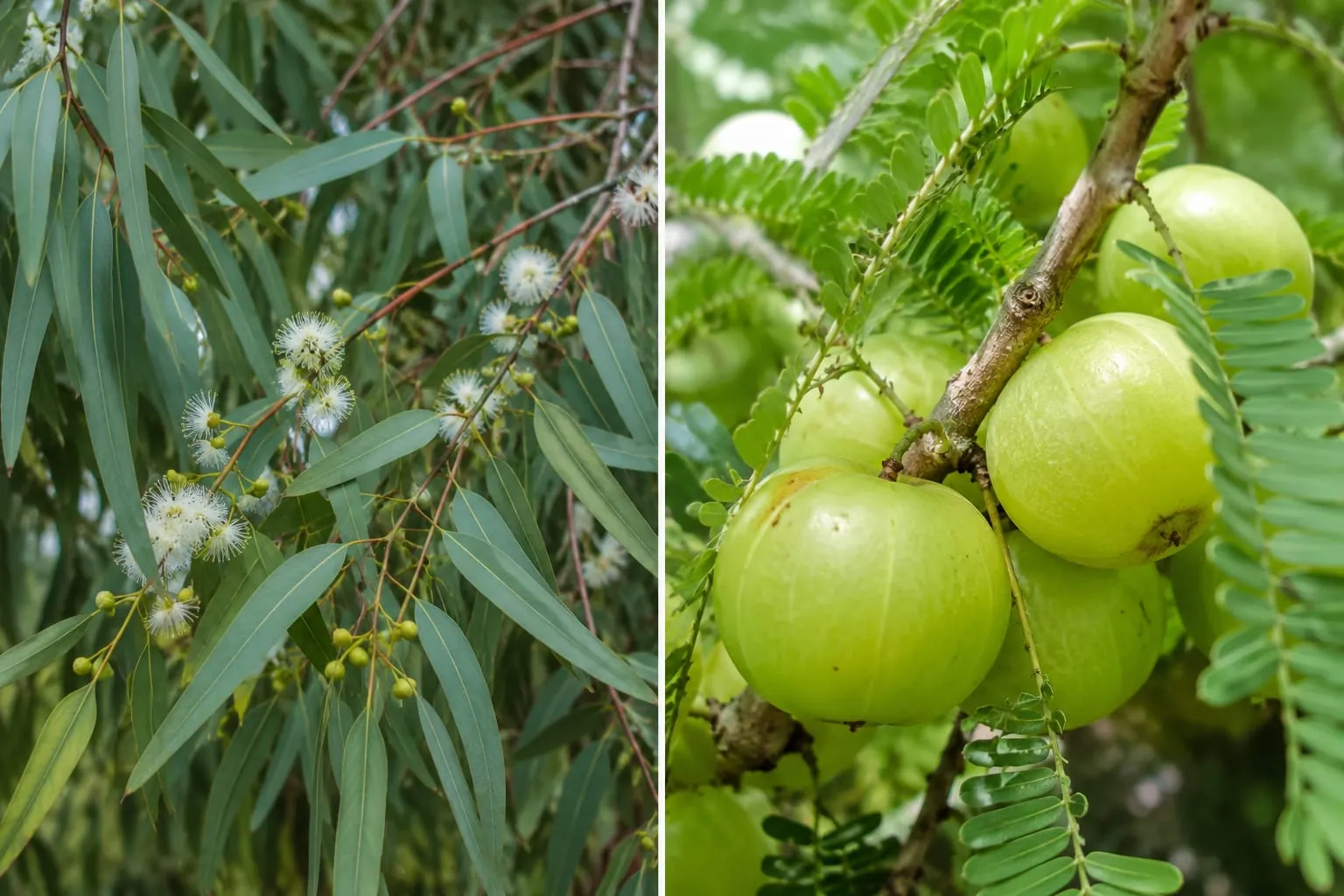


Figure 1: Eucalyptus leaves and amla (Phyllanthus emblica) fruits


2. Botanical and Phytochemical Profiles

2.1 Eucalyptus Oil (Eucalyptus globulus)

Eucalyptus oil is obtained through the steam distillation of the fresh leaves of Eucalyptus globulus. The primary bioactive constituent is 1,8-cineole (eucalyptol), which typically accounts for 70-90% of the oil’s composition [4]. Other constituents include α-pinene, limonene, and globulol.

  1. Antibacterial Mechanism: 1,8-cineole exerts its effect by disrupting the cell membrane integrity of microorganisms, leading to the leakage of intracellular components and eventual cell lysis [5]. It is particularly effective against Gram-positive bacteria.

2.2 Amla (Phyllanthus emblica)

Known as "Indian Gooseberry," Amla is a powerhouse of Vitamin C (ascorbic acid), gallic acid, ellagic acid, and various tannins (emblicanin A and B) [6].

  1. Antibacterial Mechanism: The high tannin content in Amla precipitates bacterial proteins and inhibits their growth. Gallid acid serves as a strong antioxidant, reducing the inflammation associated with bacterial skin infections [7]. Furthermore, the acidic nature of Amla helps maintain the skin’s natural acid mantle, which is a barrier against pathogenic colonization.

3. Rationale for Polyherbal Combination

The blend of Eucalyptus oil with Amla extract is very smart. The Eucalyptus oil works fast, giving volatile antibacterial properties while the Amla gives constant antibacterial and antioxidant properties. It is believed that there is no chance for the development of resistance against the bacteria because there are several different chemical ways of attacking the bacteria[8], [9].

The expected advantages of combining these two ingredients include:

  1. Broader antibacterial coverage: Through the presence of diverse phytoconstituents with different mechanisms of action.
  2. Synergistic therapeutic effect: Where eucalyptus oil provides direct membrane-disruptive antibacterial activity and amla supports microbial control, antioxidant defense, and skin recovery.
  3. Improved topical acceptability: As the gel can mask some limitations of individual ingredients by controlling release and reducing irritation.
  4. Multifunctional action: Including antibacterial, soothing, antioxidant, and potentially wound-supportive effects.

Thus, a eucalyptus oil–amla gel may be useful for minor skin infections, acne-prone areas, superficial cuts, insect bites, or hygiene-related topical use, provided that the formulation is appropriately standardized and evaluated.

4. Formulation Development of Polyherbal Gel

4.1 Selection of Gel Base and Excipients

The efficacy of a topical gel depends largely on the choice of the polymer base. Carbopol 934 or 940 is frequently utilized due to its excellent thickening properties and clarity [10].

  1. Gelling Agent: Carbopol 940 (1.0% - 2.0% w/w).
  2. Neutralizer: Triethanolamine (TEA) to adjust pH and initiate gelation.
  3. Humectant: Propylene glycol to prevent the gel from drying and to enhance skin penetration.
  4. Preservative: Methylparaben and Propylparaben to prevent microbial spoilage of the formulation itself.

4.2 Extraction Methodologies

  1. Eucalyptus Oil: Obtained via hydro-distillation. The quality is analyzed using Gas Chromatography-Mass Spectrometry (GC-MS) to ensure high cineole content [11].
  2. Amla Extract: The fruit pulp is dried and extracted using a hydro-alcoholic solvent (Ethanol:Water, 70:30) via the Soxhlet extraction method or maceration. This ensures the extraction of both polar and non-polar bioactive compounds [12].

4.3 Procedure of Formulation

Polymer (carbomer) is suspended in purified water and left for swelling overnight. Amla extract is dissolved in a portion of water-propylene glycol mixture. Since eucalyptus oil is hydrophobic, it is usually made soluble by using a surfactant (such as tween 80). Alternatively, eucalyptus oil can be added to the base of the gel while stirring at a very fast speed. Triethanolamine is then gradually added in drops to make the carbomer neutral[13], [14].


Table 1: Composition and role of ingredients used in polyherbal gel containing eucalyptus oil and amla extract

S. No.

Ingredient

Category

Role in formulation

1

Eucalyptus oil

Active ingredient

Provides antibacterial activity due to volatile constituents such as 1,8-cineole; also imparts cooling and antiseptic effect

2

Amla extract

Active herbal extract

Contributes antioxidant, supportive antibacterial, and anti-inflammatory activity due to tannins, flavonoids, and phenolic compounds

3

Carbopol 940 / HPMC

Gelling agent

Forms the gel structure and provides required consistency and viscosity

4

Propylene glycol / Glycerin

Humectant / penetration enhancer

Maintains moisture, improves smoothness, and may enhance topical diffusion of active constituents

5

Triethanolamine

Neutralizing agent

Adjusts pH and helps in gel formation, especially in Carbopol-based formulations

6

Methyl paraben / suitable preservative

Preservative

Prevents microbial contamination during storage, if included

7

Purified water

Vehicle

Serves as the aqueous phase and dispersion medium for gel preparation


5. Evaluation Parameters for Polyherbal Gel

To ensure safety, stability, and efficacy, the formulated gel must undergo rigorous physicochemical and biological testing.

5.1 Physical Examination

The gel is inspected for its color, odor, clarity, and homogeneity. A polyherbal gel containing Amla often exhibits a brownish-green tint, while the Eucalyptus oil provides a characteristic camphoraceous odor [15].

5.2 pH Measurement

The pH of the gel should be compatible with human skin (range 4.5 to 6.5). A digital pH meter is used to measure the pH of a 1% aqueous solution of the gel. Significant deviation can lead to skin irritation [16].

5.3 Viscosity and Rheological Studies

Viscosity is a critical parameter for patient compliance and drug release. It is measured using a Brookfield Viscometer at various speeds (RPM). The gel should exhibit pseudoplastic flow (shear-thinning), becoming less viscous as it is spread on the skin [17].

5.4 Spreadability and Extrudability

  1. Spreadability: Calculated by measuring the time (in seconds) it takes for two glass slides to separate when a specific weight is applied, with the gel sandwiched between them. High spreadability ensures even application over infected areas [18].
  2. Extrudability: Measures the force required to extrude the gel from a collapsible tube. It is expressed as the weight required to extrude at least a 0.5 cm ribbon of gel in 10 seconds [19].

5.5 In Vitro Antibacterial Activity

The core evaluation involves testing the gel against pathogens like Staphylococcus aureus (Gram-positive) and Escherichia coli (Gram-negative).

  1. Agar Well Diffusion Method: Wells are bored into seeded agar plates, and the gel is placed within. After 24 hours of incubation at 37°C, the Zone of Inhibition (ZOI) is measured in millimeters [20].
  2. Minimum Inhibitory Concentration (MIC): The lowest concentration of the extract/oil within the gel that prevents visible bacterial growth is determined [21].

5.6 Skin Irritation Test (Draize Test)

Although herbal, the high concentration of essential oils can cause irritation. The formulation is applied to the shaved skin of rabbits or using in vitro skin models to check for erythema (redness) or edema (swelling) over 72 hours [22].

5.7 Stability Studies

Following ICH (International Council for Harmonisation) guidelines, the gel is kept at different temperature and humidity conditions (e.g., 25°C ± 2°C / 60% ± 5% RH and 40°C ± 2°C / 75% ± 5% RH) for 3-6 months. The formulation is periodically checked for changes in pH, viscosity, and drug content [23].

6. Discussion on Synergistic Antibacterial Action

The literature shows that Eucalyptus along with Amla operates by targeting multiple sites. Eucalyptus acts on the bacterial cell wall, making it more permeable. This increased permeability will allow tannins and gallic acid present in Amla to enter into the cell and inhibit the activity of metabolic enzymes and DNA replication [24].

Additionally, skin infections are associated with oxidative stress, which affects the wound healing process. Due to the high level of ascorbic acid in Amla, it will help to clear free radicals, providing dual benefits of infection clearance and rapid regeneration of dermal layer [25]. Literature reviews on similar polyherbal gels show that the combination of an essential oil and phenol-based extract usually gives FICI below 0.5 [26].


7. Challenges and Future Perspectives

Although promising, there are several issues with polyherbal gel formulation. Eucalyptus oil is highly volatile; therefore, the polyherbal gel needs to be formulated in a way that reduces evaporation. Microencapsulation or addition of fixatives might be considered for future experiments [27]. Standardization of herbs is another issue, since the active metabolite content may depend on the location where the plant was sourced from.

Further research should involve clinical trials comparing polyherbal gels with control therapies, like Mupirocin and Neomycin. Also, it would be useful to consider the use of nanotechnology, like ethosomes and niosomes, which will improve the delivery of hydrophilic compounds of Amla and lipophilic compounds of Eucalyptus to deeper layers of the epidermis [28].

CONCLUSION

The development of a polyherbal gel made of eucalyptus oil and amla extract constitutes a pharmaceutically meaningful and scientifically valid method of topical antibacterial treatment. On the one hand, eucalyptus oil contains potent volatile antibacterial compounds, namely, fractions rich in 1,8-cineole; on the other hand, amla extract provides antioxidant, anti-inflammatory, and antimicrobial activity. The development of a polyherbal gel made of Eucalyptus oil and Amla extract is an important achievement in the field of natural dermatological treatment. It allows to utilize the antimicrobial effect of 1,8-cineole and antioxidative/astringent properties of Amla tannins for producing a highly effective, stable and safe substitute for artificial antibacterials. The criteria for evaluating the product's quality mentioned above, starting from its rheological characteristics and finishing by the Zone of Inhibition, provide an adequate tool for checking the quality of the drug. According to existing scientific literature, such a formulation should be highly efficient against skin pathogens.

CONFLICT OF INTEREST

The authors have no conflicts of interest.

REFERENCES

  1. R. B. Semwal, D. K. Semwal, and S. Combrinck, "Essential oils as natural antimicrobial agents," Microbiological Research, vol. 201, pp. 24-32, 2017.
  2. P. S. Charde, S. G. Kadu, and S. D. Shelke, "Synergistic antibacterial activity of herbal extracts against skin pathogens," International Journal of Pharmaceutical Sciences Review and Research, vol. 45, no. 1, pp. 112-118, 2017.
  3. M. S. Khan, A. Malik, and I. Ahmad, "Antibacterial and antioxidant activities of Phyllanthus emblica and its synergistic effects," Journal of Herbal Medicine, vol. 14, pp. 22-29, 2018.
  4. S. S. Bakkali, S. Averbeck, and D. Averbeck, "Biological effects of essential oils – A review," Food and Chemical Toxicology, vol. 46, no. 2, pp. 446-475, 2008.
  5. G. A. Tyagi and A. Malik, "Antimicrobial potential and chemical composition of Eucalyptus globulus oil," Industrial Crops and Products, vol. 33, no. 1, pp. 17-27, 2011.
  6. J. S. Raut and S. M. Karuppayil, "A review on pristine and formulated plant essential oils as potent antimicrobial agents," Industrial Crops and Products, vol. 62, pp. 250-264, 2014.
  7. V. Gupta, "Amla (Phyllanthus emblica): A Review of its Phytochemistry and Pharmacology," International Journal of Pharma Research and Review, vol. 3, no. 1, pp. 25-32, 2014.
  8. H. Wagner and G. Ulrich-Merzenich, "Synergy research: Approaching a new generation of phytopharmaceuticals," Phytomedicine, vol. 16, no. 2, pp. 97-110, 2009.
  9. S. Hemaiswarya, A. K. Kruthiventi, and M. Doble, "Synergism between natural products and antibiotics against infectious diseases," Phytomedicine, vol. 15, no. 8, pp. 639-652, 2008.
  10. K. Kaur and S. Kumar, "Formulation and evaluation of topical gel containing herbal extracts," Journal of Pharmacognosy and Phytochemistry, vol. 6, no. 4, pp. 125-130, 2017.
  11. M. A. Bachir and M. Benali, "Antibacterial activity of the essential oils from the leaves of Eucalyptus globulus against Escherichia coli and Staphylococcus aureus," Asian Pacific Journal of Tropical Biomedicine, vol. 2, no. 9, pp. 739-742, 2012.
  12. R. S. Soni, "Extraction and identification of tannins from Phyllanthus emblica," Journal of Natural Products, vol. 6, no. 3, pp. 45-51, 2015.
  13. P. G. Yeole and G. V. Patil, "Development and evaluation of herbal gel for skin infections," International Journal of Research in Pharmacy and Science, vol. 5, no. 2, pp. 88-94, 2015.
  14. A. Bhowmik and G. Gnanarajan, "Formulation and Evaluation of Polyherbal Anti-Microbial Gel," International Journal of Pharmaceutical Sciences and Research, vol. 4, no. 10, pp. 3910-3915, 2013.
  15. R. Das and D. Chowdhury, "Phytochemical screening and antibacterial activity of Amla fruit," Journal of Medicinal Plants Studies, vol. 4, no. 2, pp. 10-14, 2016.
  16. S. J. Ali and S. P. Prasad, "Physicochemical evaluation of topical gels," Journal of Drug Delivery and Therapeutics, vol. 8, no. 6, pp. 101-105, 2018.
  17. B. S. Shinde, "Rheological properties of topical herbal gels," Journal of Cosmetic Science, vol. 62, no. 3, pp. 245-252, 2011.
  18. S. S. Mulye and P. N. Sable, "Formulation and evaluation of a polyherbal gel for wound healing," Research Journal of Pharmacy and Technology, vol. 7, no. 1, pp. 55-60, 2014.
  19. T. Gupta, "Extrudability and spreadability of topical formulations," Pharmaceutical Methods, vol. 3, no. 2, pp. 78-83, 2012.
  20. M. Balouiri, M. Sadiki, and S. K. Ibnsouda, "Methods for in vitro evaluating antimicrobial activity: A review," Journal of Pharmaceutical Analysis, vol. 6, no. 2, pp. 71-79, 2016.
  21. W. C. Evans, Trease and Evans' Pharmacognosy, 16th ed. London: Elsevier Health Sciences, 2009.
  22. OECD, "Test No. 404: Acute Dermal Irritation/Corrosion," OECD Guidelines for the Testing of Chemicals, 2015.
  23. ICH Expert Working Group, "Stability Testing of New Drug Substances and Products Q1A(R2)," International Conference on Harmonisation, 2003.
  24. S. K. Singh and V. D. Tripathi, "Mechanism of Action of Herbal Antimicrobials," Phytotherapy Research, vol. 28, no. 5, pp. 611-620, 2014.
  25. N. S. Sawant, "The Role of Vitamin C and Tannins in Wound Healing: A Study of Emblica officinalis," Journal of Ethnopharmacology, vol. 131, no. 2, pp. 433-439, 2010.
  26. G. J. Mackay and J. C. Patel, "Synergy between plant extracts and essential oils against MDR bacteria," Journal of Applied Microbiology, vol. 112, no. 4, pp. 623-631, 2012.
  27. L. M. T. Dantas and L. L. Silva, "Challenges in the Formulation of Essential Oil Gels," Journal of Pharmaceutical Innovation, vol. 11, no. 1, pp. 1-12, 2016.
  28. R. P. Singh and S. S. Shrivastava, "Nanotechnology in Herbal Drug Delivery," Journal of Controlled Release, vol. 145, no. 2, pp. 112-120, 2010

Reference

  1. R. B. Semwal, D. K. Semwal, and S. Combrinck, "Essential oils as natural antimicrobial agents," Microbiological Research, vol. 201, pp. 24-32, 2017.
  2. P. S. Charde, S. G. Kadu, and S. D. Shelke, "Synergistic antibacterial activity of herbal extracts against skin pathogens," International Journal of Pharmaceutical Sciences Review and Research, vol. 45, no. 1, pp. 112-118, 2017.
  3. M. S. Khan, A. Malik, and I. Ahmad, "Antibacterial and antioxidant activities of Phyllanthus emblica and its synergistic effects," Journal of Herbal Medicine, vol. 14, pp. 22-29, 2018.
  4. S. S. Bakkali, S. Averbeck, and D. Averbeck, "Biological effects of essential oils – A review," Food and Chemical Toxicology, vol. 46, no. 2, pp. 446-475, 2008.
  5. G. A. Tyagi and A. Malik, "Antimicrobial potential and chemical composition of Eucalyptus globulus oil," Industrial Crops and Products, vol. 33, no. 1, pp. 17-27, 2011.
  6. J. S. Raut and S. M. Karuppayil, "A review on pristine and formulated plant essential oils as potent antimicrobial agents," Industrial Crops and Products, vol. 62, pp. 250-264, 2014.
  7. V. Gupta, "Amla (Phyllanthus emblica): A Review of its Phytochemistry and Pharmacology," International Journal of Pharma Research and Review, vol. 3, no. 1, pp. 25-32, 2014.
  8. H. Wagner and G. Ulrich-Merzenich, "Synergy research: Approaching a new generation of phytopharmaceuticals," Phytomedicine, vol. 16, no. 2, pp. 97-110, 2009.
  9. S. Hemaiswarya, A. K. Kruthiventi, and M. Doble, "Synergism between natural products and antibiotics against infectious diseases," Phytomedicine, vol. 15, no. 8, pp. 639-652, 2008.
  10. K. Kaur and S. Kumar, "Formulation and evaluation of topical gel containing herbal extracts," Journal of Pharmacognosy and Phytochemistry, vol. 6, no. 4, pp. 125-130, 2017.
  11. M. A. Bachir and M. Benali, "Antibacterial activity of the essential oils from the leaves of Eucalyptus globulus against Escherichia coli and Staphylococcus aureus," Asian Pacific Journal of Tropical Biomedicine, vol. 2, no. 9, pp. 739-742, 2012.
  12. R. S. Soni, "Extraction and identification of tannins from Phyllanthus emblica," Journal of Natural Products, vol. 6, no. 3, pp. 45-51, 2015.
  13. P. G. Yeole and G. V. Patil, "Development and evaluation of herbal gel for skin infections," International Journal of Research in Pharmacy and Science, vol. 5, no. 2, pp. 88-94, 2015.
  14. A. Bhowmik and G. Gnanarajan, "Formulation and Evaluation of Polyherbal Anti-Microbial Gel," International Journal of Pharmaceutical Sciences and Research, vol. 4, no. 10, pp. 3910-3915, 2013.
  15. R. Das and D. Chowdhury, "Phytochemical screening and antibacterial activity of Amla fruit," Journal of Medicinal Plants Studies, vol. 4, no. 2, pp. 10-14, 2016.
  16. S. J. Ali and S. P. Prasad, "Physicochemical evaluation of topical gels," Journal of Drug Delivery and Therapeutics, vol. 8, no. 6, pp. 101-105, 2018.
  17. B. S. Shinde, "Rheological properties of topical herbal gels," Journal of Cosmetic Science, vol. 62, no. 3, pp. 245-252, 2011.
  18. S. S. Mulye and P. N. Sable, "Formulation and evaluation of a polyherbal gel for wound healing," Research Journal of Pharmacy and Technology, vol. 7, no. 1, pp. 55-60, 2014.
  19. T. Gupta, "Extrudability and spreadability of topical formulations," Pharmaceutical Methods, vol. 3, no. 2, pp. 78-83, 2012.
  20. M. Balouiri, M. Sadiki, and S. K. Ibnsouda, "Methods for in vitro evaluating antimicrobial activity: A review," Journal of Pharmaceutical Analysis, vol. 6, no. 2, pp. 71-79, 2016.
  21. W. C. Evans, Trease and Evans' Pharmacognosy, 16th ed. London: Elsevier Health Sciences, 2009.
  22. OECD, "Test No. 404: Acute Dermal Irritation/Corrosion," OECD Guidelines for the Testing of Chemicals, 2015.
  23. ICH Expert Working Group, "Stability Testing of New Drug Substances and Products Q1A(R2)," International Conference on Harmonisation, 2003.
  24. S. K. Singh and V. D. Tripathi, "Mechanism of Action of Herbal Antimicrobials," Phytotherapy Research, vol. 28, no. 5, pp. 611-620, 2014.
  25. N. S. Sawant, "The Role of Vitamin C and Tannins in Wound Healing: A Study of Emblica officinalis," Journal of Ethnopharmacology, vol. 131, no. 2, pp. 433-439, 2010.
  26. G. J. Mackay and J. C. Patel, "Synergy between plant extracts and essential oils against MDR bacteria," Journal of Applied Microbiology, vol. 112, no. 4, pp. 623-631, 2012.
  27. L. M. T. Dantas and L. L. Silva, "Challenges in the Formulation of Essential Oil Gels," Journal of Pharmaceutical Innovation, vol. 11, no. 1, pp. 1-12, 2016.
  28. R. P. Singh and S. S. Shrivastava, "Nanotechnology in Herbal Drug Delivery," Journal of Controlled Release, vol. 145, no. 2, pp. 112-120, 2010

Photo
Vasim Khan
Corresponding author

Maharishi School of Pharmaceutical Sciences (MUIT) Lucknow, UP 226013

Photo
Dr. Shikhar Verma
Co-author

Maharishi School of Pharmaceutical sciences Lucknow UP

Photo
Dr. Deepika Gupta
Co-author

Maharishi School of Pharmaceutical sciences Lucknow UP

Vasim Khan, Dr. Shikhar Verma, Dr. Deepika Gupta, Formulation and Evaluation of Polyherbal Gel Containing Eucalyptus Oil and Amla Extraction for Antibacterial Activity: A Comprehensive Review, Int. J. of Pharm. Sci., 2026, Vol 4, Issue 7, 881-887, https://doi.org/10.5281/zenodo.21186131

More related articles
Modern Phyto-Emulgel Platforms of Lemongrass oil f...
Sushila, Parveen Kumari, Nikita Kaushik...
Microsponges: Comprehensive Review of Formulation ...
Payal, Diwan Chand, Dr.Avneet Gupta, Priya Thakur, Rishabh Sharma...
A Review on Applications of 3D Printing in the Pha...
Archana Terala, Sameera Begum, Chinnamatam Sowjanya, Neerudi Bhuv...
Protein–Protein Interactions in Cellular Machinery: Molecular Mechanisms, Func...
Afreen Katharbasha, Shivprasad Dhage, Pratiksha Jadhao...
Polycystic Ovary Syndrome: Pathophysiological Mechanisms, Diagnostic Challenges,...
Dr. Vivek Panchabhai, Vaishnavi Chepat, Shraddha Belkunde, Namrata Shivankar, Aarti Kalshetti, Kalya...
Overview of Euphoria Hita...
Lokesh M, R Keerthika, K S Babyshalini...
Related Articles
A Comprehensive Review on the Botanical, Nutritional, Phytochemical and Pharmaco...
Dr. Vivek Panchbhai, Namrata Shivankar, Shraddha Belkunde, Kalyani Atkare, Aarti Kalshetti, Vaishnav...
More related articles
Microsponges: Comprehensive Review of Formulation Techniques, Evaluation Paramet...
Payal, Diwan Chand, Dr.Avneet Gupta, Priya Thakur, Rishabh Sharma, Monika ...
A Review on Applications of 3D Printing in the Pharmaceutical Sector...
Archana Terala, Sameera Begum, Chinnamatam Sowjanya, Neerudi Bhuvana, Bandi Shravani...
Microsponges: Comprehensive Review of Formulation Techniques, Evaluation Paramet...
Payal, Diwan Chand, Dr.Avneet Gupta, Priya Thakur, Rishabh Sharma, Monika ...
A Review on Applications of 3D Printing in the Pharmaceutical Sector...
Archana Terala, Sameera Begum, Chinnamatam Sowjanya, Neerudi Bhuvana, Bandi Shravani...