

We use cookies to ensure our website works properly and to personalise your experience. Cookies policy
Department of Pharmaceutical Sciences, Jharkhand Rai University, Ranchi.
Herbal Toothpaste have become a popular alternative to conventional products , as many as people believe that naturally ingredients are safer and had no side effect. They incorporate plant derived ingredients to maintain oral hygiene and prevent dental carries. Tooth decay is common in all ages but mainly affect in old ages people and children .Tooth decay is often caused by the demineralization of the enamel and dentin due to acid production by bacterial metabolism. This review assesses whether herbal toothpaste can offer improved oral hygiene prevent dental caries without the use of synthetics ingredients and evaluate its stability and overall effectiveness . Herbal toothpaste are generally preferred to be used as it contains natural ingredients that have no side effects. Formulation of herbal toothpaste using different plant ingredients like guava leaves, neem twigs, sesame seeds, peppermint and tea tree oil, clove, Tulsi , babul etc to prevent tooth decay and also used to remove yellow plaque. Plaque is a biofilm which causes tooth decay. The tooth paste using a variety of herbal component that have unique anti-bacterial and anti-inflammatory properties reduce dental caries (tooth decay) without using any chemical components and also evaluate its properties for stability and effectiveness. They improve periodontal health, reduce plaque accumulation, and help remove yellow plaque. Additionally, herbal toothpastes are generally well-accepted due to their pleasant natural flavours and absence of harsh chemicals, making them suitable for sensitive teeth and gums. Evaluation of these toothpaste formulations typically involves testing pH, spreadability , foamability , abrasiveness, stability, and antimicrobial activity, ensuring efficacy and consumer safety
Oral health is inseparably linked to systemic well-being, nutrition, speech, self-esteem, and quality of life. The oral cavity serves as the gateway to the gastrointestinal tract and hosts a complex microbiome. Disturbance in oral microbial balance contributes to dental plaque, caries, gingivitis, periodontitis, halitosis, and mucosal inflammation. Preventive oral hygiene measures therefore remain fundamental to public health [1,2]. Toothpaste is among the most widely used healthcare products worldwide. It assists in mechanical cleaning during brushing, facilitates removal of food debris, reduces microbial colonization, and acts as a vehicle for active agents. An ideal toothpaste should be safe, non-irritant, stable, aesthetically acceptable, economical, easy to extrude, and effective in maintaining oral hygiene [3].Toothpaste is a paste or gel to be used with a toothbrush to maintain and improve oral health and aesthetics. Since their introduction several thousand years ago, toothpaste formulations have evolved considerably - from suspensions of crushed egg shells or ashes to complex formulations with often more than 20 ingredients. It is believed to be the ancient Egyptians where the first who developed a dental cream around 3,000 - 5,000 BC, which contained powdered ashes from oxen hooves, myrrh, egg shells and pumice, primarily with the aim to remove debris from teeth [4,5].
Oral hygiene is a fundamental component of overall health and well-being, encompassing the practices and measures taken to maintain the cleanliness of the teeth, gums, and oral cavity. The oral cavity serves as the primary gateway to the human body and is constantly exposed to a wide range of microorganisms . Poor oral hygiene leads to the accumulation of dental plaque, a structured biofilm of bacteria that adheres to tooth surfaces and is recognized as the principal etiological factor in the development of dental caries, gingivitis, and periodontal diseases (Marsh, 200)[6]. Dental caries remains one of the most prevalent chronic diseases worldwide, affecting individuals across all age groups. According to the World Health Organization, oral diseases affect approximately 3.5 billion people globally, making them a significant public health concern (WHO, 2022)[7]. The prevention of such diseases largely depends on maintaining proper oral hygiene practices, including regular tooth brushing, flossing, and the use of dentifrices such as toothpaste . Toothpaste is a semi-solid preparation used in conjunction with a toothbrush to clean and polish teeth. It plays a crucial role not only in the mechanical removal of food debris and plaque but also in delivering therapeutic agents that help prevent oral diseases. Conventional toothpastes typically contain synthetic chemicals such as fluoride, abrasives, detergents (e.g., sodium lauryl sulfate), humectants, and preservatives. While these ingredients are effective, their prolonged use has been associated with certain adverse effects, including mucosal irritation, allergic reactions, and altered taste sensation[8]
1.2 Global Burden of Oral Disease
Oral diseases represent a major global public health challenge affecting people of all age groups. According to the World Health Organization, billions of individuals worldwide suffer from oral conditions such as dental caries, periodontal disease, tooth loss, oral cancer, and other oral infections. Untreated dental caries in permanent teeth is considered one of the most common health conditions globally. These diseases can cause pain, discomfort, difficulty in chewing, speech problems, poor nutrition, and reduced quality of life. Children often experience tooth decay due to poor brushing habits and excessive sugar intake, while adults and elderly people may suffer from gum disease and tooth loss. The burden is especially high in low- and middle-income countries where access to dental care, awareness, and preventive services is limited. Tobacco use, alcohol consumption, unhealthy diet, and poor oral hygiene are major risk factors. Oral diseases also create a significant economic burden due to treatment costs and loss of productivity. Therefore, prevention, early diagnosis, and proper oral hygiene practices are essential worldwide [9].
1.3 Need for Herbal Dentifrices
Herbal dentifrices are increasingly needed due to the growing demand for safer, natural, and effective oral care products. Conventional toothpastes often contain synthetic ingredients such as detergents, artificial preservatives, sweeteners, and flavoring agents that may cause tooth sensitivity, mucosal irritation, allergic reactions, or altered taste perception in some individuals. In contrast, herbal dentifrices are formulated using medicinal plants rich in bioactive compounds such as flavonoids, tannins, alkaloids, and essential oils that possess antimicrobial, anti-inflammatory, antioxidant, and astringent properties. These actions help reduce plaque accumulation, control oral microorganisms, strengthen gums, and maintain fresh breath. Herbs such as Neem, Clove, Guava, and Moringa have long been used in traditional oral hygiene practices. Herbal dentifrices are also considered eco-friendly, economical, and culturally acceptable, especially in developing countries. Therefore, they represent a promising alternative for routine oral healthcare and prevention of dental diseases [9].
1.4 Ideal Properties of Herbal Toothpaste
• Pleasant taste and odor.
• Non-toxic and non-irritant.
• Adequate cleansing efficiency. • Controlled abrasivity.
• Good spreadability and foamability. • Stable during storage.
• Antimicrobial efficacy.
• • Economical and acceptable to users[17
Review of literature
• Mangilal T, et al.,(2016) this article have reported the preparation and comparative evaluation of lab-made herbal toothpaste with marketed products such as Himalaya, Meswak, and Dent County. Various parameters including pH, spreadability, abrasiveness, foaming ability, cleaning ability, fineness, moisture content, tube inertness, heavy metal tests, and stability were assessed according to Bureau of Indian Standards. Results indicated that the lab-made herbal toothpaste showed comparable and in some cases better quality than marketed formulations, confirming its effectiveness and acceptable standards.
• Durgesh G, et al.,(2020) this study indicate that herbal toothpaste containing natural ingredients are widely accepted due to their safety and effectiveness in reducing dental caries and other oral problems. Formulations containing Aloe vera, Neem, clove oil, pomegranate peel, and trikatu have shown antibacterial, anti-caries, wound healing, antifungal, and antioxidant properties. Comparative evaluations with marketed herbal toothpastes were carried out using parameters such as pH, stability, extrudability, spreadability, foamability, and homogeneity. Results revealed that the prepared herbal toothpaste showed comparable performance and quality to marketed formulations.
• AM A, et al., (2018) this study have reported the formulation of herbal toothpaste using Cinnamon, Neem, Babool, and Guava along with calcium carbonate, glycerin, sodium lauryl sulphate, gum tragacanth, flavor, and preservatives. These herbal ingredients possess antimicrobial and anti-inflammatory properties that help prevent tooth decay, dental caries, and provide freshness of mouth. The formulations were compared with marketed toothpaste using parameters such as appearance, spreadability, density, viscosity, pH, homogeneity, foamability, moisture content, antibacterial activity, and extrudability. Results showed that herbal toothpaste was effective, safe, and useful in preventing dental diseases.
• Asha M. et al., (2018) this article concludes that Toothpaste formulations are complex mixtures containing abrasives, surfactants, anticaries agents, pH buffers, humectants, and binders that maintain consistency and prevent phase separation. Herbal toothpaste has been developed using different bases for the management of gingivitis, periodontitis, and dental plaque. Physicochemical evaluation studies reported that
prepared formulations showed acceptable pH, good tube extrudability, satisfactory spreadability, and suitable viscosity, indicating good quality and user acceptability.
• Sonawane S. et al.,(2024) this article showed that the lab-made toothpaste had similar quality and effectiveness when compared to the popular commercial products. Therefore, the study concludes that the lab-made herbal toothpaste is of good quality and performs equally well.
• Vaishnavi W. et al.,(2022) this article concludes that the formulated herbal toothpaste is effective for antimicrobial, antifungal, and tooth-whitening purposes, while being safer and causing fewer side effects than synthetic toothpastes. It maintains oral hygiene, provides fresh breath, has a pH suitable for the oral cavity, and shows good organoleptic, foaming, spreading, abrasive, and in-vitro antimicrobial properties.
• Sethiya S. et al.,(2016) this article shows that dentifrices are oral hygiene products used to keep the mouth fresh and prevent tooth decay. They can be made from herbal or synthetic ingredients. In this study, a toothpaste was formulated using herbal components known for their antibacterial, antiseptic, and cooling effects.
• Vaibhav R.S. et al.,(2024) this article shows that the herbal toothpaste works well against germs and fungi, helps whiten teeth, and is safer than regular chemical toothpastes. It keeps the mouth clean, gives fresh breath, and has a pH that is safe for the mouth. It also spreads, foams, and cleans well.
• Shambhavi S. et al.,(2023) this article focuses on formulating, evaluating, and reviewing the effectiveness of sensitivity toothpaste for treating dentin hypersensitivity. Potassium nitrate, a common desensitizing agent, is assessed for its efficacy using sensory, thermal, and evaporative stimuli, measured through a visual analogue scale. The toothpaste underwent various evaluations based on Indian standards, including physical properties, pH, foaming ability, spreadability, viscosity, stability, microbial quality, and cleansing efficiency. Sensitivity toothpastes not only help relieve tooth sensitivity but may also provide additional benefits such as teeth whitening and overall oral hygiene.
MATERIALS AND METHODS
1 HERBS USED IN FORMULATION
• NEEM
Neem : Dried leaf
Biological name : Azadirachta indica
Kingdom : Plantae
Division : Magnoliophyta
Class : Magnoliopsida
Order : Sapindales
Family : Meliaceae
Genus : Azadirachta
Species : indica.
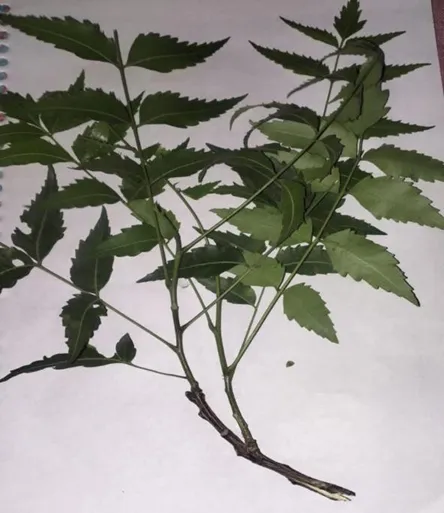
Neem has been widely used in traditional oral hygiene practices, such as chewing neem sticks for cleaning teeth. It contains active constituents like nimbidin, nimbin, and azadirachtin, which exhibit strong antibacterial and anti-inflammatory properties.Neem is effective against a broad spectrum of oral microorganisms and helps in reducing plaque formation, preventing gum diseases, and maintaining healthy oral tissues. Its high nutrient content also supports tissue repair and strenghthens oral mucosa , making it a valuable addition to herbal toothpaste formulations[10].
• GUAVA
Guava : Dried leaf
Biological name : Psidium guajava
Kingdom : Plantae
Division. : Magnoliophylo
Class. : Magnoliospida
Order . : Myrtales
Family : Myrtaceae
Genus : Psidium
Species : guajava
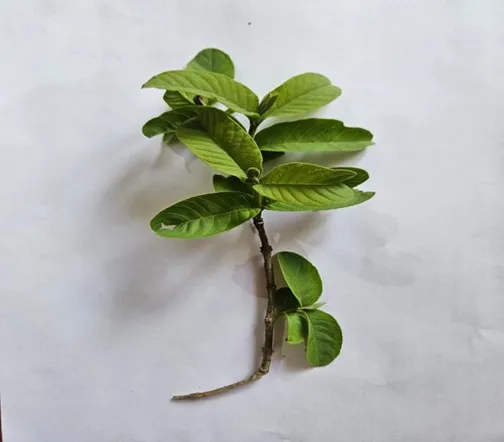
The leaves of guava contain an essential oil rich in cineol, tannins, triterpenes, flavonoids, resin, eugenol,malic acid, fat, cellulose, chlorophyll, mineral salts, and a number of other fixed substances . They exhibit potent antibacterial, anti-inflammatory, and analgesic properties. Traditionally, guava leaves have been used to relieve toothache, reduce gum swelling, and treat oral infections. Their antimicrobial activity against common oral pathogens makes them highly suitable for inclusion in herbal toothpaste formulation[10].
• MORINGA
Biological name : Moringa oleifera
Kingdom : Plantae
Divison : Magnoliophyta
Class : Magnoliopsida
Order : Brassicales
Family : Moringaceae
Genus : Moringa
Species : oleifera
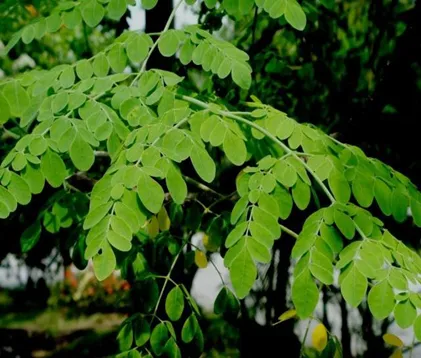
Moringa commonly known as the “miracle tree” is rich in vitamins , minerals and bioactive compounds such as flavonoids , tannins and saponins . It exhibits significant anti-microbial ,anti-inflammatory and antioxidant properties. Moringa helps in reducing bacterial load in the oral cavity , preventing gum inflammation and promoting overall.
• MANGO
Mango leaf : Dried Leaf
Biological name : Magnifera indica
Kingdom : Plantae
Division. : Magnoliophylo
Class. : Magnoliospida
Order : Spinoales
Family : Anacardiaceae
Genus : Magnifera
Species : indica
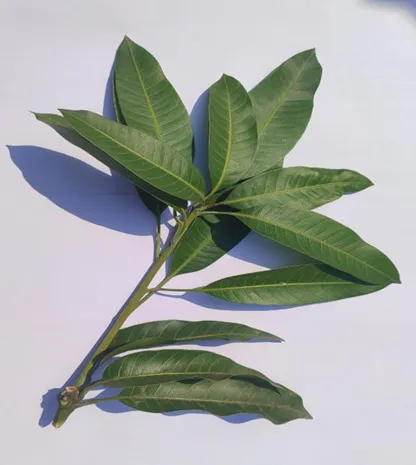
Mango leaves are rich in bioactive compounds such as mangiferin, flavonoids, and phenolic compounds. These constituents possess antioxidant and antimicrobial activities, which help in combating oxidative stress and inhibiting the growth of oral pathogens. Mango leaves also contribute to reducing inflammation and promoting gum health[10] .
• BAY LEAVES
Biological name : Laurus nobilis
Kingdom : Plantae Division : Magnoliophyta Class : Magnoliopsida Order : Laurales Family : Lauraceae Genus : Laurus
Species : nobilis
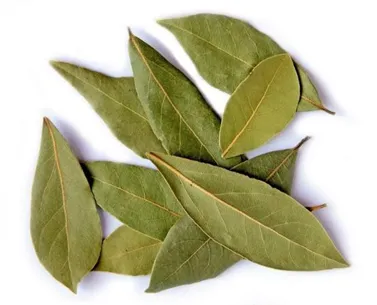
Bay leaves, obtained from the plant Laurus nobilis, are widely used in traditional medicine due to their rich phytochemical composition and therapeutic properties. They contain essential oils such as eugenol, cineole, and flavonoids, which exhibit strong antimicrobial, anti-inflammatory, and antioxidant activities. In the formulation of herbal toothpaste, bay leaves play a significant role in maintaining oral hygiene. Their antimicrobial action helps inhibit the growth of oral pathogens responsible for dental caries, plaque formation, and gum infections. The presence of eugenol contributes to mild analgesic effects, providing relief from toothache and gum irritation. Additionally, bay leaves help in reducing bad breath (halitosis) due to their aromatic nature and ability to suppress odor-causing bacteria.
• CLOVE
Biological Name : Syzygium aromaticum Kingdom :Plantae
Division : Magnoliophyta Class : Magnoliopsida Order : Myrtales Family : Myrtaceae Genus : Syzygium Species : aromaticum
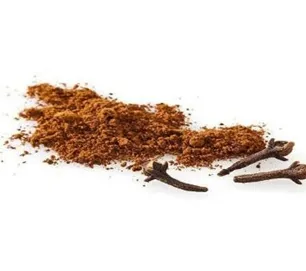
Clove, obtained from the dried flower buds of Syzygium aromaticum, is a well-known medicinal spice widely used in traditional and modern oral care formulations. When used in powdered form, clove becomes an effective ingredient in herbal toothpaste due to its potent bioactive compounds, particularly eugenol, along with tannins, flavonoids, and essential oils. In herbal toothpaste, clove powder serves multiple therapeutic roles. Its strong antimicrobial activity helps inhibit the growth of oral pathogens responsible for dental caries, plaque formation, and periodontal diseases. The presence of eugenol provides analgesic (pain-relieving) and antiseptic properties, making clove especially useful in relieving toothache and gum inflammation. Additionally, clove powder exhibits anti-inflammatory and antioxidant effects, which contribute to maintaining healthy gums and oral tissues. Clove also acts as a natural flavoring and refreshing agent, helping to reduce bad breath (halitosis) and improve overall mouth freshness [10].
5.2 CHEMICALS USED
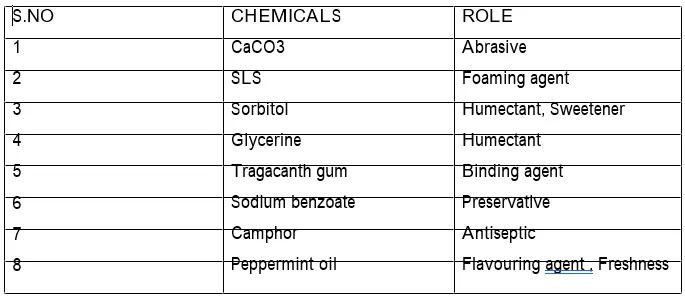
5.3 METHOD
There are 3 methods for formulation of toothpastes. They are :
• DRY GUM METHOD
• WET GUM METHOD
• TRITURATION METHOD
1. DRY GUM METHOD - The required quantity of gum is placed in a mortar and triturated with glycerine or sorbitol. Distilled water is then added at once with rapid trituration to form a smooth mucilage. Calcium carbonate and other powdered ingredients are added gradually, followed by herbal powders by geometric dilution. Finally, sodium lauryl sulfate, preservatives, and flavoring agents are incorporated, and the mixture is triturated until a smooth, homogeneous toothpaste is obtained[11].
2. WET GUM METHOD - the gum is first triturated with distilled water to form a smooth, lump-free mucilage. Glycerine and sorbitol are then added, followed by gradual incorporation of calcium carbonate and other powdered ingredients. Herbal powders are mixed uniformly, and finally sodium lauryl sulfate, preservatives, camphor, and peppermint oil are added. The mixture is triturated until a smooth toothpaste of desired consistency is obtained. [12].
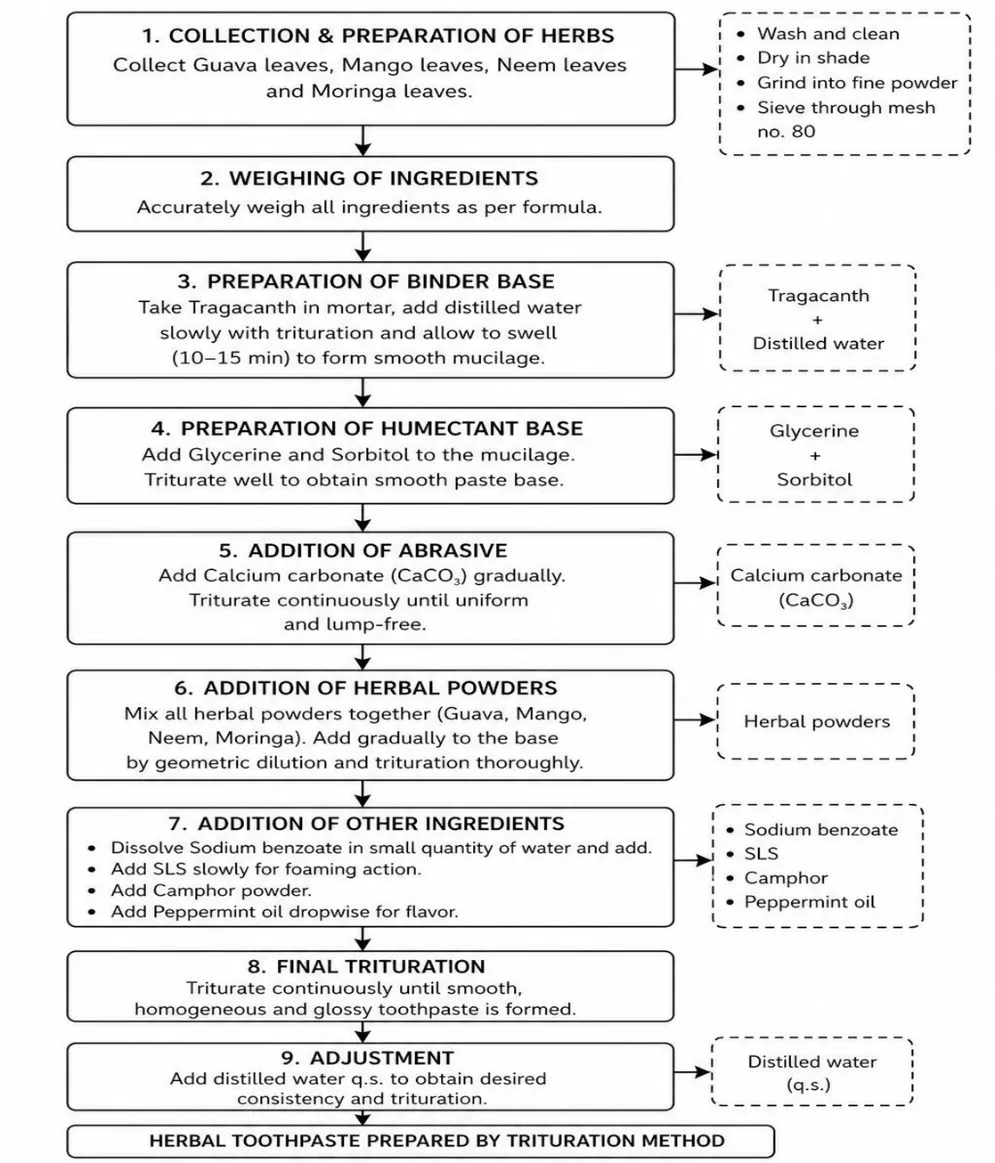
3. TRITURATION METHOD - The trituration method is used when the base is liquid or semisolid and heating is not required. All ingredients are accurately weighed, and solid materials are passed through a fine sieve. The powders are levigated in a mortar with a small quantity of liquid or semisolid base to form a smooth paste. The remaining base is then added gradually with continuous mixing until a uniform and homogeneous paste is obtained[13,14]..
METHOD FOR THE PREPARATION OF HERBAL TOOTHPASTE
TRITURATION METHOD
FORMULATION TABLE
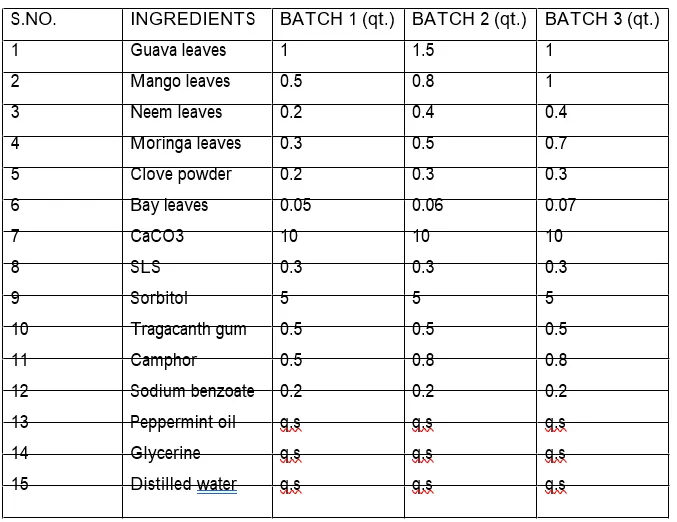
5.4 EVALUATION OF HERBAL TOOTHPASTE
The prepared herbal toothpaste should be evaluated using standard physicochemical and performance parameters to ensure quality, safety, stability, and consumer acceptability
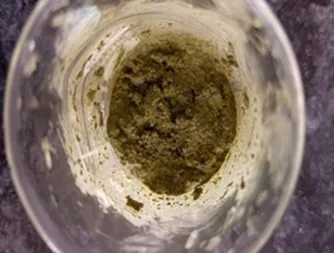
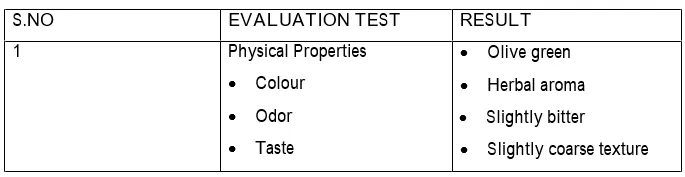
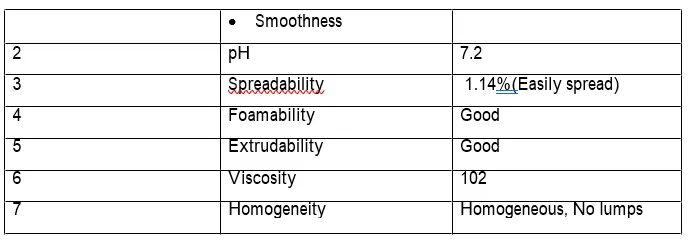
• .Physical evaluation - The prepared toothpaste is visually examined for its color, odor, appearance, texture, smoothness, and presence of any gritty particles.
Color – The visually colour was checked.
Odour – Smelling the product allowed one to detect its odour.
Taste – The taste was checked manually by tasting the formulation.
Smoothness The Smoothness was tested by rubbing the paste formulation[15,17].
• pH Determination - The pH of the prepared herbal toothpaste was determined using an auto titrator fitted with a pH electrode. About 2gm of toothpaste was dispersed in 20ml of distilled to prepare a 10% w/v slurry water[16].


• Determination of Spreadability – To assess the spreadability, the slip and drag characteristics of the paste are considered. Approximately 1-2g of herbal toothpaste is weighed and placed between two glass slides, each measuring 10 x 10 cm, positioned one on top of the other without allowing them to slide. The slides are then pulled in opposite directions. After 3 minutes, the extent of the toothpaste spread is measured in centimeters. The experiment is repeated, and the average of three readings is recorded.
Formula was used to calculate spreadability:
S=M× L /T Where,
S= Spreadability
M= Weight in the pan (tied to the upper slide)
L= Length moved by the glass slide
T=Time (sec) taken to separate the upper slide from the ground slide [17,19].


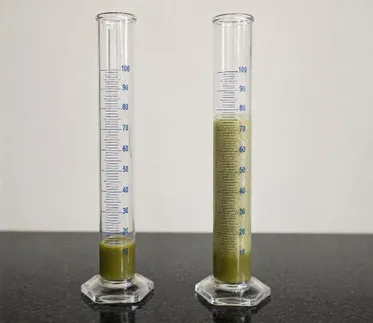
• Foamability - The foamability of formulated toothpaste was assessed by measuring volume before and after adding some amount of the formulation with water to measuring cylinder and subsequently shaking it ten times. The volume of foam after shaking was measured in ml and recorded.
Power of foaming = V1-V2
Where,
V1: water and foam volume in mm
V2: volume of solution[19].
• Extrudbility - In this procedure, the prepared paste was placed into a standard collapsible aluminum tube, which was then sealed by crimping the end. The weights of the tubes were noted. The tubes were positioned between two glass slides and secured with clamps. The force was applied on top of the slides, after which the cap was taken off. The extruded paste was collected and weighed, and the percentage of the paste that was extruded was determined [20].
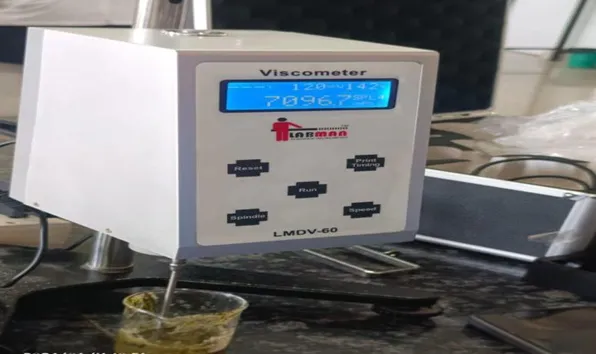
• Determination of Viscosity - It was determined by using Brookfield viscometer with 4 no. spindles [21,22]
• Determination of Homogeneity - Determination of homogeneity was studied by applying a
normal force to containers at 27±2°C[23].
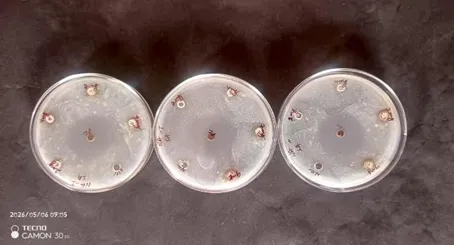
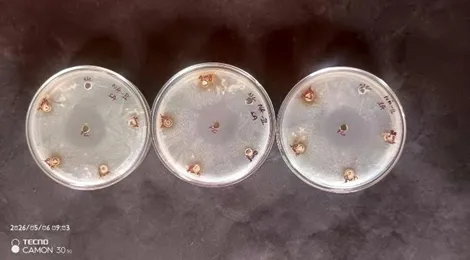
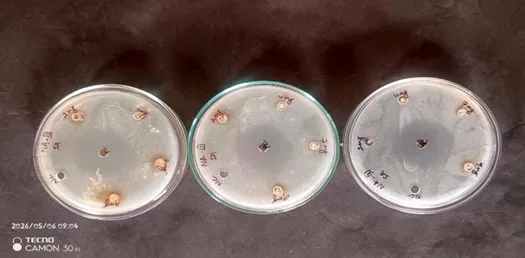
• Anti-microbial Activity - The antimicrobial activity of each herbal dentifrice formulation is determined, using a modified agar well diffusion method[24].To determine the anti-bacterial activity microorganisms such as Staphylococcus aureus were taken and Agar Well Diffusion Method.An in vitro study was conducted to evaluate the antimicrobial properties of the formulated paste using the disc diffusion method on Muller Hinton Agar medium against the pathogenic bacterial strain Staphylococcus aureus (MTCC 3160). The bacterial cells were grown on Muller Hinton agar plates and allowed to proliferate. Disks containing the paste were placed on the bacterial plates and incubated at 37°C for 24 hours. The diameter of the inhibition zone (ZOI) was measured in millimeters (mm) determine
the minimum inhibitory concentration (MIC)[17].
6.1 RESULT
• Antimicrobial activity
The antimicrobial activity of the formulated herbal toothpaste batches (F1, F2, and F3) was evaluated against Staphylococcus aureus using the Agar Well Diffusion Method. The activity was assessed by measuring the zone of inhibition (mm).
Zone of inhibition (mm) of herbal toothpaste formulation
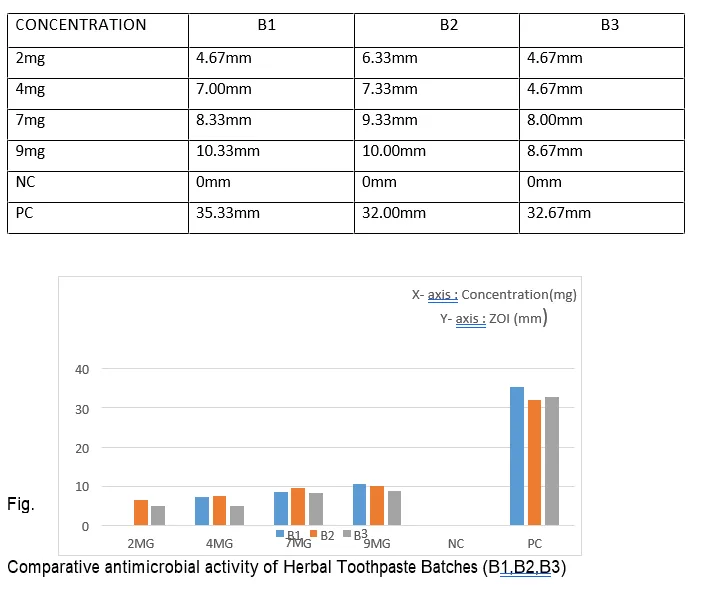
Comparative antimicrobial activity of Herbal Toothpaste Batches (B1,B2,B3)
CONCLUSION
The present study successfully formulated and evaluated a herbal toothpaste using natural ingredients such as guava leaves, mango leaves, neem leaves, moringa leaves, clove powder, camphor, peppermint oil, and suitable excipients by the trituration method. The use of medicinal plant materials aimed to develop a natural oral care product with fewer side effects compared to conventional synthetic toothpaste.
The prepared formulation exhibited satisfactory organoleptic characteristics including olive green color, pleasant odor, smooth texture, and acceptable taste, which are important for consumer acceptability. The toothpaste was found to be homogeneous, stable, and free from phase separation or gritty particles, indicating proper mixing and good physical quality.
The evaluation parameters such as pH, spreadability, foamability, and consistency were found within acceptable limits, confirming that the formulation is safe, stable, and convenient for routine use. The near-neutral pH suggests that the toothpaste is unlikely to harm tooth enamel or irritate oral tissues. The herbal ingredients selected for the study are known to possess antimicrobial, anti-inflammatory, antioxidant, and astringent properties, which may help in reducing plaque accumulation, preventing dental caries, strengthening gums, controlling oral microorganisms, and maintaining fresh breath.
Hence, the formulated herbal toothpaste can be considered a safe, economical, eco-friendly, and effective alternative to conventional toothpaste for maintaining oral hygiene. Further microbiological studies, clinical trials, and long-term stability studies are recommended to establish its therapeutic effectiveness and commercial potential.
REFERENCES

Lakshmi Pandit, Annu Mahato, Sudha Kumari,Sushil Kumar Mehta,Vivek Bhagat, Sourav Khawas, Formulation and Evaluation of Safe and Effective Herbal Toothpaste for Oral Hygiene, Int. J. of Pharm. Sci., 2026, Vol 4, Issue 5, 6954-6967, https://doi.org/10.5281/zenodo.20396430
 10.5281/zenodo.20396430