

We use cookies to ensure our website works properly and to personalise your experience. Cookies policy
Department of Biotechnology, Sri Shakthi Institute of Engineering and Technology, Coimbatore, India
Background: Mouth ulcers are common inflammatory lesions of the oral mucosa that cause pain, discomfort, and difficulty in eating and speaking. Herbal formulations have gained considerable attention as safer alternatives to conventional therapies because of their antioxidant, anti-inflammatory, antimicrobial, and wound-healing properties. Objective: The present study aimed to formulate, characterize, and evaluate a herbal oral gel containing Daucus carota (carrot) and Aloe barbadensis (Aloe vera) extracts for the management of mouth ulcers. Methods: The herbal oral gel was prepared using Carbopol 934 as the gelling agent, with carrot and Aloe vera extracts incorporated in a 1:2 ratio. The formulation was evaluated for physicochemical characteristics, including appearance, homogeneity, pH, spreadability, viscosity, and stability. Preliminary phytochemical screening was carried out to identify the bioactive constituents, while Fourier Transform Infrared (FTIR) spectroscopy was performed to assess the compatibility of the extracts with the polymer. Antibacterial activity was evaluated against Staphylococcus aureus using the agar well diffusion method. Results: The formulated gel exhibited a smooth and homogeneous appearance with a pH of 6.24, indicating suitability for oral mucosal application. Phytochemical analysis confirmed the presence of flavonoids, alkaloids, phenols, tannins, and glycosides, which are known to contribute to antimicrobial and wound-healing activities. FTIR analysis demonstrated compatibility between the herbal extracts and Carbopol 934 without significant chemical interactions. The formulation showed antibacterial activity against Escherichia coli, with a mean zone of inhibition of 18.33 mm, and remained physically stable without noticeable changes in colour, pH, or consistency during the study period. Conclusion: The developed carrot–Aloe vera herbal oral gel demonstrated favourable physicochemical properties, compatibility, stability, and antibacterial activity, suggesting its potential as a natural formulation for the management of mouth ulcers. Further in vivo and clinical studies are required to confirm its therapeutic efficacy and safety.
Mouth ulcers, also known as aphthous ulcers or canker sores, are among the most common oral mucosal disorders affecting individuals of all age groups. They are characterized by painful, shallow lesions that develop on the soft tissues of the oral cavity, including the inner cheeks, lips, tongue, and gums. These ulcers can cause significant discomfort and interfere with routine activities such as eating, drinking, speaking, and maintaining oral hygiene. Although the exact etiology of mouth ulcers remains unclear, several factors, including microbial infections, nutritional deficiencies, stress, hormonal changes, trauma, food allergies, and immune disorders, have been implicated in their development.
Conventional treatment of mouth ulcers generally involves the use of topical antiseptics, corticosteroids, analgesics, and antimicrobial agents. Although these medications provide symptomatic relief, prolonged use may lead to adverse effects such as irritation, allergic reactions, dryness of the oral mucosa, and the development of antimicrobial resistance. Consequently, there is an increasing demand for natural, safe, cost-effective, and patient-friendly alternatives for the management of oral ulcers.
Herbal medicines have gained considerable attention owing to their therapeutic efficacy, biocompatibility, and minimal side effects. Medicinal plants are rich sources of bioactive phytochemicals, including phenols, flavonoids, tannins, alkaloids, and glycosides, which exhibit antioxidants, antimicrobial, anti-inflammatory, and wound-healing activities. Several herbal formulations have been investigated for the treatment of oral ulcers; however, there is still a need to develop novel herbal combinations with enhanced therapeutic efficacy and improved patient compliance.
Daucus carota (carrot) is a medicinal plant rich in β-carotene, vitamins A and C, minerals, phenolic compounds, and flavonoids. These phytoconstituents possess potent antioxidant, anti-inflammatory, and tissue regenerative properties that facilitate wound healing and reduce oxidative stress. Aloe barbadensis (Aloe vera) is widely recognized for its soothing, antimicrobial, anti-inflammatory, and wound-healing properties. The gel obtained from Aloe vera leaves contains polysaccharides, vitamins, amino acids, and bioactive compounds that promote epithelial regeneration, reduce inflammation, and inhibit microbial growth. The combination of carrot and Aloe vera extracts may provide synergistic therapeutic effects by accelerating tissue repair, reducing inflammation, and preventing microbial infection.
Although several herbal formulations have been reported for the treatment of mouth ulcers, limited studies have investigated the combined use of Daucus carota and Aloe barbadensis in a topical oral gel formulation. Furthermore, information regarding the physicochemical characteristics, compatibility, stability, and antimicrobial activity of this combination remains limited. Therefore, developing a herbal oral gel containing both extracts may provide an effective natural alternative for the management of mouth ulcers.
Therefore, the present study was undertaken to formulate, characterize, and evaluate a herbal oral gel containing Daucus carota and Aloe barbadensis extracts. The prepared formulation was evaluated for its physicochemical properties, phytochemical constituents, compatibility using Fourier Transform Infrared (FTIR) spectroscopy, antimicrobial activity, and stability. The findings of this study may contribute to the development of a safe, economical, and plant-based formulation for the effective management of mouth ulcers.
MATERIALS AND METHODS
Collection of Materials
Fresh carrots (Daucus carota) and Aloe barbadensis (Aloe vera) leaves were procured from a local market in Coimbatore, Tamil Nadu, India. Carbopol 934, glycerol, methyl paraben, ethanol (95%), buffer solution, and distilled water of analytical grade were used for the preparation of the herbal oral gel.
Extraction of Carrot
Eighteen grams of dried carrot powder was macerated with 95% ethanol for 2–3 days at room temperature with intermittent stirring. The extract was filtered using Whatman No. 1 filter paper and stored in an airtight container at 4°C until further use.
Extraction of Aloe Vera
Twenty-five grams of Aloe vera gel was mixed with 95% ethanol and subjected to maceration for 2–3 days at room temperature. The extract was filtered using Whatman No. 1 filter paper and stored at 4°C for further use.
Phytochemical Analysis
The carrot extract was screened for alkaloids, tannins, phenols, flavonoids, and glycosides. Aloe vera extract was analyzed for flavonoids, alkaloids, and volatile compounds using standard qualitative phytochemical methods described in the literature.
Preparation of Herbal Oral Gel
A gel base was prepared by dispersing 1 g of Carbopol 934 in 50 ml of distilled water under continuous stirring. The mixture was allowed to hydrate for 30 - 60 minutes. 0.15g Methyl paraben solution and 4ml glycerol were added to the gel base. Aloe vera (3ml, approximately 3g) and carrot (1.5ml, approximately 1.5g) extracts were incorporated in the ratio of 2:1. The pH was adjusted using buffer solution, and the gel was allowed to stand for complete hydration.
The formulation ratio of Aloe vera and carrot extracts (2:1) was selected based on preliminary optimization trials to obtain a stable gel with suitable consistency and spreadability.
Table 1: Composition of the Herbal Oral Gel Formulation
|
INGREDIENT |
QUANTITY |
FUNCTION |
|
Carbopol 934 |
1 g |
Gelling agent |
|
Aloe vera extract |
3 g |
Active |
|
Carrot extract |
1.5 g |
Active |
|
Glycerol |
4 ml |
Humectant |
|
Methyl paraben |
0.15 g |
Preservative |
|
Water |
q.s. |
Vehicle |
EVALUATION OF FORMULATED GEL
Visual Appearance
The prepared herbal oral gel was evaluated visually for its appearance, color, texture, clarity, and the presence of any particulate matter. The formulated gel was visually examined for appearance, colour, texture, clarity, and the presence of particulate matter.
Measurement of pH
The pH of the gel was determined using a calibrated digital pH meter. Approximately 1 g of gel was dispersed in 10 mL of distilled water and allowed to stand for 2 h before measurement. The analysis was performed in triplicate.
Homogeneity
Homogeneity was evaluated by visual inspection after complete setting of the gel to determine the uniformity of the formulation and the absence of visible aggregates.
Spreadability
Spreadability was evaluated by measuring the ease with which the gel spread uniformly between two glass slides under a specified weight.
Viscosity
Viscosity was evaluated to determine the consistency of the gel and its suitability for topical oral application.
Stability Study
Stability studies were performed by storing the gel at room temperature and periodically observing changes in colour, appearance, pH, consistency, and phase separation.
FTIR Characterization
Fourier Transform Infrared (FTIR) spectroscopy was performed to investigate the functional groups present in the ethanolic extracts of Aloe barbadensis and Daucus carota and to evaluate the compatibility of the herbal extracts with Carbopol 934. FTIR spectra were recorded using an FTIR spectrophotometer over the range of 4000–600 cm⁻¹. The characteristic absorption peaks were analyzed to identify the major functional groups and to detect any possible chemical interactions between the extracts and the polymer.
The FTIR analysis was performed to identify the characteristic functional groups present in the herbal extracts and to assess their compatibility with Carbopol 934. The obtained spectra were analyzed for characteristic absorption bands corresponding to hydroxyl (O–H), carbonyl (C=O), aliphatic (C–H), and ether (C–O) functional groups. The presence of these functional groups indicates the occurrence of bioactive phytoconstituents such as phenols, flavonoids, glycosides, and polysaccharides, which are associated with the antioxidant, antimicrobial, and wound-healing properties of the herbal formulation.
Antimicrobial Activity
The antimicrobial activity of the formulated carrot - Aloe vera gel was evaluated against Staphylococcus aureus using the agar well diffusion method. Sterile nutrient agar medium was prepared according to the manufacturer's instructions and poured into sterile Petri plates. After solidification, each plate was inoculated with 0.1 ml of Staphylococcus aureus bacterial suspension and spread uniformly using a sterile L-shaped spreader.
The inoculated plates were allowed to stand for 15 minutes to facilitate absorption of the bacterial suspension before wells were prepared. Wells of 6 mm diameter were made in the agar using a sterile cork borer. Approximately 0.5 g of the formulated herbal gel was introduced into each well using a sterile spatula. The plates were then incubated at 37°C for 24 hours.
Following incubation, the antibacterial activity was assessed by measuring the diameter of the zone of inhibition (ZOI) around each well in millimeters. The experiment was performed in triplicate to ensure accuracy and reproducibility of the results. The mean zone of inhibition was calculated and used to evaluate the antibacterial effectiveness of the herbal gel formulation against Staphylococcus aureus.
RESULTS AND DISCUSSION
Formulation of Herbal Oral Gel
The herbal oral gel containing Daucus carota and Aloe barbadensis extracts was successfully prepared using Carbopol 934 as the gelling agent. The formulation was smooth, homogeneous, and free from visible lumps or phase separation. The incorporation of carrot and Aloe vera extracts in a 1:2 ratio resulted in a light yellowish-green gel with good consistency and ease of application. The gel maintained a pH of 6.24, which is within the acceptable range for oral mucosal application. The formulated gel demonstrated satisfactory physicochemical properties, including good spreadability, appropriate viscosity, and stability under room-temperature storage conditions. These findings indicate that the prepared herbal oral gel is suitable for further characterization and biological evaluation.
Phytochemical Screening
The preliminary phytochemical investigation of carrot (Daucus carota) and Aloe vera (Aloe barbadensis) extracts revealed the presence of various bioactive constituents. Carrot extract showed the presence of alkaloids, tannins, phenols, flavonoids, and glycosides, whereas Aloe vera extract contained flavonoids, alkaloids, and volatile compounds. The results are presented in Table 1.
The presence of these phytoconstituents may contribute to the antioxidant, antimicrobial, anti-inflammatory, and wound-healing properties of the formulated herbal oral gel.
TABLE 2: Phytochemical Investigation of Herbal Extracts
|
S.No |
Phytochemical Constituents |
Carrot Extract (Daucus carota) |
Aloe vera Extract (Aloe barbadensis) |
|
1 |
Carbohydrates |
- |
- |
|
2 |
Proteins |
- |
- |
|
3 |
Amino Acids |
- |
- |
|
4 |
Glycosides |
+ |
- |
|
5 |
Flavonoids |
+ |
+ |
|
6 |
Alkaloids |
+ |
+ |
|
7 |
Tannins |
+ |
- |
|
8 |
Phenolic Compounds |
+ |
- |
|
9 |
Volatile Compounds |
- |
+ |
|
10 |
Steroids |
- |
- |
(+): Present (-): Absent
The phytochemical profile observed in the present study is consistent with previous reports, which have demonstrated the presence of flavonoids, alkaloids, and phenolic compounds in Daucus carota and Aloe barbadensis extracts.
Physicochemical evaluation
The formulated herbal oral gel was evaluated for various physicochemical parameters including appearance, color, homogeneity, pH, viscosity, spreadability, and stability. The results obtained are presented in Table 2.
Table 3: Physicochemical Evaluation of Carrot–Aloe Vera Herbal Oral Gel
|
Parameter |
Observation |
|
Appearance |
Smooth and transparent gel |
|
Color |
Light yellowish green |
|
Homogeneity |
Uniform and lump-free |
|
pH |
6.24 |
|
Viscosity |
Good consistency suitable for oral application |
|
Spreadability |
Excellent spreadability |
|
Stability |
No phase separation or color change observed |
The formulated gel exhibited desirable physicochemical characteristics. The gel was smooth, homogeneous, and free from lumps, indicating proper mixing of ingredients. The pH was found to be 6.24 and within the acceptable range (6.0 - 6.5) for oral mucosal application. The formulation showed good spreadability, ensuring ease of application and prolonged retention at the site of action. Stability studies revealed no significant changes in color, pH, or consistency throughout the study period, confirming the stability of the formulation. These findings indicate that the prepared formulation possessed suitable physicochemical properties for topical application on the oral mucosa.
The pH of the formulated gel (6.24) is comparable to values reported for herbal oral gels and is considered suitable for application on the oral mucosa.
FTIR Characterization
FTIR analysis was performed to evaluate the compatibility between the herbal extracts and Carbopol 934. The FTIR spectra of the Aloe vera extract (White Sample) and Carrot extract (Yellow Sample) were compared.
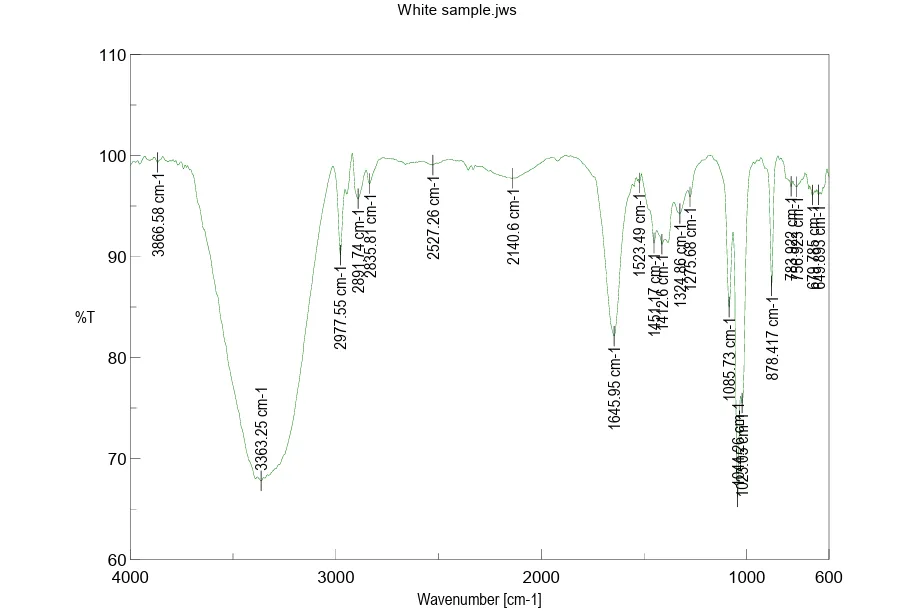
Figure 1: FTIR Spectrum of Aloe barbadensis (Aloe vera extract)
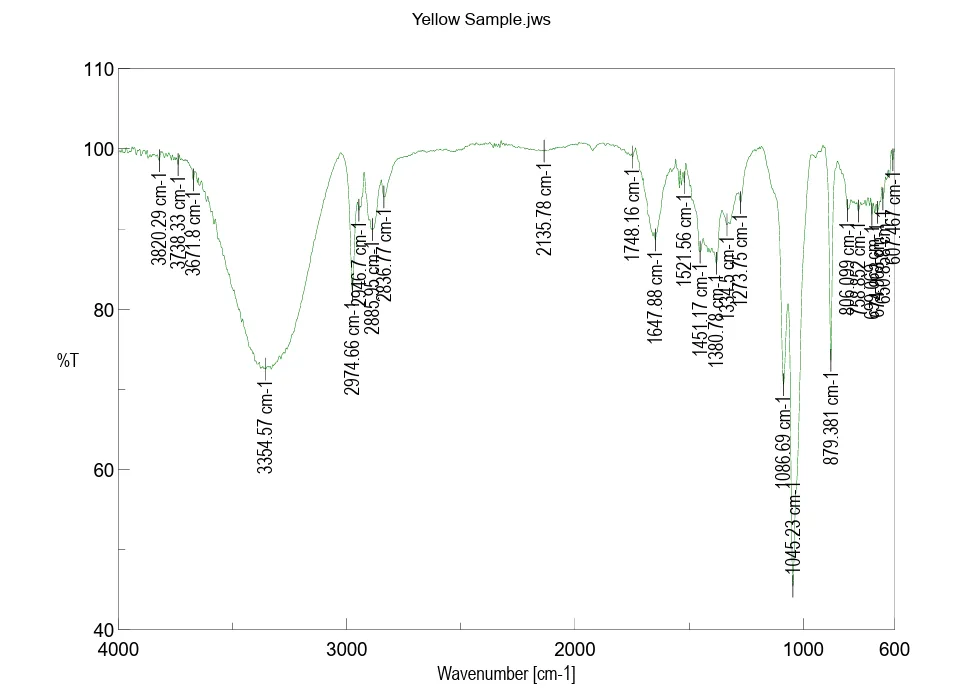
Figure 2: FTIR Spectrum of Daucus carota (Carrot extract)
Table 4: FTIR Spectral Analysis of Aloe barbadensis and Daucus carota Extracts
|
Functional Group |
Aloe barbadensis (cm⁻¹) |
Daucus carota (cm⁻¹) |
Interpretation |
|
O–H Stretching |
3363 |
3354 |
Presence of phenols and alcohols |
|
C–H Stretching |
2977 |
2974 |
Aliphatic hydrocarbon compounds |
|
C=O Stretching |
1645 |
1647 |
Carbonyl compounds and flavonoids |
|
C–O Stretching |
1057 |
1045 |
Glycosides, alcohols, and polysaccharides |
FTIR analysis confirmed the presence of characteristic functional groups in both herbal extracts. The broad absorption bands observed at 3363 cm⁻¹ (Aloe barbadensis) and 3354 cm⁻¹ (Daucus carota) correspond to O–H stretching vibrations, indicating the presence of hydroxyl groups associated with phenolic compounds and alcohols. The absorption peaks at 2977 cm⁻¹ and 2974 cm⁻¹ represent C–H stretching vibrations of aliphatic hydrocarbons, while the peaks at 1645 cm⁻¹ and 1647 cm⁻¹ correspond to C=O stretching vibrations, suggesting the presence of carbonyl-containing phytoconstituents. The peaks observed at 1057 cm⁻¹ and 1045 cm⁻¹ are attributed to C–O stretching vibrations associated with glycosides, alcohols, and polysaccharides.
No significant peak shifts or disappearance of characteristic peaks were observed, indicating that no major chemical interaction occurred between the herbal extracts and Carbopol 934 during formulation. These findings confirm the compatibility of the extracts with the polymer and support the successful development of herbal oral gel.
The observed FTIR absorption bands are consistent with previously reported studies on Aloe barbadensis and Daucus carota, confirming the presence of bioactive phytochemicals responsible for antioxidants, antimicrobial, and wound-healing activities. These results indicate that the herbal extracts retained their characteristic functional groups after formulation and were compatible with the polymer matrix, thereby supporting the stability and integrity of the developed herbal oral gel.
Similar FTIR absorption bands have been reported in previous studies, confirming the characteristic functional groups present in Aloe barbadensis and Daucus carota extracts.
4.5. Antimicrobial Activity
The antibacterial activity of the formulated carrot–Aloe barbadensis herbal gel was evaluated against Staphylococcus aureus using the agar well diffusion method. The formulation exhibited a mean zone of inhibition of 18.33 mm, indicating appreciable antibacterial activity against the test organism. The antibacterial activity of the formulated herbal gel is presented in Figure 3.
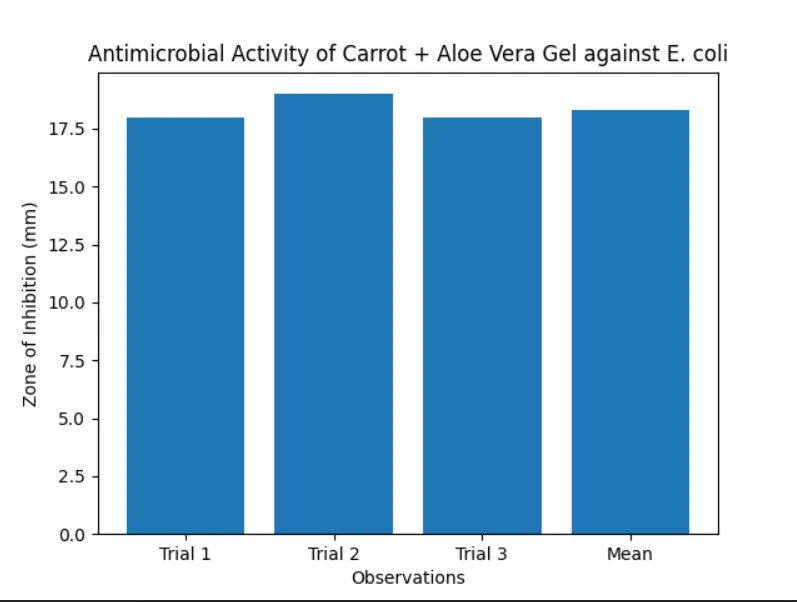
Figure 3: Antimicrobial activity of gel formulations
The observed antibacterial activity may be attributed to the combined action of bioactive phytoconstituents, including flavonoids, phenolic compounds, alkaloids, tannins, and other secondary metabolites present in Daucus carota and Aloe barbadensis. These phytochemicals are known to possess antimicrobial, antioxidant, and anti-inflammatory properties, which may contribute to the inhibition of bacterial growth. The findings of the present study are consistent with previous reports demonstrating the antibacterial potential of Daucus carota and Aloe barbadensis extracts. The promising In vitro antibacterial activity observed in the formulated herbal gel suggests its potential for further investigation as a natural oral gel for the management of mouth ulcers. However, additional In vivo and clinical studies are required to confirm its therapeutic efficacy and safety before clinical application.
CONCLUSION
The present study successfully formulated and evaluated a herbal oral gel containing Aloe barbadensis (Aloe vera) and Daucus carota (carrot) extracts for potential application in the management of mouth ulcers. The gel was prepared using Carbopol 934 as the gelling agent and exhibited satisfactory physicochemical properties, including smooth texture, homogeneity, good spreadability, and a pH of 6.24, indicating its suitability for application on the oral mucosa. The formulation remained stable throughout the study period without any noticeable changes in colour, consistency, or pH.
Preliminary phytochemical screening confirmed the presence of bioactive constituents such as flavonoids, alkaloids, phenolic compounds, tannins, glycosides, and volatile compounds, which are known to possess antioxidant, antimicrobial, anti-inflammatory, and wound-healing properties. FTIR analysis demonstrated the presence of characteristic functional groups and confirmed the compatibility between the herbal extracts and Carbopol 934, indicating the absence of significant chemical interactions during formulation.
The formulated herbal gel exhibited appreciable antibacterial activity against Staphylococcus aureus, with a mean zone of inhibition of 18.33 mm, suggesting the potential antimicrobial effectiveness of the formulation. The antibacterial activity may be attributed to the synergistic action of the phytoconstituents present in Aloe barbadensis and Daucus carota extracts.
Overall, the findings of this study indicate that the developed carrot–Aloe vera herbal oral gel possesses favourable physicochemical characteristics, compatibility, stability, and in vitro antibacterial activity. These results suggest that the formulation has potential as a natural herbal oral gel for further investigation in the management of mouth ulcers. However, additional in vivo and clinical studies are necessary to establish its therapeutic efficacy and safety before clinical application.
FUTURE SCOPE
The developed Aloe barbadensis–Daucus carota herbal oral gel demonstrated promising physicochemical characteristics, compatibility, stability, and in vitro antibacterial activity. Future research should focus on in vivo studies and well-designed clinical trials to evaluate the safety, efficacy, and wound-healing potential of the formulation under clinical conditions. Long-term stability studies should also be performed to determine the shelf life of the product under different storage conditions.
Further investigations may explore the incorporation of additional herbal extracts or bioactive compounds to enhance the antimicrobial, anti-inflammatory, antioxidant, and wound-healing properties of the formulation. Advanced drug delivery approaches, including nanoparticle-based delivery systems, may also be investigated to improve the controlled release and retention of the active constituents at the site of application.
In addition, the antimicrobial activity of the formulation should be evaluated against a broader range of oral pathogens, including both bacterial and fungal species commonly associated with oral infections. Toxicity, biocompatibility, and mucoadhesion studies are also recommended to establish the safety and suitability of the formulation for prolonged oral use. Furthermore, large-scale production, quality control, and commercialization studies may facilitate the development of the formulation into a safe, economical, and effective herbal oral care product.
ACKNOWLEDGEMENT
The authors express their sincere gratitude to the Department of Biotechnology, Sri Shakthi Institute of Engineering and Technology, Coimbatore, for providing the necessary laboratory facilities, infrastructure, and technical support to successfully carry out this research work. The authors would like to thank the Head of the Department and all faculty members for their valuable guidance, encouragement, and continuous support throughout the project.
Special thanks are extended to the project guide for providing constructive suggestions and technical assistance during the formulation and evaluation of the herbal oral gel. The authors also acknowledge the support of laboratory staff and technical personnel for their assistance in plant extraction, phytochemical screening, FTIR characterization, antimicrobial studies, and other experimental procedures. Their cooperation and support greatly contributed to the successful completion of this project.
Finally, the authors express their heartfelt appreciation to the institution for creating a conducive research environment and providing opportunities to enhance practical knowledge and research skills throughout the study.
CONFLICT OF INTEREST
The authors declare that there is no conflict of interest regarding the publication of this research work.
REFERENCES


Snega N*, Dravid Raghul E, Gobiya G, Sathya S, Shanmugapriya A, Formulation, Characterization And In-Vitro Evaluation Of Carrot And Aloe Vera Gel For Therapeutic Application In Mouth Ulcers, Int. J. of Pharm. Sci., 2026, Vol 4, Issue 7, 3379-3389. https://doi.org/ 10.5281/zenodo.21409713
 10.5281/zenodo.21409713