

We use cookies to ensure our website works properly and to personalise your experience. Cookies policy
SNJB Shriman Sureshdada Jain College Of Pharmacy, Chandwad, Nashik.
Alzheimer's disease (AD) is the most prevalent neurodegenerative disorder and the leading cause of dementia worldwide. The progressive nature of the disease, together with increasing global life expectancy, has resulted in a substantial rise in the number of affected individuals, creating a major public health and socioeconomic challenge. Alzheimer's disease is characterized by progressive memory impairment, cognitive dysfunction, behavioral abnormalities, and irreversible neuronal degeneration. The principal pathological hallmarks include extracellular deposition of amyloid-beta (A?) plaques, intracellular accumulation of hyperphosphorylated tau protein as neurofibrillary tangles, oxidative stress, neuroinflammation, mitochondrial dysfunction, cholinergic neuronal loss, synaptic degeneration, and neuronal apoptosis.Current therapeutic approaches, including acetylcholinesterase inhibitors and N-methyl-D-aspartate receptor antagonists, mainly provide symptomatic relief without effectively preventing disease progression. Consequently, increasing attention has been directed toward identifying naturally occurring neuroprotective compounds capable of modulating multiple pathological pathways involved in Alzheimer's disease. Plant-derived phytochemicals possess diverse pharmacological properties, including antioxidant, anti-inflammatory, anti-amyloidogenic, anti-tau, anti-apoptotic, cholinesterase inhibitory, and neurotrophic activities.Among the most extensively investigated phytochemicals are curcumin, resveratrol, quercetin, epigallocatechin-3-gallate, bacosides, ginsenosides, withanolides, berberine, rosmarinic acid, luteolin, apigenin, catechins, eugenol, and huperzine A. Experimental and clinical investigations have demonstrated that these bioactive compounds attenuate oxidative stress, inhibit amyloid-beta aggregation, reduce tau hyperphosphorylation, suppress neuroinflammation, improve mitochondrial function, and preserve neuronal survival..furthermore, recent advances in nanotechnology-based drug delivery systems have significantly improved the bioavailability, stability, and brain-targeting efficiency of plant-derived neuroprotective compoundsThis review comprehensively summarizes current evidence regarding medicinal plants and phytochemicals with neuroprotective potential against Alzheimer's disease. Particular emphasis is placed on molecular mechanisms, pharmacological evidence, nanotechnology-based delivery systems, clinical investigations, and future research directions. The integration of natural products with advanced pharmaceutical technologies may provide promising strategies for preventing or delaying Alzheimer's disease progression
3.3 Tau Hyperphosphorylation and Neurofibrillary Tangles
Tau is a microtubule-associated protein that stabilizes neuronal microtubules and facilitates axonal transport. Under physiological conditions, tau undergoes reversible phosphorylation that regulates its interaction with microtubules. In AD, however, abnormal activation of kinases—including glycogen synthase kinase-3β (GSK-3β), cyclin-dependent kinase-5 (CDK5), mitogen-activated protein kinases (MAPKs), and c-Jun N-terminal kinase (JNK)—results in excessive tau phosphorylation, leading to microtubule destabilization and the formation of intracellular neurofibrillary tangles (NFTs) [21].
Hyperphosphorylated tau loses its affinity for microtubules, impairing axonal transport of mitochondria, synaptic vesicles, and essential proteins. This disruption compromises neuronal communication, synaptic plasticity, and cellular energy homeostasis. Aggregated tau also spreads trans-synaptically in a prion-like manner, contributing to the progressive anatomical distribution of AD pathology throughout the brain [22].
Several plant-derived polyphenols and flavonoids have demonstrated the capacity to inhibit tau phosphorylation through suppression of GSK-3β, activation of protein phosphatase-2A (PP2A), modulation of PI3K/Akt signaling, and attenuation of oxidative stress. These compounds also reduce tau aggregation and preserve microtubule integrity, suggesting an important disease-modifying role [23].
3.4 Oxidative Stress
Oxidative stress represents one of the earliest and most persistent pathological events in AD. The human brain is particularly susceptible to oxidative injury because of its high oxygen consumption, abundant polyunsaturated fatty acids, and relatively limited endogenous antioxidant defenses. Excessive production of reactive oxygen species (ROS) and reactive nitrogen species (RNS) damages lipids, proteins, nucleic acids, and cellular membranes, ultimately impairing neuronal viability [24].
Aβ accumulation, mitochondrial dysfunction, metal ion dysregulation, chronic inflammation, and impaired antioxidant enzyme activity collectively contribute to excessive oxidative stress. Elevated levels of malondialdehyde (MDA), 4-hydroxynonenal (4-HNE), protein carbonyls, and oxidized DNA have consistently been observed in AD patients [25].
Phytochemicals exert antioxidant effects through multiple mechanisms:
Because oxidative stress contributes to virtually every stage of AD pathogenesis, antioxidant phytochemicals are considered among the most promising preventive interventions.
3.5 Neuroinflammation
Chronic neuroinflammation is increasingly recognized as a central driver rather than merely a consequence of AD progression. Persistent activation of microglia and astrocytes in response to Aβ plaques and damaged neurons leads to sustained release of pro-inflammatory cytokines, chemokines, nitric oxide, prostaglandins, and reactive oxygen intermediates [27].
Activated microglia secrete tumor necrosis factor-α (TNF-α), interleukin-1β (IL-1β), IL-6, interferon-γ, and inducible nitric oxide synthase (iNOS), creating a self-perpetuating inflammatory cycle that accelerates neuronal injury. Chronic activation of the nuclear factor-kappa B (NF-κB) pathway further amplifies inflammatory signaling and contributes to synaptic dysfunction [28].
Numerous phytochemicals suppress neuroinflammation by:
These anti-inflammatory properties complement their antioxidant and anti-amyloid activities, highlighting the multitarget potential of natural neuroprotectants.
3.6 Mitochondrial Dysfunction
Mitochondria play a pivotal role in neuronal energy metabolism, calcium regulation, and apoptosis. Mitochondrial abnormalities appear early in AD and contribute to ATP depletion, ROS overproduction, impaired calcium buffering, and activation of intrinsic apoptotic pathways [30].
Aβ peptides accumulate within mitochondria, where they interact with mitochondrial proteins such as amyloid-binding alcohol dehydrogenase and cyclophilin D, disrupting oxidative phosphorylation and promoting permeability transition pore opening. These events trigger cytochrome c release, caspase activation, and neuronal apoptosis [31].
Several plant-derived compounds improve mitochondrial health by:
3.7 Cholinergic Dysfunction
Loss of cholinergic neurons within the basal forebrain contributes significantly to memory impairment in AD. Reduced acetylcholine synthesis, increased acetylcholinesterase (AChE) activity, and degeneration of cholinergic projections impair learning and cognitive performance [33].
Current FDA-approved symptomatic therapies primarily target this pathway through inhibition of AChE. Interestingly, numerous medicinal plants contain natural cholinesterase inhibitors capable of enhancing cholinergic neurotransmission while simultaneously providing antioxidant and anti-inflammatory benefits [34].
Natural cholinesterase inhibitors often exhibit lower toxicity and additional neuroprotective mechanisms compared with conventional synthetic inhibitors, making them attractive candidates for long-term preventive use.
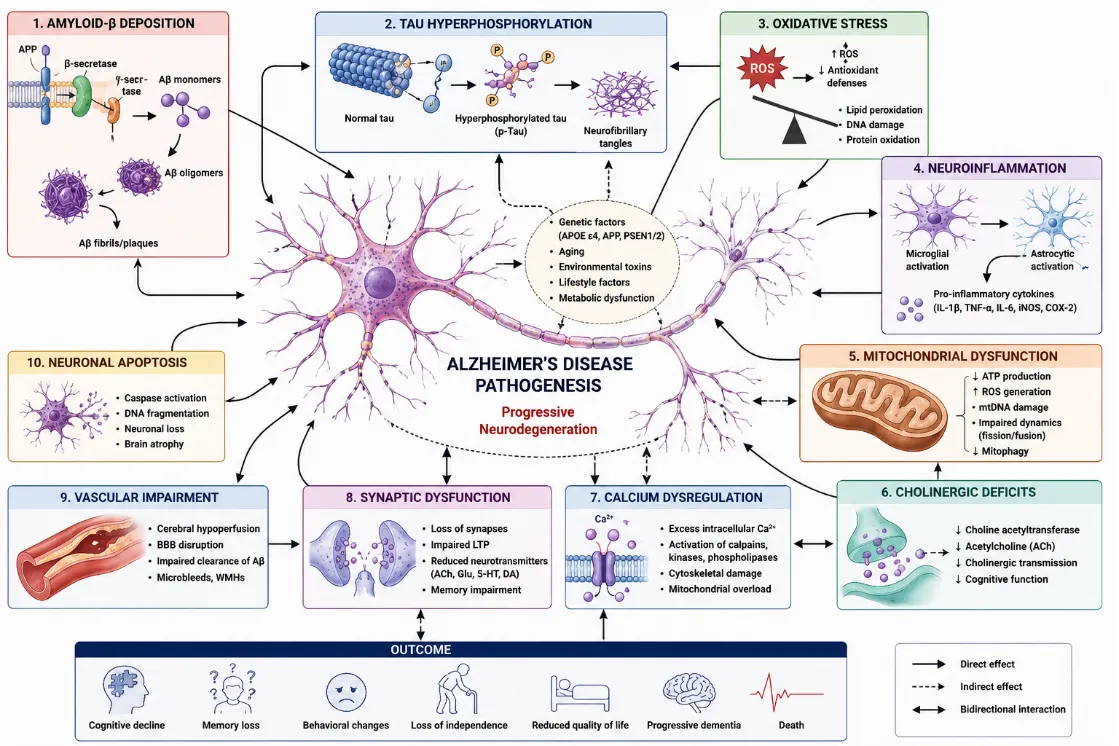
Fig.2 Multifactorial Pathogenesis of Alzheimer's Disease
4. Plant-Derived Neuroprotective Compounds
4.1 Classification of Neuroprotective Phytochemicals
Plants synthesize an enormous diversity of secondary metabolites that protect against environmental stressors and pathogens. Many of these compounds also interact with mammalian molecular targets implicated in neurodegeneration. The principal classes of neuroprotective phytochemicals include:
Unlike conventional drugs that frequently target a single protein, phytochemicals often influence multiple signaling pathways simultaneously, producing synergistic neuroprotective effects.
4.2 Polyphenols
Polyphenols constitute one of the largest classes of naturally occurring antioxidants and have received considerable attention in AD research. They are abundant in fruits, vegetables, tea, cocoa, berries, grapes, nuts, herbs, and medicinal plants [36].
Major neuroprotective mechanisms include:
Several epidemiological studies suggest that diets rich in polyphenols are associated with slower cognitive decline and reduced dementia risk.
4.3 Flavonoids
Flavonoids represent one of the most extensively studied groups of neuroprotective phytochemicals. Structurally, they consist of two aromatic rings linked by a heterocyclic pyran ring and include flavones, flavonols, flavanones, flavanols, anthocyanins, and isoflavones [38].
Flavonoids readily modulate intracellular signaling pathways involved in neuronal survival, including:
These compounds also improve cerebral blood flow, promote hippocampal neurogenesis, inhibit apoptosis, reduce excitotoxicity, and preserve synaptic proteins involved in learning and memory.
4.4 Curcumin
Curcumin, the principal polyphenolic constituent of Curcuma longa, is among the most extensively investigated phytochemicals for AD prevention. It exhibits remarkable antioxidant, anti-inflammatory, anti-amyloidogenic, metal-chelating, and neurogenic properties [40].
Experimental studies have demonstrated that curcumin:
Despite these promising findings, clinical translation has been hindered by poor aqueous solubility, rapid metabolism, and limited blood-brain barrier penetration. Nanoparticle formulations, liposomes, phospholipid complexes, and polymeric delivery systems have significantly improved curcumin bioavailability and are currently under active investigation [42].
4.5 Resveratrol
Resveratrol, a naturally occurring stilbene found in grapes, berries, peanuts, and Polygonum cuspidatum, has attracted considerable interest because of its ability to activate sirtuin-1 (SIRT1), an important regulator of longevity and cellular stress resistance [43].
Its neuroprotective activities include:
Clinical studies suggest that resveratrol is generally well tolerated; however, optimization of dosing strategies and formulation technologies remains necessary to maximize therapeutic efficacy.
4.6 Epigallocatechin-3-Gallate (EGCG)
Epigallocatechin-3-gallate (EGCG), the principal catechin found in green tea (Camellia sinensis), is one of the most extensively studied natural neuroprotective compounds. Owing to its potent antioxidant and anti-inflammatory properties, EGCG has demonstrated significant efficacy in experimental models of AD. It readily interacts with multiple molecular targets involved in neurodegeneration, making it a representative example of a multitarget phytochemical [45].
EGCG reduces amyloid pathology by inhibiting β-secretase (BACE1) activity, preventing Aβ oligomerization, remodeling mature amyloid fibrils into less toxic conformations, and enhancing amyloid clearance through autophagy. Additionally, EGCG suppresses tau hyperphosphorylation by modulating GSK-3β and MAPK signaling pathways [46].
Beyond its anti-amyloid effects, EGCG attenuates oxidative stress by activating the Nrf2/HO-1 antioxidant pathway and increasing endogenous antioxidant enzyme activity. It also suppresses neuroinflammation through inhibition of NF-κB signaling, reduction of pro-inflammatory cytokine production, and modulation of microglial activation. Experimental studies have further shown improvements in mitochondrial function, synaptic plasticity, and cognitive performance following EGCG administration [45,46].
4.7 Quercetin
Quercetin is a naturally occurring flavonol widely distributed in onions, apples, berries, grapes, broccoli, citrus fruits, and numerous medicinal plants. It exhibits diverse pharmacological activities, including antioxidant, anti-inflammatory, antiviral, anticancer, cardioprotective, and neuroprotective effects [47].
The neuroprotective activity of quercetin involves:
Quercetin also activates AMP-activated protein kinase (AMPK) and SIRT1 signaling, thereby promoting cellular energy homeostasis and autophagy. However, its relatively poor oral bioavailability has stimulated the development of nanoformulations, liposomal carriers, and polymeric nanoparticles to improve brain delivery [48].
4.8 Ginkgo biloba Extract
Standardized extracts of Ginkgo biloba leaves, particularly EGb 761, have been widely investigated for cognitive enhancement and dementia management. The extract contains flavonoid glycosides, terpene lactones (ginkgolides and bilobalide), and other bioactive constituents with antioxidant and vasoprotective properties [49].
The principal mechanisms of Ginkgo biloba include:
Several randomized clinical trials have reported modest improvements in cognition, memory, and activities of daily living among patients with mild-to-moderate dementia. Nevertheless, variability in extract composition, study design, treatment duration, and patient populations has contributed to inconsistent clinical findings [50].
4.9 Bacopa monnieri
Bacopa monnieri (Brahmi) is a traditional medicinal herb extensively used in Ayurvedic medicine as a cognitive enhancer. Its major bioactive constituents, bacosides A and B, exert neuroprotective effects through multiple molecular pathways [51].
Experimental evidence indicates that Bacopa monnieri:
Clinical studies have demonstrated improvements in attention, memory acquisition, information processing, and cognitive performance in healthy individuals and elderly populations, supporting its potential role in AD prevention [52].
4.10 Ashwagandha (Withania somnifera)
Withania somnifera (Ashwagandha) is another important medicinal plant in Ayurvedic medicine with substantial neuroprotective potential. Its principal constituents, withanolides, exhibit antioxidant, anti-inflammatory, immunomodulatory, and neuroregenerative properties [53].
Mechanistic studies suggest that Ashwagandha:
Animal studies consistently demonstrate improvements in cognitive function and reductions in neurodegenerative pathology following treatment with Ashwagandha extracts. Early clinical evidence is encouraging, although larger randomized controlled trials are required to confirm efficacy in AD patients [54].
4.11 Huperzine A
Huperzine A is a sesquiterpene alkaloid isolated from Huperzia serrata. Unlike many phytochemicals that primarily function as antioxidants, Huperzine A is a potent, reversible, and selective acetylcholinesterase inhibitor with additional disease-modifying properties [55].
Its pharmacological activities include:
Several clinical studies have demonstrated cognitive benefits comparable to currently approved cholinesterase inhibitors, although broader international studies are needed before widespread clinical adoption [56].
Table 2. Major Plant-Derived Neuroprotective Compounds and Their Principal Mechanisms of Action
|
Plant/Compound |
Major Bioactive Constituent(s) |
Principal Mechanisms |
Potential Role in AD |
|
Curcuma longa |
Curcumin |
Anti-amyloid, antioxidant, anti-inflammatory, anti-tau |
Prevention of amyloid deposition and neuronal loss |
|
Camellia sinensis |
EGCG |
Antioxidant, BACE1 inhibition, autophagy induction |
Reduction of Aβ toxicity |
|
Ginkgo biloba |
EGb 761 |
Cerebral blood flow improvement, antioxidant |
Cognitive enhancement |
|
Bacopa monnieri |
Bacosides |
Cholinergic enhancement, antioxidant |
Memory improvement |
|
Withania somnifera |
Withanolides |
Neurogenesis, anti-inflammatory, anti-amyloid |
Neuroregeneration |
|
Huperzia serrata |
Huperzine A |
Acetylcholinesterase inhibition |
Symptomatic cognitive improvement |
|
Grapes/Polygonum cuspidatum |
Resveratrol |
SIRT1 activation, mitochondrial protection |
Neuroprotection |
|
Fruits and vegetables |
Quercetin |
Antioxidant, anti-inflammatory, autophagy |
Synaptic protection |
5. Molecular Mechanisms Underlying Plant-Derived Neuroprotection
Plant-derived neuroprotectants exert therapeutic effects through simultaneous modulation of multiple signaling pathways rather than acting on a single molecular target. This multitarget pharmacological profile is particularly advantageous for complex neurodegenerative disorders such as AD.
5.1 Antioxidant Mechanisms
Most neuroprotective phytochemicals directly neutralize reactive oxygen species while simultaneously stimulating endogenous antioxidant defense systems. Activation of the Nrf2 signaling pathway increases transcription of antioxidant genes encoding SOD, CAT, GPx, heme oxygenase-1 (HO-1), and glutathione biosynthetic enzymes [57].
Reduction of oxidative stress prevents lipid peroxidation, protein oxidation, mitochondrial injury, and DNA damage, thereby preserving neuronal viability.
5.2 Inhibition of Amyloidogenesis
Many phytochemicals interfere with multiple stages of Aβ formation and aggregation.
Reported mechanisms include:
Collectively, these effects reduce amyloid burden and preserve synaptic function.
5.3 Suppression of Tau Pathology
Natural compounds reduce tau pathology through inhibition of GSK-3β, CDK5, and MAPKs while enhancing phosphatase-mediated dephosphorylation of tau proteins. Several flavonoids also inhibit tau aggregation directly, thereby reducing neurofibrillary tangle formation [59].
5.4 Anti-inflammatory Mechanisms
Phytochemicals attenuate neuroinflammation by inhibiting NF-κB activation, suppressing NLRP3 inflammasome assembly, reducing inflammatory cytokine release, decreasing cyclooxygenase expression, and promoting anti-inflammatory microglial phenotypes [60].
Reduction of chronic inflammation interrupts the vicious cycle linking oxidative stress, amyloid deposition, and neuronal injury.
5.5 Mitochondrial Protection
Maintenance of mitochondrial function represents another major mechanism through which plant-derived compounds preserve neuronal survival.
These compounds:
5.6 Enhancement of Neurogenesis and Synaptic Plasticity
Several phytochemicals stimulate neurogenesis through activation of BDNF, CREB, PI3K/Akt, and ERK signaling pathways. Increased expression of synaptic proteins such as synaptophysin and PSD-95 contributes to improved learning, memory consolidation, and cognitive resilience [62].
Table 3. Molecular Targets of Plant-Derived Neuroprotectants in Alzheimer's Disease
|
Molecular Target |
Pathological Role |
Representative Phytochemicals |
Therapeutic Effect |
|
Aβ aggregation |
Plaque formation |
Curcumin, EGCG, Resveratrol |
Reduced amyloid burden |
|
Tau hyperphosphorylation |
Neurofibrillary tangles |
Curcumin, Quercetin |
Reduced tau pathology |
|
Oxidative stress |
ROS-mediated injury |
Polyphenols, Flavonoids |
Enhanced antioxidant defense |
|
Neuroinflammation |
Cytokine release |
Curcumin, EGCG, Ashwagandha |
Reduced inflammatory signaling |
|
Mitochondrial dysfunction |
Energy deficit |
Resveratrol, Quercetin |
Improved ATP production |
|
Cholinergic dysfunction |
Memory impairment |
Huperzine A, Bacopa |
Improved neurotransmission |
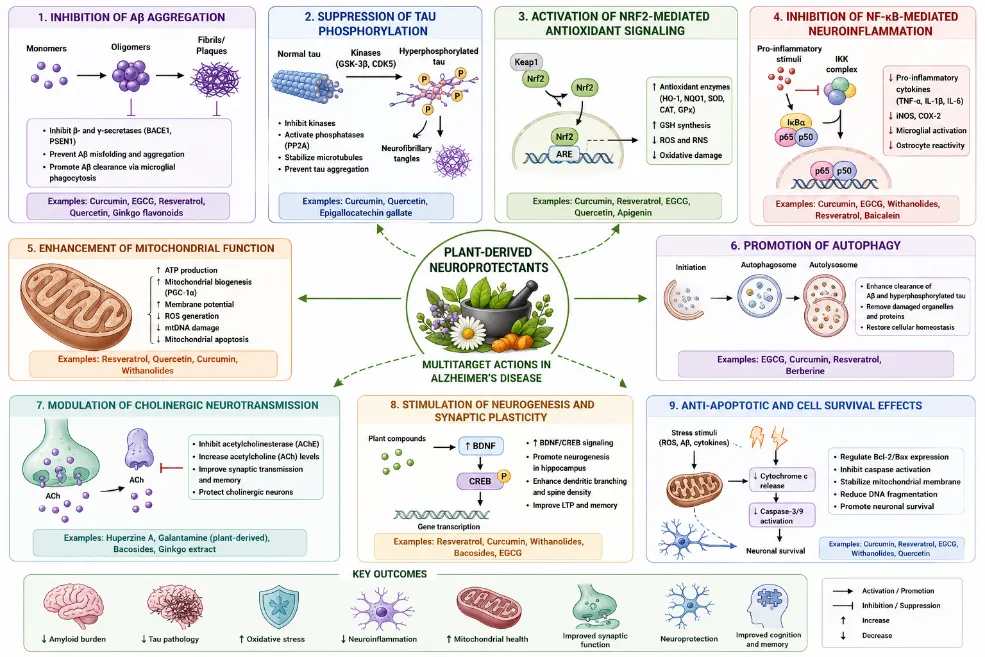
Figure 3 Molecular Mechanisms of Plant-Derived Neuroprotectants
6. Recent Advances in Plant-Based Neuroprotective Research
Recent years have witnessed remarkable advances in the development of plant-derived therapeutics for AD. Integration of modern technologies has substantially accelerated phytochemical discovery and optimization.
Major developments include:
Nanotechnology has further enhanced phytochemical delivery by improving solubility, stability, blood-brain barrier penetration, and sustained drug release. Liposomes, polymeric nanoparticles, solid lipid nanoparticles, dendrimers, exosomes, and nanoemulsions have significantly improved the pharmacokinetic profiles of several plant-derived compounds, including curcumin, quercetin, and resveratrol [64].
These technological innovations are expected to facilitate the translation of promising phytochemicals from laboratory research to clinical application.
Table 4. Emerging Technologies Enhancing Phytochemical-Based Therapy
|
Technology |
Application |
Advantages |
Technology |
|
Liposomes |
Encapsulation of hydrophobic phytochemicals |
Improved BBB penetration |
Liposomes |
|
Polymeric nanoparticles |
Controlled drug delivery |
Sustained release and higher bioavailability |
Polymeric nanoparticles |
|
Solid lipid nanoparticles |
Brain-targeted delivery |
Enhanced stability |
Solid lipid nanoparticles |
|
Nanoemulsions |
Improved solubility |
Better oral absorption |
Nanoemulsions |
|
Molecular docking |
Target identification |
Accelerated drug discovery |
Molecular docking |
|
Artificial intelligence |
Virtual screening |
Faster lead optimization |
Artificial intelligence |
|
Multi-omics |
Mechanistic investigation |
Personalized medicine |
Multi-omics |
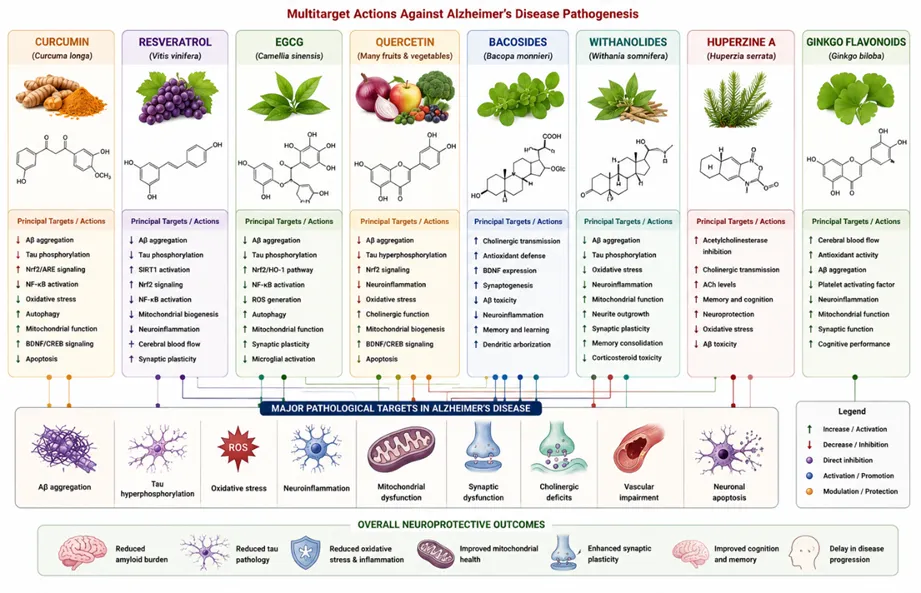
Fig.4 Representative Neuroprotective Phytochemicals and Their Therapeutic Targets
7. Challenges and Limitations in the Clinical Translation of Plant-Derived Neuroprotectants
Despite encouraging preclinical evidence, relatively few plant-derived neuroprotective compounds have progressed to routine clinical use for the prevention or treatment of Alzheimer's disease (AD). Several scientific, pharmacological, manufacturing, and regulatory challenges continue to hinder their successful translation into evidence-based therapeutics [65].
7.1 Poor Bioavailability
One of the major limitations of many phytochemicals is their poor oral bioavailability. Compounds such as curcumin, quercetin, resveratrol, and EGCG exhibit limited aqueous solubility, low intestinal absorption, rapid metabolism, and extensive first-pass hepatic elimination, resulting in low systemic exposure and insufficient concentrations within the central nervous system [66].
Current approaches to overcome these limitations include:
These advanced delivery systems improve stability, prolong circulation time, enhance blood-brain barrier (BBB) penetration, and increase therapeutic efficacy.
7.2 Blood-Brain Barrier Penetration
The BBB is a highly selective physiological barrier that restricts the entry of many therapeutic agents into brain tissue. Although some low-molecular-weight phytochemicals can cross the BBB, their transport is often limited by efflux transporters such as P-glycoprotein and multidrug resistance-associated proteins [67].
Recent advances in receptor-mediated transport systems, ligand-targeted nanoparticles, exosome-based carriers, and intranasal delivery strategies offer promising alternatives for enhancing brain-specific delivery of plant-derived compounds while minimizing systemic toxicity.
7.3 Standardization of Herbal Preparations
The phytochemical composition of medicinal plants varies considerably depending on species, cultivar, geographical origin, harvesting season, environmental conditions, extraction methods, and storage conditions [68].
Consequently, differences in phytochemical content may lead to inconsistent pharmacological activity and variable clinical outcomes. Standardization requires:
Implementation of these measures is essential for ensuring reproducibility and regulatory approval.
7.4 Limited Clinical Evidence
Although hundreds of in vitro and animal studies have demonstrated neuroprotective effects of phytochemicals, comparatively few large-scale randomized controlled clinical trials have been completed [69].
Common limitations include:
Future multicenter clinical trials incorporating neuroimaging, cerebrospinal fluid biomarkers, plasma biomarkers, and digital cognitive assessments are necessary to establish clinical efficacy.
7.5 Safety Considerations and Herb–Drug Interactions
Most medicinal plants possess favorable safety profiles when consumed at dietary levels; however, concentrated extracts or long-term supplementation may produce adverse effects or interact with conventional medications [70].
Potential concerns include:
Careful pharmacovigilance and evaluation of herb–drug interactions are particularly important in elderly patients receiving multiple medications.
CONCLUSION
Alzheimer's disease (AD) remains one of the most challenging neurodegenerative disorders worldwide because of its complex etiology, progressive clinical course, and the limited disease-modifying efficacy of currently available pharmacological therapies. Accumulating evidence indicates that AD results from the interaction of numerous pathological mechanisms, including amyloid-β (Aβ) aggregation, tau hyperphosphorylation, oxidative stress, chronic neuroinflammation, mitochondrial dysfunction, cholinergic deficits, impaired autophagy, calcium dyshomeostasis, vascular abnormalities, and synaptic degeneration. The multifactorial nature of AD highlights the limitations of conventional single-target therapeutic approaches and emphasizes the need for multitarget interventions capable of simultaneously modulating multiple disease pathways [18–20].
Plant-derived bioactive compounds have emerged as promising neuroprotective agents because of their broad spectrum of pharmacological activities and long history of medicinal use. Polyphenols, flavonoids, alkaloids, terpenoids, stilbenes, carotenoids, lignans, and other phytochemicals possess antioxidant, anti-inflammatory, anti-amyloidogenic, anti-tau, mitochondrial protective, metal-chelating, anti-apoptotic, and cholinesterase inhibitory properties. Their ability to influence several interconnected molecular pathways simultaneously distinguishes them from many conventional synthetic drugs and supports their potential role as preventive or adjunctive therapeutic agents for AD [35–40].
Among the numerous phytochemicals investigated, curcumin, resveratrol, epigallocatechin-3-gallate (EGCG), quercetin, Ginkgo biloba extract, Bacopa monnieri, Withania somnifera, and Huperzine A have demonstrated particularly encouraging results in experimental models. These compounds improve neuronal survival, reduce oxidative damage, suppress inflammatory signaling, inhibit amyloid and tau pathology, preserve mitochondrial function, enhance synaptic plasticity, and improve cognitive performance through diverse yet complementary mechanisms [40–56].
Despite extensive preclinical evidence, successful clinical translation remains limited. Poor oral bioavailability, restricted blood-brain barrier penetration, variability in phytochemical composition, lack of standardized herbal preparations, insufficient long-term randomized clinical trials, and regulatory challenges continue to impede widespread therapeutic application. Nevertheless, substantial progress has been achieved through nanotechnology-based drug delivery systems, systems pharmacology, computational drug discovery, metabolomics, and precision medicine approaches, which collectively offer realistic solutions to many of these limitations [63–70].
Overall, plant-derived neuroprotectants represent an important and rapidly expanding area of neuropharmacological research. Their multitarget pharmacological profile, relatively favorable safety characteristics, and potential compatibility with existing therapeutic strategies make them attractive candidates for preventing or delaying Alzheimer's disease progression. Continued interdisciplinary collaboration among pharmacologists, neuroscientists, medicinal chemists, clinicians, botanists, and pharmaceutical scientists will be essential for translating these promising natural compounds into clinically effective interventions.
9. Future Perspectives
Future research on plant-derived neuroprotectants should move beyond traditional phytochemical screening toward integrated multidisciplinary strategies capable of accelerating drug discovery and clinical translation. Several emerging technologies and research directions are expected to reshape the development of botanical therapeutics for AD.
9.1 Precision and Personalized Phytotherapy
Increasing understanding of genetic susceptibility, epigenetic regulation, metabolomics, gut microbiota composition, and disease biomarkers may enable personalized phytotherapeutic interventions tailored to individual patients. Integration of APOE genotype, plasma biomarkers, neuroimaging, and multi-omics analyses could facilitate precision medicine approaches that optimize phytochemical selection and dosing while improving therapeutic outcomes [63,69].
9.2 Artificial Intelligence-Assisted Drug Discovery
Artificial intelligence (AI), machine learning, deep learning, and network pharmacology are expected to play increasingly important roles in identifying novel neuroprotective phytochemicals, predicting molecular targets, optimizing lead compounds, and designing multitarget therapeutic combinations. These computational approaches can substantially reduce the time and cost associated with conventional drug discovery pipelines [63].
9.3 Nanotechnology-Based Drug Delivery
Advanced drug delivery systems remain one of the most promising strategies for overcoming poor bioavailability and limited blood-brain barrier permeability. Liposomes, polymeric nanoparticles, solid lipid nanoparticles, nanostructured lipid carriers, dendrimers, nanoemulsions, exosomes, and intranasal formulations are expected to improve brain targeting, controlled drug release, pharmacokinetic profiles, and therapeutic efficacy of phytochemicals such as curcumin, quercetin, resveratrol, and EGCG [64,66].
9.4 Combination Therapy
Given the multifactorial nature of AD, combination therapies involving multiple phytochemicals or phytochemicals combined with approved anti-dementia medications may produce synergistic neuroprotective effects. Rational combinations targeting oxidative stress, inflammation, amyloid pathology, tau aggregation, mitochondrial dysfunction, and cholinergic deficits simultaneously may prove more effective than monotherapy.
9.5 Standardization and Regulatory Harmonization
Future commercialization of botanical neuroprotectants will require internationally accepted standards for botanical authentication, phytochemical characterization, quality control, manufacturing practices, and clinical evaluation. Adoption of standardized extraction procedures and validated analytical techniques will improve reproducibility and facilitate regulatory approval across different countries [68].
9.6 Biomarker-Guided Clinical Trials
Future randomized controlled trials should incorporate validated biomarkers such as plasma phosphorylated tau, amyloid PET imaging, cerebrospinal fluid biomarkers, structural and functional MRI, and digital cognitive assessments to provide objective evidence of disease modification. Long-term multicenter studies involving diverse populations are essential for establishing the preventive efficacy and safety of plant-derived neuroprotectants [69,70].
9.7 Exploration of Understudied Medicinal Plants
Although several phytochemicals have been extensively investigated, thousands of medicinal plant species remain pharmacologically unexplored. Ethnopharmacological knowledge, biodiversity conservation, metabolomic profiling, and high-throughput screening may identify novel compounds with unique mechanisms of action against AD. Exploration of traditional medicinal systems such as Ayurveda, Traditional Chinese Medicine, Kampo, and African herbal medicine may further expand the repertoire of neuroprotective agents.
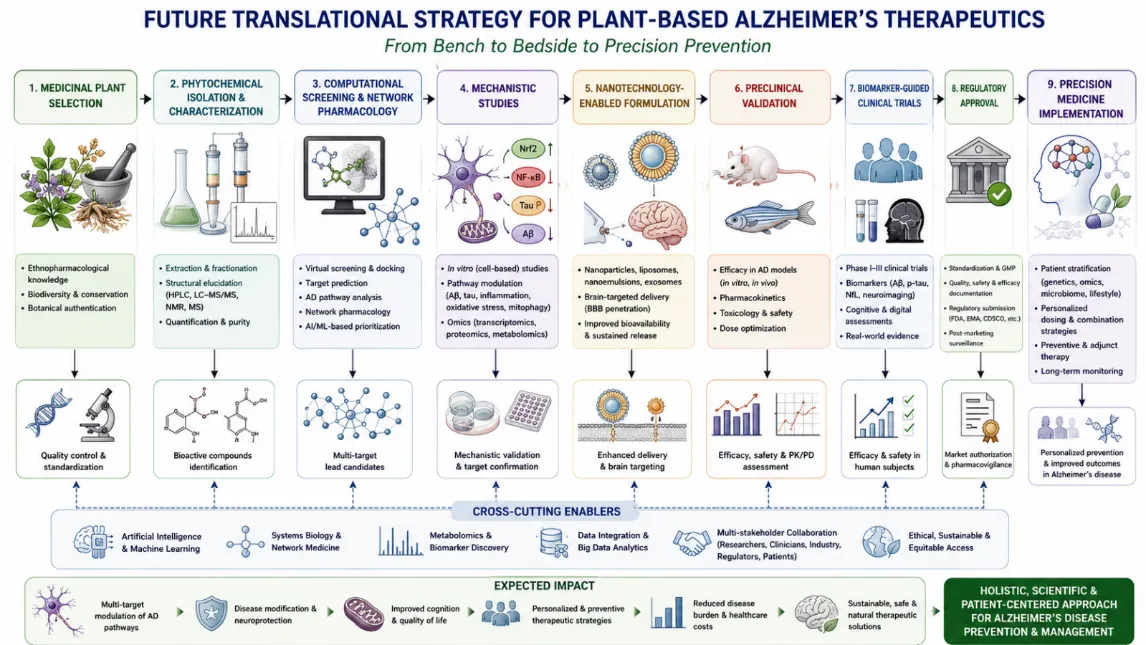
Fig.5 Future Translational Strategy for Plant-Based Alzheimer's Therapeutics
9.8 Overall Perspective
Future success in preventing or delaying Alzheimer's disease is likely to depend on the integration of natural products with advanced pharmaceutical technologies, biomarker-guided precision medicine, computational drug discovery, and well-designed clinical trials. Rather than replacing conventional therapies, plant-derived neuroprotectants are expected to complement existing therapeutic strategies by targeting multiple pathological mechanisms simultaneously. Continued investment in multidisciplinary research will be crucial for translating these promising compounds into safe, standardized, and clinically effective interventions for the global population at risk of Alzheimer's disease.
REFERENCES
Vauzour D, Rodriguez-Mateos A, Corona G, Oruna-Concha MJ, Spencer JPE. Polyphenols and human health: prevention of disease and mechanisms of action. Nutrients. 2010;2(11):1106–1131.
Vauzour D, Rodriguez-Mateos A, Corona G, Oruna-Concha MJ, Spencer JPE. Polyphenols and human health: prevention of disease and mechanisms of action. Nutrients. 2010;2(11):1106–1131.

Anjali Kandekar, Natural Neuroprotectants: Exploring Plant-Derived Compounds for the Prevention of Alzheimer's Disease, Int. J. of Pharm. Sci., 2026, Vol 4, Issue 8, 1304-1321, https://doi.org/10.5281/zenodo.21838085
 10.5281/zenodo.21838085