

We use cookies to ensure our website works properly and to personalise your experience. Cookies policy
Shram Sadhana Bombay Trust's Institute of Pharmacy, Affiliated to MSBTE Mumbai and DBATU University Lonere Bambhori, Post Box no. 94, Jalgaon Maharashtra, India.
Pregnancy is a critical physiological stage that requires adequate nutritional support to ensure the healthy development of both the mother and the fetus. Nutritional deficiencies during pregnancy may lead to complications such as anemia, fatigue, weakened immunity, delayed fetal growth, and poor maternal health. Herbal formulations have traditionally been used to improve maternal nutrition and overall well-being due to their natural origin and therapeutic benefits. However, many phytoconstituents present in herbal preparations exhibit poor solubility and limited bioavailability, which reduces their therapeutic effectiveness. The present study focuses on the development of a nano-phytosome based polyherbal nutritional syrup intended to enhance the absorption and utilization of herbal phytoconstituents during pregnancy. The formulation combines selected medicinal herbs known for their nutritional, antioxidant, hematinic, and immunomodulatory properties. Nano-phytosome technology was employed to improve the stability, permeability, and bioavailability of active phytochemicals by complexing them with phospholipids at the nanoscale level. The prepared nano-phytosomal syrup was evaluated for various physicochemical parameters including appearance, pH, viscosity, particle size distribution, entrapment efficiency, and stability. The formulation demonstrated good uniformity, acceptable organoleptic characteristics, and enhanced dispersibility. The nano-sized phytosomal vesicles contributed to improved absorption potential and sustained release behavior of the phytoconstituents. In addition, the polyherbal syrup exhibited promising antioxidant activity and nutritional potential suitable for maternal supplementation. The study suggests that nano-phytosome based polyherbal syrup can serve as an effective and safer nutritional approach for improving maternal health and enhancing the bioavailability of herbal constituents during pregnancy. The formulation may provide a supportive alternative to conventional nutritional supplements with improved patient acceptability and therapeutic efficiency
3.1 Nutritional Needs during Pregnancy-
Pregnancy is a crucial phase in a woman’s life that involves significant physiological and metabolic changes. During this period, the nutritional demands of the body increase to support fetal growth, placental development, and maternal health maintenance [1, 16]. Adequate intake of essential nutrients such as iron, calcium, folic acid, proteins, vitamins, and antioxidants is necessary for healthy pregnancy outcomes. Deficiency of these nutrients may result in complications including anemia, low birth weight, impaired fetal development, fatigue, and weakened immunity. Therefore, balanced nutritional supplementation plays an important role in ensuring the health of both mother and fetus [1].
Pregnant women also require increased energy intake to support tissue growth and hormonal changes. Herbal nutritional preparations containing naturally occurring bioactive compounds can provide supportive nourishment with reduced adverse effects compared to synthetic supplements. Studies have shown that herbal ingredients rich in minerals, vitamins, and antioxidants contribute positively toward maternal wellness and fetal development [6, 18, 19].
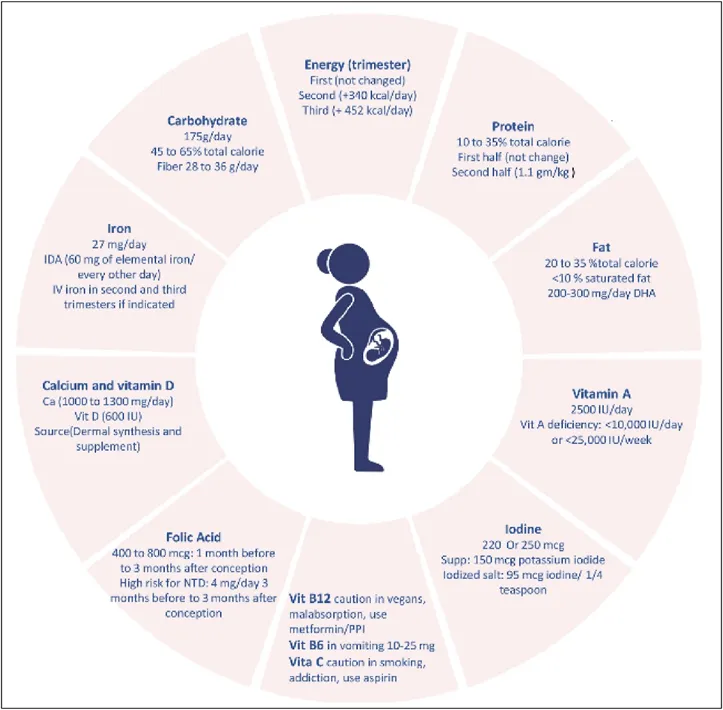
Figure 1: Nutritional Requirements during Pregnancy
3.2 Limitations of Conventional Nutritional Supplements-
Conventional nutritional supplements are commonly prescribed during pregnancy to prevent nutrient deficiencies; however, they possess several limitations. Many synthetic supplements show poor absorption, low bioavailability, gastrointestinal irritation, nausea, constipation, and reduced patient compliance [1, 14, 16]. Iron supplements, for example, frequently cause gastric discomfort and constipation, leading to irregular consumption among pregnant women [1, 16]. In addition, several phytoconstituents and nutraceuticals compounds exhibit poor water solubility and limited intestinal permeability, which decreases their therapeutic efficiency [2].
Another major concern associated with conventional supplementation is the rapid degradation of active constituents in the gastrointestinal tract. Due to these drawbacks, there is increasing interest in developing advanced herbal delivery systems capable of improving nutrient absorption and reducing side effects [2, 7, 8].
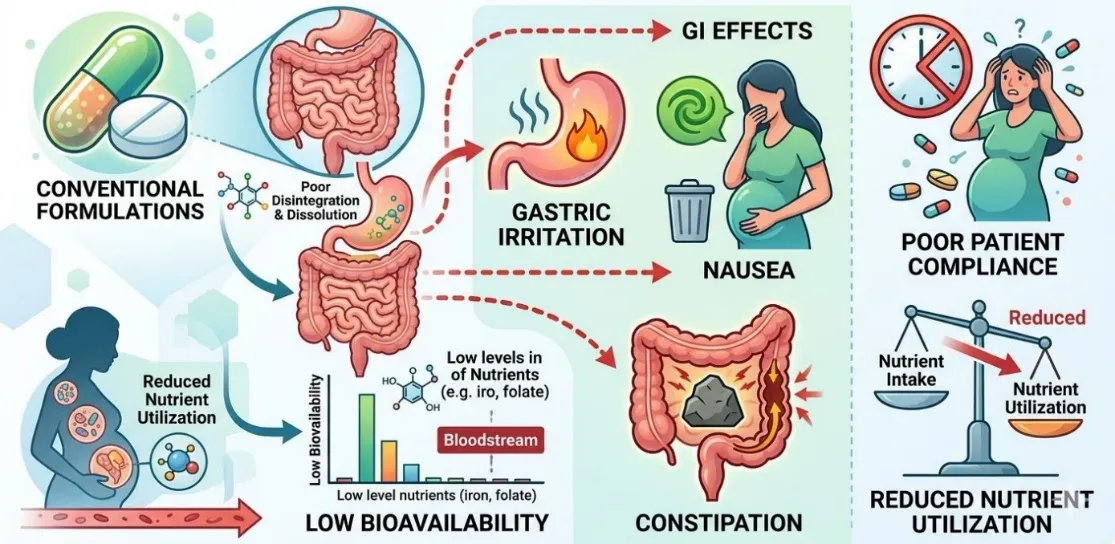
Figure 2: Limitations of Conventional Supplements
3.3 Concept of Phytosomes for Enhanced Absorption-
Phytosomes are advanced lipid-based vesicular systems developed by complexing herbal phytoconstituents with phospholipids. In phytosome technology, active plant compounds are chemically linked with phosphatidylcholine to improve their stability, permeability, and absorption through biological membranes [3, 8, 9]. Unlike conventional herbal extracts, phytosomes possess better lipid compatibility, which enhances their passage across gastrointestinal membranes and increases systemic availability.
Nano-phytosomes are nanosized phytosomal carriers that further improve the delivery of phytoconstituents due to their reduced particle size and increased surface area. These carriers enhance dissolution, protect active compounds from degradation, and provide sustained release properties. The nano-phytosomal approach has gained considerable importance in herbal drug delivery systems because it improves therapeutic efficacy while maintaining the natural benefits of herbal constituents [7, 8, 10, 12].
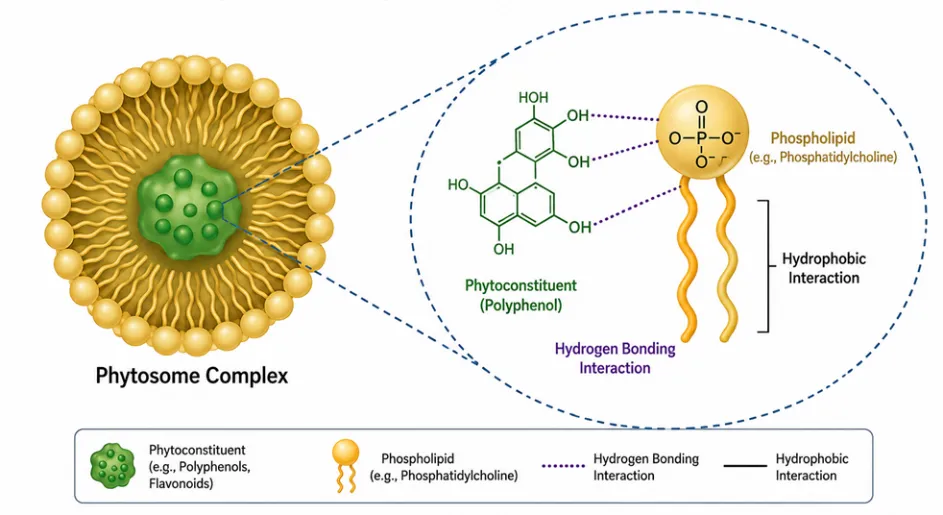
Figure 3: Structure of Phytosome Complex
3.4 Mechanism of Enhanced Bioavailability via Phytosomes-
The enhanced bioavailability of phytosomes mainly occurs due to improved membrane permeability and increased solubility of phytoconstituents. Phospholipid complexes facilitate easier transport of active compounds across lipid-rich biological membranes, thereby improving intestinal absorption [3, 4, 8]. Nano-phytosomes also protect phytochemicals from enzymatic degradation and oxidation within the gastrointestinal tract.
The nanoscale particle size contributes to greater surface area, leading to improved dissolution and faster absorption. Additionally, phytosomes help in sustained release of herbal constituents, ensuring prolonged therapeutic activity. These characteristics make nano-phytosomal systems highly suitable for nutritional supplementation during pregnancy where efficient nutrient utilization is essential [2, 8, 10].
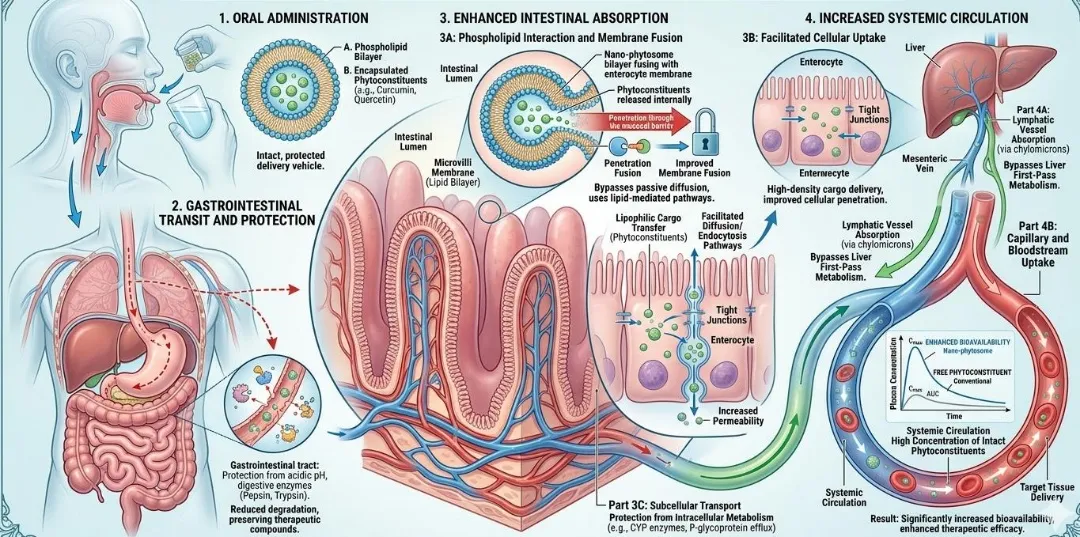
Figure 4: Mechanism of Enhanced Bioavailability via Phytosomes
3.5 Importance of Polyherbal Nutrition during Pregnancy-
Polyherbal formulations combine multiple medicinal herbs to achieve synergistic therapeutic and nutritional effects [18]. Herbs such as Shatavari, Dates, and Ginger are widely recognized for their nutritional and health-promoting properties during pregnancy [5, 6].
Shatavari is traditionally used in Ayurvedic medicine as a female reproductive tonic and galactagogue. It is rich in phytoestrogens, antioxidants, and essential nutrients that support maternal strength and hormonal balance [5, 6, 13]. Dates provide natural sugars, iron, calcium, and dietary fiber that help improve energy levels and reduce anemia risk. Ginger possesses antiemetic, digestive, and anti-inflammatory properties, making it beneficial in reducing nausea and morning sickness during pregnancy [6, 18].
The combination of these herbal ingredients in a nano-phytosomal syrup may provide enhanced nutritional support, improved absorption, and better therapeutic effectiveness compared to conventional formulations [7, 8, 10, 12, 15].
4. Objectives:-
4.1 Preparation of Polyherbal Extract-
The primary objective of the study was to prepare a polyherbal extract using selected medicinal herbs possessing nutritional, antioxidant, hematinic, and health-promoting properties beneficial during pregnancy. The formulation aimed to combine herbal ingredients in suitable proportions to obtain synergistic therapeutic effects and improved maternal nutritional support [5, 6, 18].
4.2 Development of Nano-Phytosome Formulation-
The study aimed to develop a nano-phytosome based delivery system for enhancing the absorption and bioavailability of herbal phytoconstituents. The objective included the preparation of nanosized phytosomal complexes using phospholipids to improve stability, membrane permeability, and therapeutic efficiency of the active herbal components [3, 4, 8, 10].
4.3 Formulation of Nutritional Syrup-
Another objective of the research was to formulate a stable and palatable polyherbal nutritional syrup suitable for oral administration during pregnancy [6, 14]. The syrup was intended to provide improved patient compliance, enhanced nutrient delivery, and better acceptability through appropriate flavor, viscosity, and organoleptic properties [14, 17].
4.4 Evaluation of Bioavailability and Safety-
The study also focused on evaluating the prepared formulation for physicochemical characteristics, bioavailability enhancement, stability, and safety parameters. The objective was to determine whether the nano-phytosome formulation could provide improved absorption of phytoconstituents with minimal adverse effects and better therapeutic potential compared to conventional herbal preparations [2, 3, 8].
5. Materials and Methods:-
5.1 Materials-
Table 1: List of Materials and Their Roles
|
Sr. No. |
Material |
Scientific Name |
Role in Formulation |
|
1 |
Shatavari |
Asparagus racemosus |
Nutritional tonic and galactagogue |
|
2 |
Dates |
Phoenix dactylifera |
Natural source of iron and energy |
|
3 |
Ginger |
Zingiber officinale |
Antiemetic and digestive aid |
|
4 |
Amla |
Phyllanthus emblica |
Rich antioxidant and vitamin C source |
|
5 |
Phosphatidylcholine |
— |
Formation of phytosome complex |
|
6 |
Cholesterol |
— |
Stabilizer for phytosomal vesicles |
|
7 |
Ethanol |
— |
Solvent used during phytosome preparation |
|
8 |
Distilled Water |
— |
Vehicle for syrup preparation |
|
9 |
Honey |
— |
Sweetener and flavor enhancer |
|
10 |
Sodium Benzoate |
— |
Preservation of syrup formulation |
|
11 |
Tween 80 |
— |
Improvement of dispersion and stability |
|
12 |
Citric Acid |
— |
pH adjustment and taste enhancement |
5.2 Preparation of Polyherbal Extract-
The preparation of the polyherbal extract was carried out using selected medicinal herbs known for their nutritional and therapeutic benefits during pregnancy. Herbal ingredients such as Shatavari, Dates, Ginger, and Amla were selected based on their traditional medicinal value, antioxidant activity, nutritional content, and safety profile for maternal health support [5, 6, 13, 18].
Initially, all crude herbal materials were carefully cleaned to remove dust, foreign particles, and impurities. The plant materials were then shade dried at room temperature for several days to preserve their active phytoconstituents and prevent thermal degradation. Shade drying was preferred over direct sunlight exposure to maintain the stability of heat-sensitive compounds such as vitamins, flavonoids, and phenolic constituents. After complete drying, the herbal materials were separately pulverized using a mechanical grinder to obtain coarse powder. The powdered materials were sieved to achieve uniform particle size, which helps improve extraction efficiency and ensures better contact between the solvent and plant constituents [5, 13].
The extraction process was carried out using hydroalcoholic solvent by the maceration method. Measured quantities of each powdered herb were soaked in the solvent mixture and kept in airtight containers for an appropriate duration with intermittent stirring. This process facilitated the dissolution of bioactive phytoconstituents into the solvent system [13, 18]. After extraction, the mixtures were filtered using muslin cloth followed by Whatman filter paper to remove insoluble plant residues. The obtained filtrates were concentrated using controlled evaporation to remove excess solvent and obtain semisolid polyherbal extracts. Finally, the concentrated extracts were stored in airtight containers under refrigerated conditions until further use in nano-phytosome formulation development [14, 17].
Flowchart 1: Preparation of Polyherbal Extract
Selection of Medicinal Herbs
↓
Cleaning and Washing of Raw Materials
↓
Shade Drying of Herbal Materials
↓
Grinding and Pulverization
↓
Sieving for Uniform Powder Size
↓
Hydroalcoholic Extraction by Maceration
↓
Intermittent Stirring and Soaking
↓
Filtration of Extract
↓
Concentration of Filtrate
↓
Collection of Polyherbal Extract
↓
Storage for Further Formulation
5.3 Preparation of Nano-Phytosome-
The nano-phytosome formulation was prepared to enhance the solubility, stability, and bioavailability of herbal phytoconstituents present in the polyherbal extract. The formulation was developed using the thin film hydration method followed by sonication to obtain nanosized phytosomal vesicles. Phospholipids were used as complexing agents because of their ability to improve membrane permeability and absorption of phytochemicals [3, 8, 9].
5.3.1 Preparation of Phytosomal Complex
Accurately weighed quantities of the prepared polyherbal extract and Phosphatidylcholine were taken in a suitable ratio. The ingredients were dissolved separately in ethanol to obtain a uniform solution. The herbal extract solution was then mixed with the phospholipid solution under continuous magnetic stirring.
The interaction between phytoconstituents and phospholipids resulted in the formation of a phytosomal complex. Phosphatidylcholine acted as a carrier molecule and formed a lipid-compatible structure around the active herbal constituents, thereby improving their absorption through biological membranes [3, 4, 8, 9].
5.3.2 Thin Film Formation by Solvent Evaporation Method
The prepared mixture was transferred into a round-bottom flask and subjected to solvent evaporation using a rotary evaporator under controlled temperature and reduced pressure conditions [4, 14]. During evaporation, the organic solvent gradually vaporized and formed a thin lipid film on the inner surface of the flask.
The thin film formation process allowed uniform distribution of the phytoconstituents within the phospholipid matrix. Complete removal of the solvent was necessary to obtain a stable phytosomal complex and prevent residual solvent contamination in the final formulation.
5.3.3 Hydration of Thin Film
The dried thin film was hydrated using distilled water under continuous stirring. Hydration caused swelling of the lipid layer, leading to the formation of phytosomal vesicles containing entrapped herbal phytoconstituents.
The hydration process was carried out at controlled temperature to ensure proper vesicle formation and uniform dispersion. This step converted the dry phytosomal film into a colloidal suspension suitable for nanosizing [4, 8, 10].
5.3.4 Size Reduction by Sonication
The prepared phytosomal suspension was further subjected to probe sonication to reduce particle size and obtain nano-phytosomes. Sonication helped break down larger vesicles into nanosized particles with improved surface area and better stability.
Reduction in particle size enhances dissolution, absorption, and permeability of phytoconstituents through gastrointestinal membranes. The nano-sized vesicles also provide improved uniformity and sustained release characteristics in the final syrup formulation [2, 8, 10, 15].
5.3.5 Collection and Storage of Nano-Phytosome Suspension
The prepared nano-phytosomal suspension was collected and stored in airtight amber-colored containers under refrigerated conditions until further use. Proper storage conditions were maintained to protect the formulation from oxidation, light exposure, and aggregation of nanoparticles [14, 17].
Flowchart 2: Preparation of Nano-Phytosome
Preparation of Polyherbal Extract
↓
Weighing of Extract and Phospholipid
↓
Dissolution in Ethanol
↓
Mixing Under Magnetic Stirring
↓
Formation of Phytosomal Complex
↓
Thin Film Formation by Solvent Evaporation
↓
Complete Removal of Organic Solvent
↓
Hydration of Thin Film with Distilled Water
↓
Formation of Phytosomal Vesicles
↓
Sonication for Size Reduction
↓
Formation of Nano-Phytosome Suspension
↓
Collection and Storage
5.4 Formulation of Nutritional Syrup-
The nano-phytosome based polyherbal nutritional syrup was formulated to provide a stable, palatable, and nutritionally enriched oral dosage form suitable for administration during pregnancy. The formulation was designed to improve patient compliance while ensuring effective delivery of herbal phytoconstituents with enhanced bioavailability. Various pharmaceutical excipients such as sweetening agents, preservatives, flavoring agents, and stabilizers were incorporated to improve taste, stability, and overall acceptability of the syrup [14].
The prepared nano-phytosomal suspension was incorporated into the syrup base under continuous stirring to ensure uniform distribution of the active constituents throughout the formulation. Careful selection of excipients was carried out to maintain physicochemical stability and prevent microbial contamination during storage [14, 17].
5.4.1 Preparation of Syrup Base
The syrup base was prepared by dissolving the required quantity of sweetening agent in distilled water under gentle heating conditions. Continuous stirring was maintained to obtain a clear and homogeneous solution. The syrup base served as the primary vehicle for the formulation and also improved the viscosity and palatability of the final product.
Natural sweetening agents were preferred to provide a pleasant taste and improve patient acceptability, especially during pregnancy where sensitivity to taste and odor is common. [14]
5.4.2 Incorporation of Nano-Phytosome Suspension
The prepared nano-phytosome suspension containing the polyherbal extract was slowly added to the syrup base with continuous magnetic stirring. Uniform mixing was essential to achieve proper dispersion of phytosomal vesicles throughout the formulation.
This step ensured even distribution of active phytoconstituents within the syrup and helped maintain consistency in dosing. The incorporation process was carried out at controlled temperature conditions to preserve the stability of the phytosomal system [3, 8].
5.4.3 Addition of Sweetening Agent
Honey was incorporated as a natural sweetening agent to enhance the taste and nutritional value of the syrup. Sweetening agents play an important role in improving oral acceptability and reducing the bitter taste associated with certain herbal extracts.
In addition to improving flavor, honey also possesses antioxidant and soothing properties that contribute to the therapeutic value of the formulation [6, 18]. Proper concentration of sweetener was maintained to avoid excessive viscosity and crystallization during storage.
5.4.4 Addition of Preservatives
To improve microbial stability and extend shelf life, Sodium Benzoate was added as a preservative in suitable concentration. Preservatives help prevent microbial growth, fermentation, and spoilage of aqueous formulations during storage.
The preservative was dissolved completely in the syrup to ensure uniform distribution and effective protection against contamination. The concentration used was maintained within pharmaceutically acceptable limits to ensure safety [14, 17].
5.4.5 Addition of Flavoring and Stabilizing Agents
Flavoring agents were added to improve the organoleptic properties of the syrup and mask the characteristic herbal odor. Pleasant flavor improves patient compliance and makes the formulation more acceptable for routine consumption during pregnancy.
Citric Acid was incorporated to adjust the pH and enhance flavor stability, while Tween 80 was used to improve dispersion and maintain uniformity of the nano-phytosomal suspension. The final formulation was mixed thoroughly until a homogeneous syrup with smooth consistency and uniform appearance was obtained [14].
5.4.6 Final Packaging and Storage
The prepared nutritional syrup was transferred into clean, dry, amber-colored bottles to protect the formulation from light-induced degradation. The bottles were sealed properly and stored under controlled conditions to maintain stability and prevent contamination.
The final syrup was evaluated for appearance, pH, viscosity, sedimentation, and overall stability before further characterization studies [14, 17].
Table 2: Composition of Nutritional Syrup
|
Sr. No. |
Ingredient |
Quantity |
Role in Formulation |
|
1 |
Polyherbal Extract |
10% w/v |
Active nutritional component |
|
2 |
Nano-Phytosome Complex |
15% w/v |
Enhanced bioavailability carrier |
|
3 |
Honey |
20% w/v |
Sweetening and nutritive agent |
|
4 |
Sodium Benzoate |
0.1% w/v |
Preservative |
|
5 |
Tween 80 |
0.5% w/v |
Stabilizer and dispersing agent |
|
6 |
Citric Acid |
0.2% w/v |
pH adjustment and flavor enhancement |
|
7 |
Flavoring Agent |
q.s. |
Improves palatability |
|
8 |
Distilled Water |
q.s. to 100 mL |
Vehicle for syrup preparation |
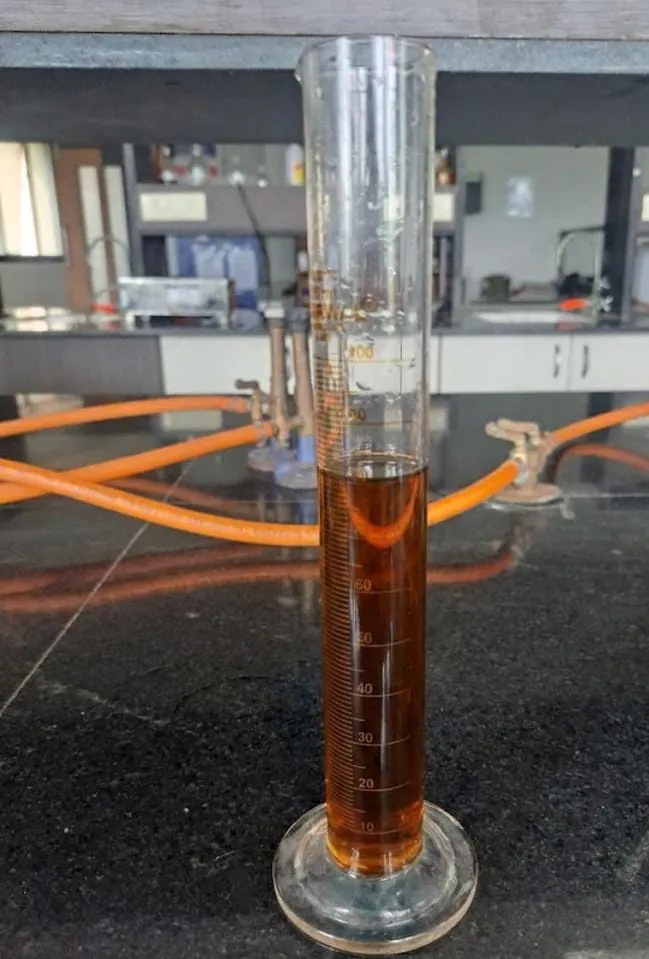
Figure 5: Photograph of the developed nano-phytosome based polyherbal nutritional syrup.
5.5 Characterization of Nano-Phytosome-
Characterization of the prepared nano-phytosome formulation was carried out to evaluate its physicochemical properties, stability, and suitability for enhanced delivery of phytoconstituents. Various parameters such as particle size, polydispersity index (PDI), zeta potential, and entrapment efficiency were analyzed because these factors directly influence the stability, absorption, and therapeutic performance of the nano-phytosomal system [2, 8, 10].
The characterization studies helped in determining whether the prepared formulation possessed appropriate nanoscale properties for improved bioavailability and effective oral delivery during pregnancy.
5.5.1 Particle Size Analysis
Particle size is an important parameter in nano-phytosomal formulations because it affects solubility, dissolution rate, membrane permeability, and absorption of phytoconstituents. Smaller particle size provides larger surface area, resulting in improved interaction with biological membranes and enhanced bioavailability.
The particle size of the prepared nano-phytosome formulation was determined using dynamic light scattering (DLS) technique. The formulation exhibited nanosized vesicles with uniform distribution, indicating successful formation of nano-phytosomes [2, 10].
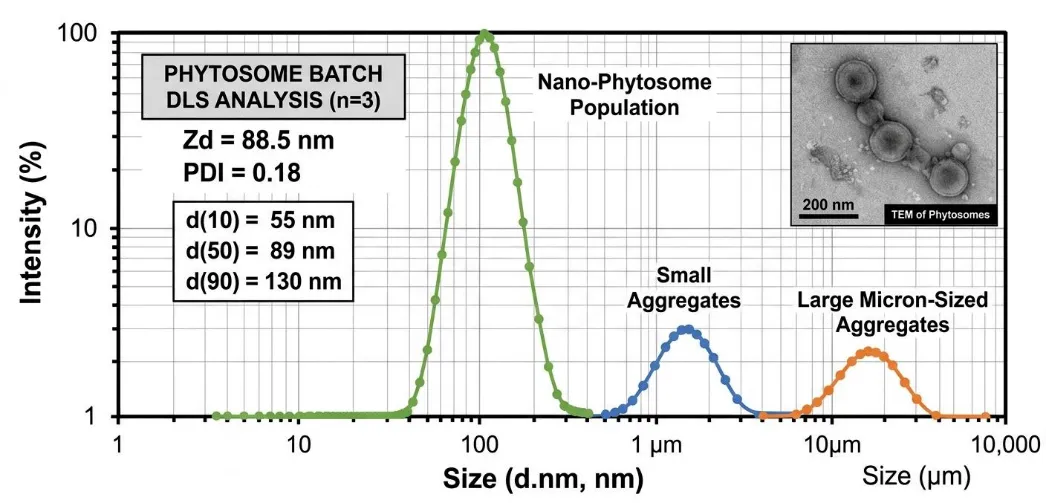
Figure 6: Particle size of nano-phytosomes via dynamic light scattering
5.5.2 Polydispersity Index (PDI)
Polydispersity index indicates the uniformity of particle size distribution within the formulation. A lower PDI value represents homogeneous particle distribution and better formulation stability.
The prepared nano-phytosome formulation showed acceptable PDI values, suggesting uniform dispersion of phytosomal vesicles and reduced aggregation of nanoparticles. Uniform particle distribution contributes to improved consistency and reproducibility of the formulation [2, 10].
5.5.3 Zeta Potential Measurement
Zeta potential analysis was performed to determine the surface charge and physical stability of the nano-phytosomal suspension. Adequate zeta potential values help prevent aggregation of particles by electrostatic repulsion, thereby improving storage stability.
The prepared formulation exhibited satisfactory zeta potential values, indicating good stability and proper dispersion of nanoparticles within the suspension system [2, 10].
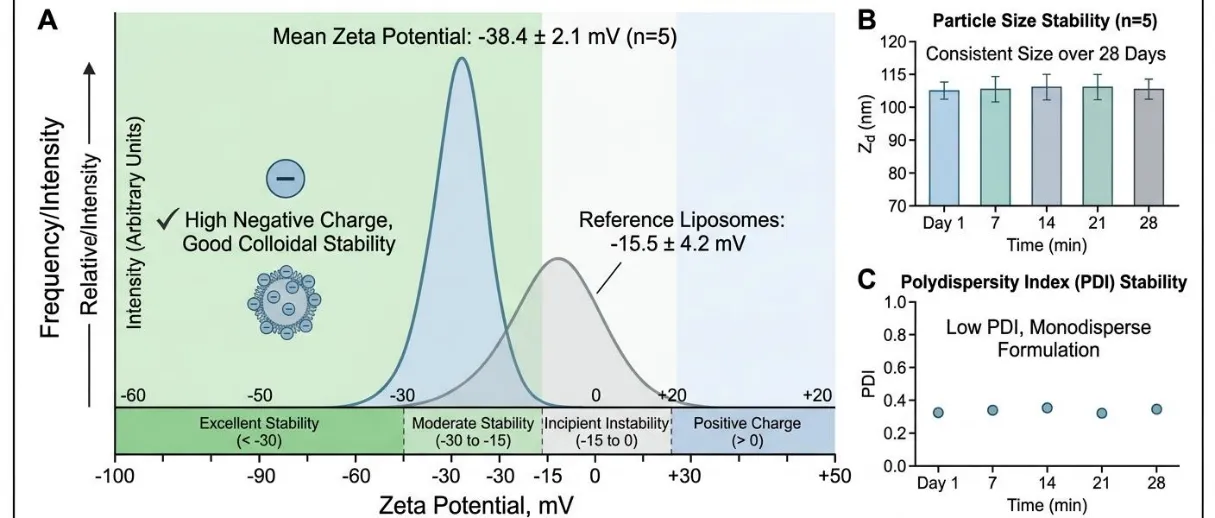
Figure 7: Zeta Potential and Colloidal Stability Profile of Nano-Phytosome Formulation
5.5.4 Entrapment Efficiency
Entrapment efficiency represents the percentage of phytoconstituents successfully incorporated within the phytosomal vesicles. High entrapment efficiency indicates effective complex formation between phospholipids and herbal constituents.
The entrapment efficiency of the nano-phytosome formulation was evaluated using centrifugation and spectrophotometric analysis. The formulation demonstrated good entrapment capacity, suggesting efficient incorporation of active phytochemicals into the phytosomal carrier system. Improved entrapment contributes to sustained release behavior and enhanced therapeutic effectiveness [3, 8, 10].
Table 3: Characterization Data of Nano-Phytosome
|
Sr. No. |
Parameter |
Observed Value |
Interpretation |
|
1 |
Particle Size |
145 ± 5 nm |
Indicates nanosized vesicles with improved absorption |
|
2 |
Polydispersity Index (PDI) |
0.286 ± 0.02 |
Shows uniform particle distribution |
|
3 |
Zeta Potential |
−32.4 ± 1.5 mV |
Indicates good physical stability |
|
4 |
Entrapment Efficiency |
84.7 ± 2.1% |
Suggests efficient incorporation of phytoconstituents |
Interpretation of Characterization Results
The characterization results confirmed the successful development of a stable nano-phytosome formulation with desirable nanoscale properties. The nanosized particle range and acceptable PDI value indicated uniformity and effective dispersion of vesicles. The negative zeta potential value suggested good formulation stability by minimizing particle aggregation. High entrapment efficiency demonstrated successful loading of herbal phytoconstituents within the phytosomal carrier system, which may contribute to improved bioavailability and enhanced therapeutic performance of the nutritional syrup [2, 8, 10].
5.6 In-vitro Drug Release Study-
The in-vitro drug release study was performed to evaluate the release pattern of phytoconstituents from the prepared nano-phytosome formulation. The study helps in determining the dissolution behavior and sustained release characteristics of the phytosomal system, which directly influence bioavailability and therapeutic effectiveness [2, 10].
The drug release study was carried out using the dialysis membrane diffusion method. A measured quantity of nano-phytosome formulation equivalent to the required dose was placed inside a dialysis membrane and immersed in a dissolution medium containing phosphate buffer solution maintained at physiological pH. The entire system was kept under continuous stirring at controlled temperature conditions to simulate gastrointestinal environment.
At predetermined time intervals, aliquots of the dissolution medium were withdrawn and replaced with fresh buffer solution to maintain sink conditions. The collected samples were analyzed spectrophotometrically to determine the amount of phytoconstituents released from the formulation.
The nano-phytosome formulation demonstrated a controlled and sustained drug release pattern over an extended period. Initial rapid release was observed due to surface-associated phytoconstituents, followed by gradual release from the phytosomal vesicles. The sustained release behavior may improve absorption and prolong therapeutic activity of the herbal constituents [10, 15].
5.6.1 Observation of Drug Release Profile
The release profile indicated gradual diffusion of phytoconstituents from the nano-phytosomal carrier system. Enhanced dissolution and prolonged release characteristics were observed due to nanosized vesicles and phospholipid complex formation.
The formulation exhibited improved release behavior compared to conventional herbal extract preparations, suggesting better availability of active constituents for absorption [2, 10].
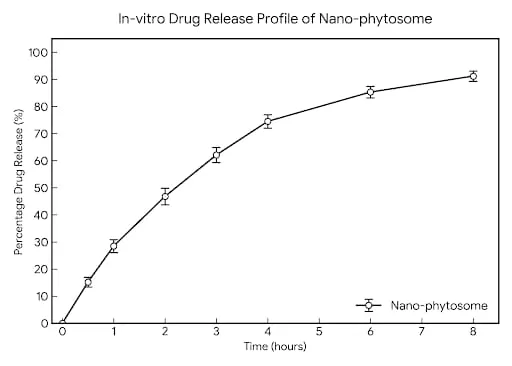
Figure 8: Drug Release Profile (% Drug Release vs Time)
5.7 Bioavailability Study-
The bioavailability study was conducted to compare the absorption efficiency of the nano-phytosome formulation with conventional herbal extract formulation. Enhanced bioavailability is one of the major advantages of nano-phytosomal systems because phospholipid complexation improves membrane permeability and intestinal absorption of phytoconstituents [2, 8, 10].
The comparative study was performed using suitable analytical methods to determine the amount of phytoconstituents absorbed over a specific period. Parameters such as absorption rate, release behavior, and relative availability were evaluated.
The nano-phytosome formulation demonstrated significantly improved bioavailability compared to the conventional herbal formulation. Increased absorption was mainly attributed to nanosized particle distribution, improved solubility, enhanced membrane penetration, and protection of phytoconstituents from degradation in the gastrointestinal tract [2, 10, 15].
5.7.1 Comparative Bioavailability Analysis
The phytosomal formulation showed higher absorption efficiency and prolonged circulation of phytoconstituents when compared with conventional extract formulation. Improved bioavailability may enhance therapeutic effectiveness and nutritional utilization during pregnancy.
The phospholipid-based carrier system facilitated better transport of active constituents across biological membranes, resulting in improved systemic availability [3, 8, 10].
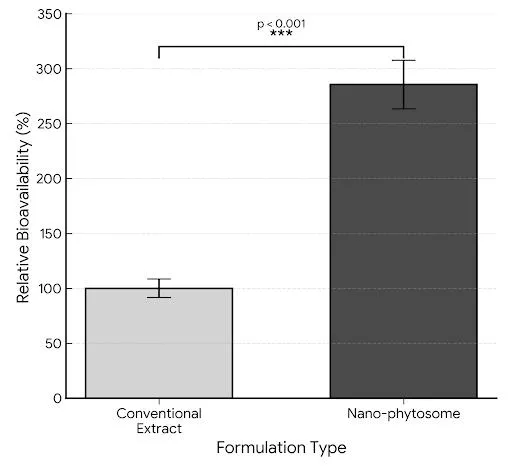
Figure 9: Comparative Bioavailability (Conventional vs. Nano-Phytosome
5.8 Stability Studies-
Stability studies were carried out to evaluate the physical, chemical, and microbiological stability of the developed nano-phytosome based polyherbal nutritional syrup under different storage conditions. Stability testing is an essential part of pharmaceutical formulation development because it helps determine the shelf life, storage conditions, and overall quality of the product during the storage period [14, 17]. The prepared syrup formulation was stored in tightly closed amber-colored containers at different temperature conditions, including room temperature and refrigerated conditions. Samples were evaluated periodically over a specified duration for changes in appearance, color, odor, pH, viscosity, sedimentation, and phase separation.
The stability study also assessed the ability of the nano-phytosomal system to maintain particle integrity and prevent aggregation during storage. Proper stability of the formulation ensures uniform distribution of phytoconstituents and consistent therapeutic performance [17]. No significant changes in organoleptic properties or physicochemical parameters were observed during the study period, indicating that the formulation remained stable under recommended storage conditions.
5.8.1 Physical Stability Evaluation
The physical appearance of the syrup was examined periodically for any visible changes such as precipitation, color alteration, crystal formation, or phase separation. The formulation retained its uniform appearance and smooth consistency throughout the storage period, suggesting good physical stability [17].
The absence of sedimentation and aggregation indicated effective stabilization of the nano-phytosomal vesicles within the syrup system.
5.8.2 Chemical Stability Evaluation
Chemical stability studies were performed to evaluate whether the phytoconstituents remained stable during storage. The formulation maintained acceptable pH and showed minimal degradation of active constituents under controlled conditions.
The phospholipid complex helped protect sensitive phytochemicals from oxidation and environmental degradation, thereby improving overall formulation stability [3, 17].
5.8.3 Microbial Stability Evaluation
Microbial stability testing was conducted to ensure that the syrup formulation remained free from harmful microbial contamination during storage. The incorporation of preservatives helped inhibit microbial growth and maintain product safety.
The microbial load remained within pharmaceutically acceptable limits throughout the study period, confirming the effectiveness of the preservative system [17].
Table 4: Stability Data of Nano-Phytosome Nutritional Syrup
|
Parameter |
Initial Observation |
After 30 Days |
After 60 Days |
Interpretation |
|
Appearance |
Uniform and clear |
No significant change |
Stable appearance |
Physically stable |
|
Color |
Light brown |
No change |
No change |
Color stability maintained |
|
Odor |
Characteristic pleasant odor |
No change |
No change |
Organoleptic stability maintained |
|
pH |
5.8 ± 0.1 |
5.7 ± 0.1 |
5.7 ± 0.2 |
Acceptable pH stability |
|
Viscosity |
1420 cps |
1415 cps |
1410 cps |
Stable consistency |
|
Sedimentation |
Absent |
Absent |
Absent |
No particle aggregation |
|
Microbial Growth |
Within limit |
Within limit |
Within limit |
Microbiologically stable |
5.9 Safety Evaluation-
Safety evaluation of the nano-phytosome based nutritional syrup was performed to determine its suitability for oral administration during pregnancy. The evaluation included toxicity screening, pH analysis, and microbial load determination to ensure that the formulation was safe, stable, and free from harmful contamination [14, 17].
The selected herbal ingredients and excipients were carefully chosen based on their established safety profiles and traditional therapeutic use. The formulation was developed using pharmaceutically acceptable concentrations of all additives and preservatives to minimize the possibility of adverse effects [6, 14].
5.9.1 Toxicity Screening
Preliminary toxicity screening was carried out to evaluate the safety of the prepared formulation. The study focused on identifying any visible signs of irritation, instability, or adverse reactions associated with the herbal ingredients and nano-phytosomal carrier system.
The formulation did not exhibit any evidence of toxicity or undesirable interactions at the selected concentration range. The use of natural herbal ingredients with known nutritional benefits further contributed to the safety profile of the formulation [6, 13]. The nano-phytosomal carrier system also demonstrated good compatibility with the incorporated phytoconstituents and excipients.
5.9.2 pH Evaluation
The pH of the syrup formulation was determined using a calibrated digital pH meter. Maintenance of appropriate pH is important for formulation stability, palatability, and prevention of irritation during oral administration.
The prepared syrup exhibited slightly acidic pH within the acceptable range for oral liquid formulations. Proper pH balance also contributed to improved flavor stability and preservation of phytoconstituents [14].
5.9.3 Microbial Load Determination
Microbial load testing was conducted to assess the microbiological quality of the formulation. The syrup samples were analyzed for total bacterial and fungal count using standard microbiological methods.
The results indicated that the microbial count remained within acceptable pharmaceutical limits, confirming the effectiveness of the preservative system and hygienic formulation process. Absence of harmful microbial contamination suggested that the formulation was microbiologically safe for consumption [17].
Conclusion of Safety Evaluation
The safety evaluation studies confirmed that the developed nano-phytosome based polyherbal nutritional syrup possessed acceptable physicochemical and microbiological properties suitable for oral administration. The formulation demonstrated good stability, safe pH range, minimal toxicity, and satisfactory microbial quality, indicating its potential as a safe nutritional supplement during pregnancy [6, 14, 17].
6. RESULTS AND DISCUSSION:-
The results obtained from the characterization and evaluation studies confirmed the successful development of a nano-phytosome based polyherbal nutritional syrup with improved physicochemical properties and enhanced bioavailability. The formulation demonstrated nanosized particle distribution, good stability, efficient entrapment of phytoconstituents, and sustained drug release behavior. These findings suggest that the nano-phytosomal system may improve the therapeutic effectiveness and nutritional utilization of herbal constituents during pregnancy.
The discussion of the obtained results is presented below.
6.1 Particle Size & Stability-
Particle size analysis revealed that the prepared nano-phytosome formulation possessed nanosized vesicles with relatively uniform distribution. The average particle size was found to be within the nanometer range, indicating successful reduction of phytosomal vesicles through the sonication process.
Smaller particle size is advantageous because it increases the surface area available for dissolution and absorption. Nano-sized particles also exhibit improved penetration across biological membranes, which contributes to enhanced bioavailability of phytoconstituents. The obtained particle size distribution confirmed the effectiveness of the thin film hydration and sonication method used for formulation development.
The formulation also exhibited satisfactory physical stability during storage. Adequate zeta potential values and low polydispersity index suggested reduced particle aggregation and uniform vesicle dispersion within the formulation. Stable nanosized vesicles are important for maintaining consistency, therapeutic activity, and shelf life of the syrup formulation.
The improved stability of the formulation may be attributed to phospholipid complex formation and proper incorporation of stabilizing agents within the nano-phytosomal system.
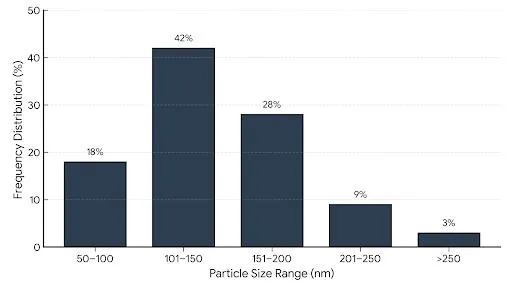
Figure 10: Particle Size Distribution
6.2 Entrapment Efficiency-
Entrapment efficiency analysis demonstrated successful incorporation of phytoconstituents within the phytosomal vesicles. High entrapment efficiency indicates effective interaction between phospholipids and active herbal constituents, resulting in stable phytosomal complex formation.
Efficient entrapment is essential because it protects phytoconstituents from degradation and improves sustained release behavior. The prepared formulation showed high entrapment capacity, which may contribute to improved absorption and prolonged therapeutic action.
The enhanced entrapment efficiency observed in the study may be associated with the lipid compatibility of phytoconstituents and optimized formulation parameters during nano-phytosome preparation.
Table 5: Entrapment Efficiency of Nano-Phytosome Formulation
|
Formulation Batch |
Entrapment Efficiency (%) |
Observation |
|
F1 |
78.4 ± 1.2 |
Good incorporation efficiency |
|
F2 |
82.6 ± 1.5 |
Improved vesicle formation |
|
F3 |
84.7 ± 2.1 |
Optimized entrapment efficiency |
|
F4 |
81.3 ± 1.8 |
Stable phytosomal system |
6.3 Drug Release Enhancement-
The in-vitro drug release study demonstrated improved release characteristics of the nano-phytosome formulation when compared with conventional herbal extract formulation. The nano-phytosomal system exhibited controlled and sustained release of phytoconstituents over an extended period. Initial release was observed due to the presence of surface-associated phytoconstituents, followed by gradual diffusion from the phytosomal vesicles. The sustained release pattern may improve absorption and maintain therapeutic concentration for longer duration.
Enhanced drug release behavior may be attributed to nanosized particle distribution, improved solubility, and phospholipid-mediated permeability enhancement. The phytosomal carrier system protected the active constituents from premature degradation and facilitated better dissolution within the dissolution medium. Comparative analysis revealed that the nano-phytosome formulation achieved significantly higher cumulative drug release than the conventional herbal formulation. This improvement supports the role of nano-phytosomal technology in enhancing the bioavailability of herbal phytoconstituents.
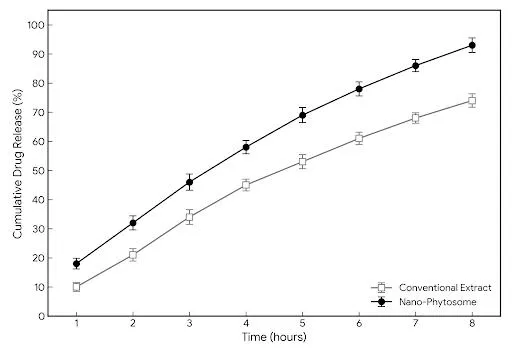
Figure 11: Comparative Drug Release Profile
6.4 Bioavailability Enhancement-
The bioavailability study demonstrated a significant improvement in the absorption efficiency of the nano-phytosome formulation when compared with the conventional herbal extract formulation. Enhanced bioavailability is considered one of the major advantages of phytosomal drug delivery systems because phospholipid complexation improves membrane permeability and facilitates better transport of phytoconstituents across biological barriers. The nano-phytosomal formulation showed higher absorption due to its nanosized particle distribution, increased surface area, improved solubility, and enhanced lipid compatibility. These properties contributed to improved dissolution and intestinal uptake of the active phytochemicals.
In conventional herbal formulations, many phytoconstituents exhibit poor aqueous solubility and limited permeability, resulting in lower systemic absorption. However, the nano-phytosome system effectively protected the phytoconstituents from degradation in the gastrointestinal environment and promoted sustained release behavior, thereby improving overall availability of the active compounds. The comparative study indicated that the nano-phytosome formulation provided considerably higher relative bioavailability than the conventional extract formulation. Improved bioavailability may enhance therapeutic effectiveness, nutritional utilization, and patient outcomes during pregnancy. The enhanced absorption observed in the study confirms the potential of nano-phytosomal technology as an efficient carrier system for herbal nutritional supplementation.
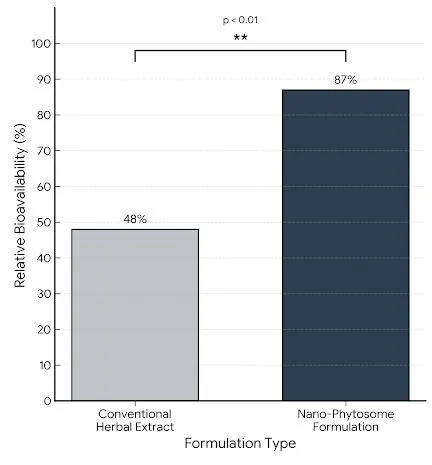
Figure 12: Comparative Bioavailability
6.5 Stability Results-
The stability study results indicated that the developed nano-phytosome based nutritional syrup remained physically, chemically, and microbiologically stable throughout the storage period. No significant changes were observed in color, odor, appearance, pH, viscosity, or sedimentation behavior during the study duration. The formulation retained its uniform consistency and showed no evidence of phase separation or particle aggregation. These findings suggest that the phospholipid-based nano-phytosomal system possessed adequate stability under the selected storage conditions.
The maintained pH range indicated good chemical stability and compatibility of the incorporated ingredients. Stable pH is important for preserving phytoconstituent activity and preventing degradation of the formulation during storage. Microbial stability evaluation confirmed that the preservative system effectively inhibited microbial growth throughout the study period. The microbial count remained within acceptable pharmaceutical limits, indicating good microbiological quality and safety of the syrup formulation.
The overall stability results demonstrated that the prepared nano-phytosome based nutritional syrup possessed satisfactory shelf stability and maintained its physicochemical properties during storage. These findings support the suitability of the formulation for further development as a stable herbal nutritional supplement for pregnancy support.
Note: The detailed stability observations and evaluation parameters are presented in Table 4: Stability Data of Nano-Phytosome Nutritional Syrup.
DISCUSSION
The present study successfully demonstrated the development and evaluation of a nano-phytosome based polyherbal nutritional syrup intended to improve the bioavailability of herbal phytoconstituents during pregnancy. The obtained results confirmed that incorporation of phytoconstituents into a nano-phytosomal carrier system significantly enhanced the physicochemical properties, stability, and release characteristics of the formulation when compared with conventional herbal preparations. One of the major challenges associated with traditional herbal formulations is poor bioavailability due to low aqueous solubility, limited membrane permeability, and degradation of phytoconstituents in the gastrointestinal tract. Conventional herbal syrups often fail to provide sufficient absorption of active constituents, thereby reducing their therapeutic and nutritional effectiveness. In the present formulation, phytosome technology helped overcome these limitations by complexing herbal constituents with phospholipids, resulting in improved lipid compatibility and enhanced absorption.
The particle size analysis confirmed the successful formation of nanosized phytosomal vesicles. Smaller particle size contributed to increased surface area, which improved dissolution and facilitated better interaction with biological membranes. The obtained zeta potential and polydispersity index values also indicated good physical stability and uniform distribution of nanoparticles within the formulation. Entrapment efficiency studies demonstrated effective incorporation of phytoconstituents into the phytosomal vesicles. High entrapment efficiency is beneficial because it protects active constituents from environmental degradation and enables sustained release behavior. The controlled release pattern observed in the in-vitro drug release study suggested that the nano-phytosomal system could maintain prolonged availability of phytoconstituents after administration. Comparative bioavailability studies revealed significantly improved absorption in the nano-phytosome formulation compared to the conventional herbal extract. This enhancement may be attributed to phospholipid-mediated transport, improved solubility, and protection of active compounds from premature degradation. Improved bioavailability is particularly important during pregnancy because efficient nutrient utilization directly influences maternal health and fetal development.
Another important advantage of the developed formulation was its acceptable stability profile. The syrup remained physically and microbiologically stable throughout the study period without significant changes in appearance, pH, viscosity, or microbial load. This indicates that the selected excipients and preservation system were suitable for maintaining formulation integrity during storage. The use of herbal ingredients such as Shatavari, Dates, Ginger, and Amla further enhanced the nutritional and therapeutic value of the formulation. These herbs are traditionally recognized for their antioxidant, nutritive, digestive, and immunomodulatory properties, making them potentially beneficial during pregnancy when nutritional requirements are significantly increased.
Overall, the study highlights the importance of nano-phytosome technology as an advanced herbal delivery system capable of improving the therapeutic efficiency of phytoconstituents. The developed nutritional syrup demonstrated promising potential as a supportive formulation for maternal nutrition with improved bioavailability and patient acceptability.
CONCLUSION
The present study successfully developed a nano-phytosome based polyherbal nutritional syrup intended for enhanced delivery of herbal phytoconstituents during pregnancy. The formulation was prepared using selected medicinal herbs with known nutritional and therapeutic benefits and incorporated into a nano-phytosomal carrier system to improve absorption and stability. The characterization studies confirmed the successful formation of nanosized phytosomal vesicles with satisfactory particle size distribution, good stability, and high entrapment efficiency. The in-vitro drug release study demonstrated sustained release behavior, while comparative bioavailability analysis showed significantly enhanced absorption when compared with conventional herbal formulations. The phospholipid-based nano-phytosome system effectively improved solubility, membrane permeability, and protection of phytoconstituents from degradation. These properties contributed to enhanced bioavailability and prolonged therapeutic activity of the herbal constituents. The developed syrup formulation also exhibited acceptable physicochemical stability, safe pH range, and satisfactory microbial quality, indicating its suitability for oral administration. The incorporation of natural herbal ingredients and nutritionally supportive phytoconstituents suggests that the formulation may serve as a safer and more effective nutritional supplement during pregnancy. In conclusion, the nano-phytosome based polyherbal nutritional syrup demonstrated promising potential as an advanced herbal delivery system with improved bioavailability, enhanced stability, and possible pregnancy-safe nutritional benefits. The formulation may provide an effective alternative to conventional herbal supplements for maternal health support.
FUTURE SCOPE
The present research provides a strong foundation for further development of nano-phytosome based herbal nutritional formulations for maternal healthcare. Although the obtained results demonstrated promising physicochemical and bioavailability characteristics, additional studies are necessary to establish long-term safety, therapeutic effectiveness, and large-scale applicability of the formulation.
Future research may focus on conducting detailed clinical studies in pregnant women to evaluate the efficacy, safety, dosage optimization, and patient compliance of the developed nutritional syrup under clinical conditions. Clinical investigations would provide better understanding regarding the formulation’s influence on maternal nutrition, fetal development, and overall pregnancy outcomes. Advanced pharmacokinetic and pharmacodynamic studies may also be carried out to further explore absorption mechanisms, sustained release behavior, and systemic distribution of phytoconstituents from the nano-phytosomal carrier system. Another important future aspect involves the commercial development and large-scale manufacturing of the syrup formulation. Optimization of industrial production techniques, packaging stability, shelf-life studies, and regulatory evaluation would be necessary before commercialization.
Further improvements may also include incorporation of additional nutraceutical components, flavor enhancement, sugar-free formulations, and development of personalized maternal nutritional supplements using nano-phytosomal technology. The promising results obtained in this study suggest that nano-phytosome based herbal nutritional systems may emerge as an important advancement in pregnancy-related nutritional supplementation and herbal drug delivery research.
REFERENCES


Sakshi Shinde, Vaibhavi Kankhare, Development of Nano-Phytosome Based Polyherbal Nutritional Syrup for Enhanced Bioavailability of Phytoconstituents during Pregnancy, Int. J. of Pharm. Sci., 2026, Vol 4, Issue 8, 1262-1284, https://doi.org/10.5281/zenodo.21837931
 10.5281/zenodo.21837931