

We use cookies to ensure our website works properly and to personalise your experience. Cookies policy
Adhiparasakthi College of Pharmacy (Affiliated to The Tamil Nadu Dr. M. G. R. Medical University, Chennai), Melmaruvathur.
Food colourants are widely used in the food industry to improve the visual appearance of products, restore colour lost during processing, and enhance consumer acceptance. Based on their source, these colourants are broadly classified as natural and synthetic. Natural colourants, obtained from plants, animals, and microorganisms, have gained increasing attention because of the growing demand for clean-label foods and their potential health-promoting properties. In contrast, synthetic colourants remain important in food manufacturing because they provide intense colour, excellent stability, and cost-effective performance, although concerns regarding their possible health effects have led to continuous safety evaluations and stricter regulatory control. This review provides a comprehensive overview of the classification, sources, applications, health benefits, adverse effects, toxicity, and safety assessment of food colourants. It also discusses international regulatory frameworks, acceptable daily intake (ADI), analytical techniques used for the detection and quantification of food colourants, recent technological developments, current challenges, and future research directions. Overall, continued advances in food colourant technology are expected to support the development of safer, more sustainable, and consumer-oriented colouring agents that meet evolving regulatory standards and industry requirements
Colour is one of the most important sensory characteristics of food and is often the first feature consumers notice before evaluating its aroma, texture, or taste. The visual appearance of a food product strongly influences consumer perceptions of freshness, quality, flavour, and nutritional value. Foods with bright, attractive, and consistent colours are generally considered more appealing and are more likely to be accepted by consumers, whereas faded or unusual colours may reduce their market appeal despite having acceptable nutritional quality. [1,2]
The natural colour of food can change during processing, preservation, and storage because of factors such as heat, light, oxygen, enzymatic activity, moisture, and variations in pH. These conditions may degrade naturally occurring pigments, resulting in colour loss or undesirable changes in appearance. To overcome these issues, food manufacturers use food colourants to restore the original colour, enhance visual appeal, and maintain uniformity across different production batches. [2,3]
Food colourants are substances intentionally added to foods, beverages, and certain pharmaceutical preparations to restore, enhance, or standardize their colour. Based on their origin, they are broadly classified as natural or synthetic colourants. Natural colourants are obtained from sources such as plants, fruits, vegetables, algae, microorganisms, and minerals. Common examples include curcumin, carotenoids, anthocyanins, chlorophyll, and betalains. In contrast, synthetic colourants are chemically produced to provide intense, uniform, and stable colours that can withstand various processing and storage conditions. Frequently used synthetic colourants include tartrazine, sunset yellow FCF, brilliant blue FCF, and allura red AC. [3–5]
Food colourants have become an essential component of the food industry because they improve the appearance of products, help consumers recognize different flavours and product varieties, and support brand consistency. They are widely incorporated into beverages, confectionery, bakery products, dairy foods, processed snacks, desserts, sauces, and pharmaceutical formulations. Maintaining consistent colour also enhances consumer confidence by ensuring that products retain a familiar appearance throughout their shelf life. [2,4]
In recent years, there has been a growing preference for foods containing naturally derived ingredients due to increased awareness of health, environmental sustainability, and clean-label products. Natural colourants are often perceived as safer and may provide additional health benefits because many possess antioxidant and other bioactive properties. However, their industrial application is often limited by lower stability under conditions such as heat, light, oxygen exposure, and pH changes. In contrast, synthetic colourants continue to be widely used because they offer excellent colour intensity, better stability, longer shelf life, and lower production costs. Nevertheless, concerns regarding the possible health effects of certain synthetic dyes have resulted in continuous scientific evaluation and stricter regulatory control worldwide. [5,15,17,20]
As consumer expectations and regulatory standards continue to evolve, research on food colourants has become increasingly important. Current efforts are focused on improving the stability of natural pigments, developing safer synthetic alternatives, and exploring innovative technologies that can provide effective colouring while ensuring food quality, consumer safety, and regulatory compliance. [15,17,20]
CLASSIFICATION OF FOOD COLOURINGSCOMMON SYNTHETIC FOOD COLOURS USED IN FOODS
Food Colourings
Food colourings are substances added to foods to improve, restore, or maintain their colour, thereby enhancing their visual appeal and consumer acceptance. Since colour is one of the first characteristics noticed by consumers, it plays an important role in shaping perceptions of freshness, quality, flavour, and overall acceptability. During food processing and storage, naturally occurring pigments may deteriorate because of exposure to heat, light, oxygen, moisture, or changes in pH. To overcome these changes and maintain a uniform appearance, food colourants are widely used in products such as beverages, confectionery, bakery items, dairy products, processed foods, and pharmaceutical preparations. [4–7]
Based on their origin, food colourants are generally classified into natural and synthetic colourants. Natural colourants are obtained from sources such as plants, animals, microorganisms, and minerals, whereas synthetic colourants are produced through chemical synthesis to provide brighter colours, improved stability, and better consistency during processing and storage. The selection of a particular colourant depends on factors such as product type, desired colour, stability, cost, and regulatory approval. [4–7]
1. Natural Food Colourings
Natural food colourants are pigments obtained from naturally available sources, including fruits, vegetables, flowers, leaves, roots, algae, microorganisms, and certain animal-derived materials. Their popularity has increased considerably in recent years because consumers are increasingly choosing foods made with natural ingredients and clean-label formulations. In addition to improving the appearance of foods, many natural pigments possess biological properties such as antioxidant, antimicrobial, and anti-inflammatory activities, which may provide added health benefits. However, compared with synthetic colourants, many natural pigments are more susceptible to degradation when exposed to heat, light, oxygen, or fluctuations in pH, limiting their use in some food processing applications. [4,5,7–9]
Plant-derived Food Colourings
Plants represent the largest and most widely used source of natural food colourants. Pigments extracted from roots, fruits, flowers, leaves, and seeds produce a broad spectrum of colours, including yellow, orange, red, purple, blue, and green, making them suitable for a variety of food applications. [4,5,9]
Curcumin: Curcumin is a natural yellow pigment obtained from the rhizome of Curcuma longa (turmeric). As a member of the curcuminoid group, it is extensively used in dairy products, beverages, sauces, confectionery, bakery products, and pickles. Besides providing colour, curcumin exhibits antioxidant, antimicrobial, and anti-inflammatory activities. However, its stability may decrease when exposed to light, high temperatures, or alkaline conditions, which can affect its performance during food processing. [9–11]
Carotenoids: Carotenoids are fat-soluble pigments responsible for the yellow, orange, and red colours observed in many fruits and vegetables, including carrots, tomatoes, pumpkins, peppers, and leafy greens. Major carotenoids include β-carotene, lycopene, and lutein. β-Carotene is commonly incorporated into beverages, margarine, and dairy products, while lycopene is frequently used to provide a stable red colour in processed foods. In addition to their colouring properties, carotenoids are recognized for their antioxidant activity and their role as precursors of vitamin A. [5,8,9]
Anthocyanins: Anthocyanins are water-soluble flavonoid pigments naturally found in berries, grapes, cherries, purple cabbage, and edible flowers. Their colour can vary from red to purple or blue depending on the acidity of the food system. Because of their attractive appearance and antioxidant potential, anthocyanins are widely used in fruit beverages, jams, desserts, and confectionery products. Nevertheless, they are sensitive to heat, oxygen, and pH changes, which may reduce their stability during processing and storage. [12]
Chlorophyll: Chlorophyll is the natural green pigment responsible for photosynthesis in plants and is primarily extracted from green leafy vegetables and algae. It is commonly used to impart a green colour to sauces, dairy products, chewing gum, and processed foods. However, chlorophyll is relatively unstable under acidic conditions and prolonged exposure to light, which can result in colour fading. [9]
Betalains: Betalains are water-soluble pigments mainly extracted from beetroot (Beta vulgaris). They are categorized into betacyanins, which produce red-violet shades, and betaxanthins, which produce yellow-orange shades. Betalains are widely used in beverages, desserts, ice creams, and confectionery products. Their natural origin and antioxidant properties make them attractive alternatives to synthetic colourants, although they may lose stability during high-temperature processing. [5,8,9]
Annatto: Annatto is a yellow-orange natural colourant obtained from the seeds of Bixa orellana. Its principal colouring components are bixin and norbixin. Owing to its good colouring efficiency and relatively high stability, annatto is extensively used in cheese, butter, margarine, bakery products, and other dairy foods. [10]
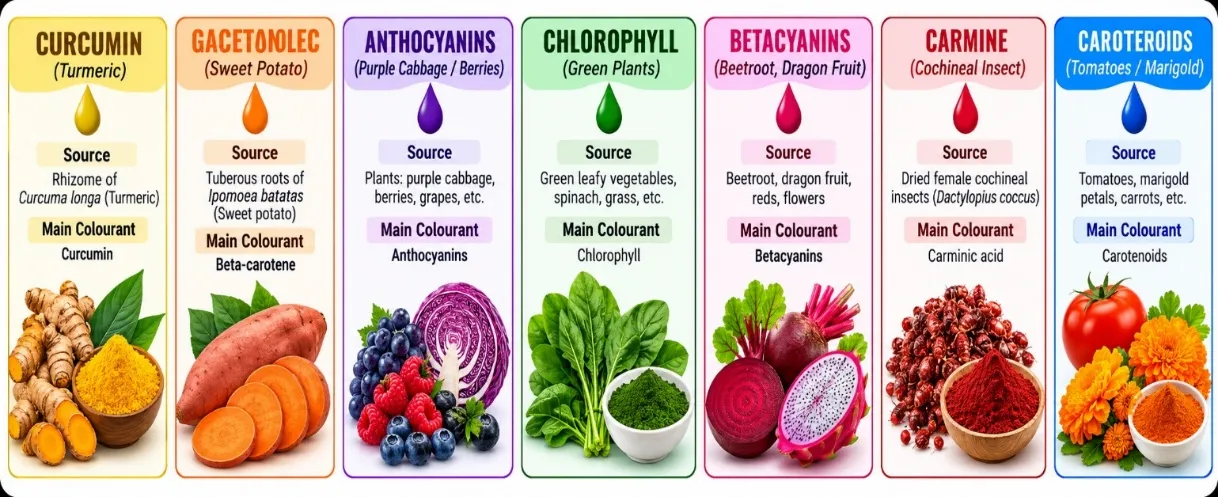
Figure 1: Different plant derived food colourings
Animal-derived Food Colourings
Among natural colourants of animal origin, carmine (cochineal extract) is one of the most widely used. It is produced from dried female cochineal insects (Dactylopius coccus), with carminic acid serving as its primary colouring compound. Carmine provides a stable red colour and is commonly used in yoghurt, beverages, confectionery, candies, and desserts. Despite its excellent colouring performance, concerns related to its animal origin and the possibility of allergic reactions may limit its acceptance among some consumers. [9]
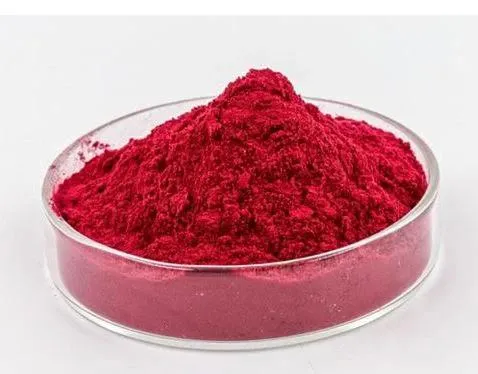
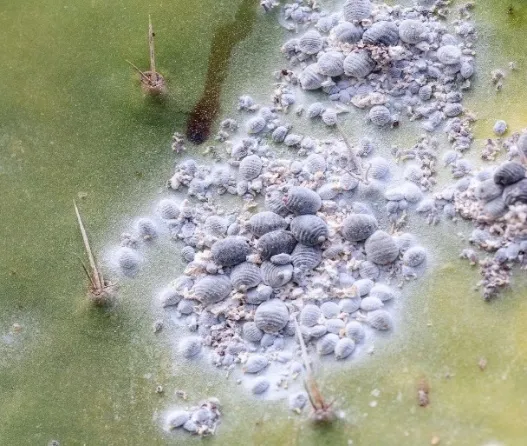
Figure 2: Animal derived food colourings
Microbial-derived Food Colourings
Microorganisms have emerged as valuable sources of natural food pigments because they can be cultivated under controlled fermentation conditions, ensuring a reliable and sustainable supply of colourants. Various fungi, bacteria, and microalgae can produce pigments suitable for food applications. Pigments obtained from Monascus species and different microalgae are receiving increasing attention as potential alternatives to plant-derived and synthetic colourants. Compared with conventional sources, microbial pigments offer advantages such as year-round production, high productivity, and reduced reliance on agricultural resources. [13]
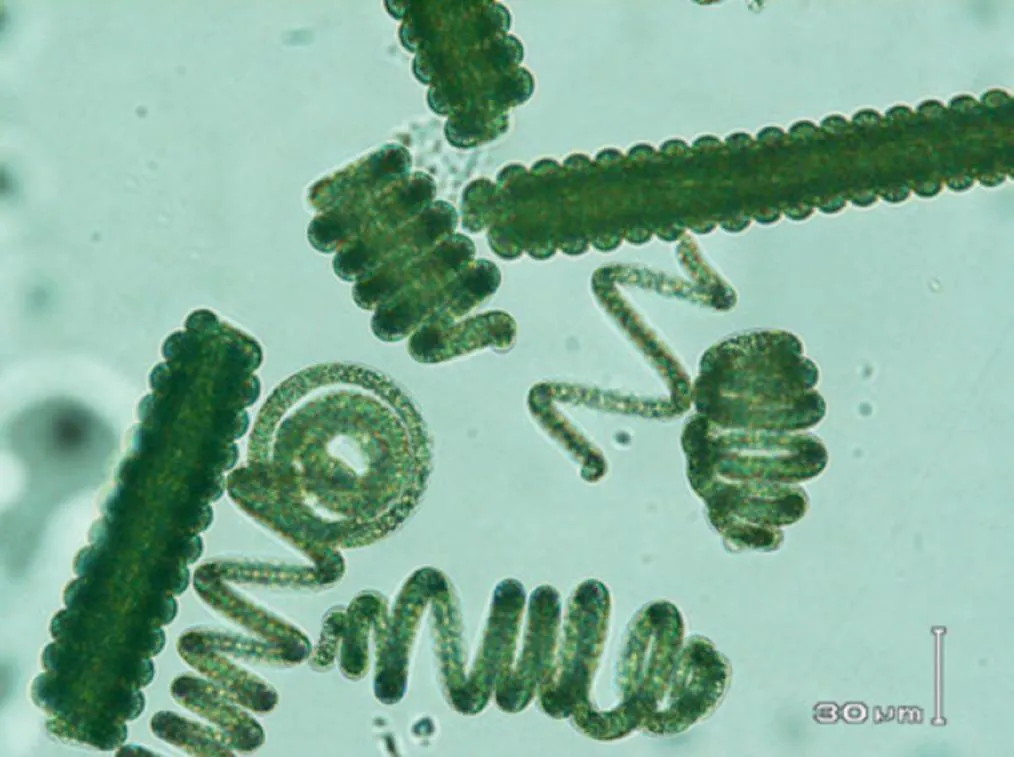
Figure 3: Microbial derived food colourings
2. Synthetic Food Colourings
Synthetic food colourants are artificially produced colouring agents manufactured through chemical processes to enhance, restore, or maintain the appearance of foods and beverages. They are widely used because they produce bright, uniform colours, possess high colouring efficiency, and remain stable under a variety of processing and storage conditions, including exposure to heat, light, and changes in pH. Compared with natural pigments, synthetic colourants are generally more economical, have a longer shelf life, and provide consistent colour quality between production batches. Consequently, they are extensively used in carbonated beverages, confectionery, bakery products, dairy desserts, processed foods, snack items, and pharmaceutical preparations such as tablets and syrups. Although these colourants improve product appearance and consumer appeal, concerns regarding possible adverse health effects, including allergic reactions and behavioural changes in susceptible individuals, have resulted in strict regulatory control. Food safety authorities therefore establish acceptable daily intake (ADI) values and maximum permitted levels to ensure their safe use. [3,5,14–17]
Tartrazine (E102)
Tartrazine (E102) is a synthetic azo dye that produces a bright lemon-yellow colour and is one of the most frequently used food colourants worldwide. It is widely incorporated into soft drinks, candies, ice creams, bakery products, flavoured desserts, sauces, instant noodles, and processed snacks because of its good water solubility, low production cost, and excellent stability during processing and storage. Besides food applications, tartrazine is also used in selected pharmaceutical formulations and cosmetic products. Although it is approved for use within regulatory limits, some susceptible individuals may experience hypersensitivity reactions such as skin rashes, urticaria, or worsening of asthma symptoms. A few studies have also suggested a possible association between excessive intake of tartrazine and behavioural changes in children. These concerns have led regulatory agencies to closely monitor its use and enforce strict safety guidelines. [3,14–17,19,21,22]
Sunset Yellow FCF (E110)
Sunset Yellow FCF (E110) is an orange-yellow synthetic azo dye commonly used to improve the appearance of beverages, fruit drinks, confectionery products, desserts, biscuits, bakery items, chips, sauces, and ready-to-eat snacks. The dye is valued for its strong colouring ability and its stability during food processing and storage. Despite these advantages, its safety has been the subject of scientific investigation. In sensitive individuals, Sunset Yellow may cause allergic reactions, skin irritation, or asthma-related symptoms. Some studies have also explored a possible relationship between synthetic food colours, including Sunset Yellow, and hyperactivity in children, although the available evidence remains inconclusive. Therefore, its use is permitted only within the acceptable daily intake (ADI) established by regulatory authorities. [3,14–17,19,21,22]
Allura Red AC (E129)
Allura Red AC (E129) is a synthetic red azo dye widely used to impart a bright red colour to various food products. It is commonly found in candies, flavoured beverages, bakery products, dairy desserts, jams, breakfast cereals, processed foods, and confectionery. Owing to its high-water solubility and excellent stability under different processing conditions, it is widely preferred by food manufacturers. In addition to food products, Allura Red is also used in certain pharmaceutical syrups and cosmetic formulations. Although considered safe when consumed within recommended limits, some studies have reported allergic responses and behavioural effects in susceptible individuals. As a result, regulatory authorities continue to monitor its safety and specify maximum permissible levels for its use in different food categories. [3,14–17,19,21,22]
Brilliant Blue FCF (E133)
Brilliant Blue FCF (E133) is a synthetic triphenylmethane dye that provides an intense blue colour to food products. It is widely used in beverages, confectionery, dairy desserts, ice creams, chewing gums, decorative icings, and pharmaceutical syrups. Since naturally occurring blue pigments are relatively uncommon and often lack sufficient stability, Brilliant Blue remains an important colourant in the food industry. It exhibits good resistance to heat, light, and acidic conditions, helping products retain their colour during storage. The dye is also frequently blended with yellow colourants, such as tartrazine, to produce different shades of green. Although it is generally regarded as safe at approved levels, hypersensitivity reactions have occasionally been reported in susceptible individuals, highlighting the need for continued regulatory oversight. [3,14–17,19,21]
Erythrosine (E127)
Erythrosine (E127), also known as Red No. 3, is a synthetic xanthene dye that produces a bright pink to cherry-red colour. It is mainly used in confectionery products, cake decorations, candied cherries, dessert toppings, and decorative food items where an intense red colour is required. Compared with many other synthetic food colourants, erythrosine has been subjected to stricter regulatory control because toxicological studies in animals have suggested that prolonged exposure to high doses may influence thyroid function. Consequently, its use is restricted to specific food applications and carefully regulated concentrations. Despite these limitations, erythrosine continues to be used where its unique colouring characteristics cannot be easily replaced by alternative colourants. [3,14–17,19,21]
Indigo Carmine (E132)
Indigo Carmine (E132), also known as Indigotine, is a synthetic blue food colour widely used to produce deep blue shades in beverages, confectionery, desserts, dairy products, decorative icings, and pharmaceutical formulations. The dye is appreciated for its good water solubility and satisfactory stability under normal food processing conditions. When combined with yellow food colourants, it can produce a range of green shades, expanding its application in processed foods. Although Indigo Carmine is generally considered safe within approved intake levels, isolated cases of hypersensitivity reactions have been reported. Therefore, regulatory authorities continue to evaluate and regulate its use to ensure consumer safety. [3,14–17,19,21]
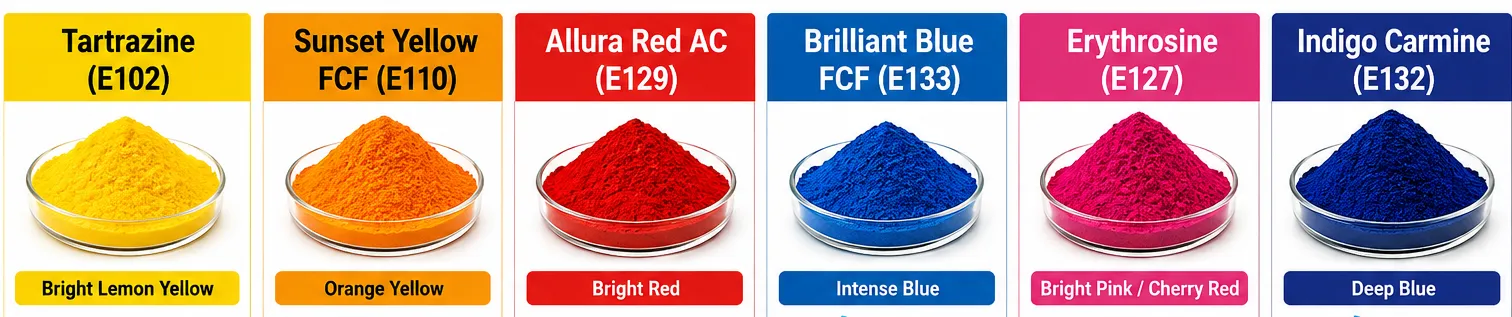
Figure 4: Synthetic food colourings
APPLICATIONS OF FOOD COLOURANTS
Food colourants are extensively used in the food industry to improve the appearance of products and restore colour that may be lost during processing, storage, or transportation. An attractive and consistent colour enhances the overall quality of food and plays an important role in influencing consumer preference and purchasing decisions. Food colourants are commonly incorporated into beverages, confectionery, bakery products, dairy products, snacks, sauces, and a wide range of processed foods. Besides enhancing appearance, they help consumers distinguish between different flavours and maintain a uniform product appearance across manufacturing batches. Although the demand for natural colourants has increased because of growing interest in clean-label and naturally derived ingredients, synthetic colourants continue to be widely used owing to their superior stability, brighter colours, and lower production costs. Regardless of their source, all food colourants are subject to regulatory approval and must comply with established safety standards before being used in food products. [2,3,5,6,19]
HEALTH BENEFITS OF NATURAL FOOD COLOURANTS
Natural food colourants are becoming increasingly popular because they not only enhance the colour of foods but also offer several potential health benefits. Many naturally occurring pigments contain bioactive compounds that contribute to overall health and well-being. Pigments such as anthocyanins, carotenoids, curcumin, and betalains possess strong antioxidant properties that help protect cells against oxidative damage caused by free radicals. Regular consumption of these compounds may lower the risk of chronic diseases, including cardiovascular disorders and certain forms of cancer. Several natural pigments also exhibit anti-inflammatory effects, which may help reduce inflammation and support normal body functions. Carotenoids, particularly β-carotene, lutein, and zeaxanthin, are well known for promoting eye health by protecting the retina and maintaining healthy vision. In addition, natural food colourants may strengthen immune function and contribute to overall wellness. Compared with synthetic colourants, they are generally regarded as safer when consumed within recommended limits. As consumer awareness of healthy eating continues to increase, the demand for foods coloured with natural ingredients has grown significantly, encouraging the development of functional foods and clean-label products. [5,8,9,11,12]
ADVERSE EFFECTS OF SYNTHETIC FOOD COLOURANTS
Synthetic food colourants are extensively used in the food industry because they provide bright colours, excellent stability, and are relatively inexpensive to produce. Despite these advantages, concerns have been raised regarding their possible effects on human health, particularly when consumed in excessive amounts or over prolonged periods. Certain synthetic colourants have been associated with allergic and hypersensitivity reactions, including skin rashes, itching, urticaria (hives), and asthma, especially in susceptible individuals. Among these, tartrazine has been reported to trigger allergic responses in sensitive people. Some studies have also investigated a possible relationship between the consumption of synthetic food colourants and behavioural changes, including hyperactivity in children, although the available scientific evidence is still inconclusive. Experimental studies have further suggested that excessive exposure to certain synthetic colourants may increase oxidative stress and adversely affect liver and kidney function. In view of these potential health concerns, regulatory authorities have established Acceptable Daily Intake (ADI) values and continuously monitor the safety of approved food colourants. Therefore, synthetic food colourants should always be used within the prescribed regulatory limits to ensure consumer safety. [14–17,22]
TOXICITY AND SAFETY ASSESSMENT OF FOOD COLOURANTS
Before food colourants are approved for use in food products, they undergo extensive safety evaluation to determine their potential health risks. Toxicity assessment includes a series of studies that examine acute, sub-chronic, and chronic toxicity, along with investigations of genotoxicity, carcinogenicity, reproductive toxicity, and developmental toxicity. These evaluations help determine whether a food colourant can be consumed safely over an extended period without causing harmful effects. Based on the available scientific evidence, regulatory agencies establish an Acceptable Daily Intake (ADI), which represents the quantity of a food colourant that can be consumed daily throughout a person's lifetime without posing a significant health risk. International regulatory organizations, including the Joint FAO/WHO Expert Committee on Food Additives (JECFA), the European Food Safety Authority (EFSA), the U.S. Food and Drug Administration (FDA), and the Food Safety and Standards Authority of India (FSSAI), regularly review scientific evidence and reassess the safety of approved food colourants. Continuous surveillance and periodic re-evaluation ensure that only colourants meeting established safety requirements remain approved for use in food products. [15–21]
REGULATORY GUIDELINES FOR FOOD COLOURANTS
The use of food colourants is governed by both international and national regulatory authorities to ensure that these additives are safe for consumers and used appropriately in food products. Before a food colourant is approved for commercial use, it undergoes comprehensive scientific evaluation to assess its purity, toxicity, and overall safety. Regulatory agencies also determine the acceptable daily intake (ADI), specify the food categories in which the colourant may be used, establish maximum permitted levels, and define labelling requirements. These regulations help protect public health while ensuring the quality and consistency of food products.
Joint FAO/WHO Expert Committee on Food Additives (JECFA): JECFA is an international scientific committee jointly established by the Food and Agriculture Organization (FAO) and the World Health Organization (WHO). It evaluates the safety of food colourants and other food additives using toxicological and scientific evidence. Based on these assessments, JECFA establishes Acceptable Daily Intake (ADI) values and provides recommendations that serve as the foundation for food safety regulations worldwide.
U.S. Food and Drug Administration (FDA): The FDA is responsible for regulating food colourants used in the United States. It approves colour additives only after evaluating their safety and effectiveness, specifies the permitted uses and maximum allowable concentrations, and monitors compliance with federal food safety regulations to ensure consumer protection.
European Food Safety Authority (EFSA): EFSA assesses the safety of food colourants authorized for use within the European Union. It regularly reviews scientific data, including newly published research, and re-evaluates approved colourants whenever additional evidence becomes available. This continuous assessment helps maintain a high level of food safety throughout the European Union.
Food Safety and Standards Authority of India (FSSAI): FSSAI regulates the use of food colourants in India through the Food Safety and Standards Regulations. The authority specifies which colourants are permitted, determines their maximum allowable levels in different food products, and establishes labelling requirements to ensure safe consumption and regulatory compliance.
Collectively, these regulatory organizations play a vital role in ensuring that food colourants used in commercial food products meet established safety standards. Their continuous evaluation, monitoring, and periodic review help protect consumer health while promoting the safe use of food colourants worldwide. [15,17–21]
ACCEPTABLE DAILY INTAKE (ADI)
The Acceptable Daily Intake (ADI) represents the estimated quantity of a food colourant that can be consumed every day throughout an individual's lifetime without causing significant health risks. It is expressed in milligrams per kilogram of body weight per day (mg/kg body weight/day). ADI values are determined after extensive toxicological testing, which includes studies evaluating both short-term and long-term safety. [15,17–20]
International organizations such as the Joint FAO/WHO Expert Committee on Food Additives (JECFA), the European Food Safety Authority (EFSA), and other national regulatory agencies establish ADI values using comprehensive scientific evidence. During this process, a substantial safety factor is incorporated to protect people of all age groups, including vulnerable populations. Food manufacturers are required to formulate products so that consumer exposure remains within these recommended limits. In addition, regulatory authorities periodically review and update ADI values whenever new toxicological or scientific information becomes available, ensuring continued consumer safety. [15,17–20]
ANALYTICAL METHODS FOR DETECTION AND QUANTIFICATION OF FOOD COLOURANTS
The detection and quantification of food colourants are essential for maintaining product quality, verifying regulatory compliance, and ensuring consumer safety. Accurate analytical methods enable the identification and measurement of both natural and synthetic colourants in a wide range of food products while also helping detect adulteration and unauthorized additives. High-performance liquid chromatography (HPLC) is considered the most widely used analytical technique because of its excellent sensitivity, high accuracy, and ability to separate and quantify multiple colourants within a single analysis. Spectrophotometry is another commonly employed method that estimates colourant concentration by measuring the absorption of light at specific wavelengths, making it suitable for routine laboratory analysis. Additional analytical techniques, including thin-layer chromatography (TLC), gas chromatography–mass spectrometry (GC–MS), and liquid chromatography–mass spectrometry (LC–MS), are frequently used for confirmation, identification, and trace-level detection of food colourants. These advanced techniques provide reliable analytical data that support food quality control, regulatory monitoring, and the detection of adulteration, thereby ensuring that food products comply with established safety standards. [23,24]
RECENT ADVANCES IN FOOD COLOURANT TECHNOLOGY
Recent developments in food colourant technology have focused on improving the quality, stability, and functionality of natural pigments while reducing reliance on synthetic colourants. Advances in biotechnology have enabled the production of natural pigments from microorganisms through controlled fermentation processes, offering a sustainable and consistent alternative to conventional plant-based sources. Researchers have also developed improved extraction and purification techniques that increase pigment yield, preserve colour quality, and enhance stability during food processing and storage. In addition, innovative approaches such as encapsulation and nanoencapsulation are being explored to protect natural pigments from degradation caused by heat, light, oxygen, and pH changes. The growing demand for clean-label and naturally derived food ingredients has further accelerated the replacement of synthetic colourants with safer, plant- and microbial-based alternatives. Collectively, these technological advancements are supporting the development of food colourants that are safer, more sustainable, and better suited for modern food manufacturing. [5,9,13]
CHALLENGES AND LIMITATIONS
Although food colourants offer numerous benefits, several challenges continue to limit their widespread application. Natural colourants generally exhibit lower stability than synthetic colourants and are more susceptible to degradation when exposed to heat, light, oxygen, moisture, or variations in pH. As a result, they may lose colour intensity during food processing and storage, reducing their effectiveness in certain products. In addition, many natural pigments have lower colouring strength and a shorter shelf life, making them less suitable for highly processed foods. On the other hand, synthetic colourants provide excellent stability, bright colours, and lower production costs, but concerns regarding their potential health effects have led to stricter regulatory controls and increased consumer preference for natural alternatives. Another major challenge is the large-scale production of natural pigments, which can be expensive and influenced by seasonal availability, agricultural conditions, and raw material quality. Therefore, improving the stability, affordability, and commercial production of natural food colourants remains an important area of ongoing research. [4,5,8,14]
FUTURE PERSPECTIVES
The future of food colourants is expected to emphasize the development of colouring agents that are not only safe but also sustainable and functionally beneficial. Continued progress in biotechnology, microbial fermentation, metabolic engineering, and encapsulation technologies is expected to improve the stability, bioavailability, and commercial application of natural pigments. Researchers are also exploring new pigment sources from plants, algae, fungi, bacteria, and other microorganisms to expand the range of natural colourants available for the food industry. The increasing demand for clean-label foods and naturally sourced ingredients is encouraging manufacturers to replace synthetic colourants with safer natural alternatives wherever possible. Future research is likely to focus on producing food colourants that combine high stability, cost-effectiveness, environmental sustainability, and additional health-promoting properties, thereby meeting both consumer expectations and regulatory requirements. [5,8,9,13]
CONCLUSION
Food colourants play a significant role in improving the appearance, quality, and overall acceptability of food products. Both natural and synthetic colourants have distinct advantages as well as certain limitations, and their use should always comply with established regulatory standards to ensure consumer safety. Increasing awareness of the potential health concerns associated with some synthetic colourants has encouraged greater interest in natural alternatives, many of which also possess valuable biological properties such as antioxidant and anti-inflammatory activities. Recent advances in biotechnology, extraction methods, and food processing technologies have enhanced the stability and practical application of natural pigments, making them increasingly suitable for commercial use. Continued research and innovation are expected to support the development of safer, more effective, environmentally sustainable, and consumer-friendly food colourants that meet the evolving needs of both the food industry and public health. [5,14,19]
REFERENCES
Otles S, editor. Methods of Analysis of Food Components and Additives. Boca Raton (FL):


Shoba S, Uvasri D, Hemashri M, Jalakandeswari K, Jeeva K, Rukshana I, Food Colourants: Classification, Applications, Safety Assessment, Regulatory Aspects, And Future Perspectives – A Review, Int. J. of Pharm. Sci., 2026, Vol 4, Issue 8, 1176-1188, https://doi.org/10.5281/zenodo.21837487
 10.5281/zenodo.21837487