

We use cookies to ensure our website works properly and to personalise your experience. Cookies policy
Department of Pharmaceutics, KMCH college of Pharmacy, Coimbatore - 641048, Tamil Nadu..
A sensory mismatch between the visual, vestibular, and proprioceptive systems—which are in control of preserving balance and spatial orientation— leads to motion sickness, a common neurological condition. It continues to be a serious health risk when traveling by air, sea, land, rail, space, and increasingly in virtual reality and autonomous vehicle environments. Clinical signs that negatively impact quality of life and productivity at work might range from minor discomfort and feeling lightheaded to severe nausea, vomiting, postural instability, and low cognitive function. Numerous factors, including as age, sex, genetic susceptibility, vestibular diseases, anxiety, inadequate sleep, and environmental conditions, impact an individual's threshold for sensitivity.The sensory conflict theory, involving intricate interactions between vestibular-autonomic pathways, brain neurotransmitter networks, and gastrointestinal responses, is now accepted as the primary mechanism that causes motion sickness. The Motion Sickness evaluation Questionnaire (MSAQ) and the Simulator Sickness Questionnaire (SSQ) are two established evaluation tools that can be used to augment clinical diagnosis. While behavioral therapies, vestibular adaptation exercises, controlled breathing techniques, dietary modifications, and environmental adjustments provide effective non-pharmacological support, pharmacological management primarily relies on antimuscarinic agents, particularly scopolamine, and first-generation antihistamines. Neurokinin-1 receptor antagonists, vestibular rehabilitation, transdermal and intranasal drug delivery equipment, and digital health technology intended to lessen symptom load are examples of recent developments.Artificial intelligence-based susceptibility prediction, personalized therapy methods, adaptive vehicle and virtual reality technologies, and nanoparticle-mediated nose-to-brain drug delivery systems are all areas of growing interest in emerging research. The epidemiology, risk factors, pathogenesis, diagnosis, traditional treatment methods, novel technological developments, and future prospects in motion sickness research are all critically summarized in this study. Additionally, it identifies current knowledge gaps and explores novel approaches that might improve motion sickness prevention, diagnosis, and customized treatment in both traditional and novel contexts.
Motion sickness is a common neurological disorder that develops when the central nervous system's perception of body orientation and movement is interfered with by incongruent sensory information from the vestibular, proprioceptive, and visual systems. Due to its impact on travel, work performance, military operations, aviation, maritime transportation, and, increasingly, digital environments like virtual reality (VR), augmented reality (AR), and vehicle autonomy, motion sickness is still a major public health concern even though it is usually thought of as a temporary and self-limiting disorder [1]. Clinical signs can include everything from mild nausea and dizziness to serious vomiting, pallor, diaphoresis, exhaustion, and postural instability. These signs can all affect cognitive function, decrease efficiency, and risk operational safety.
For years, scientists have been fascinated by the physiological root causes of motion sickness. Based on historical accounts, seasickness-like symptoms were identified in ancient Greek, Roman, and Chinese societies, where they were linked to imbalances in vital energy or disturbances in body humors. Despite the lack of empirical support, these early hypotheses represented a long-standing understanding of motion-induced sickness. Our understanding of the condition has significantly improved because of modern neuroscience, with the most widely recognized explanation being the sensory conflict theory. Based on this theory, motion sickness develops when internally stored expectations of movement conflict with sensory information from the vestibular apparatus, visual system, and somatosensory receptors, stimulating autonomic pathways resulting in nausea and vomiting.[2]
Although susceptibility varies significantly among groups, motion sickness affects people of all ages. The greatest incidence occurs in children between the years of 6 and 12, and women are typically more vulnerable than men, perhaps due to hormonal factors, vestibular sensitivity, and genetic predisposition. Individuals who suffer from vestibular disorders, migraines, anxiety, sleep deprivation, or motion sickness in earlier times are also more vulnerable. The complex relationship between genetic, physiological, and environmental factors is demonstrated by recent genome-wide association studies, which further demonstrated that genetic variation significantly impacts individual susceptibility [3].
The medical importance of motion sickness has risen beyond conventional transportation due to the growing popularity of immersive technologies. Visually mediated motion sickness, also referred to as cybersickness or simulator sickness, is frequently triggered by modern flight simulators, autonomous cars, virtual reality head-mounted displays, and spaceflight environments.[2] These conditions are caused by sensory discrepancies that are comparable to those experienced during traditional flight, but they are frequently made worse by prolonged visual immersion and the lack of matching vestibular cues. Minimizing motion-induced discomfort is now recognized as a key multidisciplinary research objective involving neuroscience, biomedical engineering, pharmacology, and human factors engineering as these technologies become increasingly integrated into healthcare, education, military training, entertainment, and transportation.[2]
Beyond sensory mismatch, motion sickness is triggered by complex neurophysiological mechanisms which connect the vestibular system to the autonomic, gastrointestinal, and central nervous systems.[2] Several neurotransmitter pathways, including cholinergic, histaminergic, dopaminergic, and neurokinin-mediated signalling, are triggered when vestibular nuclei and brainstem emetic areas are activated. This finally leads in the common symptoms of nausea and vomiting. An increasing amount of research further suggests that symptom severity and individual susceptibility are affected by changes in stomach motility, autonomic nervous system imbalance, vestibulo-ocular reflex adaptation, and higher cortical processing. Thanks to these developments, motion sickness is now more clearly recognized as a complex neurophysiological disease rather than simply a vestibular issue.[4]
Successful management of motion sickness is still challenging, despite enormous advances in our knowledge of its mechanisms. The foundation of treatment is still pharmacological interventions, particularly antimuscarinic drugs like scopolamine and first-generation antihistamines. However, side effects include drowsiness, dry mouth, blurred vision, and reduced cognitive ability that often restrict their use [2]. As a result, a lot of research has gone into creating safer and more effective treatment approaches.[5] These include novel drug delivery methods that enhance bioavailability while reducing systemic adverse reactions, such as buccal films, transdermal patches, intranasal formulations, and nose-to-brain delivery platforms based on nanoparticles. Concurrently, non-pharmacological treatments have demonstrated encouraging supplementary advantages, such as vestibular rehabilitation, habituation training, controlled breathing techniques, behavioural adaptation, food modification, and wearable neuromodulation technologies.
Recent innovations in technology are changing the future direction of motion sickness research. Artificial intelligence and machine learning algorithms are being created to predict individual vulnerability based on physiological signals, eye-tracking measurements, and genetic profiles in order to facilitate personalized prophylactic measures. Wearable biosensors, digital biomarkers, adaptive vehicle control systems, real-time virtual reality optimization, and precision medicine delivery technology are examples of emerging strategies to reduce symptom burden while improving safety and user experience. Because of these multidisciplinary developments, the focus of research has changed from symptom management to individualized prediction, prevention, and precision therapies.[6]
While multiple studies have looked at specific aspects of motion sickness, many only address vestibular physiology, pharmacological therapy, cybersickness, or transportation medicine. Therefore, it is essential to do an integrative study that covers the epidemiology, underlying causes, clinical manifestations, diagnostic techniques, conventional therapeutics, developing drug delivery methods, technological advancements, and future research directions. Given the quickly developing uses of immersive technologies, driverless vehicles, and space exploration, such an all-encompassing viewpoint is particularly helpful [7].
Therefore, by integrating the most recent data on motion sickness's epidemiology, risk factors, pathophysiological mechanisms, clinical features, diagnostic methods, pharmacological and non-pharmacological management, recent therapeutic advancements, and future research directions, this review seeks to provide a detailed and critical overview of the disease. In addition, this review identifies existing knowledge gaps and highlights emerging opportunities for personalized prevention and treatment strategies that may improve patient outcomes across both conventional transportation settings and modern virtual environments. [7,8]
2. Epidemiology and Risk Factors
One of the most frequent sensory conditions that arise from passive transportation and exposure to virtual or simulated motion is motion sickness. While it is typically thought of as a benign and self-limiting condition, its negative impact on travel efficiency, military operations, aviation, maritime activities, occupational performance, and the rapidly increasing use of immersive technologies like virtual reality (VR), augmented reality (AR), and autonomous vehicles render it a serious public health concern. The clinical and social significance of motion sickness has grown due to the growing integration of these technologies into daily life, making The degree and duration of motion exposure, the mode of transportation, the environment, and personal susceptibility all have a significant impact on the prevalence of motion sickness worldwide. According to epidemiological studies, nearly all people may experience symptoms when exposed to sufficiently intense or prolonged motion stimuli, but only about one-third of healthy people experience moderate to severe motion sickness under provocative motion conditions.[3] Road travel, air travel, amusement rides, spaceflight, and virtual environments are also well-known triggers, but the prevalence is especially high during sea travel due to continuous low-frequency oscillatory movements. With reported incidence rates ranging from 20% to 80%, depending on display characteristics, exposure duration, and user-related factors, cybersickness linked to head-mounted virtual reality displays has become a growing clinical concern in recent years. [4, 8]
One of the biggest predictors of motion sickness susceptibility is age. Because their vestibular system and multisensory integration pathways are still developing, infants under the age of two seldom experience symptoms [8]. Early childhood is a time when susceptibility gradually rises, with symptoms typically manifesting between the ages of 6 and 7 and peaking between the ages of 9 and 12. Thereafter, the incidence gradually declines during adolescence and adulthood, likely because of maturation of central sensory processing and habituation to repeated motion exposure. Nevertheless, older adults remain susceptible under highly provocative conditions, although symptom severity is generally lower than that observed in children. [9]
Epidemiological studies have consistently shown sex-related differences in motion sickness. In the majority of transportation environments, women are much more vulnerable than men; multiple studies have shown a two- to three-fold increased risk of developing symptoms. Pregnancy, the use of hormonal contraceptives, and changes in hormones during the menstrual cycle have all been suggested as contributing factors [10]. These findings may be partially explained by sex-specific genetic influences, variations in autonomic regulation, and estrogen-mediated modulation of vestibular function. The observed differences between males and females may also be attributed to psychosocial factors that impact symptom perception and reporting.[11]
Genetic predisposition is increasingly recognized as an important determinant of motion sickness susceptibility. Twin studies estimate the heritability of motion sickness to be approximately 60–70%, indicating that inherited factors contribute substantially to individual variation. Genome-wide association studies have identified multiple single-nucleotide polymorphisms associated with motion sickness, particularly within genes involved in vestibular development, ocular function, neural signaling, glucose metabolism, and hypoxia-related pathways. Variants located near genes such as PVRL3, TSHZ1, MUTED, HOXB3, and HOXD3 have been implicated in vestibular and sensory system development. Although these findings have improved understanding of the biological basis of motion sickness, their clinical application remains limited, and additional studies involving diverse ethnic populations are required to validate predictive genetic biomarkers.
Motion sickness susceptibility is largely determined by vestibular integrity. Motion sickness is uncommon in people with total bilateral vestibular loss, which is strong evidence of the critical role vestibular sensory input plays in the pathophysiology of illness. On the other hand, conditions linked to vestibular dysfunction, such as chronic vestibular imbalance, persistent postural-perceptual dizziness, vestibular migraine, and Ménière's disease, are linked to significantly higher vulnerability to symptoms. Among these disorders, vestibular migraine has one of the strongest clinical correlations with motion sickness; compared to healthy controls, those with vestibular migraine have more severe symptoms, higher levels of anxiety, poorer balance, and a lower quality of life [10].
Motion sickness susceptibility is also significantly influenced by psychological and behavioural factors; anxiety, emotional stress, anticipation of illness, and past unpleasant travel experiences have all been demonstrated to increase symptom severity by enhancing autonomic responsiveness and altering central sensory processing; sleep deprivation, physical fatigue, dehydration, and fasting similarly increase vulnerability by impairing adaptive vestibular function and autonomic regulation; on the other hand, repeated exposure to motion stimuli leads to habituation, which is one of the most effective natural protective mechanisms currently used in aviation, maritime, and space medicine.[12]
The chance of developing symptoms is further altered by operational and environmental factors. The severity of symptoms is mostly determined by motion parameters, such as frequency, amplitude, acceleration, vibration, and unpredictability. By decreasing congruence between visual and vestibular information, reading, texting, or using electronics while traveling exacerbates sensory conflict. Symptoms may be made worse by inadequate ventilation, offensive Odors, high cabin temperatures, alcohol and nicotine usage, dehydration, and eating high-fat meals prior to flight. When compared to traditional driving, the lack of anticipatory motor control significantly raises the risk of motion sickness in autonomous vehicles, since passengers are increasingly involved in visually taxing non-driving activities.[13]
There are now more epidemiological factors to take into account due to the quick development of virtual and mixed reality technology. In contrast to traditional motion sickness, cybersickness may occur even when there is no physical movement due to the visual-vestibular sensory mismatch caused by immersive displays. Symptom severity is influenced by a number of factors, including display latency, frame rate, field of sight, head-tracking accuracy, stereoscopic rendering, and exposure time [14]. Variability in clinical presentation is additionally affected by individual factors such visual sensitivity, vestibular function, past VR experience, and vulnerability to traditional motion sickness. These findings highlight the necessity of technology-specific preventive measures and consistent evaluation processes.[15]
Despite significant advancements in the identification of risk variables, there is still a great deal of heterogeneity within epidemiological studies due to variations in study populations, means of transportation, instruments for assessing symptoms, and exposure circumstances. Furthermore, little is known about how genetic vulnerability, vestibular physiology, environmental variables, and psychological traits interact. Future large-scale longitudinal studies that use wearable sensor technology, physiological indicators, genetic profiling, and artificial intelligence-based predictive models may make it easier to create customized risk prediction systems and preventive measures. [16]
Table 1. Major Risk Factors Associated with Motion Sickness
|
Risk Factor |
Association with Motion Sickness |
Proposed Mechanism |
|
Age (6–12 years) |
Highest susceptibility |
Immature sensory integration and vestibular adaptation |
|
Female sex |
Increased risk |
Hormonal influences, vestibular sensitivity |
|
Genetic predisposition |
Increased susceptibility |
Variants affecting vestibular and neural development |
|
Vestibular migraine |
Strong positive association |
Vestibular hypersensitivity and impaired central processing |
|
Ménière's disease |
Increased susceptibility |
Abnormal vestibular function |
|
Bilateral vestibular loss |
Near-complete protection |
Absence of vestibular sensory conflict |
|
Anxiety and stress |
Increased symptom severity |
Enhanced autonomic activation |
|
Sleep deprivation |
Increased susceptibility |
Impaired vestibular compensation |
|
Previous motion sickness |
Increased recurrence risk |
Persistent sensory sensitivity |
|
Habituation/repeated exposure |
Reduced susceptibility |
Central vestibular adaptation |
|
|
|
|
|
Reading or smartphone use during travel |
Increased susceptibility |
Visual–vestibular sensory mismatch |
|
Virtual reality exposure |
Increased susceptibility |
Cybersickness caused by sensory conflict |
|
Autonomous vehicle travel |
Increased susceptibility |
Reduced motion predictability and increased visual task engagement |
3. Etiology and Pathophysiology
A complicated neurophysiological condition known as "motion sickness" arises when the central nervous system is unable to integrate contradicting sensory data about movement and body position. Motion sickness is caused by the combination of vestibular, ocular, and somatosensory inputs that become incongruent during actual or perceived motion rather than by a single pathogenic process.[17] The central autonomic pathways that cause the typical symptoms of nausea, vomiting, dizziness, pallor, cold sweats, and postural instability are activated by this sensory discordance. The sensory conflict (neural mismatch) theory, which is backed by a wealth of experimental and clinical data, continues to be the most widely accepted explanation for the disorder despite the fact that several theories have been put forth.
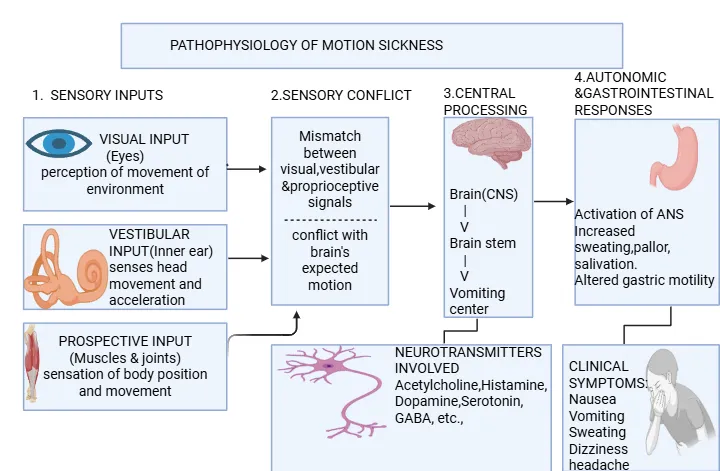
Fig:1 Pathophysiology of Motion Sickness
3.1 Etiology of Motion Sickness
Conditions where visual, vestibular, and proprioceptive signals send contradictory messages about bodily movement are the main cause of motion sickness. These sensory systems work together to preserve postural equilibrium, gaze stability, and spatial orientation under normal physiological conditions. However, disparities between these sensory inputs surpass the central nervous system's ability to adjust when exposed to atypical or repetitive motion, resulting in the development of motion sickness.[18]
Traditional examples include utilizing electronics or reading while in a moving car. In these circumstances, the vestibular apparatus detects constant acceleration and deceleration while the eyes experience a somewhat fixed visual environment. On the other hand, despite the lack of comparable vestibular stimulation, users of immersive virtual reality systems feel optically produced motion. Traveling by sea, flying, going on amusement rides, going into space, and driving an autonomous vehicle all involve similar sensory conflicts that are distinct expressions of the same underlying neurophysiological process.[19]
The development of symptoms is also greatly influenced by vehicle dynamics. Vestibular stimulation is increased and sensory conflict is made worse by low-frequency oscillatory motion (0.1–0.5 Hz), repeated linear acceleration, angular rotation, vibration, braking, cornering, and erratic direction changes. Visual-vestibular mismatch is further exacerbated by passenger activities that call for prolonged visual attention, such as reading, using a laptop, or using a smartphone. Motion sickness in autonomous vehicles has been linked to both higher interest in non-driving activity and the inability to predict vehicle movements.[19]
Numerous biological and environmental factors affect an individual's sensitivity. The threshold for symptom development is influenced by a number of factors, including age, sex, genetic background, vestibular problems, migraine, anxiety, sleep deprivation, exhaustion, and prior motion sickness experiences. Motion sickness is not directly caused by these factors, but they do affect autonomic response and central sensory integration, which affects the intensity of symptoms.[19]
3.2 Sensory Conflict Theory
Motion sickness is still mostly explained by the sensory conflict theory, which was first put forth by Reason and Brand. This concept states that the brain constantly contrasts internal representations of expected body motion created by prior experiences with incoming sensory data. When real sensory signals significantly deviate from these anticipated patterns, a neuronal mismatch results, leading to motion sickness.[21]
Head acceleration is detected by the vestibular apparatus, and body orientation and ambient motion are detected by the visual system. Information about limb position and movement is simultaneously transmitted by proprioceptors found in muscles and joints [22]. In order to preserve balance and spatial direction, these signals are normally incorporated within the vestibular nuclei, cerebellum, and higher cerebral centers. However, differences between these sensory modalities trigger the brainstem autonomic center during provocative motion, which ultimately results in nausea and vomiting.
This theory is the most comprehensive framework now available because it covers almost all types of motion sickness, such as seasickness, airsickness, simulator sickness, cybersickness, and space motion sickness. [23]
3.3 Vestibular Mechanisms
As the primary sensory organ in charge of motion perception, the vestibular system is crucial to the pathophysiology of motion sickness. It is made up of the otolith organs (utricle and saccule), which react to linear acceleration and gravitational forces, and the three semicircular canals, which sense rotational acceleration.[24]
Vestibular hair cells transform mechanical displacement during motion into neurological signals that are sent to the vestibular nuclei of the brainstem via the vestibular nerve. These nuclei have significant communication with the hypothalamus, reticular formation, cerebellum, ocular motor nuclei, and autonomic centers that regulate the gastrointestinal and cardiovascular systems.
The vestibular velocity storage system, a neuronal network that prolongs vestibular reactions after stopping head movement, is one significant mechanism linked to motion sickness. Because chronic vestibular activity increases sensory mismatch, people with longer velocity-storage time constants are more susceptible [24]. On the other hand, near-total resistance to motion sickness is conferred by total bilateral vestibular failure, underscoring the critical significance of vestibular input.
3.4 Visual–Vestibular Interaction
Continuous integration of vestibular and visual information is necessary for successful balance maintenance. While vestibular receptors track head movement and acceleration, visual signals offer external spatial reference [25]. One of the most potent causes of motion sickness is conflict between these sensory systems.
Motion sickness caused by visual stimuli is best illustrated by virtual reality settings. Strong sensory conflict results from head-mounted displays that produce captivating visual impressions of movement without matching vestibular stimulation. The severity of symptoms is greatly influenced by variables such display delay, field of view, frame rate, stereoscopic rendering, and head-tracking precision. Vestibular signals that are inconsistent with eye fixation on fixed items like books or smartphone screens are also produced by repetitive acceleration and deceleration during road travel.[26]
3.5 Central Neural Integration
A dispersed neuronal network that extends well beyond the vestibular region is involved in motion sickness. The vestibular nuclei, cerebellum, thalamus, anterior cingulate cortex, insular cortex, hypothalamus, and brainstem autonomic centers all integrate sensory data. Because they trigger the emetic reflex and coordinate autonomic responses, the nucleus tractus solitarius (NTS) and region postrema are especially significant.[27]
These core pathways are triggered by sensory mismatch, which increases parasympathetic activity and triggers complicated sympathetic reactions that result in pallor, perspiration, salivation, gastric dysrhythmia, and vomiting. The correlation between anxiety and the intensity of symptoms may be explained by the participation of cortical regions involved in motion perception, emotional processing, and interoceptive awareness, according to functional neuroimaging studies.[28]
3.6 Neurotransmitter Systems
Multiple neurotransmitter systems contribute to the development of motion sickness
One of the main mediators in vestibular-autonomic pathways is acetylcholine, which explains why muscarinic receptor antagonists like scopolamine have such high clinical efficacy. Additionally, histamine is crucial for vestibular signal transmission, which explains why first-generation antihistamines are so widely used.[29]
While serotonin affects gastrointestinal motility and emesis through interactions with 5-HT receptors, dopamine mainly contributes to activation of the chemoreceptor trigger zone and modulation of nausea pathways. Additionally, there is growing evidence that substance P acts through neurokinin-1 (NK1) receptors, specifically in the area postrema and nucleus tractus solitarius. These discoveries have prompted the creation of NK1 receptor antagonists, such as tradipitant, which constitute a new therapeutic strategy.
Although more research is needed to determine their precise functions, other neuromodulators such as glutamate, endocannabinoids, and γ-aminobutyric acid (GABA) are increasingly acknowledged as regulators of vestibular adaptation and autonomic integration.[30]
3.7 Autonomic and Gastrointestinal Responses
The distinctive autonomic symptoms of motion sickness are caused by activation of vestibular-autonomic circuits. Yawning, pallor, cold sweats, increased salivation, flushing of the face, and changes in heart rate variability are some of the early signs. Vomiting, nausea, and stomach discomfort follow progressive autonomic activation.
Abnormal stomach myoelectrical activity, delayed gastric emptying, and disruption of normal gastric slow waves are the mechanisms behind gastrointestinal disorders. Motion-induced nausea has also been linked to elevated plasma vasopressin levels, indicating endocrine involvement in the development of symptoms. High-fat meals consumed prior to travel further impede stomach emptying and may exacerbate symptoms. [31]
3.8 Postural Instability Theory
The postural instability theory offers an alternative viewpoint, even if the sensory conflict theory is still the most popular explanation. According to this theory, motion sickness develops after a protracted inability to keep a steady position. This paradigm states that persistent body sway instability indicates poor multisensory integration and foretells the emergence of following symptoms.
According to experimental research, people who are prone to motion sickness frequently show decreased postural control and greater center-of-pressure displacement prior to feeling unwell. Postural instability is probably a significant supplementary mechanism that interacts with sensory conflict throughout the development of symptoms, even if it cannot account for all types of motion sickness on its own [32]
3.9 Integrated Pathophysiological Model
According to available data, motion sickness is not caused by a single isolated mechanism but rather by dynamic interactions between sensory conflict, vestibular processing, central neuronal integration, autonomic activation, neurotransmitter signalling, and gastrointestinal dysfunction. The distinctive clinical manifestations are eventually produced by the convergence of these interrelated pathways on brainstem emetic centres. It is anticipated that further developments in neuroimaging, vestibular physiology, computational neuroscience, and molecular pharmacology will improve this integrated model and make it easier to create focused therapeutic interventions..[33]
Table 2. Principal Mechanisms Involved in Motion Sickness
|
Mechanism |
Role in Motion Sickness |
Clinical Significance |
|
Sensory conflicts |
Inconsistency between proprioceptive, vestibular, and ocular inputs |
Primary pathogenic mechanism |
|
Vestibular dysfunction |
Detects abnormal acceleration and motion |
Essential for symptom generation |
|
Visual–vestibular mismatch |
Inconsistent motion perception |
Major cause of cybersickness and simulator sickness |
|
Velocity storage system |
Prolonged vestibular responses |
Determines individual susceptibility |
|
Central autonomic activation |
Activates brainstem emetic pathways |
Produces nausea and vomiting |
|
Neurotransmitters |
Acetylcholine, histamine, dopamine, serotonin, Substance P |
Pharmacological targets |
|
Gastric dysrhythmia |
Delayed gastric emptying and altered motility |
Contributes to nausea |
|
Postural instability |
Impaired balance regulation |
Predictor of symptom onset |
4. Clinical Manifestations and Diagnosis
A variety of autonomic, gastrointestinal, neurological, and behavioral symptoms that appear during or soon after exposure to provocative motion stimuli are the hallmarks of motion sickness. A distinctive history of symptom development in connection with actual or perceived motion serves as the primary basis for the clinical diagnosis of the illness.[34] Accurate diagnosis and severity evaluation are made possible by standardized symptom assessment tools and rigorous exclusion of other vestibular or neurological illnesses, even though no single laboratory or imaging study can prove motion sickness.
4.1 Clinical Manifestations
The degree, length, and frequency of motion exposure, as well as an individual's vulnerability, all influence how motion sickness manifests clinically. If exposure persists, symptoms often develop gradually and go through several stages, starting with mild autonomic reactions and progressing to severe gastrointestinal symptoms.[34]
Initial symptoms include generalized discomfort, tiredness, yawning, face pallor, cold chills, excessive salivation, epigastric awareness, and mild dizziness. Since these prodromal symptoms show that autonomic circuits are activated before nausea manifests, they present an opportunity for early therapy. The traditional symptoms of prolonged exposure to provocative motion include headache, nausea, vomiting, dizziness, vertigo, postural instability, impaired vision, exhaustion, and diminished focus. Increased sensitivity to smells, stomach pain, anorexia, and poor cognitive function are all common complaints among patients [35]. Severe vomiting can lead to electrolyte imbalance, dehydration, and severe functional impairment.
The stimulating environment affects how severe the symptoms are. While road travel typically causes symptoms during activities requiring visual attention, such reading or using a smartphone, sea travel frequently results in chronic nausea and vomiting due to continual oscillatory motion. Although turbulence is still a known trigger, air travel typically results in milder symptoms due to smoother motion profiles. On the other hand, visually induced motion sickness, also known as cybersickness or simulator sickness, frequently manifests as noticeable dizziness, visual discomfort, eye strain, headache, disorientation, and decreased balance during virtual reality or simulator exposure.[36]
Additionally, motion sickness causes quantifiable physiological changes. Heart rate variability, skin conductance, respiration rate, gastric myoelectrical activity, blood pressure, and pupillary responses have all been shown to alter with the onset of symptoms in experimental investigations. These physiological alterations, which are indicative of autonomic nervous system activation, have emerged as significant biomarkers in experimental studies examining objective indicators of the intensity of motion sickness [37].
4.2 Clinical Evaluation
A thorough clinical history that emphasizes the temporal correlation between the onset of symptoms and motion exposure is the first step in the diagnosis process. It is important to gather information about the mode of transportation, length of exposure, symptom progression, prior episodes, family history, medication use, vestibular problems, migraine, anxiety, and occupational exposure. The diagnosis is aided by the identification of triggering variables, such as reading while traveling, using virtual reality, traveling in an autonomous car, or going on amusement rides.[38]
Although a physical examination is usually normal in between episodes, it is nonetheless necessary to rule out other possible causes of vertigo, nausea, or dizziness. Patients may experience pallor, diaphoresis, increased salivation, an unsteady stride, and minor postural instability during symptomatic times. When unusual features are present, a thorough neurological examination, cranial nerve assessment, cerebellar function testing, vestibulo-ocular reflex evaluation, and otological examination should be carried out.[17]
4.3 Diagnostic Assessment Tools
A number of validated questionnaires have been developed to measure symptom severity, track therapy response, and support research, even though diagnosis is essentially clinical.[39]
The Motion Sickness Assessment Questionnaire (MSAQ)
One of the most extensively used tools for assessing motion sickness is the Motion Sickness Assessment Questionnaire (MSAQ). It is made up of several questions that evaluate symptoms connected to the gastrointestinal tract, central nervous system, peripheral autonomic nervous system, and sopite. The MSAQ is useful for both clinical research and therapeutic monitoring since it offers a multidimensional assessment of symptom load, in contrast to previous symptom scales that mainly focused on nausea and vomiting.[40]
Simulator Sickness Questionnaire (SSQ)
The Simulator Sickness Questionnaire (SSQ) was originally developed for evaluating visually induced motion sickness associated with flight simulators and has since become the standard assessment tool for virtual reality research. The questionnaire measures three principal symptom domains: • Nausea • Oculomotor disturbance • Disorientation The SSQ is particularly useful for assessing cybersickness in virtual reality, augmented reality, mixed reality, and autonomous vehicle simulation studies
Motion Sickness Susceptibility Questionnaire (MSSQ)
The Motion Sickness Susceptibility Questionnaire (MSSQ) estimates an individual's lifetime susceptibility by evaluating previous experiences across different
modes of transportation during childhood and adulthood. The instrument is commonly employed in epidemiological investigations and experimental studies to identify high-risk individuals before motion exposure.
4.4 Emerging Objective Biomarkers
Current research aims to complement subjective symptom questionnaires with objective physiological measurements capable of predicting symptom onset before severe nausea develops. Several biomarkers have demonstrated promising diagnostic potential, including: Heart rate variability, Electrodermal (skin conductance) activity, Gastric myoelectrical recordings (Electro gastrography), Electroencephalography (EEG) Functional near-infrared spectroscopy (FNIRS), Eye-tracking parameters, Pupillary dynamics, Respiratory variability, Wearable biosensor-derived autonomic indices Machine learning algorithms integrating these physiological signals have shown encouraging accuracy for predicting motion sickness susceptibility in aviation, autonomous driving, and virtual reality applications. Although these technologies remain largely investigational, they represent an important step toward personalized prevention strategies.[41]
4.5 Differential Diagnosis
Several medical conditions may mimic motion sickness and should be excluded when symptoms occur independently of motion exposure or present with atypical neurological findings.[42]
Common differential diagnoses include:
|
Condition |
Distinguishing Features |
|
Vestibular migraine |
Recurrent vertigo associated with migraine symptoms |
|
Benign paroxysmal positional vertigo (BPPV) |
Brief positional vertigo with characteristic nystagmus |
|
Ménière's disease |
Episodic vertigo accompanied by hearing loss and tinnitus |
|
Vestibular neuritis |
Acute prolonged vertigo following viral infection |
|
Acute gastroenteritis |
Vomiting unrelated to motion exposure |
|
Drug-induced nausea |
Temporal relationship with medication administration |
|
Cerebellar disorders |
Persistent neurological deficits and ataxia |
|
Anxiety or panic disorders |
Prominent psychological symptoms without consistent motion trigger |
Recognition of these conditions is essential because management strategies differ substantially from those used for motion sickness.
4.6 Diagnostic Challenges and Future Directions
Despite considerable advances in understanding motion sickness, diagnosis remains predominantly symptom based. Current clinical practice relies heavily on subjective patient-reported outcomes, which are influenced by psychological, cultural, and individual factors. Standardization of symptom assessment across studies also remains challenging because different questionnaires measure different symptom domains.[43] Emerging technologies, including wearable physiological sensors, artificial intelligence-based predictive algorithms, eye-tracking systems, and multimodal biomarker integration, offer promising opportunities for developing objective diagnostic tools. Future diagnostic approaches are expected to combine clinical history with continuous physiological monitoring to identify susceptible individuals before symptom onset and enable personalized preventive interventions.
Table 3. Common Clinical Manifestations of Motion Sickness
|
System |
Clinical Manifestations |
|
Gastrointestinal |
Nausea, vomiting, abdominal discomfort, anorexia, gastric fullness |
|
Autonomic |
Cold sweating, pallor, hypersalivation, flushing, altered heart rate |
|
Vestibular |
Dizziness, vertigo, imbalance, postural instability |
|
Neurological |
Headache, fatigue, impaired concentration, drowsiness |
|
Visual |
Blurred vision, eye strain, visual discomfort, difficulty focusing |
|
Behavioural |
Reduced activity, social withdrawal, irritability, decreased work performance |
Table 4. Diagnostic Tools Used in Motion Sickness Assessment
|
Assessment Tool |
Primary Purpose |
Main Applications |
|
Motion Sickness Assessment Questionnaire (MSAQ) |
Quantifies multidimensional symptom severity |
Clinical trials and treatment monitoring |
|
Simulator Sickness Questionnaire (SSQ) |
Evaluates visually induced motion sickness |
Virtual reality and simulator research |
|
Motion Sickness Susceptibility Questionnaire (MSSQ) |
Predicts individual susceptibility |
Epidemiological studies and participant screening |
|
Physiological biomarkers |
Objective assessment |
Experimental research and AI-based prediction |
5. Pharmacological Management
The mainstay of motion sickness prevention and treatment is still pharmacological therapy, especially for people who are subjected to lengthy or inevitable motion. The vestibular system, brainstem emetic centres, and autonomic pathways that cause nausea and vomiting are the main targets of current treatments. Antimuscarinic medications and first-generation antihistamines remain first-line pharmacological treatments since motion sickness is primarily mediated by cholinergic and histaminergic neurotransmission [44]. Neurokinin-1 (NK1) receptor antagonists and innovative drug delivery methods have been developed more recently in neuropharmacology with the goal of increasing efficacy while reducing side effects.
The expected period of motion exposure, the intensity of symptoms, the patient's age, comorbid conditions, occupational requirements, and the desire to reduce drowsiness or cognitive impairment are all important considerations when choosing a pharmaceutical treatment.
5.1 Antimuscarinic Agents
Scopolamine
The most popular medication for preventing motion sickness is scopolamine (also known as hyoscine), which continues to be the benchmark by which more recent treatments are evaluated. As a non-selective muscarinic receptor antagonist, scopolamine suppresses vestibular signals and lessens activation of the emetic reflex by blocking cholinergic neurotransmission in the vomiting center and vestibular nuclei.[45]
The most popular method of administering scopolamine is as a transdermal patch applied behind the ear four to six hours prior to travel. Because the patch releases the medication continuously for up to 72 hours, it is especially appropriate for extended sea travel, cruises, flying, and space travel. Although transdermal administration is still the recommended method because to prolonged plasma concentrations and enhanced patient compliance, oral, buccal, intranasal, and injectable formulations have also been studied..[46]
Scopolamine dramatically lowers the frequency and intensity of motion sickness-related nausea, vomiting, dizziness, and autonomic symptoms, according to numerous randomized clinical trials. However, anticholinergic side effects, including as dry mouth, impaired vision, sleepiness, mydriasis, urine retention, and occasionally disorientation, especially in older people, restrict its therapeutic use. Therefore, patients with narrow-angle glaucoma, urinary outflow blockage, or cognitive impairment should utilize scopolamine with caution.
5.2 Histamine H1-Receptor Antagonists
Because they inhibit H1 receptors in vestibular pathways and have additional anticholinergic effect, first-generation antihistamines continue to be among the most often prescribed drugs for motion sickness.[47]
Typical agents are as follows:
Dimenhydrate Meclizine
Cyclizine
Promethazine
Cinnarizine
These medications are especially useful for short-distance travel and are often given 30 to 60 minutes before departure. In many nations, dimenhydrinate and meclizine are commonly accessible over-the-counter drugs that effectively prevent mild-to-moderate motion sickness.[48]
Although promethazine is one of the most effective antihistamines for severe motion sickness, it typically has anticholinergic side effects, drowsiness, and reduced psychomotor function. Although cinnarizine has been shown to help with vestibular problems and has both antihistaminic and calcium channel-blocking qualities, long-term usage may seldom cause extrapyramidal symptoms.
Antihistamines are still quite effective, but their sedative qualities prevent them from being used by pilots, professional drivers, members of the armed forces, and those in jobs where safety is crucial.[49]
5.3 Neurokinin-1 (NK1) Receptor Antagonists
As our understanding of the role of Substance P and neurokinin-1 receptors in central emetic pathways has grown, NK1 receptor antagonists for motion sickness have been produced [50].
At the moment, tradipitant is the agent in this class that has been studied the most. Tradipitant prevents substance P-mediated activation of vomiting pathways without impairing vestibular function by specifically inhibiting NK1 receptors located in the area postrema and nucleus tractus solitarius.[51]
According to clinical research, tradipitant exhibits favorable tolerability when compared to traditional anticholinergic drugs and considerably lowers the frequency of vomiting during maritime travel. NK1 receptor antagonists are promising substitutes for people who need to maintain cognitive function because they cause less drowsiness than scopolamine and first-generation antihistamines. However, more thorough randomized trials are required before these medicines can be employed in routine clinical practice.[52]
5.4 Dopamine and Serotonin Receptor Antagonists
Even though serotonin (5-HT3) and dopamine D2 receptor antagonists are highly effective antiemetics in chemotherapy-induced and postoperative nausea, their role in motion sickness is comparatively limited.[53]
Agents such as metoclopramide, domperidone, ondansetron, and granisetron primarily act by suppressing emetic pathways outside the vestibular system and therefore demonstrate relatively poor efficacy against vestibular-mediated nausea. Consequently, these medications are generally reserved for managing persistent vomiting rather than preventing motion sickness itself.
5.5 Emerging Drug Delivery Systems
One of the major limitations of conventional oral therapy is delayed gastrointestinal absorption during motion sickness because gastric emptying is frequently impaired. This has encouraged the development of alternative drug delivery systems capable of providing rapid systemic absorption while avoiding first-pass metabolism.[54]
Transdermal Delivery
Transdermal scopolamine remains the most successful sustained-release formulation currently available. Continuous drug delivery over 72 hours improves therapeutic efficacy, enhances patient adherence, and minimizes fluctuations in plasma drug concentrations[30].
Buccal Drug Delivery
Buccal films and rapidly dissolving oral formulations have emerged as attractive alternatives because they bypass hepatic first-pass metabolism and permit rapid drug absorption through the highly vascular oral mucosa. These formulations are particularly advantageous for patients experiencing nausea or vomiting, where swallowing conventional tablets may be difficult.
Intranasal Delivery
Intranasal administration provides rapid absorption through the nasal mucosa and offers potential direct nose-to-brain drug transport. Experimental studies evaluating intranasal scopolamine have demonstrated rapid onset of action and promising efficacy in space motion sickness, although optimization of dosing strategies and long-term safety requires further investigation.[55]
Nanotechnology-Based Delivery
Nanoparticle-mediated drug delivery systems such as lipid nanoparticles, nanoemulsions, andpolymeric nanocarriers, are increasingly being investigated for targeted central nervous system drug delivery. These platforms may enhance drug bioavailability, improve brain penetration, reduce systemic adverse effects, and facilitate personalized therapeutic strategies.[56]
5.6 Personalized Pharmacotherapy
Growing recognition of substantial interindividual variability in motion sickness susceptibility has shifted research toward precision medicine approaches. Genetic polymorphisms affecting vestibular signaling, autonomic regulation, neurotransmitter function, and drug metabolism may influence both disease susceptibility and therapeutic response.
Future pharmacological management is expected to incorporate genetic profiling, physiological biomarkers, wearable sensor technology, and artificial intelligence-based predictive algorithms to guide individualized drug selection, optimize dosing, and minimize adverse effects.[57]
Table 5. Pharmacological Agents Used in Motion Sickness
|
Drug Class |
Representative Drugs |
Mechanism of Action |
Advantages |
Common Limitations |
|
Antimuscarinics |
Scopolamine |
Muscarinic receptor blockade |
Most effective prophylaxis; long duration |
Dry mouth, blurred vision, sedation |
|
H1 Antihistamines |
Dimenhydrinate, Meclizine, Cyclizine, Promethazine |
H1 receptor inhibition with anticholinergic activity |
Widely available; effective |
Sedation, impaired psychomotor function |
|
NK1 Receptor Antagonists |
Tradipitant |
Blocks Substance P signaling |
Minimal sedation; promising efficacy |
Limited clinical experience |
|
Dopamine Antagonists |
Metoclopramide |
D2 receptor blockade |
Controls vomiting |
Limited efficacy for vestibular-mediated motion sickness |
|
5-HT3 Antagonists |
Ondansetron |
Serotonin receptor blockade |
Effective antiemetic |
Ineffective as primary prophylaxis |
Table 6. Emerging Drug Delivery Systems for Motion Sickness
|
Delivery System |
Advantages |
Current Status |
|
Transdermal patch |
Sustained release (72 h), improved compliance |
Established clinical use |
|
Buccal film |
Rapid absorption, bypasses first-pass metabolism |
Emerging clinical application |
|
Intranasal formulation |
Rapid onset, potential nose-to-brain delivery |
Investigational |
|
Nanoparticle-based systems |
Targeted CNS delivery, improved bioavailability |
Preclinical/early clinical development |
Critical Perspective
Despite decades of clinical use, current pharmacological therapies remain largely preventive rather than curative, and their effectiveness is frequently limited by sedation and anticholinergic adverse effects [58]. Emerging therapies such as NK1 receptor antagonists, intranasal formulations, and nanotechnology-based delivery systems represent important advances, but robust multicentre clinical Trials are still required to determine their cost-effectiveness, comparative efficacy, and long-term safety. Future therapeutic strategies will likely move toward precision pharmacotherapy, integrating biomarkers, genetic profiling, and real-time physiological monitoring to tailor treatment according to an individual's susceptibility and exposure profile.[59]
6. Non-pharmacological Management
Non-pharmacological interventions constitute an essential component of motion sickness management, particularly for individuals who cannot tolerate pharmacological therapy, require prolonged or repeated exposure to motion, or perform occupations where medication-induced sedation is unacceptable. These strategies primarily aim to minimize sensory conflict, facilitate vestibular adaptation, improve autonomic regulation, and reduce symptom severity without producing systemic adverse effects. Although the effectiveness of individual interventions varies, combining behavioural, environmental, vestibular, and technological approaches often provides greater symptom control than any single strategy alone.[60]
6.1 Behavioral and Environmental Modifications
Behavioral modification remains the first-line preventive strategy for individuals with mild or intermittent motion sickness. Because motion sickness results from incongruent sensory inputs, interventions that improve agreement between visual and vestibular information can substantially reduce symptom development.
Maintaining visual fixation on a stable external reference, particularly the horizon during sea travel or distant stationary objects during road travel, reduces visual–vestibular mismatch and improves spatial orientation. Conversely, activities requiring prolonged visual concentration on stationary objects, such as reading, smartphone use, or laptop operation during travel, increase sensory conflict and should be minimized whenever possible.[61]
Seat selection also influences symptom severity. In automobiles, the front passenger seat experiences less angular and vertical acceleration than the rear seats. In aircraft, seats located near the wings correspond closely to the centre of gravity and therefore experience reduced motion. Similarly, midship cabins on large vessels generally exhibit lower oscillatory movement than cabins positioned at the bow or stern.
Environmental conditions contribute significantly to symptom severity. Adequate ventilation, cool ambient temperature, and avoidance of unpleasant odours reduce autonomic stimulation and improve passenger comfort[62]. Individuals are also advised to avoid alcohol, nicotine, and heavy high-fat meals before travel because these factors delay gastric emptying and increase gastrointestinal discomfort.
6.2 Vestibular Adaptation and Habituation Training
Repeated controlled exposure to provocative motion results in progressive reduction of symptoms through central nervous system adaptation, a phenomenon known as habituation. Habituation represents among the most successful long-term protective mechanisms against motion sickness and forms the basis of vestibular rehabilitation programs used in aviation, maritime operations, military training, and spaceflight.
Vestibular adaptation exercises involve repeated head movements, gaze stabilization exercises, balance training, and controlled exposure to motion stimuli. These interventions enhance central sensory integration and improve vestibulo-ocular reflex adaptation, thereby reducing susceptibility during subsequent motion exposure.
Evidence suggests that structured vestibular rehabilitation is particularly beneficial in individuals with vestibular migraine, chronic dizziness, persistent postural-perceptual dizziness, and recurrent motion sickness. Nevertheless, exercise protocols remain heterogeneous across studies, highlighting the need for standardized rehabilitation guidelines.[63]
6.3 Controlled Breathing and Relaxation Techniques
Controlled breathing techniques represent simple, inexpensive, and safe interventions capable of reducing motion sickness symptoms by modulating autonomic nervous system activity. Slow diaphragmatic breathing increases parasympathetic tone, decreases sympathetic activation, and reduces physiological responses associated with nausea, including tachycardia, sweating, and gastric dysrhythmia.
Relaxation strategies such as gradual muscular relaxation, guided visualization, and mindfulness meditation, have also demonstrated beneficial effects by reducing anxiety and improving autonomic stability. Because psychological stress increases susceptibility to motion sickness, these techniques may be particularly valuable for individuals experiencing anticipatory anxiety before travel.[64]
Although current evidence is encouraging, further randomized controlled trials are necessary to determine the best breathing protocols and determine their long-term clinical effectiveness.
6.4 Dietary and Nutritional Interventions
Dietary modification has traditionally been recommended as an adjunctive strategy for preventing motion sickness. Consumption of light meals before travel is generally preferred, whereas heavy meals rich in fat delay gastric emptying and may exacerbate nausea.[65]
Among nutritional interventions, Zingiber officinale, or ginger, has drawn the most interest from scientists. It is thought that bioactive substances like gingerols and shogaols have antiemetic effects by altering serotonergic signalling pathways and gastrointestinal motility. Due to variations in dosage, formulation, and research design, results from a number of clinical trials have shown only slight decreases in the intensity of nausea after taking ginger supplements.
Other commonly recommended remedies, including peppermint, lemon, citrus-flavoured candies, and adequate hydration, may improve subjective comfort; however, high-quality clinical evidence supporting their effectiveness remains limited. Consequently, these interventions should be regarded as supportive rather than definitive therapeutic strategies.[66]
6.5 Acupressure and Complementary Therapies
Complementary therapies have gained increasing attention as potential non-pharmacological approaches to motion sickness management. Among these, Numerous studies have been conducted on the stimulation of the Pericardium-6 (P6 or Neiguan) acupressure point.
On the volar aspect of the P6 point, forearm, is traditionally associated with nausea control. Wristbands applying continuous pressure to this location have demonstrated variable effectiveness across clinical trials. While several studies report modest reductions in nausea and vomiting, systematic reviews conclude that the evidence's overall quality remains moderate because of methodological limitations and placebo effects.[67]
Other complementary interventions—including acupuncture, aromatherapy, and biofeedback—have shown promising preliminary results but currently lack sufficient high-quality evidence for routine clinical recommendation.
6.6 Wearable Technologies and Digital Interventions
Rapid technological advances have resulted in the creation of wearable devices designed to reduce motion sickness through non-invasive neuromodulation. These devices typically stimulate branches of the vagus nerve or peripheral sensory nerves using mild electrical impulses, thereby modulating autonomic activity and reducing nausea.
Simultaneously, inventors of virtual reality software have developed adaptive display technologies that reduce cybersickness by enhancing head-tracking accuracy, optimizing frame rates, lowering visual latency, and restricting the field of view during rapid motion. There is also ongoing research on machine learning algorithms that can use physiological inputs from wearable biosensors to forecast the onset of symptoms.
These technologies mark a significant shift from symptom treatment to individualized prevention, despite the fact that they are still relatively young.
6.7 Integrated Multimodal Management
The utilization of multimodal management techniques as opposed to standalone therapies is becoming more and more supported by current research. where compared to any one intervention, the combination of behavioural modification, vestibular rehabilitation, regulated breathing, nutritional optimization, and pharmaceutical prophylaxis where appropriate seems to offer better symptom control.
For high-risk groups, such as astronauts, military personnel, commercial pilots, maritime workers, and people who frequently interact with virtual reality environments, this integrated approach is especially pertinent. As precision medicine develops, individualized treatment strategies based on each patient's vulnerability, job needs, and anticipated motion exposure are probably going to become the norm. [69]
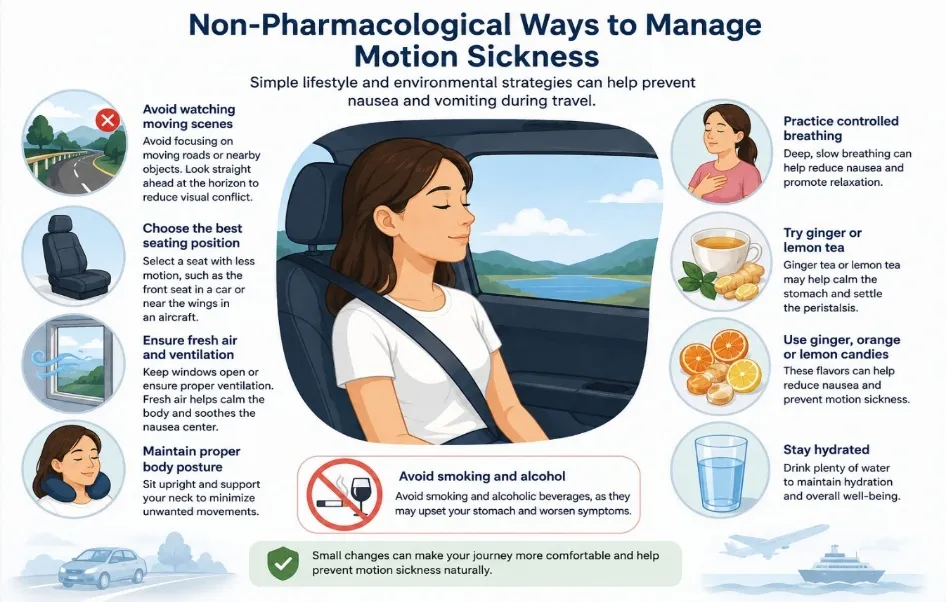
Fig: 2 Non-pharmacological Management
Table 7. Non-pharmacological Interventions for Motion Sickness
|
Intervention |
Mechanism of Action |
Evidence Level |
Clinical Application |
|
Horizon fixation |
Reduces visual–vestibular mismatch |
High |
Road, sea, and air travel |
|
Appropriate seat selection |
Minimizes exposure to motion |
High |
Cars, aircraft, ships |
|
Vestibular rehabilitation |
Promotes central vestibular adaptation |
Moderate high |
Recurrent motion sickness and vestibular disorders |
|
Controlled diaphragmatic breathing |
Enhances parasympathetic activity |
Moderate |
Mild-to-moderate symptoms |
|
Relaxation techniques |
Reduces anxiety and autonomic activation |
Moderate |
Anticipatory motion sickness |
|
Ginger supplementation |
Modulates gastric motility and nausea |
Moderate |
Adjunctive therapy |
|
Adequate hydration |
Maintains gastrointestinal function |
Moderate |
Preventive strategy |
|
P6 acupressure |
Neuromodulation of nausea pathways |
Moderate |
Complementary therapy |
|
Wearable neuromodulation devices |
Electrical stimulation of autonomic pathways |
Emerging |
Investigational |
|
Adaptive VR display systems |
Reduces cybersickness by minimizing sensory conflict |
Emerging |
Virtual and mixed reality applications |
Integrated Non-pharmacological Management of Motion Sickness
A publication-quality flowchart could illustrate:
Motion Exposure
↓
Behavioural Strategies
Horizon fixation
Seat selection
Avoid reading/smartphones
↓
Vestibular Adaptation
Habituation
Gaze stabilization
Balance training
↓
Autonomic Regulation
Controlled breathing
Relaxation
Hydration
↓
Complementary Therapies
Ginger
P6 acupressure
↓
Emerging Technologies
Wearable neuromodulation
Adaptive VR systems
AI-guided prevention
↓
Reduced Motion Sickness Symptoms
Critical Perspective
The quality of the evidence supporting many non-pharmacological therapies is still inconsistent, despite the fact that they are typically safe, affordable, and appropriate for repeated use. The strongest clinical evidence supports behavioral changes and vestibular habituation, while alternative therapies like acupressure and ginger supplements show moderate but variable benefits. Adaptive virtual reality, wearable technology, and digital health platforms have demonstrated a great deal of promise, but major multicentre clinical trials are needed to establish their long-term usefulness and cost-effectiveness. Standardized intervention procedures, objective physiological outcome assessments, and individualized multimodal treatment plans that combine pharmaceutical, technological, and behavioral techniques should be the main topics of future study.[70]
7. Recent Advances in Motion Sickness Research and Therapeutic Strategies
Innovative preventive and therapeutic approaches have been sparked by recent developments in motion sickness research, which have significantly increased our understanding of its neurophysiological underpinnings. Conventional pharmaceuticals like scopolamine and first-generation antihistamines continue to be the mainstay of therapeutic care, but their widespread usage is constrained by side effects such drowsiness, dry mouth, impaired vision, and cognitive impairment.
As a result, modern research is now focused on creating wearable technology, digital health solutions, safer pharmaceutical agents, sophisticated drug delivery systems, and customized therapeutic approaches. In addition to improving symptom management, these innovations seek to improve patient safety, treatment compliance, and quality of life in a variety of contexts, including autonomous vehicles, virtual reality environments, traditional transportation, and spaceflight.
7.1 Intranasal Drug Delivery
Intranasal drug delivery has emerged as a promising alternative for the management of motion sickness because it allows rapid drug absorption through the highly vascularized nasal mucosa. In addition to providing quick systemic absorption, this route may enable direct drug transport to the central nervous system via the olfactory and trigeminal nerve pathways, potentially resulting in a faster therapeutic effect.
Several experimental intranasal formulations of scopolamine have shown encouraging outcomes in studies involving space motion sickness and simulated vestibular stimulation. These formulations produced a rapid onset of action and effectively reduced motion sickness symptoms. Despite these promising findings, further research is needed to improve formulation stability, ensure good local nasal tolerability, and establish standardized dosing before intranasal scopolamine can be widely adopted in clinical practice.[75]
7.2 Neurokinin-1 Receptor Antagonists
Neurokinin-1 (NK1) receptor antagonists represent one of the most promising recent advances in the pharmacological management of motion sickness. These agents act by blocking the action of substance P, a neurotransmitter that plays a central role in activating the nucleus tractus solitarius and the area postrema, two important brainstem regions involved in the vomiting reflex. By inhibiting NK1 receptors, these drugs can prevent nausea and vomiting without directly affecting normal vestibular function.[76]
Among the NK1 receptor antagonists under investigation, tradipitant has shown particularly encouraging results. In randomized clinical trials conducted during sea travel, tradipitant significantly reduced both the frequency and severity of vomiting compared with placebo, while causing minimal sedation. Unlike conventional antimuscarinic drugs such as scopolamine, tradipitant does not appear to impair cognitive performance. This characteristic makes it a potentially valuable option for individuals whose occupations require sustained alertness, including pilots, military personnel, astronauts, and others working in safety-sensitive environments.[77]
Although the available evidence is encouraging, larger multicentre clinical trials are still needed to compare NK1 receptor antagonists directly with established therapies such as scopolamine. These studies will help determine their long-term efficacy, safety, and potential role in routine clinical management of motion sickness.
7.3 Vestibular Rehabilitation and Physiotherapy
Growing recognition of motion sickness as a disorder of multisensory integration has increased interest in vestibular rehabilitation as a valuable complementary treatment. Vestibular rehabilitation aims to improve the brain's ability to adapt to conflicting sensory inputs through a structured exercise program.
Modern rehabilitation programs typically include gaze stabilization exercises, vestibulo-ocular reflex (VOR) training, balance and postural control exercises, habituation techniques, and controlled breathing exercises. Together, these interventions promote central vestibular compensation and improve tolerance to motion-related stimuli.[78]
Recent clinical studies have reported that structured vestibular rehabilitation can reduce the severity of motion sickness symptoms, improve postural stability, and enhance functional performance in individuals with recurrent motion sickness, vestibular migraine, and persistent dizziness. Furthermore, digital rehabilitation platforms and virtual reality-assisted balance training have expanded access to therapy by allowing personalized exercise programs and gradual progression based on individual needs. Despite these advances, rehabilitation protocols vary considerably across studies, highlighting the need for standardized clinical guidelines to ensure consistent treatment outcomes.[79]
7.4 Wearable Technologies and Neuromodulation
Recent technological advances have led to the development of wearable devices designed to reduce motion sickness through non-invasive neuromodulation. These devices typically deliver low-intensity electrical stimulation to peripheral nerves, such as branches of the vagus or median nerve, to influence autonomic nervous system activity and alleviate nausea.
In addition to neuromodulation, wearable sensors capable of continuously monitoring physiological parameters—including heart rate variability, electrodermal activity, skin temperature, respiratory rate, and body movement—are increasingly being integrated with predictive algorithms. These systems can identify early physiological changes associated with the onset of motion sickness, enabling timely preventive interventions.[80]
Although wearable technologies are still undergoing clinical validation, they represent an important shift from treating symptoms after they occur to preventing their development before they become clinically significant.
7.5 Artificial Intelligence and Predictive Analytics
Artificial intelligence (AI) has become one of the most rapidly evolving areas in motion sickness research. Machine learning models that integrate physiological biomarkers, eye-tracking data, head movement patterns, vestibular responses, and genetic information have shown promising potential for predicting an individual's susceptibility to motion sickness before symptoms appear.[52]
AI-based predictive systems may have important applications in several fields, including:
By identifying individuals at risk in real time, AI has the potential to enable adaptive changes in vehicle dynamics, virtual reality display settings, or personalized preventive medication. Such approaches may help prevent motion sickness rather than simply managing symptoms after they develop.[81]
7.6 Cybersickness Mitigation Technologies
The rapid adoption of immersive virtual reality (VR) technologies has intensified research into strategies for reducing cybersickness, a form of visually induced motion sickness.[82] Current engineering approaches focus on minimizing the mismatch between visual and vestibular sensory inputs, which is considered a major cause of cybersickness.
Several technological improvements have been introduced to enhance user comfort during prolonged VR exposure, including reduced display latency, higher refresh rates, more accurate head tracking, dynamic field-of-view restriction, motion prediction algorithms, adaptive rendering techniques, and multisensory feedback systems. Together, these innovations help reduce sensory conflict and improve the overall virtual reality experience.
In addition, the integration of eye-tracking technology with adaptive software enables real-time optimization of display settings according to an individual's susceptibility to motion sickness, providing a more personalized and comfortable VR experience.
7.7 Nanotechnology and Targeted Brain Drug Delivery
Nanotechnology has emerged as one of the most promising areas for the future management of motion sickness. Nanomedicine-based drug delivery systems, including nanoemulsions, liposomes, polymeric nanoparticles, and lipid-based nanocarriers, have the potential to enhance drug transport from the nasal cavity directly to the brain while bypassing the blood–brain barrier. This targeted approach may improve therapeutic effectiveness and reduce the limitations associated with conventional drug delivery methods.[83]
The use of nanocarrier systems offers several potential advantages, including improved drug solubility, enhanced bioavailability within the central nervous system, faster onset of therapeutic action, lower effective doses, reduced systemic toxicity, and sustained drug release. These features may contribute to better symptom control while minimizing adverse effects.
Although most nanotechnology-based therapies for motion sickness are still in the preclinical stage of development, they show considerable promise as next-generation strategies for the targeted and more effective treatment of motion sickness.
Table 8. Recent Advances in Motion Sickness Management
|
Innovation |
Mechanism/Technology |
Advantages |
Current Status |
|
Transdermal scopolamine |
Sustained transdermal drug delivery |
Long duration, improved adherence |
Established |
|
Buccal films |
Oral mucosal absorption |
Rapid onset, avoids first-pass metabolism |
Emerging |
|
Intranasal formulations |
Nose-to-brain delivery |
Rapid CNS delivery |
Early clinical development |
|
Tradipitant (NK1 antagonist) |
Substance P receptor blockade |
Minimal sedation, effective antiemetic |
Advanced clinical evaluation |
|
Vestibular rehabilitation |
Central vestibular adaptation |
Long-term reduction in susceptibility |
Increasing clinical use |
|
Wearable neuromodulation |
Peripheral nerve stimulation |
Drug-free symptom control |
Investigational |
|
AI predictive systems |
Machine learning algorithms |
Personalized prevention |
Experimental |
|
Adaptive VR technologies |
Real-time display optimization |
Reduced cybersickness |
Rapid technological development |
|
Nanoparticle drug delivery |
Targeted CNS delivery |
Improved bioavailability |
Preclinical/Early clinical |
Current Limitations
Recent Innovations
Future Outcomes
Critical Perspective
Recent advances have shifted the focus of motion sickness research from simply relieving symptoms to developing targeted, personalized, and technology-driven approaches for prevention and management.[85] While transdermal scopolamine continues to be the preferred option for long-term prophylaxis, several emerging therapies—including NK1 receptor antagonists, intranasal drug delivery, wearable neuromodulation, and AI-based predictive systems—have shown considerable promise in improving treatment outcomes while minimizing adverse effects.
Despite these encouraging developments, most of these technologies are still in the investigational stage. Large, multicentre randomized clinical trials are needed to confirm their long-term efficacy, safety, and cost-effectiveness before they can be incorporated into routine clinical practice. Future progress will likely rely on close collaboration among neuroscientists, pharmacologists, biomedical engineers, and digital health experts to develop integrated and personalized strategies for preventing and managing motion sickness across both real-world and virtual environments.[86]
8. Future Perspectives
Over the past few decades, the understanding of motion sickness has advanced considerably. What was once viewed mainly as a consequence of sensory conflict is now recognized as a complex neurophysiological disorder involving multisensory integration, autonomic regulation, genetic susceptibility, and higher cortical processing. Although substantial progress has been made in understanding its mechanisms and developing preventive therapies, important challenges remain, including accurately predicting individual susceptibility, improving treatment efficacy, minimizing adverse effects, and translating research findings into routine clinical practice.[87]
8.1 Precision Medicine and Personalized Prevention
A major focus of future motion sickness research is the transition from generalized treatment approaches to personalized prevention strategies.[87] Individuals differ considerably in their susceptibility to motion sickness, symptom severity, and response to therapy due to variations in genetic makeup, vestibular function, autonomic regulation, psychological factors, and environmental exposure.[88]
Advances in genetic profiling, physiological biomarkers, and patient-specific clinical assessment may enable the early identification of individuals who are at greater risk of developing motion sickness before exposure to provocative motion. Such information could help clinicians select the most appropriate pharmacological or non-pharmacological intervention while reducing unnecessary drug exposure and minimizing adverse effects.[89]
In addition, developments in pharmacogenomics may support individualized dosing strategies by identifying genetic variations that influence neurotransmitter activity, drug metabolism, and vestibular sensitivity, ultimately improving both treatment efficacy and safety.
8.2 Artificial Intelligence and Digital Health
Artificial intelligence (AI) is expected to play an increasingly important role in the diagnosis, prediction, and management of motion sickness. Machine learning models that integrate physiological signals, vestibular responses, eye-tracking data, and behavioural patterns have shown promising potential for predicting symptom onset before clinical symptoms become evident.
Future AI-driven systems may continuously analyse data collected from wearable devices, including heart rate variability, electrodermal activity, respiratory patterns, head movements, and eye movements, to estimate an individual's real-time risk of developing motion sickness. This information could support adaptive interventions such as modifying vehicle dynamics, optimizing virtual reality display settings, or recommending personalized prophylactic medication before symptoms occur.[87]
AI may also improve passenger comfort in autonomous vehicles by intelligently controlling acceleration, braking, steering, and route planning to minimize motion patterns that commonly trigger motion sickness.
8.3 Next-Generation Drug Delivery Systems
Although transdermal scopolamine remains the current standard for prolonged motion sickness prophylaxis, pharmaceutical research is increasingly focused on developing targeted drug delivery systems that enhance therapeutic efficacy while reducing systemic side effects.
Emerging approaches—including intranasal nose-to-brain delivery, microneedle-assisted transdermal patches, buccal nanofilms, lipid nanoparticles, polymeric nanocarriers, and stimuli-responsive drug delivery systems—have demonstrated promising results in preclinical studies.[88]
Among these, nanotechnology-based formulations are particularly attractive because they can improve drug delivery to the central nervous system by bypassing the blood–brain barrier. These systems may enhance drug bioavailability, prolong therapeutic action, enable lower therapeutic doses, and reduce systemic toxicity. As these technologies continue to advance, they have the potential to overcome many of the limitations associated with conventional oral and transdermal therapies, offering more effective and patient-friendly options for the future management of motion sickness.
8.4 Advances in Neuroscience and Biomarker Discovery
Rapid progress in neuroscience and neuroimaging is expected to deepen our understanding of the neural mechanisms underlying motion sickness. Advanced techniques such as functional magnetic resonance imaging (fMRI), electroencephalography (EEG), functional near-infrared spectroscopy (fNIRS), and comprehensive vestibular function tests are increasingly being used to investigate the neural networks involved in sensory conflict, autonomic responses, and symptom progression.[88]
At the same time, researchers are exploring a range of physiological biomarkers, including heart rate variability, gastric myoelectrical activity, electrodermal responses, inflammatory mediators, and neurochemical markers, to improve the objective assessment of motion sickness.[88] The identification of reliable biomarkers could support early diagnosis, monitor treatment response, and help predict an individual's susceptibility. Such advances would be particularly valuable because the current diagnosis of motion sickness relies largely on subjective symptom reporting.
8.5 Emerging Therapeutic Targets
Ongoing advances in molecular neuroscience are opening new opportunities to develop therapies that extend beyond the conventional cholinergic and histaminergic pathways. Recent studies suggest that several biological pathways, including Substance P, neurokinin-1 (NK1) receptors, serotonergic and glutamatergic neurotransmission, endocannabinoid signalling, and neuroinflammatory processes, contribute to the development of motion sickness.[89]
Future pharmacological research is therefore likely to focus on highly selective receptor modulators that effectively control nausea while minimizing sedation and cognitive impairment. In addition, combination therapies targeting multiple neurotransmitter systems simultaneously may provide greater therapeutic benefit than the single-drug approaches currently used.
8.6 Human–Machine Interaction and Immersive Technologies
The rapid growth of virtual reality (VR), augmented reality (AR), mixed reality (MR), and autonomous transportation has introduced new challenges in the prevention and management of motion sickness. To address these challenges, researchers are developing engineering solutions that reduce sensory conflict through adaptive rendering, predictive eye-tracking, personalized display optimization, dynamic field-of-view adjustment, and multisensory feedback systems.[90]
Similarly, future autonomous vehicles may incorporate real-time physiological monitoring to adjust acceleration, steering, suspension, and seating position according to each passenger's susceptibility to motion sickness. As immersive technologies become more common in healthcare, education, entertainment, military training, and transportation, the adoption of human-centred design principles will play an increasingly important role in improving user comfort and safety.[95]
8.7 Standardization of Clinical Research
Despite decades of research, substantial variation still exists among clinical studies evaluating motion sickness interventions. Differences in symptom assessment tools, motion exposure methods, study populations, outcome measures, and definitions of treatment success make it difficult to compare findings across studies and draw consistent conclusions.
Future multicentre clinical trials should adopt standardized diagnostic criteria, validated assessment tools such as the Motion Sickness Assessment Questionnaire (MSAQ) and the Simulator Sickness Questionnaire (SSQ), and harmonized reporting guidelines to improve study quality, reproducibility, and the reliability of systematic reviews and meta-analyses.[91] Greater collaboration among academic institutions, regulatory agencies, and industry partners will also be essential for translating research findings into clinical practice more efficiently.
8.8 Toward Precision Motion Sickness Management
The future of motion sickness management is expected to move beyond treating symptoms after they occur and toward predictive, preventive, personalized, and participatory healthcare. Advances in wearable biosensors, cloud-based health monitoring, artificial intelligence, digital therapeutics, pharmacogenomics, and targeted drug delivery systems may enable continuous monitoring of an individual's susceptibility and allow timely interventions before symptoms develop.[92]
These precision medicine approaches have the potential to improve safety and performance in individuals at high risk of motion sickness, including astronauts, military personnel, commercial pilots, maritime workers, passengers in autonomous vehicles, and frequent users of virtual reality technologies.[94]
Table 9. Future Research Priorities in Motion Sickness
|
Research Area |
Current Challenges |
Future Opportunities |
|
Precision medicine |
Variable individual susceptibility |
Personalized prevention and treatment |
|
Artificial intelligence |
Limited predictive models |
Real-time risk prediction and decision support |
|
Biomarker discovery |
Reliance on subjective symptom assessment |
Objective diagnosis and treatment monitoring |
|
Drug delivery |
Sedation and systemic adverse effects |
Targeted nose-to-brain and nanotechnology-based delivery |
|
Novel therapeutics |
Limited pharmacological targets |
NK1 receptor antagonists and multimodal therapies |
|
Virtual reality |
High incidence of cybersickness |
Adaptive display technologies and personalized rendering |
|
Autonomous transportation |
Increased passenger discomfort |
AI-assisted vehicle dynamics optimization |
|
Clinical trials |
Heterogeneous methodologies |
Standardized multicentre studies |
A schematic representation may be included to illustrate the progression of motion sickness management from conventional approaches to future precision medicine strategies.[93,97]
Current Practice
Emerging Technologies
Future Precision Management
Research Gaps and Challenges
Despite significant advances in motion sickness research, several important challenges remain. Reliable objective biomarkers for early diagnosis and susceptibility prediction have yet to be identified. Likewise, the long-term safety, clinical effectiveness, and cost-effectiveness of wearable neuromodulation devices and digital therapeutics require further investigation.
Most nanotechnology-based formulations and intranasal drug delivery systems are still in the preclinical or early clinical stages of development, highlighting the need for additional translational research. Evidence is also limited for special populations, including children, older adults, pregnant women, and individuals with neurological disorders. Furthermore, large-scale randomized controlled trials directly comparing emerging therapies with established treatments such as scopolamine remain scarce.
Addressing these challenges will require stronger collaboration among experts in engineering, neuroscience, pharmacology, and clinical medicine to facilitate the translation of promising laboratory findings into routine clinical practice.
Reviewer Perspective
This revised section provides a forward-looking framework rather than simply presenting future predictions.[96] It identifies key knowledge gaps, highlights priority areas for future investigation, and integrates emerging concepts such as precision medicine, artificial intelligence, biomarker discovery, advanced drug delivery systems, immersive technologies, and standardized clinical research into a unified perspective.
By concluding with clearly defined research priorities, a summary framework, and a proposed schematic illustration, this section reflects the structure commonly adopted in high-impact review articles. It also emphasizes how interdisciplinary collaboration has the potential to transform the prevention and management of motion sickness in the years ahead.
DISCUSSION
Despite more than a century of scientific research, motion sickness continues to pose a significant clinical and public health challenge. Although it is generally considered a self-limiting condition, its effects extend well beyond transient nausea and vomiting. Motion sickness can compromise transportation safety, military readiness, occupational performance, healthcare delivery, tourism, and the rapidly expanding fields of virtual reality, autonomous transportation, and space exploration. The increasing use of immersive digital technologies has further heightened its clinical importance and reinforced the need for more effective preventive and therapeutic strategies.[98]
One of the major achievements in recent research has been the improved understanding of the neurophysiological mechanisms underlying motion sickness. The sensory conflict theory remains the most widely accepted explanation and continues to be supported by experimental, clinical, and neuroimaging evidence. However, current research indicates that motion sickness is not solely the result of sensory mismatch. Instead, vestibular adaptation, autonomic regulation, cortical processing, genetic susceptibility, emotional factors, and environmental influences interact in complex ways to determine symptom severity. This broader understanding supports the view of motion sickness as a multifactorial neurophysiological disorder rather than simply a vestibular dysfunction.
Current pharmacological management still relies mainly on antimuscarinic agents and first-generation antihistamines. Although these medications are effective in controlling symptoms, their clinical use is often limited by adverse effects such as sedation, cognitive impairment, dry mouth, blurred vision, and reduced psychomotor performance. These limitations are particularly relevant for individuals whose occupations require sustained alertness, including pilots, commercial drivers, military personnel, healthcare professionals, and operators of safety-critical systems. As a result, there is growing interest in developing therapies that selectively target the neural pathways responsible for nausea and vomiting while minimizing central nervous system depression.
Emerging pharmacological strategies, particularly neurokinin-1 (NK1) receptor antagonists, represent an important step forward in the treatment of motion sickness. Unlike conventional medications, these agents selectively target the neurochemical pathways involved in nausea and vomiting while causing little or no sedation. In parallel, advances in drug delivery systems—including transdermal patches, buccal films, intranasal formulations, and nanoparticle-based carriers—offer promising alternatives to conventional oral therapy. These approaches may improve drug bioavailability, enhance patient adherence, and reduce systemic adverse effects. However, most of these technologies are still in the early stages of clinical development, and further comparative studies are needed to establish their long-term efficacy, safety, and cost-effectiveness.
Non-pharmacological interventions also remain an essential component of motion sickness management. Strategies such as behavioural modification, vestibular rehabilitation, habituation training, controlled breathing techniques, dietary measures, and complementary therapies provide useful options for individuals who are unable to tolerate medications or are frequently exposed to motion. Although many of these interventions have shown encouraging results, the available evidence is often limited by differences in study design, small sample sizes, and inconsistent outcome measures. Future research should focus on standardized treatment protocols and objective physiological endpoints to strengthen the evidence base and improve the comparability of clinical studies.[98]
Technological innovation is reshaping the landscape of motion sickness research. Advances in artificial intelligence, wearable biosensors, digital therapeutics, adaptive virtual reality systems, and autonomous transportation technologies have created new opportunities for personalized prevention and early symptom prediction. By integrating physiological biomarkers with behavioural and environmental data, machine learning algorithms may be able to identify individuals at risk before symptoms develop. Such predictive approaches have the potential to move clinical practice beyond symptom management toward more proactive and preventive healthcare.
Despite these encouraging developments, several challenges remain. Reliable objective biomarkers for predicting motion sickness susceptibility have not yet been established, and diagnosis still depends largely on subjective symptom questionnaires, which can be influenced by individual perception and cultural factors. In addition, considerable variation exists among clinical studies in terms of motion exposure protocols, participant characteristics, outcome measures, and definitions of treatment success. This heterogeneity makes it difficult to compare study findings and limits the development of standardized, evidence-based clinical guidelines.
Another limitation of the current literature is the lack of large, multicentre randomized controlled trials evaluating emerging therapies. Many promising interventions, including wearable neuromodulation devices, AI-assisted prediction systems, and nanotechnology-based drug delivery platforms, are currently supported mainly by early-phase studies. Before these technologies can be adopted in routine clinical practice, their long-term safety, effectiveness, cost-effectiveness, and patient acceptability need to be established through well-designed clinical trials.
Future progress in this field will depend on close collaboration among neuroscientists, pharmacologists, clinicians, biomedical engineers, computer scientists, and regulatory authorities. Combining advances in vestibular neuroscience, molecular pharmacology, biomedical engineering, artificial intelligence, and precision medicine may enable the development of individualized prevention and treatment strategies that improve both therapeutic outcomes and patient safety. Such interdisciplinary collaboration will become increasingly important as autonomous vehicles, immersive virtual environments, and commercial space travel become more common.
Overall, motion sickness research is moving beyond traditional symptom-based treatment toward a precision medicine approach that emphasizes individualized risk assessment, targeted pharmacotherapy, advanced drug delivery systems, digital health technologies, and adaptive environmental design. Continued multidisciplinary research and technological innovation are expected to improve preventive strategies, expand therapeutic options, and enhance the quality of life for individuals affected by motion sickness.[99]
CONCLUSION
Motion sickness remains a common neurophysiological disorder caused by complex interactions between the visual, vestibular, and proprioceptive systems. These conflicting sensory signals trigger autonomic responses that lead to symptoms such as nausea and vomiting. Although conventional medications, particularly scopolamine and first-generation antihistamines, remain the mainstay of prevention, their clinical use is often limited by adverse effects, especially sedation and impaired cognitive performance, which reduce their suitability in many occupational and operational settings.
Recent advances in neuroscience, molecular pharmacology, drug delivery technologies, vestibular rehabilitation, wearable devices, and artificial intelligence have considerably broadened our understanding of motion sickness and opened new avenues for its prevention and treatment. Emerging approaches—including neurokinin-1 (NK1) receptor antagonists, intranasal drug delivery, nanotechnology-based formulations, wearable neuromodulation devices, and AI-assisted predictive models—offer promising alternatives to conventional therapies by improving treatment precision and potentially reducing adverse effects. However, most of these innovations are still under investigation and require validation through well-designed multicentre clinical trials before they can be integrated into routine clinical practice.
Future research should focus on identifying reliable objective biomarkers, establishing standardized diagnostic criteria, advancing precision medicine strategies, and integrating engineering innovations with clinical neuroscience. Collaboration among researchers, clinicians, engineers, and industry will be essential to translate emerging discoveries into safe, effective, and evidence-based interventions for diverse populations and evolving environments, including conventional transportation, virtual reality, autonomous vehicles, aviation, maritime operations, and spaceflight.
In summary, the field of motion sickness research is undergoing a significant transformation, moving beyond traditional symptom management toward more personalized, predictive, and technology-driven approaches. Continued progress in neuroscience, digital health, and pharmaceutical innovation is expected to improve diagnosis, prevention, and treatment, ultimately enhancing travel safety, operational performance, and the quality of life of individuals susceptible to motion sickness.[100]
REFERENCES
Top of Form
Top of Form






Harini Sri S, Kiruthiga S, Priyadharshini M, Sastiga EK, Siva Malini P, Dr Sankar C, Motion Sickness: Recent Advances and Emerging Insights, Int. J. of Pharm. Sci., 2026, Vol 4, Issue 8, 1201-1236, https://doi.org/10.5281/zenodo.21837651
 10.5281/zenodo.21837651