

We use cookies to ensure our website works properly and to personalise your experience. Cookies policy
Department of Pharmaceutical Quality Assurance, Vidya Niketan Institute of Pharmacy and Research Centre, Bota, Sangamner, AhilyaNagar, 422602
In conventional pharmaceutical analytical chemistry, a systemic environmental burden is caused by the chronic use of hazardous organic solvents, mainly acetonitrile and methanol (ICHC Q3C Class 2), that create ~ 750 mL of hazardous liquid waste per instrument per day, and lead to occupational toxicity and aquatic contamination. The twelve principles of Green Analytical Chemistry were expressed under the acronym SIGNIFICANCE and have been expanded by the Red-Green-Blue model of White Analytical Chemistry which also considers the analytical capabilities and feasibility of the method. Five eco-compatible separation platforms are assessed in comparison to each other with respect to their greenness parameters, analytical performance and regulatory status: green reversed-phase HPLC, UHPLC with sub-2 ?m particles, supercritical fluid chromatography with scCO?, high performance thin-layer chromatography, and micellar liquid chromatography. The development of NEMI to AGREE and BAGI and then to the Red Analytical Performance Index shows the evolution of the field to multidimensional, software-based sustainability assessment. ICH Q14, which was approved in 2023, embeds Analytical Quality by Design (AQbD) principles as a proactive approach for the regulatory system, and allows greenness to be considered as a method design objective, not a credential based on a finished product. Solvent optimisation with the aid of artificial intelligence and circular analytical chemistry approaches are also discussed, while persistent issues like performance trade-offs, lack of harmonised greenness thresholds and pharmacopoeial conservatism are critically examined.
The pharmaceutical analytical laboratory has long been contained by an implicit contradiction: it is part of a system devoted to the safety and quality of pharmaceutical products designed to protect human health, and yet the products of its daily activities end up in the environment [1]. The workhorse of pharmaceutical quality control for over 40 years, HPLC can produce about 1,500 mL of solvent waste in a single working day across a single, conventionally configured column operating at 1 mL per minute [2]. With this 50% acetonitrile or methanol mobile phase, typical of reversed-phase applications, the waste generated per instrument per day is over 700 mL, which must be incinerated or disposed (at increased expense) according to the regulations. When multiplied by the thousands of HPLC instruments in use worldwide in pharmaceutical quality control laboratories, this is a huge environmental burden [3].
The need to tackle this liability has become much more pressing over the last few years, and the scientific community has replied in kind. The health system sector accounts for about five percent of GHGs globally, and the World Health Organization highlighted these emissions in its "Greener Pharmaceuticals' Regulatory Highway" campaign launched in December 2024, which aims to stimulate regulatory action to address the environmental impact of medical products, while maintaining their safety and efficacy [4]. Adding to this systemic problem, an investigation commissioned by the global health initiative Unitaid in 2023 showed that as much as ninety-five per cent of the GHGs released by some medicines come from the procurement and production of the raw materials, and with active pharmaceutical ingredients, the figure is around seventy percent [5]. These data put the analytical laboratory, where raw solvents are used as mobile phases and solvent-based waste products are the bulk product, right in the middle of the pharmaceutical sustainability reform [6].
The ideas and concepts underpinning this response to the challenge were developed long before the current regulatory moment. In 1998, Paul Anastas and John Warner put forward the twelve principles of green chemistry, providing a design philosophy aimed at eliminating the creation of hazardous substances at the source, instead of cleaning them up downstream [7]. This concept was later adapted for analytical use by Namieśnik and colleagues and a set of analytical principles of Green Chemistry was born, comprising 12 principles [8]. The field has progressed in increasingly complex conceptual layers: White Analytical Chemistry was designed to consider three co-equal evaluation parameters (environment, analytical performance and practicality), and more recently, Circular Analytical Chemistry has introduced the concept of the "life cycle" as an extension of the sustainability domain, alongside the recycling of solvents and the minimization of "total material throughput [9].
The present phase of this evolution is different because it is the institutional imperative that has meshed with scientific maturity. Tools for the evaluation of greenness have evolved from pictograms to the highly developed multidimensional, software-driven greenness assessment tools that can objectively and reproducibly measure the greenness of a method [10]. New separation platforms that are eco-friendly and use sub-2 μm particles for ultra-high performance LC as well as supercritical fluids, such as carbon dioxide, as the mobile phase are now capable of the same analytical power as for pharmaceutical quality control applications. Analytical lifecycle management and method understanding have now started to make their way into the requirements of regulatory frameworks, such as ICH Q14 published in 2023 [11].
This review explores that convergence. Starting from the environmental footprint of traditional pharmaceutical analysis, it documents the evolution of eco-friendly separation platforms and the assessment tools, which quantify their eco-friendly properties, surveys the regulatory and institutional framework in which they must operate, and finishes with a realistic evaluation of the challenges that still lie ahead if the pharmaceutical analytical laboratory is to truly be considered a "green" environment.
2. The Environmental Cost of Conventional Pharmaceutical Analysis
The environmental cost of conventional pharmaceutical analysis isn't just a problem of unsightly waste management it's an implicit result of a quality paradigm that was developed before environmental responsibility was a design feature [12]. According to the ICH Q3C guideline, which regulates the levels of residual solvents in pharmaceutical products, both acetonitrile and methanol are classified as Class 2 solvents, which are known to contain inherent toxicity, and require regulation of the daily patient exposure (acetonitrile 4.1 mg/day or 410 ppm; methanol 30 mg/day or 3000 ppm) [13]. However, these same solvents are the preferred mobile phase components in the analytical laboratory, used in trace amounts but at milliliter per minute flow rates and continuously used throughout the working day on a variety of instruments [14]. The environmental numbers are rather grim. The typical product is approximately 1,500 mL of liquid waste in a conventional reversed-phase HPLC system using a 150 mm × 4.6 mm column packed with 5 μm particles, at a standard flow rate of 1 mL per minute, in a 24-hour period. This represents 750 mL of hazardous organic solvent per instrument per day in the mobile phase when it contains 50% of an organic solvent, a relatively small mobile phase concentration for many pharmaceutical applications [15].
It is estimated that twenty per cent of its worldwide production goes into analytical laboratories and it is considered "problematic" in the CHEM21 solvent selection guide developed by the European pharmaceutical industry consortium, which rates solvents on safety, health and environmental aspects based on physical properties and GHS hazard statements [16]. Acute toxicity by ingestion, inhalation and dermal absorption; high water solubility, bioaccumulation in organisms, aquatic toxicity and air quality degradation in laboratory; known to bioaccumulate. The effects of analytical solvent waste are not confined to the laboratory. The presence of pharmaceutical residues and solvent components in surface water and groundwater are well documented and many studies have found pharmaceutical compounds and degradation products in river water at concentrations measured in the nanogram per litre range [17].
They are not necessarily applicable to analytical solvents, but shed light on the ecological pathway by which chemical effluents from pharmaceutical production (such as laboratory effluents) enter sensitive ecosystems [18]. Many of the analytical process components also emit carbon dioxide, nitrogen oxides and potentially toxic combustion by-products in the incineration process which contributes to the environmental burden. Occupational health is another aspect and a very fascinating one of this issue. Laboratory workers exposed to VOCs via poor containment or ventilation are well known to have a risk profile, with effects of acetonitrile inhalation from headache and dizziness to significant respiratory symptoms, and chronic exposure to methanol having an optic nerve damage risk profile. There are significant costs associated with the aggregate burden (environmental pollution, worker exposure, waste disposal, carbon emission from solvent manufacture and incineration) and this makes conventional analytical practice unacceptable not just in an ethical sense but also as a practical reality that will eventually become legislation [19].
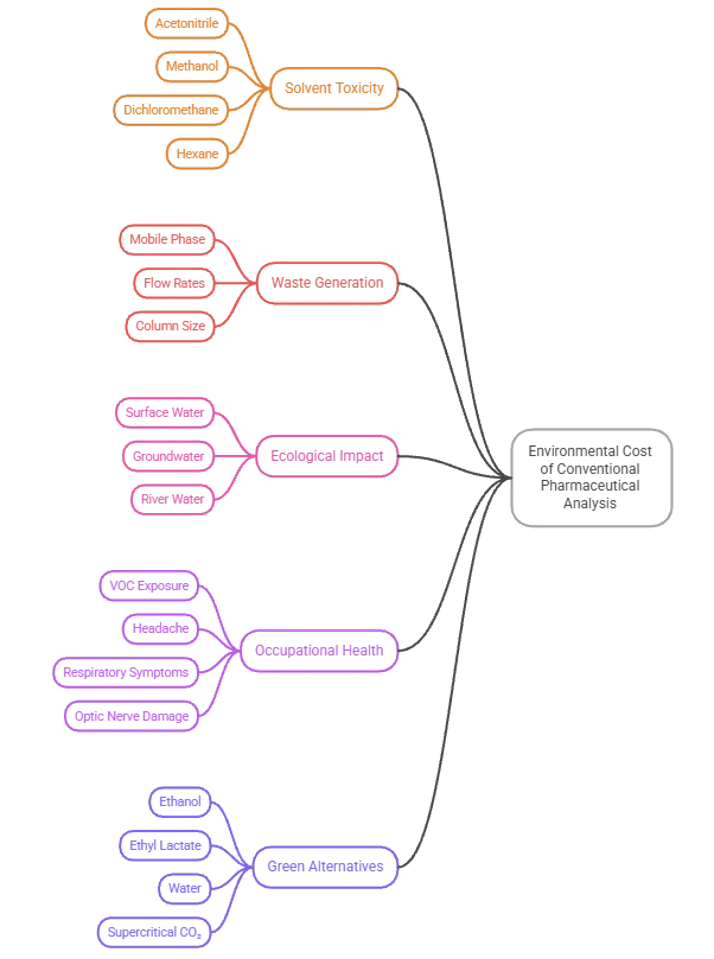
Figure 1: Environmental Cost of Conventional Pharmaceutical Analysis
Table 1. Environmental and Toxicological Profile of Conventional HPLC Solvents Versus Green Alternatives [20–23]
|
Solvent |
ICH Q3C Class |
GHS Hazard Category |
Flash Point (°C) |
Oral LD₅₀ (rat, mg/kg) |
Bio-degradability |
Vapour Pressure at 20°C (kPa) |
CHEM21 Ranking |
HPLC UV Cutoff (nm) |
|
Acetonitrile |
Class 2 |
Flammable, Acute Tox. 4, Eye Irrit. 2 |
2 |
2460 |
Low |
9.7 |
Problematic |
190 |
|
Methanol |
Class 2 |
Flammable, Acute Tox. 3, STOT SE 1 |
11 |
5628 |
High |
12.8 |
Recommended |
205 |
|
Dichloro-methane |
Class 2 |
Carc. 2, STOT RE 2, Acute Tox. 4 |
None |
1600 |
Very low |
46.5 |
Highly hazardous |
233 |
|
Hexane |
Class 2 |
Flammable, STOT RE 2, Aquatic Tox. |
−22 |
28710 |
Low |
17.7 |
Highly hazardous |
190 |
|
Ethanol |
Class 3 |
Flammable, Eye Irrit. 2 |
13 |
7060 |
High |
5.8 |
Recommended |
210 |
|
Ethyl lactate |
Class 3 |
Low hazard |
46 |
>5000 |
High (biodegradable) |
0.23 |
Recommended |
210 |
|
Water |
Not classified |
Not hazardous |
N/A |
N/A |
Complete |
2.3 |
Recommended |
190 |
|
Supercritical CO₂ |
Not classified |
Compressed gas |
N/A |
N/A |
Complete |
N/A (gas at STP) |
Recommended |
N/A |
3. The Twelve Principles of Green Analytical Chemistry
The formal intellectual structure of Green Analytical Chemistry was established by Gałuszka, Migaszewski, and Namieśnik, who in 2013 published the 12 principles of GAC and the SIGNIFICANCE mnemonic, a shortened version of the principles, which can be used to turn the general principles of green chemistry into instructions adapted to the particularities of analytical practice [24]. The principles include the direct measurement of analytes without sample preparation wherever possible, minimizing sample mass, preference for in situ measurement over laboratory based workflows, integration of analytical processes to conserve energy, and to reduce reagent consumption, use of automated and miniaturised methods, no unnecessary derivatisation, use of natural and renewable reagents, elimination of hazardous waste, energy efficiency, operator safety, and generation of multi-analyte/multi-parameter data within a single analytical run [25]. These principles established a new analytical chemistry sustainability code, the first for the discipline, derived from the SIGNIFICANCE mnemonic, which followed a logical sequence around synthetic chemistry, but was first proposed by Anastas and Warner in 1998. The operational specificity of the practical application of the principles of GAC in pharmaceutical analysis is the key factor that makes these principles different from the philosophical ones [26].
The idea of miniaturisation, for example, was realized in the gradual switch to narrow bore columns (inner diameter of 2.1 mm instead of the traditional 4.6 mm), where the volume of flow and solvent was reduced in parallel with the efficiency of the chromatography. The miniaturisation of sample preparation was also progressing alongside, and solid-phase microextraction, dispersive liquid-liquid microextraction and micro-solid-phase extraction were becoming new methods in place of the conventional liquid-liquid extraction that required ten to forty millilitres of organic solvent per sample [27]. The principle of direct measurement underpinned the ever increasing use of Online and at-line sample processing in pharmaceutical process analytical technology, eliminating all off-line extraction steps. While GAC focused mainly on the environmental dimension of analytical practice, subsequent conceptual development acknowledged that environmental credentials were not enough for pharmaceutical quality control where the analytical performance sensitivity, accuracy, selectivity and robustness was irrefutable [28].
he recognition led to the extension of the sustainability evaluation framework that White Analytical Chemistry was introduced by Pena-Pereira et al., where the green component integrates the traditional GAC environmental evaluation criteria, the red component includes the analytical performance evaluation criteria and the blue component offers practical and economic criteria such as cost, throughput and instrumental accessibility [29]. The RGB color model, which is an analytical approach that works out well in all three dimensions (analytically, environmentally and operationally), is considered the notional ideal. This is a tripartite approach which is important conceptually as it recognises rather than overlooks the conflicts inherent in green method development in pharmaceutical practice. More recently, Circular Analytical Chemistry has emerged as a new dimension, with a focus on the introduction of lifecycle thinking and circularity in the full analytical process: from solvent recycling, through reagent reutilisation, to minimisation of total material throughput [30].

Figure 2: Pathways to Green Analytical Chemistry
4. Eco-Compatible Separation Platforms
The journey from hazardous to harmless in pharmaceutical analytical chemistry is finally put into practice by the separation platform itself the column chemistry, mobile phase composition, operating pressure, and detection technology that define analytical capability and footprint of a method. Five platforms have been identified that are scientifically sound and practically usable as alternatives to traditional reversed-phase HPLC with toxic organic solvents: (1) green RP-HPLC based on the use of bio-based solvents, (2) Ultra-High Performance Liquid Chromatography with sub-2 μm particle columns, (3) Supercritical Fluid Chromatography using scCO₂ as the primary mobile phase, (4) High Performance Thin Layer Chromatography with an open bed format that uses significantly less solvent, and (5) Micellar Liquid Chromatography, where the replacement of toxic organic solvents with aqueous surfactant-based mobile phases is the key feature. Every platform exists in a unique niche, with its own unique strengths of analysis, green credentials, and notional weaknesses. The most immediate step towards sustainable pharmaceutical analysis is certainly the use of green RP-HPLC with mobile phases made from materials of natural origin (green RP-HPLC), requiring no investment in new instrumentation [31].
The approach is based on replacing acetonitrile and, whenever possible, methanol with solvents that have significantly less negative environmental and toxicological effects. A systematic search of the published literature yielded 135 articles (1990–2007) using ethanol-water mobile phases for reversed-phase separations, of which about 30% utilized columns with the reduced particle diameters without requiring higher column temperatures to compensate for the higher viscosity of ethanol, compared to acetonitrile [32]. Ethanol is classified as a Class 3 solvent in ICH Q3C and it is generally recognized by the US Food and Drug Administration as safe (GRAS) and recommended as a solvent in CHEM21. The product of esterification of lactic acid, ethyl lactate, which has excellent solvating capacity, high biodegradability, flash point of 46°C (compared to 13°C for ethanol) and low vapour pressure, has proven to be useful in pharmaceutical and cosmetic analysis of intermediate polar compounds. Naturally occurring hydrogen bond donors and acceptors like sugars, amino acids, choline chloride and organic acids can form deep eutectic solvents that are biodegradable, recyclable and can be used to tune reversed-phase selectivity; however, their higher viscosity and the sensitivity to aqueous decomposition are practical challenges [33].
The environmental benefit of Ultra-High Performance Liquid Chromatography does not come from the selection of solvents, but from the physics of chromatography. UHPLC systems can operate at pressures more than 1000 bar using stationary phase particles of sub-2 μm size, thus shortening the analysis time by 5-10 times compared to conventional HPLC 5 μm particle systems, and will yield the same or better resolution (compression of run time proportionally reduces total solvent use per analysis). The world's first commercially available UHPLC system was released in 2004 and during the following 20 years, UHPLC has emerged as the preferred platform in pharmaceutical quality control laboratories that are looking to both increase throughput and reduce solvents [34]. It is easily compatible with existing reversed-phase method development approaches, has been accepted in pharmacopoeial frameworks and can be seamlessly coupled to mass spectrometry detection, which no other eco-compatible platform can do in the same comprehensive manner. Supercritical Fluid Chromatography (SFC) is perhaps the most promising environmental option of the available chromatographic platforms, and is based upon supercritical CO2, the critical point of which occurs at 31.1°C, at 73.8 bar, with the addition of small amounts of polar co-solvents such as methanol or ethanol, to modulate elution strength and selectivity. Supercritical CO₂ has gas-like diffusivity and liquid-like density and solvating power, which allows fast mass transfer and hence high chromatographic efficiency at high linear velocities [35].
A comparative solvent use for a typical chiral separation showed that a SFC method used 135 μL of methanol modifier in comparison to 10 mL of hexane-ethanol for the same separation by normal phase HPLC. Many of the previous concerns about quantitative reproducibility, sensitivity, and robustness have been overcome by modern SFC instruments, especially packed columns with sub-2 μm particle size and in ultra-high performance configurations, and multi-vendor interlaboratory studies have proven SFC-UV methods to be suitable for pharmaceutical impurity profiling that reach the level of compendial application. But polar and ionisable compounds that are not very soluble in the CO₂-based mobile phase, and especially biomolecules, are not easily analysed by SFC without detailed mobile phase optimization [36]. The green aspects of High-Performance Thin Layer Chromatography are achieved by a completely different process: solvent is consumed per separation, usually 2-5 mL per plate per separation, with the stationary phase used only once, and with the mobile phase not being pumped, but rather moving by capillary action through a short separation distance. This renders HPTLC highly suitable for high throughput applications of content uniformity or identity testing per sample, in which the quantity of solvent per sample should be kept to a minimum. Limitations are mainly associated with the constraints of automation, lower sensitivity compared to HPLC, and less mature regulatory importance of its use for quantitative pharmaceutical analysis. In Micellar Liquid Chromatography, non-ionic or ionic surfactants (like sodium dodecyl sulphate or Brij-35) above their CMCs are used in place of toxic organic co-solvents. The mobile phase is non-flammable, non-volatile, biodegradable and can be direct injection of biological fluids with a sample preparation benefit of not requiring an extra solvent step that adds to the mobile phase burden. Unlike traditional reversed phase chromatography, the retention mechanism in MLC is more complicated and depends on partitioning between the aqueous phase, the micellar pseudostationary phase, and the surface of the stationary phase. This makes it less intuitive to predict selectivity and develop methods in MLC. However, MLC is also restricted to UV detection by the interference from surfactants in mass spectrometry [37].
Table 2. Comparative Performance Profile of Eco-Compatible Separation Platforms in Pharmaceutical Analysis [38,39].
|
Platform |
Primary Green Solvent |
Approx. Solvent Consumption per Run (mL) |
Typical Analysis Time (min) |
LOD Range (μg/mL) |
Chiral Separation Capability |
MS Compatibility |
Pharma-copoeial Recognition |
Typical AGREE Score Range |
|
Conventional RP-HPLC (reference) |
Acetonitrile/ methanol |
5–15 |
10–30 |
0.001–1.0 |
Limited (chiral columns) |
Excellent |
Full (USP, EP, BP) |
0.20–0.45 |
|
Green RP-HPLC (ethanol/ ethyl lactate) |
Ethanol, ethyl lactate, NADES |
5–15 |
10–30 |
0.001–1.0 |
Limited |
Excellent |
Emerging |
0.50–0.75 |
|
UHPLC (sub-2 μm) |
Ethanol or acetonitrile |
0.5–3 |
1–8 |
0.0001–0.1 |
Possible (chiral UHPLC) |
Excellent |
Well-established |
0.45–0.70 |
|
Super-critical Fluid Chromatography |
scCO₂ + methanol modifier |
0.1–0.5 |
2–10 |
0.001–1.0 |
Excellent (chiral SFC) |
Good (with ESI adaptation) |
Emerging |
0.60–0.85 |
|
HPTLC |
Ethanol, ethyl acetate, water |
2–5 (per plate, 20+ samples) |
10–20 |
0.1–10 |
Poor |
Poor |
Limited |
0.65–0.80 |
|
Micellar LC (MLC) |
SDS/ Brij-35 aqueous |
5–15 |
10–30 |
0.01–5.0 |
None |
Poor |
Not established |
0.55–0.75 |
5. The Greenness Assessment Ecosystem
In the last twenty years there has been an increasing number of greenness assessment tools, not just because Green Analytical Chemistry is maturing as a science but also because of growing pressure on method developers to measure - rather than simply assert - the greenness of their methods. Today, tools range from qualitative pictograms that describe the overall ecological quality of a method to fully quantitative, software-based measures that can be numerically scored with a high enough level of accuracy to allow statistically valid comparisons between alternative analytical methods [40]. It is crucial to grasp this spectrum and its boundaries if pharmaceutical analysts are to use it effectively, rather than in a ritualistic manner. The most basic and simple greenness assessment tool, the National Environmental Methods Index (NEMI) introduced in 2003, considers a method to be green if all the following conditions are met: 1) no waste generated; 2) sample pH in range of 2-12; 3) no persistent, bioaccumulative and toxic substances are used in the reagents; and 4) waste volume is ≤ 50 grams. They are shown using quadrants in a pictogram coloured green if they are met and white if they are not. Though simple, NEMI was available to a wide range of users, its binary scoring and limited scope (it would not differentiate between a method that fails a criterion slightly and another that violates it significantly) limited its discriminative value for pharmaceutical method comparison [41].
In 2012 the Analytical Eco-Scale was developed to overcome this disadvantage, offering a penalty point system that is subtracted from a maximum score of 100 depending on the quantities and hazard of solvents and reagents used, energy consumption, waste generation, and occupational safety. The scores of 75 or higher are considered "excellent green" scores, 50 to 75 are "acceptable green" scores, and scores less than 50 are considered "inadequate. This semi-quantitative approach allowed for finer discrimination between methods, but was retrospective rather than prospective, allowing the assessment of an already developed method. In 2015, Płotka-Wasylka published the Green Analytical Procedure Index, which was a structural improvement by assessing the entire analytical process in the five pentagrams: sample collection, sample preparation, reagents and solvents, instrumentation and waste management. Every pentagram is segmented into colour-coded sections (green sections are satisfactory, yellow sections are intermediate, and red sections are problematic), giving a visual representation of where the main environmental burdens lie in a method [42].
In 2024, a modified version of the original GAPI was published that overcame the main limitation of the original instrument, which is lacking any sort of calculable total score, by adding a points-based scoring system across fifteen subsections that allows for quantitative inter-instrument assessment, while maintaining the pentagram pictographic output. The most widely used quantitative greenness tool which is actively used today is the Analytical GREEnness calculator (AGREE) published in 2021. It uses the 12 principles of GAC as its assessment framework, using a mnemonic SIGNIFICANCE, with scores across 12 criteria on a common 0-1 scale and calculating a final weighted score, which is represented as a circular pictogram with colour coding [43]. Any AGREE score > 0.75 generally represents ‘excellent greenness’ and scores < 0.50 indicate key environmental concerns. Because the software is freely available and it directly addresses the principles of GAC, AGREE has become the de facto standard for greenness reporting in pharmaceutical analytical publications. In pharmaceutical quality control, the most significant change that occurred in 2023–2025 has been the establishment of a clear understanding that the green nature of a method is not enough and the analytical performance and practicality of the method are equally important. Based on this recognition, the Blue Applicability Grade Index (AGI) was developed, published in Green Chemistry in 2023, to assess the practicality of methods on a 0–100 scale, with higher scores indicating higher practicality, where dimensions such as instrumentation cost and availability, analysis throughput, robustness, and applicability to various types of matrixes are evaluated. At the same time, the Red Analytical Performance Index, which was introduced in 2025, finished the RGB series by quantifying the analytical performance parameters, such as sensitivity, selectivity, accuracy and precision which complemented the existing analytical performance validation requirements of ICH Q2(R2). The complementarity of these tools and the resulting substantially different rankings from parallel application of the different tools illustrate the importance of a multi-tool evaluation in contemporary pharmaceutical green method development [43].
A comparative greenness assessment of 20 published chromatographic methods for anticancer drugs with application of eight greenness assessment tools simultaneously (AGREE, MoGAPI, AGREEprep, Eco-Scale, BAGI, CACI, CaFRI, and AGSA) revealed significant differences in the scores of greenness, and Pearson correlation analysis identified the patterns of agreement between the tools, where the highest correlation is found between AGREE and BAGI. The current trends are that no single tool encompasses the whole sustainability picture: AGREE is the broadest in environmental assessment; BAGI is the most relevant in light of practical deployment reality; and RAPI is the most effective in avoiding a greenness credential at the cost of the analytical performance. The multi-layered and dynamic assessment ecosystem outlined in Table 3 represents the scientific underpinning of the pharmaceutical analytical community's efforts to institutionalize a commitment to sustainability, and to now make it a quality attribute of a method that is measured, quantifiable and comparable to other methods [44].
Table 3. Classification and Comparative Features of Published Greenness Assessment Tools [45–47]
|
Tool |
Year |
Assessment Domain |
Scoring Mechanism |
Output Type |
Software Available |
Pharmaceutical Applicability |
|
NEMI |
2003 |
Environment |
Qualitative (binary) |
4-quadrant pictogram |
No |
Universal |
|
Analytical Eco-Scale |
2012 |
Environment |
Semi-quantitative (penalty points) |
Numerical score (0–100) |
No |
Universal |
|
GAPI |
2015 |
Environment (full workflow) |
Semi-quantitative (colour-coded) |
Pentagram pictogram (5×) |
Yes (online) |
Universal |
|
AGREE |
2021 |
Environment (GAC principles) |
Quantitative (0–1 scale) |
Circular pictogram + score |
Yes (free) |
Universal |
|
AGREE prep |
2022 |
Environment (sample preparation only) |
Quantitative (0–1 scale) |
Circular pictogram + score |
Yes (free) |
Applicable where extraction used |
|
BAGI |
2023 |
Practicality (blue dimension) |
Quantitative (0–100) |
Score + bar chart |
Yes (free) |
Universal |
|
MoGAPI |
2024 |
Environment (full workflow) |
Quantitative (percentage score) |
Pentagram + score |
Yes (open source) |
Universal |
|
RAPI |
2025 |
Analytical performance (red dimension) |
Quantitative |
Score |
Yes |
Universal |
|
CaFRI |
2025 |
Carbon footprint reduction |
Quantitative |
Score |
Yes |
Universal |
|
AGSA |
2025 |
Environment |
Quantitative (star area) |
Star polygon + score |
Yes |
Universal |
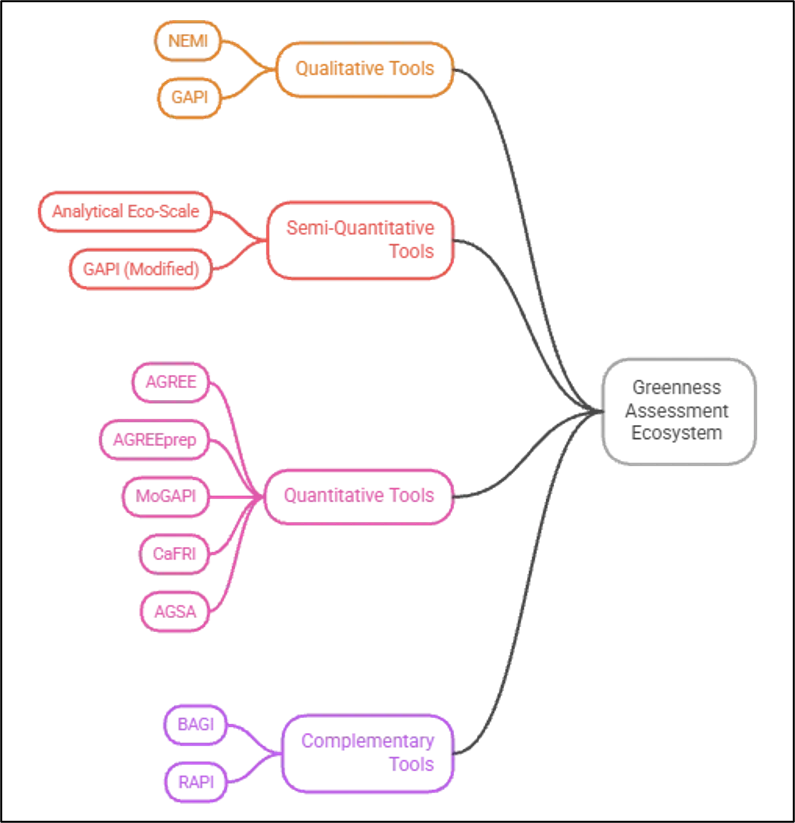
Figure 3: Greenness Assessment Ecosystem in Pharmaceutical Analysis
6. Quality-by-Design and Analytical Target Profile
The shift that is happening most at the moment in pharmaceutical analytical chemistry is not a switch to a single green solvent or platform, but the rethinking of how to approach the development of a new analytical method from day-one. Traditionally, the model of method development was: select a column, empirically optimize the mobile phase composition, validate the method to the ICH Q2(R2) guidelines and declare it as a method. This model is now increasingly being replaced by the Analytical Quality by Design model that was formally integrated in ICH Q14, adopted on 1st of November 2023 [48]. A key component of the AQbD approach is the Analytical Target Profile: a prospective document that outlines the design intent of the method and sets forth performance criteria prior to any experimentation, such as: sensitivity, selectivity, precision, and robustness requirements. All future method development decisions are made with reference to the ATP, such as selection of separation platform and mobile phase composition. The environmental relevance of this approach is a shift to the design space: the criterion of the method is not about how it is to be achieved but rather what it is to achieve, providing design space in which to consider approaches that are eco-compatible, on a level playing field with conventional approaches, if they can be shown to meet the criteria specified [49].
The improved methodology of ICH Q14 involves a systematic series of risk assessment, experimental design and definition of design space. The use of risk assessment tools such as Ishikawa cause-and-effect diagrams and Failure Mode and Effects Analysis leads to the identification of those method parameters that are likely to be most important to method performance and that should therefore be studied systematically: pH, type and proportion of the organic solvent, flow rate, temperature and dimensions of the column. This list of risk-ranked parameters then leads to Design of Experiments campaigns that test performance and, if sustainability is incorporated as an explicit response variable, environmental impact as well. The application of DoE coupled with greenness metrics is well demonstrated in published applications, such as the ones from the application of the response surface methodology, including central composite designs and Box-Behnken designs, for the construction of mathematical models that correlate chromatographic parameters with analytical responses and AGREE or GAPI scores [50]. Spending time at both the performance and the greenness surface allows the analysts to pinpoint optimal solutions that are neither compromises made between the two values sequentially (as in optimization first, then retrofitting), nor optimal solutions that are poor at one aspect but good at the other. For some published cases, inclusion of ethanol as the organic solvent modifier in a DoE approach found iso-performance conditions compared to acetonitrile based approaches, but with significantly lower environmental score burden. As a companion guideline to ICH Q14, ICH Q12 Pharmaceutical Product Lifecycle Management is also relevant to this discussion. ICH Q12 provides validated methods with frameworks for post-approval change management, which help to minimize regulatory burden for transitioning from traditional to more environmentally friendly mobile phase composition when a change is within the pre-defined design space. ICH Q14 and ICH Q12 together provide a regulatory framework that for the first time provides formal space for evolution of this iterative, science-based approach that green analytical chemistry needs [51].
7. Regulatory Landscape and Pharmacopoeial Recognition
Over the timeframe most pertinent to green analytical chemistry's institutional aspirations, the regulatory system underpinning pharmaceutical analytical procedures has been significantly revamped. On 1 November 2023 the ICH Assembly approved ICH Q2(R2) and ICH Q14, which are the biggest coordinated revision of analytical procedure guidance in almost 30 years and will come into effect from 14 June 2024 at the EMA. ICH Q2(R2) revises the validation requirements to include validation of biological and multivariate procedures, to include ‘Lifecycle thinking' and to clearly explain the link between validation and the knowledge gained in the development process (Q14). For the first time in the history of ICH, the ICH Q14 offers complete guidance to analytical procedure development as formal regulatory expectations rather than optional additions, including the concepts of ATP, AQbD, risk management and design space [52]. Various regulatory agencies such as FDA, EMA, and ICH member countries have embraced these guidelines, and their legal effective dates represent a true paradigm shift in pharmaceutical analytical practice. These guidelines don't explicitly require green credentials for analytical services yet. No provision is made in ICH Q2(R2) or ICH Q14 to assess method greenness by tools such as AGREE or GAPI nor are there any performance thresholds set to favour the use of eco-compatible platforms over HPLC. The Analytical Target Profile framework is technology agnostic and not biased in favor of ethanol over acetonitrile as mobile phase components as long as the performance criteria are satisfied. In practice, this translates to the fact that there is now in theory a regulatory framework that allows for the development of green methods, thanks to design space flexibility and lifecycle management provisions, but there is no obligation to do so: the framework “allows” for green method development, but it does not “require” it, meaning that the translation of the scientific wish into the regulatory obligation is not complete. The picture is similar in the pharmacopoeial world. The overwhelming majority of monograph methods in the European Pharmacopoeia, the United States Pharmacopeia and the British Pharmacopoeia are based on liquid chromatography, with a large proportion of those methods involving liquid mobile phases that contain acetonitrile or methanol [53].
SFC and HPTLC are used in a restricted manner. Use of green solvents in compendial monographs is mostly missing as a systematic approach. The USP <1220> general chapter on Analytical Procedure Lifecycle, published in 2022, offers an analytical procedure lifecycle framework for the iterative greening of compendial methods, but is not the catalyst for the transition, but rather is a legitimate pathway for iterative greening of compendial methods. Currently, the best external push is provided by the WHO's "Greener Pharmaceuticals' Regulatory Highway" initiative, the EU's Corporate Sustainability Reporting Directive, which will also mandate that large pharmaceutical companies report on environmental sustainability metrics from 2024, and the increasing introduction of ESG frameworks by pharmaceutical companies with various net-zero carbon targets by 2040. These pressures are industry level and not method level; they motivate, or incentivize, the industry to embrace green analytical practices, even if not required by the pharmacopoeia. The scientific case for eco-compatible pharmaceutical analysis is clear, the tools and platforms are there and the regulatory framework is supportive, but the shift from support to requirement is yet to be completed and the evolution of the pharmacopoeia is well behind the speed of scientific progress [54].
8. Challenges, Emerging Directions and Future Perspectives
There's no easy or absolute way to go from dangerous to safe in pharmaceutical analysis, and the profession's integrity rests on recognizing and acknowledging just as clearly as it celebrates the challenges that remain to be addressed. The most basic of these is the performance vs. greenness paradox that exists for certain analytical applications. Highly non-polar analytes that are poorly retained in reversed phase may pose serious problems for ethanol or ethyl lactate replacement due to its lower eluotropic strength and higher viscosity, which unfortunately limit the method range that can be achieved by the method developer. The key challenge for pharmaceutical quality control (QC) impurity profiling at trace levels is a task that requires sensitivity and selectivity some eco-friendly platforms are not capable of reliably achieving to the sub-ppm concentration ranges needed for genotoxic impurity assessment according to ICH M7. The other structurally similar enantiomer separation challenge is similar: although SFC has proven to be very successful for many pharmaceutical analytes, operator expertise and instrumental investment are still important challenges in high throughput QC environments in lower income countries. The second, important challenge is the standardisation gap. There is not an internationally agreed minimum threshold for method greenness [55].
A method could score a 62 on AGREE, a 68 on Eco-Scale and a mostly yellow GAPI pentagram all indicators of reasonable sustainability but not yet be able to be determined to be acceptable or not-acceptable by a regulatory body due to the lack of regulatory thresholds. This lack of standardization has limited the usefulness of reporting greenness in published pharmaceutical methods, which is largely voluntary and variable. The third type of actual barrier is cost of infrastructure and retraining [56]. Thus, the switch from traditional HPLC to UHPLC demands investment in UHPLC system hardware, while adoption of SFC demands a different generation of UHPLC system hardware, and more importantly, a new generation of analytical scientists, trained in a separation mode whose mobile phase physics, column chemistry, and system suitability conventions are vastly different from HPLC. In pharmaceutical firms with validated QC-labs that often employ compendial methods, the expense of revalidating any platform change, even if scientifically justifiable, can be an institutional barrier which will not be overcome by green chemistry arguments. In the face of these challenges, however, the new pathways that have the highest transformative promise are mostly three in number. Artificial intelligence and machine learning technologies have proven the ability to predict solute retention behavior in alternative solvent systems without the need for any new experimental data based on molecular descriptors that can be obtained from SMILES strings [57].
There have been published data-driven, in silico HPLC optimisation methods that have been developed combining quantitative structure-property relationships, linear solvation energy relationships and linear solvent strength theory to predict both isocratic and gradient conditions, which effectively allow for virtual screening of the compositions of mobile phases that are environmentally friendly before any laboratory experiments are even performed, thus reducing the experimental burden of HPLC method development itself. The use of AI to predict the physicochemical properties of ionic liquids (ILs) and deep eutectic solvents (DESs) in order to recommend them as alternative mobile phase additives has also been attempted, reducing the experimental time needed to evaluate them compared to traditional solvents. Importantly, one comparison of AI-generated HPLC methods with experimentally optimised methods for simultaneous separation of three cardiovascular drugs revealed that whilst AI helped to speed up method development, the experimental, greener method surpassed the AI-predicted method in terms of greenness parameters (AGREE, MoGAPI and BAGI) established by the authors highlighting the need to maintain human expertise in the realisation of AI output to truly enable sustainable practice [58].
The other transformative pathway is towards miniaturisation and portability of analytical devices, allowing for on-site or at-line analysis that requires less solvent and less lab equipment. Process Analytical Technology (PAT) integration puts the analytical measurement step directly into the process, not a downstream lab, removing the overhead of sample transport and post-analysis waste management costs. The third emerging dimension is Circular Analytical Chemistry, which focuses on recycling solvents, reutilising reagents and closed-loop management of waste, bringing pharmaceutical laboratory operations explicitly in line with the pharmaceutical corporations' new goals, which have been integrated into their environmental, social and governance (ESG) strategies and, as such, are increasingly becoming part of their core commitments. To date, these public declarations by major pharmaceutical firms to reach net-zero carbon by 2040 will, over time, lead to a level of accountibility among shareholders that has not been possible through regulatory guidance alone when it comes to the practices of pharmaceutical laboratories with solvents [59].
CONCLUSION
The story line in this review, of measuring the conventional pharmaceutical analysis environmental cost, and the lines of principles, platforms, evaluation systems, and regulatory processes that currently define the best practices of the field, will lead to a positive yet profound conclusion. The good news is the quality of the intellectual and technological results achieved. The twelve principles of GAC have produced a consistent design thinking. The AGREE, BAGI and RAPI metrics have offered the science community objective and reproducible tools for assessing method sustainability across three dimensions at a time. The fact that UHPLC has proven that analytical performance and solvent reduction are not mutually exclusive, but can be achieved simultaneously with the help of improved column technology has taken the industry by surprise. SFC has established its credibility for pharmaceutical purity and chiral analysis. For the first time, the AQbD framework integrated in ICH Q14 has established a framework for the regulation of method development activities that allows it to include eco-compatible method development as a legitimate, systematic and documented practice and not merely an informal aspiration. The depressing thing is that this scientific maturity is still a long way off from everyday use. The defaults are still hazardous mobile phases in Compendial monographs. There is no regulatory guidance to require greenness assessments. Even the most complex evaluation methods are still more prevalent in academic publications than in industrial quality control laboratories. The platforms most likely to bring this environmentally friendly pharmaceutical analysis to fruition including SFC, green HPLC and UHPLC are hampered by infrastructure expenses and institutional resistance, which is holding back adoption in just the right size and scale where it is most needed to make an impact on the environment. The final conclusion of this review is that there is a need for a change in the vocabulary of pharmaceutical analytical chemistry. Quality should not be limited to the safety and efficacy of the drug being analysed but should also include the safety and sustainability of the analytical process by which safety and efficacy are ensured. Any method that generates toxic waste and an occupational hazard, and still provides accurate results is not a quality method in any complete sense of the word. The pharmaceutical analytical laboratory is related to human health. It is time that it does the same for the environment, but no longer as an added value, but as an integral part of its professional task.
REFERENCES



Prasad Dighe, Vishakha Shingote, Kiran Shinde, From Hazardous to Harmless: The Paradigm Shift in Pharmaceutical Analytical Chemistry Toward Eco-Compatible Separation Techniques and Greenness Assessment Frameworks, Int. J. of Pharm. Sci., 2026, Vol 4, Issue 7, 3137-3156. https://doi.org/10.5281/zenodo.21383340
 10.5281/zenodo.21383340