

We use cookies to ensure our website works properly and to personalise your experience. Cookies policy
Research Scholar, Global College of Pharmaceutical Technology, Bhatjangla More, Krishnanagar, Nadia PIN: 741102
Medicinal herb shows various pharmacological activities due to presence of active chemical constituents and important for prevention and cure of disease. Plant parts such as leave, steam, flower, and root has active chemical component which shows significant pharmacological activity. Previous studies have already stated about the medicinal activity of leaves, flower roots and steam. In our present study, we evaluated secondary metabolite compound and pharmacological activity of Cichorium intybus root extracts of petroleum ether, chloroform, ethyl acetate and methanol. Results from the phytochemicals screening indicated that various root extract contains alkaloids, glycosides, tannins, flavanoids, phenols, sterols, carbohydrates and proteins. The root extracts were evaluated for antioxidant, antimicrobial, anti-inflammatory activity and further subjected to Liquid chromatography–mass spectrometry (GCMS), its major chemical constituents responsible for those activities. Antimicrobial activity performed by disk diffusion method found that the root extract has potent antimicrobial activity on gram negative and gram positive bacteria. The methanol and ethyl acetate extract shows significant activity of antioxidant by 2, 2-diphenyl-1-picrylhydrazyl (DPPH). Carrageenan-induced rat paw edema method has been used for anti- inflammatory activity. Through these tests the conclusive result is that the ethyl acetate and methanol extract of chicory root has potent anti-inflammatory activity.
Nature is a prime source of various pharmacological active chemicals in the universe. Every plant contains many phytochemicals which have lots of medicinal impact in human body. Every people used various naturally occurring substances in their daily life to prevent many diseases from ancient time, without knowing the pharmacological activity of the plant. Many reputed institutions, researchers are involved to find out the active medicinal plant and their pharmacological activity. Till now many plants are available whose traditional use is not so popular but they have immense medicinal potentiality. Cichorium intybus is one of the plants whose have immense medicinal potentiality. Chicory or Kasni, scientifically called Cichorium intybus belongs to the family Asteraceae (Compositae). Among the six species of genus Cichorium, chicory are widely used as folk medicine in the Europe, North America, Baluchistan, Belgium, France, Germany, Persia, Netherlands and Switzerland (1)(2). Chicoryalso found in Australia, Siberia, New Zealand, Turkey, South Africa, Madagascar, North & Central China, United Kingdom and West Asia (2)(3). In India chicory is native to Punjab, Kashmir, Andhra Pradesh, Karnataka and Maharashtra (4). Commercial cultivation of chicory is done in North America and Europe for a number of purposes. Being a perennial herb, chicory reaches around 1.0- 1.8 m in height and has deep tap root. It has flowers which are bright blue in color and large basal leaves. Each part of the plant has a number medicinal property (1)(5). Along with other vitamins and minerals, chicory contains ash (4%), cellulose (5%), protein (6%), sucrose (14%) and inulin (68%) (6). Due to the great medicinal impact of the plant roots, it is recommended by not just the Ayurveda system of medicine but also Siddha and Unani system of medicine for its effectiveness in the treatment of various diseases. These herb’s roots are internally white but externally brownish yellow, accompanied by a thin bark. Numerous vessels can be found in the central part of the root which contains a portion of xylem and is mature in nature (4). It is found that roots are valuable source of bioactive molecules such as insulin, bitter sesquiterpene lactones, coumarins, alkaloids (7). The phytochemical screening of chicory root extract by using different solvent has been performed. The organic solvents like chloroform, ethyl acetate, hexane and petroleum ether indicate the present of volatile oil and fatty acid. Alkaloids are present in the water and ethyl acetate extract while saponins, tanins and flavonoids, can be found in the water extract. Only triterpenes was observed in hexane extract (8). It hasbeen observed that roots contain Lactucopicrin, 11,13- dihydrolactupicrin,caffeic acid, Lactucin, ferulic acid, Cichosterol (seco-sterol), natural chicoric acid extract and cichoridiol (9)(10)(11). Apart from this chemical constituents the root of chicory exhibit pharmacological activity like anti- hepatotoxic, anti-fungal, anti-bacterial, anti-microbial, ant-helmintic, anti-malaria, anti-ulcerogenic, analgesic, gastoprotective, anti-diabetic appetizer, emmenagogue, digestive, alexeteric, stomachic, febrifuge, liver tonic, chola-gogue, depurative, cardio-tonic, diuretic and also as tonic. Chicory root is known to be laxative, stomachic, and diuretic for the inuline (12)(13). Due the presence of alkaloids, the dried root used as adulterant in coffee and the deep purple flowers are used as dye (14). It showed that inulin has decreased the serum triglycerides by reducing synthesis of triglyceride in the liver (15). The ethanolic extract of plant roots are significantly inhibit ehrlich ascites carcinoma tumor in vivo. Several studies reported that the root has immune-modulator and antitumor property (16)(17). It has reported that lactucin and lactuco-picrin showed significant antibacterial and anti-malarial activity (14). The plant also reported to treat splenitis, AIDS, insomnia, cancer, dysmenorrhea and tachycardia (16).
Materials and Methods
Reagents and chemicals
Analytical grade chemicals and reagents were used. Milli Q water was used. AR Grade solvents such as Methanol, petroleum ether 60-80ºC, chloroform, ethyl acetate and formic acid were used. Syringe filters with pore size 0.22μm were brought from Merck, Mumbai. The chemicals that have been used in our experiment are Potassium dihydrogen orthophosphate (KH2PO4), Potassium ferricyanide (K3[Fe(CN)6]), 2,2-diphenyl-1-picrylhydrazyl (DPPH), Trichloro acetic acid, Disodium hydrogen orthophosphate, Ascorbic acid (AA) and Sodium hydroxide (NaOH), concentrated Hydrochloric acid (HCl), Ferris chloride (FeCl3), Benzene, Hexene. Moreover, Methanol, Chloroform, Ethyl acetate and, Petroleum ether are used as a solvent in this work. All the chemicals are obtained from the Laboratories of Dr. B.C.Roy College of Pharmacy & Allied Health Sciences.
Preparation of Cichorium Extracts
Chicory root was obtained as a powder from local market. Extraction was performed taking dried 25gm root powder using 400 ml of petroleum ether (60º-80ºC) followed by chloroform, ethyl acetate than methanol in the order of ascending polarity for 48 hours for each solvent in a soxhlet apparatus. With the help of a vacuum rotary evaporator the extracts were reduced to 10% of its original volume. Finally all the extracts were put onto petridishes for the evaporation of the residual solvent till it completely dried. Total three sets of fractions were prepared for methanol extract (M), ethyl acetate extract (EA), chloroform extract (CH) and petroleum ether extract (PE) respectively. Defatting was done to remove the unsaturated fatty acids and unwanted oils from the samples by fractionation with petroleum ether. The crude extract was used for the evaluation of antioxidant, antimicrobial, anti-inflammatory activity. The LC-MS was done to identify the constituents responsible for above activity.
Phytochemical screening of different extracts
Phytochonstituents present in the extracts were identified through preliminary phytochemical screening. Phytochemical tests were performed to determine the presence of alkaloids, glycosides, sterols, tannins, flavanoids, phenols, carbohydrates and proteins (table 1). Different tests were performed to know the phyto- constituents such as killer killani test, Lieberman Burchard test, millons test, dragandorf tests etc.
Antioxidant assessment of Cichorium extracts
DPPH Radical Scavenging Assay
The radical scavenging activities for the various extracts were performed by DPPH (2, 2-diphenyl-1-picrylhydrazyl), this method as given by Miliauskas et al 2004 (19). The DPPH methanolic solution of 0.1mMconcentration was prepared. Seven different concentration of sample solution (50 ppm, 100 ppm, 200 ppm, 400 ppm, 600 ppm, 800 ppm, 1000 ppm) were made in methanol. Ascorbic Acid (AA) was selected as standard, with similar concentration as of the samples for all antioxidant activity assay. Commencement of the reaction was done by adding 1ml of DPPH solution along with 2 ml of extracts (PE, CH, EA, and M) of several concentrations or standard. The reaction mixture was shaken strenuous and kept in a room away from dark for around half an hour, at room temperature till the reaction was completed. Absorbance was recorded at 517 nm using a spectrophotometer.
% of inhibition by DPPH activity = Acontrol- Asample/ Acontrol× 100 (Acontrol= absorbance of control reaction, Asample = absorbance of standard or sample).
Reducing power assay
The reducing power assay for the various extracts of chicory was performed in accordance with the method of Dey et al 2018 (20). Same dilutions were made to attain the above mention concentrations (50,100,200,400,600,800 and 1000 ppm) in double distilled water. Sample solution (1 ml) assorted with KH2PO4 buffer 2 ml (0.2 M, pH 6.6) and 2ml of K3[Fe(CN)6]. The reaction blend’s temperature was kept at 50ºC for 20 min. It was then cooled before adding 2 ml of 10% tri-chloro acetic acid and the mixture was centrifuged for 10 min at 5000. The upper layer (2.5ml) was collected and to it 1 ml of FeCl3 solution (freshly prepared, 0.1%) and 2.5ml of double distilled water was added. Through an ultraviolet spectrophotometer the absorbance was recorded at 700 nm. Similarly, a control was prepared without the samples. For the different aforementioned concentrations, the standard that was put to use was AA. After analysis the data collected from the samples were expressed with percentage inhibition. At various concentrations the reducing power increased, which indicates the enhancement of the absorbance of the reaction blends.
% of reducing power = A control - A sample/A control × 100 (A control = absorbance of control reaction, A sample = absorbance in the presence of standard or sample).
Assessment of antimicrobial activity of different extracts of Cichorium
Sample Preparation for antimicrobial activity in Cichorium extract
At first eight effendrop tubes were collected and sterilized. After that 2mg of M, EA, and CH and PE were weighed through mettler balance. Then they are poured into four micro centrifuge tubes and mixed with 2ml of sterilized water (1000 ppm). Then the tubes were kept in ultrasonicator (15 min) for mixing properly. 1ml of samples were taken and mixed to make the concentration 500 ppm. Then the samples are tested for anti-microbial activity.
Antimicrobial activity
In the present study, Gram-negative bacteria Escherichia coli (R122) and Salmonella typhi (59) were used for the antimicrobial study, where Gram-positive bacteria were Staphylococcus aureus (ATCC6532) and Streptococcus pneumonia (NTCC839). In the 3 ml of nutrient broth three hundred milliliter of each stock culture was added. At 37ºC, the overnight cultures were kept for a period of 24 h. After incubating for 24 h, a sterile physiological solution was used to dilate the bacterial suspension (inoculum), to achieve a final cell concentration of 105CFU/ml (21).
Antimicrobial activity on chicory root (extracts) by disk diffusion method
Disk diffusion method was used to perform on different chicory
extracts for their antibacterial activity. This method constitutes a simple and reliable technique for quantitative estimation of the desired antibiotics strength. In plates of culture inoculated with the organisms to be tested, antibiotic infused disks of standard filter paper (6mm) are placed. Their incubation afterwards (24 h at 37ºC) determines the sensitivity degree which is measured through the observable inhibition growth areas produced by diffusion from disks in the surrounding medium (22).
Assessment of anti-inflammatory activity of different extracts of Cichorium intybus L. (Root)
Animal Details
Albino rodents (Wister strain, mean weight 200 -250g) were utilized for this examination. They were sheltered in animal house for a number of weeks and they were contented with standard natural conditions. The animals were given standard research center nourishment and water adlibitum and kept up at a typical interval day-night cycle. The test convention was endorsed by the CPCSEA, New Delhi after endorsement of the Institutional Animal Ethics Committee (IAEC). All the animal experiments were conducted according to the protocols approved by the Institutional Animal Ethical Committee Ref : BCRCP/IAEC/9/2018.
Preparation of dose
Barbara M. Schmidt (23) reported that at a dose of 1000mg/kg body weight of the root extracts of Cichorium intybus did not show any sign of toxicity and hence it was considered to be safe. A dose of 100mg and 200mg/kg body weight was taken and suspension was prepared by using CMC. 1% w/v carrageenan was prepared in normal saline used for inflammation.
Animal grouping and dosing
For performing the analgesic and ant-inflammatory activity in all models, rats were arbitrarily segregated into groups (negative control, positive control and two test groups) and each group contains six animals. The first group was allocated as control & administered distilled water (volume - 10ml/kg). Second group was allocated as positive control and received standard drug (Indomethacin) at a dose of 20mg/kg. The other two groups received distinct doses (100 mg/kg, 200 mg/kg) of M and EA for the carrageenan-induced paw edema model. Test 1 denotes 100 mg/kg of M and test 2 denotes 200mg/kg of M, this stands similar representation for EA in test 1 and test 2. OECD 425 guidelines were followed for determination of dose after the evaluation of plant for acute toxicity. Drugs were administered orally.
Carrageenan-induced rat paw edema method
Carrageenan-initiated paw edema in rodents as depicted by El-Shitany etal 2015 (24) was used for the assessment of anti-inflammatory activity with minimal adjustments acute inflammation was initiated through infusing the carrageenan (1% w/v carrageenan in typical saline, 50 μl) into the rat’s right rear on the plantar surface. At first, the rats were separated in five groups. 60 mins before the rats were infused with carrageenan, each group of the rats were pre-treated by standard medication, the vehicle and the extracts. Once injected, observations were made with a digital plethysmometer (Orchid) at time 0, 1, 2, 3, 4 and 5 h respectively to get the acute phase of inflammatory reaction quantiates in terms of ml, i.e., displacement of water by edema. The below mentioned formula was applied to calculate the percent inhibition of edema in comparison to the animals in the control group.
The percentage of anti-inflammatory activity was calculated using the formula given below:
100 × (1 –Vt/Vc)
Vc is control group mean; Vt is testing group mean.
Liquid Chromatography with Mass Spectroscopy
The instrument used for the purpose of LC-MS/MS, it’s the Shimadzu LC- MS Model Number: QP2010S. The column used during the experiment was Rxi- 5Sil MS, (30 m*0.25 mm*0.25 µm). The column oven temperature was at 60.0 °C, Injection Temp. was at 260.00 °C, Sampling Time was at 2.00 min, Flow Control Mode was Linear Velocity, Pressure was 57.4 kPa, Column Flow was around 1.00 ml/min, LC Program[GCMS-QP2010] and Ion Source Temp was 200.00 °C, Interface Temp was at 280.00 °C and Solvent Cut Time was at 5.00 min, The run time was set for 49 minutes. The mass fragmentation was started during 50.00 and end 650.00 m/z: The methanol, petroleum ether and ethyl acetate extracts were subjected to GCMS. GCMS data were used to compare with libraries used in NIST 11 & WILEY 8.
Results
Phytochemical screening of different extracts
All the extracts were screened to know the main phyto-constituents present in it. The results of the preliminary phytochemical screening revealed that methanolic extract has enriched with the presence of phenolic compounds, flavonoids etc. Phyto-constituents of various extracts are summarized in table 1. The presence of certain combinations of phytochemicals (secondary metabolite) in the extracts of plant materials may be responsible for the maximum therapeutic properties.
Antioxidant assessment of Cichorium extracts
DPPH Radical Scavenging Assay
In DPPH assay antioxidant when comes in contact with DPPH, colour changes from purple to yellow. More ruminant antioxidant action of the extract is indicated by the strong yellow colour of DDPH. The DPPH assay shows that M and EA fractions have promising antioxidant activity compared to other extracts. The IC50 value of ethyl acetate & methanol are 282.6455, 484.0271.Taking AA as standard
56.37. PE & CH extracts has shown a higher IC50 value i.e.>1000, 708.2152.The result of DPPH scavenging activity is given in table 2 & in Figure 1. IC50 values for all the extracts are given in table 4.
Reducing power activity
The primary principle involved in reducing power assay for any antioxidant compound is to transformation of iron (Fe+3) ferric chloride to ferrous (Fe+2), the oxidation complex of iron relies upon formation of metal ion complex with iron. The reducing power activity appears to us that M and EA fractions have auspicious antioxidant activity compare to other extracts. The IC50 value of EA & M is 350.14 & 465.98 taking AA as standard 25.72. PE & CH extracts shown enlarging IC50 value i.e.>1000, >1000. The result of reducing power activity is given in table3 and Figure 2. IC50 values for all the extracts are given in table 4.
Antimicrobial Activity
Assessment of antimicrobial activity
The antimicrobial activity of chicory root extracts were evaluated for four different extracts i.e. methanol, chloroform, ethyl acetate and petroleum ether at a concentration of 500µg/ml. The antimicrobial activities of different extracts were studied taking amoxicillin (200μg/ml) as standard. Assessment of bacterial growth through zone inhibition was done for tracking the antimicrobial activity in different extracts.
In the present study, the microbe used for testing of the antimicrobial studies were two Gram-positive- Streptococcus pneumoniae (NTCC839), Staphylococcus aureus (ATCC6532) & Gram-negative- Salmonella typhi (59), Escherichia coli (R122).Whereas Gram-positive bacteria Staphylococcus aureus (ATCC6532)& Streptococcus pneumoniae (NTCC839) has shown antimicrobial activity in CH= 14mm & in M= 9mm rather than the Gram-negative bacteria. The results is given in table no 5 and figure no 3.
Anti-inflammatory activity of different extracts of Cichorium intibus
Anti-inflammation activity in the M and EA extracts of Cichorium intibus by carrageenan induced edema in paw at different time interval is given in table 6 and figure no 4. Anti-inflammatory activity of M and EA extracts of Cichorium intibus terms of % inhibition of paw volume given in table 7 and figure 5.
Chromatographic isolation of ethyl acetate and methanol fraction using GCMS/MS
The results gathered through LC-MS analysis result in the determination of phyto- constituents present in M and EA extract of Cichorium intibus. The LC-MS spectra of EA (figure 6) and M (figure 7) indicated the presence of 5-Hydroxy methyl furfural, Hexadecanoic Acid, 9,12-Linoleic Acid, 17-Octadecynoic acid,1- (p-Toluidino)-1-deoxy-.beta.-d-idopyranose, dioctylphthalate, 2,3-dihydro-3,5- dihydroxy-6-methyl-4h-pyran-4-one, 5-Hydroxymethylfurfural, 2-(((Carbobenzyloxy)amino)methyl)-4-benzyl-5-((carbomethoxy)-amino)oxazole, are given in table 8 and table 9 for M and EA extract.
Discussion
The present study was performed using organic solvent for the extraction of the root of Cichorium intybus. Phytochemical screening and pharmacological evaluation has been done by 4 types of organic solvent extract. The solvents extracts was screened by GSMS and reported that the solvents extract contains Hexadecanoic Acid, 9,12-Linoleic Acid, 17- Octadecynoic acid,1-(p-Toluidino)-1-deoxy-.beta.-d-idopyranose, dioctylphthalate, 2,3-dihydro-3,5-dihydroxy-6-methyl-4h-pyran-4-one, 5-Hydroxymethylfurfural, 2- (((Carbobenzyloxy)amino)methyl)-4-benzyl-5-((carbomethoxy)-amino)oxazole in ethyl acetate and methanol extracts. The organic solvent extract presented significant antioxidant antimicrobial, and anti-inflammatory activity. Among all the 4 solvent extract, it has shown that the ethyl acetate and methanol extracts have rich amount of antimicrobial activity on gram positive bacteria i.e. S. pneumoniae and S. aureus rather gram negative bacteria S. typhi and E. coli .
CONCLUSION
The present study concludes that the methanol and ethyl acetate extracts shown appropriate antioxidant activity through DPPH Radical Scavenging Assay. Carrageenan-induced paw edema model has been used to check the anti-inflammatory activity which has given a promising result when compared to the standard. Subsequently GCMS was performed for the active extract (ethyl acetate and methanol) to find the active constituent responsible for the anti-oxidant and anti-inflammatory activity. It was found that linoleic acid present in ethyl acetate extract, is a key component responsible for anti-oxidant and anti-inflammatory activity. So we can conclude from this study the presence of linoleic acid in ethyl extract of chicory root makes ethyl acetate a potent anti-oxidant and anti-inflammatory compound over methanol extract.
Acknowledgement
The authors like to thanks Mr. Subasis Maity along with management of Dr. B. C. Roy College of Pharmacy & AHS, Durgapur for his support for performing anti- microbial studies. All the authors are very grateful to the management of Bengal College of Pharmaceutical Sciences & Research, for providing the necessary support for publishing the paper.
FIGURES:
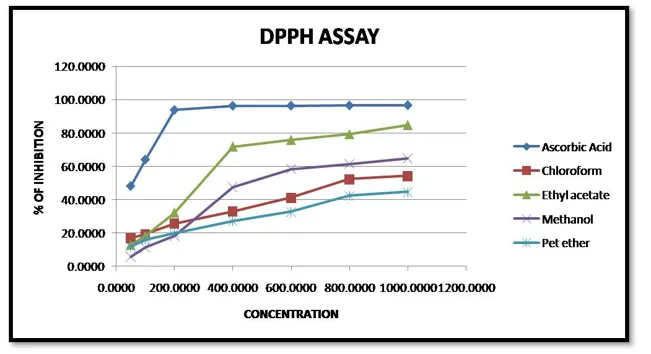
Figure 1. This Graph represents the all extracts % of Inhibitions in DPPH assay
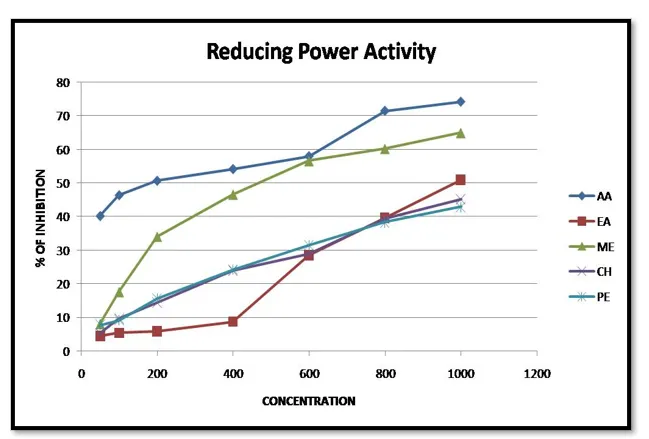
Figure 2. This Graph represents the all extracts % of Inhibitions by reducing power assay
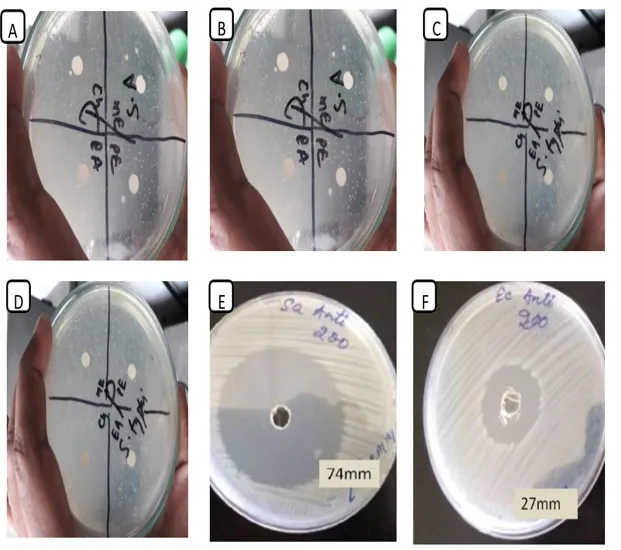
Figure 3. This figures represents the zone of inhibition of different extracts. A- Petroleum ether (PE) Ethyl Acetate (EA), Chloroform (Ch) and Methanol (ME) of Chicory on S. aureous. B- [petroleum ether (PE) Ethyl Acetate (EA), chloroform (ch) and Methanol (ME)] of chicory on E. coli. C- [petroleum ether (PE), ethyl acetate (EA), chloroform (CH), methanol (ME)] of chicory on Salmonella typhi. D- [petroleum ether (PE), ethyl acetate (EA), chloroform (CH), Methanol (ME)] of chicory on Streptococcus pneumonia. E- Zone of inhibition of Amoxicillin (standard) on S. aureus. F- Zone of inhibition of Amoxicillin (standard) on E. coli.
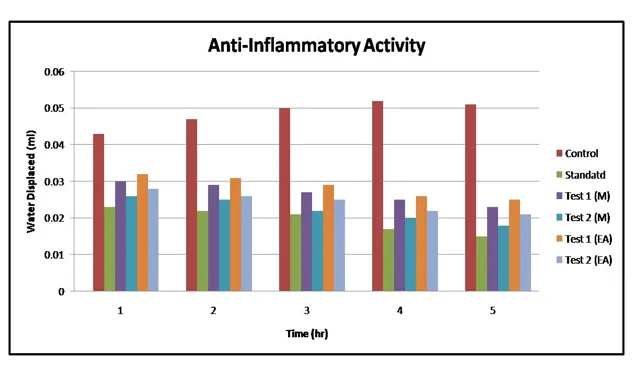
Figure 4. Anti-inflammatory activity of and Ethyl acetate and methanol extracts of chicory in carrageenan induced paw edema
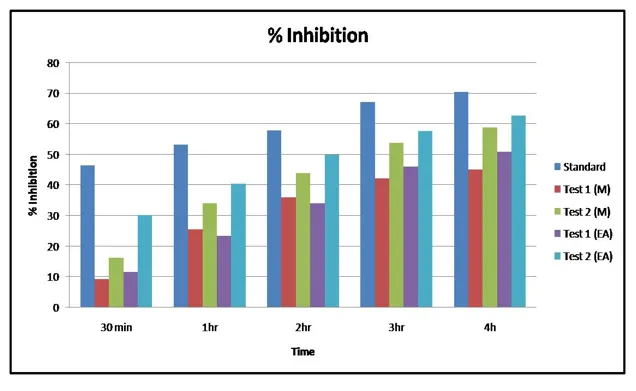
Figure 5. Anti-inflammatory activity of and ethyl acetate and methanol extracts of chicory in terms of % inhibition by carrageenan induced paw edema
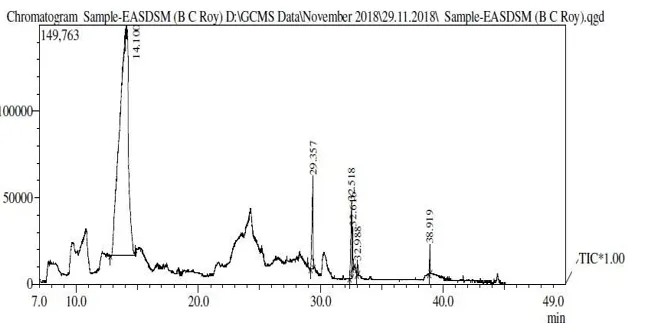
Figure 6. GC-MS chromatogram of ethyl acetate extract of chicory root
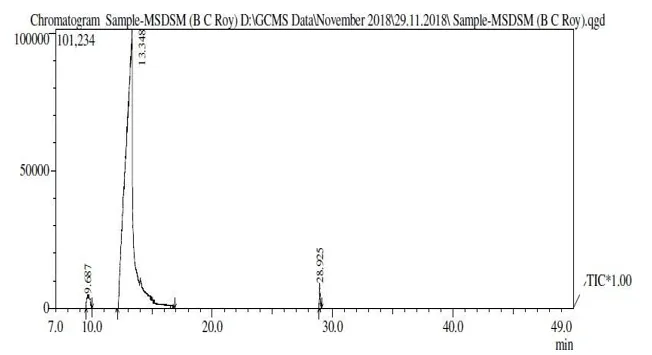
Figure 7. GC-MS chromatogram of methanol extract of chicory root
TABLES:
Table 1. Phytochemical analysis of chicory root
|
Chemical components |
Petroleum ether Extract |
Chloroform extract |
Ethyl acetate extract |
Methanol extract |
|
Steroids |
- |
- |
- |
+ |
|
Triterpenes |
- |
- |
- |
+ |
|
Alkaloids |
- |
- |
+ |
- |
|
Tannins |
- |
- |
- |
- |
|
Glycosides |
- |
- |
- |
+ |
|
Saponins |
+ |
+ |
+ |
- |
|
Flavonoids |
- |
- |
- |
- |
|
Carbohydrates |
- |
- |
- |
+ |
“+” indicates presence of compounds and “-” denotes the absence of compounds in high quantity.
Table 2. DPPH radical scavenging assay by different extracts of chicory root
|
Concentr ation (µg/ml) |
Ascorbi c Acid |
Pet Ether Extract |
Chlorofor m Extract |
Ethyl acetate Extract |
Methanol Extract |
|
50 |
48.006 |
11.67 |
16.61 |
12.82 |
5.58 |
|
100 |
63.89 |
16.04 |
19.26 |
18.118 |
11.32 |
|
200 |
93.74 |
19.84 |
25.61 |
32.12 |
18.34 |
|
400 |
96.23 |
27.08 |
32.91 |
71.77 |
47.55 |
|
600 |
96.29 |
32.63 |
41.11 |
75.72 |
58.40 |
|
800 |
96.42 |
42.48 |
52.28 |
79.20 |
61.53 |
|
1000 |
96.58 |
44.62 |
54.25 |
84.72 |
64.88 |
Table 3. Reducing power assay by different extracts of chicory root
|
Concentr ation (µg/ml) |
Ascorbi c Acid |
Pet Ether Extract |
Chlorofor m Extract |
Ethyl acetate Extract |
Methanol Extract |
|
50 |
40.25 |
7.76 |
5.22 |
10.43 |
8.08 |
|
100 |
46.43 |
9.19 |
9.66 |
15.38 |
17.59 |
|
200 |
50.71 |
15.68 |
14.42 |
30.86 |
34.07 |
|
400 |
54.19 |
24.24 |
23.93 |
55.71 |
46.59 |
|
600 |
58.003 |
31.53 |
28.84 |
61.52 |
56.57 |
|
800 |
71.48 |
38.35 |
39.30 |
65.61 |
60.22 |
|
1000 |
74.18 |
42.94 |
45.16 |
71.03 |
64.97 |
Table 4. IC50 values of all the extracts using DPPH and Reducing power assay
|
Extracts |
IC50 value for DPPH assay |
IC50 value for reducing power assay |
|
Ascorbic Acid |
56.37 |
25.72 |
|
Methanol |
>1000 |
>1000 |
|
Chloroform |
708.2152 |
>1000 |
|
Ethyl acetate |
282.6455 |
350.14 |
|
Petroleum ether |
484.0271 |
465.98 |
Table 5. Antimicrobial activity of all extracts of chicory root
|
Extracts |
Staphylococcus Pneumonia |
Staphylococcus s Aureous |
E.Coli |
Salmonella Typhi |
|
Petroleum Ether (PE) |
(-) |
(-) |
(-) |
(-) |
|
Ethyl Acetate(EA) |
(-) |
(-) |
(-) |
(-) |
|
Chloroform(C) |
(-) |
14mm |
(-) |
(-) |
|
Methanol(M) |
9mm |
(-) |
(-) |
(-) |
|
Standard (Amoxicillin) |
(-) |
74 |
27 |
(-) |
Table 6. Anti-inflammatory activity of and Ethyl acetate and methanol extracts of chicory in carrageenan induced paw edema
|
Water displaced (ml)in hours |
Dose(mg/kg) |
1hr |
2hr |
3hr |
4hr |
5hr |
|
Control |
|
0.043 |
0.047 |
0.05 |
0.052 |
0.051 |
|
STANDARD(AA) |
20 |
0.023 |
0.022 |
0.021 |
0.017 |
0.015 |
|
Test 1(M) |
100 |
0.03 |
0.029 |
0.027 |
0.025 |
0.023 |
|
Test 2(M) |
200 |
0.026 |
0.025 |
0.022 |
0.020 |
0.018 |
|
Test 1(EA) |
100 |
0.032 |
0.031 |
0.029 |
0.026 |
0.025 |
|
Test 2(EA) |
200 |
0.028 |
0.026 |
0.025 |
0.022 |
0.021 |
Table 7. Anti-inflammatory activity of and ethyl acetate and methanol extracts of chicory in terms of % inhibition by carrageenan induced paw edema
|
% of inhibition in time |
Dose(mg/kg) |
30 min |
1hr |
2hr |
3hr |
4hr |
|
STANDARD (AA) |
20 |
46.11 |
53.19 |
58 |
67.30 |
70.58 |
|
Test 1(M) |
100 |
9.30 |
25.53 |
36 |
42.30 |
45.09 |
|
Test2(M) |
200 |
16.27 |
34.04 |
44 |
53.84 |
58.82 |
|
Test 1(EA) |
100 |
11.62 |
23.40 |
34 |
46.15 |
50.98 |
|
Test 2(EA) |
200 |
30.23 |
40.42 |
50 |
57.69 |
62.74 |
Table 8. Compounds present in the ethyl acetate extract of chicory root using LC-MS analysis
|
Pe ak |
Name |
Retention time |
Area |
Area (%) |
Height |
Height (%) |
Base Peak m/z |
|
1 |
5-Hydroxymethylfurfural |
14.100 |
670296 4 |
90.3 5 |
13315 1 |
47.30 |
97.05 |
|
2 |
Hexadecanoic acid |
29.357 |
310228 |
4.18 |
54211 |
19.26 |
60.05 |
|
3 |
9,12-Linoleic acid |
32.518 |
263984 |
3.56 |
44180 |
15.69 |
67.05 |
|
4 |
17-Octadecynoic acid |
32.616 |
74221 |
1.00 |
24529 |
8.71 |
79.10 |
|
5 |
1-(p-Toluidino)-1-deoxy-beta-d-idopyranose |
32.988 |
28334 |
0.38 |
8254 |
2.93 |
73.05 |
|
6 |
Dioctyl phthalate |
38.919 |
39550 |
0.53 |
17178 |
6.10 |
149.00 |
Table 9. Compounds present in the methanol extract of chicory root using LC-MS analysis
|
Pe ak |
Name |
Retention time |
Area |
Area (%) |
Height |
Height (%) |
Base Peak m/z |
|
1 |
2,3-Dihydro-3,5- dihydroxy-6- methyl-4h-pyran-4- one |
9.687 |
80888 |
1.65 |
4942 |
4.29 |
144.0 0 |
|
2 |
5-Hydroxymethylfurfural |
13.34 8 |
478839 4 |
97.45 |
10123 4 |
87.9 1 |
97.05 |
|
3 |
2- (((Carbobenzyloxy) amino)methyl)-4- benzyl-5- ((carbomethoxy)- amino)oxazole |
28.92 5 |
44572 |
0.91 |
8982 |
7.80 |
149.0 0 |
REFERENCES



Sagnik Bose*, Sairik Dutta , Arnab Sarkar., GCMS Analysis And Investigation Of The Potent Anti-Inflammatory, Anti-Oxidant, Anti-Microbial Activities Of Extracts Of Cichorium Intybus, Int. J. of Pharm. Sci., 2026, Vol 4, Issue 9, 240-254. https://doi.org/ 10.5281/zenodo.22234346
 10.5281/zenodo.22234346