View Article

  • Global Regulatory Approval Pathways for Personalised Medicines: A Comparative Review of Frameworks, Challenges, and Future Perspectives

  • A.R. College of Pharmacy.

Abstract

Personalised medicine represents a paradigm shift in healthcare from conventional treatment strategies to individualised therapeutic approaches. By considering genomic, molecular, proteomic, phenotypic, environmental, and clinical data, it enables more effective disease prevention, diagnosis, prognosis, and therapy. [1] Rapidly evolving fields such as genomics, molecular diagnostics, artificial intelligence technologies, digital health, cell and gene therapy, and multi-omics research have accelerated the development of individualised therapeutic approaches. However, the progress of innovative science raises a challenge to the existing regulatory frameworks, primarily designed for medicines targeting large and relatively homogeneous populations. This review provides a comprehensive perspective on the global regulatory approval landscape for personalised medicines and critically analyses the regulatory complexities associated with the emerging treatment approaches. The review compares the regulatory frameworks of the United States Food and Drug Administration, European Medicines Agency, Japan Pharmaceuticals and Medical Devices Agency, India Central Drugs Standard Control Organisation and United Kingdom Medicines and Healthcare products Regulatory Agency. Particular emphasis is placed on the regulatory considerations for biomarker-driven drug development, companion diagnostic co-development, adaptive and innovative clinical trial designs, expedited approval pathways, cell and gene therapies, and the use of real-world evidence in regulatory decision-making. The review highlights the key regulatory, scientific, ethical, economic, and social challenges associated with personalised medicine, including small patient populations, limited clinical evidence, biomarker validation, companion diagnostic regulation, manufacturing complexities, genomic data privacy, reimbursement and cost-effectiveness, and global accessibility.

Keywords

Personalised medicine, Precision medicine, Regulatory approval, Pharmacogenomics, Companion diagnostics, Biomarkers, Cell therapy, Gene therapy, Artificial intelligence, Real-world evidence

Introduction

× Popup Image

Healthcare has traditionally used a population-based therapeutic approach in which patients diagnosed with the same disease are typically treated with similar medicines and treatment regimens. While this approach has led to significant improvements in public health, it does not take into account significant biological differences between patients. Variations in genetic composition, molecular characteristics, disease mechanisms, environmental exposure, lifestyle, age, comorbidities, and drug-metabolizing capacity can have a significant impact on treatment response. [2]

As a result, a medicine that has a significant clinical benefit for one patient may have little efficacy or cause unacceptable toxicity for another patient with the same clinical diagnosis. This variability in treatment response has provided the scientific backdrop for personalised medicine. Personalised medicine, also known as precision medicine, refers to a healthcare model in which prevention, diagnosis, prognosis, and treatment are tailored according to the characteristics of an individual patient or a biologically defined subgroup of patients.

These characteristics can include genetic variants, molecular biomarkers, protein expression profiles, metabolic signatures, immune signatures, and other clinical or environmental factors. The rapid advancement of high-throughput genomic technologies has significantly accelerated this transition. Whole-genome sequencing, next-generation sequencing, transcriptomics, proteomics, metabolomics, and bioinformatics have enabled researchers to identify molecular subgroups within diseases that were considered biologically homogeneous.

Cancer is one of the most prominent examples of this paradigm shift. Tumours that originate at the same anatomical site can have significantly different molecular profiles and thus respond differently to therapy. Molecular alterations such as HER2 amplification, EGFR mutations, BCR-ABL fusion genes, ALK rearrangements, and BRCA mutations have enabled the development of targeted therapeutic strategies. [3] The application of personalised medicine is not limited to oncology. Molecular and genomic approaches are increasingly being applied in cardiovascular disease, neurological disorders, autoimmune diseases, infectious diseases, rare diseases, metabolic disorders, and inherited genetic conditions.

While personalised medicine has enormous clinical potential, it presents significant challenges for regulatory agencies. Traditional drug-development and approval systems were largely designed around large randomized clinical trials involving large populations of patients. Personalised therapies may target tiny patient subgroups defined by rare genetic or molecular characteristics.

In addition, personalised medicine often involves the simultaneous development of a therapeutic product and a diagnostic test. This creates regulatory complexity as the safety and effectiveness of the therapy may be contingent on the analytical and clinical performance of the diagnostic. [4] The rapid pace of scientific innovation has therefore necessitated more flexible and adaptive regulatory approaches. Regulatory frameworks increasingly incorporate expedited review programs, adaptive clinical trial designs, conditional approvals, real-world evidence, post-marketing commitments, and lifecycle-based monitoring.

This review critically examines the global regulatory environment for personalised medicines, compares the regulatory pathways of major international agencies, identifies key challenges, and discusses future directions for regulatory science.

2. CONCEPT AND SCOPE OF PERSONALISED MEDICINE

Personalised medicine represents a shift from the conventional disease-centered approach toward a patient-centered and biology-driven healthcare model. The fundamental objective is to identify the most appropriate preventive or therapeutic intervention for a specific patient or subgroup. [5]

The terms personalised medicine and precision medicine are frequently used interchangeably; however, some conceptual differences have been proposed. Personalised medicine emphasizes tailoring healthcare to the individual patient, whereas precision medicine emphasizes the classification of patients into biologically defined subgroups that share similar disease mechanisms or treatment responses. [6]

The development of personalised medicine has been facilitated by several scientific disciplines, including:

  • Genomics
  • Pharmacogenomics
  • Transcriptomics
  • Proteomics
  • Metabolomics
  • Epigenomics
  • Immunogenomics
  • Systems Biology
  • Bioinformatics
  • Artificial Intelligence
  • Digital Health Technologies

The integration of these data sources enable a more comprehensive understanding of disease biology.

2.1 P4 MEDICINE

Personalised medicine [7] is frequently associated with the concept of P4 medicine, which is characterized as:

Predictive

Predictive medicine aims to identify an individual's susceptibility to disease or the likelihood of response to therapy. Genetic testing and biomarker analysis may allow healthcare providers to identify individuals at increased risk before clinical disease develops.

Preventive

The identification of disease susceptibility enables preventive interventions. For example, individuals with certain inherited genetic variants may benefit from enhanced surveillance, lifestyle modification, or preventive treatment.

Personalised

Treatment strategies are selected according to individual biological and clinical characteristics. This may involve selecting a specific medicine, determining an optimal dose, or avoiding a medicine associated with a high risk of adverse effects.

Participatory

Modern healthcare increasingly encourages active patient participation. Patients may contribute health information through digital platforms, wearable devices, patient-reported outcomes, and shared decision-making processes.

Together, these four components represent a transition toward proactive and patient-centered healthcare.

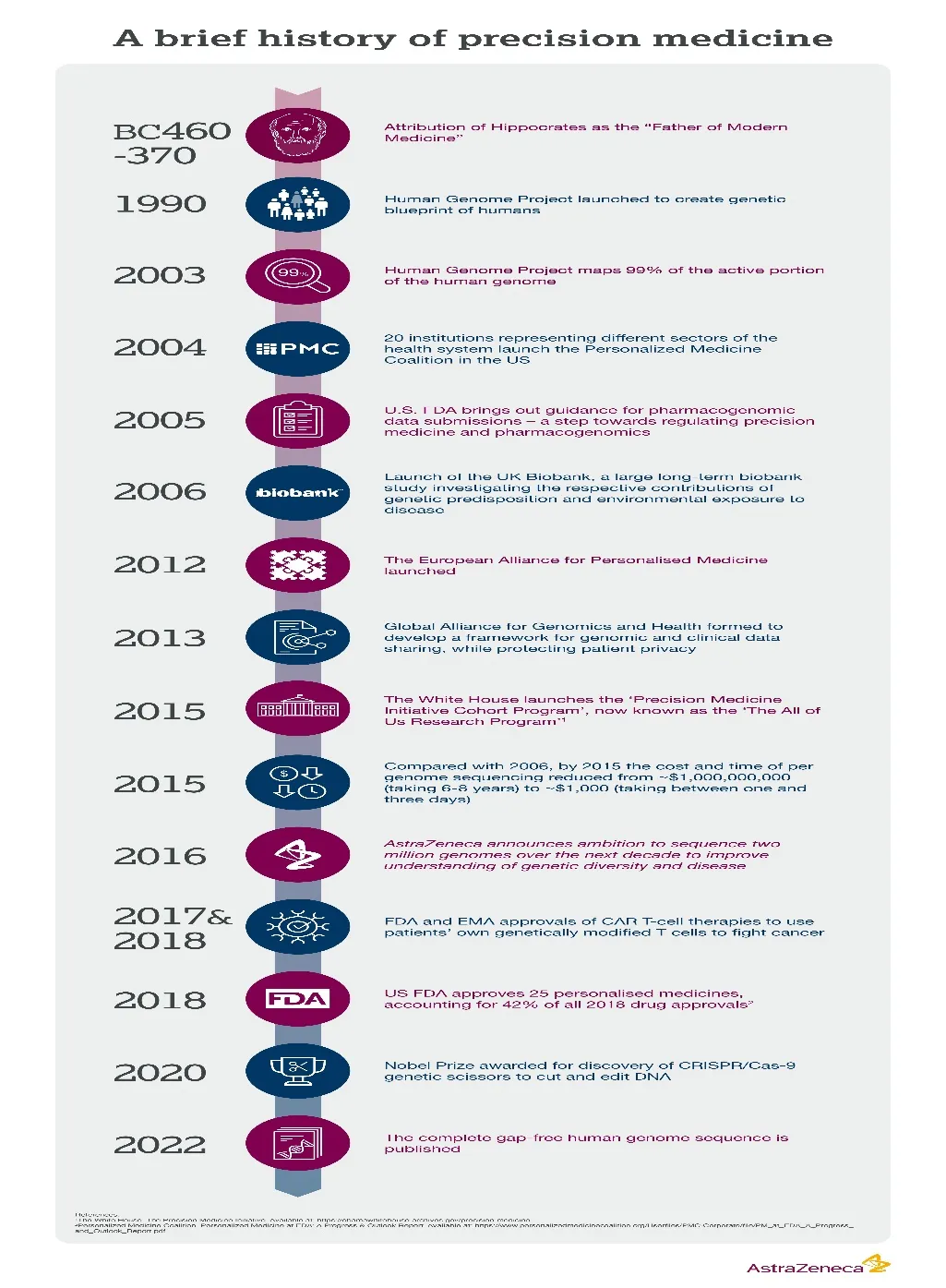
3. EVOLUTION OF PERSONALISED MEDICINE

The concept that individual patients respond differently to disease and treatment is not entirely new. Early medical observations recognized that factors such as age, constitution, diet, and environmental conditions influenced disease progression. [8]

However, the scientific basis of modern personalised medicine emerged primarily through advances in genetics and molecular biology.

A major turning point was the recognition that inherited genetic variation could influence drug metabolism. Differences in drug-metabolizing enzymes can alter drug exposure and contribute to variability in efficacy and toxicity.

The Human Genome Project represented another major milestone by providing a foundation for understanding genetic variation and disease susceptibility.

Subsequent advances in next-generation sequencing dramatically reduced the time and cost required for genomic analysis. This enabled the identification of disease-associated mutations and the development of targeted therapies. [9]

Important milestones in the evolution of personalised medicine include:

  • Recognition of genetic variability in drug response
  • Development of pharmacogenomics
  • Completion of the Human Genome Project
  • Development of high-throughput sequencing technologies
  • Introduction of biomarker-guided therapies
  • Emergence of companion diagnostics
  • Approval of targeted cancer therapies
  • Development of CAR-T cell therapies
  • Introduction of gene replacement and gene-editing therapies
  • Development of CRISPR-based therapeutic technologies
  • Integration of artificial intelligence and digital health technologies

These developments have transformed personalised medicine from a theoretical concept into an increasingly important component of clinical practice.
figure

4. TYPES AND APPLICATIONS OF PERSONALISED MEDICINE

4.1 Genomic Medicine

Genomic medicine uses information derived from an individual's genome to guide disease prevention, diagnosis and treatment. [10]

Applications include:

  • Identification of inherited disease
  • Prediction of disease susceptibility
  • Molecular diagnosis
  • Selection of targeted therapy
  • Prediction of drug response
  • Identification of individuals at risk of adverse drug reactions

Genomic medicine is particularly important in rare inherited disorders and oncology.

4.2 Pharmacogenomics

Pharmacogenomics examines the relationship between genetic variation and drug response.

Genetic differences may influence:

  • Drug absorption
  • Metabolism
  • Transport
  • Receptor binding
  • Therapeutic response
  • Risk of adverse drug reactions

Pharmacogenomic testing help healthcare professionals select appropriate medicines and optimize dosage. This approach is particularly relevant for medicines with narrow therapeutic windows or substantial inter-individual variability. [11]

4.3 Proteomics-Based Personalisation

Proteomics involves the large-scale study of proteins expressed within cells and tissues. Because proteins represent functional biological molecules, proteomic analysis can provide information about disease mechanisms and therapeutic targets. [12]

Protein biomarkers may be used for:

  • Disease diagnosis
  • Prognosis
  • Patient stratification
  • Treatment monitoring
  • Prediction of therapeutic response

4.4 Metabolomics-Based Medicine

Metabolomics evaluates small molecules produced through cellular metabolic processes. Changes in metabolic pathways may reflect disease development or therapeutic response. [13]

Metabolomic profiling may therefore contribute to:

  • Early disease detection
  • Prediction of treatment response
  • Toxicity monitoring
  • Individualized nutritional and metabolic interventions

4.5 Transcriptomics and Epigenomics

Transcriptomic analysis evaluates patterns of gene expression, while epigenomics examines regulatory mechanisms that influence gene expression without altering the DNA sequence. [14]

These approaches provide additional information about disease biology and may identify therapeutic targets not apparent from genomic analysis alone. [15]

4.6 Precision Oncology

Precision oncology is currently one of the most developed applications of personalised medicine.

Tumours can be characterized using:

  • Genetic mutations
  • Gene amplifications
  • Chromosomal rearrangements
  • Protein expression
  • Immune biomarkers

Treatment may then be selected according to the molecular characteristics of the tumour rather than solely according to its anatomical location. [16]

4.7 Multi-Omics Integration

Multi-omics integrates genomic, transcriptomic, proteomic, metabolomic, and epigenomic information. This approach recognizes that disease is rarely determined by a single molecular alteration. [17]

The integration of multiple biological datasets may improve:

  • Disease classification
  • Biomarker discovery
  • Prediction of therapeutic response
  • Identification of new drug targets

However, multi-omics approaches also create significant regulatory challenges related to data standardization, analytical validation, reproducibility, and interpretation.

5. PERSONALISED MEDICINES AND BIOMARKER-GUIDED THERAPY

A biomarker is a measurable characteristic that provides information about biological processes, disease states or responses to therapeutic intervention. [18]

Biomarkers may serve several functions:

  • Diagnostic biomarkers
  • Used to identify or confirm the presence of a disease
  • Prognostic biomarkers
  • Provide information regarding the likely progression or outcome of a disease
  • Predictive biomarkers
  • Identify patients who are more likely to respond to a specific therapy
  • Pharmacodynamic biomarkers
  • Safety biomarkers
  • Identify patients at increased risk of toxicity.

However, biomarker development presents major challenges. A biomarker must demonstrate analytical validity, clinical validity and clinical utility.

Regulatory authorities increasingly expect robust evidence supporting all these aspects.

6. COMPANION DIAGNOSTICS AND CO-DEVELOPMENT

Companion diagnostics (CDx) represent one of the most important regulatory components of personalised medicine. A companion diagnostic is an in vitro diagnostic test used to identify patients who are likely to benefit from or who may be at increased risk from a particular therapeutic product. [19]

The diagnostic may therefore be essential for:

  • Identifying eligible patients
  • Selecting appropriate treatment
  • Determining dosage
  • Avoiding serious adverse reactions

The co-development of therapeutic products and companion diagnostics presents a unique challenge because the regulatory evaluation of one product may depend on the performance of the other.

A therapeutic product may demonstrate clinical benefit only when used in patients correctly identified by a diagnostic test.

Consequently, regulators must evaluate:

  • Analytical performance of the diagnostic
  • Clinical validity of the biomarker
  • Clinical utility
  • Reproducibility
  • Laboratory standardization
  • Interpretation of test results

Differences between regulatory systems for medicines and medical devices may complicate the simultaneous approval of the therapy and diagnostic. [20]

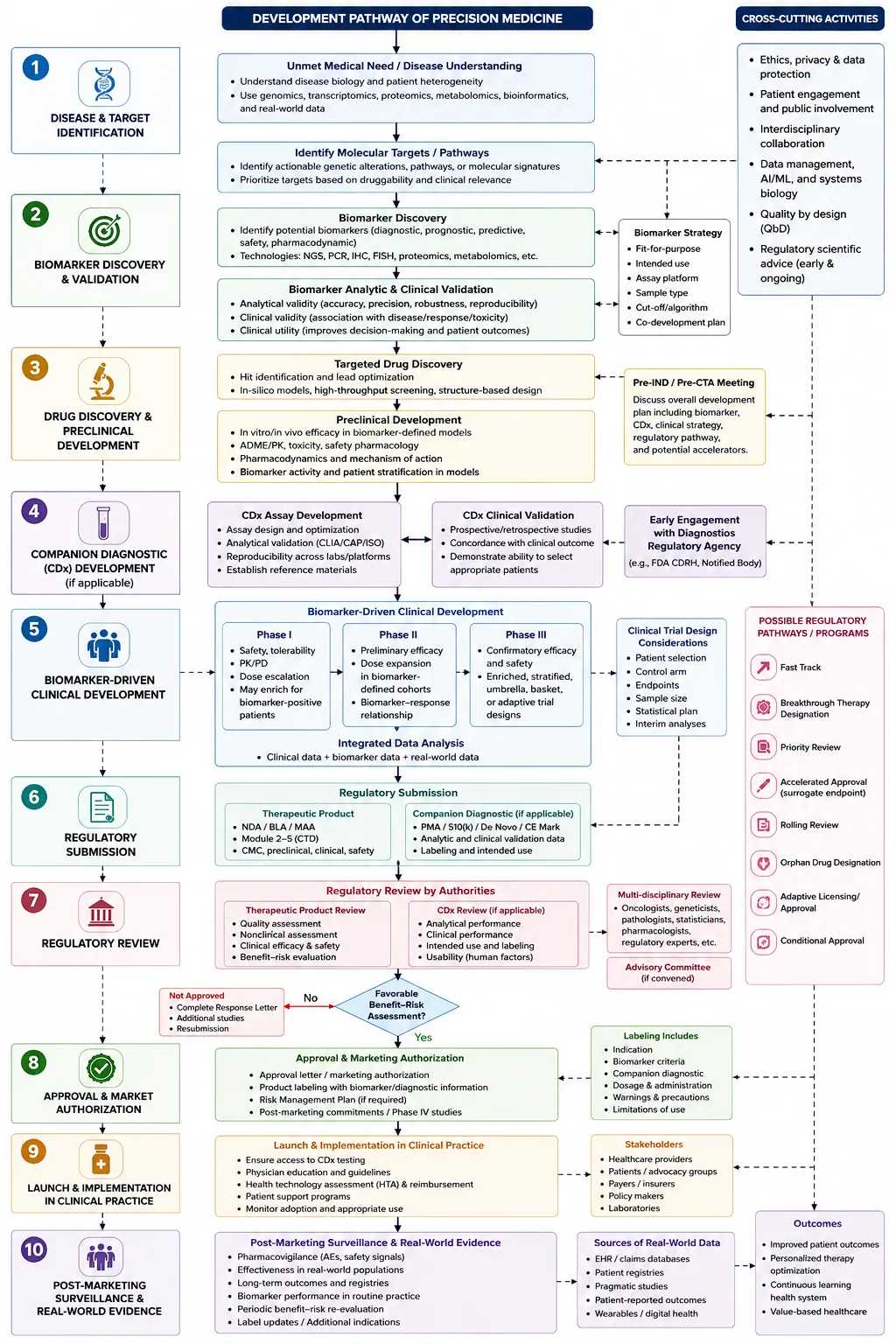
7. DEVELOPMENT PATHWAY FOR PERSONALISED MEDICINES

The development of personalised medicine differs substantially from conventional drug development.

A generalized pathway involves the following stages. [21]

7.1 Identification of Unmet Medical Need:

Development begins with the identification of a disease or patient population with an unmet therapeutic need.

The unmet need may involve:

  • Absence of effective treatment
  • Inadequate response to existing therapy
  • Unacceptable toxicity
  • Rare or genetically defined disease

7.2 Identification of Molecular Targets

Molecular analysis is used to identify genetic mutations, protein abnormalities, signalling pathways or other biological features associated with disease.

7.3 Biomarker Discovery and Validation

Potential biomarkers are identified and evaluated. Validation generally involves: analytical validation, biological validation, clinical validation or demonstration of clinical utility.

7.4 Therapeutic Development

Drug discovery and preclinical development are directed toward the identified biological target. For gene and cell therapies, development may also involve patient-specific manufacturing processes.

7.5 Companion Diagnostic Development

Where patient selection depends on a diagnostic test, therapeutic and diagnostic development should ideally occur simultaneously.

7.6 Biomarker-Driven Clinical Trials

Clinical trials may use innovative designs such as: Basket trials, Umbrella trials, Platform trials, Adaptive trials. These approaches can improve efficiency when studying small molecularly defined patient populations.

7.7 Regulatory Submission

Depending on the product and jurisdiction, regulatory submissions may include:

  • New Drug Applications
  • Biologics License Applications
  • Marketing authorization applications
  • Device applications
  • Advanced therapy applications

7.8 Regulatory Review

Regulatory agencies evaluate quality, safety, efficacy, biomarker evidence, diagnostic performance, manufacturing consistency and benefit-risk balance.

7.9 Post-Marketing Evidence Generation

Due to limited pre-approval data, post-marketing surveillance may play an increasingly important role.

Evidence may be generated using:
  • Patient registries
  • Electronic health records
  • Disease databases
  • Real-world evidence
  • Long-term follow-up studies

figure

8. INNOVATIVE CLINICAL TRIAL DESIGNS

Conventional randomized controlled trials may be difficult to conduct in personalised medicine because patient populations can be extremely small. [22]

Innovative trial designs have therefore become increasingly important.

8.1 Basket Trials

Basket trials evaluate a therapy across different diseases that share a common molecular characteristic. For example, patients with different tumour types may receive the same therapy if their tumours possess the same genetic alteration.

8.2 Umbrella Trials

Umbrella trials evaluate multiple targeted therapies within a single disease. Patients are assigned to different treatment groups based on their molecular characteristics.

8.3 Platform Trials

Platform trials evaluate multiple therapies simultaneously and allow treatments to be added or removed during the study. These designs may improve efficiency and reduce duplication.

8.4 Adaptive Clinical Trials

Adaptive trials allow predefined modifications based on accumulating data. Regulatory acceptance of adaptive designs requires careful statistical planning and predefined decision rules.

Possible adaptations include:

  • Modification of sample size
  • Modification of treatment arms
  • Enrichment of patient populations
  • Adjustment of allocation ratios

9. GLOBAL REGULATORY APPROVAL PATHWAYS

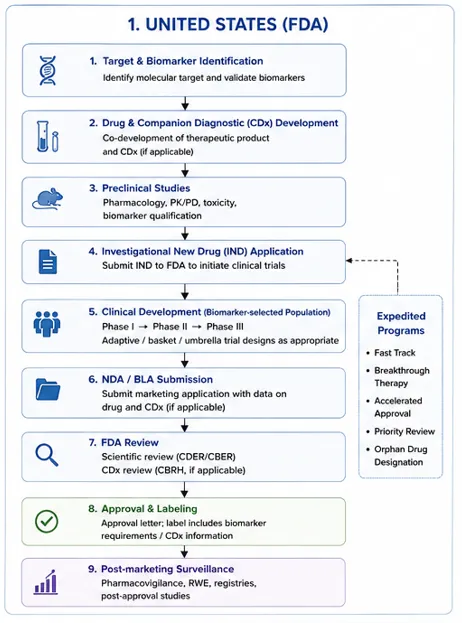
9.1 United States

The United States Food and Drug Administration has played a major role in developing regulatory approaches for personalised medicine. Therapeutic products may be reviewed through established pathways for drugs and biologics, while personalised medicine introduces additional considerations related to biomarkers and companion diagnostics. [23]

Important expedited programs include:

  • Fast Track
  • Breakthrough Therapy Designation
  • Accelerated Approval
  • Priority Review

These mechanisms are particularly important for therapies addressing serious diseases and unmet medical needs.

The FDA has also increasingly incorporated patient-focused drug development and real-world evidence into regulatory decision-making. [24]

For personalised therapies, regulatory evaluation may involve simultaneous consideration of the therapeutic product and its associated diagnostic.
figure

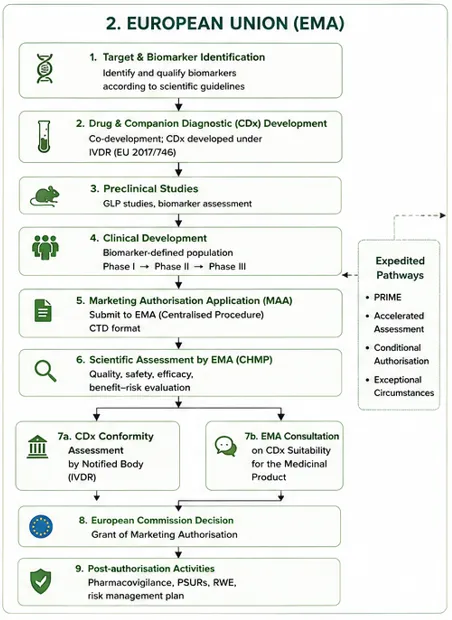
9.2 European Union

figure

In the European Union, the European Medicines Agency plays a central role in evaluating innovative medicines. [25]

Personalised medicines may be assessed through centralized regulatory procedures.

Important mechanisms include:

  • Accelerated assessment
  • Conditional marketing authorization
  • Authorization under exceptional circumstances
  • Priority Medicines

The European regulatory environment also includes specific requirements for companion diagnostics under the In Vitro Diagnostic Regulation.

The integration of medicine and diagnostic regulation is therefore an important feature of the European framework. [26]

9.3 Japan
figure

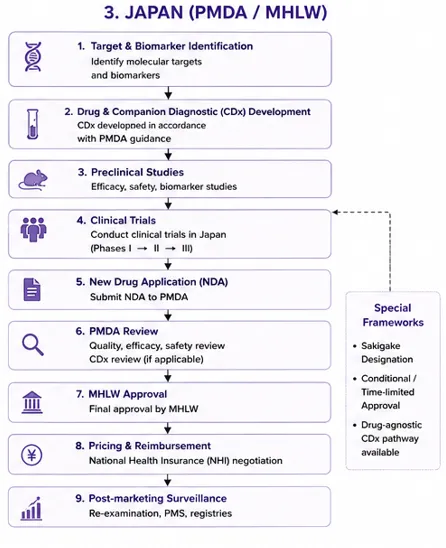
Japan has developed regulatory mechanisms intended to support the development of innovative regenerative and genomic therapies. [27] [28]

The Japanese regulatory system places particular emphasis on:

  • Regenerative medicine
  • Cell therapy
  • Gene therapy
  • Post-marketing surveillance
  • Conditional approval mechanisms

Japan's regulatory approach recognizes that conventional clinical development requirements may not always be practical for highly innovative therapies involving small patient populations. [29]

9.4 India

India represents an important emerging market for personalised medicine.

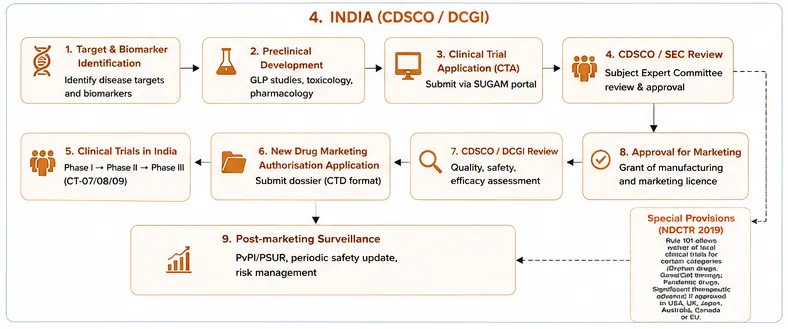
The regulatory environment is evolving in response to developments in: Genomics, Molecular diagnostics, Cell therapy, Gene therapy and Pharmacogenomics. [30]

The Central Drugs Standard Control Organisation is responsible for regulating drugs and medical products in India.

The development of personalised medicine in India presents opportunities because of the country's large and genetically diverse population. [31]

However, challenges remain in areas such as:

  • Genomic infrastructure
  • Access to diagnostic testing
  • Standardization
  • Reimbursement
  • Regulatory capacity

Alignment with international scientific and regulatory standards may support the future development of personalised medicine in India. [32]
figure

9.5 United Kingdom

Following its separation from the European Union, the United Kingdom has increasingly developed independent regulatory approaches.

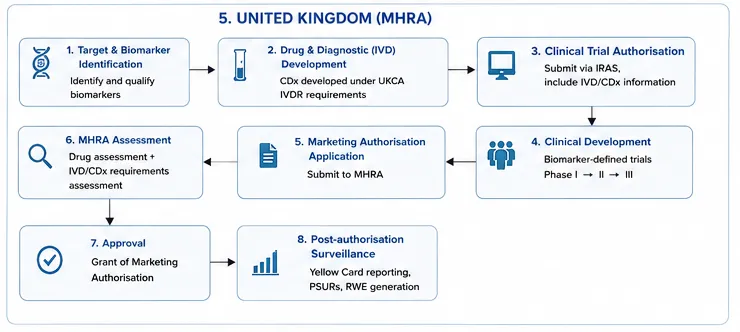
The Medicines and Healthcare products Regulatory Agency has introduced mechanisms intended to support early patient access and regulatory innovation. [33]

Programs such as the Early Access to Medicines Scheme may provide earlier access to promising therapies addressing serious or life-threatening conditions.

The United Kingdom is also exploring innovative regulatory approaches for advanced therapies and digital health technologies. [34]
figure

10. COMPARATIVE ANALYSIS OF REGULATORY FRAMEWORKS

Although major regulatory agencies share the objective of ensuring product quality, safety, and efficacy, their regulatory frameworks differ in several respects.

The United States emphasizes expedited development programs and regulatory flexibility for serious diseases.

The European Union places substantial emphasis on centralized evaluation and coordinated regulation of medicines and diagnostics.

Japan has developed distinctive mechanisms for regenerative medicine and conditional approval.

India is developing its regulatory capacity while adapting international standards to national healthcare needs.

The United Kingdom is increasingly exploring flexible and innovation-oriented regulatory approaches.

Despite these differences, several common trends can be observed:

  • Increasing use of expedited pathways
  • Greater acceptance of small and innovative clinical trials
  • Increasing reliance on post-marketing evidence
  • Growing importance of companion diagnostics
  • Increased attention to advanced therapy medicinal products
  • Greater integration of digital technologies

11. REGULATORY CHALLENGES IN PERSONALISED MEDICINE

The development and implementation of personalized medicine (PM) are associated with several regulatory challenges. These are:

11.1 Small Patient Populations

Many personalised therapies target rare molecular subgroups. This creates challenges in patient recruitment, trial design, statistical power or confirmation of clinical benefit. [35]

Regulators must therefore balance uncertainty against the unmet medical needs of patients.

11.2 Biomarker Validation

The clinical success of personalised medicine depends heavily on biomarker quality.

Poor biomarker performance can result in inappropriate patient selection. Robust validation is therefore essential. [36]

11.3 Companion Diagnostic Regulation

Differences in the regulation of medicines and diagnostics can create delays and regulatory uncertainty. [37]

Global harmonization of diagnostic standards remains an important objective.

11.4 Manufacturing Complexity

Cell and gene therapies may involve complex manufacturing processes. Autologous therapies may require individual manufacturing for each patient. [38]

Maintaining consistency while ensuring timely treatment represents a major challenge.

11.5 Limited Long-Term Data

Accelerated approval may occur before extensive long-term evidence is available.

Post-marketing monitoring is therefore essential. [39]

11.6 Data Privacy

Genomic information is highly sensitive.

Concerns include data ownership, informed consent, cybersecurity, cross-border data transfer or potential misuse of genetic information. [40]

11.7 Artificial Intelligence

AI algorithms are increasingly used in diagnosis, biomarker discovery, and clinical decision-making. [41] [42]

Regulatory challenges include transparency, algorithmic bias, reproducibility, validation and continuous learning systems.

12. ETHICAL, ECONOMIC AND SOCIAL CONSIDERATIONS

12.1 Equity of Access

Personalised medicines can be extremely expensive. This may create significant inequalities between high-income and low-resource healthcare systems. [43]

12.2 Reimbursement and Health Technology Assessment

Regulatory approval does not guarantee patient access.

Health technology assessment agencies may require evidence of cost-effectiveness. This can be particularly challenging for high-cost therapies developed for small populations. [44]

12.3 Genomic Privacy

Patients must understand how their genomic data will be collected, stored, shared, and used.

Robust informed-consent procedures are essential. [45]

12.4 Global Disparities

Infrastructure required for personalised medicine may not be equally available globally. Important requirements include: [46]

  • Molecular diagnostic laboratories
  • Genomic sequencing facilities
  • Trained healthcare professionals
  • Digital health infrastructure
  • Reimbursement mechanisms

Without appropriate policy interventions, personalised medicine could potentially increase existing healthcare inequalities.

13. REAL-WORLD EVIDENCE AND LIFECYCLE REGULATION

Real-world evidence is expected to become increasingly important in the regulation of personalised medicines.

Because pre-approval trials may involve limited numbers of patients, post-marketing data can provide valuable information regarding long-term effectiveness, rare adverse events, treatment patterns and outcomes in diverse populations.

Potential sources include:

  • Electronic health records
  • Patient registries
  • Insurance databases
  • Genomic databases
  • Wearable devices
  • Patient-reported outcomes

The increasing importance of real-world evidence supports a transition from a one-time approval model toward lifecycle-based regulation. [47]

14. FUTURE PERSPECTIVES

14.1 Gene Editing

Gene-editing technologies have the potential to transform the treatment of inherited diseases. [48]

Regulatory frameworks will need to address:

  • Off-target effects
  • Long-term safety
  • Germline considerations
  • Manufacturing quality
  • Durability of therapeutic effects

14.2 Multi-Omics Medicine

Future disease classification is likely to incorporate multiple biological datasets. This may enable increasingly precise identification of disease subtypes. [49] [50]

14.2 Artificial Intelligence and Machine Learning

AI may accelerate biomarker discovery, drug discovery, patient stratification, clinical trial recruitment and prediction of treatment response. [51]

Regulators will need frameworks capable of evaluating dynamic and continuously learning algorithms. [52]

14.4 Digital Health Technologies

Wearable sensors, mobile health applications and remote monitoring technologies may generate continuous patient data. [53]

These technologies could improve disease monitoring, adherence assessment and collection of real-world evidence.

14.5 Regulatory Harmonization

International harmonization will become increasingly important.

Organizations and collaborative initiatives may support the development of common standards for genomic data, biomarker validation, clinical trial design, companion diagnostics and real-world evidence. [54]

Greater harmonization could reduce duplication and accelerate patient access.

15. RECOMMENDATIONS FOR FUTURE REGULATORY DEVELOPMENT

Future regulatory frameworks for personalised medicine should focus on the following priorities:

1. Development of internationally harmonized standards for biomarkers and companion diagnostics.

2. Greater acceptance of innovative and adaptive clinical trial designs.

3. Expansion of regulatory science for cell and gene therapies.

4. Development of robust frameworks for AI-based healthcare technologies.

5. Integration of real-world evidence into benefit-risk assessment.

6. Strengthening of genomic data protection and informed-consent frameworks.

7. Development of sustainable reimbursement models for high-cost personalised therapies.

8. Improvement of regulatory capacity in emerging economies.

9. Increased patient involvement in therapeutic development and regulatory decision-making.

10. Adoption of lifecycle-based regulatory models.

CONCLUSION

Personalised medicine represents a fundamental transformation in the development and delivery of healthcare. By integrating genomic, molecular, clinical, and increasingly digital information, personalised approaches have the potential to improve therapeutic effectiveness, reduce adverse drug reactions, and enable earlier and more precise disease management.

However, the scientific complexity of personalised medicine challenges conventional regulatory frameworks. Small patient populations, biomarker dependence, companion diagnostic co-development, advanced manufacturing requirements, limited pre-approval evidence, and rapidly evolving technologies require regulatory systems to become increasingly flexible and adaptive.

Major regulatory agencies have introduced expedited approval mechanisms and innovative pathways to address these challenges. Nevertheless, substantial differences remain between jurisdictions, particularly in the regulation of companion diagnostics, advanced therapies, real-world evidence, and emerging digital technologies.

The future regulatory environment is likely to move toward a more integrated and lifecycle-based model in which evidence generation continues after approval. Real-world evidence, digital health technologies, artificial intelligence, and multi-omics analysis will play increasingly important roles in this process.

Ultimately, the successful global implementation of personalised medicine will depend not only on scientific innovation but also on effective regulatory harmonization, ethical governance, sustainable reimbursement, robust data protection, and equitable access. International collaboration among regulatory authorities, researchers, healthcare providers, industry, technology developers, and patients will therefore be essential to ensure that the benefits of personalised medicine are accessible to diverse populations worldwide.

REFERENCES

  1. Mishra, V., Chanda, P., Tambuwala, M. M., & Suttee, A. (2019). Personalized medicine: An overview. Int J Pharm Qual Assur, 10 (2), 290-294.
  2. Issa, A. M. (2020). Personalized Medicine and the Practice of Medicine in the 21st Century. McGill Journal of Medicine, 10 (1).
  3. The White House, Office of the Press Secretary. (2015, January 30). Fact sheet: President Obama’s Precision Medicine Initiative.
  4. Committee on a Framework for Developing a New Taxonomy of Disease, National Research Council. (2011). Toward precision medicine: Building a knowledge network for biomedical research and a new taxonomy of disease. National Academies Press.
  5. McAlister, F. A., Laupacis, A., & Armstrong, P. W. (2017). Finding the right balance between precision medicine and personalized care. CMAJ : Canadian Medical Association journal = journal de l'Association medicale canadienne, 189 (33), E1065–E1068. https://doi.org/10.1503/cmaj.170107
  6. El-Alti, L., Sandman, L., & Munthe, C. (2019). Person Centered Care and Personalized Medicine: Irreconcilable Opposites or Potential Companions?. Health care analysis : HCA : journal of health philosophy and policy, 27 (1), 45–59. https://doi.org/10.1007/s10728-017-0347-5
  7. Hood, L., Friend, S. Predictive, personalized, preventive, participatory (P4) cancer medicine. Nat Rev Clin Oncol 8, 184–187 (2011). https://doi.org/10.1038/nrclinonc.2010.227
  8. S, D., & R, K. (2024). A review of the regulatory challenges of personalized medicine. Cureus, 16 (8), e67891.
  9. Gordon, E., & Koslow, S. (Eds.). (2010). Integrative neuroscience and personalized medicine. Oxford University Press.
  10. Hasanzad, M., Sarhangi, N., Naghavi, A., Ghavimehr, E., Khatami, F., Ehsani Chimeh, S., Larijani, B., & Aghaei Meybodi, H. R. (2021). Genomic medicine on the frontier of precision medicine. Journal of diabetes and metabolic disorders, 21 (1), 853–861. https://doi.org/10.1007/s40200-021-00880-6.
  11. National Institutes of Health. (2025, January 21). Pharmacogenomics. https://www.nih.gov/about-nih/nih-turning-discovery-into-health/promise-precision-medicine/pharmacogenomics.
  12. Balashova, E. E., Maslov, D. L., & Lokhov, P. G. (2018). A Metabolomics Approach to Pharmacotherapy Personalization. Journal of personalized medicine, 8 (3), 28. https://doi.org/10.3390/jpm8030028.
  13. Mubarak, G., & Zahir, F. R. (2022). Recent Major Transcriptomics and Epitranscriptomics Contributions toward Personalized and Precision Medicine. Journal of personalized medicine, 12 (2), 199. https://doi.org/10.3390/jpm12020199.
  14. Shuzhao Li, Andrei Todor, Ruiyan Luo, Blood transcriptomics and metabolomics for personalized medicine, Computational and Structural Biotechnology Journal, Volume 14, 2016, Pages 1-7, ISSN 2001-0370, https://doi.org/10.1016/j.csbj.2015.10.005.
  15. Kronfol, M. M., Dozmorov, M. G., Huang, R., Slattum, P. W., & McClay, J. L. (2017). The role of epigenomics in personalized medicine. Expert review of precision medicine and drug development, 2 (1), 33–45. https://doi.org/10.1080/23808993.2017.1284557.
  16. Hasanzad, M., Sarhangi, N., Ehsani Chimeh, S., Ayati, N., Afzali, M., Khatami, F., Nikfar, S., & Aghaei Meybodi, H. R. (2021). Precision medicine journey through omics approach. Journal of diabetes and metabolic disorders, 21 (1), 881–888. https://doi.org/10.1007/s40200-021-00913-0.
  17. Johnson, K. B., Wei, W. Q., Weeraratne, D., Frisse, M. E., Misulis, K., Rhee, K., Zhao, J., & Snowdon, J. L. (2021). Precision Medicine, AI, and the Future of Personalized Health Care. Clinical and translational science, 14 (1), 86–93. https://doi.org/10.1111/cts.12884.
  18. He, M., Xia, J., Shehab, M., & Wang, X. (2015). The development of precision medicine in clinical practice. Clinical and translational medicine, 4 (1), 69. https://doi.org/10.1186/s40169-015-0069-y.
  19. Kantor, A., & Haga, S. B. (2021). The Potential Benefit of Expedited Development and Approval Programs in Precision Medicine. Journal of Personalized Medicine, 11 (1), 45. https://doi.org/10.3390/jpm11010045.
  20. Jørgensen, J. T. (2020). Companion and complementary diagnostics: an important treatment decision tool in precision medicine. Expert Review of Molecular Diagnostics, 20 (6), 557–559. https://doi.org/10.1080/14737159.2020.1762573
  21. https://www.fda.gov/drugs/development-approval-process-drugs/novel-drug-approvals-fda
  22. Kaizer, A. M., Belli, H. M., Ma, Z., Nicklawsky, A. G., Roberts, S. C., Wild, J., Wogu, A. F., Xiao, M., & Sabo, R. T. (2023). Recent innovations in adaptive trial designs: A review of design opportunities in translational research. Journal of clinical and
  23. Gupte, T., Nitave, T., & Gobburu, J. (2025). Regulatory landscape of accelerated approval pathways for medical devices in the United States and the European Union. Frontiers in medical technology, 7, 1586070.
  24. Stenzinger A, Moltzen EK, Winkler E, Molnar-Gabor F, Malek N, Costescu A, et al. Implementation of precision medicine in healthcare—A European perspective. J Intern Med. 2023; 294: 437–454.
  25. Vlachothanasi, E. (2024). Navigating Precision Medicine Within European Law: Ethical Considerations and Legal Challenges. Bioethica, 10 (2), 22–37. https://doi.org/10.12681/bioeth.39042.
  26. Hideaki Bando, The current status and problems confronted in delivering precision medicine in Japan and Europe, Current Problems in Cancer, Volume 41, Issue 3, 2017, Pages 166-175, ISSN 0147-0272, https://doi.org/10.1016/j.currproblcancer.2017.02.003.
  27. Tazawa, Y. (2016). Perspective for the development of companion diagnostics and regulatory landscape to encourage personalized medicine in Japan. Breast Cancer, 23 (1), 19-23.
  28. Ali, F., Ilyas, A., & Ahmadeen, S. (2024). Regulations in japan. In Global regulations of medicinal, pharmaceutical, and food products (pp. 153-167). CRC Press.
  29. Agrawal, C., Abbot, V., Singh, T. G., Awasthi, A., & Bhatia, R. (2026). Ethical and Regulatory Challenges in Implementing Personalized Medicine in India: Role of Artificial Intelligence in Overcoming Ethical Challenges. Current Pharmaceutical Design.
  30. Gomase, V. S., Sharma, R., & Dhamane, S. P. (2025). Global analysis of regulatory frameworks and drug safety standards in the drug approval process. Current drug safety.
  31. Goyal, I., & Yennappu, M. (2023). Institutionalization of personalized medicine in India: analysis of research trends and government interventions. Personalized Medicine, 20 (3), 283-297.
  32. Ghosh, K., Chandra, S., Ghosh, S., & Ghosh, U. S. (2025). Artificial Intelligence in Personalized Medicine for Diabetes Mellitus: A Narrative Review. Cureus, 17 (9), e91520. https://doi.org/10.7759/cureus.91520.
  33. Richards, N., & Hudson, I. (2016). UK medicines regulation: responding to current challenges. British Journal of Clinical Pharmacology, 82 (6), 1471-1476.
  34. Rodriguez-Manzano, J., Subramaniam, S., Uchea, C., Szostak-Lipowicz, K. M., Freeman, J., Rauch, M., ... & Awandare, G. A. (2024). Innovative diagnostic technologies: navigating regulatory frameworks through advances, challenges, and future prospects. The Lancet Digital Health, 6 (12), e934-e943.
  35. U.S. Food and Drug Administration. (2026). Developing potential cellular and gene therapy products: Guidance for industry. https://www.fda.gov/regulatory-information/search-fda-guidance-documents/frequently-asked-questions-developing-potential-cellular-and-gene-therapy-products
  36. FDA-NIH Biomarker Working Group. (2016). BEST (Biomarkers, EndpointS, and other Tools) resource: Glossary. National Center for Biotechnology Information.
  37. U.S. Food and Drug Administration. (2014). In vitro companion diagnostic devices: Guidance for industry and Food and Drug Administration staff. https://www.fda.gov/regulatory-information/search-fda-guidance-documents/in-vitro-companion-diagnostic-devices
  38. U.S. Food and Drug Administration. (2026). Chemistry, manufacturing, and controls flexibilities for developing human cellular and gene therapy products for a biologics license application: Guidance for industry. https://www.fda.gov/regulatory-information/search-fda-guidance-documents/chemistry-manufacturing-and-controls-flexibilities-developing-human-cellular-and-gene-therapy
  39. U.S. Food and Drug Administration. (2025). Accelerated approval and considerations for determining whether a confirmatory trial is underway: Draft guidance for industry. https://www.fda.gov/regulatory-information/search-fda-guidance-documents/accelerated-approval-and-considerations-determining-whether-confirmatory-trial-underway
  40. National Academies of Sciences, Engineering, and Medicine. (2018). Understanding the use of genomic information in health care. The National Academies Press. https://doi.org/10.17226/24926
  41. Johnson, K. B., Wei, W. Q., Weeraratne, D., Frisse, M. E., Misulis, K., Rhee, K., Zhao, J., & Snowdon, J. L. (2021). Precision Medicine, AI, and the Future of Personalized Health Care. Clinical and translational science, 14 (1), 86–93. https://doi.org/10.1111/cts.12884.
  42. Ghosh, K., Chandra, S., Ghosh, S., & Ghosh, U. S. (2025). Artificial Intelligence in Personalized Medicine for Diabetes Mellitus: A Narrative Review. Cureus, 17 (9), e91520. https://doi.org/10.7759/cureus.91520.
  43. Chanita Hughes Halbert. 2022. Equity in Genomic Medicine. Annual Review of Genomics and Human Genetics 23:613-625. https://doi.org/10.1146/annurev-genom-112921-022635
  44. Husereau, D., Marshall, D. A., Levy, A. R., Peacock, S., & Hoch, J. S. (2014). HEALTH TECHNOLOGY ASSESSMENT AND PERSONALIZED MEDICINE: ARE ECONOMIC EVALUATION GUIDELINES SUFFICIENT TO SUPPORT DECISION MAKING? International Journal of Technology Assessment in Health Care, 30 (2), 179–187. doi:10.1017/S0266462314000142
  45. Bonomi, L., Huang, Y. & Ohno-Machado, L. Privacy challenges and research opportunities for genomic data sharing. Nat Genet 52, 646–654 (2020). https://doi.org/10.1038/s41588-020-0651-0
  46. Morsi, M.H., Elawfi, B., ALsaad, S.A., Nazar, A., Mostafa, H.A., Awwad, S.A., Abdelwahab, M.M., Tarakhan, H. and Baghagho, E. (2025), Unveiling the Disparities in the Field of Precision Medicine: A Perspective. Health Science Reports, 8: e71102. https://doi.org/10.1002/hsr2.71102
  47. Knowles, L., Luth, W., & Bubela, T. (2017). Paving the road to personalized medicine: recommendations on regulatory, intellectual property and reimbursement challenges. Journal of Law and the Biosciences, 4 (3), 453-506.
  48. U.S. Food and Drug Administration. (2020). Long term follow-up after administration of human gene therapy products: Guidance for industry. https://www.fda.gov/regulatory-information/search-fda-guidance-documents/long-term-follow-after-administration-human-gene-therapy-products
  49. Hasin, Y., Seldin, M., & Lusis, A. (2017). Multi-omics approaches to disease. Genome Biology, 18, 83. https://doi.org/10.1186/s13059-017-1215-1
  50. Karczewski, K. J., & Snyder, M. P. (2018). Integrative omics for health and disease. Nature Reviews Genetics, 19 (5), 299–310. https://doi.org/10.1038/nrg.2018.4
  51. U.S. Food and Drug Administration, Health Canada, & Medicines and Healthcare products Regulatory Agency. (2024). Transparency for machine learning-enabled medical devices: Guiding principles. https://www.fda.gov/medical-devices/artificial-intelligence-enabled-medical-devices/transparency-machine-learning-enabled-medical-devices-guiding-principles
  52. U.S. Food and Drug Administration. (2025). Artificial intelligence-enabled device software functions: Lifecycle management and marketing submission recommendations. https://www.fda.gov/regulatory-information/search-fda-guidance-documents/artificial-intelligence-enabled-device-software-functions-lifecycle-management-and-marketing
  53. U.S. Food and Drug Administration. (2023). Digital health technologies for remote data acquisition in clinical investigations: Guidance for industry, investigators, and other stakeholders. https://www.fda.gov/regulatory-information/search-fda-guidance-documents/digital-health-technologies-remote-data-acquisition-clinical-investigations
  54. International Council for Harmonisation of Technical Requirements for Pharmaceuticals for Human Use. (2019). E15:Definitions for genomic biomarkers, pharmacogenomics, pharmacogenetics, genomic data and sample coding categories https://database.ich.org/sites/default/files/E15_Guideline.pdf

Reference

  1. Mishra, V., Chanda, P., Tambuwala, M. M., & Suttee, A. (2019). Personalized medicine: An overview. Int J Pharm Qual Assur, 10 (2), 290-294.
  2. Issa, A. M. (2020). Personalized Medicine and the Practice of Medicine in the 21st Century. McGill Journal of Medicine, 10 (1).
  3. The White House, Office of the Press Secretary. (2015, January 30). Fact sheet: President Obama’s Precision Medicine Initiative.
  4. Committee on a Framework for Developing a New Taxonomy of Disease, National Research Council. (2011). Toward precision medicine: Building a knowledge network for biomedical research and a new taxonomy of disease. National Academies Press.
  5. McAlister, F. A., Laupacis, A., & Armstrong, P. W. (2017). Finding the right balance between precision medicine and personalized care. CMAJ : Canadian Medical Association journal = journal de l'Association medicale canadienne, 189 (33), E1065–E1068. https://doi.org/10.1503/cmaj.170107
  6. El-Alti, L., Sandman, L., & Munthe, C. (2019). Person Centered Care and Personalized Medicine: Irreconcilable Opposites or Potential Companions?. Health care analysis : HCA : journal of health philosophy and policy, 27 (1), 45–59. https://doi.org/10.1007/s10728-017-0347-5
  7. Hood, L., Friend, S. Predictive, personalized, preventive, participatory (P4) cancer medicine. Nat Rev Clin Oncol 8, 184–187 (2011). https://doi.org/10.1038/nrclinonc.2010.227
  8. S, D., & R, K. (2024). A review of the regulatory challenges of personalized medicine. Cureus, 16 (8), e67891.
  9. Gordon, E., & Koslow, S. (Eds.). (2010). Integrative neuroscience and personalized medicine. Oxford University Press.
  10. Hasanzad, M., Sarhangi, N., Naghavi, A., Ghavimehr, E., Khatami, F., Ehsani Chimeh, S., Larijani, B., & Aghaei Meybodi, H. R. (2021). Genomic medicine on the frontier of precision medicine. Journal of diabetes and metabolic disorders, 21 (1), 853–861. https://doi.org/10.1007/s40200-021-00880-6.
  11. National Institutes of Health. (2025, January 21). Pharmacogenomics. https://www.nih.gov/about-nih/nih-turning-discovery-into-health/promise-precision-medicine/pharmacogenomics.
  12. Balashova, E. E., Maslov, D. L., & Lokhov, P. G. (2018). A Metabolomics Approach to Pharmacotherapy Personalization. Journal of personalized medicine, 8 (3), 28. https://doi.org/10.3390/jpm8030028.
  13. Mubarak, G., & Zahir, F. R. (2022). Recent Major Transcriptomics and Epitranscriptomics Contributions toward Personalized and Precision Medicine. Journal of personalized medicine, 12 (2), 199. https://doi.org/10.3390/jpm12020199.
  14. Shuzhao Li, Andrei Todor, Ruiyan Luo, Blood transcriptomics and metabolomics for personalized medicine, Computational and Structural Biotechnology Journal, Volume 14, 2016, Pages 1-7, ISSN 2001-0370, https://doi.org/10.1016/j.csbj.2015.10.005.
  15. Kronfol, M. M., Dozmorov, M. G., Huang, R., Slattum, P. W., & McClay, J. L. (2017). The role of epigenomics in personalized medicine. Expert review of precision medicine and drug development, 2 (1), 33–45. https://doi.org/10.1080/23808993.2017.1284557.
  16. Hasanzad, M., Sarhangi, N., Ehsani Chimeh, S., Ayati, N., Afzali, M., Khatami, F., Nikfar, S., & Aghaei Meybodi, H. R. (2021). Precision medicine journey through omics approach. Journal of diabetes and metabolic disorders, 21 (1), 881–888. https://doi.org/10.1007/s40200-021-00913-0.
  17. Johnson, K. B., Wei, W. Q., Weeraratne, D., Frisse, M. E., Misulis, K., Rhee, K., Zhao, J., & Snowdon, J. L. (2021). Precision Medicine, AI, and the Future of Personalized Health Care. Clinical and translational science, 14 (1), 86–93. https://doi.org/10.1111/cts.12884.
  18. He, M., Xia, J., Shehab, M., & Wang, X. (2015). The development of precision medicine in clinical practice. Clinical and translational medicine, 4 (1), 69. https://doi.org/10.1186/s40169-015-0069-y.
  19. Kantor, A., & Haga, S. B. (2021). The Potential Benefit of Expedited Development and Approval Programs in Precision Medicine. Journal of Personalized Medicine, 11 (1), 45. https://doi.org/10.3390/jpm11010045.
  20. Jørgensen, J. T. (2020). Companion and complementary diagnostics: an important treatment decision tool in precision medicine. Expert Review of Molecular Diagnostics, 20 (6), 557–559. https://doi.org/10.1080/14737159.2020.1762573
  21. https://www.fda.gov/drugs/development-approval-process-drugs/novel-drug-approvals-fda
  22. Kaizer, A. M., Belli, H. M., Ma, Z., Nicklawsky, A. G., Roberts, S. C., Wild, J., Wogu, A. F., Xiao, M., & Sabo, R. T. (2023). Recent innovations in adaptive trial designs: A review of design opportunities in translational research. Journal of clinical and
  23. Gupte, T., Nitave, T., & Gobburu, J. (2025). Regulatory landscape of accelerated approval pathways for medical devices in the United States and the European Union. Frontiers in medical technology, 7, 1586070.
  24. Stenzinger A, Moltzen EK, Winkler E, Molnar-Gabor F, Malek N, Costescu A, et al. Implementation of precision medicine in healthcare—A European perspective. J Intern Med. 2023; 294: 437–454.
  25. Vlachothanasi, E. (2024). Navigating Precision Medicine Within European Law: Ethical Considerations and Legal Challenges. Bioethica, 10 (2), 22–37. https://doi.org/10.12681/bioeth.39042.
  26. Hideaki Bando, The current status and problems confronted in delivering precision medicine in Japan and Europe, Current Problems in Cancer, Volume 41, Issue 3, 2017, Pages 166-175, ISSN 0147-0272, https://doi.org/10.1016/j.currproblcancer.2017.02.003.
  27. Tazawa, Y. (2016). Perspective for the development of companion diagnostics and regulatory landscape to encourage personalized medicine in Japan. Breast Cancer, 23 (1), 19-23.
  28. Ali, F., Ilyas, A., & Ahmadeen, S. (2024). Regulations in japan. In Global regulations of medicinal, pharmaceutical, and food products (pp. 153-167). CRC Press.
  29. Agrawal, C., Abbot, V., Singh, T. G., Awasthi, A., & Bhatia, R. (2026). Ethical and Regulatory Challenges in Implementing Personalized Medicine in India: Role of Artificial Intelligence in Overcoming Ethical Challenges. Current Pharmaceutical Design.
  30. Gomase, V. S., Sharma, R., & Dhamane, S. P. (2025). Global analysis of regulatory frameworks and drug safety standards in the drug approval process. Current drug safety.
  31. Goyal, I., & Yennappu, M. (2023). Institutionalization of personalized medicine in India: analysis of research trends and government interventions. Personalized Medicine, 20 (3), 283-297.
  32. Ghosh, K., Chandra, S., Ghosh, S., & Ghosh, U. S. (2025). Artificial Intelligence in Personalized Medicine for Diabetes Mellitus: A Narrative Review. Cureus, 17 (9), e91520. https://doi.org/10.7759/cureus.91520.
  33. Richards, N., & Hudson, I. (2016). UK medicines regulation: responding to current challenges. British Journal of Clinical Pharmacology, 82 (6), 1471-1476.
  34. Rodriguez-Manzano, J., Subramaniam, S., Uchea, C., Szostak-Lipowicz, K. M., Freeman, J., Rauch, M., ... & Awandare, G. A. (2024). Innovative diagnostic technologies: navigating regulatory frameworks through advances, challenges, and future prospects. The Lancet Digital Health, 6 (12), e934-e943.
  35. U.S. Food and Drug Administration. (2026). Developing potential cellular and gene therapy products: Guidance for industry. https://www.fda.gov/regulatory-information/search-fda-guidance-documents/frequently-asked-questions-developing-potential-cellular-and-gene-therapy-products
  36. FDA-NIH Biomarker Working Group. (2016). BEST (Biomarkers, EndpointS, and other Tools) resource: Glossary. National Center for Biotechnology Information.
  37. U.S. Food and Drug Administration. (2014). In vitro companion diagnostic devices: Guidance for industry and Food and Drug Administration staff. https://www.fda.gov/regulatory-information/search-fda-guidance-documents/in-vitro-companion-diagnostic-devices
  38. U.S. Food and Drug Administration. (2026). Chemistry, manufacturing, and controls flexibilities for developing human cellular and gene therapy products for a biologics license application: Guidance for industry. https://www.fda.gov/regulatory-information/search-fda-guidance-documents/chemistry-manufacturing-and-controls-flexibilities-developing-human-cellular-and-gene-therapy
  39. U.S. Food and Drug Administration. (2025). Accelerated approval and considerations for determining whether a confirmatory trial is underway: Draft guidance for industry. https://www.fda.gov/regulatory-information/search-fda-guidance-documents/accelerated-approval-and-considerations-determining-whether-confirmatory-trial-underway
  40. National Academies of Sciences, Engineering, and Medicine. (2018). Understanding the use of genomic information in health care. The National Academies Press. https://doi.org/10.17226/24926
  41. Johnson, K. B., Wei, W. Q., Weeraratne, D., Frisse, M. E., Misulis, K., Rhee, K., Zhao, J., & Snowdon, J. L. (2021). Precision Medicine, AI, and the Future of Personalized Health Care. Clinical and translational science, 14 (1), 86–93. https://doi.org/10.1111/cts.12884.
  42. Ghosh, K., Chandra, S., Ghosh, S., & Ghosh, U. S. (2025). Artificial Intelligence in Personalized Medicine for Diabetes Mellitus: A Narrative Review. Cureus, 17 (9), e91520. https://doi.org/10.7759/cureus.91520.
  43. Chanita Hughes Halbert. 2022. Equity in Genomic Medicine. Annual Review of Genomics and Human Genetics 23:613-625. https://doi.org/10.1146/annurev-genom-112921-022635
  44. Husereau, D., Marshall, D. A., Levy, A. R., Peacock, S., & Hoch, J. S. (2014). HEALTH TECHNOLOGY ASSESSMENT AND PERSONALIZED MEDICINE: ARE ECONOMIC EVALUATION GUIDELINES SUFFICIENT TO SUPPORT DECISION MAKING? International Journal of Technology Assessment in Health Care, 30 (2), 179–187. doi:10.1017/S0266462314000142
  45. Bonomi, L., Huang, Y. & Ohno-Machado, L. Privacy challenges and research opportunities for genomic data sharing. Nat Genet 52, 646–654 (2020). https://doi.org/10.1038/s41588-020-0651-0
  46. Morsi, M.H., Elawfi, B., ALsaad, S.A., Nazar, A., Mostafa, H.A., Awwad, S.A., Abdelwahab, M.M., Tarakhan, H. and Baghagho, E. (2025), Unveiling the Disparities in the Field of Precision Medicine: A Perspective. Health Science Reports, 8: e71102. https://doi.org/10.1002/hsr2.71102
  47. Knowles, L., Luth, W., & Bubela, T. (2017). Paving the road to personalized medicine: recommendations on regulatory, intellectual property and reimbursement challenges. Journal of Law and the Biosciences, 4 (3), 453-506.
  48. U.S. Food and Drug Administration. (2020). Long term follow-up after administration of human gene therapy products: Guidance for industry. https://www.fda.gov/regulatory-information/search-fda-guidance-documents/long-term-follow-after-administration-human-gene-therapy-products
  49. Hasin, Y., Seldin, M., & Lusis, A. (2017). Multi-omics approaches to disease. Genome Biology, 18, 83. https://doi.org/10.1186/s13059-017-1215-1
  50. Karczewski, K. J., & Snyder, M. P. (2018). Integrative omics for health and disease. Nature Reviews Genetics, 19 (5), 299–310. https://doi.org/10.1038/nrg.2018.4
  51. U.S. Food and Drug Administration, Health Canada, & Medicines and Healthcare products Regulatory Agency. (2024). Transparency for machine learning-enabled medical devices: Guiding principles. https://www.fda.gov/medical-devices/artificial-intelligence-enabled-medical-devices/transparency-machine-learning-enabled-medical-devices-guiding-principles
  52. U.S. Food and Drug Administration. (2025). Artificial intelligence-enabled device software functions: Lifecycle management and marketing submission recommendations. https://www.fda.gov/regulatory-information/search-fda-guidance-documents/artificial-intelligence-enabled-device-software-functions-lifecycle-management-and-marketing
  53. U.S. Food and Drug Administration. (2023). Digital health technologies for remote data acquisition in clinical investigations: Guidance for industry, investigators, and other stakeholders. https://www.fda.gov/regulatory-information/search-fda-guidance-documents/digital-health-technologies-remote-data-acquisition-clinical-investigations
  54. International Council for Harmonisation of Technical Requirements for Pharmaceuticals for Human Use. (2019). E15:Definitions for genomic biomarkers, pharmacogenomics, pharmacogenetics, genomic data and sample coding categories https://database.ich.org/sites/default/files/E15_Guideline.pdf

Photo
Khushi Parikh
Corresponding author

A.R. College of Pharmacy.

Khushi Parikh, Global Regulatory Approval Pathways for Personalised Medicines: A Comparative Review of Frameworks, Challenges, and Future Perspectives, Int. J. of Pharm. Sci., 2026, Vol 4, Issue 11, 5841-5858. https://doi.org/10.5281/zenodo.24644518

More related articles
Stem Bark of Albizia Lebbeck (L.) Benth.: A Compre...
Aditya Prakash, Navinraj Dudhnath Mourya...
Carbon Nanotube Based Drug Delivery System...
Taiba Anam Syed Farooque, Amit R. Jaiswal...
Microbiome-Driven Cancer Immunotherapy: Gut Microb...
Mohammad Arham Khan, Arpit Barik, Mohammad Arif, Keshav Nagar, Go...
Gastroprotective Activity of Floating Antacid Tablet Containing Ginger and Liquo...
Kapse Shradha, Kapse Vidya (Yelam), Kapale Shriram, Kalme Sneha, Dr. Vishweshwar Dharashive...
Formulation and Evaluation of Mucoadhesive Intranasal Midodrine-Loaded Nanoemuls...
Elangovan S., Uma Maheshwari P. V., Perumal P., Krishnamoorthy B....
Related Articles
Repurposing Finerenone for Cervical Cancer: Molecular Insights and Emerging Ther...
Pranjali Jadhav, Ishwari Wagh, Vivekanand Kashid, Smita Mali...
Anonna Reticulata Linn.: An Integrative Review on Bioactive Compounds and Pharma...
Naheed Waseem A. Sheikh, Tanuja B. Lendave, Dr. Sanjay K. Bais, Sushant S. Dhandore...
Formulation and Evaluation O Frovatriptan Sublingual Films...
P. Sravanthi, S. Ramya Krishna, J. Sravanthi...
Importance of Various Samskaras in Kaumarabhritya with Special Reference to Deve...
Arvind Kumar Payasi, Tanishka, Pranshu Gupta, G. V. Karunakar...
More related articles
Carbon Nanotube Based Drug Delivery System...
Taiba Anam Syed Farooque, Amit R. Jaiswal...
Microbiome-Driven Cancer Immunotherapy: Gut Microbial Signatures, Immune Modulat...
Mohammad Arham Khan, Arpit Barik, Mohammad Arif, Keshav Nagar, Gopal Sharma, Mohammed Muhidur Rahama...
Carbon Nanotube Based Drug Delivery System...
Taiba Anam Syed Farooque, Amit R. Jaiswal...
Microbiome-Driven Cancer Immunotherapy: Gut Microbial Signatures, Immune Modulat...
Mohammad Arham Khan, Arpit Barik, Mohammad Arif, Keshav Nagar, Gopal Sharma, Mohammed Muhidur Rahama...