

We use cookies to ensure our website works properly and to personalise your experience. Cookies policy
Fabtech College of Pharmacy, Sangola-413307, Dist. Solapur, Maharashtra, India.
Annona reticulata Linn. is a member of Annonaceae family and has gained recognition for its nutritional attributes and traditional medicinal uses, known as Ramphal, Bullock’s heart. This review gives an overview of the botanical features, geographical distribution, traditional uses, phytochemical constituents, and pharmacological activities of this plant. A. reticulata contains appreciable levels of bioactive compounds. The antioxidant, antimicrobial, antidiabetic, anti-inflammatory, analgesic, anticancer, hepatoprotective, nephroprotective and other pharmacological significance of these compounds gained a point of scientific interest. The cytotoxic and antiproliferative activity of some extracts and purified constituents have dislayed in experimental studies against different cancer cell lines. The plant also has potential application in the food products, pharmaceutical formulations, and environmental management in the removal of selected pollutants using plant derived adsorbent materials. The findings however, these preclinical investigations were derived from in vitro studies and animal experiments and there is limited evidence available to confirm therapeutic efficacy and safety in humans. An interstudy comparative assessments restricted by variations in extraction methods, extract composition, dosage and experimental design. Future studies need to focus on separation and structural elucidation of bioactive constituents, standardization of extracts, dose response studies, pharmacokinetics and extensive toxicity evaluation. In summary, A. reticulata is promising natural source of bioactive compounds for potential pharmaceutical applications due to its pharmacological efficacy, but further studies are needed to determine its therapeutic uses.
Medicinal plants have served purposes of prevention and treatment of disease since ancient times. The WHO (World Health Organization) reported that 80% of people in low- and middle-income countries depend on plant-based remedies for health care, highlighting the importance of ethnomedicinal practices (Katole et al., 2018). Demand for food-grade plants is increasing due to the need for phytochemical diversity in screening activities. In the 19th century, purified and identified bioactive compounds were used in novel drug delivery system. Botanical resources contain a major variety of active molecules, By virtue to their significant potential medicinal plants considered an important source as starting points for the development (Pathak and Das, 2019). Herbal medicines considered to have more safety profile in contrast to it the repeated use of synthetic drugs can lead to addiction or dependence, this is less seen in the phytomedicines (Jamkhande and Wattamwar, 2015). The plant A. reticulata L. belongs to (family Annonaceae) which is also named as the Bullock's heart, Jamaican Apple in English, Ramphal in Hindi, Krishna beejam in Sanskrit, Ramaaphal in Marathi. The genus Annona comes from the Latin word 'anon' which means 'yearly produce’ demonstrating its perennial nature. The Annonaceae family are characterized by number of primitive and archaic properties, earning them a title of ‘’living fossil’’ owing to their capacity to survive mass extinction. A. reticulata is widely present in tropical and subtropical areas, it is widely cultivated and become native tree and shrub in India, it is naturally found in West Indies and South and central America's tropical regions. The people in India gave it a name laced with devotion and called it as a Ramphal, the fruit of Rama (Basappa et al., 2024; George, 2026; Reddy et al., 2015; Tadpatri et al., 2021; Kazman, 2022). It is a fast-growing tree and deciduous in nature, it grows up to height of 10 meters, the flowering occurs between March and July and fruiting occurs from August to January. Botanical characteristics of leaves consists of distinctive features, the leaves are elliptic to ovate in shape, the upper surface of leaf is glossy dark in color and underlying surface is lighter green, flowers are bisexual land protogynous in nature, the compound fruit, may be symmetrically heart shaped, lopsided or oblate with a depression at the base, having diameter 6 to 12 centimeters, the surface have a reticulated or net like appearance (Kumari et al., 2022; Khorjuwenkar and Singh, 2024). According to phytochemical analysis, the different parts of the A. reticulata consist of various chemical constituents. Alkaloids, tannins, fats and oils, lignin, steroid, triterpene and phenolic saponins, hormones and flavonoids, root extract consists of aporphine alkaloids, acetogenins and reticuline, fruit contains phytochemicals like tannins, terpenoids, phenols. This plant is rich source of various minerals including Mg, Na, Zn, Fe, Se, Ni, Co, Cl, K, P. Ca. Cr and Cu were found in large amount in the plant (Basappa et al., 2024; Kumari et al., 2021; Kurkute et al., 2023). The folk medicine used plant parts such as leaves, barks, seed in the rural to fight against various disease conditions. Leaf extract has insecticidal, spasmolytic and spasmogenic area properties, exhibited a pronounced inhibitory effects on the growth of Gram-positive and Gram negative strains, suggesting it’s possible therapeutic efficacy. Wounds in animals managed using leaf juice, and ulcers by the leaf paste. In rats, seeds counteract diuretics and emetics. In albino mice, it also shows antifertility activity. Bark has strong tonic and astringent properties. Unripe and dried fruits treat diarrhea and dysentery, while the root is potent purgative. Antihyperglycemic, cytotoxic, antiproliferative, analgesic, antipyretic, anti-inflammatory, antiepileptic, antiulcer, anthelminthic, recombinant caspase inhibitory activity, antinociceptive, wound healing, antimasking, antioxidant, oxytocic, anticonvulsant, antifertility, traditional medicine for hypothyroidism, worm infestations, stimulant, astringent and tonic, hemorrhage, dysuria, intestinal disorders etc. this is characteristic pharmacological profile of the A reticulata (Jamkhande et al., 2016; Shagirtha et al., 2025; Basappa et al., 2024; Bhardwaj and Medhi, 2019; Pathak and Das, 2019). Despite encouraging preliminary results indicating that A.reticulata are healthy and beneficial, there are limited summaries of the structures, it’s physicochemical properties and its therapeutic activities, possible relationship between chemical compounds and its biological effects, chemical applications are not methodically evaluated. Filling in this gap is essential for improving its medicinal value. It also intends to critically examine the available pharmacological evidence, identify important research gaps, highlight the further studies and its clinical relevance. The overarching objective of this review is to select possible compounds in A. reticulata to be studied in the future for drug development and exploration.
BOTANICAL PROFILE A. RETICULATA
Vernaculars
In English it is referred as Bullock’s Heart, Corazon, West Indian custard apple, Buah Nona in Indonesian, Anta, Lavani, Louna, Ramphal in Hindi. Aninuna in Tamil, Raamaphala in Kannada. Krishna beejam, Lavati in Sanskrit, Raama phalamu, Raamachita in Telugu, Raamphal in Marathi and Gujarati (Reddy et al., 2015).
Geographical distribution
A. reticulata is considered to be native to the Caribbean as well as Central America and is now cultivated and naturalized in several tropical and subtropical regions worldwide. Its distribution extends across parts of Asian territories such as India and Bangladesh, Thailand, and Vietnam, including regions of Africa such as Nigeria and Senegal and parts of Australia. The species generally thrives in warm to subtropical conditions, across regions with mean annual temperature spanning approximately 17–27°C and moderate to high rainfall of about 500–1,500 mm per year. It can tolerate mild frost conditions up to around −2°C however, prolonged exposure to cold conditions can negatively affect its growth. The plant occurs from coastal lowlands to elevations of approximately 1,500 m, although it generally performs better in warm and humid lowland environments. A. reticulata can grow in different soil types, including loamy, sandy, and clay soils, and can tolerate a relatively broad soil pH range of approximately 5.0–8.0. Nevertheless, excessive soil moisture, waterlogging, and areas with a high-water table may negatively influence its growth. The species is commonly found in cultivated fields, home gardens, and secondary forest habitats. In some disturbed environments, it may become locally abundant and form dense vegetation. In South Asian countries such as India and Bangladesh, A. reticulata is commonly cultivated as a fruit-bearing plant. Its fruiting period varies according to geographical and climatic conditions, generally occurring during the monsoon or late summer months in parts of Asia, while fruit yield in Caribbean may occur during the initial months of the year (Jamkhande and Wattmwar, 2015; Ogunwande et al., 2006).
Cultivation and propagation
A.reticulata is a fruit bearing species that flourishes under warm and humid environmental conditions. The species is distributed from low elevations to approximately 1500, although its cultivation is generally more favorable at lower elevations. In India, the species has been reported to perform well from the plains equal to 1220m. It is relatively sensitive to drought and therefore benefits from adequate moisture during the active growing. period under orchard management, A. reticulata exhibits favorable growth in response to the application of organic manures, mulching and supplemental irrigation during periods of water scarcity. Pruning practices may be employed to maintain an appropriate tree architecture and manage canopy development. With suitable cultural practices and environmental conditions, fully grown specimens have been documented to attain annual fruit yields of approximately 34-45 kg per tree (Orwa et al., 2009). The propagation can be done through seeds along with vegetative methods. Seed propagation is relatively simple but may show variable or low to medium germination. Therefore, vegetative propagation particularly grafting is important when uniform plants with desirable fruit characteristics are required Grafting is generally performed using rootstocks of the same species and establishment of grafted plants from productive cultivars (Mahdeem, 1994). Air layering represents another viable method for the vegetative propagation of A. reticulata. After the evaluation different air layering treatments under the subtropical conditions of Assam and observed that 30-day etiolation pre-conditioning resulted in a layering success of 62.37 %. When etiolation was combined with air layering during August, the success rate increased to approximately 71.55% accompanied by improved rooting and establishment of the resulting plants. The available evidence point towards the possibility that preconditioning and seasonal timing can enhance the efficiency of air layering for vegetative multiplication of A. reticulata (Hazarika et al., 2021).
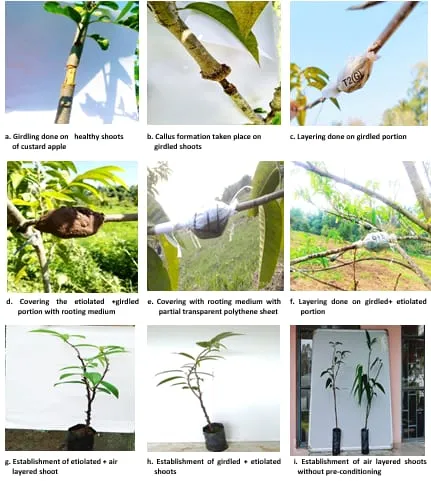
Figure 1: Air Layering Method (Hazarika et al., 2021).
Morphological characteristics
A. reticulata is a small-sized tree cultivated for landscaping and aesthetic value, characterized by a sympodial branching pattern (Folorunso and Olorode, 2006). The leaves of A. reticulata are simple and alternately arranged, with a broadly elliptic to ovate shape. They have a leathery texture, a glossy dark-green upper surface, and a comparatively lighter green lower surface. The foliage typically displays margins and may exhibit slight waviness. The leaves usually range from approximately 5–20 cm in length and 3–10 cm in width (Khorjuwenkar and Singh, 2024: Handique et al., 2022). The flowers of A. reticulata (custard apple) are bisexual, possessing both male and female reproductive organs. They occur singly or in small clusters, usually attributable to the axils derived from the leaves. Each flower consists of three fleshy outer petals, which range from greenish-yellow to reddish in color, along with three smaller inner petals. The inner petals are characterized by a dense covering of fine, wool-like hairs. The flowers exhibit protogyny, in which the female reproductive structures become mature before the male structures, thereby reducing the possibility of self-pollination (Jamkhande et al., 2015; Kessler, 1993).
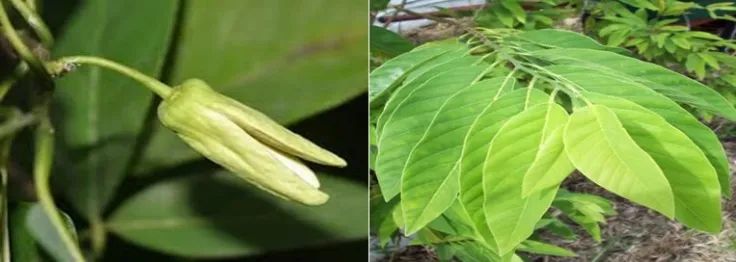
Figure 2: Flower and Leaves of A. reticulata (Chavan et al.,2014)
The fruit is compound structure, generally 8-16 cm in diameter. It may vary in shape, appearing heart shaped, asymmetrical, irregular, nearly spherical often has a slight depression at the base. The fruit skin is thin but firm and becomes yellowish to brownish as it ripens, sometimes developing pinkish or reddish coloration (Khorjuwenkar and Singh, 2024).
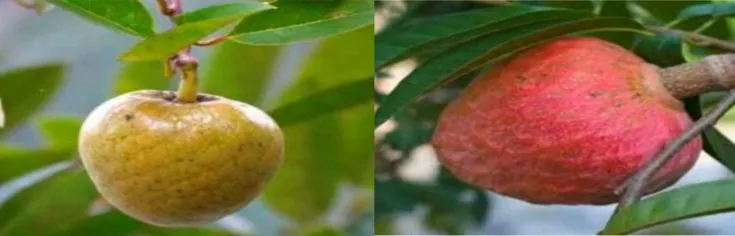
Figure 3: Fruit of A. reticulata (Jadhav et al., 2026).
Each fruit segment generally contains one seed that is hard, shiny, dark brown to black, smooth and oblong in shape with a length of less than 1.25 cm. Reports indicate that the count of seeds per fruit tends to range from 55 to 76. A pointed, fibrous central core is present within the fruit remains firmly connected to the stalk, occupying over half length of fruit. The stems are cylindrical in shape and bear lenticles along with very short coffee-colored hairs (Jadhav et al., 2026). The roots collected are cylindrical, stout and fibrous bearing several secondary rootlets and reaching up to about 6 cm in diameter (Kumar et al., 2021).
Microscopic characteristics
The leaf is dorsiventral and encompasses two principal sections namely lamina (blade) and the midrib. The upper epidermis is one layer of large, rectangular cells under a wavy cuticle, and it has no stomata. The lower epidermis is made of smaller cells with wavy walls, and stomata are scattered through it. Both surfaces bear simple or stellate hairs, and some of these hairs collapse, which helps in identifying the plant. Crystals are present in a few epidermal cells. In the mesophyll, a single row of tightly packed, upright palisade cells sits above 3-4 layers of loosely arranged spongy parenchyma with air spaces between the cells. Evenly spaced, mucilage-containing idioblasts are a key identifying feature of the species. Small closed collateral bundles run through the lamina in a net-like pattern. The midrib is rounded on its underside, while its upper side is flat. Beneath the epidermis is a collenchymatous hypodermis, and inside lies a parenchymatous medulla that holds mucilage cavities, sclereid groups, and many calcium oxalate cluster crystals. The midrib contains 10-12 vascular bundles arranged in an arc that opens toward the upper surface. Their xylem vessels have reticulate thickening, and the phloem is capped with sclerenchyma fibers. Seen from above, the leaf shows paralytic stomata, polygon-shaped epidermal cells, and covering hairs (Kumar et al., 2008; Jani et al., 2012).
Powder study
Powdered root material contains simple and compound starch grains (round), rhomboidal calcium oxalate crystals, and fragments of cork, lignified fibers, pitted parenchyma, and vessels along with medullary ray cells attached to xylem elements (Azamthulla et al., 2021).
powder microscopy was performed to evaluate the diagnostic microscopic characteristics of the leaves and stem bark of A. reticulata. The powdered leaf material showed the presence of spiral vessels, epidermal cells, trichomes with leaf attachment and parenchymatous cells. In contrast, the stem bark powder exhibited polygonal epidermal cells, trichomes, vascular bundles and calcium oxalate crystals (Pathak and Zaman, 2013).
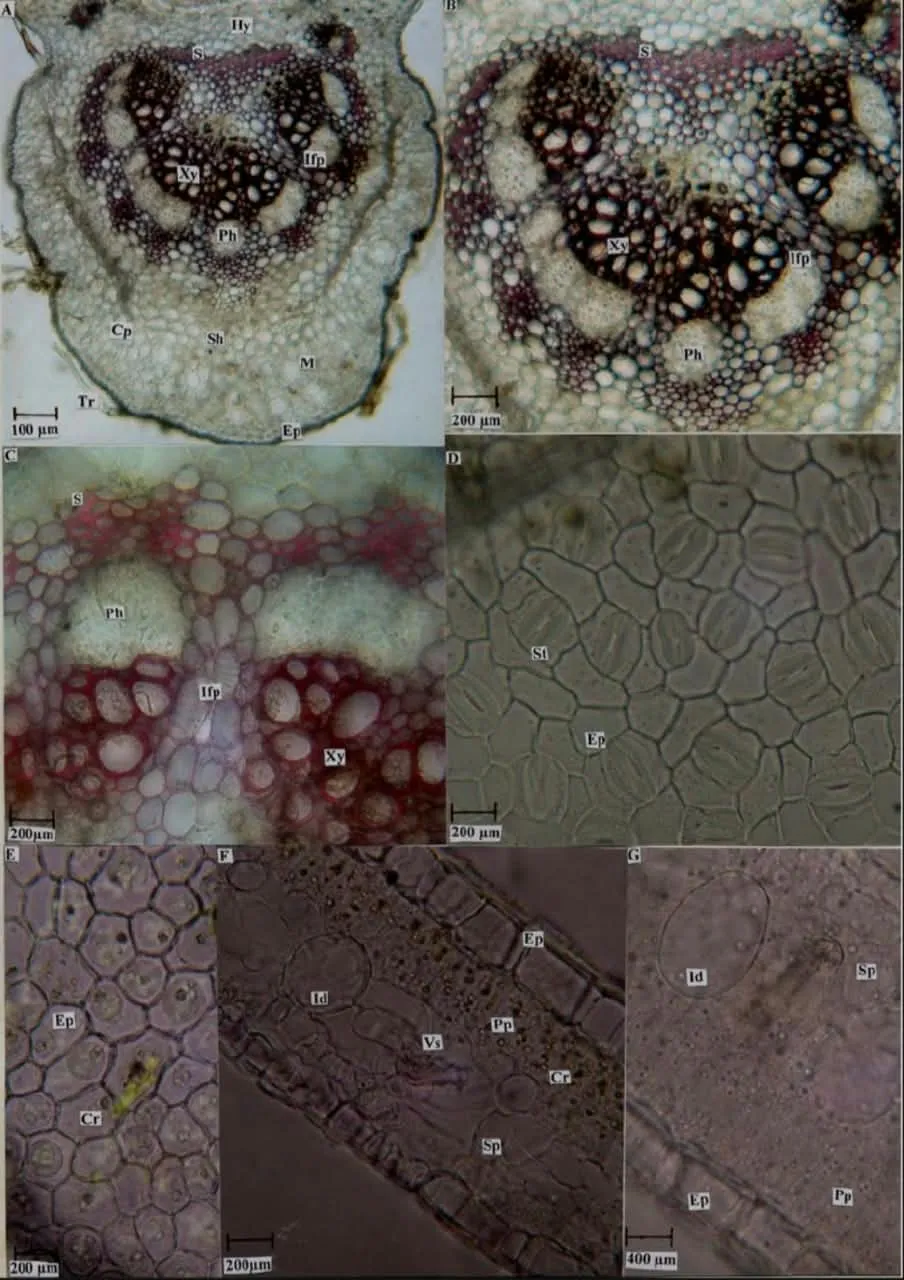
Figure 4: Microscopic Characteristics of A. reticulata (Kumar et al., 2008).
APPLICATIONS OF A. RETICULATA
Pharmaceutical and medicinal applications
A. reticulata has potential for pharmaceutical research through the investigation of its plant-derived compounds and their suitability for developing herbal preparations. Research on seed extracts has explored their use in herbal ointment formulations for wound healing, while investigations of root, bark and leaf extracts have examined their potential as sources of biologically active compounds. These findings provide a basis for further pharmaceutical research involving extract standardization, formulation development and the identification of active constituents (Latha et al., 2010).
Traditionally, different parts of A. reticulata are used for various medicinal purposes. The roots are used as a purgative and for mental depression, spinal disorders and dysentery, whereas the leaves are traditionally used as antispasmodic, anthelmintic, stimulant and insecticidal agents. Leaf paste is applied to unhealthy ulcers, and fresh leaf juice has been used traditionally for hysteria and fainting. Ripe fruits are regarded as cooling, tonic and sedative, while unripe fruits are used for diarrhea, dysentery and atonic dyspepsia. The bark is traditionally considered an astringent and tonic, whereas the seeds have been associated with insecticidal and antifertility uses. Previous studies have also investigated the plant's antidiabetic, anticancer, cardiotonic, antibacterial and anovulatory potential, with certain bioactive compounds isolated from its leaves and bark (Zaman and Pathak, 2013; Khorjuwenkar and Singh, 2024).
Food and Nutritional applications
The pulp of this plant is eaten fresh and also works well in a range of foods such as smoothies, custards, ice creams, and dessert sauces for cakes and puddings. The pulp supplies carbohydrates, fats, proteins, and vitamins, notably A and C, all of which add to its nutritional value (Morton, 2013; Sasidharan and Jayadey, 2017; Jamkhande and Wattamwar, 2015). It also provides minerals including calcium, phosphorus, potassium, magnesium, iron, and zinc, though the amounts can differ depending on the variety and the conditions in which the fruit is grown (Leterme et al., 2006). In one study, Annona fruit pulps are added to yogurt and found higher antioxidant capacity in both DPPH and ferric reducing antioxidant power (FRAP) assays. This suggests custard apple pulp could be used in fruit-based foods and in products designed to have antioxidant benefits (Senadeera et al., 2018).
Industrial and Environmental Applications
Biosorbent for wastewater treatment: Interest in A. reticulata as a water-treatment material has grown in recent years, largely because it is cheap, renewable, and easy to obtain. Adsorption is a straightforward and affordable alternative to conventional treatment, which has led researchers to look at agricultural and plant-based resources as adsorbents. For this species, materials have been made from the peel, leaves, and seeds, as well as from carbonized biomass, and tested on both toxic metal ions and synthetic dyes. Metal removal is the best-documented use. In one study, peel microparticles were used to take up hexavalent chromium, a toxic and highly mobile pollutant, and once the operating conditions were tuned with response surface methodology, the maximum adsorption capacity came to 108.32 mg/g (Saranya et al., 2017). Seeds have been put to work as well. Chemically modified seeds were used to strip Zn (II) ions from solution, and kinetic, isotherm, and thermodynamic analyses were then applied to show how quickly the uptake proceeded, where it settled at equilibrium, and what energy changes were involved (Vardhan et al., 2018). For dyes, leaf powder was among several natural biosorbents tested for removing crystal violet, a cationic dye (Rashmi et al., 2015). Composite and carbon-based materials extend this approach beyond raw and chemically treated biomass. Activated carbon from the plant, combined with calcium alginate beads doped with nano-ZrO₂, was evaluated for Cr (VI) removal (Biftu and Ravindhranath, 2021). Biochar upgraded with chitosan was applied to azo dye in textile effluent, a complex wastewater that is difficult to treat (Rajakumar et al., 2023).
Natural fiber for biocomposites: Work on A. reticulata in biocomposites is still at an early stage and has taken two directions. One looks at the bark, which can be turned into lignocellulosic fibers by simple water retting with no chemicals. These fibers are about 56.26% cellulose, with a density of 1.33 g/cm³, an average tensile strength of 327 MPa, and a Young's modulus of 4.3 GPa. In accordance these were suggested as reinforcement for lightweight composites under moderate loads (Hossain et al., 2025). Other direction uses the seed instead, where ground seed powder was added as a filler to hybrid composites of jute, snake grass, and kenaf fibers. The addition of 5% by weight seed powder resulted in a lower wear rate than the other tested filler formulations, indicating its potential to improve the wear resistance of these composites (Kumar et al., 2022).
BIOACTIVE CONSTITUENTS OF A. RETICULATA
Different classes of phytochemicals have been reported from various parts of A. reticulata. The stem bark has been reported to contain tannins, alkaloids, and phenolic compounds. The leaves possess a diverse range of phytoconstituents, including alkaloids, amino acids, carbohydrates, steroids, flavonoids, proteins, tannins, glycosides, and phenolic compounds. The roots have also been reported to contain acetogenins (ACGs), alkaloids, carbohydrates, proteins, flavonoids, and tannins. In addition to these organic constituents, A. reticulata has been reported to contain several mineral elements, including calcium, phosphorus, potassium, magnesium, sodium, chlorine, sulfur, manganese, zinc, iron, copper, selenium, cobalt, nickel, and chromium (Hamde and Rathi, 2020).
Acetogenins
Annonaceous ACGs represent one of the most characteristic groups of secondary metabolites reported from A. reticulata. These compounds are polyketide-derived natural products generally characterized by long aliphatic chains containing one or more tetrahydrofuran (THF) rings and a terminal γ-lactone moiety. Different acetogenins were obtained from the leaves, bark, stem bark, roots and seeds of A. reticulata. Leaf investigations have reported annoreticuin-9-one, squamone, solamin, annomonicin and rolliniastatin-2, whereas seed studies have identified cis/trans-isomurisolenin, annoreticuin, bullatacin, squamocin, cis/trans-bullatacinone and cis/trans-murisolinone (Saad et al., 1991; Chang et al., 1998; Hisham et al., 1994). A separate investigation of the bark led to the isolation of reticulatacin together with bullatacin, while reticulacinone was subsequently reported from the stem bark (Ranjan et al., 2008). Annonaceous acetogenins are generally waxy, long-chain fatty-acid-derived metabolites containing C32 or C34 carbon frameworks. Their characteristic structural features include a terminal methyl-substituted α, β-unsaturated γ-lactone and one or more THF or THP rings, which may occur in adjacent or non-adjacent arrangements and are often associated with hydroxyl groups. Synthesis of these cyclic ether systems were hypothesized to involve epoxidation of strategically positioned double bonds followed by intramolecular cyclization reactions. ACGs which are produced by polyketide pathway employs acetate and propionate units as a building block (Alali et al., 1999; Kojima and Tanaka, 2009). Reticulatacin was found in the bark of A. reticulata and was one of the first acetogenins to be identified. The compound has a bis-tetrahydrofuran ring structure and has demonstrated potent cytotoxicity against a range of cancer cell lines (Saad et al., 1991). Bullatacin is also known as rolliniastatin-2 which has adjacent bis-tetrahydrofuran rings and exhibits exceptional cytotoxic efficiency with selectivity for tumor cells. Squamocin is another important ACG that exhibits broad-spectrum anticancer activity (Ahammadsahib et al., 1993).
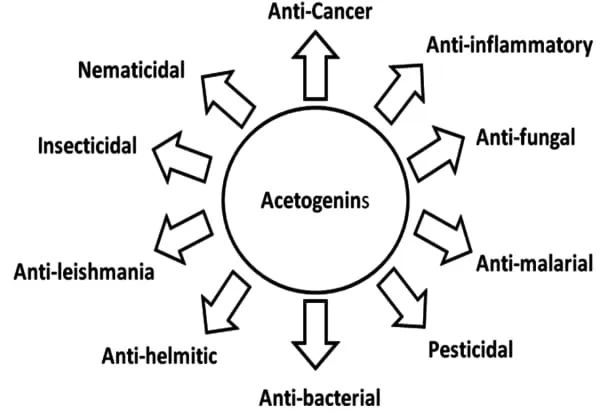
Figure 5: Diverse Biological Activities Reported for Acetogenins (Mangal et al., 2016).
A commonly proposed mechanism for annonaceous ACGs involves interference with mitochondrial respiratory-chain function, particularly inhibition of NADH: ubiquinone oxidoreductase (Complex I). Modulation of this enzyme may reduce mitochondrial electron transport and ATP generation, thereby affecting the energy metabolism of cells. The strength and exact mechanism of action, however, differ among individual ACGs (Alali et al., 1999; Motoyama et al., 1998). In addition to cytotoxicity, acetogenin-containing extracts and isolated compounds have been investigated for antimicrobial, antiparasitic, insecticidal and anti-inflammatory effects (Rupprecht et al., 1990).
Alkaloids
Several alkaloids including liriodenine, reticuline, anonaine, coclaurine, asimilobine, glaucine, and xylopine found in roots, bark and leaves of A. reticulata. Liriodenine is an important oxoaporphine alkaloid reported from A. reticulata and has been investigated in the Annona literature for cytotoxic and antimicrobial properties (Chan et al., 2020). Reticuline is important not only as a plant alkaloid but also as a biosynthetic precursor of several benzylisoquinoline/aporphine alkaloids (Jamkhande and Wattamwar, 2015).
Terpenes
The bark and leaves contain several diterpenoids, including kaur-16-en-19-oic acid and pimarane-type compounds. Ent-pimara-8 (14),15-dien-19-ol, isolated from leaves, showed cytotoxic activity against SK-LU-1 and SW626 cell lines, with IC₅₀ values of 17.64 ± 1.07 and 19.79 ± 1.41 μg/mL, respectively (Pham et al., 2020). Kaur-16-en-19-oic acid obtained through the bark demonstrated analgesic and anti-inflammatory effect in hot-plate, acetic-acid writhing and carrageenan-induced paw-oedema models. Naloxone reduced its analgesic effect, indicating possible involvement of an opioid-sensitive mechanism (Chavan et al., 2012). Leaf investigations have identified annonaretin A, while α-amyrin caprylate has been isolated from A. reticulata leaf extracts (D'Souza et al., 2021). Annonaretin A was characterized as a new triterpenoid from the leaves and tested alongside isolated leaf constituents to suppress the nitric-oxide production in LPS-activated macrophages (Thang et al., 2013).
Cyclic peptides
The seeds contain cycloreticulins A, B and C and glabrin A. Cycloreticulins A and B were characterized as cyclic octapeptides using MS/MS, chemical degradation and NMR, with X-ray analysis supporting the structure of cycloreticulin A (Wele et al., 2008). Cycloreticulin C and glabrin A were subsequently characterized from the seeds (Wele et al., 2009).
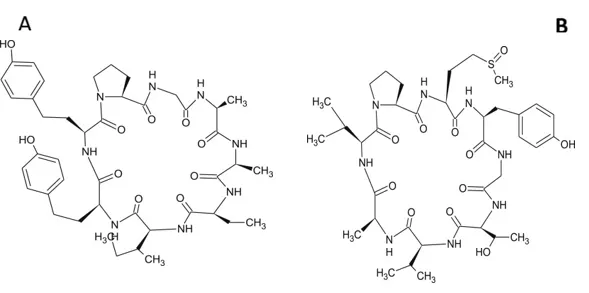
Figure 6: Cyclic Peptides (Cycloreticulin a and Cycloreticulin B) (Jamkhande and Wattamwar, 2015).
Flavonoids
Flavonoids represent an important group of polyphenolic constituents identified in A. reticulata particularly in its leaves. Phytochemical investigations have reported quercetin, fisetin, quercetin 3-O-α-L-arabinopyranoside, quercetin 3-O-β-D-galactopyranoside and quercetin 3-O-β-D-glucopyranoside from the leaf extracts of the plant. Quercetin and its glycosylated derivatives were identified following chromatographic separation and spectroscopic characterization, while fisetin was also isolated and structurally characterized from the leaves (Pham et al., 2020; D’Souza et al., 2021). Quercetin is a hydroxylated flavanol that has emerged as a promising molecule because of its antioxidant and anti-inflammatory properties. Its antioxidant activity attributed to direct scavenging of reactive oxygen and nitrogen species along with modulation of endogenous antioxidant defense systems (Khatun et al., 2022). Fisetin, another flavanol reported from A. reticulata leaves explored with regard to antioxidant and anti-inflammatory effects. Experimental studies indicate that fisetin can regulate cellular redox status and signaling pathways including Nrf2, NF-κB, MAPK and PI3K/Akt, which may contribute to its antioxidant, anti-inflammatory and cytoprotective effects (Naeimi and Alizadeh, 2017).
Volatile compounds
The occurrence of volatile metabolites identified from the leaves, fruits including seed material of A. reticulata. Earlier investigations identified compounds such as myrcene, terpinen-4-ol, myrcene, α-pinene, limonene, β-pinene and germacrene D, while GC–MS analysis of Nigerian leaf essential oil identified 39 components comprising monoterpenes, sesquiterpenes and an aromatic ester fraction. In the Nigerian leaf oil, (E,E)-farnesyl acetate, ar-turmerone, benzyl benzoate and γ-terpinene were among the major constituents, accounting for 19.0%, 12.0%, 10.9% and 7.4%, respectively (Ogunwande et al., 2006).
N-Fatty acyl tryptamines
Seeds originating from of A. reticulata contain a distinctive series of N-fatty acyl tryptamines, in which the fatty-acyl portion ranges from hexadecanoyl to hexacosanoyl derivatives. These compounds were characterized from a petroleum extract of the seeds (Maeda et al., 1993).
Table 1: Plant Part and Chemical Constituents of A. reticulata (Basappa et al., 2024).
| Sr. No. | Extract | Chemical Constituents |
|---|---|---|
| 1 | Bark | Bullatacin Kaur-16-en-19-oic acid Tannins, alkaloids and phenolic compounds |
| 2 | Leaf | Annonaretin A Butane, 2,3-dichloro-2-methyl, Lactic acid dimer |
| 3 | Fruit | Pinene, Myrcene, Limonene Terpine-4-ol, Germacrene D n-Hexadecenoic acid 9,12-Octadecadienoic acid |
| 4 | Seed | Acetogenins Cycloreticulin A and B Germacrene D |
| 5 | Root | Aporphine alkaloids Liriodenine Norushinsunine Reticuline Neoannonin Norushinsunine Reticuline Acetogenins |
Leaf
The A. reticulata leaves consist of Dopamine, Salsolinol, Coclaurine, Sesquiterpenes mainly Spathenelol, Murolene, Copaene, Eudesmol, ACGs such as Squamone, Solamin, Annomonicin, Rolliniastatin 2 and Annoreticuin-9-one. Triterpenoid like annonaretin (Nirmal et al., 2010; Bhalake and Chavan, 2011; Islam et al., 2012).
Bark
The bark reported to have Monotetrahydrofuron acetogenins, Reticulatacin, Diterpenes which includes (–)- kau-M-en-19-oiac acid and methyl 1β, 17-dihydro-(–)-kauran-19-oate, Alkaloids present are Liriodenine, Copaene, Patchoulane and 1H-cycloprop (e) azulene, (-)Kau-16-en-19-oic acid, Bistetrahydrofurone acetogenin and Bullatacin (Kolhe et al., 2012; Chavan et al., 2012).
Seed
According to reports, seeds consists of Series of N-fatty acyl tryptamine where acyl portion ranged from hexadecanoyl to hexacosanoyl. Cytotoxic acetogenins as Squamocin, cis-/trans-isomurisolenin, Annoreticuin, Annoreticuin-9-one, Bullatacin, cis-/trans-bullatacinone, cis-/trans-murisalinone, Solamin, Annomonicin, Rolliniastatin-1, 2 squamone and isoannonareticin. Volatile oil constituents like α-pinene, β-pinene, Myrcene, Limonene, Terpinen-4-ol, and Germacrene D. Cycloreticulin A, Cycloreticulin B, Acetogenins mainly cis and transisomurisolenin, Annoreticuin, Bullatacin, Squamosine and Rolliniastatin. Aminoacyl triesters of Squamocin 1, N-fatty acyl tryptamines. Annonaceous acetogenins (polykelides): Annonareticin, 2,-4-cis-isoannonareticin, 2, 4-trans-isoannonareticin, Solamin, Murisolin, Reticulacinone, Annoreticuin, Annomonicin, Sitosterol, Daucosterol, Sucrose, Palmitic acid and Stearic acid. Annonaceous acetogenin such as 2, 4-cis-isoan-nonareticin (Duval et al., 2005; Dong et al., 1998).
Root
Root of bullock’s heart consists of Aporphine alkaloids Liriodenine, glycosides, fixed oils, proteins, flavonoids, Norushinsunine, Reticuline, Acetogenin neoannonin, Sesquiterpenes mainly Spathenelol, Muurolene, Copaene Michelalbine and Eudesmol (Suresh et al., 2012; Satish and Ishra, 2023).
Fruit
The report suggests the presence of pinene, myrcene, Limonene, Terpinen-4-ol, Germacrene D in fruits of the A. reticulata. Fruit peel consists of flavonoids, alkaloids, saponins, terpenoids also the active alkaloid Anonaine. Pulp is also a source of nutritional components particularly sugars, vitamins and minerals (Rahman et al., 2011; Ethiraj and Sridar, 2018; Jamkhande and Wattamwar, 2015).
Table 2: Bioactive Compounds of A. reticulata
| Sr. No. | Bioactive compound | Name | Class | Plant part | Pharmacological activity | References |
|---|---|---|---|---|---|---|
| 1 | Reticuline | Alkaloid | Root | Antiproliferative/cytotoxic activity | Suresh et al., 2012; Ngbolua et al., 2018 | |
| 2 | Buallatacin | Acetogenin | Bark/seeds | Potent cytotoxic and antiproliferative activity | Chang et al., 1998; Ahammadsahib et al., 1993; Chiu et al., 2003; Esposti et al., 1994 | |
| 3 | Kau-16-en-19-oic-acid | Terpenoid | Bark/leaf | Anti-inflammatory action, anticancer activity, antifungal activity, nematocidal and analgesic activity | Chavan et al., 2011; Thang et al., 2013; Kim et al., 2011; Eshiet and Akisanya,1971 | |
| 4 | Liriodenine | Alkaloid | Root/bark | Antiproliferative/cytotoxic activity | Suresh et al., 2012; Woo et al., 1997 | |
| 5 | Reticulatacin | Acetogenin | Bark | Cytotoxic activity against human lung, breast and colon carcinoma cell lines. | Rupprecht et al., 1991; Sinha et al., 1993; Saad et al., 1991; Rieser et al., 1992; Gleye et al., 1998 | |
| 6 | Acetogenin Neoannonin | Acetogenin | Root | Antiproliferative and cytotoxic activity | Suresh et al., 2011 | |
| 7 | β-Sitosterol | Sterol | Seed/ leaf | Anti-inflammatory and antiproliferative activity | Perez-Flores et al., 2023; Dong et al., 1998 Valerio and Awad, 2011 | |
| 8 | Dopamine | Catecholamine | Stem/leaf | Neuroactive | Ngbolua et al., 2018; Forgacs et al., 1981 | |
| 9 | Salsolinol | Tetrahydroisoquinoline Alkaloid |
Stem/leaf | Neuroactive | Ngbolua et al., 2018 | |
| 10 | Norushinsunin | Alkaloid | Root | Antiproliferative/cytotoxic | Jamkhande and Wattamwar, 2015; Nugraha et al., 2019 | |
| 11 | Rolliniastatin-2 | Acetogenin | Leaf | Cytotoxic activity | Bhalke and Chavan, 2011; Chen et al., 1993; Jamkhande and Wattamwar, 2015 | |
| 12 | β-Caryophyllene | Sesquiterpene | Leaf | Analgesic, anti-inflammatory and anti-arthritic activity | Thang et al., 2013; Sankpal., 2022 | |
| 13 | Coclaurine | Alkaloid | Leaf | Anticancer/Chemo sensitizing activity | Jamkhande et al., 2015; Prakash et al., 1979; Stadler et al., 1987 | |
| 14 | Squamosin | Acetogenin | Seed | Cytotoxic activity | Chang et al., 1998; Fujimoto et al., 1988; Yuan et al., 2006 | |
| 15 | Taraxerol | Terpenoid | Leaf | Antidiabetic, Cytotoxic, Antimicrobial, Anti-inflammatory, Anti- neuroinflammatory |
Thang et al., 2013; Kumari et al., 2022; Yao et al., 2013; Tsao et al., 2008; | |
| 16 | Vitamin E | Vitamin | Leaf | Antiaging, Antidiabetic, Antileukemic, Hepatoprotective, Vasodilator, Antispasmodic, Anticoronary, Cancer preventive, Immunostimulant, Antiulcerogenic | Kumari et al., 2022; Shrinivasan et al., 2014 | |
| 17 | Fisetin | Flavonoid | Leaf | Antioxidant, Anticancer and antiproliferative activity | D’Souza et al., 2021; Kabbo et al., 2025; Khan et al., 2021 | |
| 18 | Squalene | Triterpene | Leaf | Chemo- preventive, Pesticidal, Antibacterial, Immunostimulant, Anticancer, Antioxidant | Kumari et al., 2022; Basappa et al., 2024 | |
| 19 | Neophytadiene | Acyclic diterpene Hydrocarbon |
Leaf | Antibacterial, Anti-inflammatory | Kumari et al., 2022; Basappa et al., 2024; Bhardwaj et al., 2020 | |
| 20 | Phytol | Acyclic diterpene hydrocarbon | Leaf | Antitubercular activity, Antinociceptive, Anticonvulsant, Antioxidant, Anti-inflammatory | Kumari et al., 2022 | |
| 21 | Annonaretin-A | Terpenoid | Leaf | Anti-inflammatory activity | Perez-flores et al., 2023; Thang et al., 2013 | |
| 22 | Spathulenol | Sesquiterpene | Leaf and pulp | Antibacterial activity | Jirovetz et al., 1998; Sankpal et al., 2022; Amaokoa et al., 2025 | |
| 23 | Asimilobine | Alkaloid | Bark/seed | Anti-infective and anticancer, anthelmintic activity | Nugraha et al., 2019; Xu et al., 1992; Basappsa et al., 2024 | |
| 24 | Myrcene | Volatile oil | Pulp/Seed/ Leaf | Anti-inflammatory, antioxidant, analgesic, potential anticancer activity | Bhardwaj et al., 2019; Ogunwande et al., 2006; Surendran et al., 2021; Pino et al., 2003 | |
| 25 | Copaene | Sesquiterpene | Leaf/Root | Anti-inflammatory, analgesic activity | Sankpal et al., 2022; Chavan et al., 2012 | |
| 26 | α-pinene | Volatile oil | Pulp | Anti-inflammatory, antimicrobial, antioxidant and antiproliferative potential | Perez-flores et al., 2023; Amoakao et al., 2025 | |
| 27 | β-pinene | Volatile oil | Pulp | Anti-inflammatory, antimicrobial, antioxidant activity | Perez-flores et al., 2023; Baskar et al., 2007; Da silva et al., 2012 | |
| 28 | Annonacin | Acetogenin | Seed | Cytotoxic activity, Apoptic activity | Duran et al., 2021; Yuan et al., 2003 | |
| 29 | (+)-Corydine | Aporphine alkaloid | Leaf | Antinociceptive, antitumor activity | Nugraha et al., 2019; Kaserer et al., 2020; Kondo et al., 1990 | |
| 30 | Solamin | Acetogenin | Leaf | Cytotoxic activity | Santos et al., 2018; Chang et al., 1993 | |
| 31 | Quercetin | Flavonoid | Leaf | Wound healing activity, antidiabetic, anti-hyperlipidemic activity, cytotoxic activity | Mazumdar et al., 2019; Pathak et al., 2021; Pham et al., 2020 | |
| 32 | Glabrin A | Cyclic peptide | Seed | Anthelmintic activity, Insecticidal activity | R. Dahiya and Dahiya, 2021; Wele et al., 2009; | |
| 33 | 17-acetoxy-16-β-ent-kauran-19-oic acid 24 | Diterpenoid | Leaf | Anti-inflammatory activity | Ngbolua et al., 2018; Thang et al., 2013 | |
| 34 | Isomurisolenin | Acetogenin | Seed | Cytotoxic activity | Wu et al., 2006; Chang et al., 1998 | |
| 35 | Molvizarin | Acetogenin | Stem/Bark | Cytotoxic activity | Kazman et al., 2022; Chaudhari et al., 2025; Jamkhande and Wattamwar, 2015 |
PHARMACOLOGICAL ACTIVITIES OF A. RETICULATA
Anticancer activity
Herbal medicine practiced worldwide, which is also employed to alleviate cancer, stands as noteworthy essential pillars of traditional medicine. A potentially valuable source of bioactive anti-cancer compounds can be found in medicinal herbs, which are relied upon by roughly 70% of the global population. Within this context, A. reticulata plays a vital role. Across the globe, researchers are searching for a lead molecule capable of preventing the development of human cancer. Throughout history, nature has made considerable contributions toward this goal. Botanical compounds such as terpenoids, flavonoids and steroids received widespread attention due to broad range of pharmacological activities including cytotoxic and chemo preventive effects The antiproliferative property of roots of A. reticulata in human- derived malignant cell cultures were also reported. A. reticulata leaf extract showed cytotoxicity which is dose dependent in HT-29 Cell lines (Amla and Mol, 2021; Perez et al., 2023).
The another study evaluated the cytotoxicity of the methanol soluble fraction of the leaves of A. reticulata by means of a sulforhodamine B (SRB) assay against established human tumor cell models : HCT15 (colon cancer), Hop65 (lung cancer) and HepG2 (hepatoma). The crude plant material assessed across concentrations of 10, 20, 40 and 80 µg/mL, with the Adriamycin (doxorubicin) being the reference drug. The researchers discovered the growth inhibitory outcome against three distinct cell lines, with the median growth-inhibitory concentration (GI₅₀) being below 10 µg/mL both for Hop65 and HepG2 cells, while the GI₅₀ against the HCT15 cells being 39.1 µg/mL, indicating some relative resistance of this particular cell line to the herbal extract. The authors speculated that the observed anticancer efficacy could be related to the presence of ACGs and other phytochemicals in the tested leaf extract (Gingine et al., 2016). The other study suggests the cancer-preventive efficacy of A. reticulata seed extracts against K562 leukemia and MCF-7 in the MTT assay. Of the extracts tested, the petroleum ether extract demonstrated the strongest cytotoxic activity. After 48 hours, it achieved 76% cytotoxicity in K562 cells at 800 µg/mL and 61% in MCF-7 cells at 400 µg/mL with an IC₅₀ of 88.33 µg/mL for MCF-7 cells. Staining with acridine orange/ethidium bromide and Hoechst 33342 showed morphological alterations indicative of apoptosis. In the cytotoxicity assessment, normal human lymphocytes also exhibited high viability. The authors suggested that annonaceous ACGs and other naturally occurring components may influence these results (Ravimanickam et al., 2018). Previous literature states cancer-inhibitory activity by the methanolic foliage preparation of A. reticulata on human colorectal cancer (HT-29) cell lines. It was found that exposure of the cells to the tested sample for 24 hours showed progressively elicited inhibitory effect on cell viability with an IC50 of 76.76 µg/mL. Potential cancer fighting properties of the extract were corroborated by induction of apoptosis, cell-cycle alteration, and morphological changes characterized by reduced cell size, membrane blebbing, and nuclear fragmentation. By using UPLC–MS analysis, existence of rutin was detected (Shivanna and Urooj, 2019). Another finding suggest the antioxidant and anticancer properties of leaf extract on a Wistar rat model of colorectal cancer that was induced by 1,2-dimethylhydrazine (DMH). Using the MTT assay, the researchers also evaluated extract in Human colorectal carcinoma cells of the HCT116 cell lines. The antiproliferative property of the alcohol soluble plant derived mixture was higher compared to that of the water-extracted plant material. Moreover, dosing the experimental animals with DMH resulted in reduced aberrant crypt foci and tumors following extract administration. Additionally, it was demonstrated as capable of antioxidant status that was evident from modifications in catalase, superoxide dismutase and decreased glutathione levels while lipid peroxidation was reduced. Histopathological analysis also revealed improvement of colon tissue changes associated with carcinogenesis (Khan et al., 2021). Prior investigations have revealed that root extracts from A. reticulata can inhibit growth across panel of cell lines including human lung carcinoma, chronic myelogenous leukemia and mammary gland adenocarcinoma. For reporting cytotoxicity in an anticancer study, the following calculation may be used when cell viability is measured using the MTT assay:
%Cell viability=(Absorbance of treated cells)/(Absorbance of control cells) ×100
% Cytotoxicity = 100 - % Cell viability
It is presumed that ACGs and alkaloids are present within the extracts causing these cytotoxic effects. ACGs isolated from seeds documented to cause cell death in various cancerous cell lines (Suryan et al., 2018).
The previous study concludes cytotoxic potential of the methanolic leaf extract of A. reticulata using the brine shrimp lethality bioassay. Study revealed that extract demonstrated a concentration-dependent cytotoxic effect with an LC₅₀ value of 39.67 µg/mL, reflecting the detection of potentially active compounds. Preliminary phytochemical screening revealed the occurrence of alkaloids, steroids, glycosides, tannins, and flavonoids. However, the cytotoxic potential of sample was comparatively lower than that of vincristine sulfate, the standard chemotherapeutic drug with an LC₅₀ value of approximately 0.69 µg/mL (Alam et al., 2024).
According to the reports, there is investigation of the cytotoxic potential of A. reticulata leaves and their inhibitory effects on recombinant caspases. Shade-dried leaves were powdered and extracted with petroleum ether using the Soxhlet technique also by the chloroform and methanol. The leaf-derived methanolic sample was screened for its cytotoxicity against three cell lines which are Caco-2 (human colorectal adenocarcinoma), HepG2 (human hepatocellular carcinoma), and HEK (human embryonic kidney cells). The inhibitory effects of the extract on the initiator caspase-9 and the effector caspases-3 and -6 were also examined. The methanolic extract exhibited dose-dependent cytotoxic activity against Caco-2 and HepG2 target cells, In contrast cytotoxic effect was observed in HEK cells at concentrations up to 20 µg/mL. Following exposure to 10 µg/mL, the extract inhibited caspase-6 and caspase-9 by 66.64% and 87.03%, respectively, but showed no inhibitory activity against caspase-3 (Mondal et al., 2007). According to the previous literature, the anti-proliferative potential of annonin-I was evaluated against HCT-116 colorectal cancer cells using the MTT assay. The compound demonstrated inhibition of cell growth ranging from 46% to 90%, with a GI₅₀ value of 76.13 µM. ACGs are proposed to exert their biological effects by inhibiting mitochondrial NADH dehydrogenase (Complex I), an essential enzyme involved in the electron transport chain. Such interference may affect mitochondria-mediated energy production, reduce ATP synthesis, and ultimately contribute to cancer cell death (Ghosh and Mohideen, 2020).
The antiproliferative effects of ethanol and aqueous root extracts from A. reticulata were tested against a range of cell lines, such as A-549 (human lung carcinoma), K-562 (chronic myelogenous leukemia), HeLa (cervical cancer), MDA-MB (breast cancer), and Vero cells. The study additionally noted activity against non-cancerous Vero cells, underscoring the necessity of further research to determine cancer-cell selectivity and safety (Ngbolua et al., 2018). Research indicates that five principal annonaceous ACGs such as solamin, annoreticulin-9-one, annomonicin, squamone, and rolliniastatin possess cytotoxic properties. The acetogenins obtained from A. reticulata seeds include bullatacin, cis/trans-isomurisolenin, cis-/trans-bullatacinone, annoreticulin, annoreticulin-9-one, murisolinone and squamocin. cis-/trans Several of these compounds displayed strong cytotoxic effects on four cancer cell lines: Hep.G2, Hep.2, 3, 15, KB, and CCM2. Once annonacin had been further purified, its biological activity was examined, revealing that these molecules stimulated cultured cell death in various malignant tumor cell lines, among them T24 bladder cancer cells. Squamocin, extracted from the seeds of A. reticulata was likewise examined for its biological effects, confirming that it acts as a cytotoxic component against nearly every cell line tested (Yuan et al., 2003; Yuan et al., 2006)
Previous study reports anticancer effects by ethanol-based leaf preparation of A. reticulata and its solvent fractions on human colon cancer HCT-116 cells. They assessed cell proliferation by means of the sulforhodamine B assay and inhibition of cell migration with a scratch wound-healing assay. It showed antiproliferative activity with an IC₅₀ of 30.16 ± 0.56 µg/mL. The ethanolic leaf extract of A. reticulata showed antiproliferative, and the petroleum ether fraction was identified as the most active fraction, with a half-maximal inhibitory concentration of 29.07 ± 0.83 µg/mL. Both the extract and petroleum ether fraction significantly decreased the migration of cancer cells. By means of a GC–MS analysis several predominant key compounds comprised phytol, γ-sitosterol and α-tocopherol-β-D-mannoside, and bioinformatics putative interactions with proteins implicated in cancer progression (Rao et al., 2024).
Research has been undertaken to identify the compounds contained in the roots of A. reticulata that contribute to the observed activity. The study isolated three aporphine alkaloids liriodenine, norushinsunine and reticuline and one ACG neoannonin. The experiments conducted on A-549, K-562, HeLa and MDA-MB treated with each compound at three different concentrations and a DMSO control. The potential toxic effects of the sample were investigated on cancer cells and healthy Vero cells, where neoannonin was the best performing compound. NMR and mass spectrometry confirmed the identities of each compound in the mixture. The authors separated the alkaloids by passing an ethanolic root extract through a neutral alumina column, followed by ethyl acetate partitioning and a second isolation step using a different column. Each compound was tested at three doses in triplicate, with a DMSO only control. The observations led to conclusion that the alkaloids may have a common mechanistic pathway due to their shared isoquinoline structure, hydroxyl group and ability to induce apoptosis (Rout et al., 2013). Another literature reports the ability of a methanol-derived phytochemical preparation from the roots of A. reticulata to prevent skin cancer in Swiss albino mice, where skin cancer had been induced by the chemical carcinogen DMBA (7,12-dimethylbenz [a]anthracene). A root extract-loaded gel formulation was externally applied to the skin of the mice once a day for four weeks. The appearance of histological marker of squamous carcinoma - keratin pearls is reduced within the animals receiving the treatment, suggesting possible suppression of skin carcinoma (Rathod and Chaudhari, 2025).
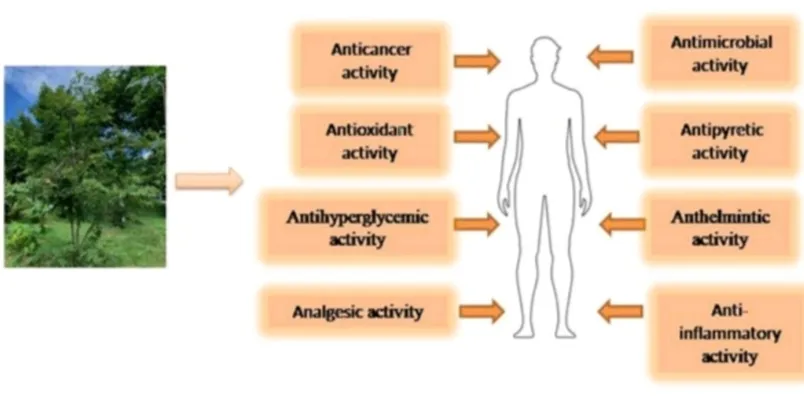
Figure 7: Pharmacological Activities of A. reticulata (Basappa et al., 2024).
Antihyperglycemic activity
It is well established that numerous plants have antidiabetic properties, which are believed to result from the presence of multiple bioactive compounds that assist in lowering blood glucose levels as well as addressing related issues such as hyperlipidemia, enhanced insulin secretion, antioxidant effects, and improved renal dysfunction. Streptozotocin-induced male wistar rats receiving the ethanolic extract of A. reticulata seeds for 42 days, which yielded significant results in reducing the glucose level at two doses, namely 50mg/kg and 100mg/kg. Experimental findings suggest that it may be effective in treating diabetes through augmenting insulin release and regulating glucose tolerance, and lowering blood glucose level. It assists in restoring physical characteristics of islet cells within the pancreas, thereby increasing insulin secretion. Islet cells are composed of α-cells, β-cells, and γ-cells, which secrete glycogen, insulin, and somatostatin; these three hormones contribute to glucose metabolism (Wen et al., 2019).
It was reported that the hydroalcoholic leaves extract demonstrated the potential to reduce glycaemia in streptozotocin-treated diabetic rats and alleviate associated metabolic disorders (Rout et al., 2013). The antihyperglycemic effect of the methanolic leaf extract of A. reticulata using in vitro enzyme inhibition assays and streptozotocin-induced diabetic rats was studied in previous investigation. The extract demonstrated inhibitory activity toward α-amylase and α-glucosidase, enzymes involved in the digestion of carbohydrates. In the diabetic rats, treatment with the extract also improved glycemic control as well as several hepatic and renal biochemical parameters. Gas chromatography–mass spectrometry (GC–MS) analysis identified multiple constituents in the extract, providing a basis for gaining deeper insight of compounds potentially responsible for the observed activity (Pulivarthi et al., 2021). Subsequent study established antihyperglycemic efficacy of different leaf fractions was significant at 100 mg/kg in the ethyl acetate fraction. The results indicate that the leaves of A. reticulata and its bioactive components have a therapeutic potential for glucose regulation (Rout et al., 2016).
Antimicrobial activity
Different plant-part crude preparations of A. reticulata have been evaluated for their antibacterial activity, such as the fruit pericarp, stem bark, seeds, and leaves. The study reports antimicrobial potential of extracts from ripe and unripe fruit pericarp prepared using a selection of solvents such as ethyl acetate, acetone, hexane, ethanol, and water. The solvent derived preparation evaluated against Gram-positive bacteria like Bacillus subtilis, Enterococcus faecalis and Staphylococcus aureus, Gram-negative bacteria such as E. coli, P. aeruginosa and proteus vulgaris and three fungal species. The study outcomes indicated inhibition of microbial growth, differed depending on the solvent used, the ripeness of the fruit, and the microorganism tested. Of the extracts tested, ethanol generally showed the strongest activity, while several non-polar solvent extracts produced limited or no inhibition against certain bacterial strains. The available data implies that the extraction solvent and the stage of ripening may affect the recovery of antimicrobial constituents from the fruit pericarp (Sangeetha et al., 2016). The bacterial growth-inhibitory effects of water-based and ethanol-derived preparation of the stem bark and seeds ids examined at concentrations of 10, 12, and 14 mg/mL using the agar cup method. Both extract types displayed growth-inhibitory effects on S. aureus, E. coli and P. aeruginosa, which include bacteria representing both Gram-staining categories. However, none of the tested materials demonstrated action against Salmonella Abony. This organism-specific response indicates that the antibacterial effects of A. reticulata extracts are not uniform across bacterial species. The authors suggested that the bark and seeds could be studied further as sources of plant-derived antimicrobial agents (Warad and Jadhav, 2014). More recently, the study of the antibacterial properties of leaf extracts is done which is prepared with methanol, chloroform, and ethyl acetate using the disc diffusion assay, while broth microdilution assay was conducted to evaluate the enhancement of antibiotic activity. The methanolic extract displayed the strongest overall antibacterial effect and also enhanced the activity of selected antibiotics against E. coli. This finding is especially relevant because it raises the possibility that constituents of A. reticulata leaves may be explored as potential adjuncts to existing antibacterial agents. However, the compounds responsible and their mechanisms of action has not been conclusively determined (Uddin et al., 2024).
The previous study evaluated the phytochemical profile bacterial growth-inhibitory action of ethyl acetate, butanol, and methanol extracts of leaves. Qualitative analysis of secondary metabolites indicated that each extracts had alkaloids, tannins, steroids, terpenoids, and coumarins. The ethyl acetate and the samples prepared using methanol demonstrated superior activity in inhibiting E. coli, Pseudomonas putida and Lactobacillus acidophilus than the butanol extract, causing inhibition zones of 19.5, 19, and 19 mm, respectively. Further inhibitory response observed against pathogens isolated from clinical samples. Fourier-transform infrared spectroscopy provided evidence of characteristic functional groups consisting hydroxyl, amino and other bonds. The cumulative evidence supports the inference that leaves of A. reticulata contain phytochemicals capable of inhibiting bacterial growth (Rani et al., 2013). Report suggests antimicrobial activity of methanolic and petroleum ether extracts of A. reticulata leaves against five bacterial species: S. aureus, Proteus mirabilis, Bacillus cereus, E. coli and Klebsiella pneumoniae using the agar well diffusion method. The methanolic extract had the largest inhibition zone of 28 mm against P. mirabilis while the petroleum ether extract was most active against E. coli with an inhibition zone of 25 mm. Antibacterial activity against all five bacterial species tested has also been demonstrated for the petroleum ether extract. The phytochemical screening has revealed the presence of phenols, tannins, alkaloids, flavonoids and saponins that could be responsible for the observed antibacterial activity. It was concluded that leaf extracts of A. reticulata have potential antibacterial activity under in vitro conditions (Sundar et al., 2021). The previous study assessed the antimicrobial and antioxidant activities of extracts from A. reticulata peel. The article is focused on studying the antimicrobial potential of A. reticulata peel. Researchers used different peel extract solutions, including methanolic, ethanolic and aqueous extracts. The phytochemical analysis of custard apple peel revealed the presence of tannins, alkaloids and other secondary metabolites. The antimicrobial activity of raw fruit peel extracts has been proved. The antioxidant activity of custard apple peel was also positive, as a result of scavenging of free radicals. According to the study, A. reticulata peel is a good source of antimicrobial and antioxidant compounds (Lydia et al., 2017). Recent study assessed the in vitro antimicrobial activity of different solvent extracts obtained from the unripe pericarp of A. reticulata using the disc diffusion method. Hexane, chloroform, ethyl acetate, ethanol and aqueous extracts were used to test antibacterial activity against Gram-positive and Gram-negative bacteria and evaluated their antifungal activity against selected fungal species. The authors found that among the extracts tested the ethanolic extract demonstrated the highest antibacterial activity with the largest zone of inhibition of 19.67 mm against E. coli with an activity index of 1.283, surpassing the inhibition zone of 15.33 mm observed for the commercial antibiotic ampicillin. In addition, considerable antibacterial activity against Enterococcus faecalis (18.67 mm), Proteus vulgaris (17.67 mm) and P. aeruginosa (16.33 mm) was observed. According to the minimum inhibitory concentration (MIC) results, the ethanolic extract was found to be more effective against bacteria than the other extracts tested with MIC values ranging from 1–2 mg/mL for several bacterial strains. However, the extracts demonstrated relatively low antifungal activity against the fungi tested. It was concluded that the antimicrobial potential of the unripe pericarp might be attributed to its bioactive secondary metabolites (Sangeetha et al., 2022).
Antidepressant activity
Antidepressant properties of methanol and aqueous extracts derived from A. reticulata leaves were studied using the tail suspension method. Six separate groups, each with five mice, were formed. Following the weighing of the mice individual identification was performed using a tail number. Group I mice were given an oral dose of distilled water, while group II received Fluoxetine hydrochloride (20 mg/kg; by the oral route), calculated according to their body weight. Every mouse belonging third received 200 mg/kg and fourth group were administered 400 mg/kg of the methanolic leaf fraction orally. Groups V and VI mice were given the aqueous administration at a dose level of 200 mg/kg and 400 mg/kg. Using sticky tape, the mice were suspended from the top of a wooden frame positioned at a distance 50 cm above the floor. The total extent of immobility during tail suspension was recorded over a 5-minute period. The assessment was conducted 60 min following test preparation administration, the duration of immobility and the percentage of antidepressant the response was recorded separately for each group (Kaboo et al., 2026). An evaluation as undertaken to determine the antidepressant-like effects of the ethanolic sample of A. reticulata in Wistar rats using the forced swimming test with imipramine as a reference drug. The plant-derived fraction shows antidepressant activity, which suggests that the active components have an effect on the central nervous system. The anticonvulsant effect of the leaf was assessed using the pentylenetetrazol-induced seizure model (Baron-Flores et al., 2021).
Anthelmintic activity
Drawing upon the published literature, ethanol-extracted material brought about paralysis in earthworms more rapidly. A decrease in spontaneous motility that depended on dosage was observed with the leaf extract of A. reticulata. Paralysis of the earthworm Eisenia fetida (Chavan et al., 2020). The bark extract of this plant contains aporphine alkaloids that possess numerous activities. Aporphine binds predominantly to the alpha 1-adenoceptor, which is linked to the sleep cycle and ultimately results in flaccid paralysis (Manoj et al., 2022).
Study reports in vitro anthelmintic activity of chloroform and ethanolic extract of seeds of A. reticulata. Anthelmintic activity was determined by assessing the time taken for the paralysis and death of earthworm P. posthuma in different concentrations of 2.5-12.5 mg/ml. Piperazine citrate (2.5 mg/ml) was used as standard reference drug while normal saline was used as control. Both the extracts showed dose dependent anthelmintic activity. With increase in concentration of the extracts, decrease in time taken for paralysis and death was observed. Ethanolic extract showed highest anthelmintic activity as the time taken for paralysis and death were 37.67 ± 2.91 min and 53.67 ± 4.10 min respectively at 12.5 mg/ml concentration. However, standard drug showed comparatively higher anthelmintic activity. This suggests that seeds of A. reticulata have potential anthelmintic activity and can be considered as a source of bioactive phytoconstituents. (Kumar et al., 2014).
Antioxidant activity
The antioxidant activity of chloroform extract of leaves of A. reticulata was assessed with DPPH and ABTS assays. The extract showed 99.2% DPPH and 71.0% ABTS radical-scavenging activity at a concentration of 1000 µg/mL, and IC₅₀ values of 137.8 and 722.8 µg/mL, respectively. This study shows that the extract has in vitro free-radical scavenging activity (Pratibhan et al., 2019). Another experiment investigated the secondary metabolites and antioxidant potential of fruit peel extract of A. reticulata (Ethiraj and Sridhar, 2018).
Another literature suggests, the phytochemical content and antioxidant activity of water-based and ethanol-based preparations obtained from leaf. They found several phytochemical groups such as phenolic compounds, alkaloids, flavonoids, terpenoids and saponins. A few of these constituents were found in greater amounts in the ethanolic extract within the water-extracted sample. The results of this study suggest that A. reticulata may be used as a source for natural bioactive compounds to be studied for their antioxidant properties (Dhote et al., 2025). Previous report determined the capacity to counteract oxidative stress by methanol- derived preparation from leaves using several in vitro tests. The extract demonstrated significant scavenging activity directed against nitric oxide, DPPH and superoxide radicals with inhibition of lipid peroxidation. It was postulated that these phenolic constituents might partly account for the free-radical-scavenging ability of the leaf extract (Mondal et al., 2008).
Antipyretic activity
The fever-reducing effect was tested by administering a subcutaneous injection of a 20% aqueous Brewer's yeast suspension to rats in order to induce hyperpyrexia. Earlier studies described the crude aqueous extract derived from A. reticulata leaves which consist of Dopamine and Salsinol produced an antipyretic effect by reducing hyperpyrexia as observed in rats exposed to a dose level of 200 mg/kg and 400 mg/kg (Patil et al., 2009; Jamkhande and Wattamwar, 2015). Study was conducted for the antipyretic impact of the sample prepared using methanol in a Brewer's yeast-induced pyrexia model in Wistar rats. Intraperitoneal injection of a 20% Brewer's yeast suspension (10 mL/kg) was used for induction of fever. The leaves of A. reticulata were extracted using methanol and these extracts (ARME) were administered orally administered at 100 mg kg⁻¹ and 200 mg kg⁻¹ compared with the effects of paracetamol (100 mg/kg). The both doses had significant effects on the reduction of the increased rectal temperature and the greatest effect was seen 4 hours after the dose. The extract showed a reported 40.44 and 55.88 reductions at 100 mg/kg followed by 200 mg/kg, respectively, at 4 hours. It is speculated that antipyretic action could have been arising due to occurrence of phytochemicals like flavonoids, saponins, glycosides and tannins which may inhibit prostaglandin synthesis (Kumar et al., 2015).
Antinociceptive activity and Analgesic activity
The pain-relieving effects of this plant were tested using a water-based extract made from the stem bark in animal experiments. The three test are used which are acetic acid-induced writhing test, the tail-flick test and the tail-immersion test. Pentazocine given at 30 mg/kg was used as the medicine for comparison. When the extract was given at 300 mg/kg it reduced the number of writhing movements caused by acid by 48.23%. It also increased the time the animals took to react in both the tail-flick and tail-immersion tests which measure pain from heat. This shows studied material works against both chemical and heat-related pain. Overall, the data indicate that the aqueous extract of Stem bark has pain-relieving potential (Reddy et al., 2011). The Analgesic activity of Saponified fraction of Petroleum Ether extract of stem bark is reported in the previous literature. At the doses tested at 12.5, 25 and 50mg/kg body weight it showed significant activity in experimental animal models indicating bioactive substances of the bark with potential pain-relieving activity. The conclusions indicate the potential therapeutic uses of A. reticulata bark (Chavan et al., 2010).
Anti-inflammatory activity
Report suggest that, In Wistar rats with carrageenan-induced paw edema, a methanolic extract of A. reticulata bark (200 and 400 mg/kg) and its water fraction (50 and 100 mg/kg) both reduced paw swelling and lowered TNF-α and IL-1β levels, with indomethacin (10 mg/kg) as the reference drug. The water fraction was more potent despite the lower doses, pointing to polar compounds as the active constituents. It reflect that bark of plant might hold anti-inflammatory promise by suppressing pro-inflammatory signaling molecules and oxidant-associated imbalance (Kandimalla et al., 2016). The anti-inflammatory potential of seeds was evaluated in rats using an ethanolic extract of the seeds prepared with Soxhlet extraction and preliminary phytochemical screening revealed the presence of alkaloids, phytosterols, fixed oils and fats, phenolic compounds, tannins, proteins, amino acids, and flavonoids. Anti-inflammatory activity was evaluated using the carrageenan-induced paw oedema model. Oral administration of the ethanolic seed extract at 100 mg/kg resulted in 34.12% inhibition of paw oedema which was statistically significant, compared with the 35.13% inhibition produced by the standard drug indomethacin at 10 mg/kg. These results indicate that the ethanolic seed extract has a significant anti-inflammatory effect, particularly during the second phase of carrageenan-induced inflammation (Umamaheshwari et al., 2010).
Antiepileptic activity
Swiss albino mice 20-25 of both sexes were distributed by random allocation in four groups of six. For 14 days, Group I were subjected to vehicle solution orally, Group II received comparator drug diazepam (4 mg/kg, i.p.), and Groups III and IV received A. reticulata leaf extract (ARL) orally at 200 and 400 mg/kg. On day 14, clonic convulsions were induced with PTZ (80 mg/kg, i.p.), given 30 minutes after diazepam and 45 minutes after the vehicle or extracts. All animals underwent subsequent assessment for Straub's tail, jerky body movements, and convulsions, and the onset time and duration of convulsions were recorded in comparison to the control condition. Both the standard drug and the extract delayed initiation of PTZ-induced convulsions. The 200 mg/kg dose produced a moderately significant delay, while the 400 mg/kg dose produced a significant delay relative to the distilled water control. Convulsion duration was also shortened in the extract groups, with a moderately significant reduction at 200 mg/kg and a significant reduction at 400 mg/kg compared with the vehicle control. Diazepam, in contrast, gave complete protection against the convulsions (Ananya et al., 2026). The another study was conducted for the anticonvulsant activity of the ethanolic root extract in Swiss albino mice using a PTZ-induced seizure model. The extract exhibited dose-dependent anticonvulsant effects, with the highest dose (400 mg/kg) showing the strongest protection against seizures compared with lower doses (Kumar et al., 2021). Additional evidence of anticonvulsant potential comes from a hydroalcoholic bark extract of A. reticulata, which was tested in the PTZ-induced seizure model in albino mice with diazepam as the standard drug (Mali et al., 2022). The antiepileptic activity of the methanolic extract of A. reticulata bark was assessed using pentylenetetrazol (PTZ) induced seizures in Swiss albino mice. Four groups were formed, each containing six animals. Administration of the extract at 200 mg/kg postponed the onset of seizures and shortened their duration. The results indicated notable antiepileptic potential, which may be linked to elevated GABA levels in the brain (Satish and Ishra, 2023).
Nephroprotective activity
The study investigated the nephroprotective effects elicited by ethanol-derived formulation of the aerial parts of A. reticulata in gentamicin- and cisplatin-induced nephrotoxicity models in rats. The extract was given delivered orally at 250 and 500 mg kg⁻¹as a preventive and curative treatment. Compared with the toxicant-treated groups, the extract significantly reduced the elevated serum urea, creatinine, and uric acid levels in both models. It also improved antioxidant parameters namely superoxide dismutase (SOD) and glutathione-related activity, decreased lipid peroxidation, increased urine volume and body weight, and reduced the increased kidney weight typically associated with nephrotoxicity. Histopathological analysis further indicated partial or enhanced protection against renal tissue damage, especially at the 500 mg/kg extract. The nephroprotective potential of A. reticulata appears to be related to its antioxidant effects (Devi et al., 2015; Pulivarthi et al., 2021).
Antiplasmodial activity
Previous reports suggest that, the in vitro antiplasmodial efficacy of A. reticulata was studied against Plasmodium falciparum (W2 strain). Antiplasmodial activity was observed in all the three parts with IC₅₀ value of 0.29, 1.90 and 0.67 µg/mL for stem bark, root and fruit respectively. The dichloromethane extracts of the root and fruit were active with an IC₅₀ value of 0.38 and 0.42 µg/mL respectively. The extracts showed no substantial cytotoxicity at the concentrations that were tested. According to these results, A. reticulata may serve as a valuable source of antiplasmodial agents (Yamthe et al., 2015).
Antiulcer activity
The ulcer-preventing properties of A. reticulata has been evaluated through components derived from this botanical source and different extracts in research involving animals. Characterization of the aqueous extract was done obtained from the plant foliage and assessed in rats with gastric ulcers induced by ethanol and indomethacin. Test formulation was discovered to aid in protecting the stomach. It lowered the ulcer index and gastric acidity, while simultaneously raising pH and glutathione levels (Singh et al., 2012). Subsequently, the methanolic extracts from unripe fruits are used in two ulcer models: one involving ethanol and the other through pyloric ligation. Both extracts demonstrated ulcer effects. They reduced the ulcer index and stomach acidity. Increased gastric pH. A different study examined ethanol-extracted material using the seeds. It decreased secretion, general acidity, and the ulcer index in the pylorus-ligation model. The seed mucilage of A. reticulata was also evaluated in ulcers induced by ethanol. The findings indicate that it could shield the stomach lining by creating a barrier on the mucosa. Collectively it highlights that the leaves, immature fruits, seeds, and seed mucilage of A. reticulata might aid in shielding the stomach (Kadasala et al., 2021). The study of ethanolic seed extract using a pylorus‑ligation model in rats noting clear decreases in gastric secretion total acidity and ulcer index (Umamaheshwari et al., 2008). Later, the research was carried out employing seed mucilage in an ethanol‑induced ulcer model discovering that higher doses of seed mucilage from 100 to 400 mg per kilogram gave stronger gastroprotective effects almost matching sucralfate. The authors suggested that seed mucilage might protect the mucosa by forming a physical barrier, against ulcer‑causing agents (Patel et al., 2012).
Hepatoprotective activity
Previous study reports hepatoprotective activity of a methanolic extract of the bark of A. reticulata and its aqueous fraction against CCl₄-induced liver damage. HepG2 liver cells or rat models were used to test the extracts. The results showed that both preparations possess hepatoprotective activity, characterized by the improvement of the antioxidant defense system and reduction in lipid peroxidation, as well as by the regulation of inflammatory mediators (TNF-α and IL-1β). Interestingly, the aqueous extract was more active than the crude methanolic extract, suggesting that the water soluble phytochemicals in the bark could be of significance in liver protection and anti-inflammatory (Kandimalla et al., 2016). Another study states hepatoprotective activity of A. reticulata fruit pulp against CCl₄ induced liver damage in rats. Aqueous extracts and ethanolic extracts of fruit-pulp were compared for their effects on biochemical parameters of liver injury in the study. These extracts were reported to decrease the raised levels of SGPT (ALT), SGOT (AST), alkaline phosphatase (ALP) and bilirubin in experimental animals. There was also a protective effect seen from the liver weight assessment and histopathology. Results indicate that fruit pulp of A. reticulata can be used as hepatoprotective agent against chemically induced liver damage (Hukkeri et al., 2004). The study was carried out in order to assess hepatoprotective effect of ethanolic leaf extract of A. reticulata on Chang liver cell toxicity caused by simvastatin. The protective effect was evaluated by MTT assay, superoxide dismutase (SOD) activity and lipid peroxidation. The results showed that the extract had a protective effect on liver cells against the oxidative stress and drug-induced liver cell damage due to the improvement of cell viability, increase in SOD activity and reduction in lipid peroxidation (Vatakkee and Pramod, 2014). Report suggests the antidiabetic activity of different extracts of the leaves using an in vitro glucose uptake assay in yeast cells. The methanolic extract showed glucose uptake activity and antioxidant activity among the extracts tested indicating that the phytochemicals in the extract might be useful in glucose utilization (Pulvarthi et al., 2020).
CNS Depressant
Experiment was performed to determine the depressant effect of petroleum ether, ethyl acetate and methanolic extracts of A. reticulata bark on the central nervous system using pentobarbitone-induced sleeping-time and locomotor-activity test in Swiss Albino mice. The result revealed that the petroleum ether extract when administered at 30 mg/kg (i.p.), significantly prolonged the sleeping time of mice from 43.0 ± 1.76 min for the vehicle-treated group to 92.6 ± 0.65 min or 114.83% increase for the treated group. The ethyl acetate extract also prolonged the sleeping time of the mice to 62.0 ± 2.67 min while the methanolic extract had no significant increase in the sleeping period. In the locomotor-activity test PEE at 50 mg/kg (i.p.) significantly reduced the number of movements of the mice from 105.0 ± 0.68 movements before treatment to 73.0 ± 0.70 movements at 30 min after treatment with PEE. Generally, the petroleum ether extract of the bark was the most effective CNS depressant among the three extracts used in the study (Bhalke et al., 2009; Satish and Ishra, 2023).
Immunomodulatory activity
The immunomodulatory effect was studied using the 32% ethanol extract from A. reticulata leaves in PBMCs, THP-1 monocytes, U937 macrophages, and Swiss albino mice. The experiment demonstrated that the extract increased immune-cell proliferation in a dose-dependent manner and upregulated transforming growth factor-beta (TGF-β) expression. Moreover, it induced macrophage activation and nitric oxide production. The flow-cytometric analysis revealed increased CD4+ and CD8+ T-cell and B-cell proliferation and higher interleukin-2 (IL-2) and interleukin-6 (IL-6) levels within the cells. Finally, the mice received extract doses of 150 and 300 mg/kg that enhanced antibody response and delayed-type hypersensitivity, suggesting humoral and cell-mediated immunity modulation. Overall, the study proved A. reticulata leaves immunomodulatory efficacy (Mazumdar et al., 2022; Kazman et al., 2022; Satish and Ishra, 2023).
Antisickling activity
Previous findings suggest that, Anthocyanins found in the leaf-samples of A. reticulata which were shown to exhibit antisickling activity in experimental in vitro conditions. The results revealed that it is beneficial in preserving the normal shape of erythrocytes and preventing erythrocytes from sickling in low oxygen levels. Such an effect is especially important in sickle cell disease, where deoxygenated hemoglobin S (HbS) polymerizes to form rigid intracellular fibers that cause erythrocytes to be distorted into a characteristic sickle shape. The observed polymerization inhibition of HbS implies that the leaf anthocyanins might interact with an important process involved in erythrocyte sickling. The compounds, in doing so, may help prevent the development of these polymers while maintaining the shape of red blood cells, which could help to decrease sickling-associated changes in cells. (Ngbolua et al., 2018).
Anxiolytic activity
Previous literature suggests, anxiolytic (anxiety-reducing) activity of A. reticulata has been studied in the experimental mice with methanolic and aqueous leaf extract. The anxiolytic effects of these extracts was assessed using the hole board test, which is a behavior paradigm widely used to measure exploratory activity and anxiety-related behaviors in rodents. It was reported that both extracts affected the explorative behavior of mice, indicating possible influence on anxiety-related behavior. Of particular note, the extracts used at a dose of 400 mg/kg reportedly had better effects than the reference drug diazepam. The results points to the fact that A. reticulata leaves may contain bioactive phytochemicals that could have an effect on the central nervous system and possibly contribute to anxiolytic activity (Abubakar and Haque, 2019; Kabbo et al., 2026).
Nootropic activity
A hydrochloric extract from the fruits of A. reticulata served to evaluate the nootropic effects in scopolamine-induced cognitive impaired mice. The extract was used at doses of 100mg/kg, 200mg/kg and 400mg/kg and its performance on learning and memory was evaluated by the Morris water maze test. The analysis indicated that the compounds enhanced spatial learning and memory with upper dosage level showing effects similar to piracetam, the standard comparator. In view of identified findings, the fruit extract may emerge as a memory-enhancer (Lakshmi et al., 2026).
Antihyperlipidemic activity
Hypolipidemic (lipid-lowering) activity of A. reticulata is studied in experimental animals including in diabetic rats which are known to have metabolic abnormalities. Diabetic rats fed the ethanol soluble crude preparation of A. reticulata at 50 and 100 milligrams per kilograms of body mass for 42 days showed decrease in serum total cholesterol, triglycerides and low-density lipoprotein (LDL) cholesterol with increase of high-density lipoprotein (HDL) cholesterol. The alterations indicated that the seed extract may aid in the betterment of the lipid metabolism and the maintenance of a healthy lipid profile in conditions of diabetes (Wen et al., 2019; Satish and Ishra, 2023). Another study states that a polyherbal formulation of leaf-derived alcohol-soluble fraction of A. reticulata and five other medicinal plants decreased the serum levels of triglycerides and total cholesterol in alloxan induced diabetic Wistar rat. The formulation also changed the serum HDL (compared to the untreated diabetic control group. Triglyceride and total cholesterol levels were significantly reduced with the use of the combination of the polyherbal formulation (450 mg/kg) and metformin (250 mg/kg) (Gawali and Vyawahare, 2021).
Antidiarrheal and Antimotility activity
Published data suggests that preparations derived from bark of A. reticulata may help reduce diarrhea and slow intestinal movement. In mice given 200 mg/kg, the water-soluble fraction obtained from bark worked best against castor oil-induced diarrhea, with about 65% inhibition. The chloroform (about 53%), ethyl acetate (about 45%), n-hexane (about 35%) and methanolic (about 27%) fractions were less effective. In the charcoal meal test, the water-soluble fraction slowed intestinal motility by roughly 69%, and the methanolic fraction by about 67%. By comparison, the standard drug loperamide (5 mg/kg) achieved around 73% inhibition of diarrhea and 72% inhibition of motility, so the best fraction came fairly close to it (Jahan et al., 2019). Another literature reports the anti-diarrheal activities of aqueous and methanolic extracts of leaf of A. reticulata were studied using various experimental models, including castor oil induced diarrhea, enteropooling and gastrointestinal motility in Wistar albino rats. The extracts were administered at doses of 200 and 400 mg/kg p.o. while loperamide was used as the standard drug (5 mg/kg). Both extracts significantly increased the latency period of diarrhea. The methanol extract produced 41.86 % inhibition of diarrhea while the aqueous extract produced 44.19 % inhibition of diarrhea when administered at a dose of 400 mg/kg. In the enteropooling model, both extracts reduced the accumulation of intestinal fluid. Both extracts also showed significant inhibition of intestinal transit of charcoal meal in a dose dependent manner of 52.78% and 50.89% respectively, when administered at a dose of 400 mg/kg. This suggests that leaf extracts of A. reticulata may possess anti-diarrheal properties (Kabbo et al29 Nov 2026
Membrane stabilizing activity
Findings suggest that leaf extracts of A. reticulata may help protect erythrocyte membrane against damage. In a lab study employing human-derived erythrocytes exposed to heat, the methanol, ethanol and chloroform extracts prevented about 69%, 72% and 78% of hemolysis respectively. For comparison, the reference drug acetylsalicylic acid achieved around 71%. The chloroform extract performed best, even slightly outperforming the standard drug under these conditions. The observed activity may be associated with the ability of plant constituents to interact with and stabilize the erythrocyte membrane, thereby reducing its susceptibility to hemolysis. Since erythrocyte membranes are considered experimental models for lysosomal membranes, their stabilization may provide an indication of potential anti-inflammatory activity. Overall, the data highlight the possibility that leaves have in-vitro membrane-stabilizing potential (Shahriar et al., 2016).
DISCUSSION
The reviewed literature confirms A. reticulata’s therapeutic potential as it includes various phytochemicals, reported pharmacological activities, and the plant’s presence in different geographical regions. Alkaloids, annonaceous ACGs, flavonoids, phenolics, terpenoids, and steroids substantiate the phytochemical content of the plant. The reviewed reports indicate antioxidant, anti-inflammatory, analgesic, antidiabetic, antimicrobial, cytotoxic, hepatoprotective, nephroprotective, and other pharmacological activities. Yet, the evidence provided is not sufficient to prove the plant’s efficacy for therapeutic purposes. The results of chemical, cellular, and animal experiments cannot provide the same level of proof. Moreover, a particular extract’s activity cannot be equal to one component without additional research. The findings of the review raise questions about the relation between the reported biological effects of the plant and its overall pharmacological potential and safety. For instance, a substantial range of reported effects seem to be connected with occurrence of cytotoxic constituents. However, it should be verified whether such components can specifically affect target cells or tissues and whether they demonstrate safety profile in humans and animals in general. In addition, the review demonstrates that the positive effect of the crude extract on cell viability can be attributed to the absence of toxicity. Therefore, the pharmacological study should include trials evaluating the target constituent’s influence on particular biological systems and the corresponding toxicity experiments. The analysis of the literature findings concerning the biological activities of A. reticulata is insufficient to confirm the plant’s therapeutic potential. However, the review also indicates that a particular constituent might prove to have considerable pharmacological effects including interventions targeting triple-negative breast cancer. Consequently, comprehensive studies are needed to elucidate particular phytoconstituents and their effects on various biological systems.
FUTURE PROSPECTS
A. reticulata has emerged as a subject of scientific investigation because of its rich phytochemical profile, including ACGs, alkaloids, flavonoids, and other secondary metabolites. The compounds might be potential reservoirs for biologically active molecules. Additional evidence is required to understand their pharmacological activity, mode of action and safety. Future research should focus on the isolation and characterization of the active components, standardization of plant extracts, and determination of dose–response relationships. Researching A. reticulata phytochemicals against the aggressive type of breast cancer known as triple-negative breast cancer (TNBC) which is linked to therapeutic failure, tumor relapse and metastasis, is one promising avenue of research. Suitable experimental models such as MDA-MB-231 and MDA-MB-468 cells may be used to assess the antiproliferative activity of selected compounds and their selectivity for cancer cell lines. Future research should focus on apoptosis, cell-cycle regulation and relevant signaling pathways, including PI3K/AKT/mTOR, MAPK/ERK, and JAK/STAT. Rather than established mechanisms of A. reticulata constituents, these continue to be potential research targets. Network pharmacology and molecular docking may help identify potential compounds, molecular targets, and pathways for experimental validation. Further studies must assess pharmacokinetics, bioavailability, toxicity and possible interactions with existing anti-cancer drugs. If there is adequate and repeatable preclinical data, a suitable in vivo study may be considered and subsequently a clinical study.
CONCLUSION
A. reticulata is a plant of medicinal and fruit value, which contains a diverse array of phytochemicals and exhibits extensive therapeutic potential. The present review emphasizes that the different anatomical parts of the species are rich in several secondary metabolites including annonaceous acetogenins, alkaloids, flavonoids, terpenoids, phenolics and cyclic peptides. Research has examined this bioactive molecules for their multifaceted biological properties encompassing antioxidant, antimicrobial, antidiabetic, anti-inflammatory, analgesic and anticancer activities. Of these, the cellular toxicity and proliferation suppressing properties of a few extracts and isolated compounds has focused attention on them for future drug discovery. The species possesses medicinal applications alongside potential nutritional, pharmaceutical and environmental uses. Despite these positive results, the available evidence is mainly from in vitro experiments and animal studies. So, the mentioned pharmacological activities may not be regarded as the confirmed therapeutic effects in human beings. However, several challenges remain associated with comparing research findings since results are contingent upon the extraction procedures, the phytochemical makeup, experimental conditions and dosage. Moreover, the safety, toxicity, bioavailability, pharmacokinetics and exact mechanisms of action of many constituents are not sufficiently well characterized. Systematic isolation and identification of bioactive compounds, standardization of plant extracts, dose–response studies and detailed acute and chronic toxicity studies should be undertaken in the future. Consideration of selected phytochemicals and their possible application in the treatment of triple-negative breast cancer may give directions in drug discovery if selectivity and safety were established, appropriate preclinical studies of phytochemicals are warranted. Further clinical trials will be required to establish their clinical effectiveness and safety in humans. Finally, A. reticulata is a promising source of natural products that could be of significant therapeutic value, but further studies and clinical trials are needed to confirm its efficacy.
REFERENCES




Naheed Waseem A. Sheikh, Sushant S. Dhandore, Sanjay K. Bais, Tanuja B. Lendave, Anonna Reticulata Linn.: An Integrative Review on Bioactive Compounds and Pharmacological Potential, Int. J. of Pharm. Sci., 2026, Vol 4, Issue 11, 5884-5916. https://doi.org/10.5281/zenodo.24644754
 10.5281/zenodo.24644754