

We use cookies to ensure our website works properly and to personalise your experience. Cookies policy
1,4Research Scholar, MABD Institute Of Pharmaceutical Education And Research, Babhulgaon, Yeola.
2Department of Pharmaceutics, MABD Institute Of Pharmaceutical Education And Research, Babhulgaon, Yeola.
3Professor, MABD Institute Of Pharmaceutical Education And Research, Babhulgaon, Yeola.
This narrative review assesses finerenone's pharmacological characteristics and looks at whether its MR-antagonist mechanism offers a solid scientific foundation for studying it in cervical cancer. The review distinguishes between indirect biological reasoning and unproven cancer theories and established results in cardiovascular and renal illness. There is no presumption of therapeutic effectiveness against cervical cancer.. [13–20] Cervical cancer guidelines, clinical trials, cancer biology literature, pertinent regulatory documents, and references to computational methods were consulted. HPV-associated carcinogenesis, MR biology, finerenone chemistry and pharmacology, the state of treatment, potential research intersections, limits, and a future validation strategy using network pharmacology and molecular docking are the main topics of the review.[1–4,13–20,28–33] As of right now, finerenone cannot be classified as an anticervical cancer medication. Its function as a cardiorenal MR antagonist is supported by the evidence that is now available; nevertheless, it does not prove tumor response, engagement of cervical cancer targets, or therapeutic benefit. The relevance of MR signaling in specific cervical cancer models and the quantifiable effects of finerenone at pharmacologically feasible exposures might be tested via a tiered computational-to-experimental method.[13–20,28–33]
CHAPTER 1 – INTRODUCTION
1.1 Background of the study.
Persistent infection with oncogenic HPV strains is highly associated with the development of cervical cancer, which occurs in the uterine cervix. While most infections are temporary, high-risk HPV infections that remain can cause precancerous lesions and, in certain cases, aggressive carcinoma. Numerous cases can be avoided with HPV vaccination, screening, and prompt treatment of precancerous lesions.[1–5]
Global burden. According to estimates from around the world, cervical cancer still causes a significant amount of morbidity and mortality, with the highest burden happening in low- and middle-income environments where access to screening, immunization, diagnostic services, and treatment may be restricted. Variations in illness load are a reflection of social and biological factors as well as access to the healthcare system. [1,2]
1.2 Overview of topic.
Finerenone is a non-steroidal, selective antagonist of the mineralocorticoid receptor that is taken orally (BAY 94-8862; sold as Kerendia in various jurisdictions). Its usage in cervical cancer is not an approved indication and is still an unanswered research question; its approved clinical role is in reducing cardiorenal risk in specific patient populations. [13,14]
Rationale for exploring a repurposing hypothesis :
By using drug repurposing, new avenues of investigation for compounds that have known safety and pharmacokinetic profiles can be found. However, a well-known safety profile in one condition does not indicate a safe or effective dose in oncology. A repurposing proposal should start with a biologically credible target, show the target's expression and dependency in the disease model, and then define exposure-response relationships.. [28,29,34,33]
1.3 Importance of the study
The scientific value of this review lies in evaluating whether mineralocorticoid receptor signalling warrants additional research in cervical cancer, rather than in advocating for the use of finerenone in patients. Since the established finerenone evidence base deals with renal and cardiovascular outcomes, but cervical cancer is mostly caused by persistent oncogenic HPV infection and host-cell changes, this difference is crucial.. [3–5,13–17]
1.4 Rationale of the study
MR signaling can impact inflammatory, fibrotic, and electrolyte-handling transcriptional pathways. Inflammatory and fibrotic processes have also been associated with excessive MR activity in other organs. The finerenone clinical trials do not determine whether MR activity or expression significantly contributes to the microenvironment biology, treatment resistance, invasion, progression, or initiation of cervical tumors.. [13–16,18,19]
1.5 Research problem
The lack of concrete proof that finerenone suppresses cervical cancer cells or enhances outcomes in cervical cancer is the main research question. The assessment therefore queries: (i) what is understood regarding the MR antagonism and chemistry of finerenone; (ii) what molecular mechanisms lead to cervical cancer; (iii) is there a defendable mechanistic intersection to test; and (iv) what experimental and computational work would be necessary before any therapeutic claims could be made? [3–5,13–20,28–33]
Scope and boundaries
This is a review that generates hypotheses and tells a story. It does not include finerenone in cervical cancer's patient outcomes, animal studies, cell viability results, docking scores, or laboratory studies. If a probable mechanism is addressed, it is clearly referred to as indirect reasoning or a testable theory rather than a proven effect.. [13–20,28–32]
CHAPTER 2 – REVIEW OF LITERATURE
1. Md. Selim Reza et.al (2022)
Cervical cancer (CC) is the fourth most common cancer among women worldwide showing malignant invasion of nearby organs and tissues. Though we noted that their findings are not very consistent, several separate investigations in the literature looked for CC-causing hub genes (HubGs). Therefore, this study's main goal was to investigate hub of the HubGs (hHubGs) possibly more representative CC-causing HubGs than single study based HubGs. Reviewing 52 published papers revealed a total of 255 HubGs/studied genes. Among them, the protein–protein interaction (PPI) network analysis identified 10 HubGs (CDK1, CDK2, CHEK1, MKI67, TOP2A, BRCA1, PLK1, CCNA2, CCNB1, TYMS) as the hHubGs. We then confirmed their differential expression patterns across CC and control samples using the GPEA database. By including hHubGs, the enrichment analysis of HubGs turned up several key CC-causing biological processes (BPs), molecular functions (MFs), and cellular components (CCs). Analysis of the gene regulatory network (GRN) found four transcription factor proteins and three miRNAs as the main post-transcriptional and transcriptional regulators of hHubGs. We then used molecular docking analysis to find the top-ranked FDA-approved 10 candidate medications directed by hHubGs and checked them against the state-of-the-art separate receptors. At last, using 100 ns MD-based MM-PBSA simulations, we examined the binding stability of the three best candidate medicines—Docetaxel, Temsirolimus, Paclitaxel—and noted their steady performance. The results of this study could therefore be the helpful tools for cervical cancer diagnosis and treatment.
2. Md. Tanvir Hasan et. al. (2023)
In today’s society, cancer has become a big concern. The most common cancers in women are breast cancer (BC), endometrial cancer (EC), ovarian cancer (OC), and cervical cancer (CC). CC is a type of cervix cancer that is the fourth most common cancer in women and the fourth major cause of death.
3. Arturo Valle-Mendiola et. al. (2023)
The Janus kinase (JAK)/signal transducer and activator of transcription (STAT) signaling pathway constitutes a rapid signaling module from the cell surface to the nucleus, and activates different cellular responses, such as proliferation, survival, migration, invasion, and inflammation. When the JAK/STAT pathway is altered, it contributes to cancer progression and metastasis. STAT proteins play a central role in developing cervical cancer, and inhibiting the JAK/STAT signaling may be necessary to induce tumor cell death. Several cancers show continuous activation of different STATs, including cervical cancer. The constitutive activation of STAT proteins is associated with a poor prognosis and overall survival. The human papillomavirus (HPV) oncoproteins E6 and E7 play an essential role in cervical cancer progression, and they activate the JAK/STAT pathway and other signals that induce proliferation, survival, and migration of cancer cells. Moreover, there is a crosstalk between the JAK/STAT signaling cascade with other signaling pathways, where a plethora of different proteins activate to induce gene transcription and cell responses that contribute to tumor growth. Therefore, inhibition of the JAK/STAT pathway shows promise as a new target in cancer treatment. In this review, we discuss the role of the JAK/STAT pathway components and the role of the HPV oncoproteins associated with cellular malignancy through the JAK/STAT proteins and other signaling pathways to induce tumor growth.
4. Shandra Devi Balasubramaniam (2019)
Cervical cancer is the fourth most common cancer among women. Infection by high-risk human papillomavirus (HPV) is the main aetiology for the development of cervical cancer. Infection by high-risk human papillomavirus (HPV) and the integration of the HPV genome into the host chromosome of cervical epithelial cells are key early events in the neoplastic progression of cervical lesions. The viral oncoproteins, mainly E6 and E7, are responsible for the initial changes in epithelial cells. The viral proteins inactivate two main tumour suppressor proteins, p53, and retinoblastoma (pRb). Inactivation of these host proteins disrupts both the DNA repair mechanisms and apoptosis, leading to rapid cell proliferation. Multiple genes involved in DNA repair, cell proliferation, growth factor activity, angiogenesis, as well as mitogenesis genes become highly expressed in cervical intraepithelial neoplasia (CIN) and cancer. This genomic instability encourages HPV-infected cells to progress towards invasive carcinoma. The key molecular events involved in cervical carcinogenesis will be discussed in this review.
5. Hua-ju Yang et. al. (2020)
Cervical cancer as one of the most common malignant tumors lead to bad prognosis among women. Some researches already focus on the carcinogenesis and pathogenesis of cervical cancer, but it is still necessary to identify more key genes and pathways.
CHAPTER 3–FINERENONE DISCOVERY AND CHEMICAL IDENTITY
Finerenone is a non-steroidal selective MRA developed as BAY 94-8862. Its chemical name is (4S)-4-(4-cyano-2-methoxyphenyl)-5-ethoxy-2,8-dimethyl-1,4-dihydro-1,6-naphthyridine-3-carboxamide. Its molecular formula is C21H22N4O3 and molecular weight is approximately 378.43 g/mol. [13,14,20]
Chemical structure and medicinal-chemistry features.
The molecule contains a substituted 1,6-naphthyridine core, a chiral centre, a cyano-methoxy-substituted phenyl ring, an ethoxy substituent, two methyl groups and a carboxamide group. The stereochemistry is specified as 4S. These structural descriptors identify the compound but do not by themselves predict activity against cervical cancer proteins. [13,14,20]
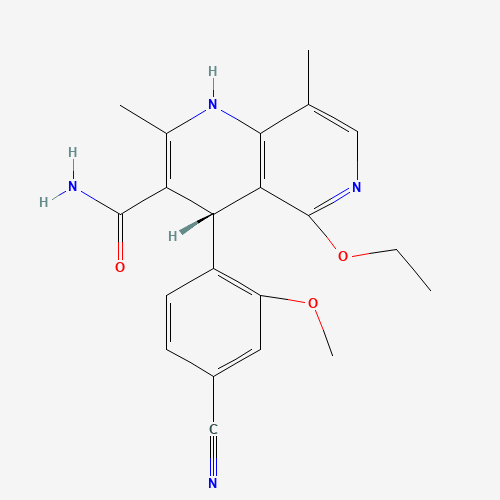
Figure 2: Chemical Structure of Finerenone. Structure Rendered from the Stereochemically Specified SMILES Record; Molecular Formula and Molecular Mass Are Shown Below. [13,14]
Physicochemical properties.
According to the prescribing data, finerenone is a crystalline powder that is white to yellow and has extremely poor aqueous solubility. Its systemic exposure, dissolving, and formulation are all pertinent to its approved oral usage. Prior to interpreting cell-based effects, solubility, free fraction, stability in assay media, and attainable unbound concentrations should be taken into account for a prospective oncology study.. [13,14,20]
Mechanism of action of finerenone.
Finerenone works by specifically blocking MR and stops the changes in gene activity that happen because of MR activation. Unlike steroidal MRAs, this one is not a steroid and does not strongly bind to the receptors for androgen, progesterone, estrogen, or glucocorticoid hormones at the levels mentioned in the official documents. Its action is not the same as directly stopping HPV E6/E7, PI3K, AKT, mTOR, or DNA replication. [13,14,20]
Receptor-level pharmacology
MR antagonism works by attaching to the receptor and changing its shape, which then affects how other helper proteins come together and how the receptor controls gene activity. The effects are tissue- and context-dependent. To propose a hypothesis about cervical cancer, you need to show that MR is present, active, and important in the tumor model being studied.You also need to prove that finerenone interacts with this receptor at the drug concentrations being used. [13–16,18,19]
Potential intersection with cancer biology – hypothesis only
If MR signaling is active in some cervical tumors, blocking it could possibly change signals related to inflammation, oxidative stress, the tumor's surrounding tissue, or how the tumor survives. However, this is a suggested biological connection, not a proven way finerenone works in cervical cancer. It's also possible that MR is not present, not working, or not meaningful in certain cervical cancer models.. [6,9,10,13–19]
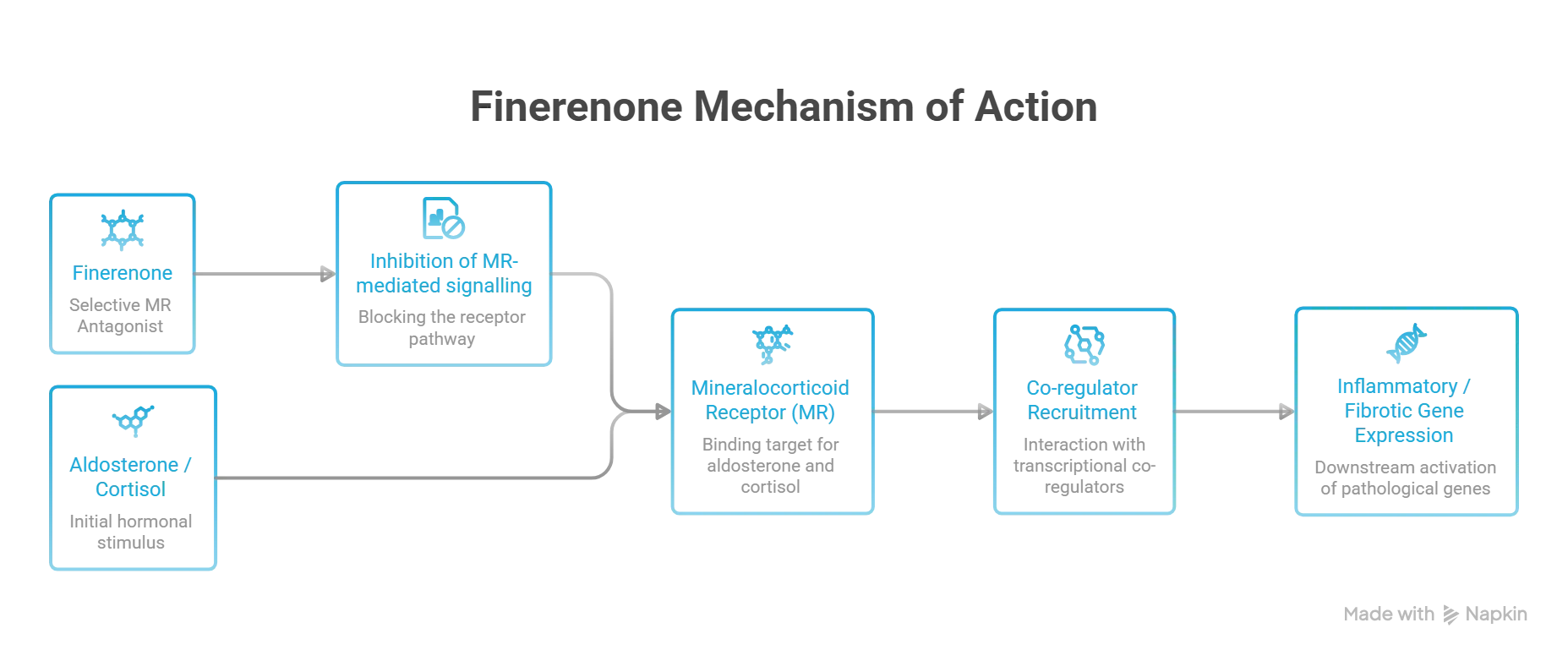
Figure 3: Conceptual Representation of MR Activation and Antagonism by Finerenone. the Pathway Is Established in Cardiorenal Pharmacology; Its Relevance to Cervical Cancer Remains Unproven. [13–16,18,19]
Pharmacokinetics and metabolism
Finerenone is taken by mouth and is mainly broken down in the body by an enzyme called CYP3A4, with some breakdown also happening through another enzyme called CYP2C8. Regulatory documents explain how the substance is absorbed, spread through the body, broken down, and removed, including the fact that it binds strongly to proteins in the blood. Drug interactions with strong CYP3A4 inhibitors or inducers, as well as the patient's liver or kidney condition, can change how much of the drug is in the body.. [13,14,20]
Implications for oncology research :
When choosing concentrations for lab tests, it's important to compare them with the actual levels of the drug that reach the bloodstream, not just the total amount measured in the test. Protein binding in the culture medium, the amount of serum present, how the compound sticks to surfaces, how it breaks down in the body, and how long it is exposed can all change how strong its effect seems. A concentration that causes damage to cells much higher than what humans would ever be exposed to might not be very useful in real-world situations.[13,14,20]
Safety and monitoring
Hyperkalaemia is a significant risk linked to finerenone, so doctors check a patient's potassium levels and kidney function when using this medication. Drug interactions and patient-specific factors influence risk. The safety profile that works for people with heart and kidney issues cannot be assumed to work the same way for patients getting treatments like chemotherapy, immunotherapy, or radiotherapy.. [13,14,16,17]
Clinical evidence for finerenone in approved indications
Patients with type 2 diabetes and chronic kidney disease participated in the phase III randomized experiment FIDELIO-DKD. When compared to a placebo, finerenone decreased the risk of the main renal composite; however, the finerenone group experienced a higher rate of discontinuation due to hyperkalemia. The purpose of the study was not to evaluate cancer outcomes.. [15]
Pharmacokinetic evidence
Finerenone absorption, distribution, metabolism, and elimination are described by published pharmacokinetic analyzes, which also help with dosage selection and drug-interaction evaluation. Although oncology-specific pharmacokinetics, tumor penetration, and pharmacodynamic biomarkers have not yet been discovered, such data help direct dose planning in laboratory studies. [20]
Table 1: Selected Characteristics of Finerenone
| Parameter | Description |
|---|---|
| Drug class | Selective, non-steroidal mineralocorticoid receptor antagonist |
| Chemical name | (4S)-4-(4-cyano-2-methoxyphenyl)-5-ethoxy-2,8-dimethyl-1,4-dihydro-1,6-naphthyridine-3-carboxamide |
| Molecular formula | C21H22N4O3 |
| Molecular weight | 378.43 g/mol (calculated from structure) |
| Known pharmacological target | Mineralocorticoid receptor (NR3C2) |
| Established clinical area | Cardiorenal risk reduction in defined CKD/T2D populations |
| Cervical cancer status | No established clinical efficacy; investigational hypothesis only |
Source: FDA prescribing information and PubChem record. [13,14]
Table 2: Overview of Established Cervical Cancer Management
| Clinical setting | Broad treatment approach (individualized) |
|---|---|
| Prevention / precancer | HPV vaccination, HPV-based screening, triage and treatment of eligible precancerous lesions |
| Selected early-stage disease | Surgery or radiotherapy according to stage, fertility goals and clinical factors |
| Locally advanced disease | Concurrent chemoradiation with brachytherapy; systemic treatment may be added in selected settings |
| Persistent / recurrent / metastatic disease | Platinum-based chemotherapy, bevacizumab and/or immunotherapy in eligible patients |
This table is a simplified overview, not an individual treatment recommendation. [4,11,12]
Table 3: Evidence Classification for Finerenone in Cervical Cancer
| Evidence question | Current status |
|---|---|
| Finerenone is a selective MR antagonist | Established |
| Finerenone improves selected cardiorenal outcomes | Established in studied populations |
| MR is a validated driver of cervical cancer | Not established |
| Finerenone inhibits cervical cancer in patients | Not established |
| Finerenone has proven anticancer synergy | Not established |
| Network pharmacology / docking | Proposed future research only |
Evidence status summarized from regulatory and clinical sources; absence of evidence is not evidence of efficacy. [11–20]
CHAPTER 4 – MATERIALS AND METHODS
4.1 Study design
This work is a narrative literature review and not an experimental study or a systematic review. It brings together regulatory documents, clinical trial studies that have been reviewed by experts, research on how drugs work in the body, guidelines for treating cervical cancer, articles about molecular biology, and references from computational methods. No patient records, biological samples, or lab results were gathered.. [1–20,28–30]
4.2 Information sources
The evidence was gathered from reliable sources such as the World Health Organization, the International Agency for Research on Cancer, the National Cancer Institute, the prescribing information from the United States Food and Drug Administration, publications indexed in PubMed, reports from clinical trials, and well-established research in computational biology. [1–4,11–20,28–33]
4.3 Search concepts and eligibility
The search concepts involved finerenone, mineralocorticoid receptor, cervical cancer, human papillomavirus, cervical carcinogenesis, drug repurposing, network pharmacology, molecular docking, pharmacokinetics, and MR antagonism. Priority was given to regulatory documents, clinical trials, guidelines, reviews, and primary research that were relevant to the topic. [1–20,28–33]
4.4 Data extraction and synthesis
Cervical cancer burden and pathogenesis, clinical management, MR biology, finerenone chemistry, mechanism, pharmacokinetics, safety, evidence gaps, and future research were the categories into which the information was divided. The study design and the context of the disease were taken into consideration when interpreting the claims. Results from cardiorenal trials were not considered proof of anticancer efficacy.. [11–20]
4.5 Limitations of the method
A narrative review does not offer a formal risk-of-bias assessment or meta-analysis, and it might not include all pertinent publications. The lack of validated cervical cancer target-engagement data and direct clinical evidence severely restricts the suggested finerenone-cervical cancer relationship.. [11–20]
CHAPTER 5 – FUTURE SCOPE OF THE STUDY
5.1 Future research opportunities
In order to ascertain whether NR3C2 is expressed in tumor tissue, whether expression varies from normal cervix, and whether it is associated with histology, HPV status, stage, or clinical outcome, future research should start with bioinformatic analysis of transcriptomic and proteomic datasets related to cervical cancer. Results should be verified in tissue or cell models and repeated across separate datasets. [6–10,28–31]
5.2 Network pharmacology
Future research should begin with bioinformatic analysis of transcriptomic and proteomic datasets related to cervical cancer in order to determine whether NR3C2 is expressed in tumor tissue, whether expression differs from normal cervix, and whether it is associated with histology, HPV status, stage, or clinical outcome. Results should be repeated across different datasets and validated in tissue or cell models. Network pharmacology can be used to map finerenone, MR/NR3C2, and genes associated with cervical cancer within protein-protein interaction networks. Candidate nodes include inflammatory, cell-cycle, apoptosis, angiogenesis, and growth-signaling proteins, but they must be selected from validated disease datasets rather than assumed in advance. Network centrality and pathway enrichment are methods for formulating theories rather than proof of direct drug binding or causation. [28–31]
Proposed network pharmacology workflow
Retrieve finerenone-related target information from curated databases; collect cervical cancer genes from disease databases and high-quality expression studies; standardize identifiers; identify overlaps; build a protein-protein interaction network; perform Gene Ontology and pathway enrichment; and prioritize candidates based on evidence strength, tissue expression, and biological plausibility. The MR target should be evaluated explicitly rather than forced into the network.. [28–31]
5.3 Molecular docking
Finerenone's compatibility with a particular protein binding pocket can be evaluated using molecular docking. A justified target, an experimentally supported three-dimensional structure, suitable ligand stereochemistry, protein preparation, binding-site definition, validation by redocking or known ligands, and clear reporting of scoring limitations are all necessary for a valid docking study. Docking scores by themselves are unable to show biological inhibition or binding affinity. [30-33]
Target selection for docking
The most direct target for assessing the known pharmacology of finerenone is the NR3C2/MR ligand-binding domain. The study should not presume that finerenone binds unrelated oncogenic proteins, and any extension of docking to other cervical cancer proteins must be backed by direct evidence. The computational protocol for MR should be validated using reference antagonists and known ligand-bound structures. [13,14,32–33]
5.4 Molecular dynamics and binding-energy analysis
Docking may be enhanced by molecular dynamics simulations, which can investigate the stability of a protein-ligand complex over time. Force field, water model, ionic conditions, equilibration, simulation time, replicate runs, and convergence metrics should all be reported in the analysis. Although binding free-energy calculations can yield more estimates, they are still model-dependent and need experimental validation. [31-33]
5.5 In-vitro validation
If computational and expression analyzes support the hypothesis, finerenone can be tested in validated cervical cancer cell lines that represent relevant histologies and HPV backgrounds. Suggested endpoints include cell viability, proliferation, apoptosis, cell-cycle distribution, migration, and invasion. In an experiment, independent biological replicates, vehicle controls, positive controls, and non-malignant controls should all be used. [6–12,28]
5.6 Mechanistic validation
Experiments should measure NR3C2 protein and transcript levels, employ genetic knockdown or overexpression when appropriate, and examine whether MR perturbation alters the finerenone response in order to ascertain whether any phenotype is MR-dependent. The data should be used to select downstream markers rather than just those that are frequently linked to cancer. [13–19,28]
5.7 Combination studies
Only after single-agent activity and mechanism have been established may combination studies with conventional cervical cancer treatments be taken into consideration. Due to the possibility of additive toxicity, altered drug exposure, and immunological effects, interactions with cisplatin, radiation, or immunotherapy must be carefully assessed. Appropriate dose matrices and verified statistical models are necessary for synergy claims. [11–14,20]
5.8 Preclinical and clinical translation
Pharmacokinetic and toxicity assessment would come after a positive in-vitro result, and if scientifically warranted, appropriate in-vivo investigations would follow. Attention would need to be paid to renal function, serum potassium, tumor exposure, and interactions with anticancer medications. Informed consent, ethics review, regulatory approval, and a protocol supported by science are all necessary for any clinical study. [13,14,20]
5.9 Proposed hypothesis
The following is a testable hypothesis: "Pharmacological MR antagonism with finerenone may alter specific cellular phenotypes when target engagement occurs at achievable exposure, and a subset of cervical cancer models may exhibit functionally relevant MR/NR3C2 signaling."" If there is no target expression, engagement, or reproducible phenotype, this hypothesis should be rejected because it is purposefully conditional. [6–10,13–20]
5.10 Expected contribution
The proposed work could determine whether finerenone engages MR in cervical cancer models, clarify whether MR is a relevant molecular feature in cervical cancer, and determine whether additional research is warranted. A negative outcome would also be beneficial since it would help prioritize more reliable targets and stop unsupported repurposing claims.. [28–33]
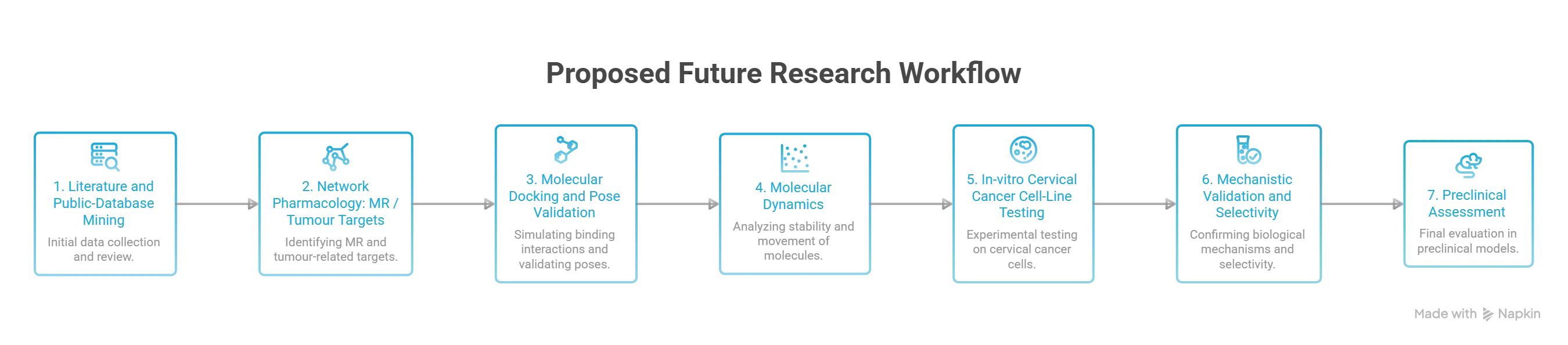
Figure 4: Proposed Computational and Experimental Research Workflow. All Stages Are Future Work and Are Not Represented as Completed Studies. [28–32]
Table 4: Proposed Future Research Plan
| Stage | Proposed activity | Decision point |
|---|---|---|
| 1 | NR3C2 expression analysis in independent cervical cancer datasets | Is MR present and biologically relevant? |
| 2 | Network pharmacology and pathway enrichment | Are reproducible candidate networks identified? |
| 3 | Docking to validated MR structure; redocking and controls | Is the computational protocol credible? |
| 4 | Molecular dynamics and binding-energy analysis | Is the predicted complex stable across replicates? |
| 5 | In-vitro testing in multiple authenticated cell models | Is there reproducible activity at plausible exposure? |
| 6 | Genetic target validation and preclinical studies | Is the phenotype MR-dependent and safe enough to progress? |
Proposed plan only; no experiments are claimed to have been performed. [28–33]
CHAPTER 6 – SUMMARY AND CONCLUSION
6.1 Summary of the study
This review examined cervical cancer biology, current treatment, MR signalling and the pharmacological profile of finerenone. It described finerenone's chemical identity, receptor mechanism, pharmacokinetics, safety considerations and established cardiorenal evidence, then evaluated the limits of applying this evidence to cervical cancer. [1–20]
6.2 Major findings
Persistent high-risk HPV infection is the principal cause of cervical cancer. Finerenone is a selective non-steroidal MR antagonist with clinical evidence in chronic kidney disease associated with type 2 diabetes and other cardiorenal contexts. No established clinical evidence demonstrates that finerenone prevents or treats cervical cancer. [1–17]
6.3 Conclusion
Finerenone should currently be regarded as an investigational hypothesis for cervical cancer research, not as an anticancer therapy. Its possible relevance depends on demonstrating MR expression and functional dependence in cervical cancer, followed by target engagement, reproducible cellular effects and translational feasibility. Standard prevention and treatment must continue to follow established guidelines. [1–20]
REFERENCES




Pranjali Jadhav, Smita Mali, Dr. Vivekanand Kashid, Ishwari Wagh, Repurposing Finerenone for Cervical Cancer: Molecular Insights and Emerging Therapeutic Prospects, Int. J. of Pharm. Sci., 2026, Vol 4, Issue 11, 5917-5927. https://doi.org/10.5281/zenodo.24644871
 10.5281/zenodo.24644871