

We use cookies to ensure our website works properly and to personalise your experience. Cookies policy
Faculty of Pharmacy, Oriental University, Indore, Madhya Pradesh 453555
The growing demand for sustainable and environmentally friendly cosmetics has encouraged the development of herbal formulations as safer alternatives to conventional synthetic hair care products. The present study aimed to formulate and evaluate an eco-friendly herbal hair gel containing Murraya koenigii (curry leaf), Linum usitatissimum (flaxseed), and Aloe barbadensis Miller (Aloe vera) extracts. Nine formulations (F1–F9) were prepared by varying the concentrations of the herbal extracts using Carbopol 940 as the gelling agent. The prepared gels were evaluated for organoleptic characteristics, homogeneity, pH, viscosity, extrudability, spreadability, in vitro antifungal activity against Candida albicans, and accelerated stability according to ICH guidelines. All formulations exhibited acceptable physical appearance, smooth texture, and good homogeneity with pH values suitable for scalp application. Among all formulations, F9 demonstrated the best overall performance, showing optimum viscosity (9502 ± 0.002 cP), excellent spreadability (20.15 ± 0.001 g·cm/sec), superior extrudability, and the highest antifungal activity with a zone of inhibition of 37.2 mm, which exceeded the standard control. Accelerated stability studies conducted for six months confirmed that F9 retained its physicochemical properties and biological activity without significant changes. The results suggest that the optimized herbal hair gel is a stable, effective, biodegradable, and eco-friendly cosmetic formulation with promising potential as a sustainable alternative to synthetic hair gels for promoting scalp health and hair care.
The increasing consumer preference for natural, biodegradable, and sustainable cosmetic products has accelerated the development of eco-friendly herbal formulations as alternatives to synthetic hair care products. Conventional hair gels often contain synthetic polymers, preservatives, and alcohols that may cause scalp irritation, hair damage, and environmental concerns due to their poor biodegradability [1]. Herbal hair gels formulated with plant-derived bioactive ingredients offer a safer, biodegradable, and multifunctional approach by providing antioxidant, antimicrobial, moisturizing, and hair-conditioning properties [2]. Murraya koenigii (curry leaf) is rich in carbazole alkaloids, flavonoids, and phenolic compounds that promote hair follicle health and reduce oxidative stress [3]. Flaxseed (Linum usitatissimum) contains mucilage, omega-3 fatty acids, and lignans that improve hair hydration and natural hold [4]. Aloe vera is recognized for its polysaccharides, vitamins, and enzymes that enhance scalp hydration, soothe irritation, and improve hair texture [5].
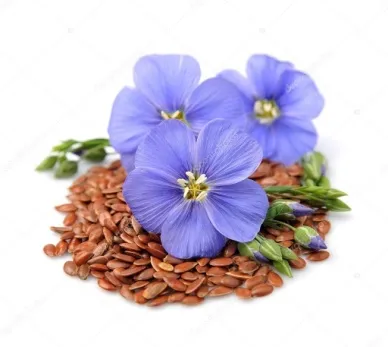
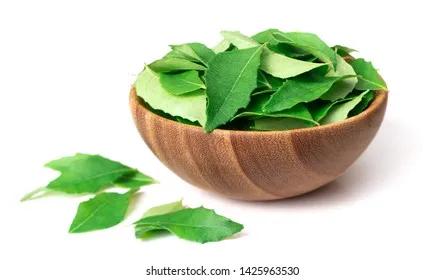
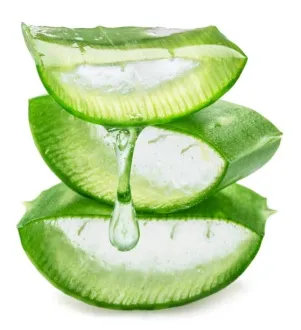
Figure 1: Flax seed, Curry Leaves and Aloe vera
MATERIALS AND METHODS
Table 1. Materials Used in Herbal Hair Gel
|
S. No. |
Ingredient |
Role |
|
1 |
Curry Leaf Extract (Murraya koenigii) |
Promotes hair growth, strengthens hair follicles, reduces hair fall, and nourishes the scalp. |
|
2 |
Flaxseed Extract (Linum usitatissimum) |
Provides natural conditioning, hydrates hair, improves elasticity, and forms a protective film. |
|
3 |
Aloe vera Gel (Aloe barbadensis Miller) |
Moisturizes the scalp, soothes irritation, promotes healthy hair growth, and conditions hair. |
|
4 |
Carbopol 940 |
Gelling agent; provides viscosity and gel consistency. |
|
5 |
Sodium Benzoate |
Preservative; prevents microbial growth and enhances product stability. |
|
6 |
Glycerin |
Humectant; retains moisture, improves hydration, and softens hair. |
|
7 |
Triethanolamine (TEA) |
Neutralizing agent; adjusts pH and facilitates gel formation by neutralizing Carbopol. |
|
8 |
Vitamin E |
Antioxidant; protects the formulation from oxidation and nourishes the hair and scalp. |
|
9 |
Lavender Essential Oil |
Fragrance, antimicrobial agent, and promotes scalp relaxation and healthy hair. |
|
10 |
Distilled Water |
Vehicle/solvent; used as the base for the gel formulation. |
METHODOLOGY
Preparation of flaxseed extract
The flaxseed extract was prepared by weighing suitable quantity of flaxseed and added to a beaker and pour in distilled water. Boil it, a thick mucilage was obtained by constant stirring. Cover the beaker with a foil paper. Place the beaker at room temperature or lower temperature. After that, strain the mixture through a cheese cloth or fine mesh strainer into a clean beaker. Store the extract in a clean, air tight container in a cool place.
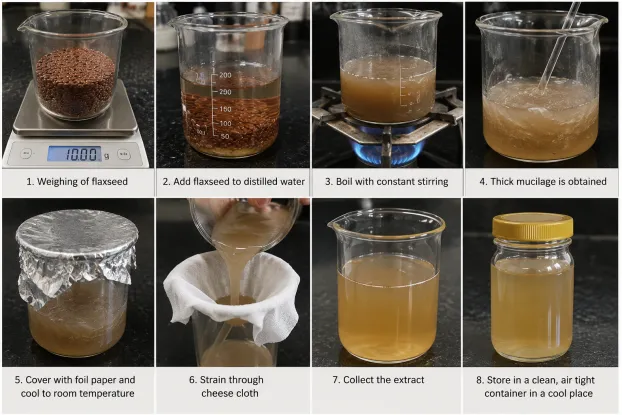
Figure 2: Preparation of flaxseed extract
Preparation of curry leaves extract
The curry leaves extract was prepared by weighing suitable quantity of curry leaf and added to a beaker and pour in distilled water. Boil it & cover the beaker with a foil paper. Place the beaker at room temperature or lower temperature. After that, strain the mixture through a filter paper into a clean beaker. Store the extract in a clean, air tight container in a cool place.
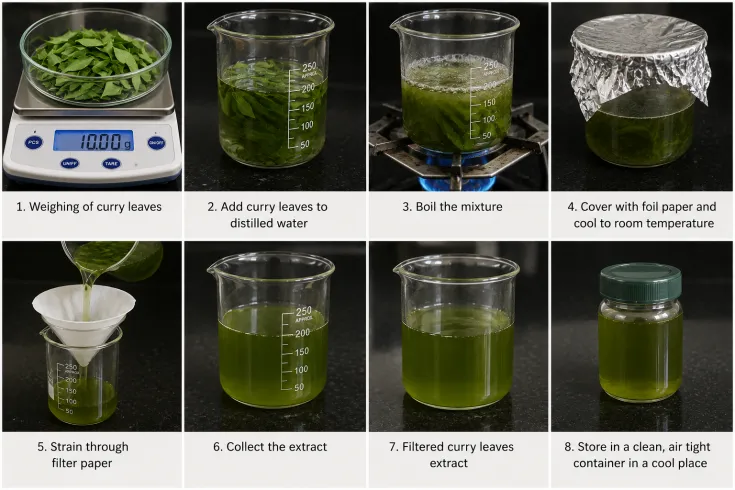
Figure 3: Preparation of curry leaves extract
Preparation of Aloe Vera Extract
Aloe vera gel was extracted by simple drain procedure where 2-4 leaves of aloe were cut at about half inch from the base so as to drain out all the yellow sap materials. The mucilage was stirred vigorously in a blender to make it uniform. This solution was strained through a muslin cloth and filtered and the filtrate is stored.
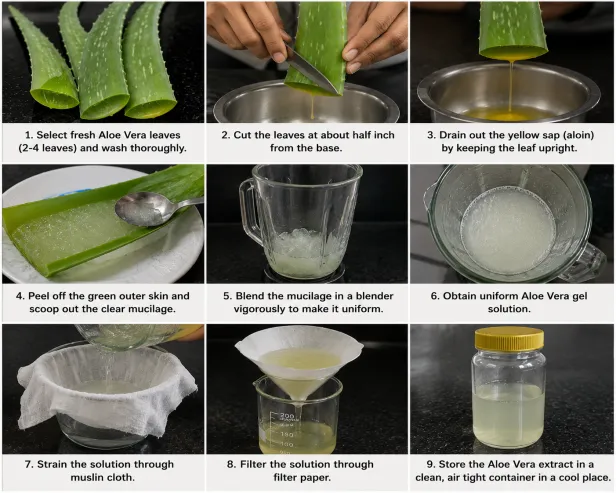
Figure 4: Preparation of Aloe Vera Extract
Preparation of hair gel
Nine herbal hair gel formulations were prepared by using varying amount of herbal extracts. Weighed quantity of methyl paraben, polyethylene glycol and glycerin were dissolved in water and incorporated to carbopol. Using magnetic stirrer, the mixture was stirred at high speed. Finally varying concentrations of aqueous extract of flax seed 16 and curry leaves were incorporated into the above mixture. The preparation was neutralized by dropwise addition of triethanolamine. A gel was obtained by mixing. The prepared herbal hair gel formulation was stored at room temperature.
Table 2: Herbal hair gel formulations
|
Formulation |
F1 |
F2 |
F3 |
F4 |
F5 |
F6 |
F7 |
F8 |
F9 |
|
Curry Leaf Extract (%) |
1 |
2 |
3 |
4 |
5 |
3 |
4 |
5 |
6 |
|
Flaxseed Extract (%) |
5 |
4 |
3 |
2 |
1 |
3 |
2 |
1 |
2 |
|
Aloe vera Gel (%) |
1 |
1 |
1 |
2 |
2 |
3 |
3 |
4 |
5 |
|
Carbopol 940 (g) |
2 |
2 |
2 |
2 |
2 |
2 |
2 |
2 |
2 |
|
Sodium Benzoate (mg) |
100 |
100 |
100 |
100 |
100 |
100 |
100 |
100 |
100 |
|
Glycerin (ml) |
3 |
3 |
3 |
3 |
3 |
3 |
3 |
3 |
3 |
|
Triethanolamine (ml) |
0.5 |
0.5 |
0.5 |
0.5 |
0.5 |
0.5 |
0.5 |
0.5 |
0.5 |
|
Vitamin E (ml) |
0.5 |
0.5 |
0.5 |
0.5 |
0.5 |
0.5 |
0.5 |
0.5 |
0.5 |
|
Lavender Essential Oil (ml) |
0.2 |
0.2 |
0.2 |
0.2 |
0.2 |
0.2 |
0.2 |
0.2 |
0.2 |
|
Distilled Water (ml) |
70 |
70 |
70 |
70 |
70 |
70 |
70 |
70 |
70 |
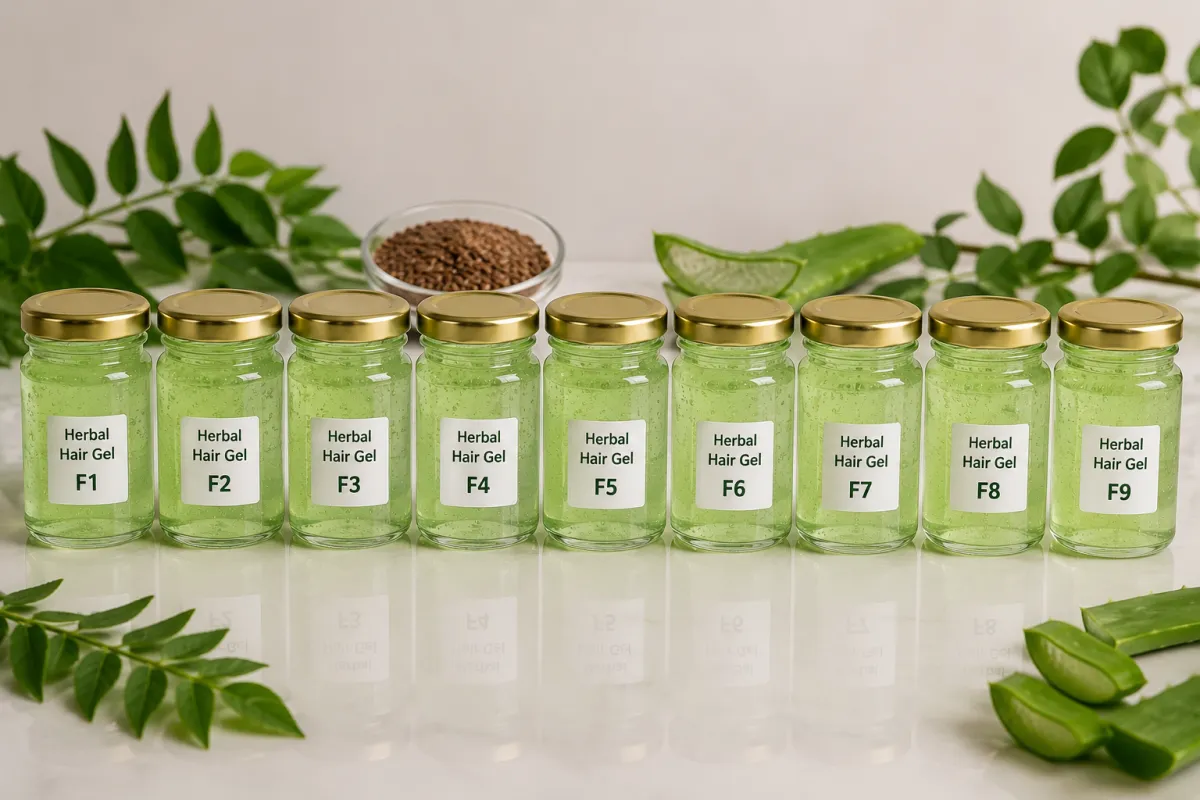
Figure 5: Herbal hair gel formulations (F1 to F9)
EVALUATION OF HERBAL HAIR GEL
Organoleptic evaluation
Gels were optically evaluated for clearness, colour, and gel texture.[6]
Homogeneity
All the advanced formulations were proven for uniformity by visual examination. They were proven for their image and occupancy of some lumps, flocculates, or aggregates. Also, qualitative determination of herbal hair gel was performed by sorting the gel between the thumb and forefinger and the sample homogeneity or the appearance of aggregates was checked. [6]
pH measurement
The pH of all hair gel formulations was resolved in an automated pH meter. 1 gram of gel was disintegrated in 100 ml of water purified by distillation and stocked for 2 hours. The electrodes were entirely immersed in a diluted hair gel formulation and the pH was documented. The pH of each output was calculated for 3 periods and the average value was determined. [7]
Viscosity measurement
A Brookfield viscometer was used to measure the viscosity of the gel created. The Brookfield viscometer was spun at 100 rpm with spindle number 6. Each study was taken after the sample made equilibrium. [8]
Extrudability test
A closed tube holding a squeezable gel was given rigidly through the crimped end. When the cap is detached, the gel is pressed just before the pressure is distributed. We calculated the load in grams necessary to expel a 0.5 cm long gel ribbon in 10 seconds. The results for each formulation were written as extrusion pressure in grams. [9]
Spreadability
The spreadability of gel is calculated on a glass slide, the gel is fixed between the two slides, a 20 g load is planted on the slide, the time to squeeze the sample to a uniform thickness, and the time to separate the two slides (seconds) was calculated so. Measures were taken for spreadability. [10]
S=Wlt

Where,
S= spreadability (gcm/ sec)
w=weight on upper slide (g)
l = length of slide (cm)
t = time taken in sec
In vitro Antifungal activity
The fungal strains were cultivated on potato dextrose agar and incubated at 35°C for 24 hours and 5 days on potato dextrose agar slant for the mold fungi. Utilizing a sterile loop, uncontaminated colonies of the Candida albicans MTCC227 variety were moved into a tube containing sterile normal saline. For the mold, 1 ml of sterile water purified by distillation built up with 0.1% Tween 20 was used to cover and suspend the colonies. Utilizing a haemocytometer, the suspension was conformed to 2–5×10⁶ conidia/ml. The suspension was further diluted at 1:10 to acquire employed inoculums 2– 5×10⁵ conidia/ml. The inoculums were gushed over MHA filled out accompanying 2% of glucose. The sterile 6 mm disks that were impregnated with 20 μL test compound (with an aggregation of 10 mg/ml) were established over the plate. The control samples A and B were incubated at 35°C for 48 hours. The zone of inhibition of the culture was calculated in mm. [11]
Stability studies
The stability studies were performed as per ICH guidelines. A satisfactory portion of improved formulation (F9) was preserved in a glass vial and secured aseptically after sterilization. It was assigned accelerated stability studies for 6 months utilizing a stability chamber at a temperature of 40±2℃ and RH 75±5 %. The physical stability of the gel was inspected at the first, third and sixth months by examining appearance, pH, extrudability, spreadability, viscosity and antifungal activity. [12]
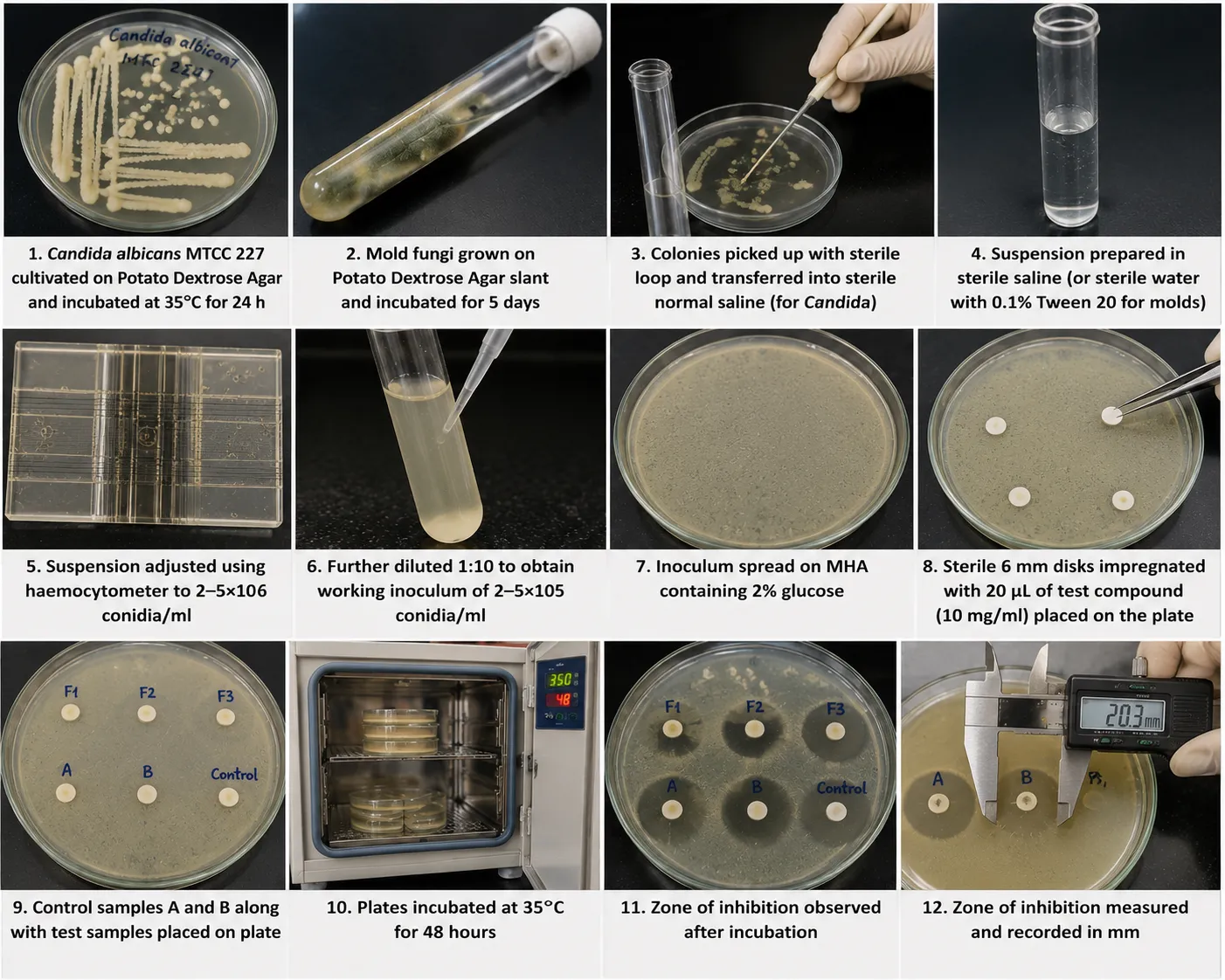
Figure 6: In vitro Antifungal activity
RESULTS AND DISCUSSIONS
Organoleptic Evaluation
The colour of all the herbal gel formulations F1, F2, F3, F4, F5, F6, F7, F8 and F9 were established to be colourless following a translucent presence that was created to be smooth on treatment.
Table 3. Evaluation of Physical Appearance of Herbal Hair Gel Formulations
|
S. No. |
Formulation |
Physical Appearance |
|
1 |
F1 |
Translucent, colourless, smooth |
|
2 |
F2 |
Translucent, colourless, smooth |
|
3 |
F3 |
Translucent, colourless, smooth |
|
4 |
F4 |
Translucent, colourless, smooth |
|
5 |
F5 |
Translucent, colourless, smooth |
|
6 |
F6 |
Translucent, colourless, smooth |
|
7 |
F7 |
Translucent, colourless, smooth |
|
8 |
F8 |
Translucent, colourless, smooth |
|
9 |
F9 |
Translucent, colourless, smooth |
Homogeneity
All the developed gels were resulted for uniformity by visual inspection for the presence and presence of any lumps, flocculates, or aggregates. The consistency was found good for all formulations.
Table 4. Evaluation of Homogeneity of Herbal Hair Gel Formulations
|
S. No. |
Formulation |
Homogeneity |
|
1 |
F1 |
Good |
|
2 |
F2 |
Good |
|
3 |
F3 |
Good |
|
4 |
F4 |
Good |
|
5 |
F5 |
Good |
|
6 |
F6 |
Good |
|
7 |
F7 |
Good |
|
8 |
F8 |
Good |
|
9 |
F9 |
Good |
pH Determination
The pH of all the herbal formulations range from 6.92 to 7.02 which is appropriate for the hair making the compatibility of the herbal gel formulation with the hair.
Table 5. Evaluation of pH of Herbal Hair Gel Formulations
|
S. No. |
Formulation |
pH (Mean ± SD) |
|
1 |
F1 |
6.82 ± 0.003 |
|
2 |
F2 |
6.85 ± 0.002 |
|
3 |
F3 |
6.87 ± 0.002 |
|
4 |
F4 |
6.89 ± 0.001 |
|
5 |
F5 |
6.91 ± 0.002 |
|
6 |
F6 |
6.93 ± 0.001 |
|
7 |
F7 |
6.95 ± 0.002 |
|
8 |
F8 |
6.97 ± 0.001 |
|
9 |
F9 |
6.01 ± 0.001 |
Viscosity Determination
Viscosity is an essential requirement for distinguishing the gels as it influences the spreadability, extrudability, and release of the drug. The viscosity of all formulations was in the range of 9361 to 9379 cps.
Table 6. Evaluation of Viscosity of Herbal Hair Gel Formulations
|
S. No. |
Formulation |
Viscosity (cps) (Mean ± SD) |
|
1 |
F1 |
9320 ± 0.003 |
|
2 |
F2 |
9342 ± 0.002 |
|
3 |
F3 |
9361 ± 0.004 |
|
4 |
F4 |
9384 ± 0.003 |
|
5 |
F5 |
9405 ± 0.002 |
|
6 |
F6 |
9428 ± 0.003 |
|
7 |
F7 |
9452 ± 0.002 |
|
8 |
F8 |
9476 ± 0.001 |
|
9 |
F9 |
9502 ± 0.002 |
Extrudability Determination
All formulations presented has good extrudability when extruded from the metallic collapsible tube. Comparably, F9 had superior extrudability than F1, F2, F3, F4, F5, F6, F7 and F8.
Table No. 7: Evaluation of Spreadability of Herbal Hair Gel
|
S. No. |
Formulation |
Spreadability (g·cm/sec) |
|
1 |
F1 |
14.61 ± 0.002 |
|
2 |
F2 |
13.11 ± 0.002 |
|
3 |
F3 |
12.65 ± 0.001 |
|
4 |
F4 |
10.00 ± 0.001 |
|
5 |
F5 |
8.92 ± 0.002 |
|
6 |
F6 |
15.82 ± 0.002 |
|
7 |
F7 |
16.94 ± 0.001 |
|
8 |
F8 |
18.26 ± 0.002 |
|
9 |
F9 |
20.15 ± 0.001 |
Antifungal Activity
Control sample: Streptomycin (10ug/well)
Petri dish size: 10 cm
Sample well size: 0.5cm diameter
Method of determination: Assay disk diffusion method.
Table No. 8: Evaluation of Antifungal Activity of Herbal Hair Gel
|
S. No. |
Formulation |
Zone of Inhibition (mm) |
|
1 |
F1 |
25.6 |
|
2 |
F2 |
26.8 |
|
3 |
F3 |
28.4 |
|
4 |
F4 |
31.3 |
|
5 |
F5 |
30.0 |
|
6 |
F6 |
32.4 |
|
7 |
F7 |
34.1 |
|
8 |
F8 |
35.8 |
|
9 |
F9 |
37.2 |
|
10 |
Control (Standard) |
30.5 |
The antifungal action of the processed hair gel was evaluated the using assay disk diffusion method using the organism Candida albicans. The formulation F9 showed an excellent increase in inhibition action compared toF1, F2, F3, F4, F5, F6, F7 and F8 with reference to control.
Stability Studies
The stability studies were directed for the optimized formulation, F9 for 6 months. No considerable changes were settled for the proven limits like appearance, pH, extrudability, spreadability, gel strength, viscosity, and antifungal action at both temperatures (room temperature and 400C) for 6 months.
Table No. 9: Stability Studies of Optimized Herbal Hair Gel (F9)
|
S. No. |
Parameters |
Initial |
3rd Month |
6th Month |
|
1 |
Appearance |
Clear, translucent and smooth |
Clear, translucent and smooth |
Clear, translucent and smooth |
|
2 |
pH |
6.98 ± 0.02 |
6.95 ± 0.02 |
6.91 ± 0.03 |
|
3 |
Extrudability |
Excellent |
Excellent |
Excellent |
|
4 |
Viscosity (cP) |
9628 ± 8 |
9619 ± 7 |
9608 ± 9 |
|
5 |
Spreadability (g·cm/sec) |
20.15 ± 0.001 |
20.09 ± 0.002 |
20.03 ± 0.002 |
|
6 |
Antifungal Activity (Zone of Inhibition, mm) |
37.2 ± 0.2 |
37.0 ± 0.2 |
36.8 ± 0.2 |
CONCLUSION
The present study successfully developed and evaluated a sustainable herbal hair gel using curry leaf, flaxseed, and Aloe vera extracts as eco-friendly cosmetic ingredients. Among the nine formulations, F9 demonstrated superior physicochemical properties, including optimum pH, excellent viscosity, spreadability, extrudability, and the highest antifungal activity against Candida albicans, with a zone of inhibition of 37.2 mm, exceeding the standard control. Stability studies confirmed that F9 remained physically and functionally stable for six months without significant changes in quality attributes. The findings indicate that the optimized herbal hair gel is a safe, effective, biodegradable, and environmentally friendly alternative to conventional synthetic hair gels, supporting its potential for sustainable cosmetic applications and future commercial development.
Acknowledgement
The authors express their sincere gratitude to Prof. (Dr.) Sudha Vengurlekar, Dean, Faculty of Pharmacy, Oriental University, Indore, for her constant encouragement, valuable guidance, and unwavering support throughout this research work. Her academic leadership, constructive suggestions, and motivation greatly contributed to the successful completion of this study. The authors also acknowledge the facilities provided by the Faculty of Pharmacy, Oriental University, Indore.
REFERENCES


Sandeep Mukati*, Momin Khan, Ekata Prajapati, Dhawal Dorwal, Sudha Vengurlekar, Green Formulation and Evaluation of a Sustainable Herbal Hair Gel Using Curry Leaf, Flaxseed, And Aloe Vera Extracts: An Eco-Friendly Cosmetic Approach, Int. J. of Pharm. Sci., 2026, Vol 4, Issue 7, 1877-1887. https://doi.org/ 10.5281/zenodo.21275788
 10.5281/zenodo.21275788